
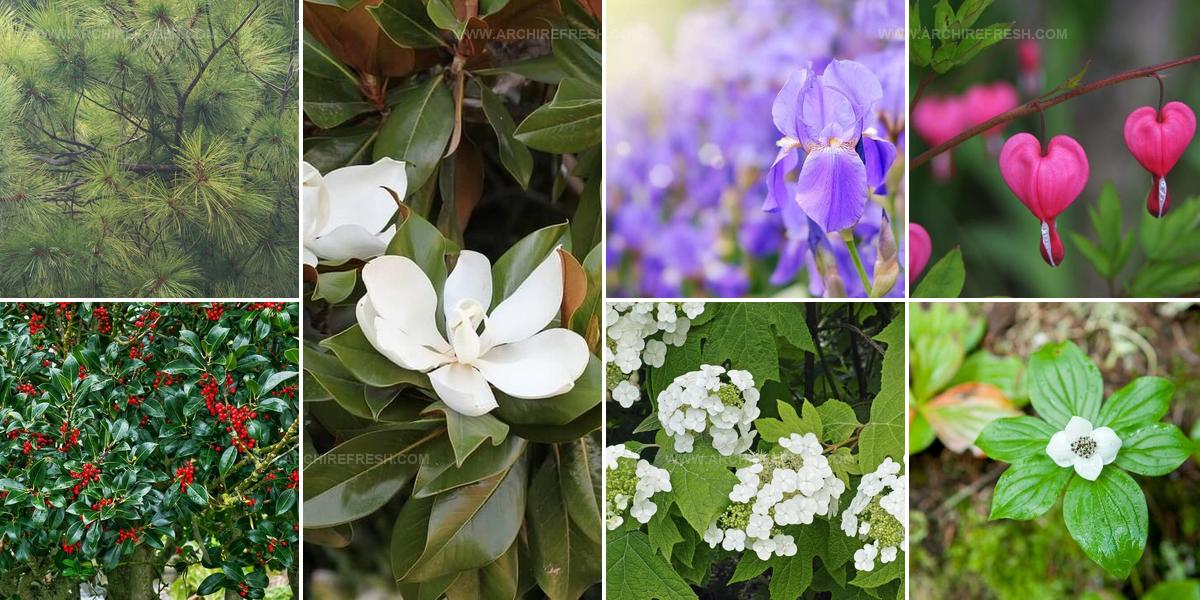
20 Plants That Thrive in Acidic Garden Soil
Gardens flourish when acid loving plants find the right soil conditions to thrive in their environment.
Some vegetation naturally prefers lower ph levels, making them perfect choices for areas where alkaline-resistant species struggle.
Azaleas, blueberries, and rhododendrons represent just a few examples of flora that demand acidic growing mediums between 4.5 and 6.0 on the pH scale.
Understanding which species prosper in such conditions helps gardeners make smarter planting decisions.
Success comes from matching botanical requirements with existing soil chemistry rather than fighting against natural conditions.
When you select varieties suited to acidic environments, maintenance becomes easier and blooms appear more vibrant.
Learning about ph preferences opens up a world of beautiful, low-maintenance gardening options that reward proper placement.
White Rhododendron Clusters
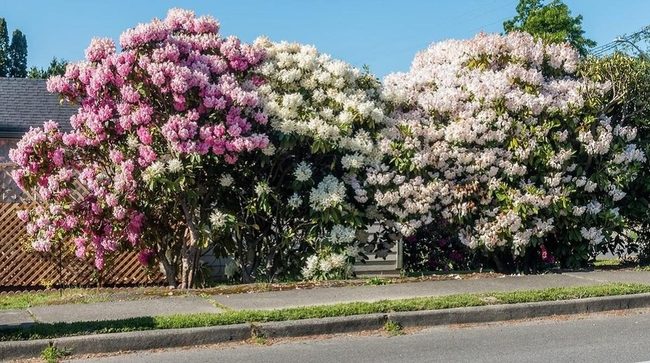
Rhododendron shrubs display broad evergreen leaves and produce striking clusters of white flowers that make them stand out in any garden space.
These plants belong to the same genus as azaleas and come in many different varieties, with the rosebay rhododendron being the largest and most significant type.
When conditions suit them well, these impressive shrubs multiply and spread to form large, dense colonies that can fill an entire area.
Growing them successfully depends on a few key factors that work together for best results.
You'll want to provide plenty of shade since these plants prefer cooler, protected spots rather than full sun exposure.
Equally important is the soil composition, as rhododendrons need acidic conditions to develop properly and stay healthy.
Getting these basics right means you can enjoy these beautiful shrubs thriving in your landscape for years to come.
Red Berries Year-Round Privacy Screen
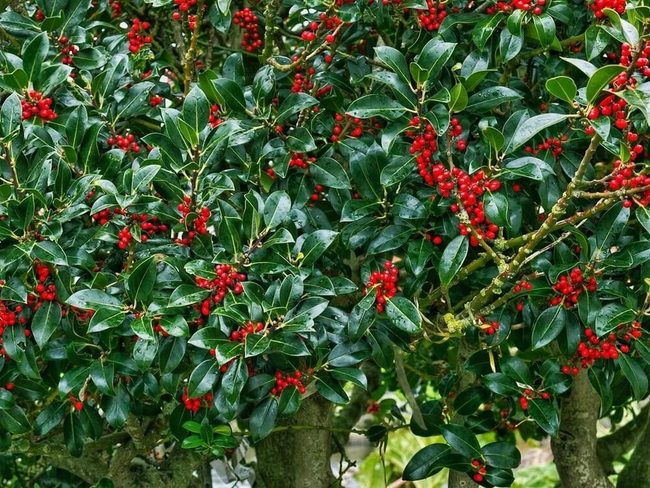
Female American holly shrubs display brilliant red berries that immediately grab your attention and remain striking throughout the seasons, not merely during winter holidays.
These plants offer more than just good looks because they serve practical purposes too, providing privacy screens and wind protection while keeping your garden beautiful.
Holly works well as a broad-leaved evergreen that combines ornamental appeal with real usefulness in any outdoor space.
Gardeners appreciate how these shrubs handle multiple jobs at once without requiring constant fussing.
Whether you're looking to enhance a bare corner or establish a natural boundary, holly delivers both function and aesthetic value.
Your garden gains character and depth when you incorporate this reliable plant into your landscape design.
Spring Pink Cluster Blooms
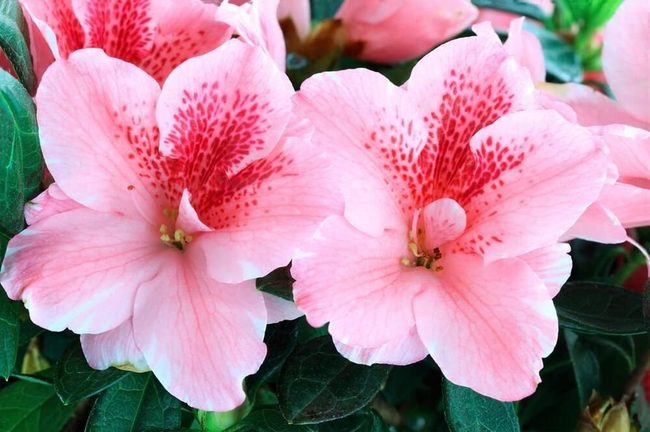
Azalea shrubs reward you with stunning spring blooms that come in large, colorful clusters, and most gardeners love them for this showy display and their ability to adapt to different growing conditions.
You can choose from many varieties, each offering its own range of colors to match what you want in your garden.
Most azaleas do best in acidic soil, so amending your beds to lower the pH helps these plants flourish.
One of the best things about azaleas is that they handle shade well, which means you can plant them in spots where other flowering shrubs might struggle.
They still put on an impressive show even when they don't get full sun all day.
Whether you tuck them into a shaded corner or give them dappled light, azaleas bring color and life to your landscape without demanding perfect conditions.
White Flowers Dark Berries Endless Harvests
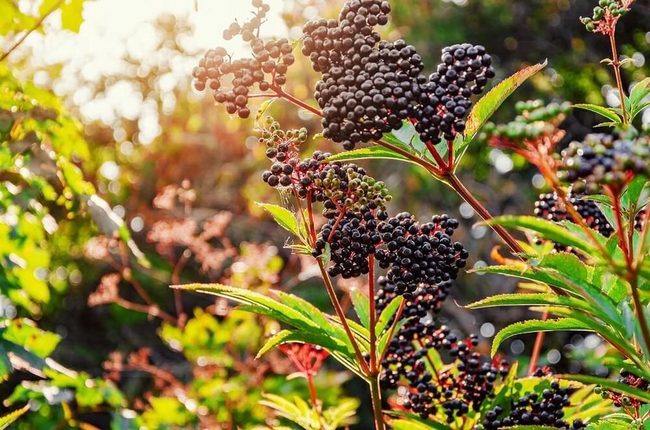
Elderberry plants deliver so much more than just tasty fruit for your kitchen, and their white flower clusters in spring draw pollinators right to your garden while looking stunning at the same time.
As the season progresses, dark bunches of edible berries develop and give you options for jams, syrups, or fresh eating alongside potential health benefits that people have valued for generations.
Since elderberries prefer acidic soil, they work well in many garden setups where other plants might struggle.
Whether you're looking to support local pollinators, harvest your own ingredients, or simply enjoy the seasonal changes a living plant brings, elderberries fit naturally into a landscape and keep rewarding you year after year.
Delicate Heart-Shaped Blooms Thrive Everywhere
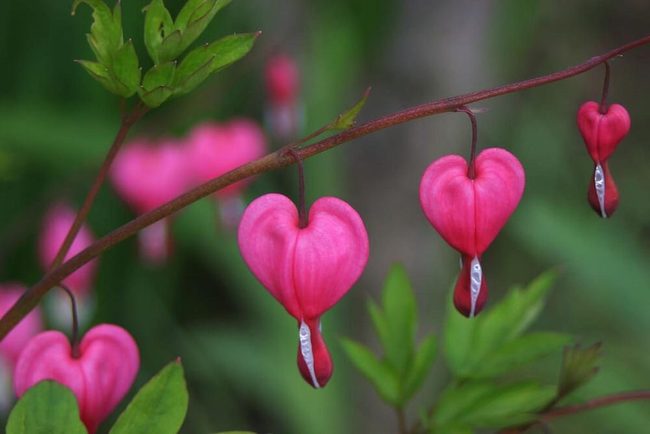
Bleeding heart plants produce the most captivating flowers you'll ever see; delicate, heart-shaped blooms that dangle from stems like tiny jewels and immediately grab attention in any garden setting.
What makes these plants so valuable is their remarkable ability to flourish in conditions where most other plants struggle, thriving in shaded corners and acidic soils that would defeat less hardy species.
If you have a difficult spot in your yard where nothing seems to grow well, this resilient perennial steps in and does the job beautifully.
Low light areas and poor soil quality don't bother these plants one bit, so you can count on them to fill gaps and solve your trickiest gardening problems.
They adapt to challenging environments with ease while still delivering that stunning visual interest you want.
Bright White Flowers Acidic Soil
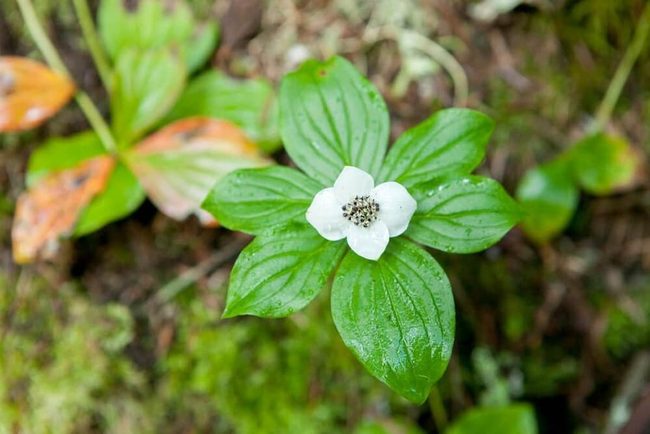
Creeping dogwood stands out in any garden space with its bright white flowers and rich green leaves that catch light beautifully, and this low-growing groundcover performs remarkably well in acidic soils where many other plants fail to establish themselves.
You can plant it in areas where taller plants cast shade since it thrives in those challenging spots and still delivers reliable blooms.
Being deciduous means it offers seasonal interest as leaves emerge and fade throughout the year.
In acidic soil gardens, this creeping variety becomes especially valuable since you won't need to adjust soil conditions to keep it happy and healthy.
If you're looking for something tough but beautiful that fills low spots with color and greenery, this groundcover deserves a spot in your landscape plans.
Blue Blooms From Acidic Soil
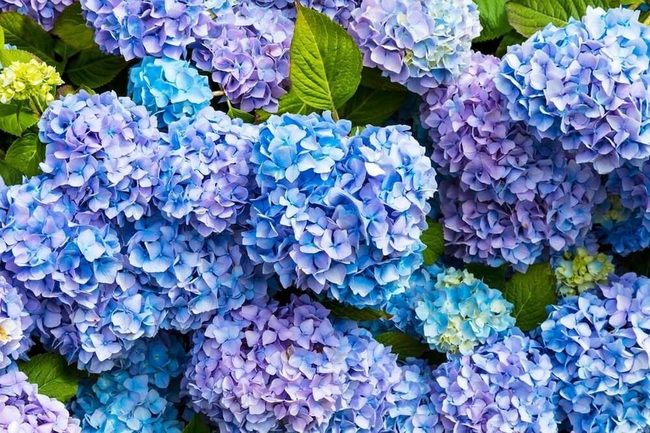
Hydrangeas rank among the most popular large flowering shrubs because their massive flower clusters immediately catch your attention with bold, colorful blooms that rise above broad, attractive foliage.
What makes these plants especially interesting is how soil chemistry directly affects their appearance; the acidity level in your garden determines whether the flowers turn deep blue or settle into white tones, which means you can actually influence the color by adjusting your soil conditions.
When you plant hydrangeas in acidic soil, you can follow the blooms shift toward rich blue hues, while less acidic conditions tend to produce white flowers instead.
This remarkable ability to change color based on where you plant them gives you a unique way to customize your garden's look.
Beyond their striking appearance, hydrangeas handle acidic soils exceptionally well, making them reliable performers in many different garden settings.
Large Pink Magnolia Blooms Year-Round
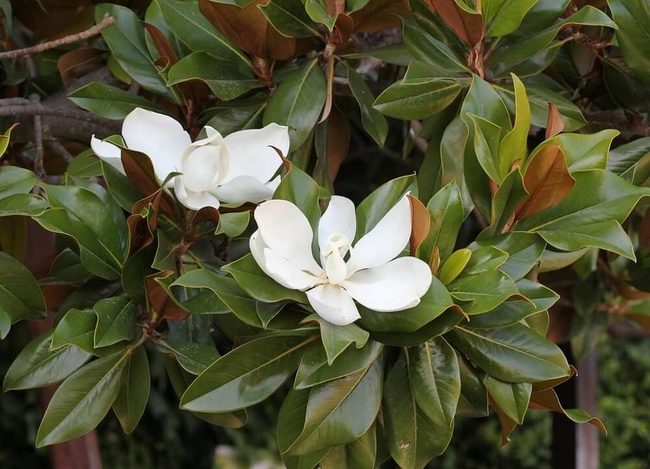
Magnolia trees, especially the southern varieties, produce large flowers that bloom in May and immediately grab your attention with their striking beauty.
You can read the glossy evergreen foliage stays vibrant throughout all seasons, which means these trees give your landscape year-round interest.
These plants thrive in hardiness zones 7 through 9, making them well-suited to many southern regions of the United States.
What makes them even better is their ability to handle poor air quality and acidic soil without much trouble.
Magnolia trees bring a timeless quality to any outdoor space, and they're a smart choice if you want something that looks good and doesn't demand constant attention.
Their combination of stunning seasonal blooms and reliable evergreen leaves makes them valuable additions to gardens everywhere.
Pink Blossoms, Fresh Fruit Harvest
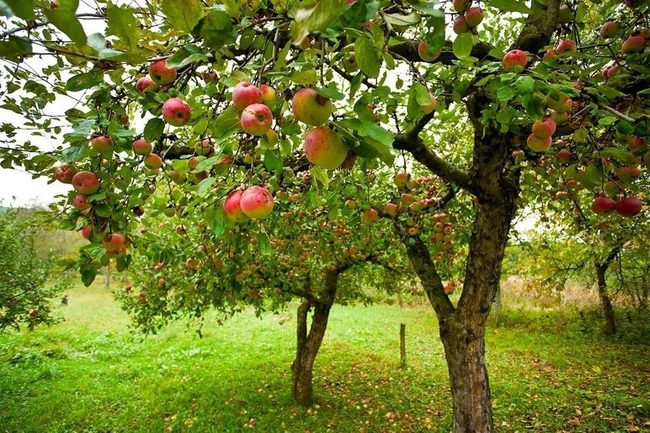
If you want your garden to burst with both beauty and delicious fruit, apple trees make an excellent choice since they thrive in acidic soil and deliver stunning spring blooms that transform your outdoor space.
When these trees flower, they paint your yard with gorgeous blossoms that everyone admires, and the visual payoff during bloom season is hard to beat.
Beyond their breathtaking appearance, apple trees reward your care with bountiful harvests of fresh, flavorful apples that you can enjoy straight from your own garden.
Low pH soil is actually ideal for these trees, and many other plants that prefer acidic conditions also deliver both ornamental appeal and practical food production.
With regular maintenance and attention to soil quality, you'll watch your trees grow strong and healthy while producing abundant crops year after year.
Planting apple trees means you gain a dual benefit; a yard that looks wonderful during blooming season and a reliable source of homegrown fruit.
Tall White Pine Shade Screen

Eastern white pines rise dramatically with their single trunk and spreading branches that form an uneven crown of evergreen foliage, and when young, their long needles pack densely enough to screen your yard from neighbors and passing traffic.
As the tree grows older, it becomes a substantial source of shade and shade, making it a solid choice for your landscape design.
Many gardeners skip over these trees when planning ornamental gardens, but they deserve recognition for their own distinct appeal and natural elegance.
One important thing to know is that these pines do best in slightly acidic soil, which might surprise you if you've heard otherwise, and learning this fact actually helps you understand what makes eastern white pines thrive so well in so many regions.
Understanding these trees properly matters because it lets you work with their needs instead of fighting against what you've maybe been told about them.
Fast-Spreading Green Ground Cover
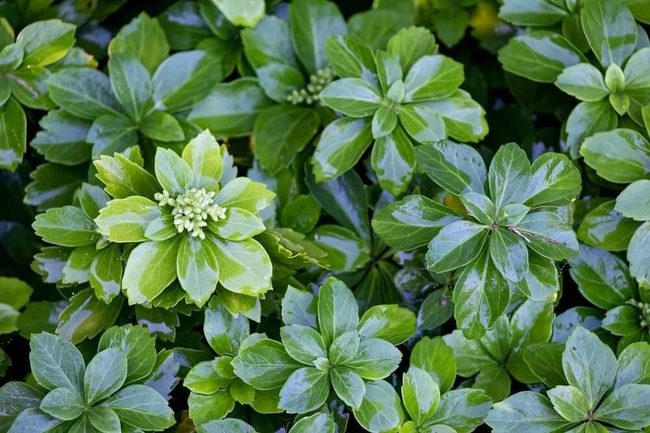
Pachysandra spreads across your garden floor with wide leaves that blanket the soil in lush green coverage, and this ground cover grows so quickly that you might need to watch its boundaries to keep it from taking over neighboring areas.
Once established, the plant thrives in acidic soils and adapts well to different landscape conditions, making it a reliable choice for various gardens.
You'll find that pachysandra requires minimal effort to flourish, which explains why so many gardeners turn to it when they want dependable plant growth without constant maintenance.
Its vigorous nature means the plant can fill bare patches faster than slower-growing alternatives, and this resilience makes it valuable for anyone looking to improve their outdoor space.
Planting it gives you reliable ground coverage that enhances your garden's appearance over time.
Tall Irises Purple Garden Display
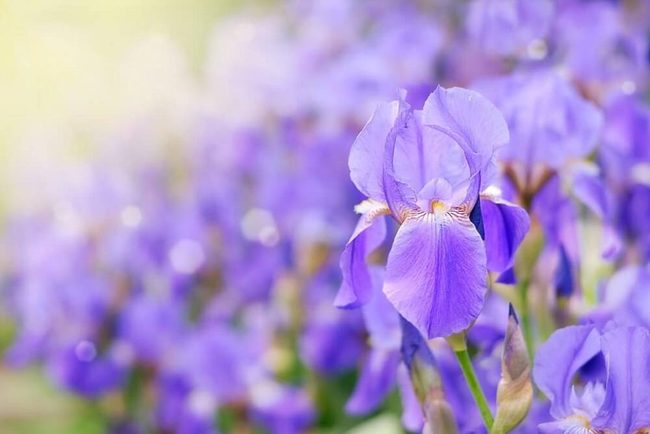
Irises stand tall with bold flowers held high above the ground, creating an impressive garden display that catches everyone's attention.
You'll find these plants come in an array of vibrant colors and distinct shapes, so selecting one that matches your preferred color and growth habits is easy.
For your irises to really flourish, they need plenty of sunlight and slightly acidic soil in a sunny spot.
Getting the location right matters because blooms only thrive when they receive adequate sun exposure.
Hardy and reliable, these flowers enhance any outdoor space and reward you with beautiful results when planted in the right conditions.
White Three-Petaled Woodland Shade Flower
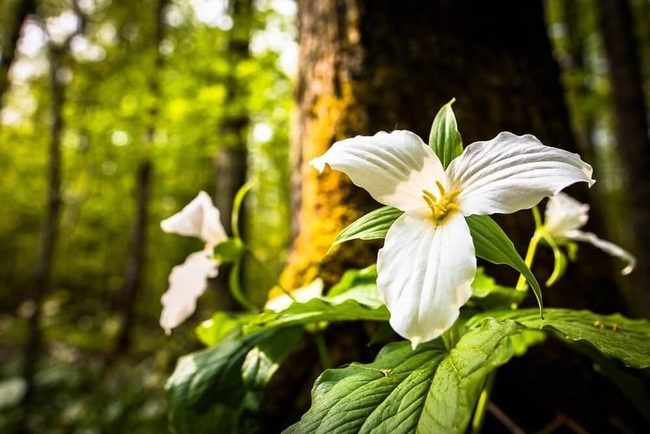
Trillium flowers immediately catch attention with their three striking petals in white or red that stand above distinctive triangular leaves arranged in threes, making them a visually distinctive addition to any shaded garden.
To grow these plants successfully, you'll need to replicate the conditions they naturally prefer; think dappled sunlight filtering through tall trees and rich, moist soil on the acidic side.
Gardens with these woodland-like conditions become ideal homes for trillium, and when you plant them, you're not just adding beauty to dim corners of your space but also supporting the natural ecosystem you're building.
Since trillium thrives in shade where many other flowering plants struggle, it's a smart choice for darker areas you've been wondering how to fill.
Once established, these lovely plants settle into their space and reward you with reliable blooms each season.
Waxy Begonia Blooms In Brilliant Color
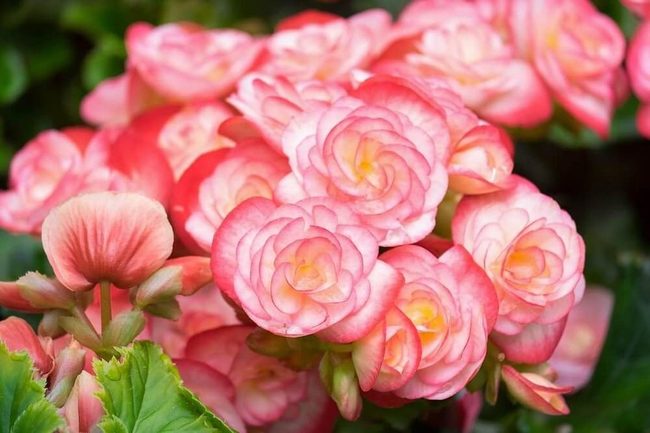
Begonias deliver stunning color to your garden with blooms ranging from light orange to light purple, and their shiny, waxy leaves provide an attractive contrast that enhances the flowers naturally.
These plants prove remarkably resilient and handle acidic soil conditions well, thriving best when the pH stays below 6.
Many gardeners treat begonias as annuals because of their vigorous blooming throughout the growing season.
What makes them particularly appealing is how they flourish even when conditions aren't perfect, so you don't need ideal circumstances to grow them successfully.
Their ability to adapt to less-than-ideal environments makes them dependable choices for both experienced gardeners and newcomers.
If you want reliable color and striking foliage without fussy care requirements, begonias deserve a spot in your garden plans.
Pink And White Elephant Ear Leaves
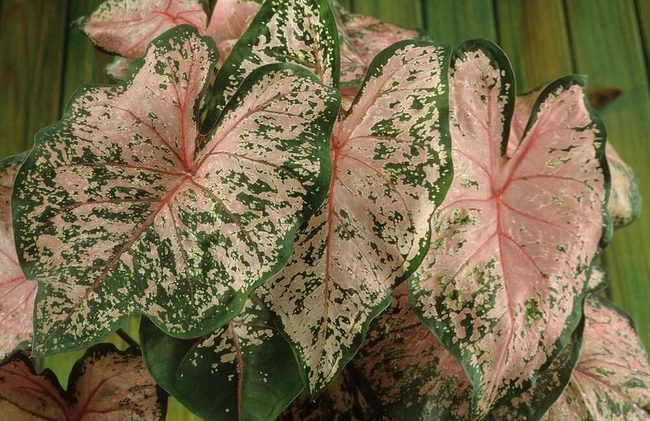
Caladium plants deliver striking color to any room through their enormous leaves alone, shaped just like elephant ears and splashed with bold combinations of pink, white, purple, and other rich tones in patterns that immediately catch attention.
You can grow these vibrant plants successfully even if your soil runs acidic, and they actually prefer warm conditions to really flourish, doing best in hardiness zones nine and above where temperatures stay consistently mild.
If you live in most parts of the United States, you'll need to move your caladiums indoors when winter arrives since they can't handle cold weather and won't survive freezing temperatures outdoors.
Getting them established in a warm spot ensures they'll keep producing those gorgeous leaves all season long.
White Gardenia Blooms And Fragrance
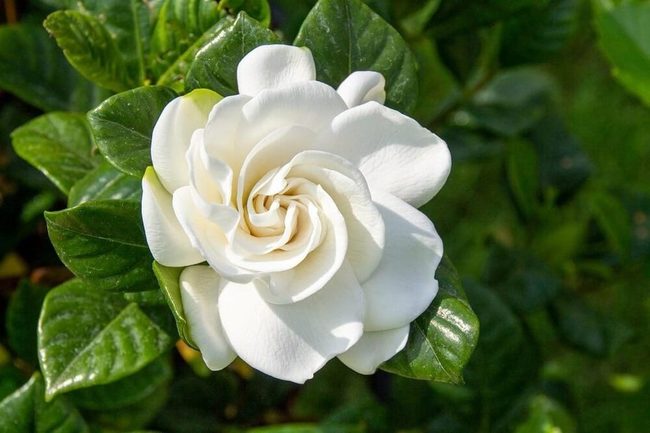
Gardenias greet you with their lovely white blooms before you even catch their wonderful fragrance in the air, and those showy flowers produce an unforgettable display season after season.
Their striking appearance adds charm to any landscape and ensures they stand out beautifully throughout the blooming months.
Once established, gardenias reward you with delightful scents that make them a favorite for gardens everywhere.
If you want flowers that offer both visual appeal and amazing fragrance, these plants deliver on both fronts.
I like the way they transform a simple garden space into something special without requiring constant fussing.
Their combination of beauty and aroma means they earn a spot in nearly any outdoor setting.
Deep Red Oakleaf Hydrangea Clusters
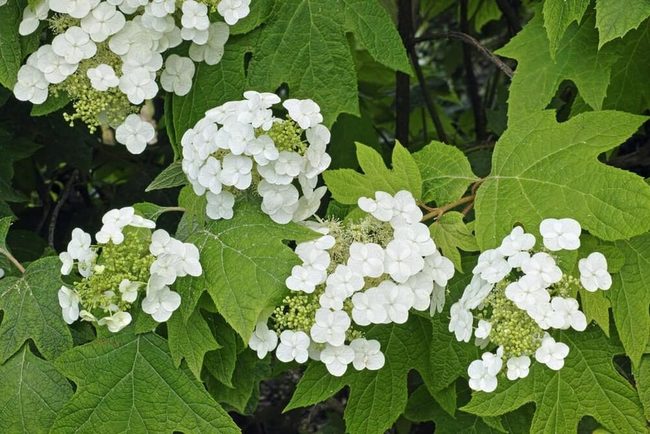
Oakleaf hydrangea catches your attention right away with its striking deep red foliage in fall and those large, showy flower clusters that stand out in any garden setting.
The real appeal comes from how the leaves look remarkably like oak leaves, giving it real character and visual interest.
Beyond its good looks, this plant adapts to nearly any condition you throw at it, handling different soil types with ease and even thriving in very acidic soils where other plants struggle.
Sun doesn't bother it either; whether your garden gets full light or partial shade, oakleaf hydrangea performs beautifully without complaint.
Perfectly Symmetrical Camellia Blooms
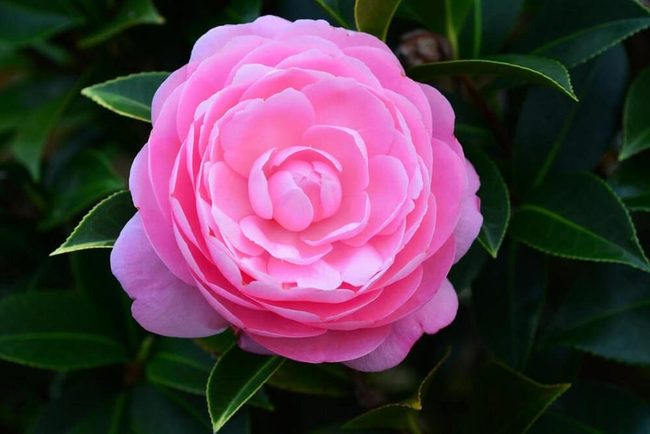
Camellias capture attention in any garden with their remarkable flowers that feature perfectly symmetrical petals radiating outward in bold, rich colors around a defined center, and this visual display continues year after year as the plants mature.
Glossy evergreen foliage beneath these blooms adds a lustrous quality that keeps your garden looking polished even when flowers aren't present.
Beyond their sheer beauty, camellias improve any landscape by bringing both structure and seasonal interest to your outdoor space.
They demand less fussing than many ornamental plants, which is why gardening lovers return to them again and again.
If you're seeking a plant that delivers reliable, long-lasting appeal through both foliage and flowers, camellias deserve a spot in your garden plans.
Needle-Thin Leaves Meet Crimson Clusters
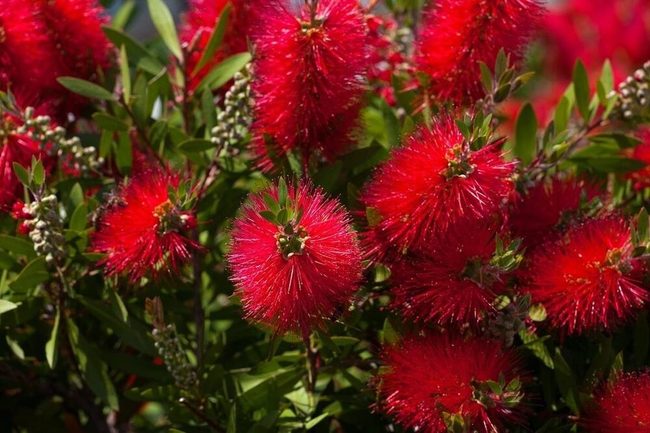
Bottlebrush shrubs make a striking addition to any garden because of their bold, unusual appearance that stands out immediately among typical landscaping plants.
Growing to around 8 feet tall, these plants display flowers and foliage that work together to add interesting layers of texture throughout the seasons.
What really sets them apart is their thin, needle-like leaves that remain visually interesting even after they drop during winter months.
Flowers show up as clusters of delicate hair-like structures that radiate outward from the stems in a way you won't find on many other shrubs.
Beyond their dramatic look, bottlebrush plants have a compact yet somewhat irregular growth pattern that brings natural variety to your outdoor space.
If you want to move beyond standard evergreens and add something with real character to your landscape, this shrub offers both structure and personality.
Acidic Soil Blueberry Success
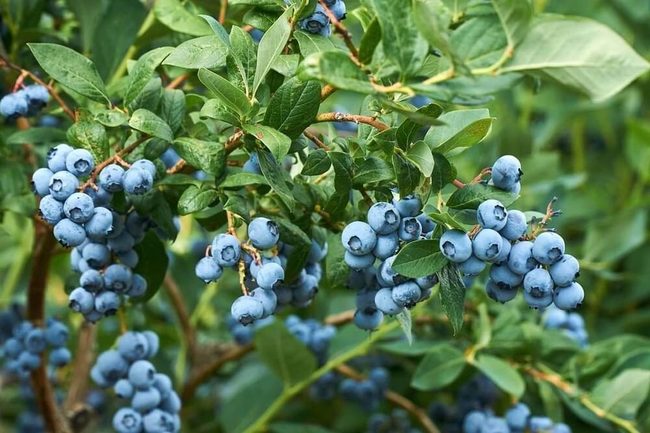
Blueberries bring a burst of sweet and tangy flavor to your kitchen, and growing them yourself opens up a rewarding gardening experience.
Success starts with getting the soil right, since these plants demand acidic conditions to truly flourish and produce well.
You'll want to prepare your planting area ahead of time by adjusting the pH levels, which sets the foundation for everything that follows.
Locate your highbush blueberry plants in a spot that gets plenty of sunshine throughout the day, and i can tell stronger growth and heavier yields when summer arrives.
Water them consistently and maintain good drainage so roots don't sit in moisture.
Birds will discover your harvest too, so you might want to consider netting if you want to keep most of the crop for yourself rather than sharing with local wildlife.
Michael Harris
Senior Content Editor
Expertise
Home Décor Content Creation, Interior Design Journalism, Editorial Oversight, Digital Media Strategy, Team Leadership and Mentorship
Education
University of Queensland, Brisbane, Australia
Queensland University of Technology (QUT), Brisbane, Australia
Michael Harris is the senior content editor at Archi Refresh, where he turns home design trends into engaging, easy-to-follow articles. With a journalism degree from the University of Queensland and a digital communication certification from QUT, he knows how to craft content that informs and inspires.
With over 10 years of experience in lifestyle and design media, Michael has shaped editorial strategies, mentored writers, and helped readers refresh their spaces with practical tips. His work blends storytelling with expert advice, making home decor more accessible to everyone.
Outside of work, Michael enjoys DIY projects, exploring Brisbane’s art scene, and teaching digital literacy workshops.