
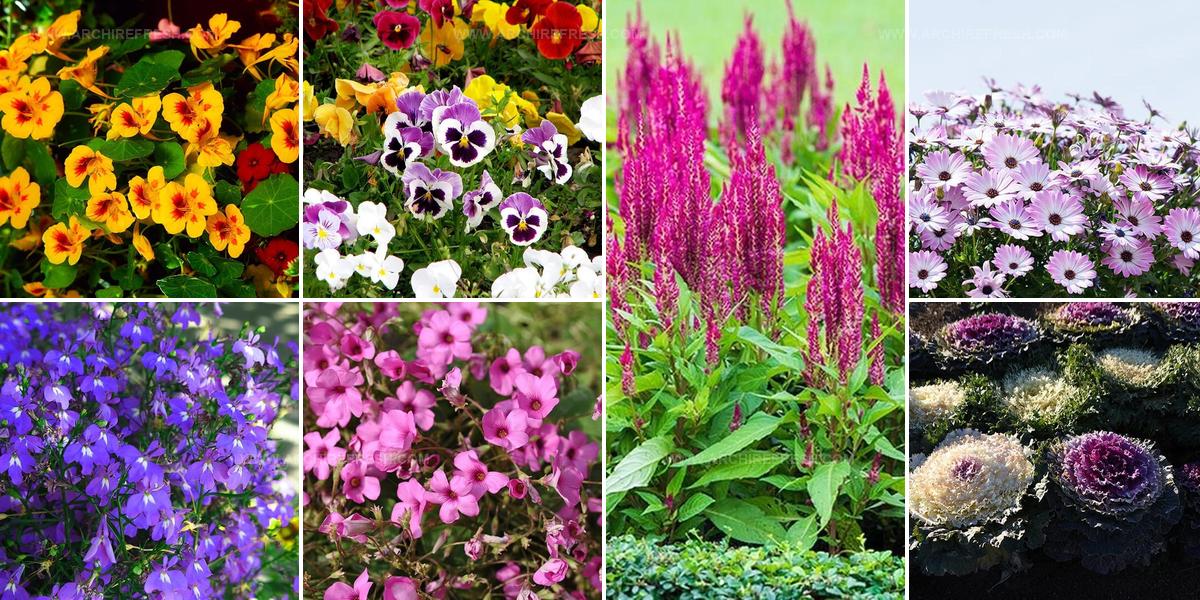
27 Annual Flower Ideas For Gardens That Bloom All Season
Blooming beauties return each season when annual flowers grace garden spaces with fresh color and life.
Gardens gain instant personality through varieties that grow, flourish, and complete an entire lifecycle within months.
Choosing the right combinations brings harmony to outdoor areas while requiring less commitment than perennials.
Budget-conscious gardeners appreciate how affordably these plants fill empty spots and containers with gorgeous displays.
Seasonal rotation keeps landscapes looking current and prevents monotony from settling into familiar beds.
Simple maintenance routines ensure continuous blooms from spring warmth through autumn's final frost.
Now's the moment to refresh outdoor spaces with nature's most cheerful performers.
Red Blooms For Busy Gardeners
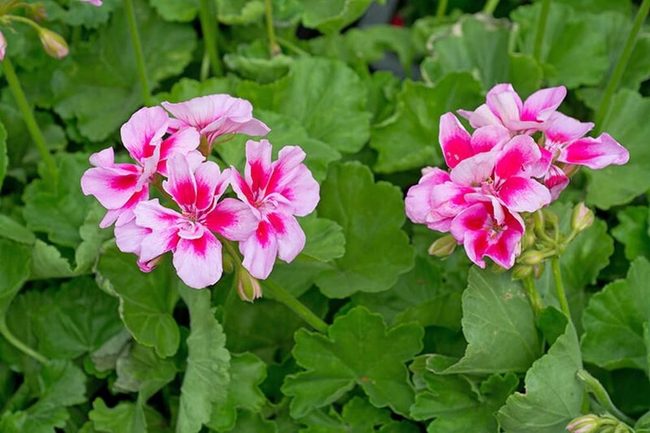
Geraniums burst into color from mid-summer right through late fall, delivering months of blooms that transform any garden or outdoor space into a living display.
These resilient flowers pack strong symbolism too, standing for strength and resilience in gardens everywhere.
What makes them so appealing is how fast they work; you'll see flowers appear just weeks after you plant them, so the gratification comes quickly and without fuss.
They thrive in full sun or light shade and honestly need very little from you beyond well-drained soil to really flourish.
Water requirements are minimal, which means you can practically forget about them and watch them keep blooming.
Because geraniums are so low-maintenance and grow so readily, they're perfect whether you're a seasoned gardener or just starting out.
You get all the color and joy without spending hours on upkeep or worry.
Million Bells Cascading Color Display
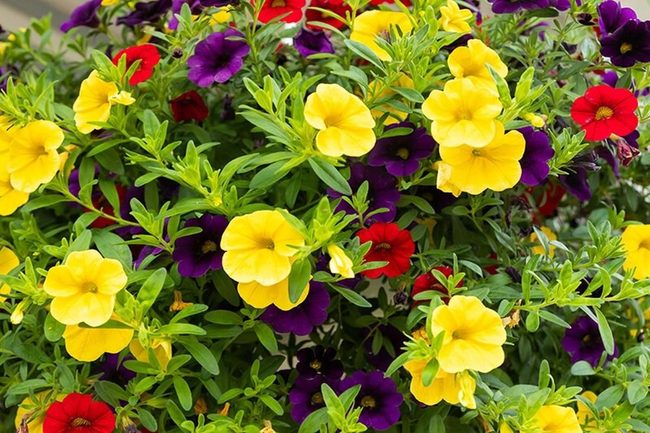
Flowers bursting with color across your garden in late spring and early summer catch attention right away, and Million Bells delivers exactly that kind of visual appeal.
You can grow this plant in full sun or partial shade, and it adapts well to many different regions since it thrives in growing zones 3 through 8.
One of the best parts about Million Bells is how little water it needs, so you don't have to fuss over it constantly to keep it looking great.
It does best in soil that drains well, which means water won't sit around the roots and cause problems.
Most people display these plants in containers or hanging baskets where their bold blooms stand out naturally.
Since Million Bells produces plenty of seeds, you can collect them for future plantings or use them to encourage self-seeding in your garden beds and vegetable areas.
White Alyssum Blooms All Season
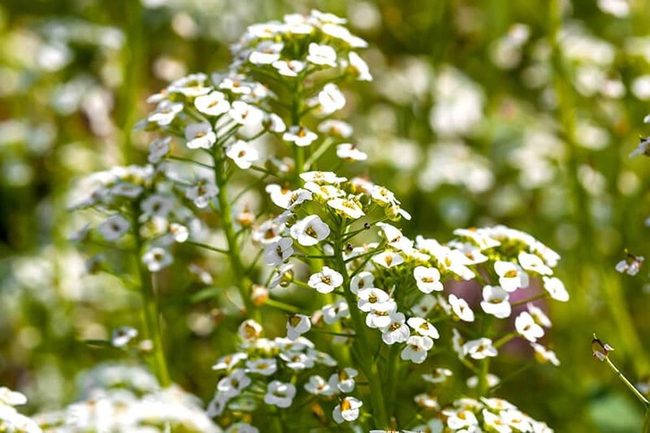
Alyssum flowers display beautiful white petals that stand out in any garden space, immediately catching your attention with their fresh appearance.
Beyond their good looks, these plants need very little water and do well with occasional watering as long as the soil drains properly.
You can enjoy their blooms from early summer all the way through late fall, which means months of garden color and interest.
Growing best in zones 5 to 10, alyssum prefers full sun or light shade and adapts well to different conditions.
This design succeeds because its gentle fragrance that adds another sensory layer without being too strong or overpowering.
If you want a low-maintenance flower that looks great and smells nice, alyssum is a solid choice for your garden beds or containers.
Tall Spikes Of Edible Blooms
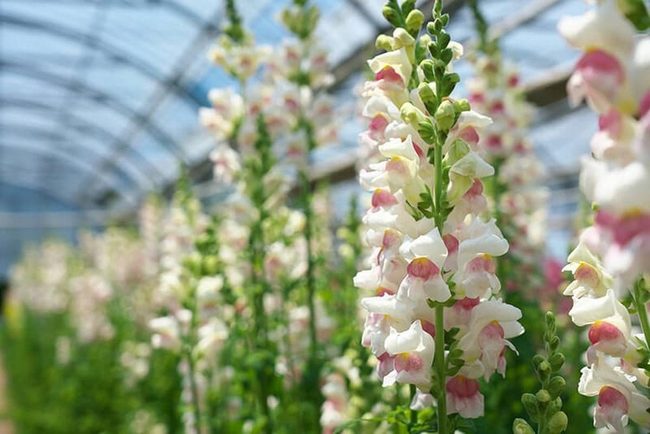
Snapdragons stand out in American gardens with their tall spikes of densely packed blooms that range in color and tower above surrounding plants, making them natural showstoppers from early summer through late fall.
You'll find these flowers thrive in full sun or partial shade and need only well-drained soil to flourish, which keeps maintenance low and success high.
Beyond their striking appearance, snapdragons symbolize purity and self-seeding readily, so they spread naturally without extra work from you and fit beautifully into both ornamental gardens and vegetable patches.
What many gardeners love most is how practical these plants are; you can eat the flowers, leaves, and seed pods as edible vegetables, adding function alongside visual appeal.
Colorful Impatiens For Effortless Blooms
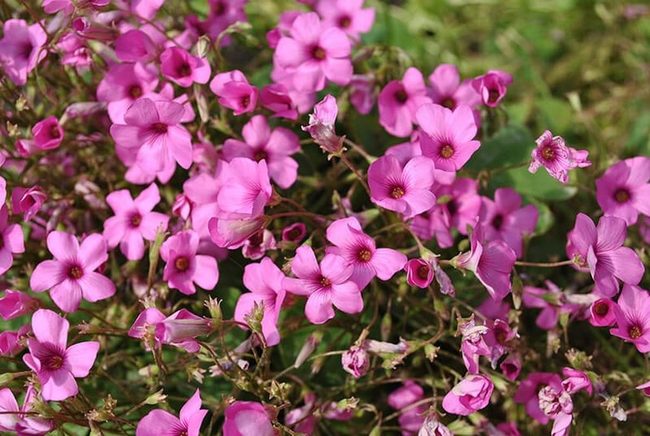
Impatiens flowers explode with color from mid-summer straight through late fall, making them one of the most eye-catching additions you can bring to any garden space.
Beyond their showy blooms, these plants release a pleasant fragrance that many gardeners love so much they cut small bouquets to display around their homes.
What makes impatiens really appealing is how little work they demand; they thrive in well-drained soil under full sun or partial shade and need minimal watering compared to other flowering plants.
You'll find they grow beautifully in zones 3 through 8, so there's a good chance you can cultivate them successfully wherever you live.
Each flower carries symbolism tied to innocence, adding an extra layer of meaning to your garden design.
Colorful Pansies For Season-Long Blooms
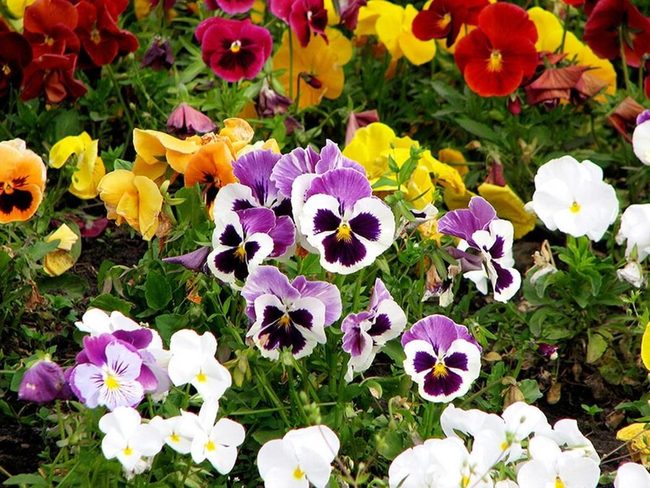
Pansies burst with rich colors and blooms that last throughout the season, so they instantly brighten any garden space you plant them in.
These flowers do best in well-drained soil where they get full sun or partial shade, and they're fairly easy to care for since they just need regular watering to stay healthy.
You'll find that pansies bloom from late summer straight through fall, and they grow well in zones 3 to 8 depending on where you live.
What makes them even better is that they handle dry spells without fussing and pair nicely alongside vegetables without taking up too much room.
Planting them in groups rather than scattering them around gives your garden much more visual appeal and keeps things looking organized.
Their symbolism of harmony makes them feel like a natural fit for any outdoor space, whether you're designing a dedicated flower bed or mixing them into an existing garden layout.
Blue And White Flax Blooms
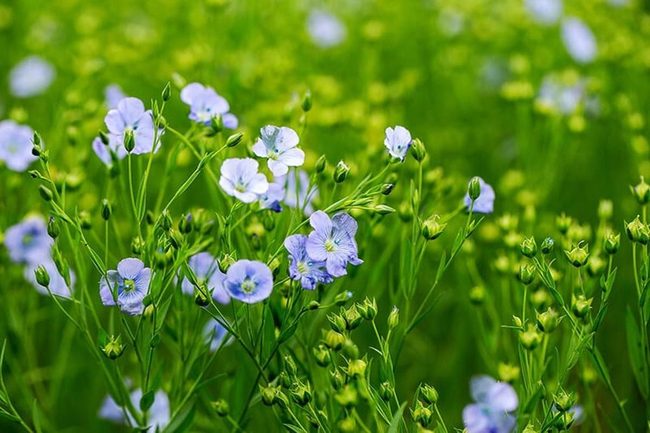
Flax plants produce delicate blooms in shades of blue and white that spread across your garden from April through May, bringing a serene quality to the space you've worked to cultivate.
If you live in growing zones 3 to 8, this resilient plant adapts well to your local climate and doesn't demand constant fussing.
Sun exposure matters here; position your flax where it gets full sun or partial shade, and it will reward you with steady growth.
Well-drained soil keeps the plant happy and healthy, so prepare your bed accordingly before planting.
Water requirements stay moderate throughout the season, which means you can maintain these flowers without being tied to a rigid watering schedule.
Many people compare flax to poppies since both plants share similar care needs and thrive on a hands-off approach.
Red Flowers For Fall Gardens
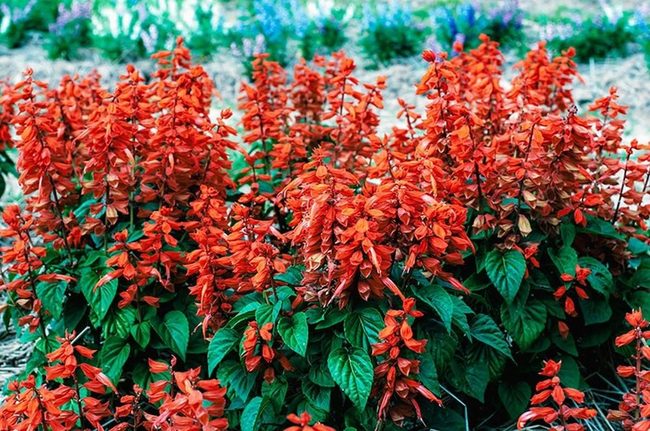
Scarlet Sage stands out with its bold red flowers that bring instant drama and courage to any garden space, and this striking color keeps showing up when most plants have already faded away through late summer and into fall.
Growing this plant doesn't demand much from you since it thrives in well-drained soil and does fine with either full sun or partial shade.
Watering requirements stay low throughout the season, so you won't find yourself constantly tending to it.
Gardeners across the U.S. have embraced this plant for good reason and it needs no fussy preparation before planting, making it one of the easiest choices for getting vibrant color into your landscape.
Whether you're a beginner or someone with more experience, Scarlet Sage rewards your effort with reliable blooms that brighten up those later months when the rest of your garden might be winding down.
Vibrant Summer Blooms, Minimal Care
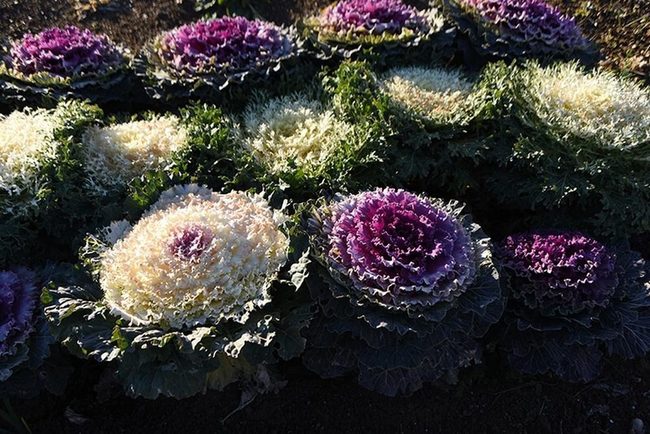
Flowering kale delivers an eye-catching show of blooms during the heat of July and August, displaying vibrant colors that symbolize hope and brighten any garden space.
The charm comes through in how this plant produces abundant seeds, making it simple to grow winter vegetables and flowers without much extra effort.
What makes flowering kale so appealing is how little maintenance it demands once established in your garden.
It thrives in well-drained soil and adapts well to both full sun and partially shaded spots, so you can place it almost anywhere you need color.
Water requirements stay low, which means you won't need to fuss over it constantly.
For gardeners who want reliable blooms without spending hours on upkeep, flowering kale stands out as an excellent choice.
Its combination of beauty, easy care, and practical seed production makes it worthwhile for anyone looking to expand their growing space.
Brilliant Blue Cornflowers For Gardens
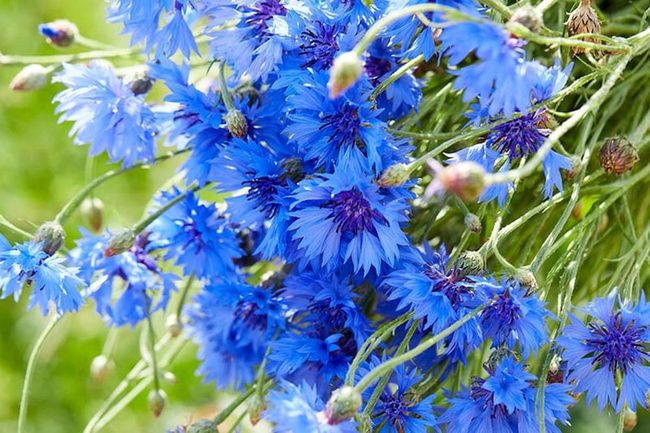
Cornflowers burst across your garden with brilliant blue petals that carry powerful symbolism and look absolutely pure in any landscape design.
These flowers thrive best when you give them full sun or partial shade and plant them in soil that drains well, since they need steady moisture without getting waterlogged.
You'll find they grow successfully in zones 3 through 8, making them accessible for most regions where you might want to add them to your beds.
Many people love growing cornflowers because they develop quickly and don't demand much more effort than other annual flowers you'd typically plant.
Starting them from seed can feel tricky at first if you're new to gardening, mainly because they have specific preferences about sunlight and heat that directly affect how strong they become.
Still, once you understand what they need, you'll realize they're not that complicated and reward your efforts with lots of blooms throughout the season.
Fragrant Petals, Low Maintenance Beauty
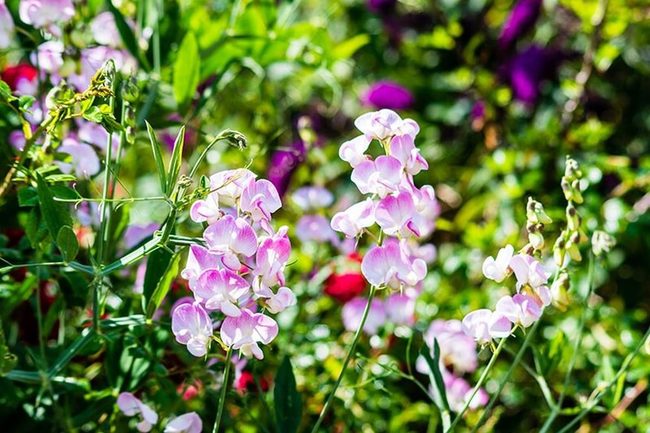
Sweet peas stand out with their delicate petals and strong fragrances that fill your garden with wonderful scents, making them one of the most eye-catching flowers you can grow.
People love these blooms because they represent fascination and embody a beauty worth keeping close, whether in garden beds or cut arrangements.
For the best results, plant them in well-drained soil where they'll get full sun or partial shade, and they'll reward you with flowers from mid-summer through late fall in growing zones 3 to 10.
Adding sweet peas to your outdoor space brings a graceful charm that doesn't demand much from you beyond occasional attention and basic care.
Golden Summer Blooms, Low Maintenance
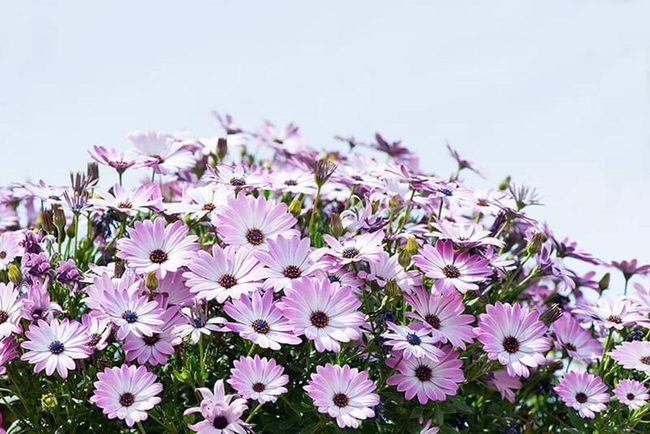
African daisies explode across gardens during the warmth of summer months, displaying bold colors and releasing a delightful fragrance that fills the air around you.
These blooms carry meaning too; they represent hope and bring something meaningful to your garden beds.
You'll have the best results when you plant them in well-drained soil under full sun or partial shade, and they thrive in growing zones 3 through 8 without fussiness.
Watering them requires only moderate effort since they handle dry spells remarkably well and start flowering early in the season.
One thing to keep in mind is that their lively appearance can easily dominate a space, so we recommend thinking through where you position them so other plants get their moment too.
The good news is that caring for African daisies doesn't demand much from you once they're established in your garden.
Perennial Purple Blooms All Season
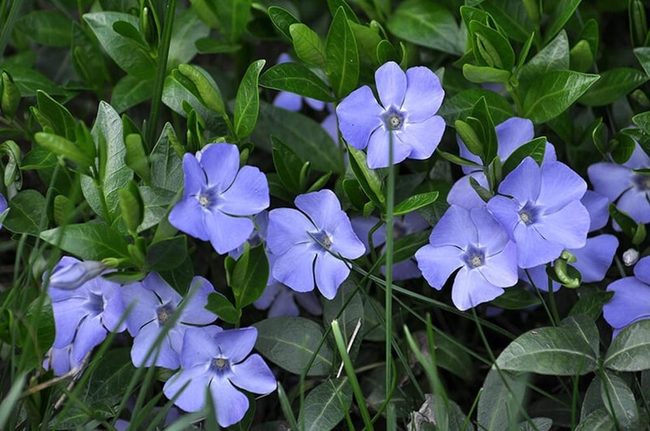
Vinca produces vibrant flowers that bloom from mid-summer until late fall, creating an eye-catching display in your garden.
Low water needs make this plant simple to care for and perfect if you want a manageable garden without constant attention.
It grows well in zones 3 to 8 and thrives in full sun or light shade, so you can place it in different areas of your outdoor space.
Well-drained soil is what this plant prefers, and it adapts nicely to various garden settings.
With the ability to produce many seeds, Vinca works well for natural gardens and areas where you'd like it to spread on its own.
I think gardeners appreciate how little maintenance this plant demands while still delivering reliable color throughout the growing season.
Drought-Tolerant Rainbow Blooms All Season
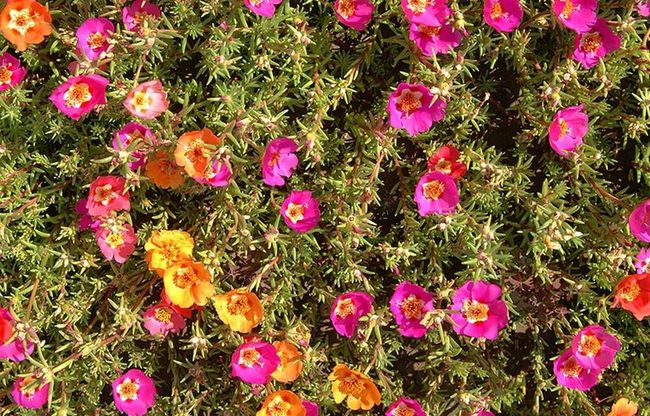
Portulaca produces a stunning burst of bright colors from mid-summer through late fall, making it one of the most eye-catching plants you can add to any garden space.
It adapts well to full sun or light shade, so you have flexibility in where you plant it.
One of the best things about this flower is how little water it needs; you'll only water occasionally since it thrives in dry conditions.
We love growing it in containers and hanging baskets, which makes it perfect if you have limited garden space.
Since it loves well-drained soil and grows well in zones 3 to 8, most gardeners can succeed with it.
Plus, it produces so many seeds that it naturally spreads throughout your garden or vegetable patch, adding splashes of color without much effort from you.
Bright Zinnias Low Maintenance Blooms
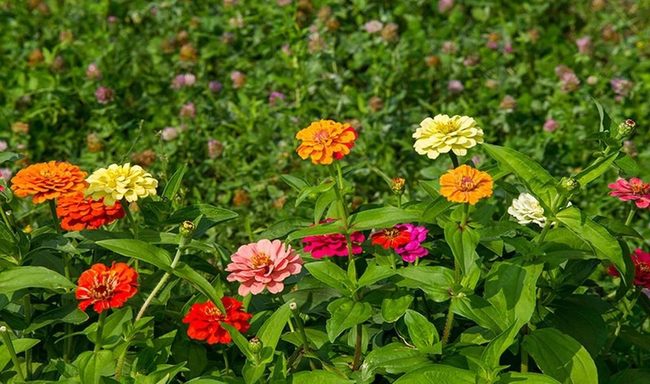
Zinnias burst across gardens in bold reds, oranges, pinks, and yellows from late spring through early summer, making them impossible to miss among your other plants.
You'll find these flowers rewarding to grow because they ask very little from you in terms of care and attention.
They need only occasional watering once established in well-drained soil and perform equally well whether you place them in full sun or light shade.
Gardeners in zones 2 through 10 can successfully grow zinnias, which means most regions work for this hardy choice.
Each bloom typically lasts around 15 to 20 days, so you get consistent color throughout the season as new flowers open.
For anyone wanting to build confidence in their gardening skills, zinnias offer the perfect low-pressure opportunity to experiment and learn without stress or complicated requirements.
Bright Cosmos Flowers For Easy Gardens
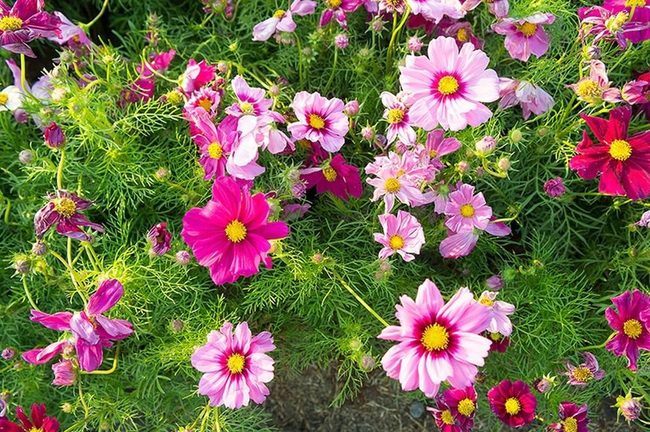
Cosmos flowers put on a spectacular show in any garden with their bright petals that dance in the breeze during late spring and early summer.
You'll find these blooms add instant color and movement to your outdoor space.
What makes cosmos so appealing is their easygoing nature and ability to thrive with minimal fuss.
They grow best in well-drained soil under full sun or light shade and need only occasional watering once established.
This flexibility makes them perfect for gardeners who want something low-maintenance and visually rewarding.
Cosmos adjust well to different growing conditions and reward your efforts with season after season of blooms.
Orange Marigolds Bloom Long Season
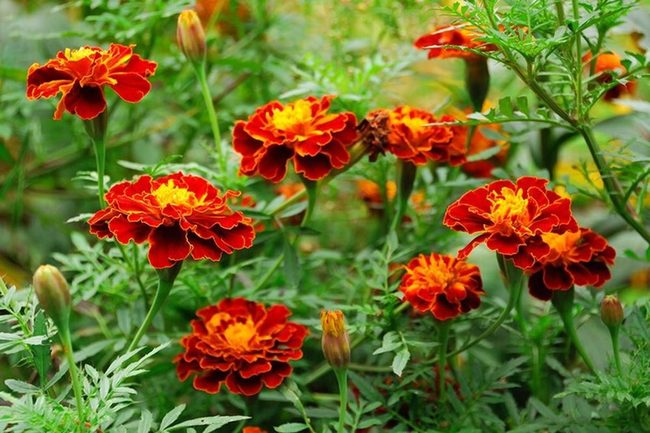
Bright orange marigolds bring an instant burst of cheer to any garden space, and their bold hue stands out beautifully from midsummer right through late fall.
You can plant these flowers in full sun or partial shade, and they do best in well-drained soil with just occasional watering.
One nice thing about marigolds is their low maintenance nature and how they attract helpful pollinators without overwhelming you with strong scents.
Since they grow well in zones 3 through 10, most gardeners can successfully add them to their outdoor areas.
If you prefer plants that don't fill your garden with heavy fragrance, these flowers are a great fit.
They keep blooming steadily throughout the season and bring that cheerful color right up until the first frost arrives.
Red And Pink Poppy Blooms
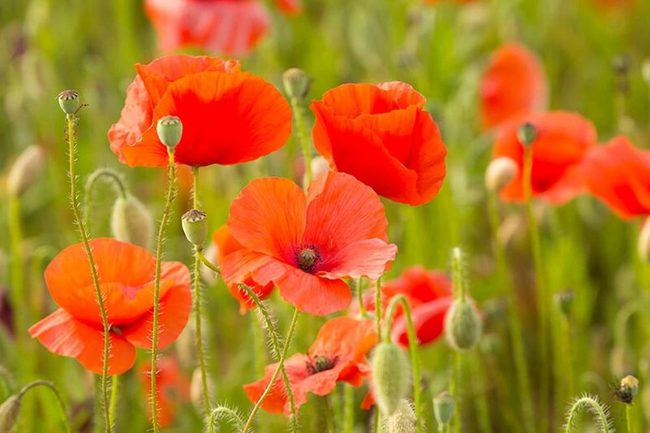
Poppies put on a stunning show with their blooms in shades of red, pink, orange, and yellow from April through May, and you can grow them successfully in zones 3 to 10 as long as they get plenty of sun.
These flowers aren't fussy about care, but they do need soil that stays moist without becoming soggy since their roots hate sitting in water for extended periods.
Weather extremes and drought stress can damage them quite a bit, so it helps to plant them away from hot spots like roadsides where heat builds up and temperatures spike.
Luminous Orange Blooms All Season
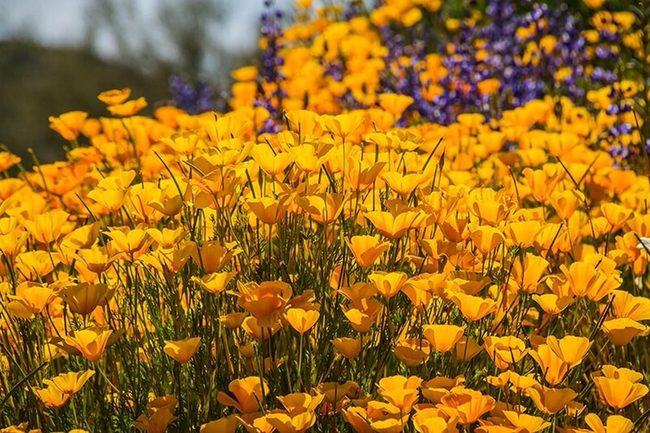
California Poppy commands attention with its luminous orange petals that radiate across any garden space you plant them in, and this hardy flower grows happily in full sun or partial shade as long as the soil drains well and doesn't stay too wet.
Most gardeners can grow them since they do fine in zones 3 through 9, which means your garden climate probably works just right for this plant.
What makes them special is that while many people in the United States overlook them, gardeners in other parts of the world celebrate them widely.
Beyond their good looks, California Poppies carry meaning too, symbolizing innocence and bringing a bit of that sweetness to your outdoor space.
Red Celosia Blooms All Season
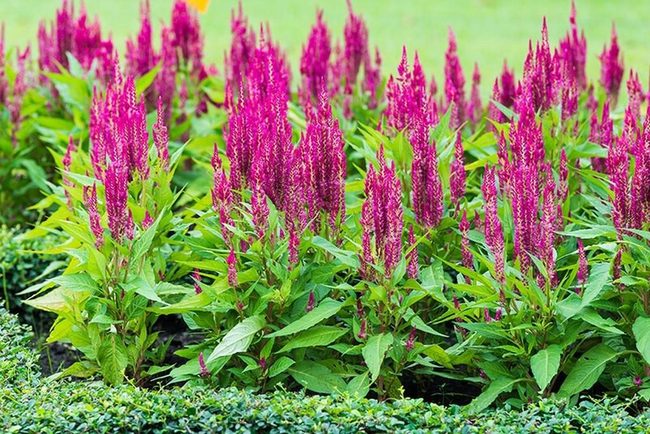
Celosia catches everyone's attention with those brilliant red blooms that get bigger as the season goes on, lighting up your garden from midsummer right through late fall, and you'll find this hardy flower thrives when you give it warm weather and let it grow in full sun or partial shade.
Because these plants establish themselves quickly after you plant them, you won't wait long before they reach their full size and display those eye-catching flowers everywhere in your space.
Beyond just looking good, Celosia carries deeper meaning too and represents fertility, which makes it a wonderful choice if you want your garden to hold more than just visual appeal.
Growing Celosia is straightforward, and I like recommending it to people who want something dependable that doesn't demand constant care.
Colorful Summer Blooms, Low Maintenance
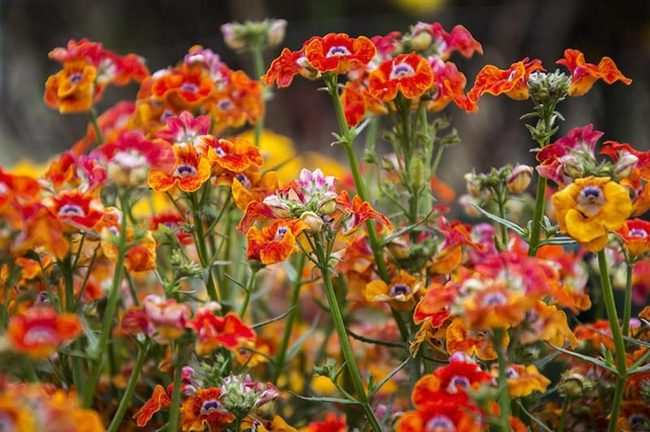
Nemesia flowers burst with color from July through August, creating a charming display that won't steal attention from your other garden plants, and they thrive across gardens throughout the United States with minimal fuss.
You'll find these blooms perform best in full sun or light shade, and they need consistent soil moisture to grow well.
Because Nemesia is drought-resistant and requires little water once established, occasional watering keeps them happy without demanding much from you.
The plant produces plenty of seeds, so it works wonderfully if you're growing a natural garden or vegetable garden and want flowers that resell themselves year after year.
Low maintenance care makes Nemesia an excellent choice for gardeners who want reliable color without spending hours on upkeep.
Colorful Stock Flowers For Fall Harvests
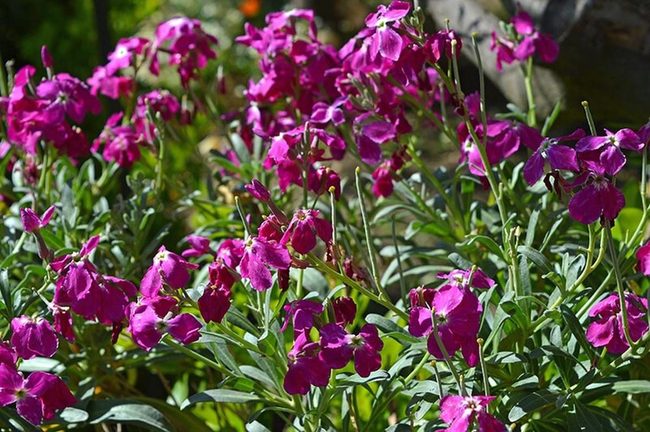
Stock flowers paint your garden with warm, colorful blooms from late summer through fall and carry wonderful meanings of friendship and beauty.
Growing this plant works well in zones 3 through 8, and it handles both full sun and partial shade without trouble.
Well-drained soil keeps the roots happy, and you won't need to water often since the plant stays satisfied with occasional moisture.
What makes Stock especially rewarding is how it produces abundant seeds, so you can grow plenty of plants from what you harvest.
Both the flowers and leaves serve double duty as edible options for your kitchen, making them particularly useful when you're searching for fresh vegetables during the colder months when most other crops have disappeared.
Purple Blooms For Every Season
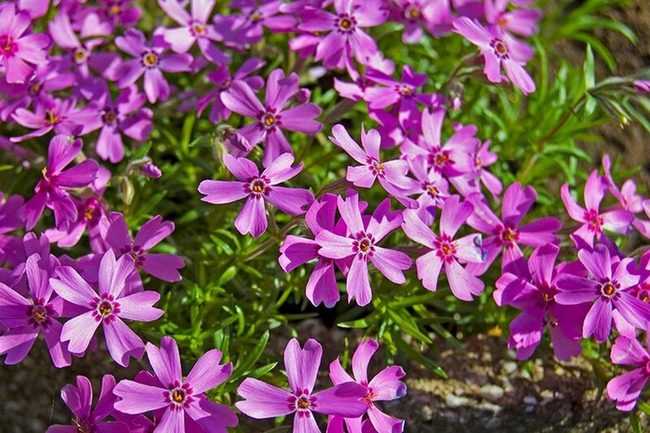
Verbena plants offer striking blooms that grace your garden from late summer straight through fall, and they perform beautifully whether you plant them in full sun or dappled shade.
These hardy flowers need only moderate watering, so they handle dry stretches without fussing or demanding constant attention.
Beyond their colorful display, the nutritious leaves bring something extra to your kitchen since you can toss them into soups and salads for added flavor and nutrition.
I value the simplicity in how low-maintenance they are, especially since they produce abundant seeds that let you grow winter vegetables and flowers with minimal effort.
You'll find they adapt well to different garden spaces and conditions, making them reliable plants whether you're an experienced gardener or just starting out.
Their combination of hardiness and productivity means you get both visual appeal and practical usefulness from the same plant.
Yellow Giants For Every Garden
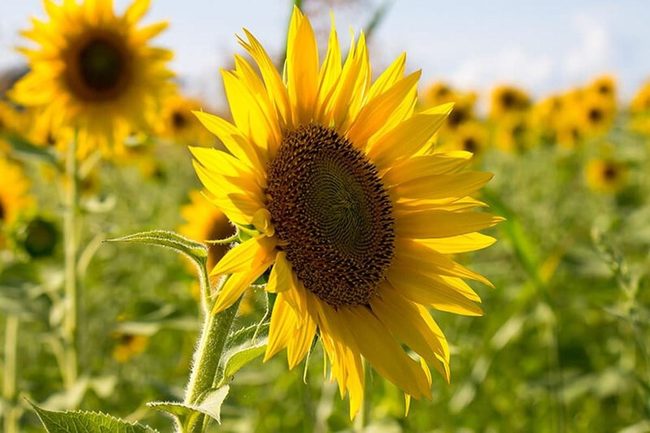
Sunflowers stand out in any garden with their bright yellow blooms that turn heads and spread warmth wherever they grow.
Kids and grown-ups alike enjoy their friendly faces and mild scent, making them safe for the whole family to be around.
These hardy plants ask very little from you since they need minimal water and just want well-drained soil to be happy.
They'll flourish whether you place them in full sun or partial shade, and they adapt well across growing zones two through ten.
You can enjoy their cheerful presence from early summer all the way through late fall, so they keep brightening your space for months.
Vivid Blue Blooms All Season
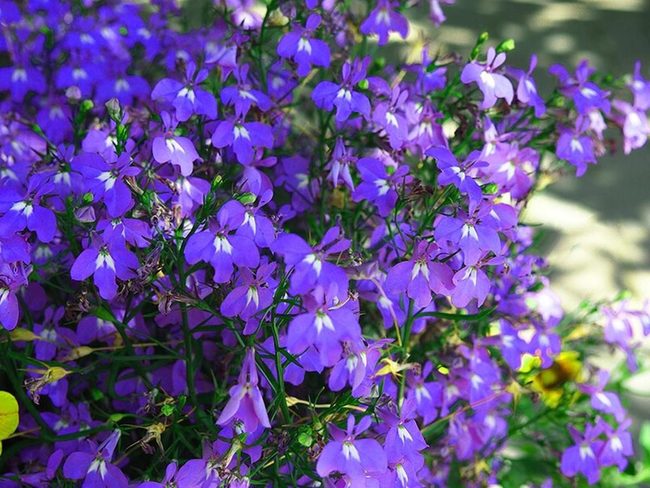
Lobelia bursts with vivid color from early summer straight through late fall, making it one of the most eye-catching additions you can make to your garden beds.
One reason this works is how fast it grows; many varieties reach full height in just a week or two.
Getting it to thrive isn't complicated since Lobelia isn't picky about conditions and prefers well-drained soil paired with either full sun or partial shade.
If you live in growing zones 3 through 8, you're in luck because this plant adapts well to those areas and doesn't demand constant watering.
Gardeners have loved Lobelia for generations because it delivers those gorgeous blooms without asking for much effort in return.
Once established, the plant essentially takes care of itself and keeps flowering reliably season after season.
Bright Orange Blooms Low Maintenance
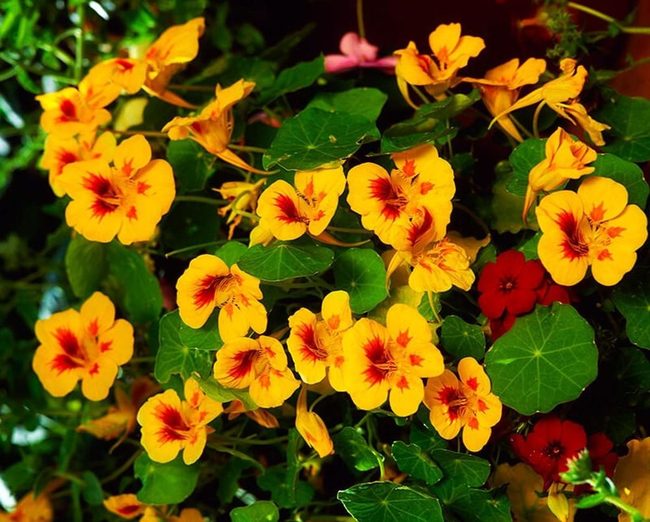
Nasturtium stands out with its unique flowers that you won't find in many other plants, making it a favorite for gardeners who want something distinctive in their outdoor spaces.
Bright blooms appear from late summer through fall when you plant it in full sun or light shade.
Self-control symbolizes this resilient plant, and it thrives across growing zones 2 to 10 throughout the United States.
Low water needs mean you don't have to fuss over it constantly, which appeals to many people who want an easier gardening experience.
Well-drained soil is all you need to give it, and no special bed preparation is required before planting.
Crimson Sweet William Blooms
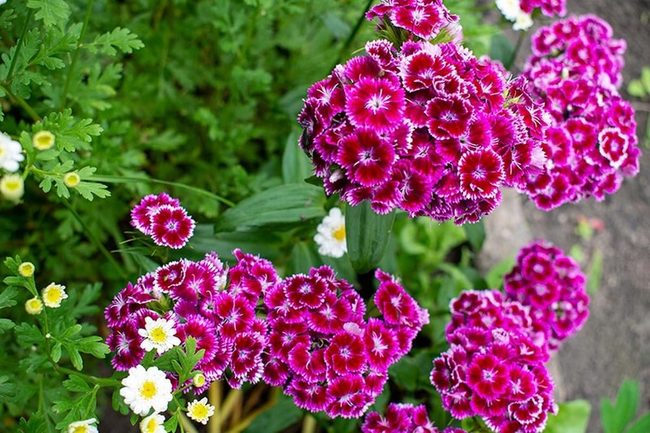
Bold, eye-catching flowers on this plant make it a go-to choice for people who love gardening, and what's great is that Sweet William performs well with just moderate watering and soil that drains properly.
You'll find it grows best in spots that get full sun or partial shade, and it rewards you with blooms throughout July and August.
Another bonus worth noting is how freely this plant produces seeds, which means you can scatter them around your garden beds to fill space between your summer flowers and winter vegetables.
Growing these beauties alongside your other plants brings real enjoyment to your outdoor space, and many gardeners come back to this reliable grower season after season.
Michael Harris
Senior Content Editor
Expertise
Home Décor Content Creation, Interior Design Journalism, Editorial Oversight, Digital Media Strategy, Team Leadership and Mentorship
Education
University of Queensland, Brisbane, Australia
Queensland University of Technology (QUT), Brisbane, Australia
Michael Harris is the senior content editor at Archi Refresh, where he turns home design trends into engaging, easy-to-follow articles. With a journalism degree from the University of Queensland and a digital communication certification from QUT, he knows how to craft content that informs and inspires.
With over 10 years of experience in lifestyle and design media, Michael has shaped editorial strategies, mentored writers, and helped readers refresh their spaces with practical tips. His work blends storytelling with expert advice, making home decor more accessible to everyone.
Outside of work, Michael enjoys DIY projects, exploring Brisbane’s art scene, and teaching digital literacy workshops.