
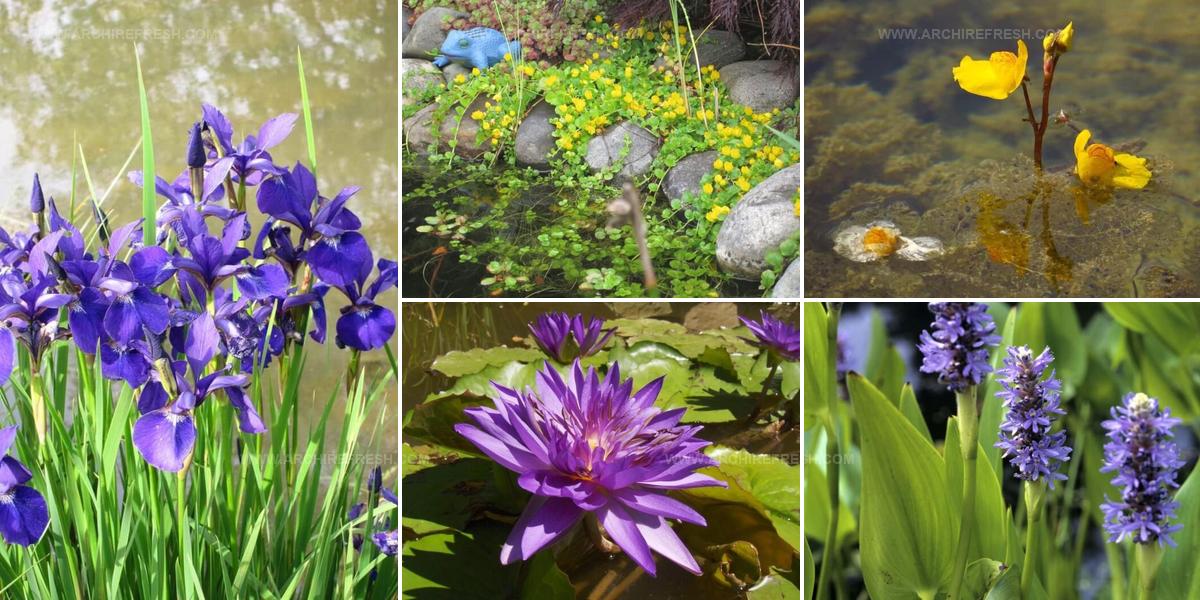
10 Aquatic Plants For Ponds That Create Peaceful Water Gardens
Aquatic plants for ponds bring life and balance beneath the surface, turning still water into a thriving ecosystem.
Selecting the right varieties helps control algae, oxygenate the water, and provide shelter for fish and beneficial organisms.
The floating leaves and submerged stems work together to filter nutrients and keep conditions stable throughout the seasons.
Pond owners often underestimate how vital vegetation becomes in maintaining crystal-clear water without relying on constant chemicals or complicated equipment.
Understanding which species suit shallow edges versus deeper zones makes all the difference between a murky basin and a healthy habitat.
Dense roots anchor themselves while graceful blooms rise above, creating visual interest that changes with every month.
Start exploring options today and watch how nature does the heavy lifting for you.
Purple Flower Spikes For Ponds
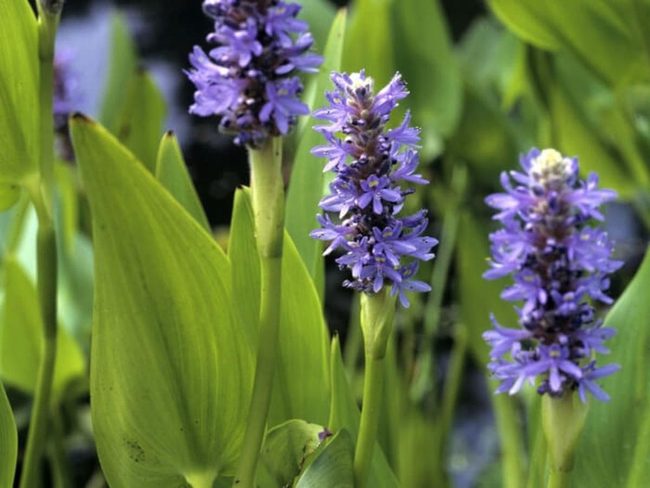
Pickerel rush stands out in water gardens with its dramatic height and eye-catching flower clusters in shades of purple, pink, or white that bloom from late spring straight through early fall.
If you're looking to add real personality to a pond, this plant thrives beautifully along water edges across USDA zones 3-10 and brings wonderful seasonal character to your landscape.
Beyond its good looks, pickerel rush does important work by drawing in bees and butterflies that pollinate your garden space.
Its sturdy stems hold up well through different seasons and weather conditions.
You'll find it's a reliable choice that doesn't demand fussy care while still delivering visual rewards throughout the growing months.
Pollinators get what they need while your pond gains a plant that looks distinct and interesting all season long.
Floating Blooms Clean Pond Water
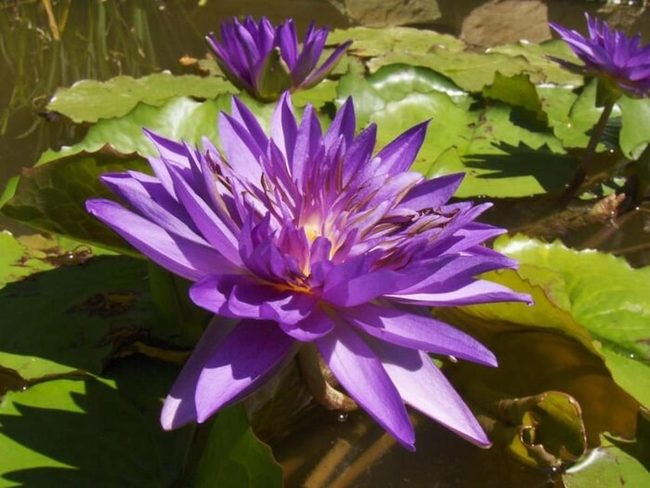
Water lilies with their broad floating leaves and delicate blooms in white, pink, yellow, and red are some of the most striking additions you can make to a pond garden.
Beyond just looking beautiful, water lilies actually do important work for your pond by providing shade across the water and keeping the temperature down.
When you add them to your garden, they help control algae growth naturally and keep your water healthier overall.
Many people don't realize that these timeless plants offer both visual appeal and practical benefits at the same time.
If you're looking to add something that works both as decoration and as a helper for your pond's ecosystem, water lilies are hard to beat.
They've been popular in water gardens for generations because they simply deliver on both fronts without needing constant fussing or complicated care routines.
Yellow Orchid Flowers Meet Carnivorous Pest Control
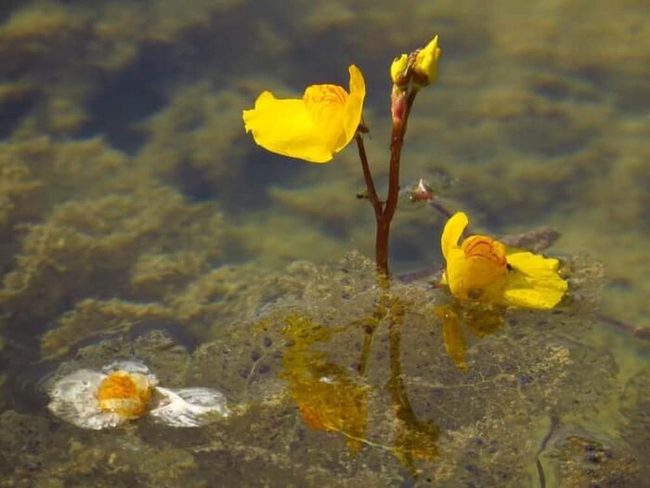
Bladderwort stands out in any pond with its bright yellow flowers that look like orchids and float above the waterline, creating a cheerful pop of color against the surrounding water and plants.
Beyond its stunning appearance, this plant serves a practical purpose because it's carnivorous and actively hunts small water creatures like mosquito larvae and tiny organisms.
Growing bladderwort means your pond stays healthier without relying on chemicals or constant maintenance.
The plant does well in most water conditions and spreads easily once established in your landscape.
Many people overlook aquatic plants when planning their water features, but bladderwort proves how much personality and usefulness a single species can bring to the space.
Geometric Patterned Aquatic Plant
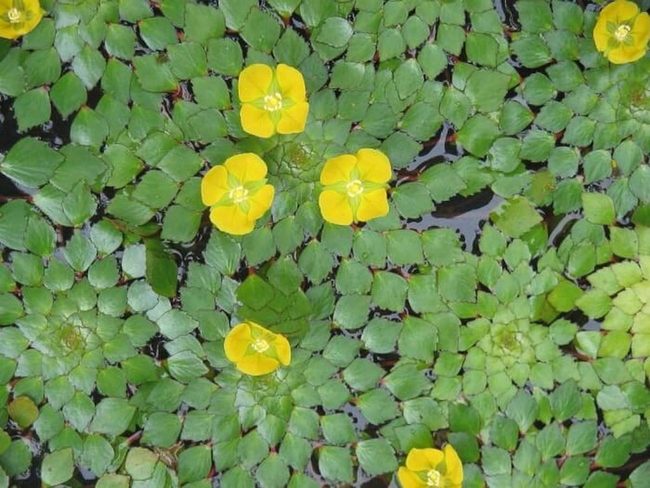
Mosaic plant stands out with its striking geometric leaves that resemble a patchwork of tiles floating across the water's surface, immediately drawing attention to any pond you decide to feature it in.
Growth happens best when you position the plant in full to partial sun and maintain water that leans slightly acidic to neutral.
If you live in USDA zones 10-11, this is an excellent choice that will thrive in your climate without extra fussing.
One thing that makes mosaic plant so appealing is how it performs well across different light conditions, so you don't need a perfectly sunny spot to make it work.
Placement matters more than you might think, and finding the right balance between light and shade keeps the leaves looking their best.
Floating Green Rosettes Clean Ponds
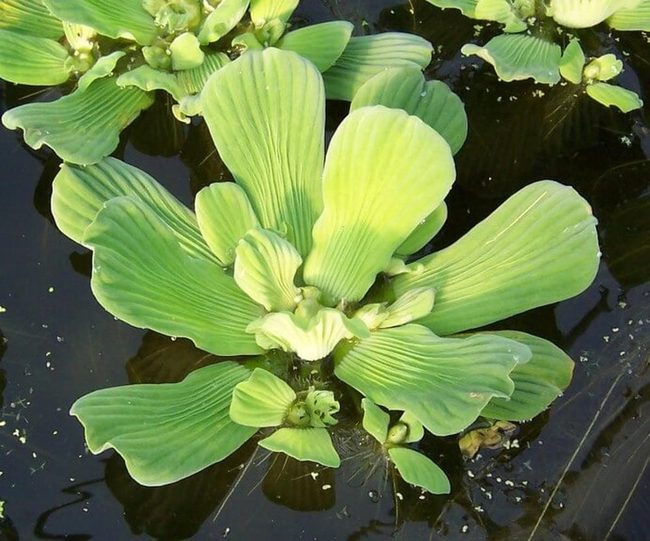
Water lettuce spreads across your pond surface in soft green rosettes that catch the light and add wonderful texture to the water.
If you live in USDA zone 10, this plant does well and prefers water that's slightly acidic and hard with moderate sunlight hitting it.
When you use water lettuce, you're also helping the ecosystem stay balanced because the plant reduces cloudiness and keeps the water clearer for the fish and other creatures living there.
It's one of those plants that looks good and actually does something useful at the same time.
Most people don't realize how much a simple floating plant can change how healthy their entire pond becomes.
Bright Green Cascading Pond Border
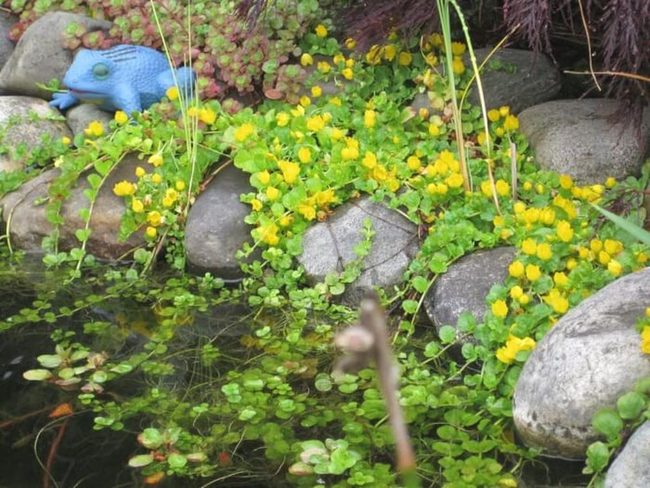
Creeping Jenny stands out with its bright green leaves that spill beautifully over rocks and water edges, giving your pond an instant splash of color that catches the eye right away.
It spreads quickly across the pond's edge and forms a lush border that works well next to other water plants.
You'll find that its cascading growth pattern softens hard edges and gives the whole setup a natural, flowing look.
Many people choose it because it's both hardy and easy to maintain throughout the growing season.
If you want ground cover that brings greenery without taking up much space, this plant delivers exactly that.
Its rapid growth means you can fill in bare spots around your water feature in just one season.
Tall Green Grass Sways Gently
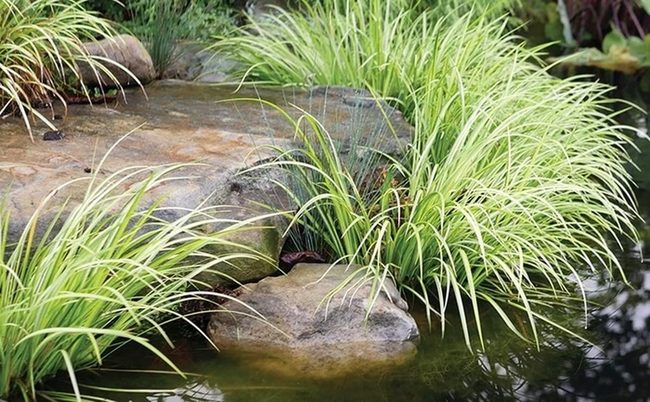
Japanese sweet flag grass stands out with its tall, slender green leaves that arch gracefully and can grow up to 3 feet high, making it one of the most striking plants for pond edges.
You can grow this plant successfully in USDA zones 6-9, and it does well whether you place it in full sun or partial shade.
This setup feels so inviting because how it sways gently in the breeze, adding movement and a sense of calm to your water garden.
It requires minimal care once established, so you won't spend much time maintaining it.
Beyond just looking good, the vertical lines of the grass draw the eye upward and balance out the horizontal surface of your pond.
If you're working with a water feature, this plant pairs well with other aquatic plants and rocks to round out your design.
The peaceful feeling you get from watching it move in the wind is something many gardeners appreciate.
Exotic Tubular Leaves Trap Insects
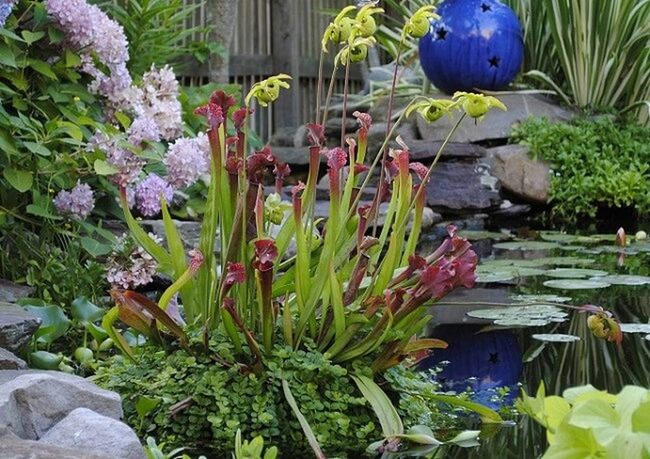
Pitcher plant stands out in any water garden because of its tall, tubular leaves that capture insects and handle pest control naturally, making it both striking and useful.
If you live in USDA zones 6-8, you'll find this plant quite manageable since it thrives with full sun and moist, acidic soil near ponds or wet spots.
I notice the way pitcher plants demonstrate nature's clever solutions through their insect-trapping mechanism, which adds an educational element to your landscape design.
Growing this plant means you get drama and function rolled into one addition to your garden.
It flourishes best when you position it where water collects naturally and sunlight reaches it throughout the day.
Bog gardens and pond edges become far more interesting when pitcher plants take root there and start their fascinating growth cycle.
Vivid Red Hummingbird Magnet Plant
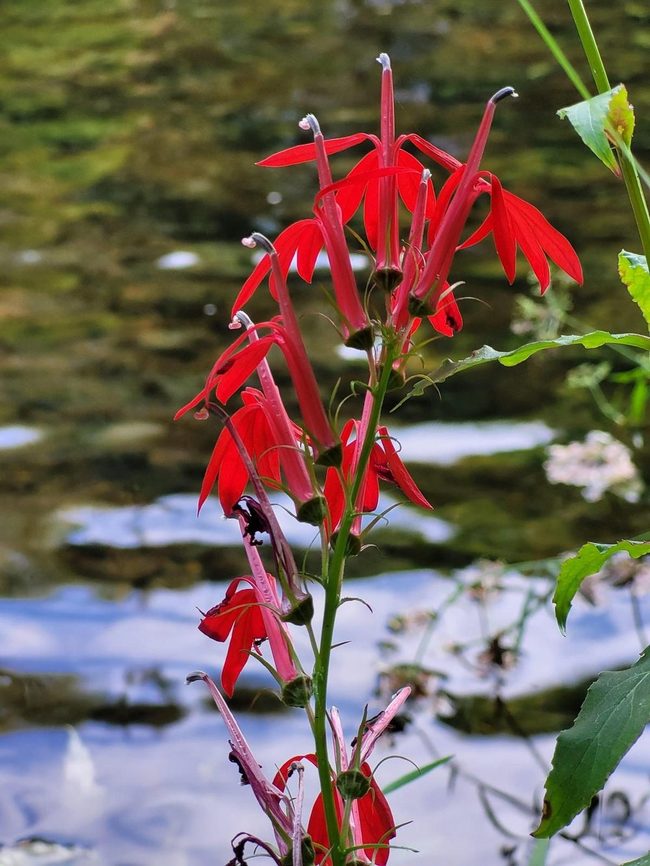
Cardinal flower produces vivid red blooms that rise above leafy stems and pull hummingbirds and butterflies straight to your pond area, while this hardy perennial grows well in moist, rich soil across USDA zones 3-9 and adapts to different light situations.
You can pick up on how those bright red flowers act as a strong stopping point along your pond's edge and bring living creatures into your garden space.
Since cardinal flower can handle both wet conditions and partial shade, it slots nicely into many garden setups without much fuss.
Butterflies love visiting these tall spikes of color, and hummingbirds seem drawn to them during their feeding rounds.
If you want something that performs reliably year after year and puts on a good show, this plant delivers both appeal and low-maintenance growth.
Blue Iris Spring Water Garden
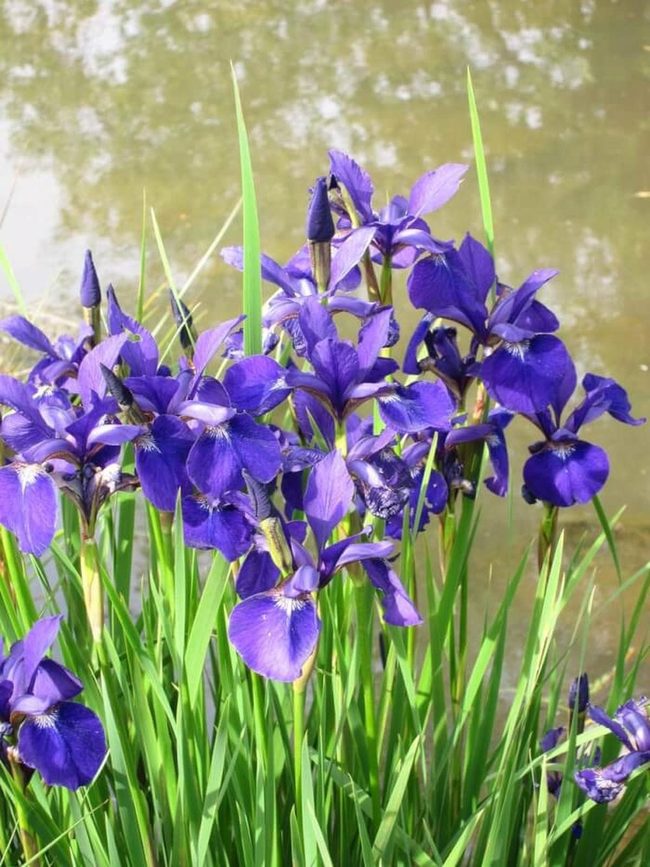
Blue iris blooms in eye-catching shades that range from pale blue to deep violet and really stands out around pond edges during early spring.
You'll find these tall, graceful flowers work well in USDA zones 3-9, and they perform best when planted in full sun, though they can handle partial shade if needed.
Beyond their visual appeal, these plants bring an upright structure to your water garden that suits both natural and formal designs.
The stems rise above the water's surface and create nice lines along pond borders.
Whether you're going for a relaxed, naturalistic look or something more structured and polished, blue iris adapts easily to your vision.
They pair well with other water plants and fill in spaces where you might want more height and texture.
If you're planning a pond garden, adding blue iris gives you those striking color bursts early in the season when many other plants are just starting to wake up.
Michael Harris
Senior Content Editor
Expertise
Home Décor Content Creation, Interior Design Journalism, Editorial Oversight, Digital Media Strategy, Team Leadership and Mentorship
Education
University of Queensland, Brisbane, Australia
Queensland University of Technology (QUT), Brisbane, Australia
Michael Harris is the senior content editor at Archi Refresh, where he turns home design trends into engaging, easy-to-follow articles. With a journalism degree from the University of Queensland and a digital communication certification from QUT, he knows how to craft content that informs and inspires.
With over 10 years of experience in lifestyle and design media, Michael has shaped editorial strategies, mentored writers, and helped readers refresh their spaces with practical tips. His work blends storytelling with expert advice, making home decor more accessible to everyone.
Outside of work, Michael enjoys DIY projects, exploring Brisbane’s art scene, and teaching digital literacy workshops.