
22 Gorgeous Front Flower Bed Ideas That Welcome Guests

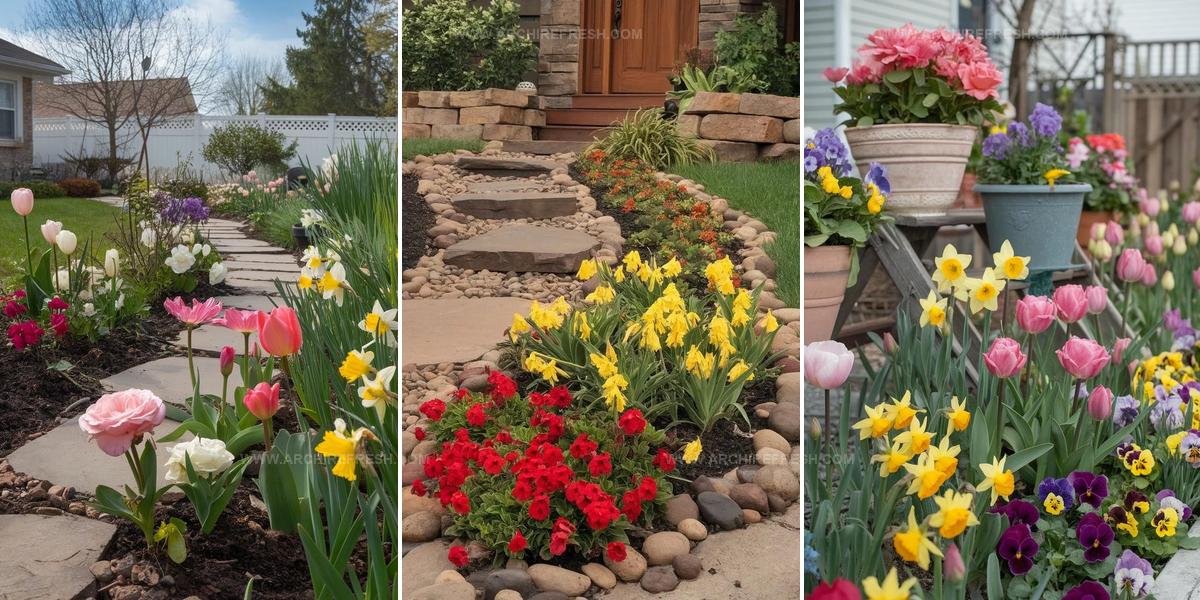
Beautiful front flower bed ideas can completely refresh how neighbors and visitors view the home before they even reach the door.
A well-designed flowerbed serves as an outdoor welcome mat that reflects personal style while boosting curb appeal.
Colors, textures, and heights work together to form visual interest that draws the eye naturally across the landscape.
Flowers arranged thoughtfully soften harsh architectural lines and create smooth transitions between lawn and structure.
Seasonal blooms ensure something catches attention during every month of the year.
Even modest spaces offer room for creative combinations that make a memorable first impression.
Now's the perfect moment for you to reimagine what that front space could become.
Red Geraniums Against Neutral Walls
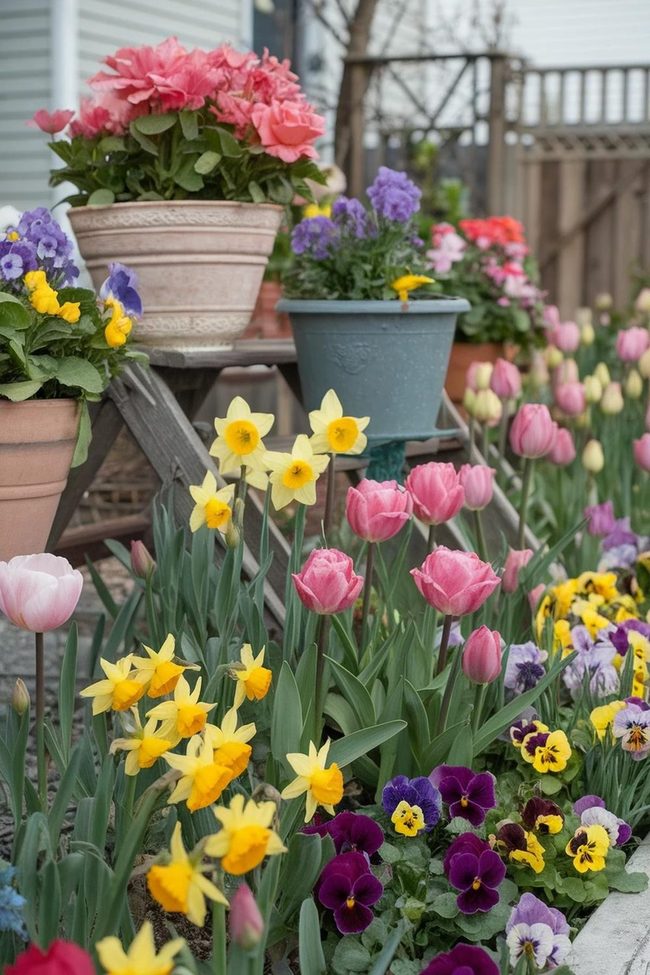
Nothing stands out quite like a garden bed bursting with red geraniums, yellow daisies, or orange marigolds that seem to glow against the green landscape.
You are able to recognize how these bold flower colors become even more dramatic when you place them near neutral backgrounds like white fences, gray stones, or plain lawn areas.
Planting these saturated blooms gives your outside space an instant energy boost that visitors can see from a distance.
We recommend clustering flowers of the same color together rather than scattering them randomly across your yard.
This grouping method helps the hues pop and makes your garden feel more organized.
If you want even more impact, try mixing different bold colors in separate sections so eacharea has its own personality.
Your space refreshes from dull to dynamic with just a few strategically planted flower beds.
Simple as it sounds, with the layout, costs very little and delivers results that you may enjoy all season long.
Stone Outdoor With Blooms
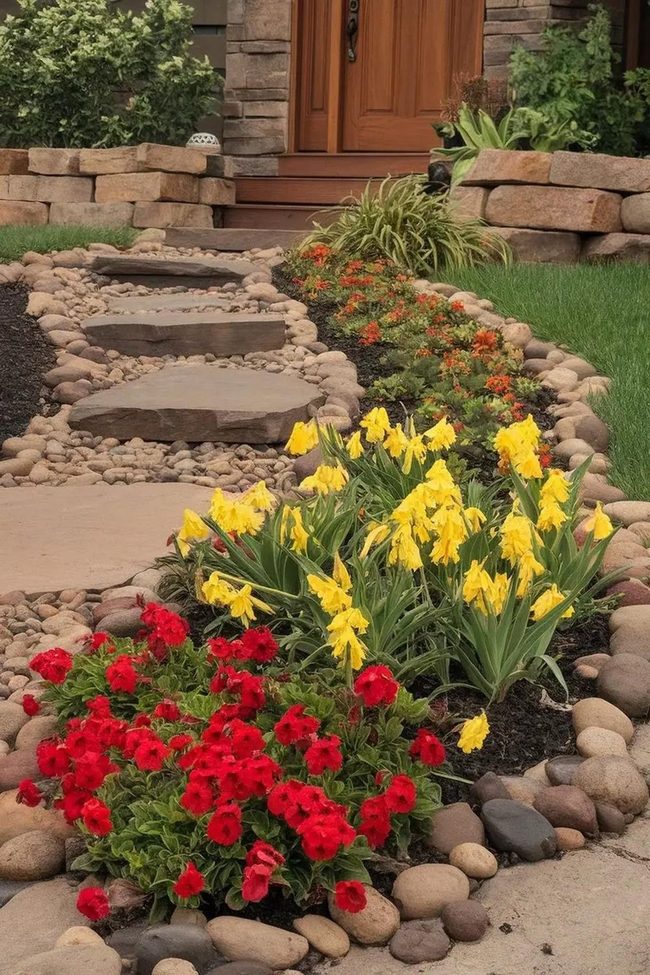
Boulders and stones make an bold statement in any garden space, and when you pair them with blooming flowers, you get a striking contrast that catches everyone's attention right away.
Large rocks anchor your planting beds and give the whole area a modern, clean look that feels both grounded and sophisticated.
Pebbles scattered around plants add texture and interest without demanding much from you in terms of upkeep.
Low-growing flowers nestle between stones and bring about pockets of color that stand out against the gray or brown backdrop of the rock elements.
Ornamental grasses work nicely here too, swaying gently above the stone features and softening their hard edges.
If you want something truly low-maintenance, this combo handles itself well through different seasons and weather patterns.
Many people love setup because rocks stay put while flowers do what they do best, and together they give your open-air space a refreshed, contemporary feeling that feels both natural and intentional.
Unedged Flowers Into Lawn
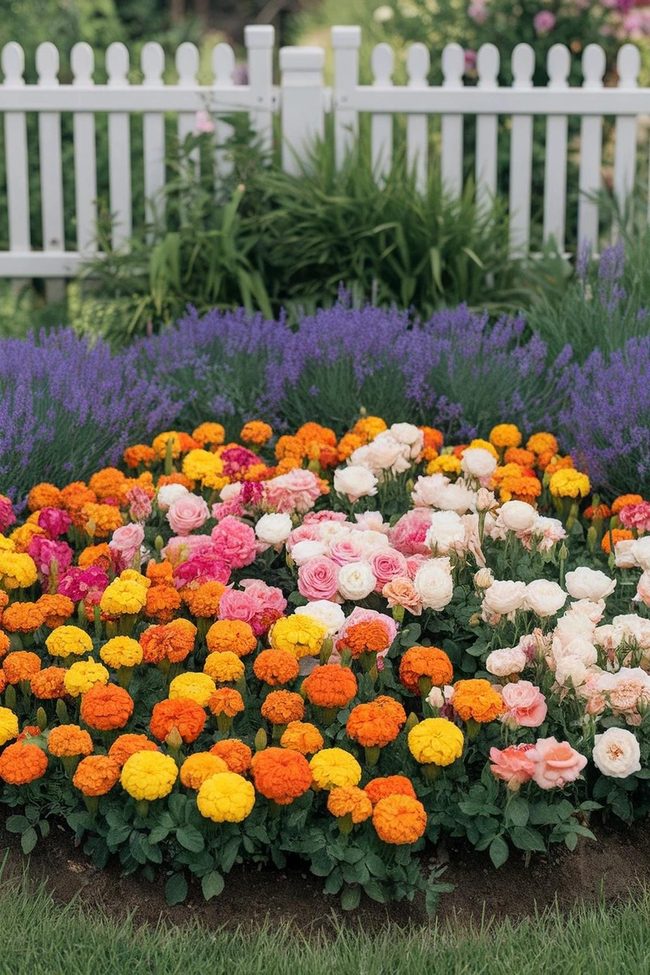
Skip the border entirely if you want your garden to feel loose and connected to the rest of your yard.
Let flowers blend naturally into the grass or walkway around them, and you can get that easy, unforced quality that makes garden spaces feel good.
Keep the plants in neat rows so everything looks cared for, not wild.
Mulch does two jobs here, it stops weeds from taking over and keeps the bed looking clean and put together.
You don't need anything fancy or structured; sometimes the best gardens are the ones that look like they just happened to grow that way.
In this setup, works especially well if you have a small yard since you aren't wasting space on edging materials.
Patterned Stone Patio Borders
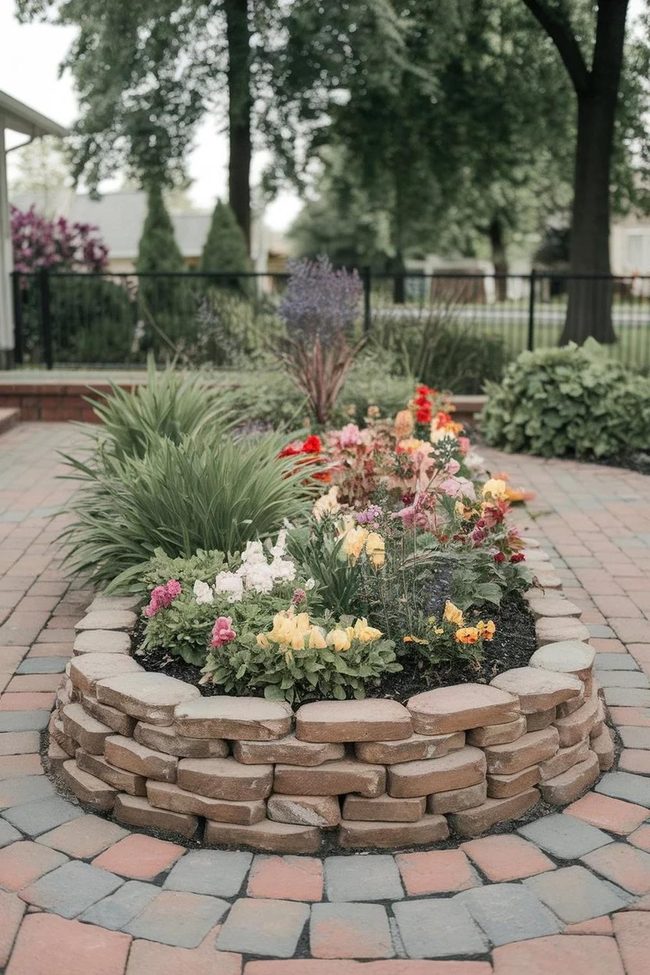
Flower beds with unique edging materials like bricks, stones, or reclaimed wood stand out as one of the most noticeable upgrades you can make to your outdoor space.
We recommend exploring different patterns and colors to develop a look that shows off your style and personality.
Decorative edging serves a user-friendly function by keeping soil contained and defining where your plants grow.
You can mix materials to introduce interesting visual combinations that feel one-of-a-kind.
Stepping beyond standard plastic or metal borders opens up lots of creative possibilities for your yard.
Go ahead and experiment with what appeals to you most, whether that's a modern geometric pattern or something more rustic and natural.
Your flower beds will look more polished and carefully arranged with proper edging in place.
Playing with these boundaries lets you make a garden space that truly feels like yours.
Purple Gradient Flower Terrace
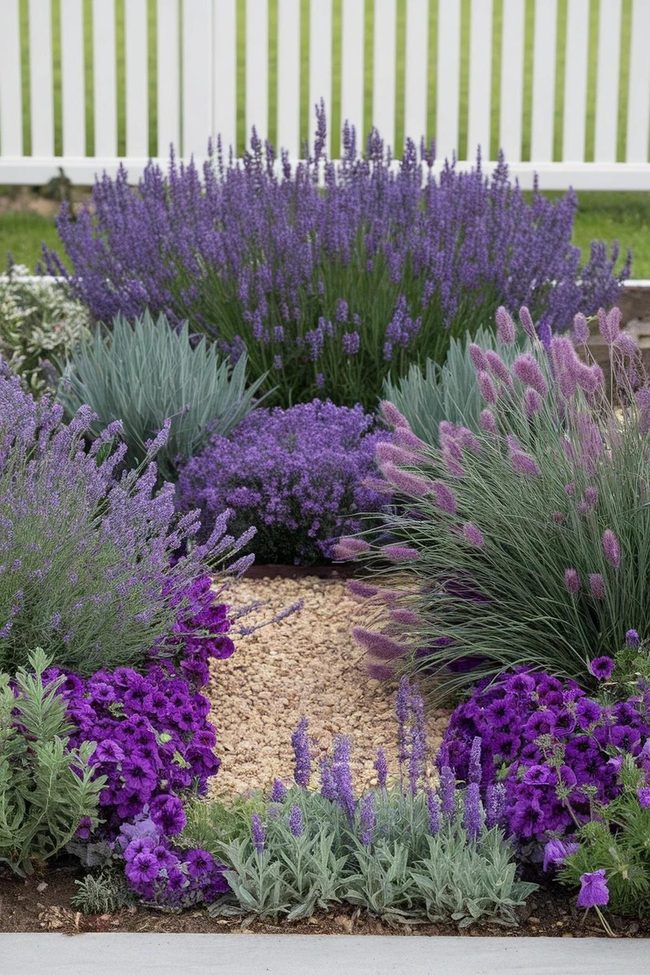
This garden bed filled with flowers in one color family but different intensities makes a bold statement and looks far more polished than you might expect.
You could plant lavender, alliums, and violets together to build a purple theme that draws the eye with its depth and richness.
Varying the shades from pale to dark means the plants play off every other and keep the space from feeling flat or boring.
We love through the design, because it's simple to plan, easy to maintain once established, and requires less fussing with clashing colors.
If purple doesn't suit your space, you can apply the same concept to whites, pinks, blues, or any other color you prefer.
This single-color strategy looks refined without demanding much effort, and it gives your patio area a thoughtful, sophisticated edge that feels both modern and timeless.
Tiered Blooms From Back To Front
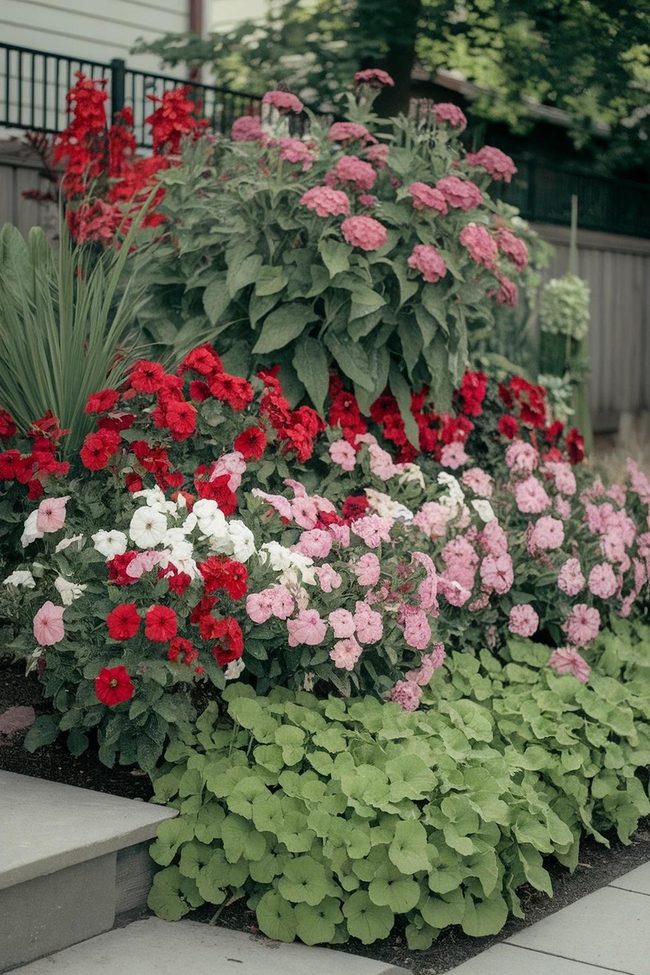
Build layers in your flower bed by mixing plants at different heights so every bloom shows through and catches the light beautifully.
Put tall flowers such as foxgloves or sunflowers toward the back where they stand proud against your garden backdrop.
Medium-height plants like zinnias go in the middle section and act as a bridge between the towering blooms and your ground-level flowers.
Small flowers such as alyssum or marigolds belong in front where they frame the entire display and understateden edges.
This staggered approach gives your garden real structure and sophistication without feeling overdone.
We love this method because it prevents shorter plants from hiding in shadows, and it adds depth that makes even a small space feel fuller.
You may be aware of how much more polished your beds look when throughout plant sits at its own level rather than all crowded at the same height.
Spiky Grasses Meet Muted Blooms
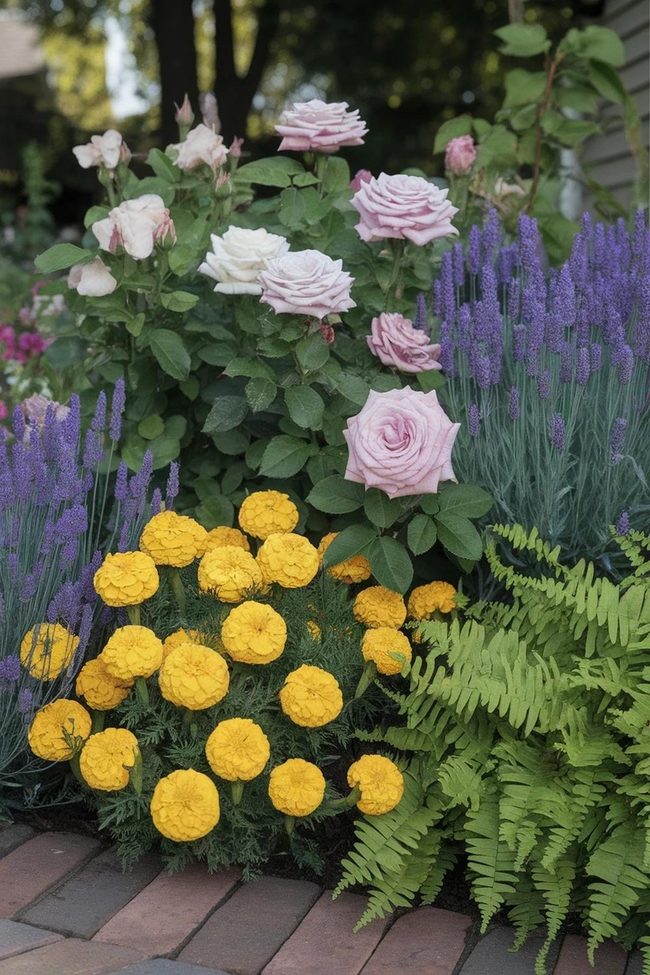
Mixing flowers with ornamental grasses, succulents, and ferns brings out a striking contrast that stops you in your tracks.
Delicate blooms paired next to spiky or feathery leaves build a dynamic arrangement that feels alive and interesting.
Layering different textures prevents your flower bed from looking flat and one-dimensional.
You can use rough succulent leaves against delicate petals and watch how every plant makes the other stand out more.
Feathery grasses wave behind clustered flowers and add movement to the space.
When you combine smooth, rough, tall, and low textures together, the whole garden gets more personality.
Tiered Spiral Stone Landscape
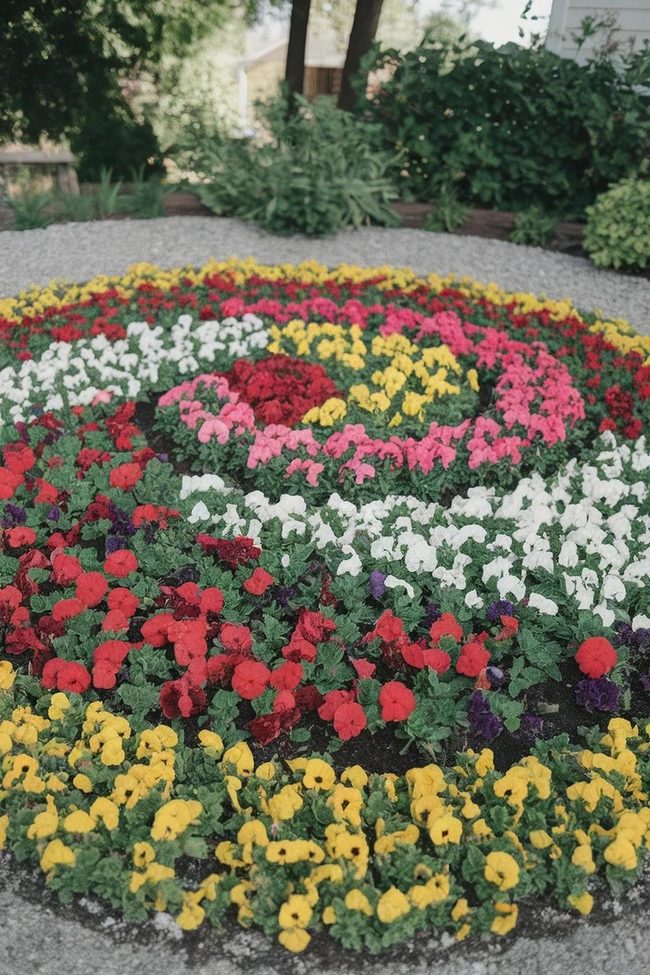
Build a spiral flower bed with rocks or bricks to build something that stands out immediately in your yard, and you are able to find this layered design works wonderfully whether you have limited space or want to make a bold statement.
Stack the materials in a twisted pattern and plant different flowers or herbs on across tier, which gives you room to experiment with colors and varieties without needing much square footage.
You can adjust the height and width to match your space and style preferences.
Herbs spiral nicely here too, so you can grab fresh basil or rosemary right from your entry.
The tiered approach means water flows naturally and plants get good drainage.
Neighbors and visitors will likely ask about it since the design feels fresh and unexpected.
It's one of those projects that looks more complicated than it actually is to build and maintain.
Untamed Daisy Meadow Landscape
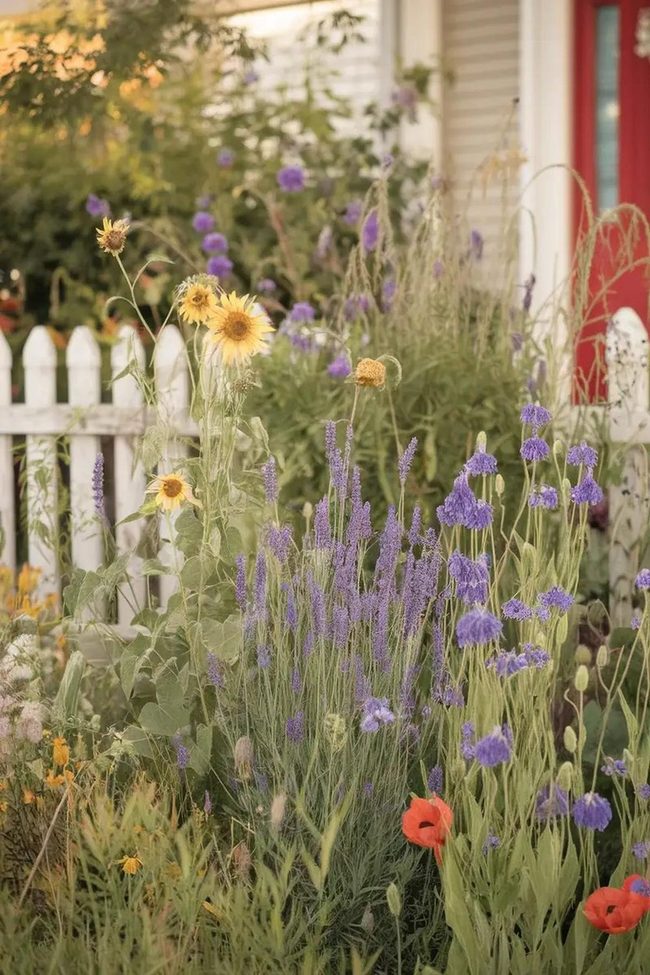
Wildflower bed bursting with daisies, lupines, and cornflowers brings an untamed garden look right to your yard and draws butterflies and bees in droves.
You get the bonus of a free-spirited, natural feel without needing to maintain the tight structure of a traditional garden.
Pollinators flock to these blooms and help your whole garden thrive, making the space more alive and dynamic.
If you plant a mix of heights and colors together, you can have layers that feel more organic and less designed.
This style suits anyone who wants their garden space to feel like a hidden meadow rather than a formal garden room.
Many people find that once they go wildflower, they never want to go back to rows of manicured plants.
Hibiscus And Palm Lilies Frontyard
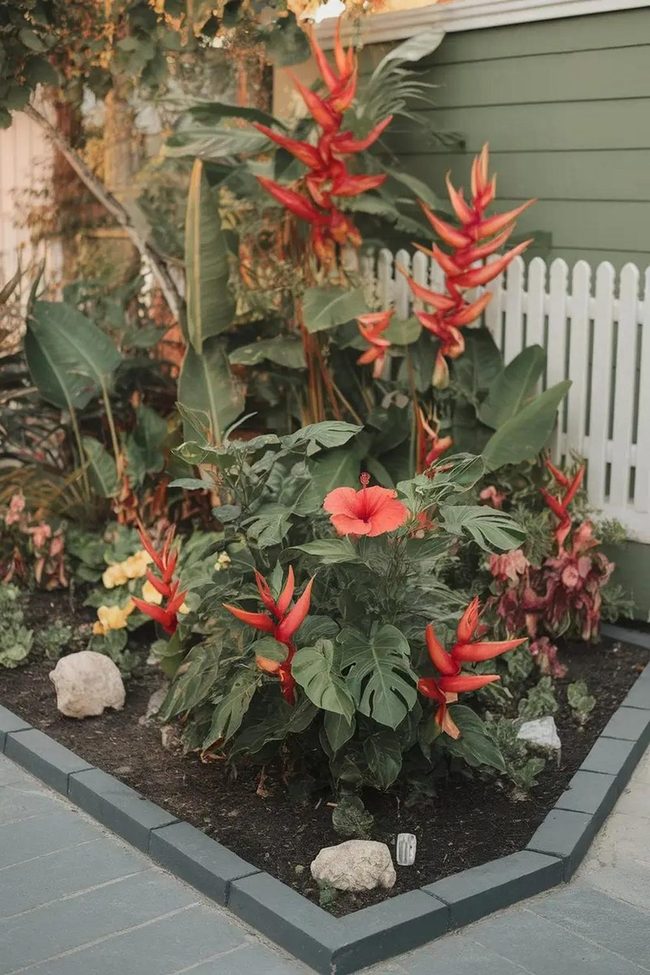
Hibiscus, bird of paradise, and palm lilies collection across your front yard with bold colors and dramatic shapes that stop people in their tracks.
Pairing them with dense green foliage around the base creates depth and makes the flowers stand out even more.
You don't need a warm climate to grow many of these beauties, they adapt well to containers and indoor spaces too.
Dark green leaves serve as the perfect backdrop for those vivid petals and interesting silhouettes.
When you walk up to your home in all day, these plants remind you of far-off beaches and lush islands.
I can see how easy they are to maintain once established, plus they attract butterflies and birds to your space.
Even a small grouping of tropical flowers updates an ordinary entrance into something that feels special and alive.
Low-Maintenance Daylilies And Ornamental Grasses
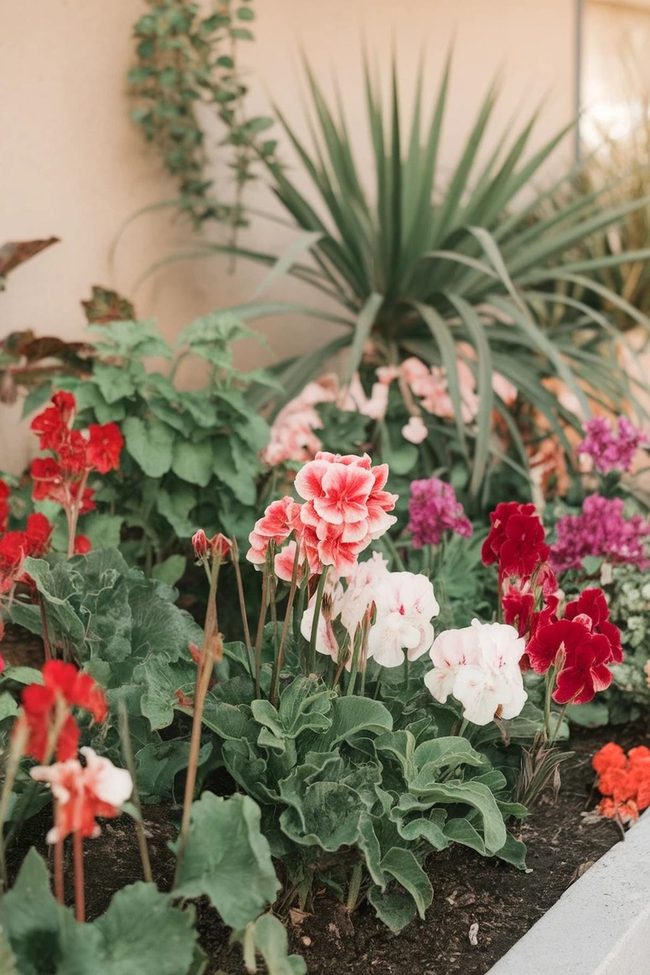
Ornamental grasses sway and shimmer in the breeze, daylilies layer open in bold colors, and hostas unfold their dramatic leaves across your garden beds and they all demand very little from you in terms of care.
If you're someone who loves a beautiful yard but doesn't have hours to spend weeding and watering, these plants are your answer because they grow strong with minimal attention and thrive even when you forget about them for a while.
Spread mulch across the soil around your plants and two good things happen at once, the ground stays moist longer so you water less often, and weeds have a much harder time taking over.
We love design choice because it keeps your garden looking neat and put-together without requiring you to work constantly to maintain it.
Your beds will look intentionally designed and well-cared for, even when life gets hectic and you can't spend every weekend yards.
Low-maintenance plants give you permission to enjoy your yard space rather than feeling stressed about keeping everything perfect.
The result is a garden that looks great and fits naturally into a busy life.
Shaded Blooms Around Tree Trunk
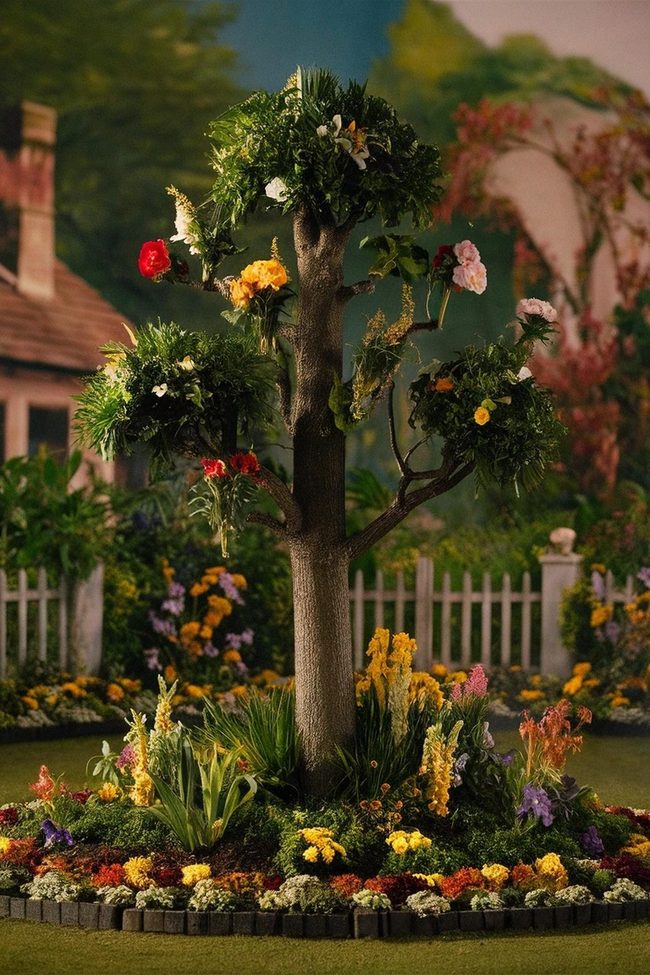
Your ring of shade-loving flowers such as begonias, impatiens, or hostas planted around your tree's base builds a lush garden display that catches the eye immediately.
We recommend layering mulch or small decorative rocks around these plants to give the space a polished, complete appearance.
Through the design, refreshes what might otherwise be bare ground into a purposeful garden area.
You can refresh the flowers seasonally to keep the look fresh and interesting.
Hostas work especially well if you want foliage that stands up over time.
Begonias and impatiens add gentle color variations and work nicely in spots where direct sun doesn't reach.
Most of these plants need minimal care once established, so you get beauty without constant maintenance.
It's a straightforward way to make full use of the space around your trees and add dimension to your landscape design.
Fragrant Flowers Frame Your Patio
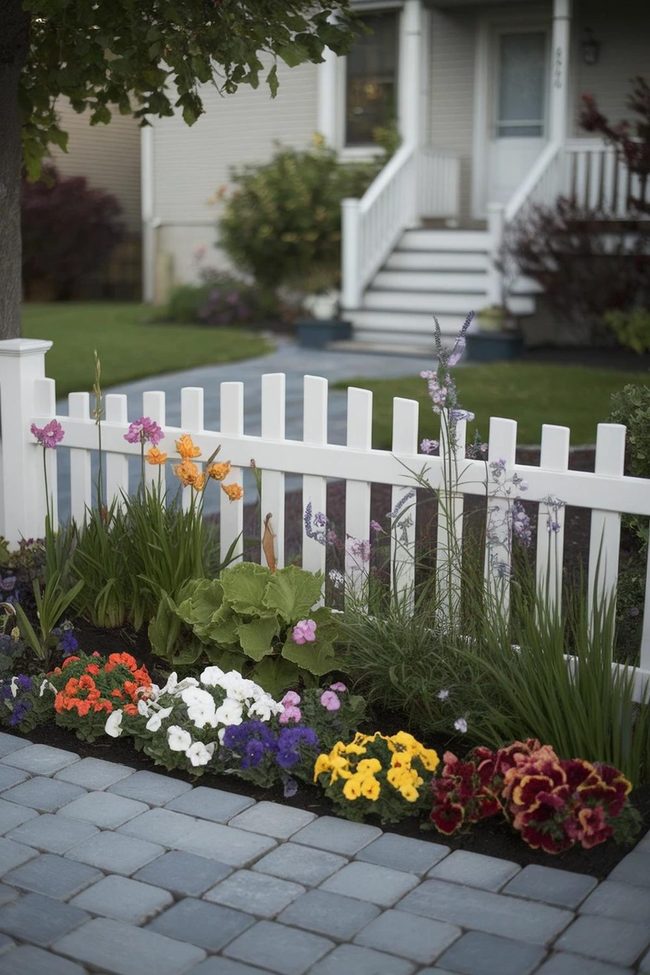
When you host people exteriors, flowers planted around your patio and seating areas bring color and life to the space, and lavender, gardenias, and jasmines work especially well because they smell wonderful and make everyone feel welcomed.
String lights and lanterns hung overhead add warmth after the sun goes down and transform how the area feels in the evening.
Nothing beats sitting outside with company when the space smells good and looks appealing.
You don't need to do much beyond these basics to make people want to linger and relax.
Flowers planted strategically around seating areas keep the focus on comfort and connection.
Lighting that glows mutedly in the darkness extends your time outside and makes the experience feel special.
Good smells and good lighting are what really make an exterior space feel ready for people to gather.
Yellow Daffodil Mass Planting
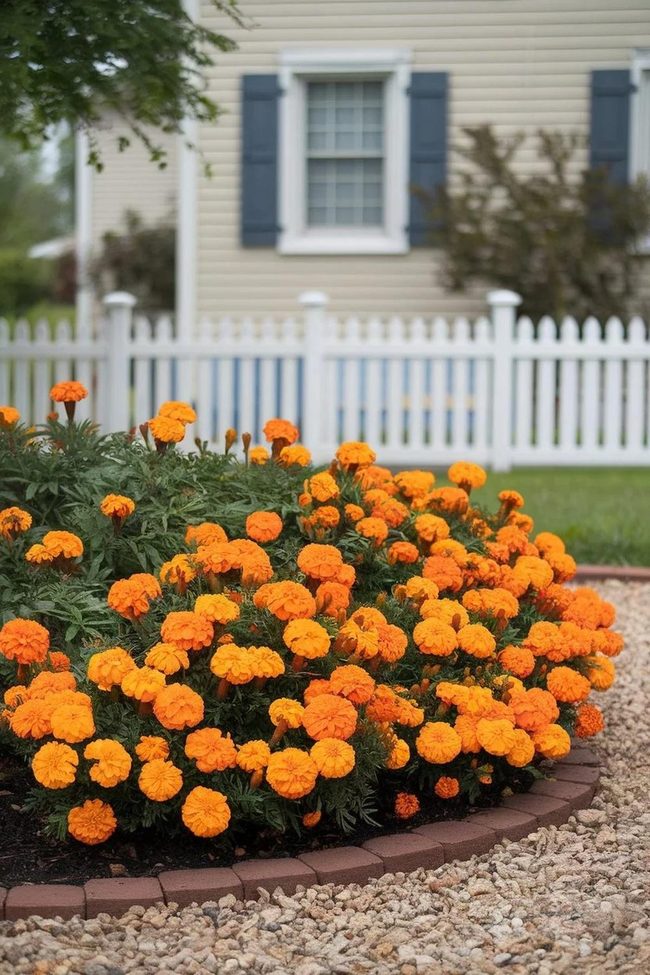
When you plant dozens of tulips, daisies, or daffodils all in one bed, the sheer quantity and uniform height shape a bold statement that stops people in their tracks.
Choosing a single flower species means you get a clean, coordinated look without the distraction of multiple blooms competing for attention.
Simplicity often delivers more impact than complexity, and method proves it.
Plant them close together so they fill the space completely and look lush and full.
You can refresh the bed across season by switching to a different flower variety while keeping the same straightforward style.
One type of flower, planted generously, gives you a professional-looking garden bed that feels balanced without requiring fussy mixing or constant maintenance.
Since there's only one species to care for, watering, weeding, and deadheading become easier tasks for you to manage throughout the growing season.
Flower-Lined Yard Edges
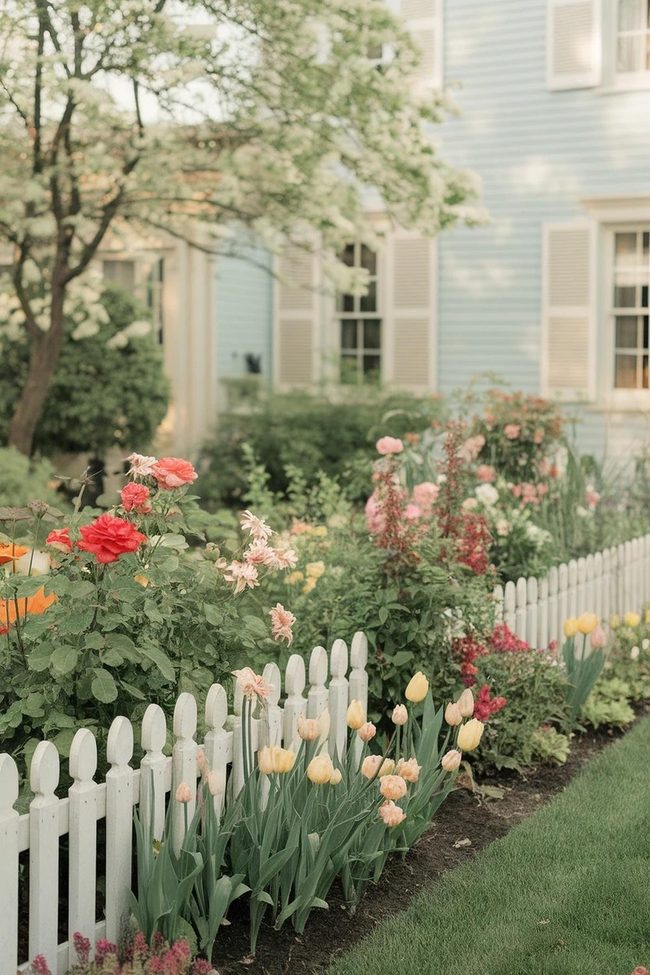
Every garden border along your lawn or driveway edge brings instant color and definition to your outdoor space, and planting low-growing flowers like petunias, snapdragons, or marigolds gives you that charming frame everyone loves.
You can line pathways or separate different yard areas with these blooms, and they naturally guide the eye through your landscape.
Since these flowers stay relatively short, they won't block views or overwhelm the space.
We recommend choosing varieties that match your home's color palette so the border feels connected to the rest of your property.
Maintenance is straightforward with these hardy options, and they bloom reliably throughout the growing season.
Beyond just looking nice, borders also help keep grass contained and reduce edging work on your part.
By grouping similar flowers together, you build rhythm and flow across your yard without needing anything complicated or expensive.
Red Roses With Purple Lavender
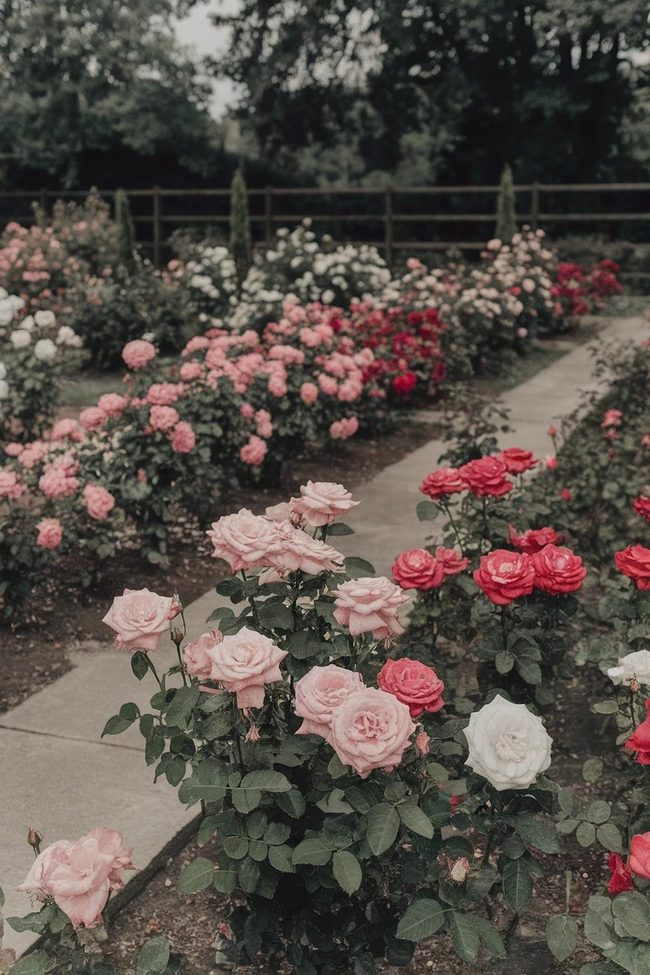
Roses stand out as nature's most striking statement, and when you plant a mix of hybrid tea roses alongside climbing varieties and sturdy shrub roses, you build a garden that speaks to tradition and beauty.
Pairing these blooms with companion plants such as lavender or salvia does double duty, it keeps pests away while making your garden even more visually interesting.
You can play with different rose colors and sizes to suit your space, and doing this lets your garden feel both polished and personal.
Lavender brings its own fragrance to the mix, which means visitors will enjoy more than just the roses alone.
Shrub roses tend to be easier to care for than some fancier varieties, so you won't spend all your time maintaining them.
This kind of garden shows that sometimes the simplest choices, sticking with classic flowers and letting them shine, are the ones that last the longest in both beauty and memory.
Drought-Tolerant Succulents And Cacti Patio
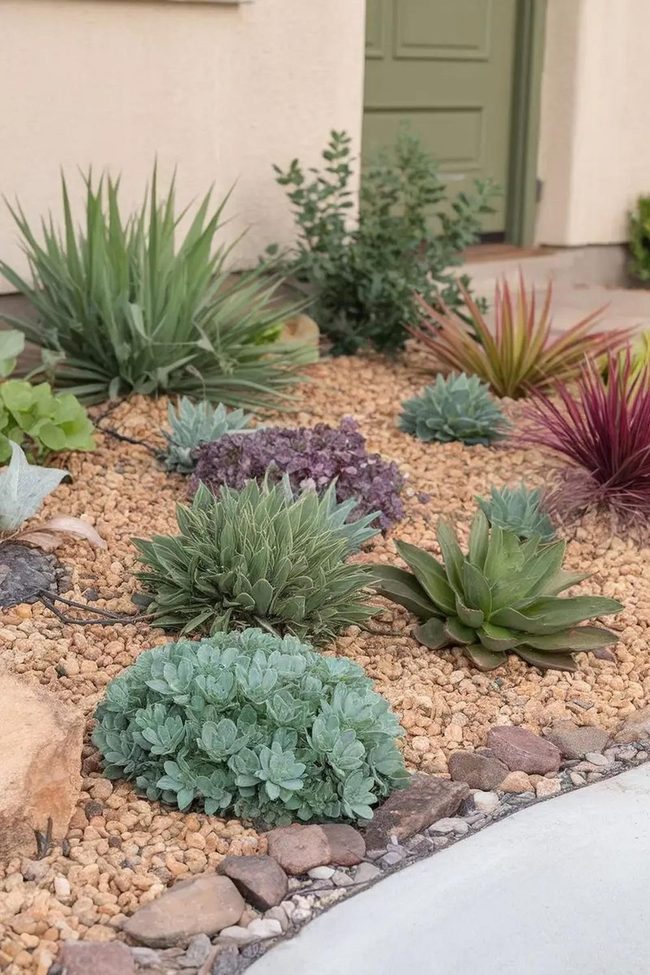
Desert plants like succulents, cacti, and lavender make a bold statement in any yard and require far less water than traditional flowers, making them ideal for homes in dry climates where you want to conserve resources.
You can arrange them in layers to showcase different heights and colors, and the natural variations in their forms mean the garden stays interesting year-round.
Rock mulch or gravel around the base not only looks clean and modern but also helps the soil retain moisture and keeps your maintenance routine simple.
Since these plants are naturally adapted to hot, dry conditions, they thrive with neglect rather than struggling when you forget to water.
Building this kind of garden works wonderfully if you live somewhere hot and sunny and want something that looks good while being responsible with water.
Low-maintenance doesn't mean boring, and a xeriscape bed proves you can have both beauty and practicality in one space.
Round Dahlia Center Bed
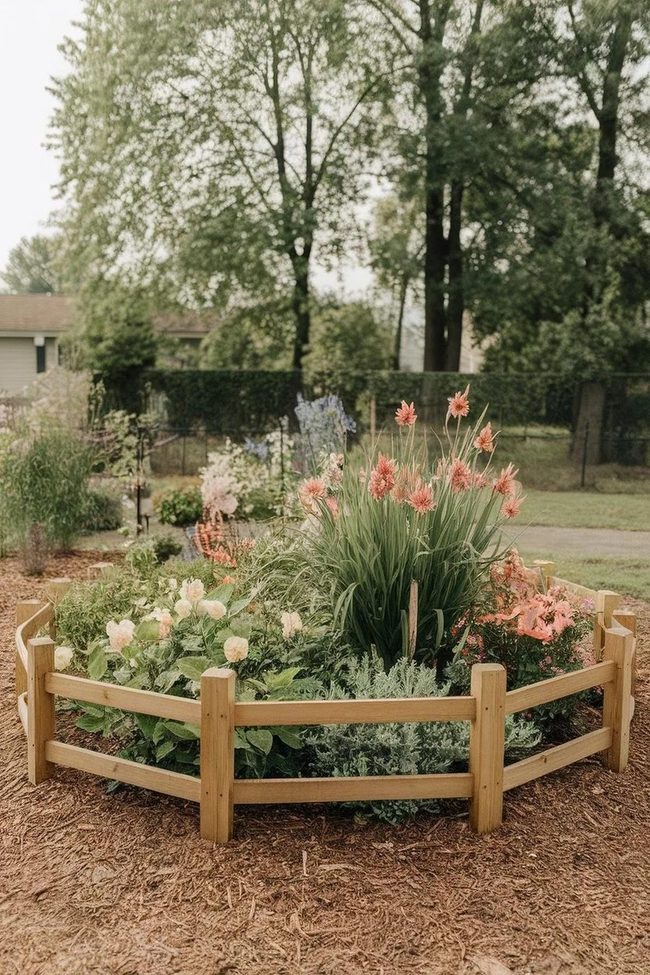
Every round flower bed in your front yard acts as a striking center point that draws the eye immediately.
Start with tall dahlias or similar flowers right in the middle, then arrange progressively shorter blooms as you move outward in rings.
We love by using this layout, because the symmetrical layout suits almost any yard style and feels natural to look at.
Ring of flowers guides your gaze inward toward the tallest plants, creating a sense of order and balance.
You can mix colors within across circle to add depth, or keep things simple with a single hue that gradually shifts.
Building your bed in this circular pattern means visitors naturally focus on this area first when they approach your home.
Simple to maintain once established, these beds give your landscape structure without requiring complicated planning or special skills.
Flowering Borders Frame Your Path
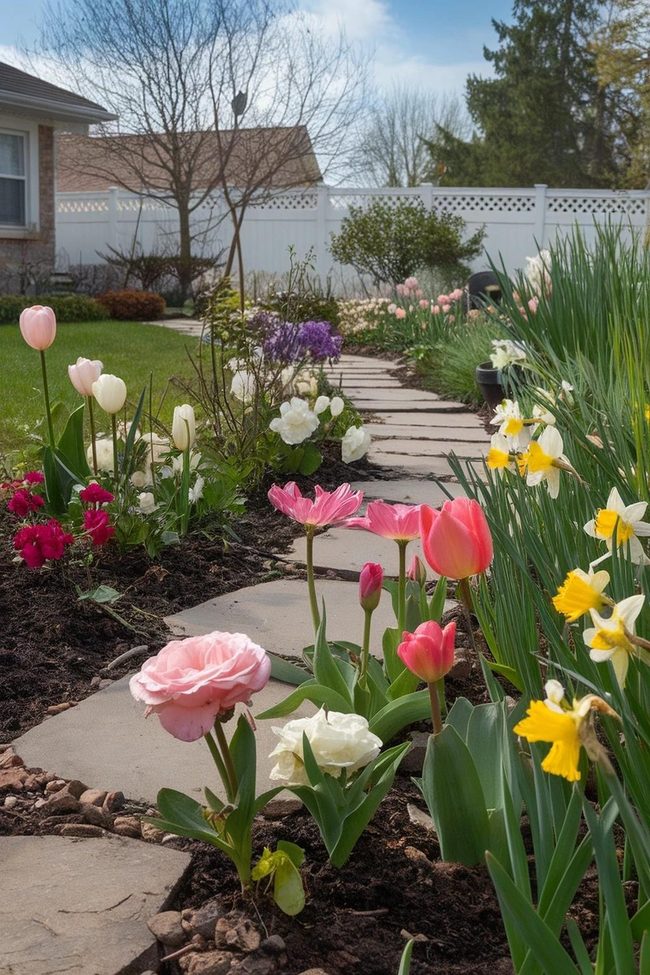
Line your walkway with low-growing flowers like pansies, alyssum, or creeping thyme and you are able to immediately draw eyes down the path as visitors approach your home.
Flowers along the edges guide people naturally from the street to your door and make the entrance feel open and warm.
You don't need many plants to achieve this effect; even a simple row of blooms does the job well.
Most of these plants are hardy and handle neglect fairly well.
The color and texture of the flowers add personality to what might otherwise be a plain concrete or gravel path.
Low-growing varieties work especially well since they won't block sightlines or get in anyone's way.
Consider mixing a few different types to keep things from looking too uniform down the length of the walkway.
Purple And Yellow Pollinator Paradise
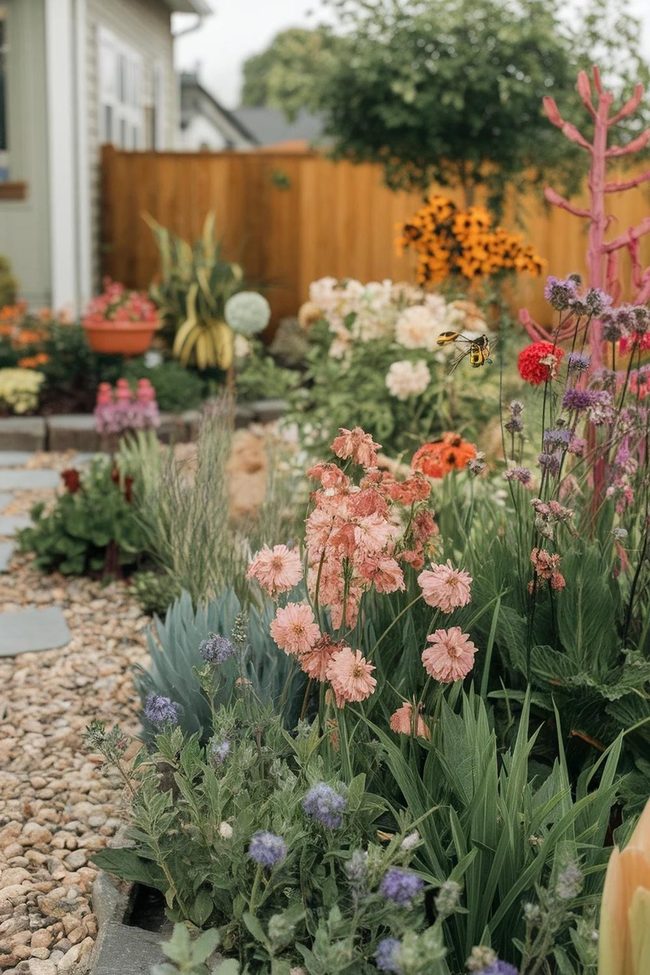
Pollinator-friendly flower bed brings bees, butterflies, and hummingbirds right into your outside space with bursts of color from lavender, coneflowers, black-eyed Susans, and bee balm.
These flowers attract wildlife and make your garden feel alive with activity throughout the seasons.
You can balance the well-lit blooms by mixing in greenery like hostas or ferns, which diffusedens the look and adds depth to your bed.
Beyond just looking beautiful, this type of garden actually helps support local ecosystems and keeps pollinator populations healthy.
The combination of flowers and foliage gives you a dynamic space that shifts with the weather and time of year.
Your yard becomes both a visual retreat and an active habitat where nature thrives right alongside your home.
Flowers That Bloom Forever
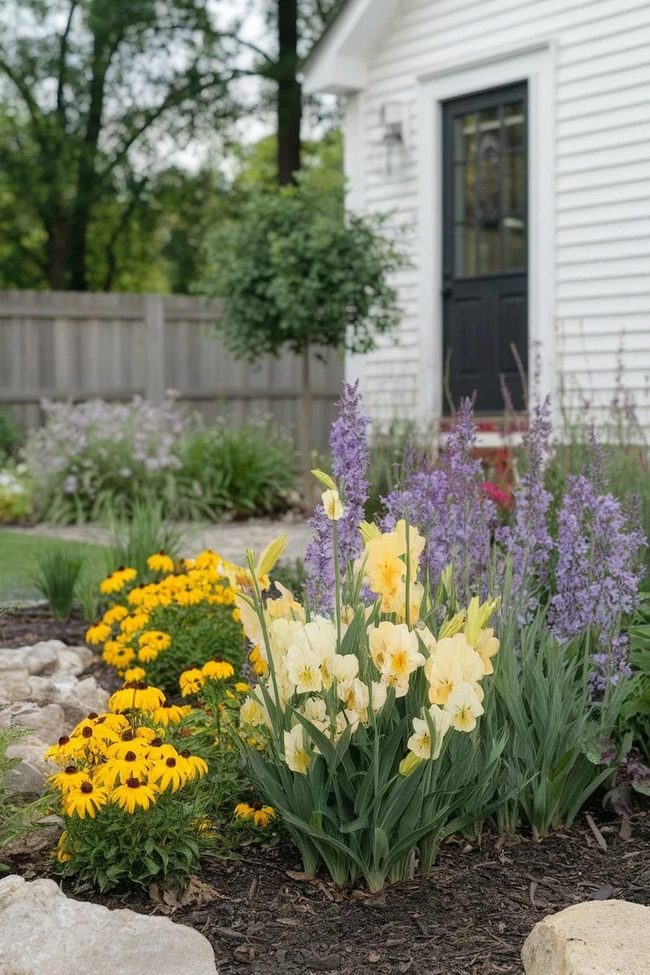
This flower bed planted with perennials such as coneflowers, hydrangeas, and peonies gives your garden something that keeps showing up season after season and saves you both time and money compared to replanting annuals throughout year.
Mixing different perennial varieties means you get color and interest throughout spring, summer, and fall instead of having bare spots when one plant finishes blooming.
You could spend less time digging holes and buying new plants throughout season and more time enjoying what's already growing.
Since perennials develop stronger root systems over time, they become more drought-tolerant and resilient as the years go on.
Starting a perennial bed is one of those smart gardening moves that pays dividends with throughout passing year and lets you focus on other parts of your patio space.
Cascading Flowers On Hillside
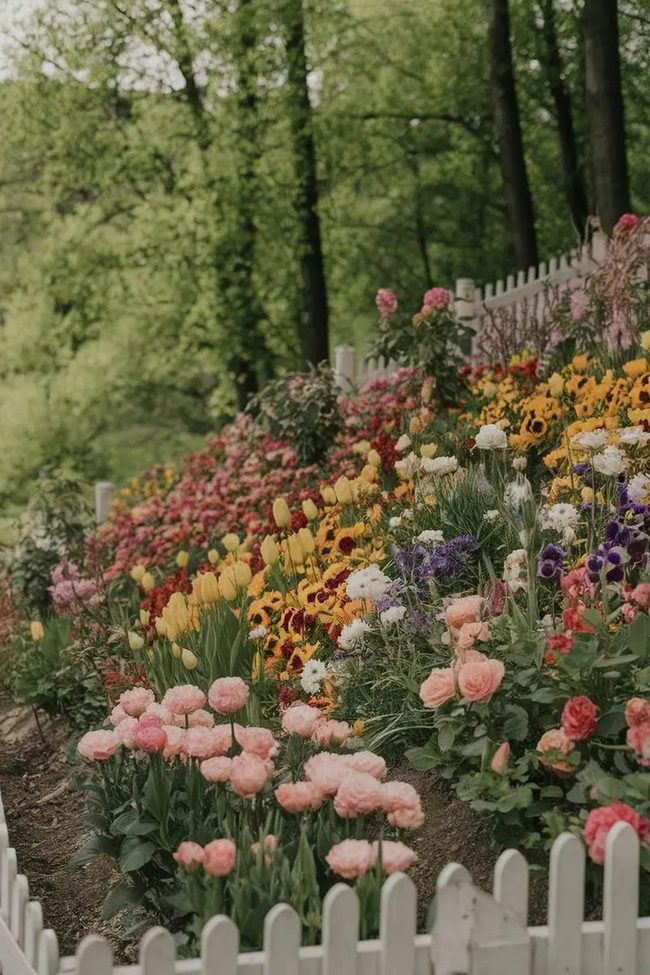
Turning a difficult slope into a beautiful flower bed updates one of your landscape's toughest spots into something eye-catching.
Cascading plants like creeping phlox and sedum work wonderfully on slopes because they naturally spill downward and build layers of color as they grow.
Building small retaining walls across the slope solves two problems at once, you get easier access for planting and you stop soil from washing away during rain.
These walls don't need to be fancy or complicated; simple stacked stone or wood does the job well.
Once you plant your cascading varieties, they'll fill in quickly and build that rolling, textured look that catches attention when you look at your yard.
Plant densely so the flowers and foliage cover the walls and bare spots rapidly.
You'll find that turns what used to be an eyesore into a real feature that adds dimension to your garden space.
Olivia Martinez
Founder & Principal Designer
Expertise
Sustainable Interior Design, Residential and Commercial Space Planning, Historic Preservation and Adaptive Reuse, Custom Furniture Design, Project Management
Education
Parsons School of Design, New York, NY
LEED Accredited Professional (LEED AP)
Olivia Martinez is the founder of Archi Refresh, where she brings style and sustainability together. With a degree from Parsons School of Design and a LEED certification, she’s all about creating beautiful, eco-friendly spaces.
With over eight years in the industry, Olivia has designed everything from cozy homes to commercial spaces, always putting function and sustainability first. She loves working with local artisans and has been featured in design publications for her fresh take on green living.
When she’s not designing, Olivia enjoys exploring historic architecture, painting, and spending time with her rescue dogs, Luna and Max.