
9 Bee Garden Ideas That Welcome Pollinators Home
Bee garden ideas can turn any outdoor space into a haven where pollinators thrive and nature flourishes right outside the door.
Planting flowers that attract bees helps support declining populations while adding beauty to yards of all sizes.
Native blooms work especially well since local bee species have evolved alongside them for thousands of years.
Creating such spaces doesn't require extensive knowledge or complicated designs, just thoughtful plant selection and basic maintenance.
Whether you have acres or a small balcony, providing nectar and pollen sources makes a real difference for these essential insects.
Simple changes like reducing pesticide use and leaving bare soil patches for ground-nesting varieties multiply the benefits.
The rewards include watching busy workers flit from blossom to blossom while knowing you're helping sustain vital ecosystems.
Edible Flowers Feed Garden Pollinators
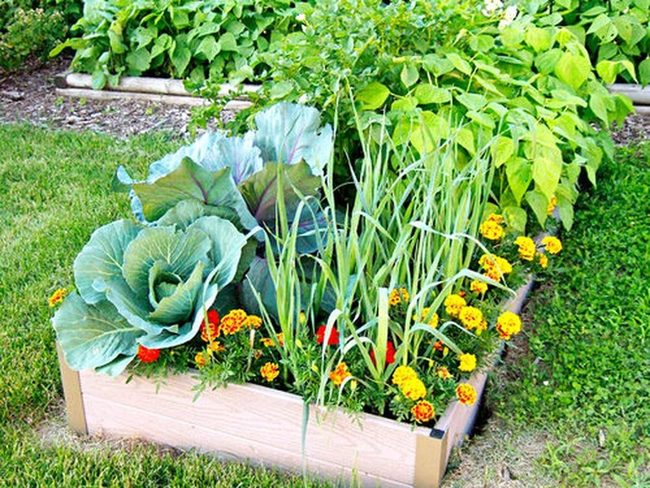
Plant fruits, vegetables, and herbs throughout your garden and you'll create an irresistible buffet for bees and other pollinators.
Peaches, blackberries, squashes, and peppers bloom with nectar-rich flowers that buzzing visitors can't resist, while aromatic herbs like catmint and dill add even more appeal with their diverse textures and scents.
When you space these plants strategically, bees move from flower to flower and pollinate your garden while they feed themselves.
Growing a mix of flowering edibles means you have food sources available from early spring through late fall, so pollinators never run short on options.
Your colorful produce does double duty; it feeds your family and supports these critical insects as they do their essential work.
Organic Gardens For Thriving Pollinators
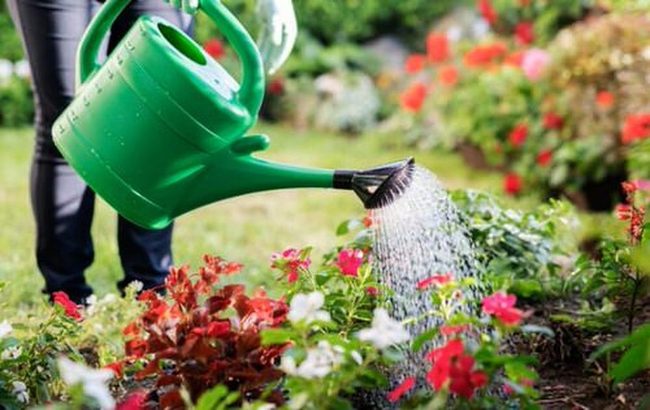
Bee gardens serve as protected sanctuaries for critical pollinators by eliminating harmful chemicals and adopting natural gardening methods that support their survival and thrive without toxic threats.
You can start by switching from conventional pesticides to organic solutions like neem oil and compost, which signal welcome signs for bees seeking nourishment and shelter in your space.
Healthy soil becomes the foundation where these important insects can flourish, so selecting natural fertilizers carefully supports bee populations and maintains robust garden ecosystems.
Composted manure provides essential nutrients that strengthen plants and attract bees at the same time.
Strategic planning of your garden layout helps pollinators find safe havens amid modern agricultural challenges, and we've seen how these small environmental changes can dramatically improve bee survival and boost garden productivity.
When you embrace organic methods and shift away from chemicals, you're making a real difference for these essential insects.
Open-Center Flowers Feed Local Bees
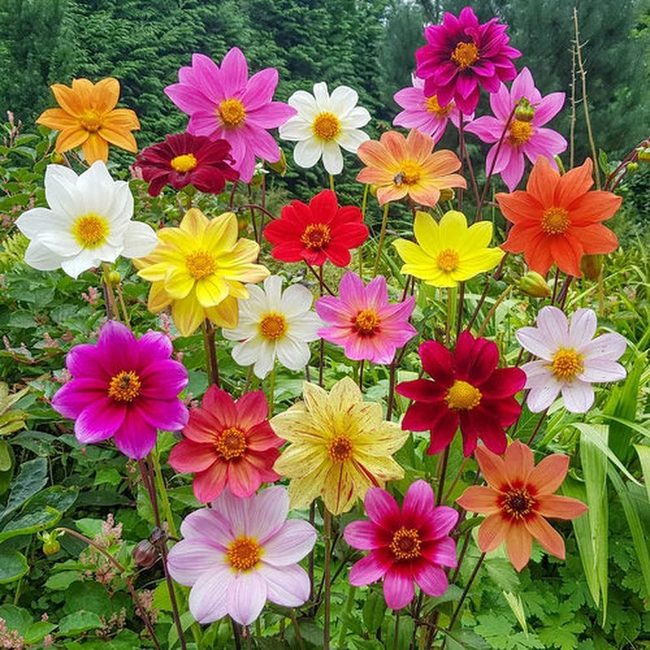
Bright single-petaled flowers like sunflowers, cosmos, and calendula offer bees easy access to nectar and pollen with their open centers and exposed structures.
This works because bees can navigate through these simple blooms much faster than flowers with layered petals, allowing them to gather nutrients efficiently and visit more plants throughout the day.
Native wildflowers work especially well because they attract local bee populations adapted to your specific region and climate.
Planting these uncomplicated flowers along garden edges and in sunny spots increases the number of bees visiting your space and strengthens the overall health of your local ecosystem.
Garden experts recommend choosing varieties with straightforward petal arrangements because the contrast between the flower's colorful center and outer petals creates natural landing platforms for different bee species.
Shallow Water Stations For Thirsty Bees
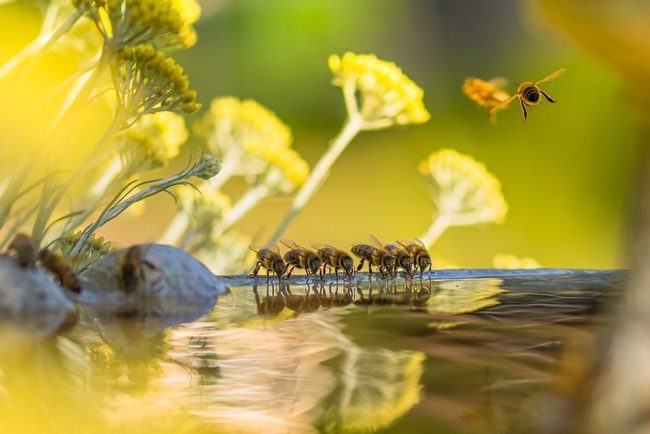
Bee water stations serve as hydration hubs that help pollinators thrive while they work in your garden, and placing shallow dishes near flowering plants lets insects drink safely without drowning.
Small containers with floating cork or stones give bees secure landing spots where they can access water easily, while gentle water movement attracts more bees than still sources do.
Positioning these stations near nectar-rich blooms encourages bees to visit and stay longer in your garden space.
Wooden boards, ceramic bowls, and even dripping faucets all work well as drinking stations.
During summer months, bees need extra hydration to keep up with their busy pollinating schedule.
Supporting pollinator health through well-designed water access actually boosts your garden's overall productivity and the success of your plants.
Colorful Flower Clusters For Bees
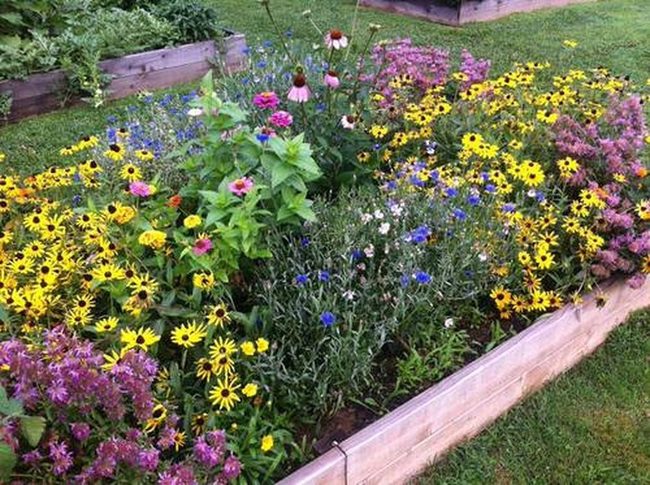
Bright clusters of blooms scattered across your garden create natural highways that draw bees in and keep them moving from one food source to the next.
When you mix different flower shapes and colors together, you get a landscape that catches the eye while also feeding multiple bee species at once.
Small patches of complementary plants work well because bees can zip between them and find exactly what they need.
Planting these flowers in strategic spots encourages pollinators to roam around and explore your whole garden space.
Mixing various bloom types and colors makes your outdoor area more visually interesting and supports healthy bee populations simultaneously.
Organizing your plants this way turns garden sections into active ecosystems where bees thrive.
Bees discover rich feeding grounds when flowers are arranged in ways that guide them naturally from spot to spot throughout your space.
Native Wildflowers Attract Hungry Bees
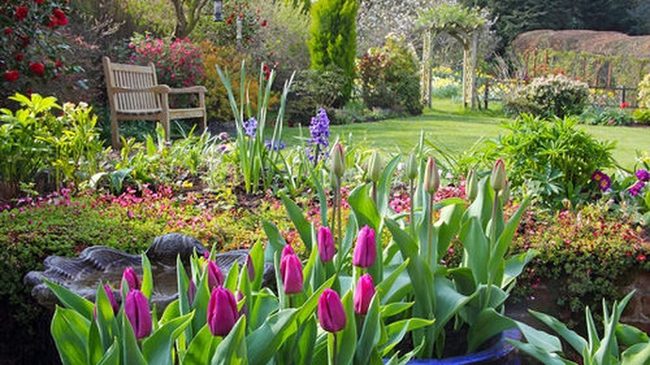
When you fill your garden with native wildflowers, shrubs, and perennials from your region, i can tell honeybees and wild bees respond with immediate enthusiasm and frequent visits.
Plants that grow naturally in your area speak a language these pollinators understand on a deep level, and bees seek them out instinctively for the nectar and pollen they need to thrive.
Local botanical selections offer nutritional benefits that align perfectly with how bee bodies process food and what they need across different seasons.
Native plants signal safety and familiarity to pollinator communities in ways imported flowers simply cannot match.
Building diversity with native species encourages robust bee populations to establish themselves and keep returning year after year.
Blooming Calendar For Busy Bees
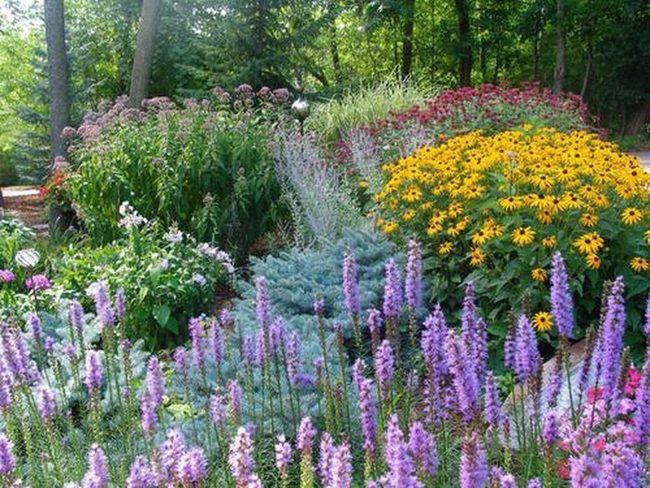
Bee-friendly gardens spark continuous pollinator activity when you plant strategically throughout the seasons, and colorful crocus and lilacs welcome spring bees as they emerge from winter slumber while vibrant cosmos and sunflowers fill your summer landscapes with rich nectar opportunities.
Zinnias and gaillardia extend what your garden offers into autumn months, so bee populations find consistent nourishment as the year changes.
Native wildflowers complement cultivated blooms to support diverse bee populations, and we recommend planning diverse plantings that provide steady food sources from early spring through late fall.
Smart gardeners understand that careful plant choices transform ordinary gardens into buzzing bee havens that support ecological balance and keep pollinators thriving all year long.
Golden Pollinators Wooden Shelter
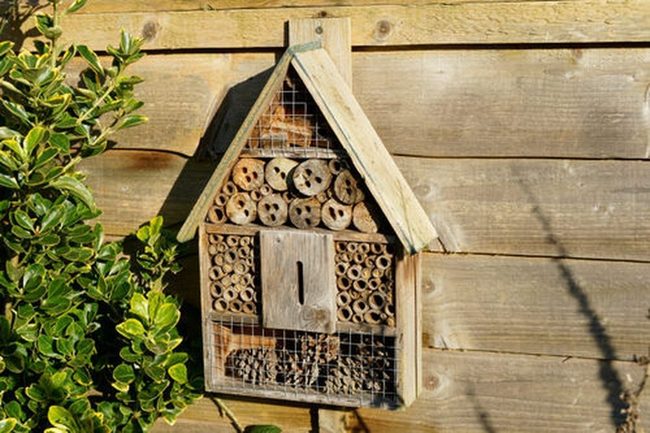
Bee nests stand out in any garden as striking structures that shelter hardworking pollinators and keep them safe from harsh weather.
Finding the right spot matters more than you might think, and placing these homes in quiet corners that get morning sun but stay shaded during hot afternoons works best for the bees living there.
Positioning them near flowering plants encourages bees to stick around and build their communities in your garden space.
Natural materials like untreated wood and dried plant stems support different bee species far better than anything processed or treated with chemicals.
Bees do well when you give them protected areas where people don't disturb them too much, allowing them to rest and breed without stress.
Simple actions on your part; like setting up these shelters and keeping the surrounding plants healthy; help maintain strong pollinator populations and boost the overall diversity of life in your garden.
Yellow Wildflowers Feed Hungry Pollinators
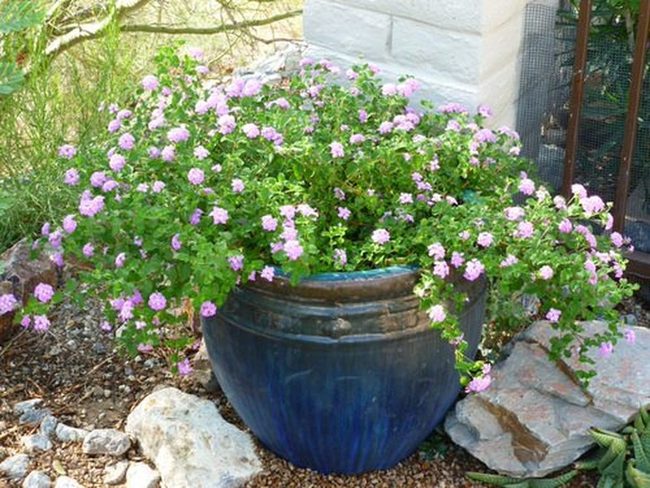
Milkweed, dandelions, and clover stand out as brilliant food sources that draw bees and butterflies to your garden, making these plants the most visually striking foundation for any pollinator-friendly space.
Native plants scattered throughout your yard create complex interactions between different species and support the ecological networks that make pollination possible.
Strategic weed management opens up room for biodiversity to flourish, so you don't need to fight every plant that sprouts up.
Small patches of diverse vegetation attract multiple bee species as seasons change, and this natural approach works without expensive chemicals or constant upkeep.
Allowing some wild growth in your outdoor space encourages beneficial insects to settle in and thrive.
Embracing these imperfect spaces ultimately supports the critical pollination processes that help our food systems and local environments stay healthy.
Olivia Martinez
Founder & Principal Designer
Expertise
Sustainable Interior Design, Residential and Commercial Space Planning, Historic Preservation and Adaptive Reuse, Custom Furniture Design, Project Management
Education
Parsons School of Design, New York, NY
LEED Accredited Professional (LEED AP)
Olivia Martinez is the founder of Archi Refresh, where she brings style and sustainability together. With a degree from Parsons School of Design and a LEED certification, she’s all about creating beautiful, eco-friendly spaces.
With over eight years in the industry, Olivia has designed everything from cozy homes to commercial spaces, always putting function and sustainability first. She loves working with local artisans and has been featured in design publications for her fresh take on green living.
When she’s not designing, Olivia enjoys exploring historic architecture, painting, and spending time with her rescue dogs, Luna and Max.