
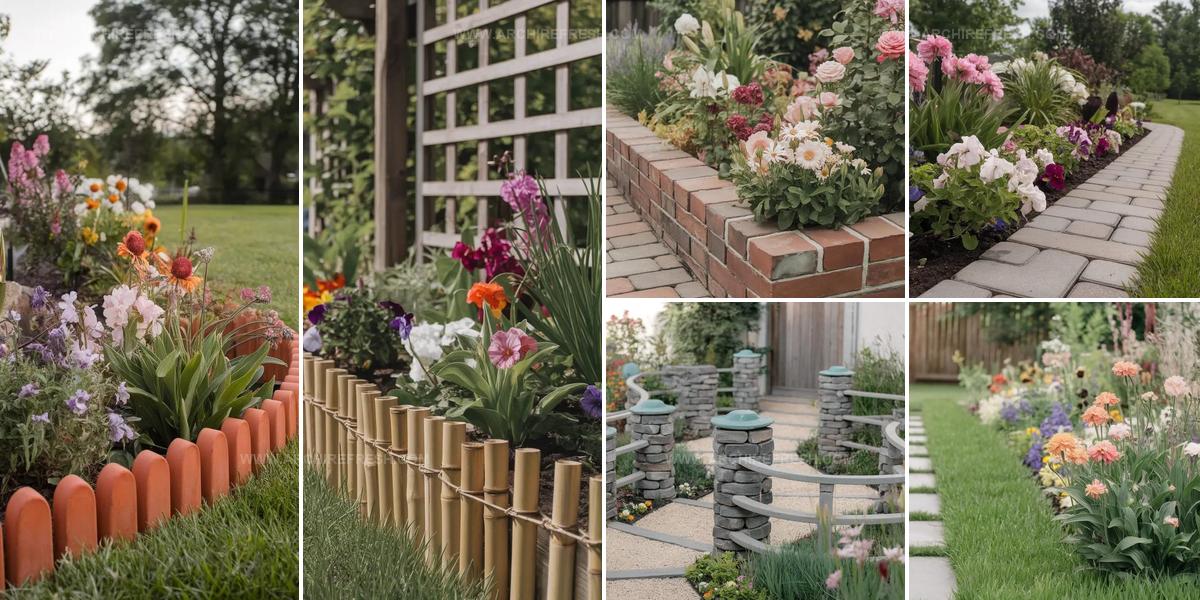
18 Sharp Flower Bed Edging Ideas That Define Your Garden
Flower bed edging can make the difference between a garden that looks polished and one that appears neglected.
Clean borders help separate grass from planted areas while adding definition to landscaping designs.
Without proper boundaries, mulch spreads onto lawns, grass creeps into flowerbeds, and the whole space loses visual appeal.
Edging serves both practical and aesthetic purposes, keeping maintenance simple and making gardens look intentionally designed.
Various materials and styles work for different budgets, preferences, and landscape themes.
Finding the right approach depends on factors like soil type, climate, and how much time someone wants to spend on upkeep.
Once the perfect edging solution is in place, gardens gain structure and charm that lasts for years.
Lightweight Plastic Terrace Borders
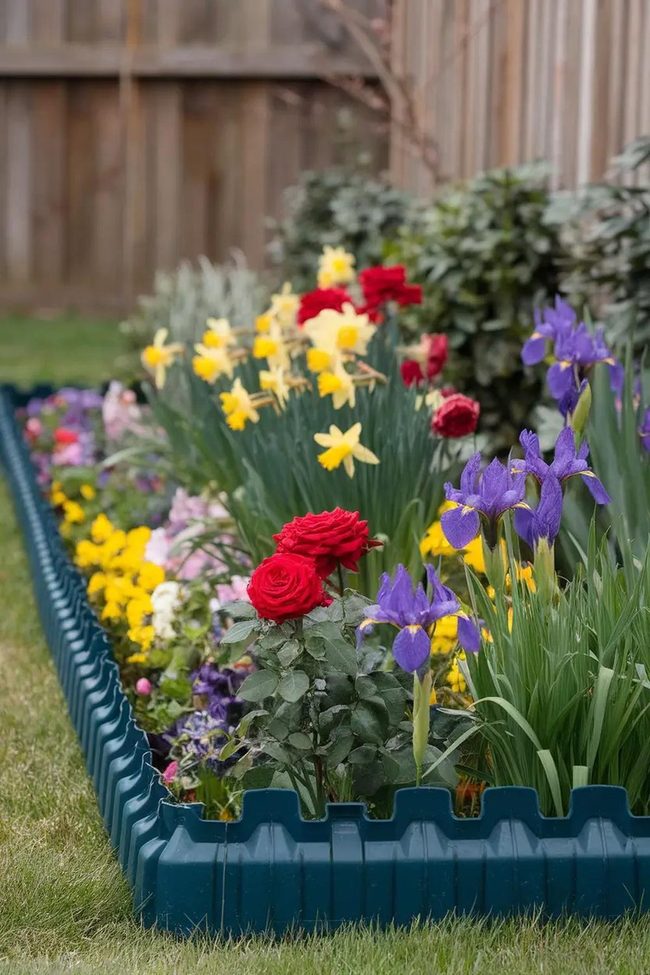
Plastic edging offers you a straightforward and budget-friendly way to define garden borders, and it comes in both rolls and pre-formed sections that are light enough for anyone to handle.
Installing it is simple, even if you've never worked with garden materials before, and you can shape it into curved lines or keep it perfectly straight depending on what your space needs.
One of the best things about plastic is how well it stands up to constant open-air conditions and repeated seasons of use without falling apart.
While it won't give your garden the high-end look of stone or metal options, it does the job reliably for people who want something they can set and forget about.
Whether you're trying to organize a flower bed or give rise to clean lines along a pathway, this material keeps everything in place without demanding much attention from you.
I've seen many gardeners choose plastic edging when they need practicality over aesthetics, and it remains a solid choice for those looking for durability on a tight budget.
Eco-Rubber Borders Clean Lines
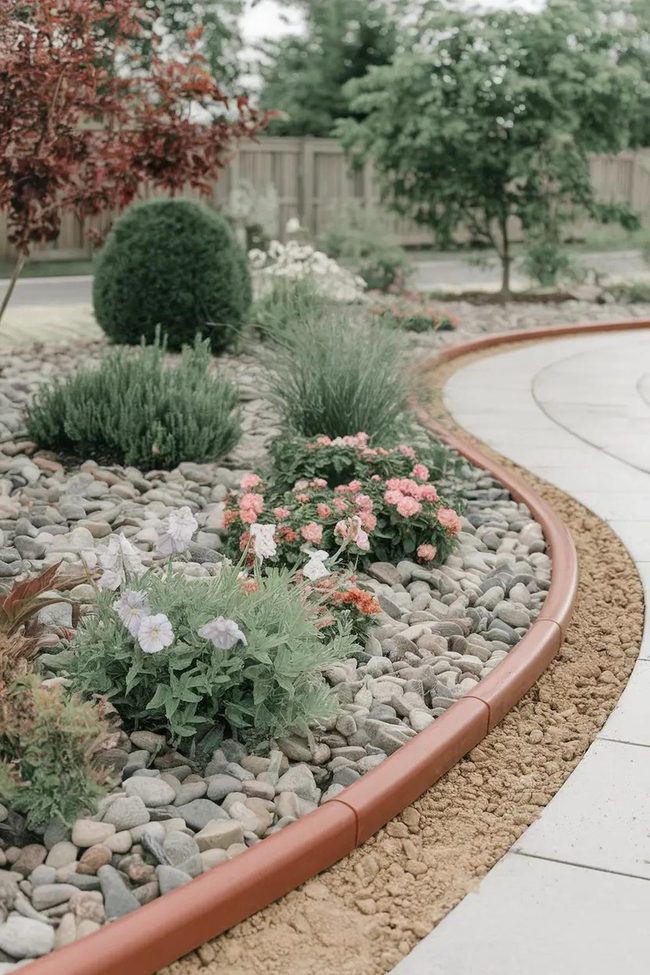
Recycled rubber edging delivers sharp, modern lines that instantly organize your landscape, and the fact that it comes from old tires means you're making an eco-friendly choice that actually works hard.
The material flexes easily around curves and corners, so installation becomes straightforward rather than frustrating.
You get durability that lasts for years without constant upkeep, and mowing near the edge stays safe because there's no sharp metal to worry about.
Various styles exist, from simple strips to more decorative designs, so you can match the edging to your space and whether you prefer minimalist or detailed aesthetics.
Low maintenance is a real bonus since this material doesn't rot, fade quickly, or need replacement constantly.
Beyond keeping your beds and pathways neat and organized, choosing recycled rubber means you're supporting waste reduction and environmental responsibility at the same time.
Silver Edges Contemporary Outdoors
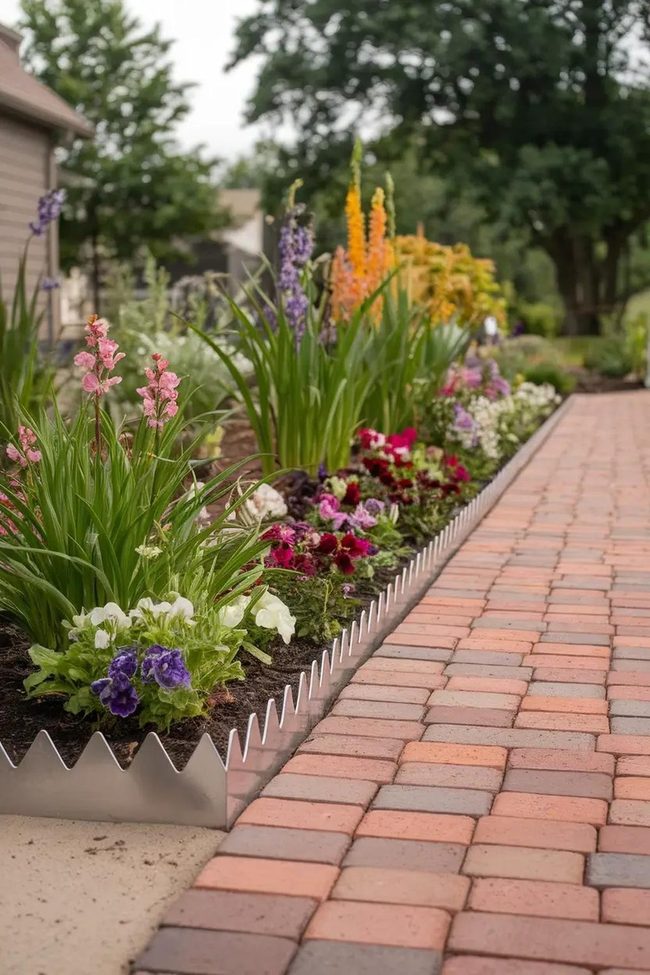
Metal edging stands out as one of the most striking ways to define your garden beds with sharp, clean lines that catch the light and feel distinctly modern.
Aluminum or steel options give you flexibility to shape curves or angles however you like, letting you customize the design to fit your space.
This feels natural because low-maintenance these borders are since they handle weather and wear without needing much attention over the years.
If you want a minimalist approach that lasts long and fits seamlessly into a contemporary landscape, metal edging delivers exactly that.
You can install it relatively easily, and it stays looking sharp without the upkeep that wood requires.
Steel versions develop a weathered patina over time if you prefer that aged aesthetic, while aluminum stays fresh and polished if that's your style.
Whether you're going for ultra-clean lines or lightweighter curves, metal edging gives your garden that finished, balanced edge without demanding constant maintenance from you.
Concrete Permanence
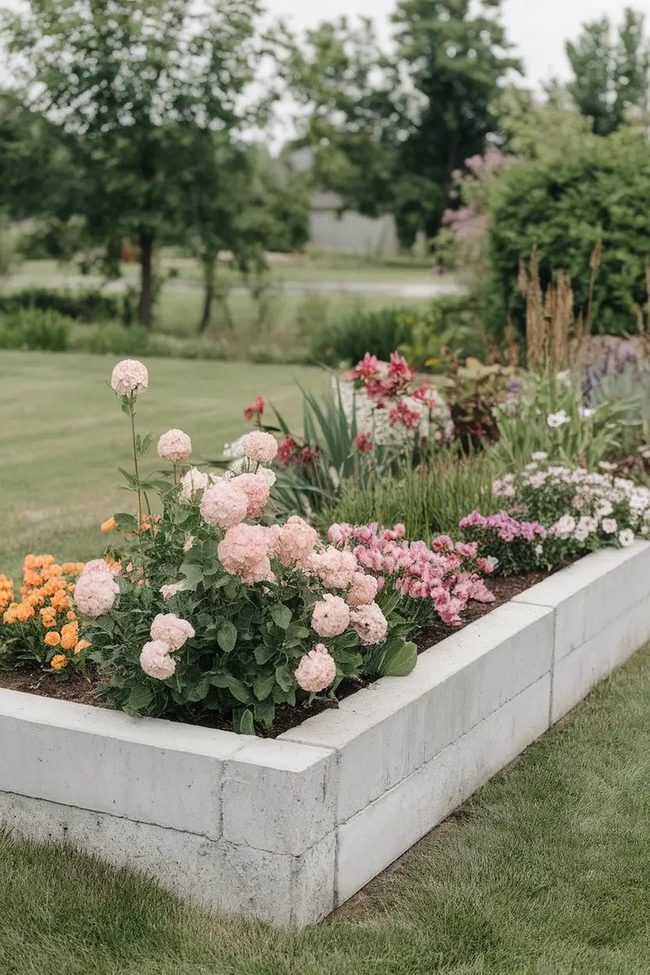
Concrete walls stand out as the most dramatic and commanding option for garden edging, offering a heavy-duty barrier that looks polished and professional enough for formal garden settings or steep hillsides that need solid support.
You can personalize these walls with textured finishes, color variations, or decorative stamps to match your open-air space's style and character.
Because concrete requires significant upfront investment and labor, it demands more commitment than lighter alternatives.
However, nothing beats the durability and stability you get in return, especially if you're planning large-scale landscaping that needs to last for decades.
Once installed properly, concrete edging keeps its structure intact through harsh weather and ground shifts.
Many people choose this route when they want a solution that genuinely holds up to constant use and doesn't need frequent repairs or replacements.
Concrete Edge Stones Lasting
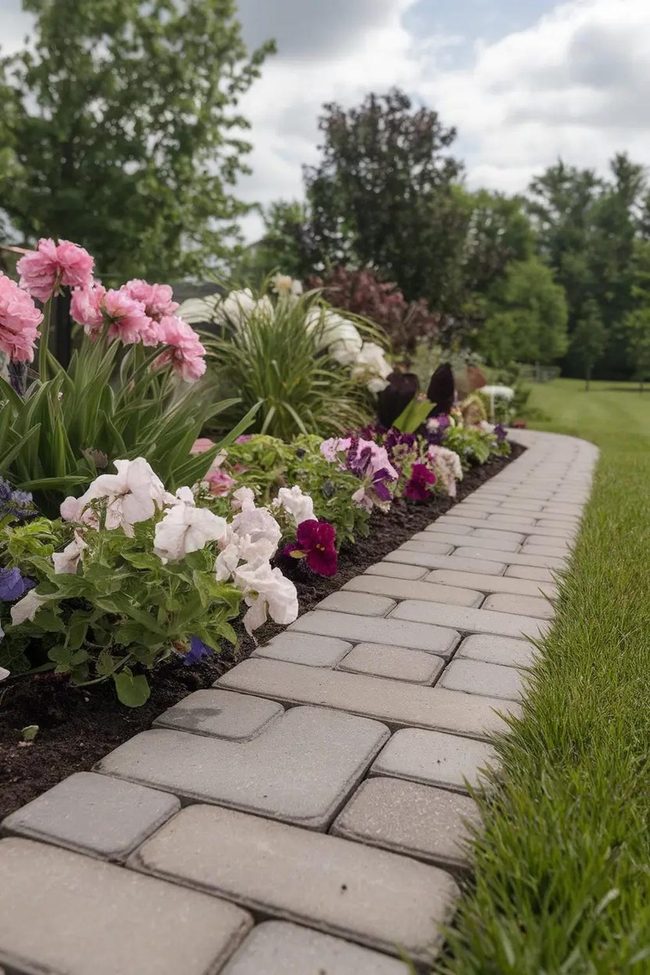
Paver stones made from concrete or natural stone offer you a striking way to frame your garden with clean, defined borders that command attention in any open-air space.
You can arrange them side by side for a simple edge or stack them higher to add dimension and visual interest to your landscape.
Since they come in endless shapes, sizes, and colors, you have plenty of room to match your garden's style and personality.
These sturdy materials work perfectly for outlining flower beds, lining pathways, or marking driveways with both practicality and good looks.
Weather won't wear them down easily, and heavy foot traffic bounces right off them without causing damage.
Whether you're looking for something soft-toned or bold, pavers give you flexibility in how you want your open-air areas to look and function.
Treated Teak Logs Ground Border
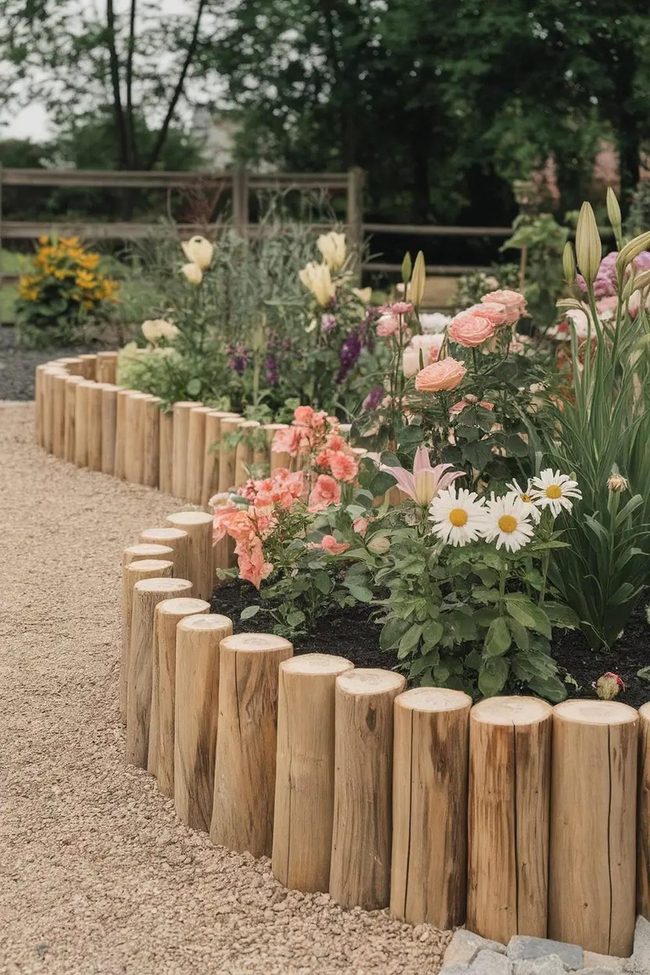
Wooden logs driven into the ground give your yard space a relaxed, natural character that feels both appealing and useful at the same time.
If you want your logs to last longer, choosing treated wood that can handle moisture and insects makes a real difference in keeping them solid over time.
Oxidized Steel Garden Borders
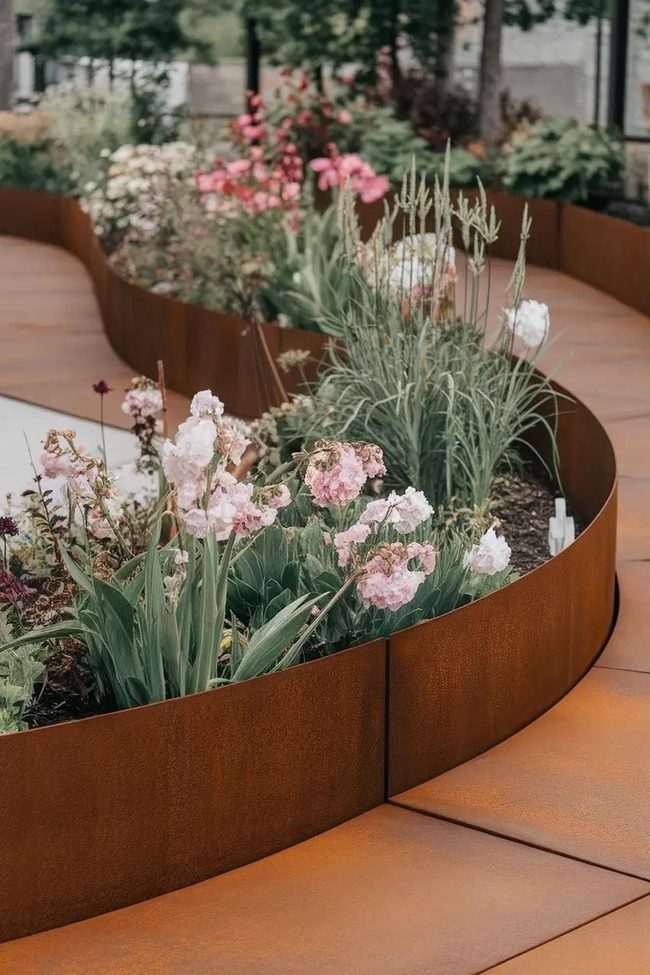
Garden borders made from weathering steel deliver that raw, industrial feel that many homeowners love, and the material develops a natural rusty surface over time that brings both warmth and texture to open-air spaces.
You get an earthy tone mixed with a modern edge, so the look stays current and sophisticated without feeling cold.
What makes it stand out is how little work you need to put in, this material holds up through seasons and weather without breaking down or needing constant upkeep.
If durability matters to you, weathering steel edges will last for years and perform well with almost no maintenance at all.
Green Lawn Edging Frames
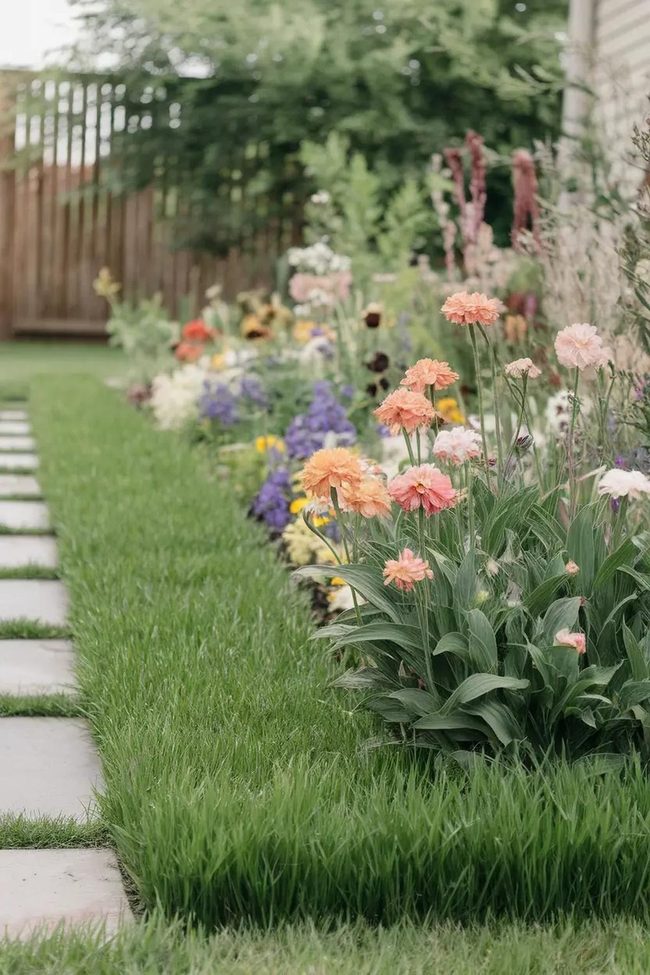
Well-maintained grass edges serve as simple while still feeling effective borders that frame your flower beds and pathways with clean, sharp lines.
Mowing your lawn with care lets you define these boundaries and keep your whole yard looking polished.
Spatial idea works best in informal or open garden settings where you want a natural feel without fussy materials.
Grass borders give you a smooth transition between your lawn and other garden features, and they cost nothing extra since you're already mowing anyway.
You don't need special tools or supplies to pull this off.
The result is a tidy, organized look that connects different areas of your yard together.
If you prefer a low-maintenance option that still looks deliberate, grass edging delivers exactly that without demanding much effort on your part.
Wooden Frame Garden Beds
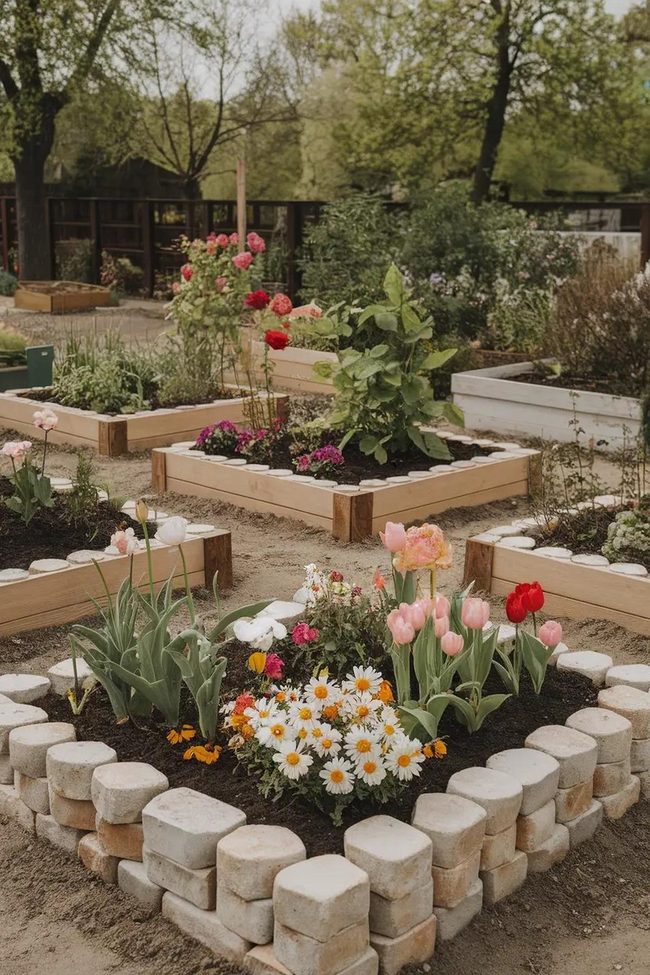
Building raised flower beds with wooden or stone frames gives your yard both structure and beauty at the same time.
You can pick up on how these bordered sections instantly organize your outdoor space and give it a polished appearance compared to ground-level plantings.
Raised edges work well for surrounding trees or dividing different areas of your yard, and they help prevent soil from washing away during rain.
We love them because they make gardening less of a hassle, the higher level means better drainage for your plants and fewer weeds to battle.
Stone or wood frames don't just serve a well suited to daily routines purpose either; they add visual depth and definition to your landscape.
Whether you choose natural wood for a rustic feel or stacked stone for something more refined, these borders frame your flowers beautifully and show that your garden is well-maintained.
Gravel Border Drainage Solution
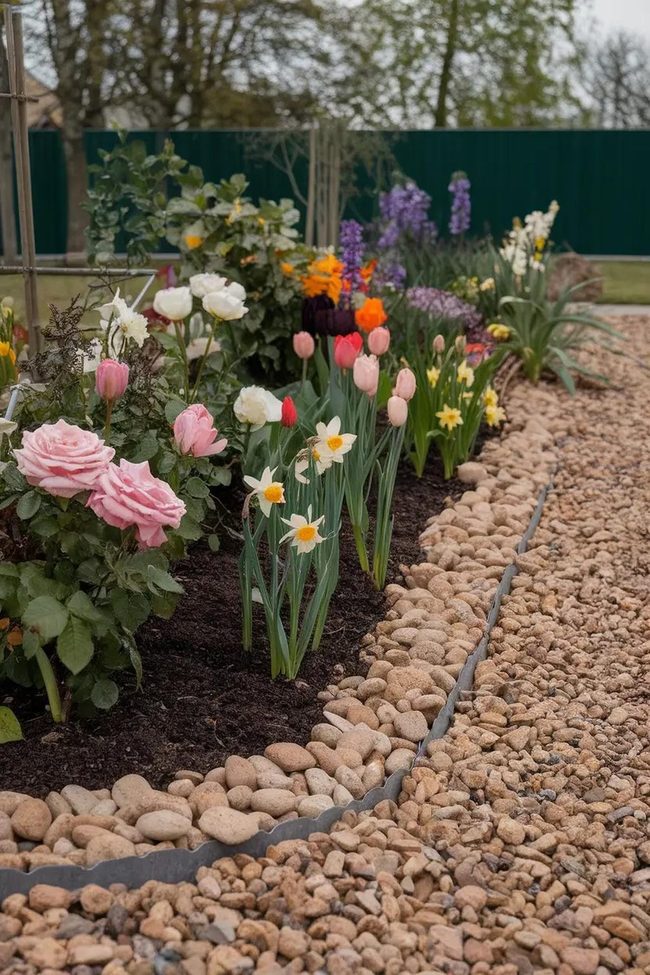
Gravel edging stands out as one of the most visually striking with a more useful for everyday living atmosphere border solutions for any garden, and you can install it yourself without special skills or expensive equipment.
Start by digging a shallow trench along your garden boundary, then lay down weed barrier fabric to prevent unwanted plants from pushing through and interfering with your design.
Once that's in place, fill the trench with gravel options like crushed stone, pea gravel, or river rock, depending on the look you want to achieve.
Beyond its appealing appearance, gravel serves multiple purposes since it keeps garden boundaries sharp and defined while also boosting water drainage so your soil doesn't stay waterlogged.
This same gravel layer also suppresses weeds naturally, which means less maintenance work for you down the road.
I notice the care in how gravel works equally well whether your garden leans toward formal layouts or more relaxed, casual styles.
It's an affordable solution that doesn't sacrifice functionality, and you will find it adapts to almost any outdoor space you're working with.
Low Growing Hedges Green Borders
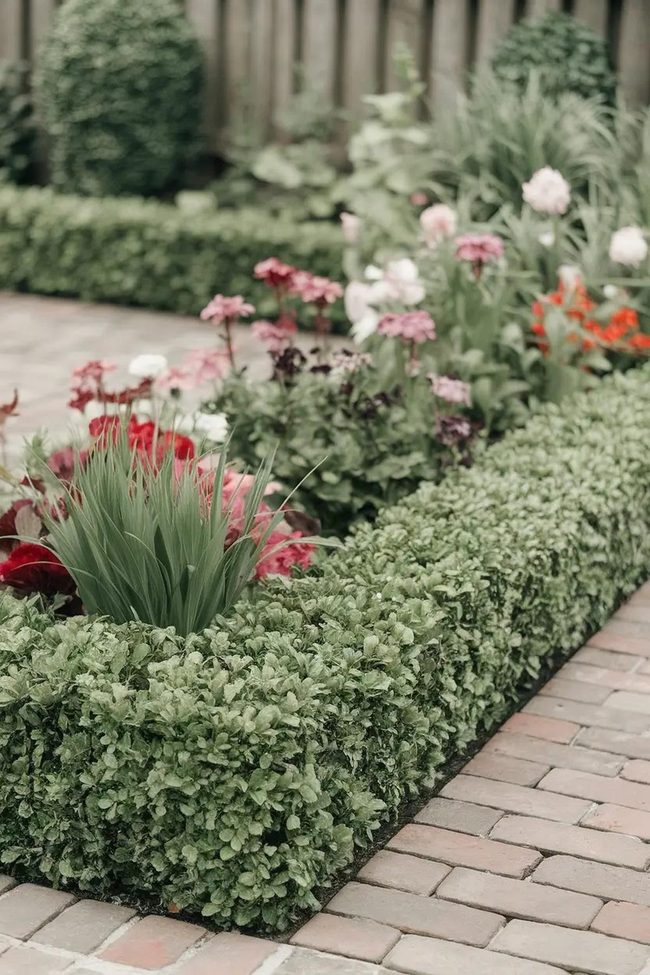
Low-growing hedges like boxwood, lavender, and dwarf holly offer a natural way to frame your garden beds and pathways with lush green borders that feel alive and organic.
These living edges add soft texture and gentle fragrance to your outdoor space, giving you that classic English garden character many people love.
You may need to stay on top of regular trimming and watering to keep them looking neat and healthy.
What makes hedges special is how they grow and change with the seasons, bringing movement and depth to your landscape in ways that hard borders simply can't match.
If you want something that feels less formal than stone or metal edging, hedges work beautifully for defining different areas of your garden.
They're especially nice if you enjoy hands-on gardening and don't mind the maintenance routine.
Over time, these shrubs develop personality and charm that only living plants can provide.
Consider hedges when you want your garden borders to feel like part of nature rather than imposed upon it.
Bamboo Poles Asian Patio Edge
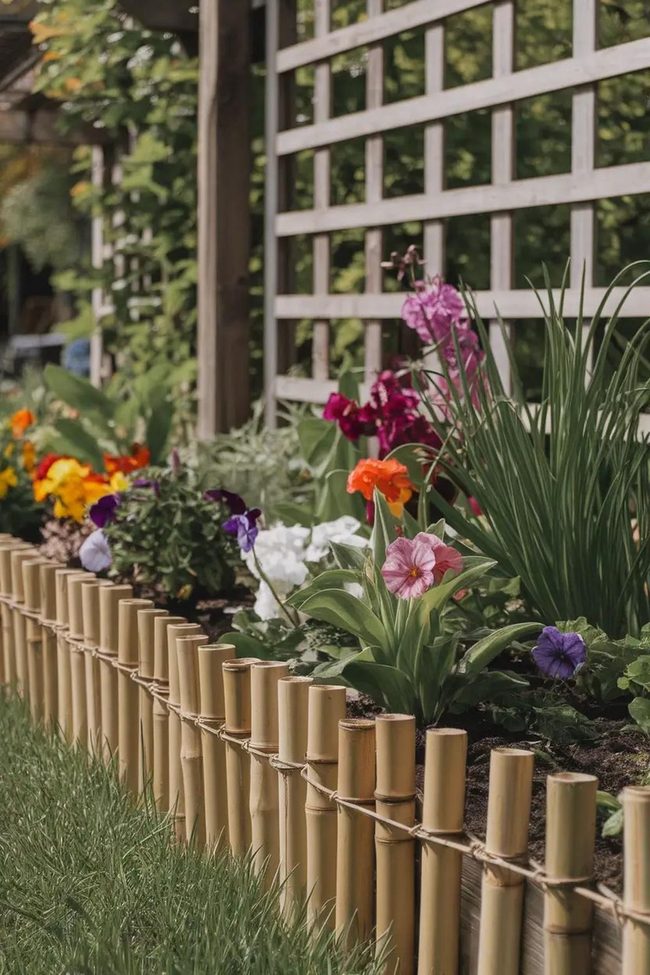
Bamboo poles lashed together into borders deliver a striking visual statement that brings instant Asian charm to any garden space, and they pair wonderfully with tea plants, ferns, and water elements to establish a calm, balanced feel throughout your outdoor area.
What makes bamboo so appealing is how it blends that natural, weathered look with genuine functionality as a garden edge.
Beyond aesthetics, bamboo offers real benefits for people who care about sustainability and environmental responsibility.
You may appreciate how low-maintenance these borders are once installed, since bamboo weathers gracefully over time and requires minimal upkeep.
Water features near bamboo borders seem to amplify that sense of tranquility, almost like the two elements were meant to exist together.
Ferns thrive in the filtered shade that bamboo can provide, and tea plants look right at home nestled against these natural boundaries.
Whether you're designing a modest corner retreat or planning a larger garden transformation, bamboo borders deliver an authentic, grounded aesthetic without demanding much from you in terms of ongoing care.
Stone Pillars Frame Pathways
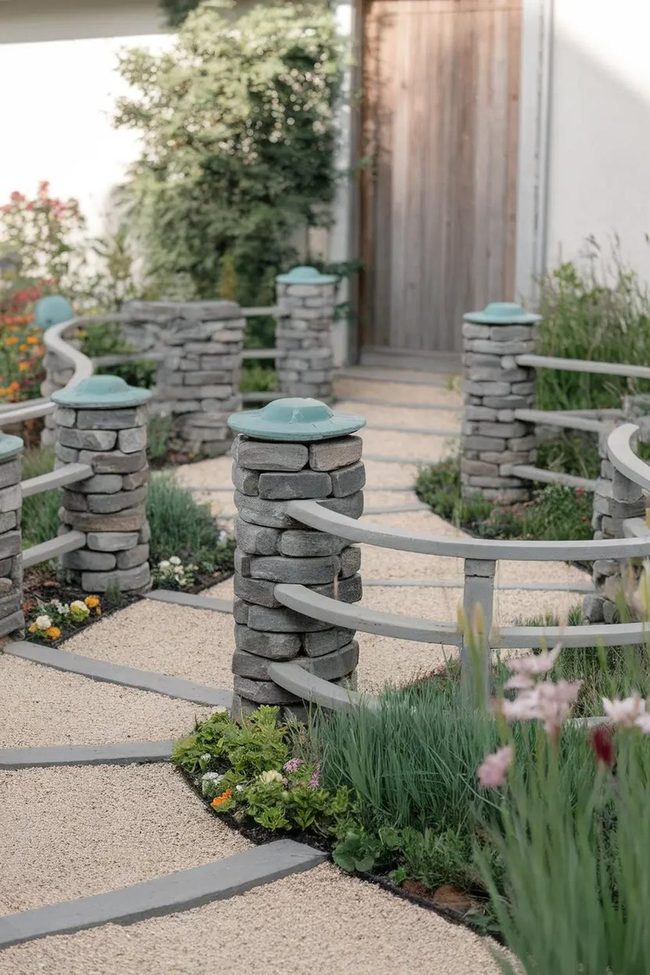
Stone pillars that interlock with one another form a striking boundary around your garden, and they bring real sophistication to any yard space.
Building these structures demands quite a bit of work and often calls for someone with professional skills, but what you get in return is a lasting look that never goes out of style.
Both the usefulness and beauty of your property improve when you add this kind of framework.
You can use interlocking stone pillars to line pathways or to draw attention to certain spots in your yard that deserve more prominence.
The structured nature of stone creates a sense of order and refinement that other garden borders struggle to match.
Whether you're thinking about your whole property or just a small section, these pillars offer a way to add visual interest while keeping everything organized and neat.
Installation takes time and physical effort, but the results speak for themselves in terms of durability and curb appeal.
Sturdy Brick Yard Boundaries
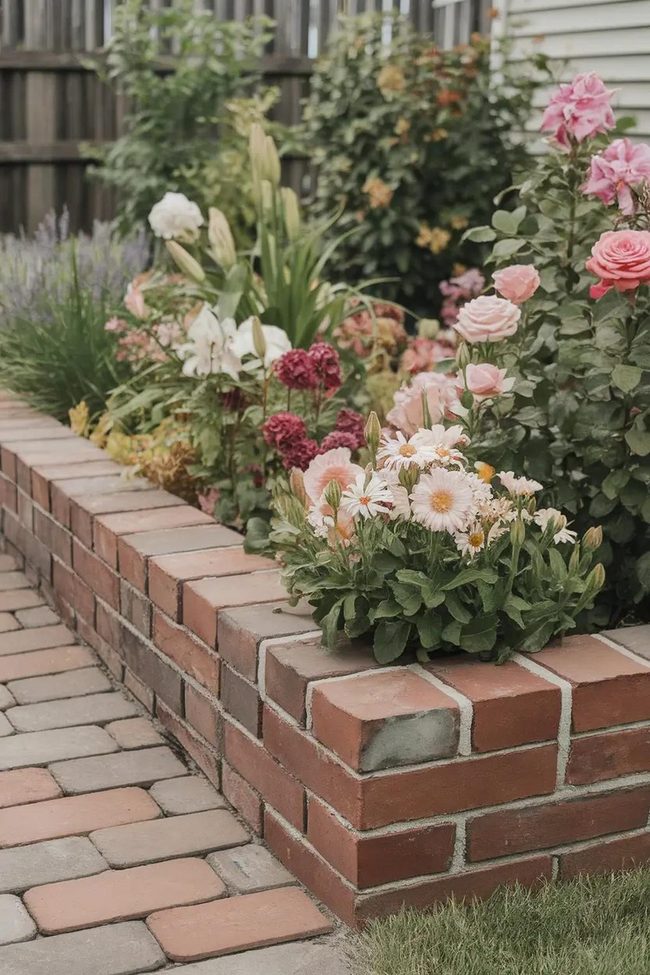
Stacked bricks rising vertically along your garden beds instantly catch attention and bring real structure to the space, and you can arrange them in patterns that suit your style.
Laying them flat offers a simpler, more understated approach that still keeps everything neat and tidy without demanding as much visual attention.
Both options have stood the test of time because bricks hold up well against weather and won't deteriorate quickly, so you get a look that lasts for years.
Because bricks come in different colors and sizes, you have plenty of room to experiment with your design and match what you already have around your yard.
This classic material works whether you want something bold and prominent or quiet and restrained.
Curved Terracotta Outdoor Borders
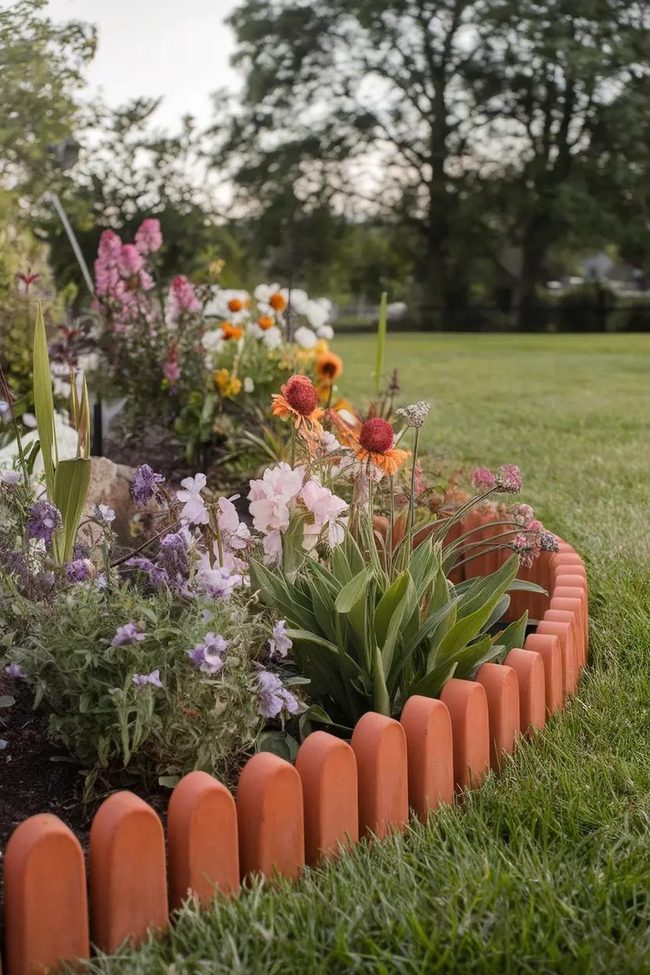
Scalloped terracotta tiles deliver an immediate sense of old-world warmth with their distinctive reddish-brown hue that catches light beautifully in any garden space.
You can use these curved pieces to define pathways or separate different garden sections, and they work especially well if you're going for a Mediterranean look.
Their earthy tone pairs naturally with plants and soil, so they blend right into the landscape without competing for attention.
Beyond looks, these tiles do their job by keeping plants contained and organized where you want them.
The curved design makes them less harsh than straight edging, so your vegetable patches and flower beds feel connected rather than divided.
Installing them is straightforward, just nestle them into the ground along your borders and they stay put.
Whether you're framing a simple pathway or creating distinct zones, terracotta edging brings functional beauty that feels both natural and purposeful to your garden layout.
Stacked Flagstone Terrace Borders
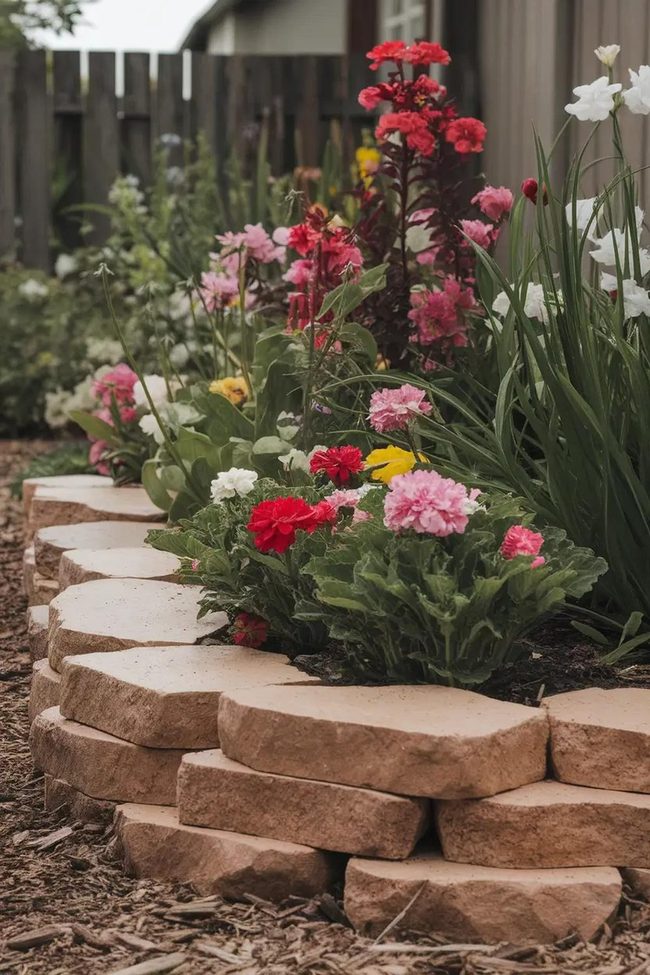
Stacked flagstone borders bring a rustic, cottage-style charm to garden edges with their uneven shapes and natural color shifts that feel grounded and enduring.
You can arrange these flat pieces to frame your beds and pathways, and the irregular surfaces give your outside area an organic quality that seems to belong right where it sits.
Since flagstone holds up well through rain, frost, and sun without losing its appeal, you won't need to replace it often or spend much time on upkeep.
Many people choose this option because it blends seamlessly with natural landscapes and adds a lived-in warmth to any yard design.
Whether your garden leans toward traditional or modern styles, flagstone borders adapt easily and feel at home in both settings.
Layered Botanical Patio Edges
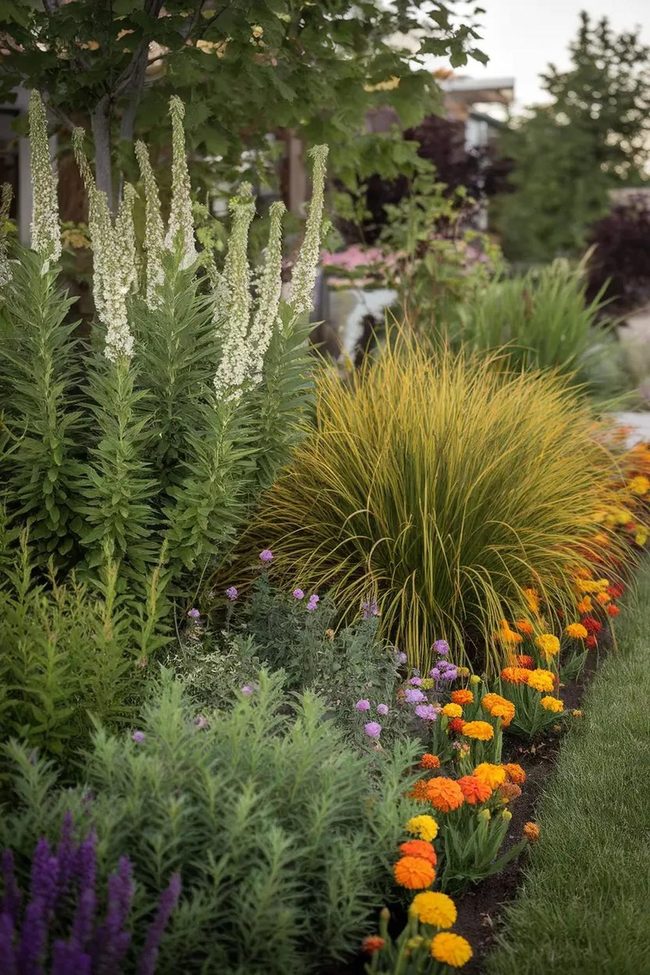
Plant borders that combine different species offer one of the most striking ways to edge your garden space and keep it looking fresh across every season.
By mixing shrubs with flowering plants and varying the heights, you build layers that draw the eye deeper into the landscape.
Colorful leaves and blooming flowers sit well together naturally to maintain visual interest without requiring constant maintenance.
These mixed borders suit any style because they bridge the gap between formal garden layouts and relaxed, naturalistic designs.
You can play with different textures and colors based on what grows well in your climate.
Consider grouping plants by their bloom times so something is always flowering or displaying interesting foliage.
The approach feels less rigid than single-species hedging while still giving your garden clear boundaries and structure.
Whether you prefer a tidy appearance or a wilder feel, mixed plant borders adapt to your taste and offer long-term appeal.
Inverted Glass Bottle Borders
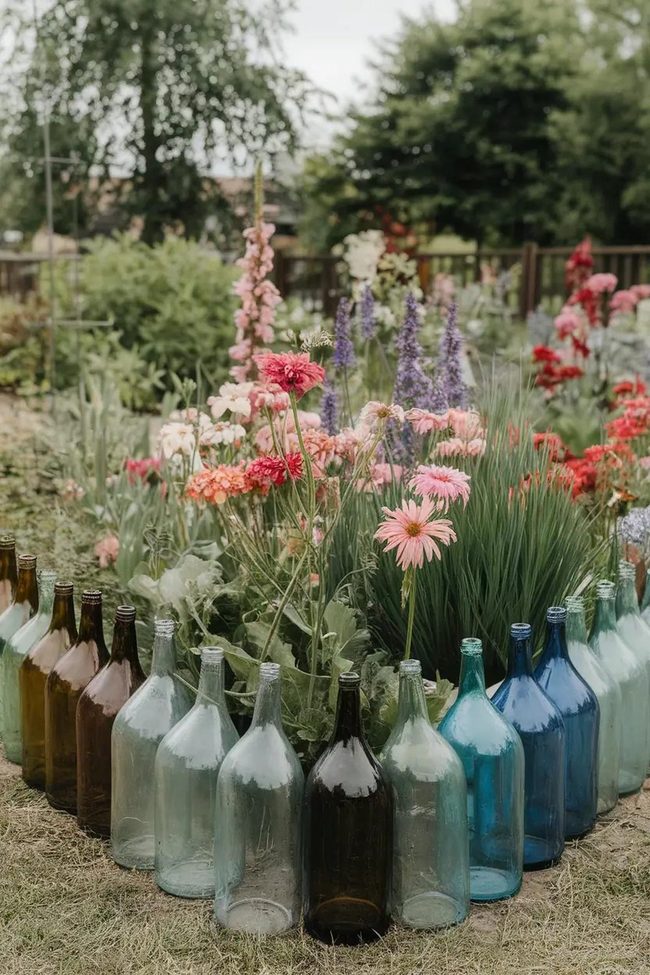
Old glass bottles turned upside down and pressed into the soil form a striking garden border that catches light and draws immediate attention as you walk through your yard.
You can arrange bottles in different colors and shapes to build a playful, varied appearance, or keep them all matching for a neat and orderly edge.
Layout strategy works well as an eco-friendly alternative to plastic or metal edging since you're reusing materials that might otherwise end up in a landfill.
Beyond function, these glass pieces add character and personality to your garden space without requiring any special skills to install.
Mixing bottle colors together produces a fun, patchwork effect that feels both artistic and handmade.
Whether you go for uniformity or embrace a rainbow of tones, upside-down bottles serve as a simple way to define garden beds while keeping waste out of the environment.
Michael Harris
Senior Content Editor
Expertise
Home Décor Content Creation, Interior Design Journalism, Editorial Oversight, Digital Media Strategy, Team Leadership and Mentorship
Education
University of Queensland, Brisbane, Australia
Queensland University of Technology (QUT), Brisbane, Australia
Michael Harris is the senior content editor at Archi Refresh, where he turns home design trends into engaging, easy-to-follow articles. With a journalism degree from the University of Queensland and a digital communication certification from QUT, he knows how to craft content that informs and inspires.
With over 10 years of experience in lifestyle and design media, Michael has shaped editorial strategies, mentored writers, and helped readers refresh their spaces with practical tips. His work blends storytelling with expert advice, making home decor more accessible to everyone.
Outside of work, Michael enjoys DIY projects, exploring Brisbane’s art scene, and teaching digital literacy workshops.