
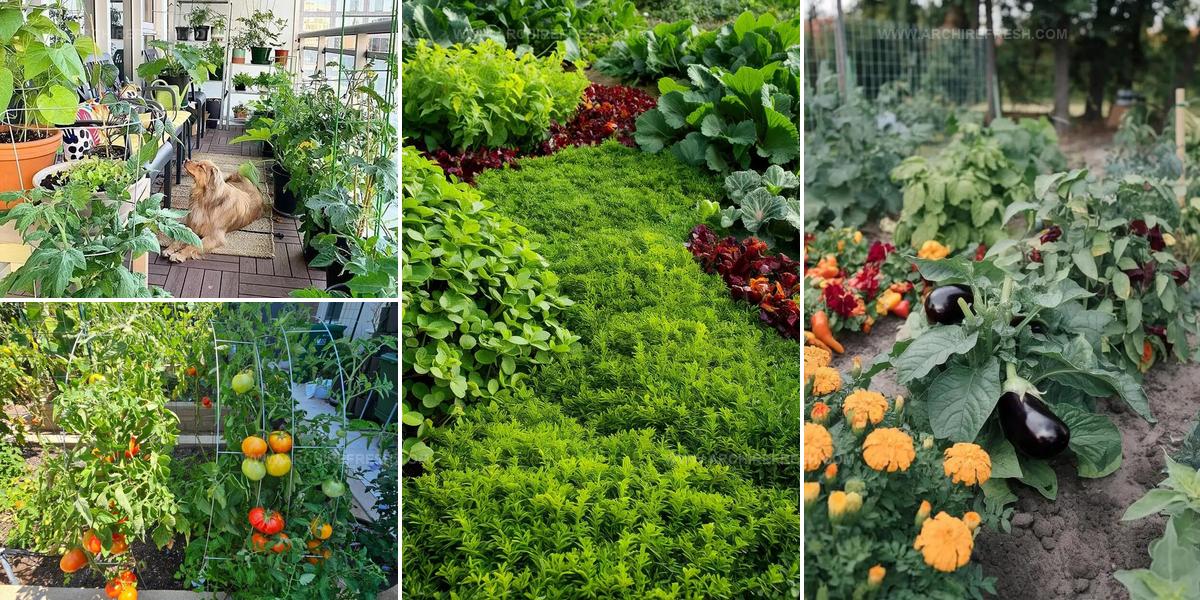
16 Fresh Vegetable Garden Ideas That Actually Work
A thriving vegetable garden offers fresh produce, beauty, and satisfaction right outside your door.
Growing your own food connects you with nature while providing nutritious ingredients for daily meals.
Whether you have acres of land or just a small balcony, there are countless ways to cultivate vegetables successfully.
Smart planning helps maximize space, improve yields, and reduce maintenance throughout the growing season.
From raised beds to vertical structures, different approaches work for various situations and skill levels.
Practical solutions make it possible to grow abundant harvests even in challenging conditions.
Stacked Fruit Trees With Understory Crops
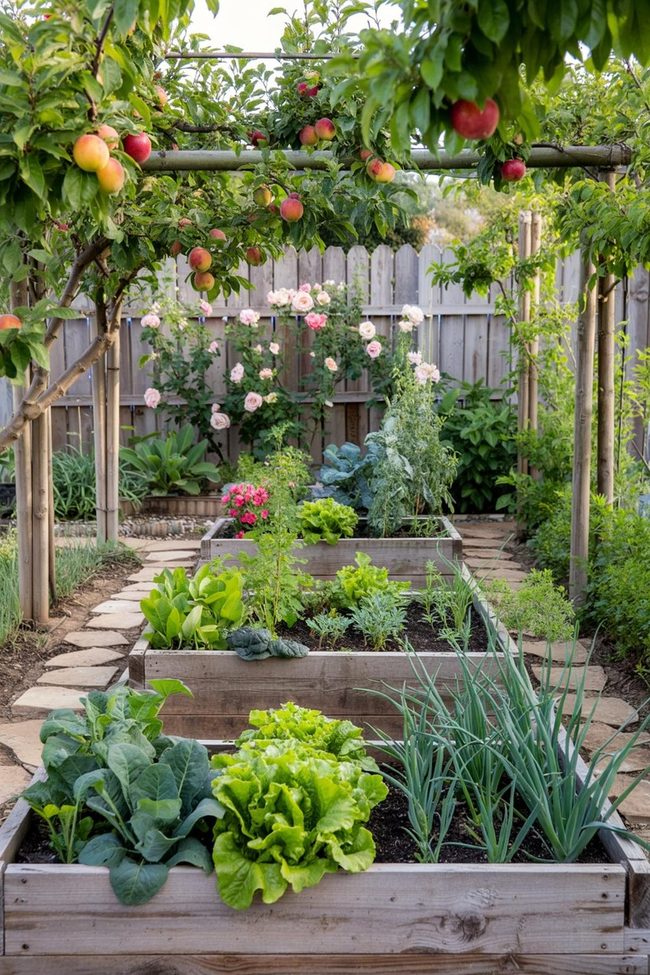
Building a garden with multiple height levels starts with planting compact fruit trees like apples, peaches, or plums across the top to form your canopy, and you could discover that this structure opens up countless possibilities for what grows underneath.
Beneath these trees, you can tuck shade-tolerant crops like lettuces and spinach, along with your herbs and vegetables, into the understory layer where they thrive without scorching sun exposure.
This stacked planting method makes smart use of your vertical space and means you're growing far more in the same footprint.
Lower light-sensitive plants actually do better under the dappled shade these fruit trees provide, protecting them from intense afternoon heat.
Your garden also becomes home to more wildlife and beneficial insects when you stack layers this way because it mimics how natural forests are organized.
I like how through the design, feels like building a mini ecosystem right in your backyard, where everything has its place and purpose, and the whole system works better together than separate plantings ever could.
Cooking Zone Scraps To Patio Gold
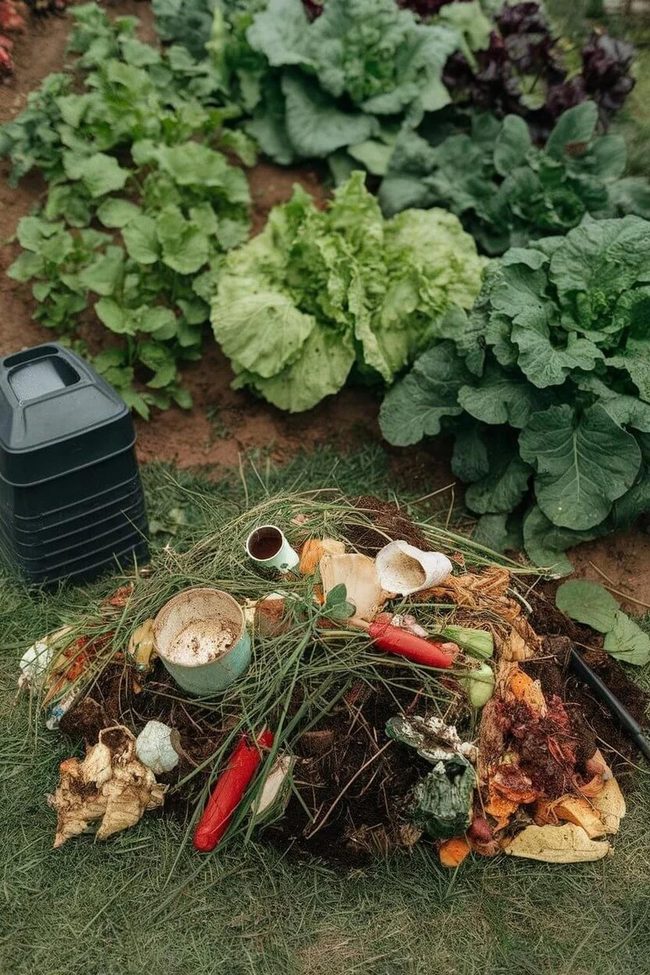
Composting reshapes your garden soil into something truly rich and alive, and it's actually simpler than you might think.
Kitchen scraps, grass clippings, coffee grounds, and leaves break down into nutrient-rich material that feeds your plants while improving how the soil holds water and staying structured.
You can set up a basic compost bin or pile right in your garden space, and if room is tight, worms do the work in a small vermicomposting system instead.
Homemade compost costs you almost nothing and keeps waste out of landfills, which means you're helping the environment while your plants get exactly what they need.
Healthy soil makes healthy plants, and arrangement handles both in one simple step.
Your garden benefits, your wallet stays fuller, and the planet wins too.
Vegetables Growing In Small Spaces
Growing vegetables at home doesn't need to feel overwhelming, and you can make it work in any space, whether you have a sprawling yard or just a small balcony.
Raised beds stand out as one of the most visually appealing ways to organize the garden, giving the outside area a neat and structured look.
Companion planting and composting are equally rewarding techniques keep the garden running smoothly and sustainably.
If you're brand new to gardening or you've been growing things for years, there's something here to spark the interest and help you move forward.
Starting the plan today opens the door to healthier eating habits and a more sustainable way of living.
We believe getting the vegetable garden off the ground, no matter where you begin, is truly worth the effort and time.
So grab the tools, pick an approach fits the life, and watch the garden grow into something you will be proud of.
Yard Success Through Record Keeping
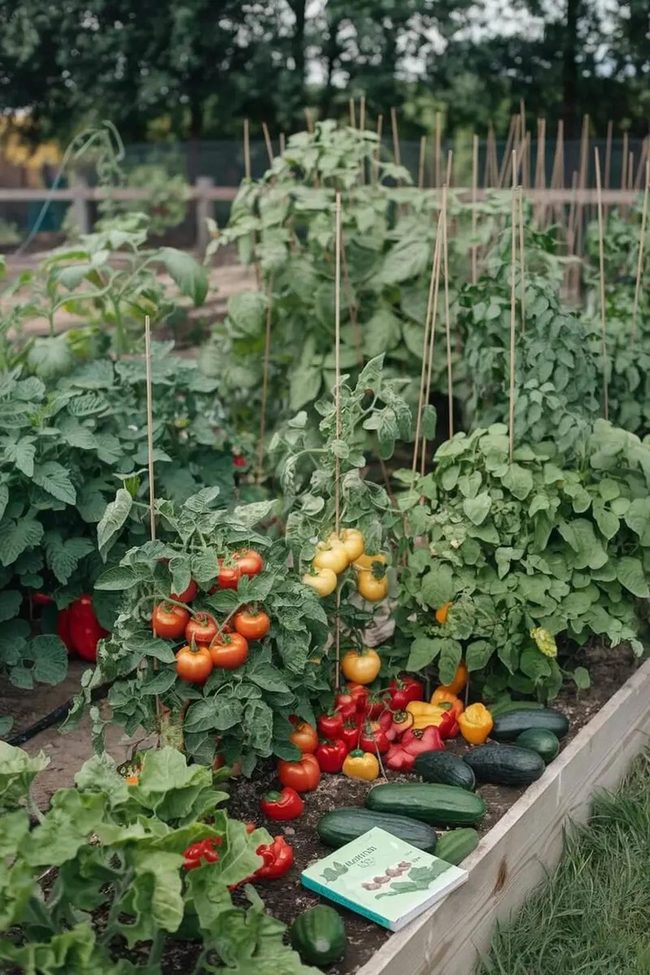
Keeping a garden journal helps you track what's happening in your exterior space and learn from your experiences over time.
Write down when you plant things, how they grow, what you add to the soil, how the weather affects your plants, and any pest problems you encounter.
By noting which plants do well and which ones struggle, you gain real insight into what works in your specific garden.
Your journal becomes a personal reference guide that lets you spot patterns and make smarter choices across season.
We all benefit from looking back at past notes to see what succeeded and what needs adjusting.
This simple practice turns your gardening into a learning process where you gradually understand your garden better.
Future seasons become easier when you have these records to guide your decisions and help you do even better next time.
Flowers For Better Vegetable Harvests
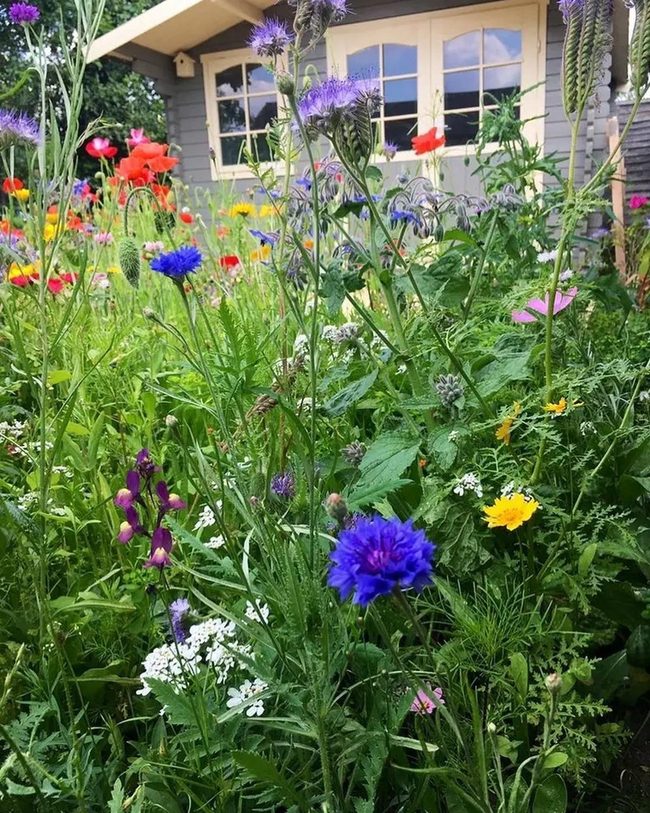
Sunflowers, marigolds, lavender, and zinnias mass across the vegetable garden via bold yellows, oranges, purples, and pinks immediately catch the eye and transform any growing space into something beautiful.
Beyond the visual appeal, these flowers serve a functional purpose by attracting bees, butterflies, and hummingbirds pollinate the vegetables and boost the harvest.
Without these pollinators visiting the plants, you won't get the fruit and seeds the crops need to thrive.
When you're deciding what to plant alongside the vegetables, remember these flowers do double duty as both ornamental additions and essential helpers for the garden's success.
Natural pest control methods work better than harsh pesticides if you want to keep pollinators safe and healthy.
Skipping the chemicals means you're protecting the very creatures make the garden productive and saturated.
The vegetable yields will improve noticeably once pollinators have a welcoming space to visit and feed among the plants.
Portable Vegetable Pots
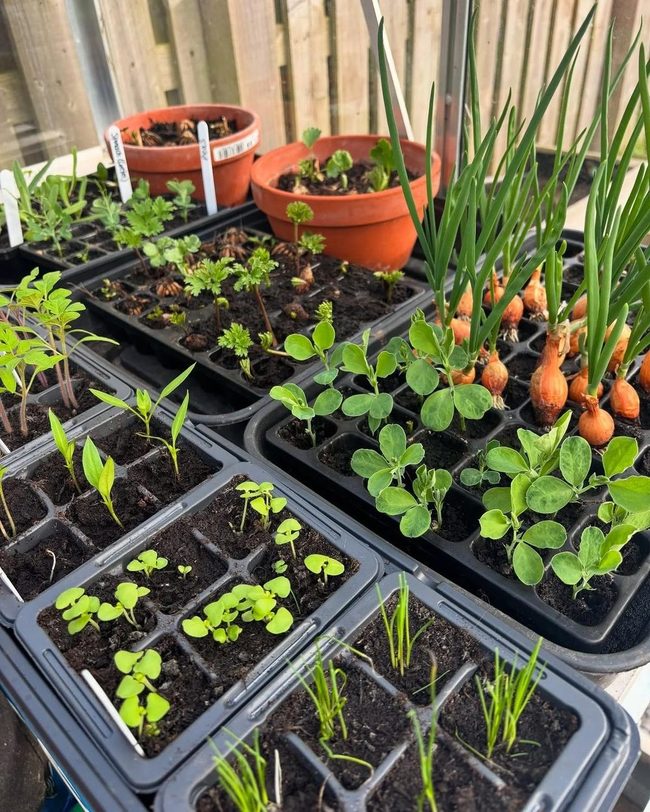
If you're working with limited space, growing vegetables in containers offers you flexibility to tend plants on patios, balconies, or small backyards.
Moving pots around helps you chase the sun and shield plants from tough weather while letting you rearrange your garden whenever you want.
Herbs, tomatoes, and peppers thrive in containers, and you can even grow root vegetables like carrots or potatoes if you pick deeper pots for them.
Lightweight containers make moving things around simple and manageable.
Drainage matters too, so punch holes in the bottom of in all pot before you add soil and plants.
You don't need a sprawling garden bed to grow fresh produce when containers give you so many options.
Marigolds With Tomatoes, Nature-Inspired Pest Control
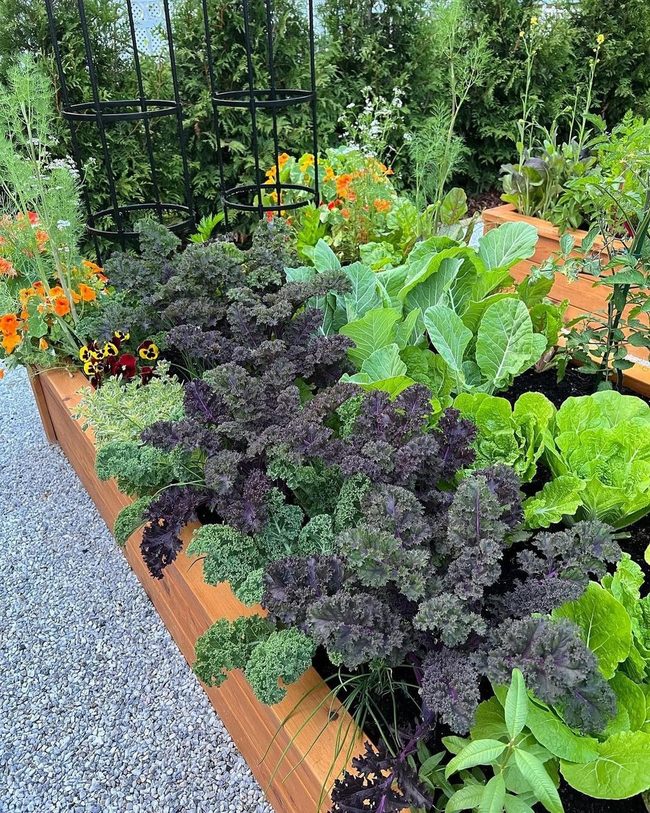
Companion planting works as a space-saving gardening method that boosts how much you can grow while keeping your soil healthy and naturally fending off pests without chemicals.
Marigolds placed near tomatoes repel harmful nematodes and insects, while basil growing alongside peppers enhances both flavor and plant vigor.
Corn, squash, and beans form what gardeners call the "Three Sisters," and this pairing shows how eachplant does something different to help the others thrive, the squash spreads across the ground to block weeds, corn stands tall and acts as a natural trellis for climbing beans, and those beans put nitrogen back into the soil to feed everything around them.
You can mix and match plants based on what grows well in your space and what problems you want to solve.
Once you start pairing compatible plants together, you may be aware of fewer pest issues and stronger growth without spending money on treatments.
Nature-Inspired Pest Defense Plants
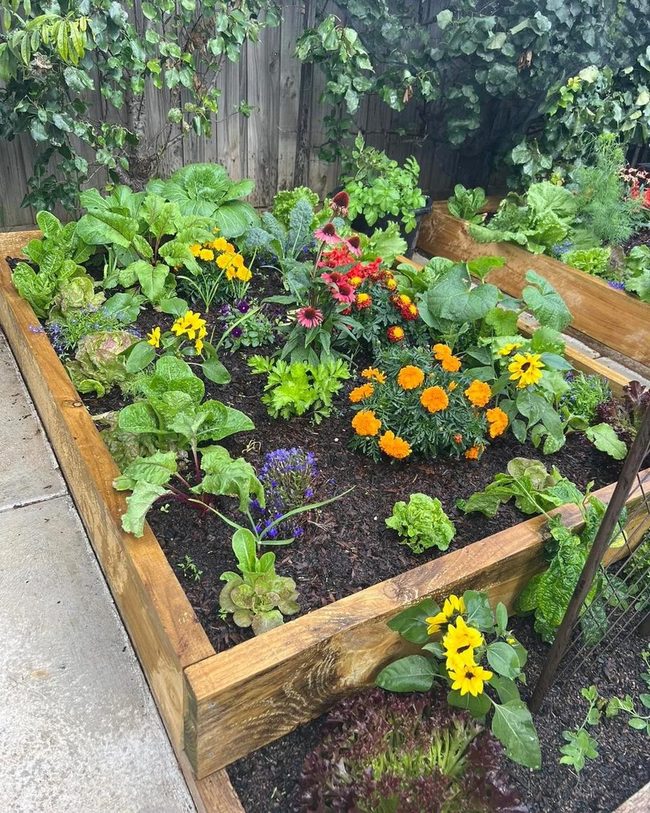
You can protect your garden from pests without reaching for chemicals by planting herbs and flowers that naturally repel unwanted insects.
Marigolds stand out as one of the most powerful defenders, warding off aphids, nematodes, and whiteflies all at once.
Chives, onions, and basil also do excellent work keeping common invaders like aphids and beetles away while giving you fresh ingredients for cooking.
Beyond just planting these protective plants, you will get even better results by pairing them with companion planting methods and welcoming beneficial insects like ladybugs into your space.
This mixed approach means your garden handles pest problems on its own without any harsh sprays or treatments.
Many gardeners find this natural method works well because it builds a balanced ecosystem right in their yard.
Your plants stay healthy, your food stays chemical-free, and you support the insects that actually help keep problems under control.
Vertical Bean And Cucumber Support
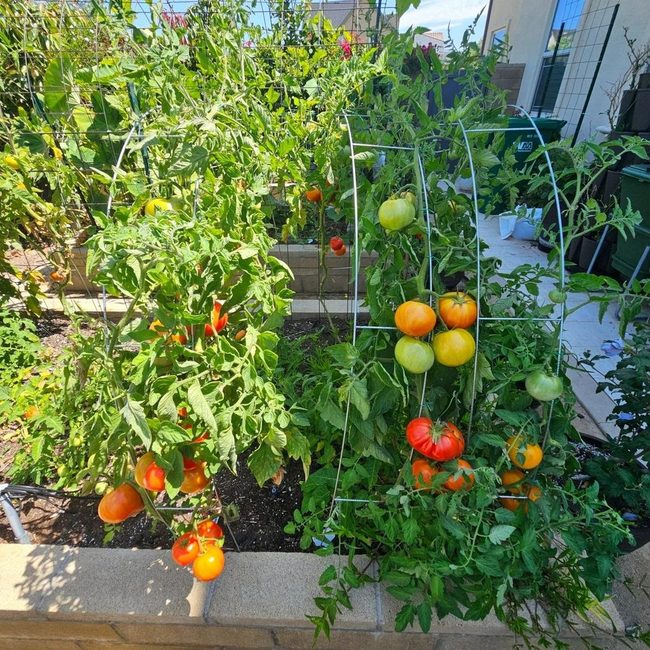
Your trellis in your garden opens up space by sending beans, cucumbers, peas, and climbing squash upward instead of across the ground.
You may observe that growing plants vertically means better air movement around the leaves and stems, which cuts down on diseases that thrive when plants sit too close together.
Picking your crops becomes faster and easier when you don't have to bend down or search through tangled vines on the soil.
If you want to add some character to your setup, old ladders, wooden pallets, or wire mesh can work just as well as new materials and give your space a rustic feel.
Even a simple fence does the job if you don't want to build something new.
The vertical approach also lets you fit more food into less ground, which is perfect if you're working with limited space.
Edible Terrace Flowers And Vegetables
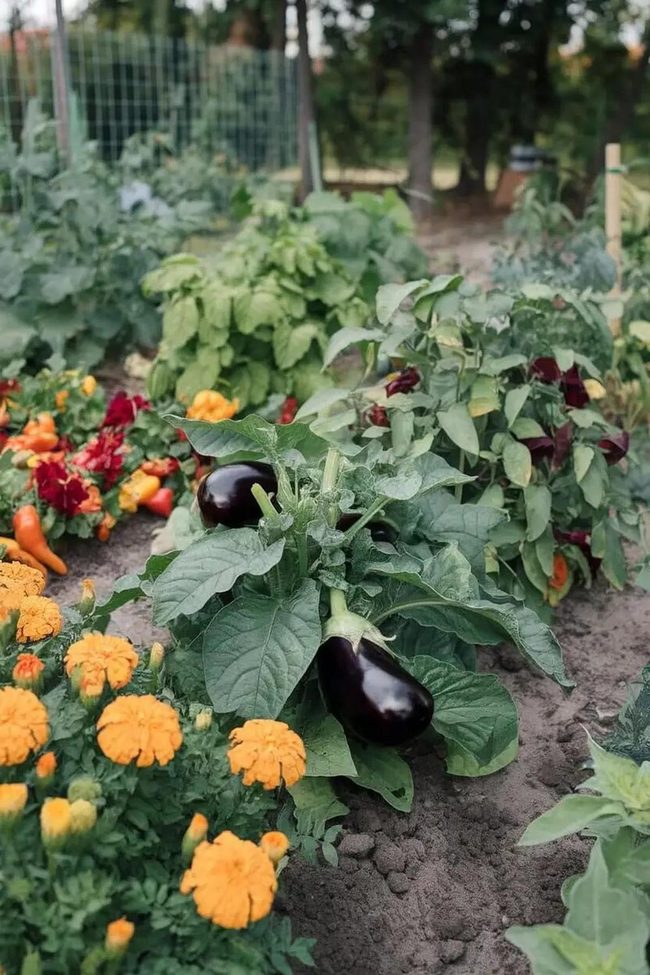
Growing vegetables and flowers together in your garden beds gives you the best of both worlds, a space that looks beautiful and feeds your family at the same time.
Plants like eggplants with their shiny, dark leaves pair naturally with colorful peppers and sunlit marigolds to make your garden pop with color while also giving you fresh produce to harvest.
When you blend edible and ornamental plants side by side, you're using every bit of your garden space in smart ways.
This mixed planting style means you get abundant vegetables and herbs without sacrificing the visual appeal of your outside area.
Your garden becomes a place where form and function exist together, and visitors will admire both the appearance and the efficient benefit of what you've grown.
Mixing edible plants into your landscape design shows how beautiful and productive your outside space can really be.
Vertical Vegetables In Small Containers
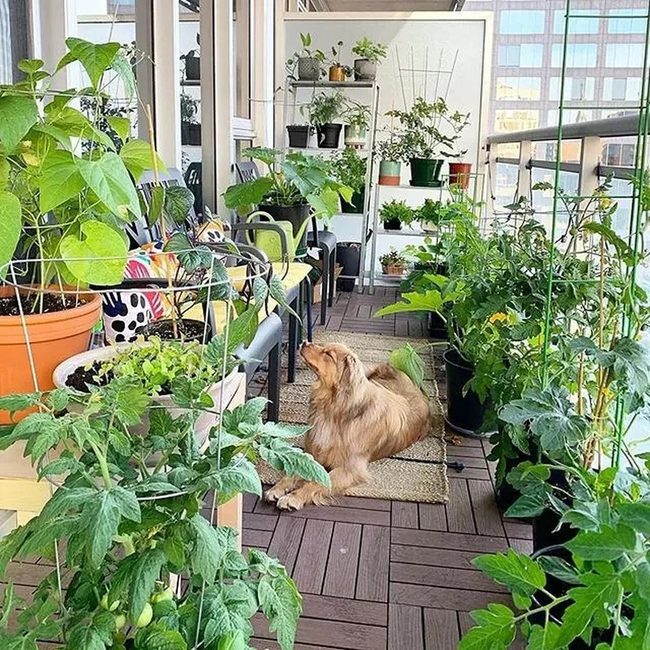
Hanging baskets overflowing with ripe strawberries and cherry tomatoes turn your balcony into a productive garden that supplies fresh produce right outside your door, and vertical garden structures maximize every inch of space you have available.
Railing planters work well too and let you grow herbs like parsley alongside leafy greens without taking up much room.
Lettuce, spinach, and kale handle partial shade nicely if your balcony doesn't get full sun all day, so you can still harvest plenty even in trickier light conditions.
Dwarf peppers and other compact crops thrive in small containers and give you real vegetables in limited space.
We recommend using lightweight pots so moving them around stays easy, and good drainage keeps water from pooling on your balcony floor.
Limited garden space stops being a problem once you set up a few well-placed containers, and you can have fresh herbs and vegetables growing where you thought gardening wasn't possible.
Elevated Patio Beds Accessibility
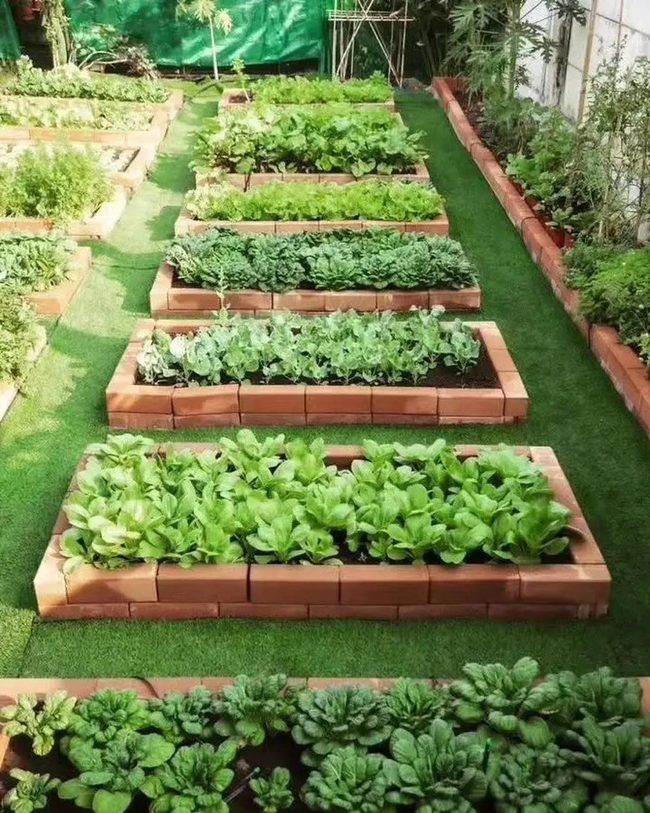
Raised beds transform your garden with their striking vertical structure while making gardening far easier on your back and knees, and you gain complete control over your soil composition and drainage systems.
These elevated boxes protect your plants from common pests like rabbits and stop soil from getting compacted by foot traffic.
Whether you're growing vegetables, flowers, or herbs, the plants have an ideal environment to flourish.
Beyond the well suited to daily routines benefits, they add visual height and structure to your outdoor space.
You can grow almost anything in raised beds with better results than traditional ground planting.
Many gardeners find that the combination of accessibility and plant health makes this investment worthwhile.
I've seen how even small gardens benefit from this simple upgrade to organization and productivity.
Dense Square Vegetable Patches
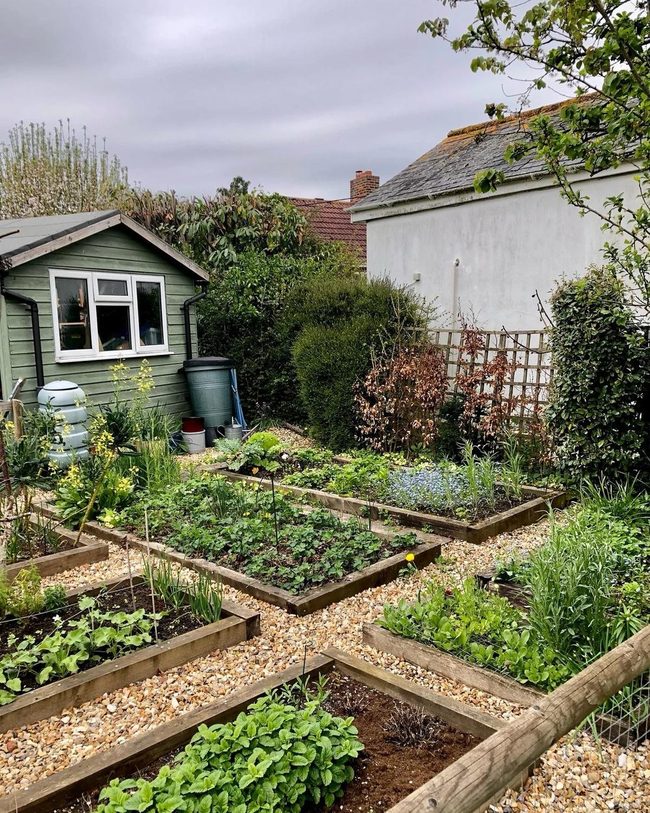
Block planting alters how you grow vegetables when space is tight, and the results speak for themselves as you harvest significantly more food from your garden.
Instead of arranging plants in traditional rows, you pack them into dense patches where crops like carrots, lettuce, radishes, and beets thrive in close quarters.
Gives you several advantages at once: your yield jumps up in smaller areas and weeds struggle to find room to establish themselves among the crowded plants.
One thing to remember is thinning out your seedlings as they develop so air can move freely between plants and prevent moisture problems.
You may want to monitor spacing intentionally even though the plants are packed together, since overcrowding can lead to disease and stunted growth.
Once you get the hang of this technique, you will wonder why you ever gardened any other way.
Low-Growing Plants Beat Weeds
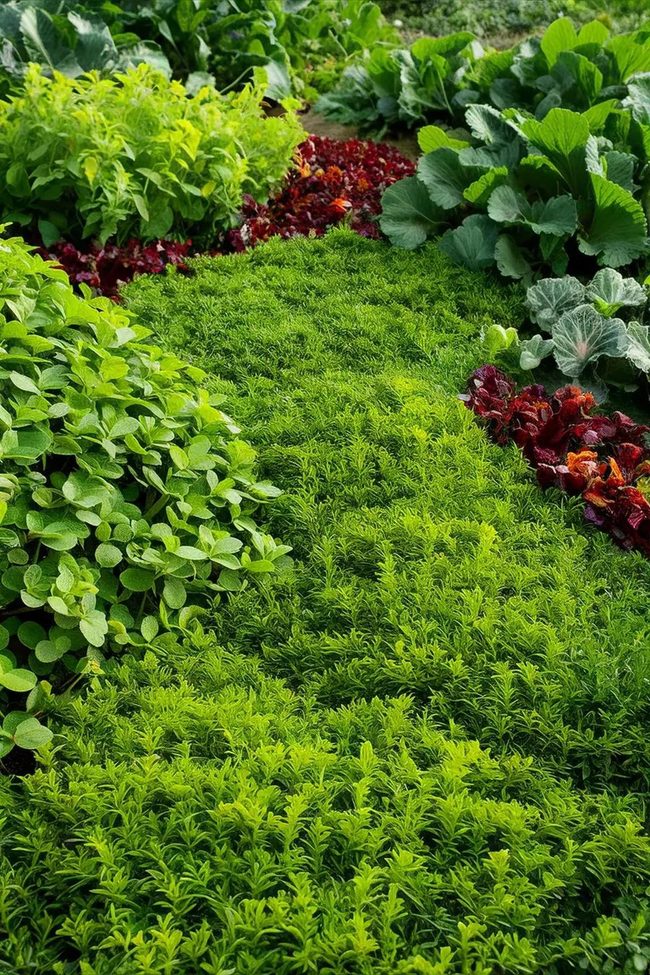
Low-growing plants like creeping thyme or clover handle multiple jobs at once in your garden, and they're particularly helpful if you have a larger vegetable patch to maintain.
By spreading across the soil surface, they crowd out weeds so you won't have to battle them as much, while also keeping moisture locked in the earth and holding soil temperatures steady.
Your plants stay protected from harsh weather swings when ground covers do this work for you.
Soil health improves as these plants break down and add organic matter to your beds.
They're an efficient solution that reduces your workload while keeping your garden in better shape overall.
Authentic Soil Fertility Through Living Plants
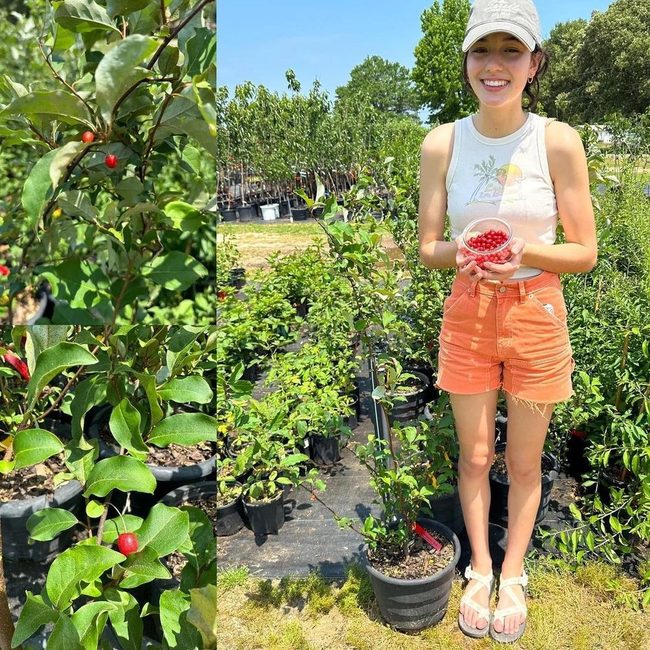
Beans, peas, and clover stand out as powerhouse plants that can transform your garden soil through a fascinating natural process.
These nitrogen-fixing plants partner with beneficial bacteria in the ground and pull nitrogen straight from the air, then convert it into nutrients your soil can actually use.
What I appreciate about design choice is how it eliminates the need to buy and spread synthetic fertilizers season after season.
You save both money and effort while your garden becomes healthier and more sustainable over time.
Growing these plants between other crops or rotating them in gives your soil a real boost for whatever you plant next.
If you care about reducing chemical inputs and building long-term soil health, this is one of the smartest moves you can make in your garden.
The process happens underground and takes no extra work from you beyond normal planting and tending.
It's a simple way to work with nature and watch your garden thrive on its own resources.
Small Fountain Draws Pollinators
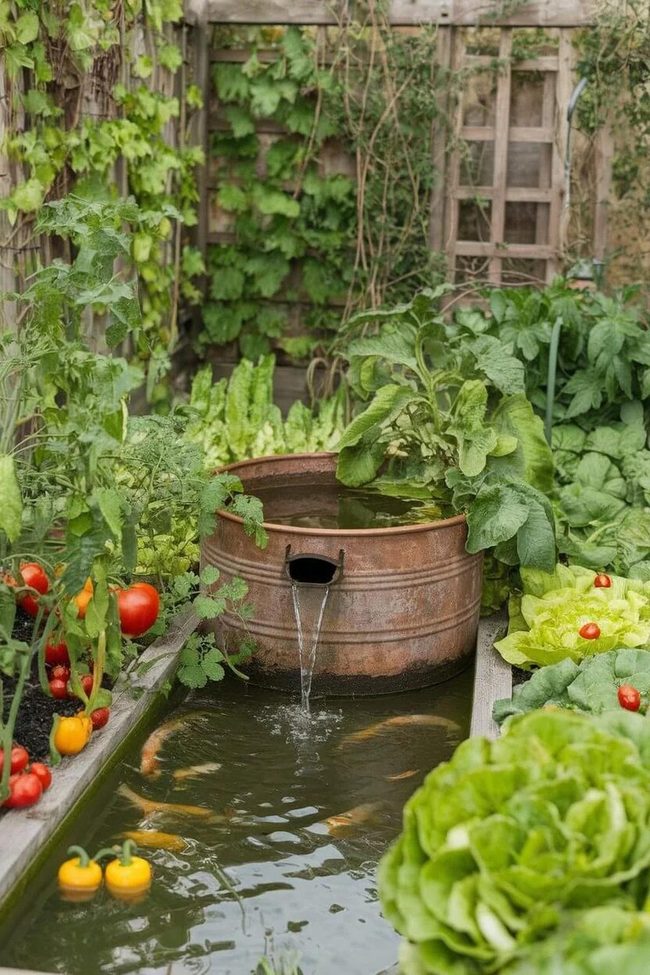
Water features become centerpieces in any yard space, and a birdbath, fountain, or weathered copper basin can completely shift how your garden feels.
Beyond their good looks, these elements serve real purposes by drawing in bees, butterflies, and other helpful insects that naturally manage pests and pollinate your plants.
Birds visit regularly when you add water to your garden, and their presence brings life and movement to quiet moments.
Such features turn your yard area into somewhere peaceful where you can sit, breathe, and connect with the natural world around you.
Whether you choose something simple like a shallow stone basin or go with a trickling fountain, water adds sensory richness through sound and sight.
Your garden becomes more than just plants and pathways, it becomes a destination where relaxation happens naturally.
Installing one doesn't require much space or complicated setup, and you may recognize the difference immediately in how the area feels.
Olivia Martinez
Founder & Principal Designer
Expertise
Sustainable Interior Design, Residential and Commercial Space Planning, Historic Preservation and Adaptive Reuse, Custom Furniture Design, Project Management
Education
Parsons School of Design, New York, NY
LEED Accredited Professional (LEED AP)
Olivia Martinez is the founder of Archi Refresh, where she brings style and sustainability together. With a degree from Parsons School of Design and a LEED certification, she’s all about creating beautiful, eco-friendly spaces.
With over eight years in the industry, Olivia has designed everything from cozy homes to commercial spaces, always putting function and sustainability first. She loves working with local artisans and has been featured in design publications for her fresh take on green living.
When she’s not designing, Olivia enjoys exploring historic architecture, painting, and spending time with her rescue dogs, Luna and Max.