
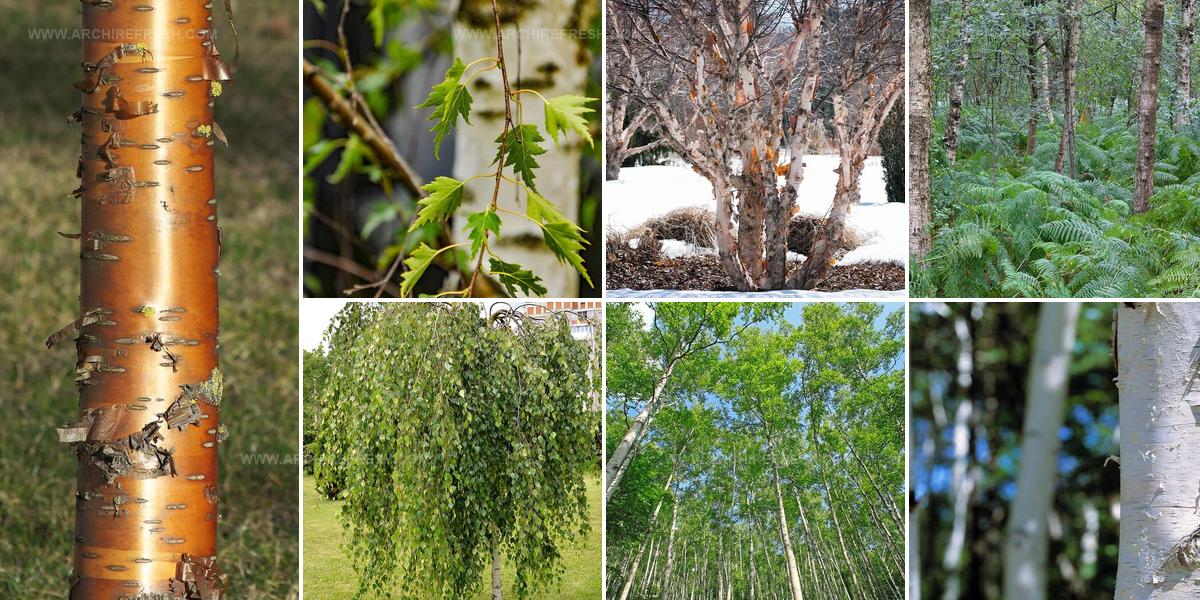
11 Different Birch Tree Types For Gardens That Shine
Birch tree types for gardens offer homeowners an elegant solution when searching for fast-growing shade and year-round visual appeal.
Recognizing which varieties thrive in different climates helps ensure successful planting outcomes.
Some selections feature striking white bark, while others showcase copper or golden tones that add warmth during winter months.
Hardiness zones, mature height, and soil preferences all play crucial roles in making the right choice.
Whether planting in compact urban spaces or sprawling landscapes, matching characteristics to site conditions prevents future problems.
Native versus ornamental cultivars present different benefits worth considering before making a purchase.
With proper selection, you can enjoy decades of low-maintenance beauty that enhances any outdoor space.
Red-Brown Bark Wildlife Haven
Cherry birch, also called Sweet Birch, displays shiny red-brown bark that stands out throughout the year and grows between 40 and 70 feet tall.
In fall, golden leaves add even more seasonal color to your landscape.
Birds love settling in its branches and eating from its abundant seeds.
Deer, moose, and rabbits browse on its foliage for food and nutrition.
Host plants like this one support various moths and butterflies including the Mourning Cloak, which boosts local wildlife diversity in your area.
It thrives in USDA hardiness zones 3 to 8 and resists the Bronze Birch Borer well.
Growing this tree helps protect an endangered species that lives mainly in eastern North America.
Dwarf Weeping Birch For Small Spaces
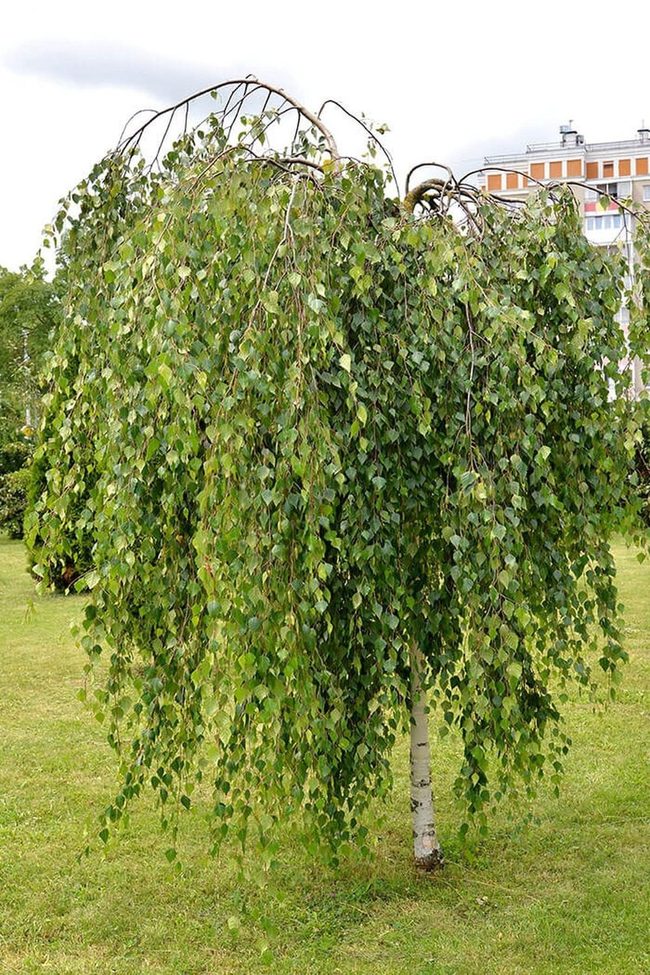
Young's Weeping Birch offers a smart solution when you're working with limited garden space, since this dwarf variety of Silver Birch stays between 6 and 12 feet tall and won't take over your landscape.
Its graceful weeping branches create visual interest with their elegant drooping form, and you get all the appeal of a birch tree without the bulk.
Growing well across USDA hardiness zones 3 through 9, this tree adapts nicely to warmer climates and most conditions you might encounter.
If you're looking to add beauty to a smaller yard, this variety delivers charm and sophistication without demanding much room.
You can enjoy that classic birch aesthetic and graceful movement even when square footage is at a premium.
Golden Yellow Birch Tree Towering
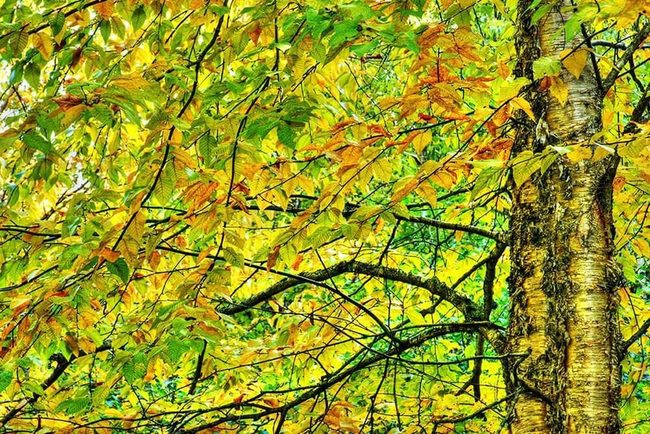
Yellow birch grows into an impressive single-trunk tree that reaches 50 to 80 feet tall, making it one of the most striking additions to your landscape.
Its bark peels away in beautiful yellow-bronze tones that remain eye-catching even in winter months.
When fall arrives, the foliage turns a warm golden yellow that transforms your entire yard into a glowing outdoor space.
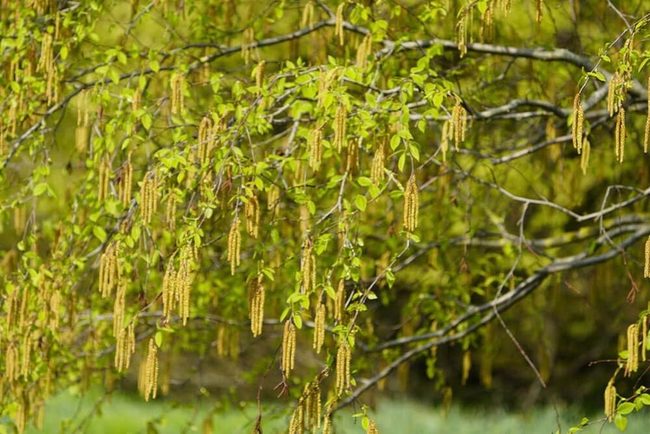
Dangling from the branch tips, clusters of catkins measure between 2½ to 4 inches long and sway gently in the breeze.
Since this species is native to North America and thrives in USDA zones 3 to 7, you'll find it performs well in many regions and naturally attracts songbirds, small mammals, butterflies, and pollinators.
Beyond its visual appeal, this shade tree provides shelter and food sources for wildlife on your property.
White Peeling Bark Statement Tree
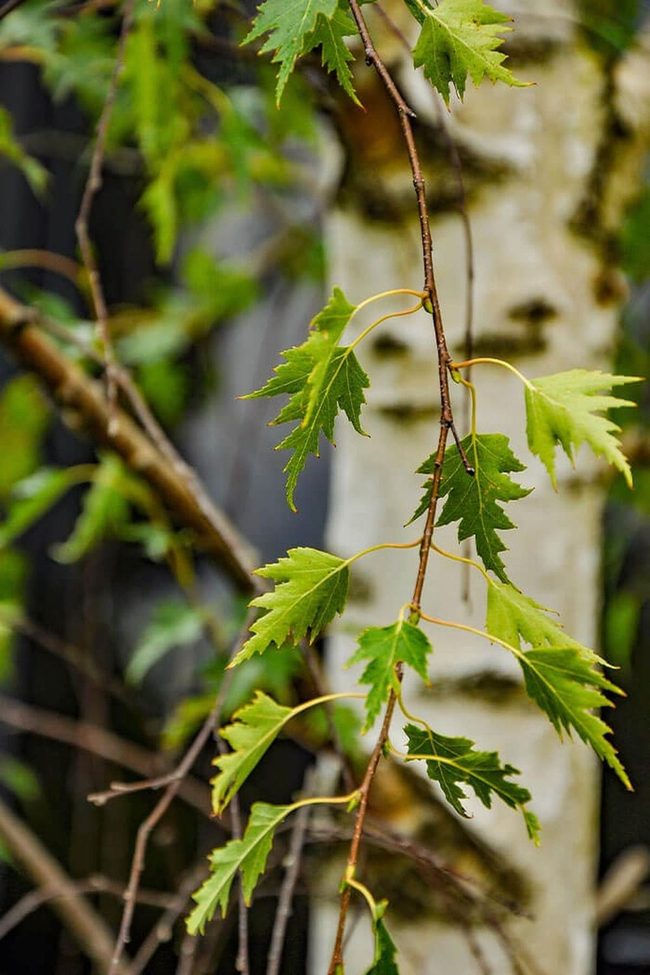
Cutleaf Weeping Birch stops you in your tracks with its striking white bark that peels away in papery strips, especially when winter strips the tree bare and makes this feature absolutely unmissable.
Growing 40 to 50 feet tall, the tree develops a narrow, pyramidal silhouette that brings architectural grace to any garden space.
Its long branches sweep downward in graceful arcs, and they move with such elegance that you'd swear the tree came straight out of a storybook.
Deep green leaves with sharply cut edges and saw-tooth margins give the entire canopy a delicate, lace-like texture that catches light beautifully.
Spring arrives with dangling catkins that add movement and interest to the branches.
When fall comes around, those same leaves turn warm yellows that glow in the afternoon sun.
White Bark Towers With Spring Catkins
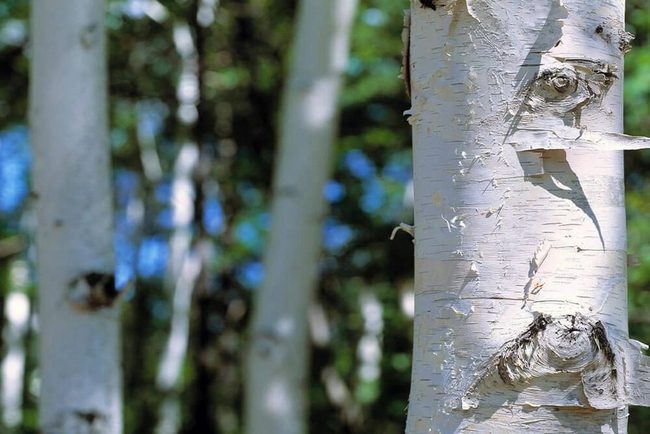
Paper Birch trees grab your attention immediately with their striking white, peeling bark that stands out dramatically against winter landscapes.
These trees shoot up tall, often reaching 45 to 100 feet, and develop a graceful rounded shape that adds architectural interest to any yard.
Come spring, drooping catkins emerge and bring a delicate charm whether the tree grows as a single trunk or splits into multiple stems.
Fresh spring green leaves unfold and eventually deepen into rich dark green foliage, with each leaf measuring about 2 to 4 inches long.
What makes these trees even better is their preference for moist soils in northern regions from the USA through Canada, where they thrive beautifully.
Paper Birch also serves as a host plant and nectar source, attracting butterflies like the Eastern Tiger Swallowtail and supporting many other wildlife species.
Maroon Branches Bog Birch Tree
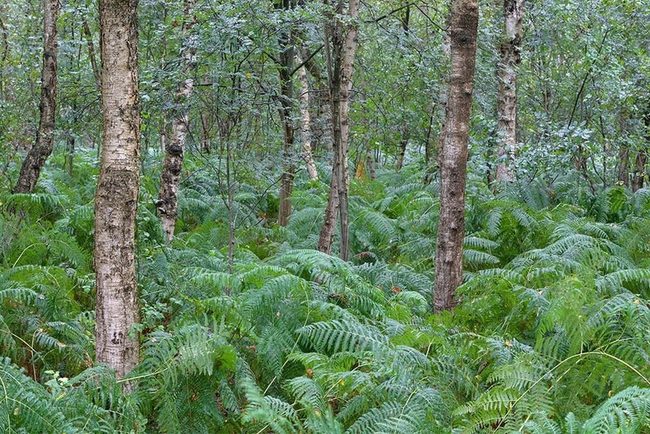
Bog birch stands out with its striking young branches that display a rich maroon to reddish brown hue and fine hairs along their length, making it a visually interesting addition to any landscape.
Its leaves catch the eye with dark green coloring on the upper surface and lighter shades on the underside, plus coarse-toothed edges and rounded tips that sit on wedge-shaped bases.
This smaller tree, also known as American dwarf birch, typically grows between 5 to 10 feet tall, so it fits nicely into most yard spaces without overwhelming your garden design.
One of the best things about bog birch is its ability to thrive in wet areas and handle challenging soil conditions like clay and alkaline soils where many other trees struggle.
If you live in USDA zones 2 through 9, this native North American plant will grow well in your region and adapt to local climate patterns.
White Bark Birch Tree Beauty
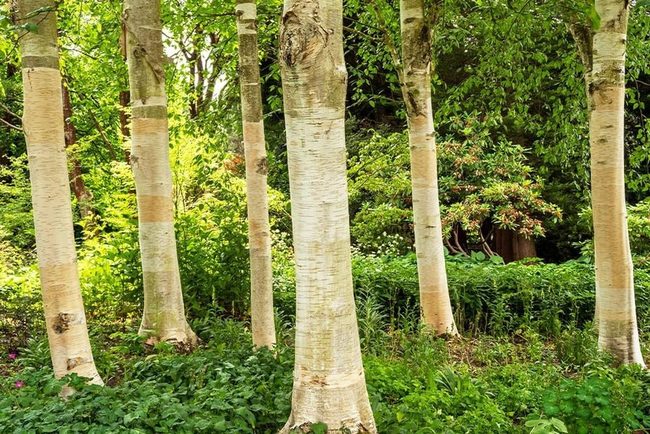
Himalayan Birch commands attention with its striking white bark that stands out boldly in any garden setting, and it thrives in cool climates throughout USDA zones 4 to 7.
When spring arrives, long catkins drape gracefully from the branches and enhance the landscape's natural beauty.
As autumn approaches, the foliage transforms into an impressive display of changing colors.
Several standout varieties deserve mention, including 'Fascination', 'Forest Blush', and 'Park Wood', each featuring distinctive bark colors and shapes that have earned recognition for their outstanding appearance.
Keeping your tree well-watered matters greatly because drought stress weakens the plant and opens the door to pest problems like the Bronze Birch Borer.
Regular moisture helps you maintain a healthier, more resilient tree that performs well season after season.
Peeling Bark In Salmon Pink
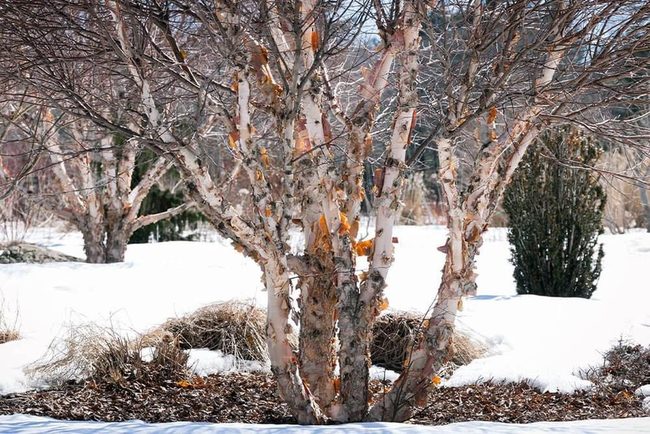
River birch immediately grabs attention with its striking peeling bark that displays layers of salmon, red, pink, and brown tones shifting to lighter shades underneath.
You'll find this tree reaches between 40 and 70 feet tall and can live for more than 40 years when planted in suitable conditions.
It grows naturally across eastern North America and does well in USDA hardiness zones 4 through 9.
One reason we see river birch planted more often is its strong resistance to the bronze birch borer, an insect that damages many other birch varieties.
If you want even better performance, the Dura Heat® cultivar offers superior tolerance to both heat and drought stress.
This combination of ornamental appeal and resilience makes river birch a solid choice for your landscape.
White Birch Cool Climate Tree
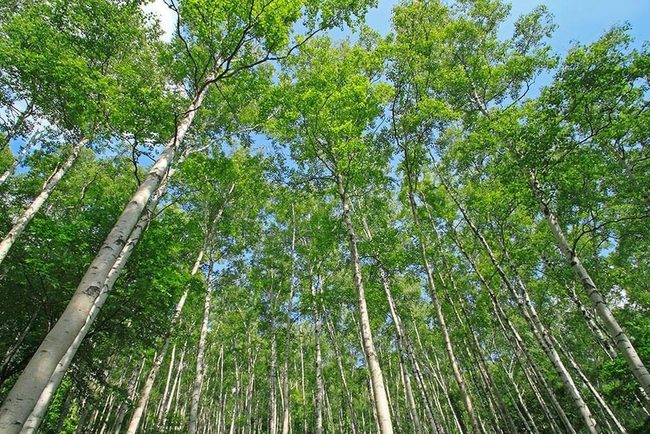
Japanese White Birch reaches heights of 40 to 50 feet and grows best in regions with cooler temperatures, so you'll want to plant it in USDA hardiness zones 3 to 8 and position it where it gets eastern or northern exposure.
Partial shade works fine for this tree, but stress from heat or dry soil can weaken it and invite pest problems like the Bronze Birch Borer.
Hot locations and areas where moisture drains away quickly spell trouble for this species.
If you live in a warmer climate, River Birch offers a similar aesthetic without the demanding environmental needs.
Originally from Manchuria, Korea, and Japan, this white-barked tree brings natural beauty to your landscape when you match it with the right growing conditions.
Striped Bark Native Water Tree
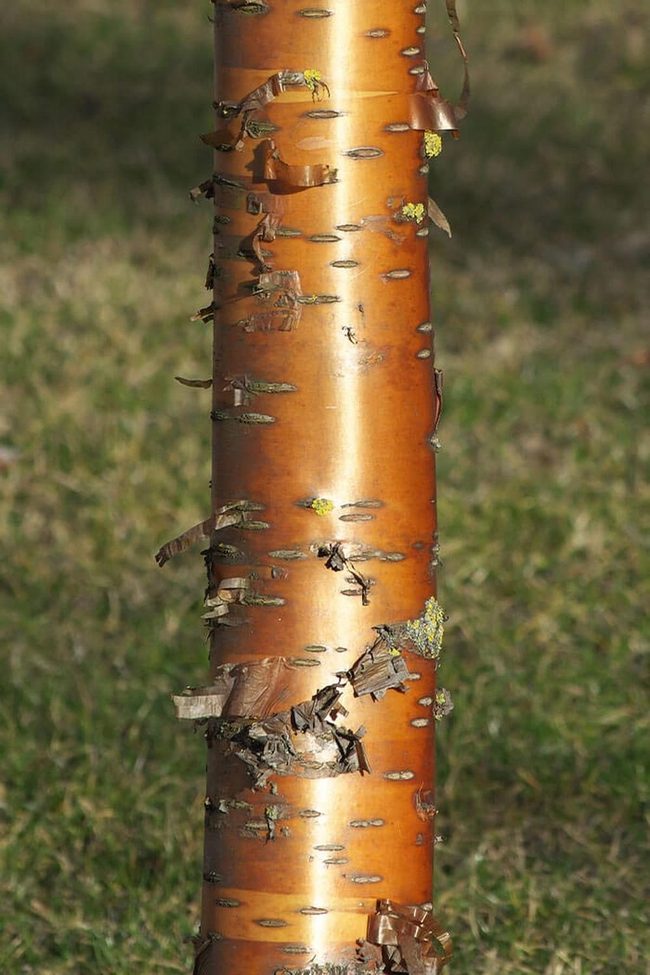
Water birch displays striking black to reddish-brown bark with distinctive horizontal stripes that stand out in any landscape, and this visual quality becomes even more dramatic as the trees mature and develop their characteristic open branching patterns.
You'll find these trees naturally thriving in wet environments like streambanks and ponds throughout western North America, where they typically reach heights between 15 and 40 feet, though they often grow more modestly and look particularly appealing when planted in multi-trunked groupings or as tall shrubs.
Beyond their appearance, water birch serves important ecological purposes and beavers rely on them for both food and construction materials.
If you're planning a lowland garden with plenty of moisture, this species adapts reliably across USDA zones 2 to 6 and makes a dependable choice for areas where other trees might struggle.
White Bark Elegance Tree
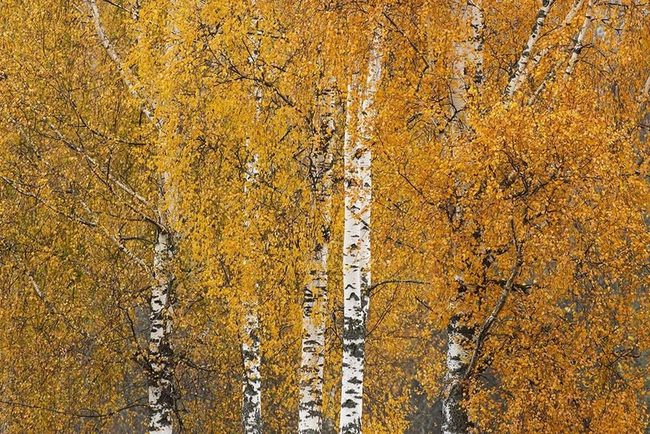
Silver birch, also called European white birch or weeping birch, brings a striking presence to your garden with its distinctive white bark and graceful branching structure that stands out against any backdrop.
Hardy in USDA zones 2 through 7, this tree does best in sunny locations and prefers moist, well-drained soil where it can establish strong roots.
Young specimens grow in a pyramidal form and gradually shift to a rounded or oval silhouette as they age and develop their character.
Leaves measure between 1 to 3 inches long and feature serrated edges that catch light and movement throughout the day.
Some varieties showcase deeply cut foliage that adds wonderful texture and visual interest across your landscape design.
Come springtime, yellowish catkins hang delicately from branches and provide an extra layer of seasonal beauty that many gardeners appreciate.
Michael Harris
Senior Content Editor
Expertise
Home Décor Content Creation, Interior Design Journalism, Editorial Oversight, Digital Media Strategy, Team Leadership and Mentorship
Education
University of Queensland, Brisbane, Australia
Queensland University of Technology (QUT), Brisbane, Australia
Michael Harris is the senior content editor at Archi Refresh, where he turns home design trends into engaging, easy-to-follow articles. With a journalism degree from the University of Queensland and a digital communication certification from QUT, he knows how to craft content that informs and inspires.
With over 10 years of experience in lifestyle and design media, Michael has shaped editorial strategies, mentored writers, and helped readers refresh their spaces with practical tips. His work blends storytelling with expert advice, making home decor more accessible to everyone.
Outside of work, Michael enjoys DIY projects, exploring Brisbane’s art scene, and teaching digital literacy workshops.