
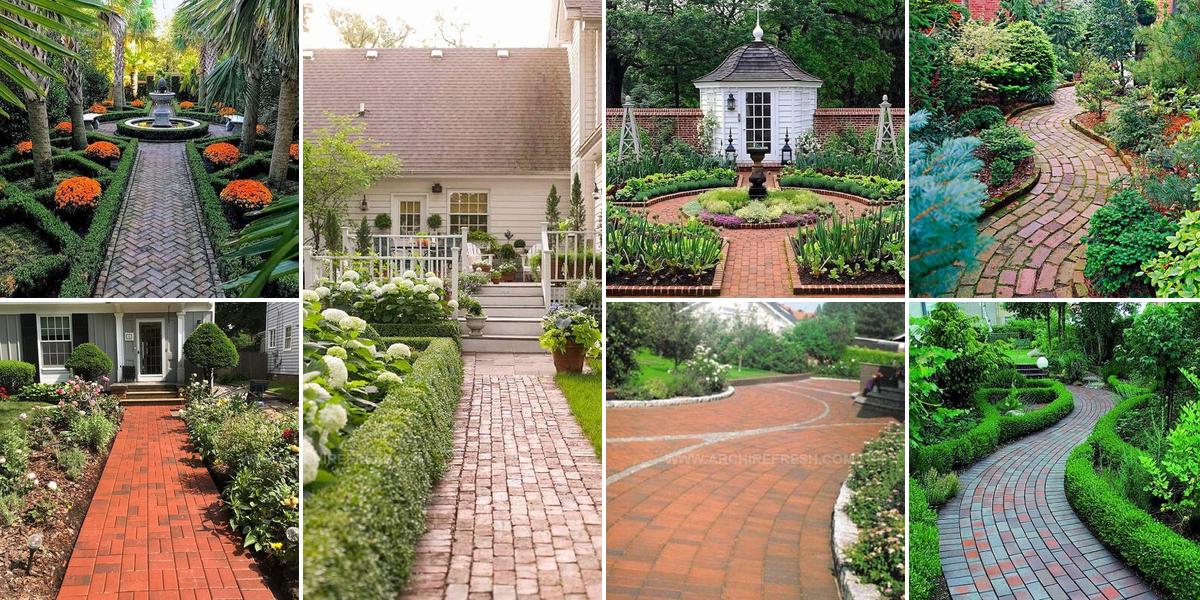
36 Brick Pathway Ideas For Gardens That Add Charm
Walking on brick pathways adds timeless charm and practical function to any outdoor space.
The warm tones and classic patterns of bricks create an inviting atmosphere that enhances garden aesthetics while providing stable footing through beds and borders.
Homeowners appreciate how durable materials withstand weather conditions year after year without losing appeal.
Curved designs can soften landscape edges, while straight lines offer formal structure that complements architectural styles.
Installation methods range from simple sand-set techniques to more permanent mortar applications depending on preferences and skill levels.
Whether connecting a patio to a shed or winding through flower beds, the right design brings cohesion to outdoor areas.
Red Brick Zigzag Garden Pathways
Red brick pathways wind through your garden with striking geometric patterns that immediately catch attention, and zigzag designs add dynamic movement between planted beds and walking areas.
Brick edges create clean boundaries that separate different zones throughout your landscape with clear definition.
Strategic placement of these pathways guides you and others along meandering routes that reveal new corners of your garden, and they integrate natural stone textures with structured design in ways that feel both purposeful and visually interesting.
Terra Cotta Paths White Edged
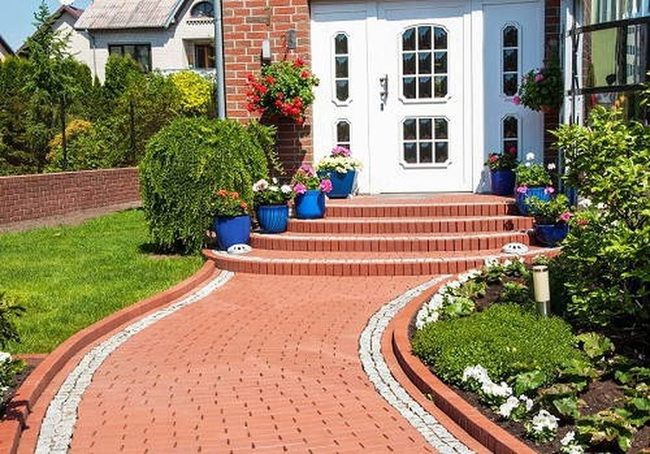
Burnt clay walkways framed with white edging stand out as one of the most striking garden features, drawing your eye through outdoor spaces with natural terra-cotta tones that blend seamlessly with crisp white border stones.
White bricks define the pathway edges and create clean architectural lines that help you navigate garden areas smoothly while adding sophisticated design elements.
Garden designers favor this technique because it introduces structured movement through outdoor spaces, and clay's rich earthen colors connect your walking surfaces directly to the surrounding soil and plant environments.
Classic clay materials establish warm ground textures that complement the greenery around you, making the pathways feel like a natural part of your landscape.
Beyond looks, strategic white edging highlights pathway curves and prevents soil erosion at the same time.
You get both function and style working together in one simple solution.
Red Brick Pathways Through Garden Rooms
Red brick pavement draws people through outdoor spaces on winding routes that feel both structured and natural, with stone pathways guiding visitors past planted areas and into different garden rooms.
Neat brick layouts break up the space between garden beds and lawn, and rectangular bricks set in traditional patterns help move people smoothly through each section while keeping the design flowing.
Strategic brick placement marks where one garden area ends and another begins, without disrupting how the landscape connects together.
Small gaps between bricks let grass and low ground cover show through, which softens those hard edges and blends the hardscape into the rest of your yard.
Dark red brick tones warm up the whole design and work well alongside your plants and flowers.
Garden paths become functional pieces that link separate areas with classic architectural style, and when you add natural stone edges along the sides, you get smooth transitions that tie everything in your landscape together seamlessly.
Terra-Cotta Brick Garden Pathways
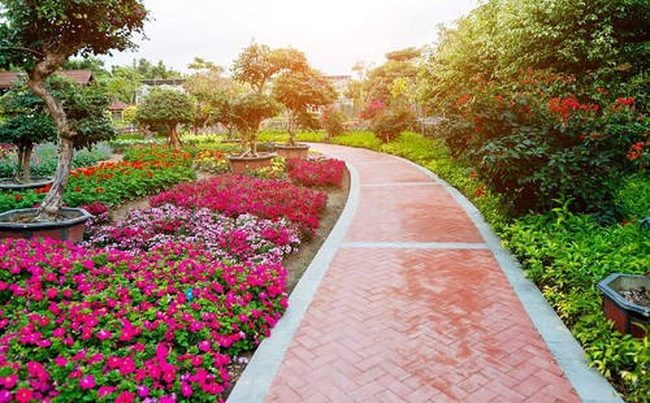
Red brick pathways wind through gardens in warm terra-cotta tones that stand out beautifully against green plants and colorful flower beds, and these routes guide your eyes naturally through blooming landscapes with their rich, earthy warmth.
Garden designers favor brick paths for their classic charm and lasting durability when exposed to rain, sun, and temperature shifts.
You can lay bricks in gentle curves or straight lines based on what matches your garden's style and personality.
Smooth red bricks connect different garden spaces and create natural walking routes that feel both organic and purposeful without demanding much effort.
Strong brick materials resist cracking over time and give you stable, dependable walking surfaces that won't shift beneath your feet.
Homeowners enjoy how these pathways add structure and interest to outdoor spaces while keeping the natural beauty of plants and flowers front and center.
Terracotta Pathways Through Green Jungle
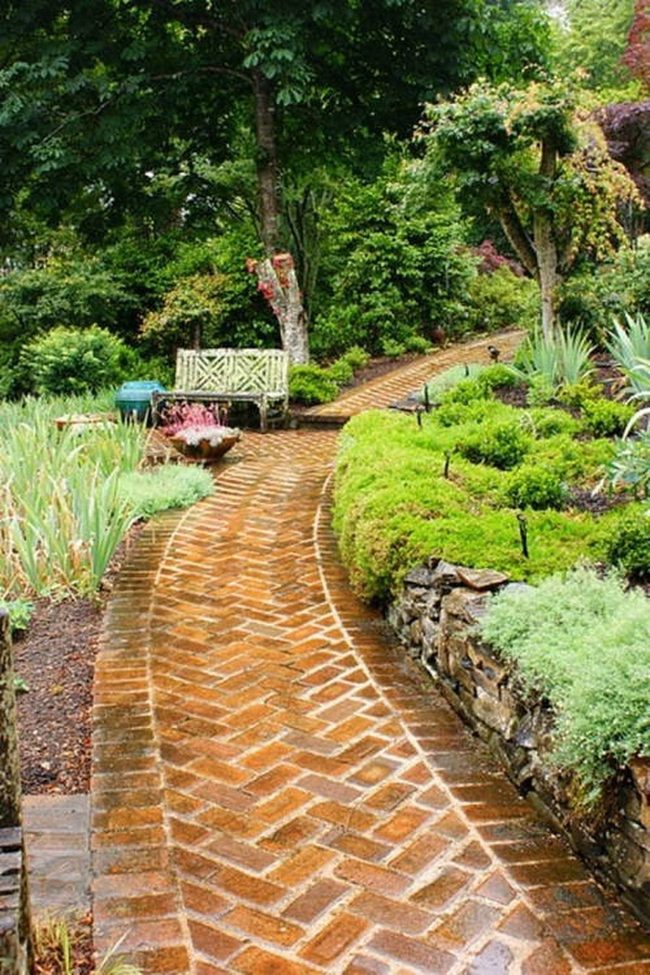
Burnt clay walkways slash through lush jungle landscapes in warm terracotta tones that stand out beautifully against the surrounding greenery, and their rustic elegance adds character to any wild garden space.
Each brick you lay down creates a smooth walking surface that resists dirt and rust accumulation, so you won't struggle with constant maintenance like you might with other materials.
Natural earthy hues blend seamlessly with jungle vegetation, and the wild plants seem to embrace these warm pathways as part of the landscape.
Strong clay materials hold up well under heavy foot traffic and tough environmental conditions, making them reliable for garden spaces that see regular use.
Heat-resistant properties mean you don't have to worry about the bricks breaking down in extreme temperatures or harsh weather.
Strategic brick placement ensures stable walking routes through dense garden areas, and we recommend taking time to plan your path layout before installation.
Red Clay Pathways Define Garden Structure
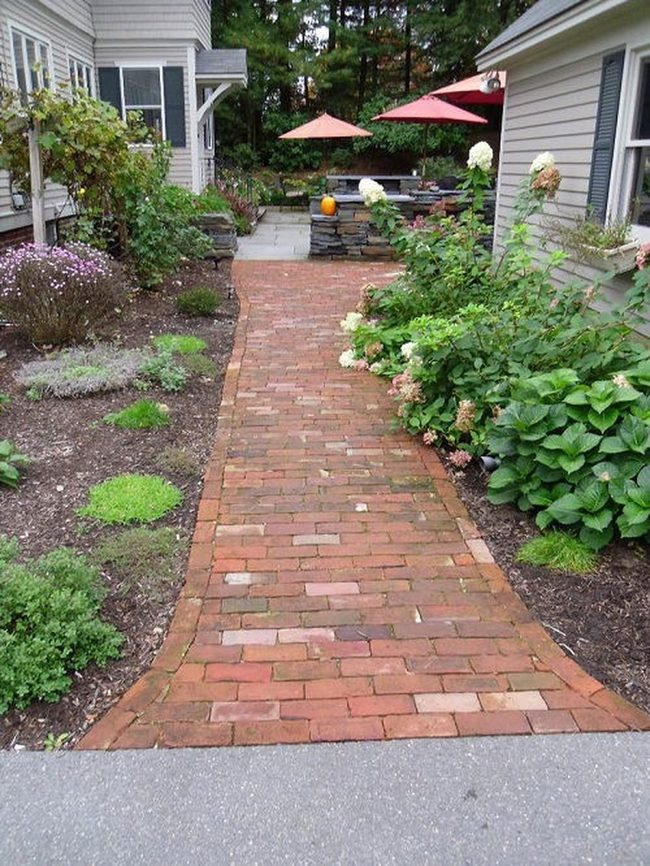
Brick walkways lined up in neat rows cut through your garden with striking visual appeal, and red clay materials create those clean linear paths that guide people naturally from one outdoor space to another.
You'll find that sturdy bricks hold up well against weather and heavy foot traffic, so they're built to last year after year.
Homeowners appreciate how simple brick layouts offer smooth transitions between lawn areas and planted sections without looking overdone.
Garden designers favor this classic approach because it balances natural textures with architectural elements that feel both grounded and thoughtful.
Walking paths serve a practical purpose too; they help visitors move through your outdoor space in an organized way.
Neat brick placement gives your whole garden a polished, professional appearance that ties different areas together nicely.
Stone Paths With Earthy Depth
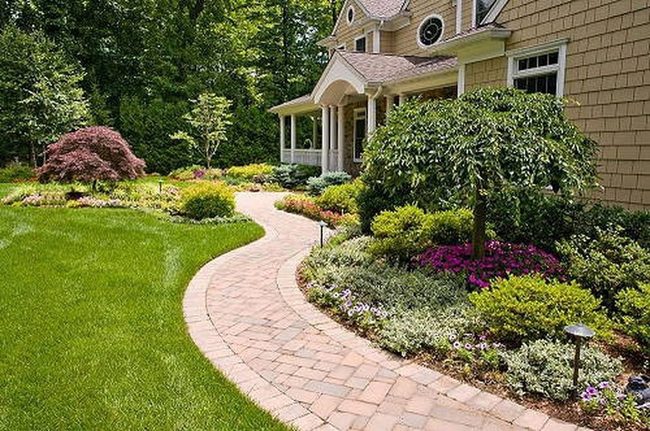
Cobblestone walkways bring an immediate sense of character and depth to any outdoor space with their textured surface and rich earth tones that range from soft grays to warm russets.
You can see how these timeless stones blend rustic charm with modern urban design, making them work beautifully in driveways, patios, and garden trails alike.
What makes cobblestones so appealing is their durability; they stand up to heavy foot traffic and vehicle weight without losing their appeal.
Installation requires careful placement of each stone in sand or mortar to ensure stability and longevity.
Beyond their practical strength, homeowners appreciate how the varied surfaces add genuine interest to landscapes and connect different garden spaces in a cohesive way.
Clinker Brick Garden Pathways
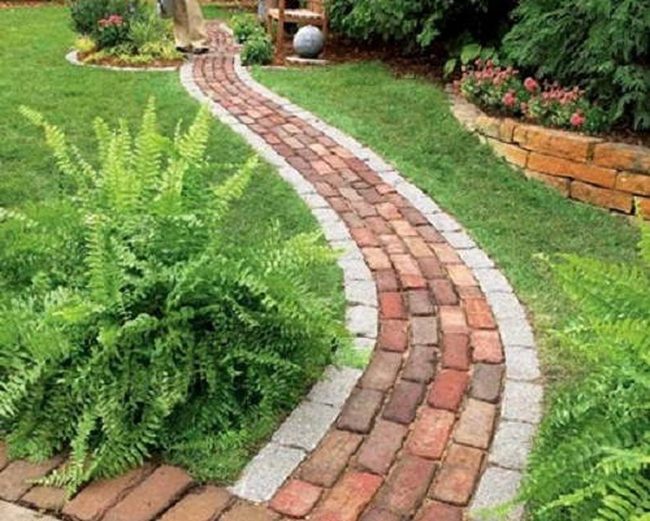
Narrow walkways made from clinker bricks turn small gardens and side yards into charming spaces that guide visitors naturally through outdoor areas.
German craftsmen developed these rough-textured bricks from industrial kiln waste, and builders still arrange them in tight linear patterns today.
The first thing you see is how their rugged, unfinished surface adds architectural interest that plain materials simply can't match.
Dense clay pieces packed closely together create pathways that connect different garden zones and make narrow spaces feel purposeful rather than cramped.
These bricks handle weather and time well, staying strong year after year with minimal maintenance.
Compact pathways like these solve real problems in tight landscaping situations while delivering honest, unpretentious beauty that works in almost any garden style.
Red Brick Pathways Guide Garden Zones
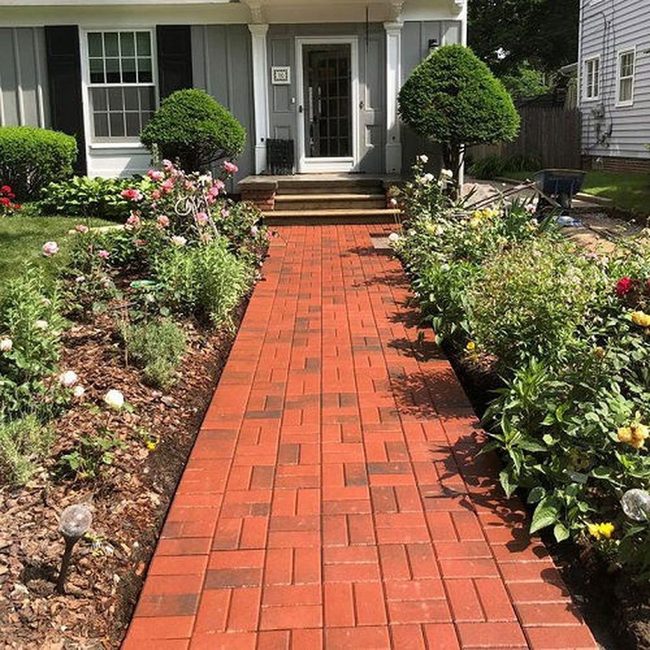
Red brick walkways stand out in any garden with their warm, rusty tones that look stunning against green plants and foliage.
You can arrange these bricks in different patterns like herringbone or basketweave designs to add visual character to your outdoor space.
Garden designers love these pathways because they last for years and handle both heavy foot traffic and tough weather without falling apart.
Strong clay materials keep the bricks solid and reliable, so you won't need constant repairs or replacement.
When you place brick paths strategically near flower beds or leading toward seating areas, they guide people through your garden and break up the landscape into different zones.
I find it useful that these walkways bring a classic, timeless quality to outdoor spaces while also serving a practical purpose.
Brick pathways add architectural structure to gardens, connecting various sections together and making your outdoor design feel more organized and polished.
Terracotta Pathways Guide Garden Flow
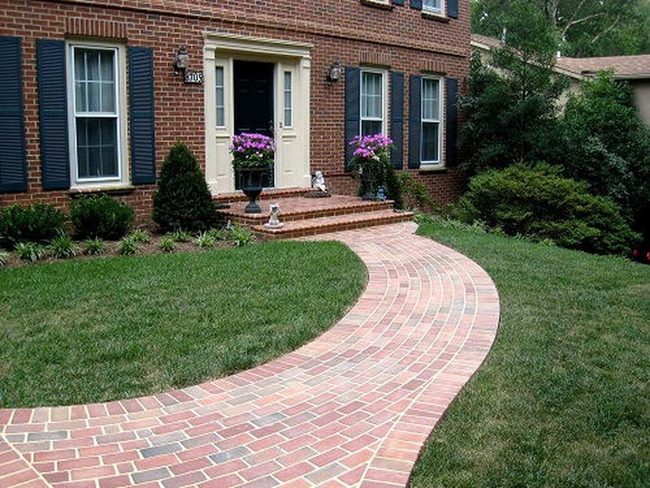
Brick steps and patio walkways stand out as striking features that blend classic charm with modern design lines, connecting your garden spaces in ways that draw the eye naturally through the landscape.
Smooth stone pavers create elegant transitions between lawn and porch areas, and their rich terracotta tones complement surrounding greenery beautifully.
Contemporary materials mix seamlessly with traditional architectural elements, giving your outdoor space a balanced feel that works for many different home styles.
Garden designers value how these pathways provide structured movement through outdoor spaces, breaking up the visual monotony of standard grass expanses and guiding people where you want them to go.
Each brick placement ensures clean visual flow across your property, and the practical ground coverage means you get both beauty and function in one solution.
Homeowners appreciate how these walkways enhance their property's look while maintaining the functional connections between garden areas that make outdoor living actually work day to day.
Stone Pavers With Gravel Borders
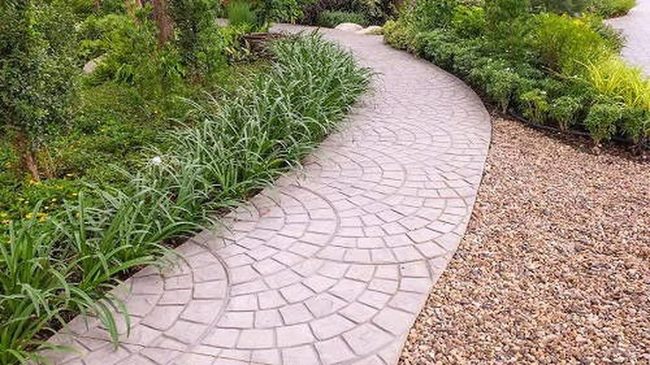
Paver driveways set against gravel beds offer you an affordable way to enhance your landscape without draining your budget on installation costs, and landscape designers frequently recommend this style to homeowners who want something better than standard surfaces.
Gravel borders frame the structured paver layout and add visual interest all along your property edges while natural stone textures blend seamlessly into existing garden environments.
Stone pavers connect well with surrounding landscape elements and strengthen the overall look of your outdoor space.
You'll also benefit from easier drainage since permeable paver configurations prevent water from pooling in problem areas, which makes maintenance simpler down the road.
Smart property owners appreciate how this design costs significantly less than traditional asphalt installations while still delivering real curb appeal.
Best of all, you can customize patterns and stone selections to match your own style and preferences, so your driveway reflects your personality rather than following a cookie-cutter template.
Brick Pathways Define Garden Zones
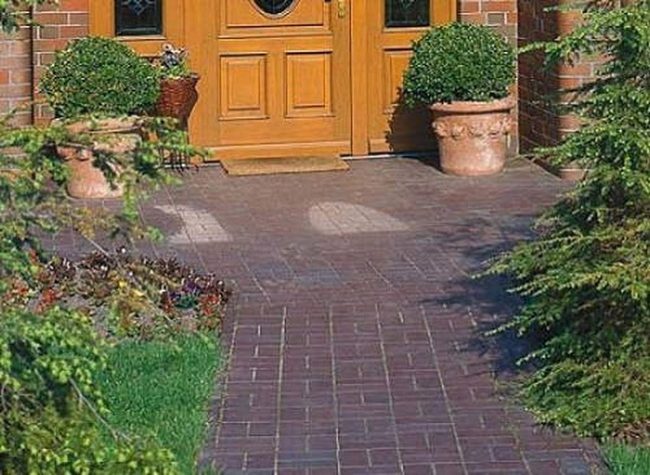
Brick pathways revolutionize how gardens look and function by offering endless design possibilities that homeowners can customize to match their unique outdoor spaces.
You can choose from different colored and textured bricks that work beautifully with your surrounding greenery and create visual interest throughout the landscape.
Walking paths made from quality masonry materials guide visitors through different garden sections smoothly and naturally.
Rectangular clay pieces connect garden beds, patios, and seating areas while adding both structure and beauty to your outdoor design.
Strategic brick placement helps you define separate zones in your garden while keeping everything connected and visually appealing.
Installation techniques range from simple linear patterns to intricate herringbone arrangements depending on the look you want to achieve.
Professional landscapers know that the right brick choice transforms an ordinary yard into a well-organized and attractive outdoor space.
Red Brick Pathways Guide Garden Flow
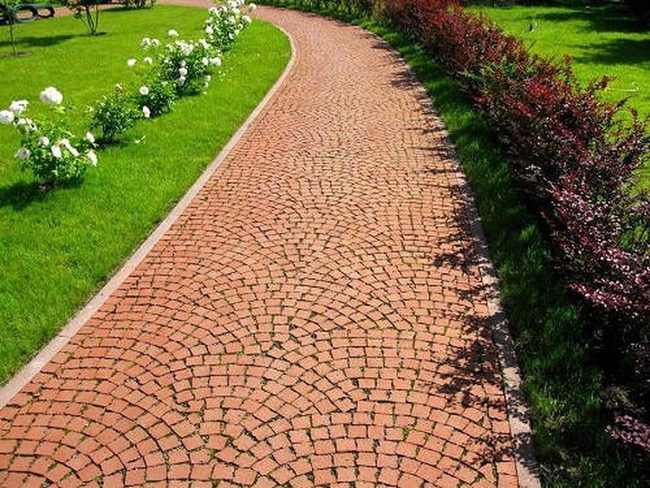
Red brick pathways draw the eye immediately with their warm, classic appearance that stands out beautifully across garden landscapes, and you can anchor your outdoor design by positioning these sturdy walkways along flower beds or between lawn sections to guide visitors naturally through different garden zones.
Classic terracotta hues create appealing walking routes through green spaces, while the rectangular brick shapes offer textural contrast that complements soft grass and plant backgrounds nicely.
Installing these pathways requires only basic masonry skills, so most homeowners can handle the work themselves without hiring professionals.
A big part of the appeal is how affordable and durable brick materials are, since they hold up well over time and won't need frequent replacement or repair.
Strategic placement of your garden paths enhances the overall look of your outdoor space and helps organize how people move through it.
Traditional brick patterns provide visual structure and simplicity that works well with many garden styles.
Red Brick Garden Pathway
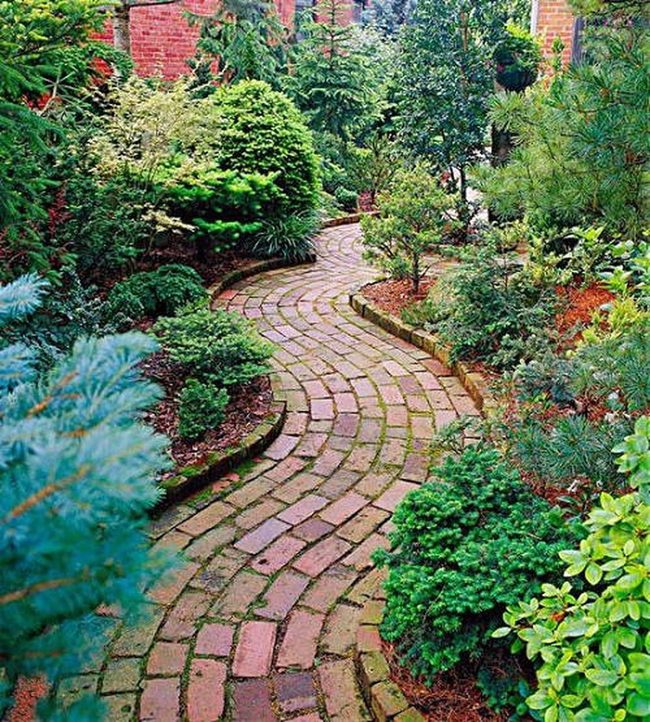
Brick pathways wind through gardens with striking visual appeal, guiding you along routes that blend rustic red tones with surrounding greenery and creating natural walking spaces that feel both welcoming and deliberate.
Stone patterns range from classic herringbone to intricate circular designs, so each pathway has its own distinct character and personality.
Beyond their good looks, these surfaces handle heavy foot traffic well and hold up against tough weather, which makes them reliable choices for garden areas.
Strategic brick placement does more than look nice; it also helps direct people through specific plant zones and landscape features, managing how visitors move through your space.
Natural materials like clay bricks bring texture and warmth to your garden while complementing the flora around them.
When you position bricks thoughtfully, ordinary garden spaces transform into engaging outdoor areas where people want to spend time.
Curved Brick Garden Pathways Flow
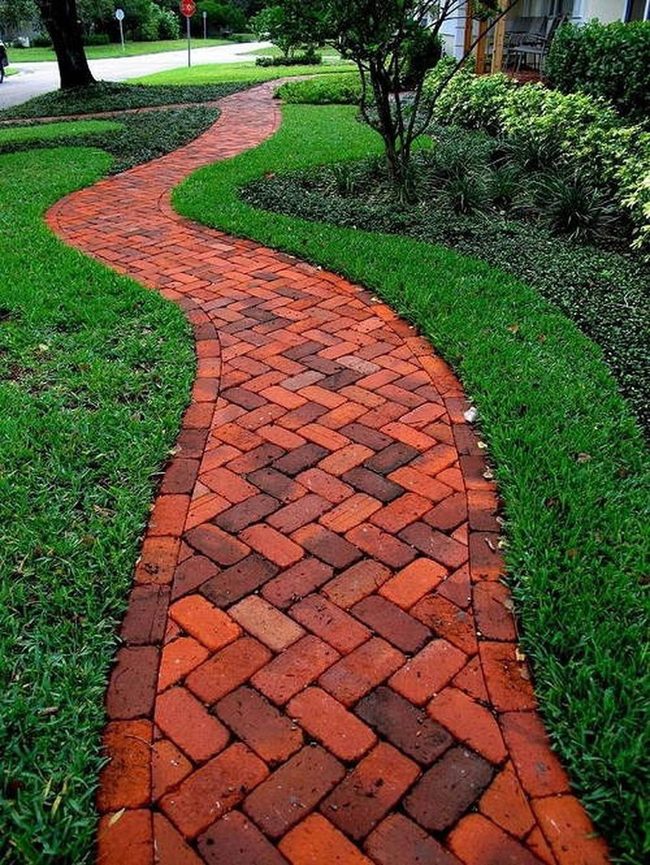
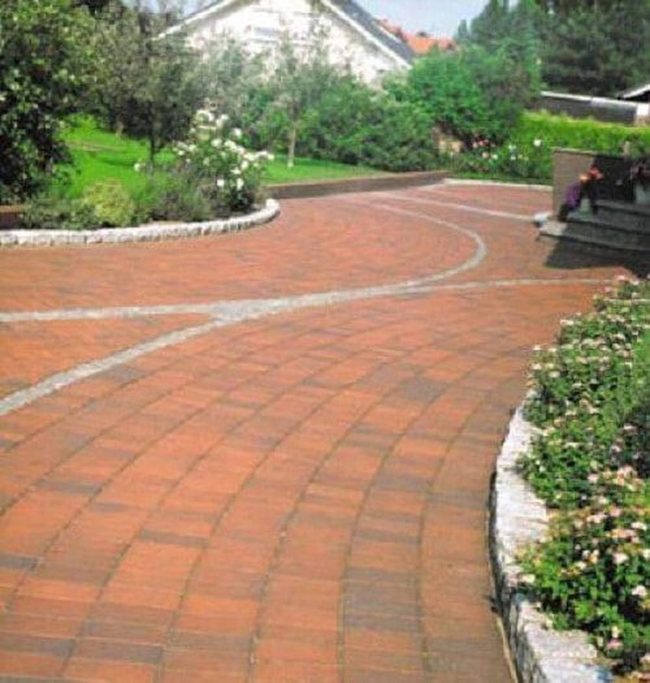
Curved brick pathways sweep through gardens with graceful arcs that draw the eye and make outdoor spaces feel larger than they actually are, while natural stone edges soften the transitions between different areas and add flowing movement to what might otherwise be rigid sections.
Winding routes break away from straight lines and create visual interest as you move through the landscape, and landscape architects appreciate how these gentle curves deepen the sense of space and encourage exploration.
Warm terra-cotta brick tones blend seamlessly with surrounding plants and greenery, enhancing the natural beauty of your garden design.
Strategic placement of curved paths guides visitors smoothly between different zones and sections, making the journey feel intentional without demanding straight shots across the yard.
You'll find that meandering walkways not only connect spaces but also give you reasons to pause and discover different corners of your outdoor area.
Brick materials work well with various garden styles because they're both durable and beautiful.
Burnt Clay Pathways With Earthy Red Character
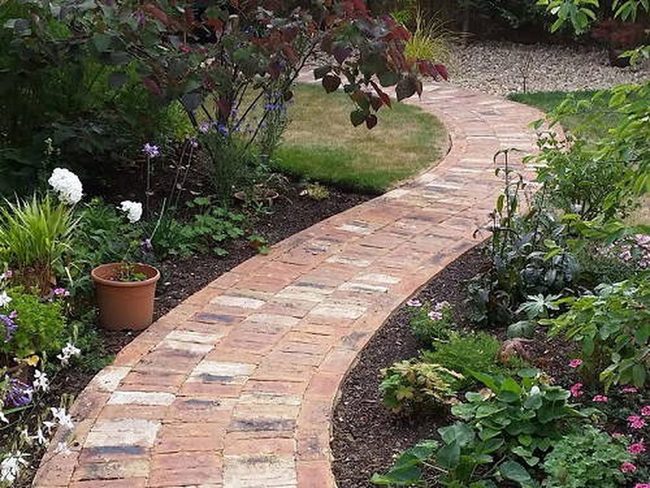
Burnt clay driveways and pathways command attention with their distinctive earthy red tones that blend naturally into any landscape design.
You'll find that clay bricks provide a warm, honest foundation for moving through garden spaces, and homeowners love them because they cost less to install than many alternatives while maintaining that classic, timeless look.
What makes these materials special is how they age; over time, they develop a rich patina that actually deepens their character rather than detracting from it.
Garden paths built from burnt clay bricks add visual interest throughout your outdoor space without competing with the surrounding greenery.
Getting the installation right does matter, though, and it starts with proper ground preparation and thoughtful brick placement.
Good drainage is equally important since it protects against cracking during freeze-thaw cycles and helps your pathway maintain its structure for years.
Red Brick Curves Through Garden
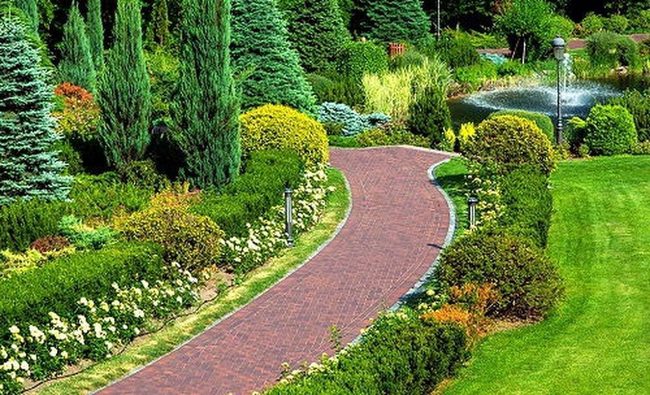
Red brick walkways with their graceful curves and warm terra-cotta tones immediately draw your eye as they wind through garden spaces, and those natural colors blend beautifully with green plants and flowers around them.
Subtle curves soften the edges of your garden beds and connect different outdoor areas in a way that feels natural and unforced.
Classic brick pavers create smooth paths that guide people through your landscape, and visitors can walk comfortably without worrying about tripping or uneven surfaces.
You'll find that brick materials hold up remarkably well against constant foot traffic and changing weather throughout the seasons.
Designers love these walkways because they bring a timeless look to any outdoor space and last for years without falling apart.
Strategic placement of your brick paths helps define different zones in your garden and shapes how the overall space looks and feels.
Red Brick Garden Pathways
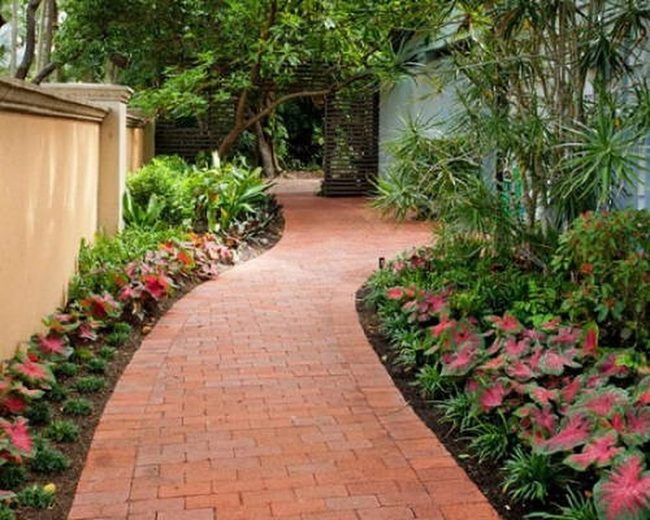
Red brick pathways stand out as one of the most striking features you can add to any garden, bringing rustic warmth and classic charm that really anchors an outdoor space.
Designers favor these walkways because they hold up beautifully over time and work as both functional routes and design elements.
When you lay bricks in intricate patterns, you get interesting texture and depth underfoot that makes walking through your garden feel more engaging.
Strategic placement along garden edges guides you and your visitors naturally through different green spaces and connects various garden zones together.
Brick pathways blend in nicely with existing architectural elements around your home, so they enhance your overall landscape without clashing.
Beyond just looking good, these walkways solve a practical problem by keeping feet dry and protected while you move through your garden.
Most homeowners find that red brick strikes that balance between being useful and beautiful, which is why so many outdoor spaces benefit from this choice.
Terracotta Brick Paths Define Space
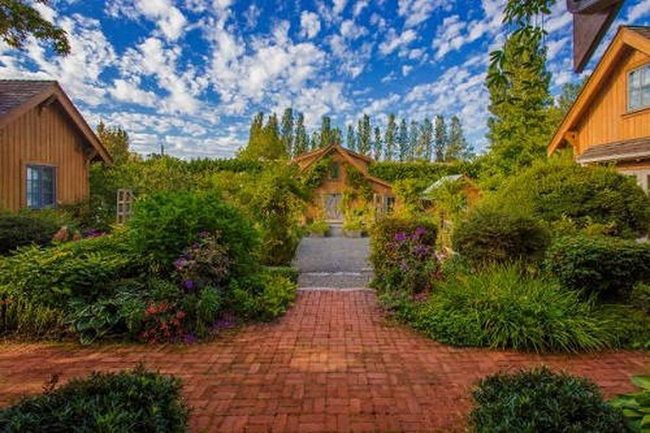
Burnt clay brick paving stands out as one of the most striking choices for garden walkways, with its rich terracotta tones creating warm visual connections between different outdoor spaces and drawing the eye through your landscape.
Homeowners appreciate how these warm-colored paths elevate ordinary garden designs into sophisticated outdoor areas, and the earthy hues blend naturally with surrounding greenery and plantings.
You can use strategic brick layouts to define separate garden zones and guide people along natural walking routes, making navigation feel logical and intentional.
Installation does require some thought and precise placement to ensure proper drainage and level surfaces, so planning ahead matters before you start.
Sturdy clay bricks hold up well under constant foot traffic and handle weather challenges without deteriorating, which means your paths will stay functional and attractive for years.
Whether you're working with a small courtyard or a sprawling garden, burnt clay brick offers both durability and timeless appeal that works across different design styles.
Curved Brick Pathways Through Gardens
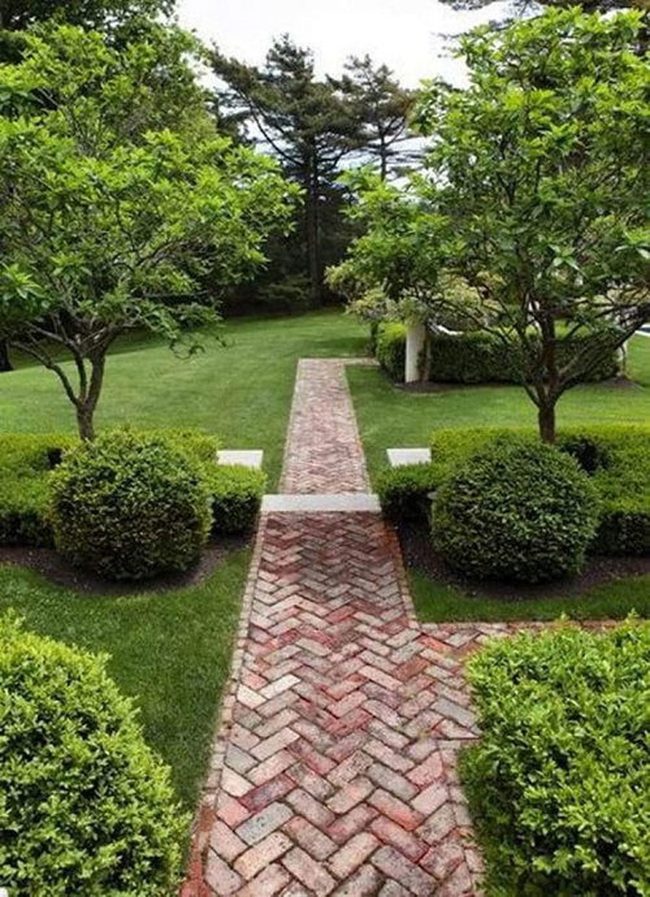
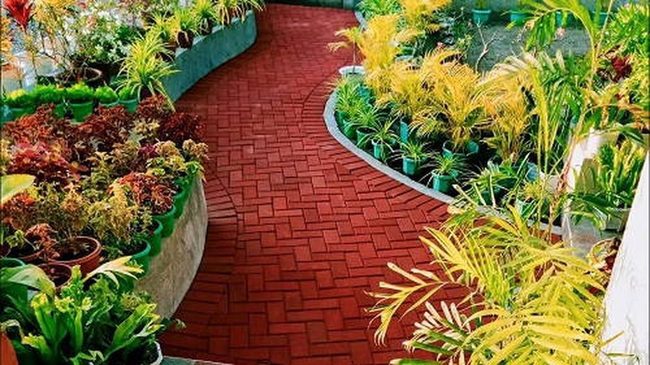
Zig-zag brick pathways with their curving geometric patterns inject dynamic energy into garden landscapes and guide you through green spaces in ways straight routes simply cannot match.
Interlocking bricks create mesmerizing visual movement across lawn surfaces as you walk, and the rectangular clay pieces fit together seamlessly to craft playful wandering routes that feel natural and organic.
Strategic placement breaks traditional linear design expectations and keeps your eye moving along unexpected curves rather than following predictable lines.
Pathway edges wind and twist like natural streams flowing through meadows, which gives your garden a flowing sense of movement.
Stone segments deliver smooth transitions between different garden zones and help separate spaces without feeling harsh or abrupt.
Landscape designers appreciate how these unconventional paths transform ordinary outdoor areas into artistic walkways that people actually want to explore.
Geometric Sand Brick Garden Paths
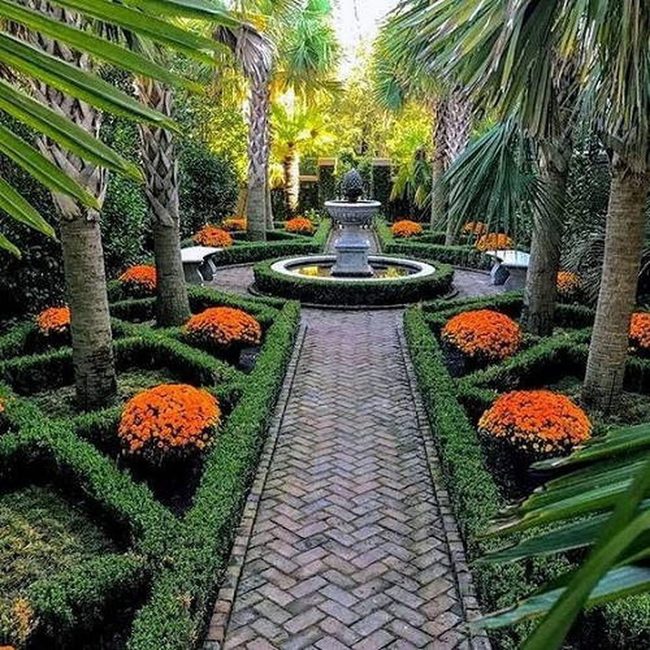
Sand lime brick walkways pull your eye through gardens with their clean, geometric lines and timeless appeal, while squared topiaries on either side strengthen the architectural quality of the space.
Neutral tones in these bricks blend naturally with whatever plants and landscape features surround them, and you can arrange them to form a smooth, level surface that works well alongside your garden beds.
Moss and ground cover settle softly between the brick joints and add layers of organic texture to the overall look.
What makes these walkways so practical is that they hold up well over time in outdoor conditions, and they give your garden a classic, understated quality that feels both structured and welcoming.
Garden designers value how sand lime bricks balance visual interest with restraint, never overwhelming the landscape but always adding substance to your outdoor space.
Terracotta Brick Porch Foundation
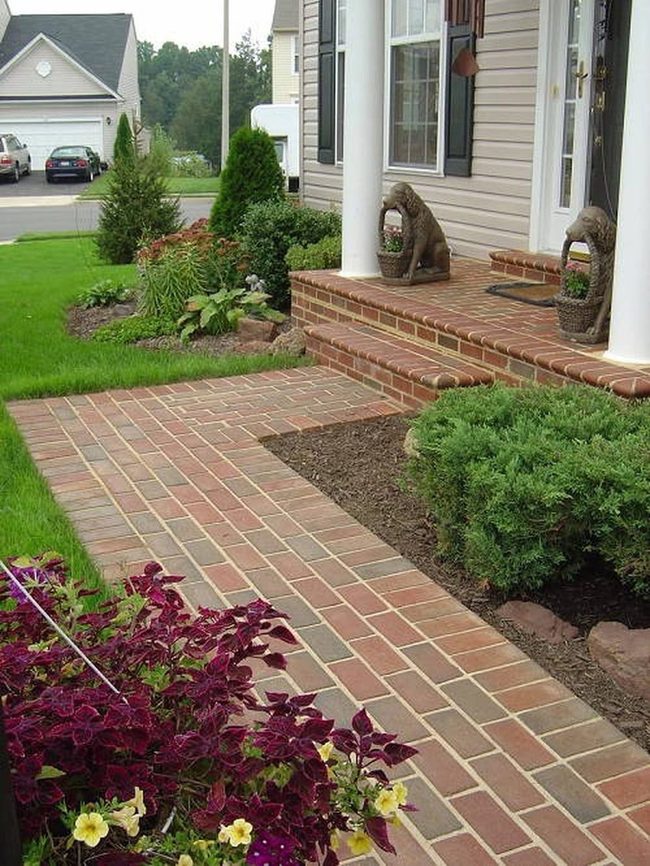
Brick pavers transform your front porch into something that catches eyes from the street with their warm, classic appeal, and swapping out a plain concrete slab for these materials gives your home instant character.
Simple rectangular bricks lay down clean lines and bring structure to your entryway, while patterns like herringbone add visual interest without feeling like too much.
Most house styles work well with the natural terra-cotta tones these pavers come in, and they blend nicely with whatever landscaping you already have.
Since they're made from sturdy clay, you can count on them holding up through rain, frost, and hot sun without falling apart.
Installing brick pavers costs less than you might expect, which means this upgrade fits many budgets and doesn't require you to spend a fortune on your home improvement project.
Red Clay Garden Pathways
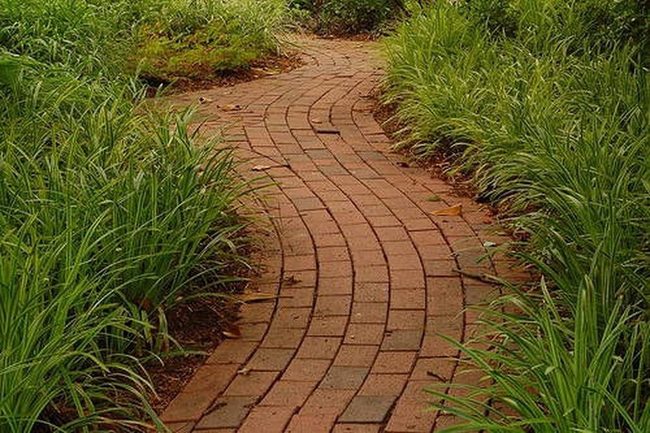
Rustic brick pathways wind through gardens with natural charm that catches the eye immediately, while simple clay bricks provide sturdy walking surfaces connecting different garden spaces together.
Classic red clay materials blend right in with surrounding greenery and landscape elements, and low-profile brick designs work perfectly in cottage, country, and traditional garden settings.
You can enhance the rustic look further by adding stone edging or pebble accents along the sides, which brings extra interest to the path design.
Curved Brick Path Through Blooming Gardens
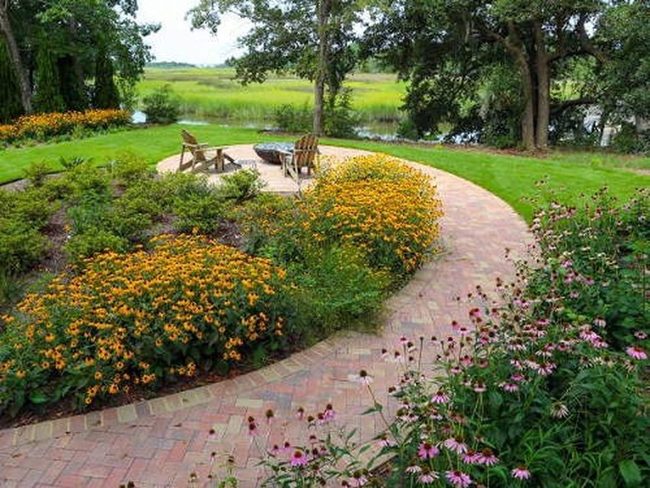
Spiral brickway designs shatter the rules of typical landscaping by mixing different brick sizes and laying them in unpredictable patterns that curve gently through your garden, so every step feels fresh and nothing looks boring or repetitive.
Along the winding path, golden black-eyed susans and purple coneflowers bloom in clusters, splashing color across the landscape and drawing your attention as you move through the space.
The organic, meandering route transforms an ordinary garden into something dynamic and interesting to explore, and those natural contours encourage you to slow down and enjoy the moment.
The detail that makes this work is how it moves away from straight lines and rigid geometry, instead treating the pathway as an artistic expression rather than just a functional walkway.
Landscapers appreciate this design because it brings personality and charm to outdoor spaces that might otherwise feel plain or predictable.
Irregular Stone Pathways Natural Garden
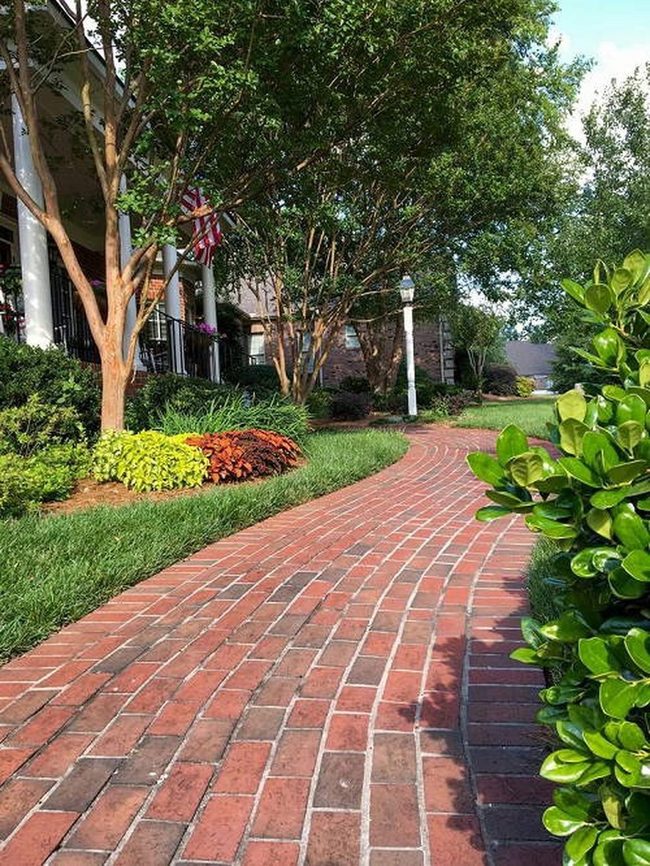
Masonry stone pathways stand out as one of the most striking garden features you can install, with each irregularly shaped stone displaying rich earthy colors and natural texture that immediately catches the eye.
Professional landscapers often recommend mixing different stone sizes together because the varied dimensions create dynamic visual appeal throughout your outdoor space.
Beyond their good looks, these pathways deliver serious durability and hold up well through changing seasons without losing their structural strength.
Natural stone blends in beautifully with surrounding greenery and soil, so the pathways feel like a natural part of your garden rather than something added on top.
You'll find that stone materials bring rustic charm to any landscape layout while providing sturdy, reliable walking surfaces you can depend on.
Strategic placement of these pathways helps guide visitors through different garden zones and adds architectural character to your outdoor environment.
Rock materials also resist weathering over time, maintaining their appearance and function year after year.
Volcanic Red Stone Against Warm Brick
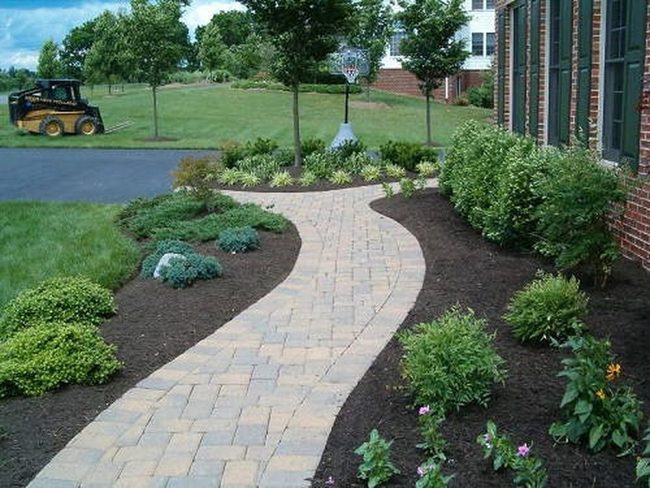
Brick pathways mixed with dark volcanic rocks make your garden stand out through bold contrasts and modern design choices that catch everyone's attention.
Red lava stones sit beautifully against warm brick tones, and this pairing gives your outdoor space real depth and visual interest.
You can build unique landscapes by combining materials that wouldn't normally go together, and the effect feels both natural and intentional.
Strategic placement of these stones and bricks helps define your garden paths in simple, clean ways that don't need much fussing.
Garden designers love working with these materials because they complement each other without any extra effort on your part.
Small outdoor spaces really shine when you try this kind of creative mixing, and even tight corners feel more polished and finished.
Natural stone and brick together turn basic walkways into something that looks designed and thought through, making your whole yard feel more put together.
Terracotta Brick Garden Pathways
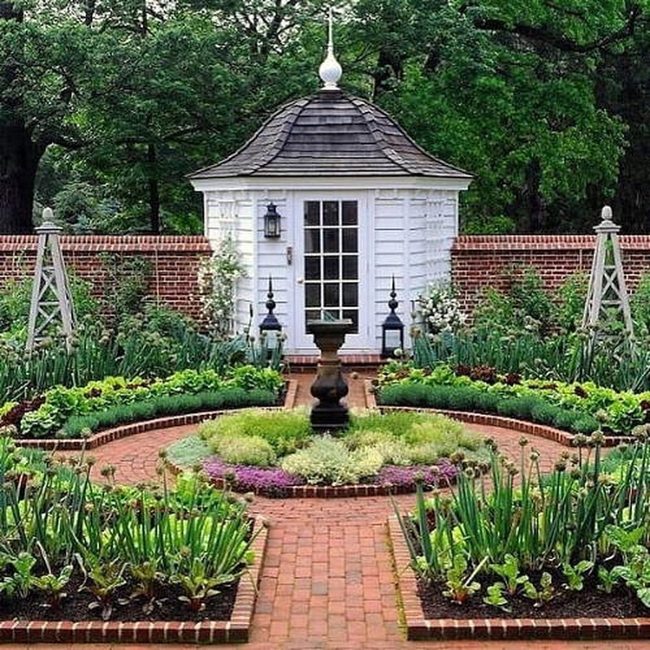
Red clay brick pathways laid across your garden space bring that rustic Mediterranean feel to life, and their natural terracotta tones blend right in with the greenery around them without demanding too much attention.
The weathered surfaces add genuine character and authentic charm that you simply can't fake with newer materials.
Simple brick arrangements keep things interesting without overwhelming your delicate plants, so the path itself stays humble while the garden thrives.
Rough textures on each brick complement what grows nearby and support the overall landscape design you're building.
Meandering routes guide you and anyone visiting through different garden zones, with strategic placement making sure the walk between sections feels smooth and natural.
Warm earth tones create that understated sophistication throughout, and the honest look of aged brick just works well with Mediterranean-inspired gardens.
White Brick Paths Define Garden Flow
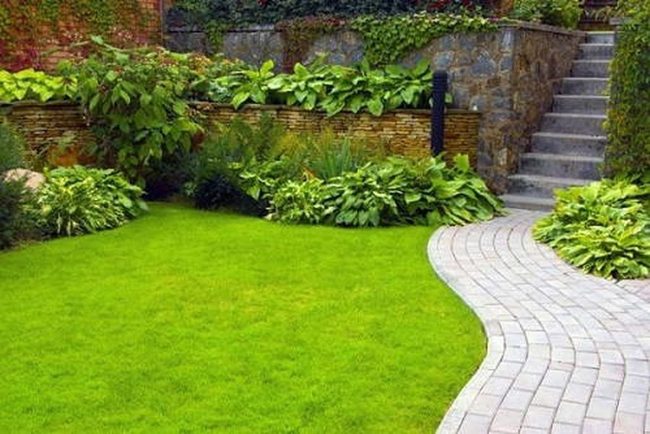
White brick pathways glimmer with simple sophistication, slicing through green spaces with clean, modern lines that garden designers love for their ability to refresh standard clay surfaces into polished design elements.
Painting ordinary walking bricks white turns them into striking features that pop against surrounding grass, flowers, and greenery while you guide visitors effortlessly through your garden layout.
Getting that professional finish takes real prep work before you apply multiple thin coats, and selecting high-quality exterior paint matters because it has to handle weather and outdoor conditions over time.
Strategic placement of these pathways lets you direct foot traffic naturally through different areas without the paths feeling forced or out of place.
The key is taking your time with surface preparation and choosing paint formulated to stay durable in the elements rather than peeling or fading quickly.
Earthy Red Brick Walkway
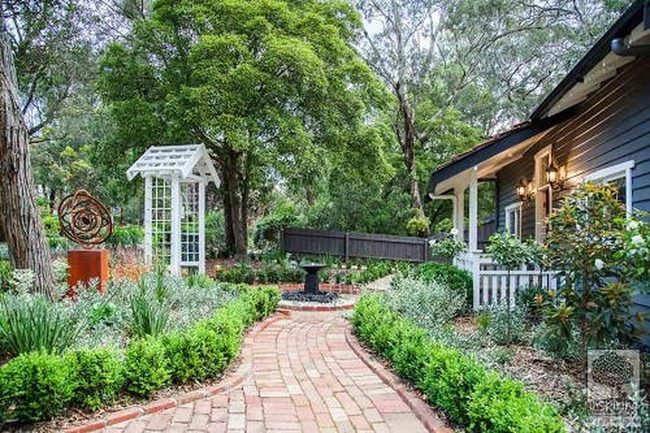
Red brick pathways bring immediate warmth and rustic character to your garden with their distinctive earthy tones and textured surfaces that guide you through flowering beds and rest spots.
Winding routes between different garden zones create natural movement and flow, and you'll find that brick construction works well with cottage-style landscapes because of its timeless durability.
Historic garden designs have long relied on these classic walkways to connect separate areas, and the pattern options keep gardens feeling fresh rather than predictable.
You don't need special skills to build these paths since standard brick layouts and basic landscaping methods work effectively for most homeowners.
Sturdy brick materials hold up well against rain, frost, and foot traffic over many seasons.
Strategic placement of bricks transforms plain outdoor spaces into something with genuine character and appeal.
Weather-resistant quality means your garden investment lasts for years without constant upkeep.
Structured Earth-Tone Garden Pathways
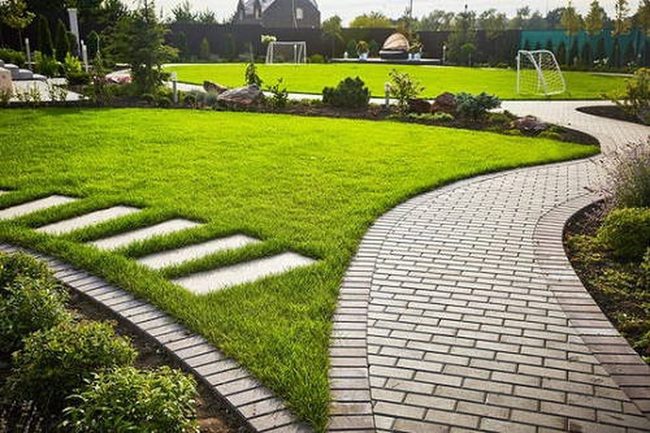
Cement brick pathways in a garden create a striking visual statement with their sophisticated appearance and clean architectural lines that guide you through outdoor spaces with style.
Beyond looks, the strong cement connections between bricks keep them locked in place and provide smooth, safe walking surfaces for you and anyone visiting your garden.
Sturdy construction prevents the bricks from shifting or settling unevenly as seasons change and ground conditions fluctuate throughout the year.
Strategic placement of these bricks adds structural beauty to your outdoor environment while also serving the practical purpose of defining pathways and directing foot traffic exactly where you want it to go.
Stone Pathways Blooming Through Wildflowers
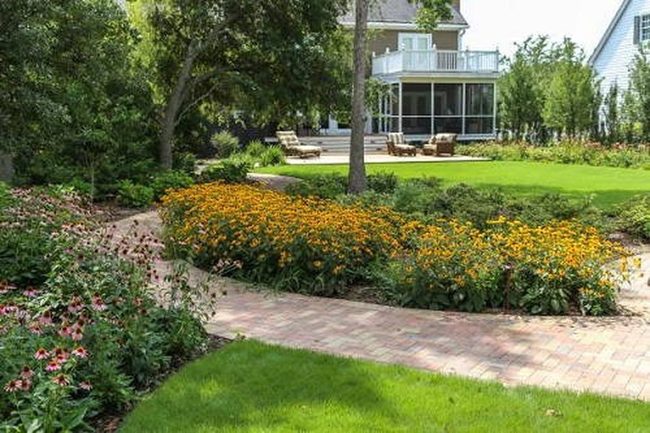
Blooming groundcovers nestled between irregular stone pavers transform ordinary garden paths into natural works of art, where delicate flowers peek through gaps in the rock and draw your eyes along winding routes that curve gently through your outdoor space.
Stone placed in irregular patterns breaks away from rigid, straight designs and adds genuine character while letting plant edges soften the hard surfaces underneath.
Creeping thyme, moss, and other groundcover flowers fill the spaces between rocks and prevent soil from washing away while bringing color right into your pathway.
When you allow plants to grow between the stones, you build a real connection between the hardscape and the greenery around it, and this blend of texture and color makes a garden feel complete and alive.
Each gentle curve in the path encourages exploration into hidden corners and secluded spots throughout your landscape.
Dark Brick Pathways Endure
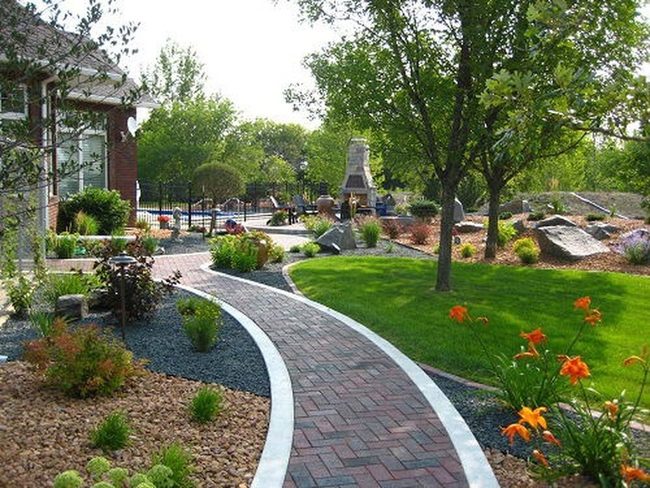
Charcoal brick landscaping stands out as a powerful choice for garden pathways because these dark gray materials deliver exceptional durability and structural support that lighter options simply cannot match.
Strategic placement of heavy-duty bricks prevents soil erosion and maintains strong garden borders, making them especially valuable on sloped terrain and in high-traffic areas where you need reliable performance.
Builders and landscapers prefer them because their dense composition resists weathering and stays intact through seasons of use.
You'll find these charcoal bricks blend well with multiple landscape designs, whether you're going for a rustic feel or something more modern.
Getting the best results requires careful alignment and proper base preparation to ensure maximum stability.
Their robustness means you can count on them to hold up year after year without frequent repairs or replacement.
Flagstone Paths Through Pink Begonias
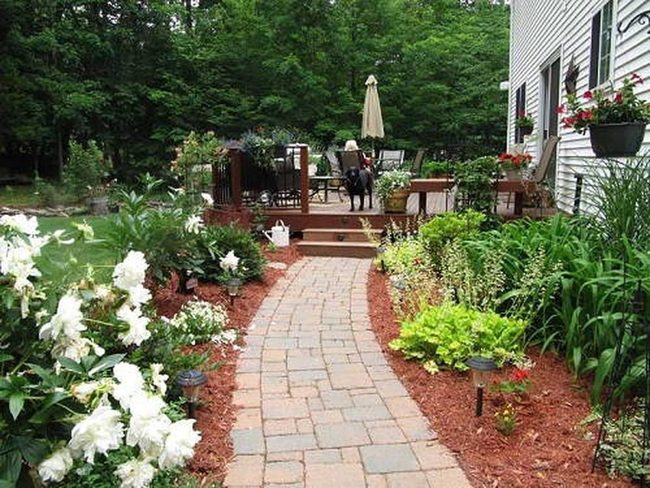
Flagstone paving fitted among begonia bushes forms a natural garden walkway with rustic charm, where rock segments nestle perfectly between lush green plants to establish an organic path that appeals to the eye.
Wild edges and irregular shapes give character to the garden route, while color variations in the stones enhance visual interest throughout the walking area.
Sedimentary and metamorphic stones work best for this design since they offer durability and blend well with living plants.
Stone fragments provide sturdy walking surfaces that sit comfortably within the begonia landscape and invite you to move through the garden without feeling overly polished or manicured.
Interlocked Bricks For Lasting Pathways
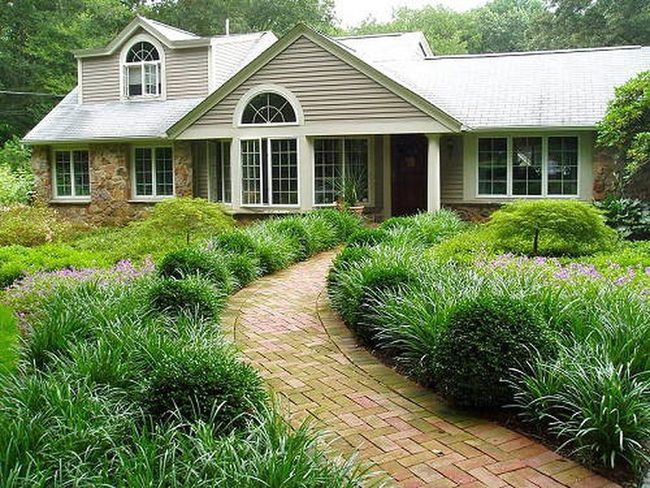
Interlocked brick pathways stand out as a striking garden feature because you can see how individual bricks fit together seamlessly, and if one needs replacing, you simply remove it without disturbing the rest of the path.
Garden designers favor this method for good reason; the sturdy construction holds up under regular foot traffic on uneven terrain, so you can walk confidently without worrying about loose pieces or shifting bricks.
Smart patterns distribute weight evenly across the surface and prevent rapid wear or cracking over time.
Whether you prefer soft curves or geometric lines, this installation style adapts well to your garden's design and still requires minimal maintenance once it's in place.
Landscape professionals recommend this technique especially for gardens with moderate foot traffic and slightly uneven ground where other options might struggle.
Beyond durability, these pathways blend practical functionality with real aesthetic appeal, so you get both beauty and reliability in one solution.
Earthy Brick Pathways Through Gardens
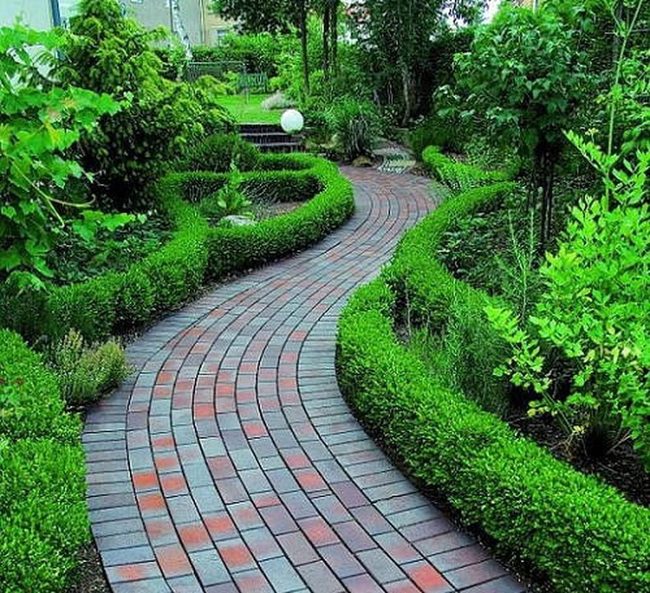
Brick pathways stand out in any garden because their natural color shifts and earthy tones create rich visual texture across your outdoor walking areas, while moss and groundcover plants tucked between the bricks soften those hard edges and add extra interest to the design.
Stone edging or gravel borders work nicely alongside brick layouts to frame your paths and give them polish.
What makes brick paving so practical is that sturdy clay creates seamless walkways without demanding major construction work, and weekend landscapers can install them using simple techniques to achieve that professional look.
Strategic brick placement does more than look good; it actually guides visitors through your green spaces while keeping the ground stable underfoot.
You get both form and function since these paths enhance your landscape's appearance and hold up well over time, making brick a reliable choice for connecting different garden areas together.
Brick Paths Through Living Gardens
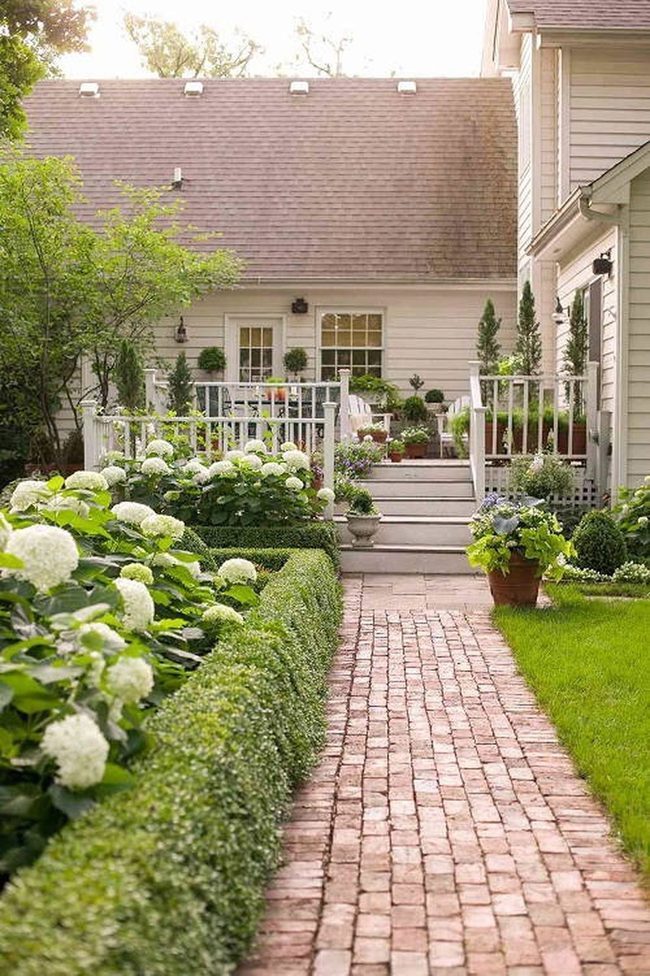
Brick pathways wind through your garden and create natural lines that guide you from one area to another, with stone pavers establishing clear routes across lush landscapes.
Hydrangeas and topiaries frame these walkways nicely and help separate different sections of your green lawn.
The appeal comes from how the smooth brick surface contrasts beautifully against the softer plant edges surrounding it.
Garden designers often enjoy mixing hard, structured elements like pavers with the natural, organic shapes of flowering plants and shrubs.
Rich brick tones blend wonderfully with the greenery around them and enhance the overall look of your outdoor space.
When you walk along these paths, there's something special about discovering different corners and hidden moments throughout your yard.
Layering these structured walkways with plants transforms an ordinary backyard into your own personal retreat where you can relax and enjoy nature.
Michael Harris
Senior Content Editor
Expertise
Home Décor Content Creation, Interior Design Journalism, Editorial Oversight, Digital Media Strategy, Team Leadership and Mentorship
Education
University of Queensland, Brisbane, Australia
Queensland University of Technology (QUT), Brisbane, Australia
Michael Harris is the senior content editor at Archi Refresh, where he turns home design trends into engaging, easy-to-follow articles. With a journalism degree from the University of Queensland and a digital communication certification from QUT, he knows how to craft content that informs and inspires.
With over 10 years of experience in lifestyle and design media, Michael has shaped editorial strategies, mentored writers, and helped readers refresh their spaces with practical tips. His work blends storytelling with expert advice, making home decor more accessible to everyone.
Outside of work, Michael enjoys DIY projects, exploring Brisbane’s art scene, and teaching digital literacy workshops.