
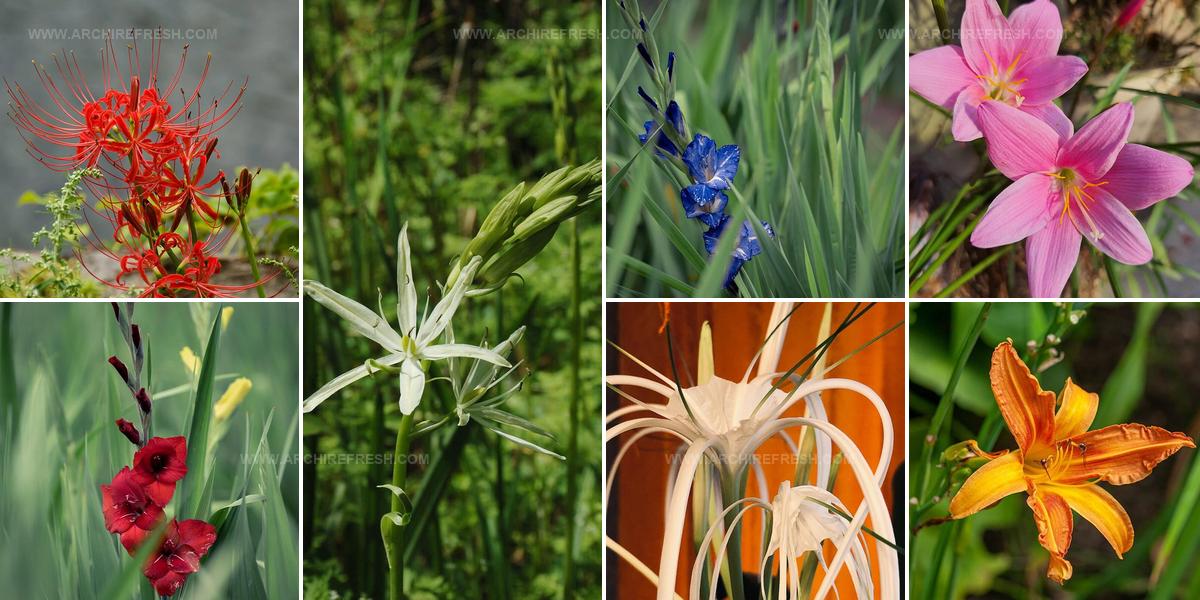
27 Bulb Flower Ideas For Gardens That Bloom All Season Long
Growing bulb flowers brings effortless beauty and seasonal color that returns reliably each year without demanding constant attention.
Gardens flourish when bulbs are planted strategically, offering blooms from early spring through late summer in waves of changing hues.
Whether planted in clusters, borders, or naturalized areas, bulbs provide visual interest that evolves as months progress.
Many varieties require minimal maintenance once established, making them perfect for both novice and experienced gardeners alike.
Combining different bloom times ensures continuous flowering that keeps outdoor spaces looking fresh and inviting.
Pairing bulbs with perennials or shrubs creates layered compositions that add depth and texture throughout growing seasons.
The creative possibilities are genuinely exciting, and soon enough, blooms will reward all the planning done today.
Pink Rain Lilies With White Spots
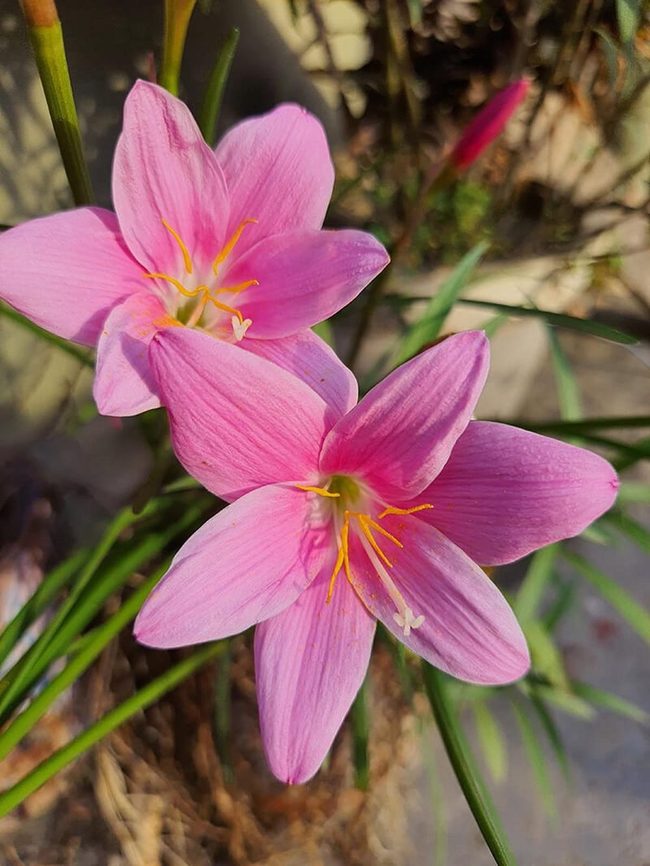
Pink rain lilies stand out immediately with their impressive 3-foot height and delicate pink blooms that appear from mid to late summer.
I can tell the distinctive green leaves paired symmetrically along the stems, each one marked with charming white spots that add visual interest.
Water these plants regularly since they prefer average to high moisture levels and do best in soil that drains well.
Both full sun and partial shade work for growing them, making them adaptable to different garden spots.
Originally from South America, pink rain lilies have spread to gardens around the world and carry beautiful symbolic meaning.
People often plant them to represent new beginnings and rebirth, so they're wonderful choices when you want your garden to feel fresh and renewed.
Adding pink rain lilies to your space brings both practical growing benefits and meaningful symbolism together.
Scarlet And White Begonia Blooms
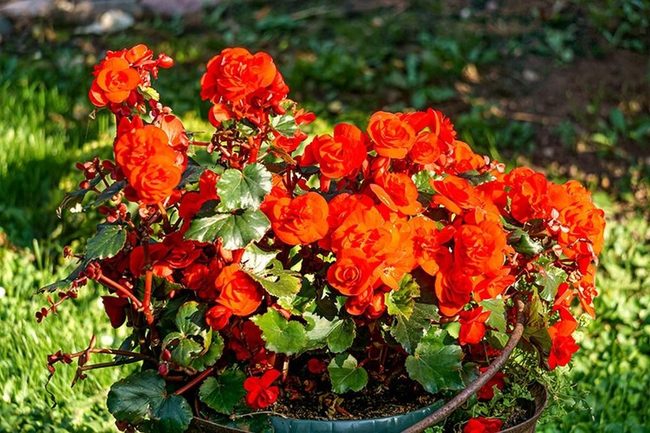
Double Scarlet Begonia stands out with its bold red and white blooms that immediately catch the eye and brighten up whatever space you place it in.
I've seen how well this plant performs when you give it sandy or loamy soil and keep the watering consistent but not excessive.
Half sun works perfectly for its growth, and you can trace it puts on its best show with flowers right around mid-summer.
Because it handles zones 3 to 10, you have flexibility whether you want to grow it indoors or outside on a patio or in a garden bed.
Gardeners who want something beyond the ordinary really appreciate how distinctive this begonia looks throughout the growing season.
Its combination of striking color and reliable performance makes it a rewarding choice for anyone looking to add more personality to their plantings.
Golden Spice Crocus Blooms
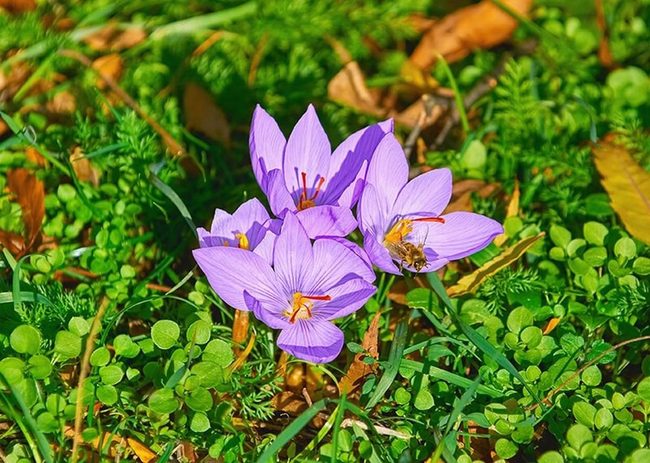
Saffron Crocus brings bright, cheerful blooms that have made it popular for centuries across many parts of the world, from its origins in Southwest Asia to temperate regions everywhere.
You'll find that this lovely plant does best in dry, well-draining soil and flourishes whether you place it in full sun or partial shade, making it fairly easy to grow in your garden.
One of the most striking features of these flowers is their role in creating saffron spice, which cooks have used for generations in dishes like paella and risotto.
Beyond savory meals, dried saffron crocus flowers work as both a vibrant colorant and flavoring agent for treats such as yogurt drinks and ice creams.
Fall is when you can expect these plants to bloom and show off their distinctive appearance.
Growing them yourself means you can experience firsthand why people have valued these flowers for so long.
Peacock Orchids, Sunny Summer Blooms
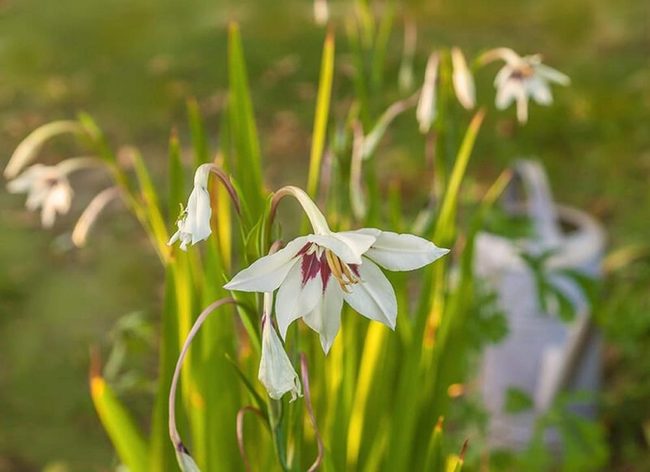
Peacock Orchids stand out in gardens with their graceful leaves and strong roots that create a striking presence, and they thrive beautifully in warm climates across many different regions.
When you place them in full sun, they reward you with gorgeous flowers that emerge mid-summer and symbolize dignity and beauty.
Sandy or loamy soil works best for these plants and keeps water from pooling around the roots.
Regular watering keeps them healthy without requiring constant attention or fussy care routines.
This design works because low-maintenance they are, especially if you want something that looks impressive without demanding much from you.
Their ability to flourish with minimal effort makes them perfect for both experienced gardeners and anyone just starting out with growing plants at home.
Dark Purple Gladiolus Spikes
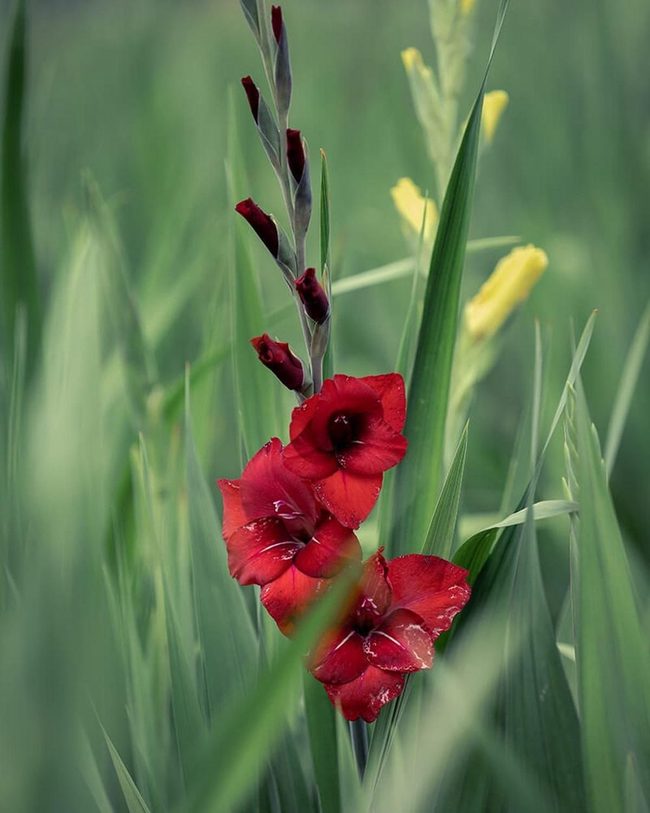
Black Beauty Gladiolus, a striking hybrid created by New York City artist Alyssa Gartner, displays dark purple blooms set against a white backdrop that immediately catches the eye in any garden space.
This distinctive flower symbolizes remembrance and thrives when planted in sandy or loamy soil with moderate watering, flourishing best in growing zones 3 to 10 where it enjoys full sun to partial shade.
Mid-summer brings the peak blooming season for these flowers, and their tall spikes of color add an impressive display to your garden beds and borders.
You'll find these plants relatively easy to care for once established in the right location.
If you want drama and height in your landscape, this hybrid delivers both throughout the growing season.
Purple And Pink Gladiolus Giants
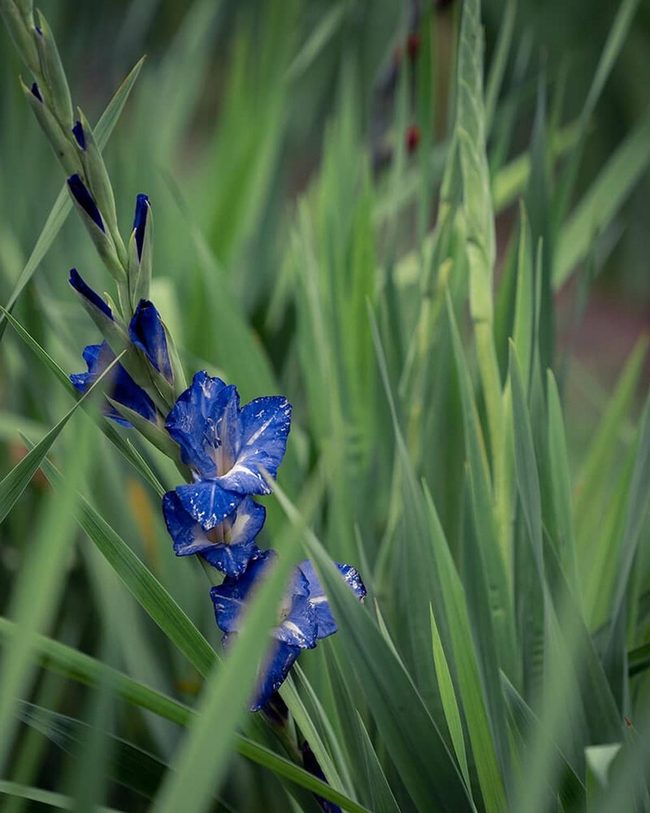
Nori Gladiolus displays blooms that can stretch up to five feet across, with most flowers measuring between six inches and two feet wide in shades of white, yellow, pink, or purple.
Originally from the Mediterranean region, this plant gained traction in Europe during the late 1800s and has since become appreciated for its striking appearance.
You'll find that Nori Gladiolus does best when planted in full sun with sandy or loamy soil to support healthy growth.
Gardeners in zones three through ten can successfully grow this flower, which symbolizes strength and character.
Water needs are moderate throughout the mid-summer blooming season when the plant reaches its peak.
Whether you're looking to add dramatic height to your garden beds or create a bold statement, this plant delivers visual presence without demanding constant attention.
Its hardy nature and straightforward care requirements make it accessible for both experienced gardeners and those just starting out.
Tall Red Spikes Summer Blooms
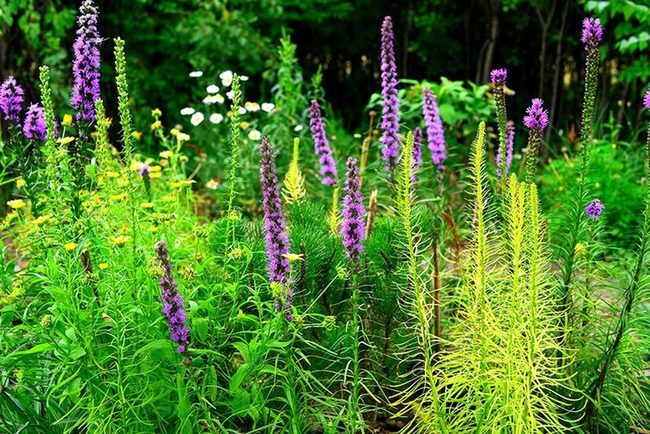
Meadow Blazing Star, scientifically called Liatris spicata, produces striking red flowers that shoot up tall on stems packed with blooms during summer months, making it hard to miss in any garden setting.
You'll find this perennial thrives in meadows and fields, and it handles both full sun and partial shade without complaint.
Most gardeners appreciate how little water it needs once established, which keeps maintenance simple and straightforward.
Growing well in average soil across zones 4 through 8 means you can plant it in many different regions without fussing over special conditions.
Beyond its eye-catching appearance, this flower does real work for your landscape by attracting bees and butterflies to pollinate other plants.
It also provides shelter and food sources for various insects and small creatures that call your garden home.
Blue Bell-Shaped Spring Bloomers
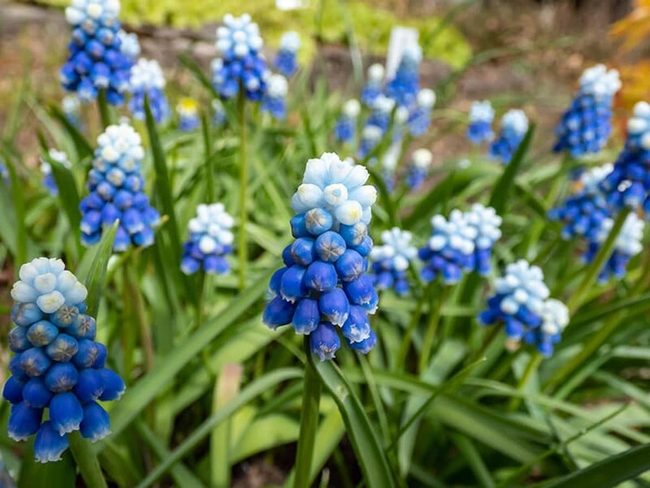
Grape hyacinth stands out in any garden thanks to its gorgeous bell-shaped flowers that come in blue, white, or purple shades, and these perennial plants perform best when you place them in full sun or partial shade.
Well-draining soil that ranges from average to dry conditions helps the roots establish themselves nicely.
Native to Europe and North Africa, these charming flowers bloom from mid to late spring and carry meanings of confidence and mystery that many gardeners appreciate.
You'll find they grow well in zones 3 through 9, making them accessible to most people across different regions.
If you want reliable color during the shoulder seasons, grape hyacinth delivers exactly that with minimal maintenance demands.
Pure White Marsh Lilies
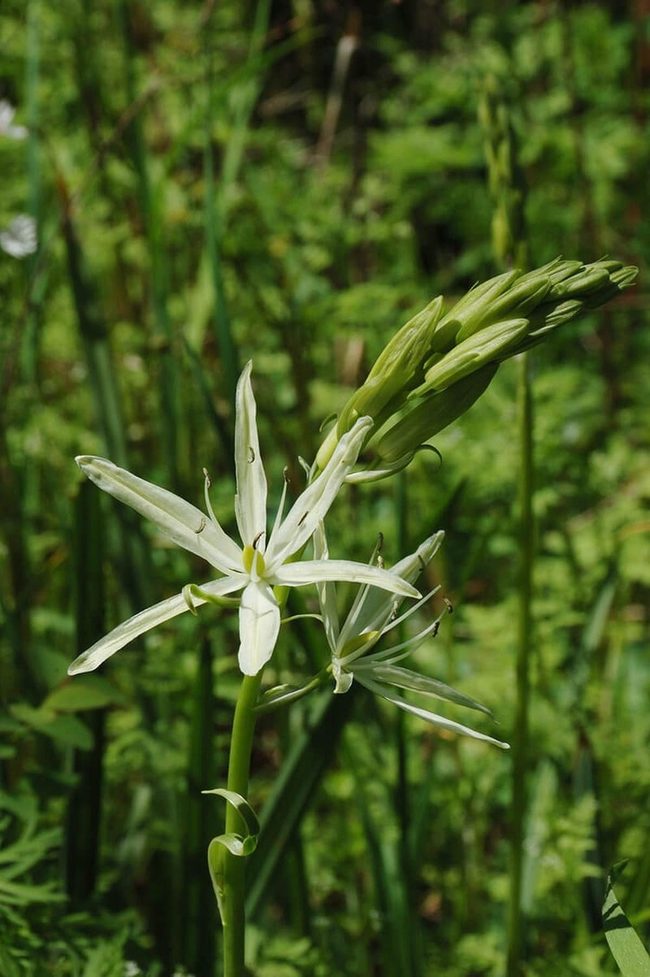
White Camassia Lilies stop you in your tracks with their pristine white blooms that seem to glow against any garden backdrop.
These perennials hail from the eastern United States and perform best when you give them what they love most; consistently moist, nutrient-rich soil similar to what you'd find in natural bogs and marshes.
Since they need plenty of water to thrive, keeping their soil damp throughout the growing season matters more than almost anything else you'll do for them.
You can plant these beauties where they get full sun or partial shade, and they'll reward you with flowers stretching from late spring into early summer.
Beyond their stunning appearance, these flowers carry symbolic meaning tied to purity and cleanliness.
Fiery Red Towers Of Blooms
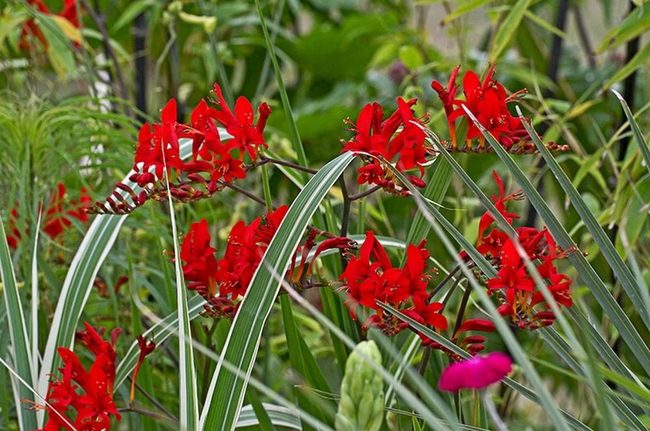
Sword Lily, scientifically known as Crocosmia crocosmiiflora Lucifer, produces blazing red flowers that tower up to three feet tall and immediately grab attention in any garden space.
This perennial grows best in sandy or loamy soil with plenty of sunshine, though it can handle some afternoon shade and bounces back reliably year after year.
You'll see blooms pushing out from spring all the way through fall, which means you get months of color without replanting.
Originally from Europe and Asia, Sword Lily has adapted beautifully to new homes across North America and Australia, thriving equally well in open fields or meadow settings.
People drawn to gardening often choose this plant because it stands out from typical garden fare and brings a sense of boldness to any landscape design.
Orange Crocosmia Summer Blooms
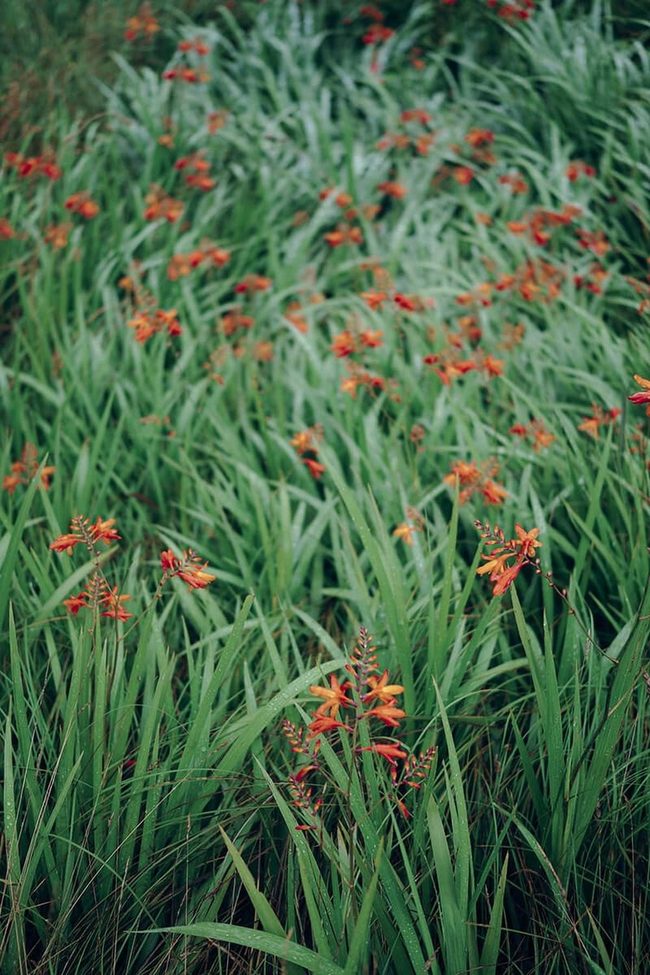
Crocosmia Emberglow produces brilliant orange flowers that immediately stand out in any garden space, and this striking cultivar comes from crossing two parent varieties called Crocosmia Brilliant Star and Crocosmia Sunrise Surprise.
You can grow this plant successfully in zones 6 through 9 where it needs full sun or partial shade to reach its potential.
Sandy or loamy soil works best for these bulbs, and they do well with regular watering to stay healthy throughout their growth cycle.
Mid to late summer is when you'll see these flowers bloom across temperate regions.
Beyond their visual appeal, Crocosmia Emberglow carries meaning tied to confidence and deep emotions, making them a wonderful choice if you want your garden to express something meaningful through its plantings.
Orange Petals, Low Maintenance Beauty
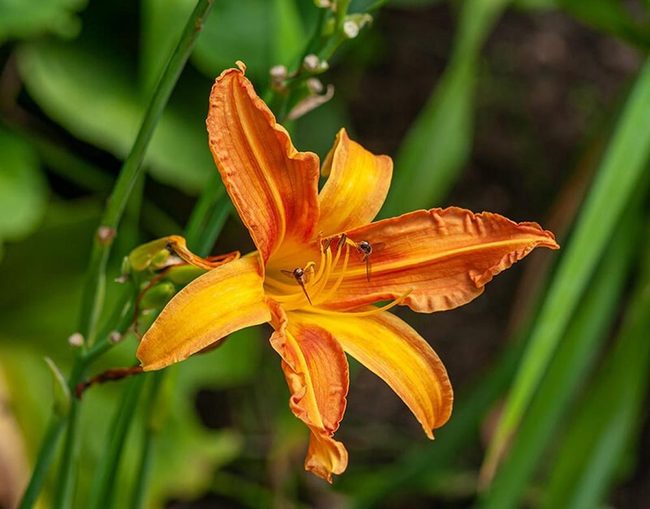
Orange Daylily bursts into bloom during early summer with bold orange petals that command attention in any garden setting.
Native to North America, this flower thrives when positioned in full to partial sunlight and grows well in loamy or dry clay soils.
Bees and butterflies visit regularly because of the sweet fragrance the blooms produce.
Beyond its role as a garden ornament, Orange Daylily has historically served practical purposes in both food preparation and traditional medicine across cultures.
You'll find this hardy flower growing naturally throughout the United States and Canada, making it a reliable choice for landscapes that need color and resilience.
Planting Orange Daylily in your garden means adding a flower that's both beautiful and functional.
Its combination of low maintenance needs and natural appeal makes it worth including in your outdoor space.
Purple Crocus Spring Healer
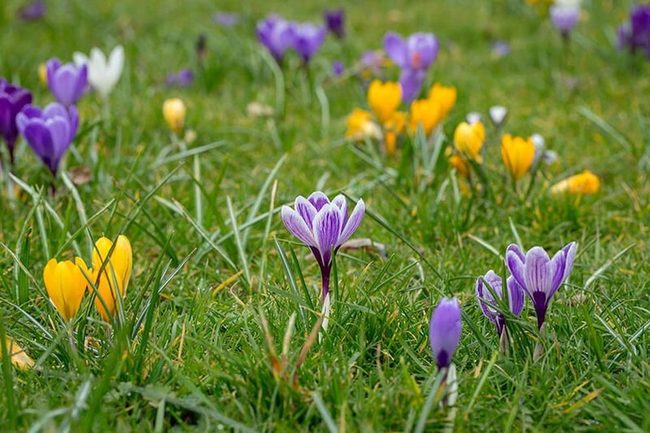
Blooming in early spring, the Pickwick Dutch Crocus brings a splash of color that brightens any garden space, and these flowers have long been valued for their historical medicinal uses as an antiseptic for wounds and skin conditions like eczema.
Growing this crocus works best in full sun or partial shade, and it does well in average soil that drains properly with moderate watering.
Beyond its practical healing applications rooted in ancient practices from regions like Iran and Afghanistan, the flower also carries symbolic meaning tied to youth and new beginnings.
Modern gardeners enjoy having this plant around for both its striking appearance and its connection to traditional healing methods.
You can add one to your garden knowing it brings both aesthetic charm and a story of wellness passed down through centuries.
Its dual nature; beautiful to look at and useful in practice; makes it a smart choice for anyone wanting more than just decorative plants in their beds.
White Peruvian Daffodils Summer Bloom
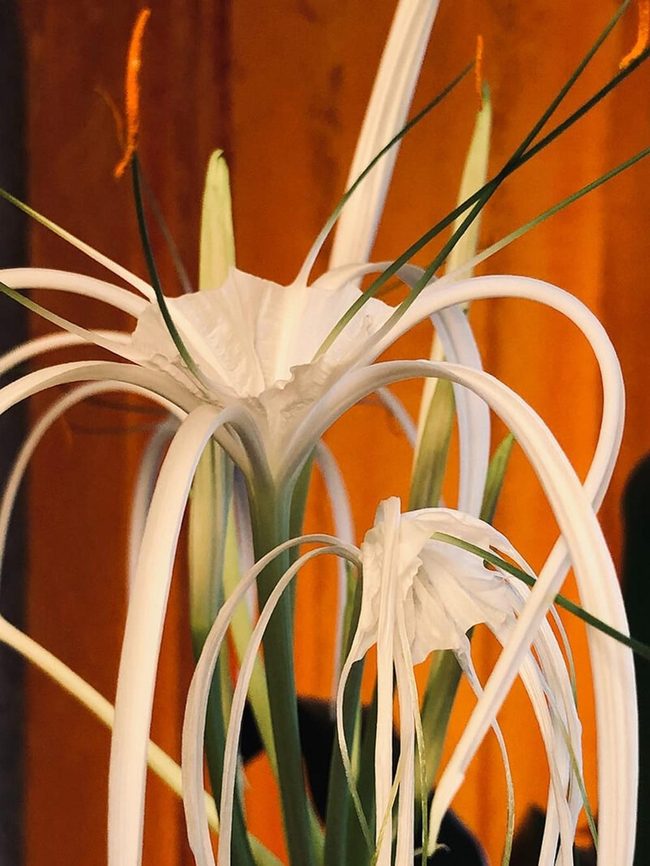
Peruvian Daffodils, also called White Daffodils, display striking white petals loaded with pollen that catch attention the moment they open in early to mid-summer gardens, and this remarkable flower traces its roots back to ancient Peru before the Inca Empire even existed.
Native to Peru, this plant holds deep cultural significance in its homeland and blooms from January through March, which makes growing it outside its native region quite difficult.
Getting these flowers to thrive in your garden requires some specific conditions, so keep in mind they prefer loamy soil and need average to high amounts of water.
Plant them in zones 3 through 10 where they'll receive full sun or partial shade, and you'll give them their best chance at flourishing.
Yellow Crown Imperials Six Feet Tall
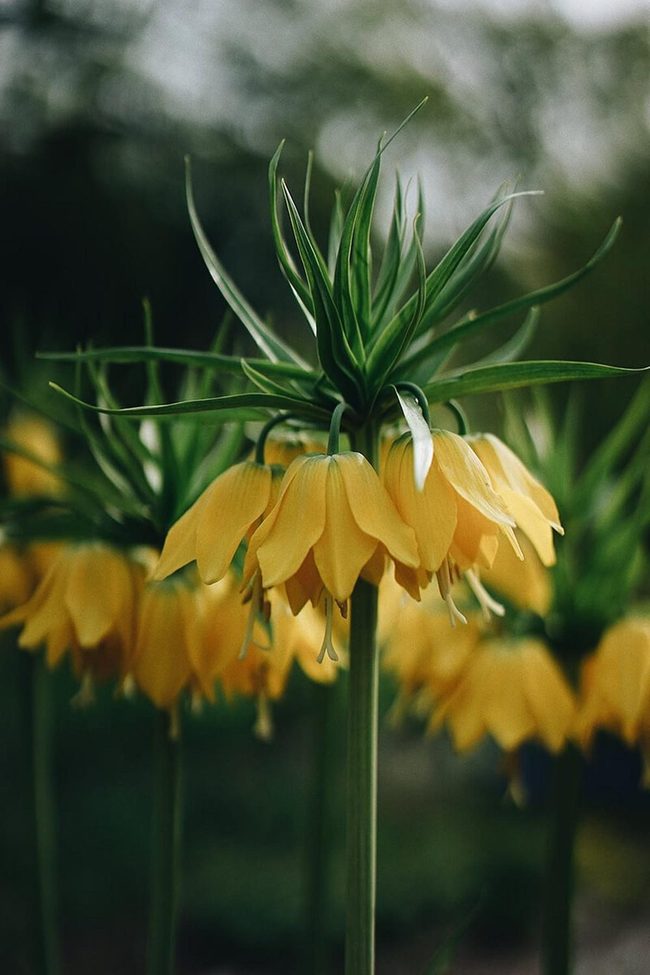
Crown Imperial Yellow is a stunning fritillaria that produces yellow blooms spotted with purple and grows as tall as 6 feet when it flowers in mid-spring.
You'll find this plant naturally thrives in moist environments like swamps and streams, and it does well whether you place it in full sun or partial shade.
It needs average water and grows best in loamy soil across zones 3 to 10.
Beyond its impressive appearance, this flower has a fascinating history as a traditional Chinese remedy for stomach issues and inflammation.
If you're looking to add height and unusual color to your garden, Crown Imperial Yellow delivers both drama and purpose in one plant.
Ten-Foot Purple Allium Statement
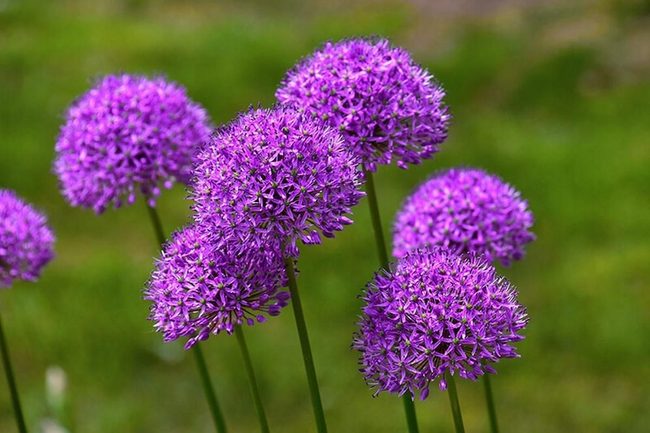
Flowering Onion, scientifically named Allium giganteum, reaches up to 10 feet tall and displays light purple blooms shaped like an onion head perched on thin stems that stand out dramatically in any garden setting.
Ancient Egyptians prized this remarkable plant and associated it with eternal life, giving it deep historical significance.
You'll find it grows well in zones 4 through 9 and performs best with full sun or partial shade paired with average to dry loamy soil.
Blooms appear from late spring into early summer and deliver a striking show that most gardeners truly appreciate.
This plant doesn't demand much fuss once established and adapts to various garden styles.
I think many people overlook it because they're not familiar with its unique form and presence.
Whether you're planning a new bed or refreshing an existing one, this tall beauty adds something different to your space.
Pink Amaryllis Stems Command Garden
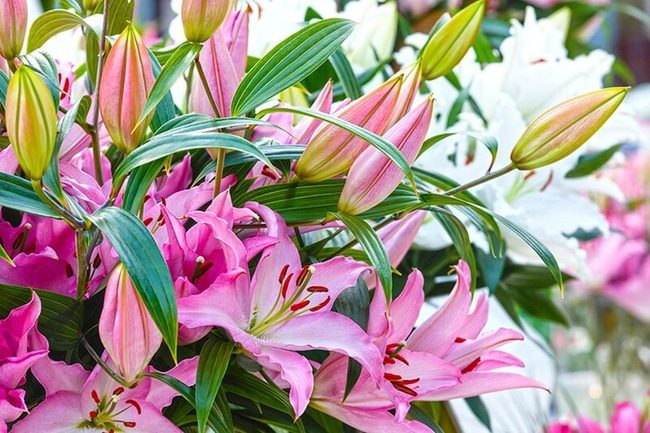
Naked Lady, or Amaryllis belladonna, produces stunning tall stems crowned with clusters of pink flowers that bloom from mid to late summer, and this dramatic display works best when you plant it in growing zones 3 through 10 where it flourishes.
You'll have success with this bulb in full sun spots, though it tolerates partial shade if that's what your garden offers.
Once established, this plant asks for little from you; water it moderately to rarely, and make sure the soil drains well so moisture doesn't sit around the roots and cause problems.
Gardeners have grown this bulb for years because of both its remarkable appearance and the sense of self-confidence and pride that the blooms seem to express.
Plant it where it can catch attention with that bare stem rising dramatically from the ground and opening into flowers that command your garden's spotlight.
Purple Striped White Canna Lilies
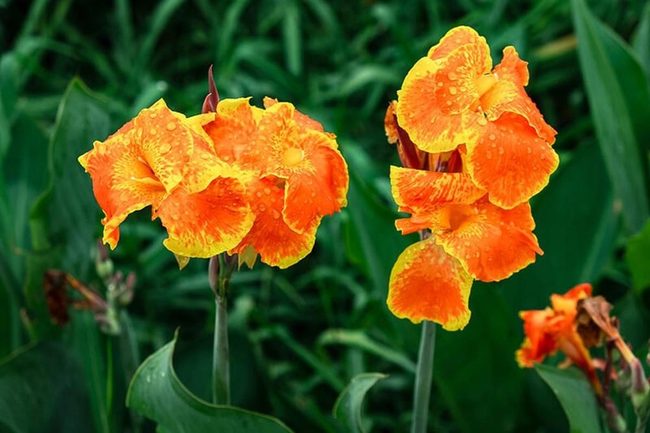
Canna Lilies command attention with their dramatic white blooms striped in bold purple, making them one of the most eye-catching additions you can plant in your garden space.
These plants grow tall and proud, reaching up to 3 feet high, and they put on their best show during summer months with a burst of color that lasts several weeks.
We recommend placing them where they get full sun or partial shade and keeping the soil average to moist so they stay happy and healthy.
Since these plants do well in growing zones 3 through 10, you have flexibility no matter what region you live in and can incorporate them into almost any landscape.
If you want to get ahead and start your own plants indoors, cuttings or seedlings work great, and you simply move them outside once the weather warms up enough for them to thrive.
Yellow And White Spring Bloomers
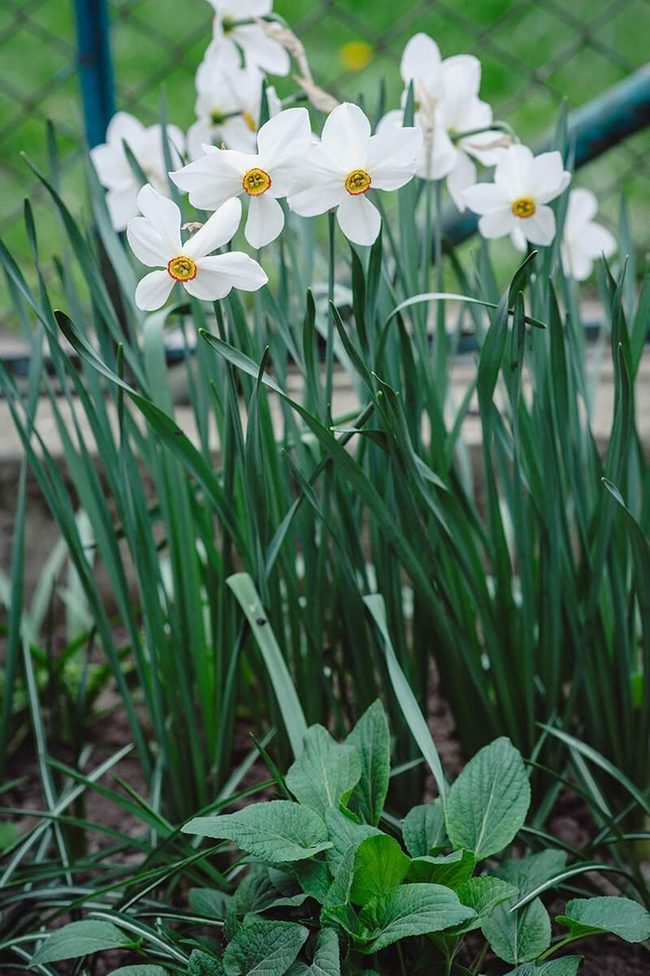
Daffodils burst with bright yellow and white petals that immediately catch attention in any garden space, and their cheerful presence has made them beloved across cultures for thousands of years.
Ancient civilizations valued these flowers as symbols of renewal and new beginnings, incorporating them into weddings, funerals, and springtime rituals that celebrated life's important moments.
Stories and legends surrounding daffodils emphasize the pure joy they inspire in people who encounter them.
What makes these flowers even better is how easy they are to grow; they need just half a day of sunlight and require very little water to thrive.
You'll find that daffodils adapt well to most soil types, so whether your garden is sandy or clay-heavy, they'll flourish.
Growing zones 6 through 8 offer ideal conditions for these reliable bloomers to return year after year.
Orange Spotted Petals Blooming
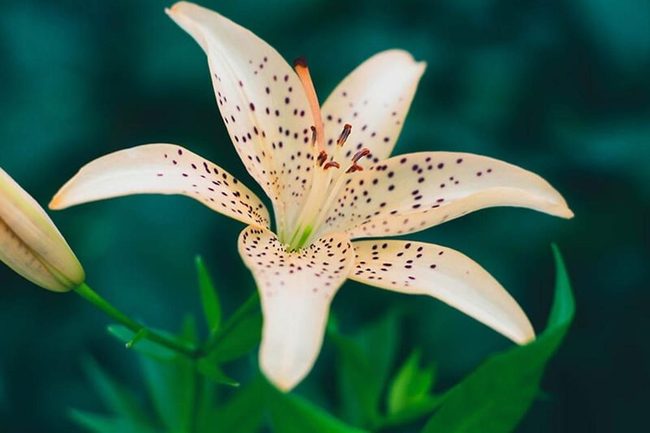
Tiger Flower, or Tigridia Pavonia as botanists call it, stands out instantly with its striking and unusual petals that demand a second look.
Native to Mexico, this plant came from regions where it naturally grows on sandy or loamy ground in drier climates.
You'll find it performs best in full sun to partial shade and rewards you with blooms stretching from mid to late summer.
What makes it even more appealing is that it adapts well across growing zones 3 to 10, so most climates can support it without much fuss.
Its nickname, Mexican Shelfflower, hints at how it naturally settles on tree undersides and rocky surfaces back home.
We're seeing more and more plant lovers bring this unique species into their homes because of how hardy and visually interesting it is to watch grow.
Eight Inch Dahlia Blooms
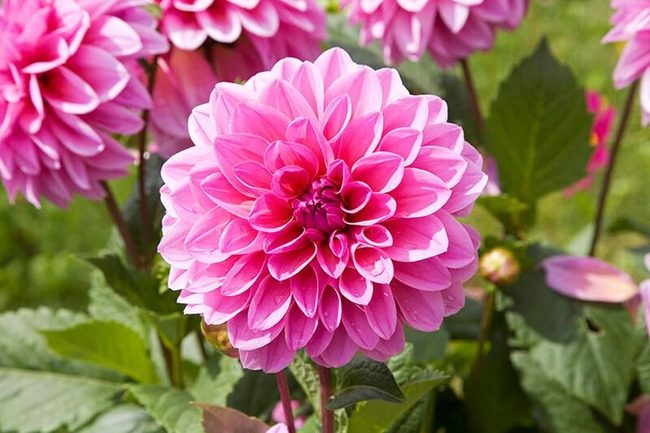
Dinner plate dahlias named after Emory Paul display blooms that stretch up to 8 inches wide, making them one of the most eye-catching flowers you can grow in your garden.
You'll find these stunning flowers in white, yellow, red, blue, purple, and green, each color option adding its own special appeal to your outdoor space.
We can trace this flower's roots back to 1876, when it was developed from a cross between a dahlia and an African violet by its namesake creator.
Growing these beauties doesn't demand much fuss since they do well in full sun and need just average watering throughout the season.
If you want them to thrive, plant them in sandy or loamy soil that leans slightly acidic.
Most gardeners can succeed with these flowers since they grow successfully in zones 2 through 10 and hit their peak bloom time in mid-summer.
White Petals Pink Purple Spots
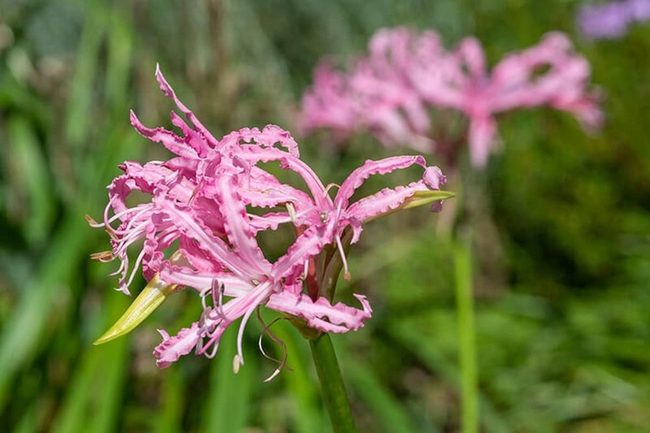
Blooming in summer with stunning white flowers touched by purple markings and yellow spots that shift into pink or purple hues, the Guernsey Lily commands attention in any garden space.
This hardy perennial grows well across zones 3 to 10 and brings symbolic meaning with its ties to freedom and good fortune.
You'll find it performs best in loamy soil and needs moderate watering, making it easy to care for once established.
It handles both full sun and partial shade, so you can place it in various spots around your landscape.
Beyond its ornamental appeal, this northern hemisphere native has served people for generations in herbal medicine, helping with conditions like diabetes and arthritis.
Whether you're drawn to its appearance or its practical history, the Guernsey Lily offers both beauty and function to your garden.
Spotted Green Leaves Pink Blooms
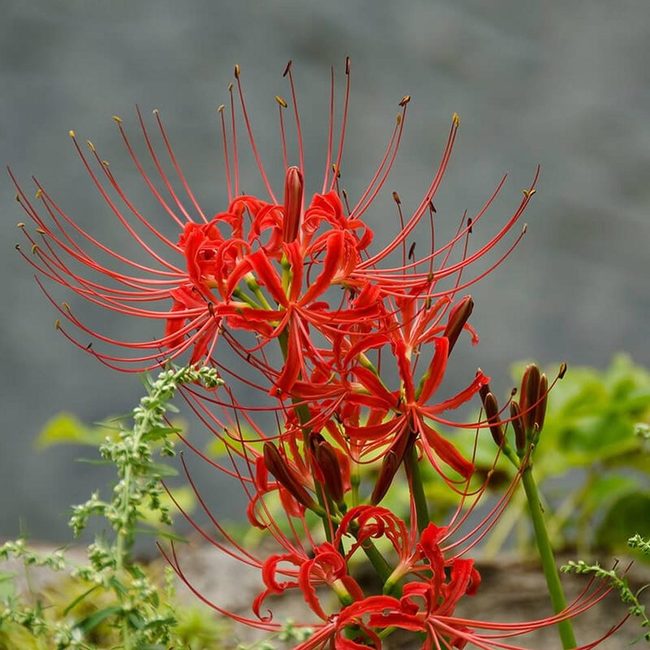
Spider Lily, or Nerine Sarniensis as botanists call it, grows best in zones 8 to 10 and produces some truly eye-catching foliage with its long green leaves dotted in red spots that stand out in any garden setting.
When blooms arrive in late summer through early fall, they put on quite a show with white or pink petals that have sunny yellow markings at their bases.
You may notice the flowers sit atop stalks that stretch up to six feet tall, which means they command attention in your landscape design.
Each blossom features five petals along with two large sepals underneath, creating an interesting layered look.
This plant doesn't demand much fuss once established and actually prefers average watering paired with soil that drains well so roots won't sit in moisture.
Growing these beauties in temperate regions like Europe and the UK works wonderfully since the climate suits their needs.
Pink Star-Shaped Evening Bloomers
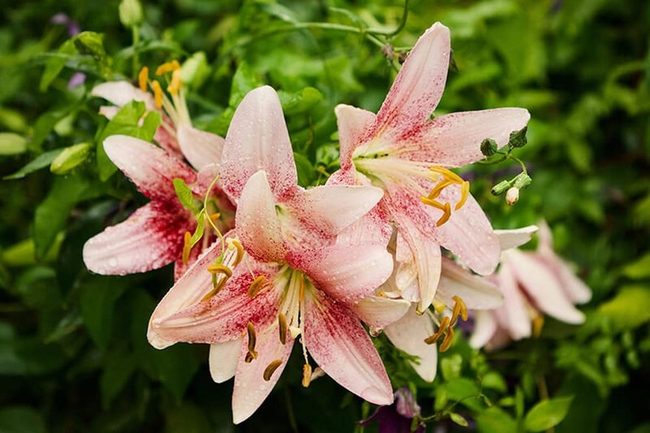
Stargazer Oriental Lilies burst open with star-shaped petals that spread wide during evening hours, creating one of summer's most eye-catching displays from mid to late season.
You can grow these beauties in zones 4 through 9, and they adapt well to both full sun and partial shade, so placement is flexible across different yard layouts.
Soil-wise, they need loamy ground with moderate water, nothing fussy or demanding.
In their native central Asia, people cultivate these lilies as food crops, particularly in China and Japan, so they've earned respect beyond just looking beautiful.
Because they need so little attention, many gardeners pop them into containers or tuck them into mixed flower beds without stress or complicated maintenance routines.
Whether you want a dramatic nighttime feature or a low-maintenance addition to your garden, this lily delivers both style and practicality in one hardy plant.
Golden Bearded Iris Petals
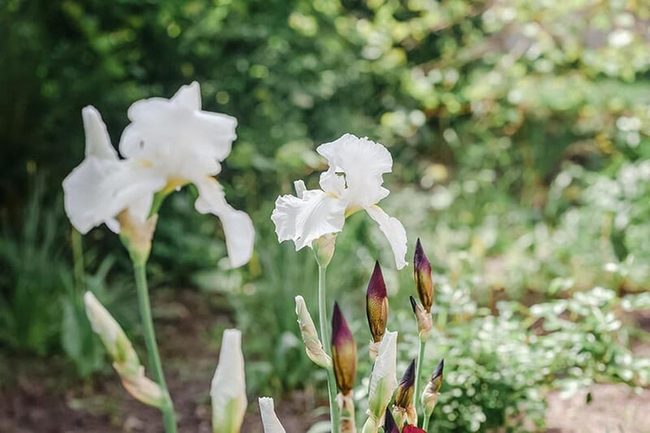
Golden blooms on the Care to Dance Bearded Iris create an eye-catching display that moves with the gentlest breeze, and these flowers represent faith and hope in gardens everywhere.
You'll find this iris native to Europe and Asia, though it does beautifully in warm temperate regions across zones 3 to 9 where moderate rainfall occurs.
Setting one in full sun gives you the best results, and it adapts well to sandy, loamy, or clay soil types without fussing too much.
Mid-spring brings on the flowering season when those yellow petals really shine and dance at any slight touch.
Since this plant needs average to low water, we like it for gardeners who want something hardy without constant maintenance demands.
If you're searching for a distinctive perennial that handles itself well in most conditions and delivers that striking color show, this bearded iris fits the bill nicely.
Scarlet Blooms, Lush South African Native
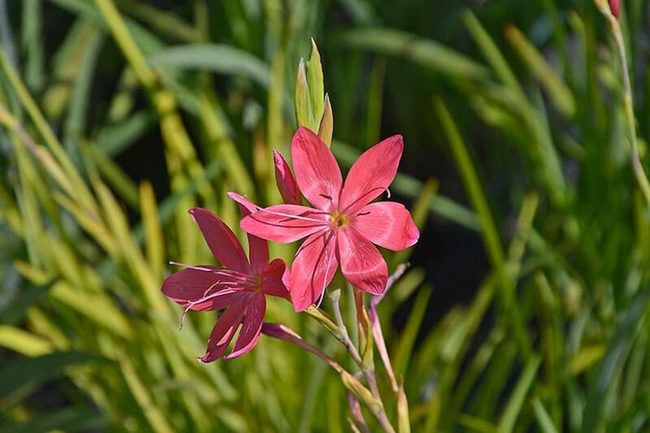
Crimson flag showcases vibrant red flowers that stretch about 5 inches across, making it an eye-catching choice for any garden space you want to brighten up.
This South African and Namibian native grows to about 1 meter tall and features thin, fleshy leaves that complement those striking blooms.
If you're planning where to plant it, know that this perennial herb does best in moist soil and needs average to high water throughout the growing season.
It handles both full sun and partial shade locations, so you have flexibility depending on your garden layout.
Late summer brings on its blooms, and it thrives in growing zones 7 through 9 where conditions suit it well.
Since gardeners first brought it to Europe as an ornamental option, many have sought it out for adding something truly different to their outdoor areas.
Purple Blooms With Silver Stripes
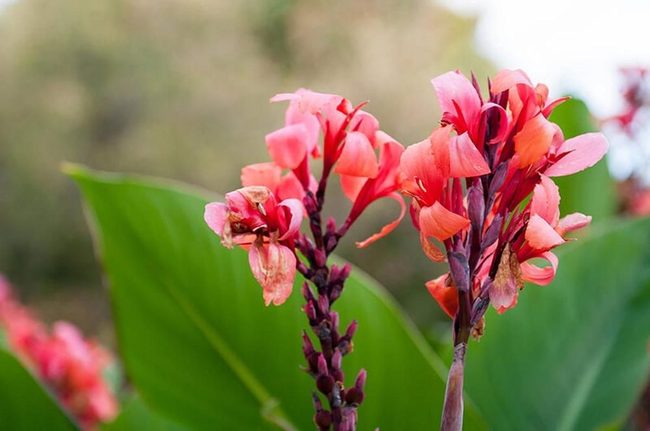
The Richard Wallace Canna Lily stops you in your tracks with its enormous purple blooms streaked boldly across with silver-white stripes and a rich fragrance that fills the air around them.
Botanist Richard Wallace developed this hybrid variety here in the United States back in the 1880s, and it thrives when planted in loamy, wet soil that still drains properly since these plants are heavy water drinkers.
You can grow them successfully in zones 2 through 10, though they'll perform their absolute best when positioned in full sun throughout the day.
When mid-summer arrives, the flowers burst open to reveal creamy white petals banded with soft pink or red edges that create a striking contrast you won't miss.
This dramatic color pattern across the petals is what makes them stand out in any garden setting.
Olivia Martinez
Founder & Principal Designer
Expertise
Sustainable Interior Design, Residential and Commercial Space Planning, Historic Preservation and Adaptive Reuse, Custom Furniture Design, Project Management
Education
Parsons School of Design, New York, NY
LEED Accredited Professional (LEED AP)
Olivia Martinez is the founder of Archi Refresh, where she brings style and sustainability together. With a degree from Parsons School of Design and a LEED certification, she’s all about creating beautiful, eco-friendly spaces.
With over eight years in the industry, Olivia has designed everything from cozy homes to commercial spaces, always putting function and sustainability first. She loves working with local artisans and has been featured in design publications for her fresh take on green living.
When she’s not designing, Olivia enjoys exploring historic architecture, painting, and spending time with her rescue dogs, Luna and Max.