
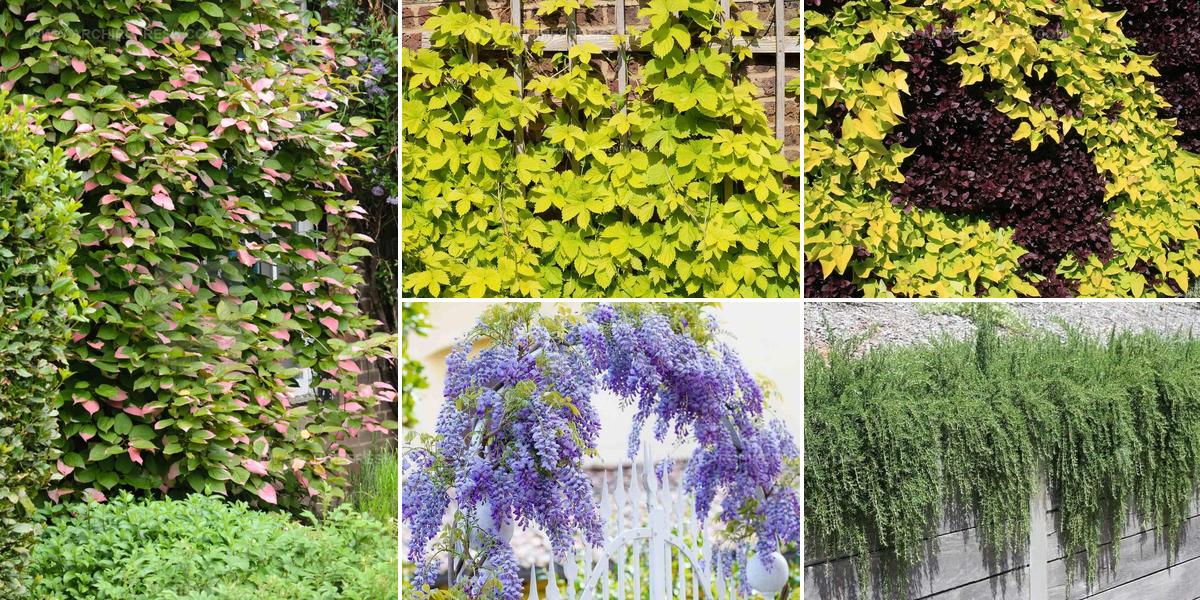
19 Climbing Plants For Landscaping That Add Natural Beauty
Plants that climb upward offer an elegant solution for gardens with limited space.
Vertical growth naturally draws eyes skyward while adding layers of texture and color to otherwise flat landscapes.
Properties both large and small benefit from vines that soften harsh walls, cover unsightly structures, or frame entrances with living beauty.
Selecting the right species means considering sunlight requirements, climate zones, and how much maintenance feels comfortable over time.
Some varieties bloom profusely while others provide lush foliage throughout seasons, giving homeowners options that match personal preferences.
Installation requires planning around support structures like trellises, arbors, or existing fences where tendrils can grip and flourish.
What matters most is choosing plants that will thrive in the conditions available, creating a stunning backdrop for outdoor living areas where you can enjoy nature's vertical artistry year after year.
Tiny Rose Blooms In Sunshine
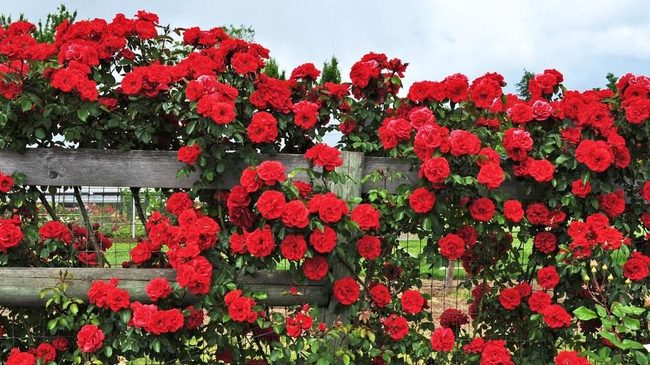
Miniature climbing roses burst with vibrant blooms that catch attention immediately, and their compact size makes them perfect for small gardens or tight spaces where you want color without overwhelming the area.
These petite plants need plenty of sunlight to truly flourish, so positioning them in a sunny spot is essential for success.
Caring for them follows the same basic approach as standard roses; water consistently and prune regularly to keep them healthy and looking their best.
Since miniature varieties share the same needs as their larger cousins, you can easily mix them into your landscape without complicated adjustments.
Their charm comes from how they brighten smaller areas and add warmth to spaces you might have thought were too limited for climbing roses.
Incorporate them into trellises, small fences, or container gardens and watch how they transform those spots into something special.
Multicolored Kiwi Vines, Season Shifting
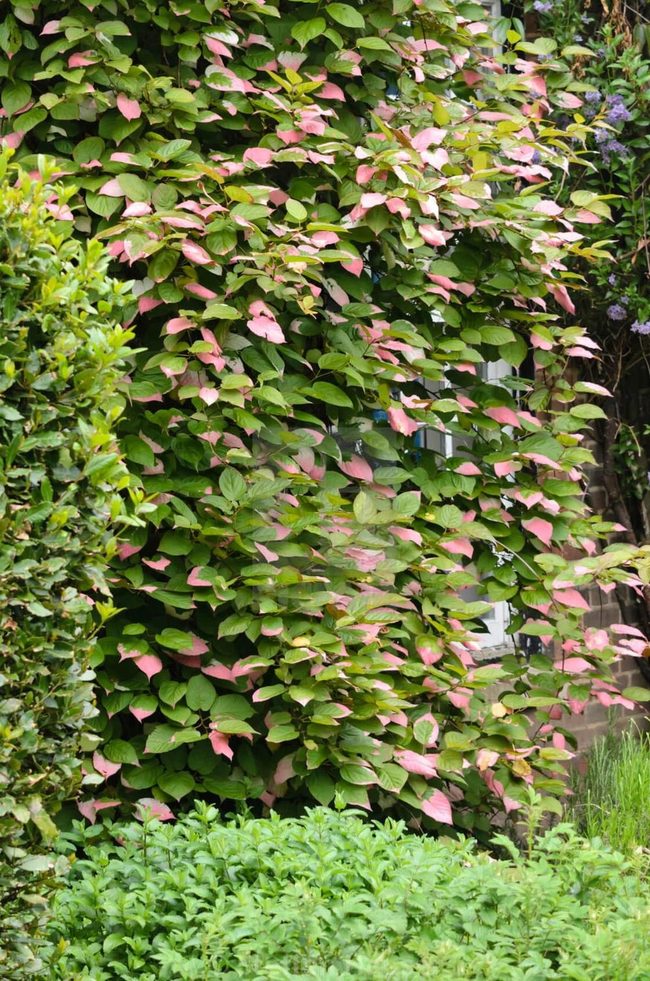
Variegated kiwi vines burst with eye-catching leaf colors that shift based on light and season, making them a showstopping choice for your garden that works in many different conditions.
Bright sun brings out the most intense hues in cooler climates, while partial shade keeps the plant healthy and prevents leaf scorch in warmer areas.
Soil matters quite a bit since these vines need moisture-rich earth that drains well and won't stay waterlogged around the roots.
I've seen how quickly they decline when drainage is poor because soggy conditions lead to root rot and weak growth.
Finding that sweet spot between damp and dry soil is what keeps these plants thriving season after season.
What makes them so great is how easily they adapt to your space and climbing structure while delivering all that ornamental color and texture without demanding constant fussing or special care.
Silvery Ground Cover, Zero Fuss
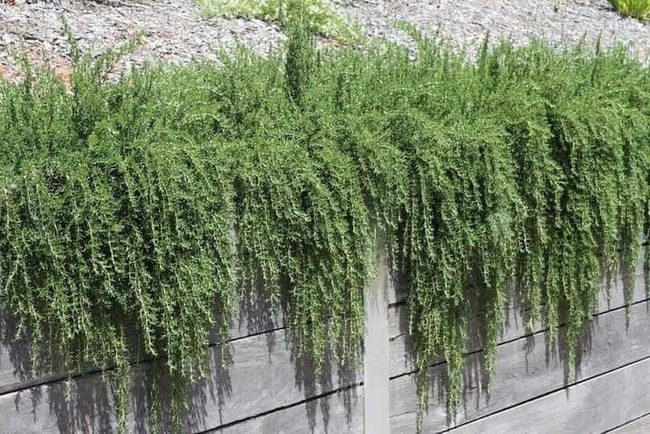
Prostrate rosemary sprawls across the ground with its trailing stems and silvery-green foliage, creating a beautiful low-lying carpet that catches the eye in any garden setting.
I can sense this hardy plant thrives in sunny locations with good drainage and actually loves challenging conditions like dry, sandy soils and coastal winds that would stress other plants.
What makes it especially appealing is how it adapts so well to difficult environments without demanding much from you; no special treatments or constant fussing required.
Gardeners love it because it works hard while asking for very little in return, making it an excellent pick if you want a landscape that largely takes care of itself.
Beyond its practical benefits, this aromatic herb serves as a stunning ground cover or border option that adds texture and interest to your space.
Its silver-toned leaves and delicate flowers bring both form and function to garden designs, whether tucked into tight spots or spread along pathways.
Orange Red Trumpet Flowers Year Round
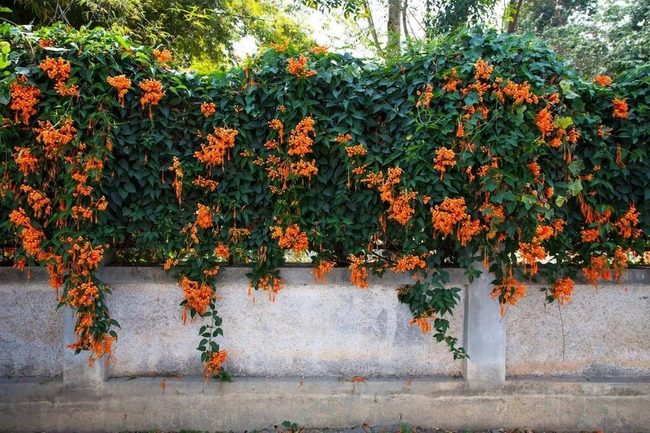
Trumpet vine produces stunning orange and red flowers that brighten any garden space, and this hardy plant grows with minimal fuss once established.
You can plant it in either full sun or partial shade, though sunlight encourages more blooms throughout the season.
It adapts well to different soil types and doesn't require you to add organic matter when planting.
Well-draining soil helps the plant thrive, preventing water from sitting around the roots.
Once settled in, watching it grow becomes easy because it handles various conditions without demanding constant attention.
Gardeners appreciate how this plant delivers visual interest without requiring extensive care.
You get a rewarding addition to your landscape that fills with color and keeps giving year after year.
Bougainvillea Needs Six Hours Sun
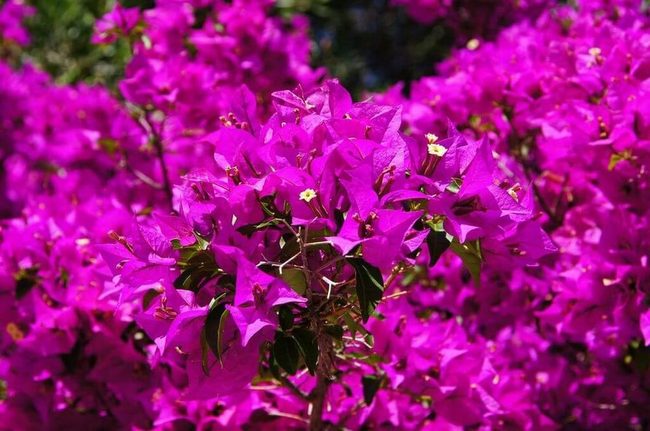
Bougainvillea produces those brilliant cascades of color only when positioned in direct sunlight for at least six hours each day, and without this essential light, your plant will reward you with nothing but bare branches and sparse foliage.
Finding the right sunny spot in your garden or on your patio matters tremendously since this plant simply cannot flourish in partial shade or dim corners.
If you skip on the light requirements, you'll end up with a lackluster plant that disappoints rather than dazzles.
We recommend checking your yard throughout the day to identify spots that stay bright and warm from sunrise into afternoon.
South-facing walls and open patios usually work best for keeping bougainvillea happy.
Once you place it in a location bathed in full sun, the plant responds with an explosion of colorful blooms that transform your outdoor area.
Moon Vine’S Effortless Night Blooms
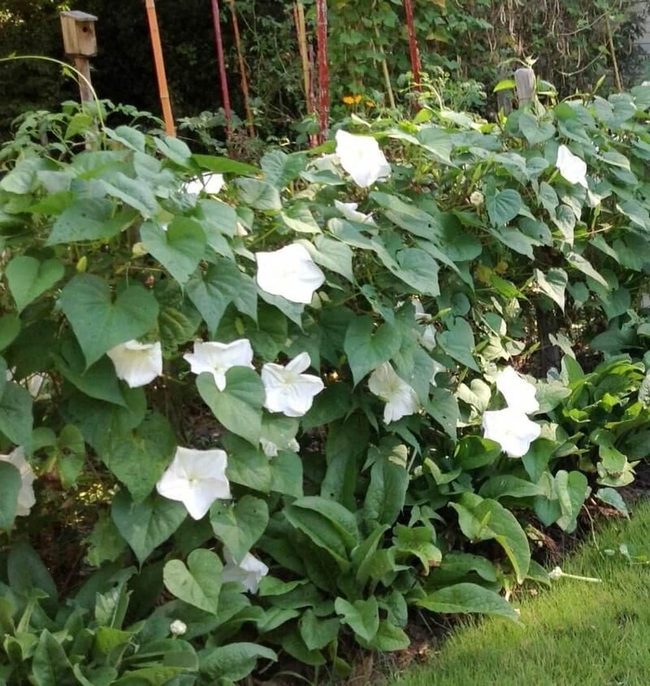
Moon vine does best when planted in a location with plenty of sunlight and soil that drains well and stays loose, though I should mention these plants handle tough conditions with ease and still grow nicely.
You can give them a real boost by mixing in some compost, which works especially well if your soil tends to be dry or lacking nutrients.
Since moon vine adapts to different soil types without fussing much, you won't need to spend a lot of time maintaining it and can still enjoy those beautiful night-blooming flowers in your garden.
What sets this apart is that it thrives with minimal effort once you get the basics right, so most gardeners find success with it.
Sunny Yellow Climbing Vine
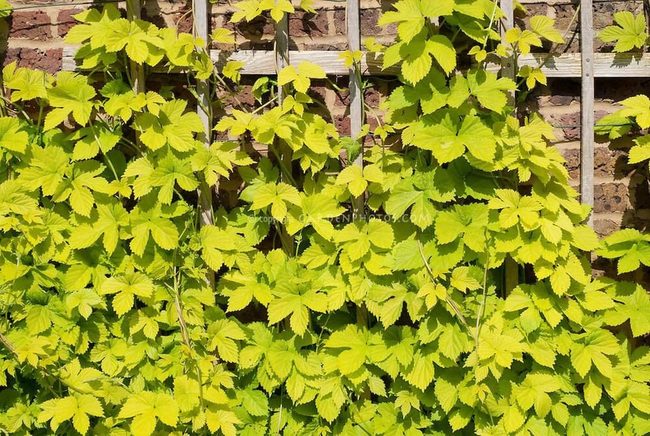
Golden hop stands out immediately with its radiant yellow foliage that catches light beautifully, and it grows best when you give it plenty of direct sunlight throughout the day.
This energetic climbing plant brings life to gardens all summer long and keeps your space looking fresh and lively.
Move it into shadier spots and i can spot the leaves shift toward a duller green, losing much of their brightness.
Keeping golden hop in sunny locations preserves that rich, glowing color and ensures it stays visually strong.
If you want something that really pops in your yard and grabs attention, golden hop delivers that burst of warmth and energy you're after.
Sunlight Lover For Fragrant Blooms
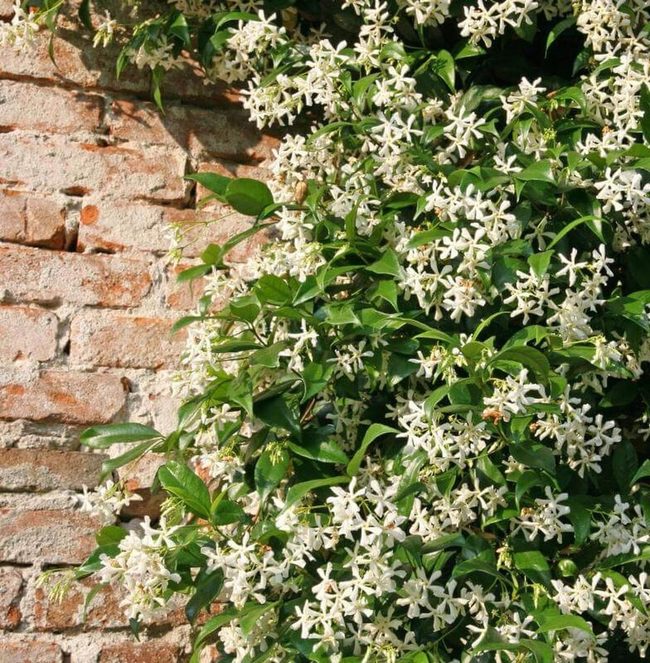
Arabian jasmine needs about six to eight hours of sunlight daily to really thrive, and you'll see it doing best when positioned where it gets full or partial light throughout the day.
Most spaces can work for this plant since it adapts well to different lighting situations, making it flexible for your home or garden setup.
When you place it in the right spot with adequate sun exposure, the plant stays healthier and grows more vigorously.
Getting the light requirement right matters because it directly affects how well the plant develops and stays strong.
Beyond just growing well, this jasmine rewards you with lovely fragrance and beautiful blooms that fill your space naturally.
Fragrant Himalayan Rose Blooms
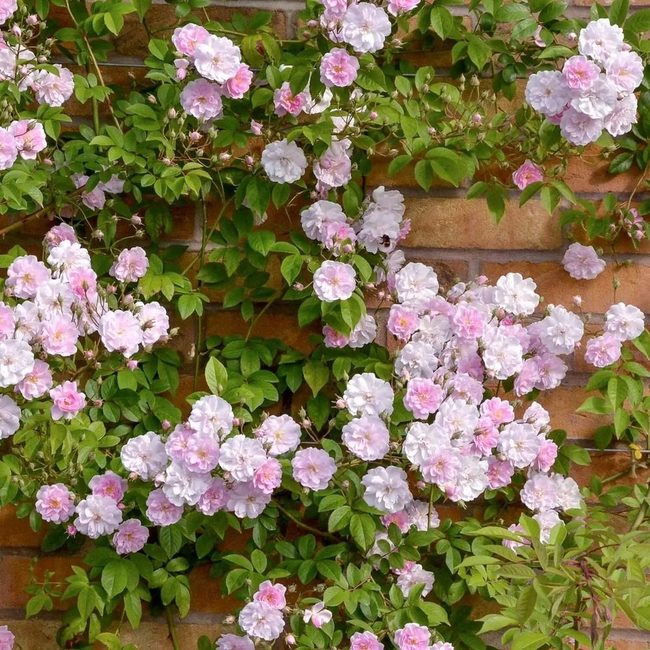
Paul's Himalayan musk rose performs best when planted in a sunny spot where its lush green leaves and abundant blooms can shine, though it handles partial shade reasonably well and remains quite flexible about light levels.
Healthy roots depend on soil that drains well, so you'll want to avoid spots where water tends to pool and sit.
One of the best things about this plant is how it smells; the fragrance really does add something special to your garden, and people often notice it right away when they walk by.
If you're looking for a rose that doesn't demand constant attention and still delivers both gorgeous foliage and reliable flowering, this one fits the bill nicely.
It's a forgiving plant that adapts to different conditions, which makes it a smart pick for gardeners who want beauty without spending hours on upkeep.
Tropical Pink Blooms For Sunny Patios
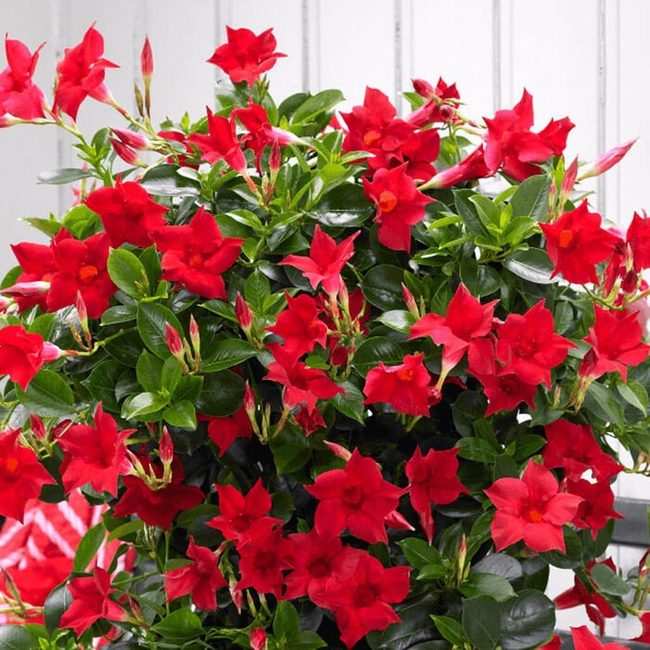
Dipladenia produces vibrant blooms that instantly catch your eye and add exotic color to any garden or patio space, making it a striking choice for outdoor areas where you want natural beauty to stand out.
This tropical plant thrives in warm, sunny spots and prefers soil that stays moist but drains well, so positioning matters when you're setting up your garden beds.
Cold temperatures pose a real problem for Dipladenia since it won't survive freezing weather, and if you live somewhere with harsh winters, moving it indoors during those months keeps it safe and healthy.
Many gardeners treat Dipladenia as a seasonal annual, which takes the stress out of winter care and lets you enjoy fresh blooms year after year without worrying about frost damage.
You can refresh your outdoor space regularly by replanting it each season, and this approach works well if you want reliable color without complicated maintenance through colder months.
Tropical Vines Thrive In Warmth
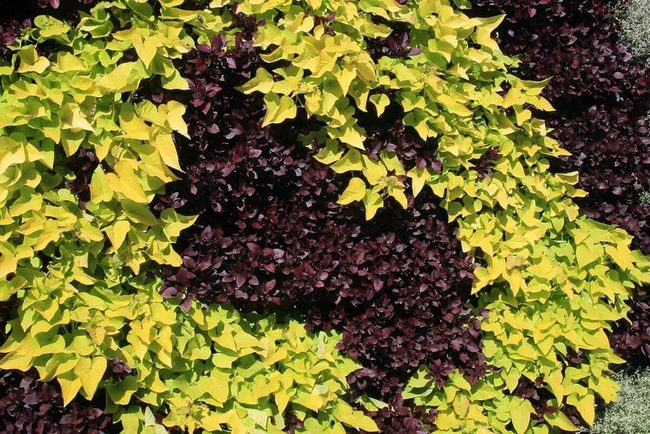
Sweet potato vine plants reach their full potential when you plant them in soil that drains well and contains plenty of nutrients to feed their growth.
These plants absolutely love warmth and humidity, so try to recreate conditions similar to their native tropical home rather than placing them somewhere dry and desert-like where water evaporates quickly.
Sun exposure matters quite a bit for keeping these plants healthy and colorful, so pick a location where they'll get generous amounts of daylight throughout the day.
When you give sweet potato vine what it needs; good drainage, rich soil, warm temperatures, and plenty of light; it becomes a stunning addition to your garden space.
Setting up the right environment for your sweet potato vine isn't complicated, and the payoff in terms of garden aesthetics makes it completely worthwhile.
Purple Vines Need Six Hours
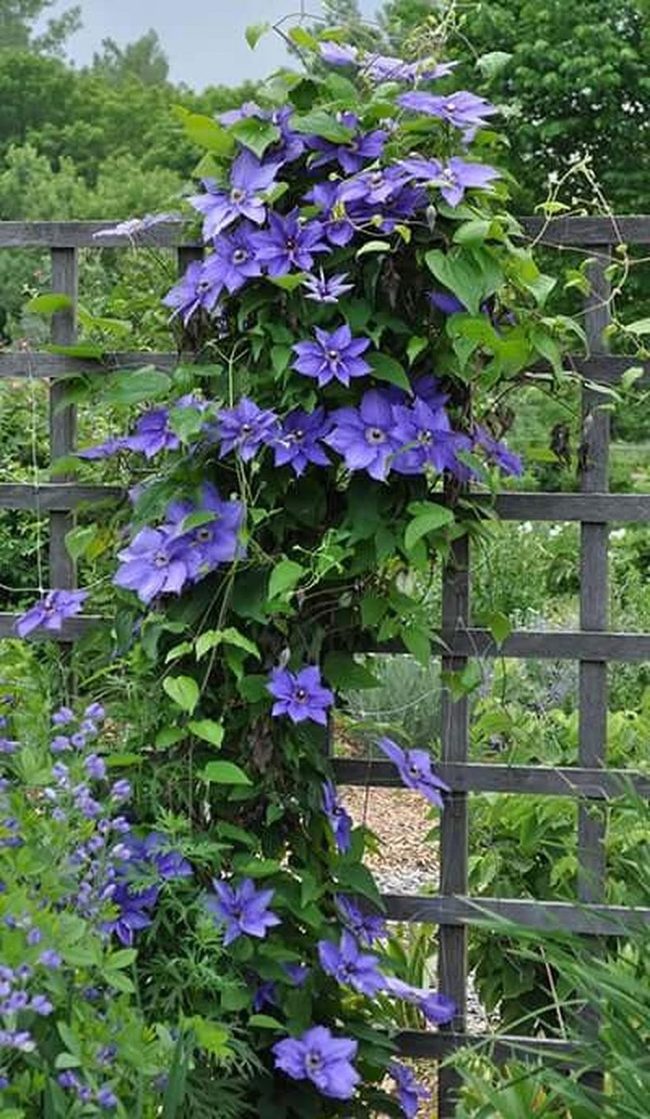
Clematis needs bright sunlight to really shine, and you'll want to give it at least six hours of direct sun each day for the best results.
Most varieties do best with plenty of light, though some can handle partial shade if needed.
Beyond light, these vines also need soil that drains well and sits on the neutral to slightly alkaline side of the pH scale.
Keeping that soil consistently moist makes a big difference in how well your clematis grows and produces blooms.
So if you're planning to grow clematis, focus on finding it a sunny spot and preparing soil that won't hold too much water, and your vines will reward you with plenty of flowers.
Pink Climbing Roses In Full Bloom
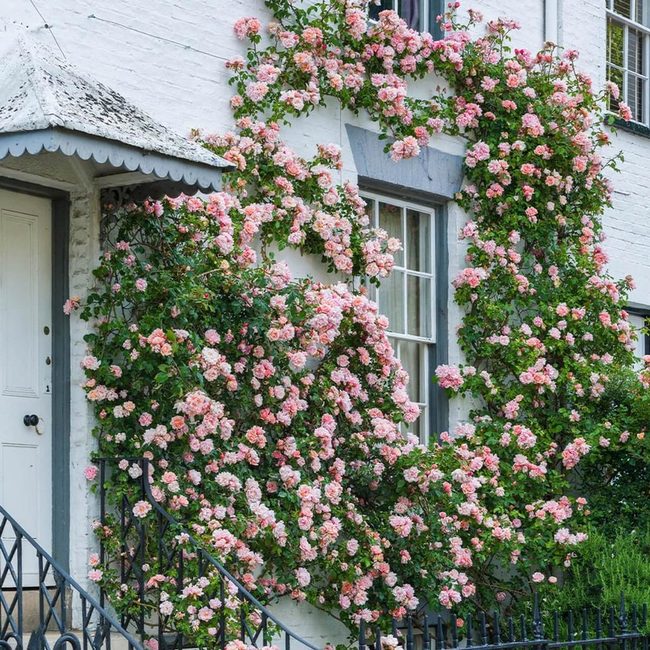
Albertine roses display spectacular climbing growth and abundant pink blooms that dominate any garden space, making them an eye-catching choice for your outdoor area.
Planting these roses in bright, sunlit spots gives you the best results since they need plenty of light to produce those gorgeous flowers throughout the season.
You'll want soil that holds moisture without becoming waterlogged, so good drainage matters just as much as consistent watering.
Open spaces work well for Albertine roses and allow air to move freely around the plants, which keeps them healthy and prevents disease problems.
Adding compost or aged manure to the soil regularly feeds the roses and encourages stronger growth and more abundant blooms.
With steady attention to these basic needs, your Albertine roses will reward you with reliable flowering year after year.
We suggest including this variety in your garden if you want to add natural beauty and height to your landscape without much fuss.
Purple Cascading Blooms Need Sunlight
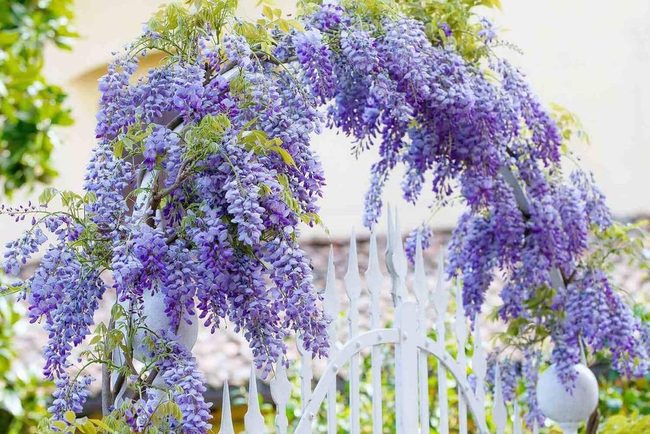
Japanese wisteria produces its most gorgeous cascades of flowers when you plant it where sunlight reaches it throughout the day, and while partial shade won't kill it, the blooms truly shine with full sun exposure.
To keep your wisteria healthy, the soil needs to stay moist and nutrient-rich, though good drainage matters just as much since soggy roots can damage the plant.
Finding the right spot in your garden makes a real difference in how many flowers you get each season.
Wet soil that doesn't drain properly will cause problems, so consider your location before planting.
Once you set up proper growing conditions with enough light and well-prepared soil, your wisteria rewards you with those flowing purple or white blossoms that transform any garden space.
Give your wisteria what it needs, and you'll have a spectacular show of flowers year after year.
Dark Blooms For Shaded Gardens
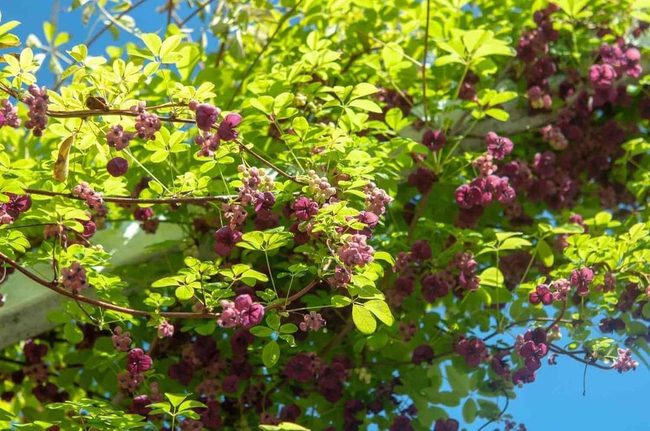
Chocolate vines display striking dark foliage and unusual flowers that grow beautifully in shaded garden corners where many plants struggle to survive, and they adapt well to spaces with limited sunlight exposure.
These climbing plants thrive when you give them sandy loam mixed with plenty of organic matter, which supports strong growth and keeps them healthy.
Good soil drainage matters quite a bit because it prevents water from sitting around the roots and causing rot.
Growing chocolate vines in your garden offers a way to add both beauty and conversation-starting appeal to outdoor areas.
You get a plant that handles shade with ease and rewards you with something different from the typical garden choices.
Carolina Jessamine Golden Vine Blooms
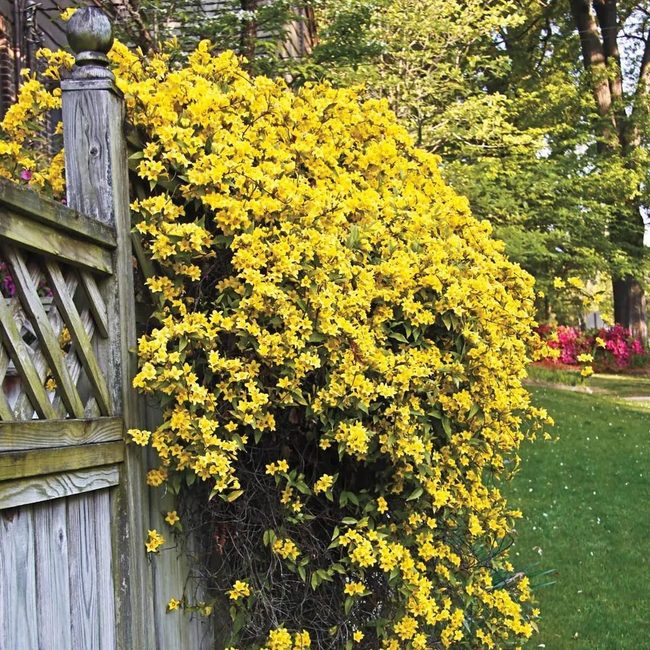
Carolina jessamine rewards you with the most stunning floral display when it basks in bright light, as the sunshine encourages lush, dense foliage and abundant blooms that can transform any garden corner.
You'll still find this plant quite adaptable, since it grows happily in partial shade as well, making it a flexible choice for different spots around your yard.
Beyond lighting, soil quality matters just as much for keeping your jessamine thriving and healthy.
Well-draining, nutrient-rich soil gives the plant what it needs to push out those gorgeous flowers season after season.
We recommend checking your soil before planting and amending it if needed to ensure good drainage.
When you get these basics right; good light and proper soil; your Carolina jessamine will reward you with consistent growth and plenty of blooms.
Picking the right home for this plant in your garden space means you'll enjoy its natural beauty without much fuss.
Pink Carpet Ground Cover Blooms
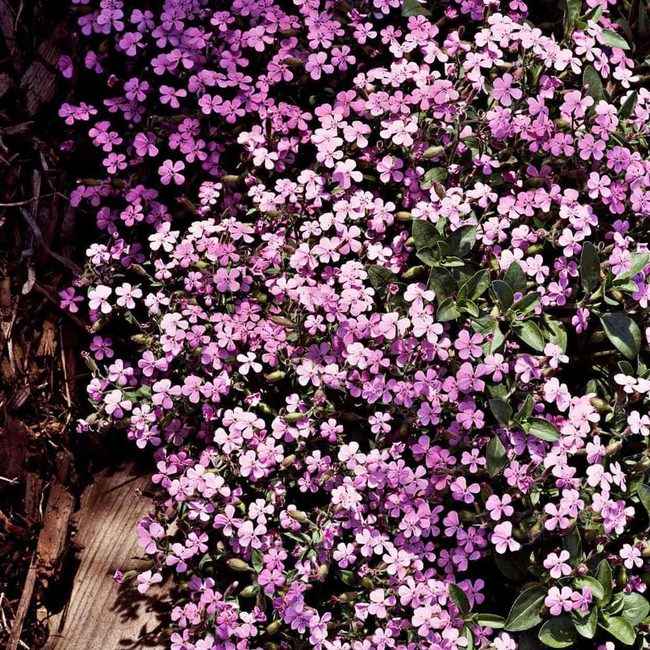
Dwarf soapwort delivers a dense blanket of charming blooms that bring natural color and life to your garden, and it performs best when planted in bright sunlight where it can show off its full flowering potential.
The detail that stands out is the plant tolerates some shade, though warmer climates may reduce the vibrancy of those lovely flowers.
Giving this hardy variety plenty of light rewards you with robust growth and an impressive flower display that lasts throughout the season.
It adapts well to most garden spaces and works as an easy way to brighten up your landscape without much fuss.
We recommend it as a dependable choice for anyone wanting to add beauty to their outdoor areas.
Simply position it where sun reaches most of the day, and the plant handles the rest on its own.
Passion Flowers Need Shelter And Warmth
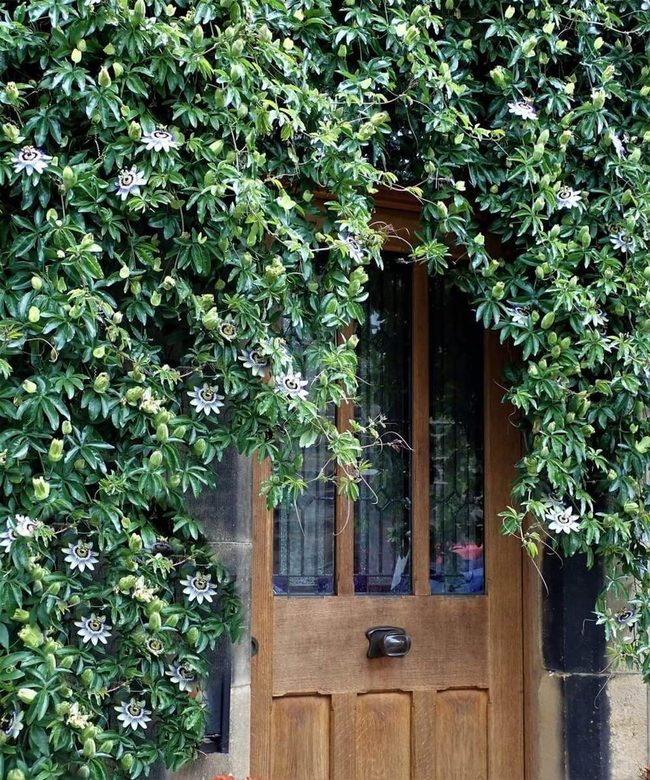
Passion flowers love basking in warmth and sunshine or dappled shade, and they need a sheltered spot to really flourish in your garden.
For these plants to thrive, well-drained soil is essential since they don't tolerate wet feet, so make sure water drains away quickly after watering.
Once flowers fade, trimming back the stems helps keep your plant looking neat and encourages fresh blooms to appear next season.
Removing any dead or damaged branches in spring also promotes healthier growth going forward.
Most varieties can't handle harsh cold, so protecting them during winter months ensures they'll return strong and bloom beautifully year after year.
With these simple steps, you'll have passion flowers that grow vigorously and reward you with gorgeous blossoms.
Honeysuckle Blooms In Full Sun
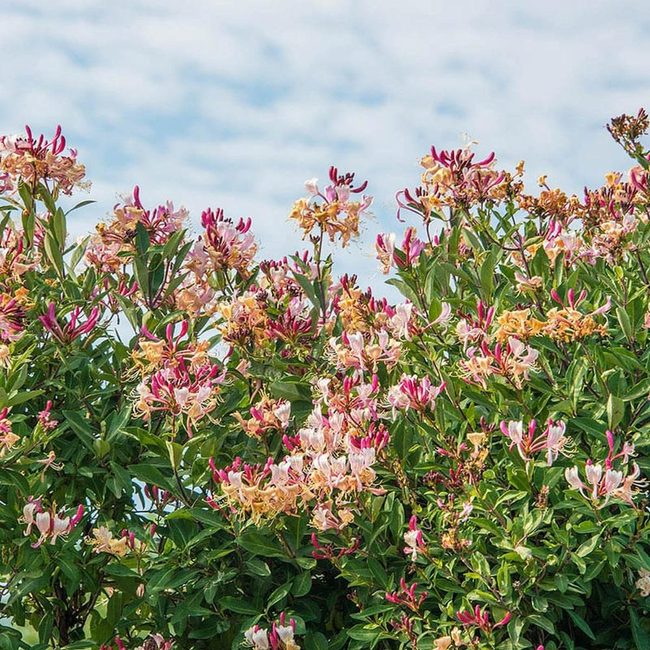
Honeysuckle needs direct sunlight to produce those stunning, colorful blooms that make your garden come alive with fragrance and visual appeal.
If you place it in shadier areas, the plant will still grow but won't flower as much, leaving you with fewer of those beautiful blossoms you're hoping for.
Positioning honeysuckle where it gets plenty of sun is really the key to getting the most flowers and keeping the plant healthy overall.
The strongest part is that the right location makes all the difference between a plant that just survives and one that truly thrives with abundant blooms.
When honeysuckle flourishes in good light, it transforms your outdoor space into somewhere lively and welcoming.
Sunlight also helps the plant develop its signature scent more fully, so you and anyone visiting will get to experience the full sensory benefit.
Olivia Martinez
Founder & Principal Designer
Expertise
Sustainable Interior Design, Residential and Commercial Space Planning, Historic Preservation and Adaptive Reuse, Custom Furniture Design, Project Management
Education
Parsons School of Design, New York, NY
LEED Accredited Professional (LEED AP)
Olivia Martinez is the founder of Archi Refresh, where she brings style and sustainability together. With a degree from Parsons School of Design and a LEED certification, she’s all about creating beautiful, eco-friendly spaces.
With over eight years in the industry, Olivia has designed everything from cozy homes to commercial spaces, always putting function and sustainability first. She loves working with local artisans and has been featured in design publications for her fresh take on green living.
When she’s not designing, Olivia enjoys exploring historic architecture, painting, and spending time with her rescue dogs, Luna and Max.