
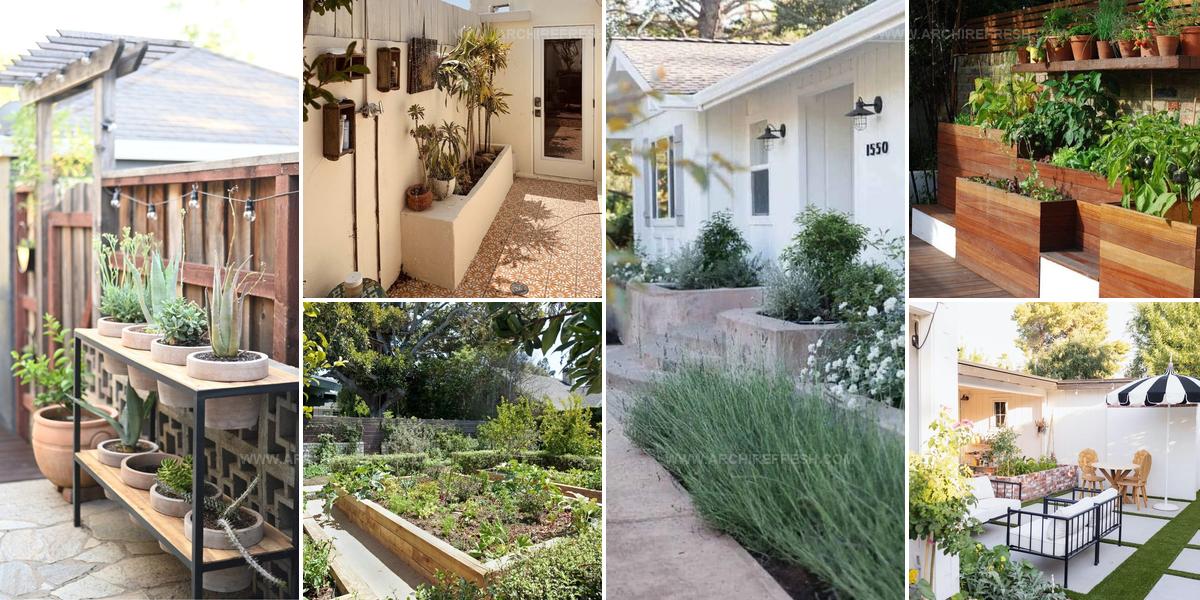
12 Creative Raised Garden Beds That Transform Your Space
Raised garden bed ideas offer practical solutions for growing healthier plants while reducing physical strain and improving soil conditions.
Gardeners who work with elevated planting spaces often find better drainage, fewer weeds, and easier access to their crops.
Building upward rather than digging down opens opportunities for those dealing with poor native soil or limited mobility.
The contained environment allows for precise control over growing conditions, from moisture levels to nutrient content.
Many approaches work well depending on available space, budget, and aesthetic preferences.
Success comes from matching the right design to the specific needs of what you plan to grow and where.
Garden Bed Built-In Seating
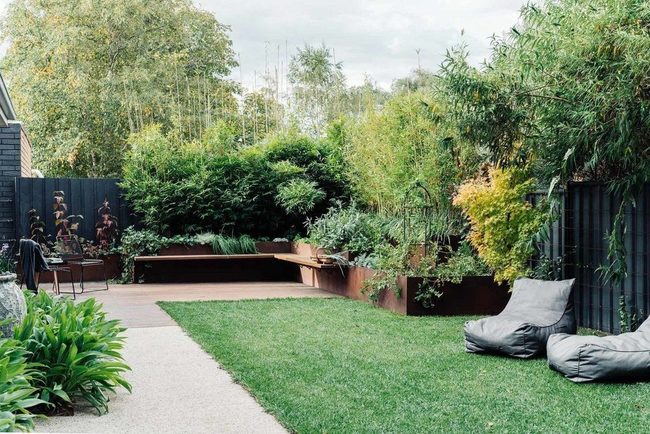
If you want a raised garden bed that looks beautiful and serves a real purpose, consider what Kathleen Murphy, a landscape designer from Australia, did with her design by building in a seat.
Beyond just sitting, this addition brings warmth to an otherwise clean and modern aesthetic and gives anyone visiting you a comfortable spot to pause and enjoy the garden up close.
It's one of those simple changes that transforms how people interact with the space and makes the whole thing feel more welcoming.
Brick Beds Define Garden Structure
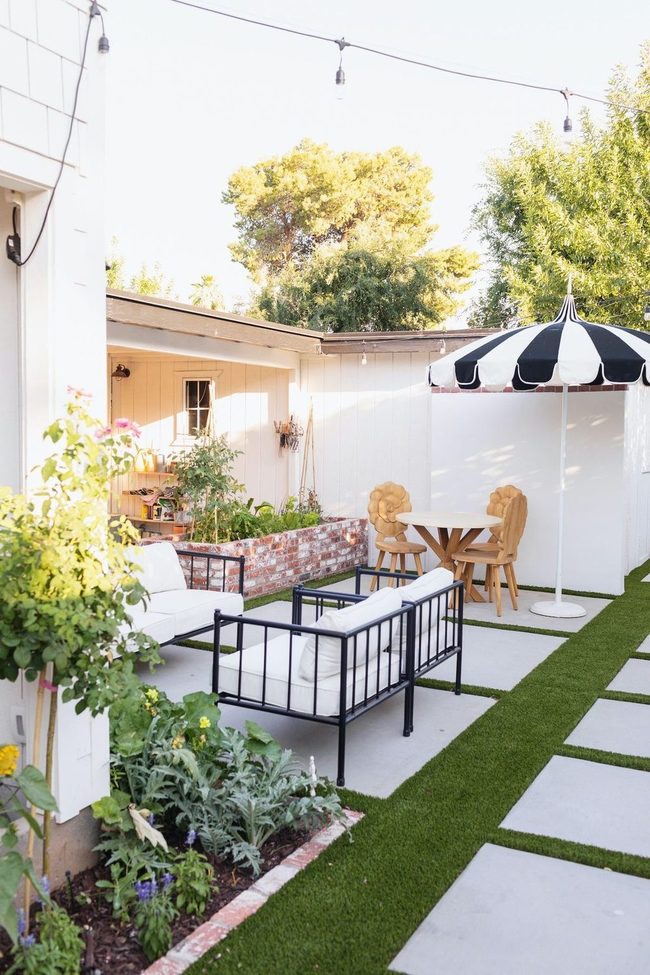
Raised garden beds do far more than just sit there looking good, and Diana Elizabeth's backyard proves this point perfectly.
Her brick beds separate her covered patio from the seating zone, which is both practical and beautiful since they match her home's exterior materials.
If your backyard feels like one flat, boring space, you can solve this by positioning garden beds in smart locations to break things up and add some structure Garden beds work double duty by protecting your plants while also acting as natural dividers throughout your outdoor space.
When you place them strategically around your yard, they help guide people through different areas and make the whole space feel more organized.
This simple trick can completely change how your backyard looks and functions without requiring major renovations.
Staggered Flower Beds Descending Slope
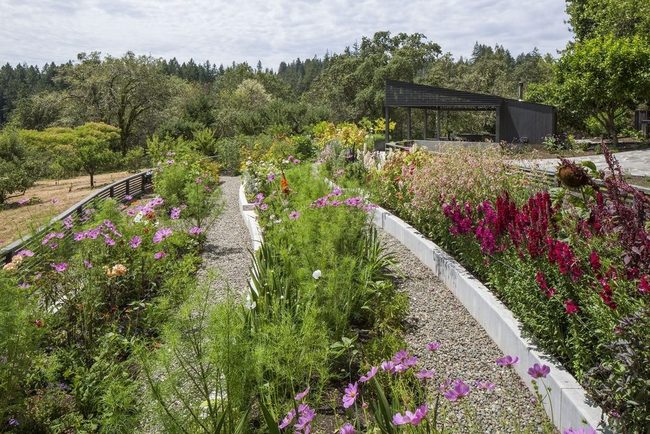
Raised garden beds bursting with colorful flowers can transform even a sloped backyard into something beautiful and functional.
Christa Mone created a series of descending beds that bridge the gap between the terrain and an outdoor pavilion designed by Andrew Mann Architecture, and this arrangement showcases how well-designed gardens make the most of land that might otherwise sit unused If you want to elevate your tiered garden beds, fill them with an array of colorful blooms just like Mone did.
Mixing different flower varieties and colors adds visual interest and makes the whole space feel more dynamic.
The staggered layout also makes the garden easier to access and maintain than a flat planting space would be.
This setup proves that sloped yards aren't a limitation but rather an opportunity to build something truly special.
Vertical Brick Garden Wall
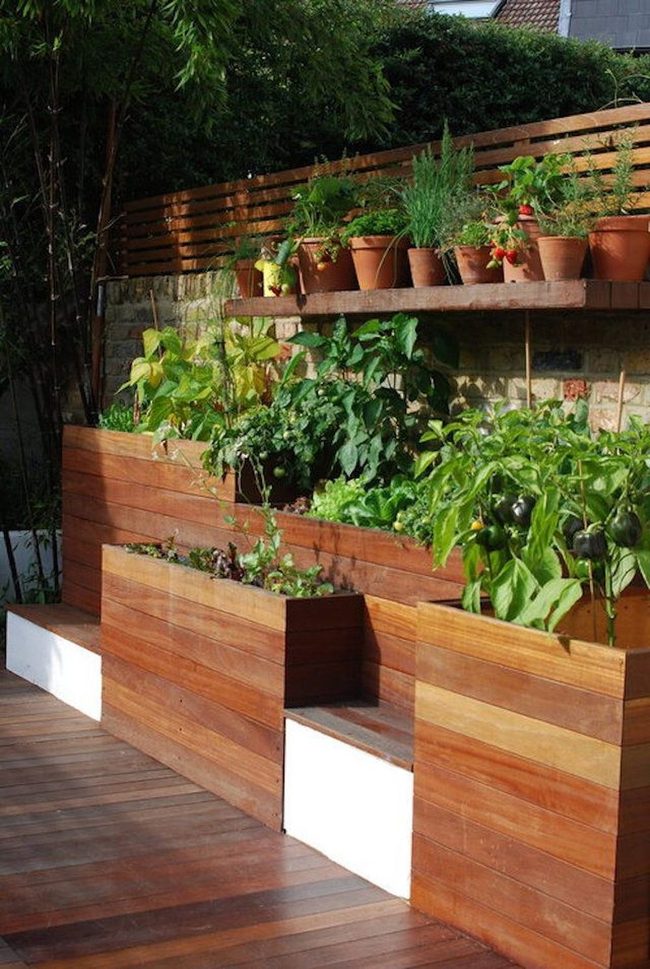
Gardens don't have to sprawl across the ground when you can build upward instead, as designer Lucy Willcox demonstrates with her clever brick wall transformation.
She stacked raised beds at different heights and installed a floating shelf loaded with potted plants, which immediately catches attention and pulls your gaze skyward.
By arranging plants this way, you make an enclosed outdoor space feel larger and less cramped.
Everything from the varying bed levels to the hanging greenery works to open up the area and give it breathing room.
Your eyes naturally travel up the wall, which makes the whole garden seem more expansive than it actually is Even a small outdoor space can feel lush and abundant when you use the wall itself as your canvas.
Mosaic Tile Meets Green Planter
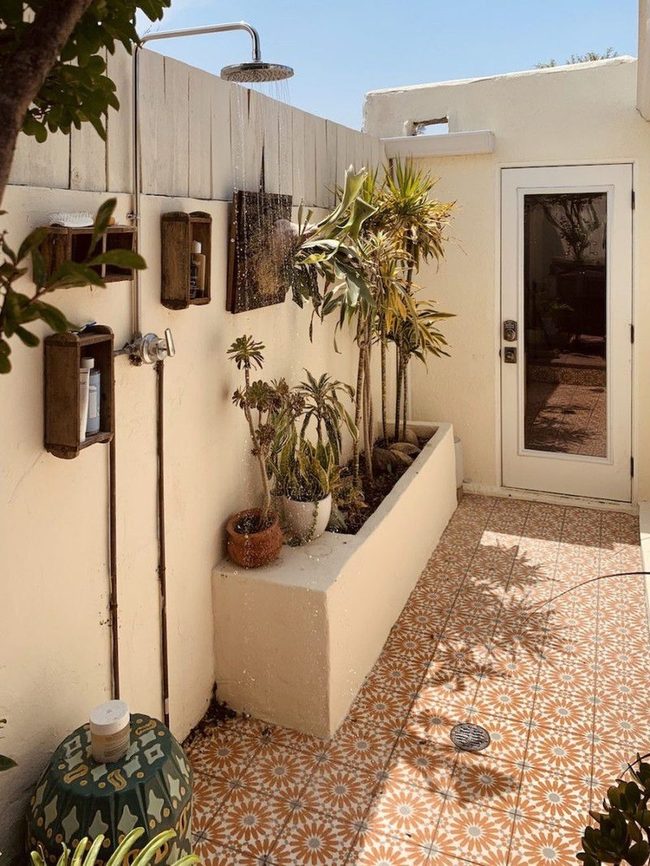
Justina Blakeney of Jungalow found a creative solution when her outdoor shower had leftover mosaic tile that wasn't enough to cover the entire floor, so she and her team built a raised planter box from cinderblocks and concrete right into the space.
Filling the planter with dracaenas transformed the shower area into something much greener and more lush than it would have been otherwise Concrete has a raw, modern quality that balances out the whimsical foliage nicely, preventing the space from feeling too soft or overly botanical.
You can use this same idea in any outdoor area where you have leftover materials or awkward corners-unconventional spots often become the most interesting places to add greenery Adding plants to unexpected areas like this one pushes beyond typical landscaping and shows how you can work with what you have on hand.
Stone-Framed Greens Frame Doorway
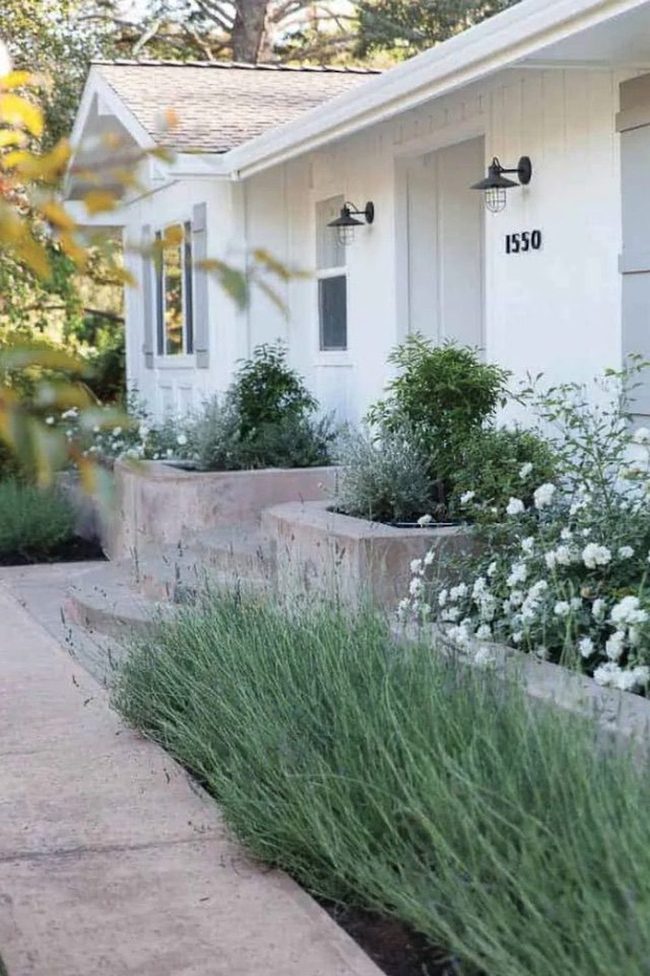
Raised garden beds positioned right at your front entrance make an immediate visual statement that most people overlook by hiding them in the backyard.
You can frame both sides of your doorway with stone-clad beds that draw all the attention when someone approaches your home, and filling them with interesting plants and greenery adds personality and charm to your entryway.
This simple placement strategy boosts curb appeal in a way that's both practical and striking, since visitors see it first thing when they arrive.
Stone materials give the beds a polished look that complements most home styles.
Plants with varied textures and heights keep the space from feeling flat or boring.
If you want to refresh how your front yard looks, this approach requires minimal effort but delivers noticeable results.
Even a modest collection of greens can make your entrance feel more intentional and finished than before.
Think of your front beds as the opening statement of your home's personality, and you'll find they're worth the prominent placement.
Vertical Garden Stacked Beds
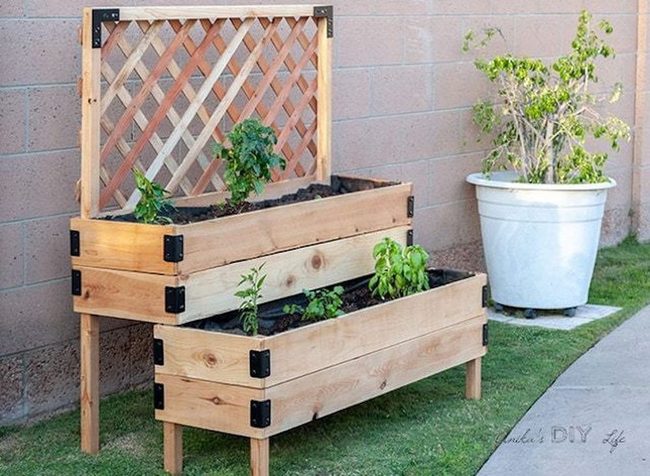
Build your outdoor garden upward with a tiered planter system that gives you far more growing room without taking up extra ground space.
Anika's DIY Life demonstrates how a compact, stacked design can hold multiple levels of plants and vegetables at once.
You can grow additional greens on the upper tiers while a built-in trellis on the side supports climbing vines and sprawling plants.
This type of raised bed setup works wonderfully if you've been wanting to plant juicy tomatoes since the vertical structure accommodates their growth habits perfectly.
Stacking beds in tiers also makes it easier to reach and maintain your plants without bending down as much.
If you have limited yard space, going vertical solves that problem right away.
You'll be surprised how many different crops you can fit when you use height to your advantage.
Portable Balcony Garden Beds
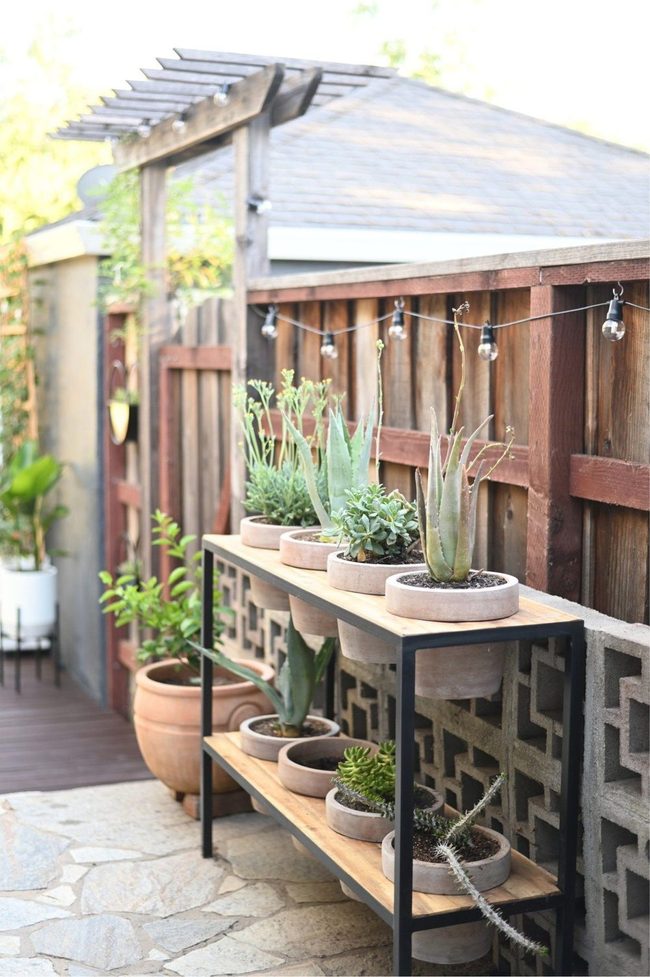
If you're tight on space, don't worry-you can still enjoy growing your own plants with a portable raised garden bed option.
Shavonda Gardner showed us how during her One Room Challenge by setting up several potted plants in a neat, elevated bed on her balcony.
This setup gives you all the same advantages as a traditional raised garden bed, and it works perfectly for smaller areas like decks or patios.
You get the flexibility to rearrange things whenever you feel like it, and when cold weather rolls around, moving your greens inside becomes incredibly simple.
Small spaces don't have to limit your gardening dreams, and having something moveable means you can adapt to whatever your living situation throws at you.
Whether you're in an apartment or a house with minimal outdoor room, this approach lets you grow fresh plants without any fuss.
It's practical gardening that fits real life, and honestly, that's what matters most when you're starting out.
Custom Wood Garden Beds
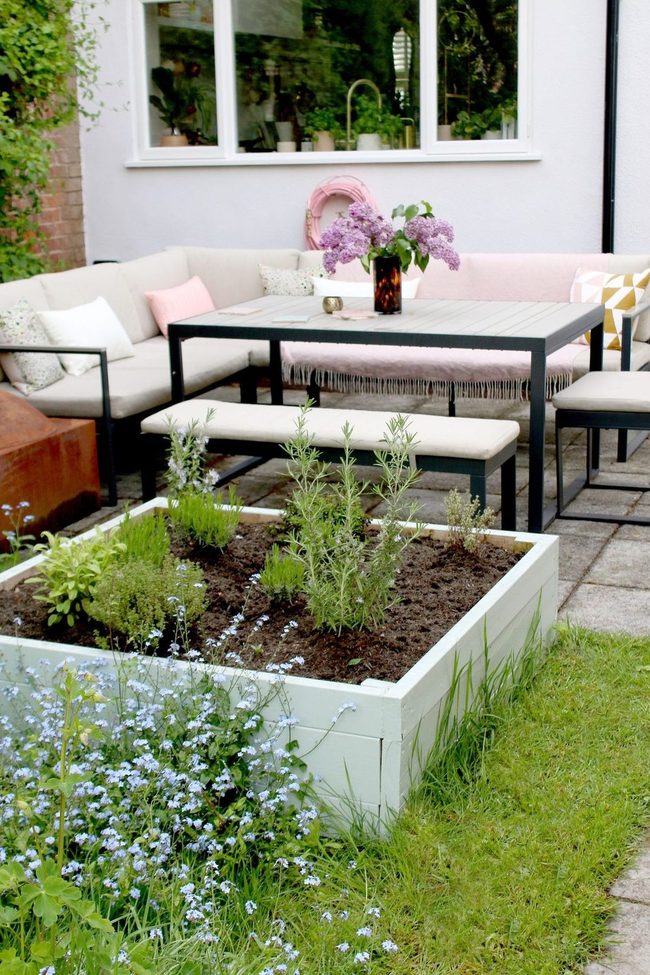
Building your own raised garden bed from scratch gives you freedom that store-bought options simply don't offer, and Kimberly Duran, founder of the popular British blog Swoon Worthy, proves it's easier than you might think.
She explains that constructing a DIY planter is straightforward and opens up possibilities for customization that make the project worthwhile.
Since you're making it yourself, you can adjust the dimensions to fit your exact space rather than forcing a pre-made size to work.
Color choices become entirely yours-paint it to match your garden theme or home exterior without settling for limited retail options.
One of the biggest advantages is the money you'll save by skipping the markup of commercial products.
Whether you're working with a tiny balcony or a sprawling backyard, this approach lets you build exactly what you need and nothing more.
The satisfaction of using something you made yourself adds another layer of reward to the whole gardening experience.
Galvanized Metal Garden Beds Shine
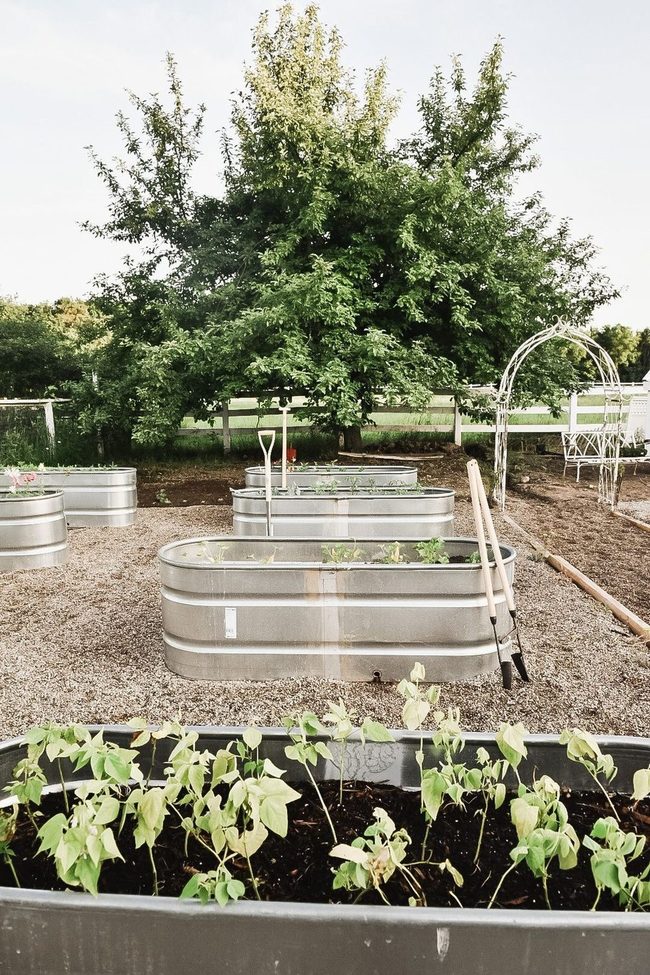
Metal containers bring a bold, industrial edge to garden spaces that wooden beds simply can't match, and blogger Liz Marie Galvan demonstrates how stock tubs can become beautiful raised garden beds with some creative upcycling.
Her backyard shows off this clever approach, mixing rough textures with neat rows of plants to hit that sweet spot between wild and organized.
You can achieve this same look by sourcing affordable metal tubs from hardware stores and positioning them in your outdoor area.
Metal doesn't rot like wood does, so these beds last longer and require less maintenance over time.
Plants grow just as well in metal containers as they do in traditional wooden frames.
What makes metal special is how it reflects light and catches your attention differently than muted wood tones do.
If you're tired of the standard garden bed look, swapping in metal is an easy way to refresh your space and add personality to your yard.
Unified Garden Beds Mixed Shapes
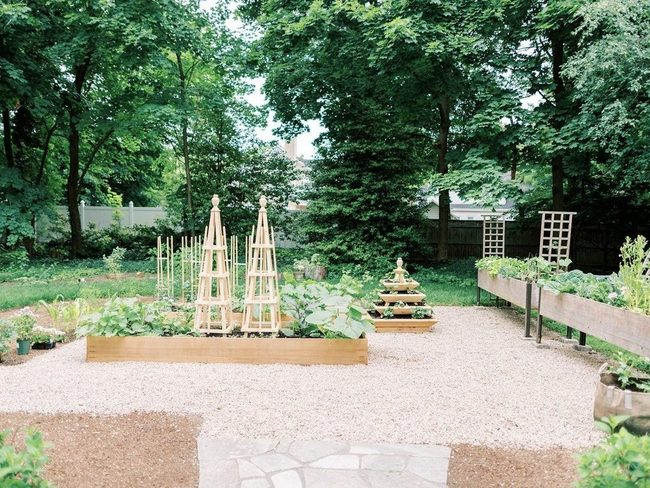
If you love mixing different styles rather than sticking to just one, combining several types of raised garden beds can work beautifully in your backyard.
One blogger showed how she planted strawberries in a pyramid-shaped bed, grew tomatoes on trellises, and used traditional wooden boxes for her other vegetables.
Her approach proves you don't need to limit yourself to a single design, but keeping everything from becoming too busy requires choosing one material for all your beds.
By using the same wood, metal, or composite material across every bed structure, you maintain harmony while still enjoying variety in the shapes and purposes of each garden section.
This simple trick prevents your space from looking scattered and instead gives it a unified, organized feel.
When you step back and look at the whole garden, the matching material ties everything together even though each bed serves a different purpose.
This way, your garden shows off personality and creativity without sacrificing the calm, put-together look that makes a space feel successful.
Uniform Wooden Garden Beds
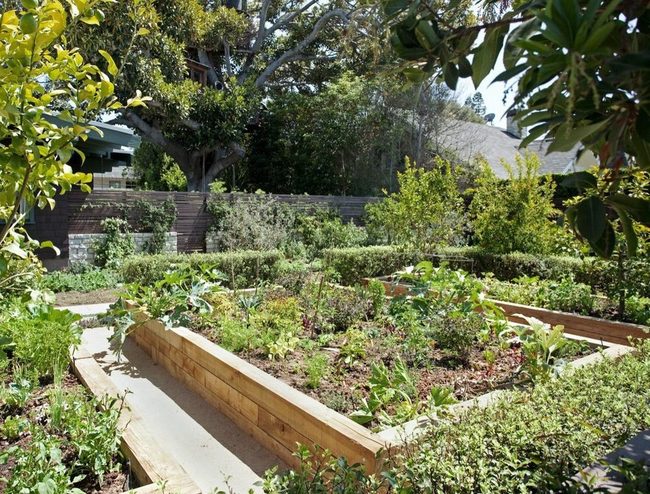
Building a raised garden bed that lasts for years means choosing a timeless wooden design, and these structures give your vegetable garden the strong support it needs to thrive.
Wood offers you a neutral backdrop that lets your growing plants become the main attraction in your outdoor space.
When you arrange several matching beds across your yard, they create an orderly appearance that feels both practical and refined.
Stacking them in a consistent pattern helps organize your planting area while keeping everything looking neat and put-together.
If you want to achieve this clean aesthetic at home, simply select uniform beds in the same wood tone and size.
Starting your garden with this straightforward approach means you can focus on what matters most: getting your vegetables in the ground and watching them flourish.
Wood beds blend naturally with most landscapes and give you room to add more features later if you wish.
Olivia Martinez
Founder & Principal Designer
Expertise
Sustainable Interior Design, Residential and Commercial Space Planning, Historic Preservation and Adaptive Reuse, Custom Furniture Design, Project Management
Education
Parsons School of Design, New York, NY
LEED Accredited Professional (LEED AP)
Olivia Martinez is the founder of Archi Refresh, where she brings style and sustainability together. With a degree from Parsons School of Design and a LEED certification, she’s all about creating beautiful, eco-friendly spaces.
With over eight years in the industry, Olivia has designed everything from cozy homes to commercial spaces, always putting function and sustainability first. She loves working with local artisans and has been featured in design publications for her fresh take on green living.
When she’s not designing, Olivia enjoys exploring historic architecture, painting, and spending time with her rescue dogs, Luna and Max.