
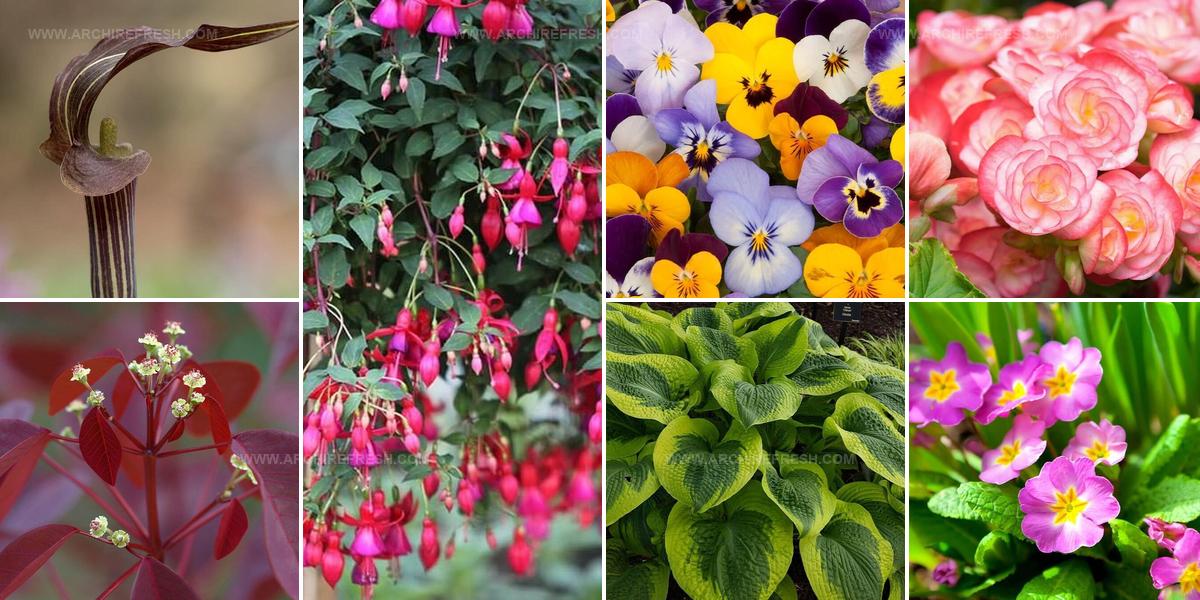
13 Colorful Shade Flower Ideas That Bloom Beautifully
Colorful shade flower ideas open up a world of beautiful blooms that flourish in low-light conditions where most plants struggle.
Many gardeners assume limited sun means boring landscapes, but shady spots can become stunning displays of nature's most elegant plants.
Flowers adapted for shade often feature rich foliage and delicate petals that prefer protection from harsh afternoon rays.
Understanding which varieties thrive without direct sunlight helps anyone design gardens that stay lush throughout seasons.
Shade-loving blooms come in every hue imaginable, proving that darker areas need not lack visual interest.
From the subtle elegance of whites to bold purples and pinks, options abound for every preference and space.
Gardens filled with the right shade-tolerant plants reward dedicated gardeners with continuous color and texture that defies conventional expectations.
Purple-Striped Shade Plant Stopper
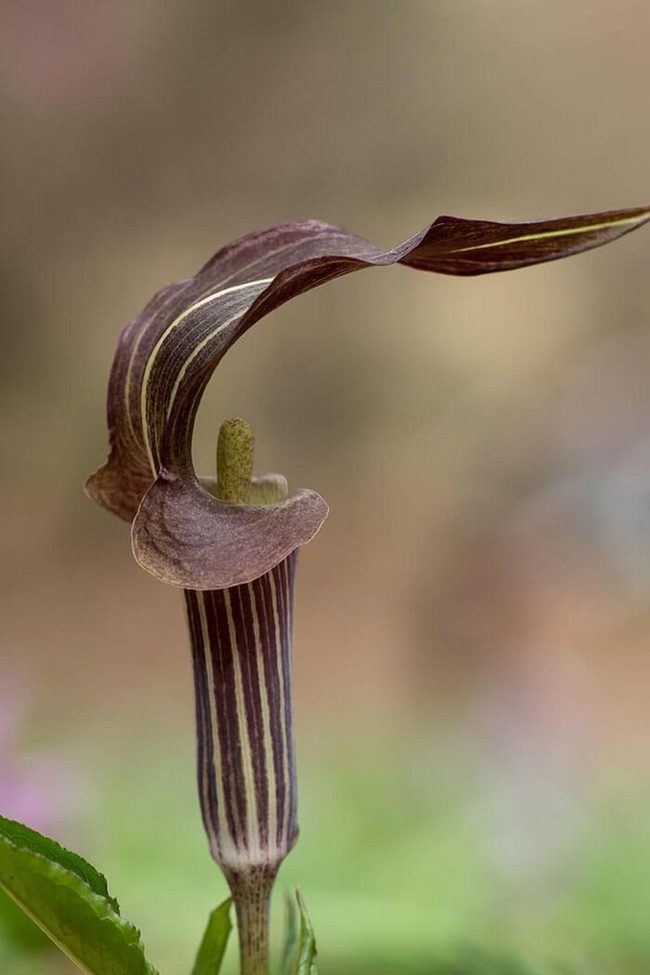
Jack-in-the-pulpit stands out in shaded gardens with its unusual flower shape that stops visitors in their tracks and sparks real curiosity about what they're seeing.
Tall stems hold curved flaps that arch like nature's own umbrellas, and underneath you'll find deep purple interiors that make people lean in for a closer look.
Most plants struggle in low light, but this one actually loves shadowy spots and grows strong there.
Standing near these plants makes you wonder about their strange design and how they manage their life cycle.
You don't need much space or special care to enjoy what they offer, and they tend to get people talking and asking questions whenever someone notices them growing nearby.
If you want something unusual for those dim corners of your yard, this is a plant worth trying out.
Maroon Foliage With Golden Blooms
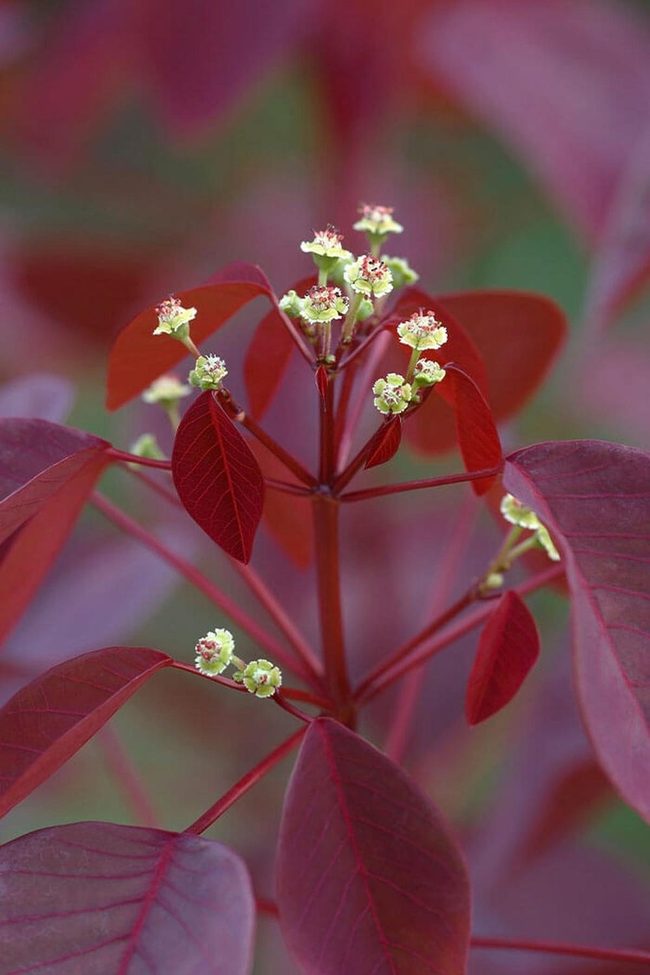
Caribbean copper plants stand out immediately in any garden space because of their dramatic dark maroon leaves that naturally draw attention all on their own.
Bright yellow flowers pop against this deep foliage and create a striking color contrast that stops you in your tracks.
You can grow these small yet bold beauties in pots or along borders, and they adapt well to different settings without much fuss.
What makes them so appealing is how they manage to look distinctive and add character to your outdoor area without requiring elaborate care.
Whether someone walks past your home or visits your yard, this unique plant tends to get noticed and admired.
The combination of unusual leaf color and cheerful blooms means your garden gets an exciting twist that feels fresh and different from typical plantings.
Shade-Loving Hostas Purple Summer Blooms
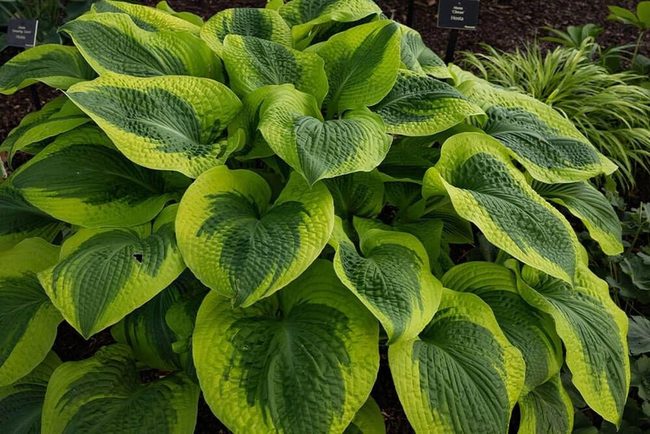
Hostas bring stunning visual presence to shady spots with their broad leaves that showcase striking patterns of green and white, and when summer arrives, light purple blooms rise on tall stems to add unexpected charm to the landscape.
You'll find these plants perfect for corners that don't get much direct sun, since they thrive in low-light conditions and demand minimal upkeep from you.
If you're working with a shaded area and want to fill it with life and color, hostas in pots offer an easy solution that doesn't require constant attention.
Their bold foliage serves as a natural backdrop for other plants, and the seasonal flowers provide a nice surprise when they appear.
Low-maintenance plants like hostas make it simple to keep a shaded garden looking fresh without spending hours on care.
Purple Yellow Red Garden Stars
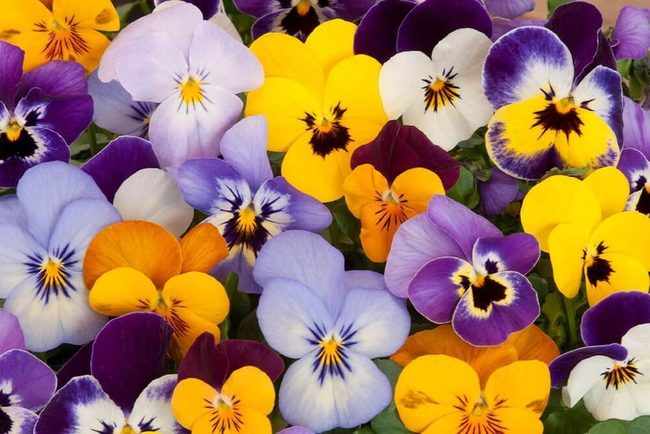
Pansies command attention in any garden with their bold, multicolored petals that display striking combinations of purple, yellow, and red across their faces, and these cheerful blooms bring an instant burst of color to whatever space you place them in.
What makes them so appealing is how easily they adapt; you can grow them in pots, flower beds, or directly in the ground, and they thrive in all these settings without fussing too much.
Caring for pansies turns out to be surprisingly simple and rewarding, as they bloom consistently through the seasons and respond well to basic maintenance.
Their range of hues means you can mix and match colors to suit your personal style, whether you want a cohesive look or a playful mix of tones.
Bright Primrose Blooms For Shaded Gardens
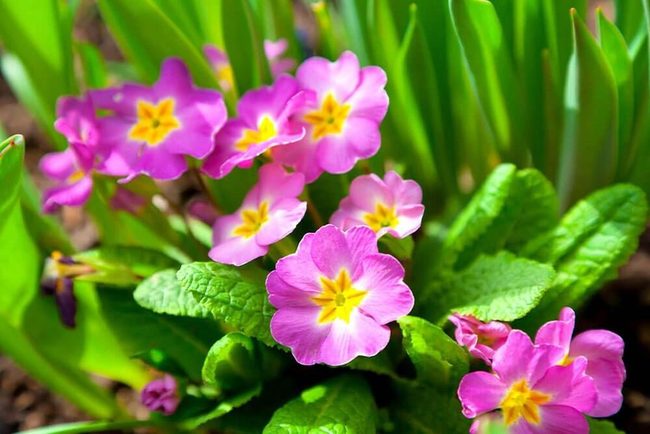
Primrose plants deliver brilliant pops of color to shaded garden spots when spring rolls around, and their bright blooms stand out especially well in darker corners where other flowers struggle.
You'll find these hardy plants easy to grow since they handle less-than-perfect conditions without fussing, which makes them perfect if you want beautiful results without constant upkeep.
Different varieties offer a range of hues, so you can mix and match shades to suit your style and mood.
Each type has its own personality with delicate petals that sway gently in the breeze and add movement to your garden beds.
These cheerful flowers work well on patios and porches, where you'll see them up close every day.
Planting primroses means bringing nature's color palette right to your outdoor space, and it's hard not to feel happier when you're surrounded by such pleasant blooms.
Pink And Red Garden Jewels
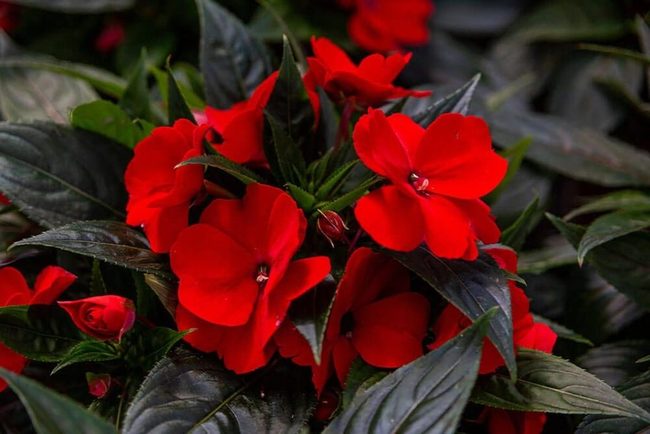
Impatiens burst with bold colors like pink, orange, and deep red, turning any garden into a living canvas that catches the eye immediately.
Growing these flowers feels like painting your yard with cheerful hues that lift your spirits and brighten your outdoor space.
One of the best things about them is how well they handle shaded areas, so you can fill those tricky spots where sunlight barely reaches with stunning blooms.
In warmer climates, you can nurture them as perennials and watch them return year after year as delightful reminders of summer beauty.
For those in colder regions, treating them as annuals means each season brings fresh waves of joy through vibrant blossoms that command attention.
Whether you're gardening in shade or sun, these flowers adapt well and reward you with consistent, cheerful displays throughout the warm months.
Deep Purple Cascading Shade Blooms
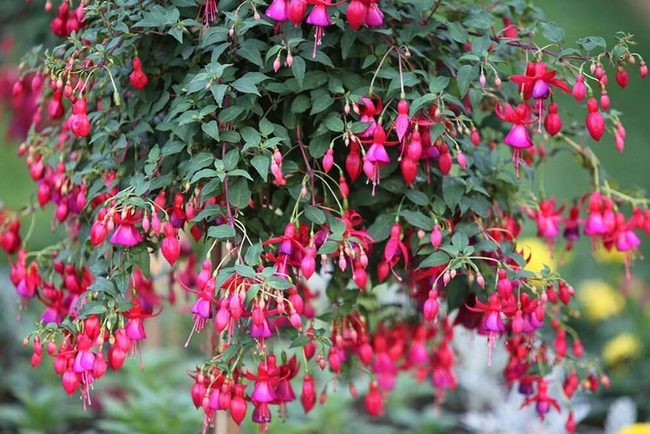
Fuchsia plants make stunning additions to any yard with their eye-catching drooping blooms in deep purple and pink shades that command attention in even the darkest corners.
You can place these compact flowers in pots and containers to build beautiful displays on your patio or balcony without worrying about sunlight requirements.
Since fuchsias thrive in shade where most other plants fade, they're ideal for those difficult spots that seem impossible to brighten up.
If you want to inject color into areas that typically feel dull and neglected, these charming plants deliver results with minimal fuss.
They work well alongside other shade-loving varieties or stand alone as statement pieces in your garden design.
Tiny White Flowers, Zero Fuss
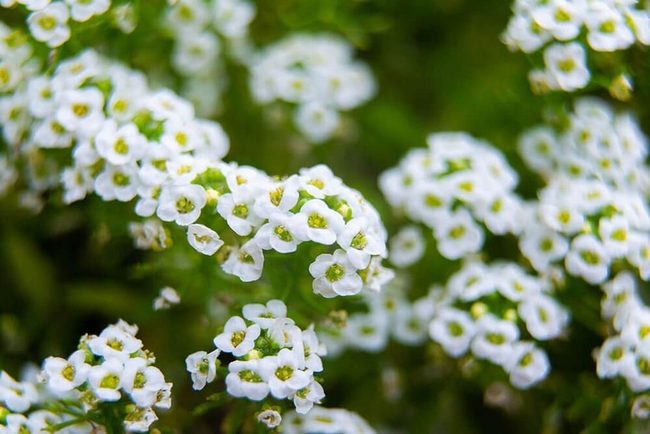
Sweet alyssum features tiny white flowers that blanket low, lush mounds of green foliage and instantly brighten even the dullest garden corners.
This annual plant adapts well to various growing conditions, so you won't need special skills or perfect circumstances to help it thrive.
You can tuck them into almost any spot in your yard and watch them flourish without struggle.
Their charming appearance brings a gentle softness to garden beds and borders.
Because they're so forgiving about where they grow, experimenting with placement becomes fun instead of stressful.
Many gardeners find the reward of growing something this reliable and beautiful makes the whole process feel worthwhile.
Sweet alyssum proves that you don't need complicated care routines to enjoy a delightful garden display.
Burgundy Foliage For Shaded Spaces
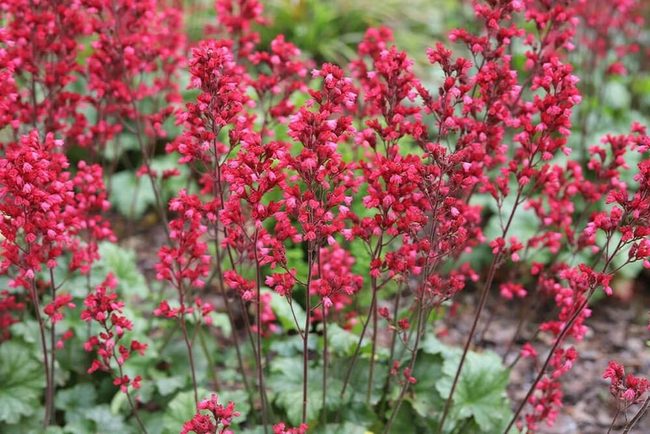
Coral bells deliver striking foliage in shades of burgundy, bronze, and chartreuse that brighten dim corners where most plants struggle, and their delicate bell-shaped flowers dangle above low mounding leaves to add extra charm to any shaded spot.
You can tuck these compact growers into containers on patios and porches, letting them thrive in areas where sunlight rarely penetrates.
Because coral bells adapt so well to limited light, they work beautifully for gardeners dealing with shadowy spots or small outdoor spaces.
Planting them in pots gives you flexibility to move them around and layer color throughout your yard without needing a sprawling garden.
Small in stature yet packed with visual interest, these plants bring life and texture to otherwise dull areas.
Their low-growing habit pairs well with taller companions in mixed containers, and you can combine different varieties to build layers of color.
Glossy Red Begonias Shine Bright
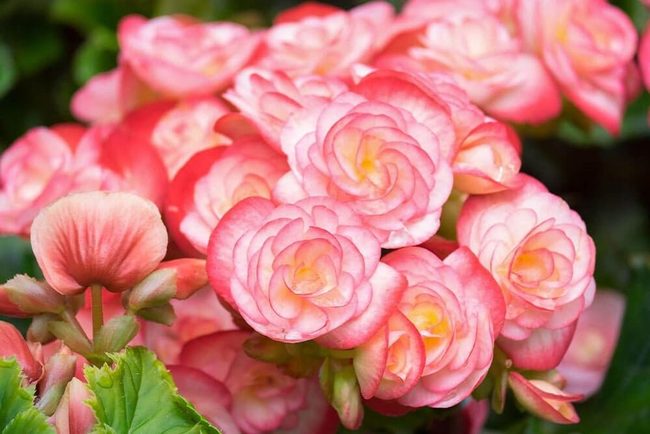
Begonias deliver an eye-catching display with their glossy leaves and radiant blooms that immediately stand out in any garden setting.
You may sense how the waxy surface of their petals catches and reflects sunlight, creating a shimmering effect as light moves across your space throughout the day.
These plants come in many varieties, offering colors ranging from deep reds to soft pinks so you can match your personal style and preferences.
Beyond their striking appearance, begonias bring life to small spaces without demanding much from you in terms of care and maintenance.
Their lush foliage and abundant flowers transform even modest containers into focal points of interest.
Most people find that begonias thrive with basic watering and indirect light, making them perfect for gardeners who want beauty without complexity.
The part that works is how these plants deliver both visual appeal and practical ease in one package.
Spotted Leaves Light Dim Gardens
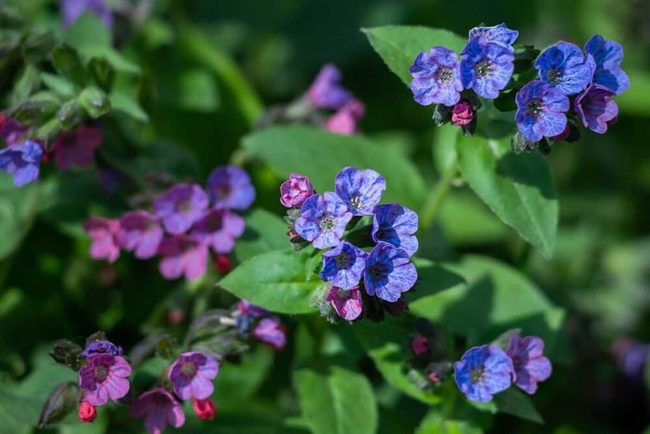
Lungwort plants glow in shaded corners of your garden with their spotted leaves that demand attention even before the flowers appear.
When bloom time arrives, delicate pink, purple, and blue flowers emerge like tiny trumpets hanging from the stems and transform dim spaces into areas of interest.
You can count on these hardy plants to flourish in low-light conditions where other options struggle, and they deliver season-long color without fuss.
Their textured foliage adds dimension and richness to dark garden spots, making them work hard for the space they occupy.
Planting lungwort means introducing playful color to those tricky shaded areas and enjoying lush greenery that holds its own throughout the year.
The combination of spotted leaves and dainty flowers makes these plants reliable choices for gardeners who want to brighten up the shadiest parts of their landscape.
Feathery Pink Flowers For Shade
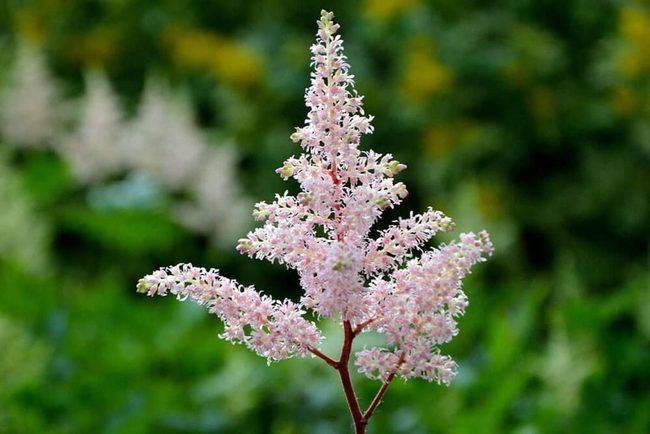
Astilbe plants produce delicate flower clusters that sway above their stems in shades of pink, purple, and white, making them one of the most eye-catching additions you can place in garden pots or beds.
This approach works because these perennials adapt well to different growing conditions and soil types, so you don't need to fret about whether your yard meets specific requirements.
They prefer shaded spots and will flourish in low-light areas, though they're also flexible enough to tolerate some direct sun if that's what your space offers.
Because astilbes work across various conditions and aren't fussy about soil composition, they become a dependable choice for any gardener looking to add color and texture without much fuss.
Whether you're dealing with clay, sandy, or loamy soil, these plants will settle in and perform beautifully.
Heart-Shaped Pink Shade Flowers
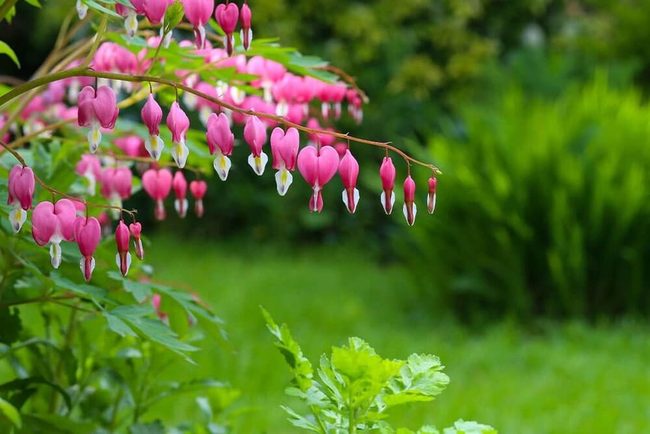
Bleeding heart plants steal the show with their distinctive heart-shaped blooms that dangle gracefully from thin stems, and the petals shift between deep pinks and pale whites in a way that draws attention to even the darkest garden corners.
Since these perennials actually prefer shade and low-light spots, they solve the problem of those difficult areas where sun rarely reaches.
You can grow them in medium-sized pots, which means you have the freedom to place them on a patio or move them closer to where you spend time.
Their compact growth habit makes them flexible for different spaces and layouts.
When these flowers move with the breeze, they bring a gentle, soothing quality to your outdoor area and remind you of nature's quieter moments.
We love using bleeding hearts to add life to spots that other plants struggle in, and they reward you with blooms year after year without fuss.
Michael Harris
Senior Content Editor
Expertise
Home Décor Content Creation, Interior Design Journalism, Editorial Oversight, Digital Media Strategy, Team Leadership and Mentorship
Education
University of Queensland, Brisbane, Australia
Queensland University of Technology (QUT), Brisbane, Australia
Michael Harris is the senior content editor at Archi Refresh, where he turns home design trends into engaging, easy-to-follow articles. With a journalism degree from the University of Queensland and a digital communication certification from QUT, he knows how to craft content that informs and inspires.
With over 10 years of experience in lifestyle and design media, Michael has shaped editorial strategies, mentored writers, and helped readers refresh their spaces with practical tips. His work blends storytelling with expert advice, making home decor more accessible to everyone.
Outside of work, Michael enjoys DIY projects, exploring Brisbane’s art scene, and teaching digital literacy workshops.