
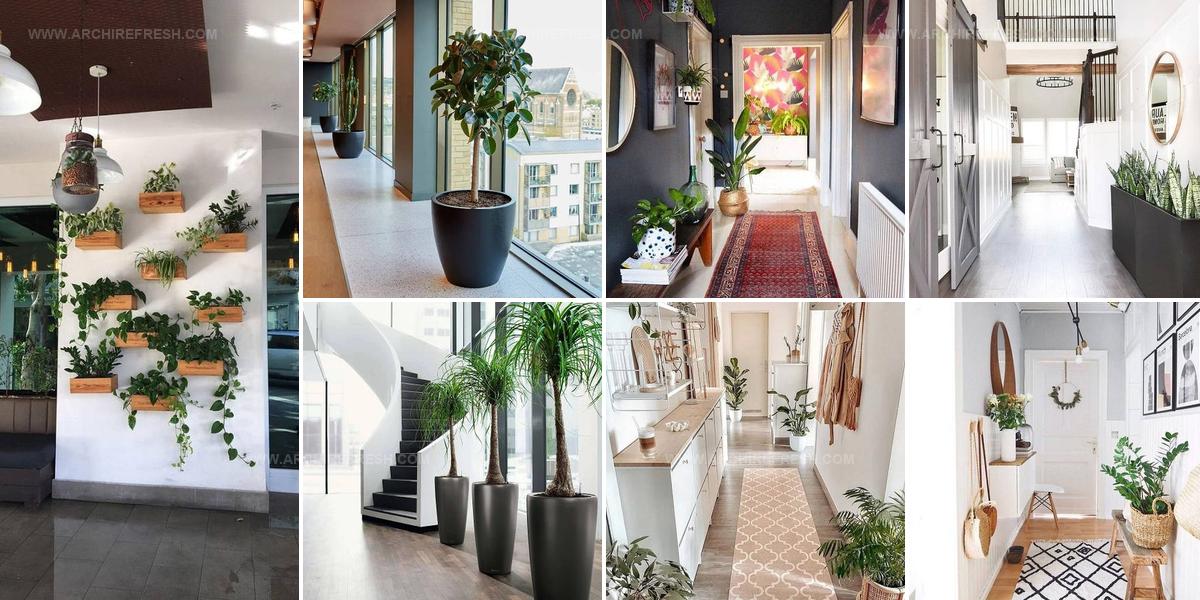
30 Corridor Plant Decoration Ideas That Brighten Every Walk
Plants placed along corridors breathe life into transitional spaces that often go overlooked in home design.
Hallways connect different rooms yet rarely receive the attention they deserve when decorating.
Adding greenery to narrow passages creates visual interest while improving air quality throughout living areas.
Vertical arrangements work well in tight spaces, and hanging varieties maximize every inch available.
Corridors become galleries of natural beauty rather than simple walkways when thoughtfully adorned with foliage.
The right selection can make even the smallest passage feel welcoming and refreshed.
Consider how botanical elements might reshape the atmosphere of passages you walk through daily.
Green Hallway Botanical Architecture
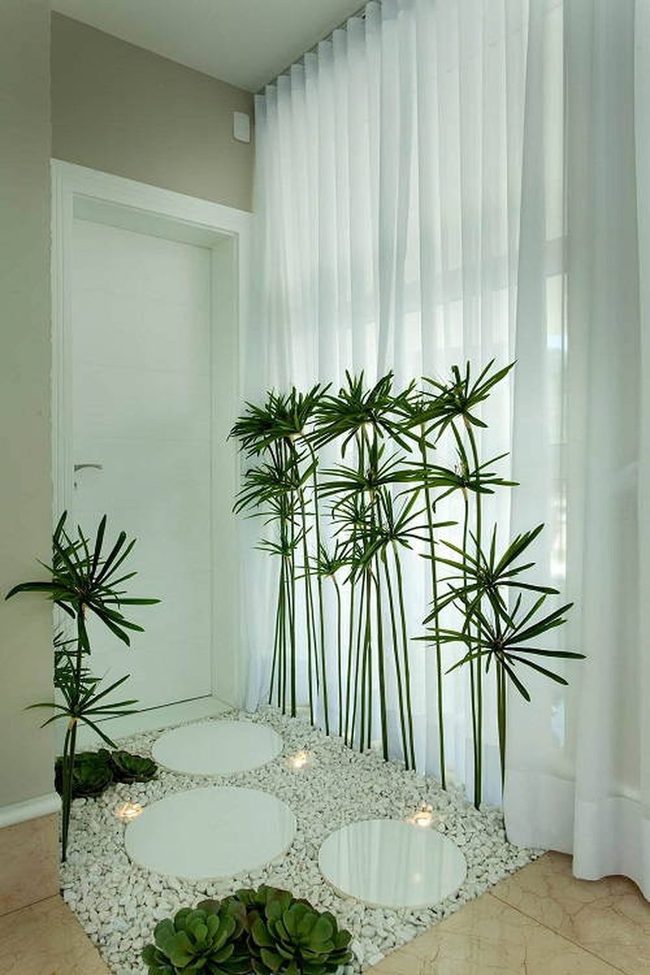
Corridor succulent gardens display geometric patterns mixed with abundant greenery, turning narrow hallways into dynamic living spaces that feel fresh and alive.
Cyperus shoots rise up with elegant vertical lines next to compact succulent clusters, offering a sophisticated contrast between different plant forms.
You can play with the interplay of textures, pairing sharp-edged succulents alongside slender cyperus stems to build organic movement along your hallway walls.
Dense plantings make smart use of limited corridor zones and maximize what little space you have available.
Compact succulent clusters hold visual interest while cyperus shoots bring graceful height and add real architectural dimension to plain passageways.
Strategic placement of these plants transforms dull corridors into living botanical experiences that feel natural and grounded.
Mediterranean-inspired combinations energize interior hallways with sophisticated plant styling and bring natural energy into spaces you walk through every day.
Woven Fabric Pot Covers For Hallways
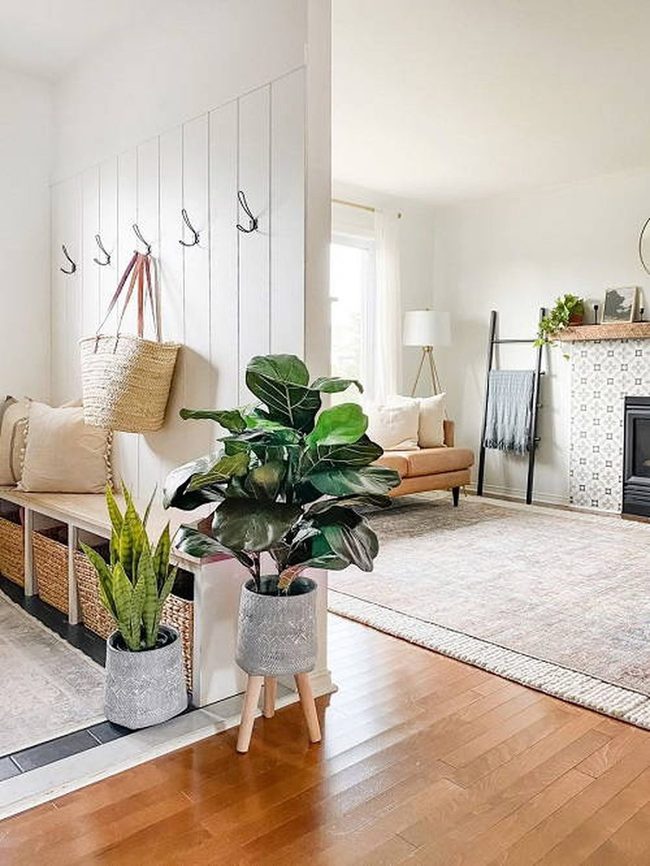
Textured pot covers turn simple hallway plants into sophisticated design statements that catch attention and add visual richness to your corridor.
Materials like jute, rattan, and linen work beautifully with indoor greenery and bring warmth to otherwise plain spaces.
Wrapping your standard plastic pots in simple fabric or woven covers hides what's underneath while introducing natural texture that feels welcoming.
By mixing different woven textures and neutral tones along your corridor walls, you build a harmonious look that flows naturally from room to room.
Placing these covered planters at strategic points breaks up long, boring hallway surfaces and guides your eye along the space.
Decorative pot wraps essentially transform ordinary plant containers into artistic pieces that enhance your home's overall interior design.
Tall Green Silhouettes By Windows
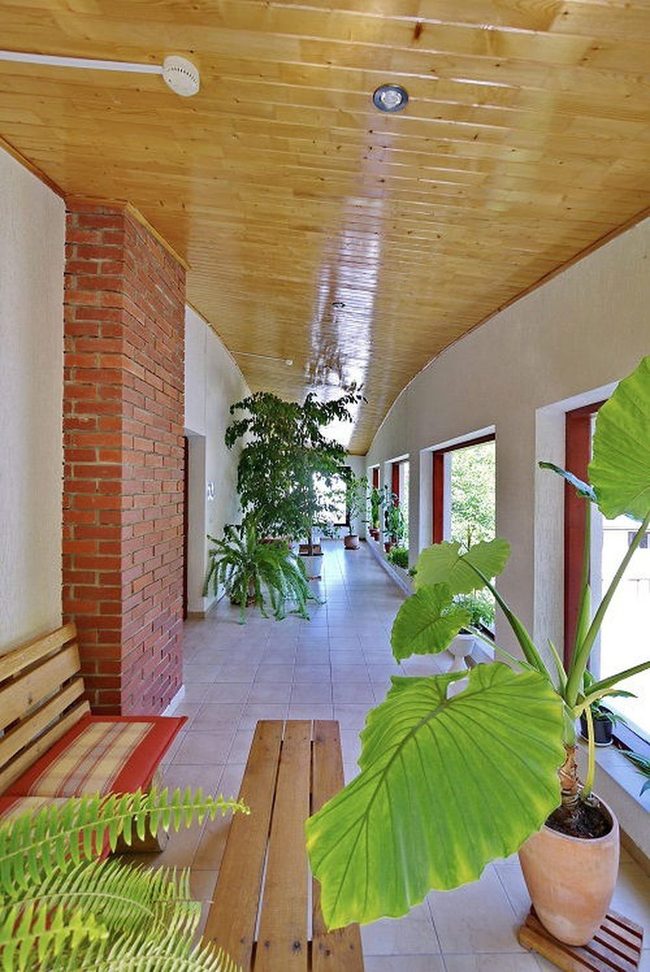
Tall houseplants placed by windows create dramatic green silhouettes that transform bland hallways into living galleries and draw your eye upward.
Large leafy specimens like fiddle leaf figs, monstera deliciosa, or snake plants positioned at window edges become stunning botanical displays that add sophisticated depth to narrow spaces.
Natural light streaming through the windows amplifies the rich plant colors and shadows, generating dynamic interior landscapes that shift throughout the day.
These tall plants act as natural room dividers and break up visual monotony while softening the hard lines of your corridor's architecture.
Window-side positioning gives these plants the perfect sunlight exposure they need to thrive and maintain their vibrant appearance.
Green floor-to-ceiling specimens add elegant vertical dimensions that make compact hallways feel less cramped and more open.
When you select tall plants with intention, you can achieve dramatic visual interest in your corridors without overwhelming the space or blocking pathways.
Ceramic Urns, Trailing Greenery, Staircase
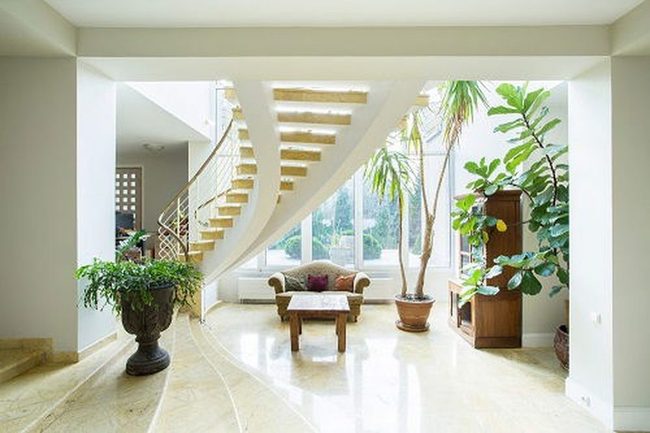
Large ceramic planters positioned near staircases bring sculptural presence to hallways and anchor green elements with real heft and style.
Trailing plants spill softly from elevated urns and break up the straight lines of your corridor with natural, organic movement that feels alive.
Mixed plant varieties give you layered textures and different heights, which makes the space more interesting to look at as you walk through.
Neutral-toned ceramic urns work beautifully alongside wood stairs and hold various plants while keeping the look sophisticated and balanced.
Houseplants create visual pathways that guide your eye through the space, turning transitional areas that often go unnoticed into something worth designing.
When you position plants strategically, their shapes and silhouettes interact with the geometry of your stairs and the textures on surrounding walls.
Lush green arrangements bring dynamic energy to these in-between spaces throughout your home.
Wooden Planters Green Hallway Garden
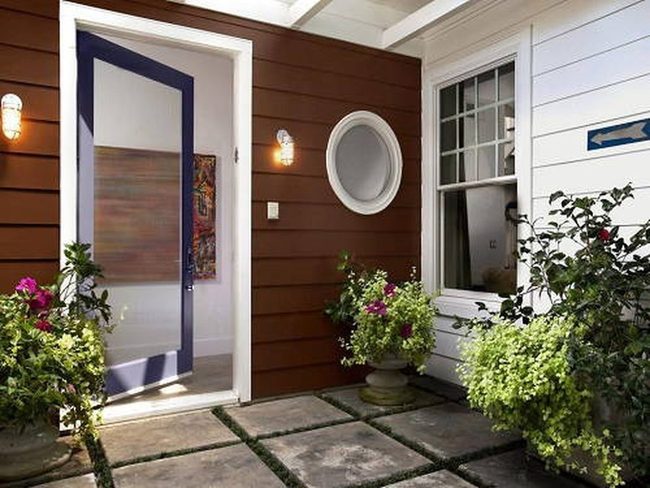
Weathered wooden containers and terra cotta planters in varying sizes line your hallway walls and immediately catch attention with their warm, organic textures and earthy character.
Clay pots with natural tones blend seamlessly with green foliage, and the rough ceramic surfaces enhance that rustic feel while keeping plant roots safe and healthy.
Small succulents and trailing vines thrive in these vessels, their cascading leaves and compact forms adding movement along corridor spaces.
Mixing different planter heights and widths breaks up monotony and keeps your eye engaged as you walk through.
Earth-toned ceramic materials feel authentic and relaxed rather than overly polished, which is exactly what makes narrow hallways feel less sterile.
Green leafy companions transform bland passageways into botanical spaces that feel welcoming and alive.
Vertical Green Lines Narrow Spaces
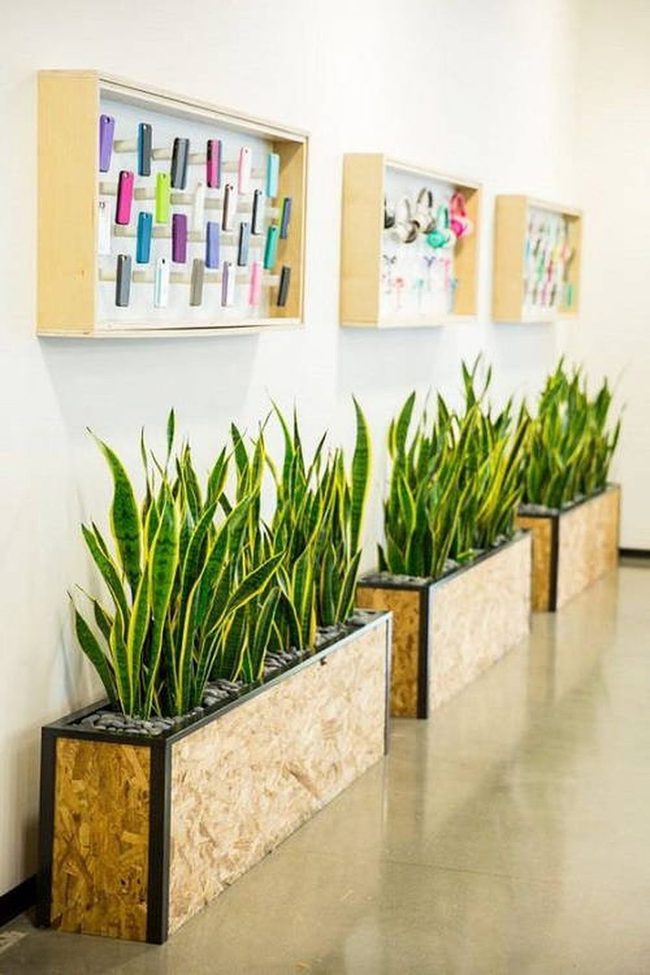
Snake plants in textured boxes energize narrow hallway spaces with modern elegance, and simple ceramic containers highlight the plant's sculptural leaves with dramatic flair.
Bold geometric planters complement contemporary home designs while adding green accents, and dark terracotta or neutral-toned containers work beautifully with snake plants' vertical growth patterns.
Rectangular or square boxes create clean lines that enhance corridor aesthetics, and you'll find that strategic placement near walls maximizes limited hallway dimensions.
Minimalist styling introduces natural elements without overwhelming compact spaces, so ceramic textures and plant silhouettes combine for an artful corridor decoration approach.
Dark Leaves Brighten Narrow Hallways
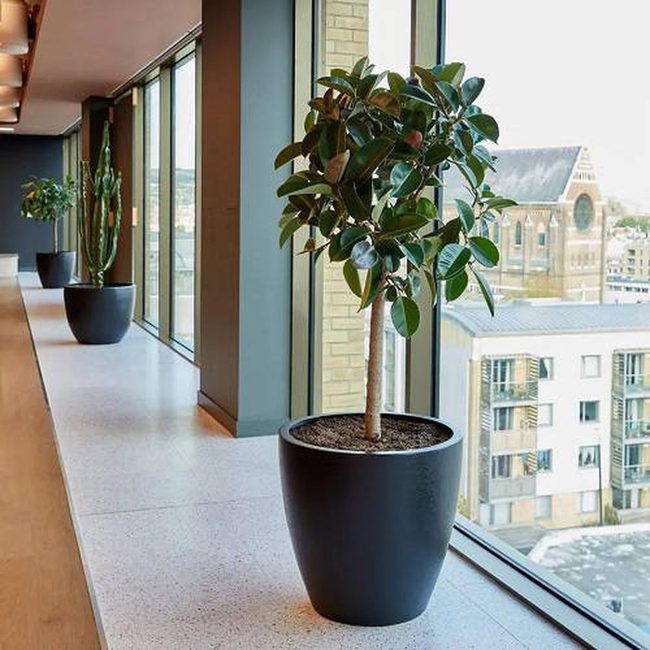
Potted rubber plants with their oversized leaves and dark green foliage stand out beautifully against light walls and instantly add depth and texture to hallway spaces, while cacti contribute angular, sculptural shapes that keep narrow corridors from feeling bland and repetitive.
Desert-inspired greenery brings an unexpected sense of charm to these often-overlooked passages, and the variety works well because you can mix different plant heights and pot styles without cramping the area.
Large rubber plant specimens break up monotonous corridor designs and offer visual interest, whereas smaller potted varieties fit perfectly in compact spots where bigger plants would feel crowded.
Cacti require minimal care and still deliver serious visual appeal through their unique forms, making them ideal if you want greenery without constant maintenance demands.
Strategic placement of these plants throughout your hallway ensures the space feels thoughtful and connected, and the contrast between dark foliage and light surfaces keeps everything from blending together.
Purple Wisteria Frames Circular Mirror
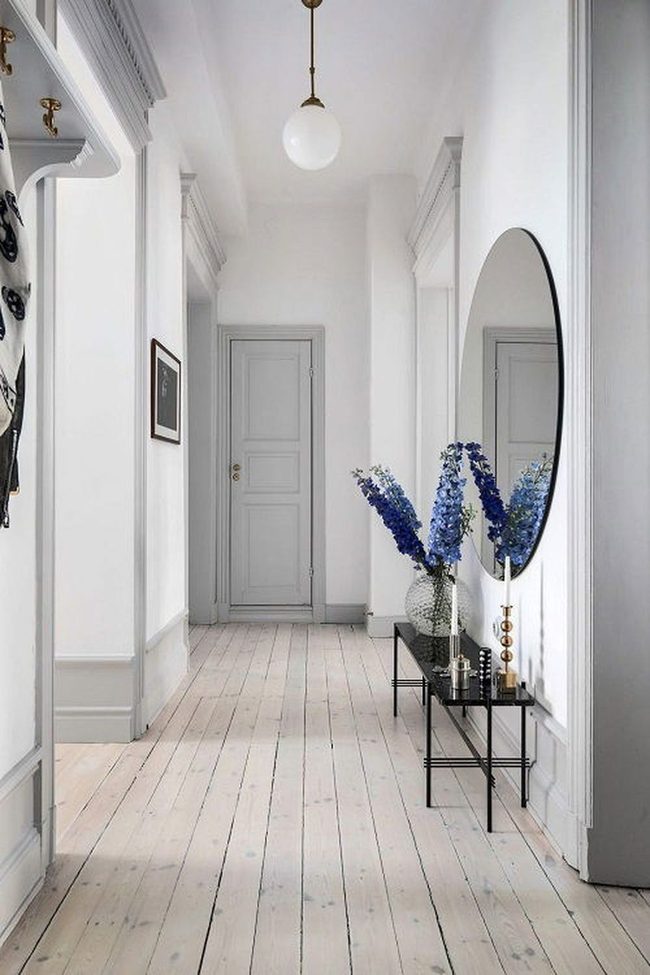
Wisterias draped beside a round mirror turn a hallway into something special, bringing natural elegance to a space that's often overlooked.
Purple blooms cascade softly around the circular glass, framing it with depth and visual interest that makes narrow corridors feel less cramped.
Delicate vine tendrils weave along the mirror's edges and guide your eye toward the reflective center.
Green leaves add rich texture against neutral walls, so the whole arrangement feels both organic and polished.
Positioning plants near the mirror bounces light around and makes the hallway seem wider than it actually is.
Hanging wisteria clusters introduce a romantic botanical touch that feels timeless yet modern at the same time.
When you place the mirror strategically, it reflects additional greenery and essentially doubles what you see of the plants.
Keeping the styling simple lets the botanical arrangement stand out as the main attraction and transforms an ordinary hallway into a beautiful passage worth noticing.
Green Waterfall Shadows On Walls
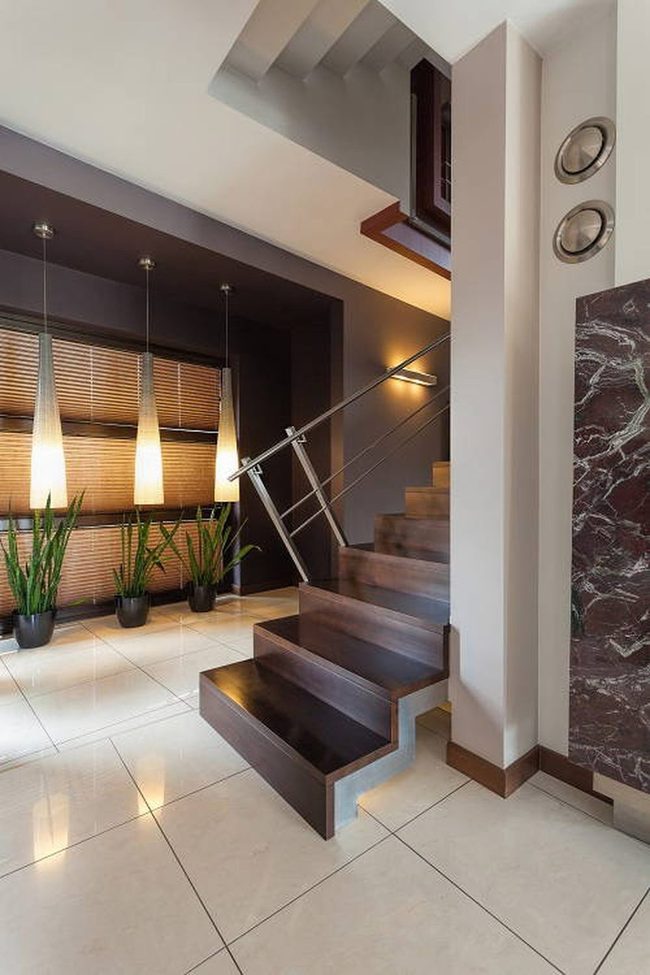
Spider plants hanging beneath pendant lamps create a striking green waterfall that draws the eye down hallway walls, and those long slender leaves drape beautifully while softening the hard edges of your corridor architecture.
Light from above hits the dangling foliage and casts interesting shadows on the walls, adding depth and movement to narrow spaces without making them feel crowded.
Positioning your hanging plants above lamp fixtures turns these ordinary lights into botanical anchors that anchor the whole passage.
You get natural softness mixed with overhead illumination, and the combination makes even basic hallways feel more alive.
Since spider plants need almost no fussing and thrive in most conditions, they're perfect for busy households that want beautiful results without constant care.
Green Sculptural Guardians For Narrow Spaces
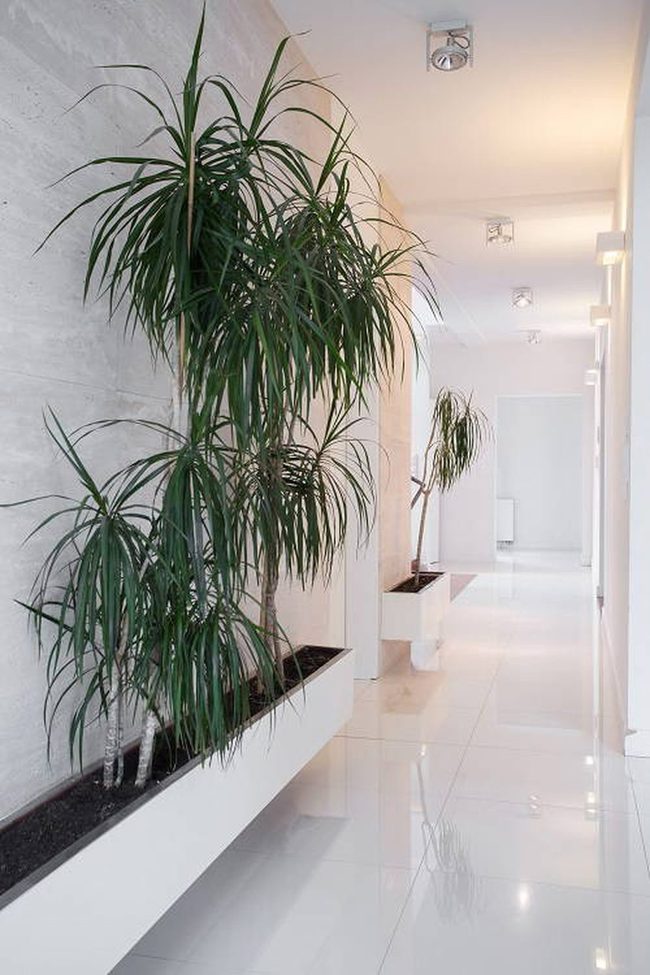
Dragon trees stand tall in narrow hallways and bring bold architectural beauty to plain spaces with their striking silhouettes against white walls.
Spiky leaves in deep green offer instant contrast and lift the look of any corridor instantly.
You can place these slender potted plants near entryways or between rooms where they thrive in indirect light.
Strategic positioning along hallway walls shifts dull passages into lush green galleries that feel alive.
Ceramic planters with clean, simple lines sit perfectly against minimalist backgrounds and let the plant's shape take center stage.
Dark green fronds cascade gracefully and pull your eye upward through the space's vertical lines.
Large specimens add botanical drama without crowding tight hallways or feeling out of place.
Indoor tropical plants refresh corridors and bring natural sophistication to areas we often overlook when decorating.
Tall Green Lines Metal Stands
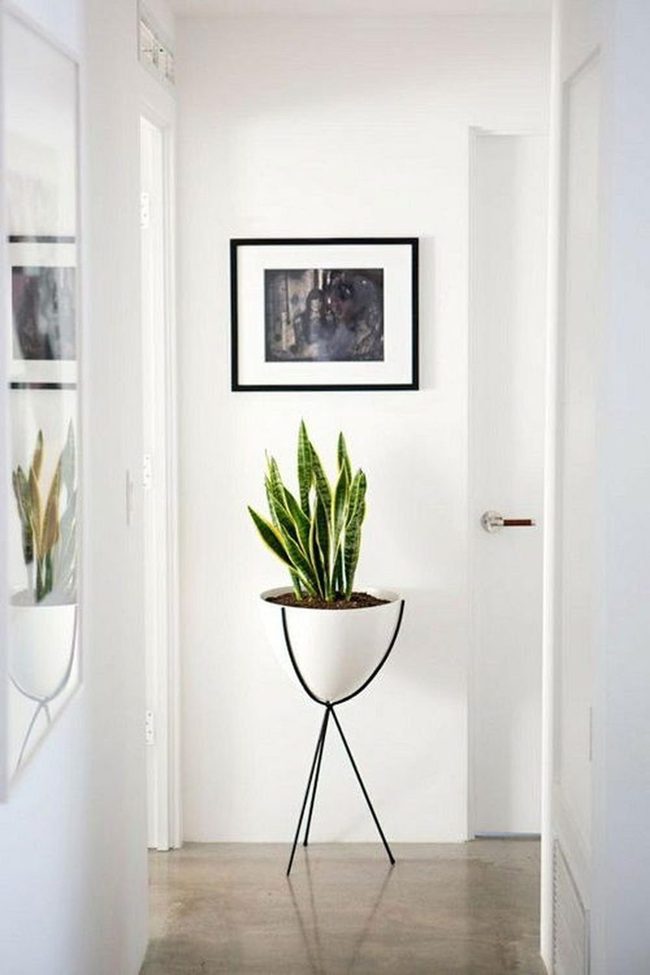
Snake plants positioned in metal stands transform hallways into modern spaces where nature meets industrial style, and their tall, dramatic leaves create clean lines that stand out beautifully against brushed or dark metallic surfaces.
Metal stands serve as sturdy bases that let the plants' structured growth patterns shine through, with the contrast between cool metal and fresh green foliage making the arrangement feel sophisticated.
When you space these plants along your corridor, they function as striking design elements that don't require constant care, so you get impressive visual appeal without high maintenance demands.
Positioning them strategically in hallway areas combines the architectural quality of the plants with the sleek look of minimalist design, and both elements enhance each other naturally.
You can choose darker metal finishes to add depth against the greenery, or stick with lighter options depending on your existing hallway aesthetic.
Green Entryway Living Galleries
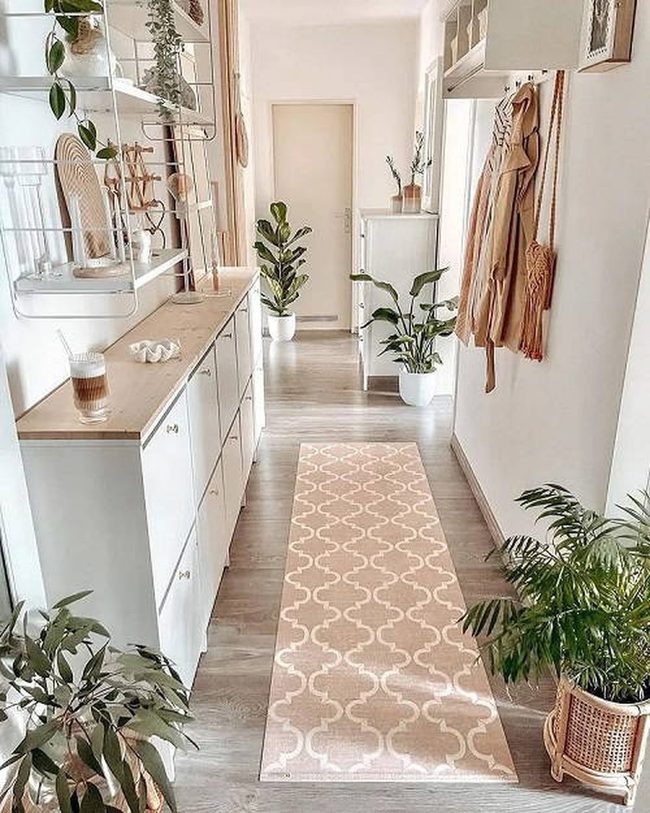
Lush potted houseplants positioned near doorways and along corridor walls transform these transition spaces into living galleries that greet you with natural beauty and refreshing energy.
Tall floor pots and hanging planters make smart use of vertical space and introduce dynamic texture to areas that might otherwise feel plain.
Plants like pothos, snake plants, and fiddle leaf figs work well because their tropical foliage adds organic interest while softening hard architectural lines.
Ceramic containers in neutral shades pair seamlessly with most interior styles and let the greenery take center stage.
Strategic placement near entryways means visitors encounter green companions right away, and the living elements shift what might be a simple hallway into something much more engaging.
Positioning even a few leafy companions near doors brings warmth and life to areas that people move through quickly.
Green Vine Ladders Brighten Narrow Corridors
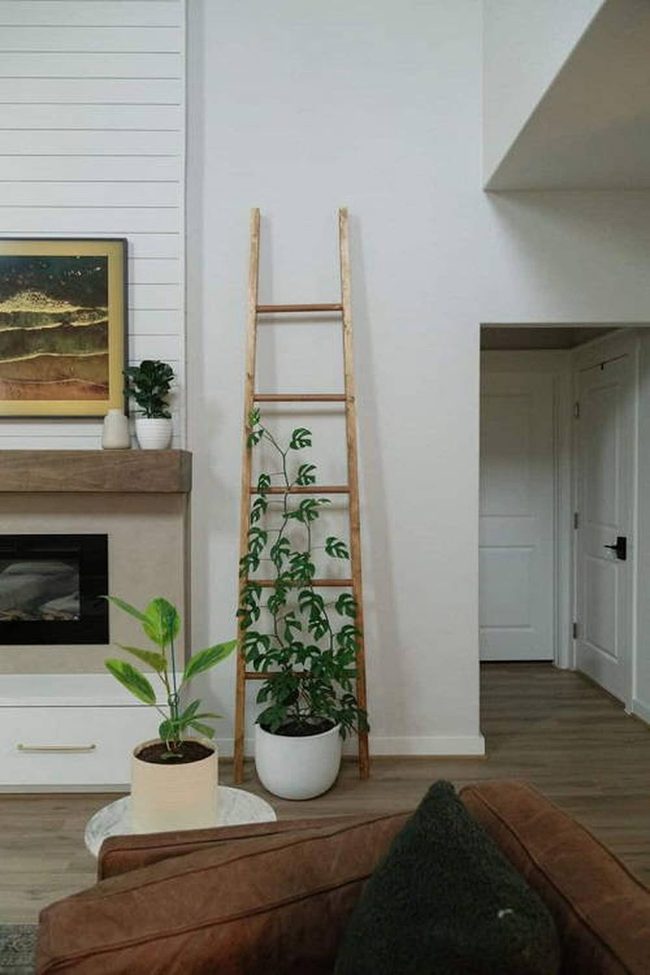
Raphidophora ladders mounted on walls create striking green pathways that transform narrow hallways with lush, living vegetation and soft trailing vines that wind between wooden rungs to soften harsh architectural lines.
Climbing plants like raphidophora tetrasperma grow naturally along these vertical structures, turning plain corridors into vibrant indoor landscapes filled with organic beauty.
Wood ladder frames work as perfect supports for delicate plant species, and when you position them near natural light sources, the vines spread beautifully across the rungs and create a sense of movement throughout the space.
If you're working with a tight corridor space, this method gives you genuine room to grow greenery without eating up floor space.
Plant lovers find that these structures add real visual depth and character to areas that might otherwise feel bland or cramped.
Green Cascades On Reclaimed Wood
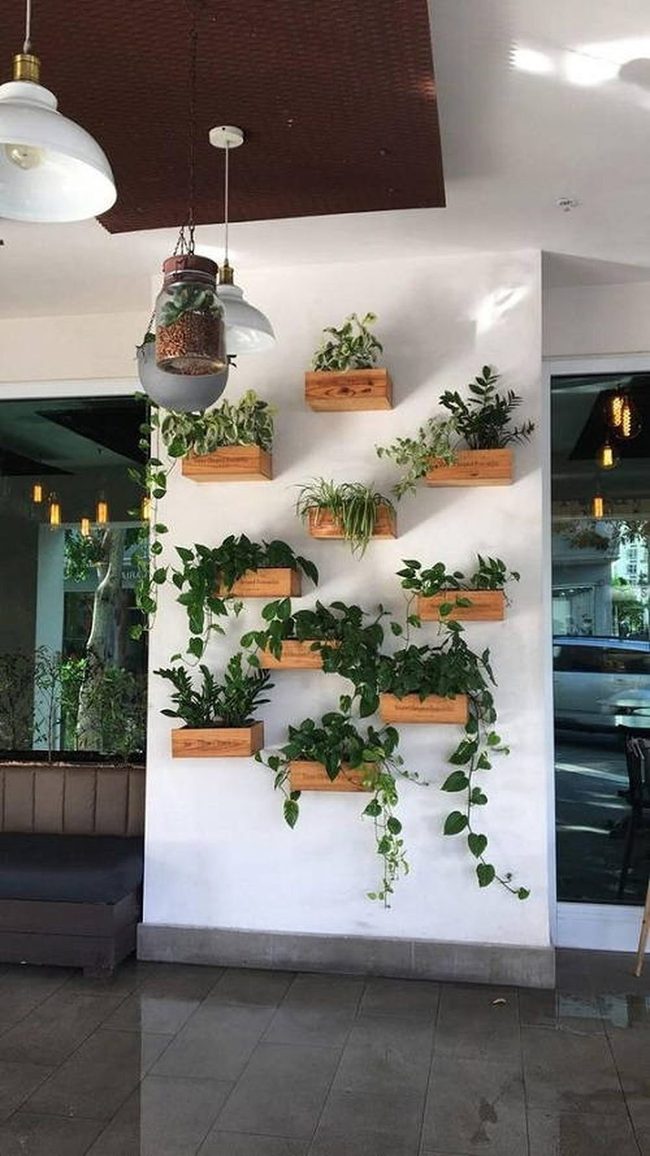
Wooden pallet boxes transformed into vertical gardens bring lush green foliage cascading down your hallway walls and inject life into spaces that felt empty before.
Wall-mounted wooden pallets hold trailing pothos, compact succulents, and leafy ferns on sturdy platforms while the natural wood texture adds rustic warmth to corridor environments.
Strong wooden planks frame your plants securely against blank wall sections, and the cascading greenery creates movement and visual interest without taking up any floor space.
This setup works especially well in small apartments and homes where you need to maximize every area, and recycled pallets cost very little compared to other garden solutions.
Maintenance stays minimal since you're mostly just watering your plants on a regular schedule, making this approach perfect for busy people who still want to enjoy gardening.
Towering Green Hallway Garden
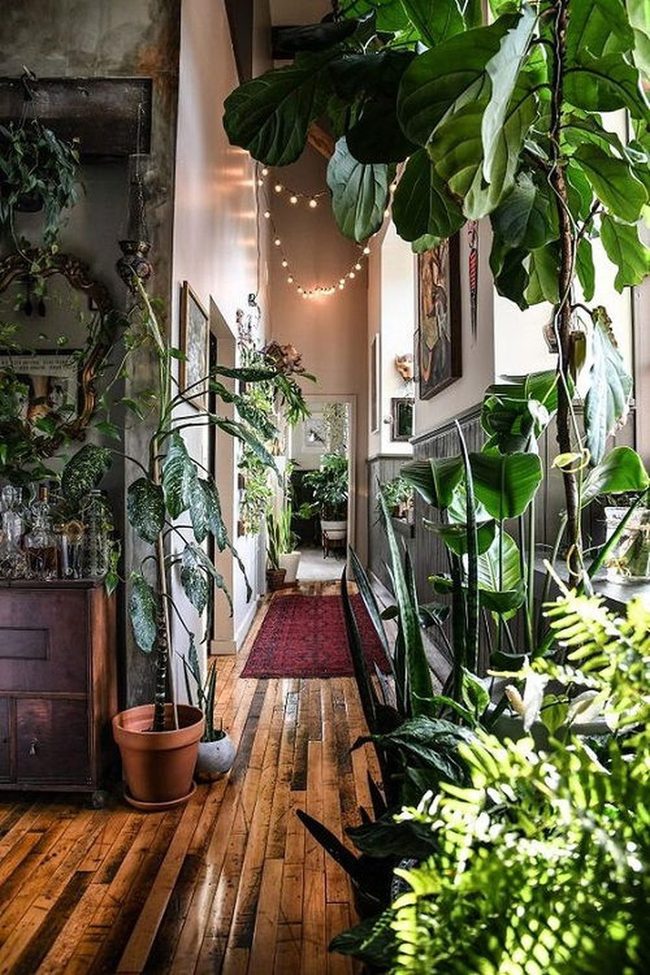
Oversized leafy plants standing tall in narrow hallways completely transform dull spaces into lush green passages that feel like you're walking through a botanical garden.
Fiddle leaf figs and monstera plants stretch upward to fill empty vertical gaps with dramatic height and bold presence.
String lights wound between the plant stems cast a warm glow across the leaves and create dancing shadows on your walls.
Green foliage against soft white light builds layers of depth and texture as you move through the corridor.
Placing plants strategically softens hard architectural edges and makes narrow walkways feel less cramped and more organic.
Light and greenery work together to turn dark hallways into inviting green walkways that feel sophisticated and natural.
Visitors immediately sense that this entrance has been designed with care and an eye for natural beauty.
Tall Green Plants Transform Narrow Hallways
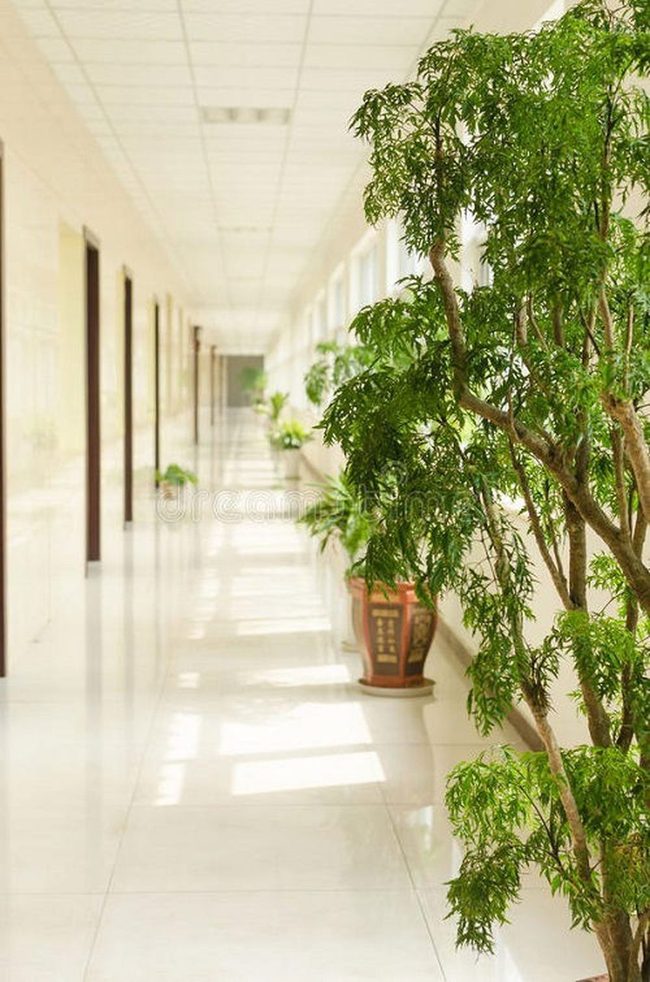
Tall woody plants with dramatic vertical elegance bring life to narrow hallway spaces and catch attention immediately with their leafy height.
Indoor trees like fiddle leaf figs or bamboo palm work as natural anchors for your hallway design and add sophistication without extra effort.
Placing these green giants near windows or light sources keeps them healthy and thriving throughout the year.
Large plant containers should match your home's existing colors and architectural style so they feel like they belong in the space.
You'll want to think about how fast each plant grows and what care it needs before bringing it into your hallway long-term.
Height variation breaks up flat passageways and gives your corridors real architectural dimension.
Green leafy plants add instant visual interest and depth to corridors that often get overlooked in home design.
Positioning these natural elements transforms ordinary hallways into dynamic interior spaces that greet visitors with organic charm and warmth.
Large Tropical Plants Meet Bold Murals
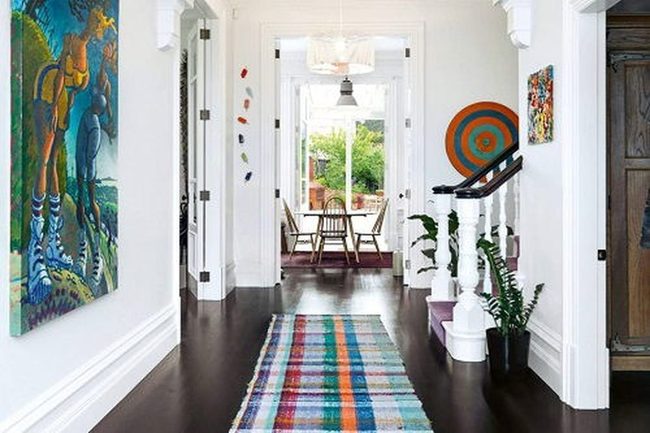
Corridor walls painted with expansive murals and adorned with large foliage plants in tall ceramic planters form dramatic statements that pull your eye through the space and establish organic sophistication.
Dark-leaved tropical specimens like fiddle leaf figs and monstera create striking contrasts when positioned near artistic wall pieces, and their substantial silhouettes balance oversized paintings beautifully.
Wide hallway sections gain natural texture and movement when you introduce generous greenery throughout the area.
Rich green tones layered with artwork add depth and visual interest to spaces that might otherwise feel plain.
Neutral wall backdrops serve as ideal companions for bold plant colors and botanical forms.
Strategic placement of plants near artistic elements draws attention along hallway dimensions and keeps the eye engaged.
You can transform a simple corridor into something memorable by combining natural foliage with powerful artwork above it.
Dark Green Philodendron Stone Pillar Display
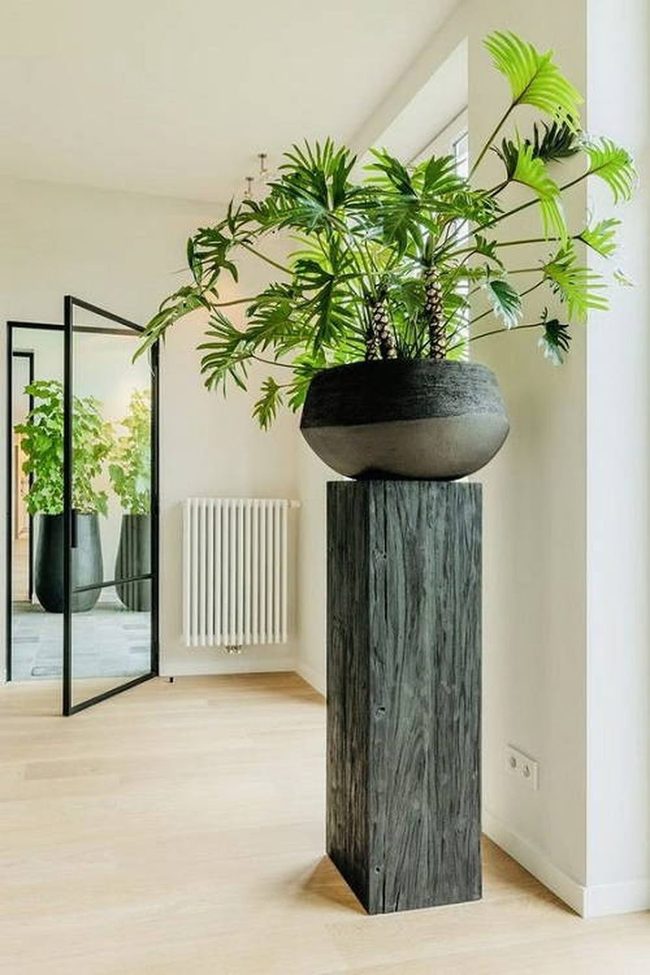
Positioning a Philodendron xanadu on a stone pillar transforms a corridor into a space with layered height and dramatic presence, especially when you pair it with bold ceramic planters that echo its rich texture and dense leafy clusters.
Dark green leaves arch gracefully against neutral walls, and the structured growth pattern adds visual interest along hallway edges without taking up floor space.
Stone columns lift the plant to eye level, showcasing its compact form and making it impossible to overlook as you move through the space.
Placement near entryways instantly upgrades your corridor's look because the architectural beauty of this philodendron works well in smaller areas where you need impact.
Low maintenance requirements mean you can enjoy this tropical presence without constant fussing, and it thrives in indoor conditions where many other plants struggle.
Simple positioning decisions yield big results; this houseplant delivers natural drama to hallways and passages that often go overlooked in home design.
Tall Palms Frame Narrow Passages
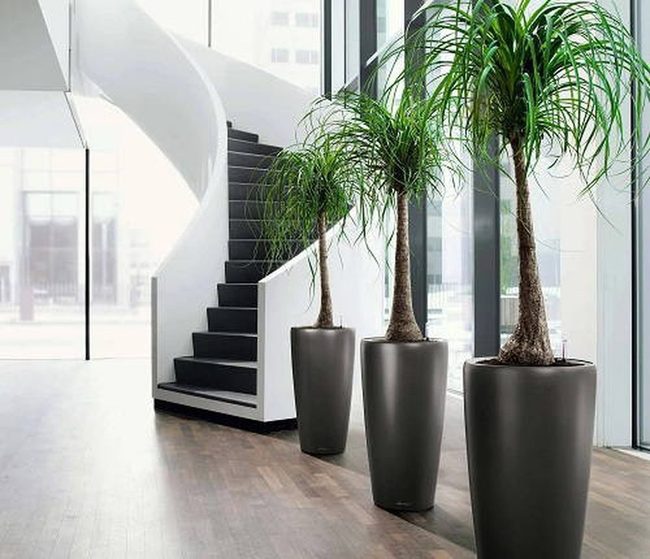
Corridor palms make a striking impression with their tall, upright forms that draw your gaze naturally upward and expand how spacious a narrow hallway feels.
Positioning these leafy giants along staircases frames architectural lines beautifully and softens any hard edges in the space.
Large planters filled with graceful varieties sit in strategic spots where they guide your eye from one room to the next.
Containers matter too, and selecting sleek ceramic or textured concrete pieces elevates the whole presentation beyond simple potted plants.
Natural sunlight streaming through the fronds casts moving shadows across walls throughout the day, adding another layer of visual interest.
These green elements serve double duty by breaking up transitional spaces and turning hallways into living design statements.
When you step back and look at what palms accomplish in a corridor, they transform plain passages into destinations worth noticing on their own.
Tropical Foliage Frames Your Railings
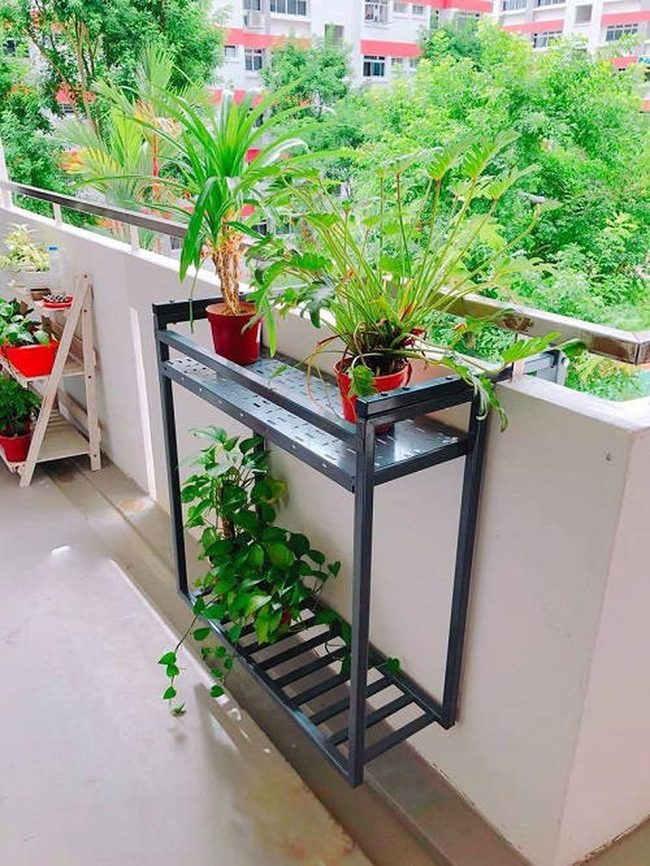
Screwpine and alocasia paired together along your corridor railings create a lush tropical retreat that stops you in your tracks with its dramatic presence.
Long, pointed fronds from the screwpine cascade downward in elegant layers, while broad, heart-shaped alocasia leaves reach outward and create a striking contrast in both texture and shape.
Positioning these two plants strategically near railings maximizes the visual drama and transforms narrow spaces into something alive with natural greenery.
Light filtering gently through the leaves adds depth and dimension that would otherwise be missing from hallway areas.
Indoor landscaping becomes more like art when you work with this dynamic botanical combination, and we find that railing edges turn into mini garden displays that feel both sophisticated and grounded in nature.
Plant lovers appreciate how straightforward it is to bring an exotic wilderness feeling into home corridors without needing special skills or complicated setups.
Tall Green Corridors Transform Narrow Spaces
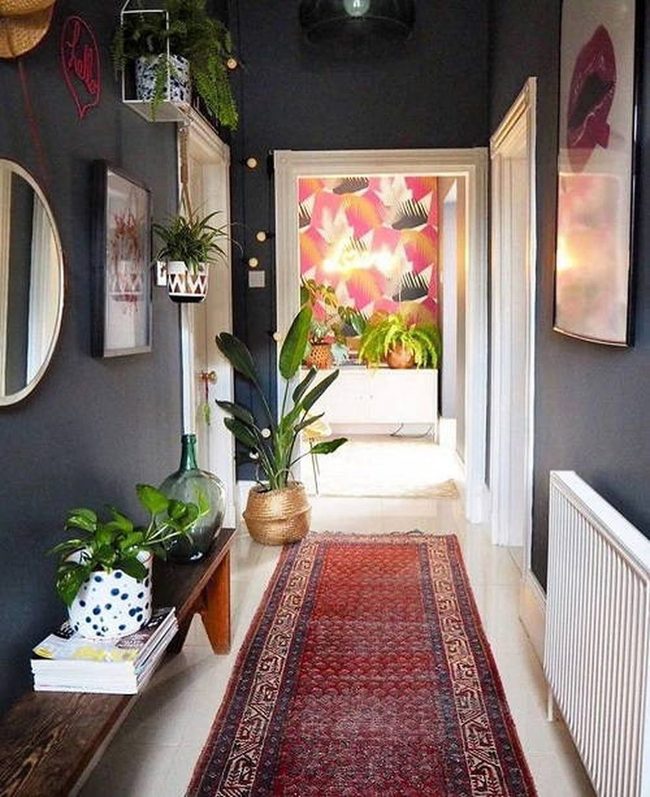
Tall plants like snake plants and fiddle leaf figs create striking vertical drama in narrow corridors, turning plain hallways into spaces that feel alive and expansive.
Showy planters in ceramic or metallic finishes amplify this effect by adding instant visual depth and architectural interest along your walkways.
Medium-sized ceramic containers work well for tight areas without hogging floor space, while metallic options bring modern polish when you pair them with trailing plants or succulents.
Neutral-toned ceramics blend seamlessly with wood floors and minimalist design schemes, letting your greenery take center stage.
Strategic positioning of these potted plants does double duty; it helps them thrive under the right light conditions and shapes how people move through the corridor.
Picking the right plants ensures your hallway becomes a dynamic green passage that feels welcoming every time you come home.
Towering Palms Transform Narrow Hallways
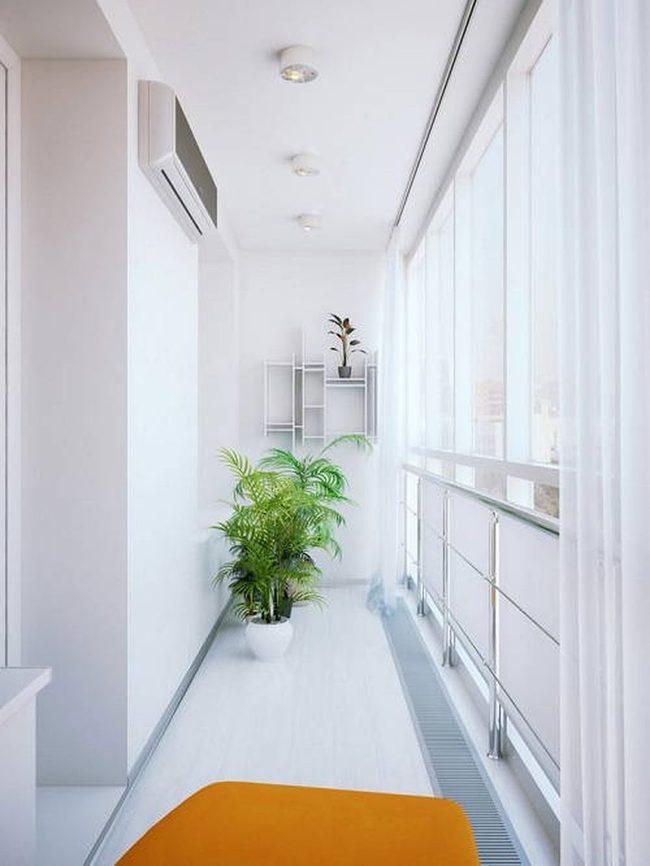
Lush palm arrangements bring tropical elegance to hallways by creating dramatic vertical landscapes that stretch upward and expand how spacious your corridors feel.
When you position these green sentinels strategically along walking paths, they introduce natural movement and break up monotonous linear designs with organic grace.
Mixed palm species provide textural contrasts that energize these transitional spaces, and the cascading fronds spread across walls with visual richness.
Tall palms draw your eyes upward, which adds architectural interest and makes narrow hallways feel less confined.
Ceramic planters in neutral tones anchor these botanical displays and keep the look grounded without overwhelming the space.
You'll find that this approach makes hallways feel less like forgotten areas and more like intentional parts of your home.
Green Vines Cascade Dark Wood
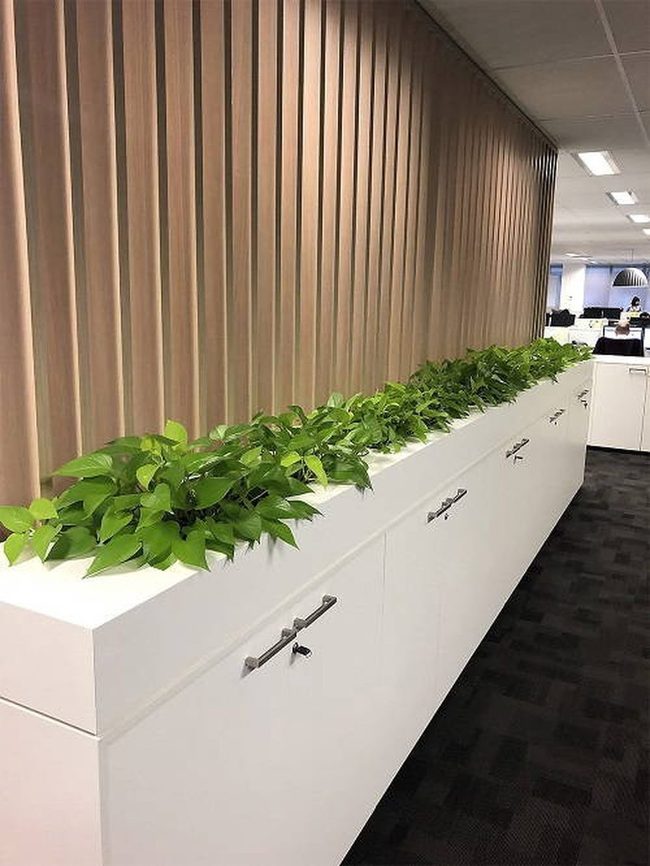
Ivy growing inside cabinet spaces brings surprising greenery to hallways and storage areas, turning ordinary wooden shelves into living displays where trailing vines cascade down and soften the hard edges of your home's architecture.
Dark wood cabinets gain new dimension when contrasted against the plant's rich green tendrils, and you can watch the leaves spill gracefully across shelves and create natural movement in spaces that might otherwise feel plain.
Narrow hallways benefit greatly from this approach, and even small areas transform into mini indoor gardens when you position compact ivy varieties throughout your cabinetry.
If you want to try this style, know that maintenance stays straightforward since ivy needs only minimal watering and occasional pruning to stay healthy.
Adding strategic lighting along your corridor walls brings out the delicate leaf textures and makes the greenery stand out more throughout the day.
Matte Black Planters Round Mirror Contrast
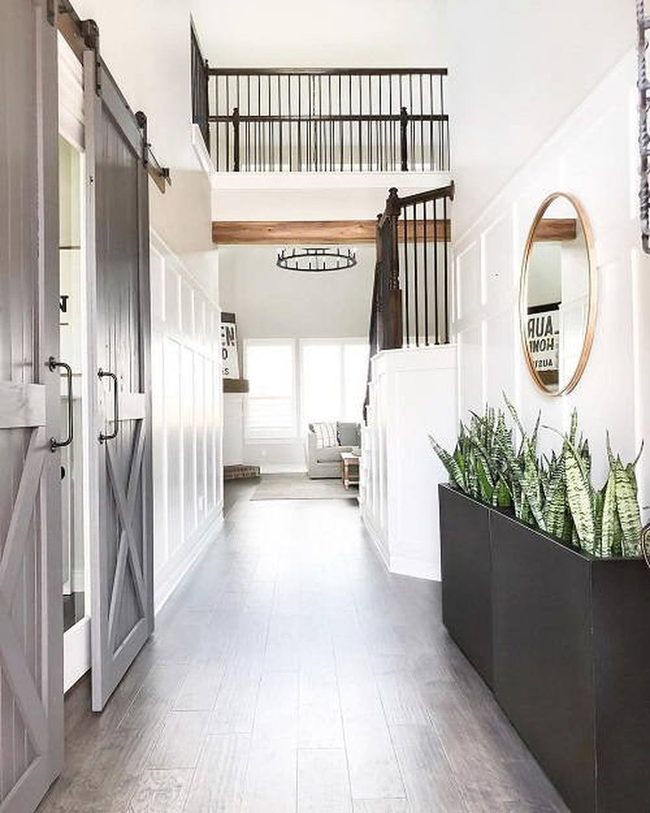
Matte black plant boxes positioned beneath a round mirror stop you in your tracks with their industrial elegance and create drama in hallway spaces.
Bold geometric shapes deliver an unexpected design statement that grabs attention right away, and the dark containers contrast sharply against white walls so your eyes naturally move toward the green foliage.
Round mirrors do double duty by expanding how much space you perceive while bouncing light deeper into narrow corridors.
Indoor greenery softens those hard architectural lines and adds natural warmth to spaces that connect different parts of your home.
Strategic plant placement introduces organic texture that balances out structured surfaces nicely.
Minimalist styling keeps everything looking clean and contemporary without feeling cold or empty.
Cascading Green Corridor Walls
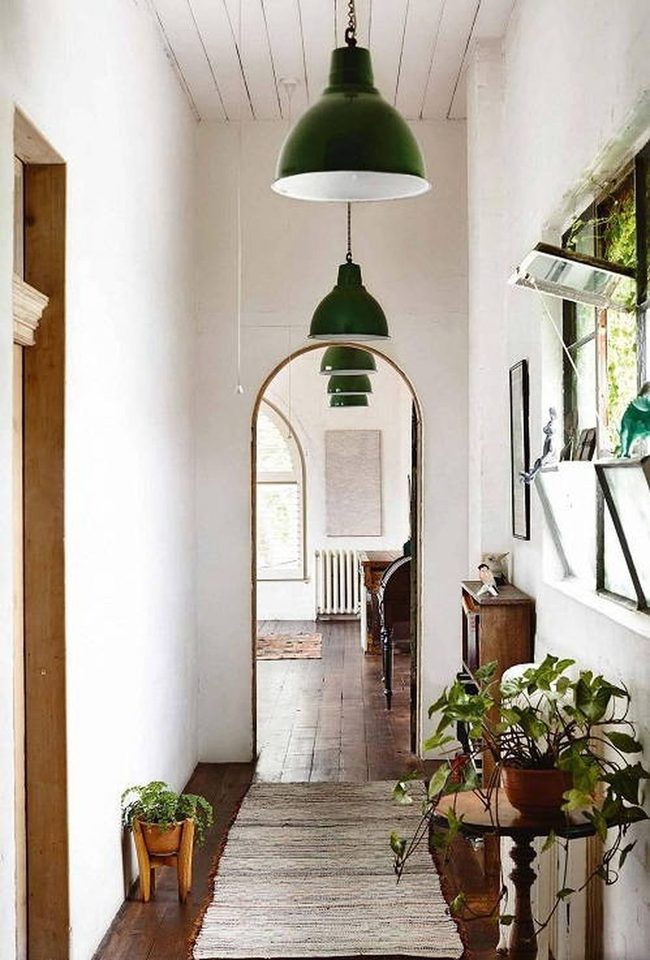
Cascading houseplants drape dramatically down your corridor walls and shelves, softening the hard edges of doorways and architectural lines with lush vertical greenery that catches the eye immediately.
Pothos and philodendron vines create natural texture as they flow along surfaces, and hanging plants suspended from ceiling hooks or mounted on wall planters help you maximize space in narrow hallways without eating up floor room.
Strategic placement transforms these passages into garden-like zones where organic movement guides people through your home, and the dense leafy arrangements add real depth to spaces that might otherwise feel plain and empty.
Beyond looks, these plants clean your indoor air and help reduce stress simply by being present in your everyday environment.
Getting the right results comes down to matching each plant to your available light and how much time you want to spend on care, so growth stays consistent without constant fussing.
Tall Palms Define Modern Fences
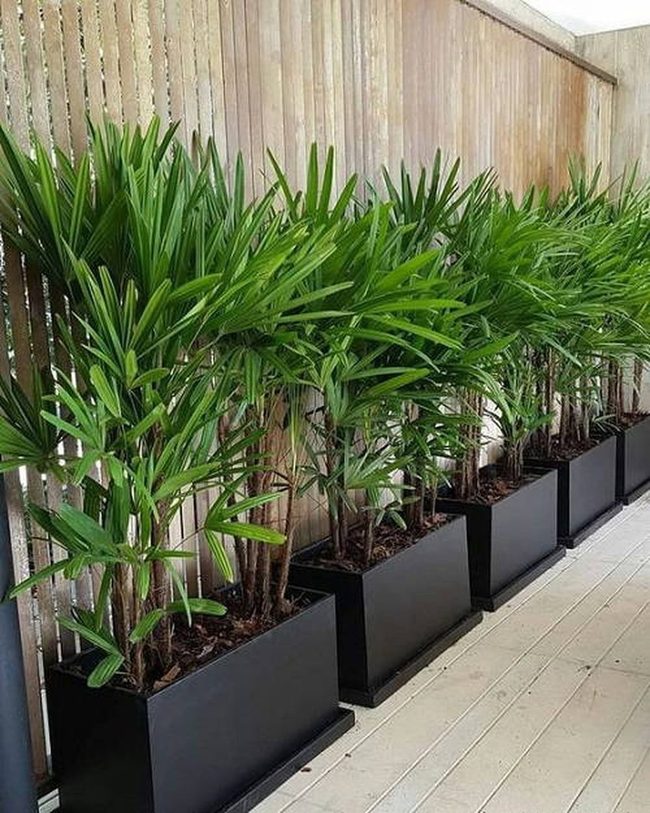
Palm trees stand out as dramatic vertical elements along your fence line, their lush green silhouettes creating striking architectural shapes that immediately draw attention.
Rectangular planters echo these clean lines and amplify the palms' presence, turning them into living art installations that feel contemporary and refined.
When you position palms strategically along fence boundaries, they soften harsh edges while offering natural privacy screening that looks far better than bare wood or metal.
Different palm heights work together to build visual interest and movement across your space, and the overall effect transforms an ordinary fence into a sophisticated green zone.
Modern gardeners often choose this approach because palms deliver both beauty and function without requiring constant fussing.
Rectangular containers enhance the arrangement by presenting palms as intentional landscape features rather than afterthoughts.
Deep Green Plants In Woven Rattan
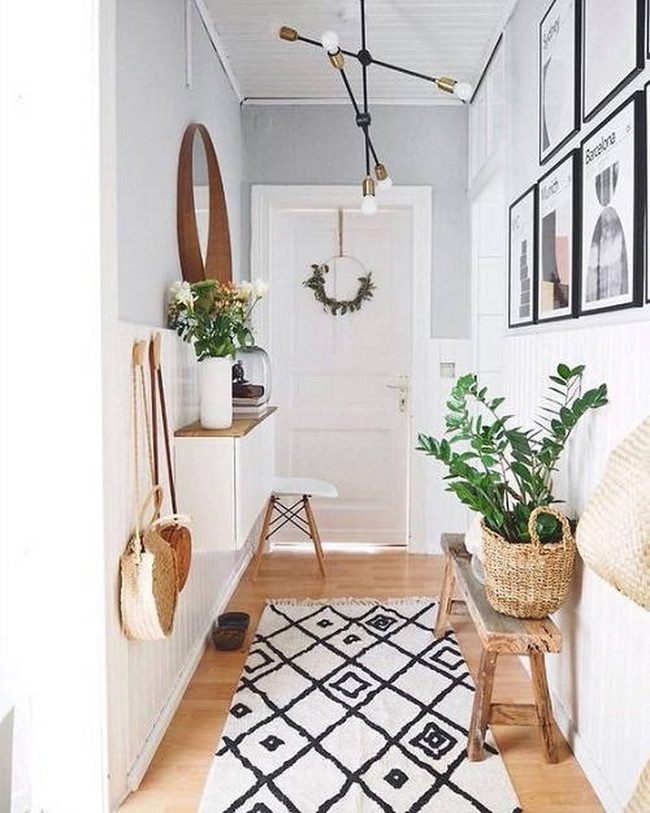
Hallway transformed by tall ZZ plants nestled in rattan planters, their deep green foliage creating a striking contrast against neutral floor coverings and offering an unexpected burst of life in a narrow space.
Rattan containers bring warmth and natural texture that spreads throughout the corridor, balancing the clean lines of monochrome rugs and walls with earthy dimension.
You'll find that these low-maintenance plants thrive in the dim light that hallways typically offer, so they won't demand constant attention or special care.
Greenery softens the hard edges of architectural elements like doorways and corners, keeping the overall look minimal and uncluttered.
Natural textures from the woven planters blend smoothly with neutral tones, building harmony without any fussy styling.
Orchids Cascading Over Succulents
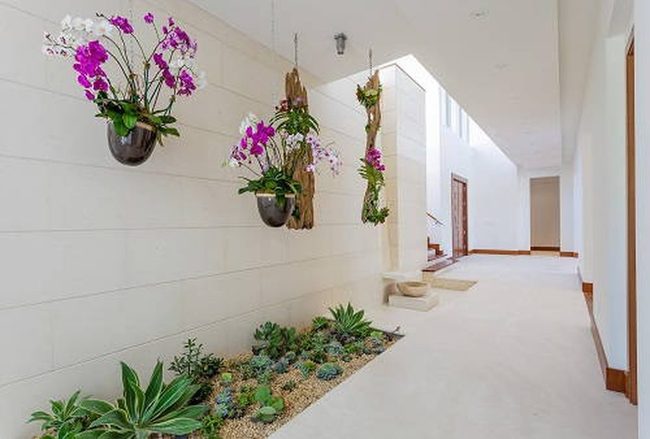
Hanging orchids above a succulent bed creates a living corridor that stops you in your tracks with its layered display of natural beauty.
Delicate orchid blooms drape down gracefully over a collection of textured succulents below, and this vertical arrangement becomes an eye-catching focal point along your hallway.
Placing these plants near natural light sources helps them both stay healthy and vibrant in this setup.
Succulents anchor the lower portion with their sturdy green forms while orchids add refined floral touches from above, and the mix of heights and textures keeps your eye moving as you walk past.
Glass containers or hanging planters work best for mounting this living design, and wall-mounted supports secure everything without damaging your walls.
You'll find that basic care keeps this green corridor looking fresh season after season.
Towering Bananas With Cascading Succulents
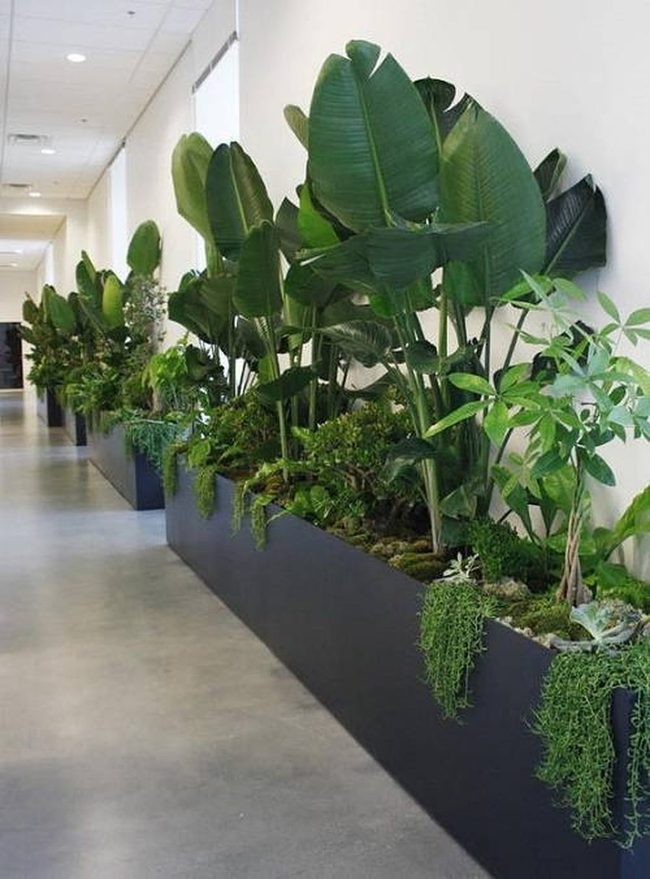
Banana plants with their oversized leaves make a bold statement as they stretch across your hallway walls, bringing tropical textures and dramatic scale to narrow spaces.
String succulents cascade from shelves and wall-mounted planters above, draping delicate greenery downward and filling empty corners with soft organic movement.
These two plants work together to soften the hard lines of your corridor while layering in different heights and textures that keep your eye moving through the space.
Green stems and trailing leaves introduce natural energy and depth to what might otherwise feel like a bland passageway.
When you combine tall botanical companions with cascading varieties, your hallway transforms into a lush journey that connects you with nature right inside your home.
Mixed arrangements across vertical surfaces breathe life into the walkway and make the space feel less confined.
Lush Green Living Walls
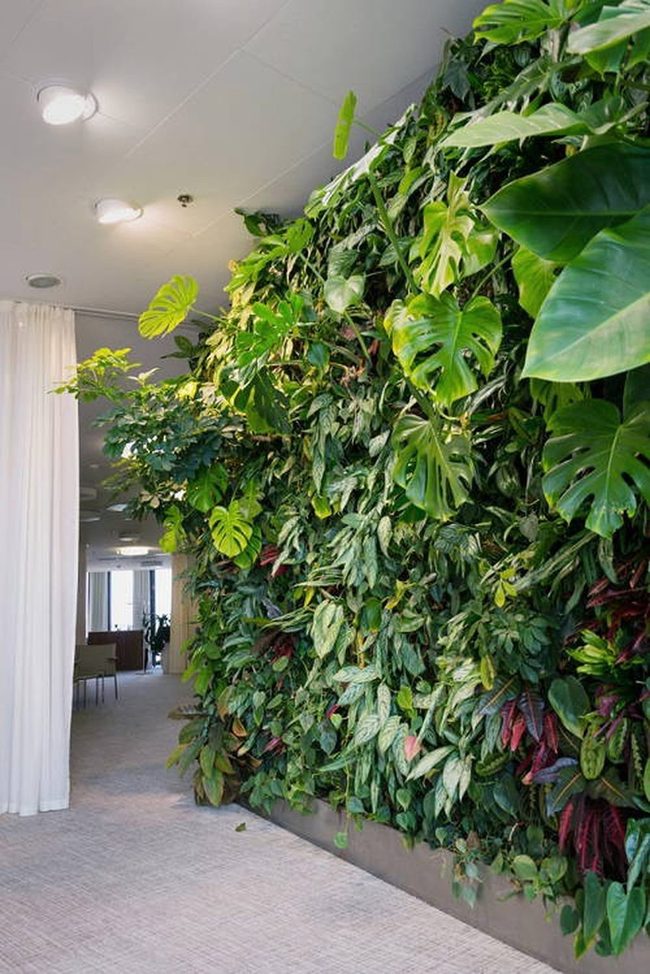
Living walls packed with houseplants bring spectacular green energy into narrow hallways and transform unused wall space into lush botanical displays that grab attention the moment people walk by.
Vertical gardens made from wooden panels or metal grids give you a structural framework to work with and add an artistic element to your corridor.
You can mix plants with different leaf shapes and sizes; trailing pothos with their flowing vines, sturdy snake plants with their upright structure, and delicate ferns with their feathery texture; to build depth and keep the eye moving along your walls.
This blend of diverse greenery generates natural flow through the space and makes the hallway feel wider and more interesting.
Even if you don't have experience with heavy construction, mounting plants on these support systems stays simple and manageable for most people.
Your corridor becomes a dynamic living canvas where visitors encounter natural beauty and peaceful air the moment they enter.
Michael Harris
Senior Content Editor
Expertise
Home Décor Content Creation, Interior Design Journalism, Editorial Oversight, Digital Media Strategy, Team Leadership and Mentorship
Education
University of Queensland, Brisbane, Australia
Queensland University of Technology (QUT), Brisbane, Australia
Michael Harris is the senior content editor at Archi Refresh, where he turns home design trends into engaging, easy-to-follow articles. With a journalism degree from the University of Queensland and a digital communication certification from QUT, he knows how to craft content that informs and inspires.
With over 10 years of experience in lifestyle and design media, Michael has shaped editorial strategies, mentored writers, and helped readers refresh their spaces with practical tips. His work blends storytelling with expert advice, making home decor more accessible to everyone.
Outside of work, Michael enjoys DIY projects, exploring Brisbane’s art scene, and teaching digital literacy workshops.