
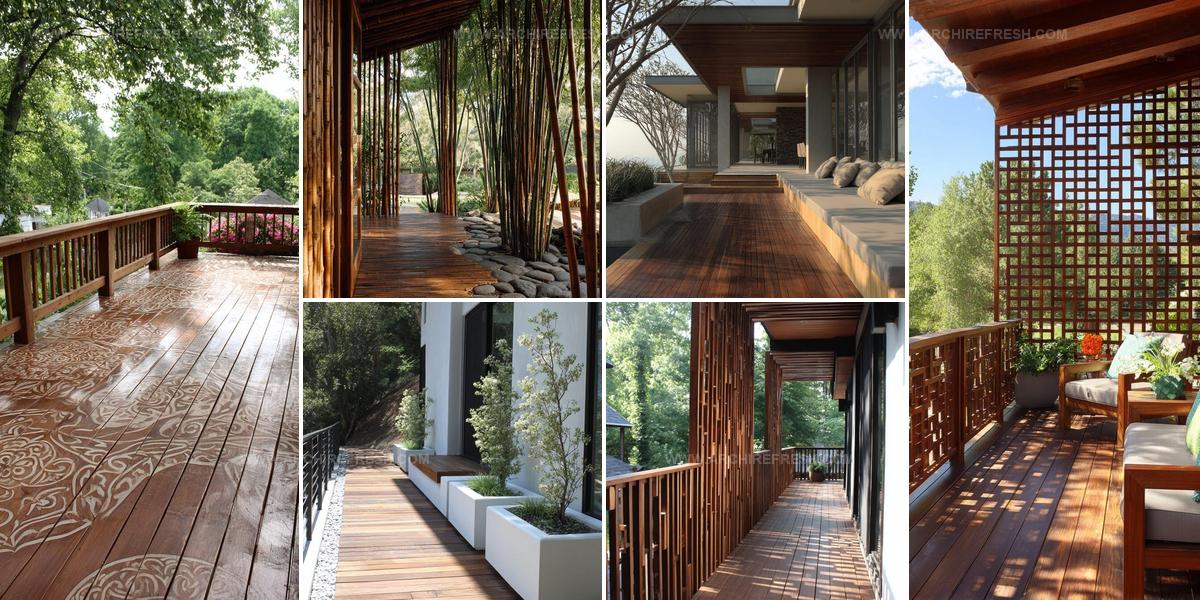
10 Smart Ways to Hide Under Your Deck for Less

Homeowners often overlook deck skirting as a budget-friendly way to enhance outdoor spaces and conceal unsightly areas beneath elevated structures.
The gap below a deck can collect debris and become an eyeash, but affordable solutions exist that combine function with visual appeal.
Covering that space doesn't require expensive materials or professional installation when you know which approaches work best.
Smart shoppers find that repurposed items, basic lumber, and alternative materials deliver impressive results without draining bank accounts.
Creative minds have developed numerous methods that cost far less than traditional lattice panels while still providing durability and attractiveness.
From natural elements to unconventional barriers, the options available prove that style and savings can go hand in hand.
Learning about these innovative approaches will help you complete a project that looks fantastic and keeps money in the wallet.
Salvaged Shutters Define Deck Character
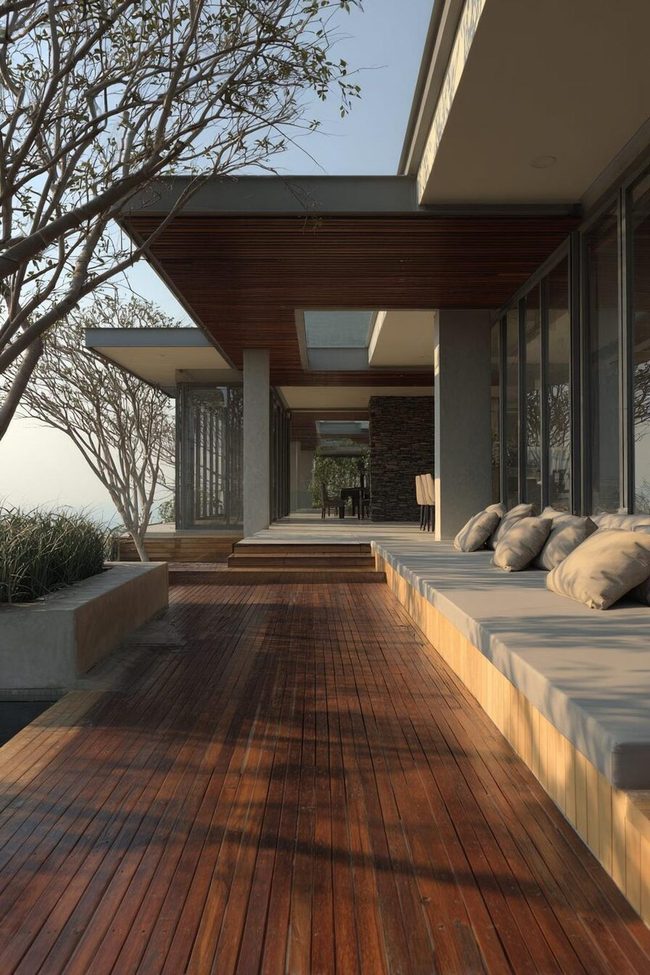
Reclaimed shutters, doors, and architectural elements transformed into deck railings and screens set up an instantly striking focal point that sparks entertaining and stands out from typical new construction.
Salvage yards, Habitat for Humanity ReStores, and estate sales stock these materials at a fraction of what new options cost, so you get premium character without premium pricing.
Old shutters stacked horizontally offer natural ventilation slots and timeless appeal right out of the box, while vintage doors can be resized and arranged side by side to form a one-of-a-kind barrier that preserves real craftsmanship.
Mixing different salvaged pieces like shutters, balustrades, and trim together produces that collected-over-years look that high-end designers charge thousands to achieve.
Because weathered wood and metal develop character through decades of exposure, architectural salvage brings instant depth and patina that brand-new materials need years to gain.
Beyond the aesthetic appeal, you're also helping the environment by keeping beautiful materials out of landfills while staying within budget.
Iron grates, decorative metalwork, or even antique bed frames add unexpected personality and allow air to flow through your railing system.
Neighborhood cleanup days and curbside finds often yield hidden treasures, and eachpiece you discover carries its own history that becomes a natural talking point when people visit your deck.
Stenciled Plywood Deck Skirting
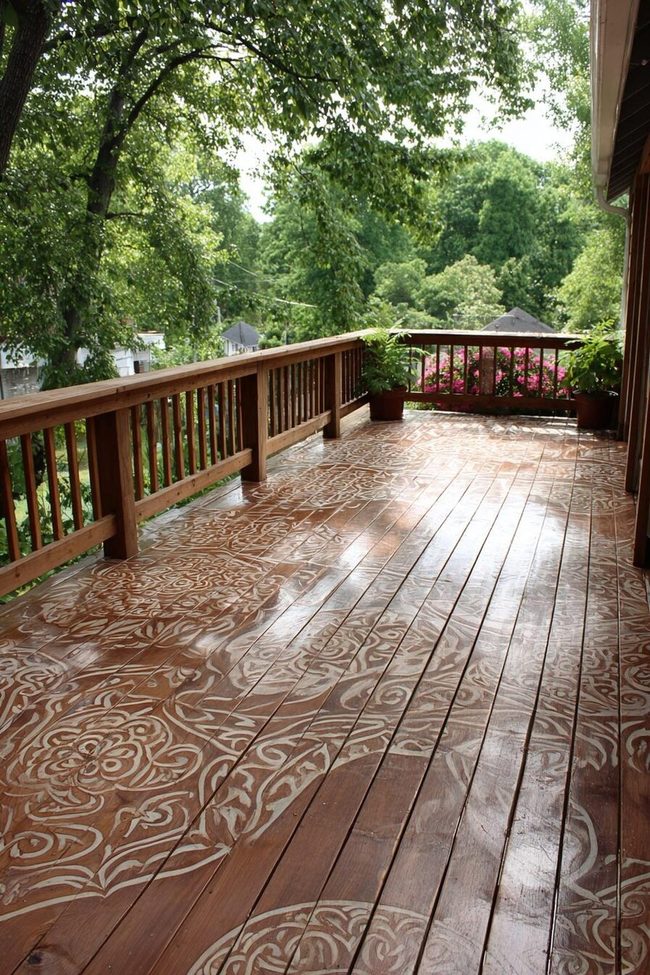
Stenciled plywood panels transform ordinary materials into custom artwork that looks like you invested hundreds in professional solutions, all while spending a fraction of that cost on basic exterior-grade plywood and paint.
Home improvement stores sell slightly damaged plywood at deep discounts in their cull sections, and these minor flaws disappear completely under a fresh coat of paint.
You can start with a solid base color that matches your home's exterior, then use stencils to add patterns ranging from geometric designs and botanical themes to mandalas, lattice work, and faux stone effects that mimic expensive materials.
Choosing colors from your existing home palette, garden plants, or outdoor furniture keeps everything looking intentional and connected to your space.
Weather-resistant exterior paint protects your artwork against rain, sun, and temperature changes so your design stays for years.
One smart trick is alternating plain panels with stenciled ones so the design stays interesting without overwhelming the eye.
If your style changes down the road, you simply repaint the panels with new colors and patterns rather than replacing them entirely.
We love this solution because it gives your deck skirting a personalized touch that no store-bought option can match, and the creative possibilities are truly endless.
Cream Canvas Deck Drapes
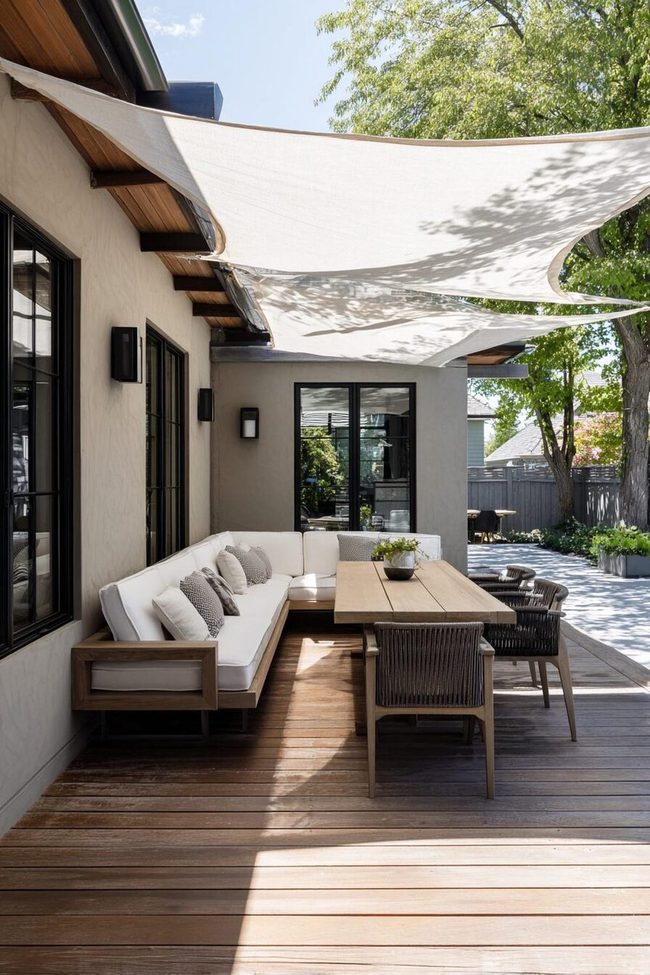
Heavy-duty canvas painter's drop cloths billow and flow in the breeze like resort-style outdoor drapery, yet cost only a fraction of designer alternatives and transform your deck with that breezy Hamptons aesthetic.
When you install string lights or spotlights behind the fabric, it glows beautifully around your deck's perimeter during evening gatherings and creates a warm, atmospheric quality that rigid materials simply can't match.
Natural canvas works with any home style, and you can easily dye or paint it if you want more vibrant colors.
A simple curtain rod system lets you pull the fabric back for better airflow or to protect against bad weather, making this one of the most flexible skirting solutions available.
Adding grommets with an inexpensive craft kit gives your fabric a finished look that holds up well to outdoor use.
For durability year-round, spray your fabric with waterproofing treatment designed for outdoor canvas and boat covers.
Double layers of heavier-weight drop cloths boost both privacy and sun protection if you need extra coverage.
Decorative ties, tassels, or trim elevate the humble drop cloth into custom decor that feels personalized and polished.
Reclaimed Maple Fence Statement
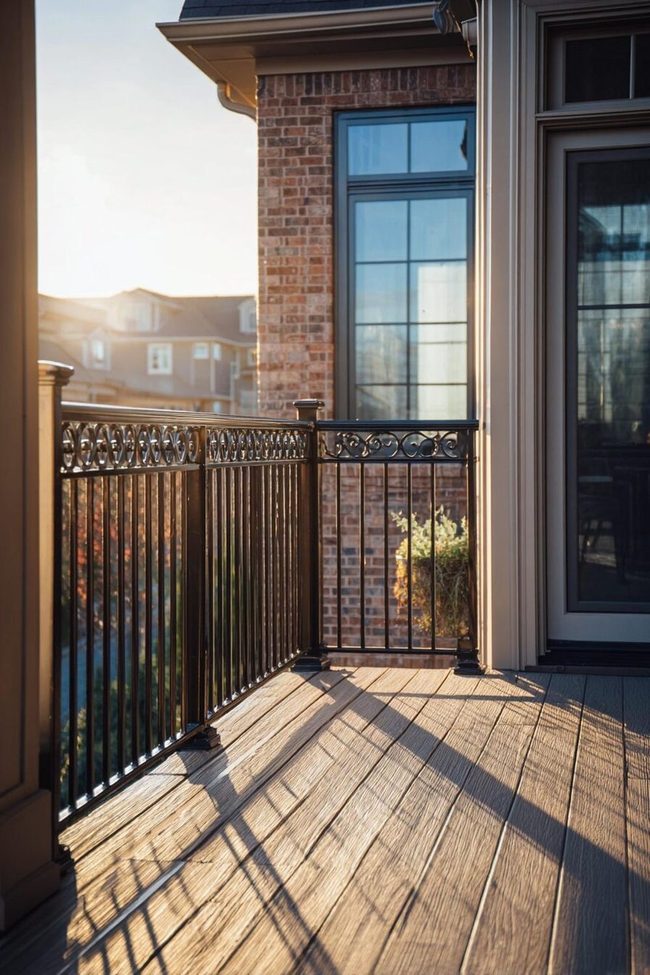
Stacked pallet wood arranged in diagonal patterns across your fence line catches the eye immediately and delivers that designer aesthetic without the hefty price tag, whether you leave the boards weathered for rustic character or sand and paint them to match your home's exterior.
Most pallets are free or cheap since you can source them from local businesses, warehouses, or online listings, and breaking them down takes only a hammer, pry bar, and basic effort.
You have flexibility with how you orient the wood, horizontal lines feel modern, vertical boards look classic, and diagonal arrangements really stand out.
Small gaps between some boards let light filter through and show off any greenery you plant behind the fence, while the natural color variation in the wood creates texture that expensive fencing tries to copy.
A quick sand and seal with outdoor waterproof coating keeps everything looking fresh and extends the life of your project.
Installation stays simple since you just build a basic frame and screw the pallet boards in place with weather-resistant fasteners.
We love this option because it feels custom and high-end while staying budget-friendly and doable for most skill levels.
Gray Concrete Block Landscape Wall
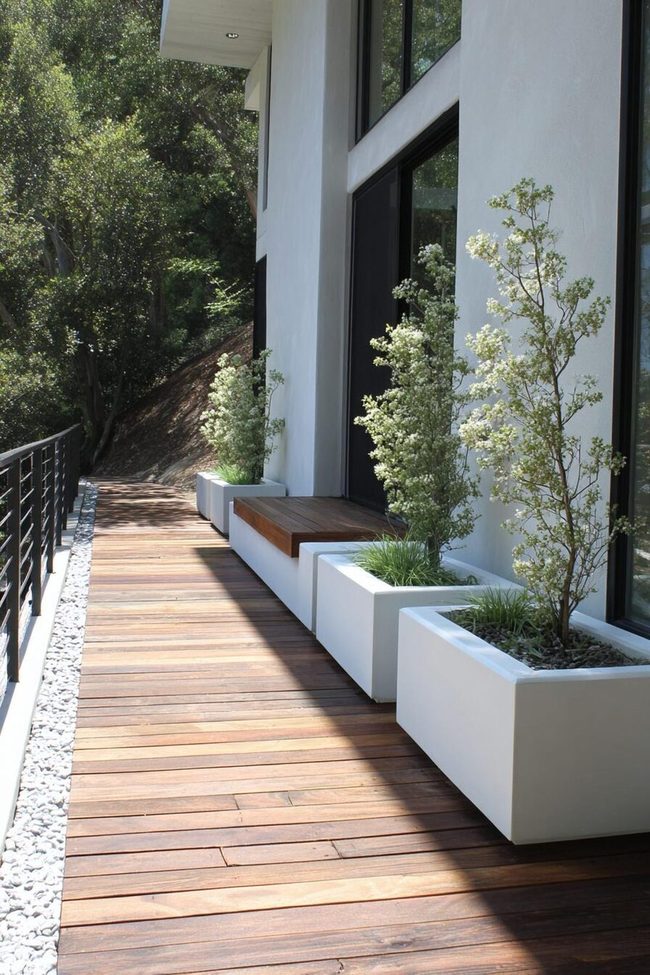
Concrete blocks stacked in an offset pattern set up an striking modern planter wall that refreshes any outside space with greenery and structure combined into one budget-friendly solution.
You can find standard concrete blocks for just a few dollars each, and they require no complicated construction skills to assemble.
Those hollow openings in the blocks become perfect homes for succulents, herbs, and colorful annuals that soften the industrial look and add life to your landscape.
Topping your structure with flat paver stones gives it a polished, finished appearance that looks balanced and well-designed.
Beyond looks, concrete blocks offer real advantages like excellent durability, weather resistance that lasts for years, and the ability to regulate soil temperature for healthier plants.
Their weight and stability make them ideal if you live in a windy area or have children playing nearby, and they add functional growing space rather than just covering up an eyesore.
Unlike hanging baskets or traditional planters, styling direction gives you flexible options whether you prefer natural materials, industrial elements, or repurposed treasures in your yard.
We think you can find this is one of those affordable deck solutions that turns an ordinary outside area into something that actually catches attention.
Wire Cages Filled Stone
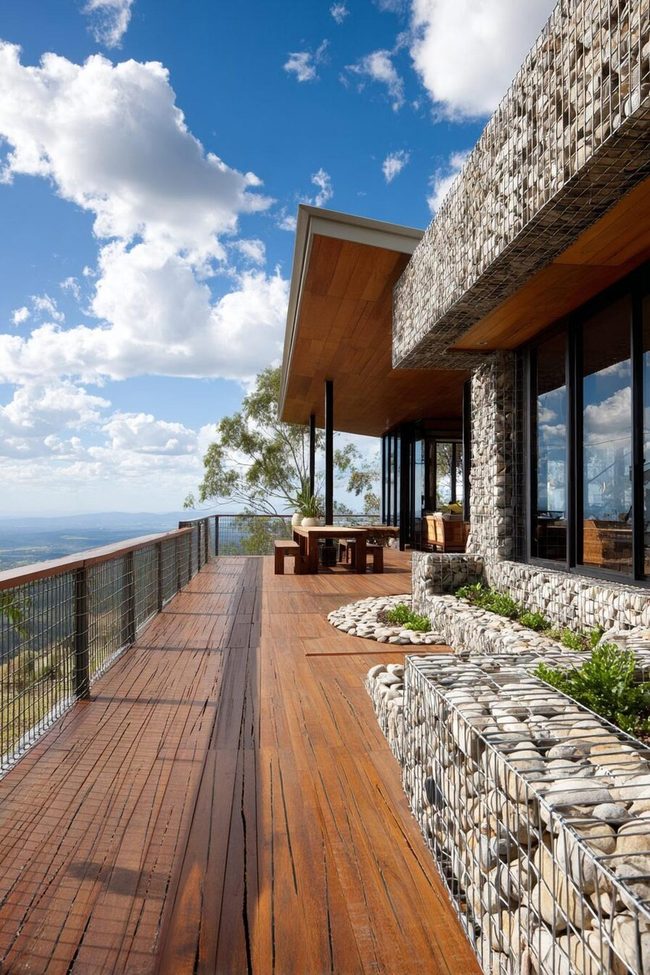
Stone-filled wire cages stacked along your deck's perimeter deliver that expensive designer look without the hefty price tag, and you can build them yourself using basic materials like hardware cloth and affordable rocks sourced from your property or landscape suppliers.
Light dances through the stones as the sun moves across the sky, casting shadows that shift and change throughout the day.
Gabion cages blend industrial geometry with natural stone elements in a way that feels both modern and grounded.
Moisture problems disappear because air flows freely beneath your deck instead of getting trapped under solid skirting.
Stone-filled cages work especially well on sloped sites where traditional deck skirting would be awkward to install properly and evenly.
You can go for a polished look by selecting rocks of similar colors and sizes, or embrace a more organic feel with mixed river rock and field stone.
These cages sit heavy enough to stay stable without needing deep footings or major anchoring to your deck structure.
We love with the layout, on difficult terrain because it solves user-friendly problems while making your deck look purposeful and well-designed.
Climbing Plants Transform Lattice Panels
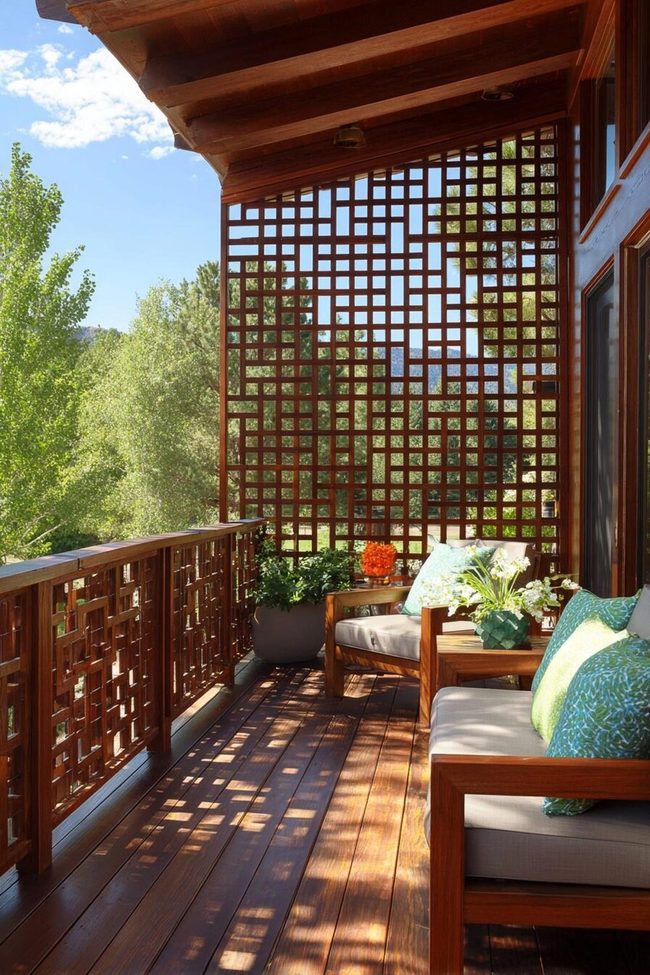
Climbing plants transform basic lattice panels into a refined green wall that shifts beautifully throughout the year and becomes more lush as time passes.
Choosing fast-growing varieties like clematis, jasmine, morning glory, or even edible beans and peas gives you options that suit your style and needs.
White vinyl lattice provides a crisp, clean base for greenery to shine against, while natural wood offers a more rustic feel underneath the foliage.
Standard lattice costs very little to start with, and you can save even more by using damaged or clearance panels that will soon disappear behind your plants anyway.
As your climbing vines establish themselves month after month, the visual transformation keeps getting better without any extra spending on your part.
A simple drip irrigation system tucked behind the lattice keeps everything watered with almost no effort from you.
Beyond the green aesthetic, this plant-covered skirting cools the area beneath your deck during summer heat and draws in butterflies, hummingbirds, and helpful insects.
Plants also soften sound and reduce echo, so your outdoor space becomes noticeably more peaceful and quiet compared to bare lattice or hard surfaces.
Natural Bamboo Deck Screening
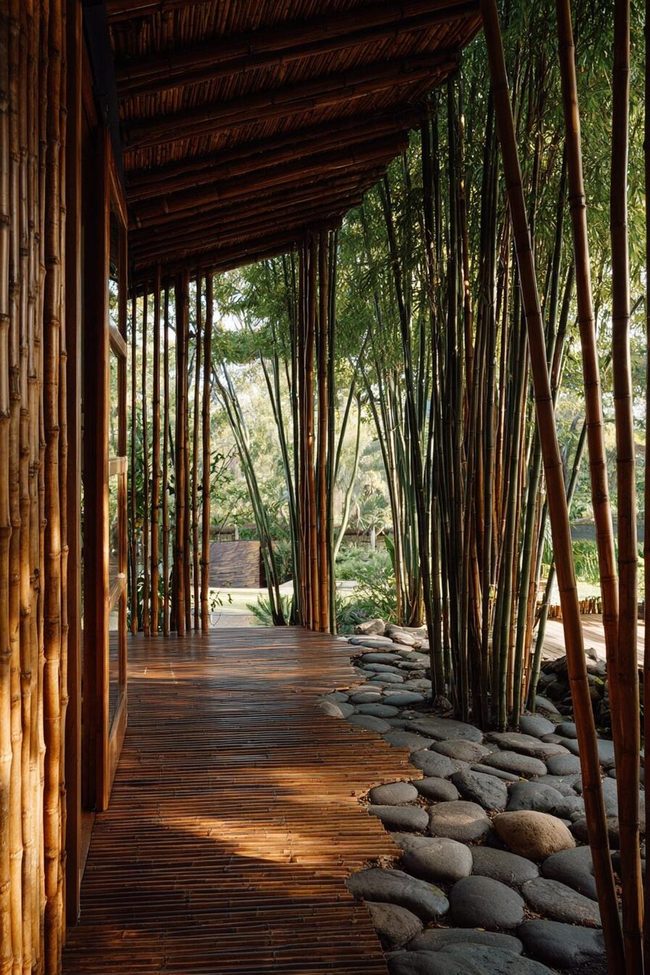
Bamboo and reed screening alters your deck's underside into something that looks like a tropical getaway, and you can find these natural materials at any hardware store for surprisingly affordable prices.
Light shining from behind the bamboo creates striking evening effects with shadows and warm glows that you simply won't get from fake materials.
Over time, these natural materials develop a beautiful silvery patina as they weather, which actually makes them look better and more organic.
Installing them is straightforward – you just attach top and bottom rails to your deck structure and use weather-resistant zip ties or wire to secure the rolled material in place.
Adding painted wood trim around the edges gives everything a more polished look that matches your deck or house colors.
Bamboo and reed work especially well for decks with curved edges or strange shapes since these flexible materials bend easily where rigid skirts would fail.
If you want more privacy, go with tightly woven bamboo varieties instead of split-reed options, which let people see through more easily.
Wind moving through the bamboo produces a gentle rustling sound that brings a peaceful quality to your outdoor area.
Corrugated Metal Skirting Solution
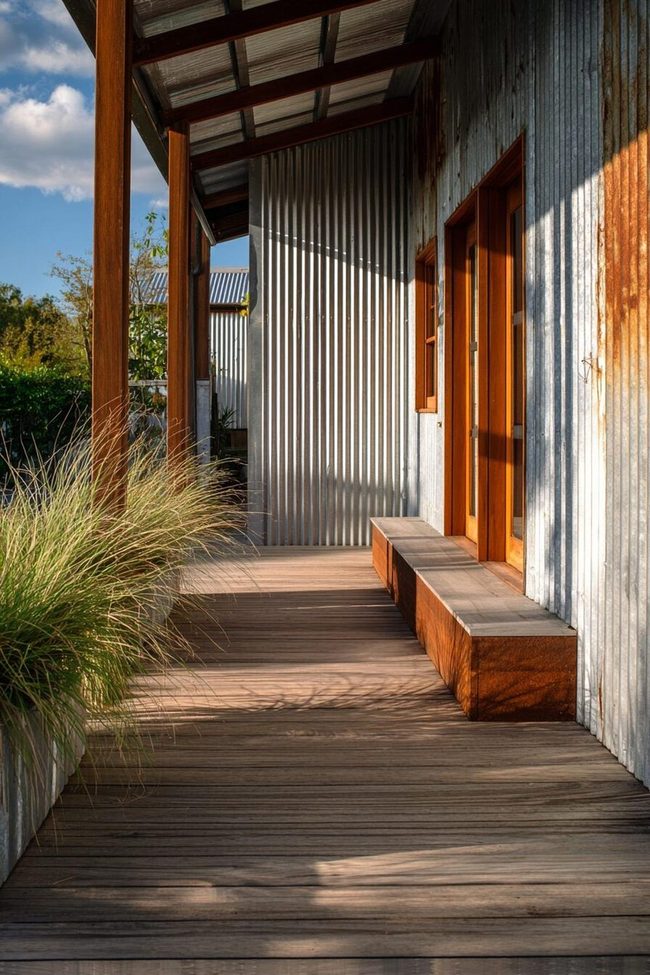
Corrugated metal panels deliver striking visual impact while keeping your budget low, and you can find these sheets at salvage yards, farm supply stores, and hardware outlets for a fraction of what traditional skirting costs.
Light bounces off the reflective surface in dynamic ways, creating moving shadows and brightness patterns that shift throughout the day.
Unlike many budget materials, metal stands up to weather without needing regular maintenance or replacement, saving you money over time.
Installation is straightforward with basic tools, and because the material weighs very little, even beginners can handle this as a DIY project.
If you prefer a softer look, alternating metal panels with wood sections adds rhythm and breaks up the industrial feel.
You can install the panels vertically, horizontally, or diagonally depending on what suits your home's style.
Adding simple wood trim around the edges gives the finished project a more polished appearance.
Metal also works well in areas prone to wildfires since it won't catch fire like wooden skirting might.
One bonus many homeowners appreciate is how the metal creates a pleasant sound when rain falls on it, adding an unexpected sensory experience to your space.
Wood Picket Sound Wave Skirting
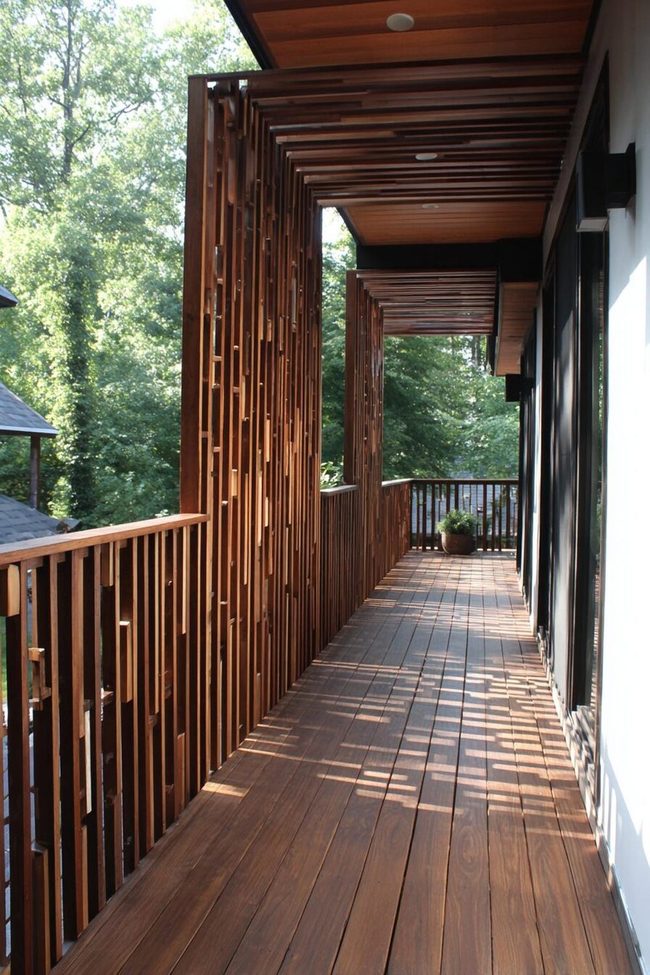
Fence pickets stacked in geometric patterns across your deck skirting turn basic lumber into something that looks like real art, and you can build these designs using either reclaimed pickets or new ones from any home improvement store.
What makes this project so budget-friendly is that pickets cost far less than standard deck skirting materials, so you get more impact for your money.
Across picket comes cut to a standard size, which means you can stack and arrange them with almost no waste while still achieving sharp, repeating patterns.
Simply shifting pickets between vertical, horizontal, and diagonal directions reveals natural color shifts in the wood grain all on their own without needing stain.
You can also cut pickets into varying lengths and arrange them in a wave-like formation that moves the eye across your entire skirting area and adds real movement to the space.
Mixing different picket widths together builds depth and creates shadow lines that make the whole thing feel less flat and more like a in a considered manner designed structure.
Spacing pickets with small gaps between them lets light and air show through while keeping the underdeck area covered, and this gap approach also means you swap out individual pieces if one gets damaged rather than redoing whole sections.
Natural knots and texture in basic fence pickets bring organic character that smoother, factory-made materials just cannot match.
Michael Harris
Senior Content Editor
Expertise
Home Décor Content Creation, Interior Design Journalism, Editorial Oversight, Digital Media Strategy, Team Leadership and Mentorship
Education
University of Queensland, Brisbane, Australia
Queensland University of Technology (QUT), Brisbane, Australia
Michael Harris is the senior content editor at Archi Refresh, where he turns home design trends into engaging, easy-to-follow articles. With a journalism degree from the University of Queensland and a digital communication certification from QUT, he knows how to craft content that informs and inspires.
With over 10 years of experience in lifestyle and design media, Michael has shaped editorial strategies, mentored writers, and helped readers refresh their spaces with practical tips. His work blends storytelling with expert advice, making home decor more accessible to everyone.
Outside of work, Michael enjoys DIY projects, exploring Brisbane’s art scene, and teaching digital literacy workshops.