
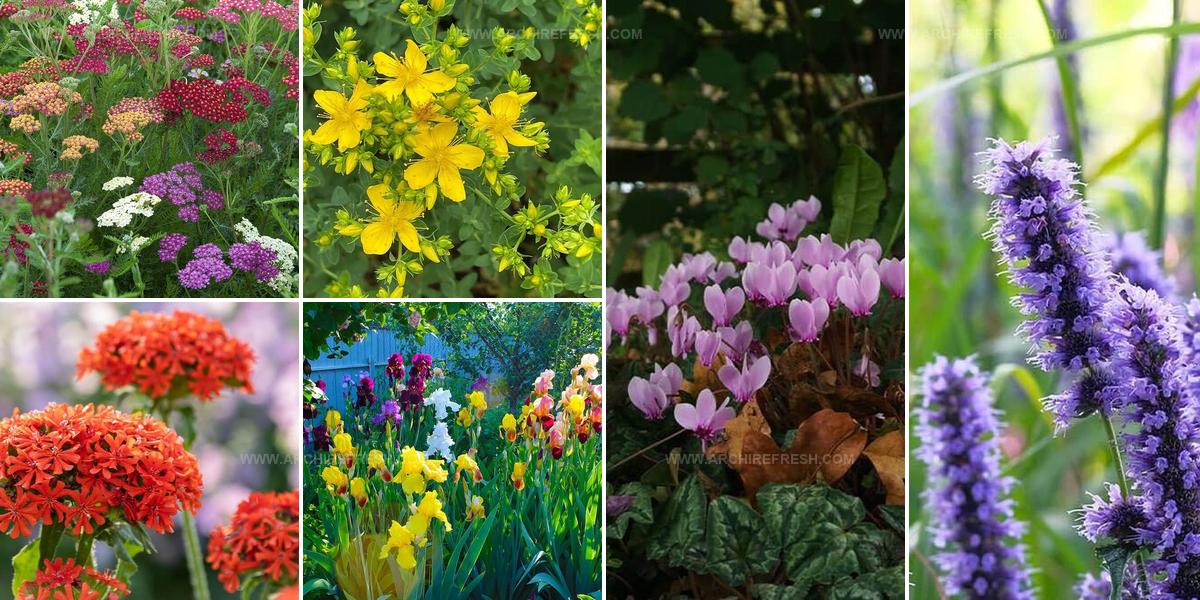
26 Deer Resistant Perennials For Gardens That Actually Work
Deer resistant perennials offer a practical solution when local wildlife threatens to devour everything in sight.
Many gardeners face constant frustration watching hungry animals nibble away months of hard work and investment.
Selecting plants that naturally deter browsing creates a beautiful landscape without endless protective measures or disappointment.
Certain species contain compounds, textures, or scents that make them far less appealing to wandering herds.
Understanding which varieties thrive while remaining uneaten helps anyone design sustainable beds that flourish season after season.
Protection and beauty can coexist when the right selections fill garden spaces with color and foliage.
Bright Yellow Daisies Heat Lovers
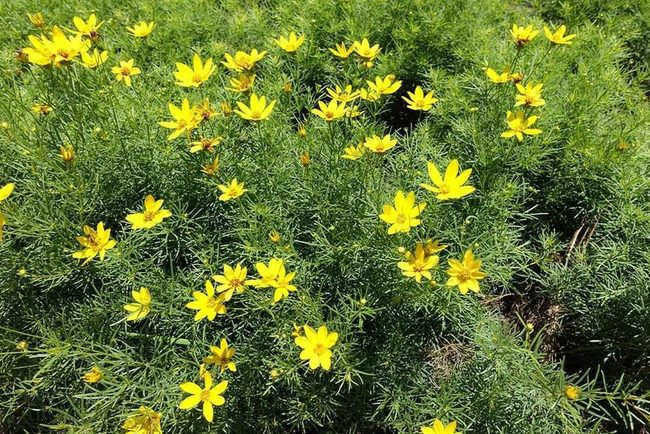
Tickseed bursts with bright yellow blooms that instantly lift the mood of any garden space.
These hardy daisies love warm climates and laugh in the face of heat, making them perfect for hot growing zones.
Deer tend to skip right past them, so you won't lose your plants to hungry wildlife browsing through your beds.
Interestingly, tickseeds actually do better in rocky or poor soil rather than rich earth, which means they won't sprawl uncontrollably across your garden.
Removing spent flowers keeps new blooms coming and helps you stay on top of their tendency to spread without becoming invasive.
Regular deadheading transforms this task from a chore into a simple way to manage growth and maintain a nicely balanced look throughout your beds.
Silvery Fuzzy Leaves Deer Proof
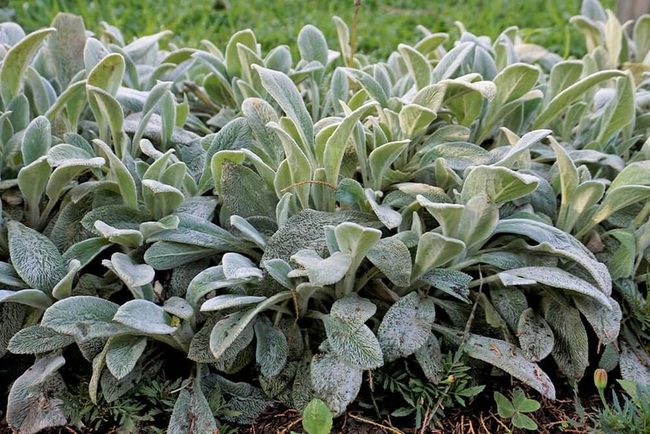
Lamb's ear brings silvery, fuzzy foliage to your garden that makes you want to reach out and touch it, and this striking texture immediately draws attention in any outdoor space.
Deer tend to skip right past this plant because its woolly leaves just don't appeal to them, so you can count on your garden staying intact and lush even in areas where other plants get nibbled away.
One thing to watch out for is overwatering, since the plant actually prefers dry soil and too much moisture can damage those beautiful leaves you planted it for.
If you live somewhere with regular rainfall or have wet conditions naturally, you'll need to be mindful about drainage to keep your lamb's ear healthy and happy.
Getting the watering right means your fuzzy friend will thrive for years to come without much fuss on your part.
Creamy Yellow Blooms Oversized Maple Leaves
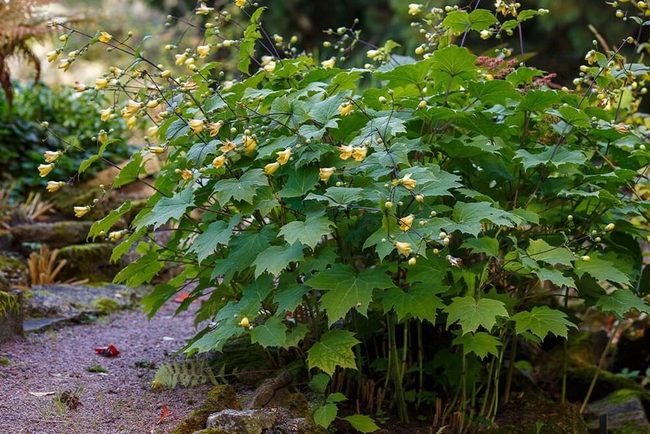
Yellow wax bells stand out in any garden with their creamy yellow blooms that appear in late summer, and what really catches your attention is how those large, lush leaves dominate the plant and resemble oversized maple foliage.
These plants do incredibly well in shady areas and provide a beautiful backdrop for woodland settings.
One of the best things about them is that deer typically leave them alone, even though they have so much greenery.
Beyond their eye-catching appearance, yellow wax bells are remarkably tough plants that keep coming back year after year.
You can count on them to add that pop of color to your space without much fuss.
Their combination of striking foliage and reliable growth makes them a smart choice for anyone looking to improve their outdoor garden.
I think they work especially well when you want something that looks great but doesn't demand constant attention.
Golden Butterflies, Hardy Coastal Blooms
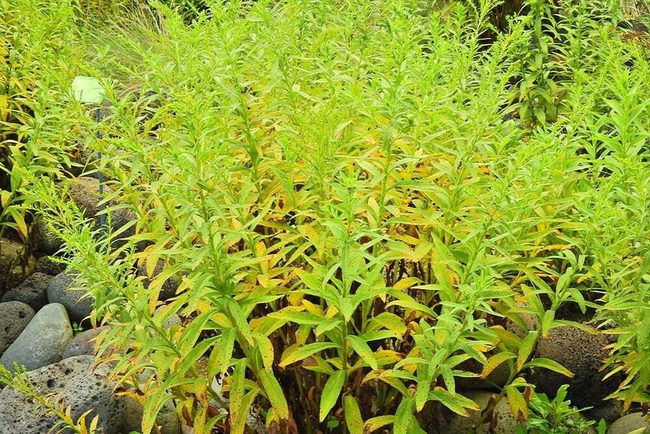
Seaside goldenrod catches your attention first with its bright yellow flower clusters that pop against autumn's cooler colors and make any garden feel warm and welcoming.
We love this perennial because it handles so many different growing conditions, whether you're gardening near the coast or in areas where frost hits hard.
It brushes off salt spray and poor soil like nothing bothers it, so you can plant it almost anywhere and watch it thrive without complaints.
Butterflies flock to those nectar-packed blooms, and if you're lucky, you'll see Monarchs stopping by during their long journeys south.
Best of all, this plant respects its neighbors and won't spread aggressively or take over your garden beds the way some perennials do.
Pink Petals Pierce Winter Frost
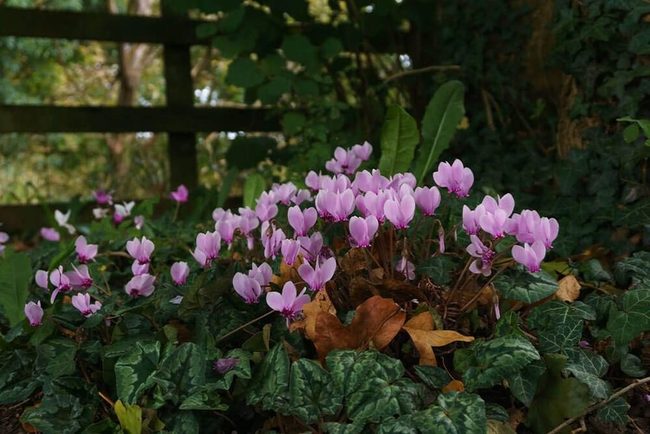
Hardy cyclamen puncture winter's gray monotony with their extraordinary moth-like flowers that seem to float above the ground on delicate, swept-back petals, and these remarkable plants emerge in autumn to bloom when frost silences nearly every other flower in sight.
What makes them so special is their surprising resilience; they ask for little beyond well-drained soil and partial shade to flourish during the coldest months.
I find their distinctive leaves unfurl as temperatures drop, then vanish underground when spring arrives, leaving space for other perennials to step in and maintain garden color.
Even gardeners dealing with challenging soil or shadier corners find these plants accommodating and reliable.
Their backward-facing petals create an almost sculptural quality that draws your eye downward to examine them more closely.
Crimson Poppies, Season-Long Blooms
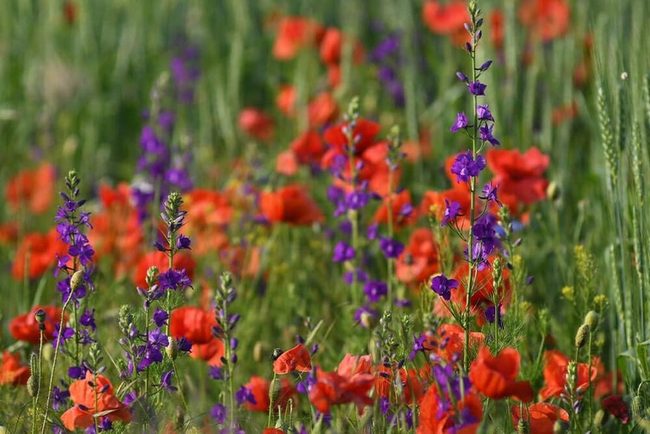
Oriental poppies deliver show-stopping color to your garden with their bold petals ranging from pale pink to deep crimson, and they perform their best display during summer months when many other plants are fading.
Since these clump-forming perennials stick around season after season, you avoid the annual replanting hassle that comes with short-lived flowers.
One interesting thing about them is how they dip below ground by late summer, which might seem odd at first, but it actually lets you discover fresh rosette foliage returning in fall and winter for ongoing visual interest.
Pairing them with other flowering plants helps you fill in gaps when the poppies take their rest and ensures color continues flowing smoothly through all your seasons.
Blue Spikes Summer To Fall
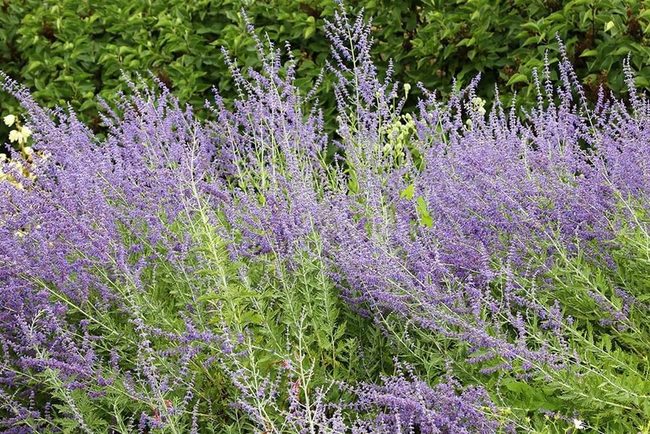
Russian sage catches attention immediately with its striking blue flowers that grow on tall spikes and put on quite a show as summer transitions into autumn.
Once established, this plant handles drought and poor soil without complaint, which makes it low-maintenance and forgiving in your garden.
Its natural oils keep deer and rabbits away, so you won't have to worry about animals destroying what you've worked hard to grow.
Despite the name suggesting it comes from cold climates, this perennial actually prefers zones 5 through 9 and does best in warmer spots.
If you want something tough and beautiful for your outdoor space, Russian sage deserves a place in your plans.
It rewards you with minimal fuss while delivering maximum visual appeal throughout the growing season.
Purple Wildflowers Fill Shaded Gardens
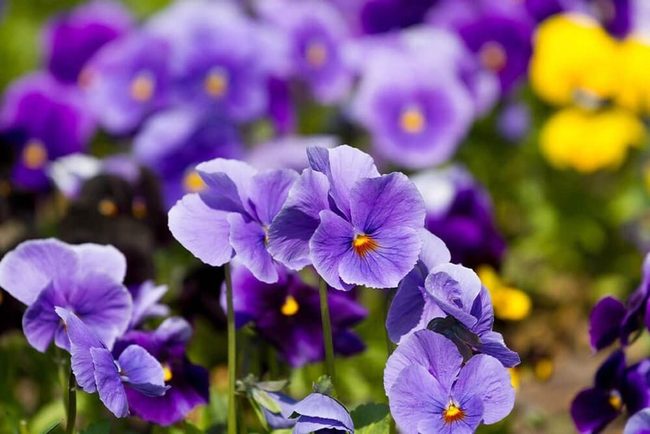
Violets bring eye-catching color to any garden space, with blooms ranging from deep purples to bright yellows that stand out even in shaded corners.
These small plants belong to the Viola genus and spread naturally through rhizomes and self-seeding, so they fill in bare ground without much effort from you.
What makes them especially valuable is their early blooming timing; they flower when few other plants are awake, which means bees and butterflies show up hungry for nectar.
Deer tend to skip over violets since they don't enjoy the taste, yet the plants still attract plenty of other wildlife to your garden.
You get the benefit of a thriving ecosystem without having to fuss over pests.
Violets combine delicate beauty with practical hardiness, making them an easy choice for any gardener looking to add both color and life to shaded areas.
Scarlet V-Shape Summer Bloomer
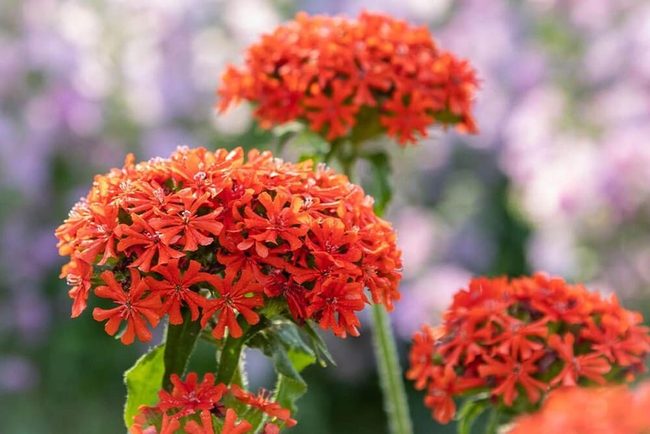
Maltese cross stops you in your tracks with its bold scarlet petals arranged in a striking V-shape that really stands out in any garden space.
This hardy perennial loves sunshine and does well with at least half a day of direct light, though it adapts nicely to different growing conditions.
Blooms appear reliably from early summer straight through the fall months, and you can extend the flowering season by removing spent flowers as they fade.
Since it handles drought well and bounces back year after year, it asks very little of you in terms of maintenance and care.
Purple Cloud Flowers That Thrive
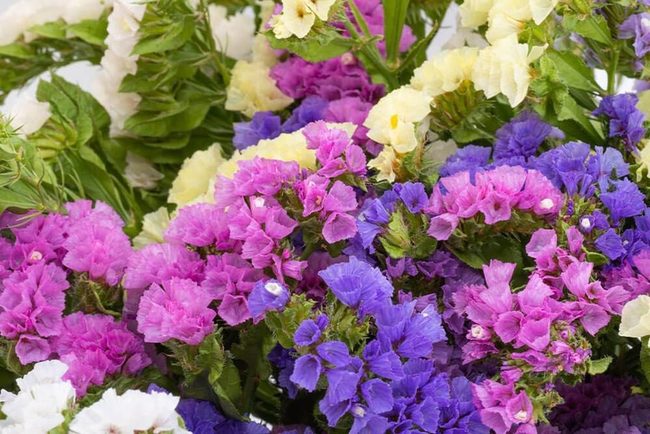
Statice, also called sea lavender, catches your attention immediately with its striking purple, pink, or white blooms that seem to float above delicate stems like tiny clouds scattered across your garden.
These funnel-shaped flowers are so eye-catching that you won't forget them once you've seen them growing in a landscape.
Beyond just looking beautiful, statice draws hummingbirds and butterflies to your outdoor space when you leave the flowers on the plant.
We can see the appeal in how how tough it really is; it handles coastal conditions, salty air, and dry spells without complaint.
Different species grow well in different climates, so you can find one that works for your region.
Limonium platyphyllum happens to be the toughest option around and will keep thriving in cold areas where other varieties struggle and eventually give up.
Blue Spring Awakening In Shade
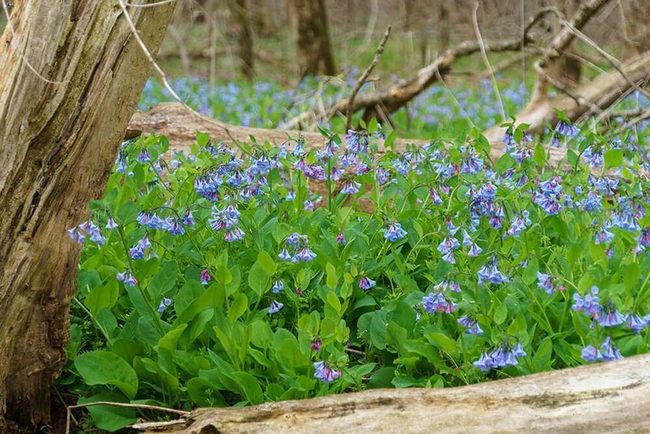
Virginia bluebells display delicate, funnel-shaped flowers that burst into color during early spring and offer one of nature's most charming seasonal shows.
You can plant them in shaded spots where they'll thrive and add splashes of blue or purple when most other plants are barely starting to grow.
Once summer heat arrives, these plants slip underground in a clever survival trick that keeps them protected from deer while they rest.
This natural cycle means they handle different climates well and don't require constant attention from you throughout the year.
Pairing them with hostas and ferns gives you layers of interest as each plant contributes something different through the seasons.
Your garden stays full of life and color because these companions fill in the gaps when bluebells fade.
Mixing these perennials together means you get reliable beauty that returns stronger each year without much fuss on your part.
Deer-Proof Pink Peony Blooms
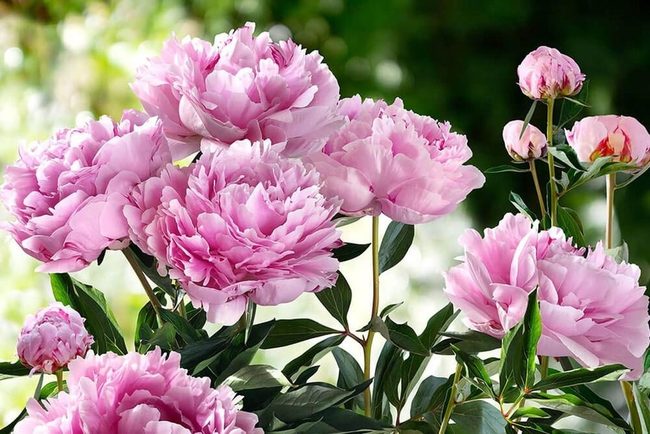
Peonies display massive blooms in rich colors and sweet scents that stop you in your tracks and make you want to lean in closer.
Growing these flowers demands patience since they take several years before producing those gorgeous displays, though the wait pays off when they finally open for a brief but spectacular show.
What's great about peonies is that deer leave them alone, so you can plant them near other vulnerable plants without fear of damage from hungry wildlife.
These perennials tough out brutal winters and live for generations, becoming treasured parts of your garden that improve with age and outlast many other choices you might make.
Purple Coneflower Attracts Pollinators Year-Round
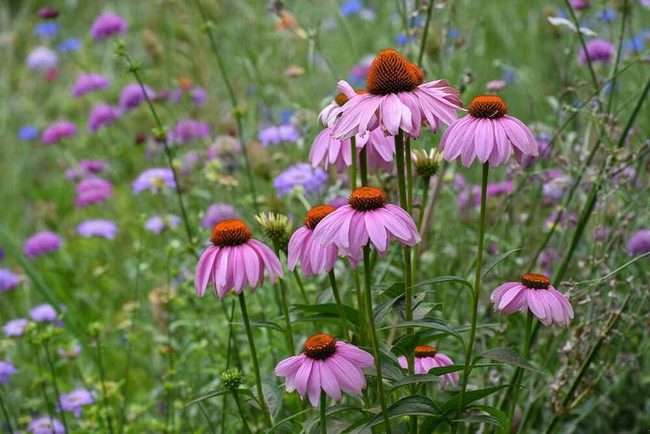
Purple coneflower stands out as a favorite among garden enthusiasts because this perennial thrives in various conditions, from scorching heat to chilly winters, and it blooms continuously throughout the summer without needing much care.
Deer tend to avoid these flowers while bees and butterflies are drawn to their vibrant hues during warmer months, and songbirds enjoy the seeds when fall arrives.
Should you prefer colors beyond purple, options like red or yellow can easily brighten your space too, which makes gardening feel effortless and rewarding for anyone looking to add life to their yard with minimal effort.
Layered Blooms Persian Buttercups
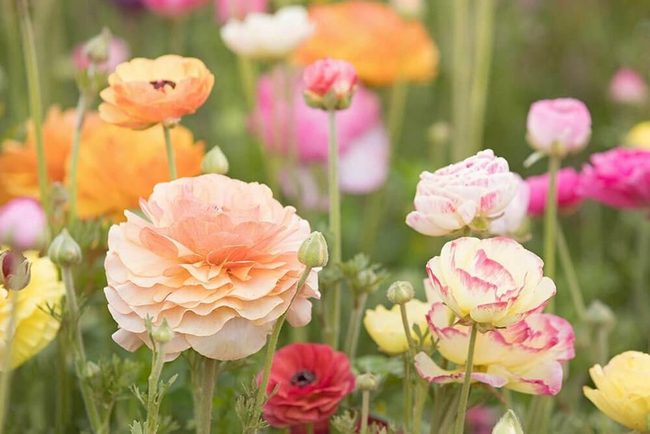
Persian buttercups display absolutely stunning layered blooms that look just like roses and bring remarkable color to any garden space.
You can feel these flowers pop up in spring and stick around for more than a month, making your outdoor area feel alive and fresh.
Once the petals drop, the lacy foliage keeps things looking nice through the fall months, so there's always something to enjoy.
In warmer regions south of zone 7, they grow back year after year as true perennials, but if you live further north, you can treat them as annuals or plant them in containers instead.
One important thing to keep in mind is that these pretty blooms contain toxins, which means they're harmful to deer, pets, and kids, so you'll want to place them somewhere safe and secure.
Golden Spikes Shade Garden Star
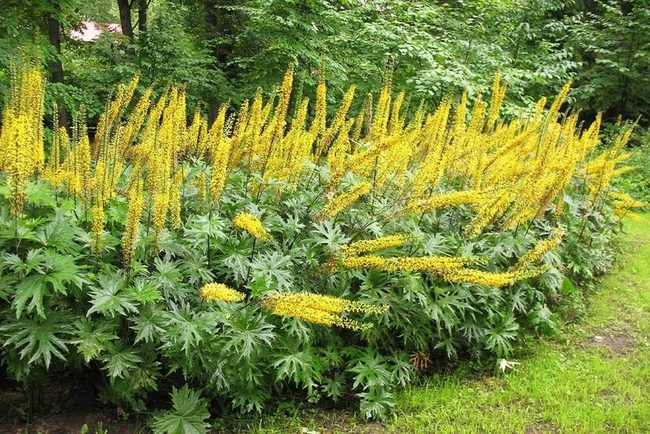
Ligularia stands out in shaded gardens with its towering flower spikes dressed in golden yellow hues that command attention without overwhelming the senses, while its enormous leaves stretch over a foot across and create an impressive display that somehow resists deer despite its apparent appeal.
These beauties flourish best in cool and damp soils from zones 4 to 8, and morning sunlight paired with afternoon shade creates the ideal environment for them to thrive.
Keeping the soil moist is essential if you want lush foliage and stunning blooms year after year, so regular watering becomes part of your routine with this plant.
We recommend placing ligularia in spots where it gets morning light but stays shaded during the hot afternoon hours.
Since these plants love moisture, they do particularly well near water features or in naturally boggy areas of your landscape.
Yellow Blooms Deer Won’T Touch
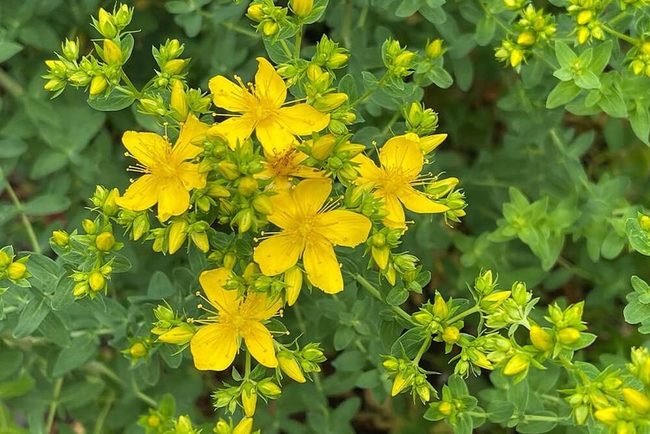
St.John's wort brings so much more to your garden than just its medicinal qualities, with bright yellow blooms that light up spaces from late spring straight through early fall and immediately draw attention wherever you plant it.
This hardy perennial is incredibly flexible and grows strong in many different situations, whether you're dealing with drought conditions or areas that get only light shade, so it adapts where most other plants would struggle.
Since deer naturally avoid this plant because of its mild toxicity, you won't have to worry about them munching on your garden, which makes it a smart solution if you've been battling these unwanted visitors.
Beyond just being tough and reliable, the genus offers you several species to choose from, ranging from short compact varieties to sprawling groundcovers that spread across your space.
Blue Flowers Choke Weeds Out
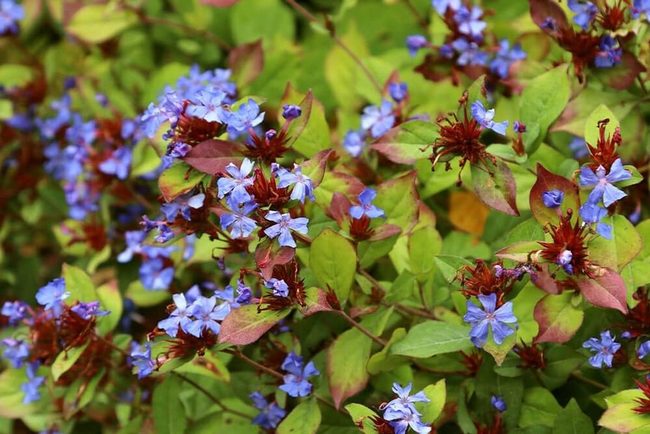
Hardy leadwort, commonly called plumbago, produces striking blue flowers that emerge in mid-summer and persist through autumn, making it one of the most eye-catching plants you can add to your garden.
Beyond its bold color, this plant demands little from you in terms of care and bounces back easily from stress or neglect.
It spreads across the ground as a natural cover and grows so densely that it actually chokes out weeds thanks to chemicals its roots release into the soil.
Another bonus for many gardeners is that deer rarely bother this hardy plant, so you can rely on it to stay intact even in areas where wildlife pressure runs high.
Watch your garden closely and you might discover just how tough this leadwort really is when given decent growing conditions.
Ruffled Blues And Purples Deer-Proof
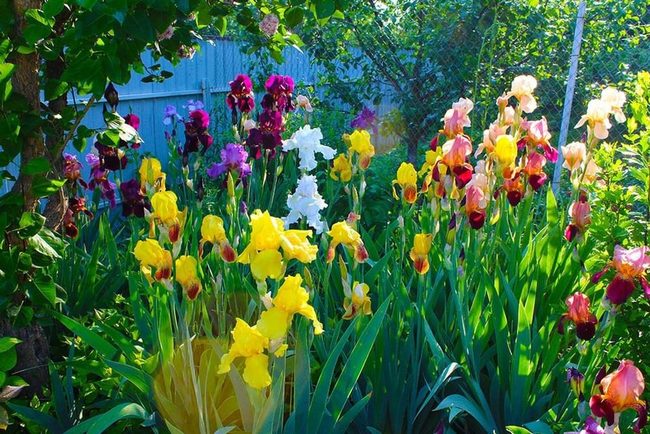
Irises explode with dramatic ruffled petals in striking blues and purples that stop anyone in their tracks when walking through a garden, and their diverse color range and varied forms mean you can place them almost anywhere; whether in shady spots or full sun.
Countless varieties exist beyond the popular bearded iris, so you'll find options to match whatever your garden style calls for.
What makes irises especially practical for your landscape is that deer naturally avoid them because of their strong scent and mildly toxic properties, which gives you peace of mind about protecting your plantings from hungry wildlife.
Pink Heart-Shaped Spring Blooms
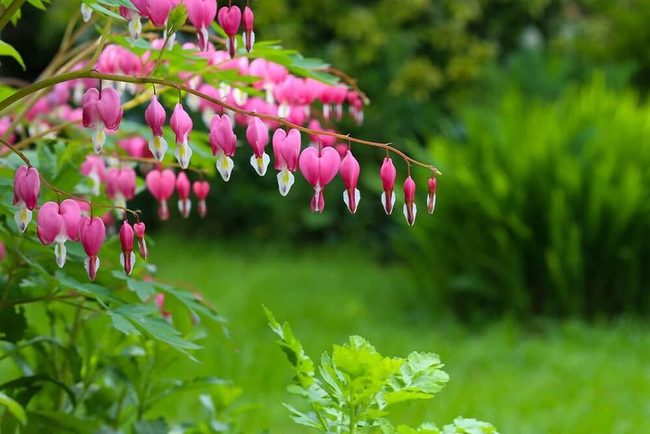
Bleeding heart captures immediate attention with its delicate pink flowers that look like tiny hearts dripping downward in the most charming way.
Even though the blooms only last for a short window in early spring, they transform your garden into something truly special during that time.
Since this plant handles dappled shade and cold winters without complaint, you can rely on it to perform well across different garden settings.
When summer arrives and the flowers fade, cutting them back encourages new blooms to emerge and extends the show.
Pairing bleeding heart with cheerful annuals during the slower months keeps your garden looking fresh and alive throughout the year, and this combination strategy means you never have to settle for a dull space.
Orange Monarch Butterfly Caterpillar Plant
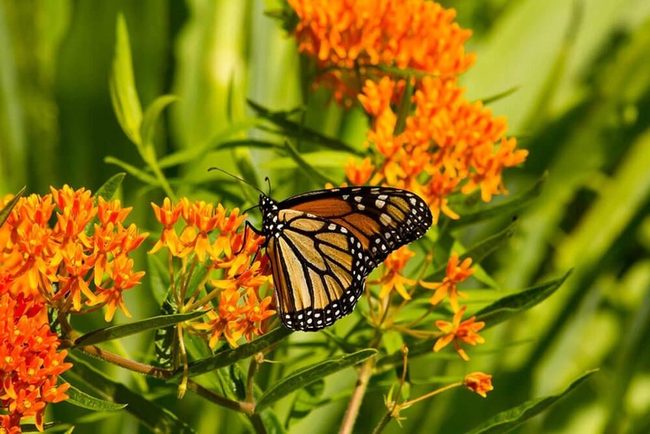
Butterfly weed produces striking clusters of orange flowers that grab attention and draw butterflies and other pollinators to your garden space.
Beyond its bold appearance, this plant holds serious importance for Monarch butterflies because caterpillars feed on it and depend on it for survival.
You'll also appreciate that the leaves contain toxins which deer naturally avoid, so your garden gets natural protection from browsing animals.
What makes butterfly weed even better is how hardy it is; it grows well in poor soil and handles drought without complaint, making it a low-maintenance choice for most gardeners.
If you decide to grow it from seed, just know that patience matters since the plant needs two to three years before it starts flowering.
Once those colorful blooms finally appear though, the wait becomes worthwhile and you'll have a beautiful pollinator magnet that keeps coming back year after year.
Pink Allium Blooms Deer Resistant
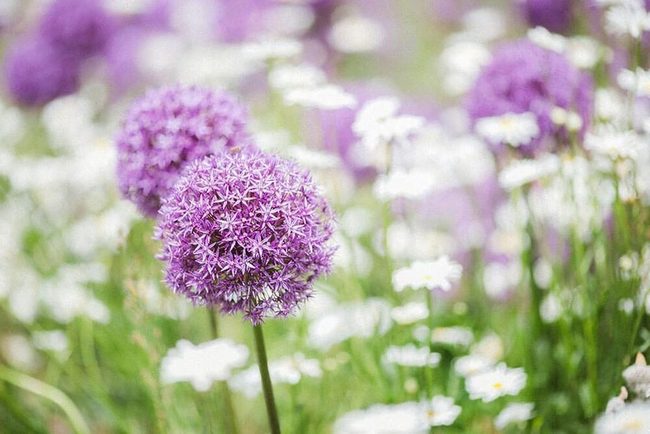
Ornamental onion catches your attention first with its charming pink blooms that sway gently in the breeze and resemble delicate mini amaryllis flowers, making any garden space feel more interesting.
The beauty of this setup is its natural ability to stand up against deer and rabbits, so you won't have to worry about your hard work disappearing overnight.
It grows well in hardiness zones 4 through 9, which means it thrives in many different climates where other plants might struggle or fail.
Beyond the visual appeal, ornamental onion brings a unique flair that most gardeners appreciate.
If you've had trouble keeping plants safe from hungry wildlife, this one offers real peace of mind.
Its resilience combined with those eye-catching flowers means you get beauty and durability rolled into one plant.
Adding it to your garden gives you a flower that performs well year after year without demanding much attention.
Purple Fragrant Deer-Resistant Perennial
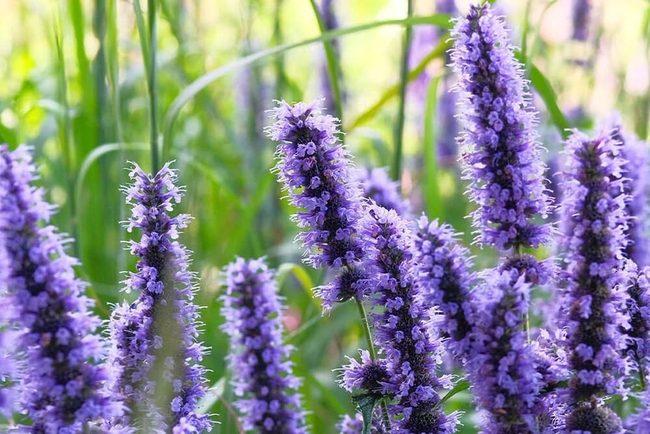
Hyssop displays striking purple flowers that smell wonderful and remind you of lavender while still standing apart as something special.
Deer tend to avoid this hardy perennial because of the strong oils in its leaves and stems, so you won't need to worry about hungry wildlife nibbling it down.
Growing it in your garden happens without much fuss since the plant self-seeds naturally and propagates well from stem cuttings or division.
Even harsh cold temperatures pose no real threat to hyssop's survival.
You might notice people sometimes mix it up with anise hyssop since they look fairly similar, but both varieties bring genuine beauty and strength to any outdoor area.
Getting this resilient perennial established doesn't demand any special gardening experience at all.
Gray-Green Foliage Blocks Deer Naturally
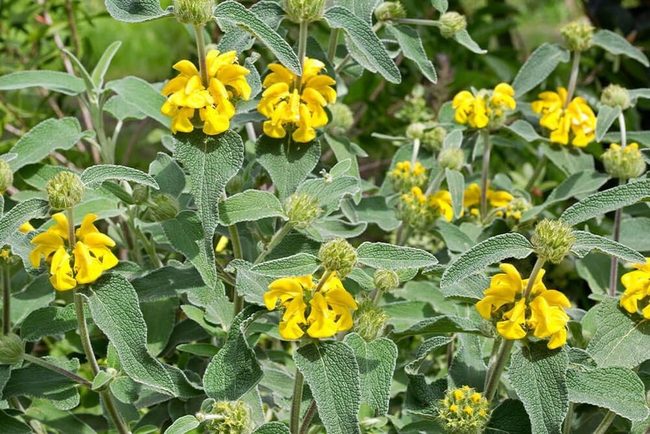
Jerusalem sage deserves a spot in your garden because those woolly gray-green leaves and bright yellow flowers stand out beautifully in sunny areas and catch the eye from across the yard.
On warm days, the foliage releases a sweet aroma that makes the plant even more appealing when you brush past it or work nearby.
What really sets this perennial apart is that it naturally keeps deer away; the essential oils in the leaves deter them without you having to do anything extra.
A key detail is how tough this plant is since it handles different soil types and moisture conditions without fussing, so it works well whether your garden is dry or occasionally wet.
If deer tend to wander through your outdoor space and eat your other plants, Jerusalem sage offers both beauty and the protection you need.
I've seen this plant thrive with minimal care once it's established, making it a smart choice for anyone looking to add color while solving a real problem.
Silver Foliage Defies Harsh Gardens
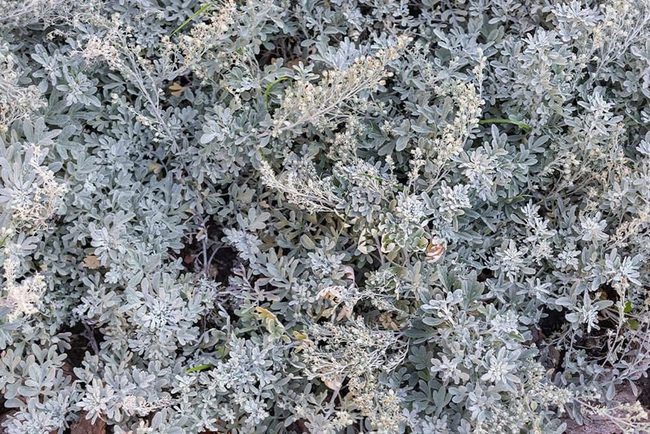
Dusty miller, also known as silver mound, transforms your garden with its striking silvery foliage that catches light beautifully and stands out against any backdrop.
You'll find this plant thrives in sunny spots and handles challenging areas where other greenery simply won't survive.
Its unique leaves reflect sunlight and keep heat at bay while resisting salt spray with ease, making it perfect for seaside gardens where conditions are tough.
Because of its ability to shine in difficult locations and provide reliable protection from wildlife, dusty miller works hard in spaces that need both visual interest and low-maintenance solutions.
You can count on this silver-leafed plant to anchor your garden design while handling whatever harsh conditions come its way.
Feathery Pink Spikes For Shade
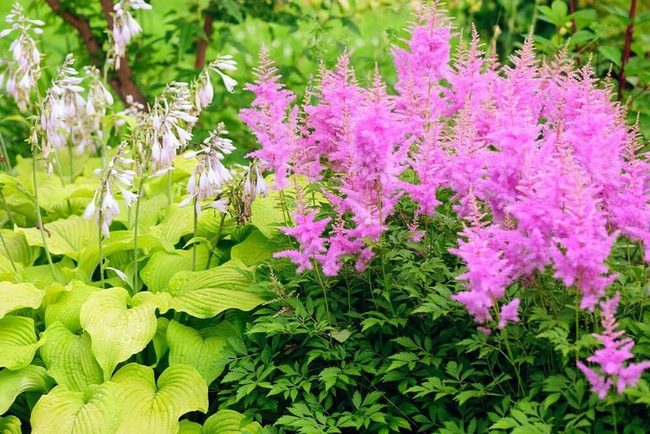
Astilbes produce tall, feathery spikes in pink, white, and purple that rise above your garden beds throughout summer and create immediate visual interest in shaded areas.
Many varieties develop deep red or bronze foliage that looks striking even after the flowers drop, adding another layer of color to your landscape.
Bees and butterflies happily visit these plants to feed while deer tend to leave them alone, which means you get pollinator activity without worrying about damage to your garden.
Once established, astilbes need very little maintenance and handle different growing conditions with ease.
Northern gardens with brighter shade and southern regions with denser shade both work well for these adaptable plants.
You can rely on astilbes to perform year after year without demanding much attention or special care from you.
I value the way they fill gaps in shady spots where many other flowering plants struggle to thrive.
Drought-Tough Flowers In Brilliant Clusters
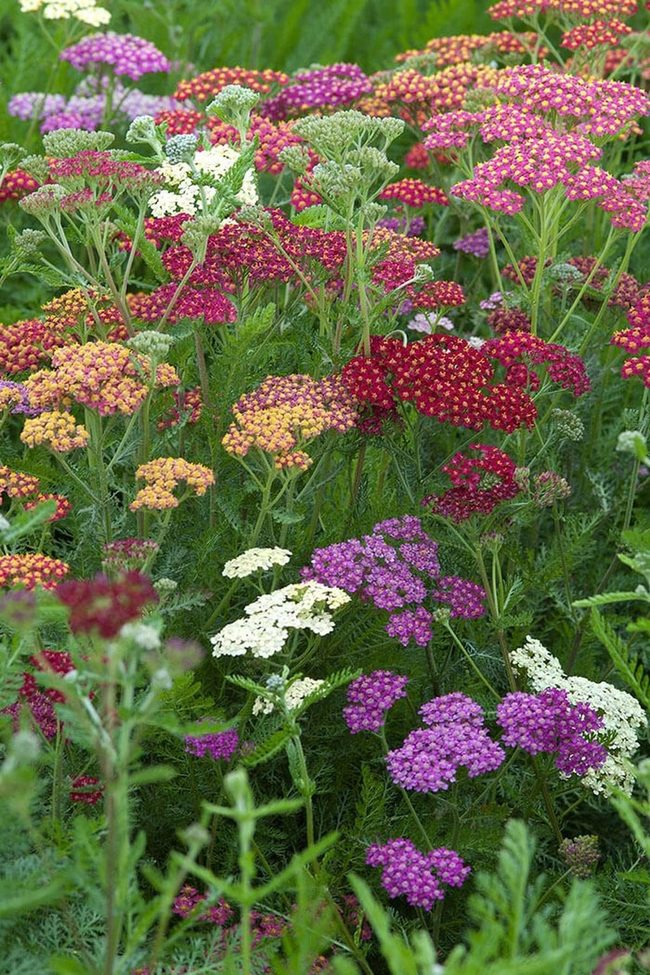
Yarrow displays striking clusters of flowers in bold reds, purples, pinks, and yellows that can brighten any garden space all summer long, and what gives this look its appeal is that it thrives in tough conditions where many other plants simply fail to grow.
If deer tend to munch on your other plants, yarrow's natural oils keep them away without any effort on your part.
Beyond the living garden display, you can cut and dry the stems for indoor arrangements that hold their color and shape beautifully for months.
Gardeners love that this hardy perennial handles drought, poor soil, and full sun without complaint.
You don't need special care or constant attention to keep it looking great throughout the growing season.
Olivia Martinez
Founder & Principal Designer
Expertise
Sustainable Interior Design, Residential and Commercial Space Planning, Historic Preservation and Adaptive Reuse, Custom Furniture Design, Project Management
Education
Parsons School of Design, New York, NY
LEED Accredited Professional (LEED AP)
Olivia Martinez is the founder of Archi Refresh, where she brings style and sustainability together. With a degree from Parsons School of Design and a LEED certification, she’s all about creating beautiful, eco-friendly spaces.
With over eight years in the industry, Olivia has designed everything from cozy homes to commercial spaces, always putting function and sustainability first. She loves working with local artisans and has been featured in design publications for her fresh take on green living.
When she’s not designing, Olivia enjoys exploring historic architecture, painting, and spending time with her rescue dogs, Luna and Max.