
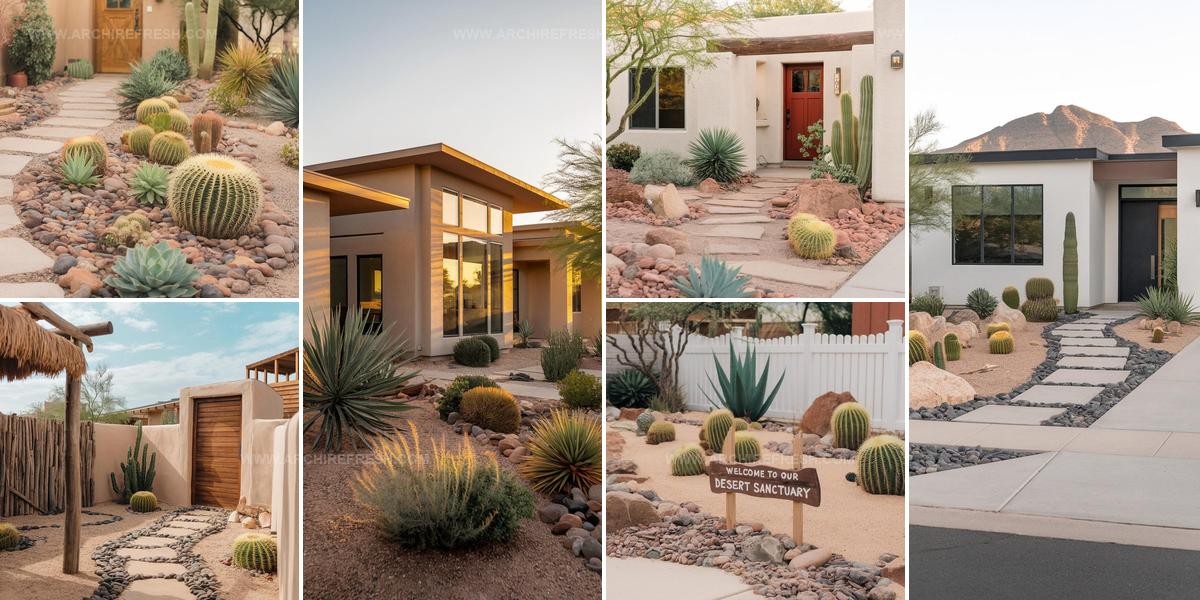
25 Creative Desert Landscaping Ideas for Dry Climates
Desert landscaping ideas offer homeowners a chance to embrace natural beauty while conserving precious water resources in arid climates.
Xeriscaping principles combine aesthetics with environmental responsibility, making yards both stunning and sustainable.
Native plants like agave, prickly pear, and desert marigolds thrive without constant irrigation or maintenance demands.
Gravel pathways, decorative rocks, and sculptural succulents add texture and visual interest to outdoor spaces.
The right design choices help reduce water bills while creating habitats for local wildlife and pollinators.
Southwest-inspired gardens prove that low-maintenance doesn't mean sacrificing curb appeal or personal style.
Sand Patterns Around Green Plants
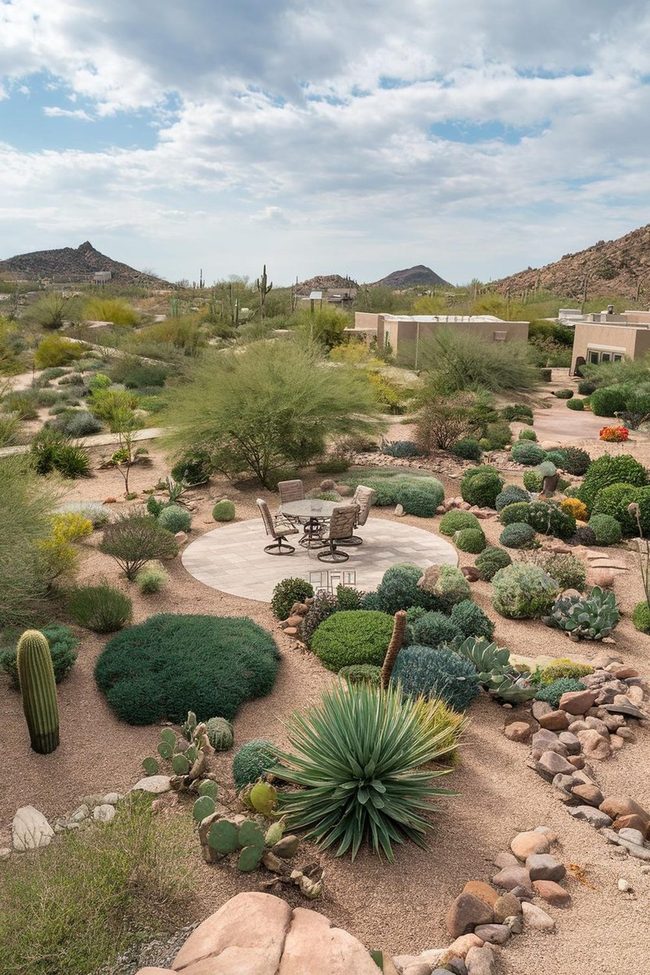
Colored sand beds offer a striking alternative to ordinary soil landscaping, and you can rake different varieties into meditative wave patterns or layer contrasting tones around your plants for visual depth.
Sand dunes and swirling designs catch the sunlight differently than soil does, making your garden feel fresh and modern.
You might choose white sand to well-liten shaded corners or go with darker varieties to make green foliage pop in comparison.
Maintenance is straightforward since you simply rake the surface smooth and refresh it when patterns fade.
Plants adapt well to sand in most climates, though you may need to adjust watering schedules depending on your region.
Sand beds also work wonderfully in small spaces where you want to boost visual interest without crowding the area.
Whether you go for geometric designs or organic flowing lines, this approach gives your outdoor space a contemporary feel that's easy to maintain year-round.
Weathered Metal Desert Pottery
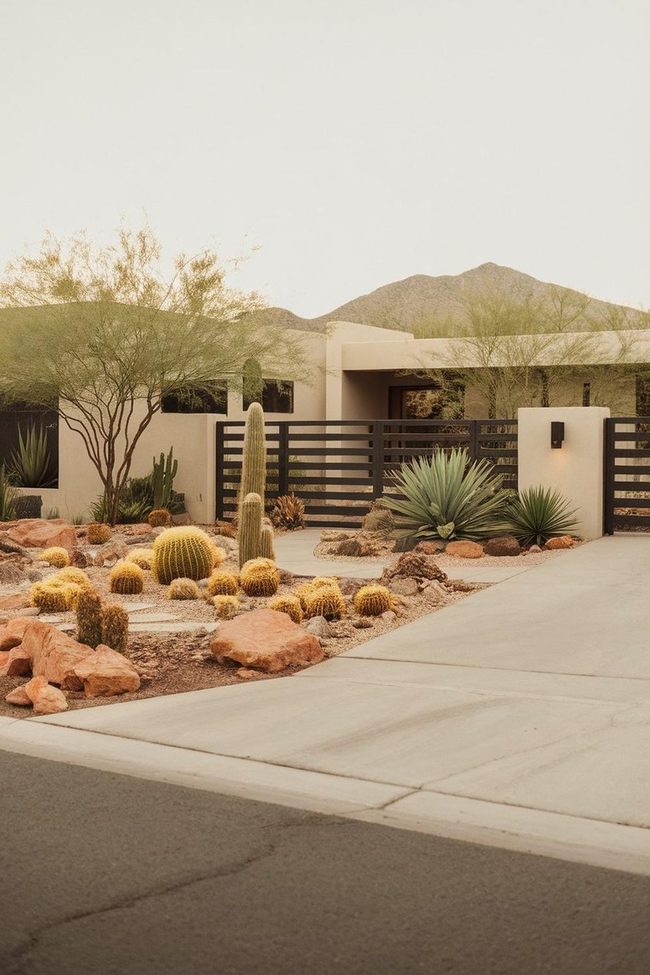
Metal sculptures and driftwood art pieces scattered throughout your room bring an immediate sense of raw, weathered beauty that catches attention right away, and adobe-style pottery adds earthy warmth that grounds the entire space.
You can arrange these pieces on shelves, hang them on walls, or position them as standalone features that command the room's energy.
Desert-inspired art works especially well when you mix materials, combining smooth driftwood with rough metal creates interesting contrast that keeps the eye moving.
Pottery with terracotta tones and natural textures feels genuine and connects you to the landscape you're honoring.
These pieces also tell stories about the places they come from and the hands that shaped them.
Adding art that reflects desert culture gives your home character that mass-produced decor simply cannot match.
Crushed Granite Desert Paths
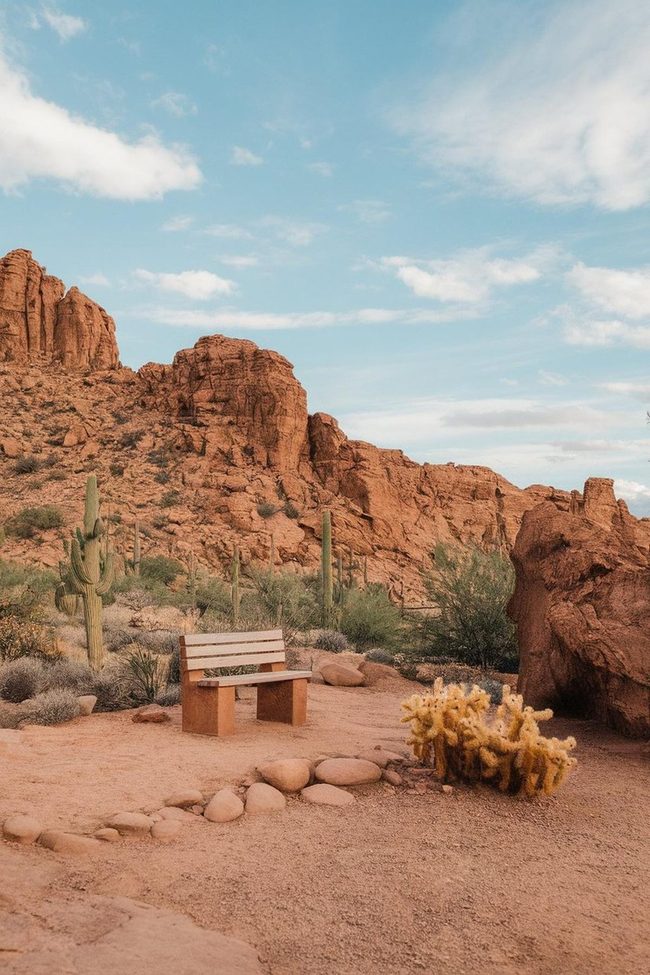
Winding pathways made from crushed granite or pebbles bring immediate visual interest to your outdoor space and guide people naturally through your landscape.
Decomposed granite works wonderfully because it settles nicely and prevents water from pooling in your patio beds.
You may appreciate how these materials add that authentic desert character that makes a property feel grounded and connected to nature.
They're also simple to install yourself without needing special equipment or professional help.
When you need to refresh the look, you can easily add more material or switch to a different color to match your updated design.
Water drains right through, so you won't deal with muddy spots during rainy seasons.
Walking on them produces that pleasant crunching sound that adds another sensory element to moving through your yard.
Layered Desert Greens
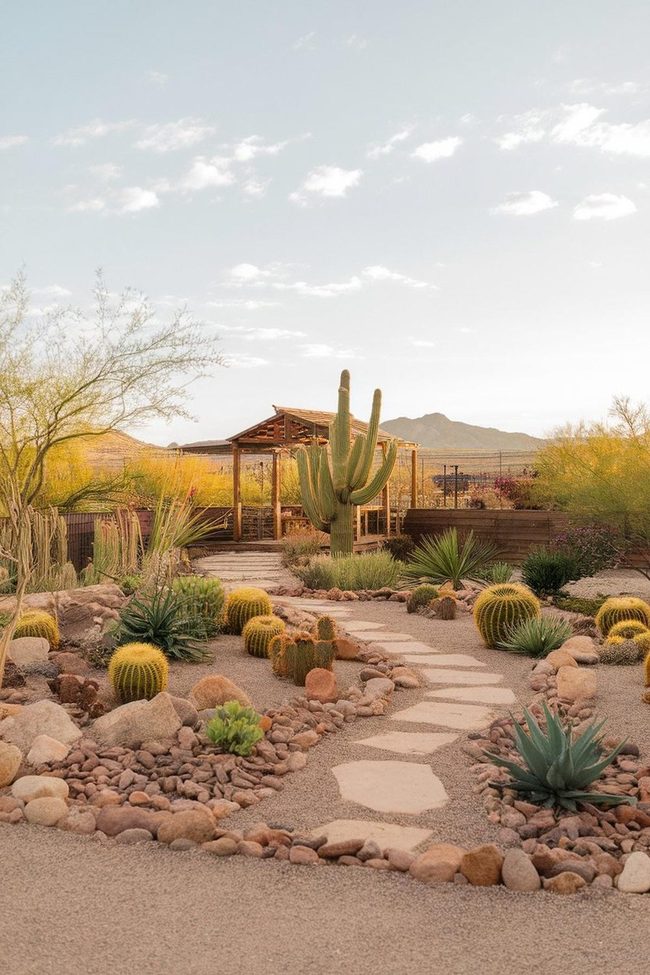
Desert landscapes shine brightest when you fill them with succulents, those remarkable plants that need minimal water and offer striking architectural forms.
Mixing varieties such as agave, aloe, and echeveria gives you endless opportunities to play with different textures and color palettes across your space.
You can arrange them in clusters or scatter them throughout to build visual depth and keep things interesting.
Succulents demand so little from you in terms of watering and care, yet they deliver so much in return through their unique shapes and hues.
Their fleshy leaves and geometric patterns naturally draw attention without any extra effort on your part.
If you're designing a desert-inspired outdoor space, these plants are where your energy should go first.
Wooden Raised Beds Desert Herbs
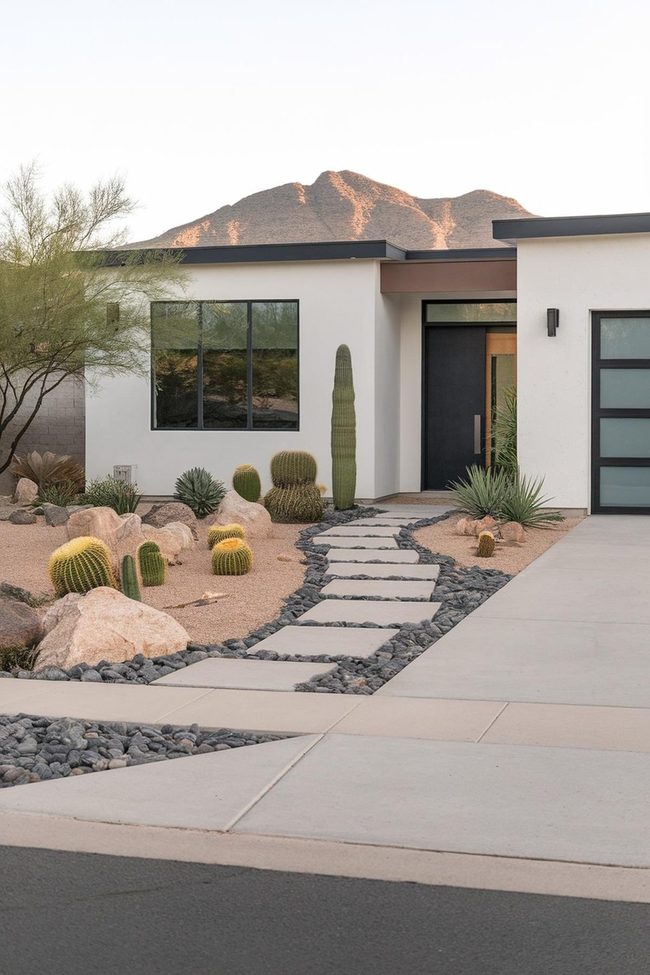
Raised beds filled with rosemary, sage, and lavender offer you a double benefit, fresh herbs for cooking and beautiful plants that look gorgeous in any exterior space.
Desert plants like these thrive in raised beds because the soil drains well and stays at the right temperature for hot climates.
You could find how the silvery-green foliage of these herbs catches bleached and adds texture to your garden throughout the year.
Beyond looks, you can snip fresh leaves whenever you need them for your cookspace, making this a useful for everyday living setup that doesn't sacrifice beauty.
Herbs in raised beds also smell wonderful when you brush past them or brush your hand over the leaves.
Placing raised beds near your exterior living areas means you have easy access to fresh herbs while relaxing outside.
Growing these desert-friendly herbs gives you a garden that's both functional and pleasant to look at.
Stone Benches Under Desert Sun
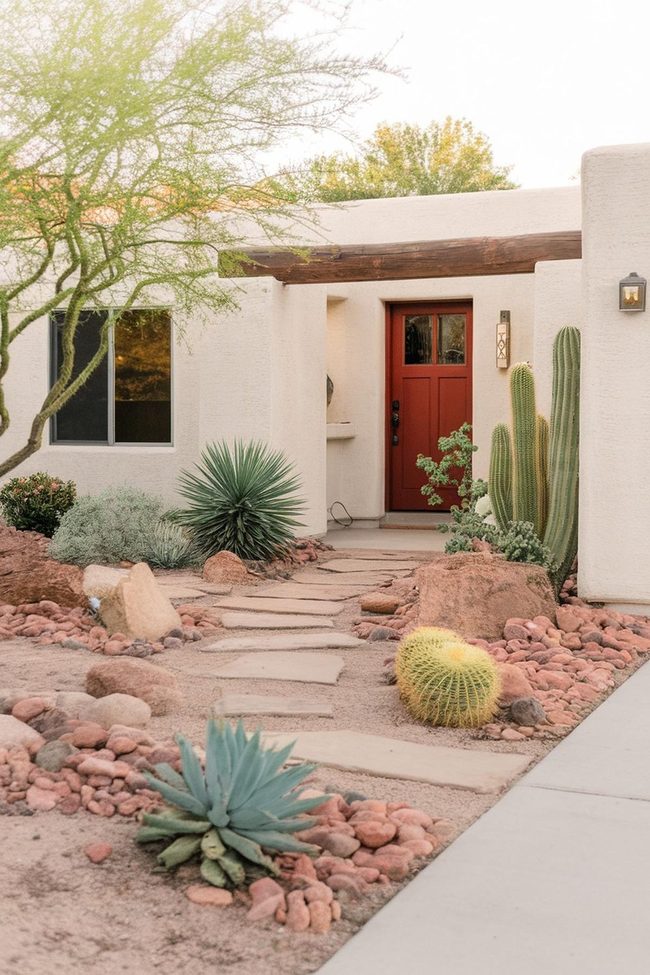
Stone benches and adobe seating fit right into a desert landscape and give your exterior space an authentic feel.
You can also hang woven hammocks between sturdy posts or trees for a relaxed spot to rest.
Sun-bleached driftwood pieces work well as natural seating options and blend seamlessly with the sandy environment.
Every seating choice keeps the space looking connected to nature rather than fighting against it.
When you select furniture that mirrors the landscape, you don't need much decoration to make the area feel complete.
Simple organic or stone seating lets the natural beauty do most of the work for you.
Native Plants Attract Desert Birds
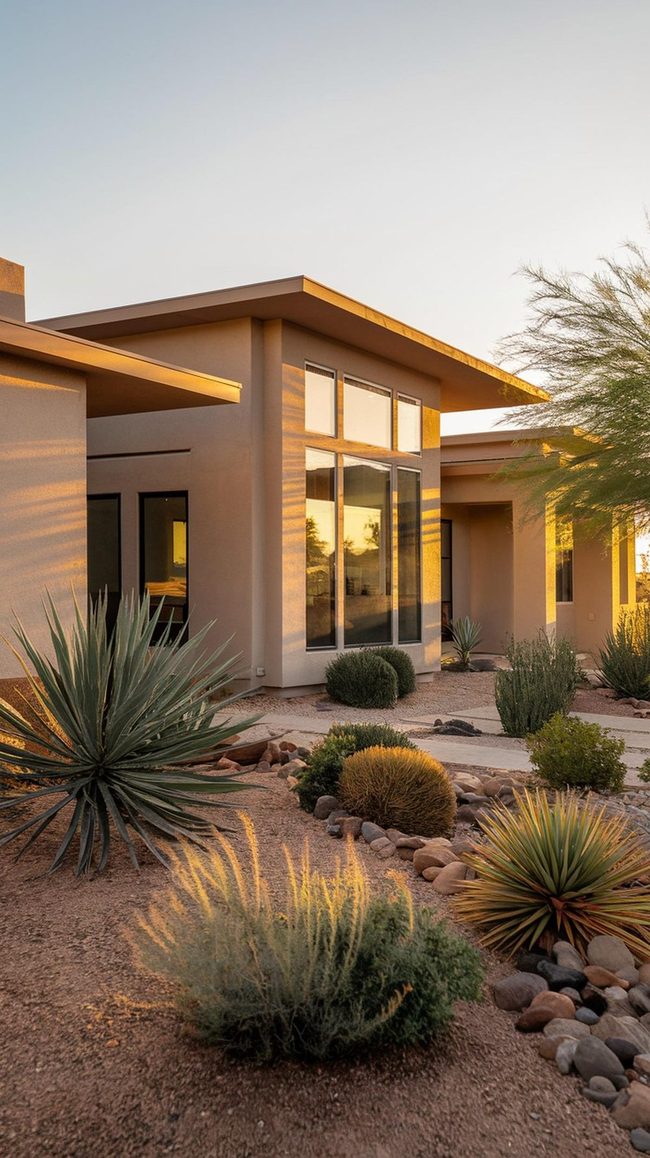
Birds and pollinators thrive when you set up hummingbird feeders that draw them in with sunlit red designs and sweet nectar throughout the seasons.
Pair these feeders with plants like native wildflowers, zinnias, and salvia that offer natural food sources and shelter for bees and butterflies.
Water is just as important, so place birdbaths in shaded spots around your yard where birds can drink and cool off without feeling exposed to predators.
Low-growing shrubs and flowering vines add layers of protection that make your space feel safer for wildlife.
You don't need a huge yard to make this work, even a small patio can host a few potted bee plants and a simple water dish.
Mix different plant heights and bloom times so something is always flowering and feeding whatever stops by.
Small touches like leaving some areas wild and unmulched give insects places to nest and rest.
I've noticed that yards designed this way become bustling with activity and sound, turning your yard area into a living, breathing ecosystem.
Smooth Stone Desert Wash
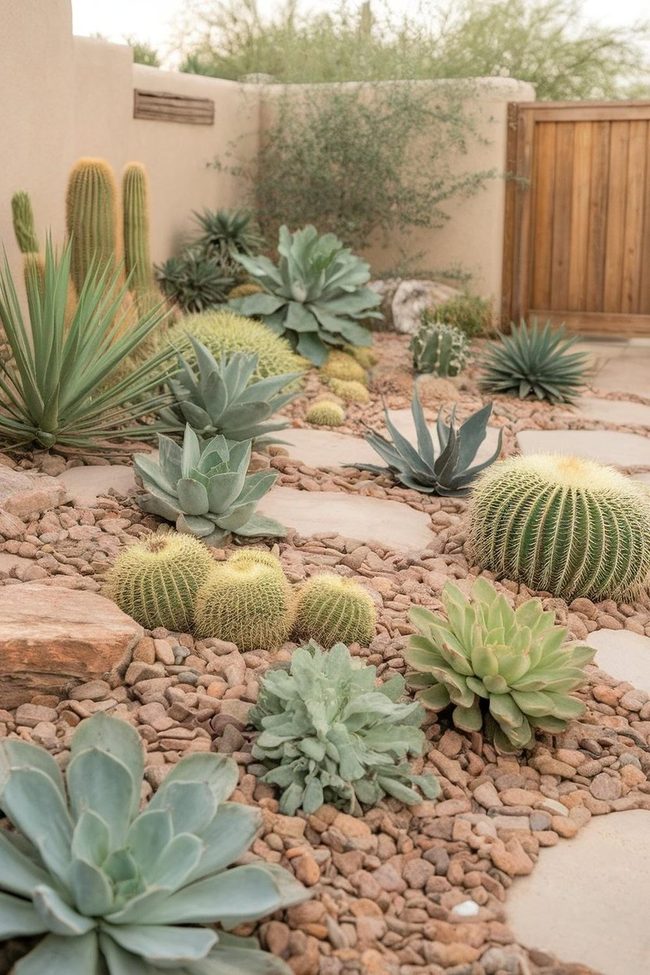
Smooth stones and driftwood arranged in winding patterns across your yard can mimic the appearance of a desert wash and bring movement to an otherwise static landscape.
You can lay out these dry riverbeds in curves and swoops to guide the eye naturally through your outdoor space.
Stones of varying sizes work best because the mix of textures looks more authentic than uniform rocks.
Driftwood pieces nestled among the stones add layers and depth that make the design feel like nature itself shaped it.
Such arrangements work well in modern yards, Mediterranean outdoors, and homes with a Southwestern style.
Your visitors will appreciate the unique look that feels both earthy and low-maintenance.
Beyond aesthetics, these dry riverbeds serve as a smart drainage solution during heavy rain while keeping your yard space visually interesting year-round.
Green Corners For Book Lovers
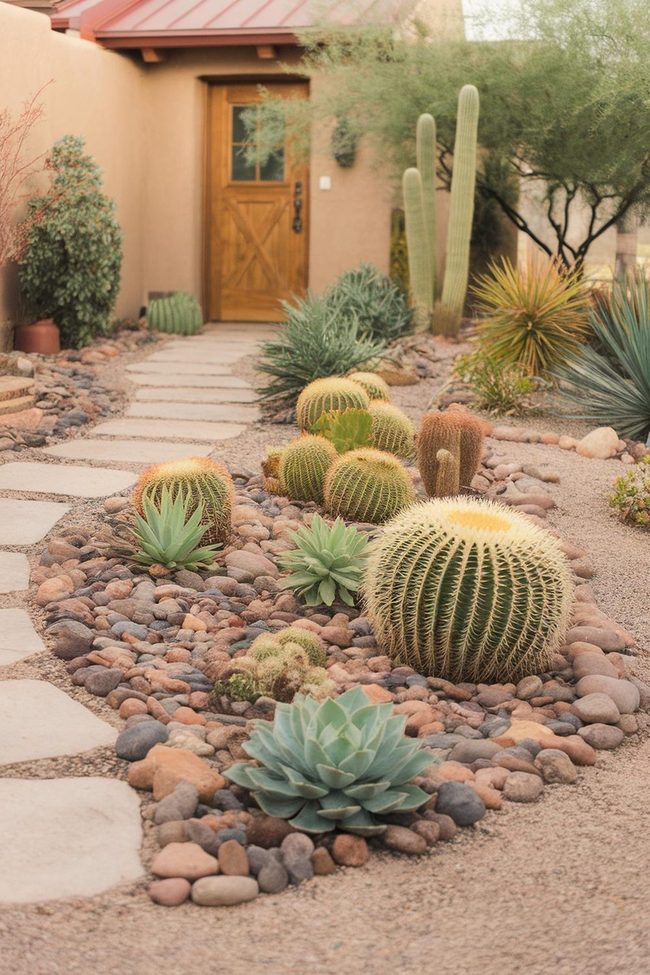
Xeriscaping with drought-resistant plants and gravel reworks your exterior space into something that stands out while requiring minimal water.
You can skip the constant irrigation system and still have a beautiful yard that thrives on its own.
Hardscaping elements like stones and gravel provide visual interest and structure without demanding ongoing maintenance.
Native plants adapted to dry climates grow well in these conditions and need far less attention than traditional landscaping.
Water features can still have a place in your design, though you can want to keep them small and limited to reduce waste.
This approach means you save money on water bills and spend less time maintaining your landscape.
We recommend starting with plants that naturally grow in arid regions, as they'll establish themselves quickly.
Building a sustainable yard this way gives you more free time while supporting the environment.
Desert Succulents In Terracotta Pots
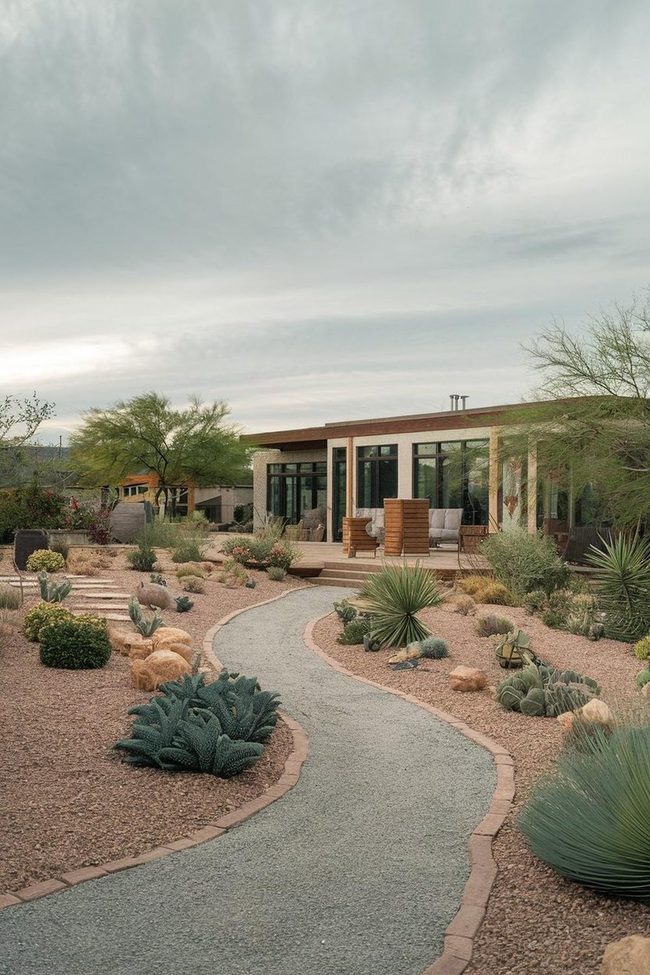
Rows of spiky cacti standing tall in terracotta pots make an instant statement in any room and catch everyone's attention the moment they walk in.
You can mix different types of cacti together in separate containers to show off their unique shapes and textures, and this arrangement works especially well if you have limited space or don't want to overhaul your entire yard.
Clay pots in warm earth tones complement the plants naturally and feel right at home in modern or traditional settings alike.
The best part is that cacti need minimal care and thrive on neglect, so even busy people can keep them looking great for years.
Stacking pots of varying heights across a shelf or windowsill gives you depth and visual interest without fussing over watering schedules.
I like how this approach lets you experiment with desert style gradually since you can always add more pots when the mood strikes.
Starting with just a few containers means you're not locked into a big commitment and can shift things around whenever you want.
This is honestly one of the easiest ways to bring a bold, natural look into your home.
Spiky Desert Sentinels
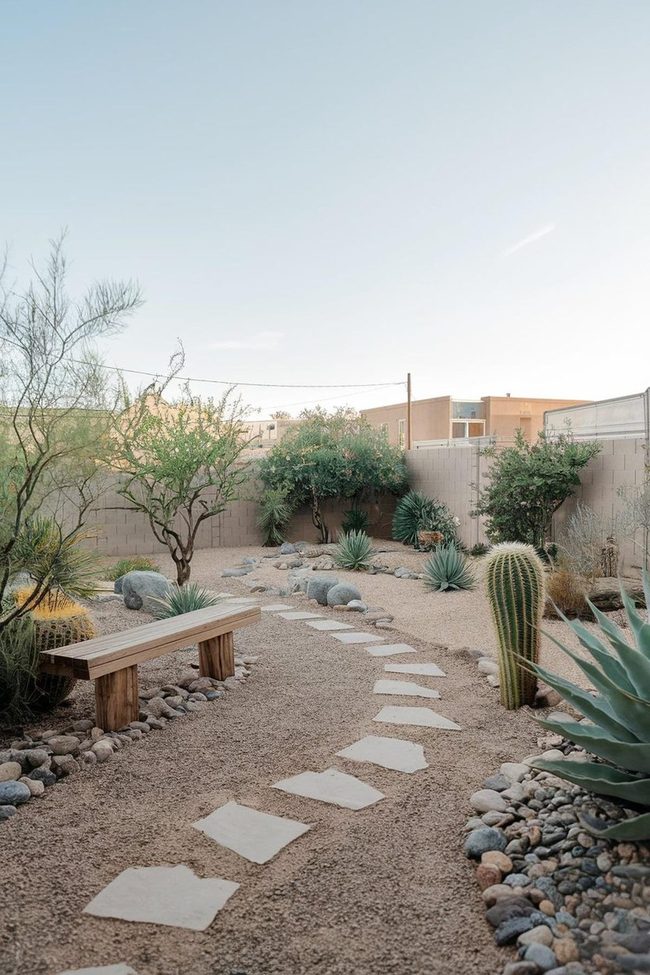
Sculptural yuccas stand out immediately with their sharp, spiky leaves that form dramatic silhouettes you can see from across your yard, especially when they're backlit by the sun.
These plants bring real architectural interest to your landscape because their upright form and distinctive shape work as living sculptures in your space.
What makes them so striking is how they catch ambient and cast bold shadows on the ground around them.
You may appreciate how yuccas add structure and dimension to desert landscapes or any patio area where you want something with presence.
Plant them strategically and they become natural attention areas in your design without needing much fuss.
Since yuccas are low-maintenance and tough in harsh conditions, you get that high-impact look without spending all your time on upkeep.
Stacked Stone Desert Landscape
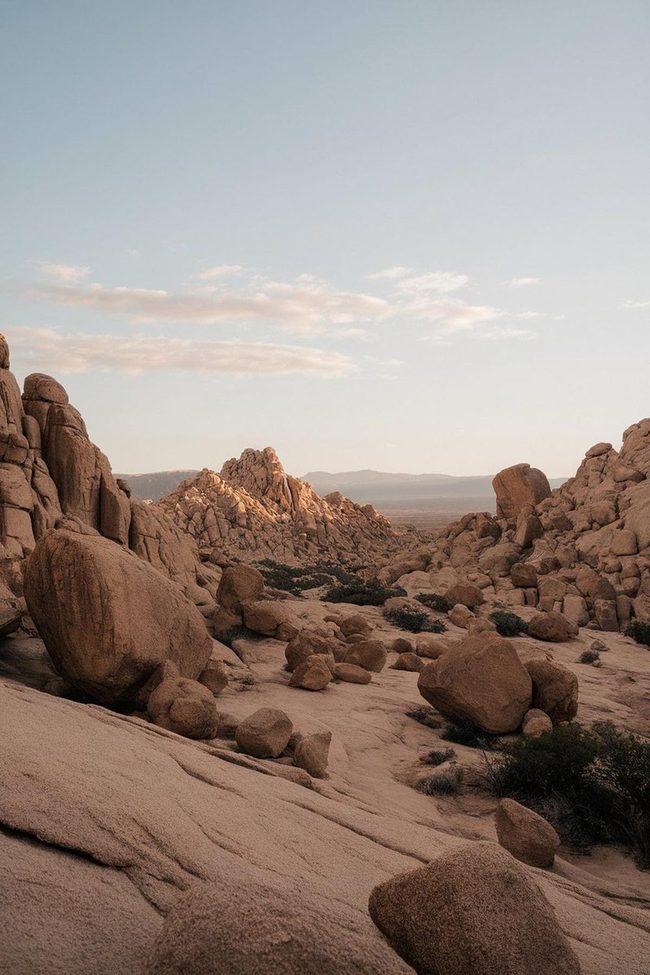
Rock yards offer a striking alternative to standard grass lawns, and you can build them using stones of varying sizes and colors to bring about visual interest across your yard.
Large boulders positioned throughout the space echo the way desert landscapes form naturally, giving your yard area an authentic geological feel.
Plant drought-resistant succulents and ornamental grasses between the rocks to soften the harder lines and add living texture.
Maintenance becomes much easier since these yards need little water and almost no mowing or trimming.
You could spend less time on upkeep and more time enjoying your yard space.
Mulch and decorative pebbles can fill gaps between larger stones and tie different sections together nicely.
Bleacheding works well in rock yards too, especially when you aim it at interesting rock formations during evening hours.
Your yard refines into a low-maintenance landscape that looks purposeful and polished year-round.
Salvaged Brick And Metal Landscape
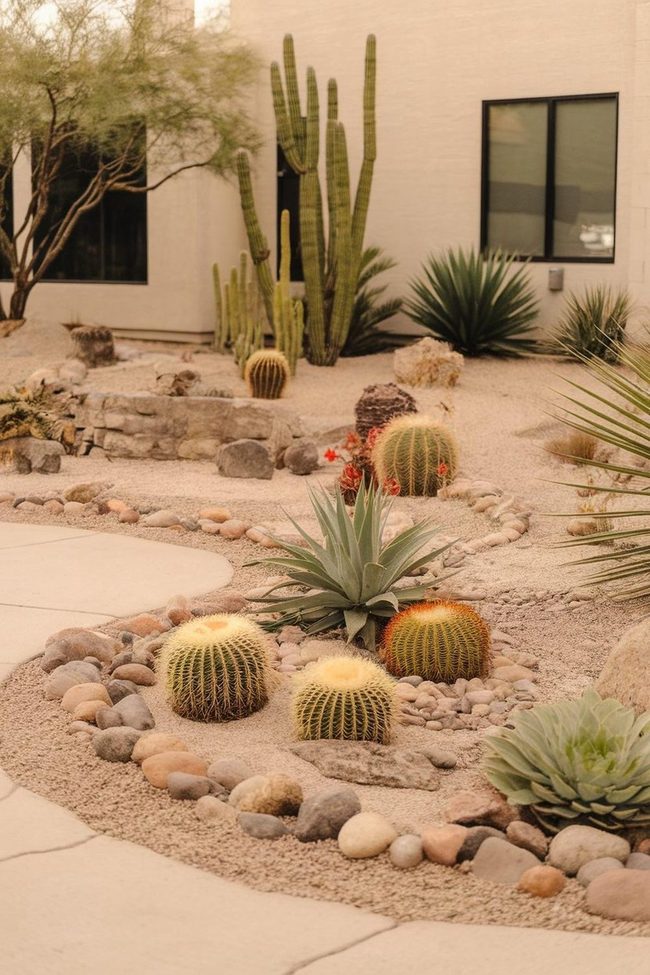
Salvaged bricks with their weathered surfaces and natural color variations form dramatic patio beds and pathways that immediately catch your attention, while corrugated metal panels leaning against structures or framing patio areas bring bold industrial edges to outdoor spaces.
Old doors repurposed as patio gates or vertical planters offer nostalgic charm and become functional art pieces throughout your yard.
These reclaimed materials work well together because they share authentic, lived-in qualities that new materials simply cannot replicate.
Beyond their striking appearance, salvaging and reusing old materials makes environmental sense and reduces waste from landfills.
You can source these treasures from salvage yards, demolition sites, or even local Facebook groups dedicated to free materials.
Mixing different reclaimed elements, such as antique doors paired with weathered maple fencing and old metal fixtures, develops rich visual layers in your landscape.
Hidden Terrace Nook With Seating
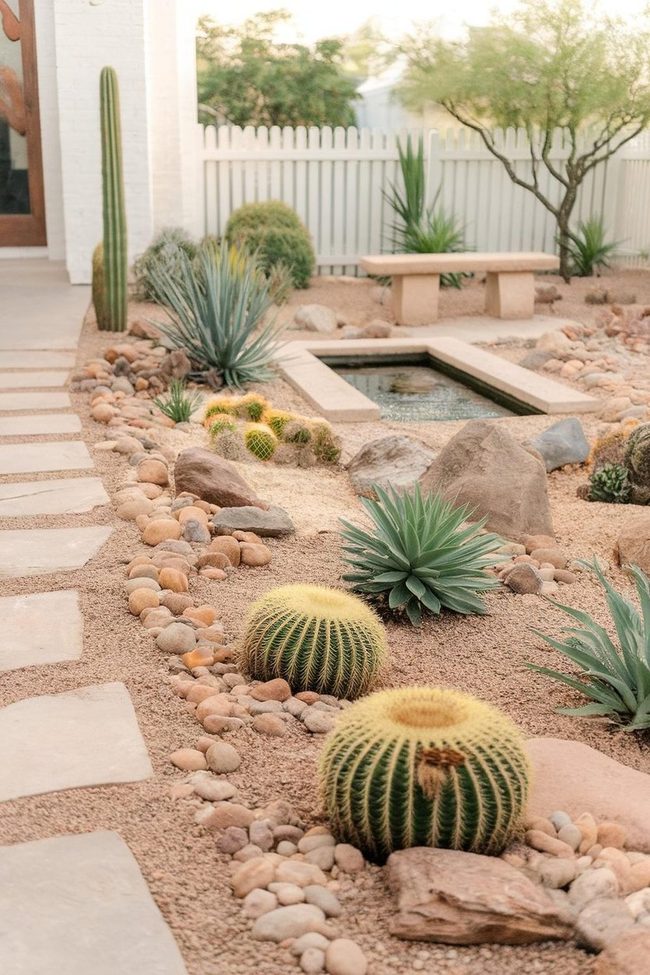
Weathered oak benches, fences, and planters bring an earthy charm to desert spaces and pair beautifully with the sandy landscape around you.
We recommend seeking out pieces that show age and wear, as these elements echo the natural textures already present in an arid environment.
Natural Timber that has been exposed to sun and weather develops a character you simply cannot replicate with new materials.
Placing these rustic pieces throughout your outdoor area anchors the setting and gives your space a grounded, authentic feel.
You can arrange oak planters near pathways or position benches under shade structures to elevate both function and visual appeal.
Such additions cost far less than many other decorating options and require minimal maintenance once installed.
Stone pathways or gravel beds work well alongside these oak elements and enhance the whole desert vibe.
Simple oak accents let the natural surroundings take center stage while still adding warmth and structure to your outdoor design.
Desert Marigold Pollinator Paradise
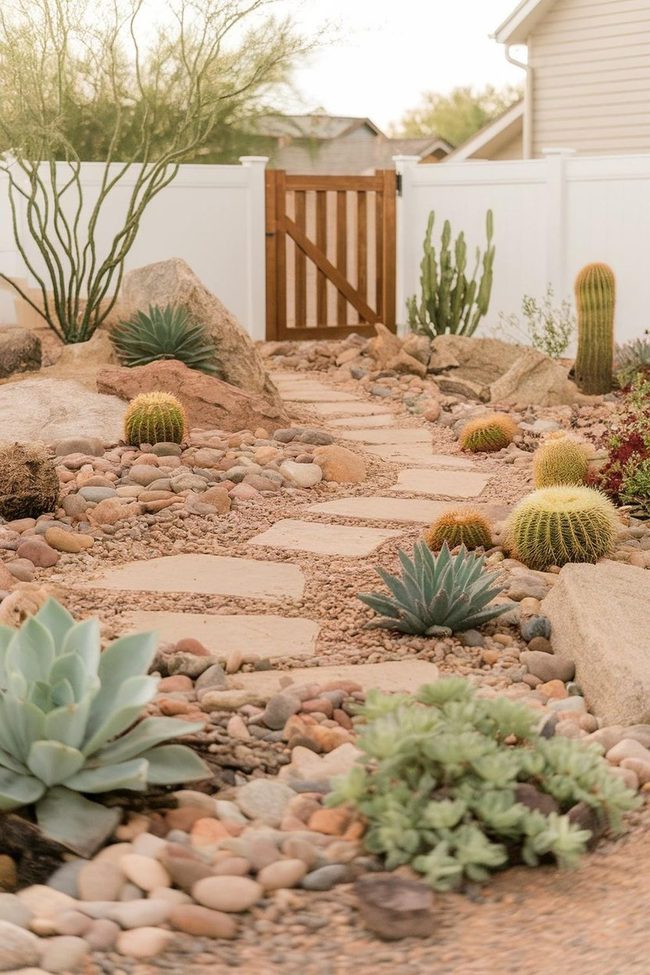
Desert wildflowers such as marigolds, penstemon, and Mexican poppies bring bold, striking colors to your open-air space when they bloom in season.
These flowers stand out with their sunlit hues and natural beauty, making them a great choice if you want something eye-catching without much fuss.
Beyond their appearance, they also draw in butterflies and bees, which helps pollinate your other plants and adds life to your landscape.
Growing these wildflowers is straightforward since they thrive in desert conditions and need minimal care once established.
You are able to find them flowering reliably year after year with just basic watering and attention.
If you're looking to add seasonal interest to your yard, these native options are hard to beat and will reward you with consistent color and natural activity throughout their blooming period.
Spiky Saguaro Desert Statement
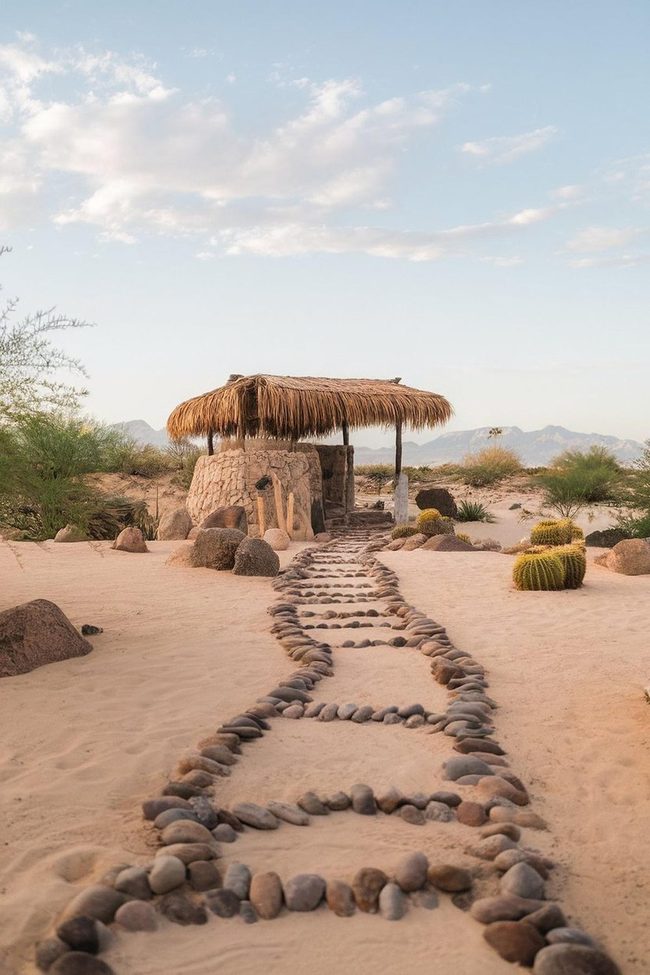
Giant saguaro cacti and golden barrel cacti stand as the most eye-catching elements you can bring into a room, commanding attention with their bold, sculptural shapes and striking presence.
Their tall, spiky forms add immediate dimension to corners and empty walls, and they work especially well in airy spaces where sunbleached can highbleached their unique textures.
Most people don't realize how low-maintenance these plants actually are, which makes them perfect if you want something that looks impressive without constant fussing.
Water them occasionally, place them in good bleached, and they'll thrive on their own.
Unlike other statement plants that need special conditions, cacti adapt easily to different home environments.
You get that bold, desert-inspired look without spending hours on upkeep, and that's hard to beat.
Recycled Water Desert Fountain
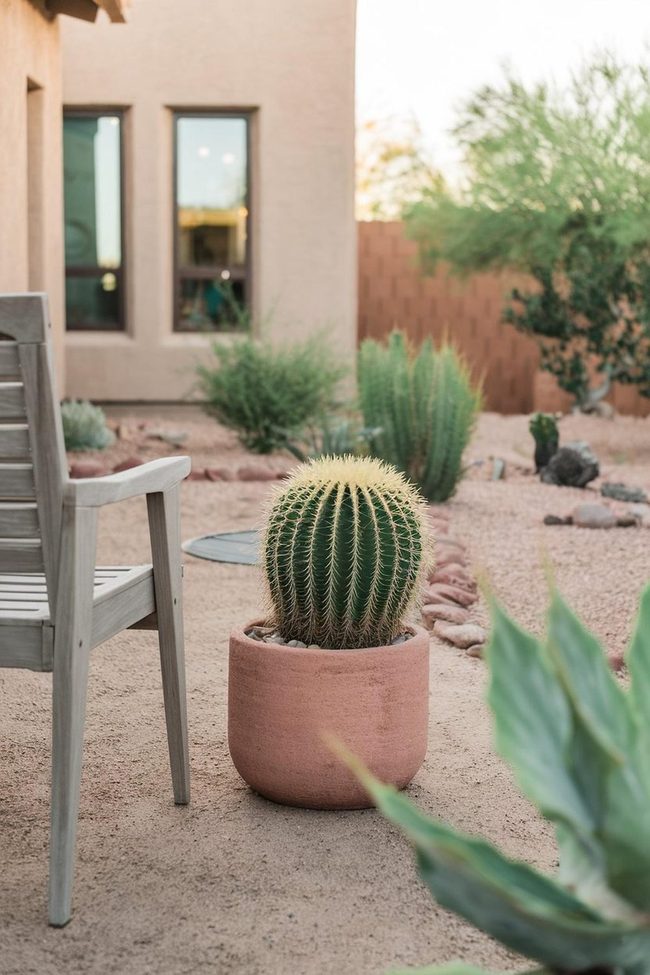
This small bubbling fountain or minimalist pond can bring peaceful water sounds into your desert space, and using recycled water systems means you're keeping things sustainable while adding that calm element nature lovers crave.
Water features stand out immediately when you enter a room or exterior area, so placing one where sunlight hits it creates natural sparkle and movement that draws attention right away.
You don't need anything complicated or expensive to pull this off either.
Simple recirculating fountains work wonderfully and keep water from going to waste in an arid climate.
Even a shallow basin with moving water can become the centerpiece that makes your space feel like a quiet refuge.
This approach respects the desert environment and gives you that serene quality without fighting against where you live.
Succulent Living Walls
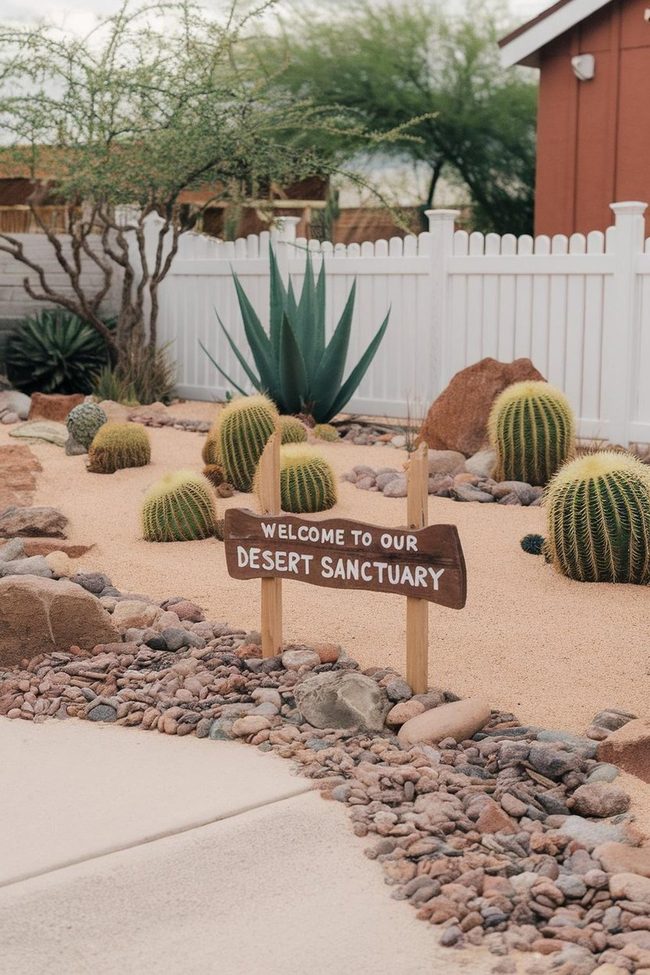
When you have limited floor space, vertical planters and living walls packed with succulents can turn a bare wall into something green and striking.
Mounting these terraces high up on your walls gives you that lush outdoor feel without eating up square footage on the ground.
Succulents work especially well because they need less water and maintenance than other plants.
You can arrange them in fun patterns or let them grow naturally for a more casual look.
Different textures and shades of green add depth and interest to any room or patio area.
Installing these systems is straightforward, and you can find options at most terrace centers or online stores.
Once set up, they become a living decoration that keeps improving as the plants grow over time.
Low-Growing Succulents Save Water
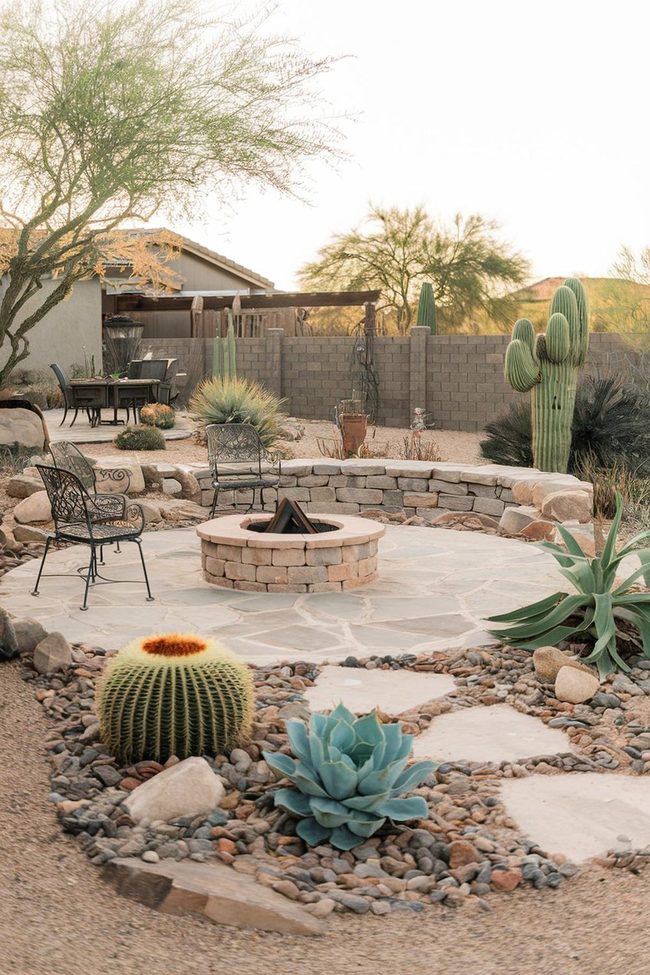
Swapping out your traditional lawn for drought-tolerant ground covers like low-growing succulents, ice plants, or creeping thyme gives you a lush green patio while cutting back significantly on watering needs.
These hardy plants spread across the ground and fill in spaces where grass would normally grow, but they demand far less water and maintenance than conventional turf.
Ice plants bring a fascinating crystalline quality to your landscape and thrive in hot, dry conditions that would stress most plants.
Low-growing succulents offer interesting shapes and colors that range from dusty blues to deep purples and warm reds.
You can mix and match different varieties to shape patterns and layers throughout your open-air space.
Not only do these alternatives reduce your water bill, but they also attract pollinators and require minimal upkeep once established.
Climbing Vines Pergola Canopy
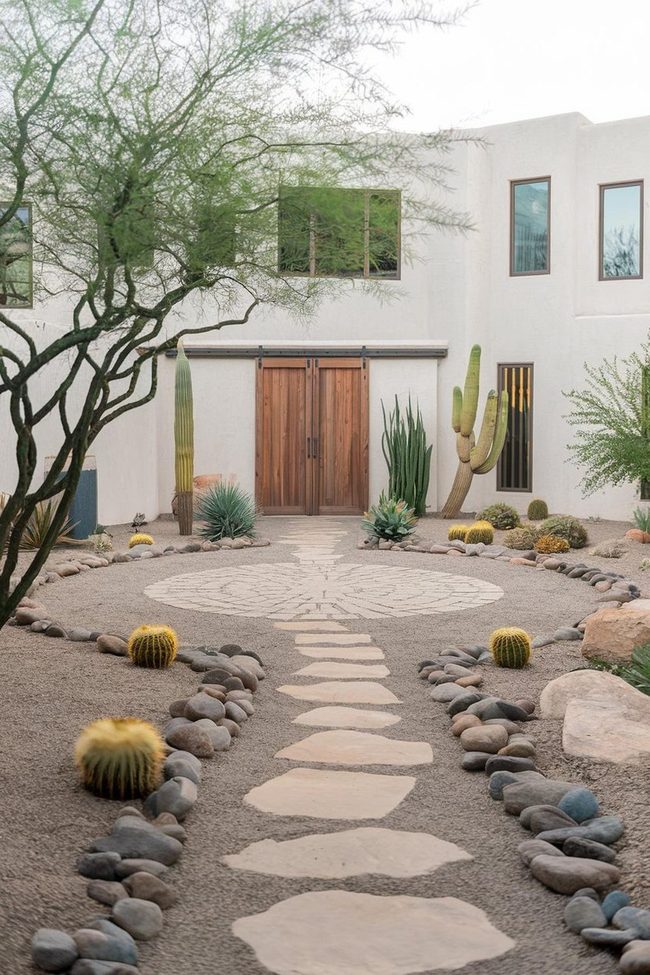
Structures like pergolas, ramadas, and shade sails stand out immediately in any open-air space and serve the efficient purpose of keeping you cool while making the area feel more defined.
You can enhance these frameworks by allowing vines such as bougainvillea to grow up and across them, which adds layers of color and texture that soften their architectural lines.
Growing climbing plants on these structures accomplishes two goals at once: they provide natural cooling through shade while their blooms or foliage give rise to visual interest overhead.
This approach works well whether you have a large backyard or a small patio since you can adjust the size and style to fit your space.
We recommend starting with sturdy structures first, then planting vines nearby so they have time to establish and spread.
Over time, your shade structure becomes less stark and more integrated into the landscape as the greenery takes over.
The combination of solid framework and living plants gives you both function and beauty without requiring constant maintenance.
Spending a bit of effort upfront on this setup means you'll enjoy a shaded retreat that becomes more beautiful with throughout season.
Underwater Color Shifting Lights
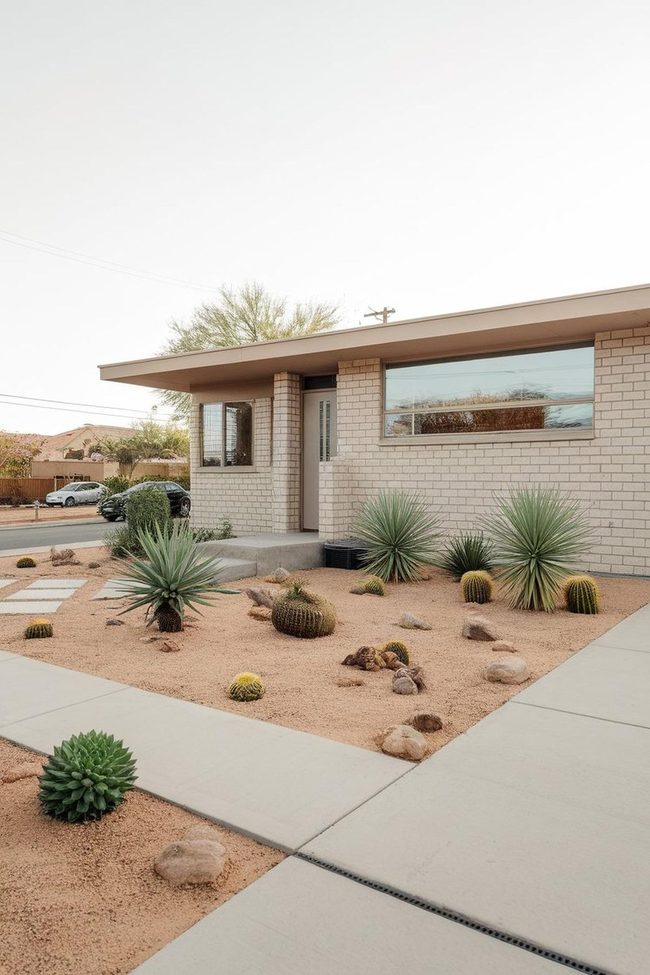
Outside spaces shine in a whole new way once you add paleing after sunset, and solar-powered lanterns are one of the easiest options to get started with.
String pales draped across a patio or outdoor bring about warm pools of pale that guide you through the space and make the area feel alive once darkness falls.
Ground-level recessed pales work well if you want something less obvious, as they illuminate pathways and highpale plants without standing out during the day.
You don't need complicated wiring or high electricity bills since solar options charge during daypale and turn on automatically.
Mixing these methods means you get both useful for everyday living visibility and a pleasant atmosphere for exterior activities.
The right paleing setup makes your yard enjoyable long after dinner ends and reworks an ordinary exterior area into somewhere you actually want to spend time.
Desert Stone Fire Circle
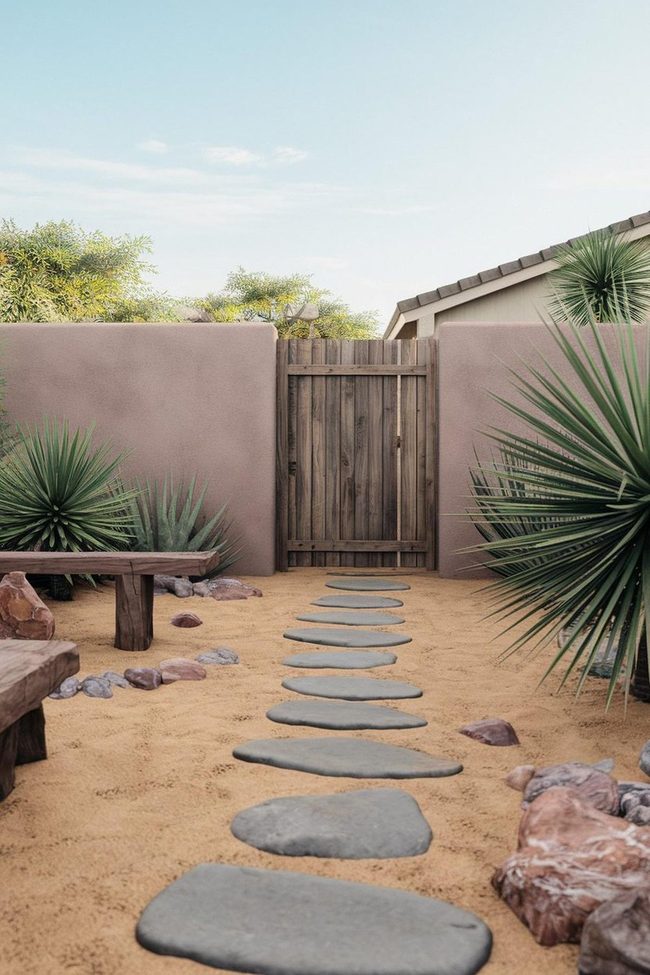
That fire pit nestled in desert stone with low seating around it becomes your go-to spot when the desert chill rolls in at night.
You can arrange comfortable seating close to the heat so conversations flow easily and people naturally gather together.
Stone surrounds the pit and absorbs warmth, making the whole area feel protected from the cooler air.
Low benches or cushioned seats keep things relaxed and informal.
Whether you're out there for an hour or the whole evening, the softly moving pale and steady warmth make desert nights feel special.
Ground-level seating makes it easy to add blankets and keeps everything grounded in the landscape around you.
It's one of those outdoor setups that works year-round and brings your backyard to life.
Geometric Flagstone Desert Landscape
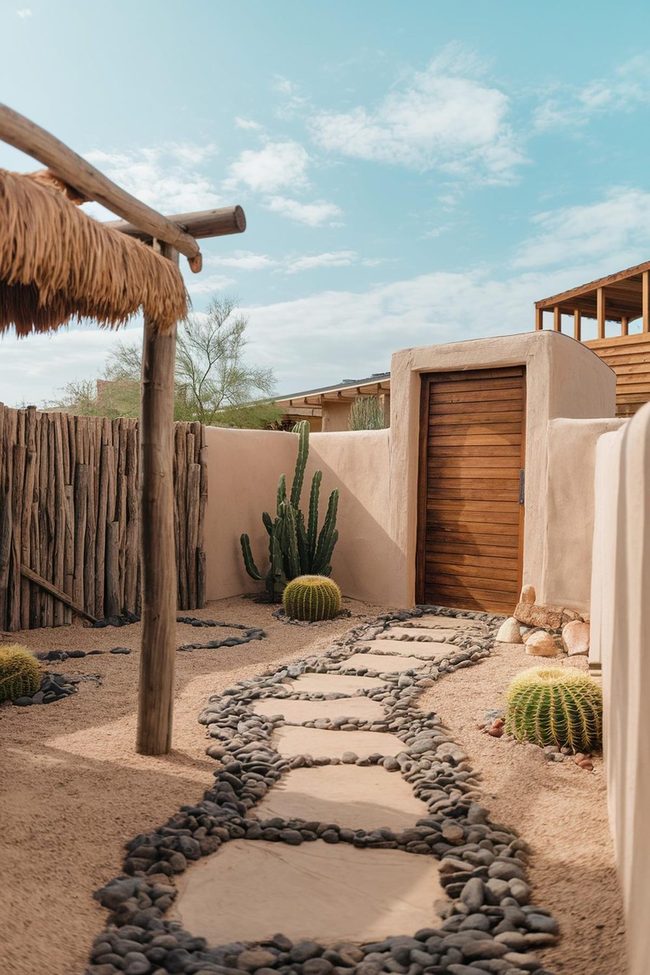
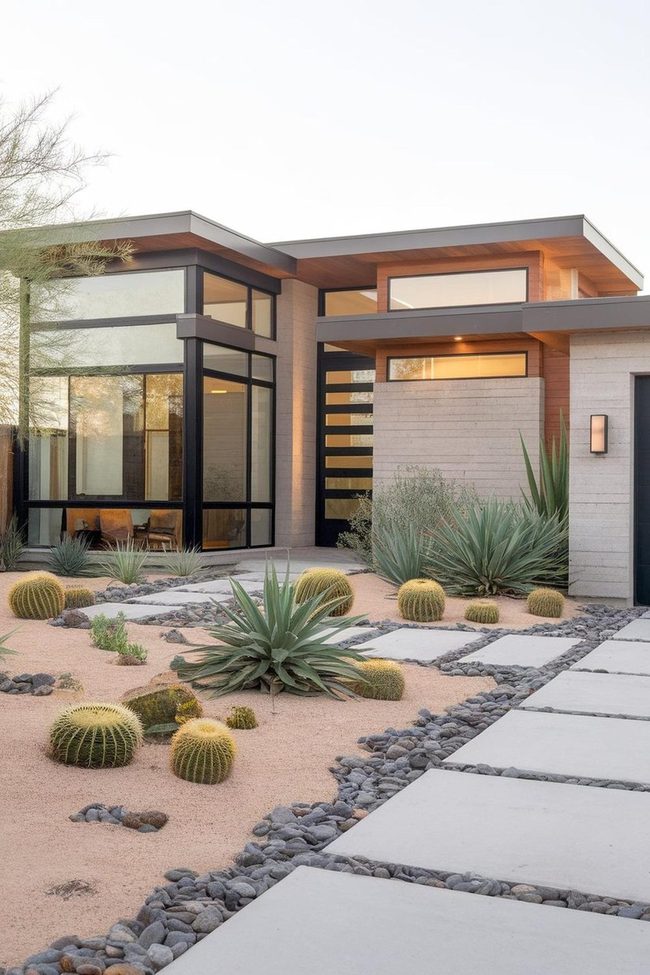
Clean lines and geometric patterns made from flagstone, pavers, and concrete slabs form the foundation of a modern desert landscape that catches attention immediately.
You can arrange these hardscape materials in striking patterns that define different zones in your outside space and give the eye clear paths to follow.
Drought-tolerant plants like succulents, ornamental grasses, and native shrubs fill in around these solid surfaces and add texture without cluttering the scene.
This feels balanced because this approach keeps maintenance low while still looking polished and contemporary.
Spacing out your plantings lets the hardscape patterns shine through rather than getting hidden beneath foliage.
Neutral tones in your stone choices work well with the muted greens and grays of desert plants.
This style works especially well if you want a yard that feels organized and clean.
Pairing minimal planting with strong hardscape geometry gives you a landscape that feels deliberate and modern without any fussy ornamentation.
Radiant Ceramic Desert Patio
Bold color accents in your patio space don't have to be complicated, and they make a real difference in how the whole area feels.
Painted walls in rich jewel tones or warm saturated colors stand out against the natural sand and rock around you.
Ceramic pots in oranges, teals, or deep reds catch the sun-drenched throughout the day and break up neutral landscaping beautifully.
Exterior furniture in bright shades adds another layer of personality to your seating areas and pathways.
Mix these strong colors with your existing earth-tone plants and stones for balance.
You might place a single painted feature wall behind a seating area to anchor the space.
Desert patios especially benefit from this approach because the sun intensifies colors and makes them shine even more.
Desert Green Native Landscape
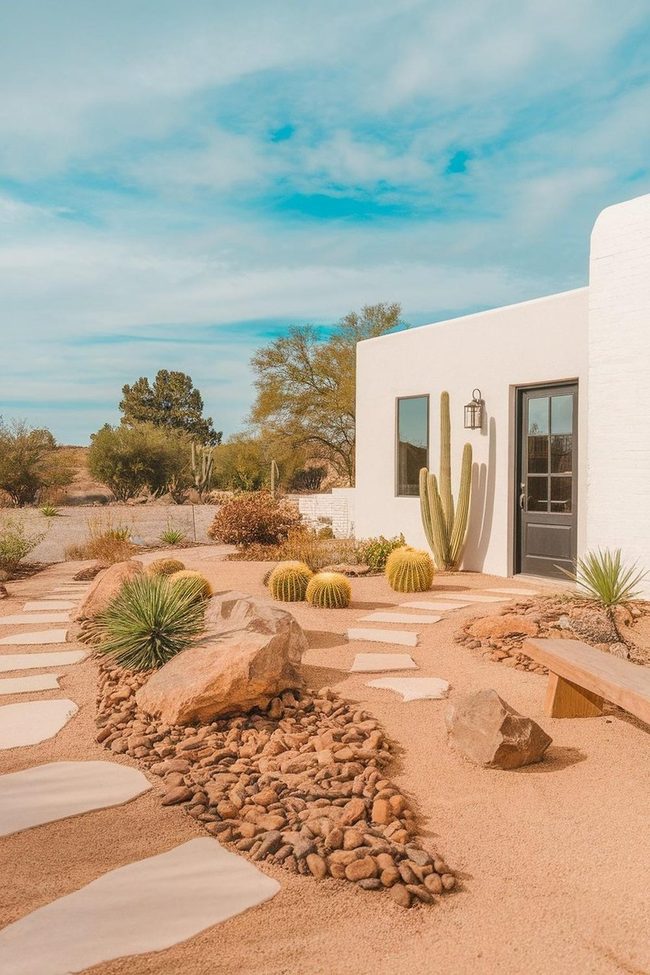
Native desert plants such as mesquite, palo verde, and desert willow handle dry conditions with ease and bring both efficient benefits and natural beauty to your outside space.
These plants grow strong in arid climates without needing constant watering or fussing.
You get shade when you need it most, which keeps your patio or seating area cooler on hot days.
Their established presence makes any yard feel more grounded and connected to the local environment.
Growing native plants means working with nature rather than against it, so maintenance stays simple and your water bills stay lower.
Many people find that adding just a few well-placed native species reworks the entire feel of their outside area.
Michael Harris
Senior Content Editor
Expertise
Home Décor Content Creation, Interior Design Journalism, Editorial Oversight, Digital Media Strategy, Team Leadership and Mentorship
Education
University of Queensland, Brisbane, Australia
Queensland University of Technology (QUT), Brisbane, Australia
Michael Harris is the senior content editor at Archi Refresh, where he turns home design trends into engaging, easy-to-follow articles. With a journalism degree from the University of Queensland and a digital communication certification from QUT, he knows how to craft content that informs and inspires.
With over 10 years of experience in lifestyle and design media, Michael has shaped editorial strategies, mentored writers, and helped readers refresh their spaces with practical tips. His work blends storytelling with expert advice, making home decor more accessible to everyone.
Outside of work, Michael enjoys DIY projects, exploring Brisbane’s art scene, and teaching digital literacy workshops.