
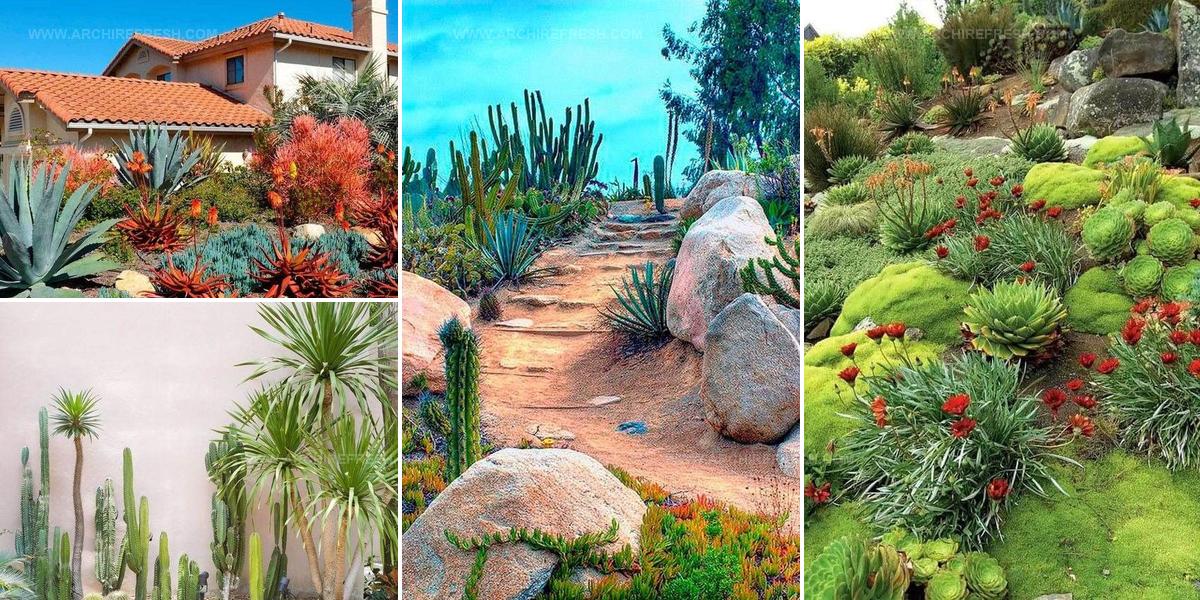
30 Desert Landscaping Ideas That Work in Dry Climates
Desert landscaping ideas blend natural beauty with practical water-wise solutions for yards across arid regions.
Many homeowners face challenges when selecting plants and designs suited to hot, dry conditions.
Native species thrive where traditional lawns struggle, offering color and texture without constant irrigation demands.
Rocks, gravel, and drought-tolerant vegetation combine to form stunning outdoor spaces that require minimal maintenance.
Such approaches conserve precious resources while enhancing property appeal in climates ranging from arizona to southern california.
When done well, xeriscaping proves both economical and environmentally responsible for residential properties.
Browse creative options that demonstrate how beautiful gardens flourish even under intense sun and limited rainfall.
Red Yellow Green Desert Succulents
If you want to bring life to your outdoor desert space, grouping plants by color can make a huge difference in how the area looks and feels.
Red succulents mixed with yellow varieties and green accents create a bold display that immediately stands out when you walk outside.
This strategy works well for desert gardening because many colorful plants in arid climates don't need much water or fussing around.
You get a garden that looks put-together and bright without spending hours on upkeep each week.
Beyond just looking nice, matching your plant colors helps the space feel organized and easy on the eyes.
Desert plants naturally come in warm and cool tones, so you have plenty of options to play with.
Whether you prefer fiery reds or soft pastels, this simple approach lets you design something that matches your taste and lifestyle.
Drought-Resistant Plants Stunning Low-Maintenance
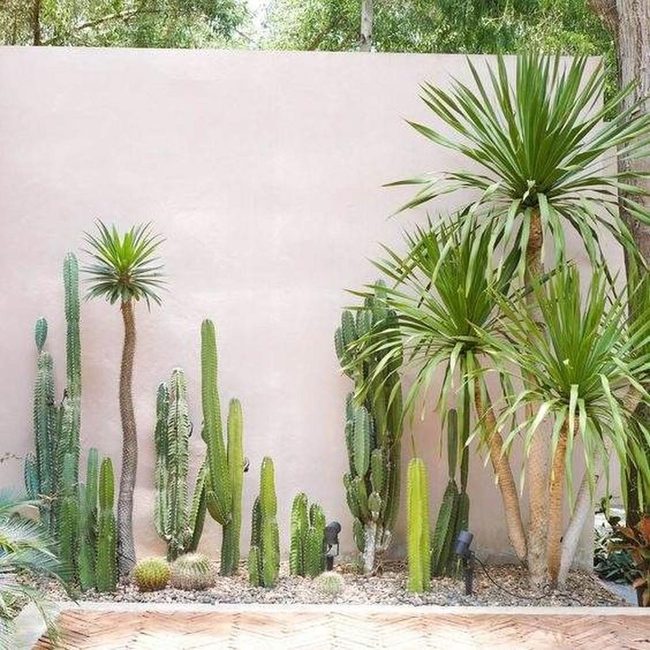
Desert side yard garden transforms your outdoor space into a low-maintenance retreat that looks stunning while asking very little from you.
Native plants and succulents create bold textures and shapes across your landscape, and these species thrive in dry conditions without constant watering.
This feels balanced because cacti and other drought-resistant plants add interesting forms to your garden design and attract local wildlife to visit your yard.
Mixing different plant heights and leaf textures keeps the space visually interesting throughout the seasons.
Beyond the beauty, these gardens help you save water and reduce maintenance time, which means more time enjoying your outdoor area.
Building a desert garden is practical and rewarding because it works with your climate rather than against it.
Your side yard becomes an oasis that supports local ecosystems while staying easy to care for year-round.
Stone Pebbles Meet Desert Plants
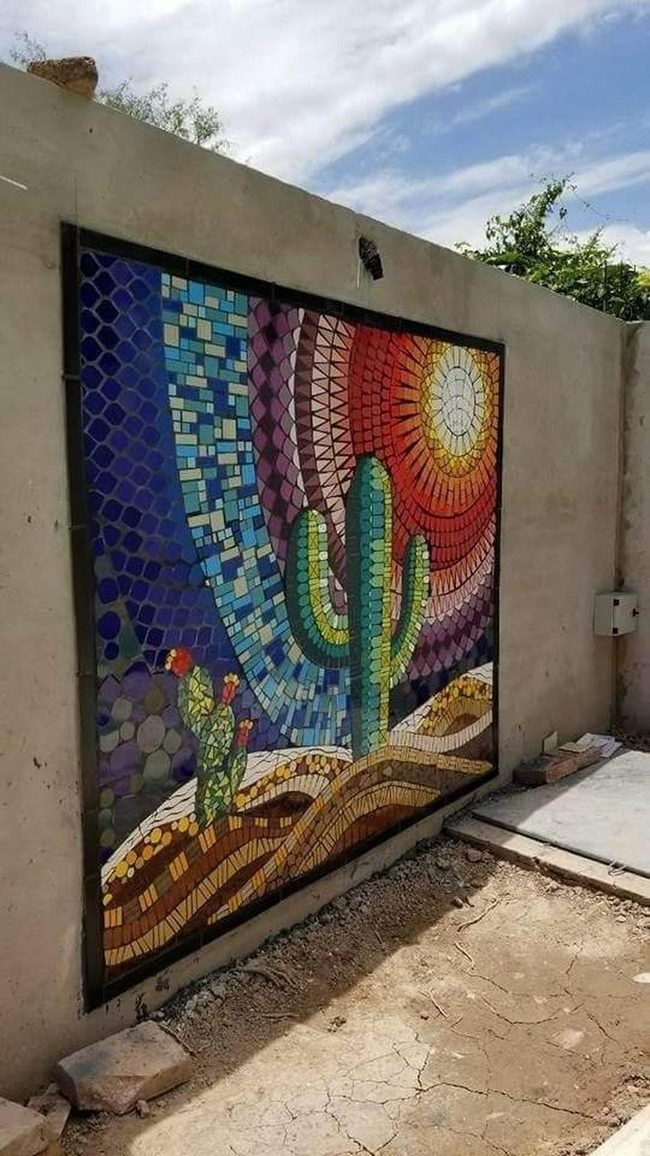
Desert mosaics use stones, gravel, and drought-tolerant plants to form beautiful artistic patterns across your outdoor space and let you design a landscape that needs little upkeep while showing off your creativity.
Colorful pebbles paired with unique plant choices help you build an oasis that captures the natural beauty of desert environments.
Beyond looking great, these designs also support water conservation by replacing traditional lawn areas with sustainable planting.
You get a space that's both visually interesting and environmentally responsible at the same time.
Large Boulders Natural Earth Tones
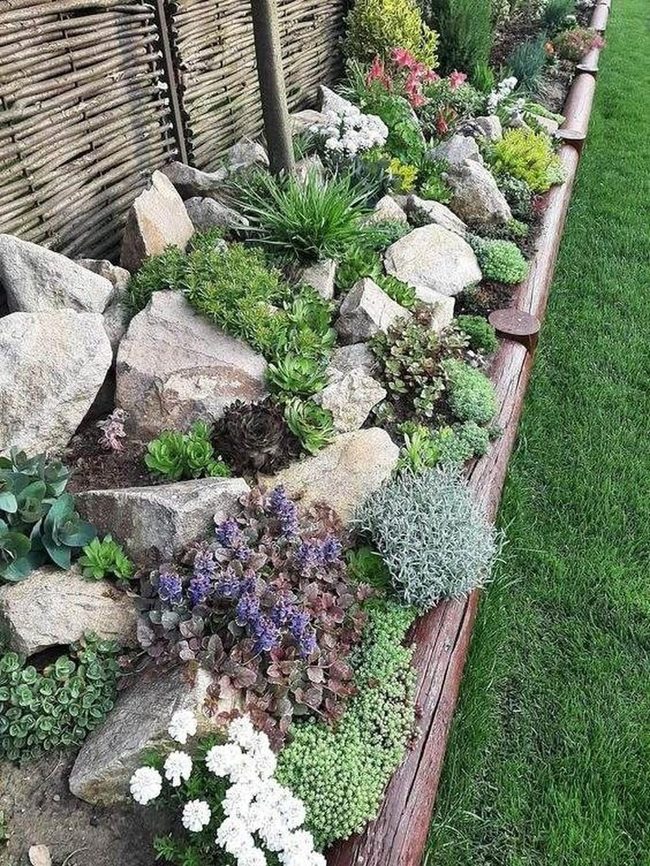
Large boulders arranged across your yard create an immediately striking landscape that commands attention and adds dramatic earth-toned beauty to any outdoor area.
Combining stones of different sizes with hardy plants that tolerate dry conditions produces a landscape needing minimal water and upkeep.
Local wildlife finds shelter and food among the plants and rocky crevices, making your garden a thriving natural space.
Your yard gains distinctive character and personality through the unique patterns and earthy tones that a rock garden brings.
Beyond the visual interest, this setup offers a peaceful retreat where you can sit and unwind surrounded by nature.
Maintenance becomes much easier since these plants adapt well to less watering and care than traditional gardens.
You'll discover that a rock garden works well in almost any climate, especially in areas where grass struggles to grow.
Desert Spikes Low Maintenance Garden
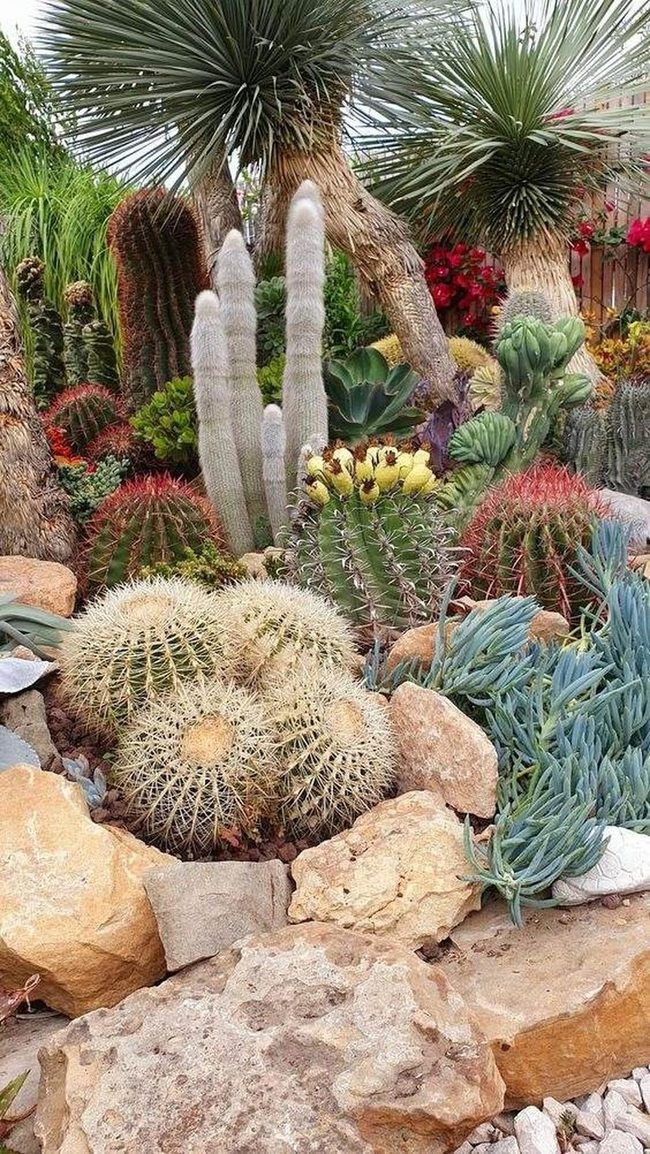
Cacti collection transforms your outdoor space into something visually striking and desert-inspired without demanding much upkeep.
These hardy plants come in all sorts of shapes and sizes, each one bringing its own personality to your garden while handling dry conditions with ease.
Mix them together in different arrangements and add gravel between them to get that authentic desert look and feel.
If you want something unique that stands out from typical gardens, this approach delivers real results.
Growing these resilient plants also gives you a chance to learn more about how they survive in harsh environments.
Your outdoor area becomes both beautiful and low-maintenance at the same time.
People naturally get curious about cacti and want to know more when they see a well-arranged collection like this.
Sculptural Succulents, Zero Maintenance Beauty
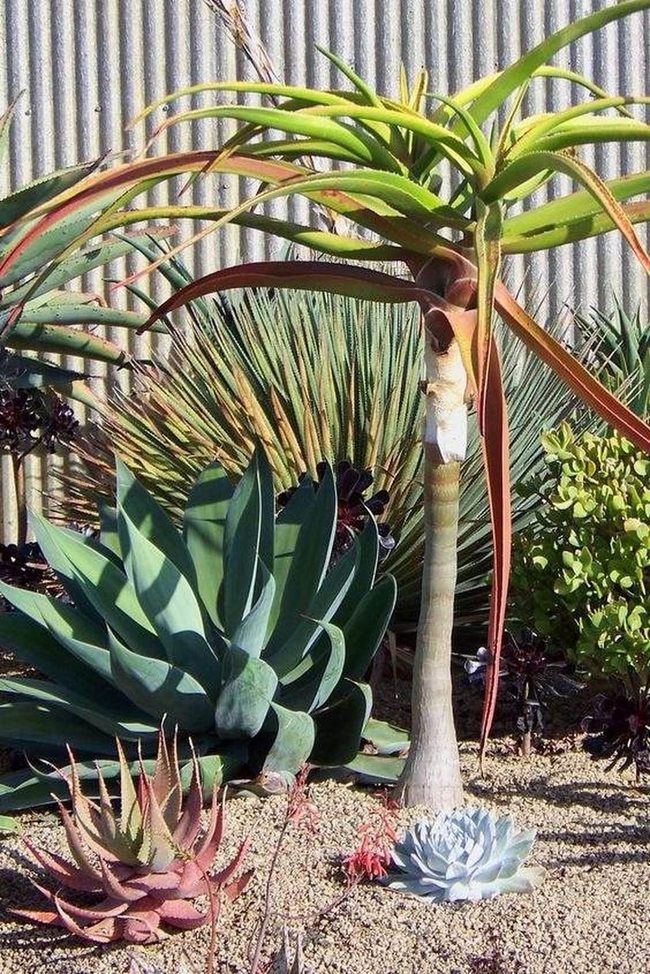
Agave and aloe bring bold, dramatic shapes to your outdoor space and immediately draw attention with their striking forms that make any garden feel like a desert oasis.
Beyond their appearance, these plants thrive in dry conditions and need very little water, so you get year-round visual interest without the fuss.
Their unique textures and colors shift throughout the seasons and stand out against other greenery in your landscape.
Since they handle intense sun and heat so well, you can place them in spots where other plants struggle and still have them flourish.
If you're looking to boost your outdoor area's look without spending hours on maintenance, agave and aloe are solid choices that deliver both style and practicality.
Swaying Gold Desert Grasses
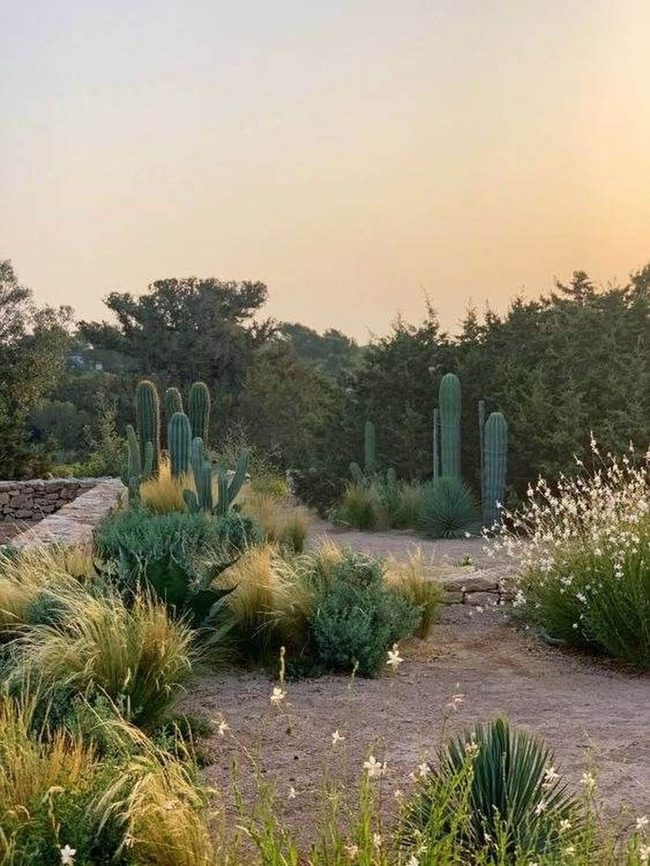
Gold and bronze grasses that sway in the breeze make desert grassland landscaping one of the most visually arresting garden styles, and you can bring this arid aesthetic right into your own yard by planting drought-resistant species that handle heat with ease.
When you select hardy plants suited to dry conditions, you end up with a landscape that needs minimal care and still delivers rich natural appeal.
Open spaces filled with texture and warm earth tones become your canvas, and these areas naturally draw birds, butterflies, and other creatures into your garden.
Watching wildlife move through your grassland while everything sways and shifts with the wind brings a quiet satisfaction that connects you to nature's straightforward beauty.
Desert grasslands turn overlooked corners of your property into peaceful places where you can sit and breathe.
Low-maintenance planting means you spend less time weeding and watering and more time enjoying what you've created.
Drought-Tolerant Kitchen Herbs Flourish
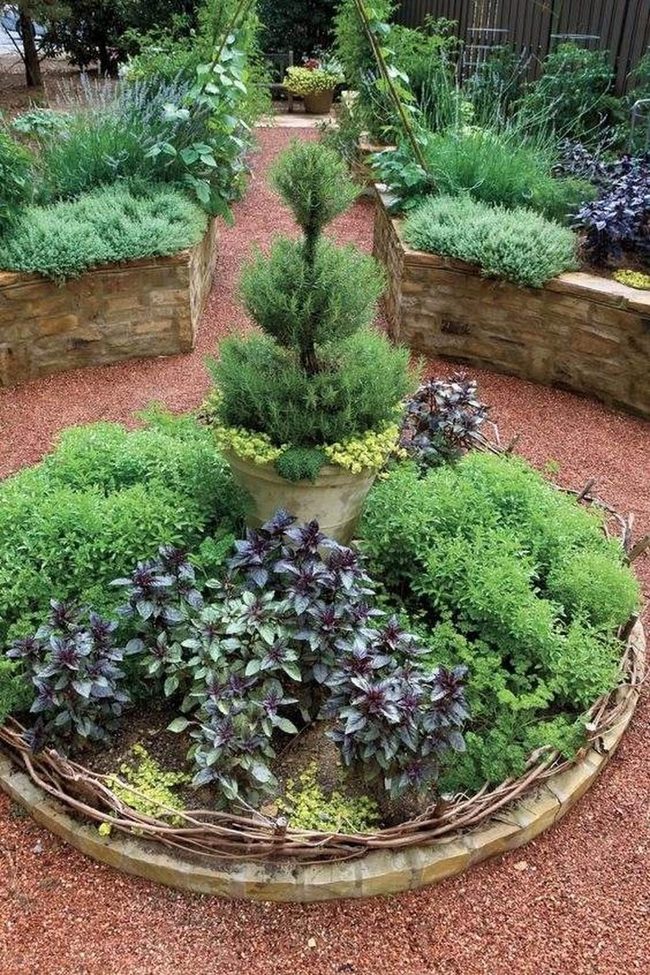
Desert herbs like rosemary, sage, and thyme can transform your outdoor space into something both beautiful and practical, and these plants look stunning clustered together across your landscape while needing very little water.
When you choose herbs that handle dry conditions well, you're building a garden that appeals to people who cook and nature enthusiasts at the same time.
Beyond the obvious benefits, growing heat-loving plants supports local wildlife and helps you embrace sustainable gardening methods that work with your climate rather than against it.
You'll find that this type of garden fits naturally into arid environments and actually thrives there.
Selecting the right desert herbs means you can enjoy fresh ingredients for your kitchen while watching your garden flourish with less effort than traditional gardens demand.
Native Plants, Zero Maintenance Garden
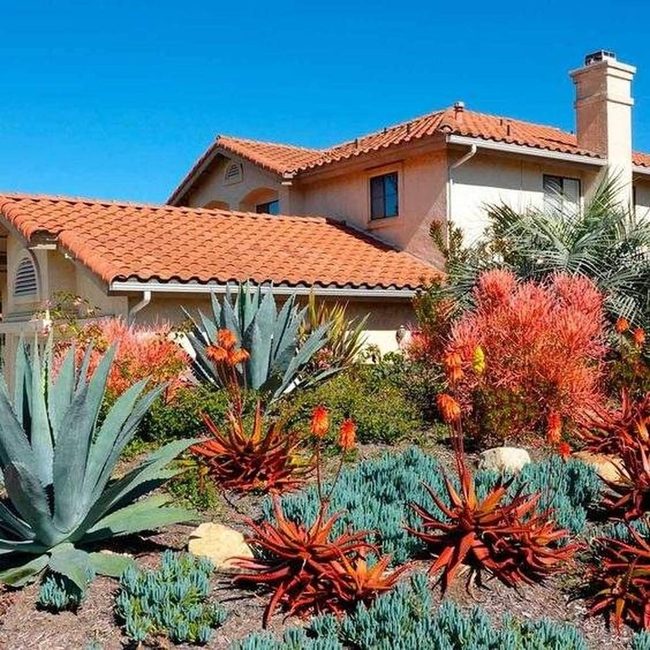
Native plants form the foundation of any garden that sustains itself without constant effort because they evolved to thrive in your local climate and soil.
When you choose species that naturally grow in your region, you support the wildlife that depends on them while cutting down your water bills dramatically.
Working with native flora brings your outdoor space to life by drawing in butterflies, bees, and birds, and the result is a healthier ecosystem right outside your door that looks beautiful and practically runs itself.
Moveable Plants Fresh Arrangements
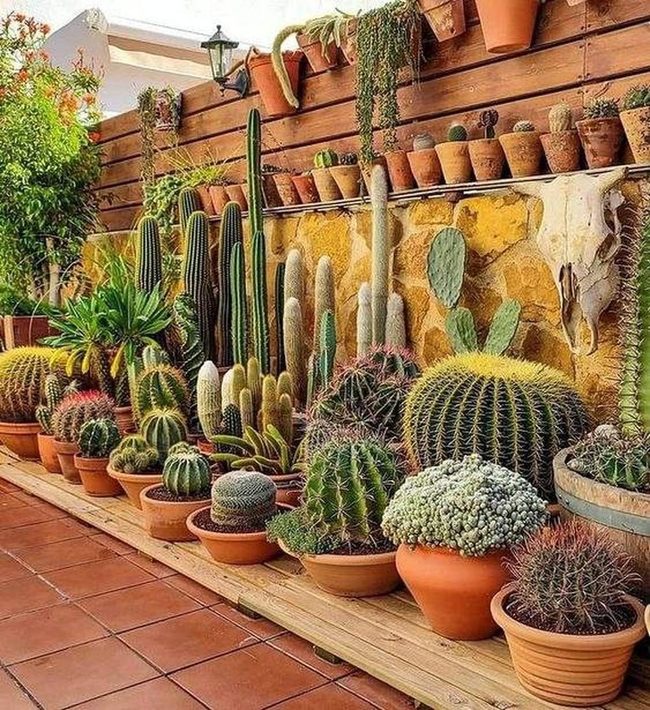
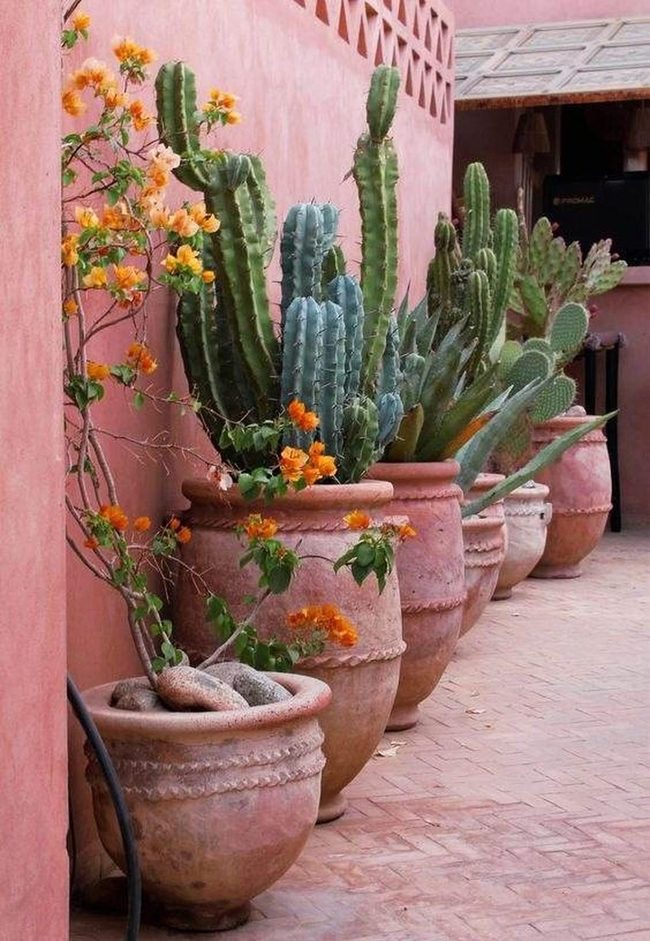
Container gardening lets you fill small spaces with lush plants and bright blooms by using pots and planters to organize your greenery exactly how you want it.
I value the way this feels because how you can shift plants around whenever you need more sun or shade, and rearrange your whole setup on a whim.
Selecting the right containers opens up chances to play with different shapes, sizes, and colors that turn your yard into a living garden full of personality.
You are free to mix succulents, flowering plants, and trailing vines in ways that suit your space and style.
Moving things around also means you can test out new combinations until you find what looks best near your patio, entryway, or deck.
This flexibility keeps your outdoor area looking fresh because you're not locked into one design.
Your yard becomes a space where you control every element of the landscape and can adjust it as seasons change or as your taste evolves.
Low-Maintenance Succulents Indoor Garden
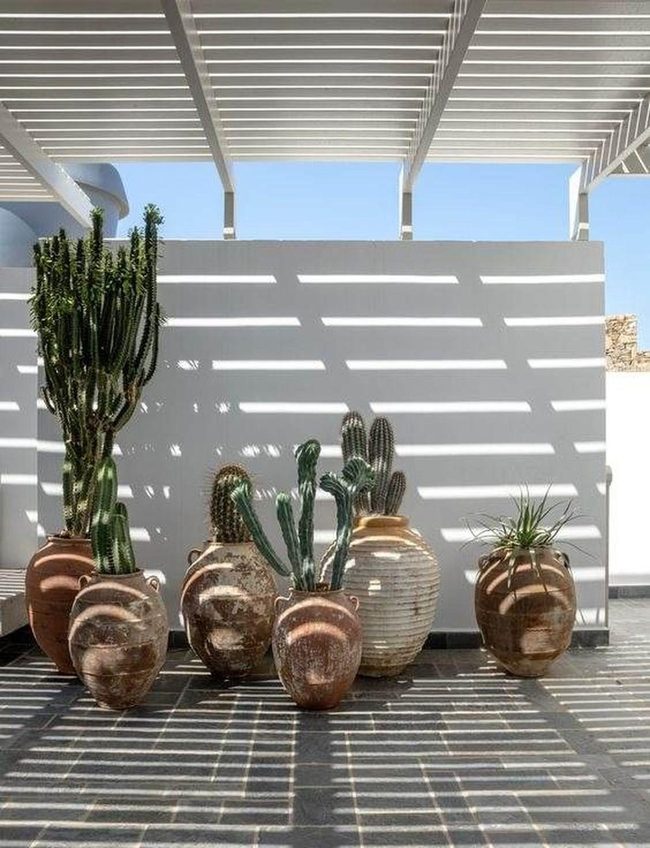
Indoor desert garden lets you bring arid landscapes into your living space, and it works beautifully for anyone whether you're experienced with plants or just starting out.
Succulents and cacti sit at the heart of this idea, and these drought-resistant options need very little water and still give your home that natural feel.
You can display them in unusual containers or enclosed terrariums, each one letting you add your own style while improving the air you breathe indoors.
Arranging these plants in clusters or scattered throughout a room keeps the look fresh and personal.
Most people appreciate how low-maintenance these gardens are since they fit easily into busy schedules.
Beyond the visual appeal, these plants actually clean the air around them and make spaces feel more alive.
Whether you set up a small collection on a shelf or dedicate an entire corner to your desert garden, you'll find it's one of the easiest ways to connect with nature at home.
Cascading Stones, Living Garden Soundtrack
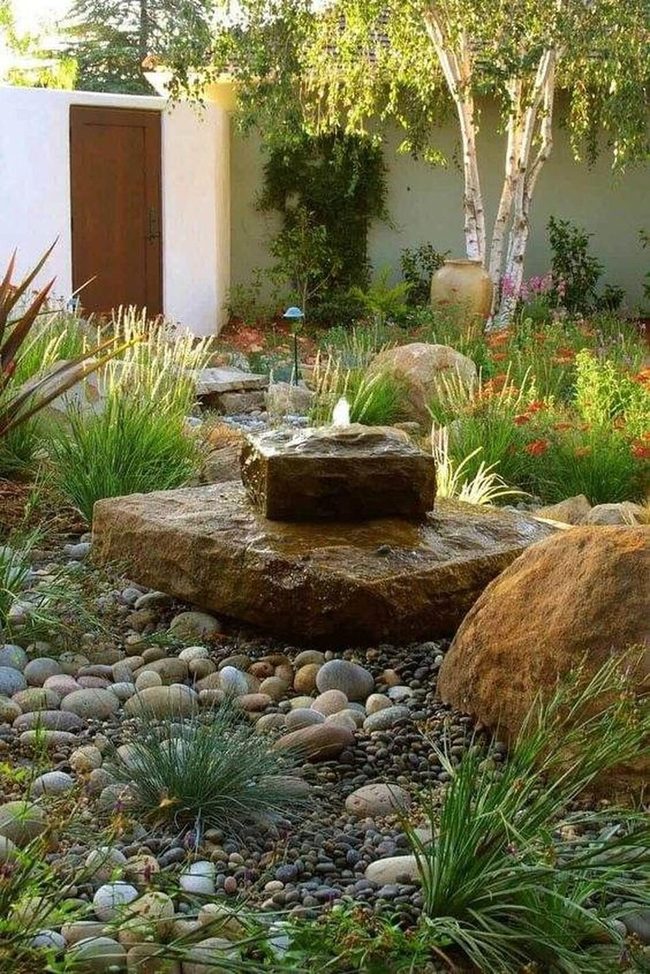
Rock water feature transforms your garden into a peaceful retreat with flowing water cascading over naturally arranged stones that produce calming sounds.
I notice the way the movement and splashing draws attention immediately, making it one of the most eye-catching elements in any outdoor space.
Beyond the visual appeal, these features attract birds and helpful insects to your yard, bringing natural wildlife activity.
Water features also add depth and interest to your landscape design in ways that static decorations simply cannot match.
Installing one doesn't require professional help or extensive renovation work either.
Whether you have a large yard or a small patio, you can adapt a rock water feature to fit your space and budget.
The combination of sight and sound works together to transform your outdoor area into a place where you genuinely want to spend time.
Stone Pathways Through Desert Gardens
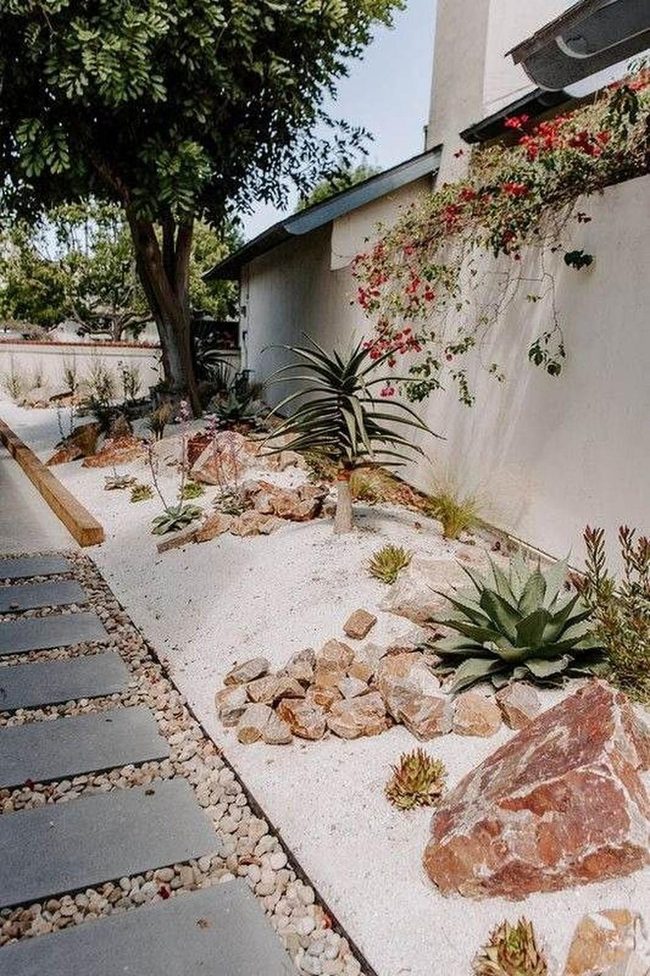
Pathways made from stone or brick stand out immediately in any outdoor space and reshape how your garden looks overall.
These walkways guide your eyes through the landscape and offer you a clear route to follow while desert plants surround you on all sides.
Because they're built to last, materials like stone and brick hold up well in harsh conditions and add interesting texture to the ground beneath your feet.
Walking along these paths becomes enjoyable because they create a clean, defined look that contrasts nicely with the natural plants around them.
You get both function and beauty since these routes help you move through the space easily and also improve the overall appearance of your oasis.
The structure these pathways provide makes your garden feel more organized and purposeful without losing any of its natural charm.
Golden Grasses Transform Desert Landscapes
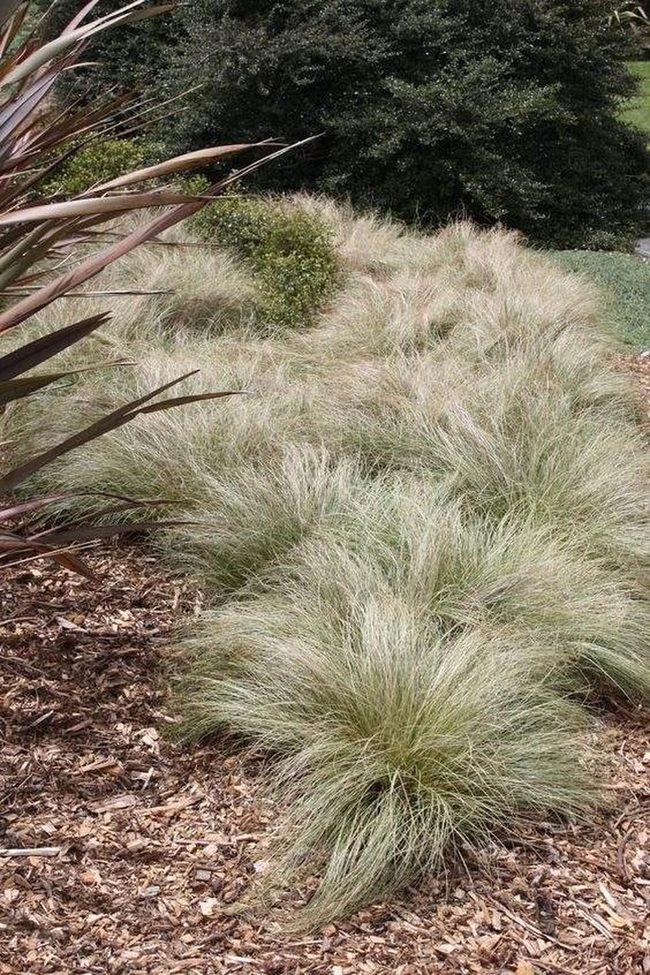
Desert grasses stand out as some of the most striking plants you can add to an arid landscape, with their varied heights and textures that catch the eye and break up the monotony of bare soil.
You'll find these hardy options thrive in low-water conditions and handle intense sunlight without complaint, making them perfect for desert gardens where other plants struggle.
Beyond their good looks, they do important work too by providing ground cover that prevents soil erosion and keeps your landscape stable over time.
When you plant these resilient grasses throughout your space, you're also supporting local wildlife since birds and butterflies are drawn to them for food and shelter.
The result is a garden that looks natural and alive while using far less water than traditional landscaping would require.
Many people find that mixing different grass varieties gives them even more interesting visual effects throughout the seasons.
Velvet Green Shade Solution
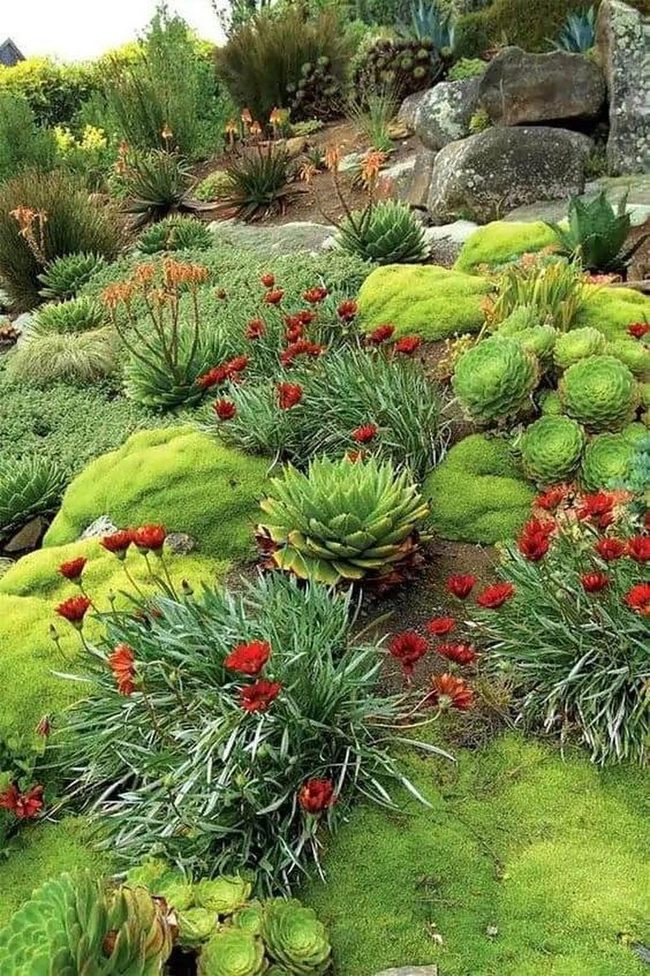
Moss ground covers deliver a striking shift from conventional lawns, offering dense green layers that feel luxurious underfoot and transform shaded yards where grass simply won't grow.
Unlike traditional turf, moss thrives in dim spots and needs far less care, water, or fertilizer to flourish.
You get that rich, deep green color paired with a velvety texture that adds genuine character to your outdoor space.
Since moss naturally holds moisture in the soil, it supports water-smart gardening and reduces how often you need to water during dry spells.
Beyond the practical side, planting moss encourages you to slow down and enjoy your yard as a peaceful retreat.
It connects you more directly to the natural world and gives your landscape a refreshing, understated appeal.
Gardens with moss feel calm and grounded in a way that manicured lawns often don't.
Stone Pathways Through Arid Landscapes
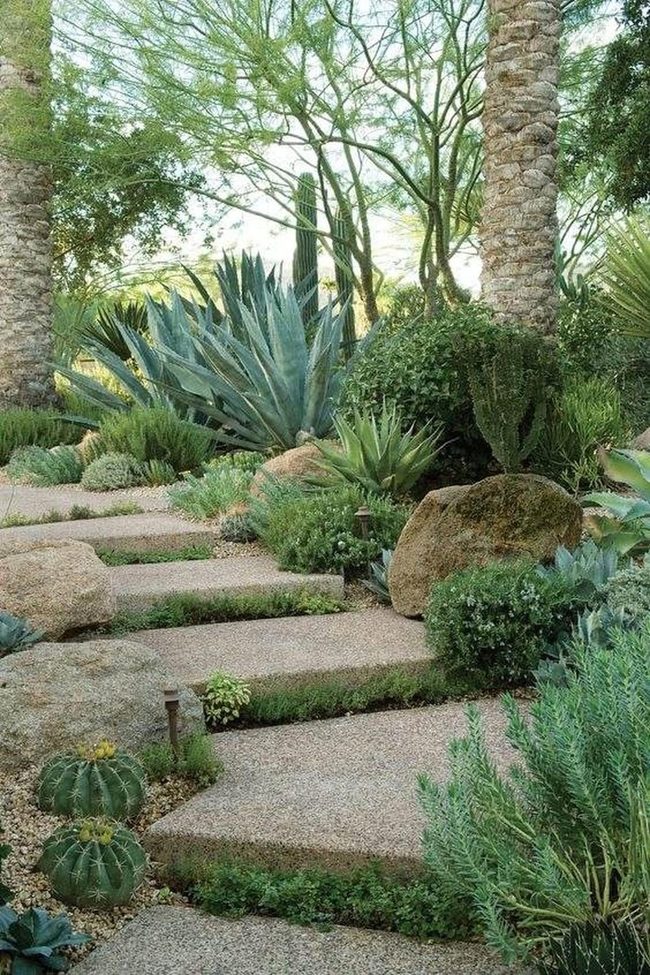
Desert pavers made from stone or concrete slabs transform arid landscapes with their striking appearance and practical design.
You can arrange them to form pathways that flow naturally through your garden while staying true to the dry climate around you.
Beyond their good looks, these hardscaped surfaces serve real purposes; they define different zones in your space and make it simple to move between plantings without trampling vegetation.
Another benefit is that they help prevent erosion by directing water flow and protecting the ground underneath during heavy rains.
If you care about sustainable gardening, pavers also improve drainage in areas where water tends to pool, which keeps your desert plants healthier.
Building pathways with these materials means you get a beautiful garden that's easier to maintain and kinder to your local environment.
Outdoor Fire Pit Gathering Space
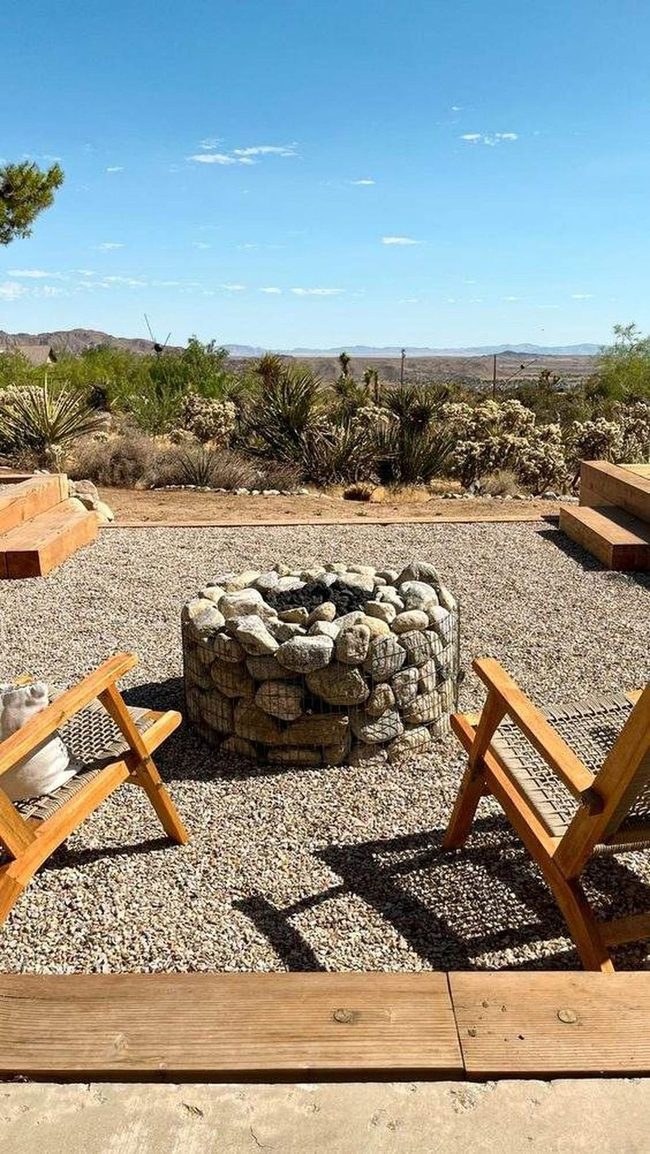
Fire pit serves as a striking centerpiece in outdoor areas, with dancing flames and glowing embers that draw everyone's attention and create warmth for gathering during evening hours.
You can arrange seating around it to encourage people to linger and enjoy time together while sharing stories under the stars.
Hardy, water-wise plants positioned nearby add visual interest and reduce the work needed to maintain your space, and they look beautiful against natural stone or rocky ground.
I find it rewarding to design a backyard this way because you end up with a peaceful outdoor room that feels comfortable throughout different seasons and provides a retreat from daily life.
Desert Stone Garden Flow
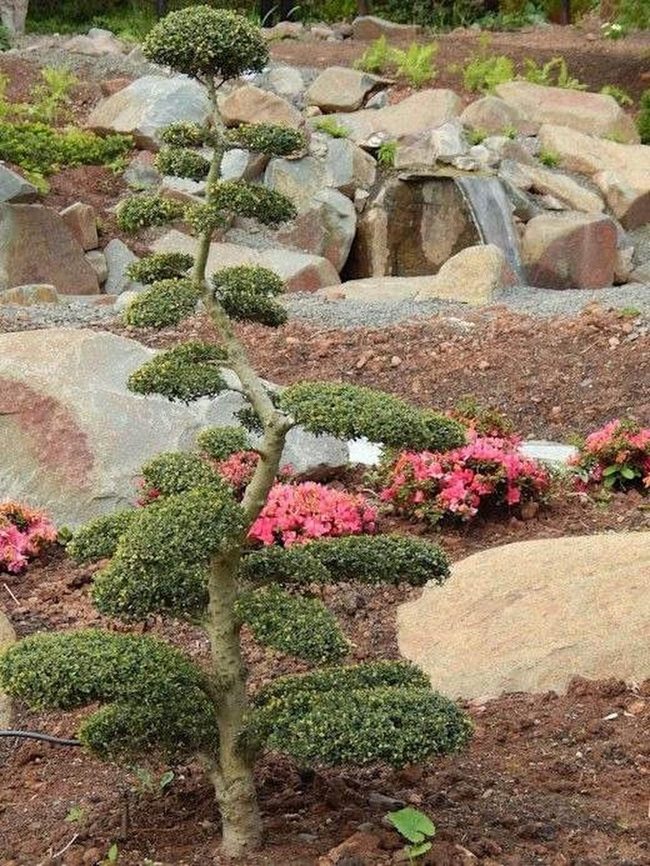
Rocks and sand arranged in flowing patterns form the heart of a desert zen garden, and their sculptural shapes immediately draw your attention to the thoughtful layout of the space.
Drought-tolerant plants like succulents and ornamental grasses fill in around these natural elements and add subtle movement without demanding constant care.
Walking through this type of garden at sunset becomes a calming experience, where the warm light softens the landscape and slows down your thoughts.
You'll find that the simple palette of earth tones and low-maintenance plants makes your yard feel like a peaceful oasis.
This approach works well whether you live in an arid climate or just want to reduce watering and yard work.
The main appeal here is straightforward; you get a serene space that promotes relaxation and mindfulness without the stress of heavy maintenance.
Silver-Leafed Gardens Under Moonlight
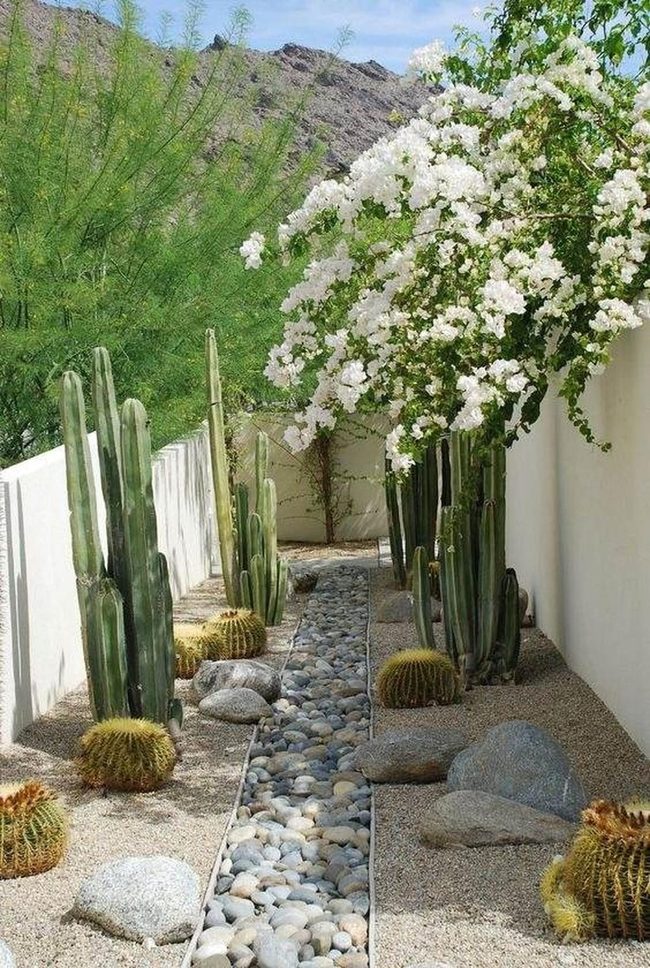
Moon gardens offer you a chance to build an outdoor space that glows under nighttime skies, and white or silver-leafed plants become your main tool since they bounce light around and make your yard sparkle when darkness falls.
Beyond the visual appeal, adding fragrant flowers like evening primrose and jasmine transforms your garden into a sensory experience once the sun sets.
Plants with pale leaves and pale blooms create layers of depth when moonlight hits them just right.
Many people overlook how sound and scent matter just as much as what you see at night.
Your garden becomes something different after dark; still beautiful but in a way that feels peaceful and restorative.
You can walk around these spaces and appreciate how nature looks when lit from above rather than the sun.
Bright Wildflowers, Minimal Water Needs
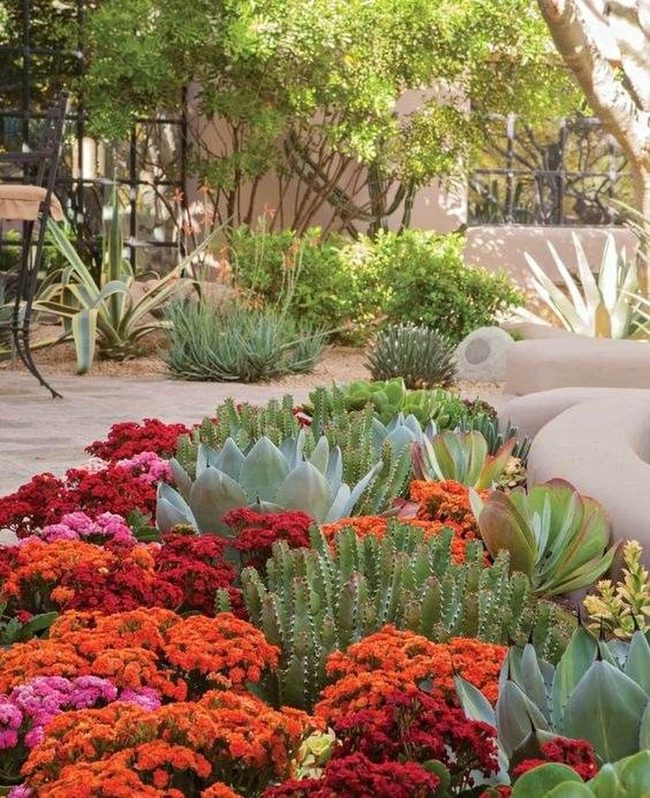
Desert wildflowers transform bare, arid landscapes into living gardens without demanding much from you in return.
Bright yellows, deep purples, and fiery oranges splash across sandy soil, creating striking contrasts that pull your eye across the space.
Once established, these hardy plants need very little water or maintenance and still attract butterflies and bees to your yard.
You get the bonus of supporting local ecosystems while keeping your water bill low.
Growing them means you're choosing an approach that looks beautiful and respects the environment at the same time.
Scattered throughout your outdoor area, they add movement and energy to even the driest corners of your property.
Many people find that a few packets of wildflower seeds become one of the easiest ways to refresh their landscape.
The result speaks for itself; natural color and life that thrives on almost no help from you.
Desert Rocks And Stillness
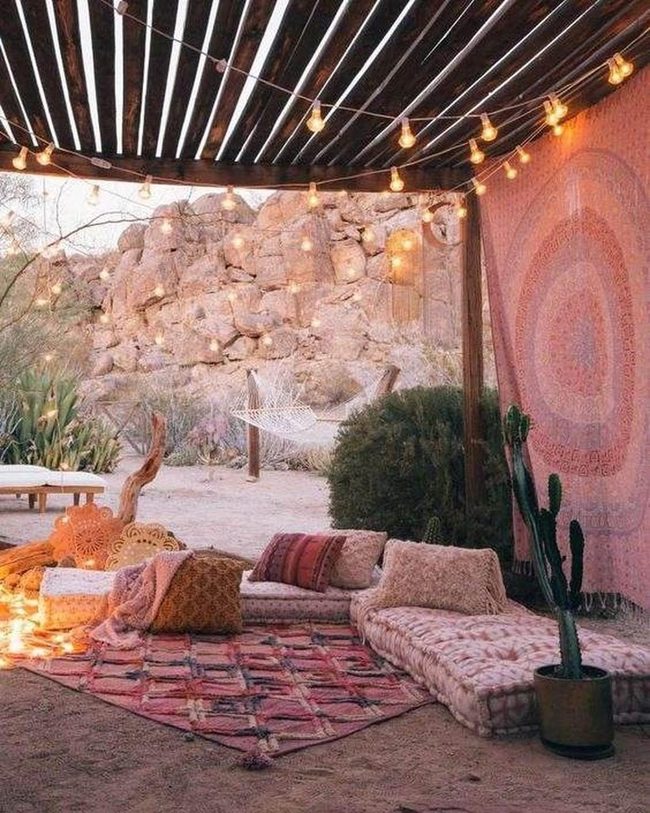
Desert meditation space brings calm energy into your outdoor area, and the arrangement of rocks and native plants works well to create natural boundaries that encourage quiet reflection.
You can add soft seating options or simple stone benches to deepen your connection with the landscape and make the space feel more grounded.
Stone pathways can guide you through the area and add to the sense of order and peace.
Sparse vegetation and earthy tones help the space feel open and relaxing, which is perfect when you need a break from everyday stress.
This kind of retreat gives you a place to sit alone with your thoughts and enjoy the raw beauty of desert surroundings.
Even small touches like smooth rocks placed thoughtfully or a simple water feature can enhance the quiet mood without overwhelming the space.
Your meditation nook becomes a personal sanctuary where the natural desert setting supports your need for mental rest and renewal.
Green Vines Conquer Dry Landscapes
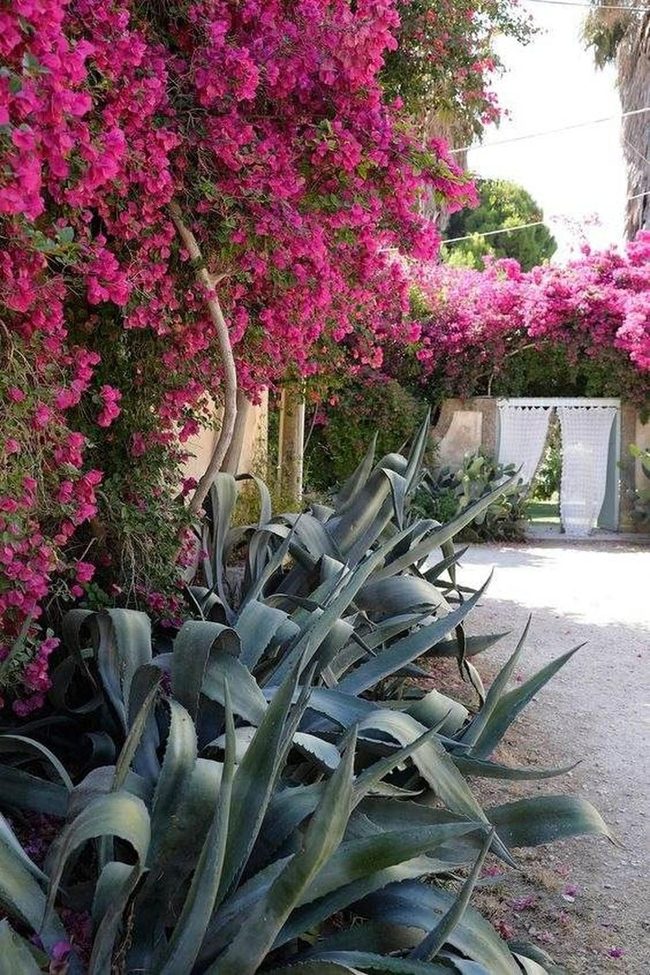
Drought-tolerant vines draped across fences and trellises deliver a burst of green that transforms bare landscapes into lush backdrops full of life and movement.
I find it useful how intertwining leaves soften hard surfaces and add layers of visual depth to dry garden spaces.
These resilient plants need very little water to flourish, which makes them perfect for arid climates where most traditional plants struggle.
Beyond their good looks, they attract pollinators and beneficial insects that help your entire garden thrive.
Shade from the vines cools outdoor areas naturally and reduces the heat around your home.
If you have a fence or trellis that feels bare, these adaptable plants offer an innovative way to fill it with character and function without demanding constant attention or watering schedules.
Gravel Gardens Low Maintenance Beauty
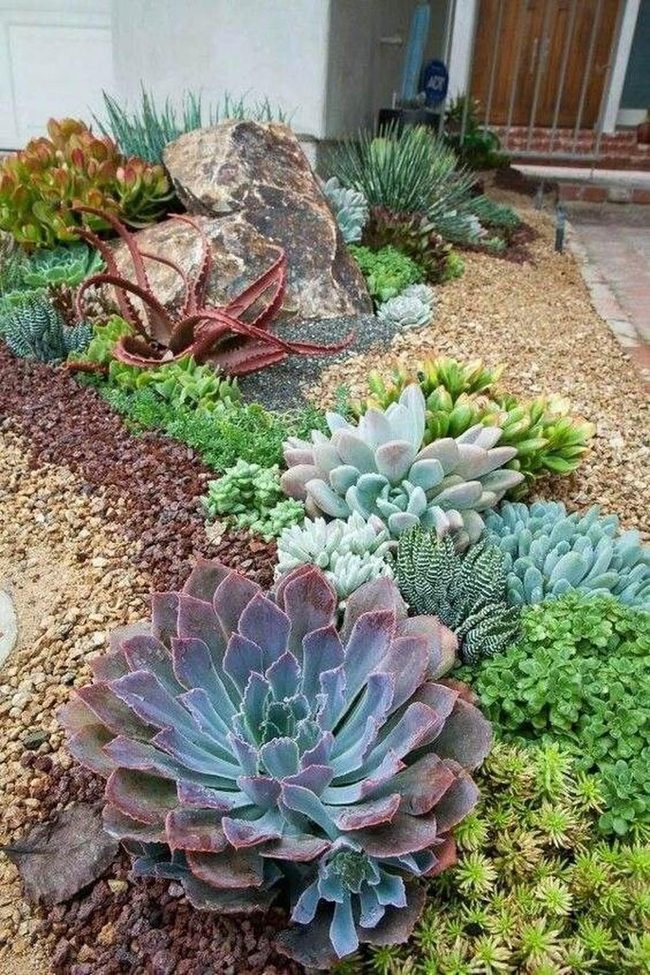
Gravel gardens transform your outdoor space with their striking visual appeal, using smooth stones and pebbles as the main ground cover to create a landscape that echoes natural desert environments and lets your plants take center stage.
Beyond the attractive look, you'll find that gravel improves drainage significantly and cuts down on weeding time, which means less maintenance work for you throughout the year.
If you want a yard that balances good looks with easy upkeep, this approach offers both without demanding much effort or expense.
Drought-Tough Desert Trees Standing Tall
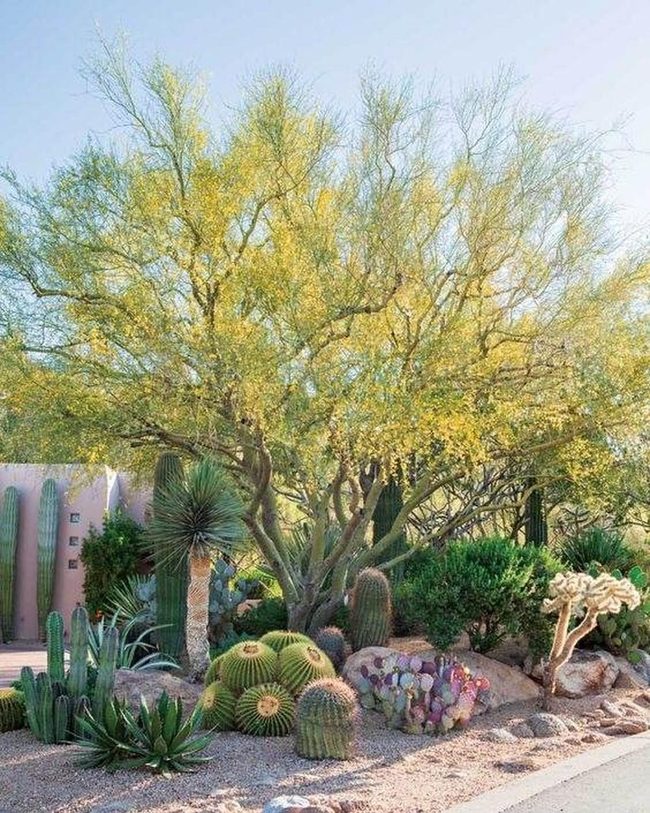
Desert trees stand as resilient giants that transform arid landscapes with their distinctive character and natural beauty.
Palo verde and mesquite trees showcase striking silhouettes and unique textures that shift with the seasons, making them standout choices for your yard.
Beyond their visual appeal, these sturdy plants survive in dry conditions while offering essential shade and habitat for local wildlife.
Growing these trees in your garden supports biodiversity and turns an otherwise harsh outdoor space into a flourishing oasis.
You'll find that selecting desert trees enhances your surroundings without demanding constant water or maintenance.
When you incorporate these hardy plants into your landscape design, you're both improving your property and protecting the local ecosystem.
The combination of drought tolerance and natural beauty makes desert trees an excellent investment for anyone looking to create a sustainable and attractive outdoor environment.
Edible Desert Plants For Homegrown Harvests
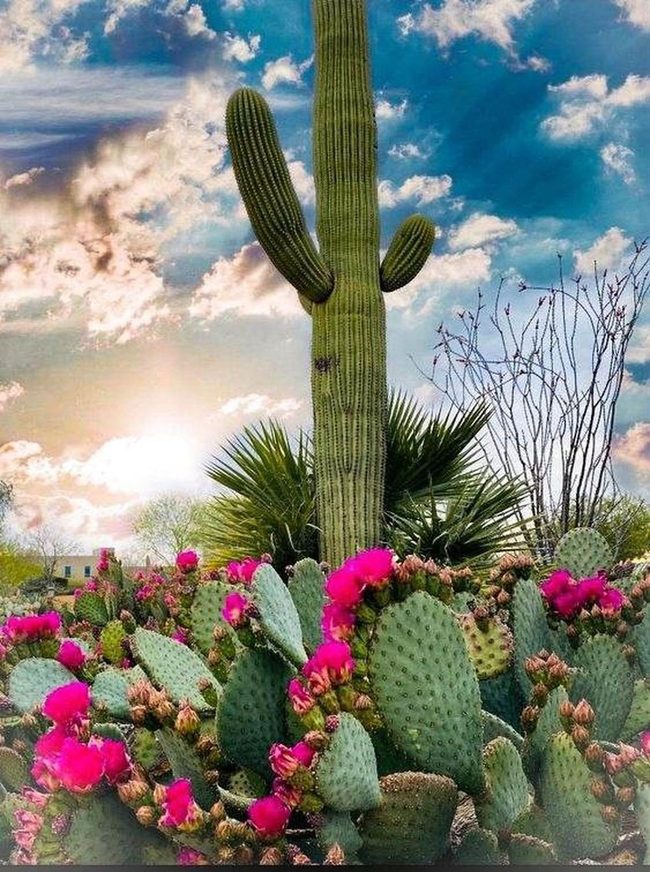
Desert plants that you can eat grow well in dry climates and give you fresh food right at home.
You might add different drought-resistant herbs and vegetables to your yard, letting you pick ripe flavors whenever you need them for cooking.
These tough plants do more than just feed you; they also turn a dry space into something green and alive around your home.
When you pick the right varieties, your edible garden becomes both practical and beautiful, showing off nature's ability to thrive in harsh conditions while giving you real harvests to enjoy.
Succulents Among Rust-Colored Stone
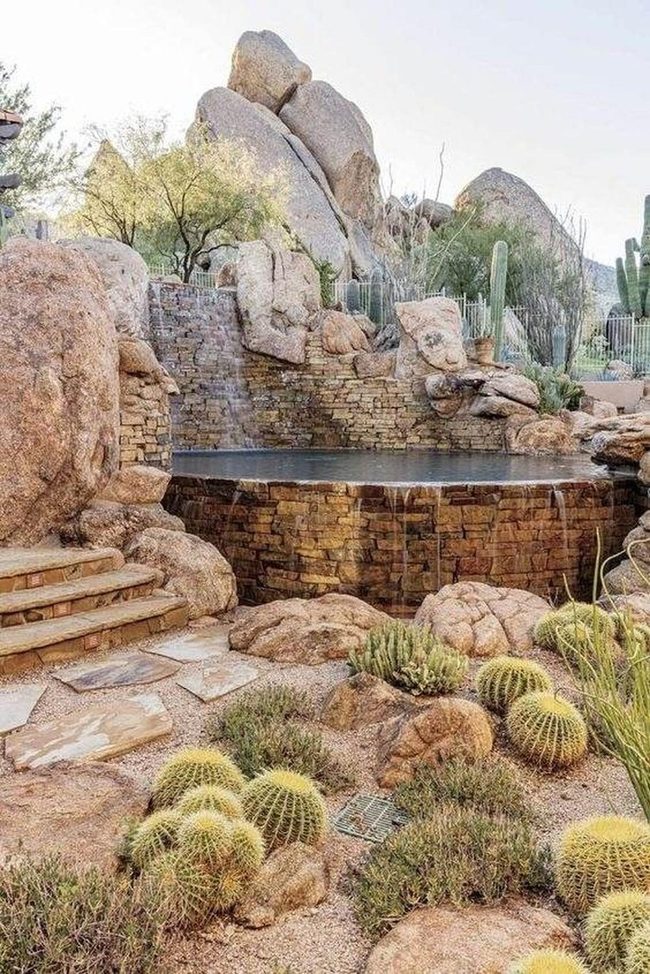
Desert oasis transforms an arid landscape into a living sanctuary where life flourishes against the odds.
Rock formations and sandy textures rise from the ground and provide striking contrast to the lush green plants you choose to grow there.
Drought-resistant varieties thrive in harsh conditions and let you build a garden that actually works in your climate rather than fighting against it.
You can express yourself through the plants and colors you select, whether you prefer bold succulents or softer desert blooms.
Sand and stone become natural design elements and frame your greenery beautifully.
Your garden becomes a cool retreat where you can escape the heat and feel surrounded by nature.
Stacked Succulents Transform Desert Yards
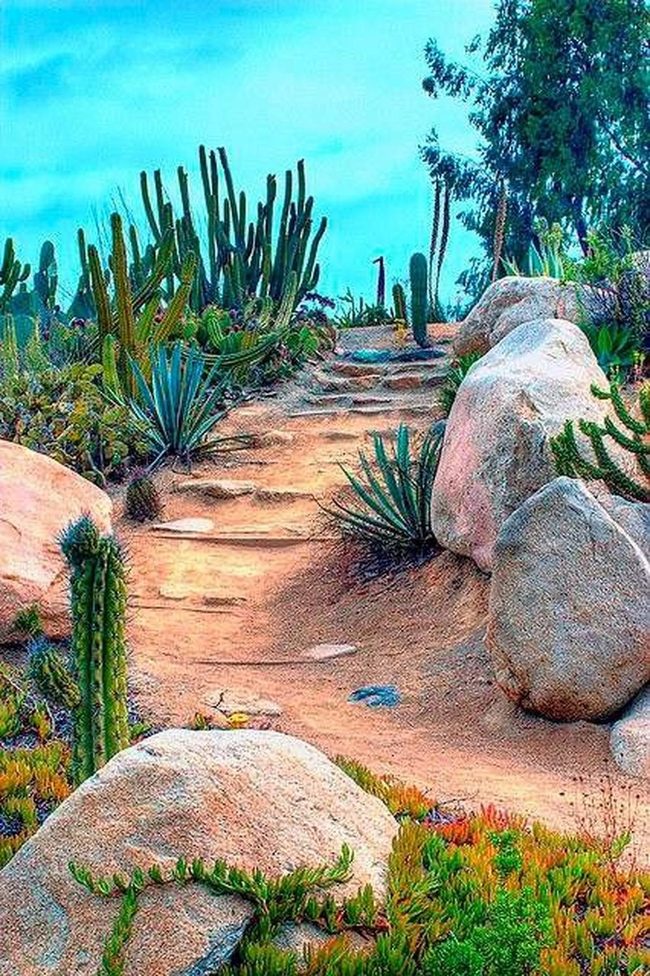
Desert terraces reshape arid yards into striking multi-level landscapes that grab your attention with rows of thriving succulents and native plants stacked across tiered structures.
Water flows downward through these layered levels instead of pooling or running off, so your soil stays healthier and plants get the moisture they need.
Beyond their good looks, terraces solve practical problems by preventing erosion and making the most of limited yard space in desert regions.
Your outdoor area becomes a place where you can relax, entertain, or simply sit among the natural landscape.
The layered design adds depth and visual interest that flat yards simply can't match.
Whether you want a peaceful spot for yourself or a spot to spend time with others, these tiered gardens deliver both beauty and function in environments where water is scarce.
Drought-Resistant Garden With Stone Accents
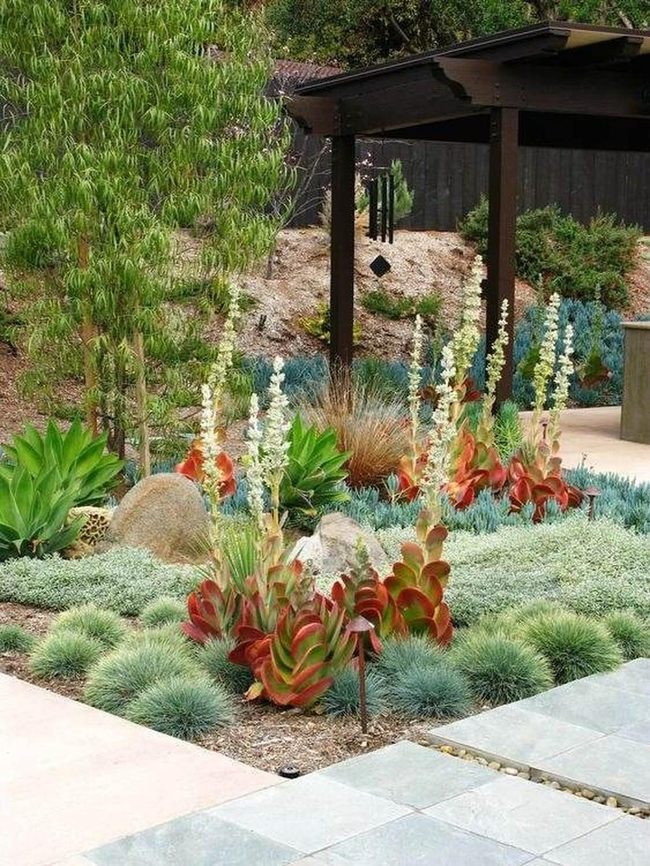
Turning your yard into a lush garden filled with succulents and strategically placed stones shows off the most striking visual transformation that xeriscaping can offer.
When you choose drought-resistant plants suited to arid climates, you reduce water consumption dramatically while keeping your landscape looking beautiful year-round.
Native plants work best for this approach and they need far less upkeep than traditional gardens.
Your space becomes a haven for local wildlife at the same time, since these plants support the creatures naturally found in your region.
Moisture-retaining soil mixtures help everything thrive even during dry spells and hot seasons.
Building a landscape this way means fewer watering bills and less time spent on maintenance tasks.
Drought-Proof Living Sculpture Garden
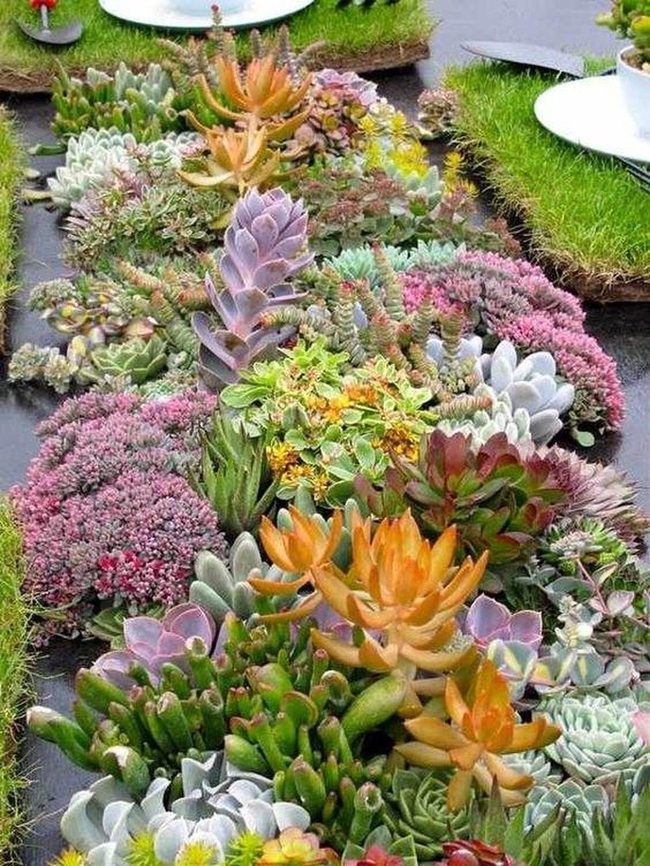
Succulents in different shapes and sizes arranged together form bold, striking landscape displays that catch attention from every angle, and when you mix varieties like echeveria, jade plants, and aloe, your garden becomes a living sculpture of texture and form.
Hardy plants like these thrive in dry conditions without needing constant watering, so they're perfect if you have a desert yard or simply want to reduce your water bill.
Building a succulent garden also means you're making an eco-friendly choice by relying on plants that naturally handle harsh weather and thrive without extra fertilizers or frequent attention.
You can arrange them in patterns, group them by color, or let them spread naturally across your beds and containers.
Beyond looking beautiful, these gardens support sustainability by using flora that doesn't demand heavy watering or constant care.
Giant Stone Anchors Desert Garden
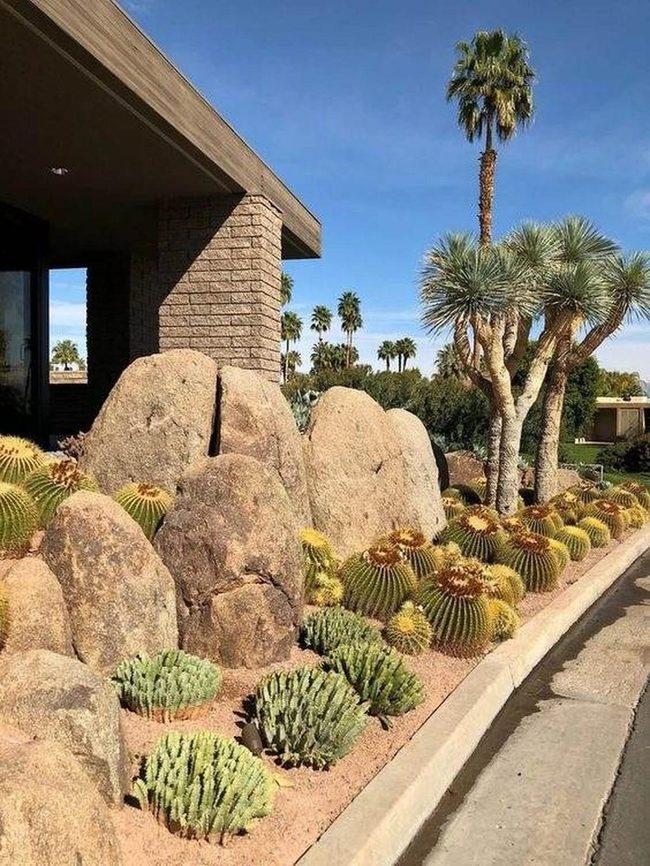
Desert boulders; those massive natural stones scattered across your landscape; bring an instant sense of drama and raw beauty to outdoor spaces.
You can position these impressive rock formations among drought-resistant plants to build layers and interesting views throughout your garden.
Placing them strategically means your eye travels across the space in a natural way, and the whole garden feels less bare.
Beyond their appearance, these stones provide a lasting quality to desert settings that makes you feel calm and peaceful.
Your backyard or garden starts to feel like a sanctuary when boulders become part of the design.
Desert plants paired with rocks work well together, and the combination makes your outdoor area look less like a typical yard and more like a natural landscape.
Adding these elements transforms ordinary outdoor spaces into environments where you genuinely want to relax and spend time.
Michael Harris
Senior Content Editor
Expertise
Home Décor Content Creation, Interior Design Journalism, Editorial Oversight, Digital Media Strategy, Team Leadership and Mentorship
Education
University of Queensland, Brisbane, Australia
Queensland University of Technology (QUT), Brisbane, Australia
Michael Harris is the senior content editor at Archi Refresh, where he turns home design trends into engaging, easy-to-follow articles. With a journalism degree from the University of Queensland and a digital communication certification from QUT, he knows how to craft content that informs and inspires.
With over 10 years of experience in lifestyle and design media, Michael has shaped editorial strategies, mentored writers, and helped readers refresh their spaces with practical tips. His work blends storytelling with expert advice, making home decor more accessible to everyone.
Outside of work, Michael enjoys DIY projects, exploring Brisbane’s art scene, and teaching digital literacy workshops.