
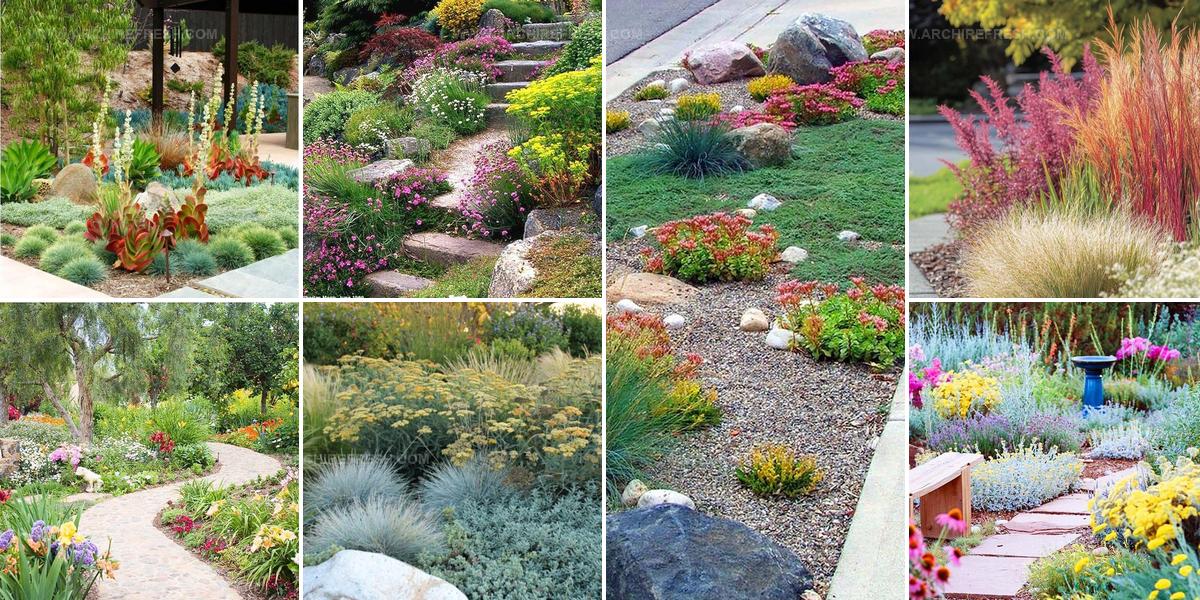
12 Drought Resistant Landscapes That Save Water and Look Amazing
Drought resistant landscaping creates homeowners a smart way to maintain beautiful outdoor spaces while conserving precious water resources.
Many regions face water shortages that make traditional lawn care increasingly impractical and expensive.
By choosing plants adapted to dry conditions, anyone can reduce irrigation needs dramatically without sacrificing visual appeal.
Native species and strategic design elements work together to build resilient gardens that thrive during hot summers.
Such approaches save money on utility bills while supporting local ecosystems and wildlife.
The environmental benefits extend beyond personal property, contributing to broader conservation efforts in communities everywhere.
Learning about water-wise options empowers you to make meaningful changes that benefit both wallet and planet.
Low-Water Green Landscape Beauty
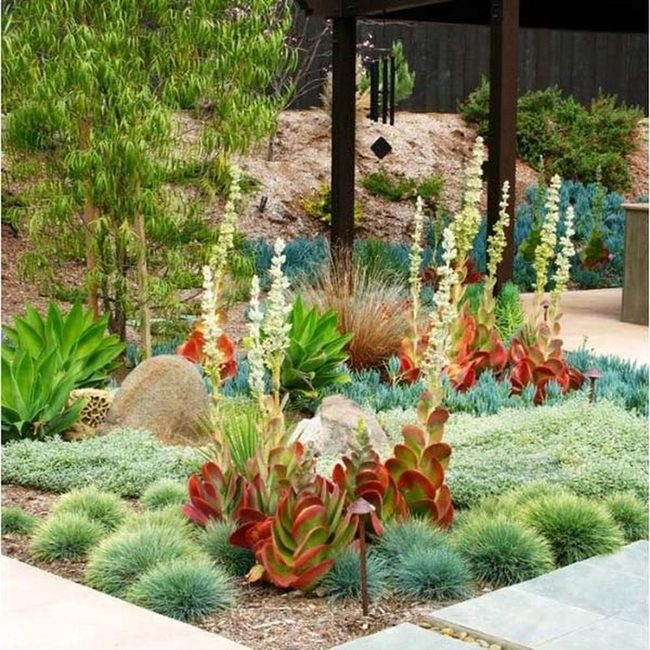
Succulents paired with monkey grass and Liriope spicata deliver a lush garden display that flourishes under California's intense sun while demanding almost no water after they settle in.
Drought-resistant landscaping like this one reduces your water bill and cuts down on the time you spend maintaining your yard.
The part I notice is how these plants look full and healthy even during dry seasons, and they adapt beautifully to hot climates.
With just occasional attention after the first few months, your garden stays green and attractive all year long.
The combination of different textures and heights from these plants keeps your landscape from looking boring.
Installing this type of garden is smart if you want something that looks great and works with nature instead of against it.
Ornamental Grasses Meet Smart Drainage
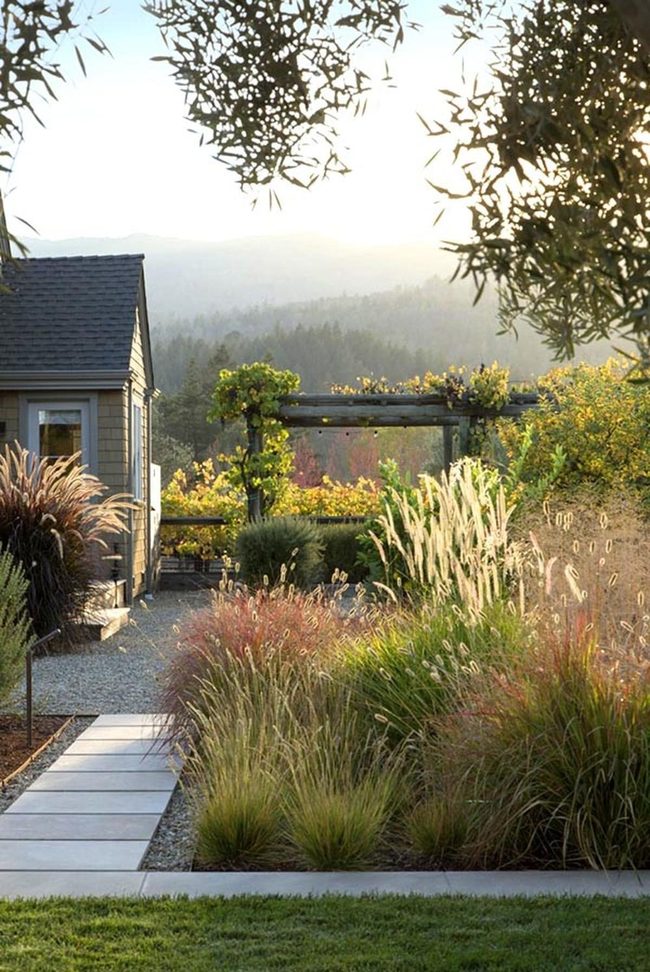
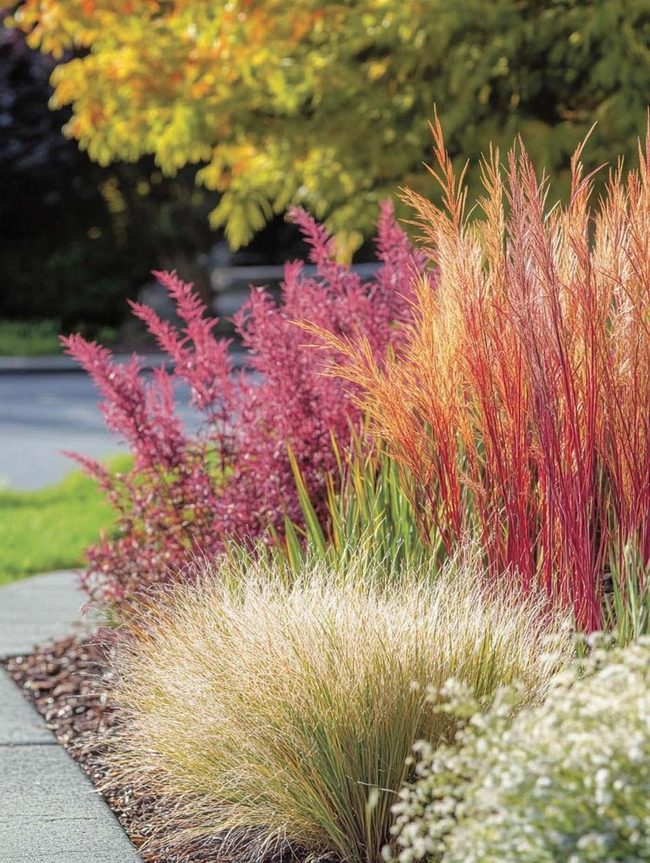
Ornamental grasses bring striking color and interesting texture to your outdoor space, and they do this with minimal fuss on your part.
Water features work better when you plan smart drainage solutions like gravel pathways that let soil absorb moisture rather than wash it away.
You can also add eco-friendly systems such as a concealed rainwater cistern that collects and reuses water for your garden, which helps both your plants thrive and reduces your environmental footprint.
These grasses sway and move with the breeze, so they give your yard visual interest throughout the seasons.
Soil stays healthier when water soaks in gradually instead of running off the surface.
Smart water design and native plants go hand in hand when you want a space that looks good and functions well.
Your yard can be both beautiful and responsible at the same time.
Gray Pebbles, Colorful Perennials
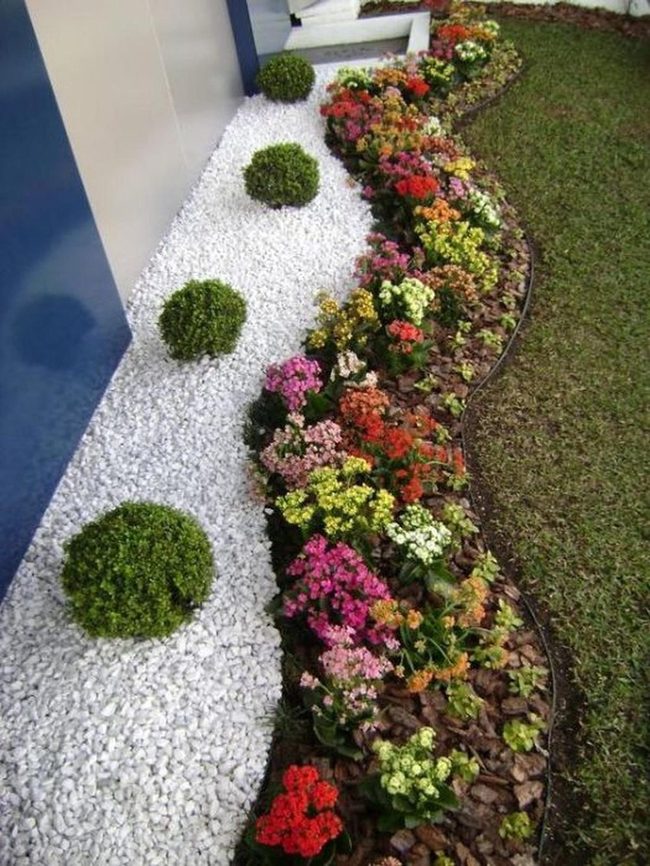
Small pebbles spread across your garden beds create striking patterns and interesting surfaces that catch the light throughout the day, while nearby perennial flowers in bold hues stand out against this neutral backdrop.
You can select drought-tolerant plants that naturally thrive with less water and still deliver rich colors and varied textures to make your outdoor space feel alive.
Beyond just looking good, these hardy plants draw local birds, butterflies, and insects into your yard, turning it into a dynamic place where both you and nature can thrive.
Water conservation happens naturally when you choose vegetation adapted to drier conditions, so your garden works efficiently without demanding constant attention.
The pebbles serve double duty by reducing moisture loss from the soil while also making maintenance easier since weeds have harder time taking hold.
You get all the beauty of a lush garden without spending your weekends watering or pruning endlessly.
Green Layers For Low-Water Gardens
Foliage plants bring dramatic green layers and varied textures to your drought-tolerant garden, and they need so little water to stay healthy that you'll barely think about watering them.
From feathery ferns to bold architectural leaves, these plants come in shapes and colors that make your outdoor space feel alive and full of movement.
Beyond just looking good, picking the right varieties helps local butterflies and birds thrive while you sit back and enjoy a peaceful garden that practically takes care of itself.
Gray Gravel Garden Minimal Beauty
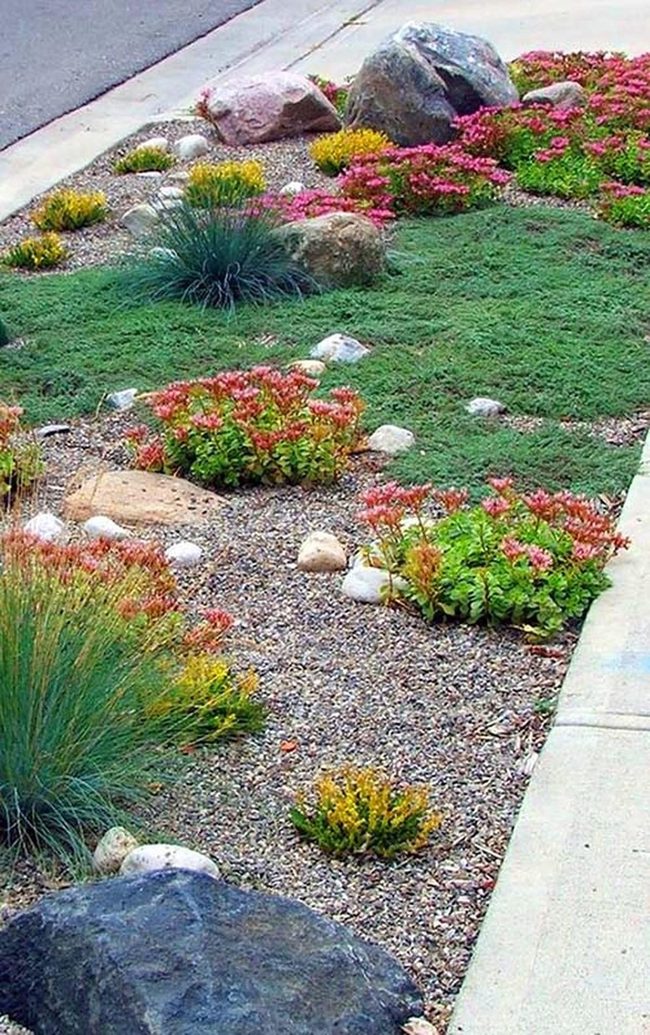
Drought landscaping offers a refreshing approach to outdoor design by combining simplicity with natural beauty, and the gravel mulch serves as a striking visual foundation that lets plants like blue oat grass and thyme grow freely without fighting for resources.
Rocks of varying sizes scattered throughout the space add wonderful texture and depth.
You can feel how open and peaceful the area becomes when you keep things minimal and let the plants breathe.
Gravel works hard in these gardens by suppressing weeds and regulating soil moisture.
When you layer in different stone sizes alongside hardy plants, the whole landscape gains character and visual interest.
Fewer plants means more focus on what you do have, and that restraint gives the space a calm, balanced feel.
Colorful Succulents Native Plant Borders
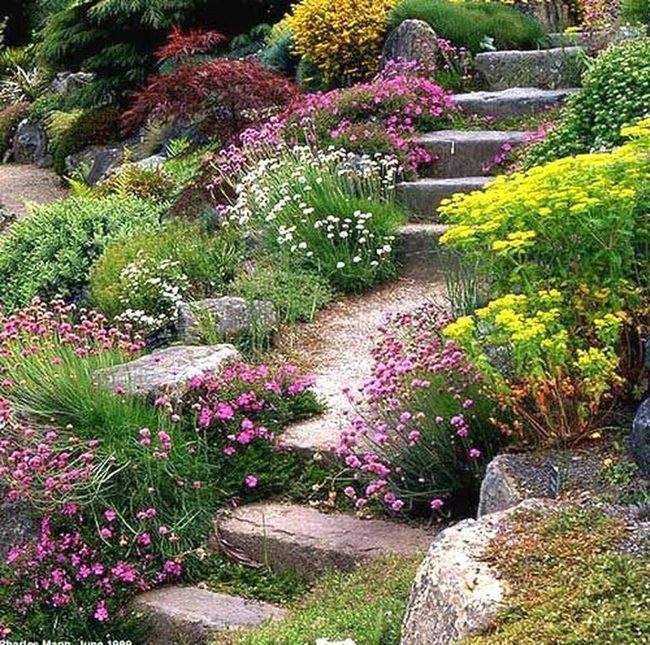
Large swaths of colorful succulents and vibrant grasses can serve as stunning borders in your yard, offering bold visual interest that catches attention from across the landscape.
Native plants fill out these spaces beautifully and bring local wildlife to your outdoor area, which means you can simply enjoy birds and butterflies visiting regularly.
By focusing on drought-tolerant species, you can maintain a lush-looking garden throughout the year without worrying about constant watering.
These plants thrive in dry conditions and demand far less maintenance than traditional landscaping.
When you combine different textures and hues together, the variety keeps your space feeling dynamic and alive.
Water conservation becomes almost effortless since these hardy plants need minimal irrigation once established.
Your yard transforms into an oasis that looks fantastic while being practical and sustainable.
I've seen this approach work well for people who want beautiful outdoor spaces without the headache of heavy upkeep.
Native Plants For Local Ecosystems
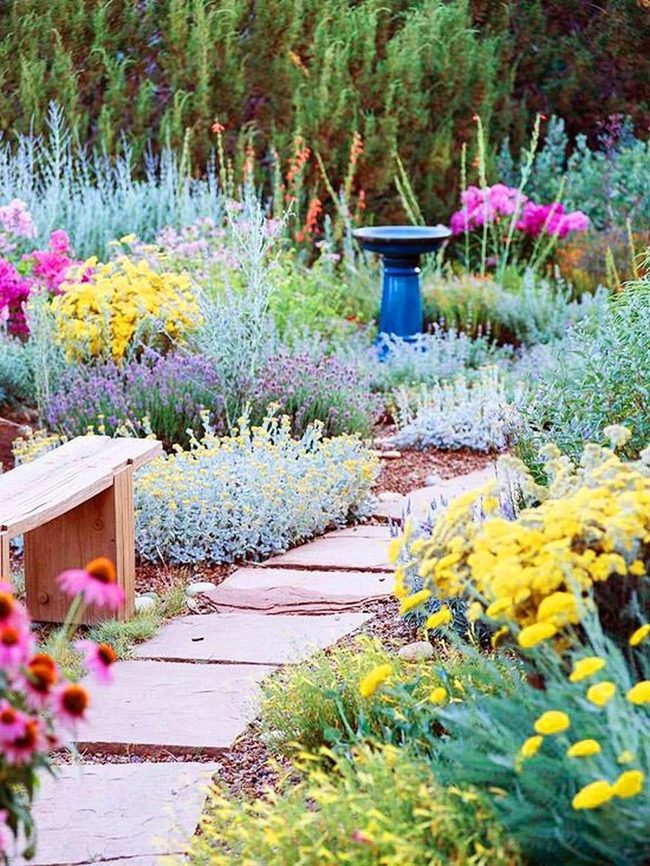
Native plants do well in your local climate without needing much water or upkeep, and they bring real beauty to any garden space.
Selecting these plants helps you support the animals and insects in your region while also using less of your water and time.
You get the bonus of helping local ecosystems thrive at the same time you're making your outdoor area look great.
Growing native plants means you're working with nature instead of against it.
Most people find they actually enjoy tending a garden when the plants are adapted to their environment.
It's a smart choice that benefits both your space and the world around you.
Low-Water Garden Textures Thrive
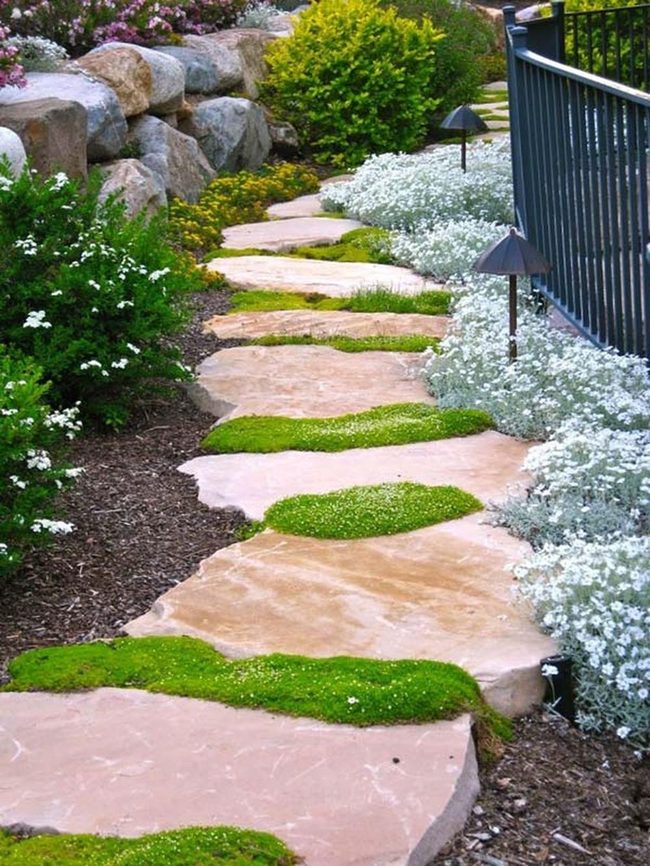
Walking through a garden where drought-tolerant shrubs and mosses flourish shows you how green spaces can thrive while using far less water than traditional plants.
I enjoy seeing the rich textures and shades of green that these resilient species provide, and they do it all with minimal effort on your part.
Mosses bring soft, velvety surfaces that contrast beautifully against the varied foliage of shrubs, and together they form a landscape that feels both natural and well-maintained.
Since water conservation matters more than ever, choosing plants built for dry conditions means you water less and worry less about keeping everything alive.
The earthy tones and layered textures work together to make your garden feel like a real, living space rather than something that needs constant babying.
Low-Maintenance Desert Plants
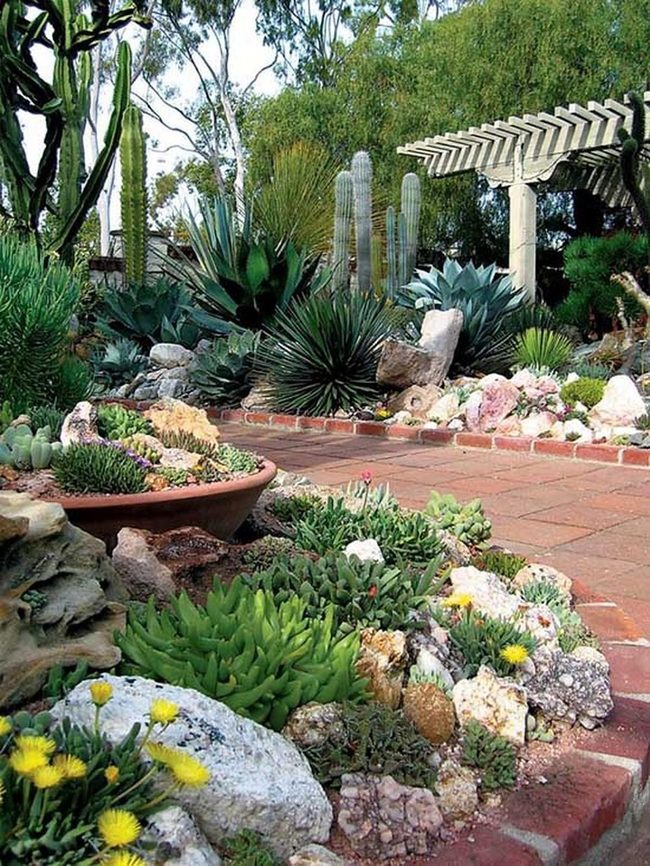
Succulents deliver a striking burst of color and form to your outdoor areas, and their varied shapes and hues naturally draw attention wherever you place them.
Before you start arranging them, spend some time thinking about where sunlight hits your garden throughout the day, since different varieties need different amounts of sun and shade to truly flourish.
Location matters more than you might think when it comes to keeping your succulents happy and healthy.
Once you've found the right spot, these plants will reward you with years of beauty and minimal fuss.
You don't need special gardening skills or fancy equipment to grow them successfully.
Drought-Tough Perennials For Shade
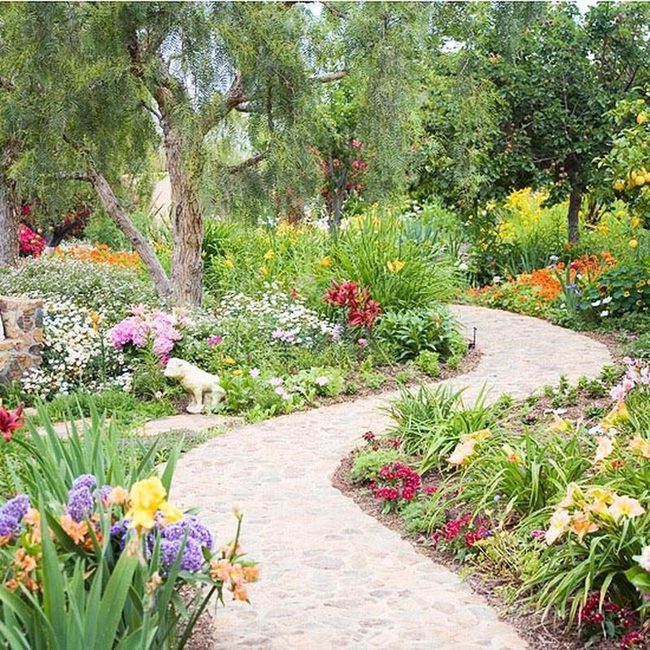
Shade gardens with drought-tolerant perennials bring life to the hardest-to-grow spots in your yard and give you lush greenery without endless watering schedules.
Plants like coral bells, heuchera, and sedums deliver striking foliage colors and interesting textures that brighten dim corners with their natural patterns and shapes.
You can build layers of height and movement by mixing tall varieties with low-growing spreads, and this approach lets shade areas feel full and dynamic instead of bare.
Picking the right combination of these hardy plants means less work for you overall since they need so little water once established.
Many of these perennials adapt to dry soil and shade at the same time, which solves two common garden challenges in one smart choice.
Your shaded spaces become peaceful spots where plants flourish on their own, and you'll find yourself reaching for the watering can far less often.
Gravel Mulch With Drought Native Plants
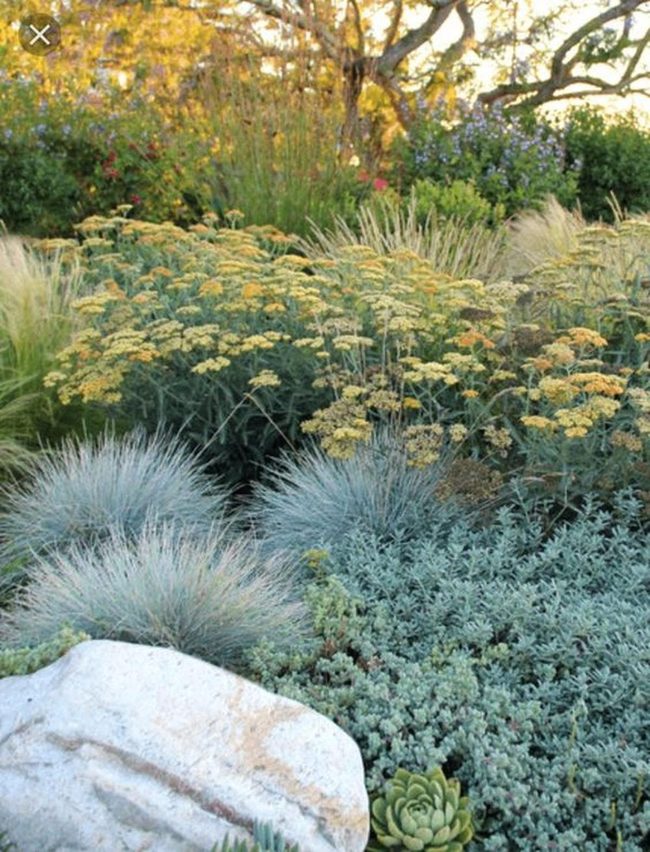
Native plants that grow well in dry climates can transform your garden into a low-maintenance haven filled with natural beauty, and these hardy options need far less water than traditional varieties.
Layering gravel or mulch across your beds cuts down on moisture loss from the soil while giving your landscape appealing texture and visual interest.
Combining these two approaches helps you save water without sacrificing the appeal of your outdoor area.
I've noticed that gardens designed this way often look more interesting because the varied surfaces catch light differently throughout the day.
You can build on these basics by adding drought-resistant shrubs and perennials that offer seasonal color and shape.
Rock gardens and xeriscaping designs work especially well if you live somewhere dry or want to reduce your watering schedule.
Many people find that once they shift to water-smart gardening, maintaining their space takes less time and effort while still delivering a pleasing environment.
Low-Maintenance Pea Gravel Landscape
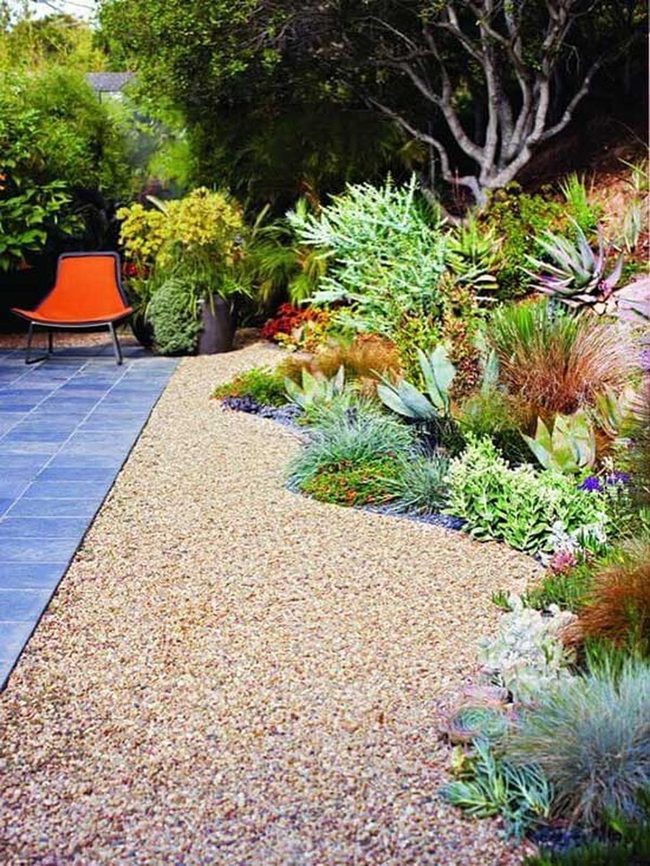
Pea gravel transforms your yard into a low-maintenance landscape with a contemporary feel, and it cuts down on watering while eliminating the need to mow or fertilize regularly.
You have the freedom to spend less time on upkeep and more time actually enjoying your outdoor area.
When you combine this gravel with plants that handle dry weather well, your garden becomes both attractive and resource-efficient.
Such a setup works especially well if you live somewhere with limited rainfall or prefer not to fret over constant yard care.
Drought-tolerant plants paired with pea gravel give you a garden that stays green and pleasant even when water is scarce.
Your outdoor space becomes a place where beauty and practicality go hand in hand, making it easier to maintain while still looking great all year long.
Olivia Martinez
Founder & Principal Designer
Expertise
Sustainable Interior Design, Residential and Commercial Space Planning, Historic Preservation and Adaptive Reuse, Custom Furniture Design, Project Management
Education
Parsons School of Design, New York, NY
LEED Accredited Professional (LEED AP)
Olivia Martinez is the founder of Archi Refresh, where she brings style and sustainability together. With a degree from Parsons School of Design and a LEED certification, she’s all about creating beautiful, eco-friendly spaces.
With over eight years in the industry, Olivia has designed everything from cozy homes to commercial spaces, always putting function and sustainability first. She loves working with local artisans and has been featured in design publications for her fresh take on green living.
When she’s not designing, Olivia enjoys exploring historic architecture, painting, and spending time with her rescue dogs, Luna and Max.