
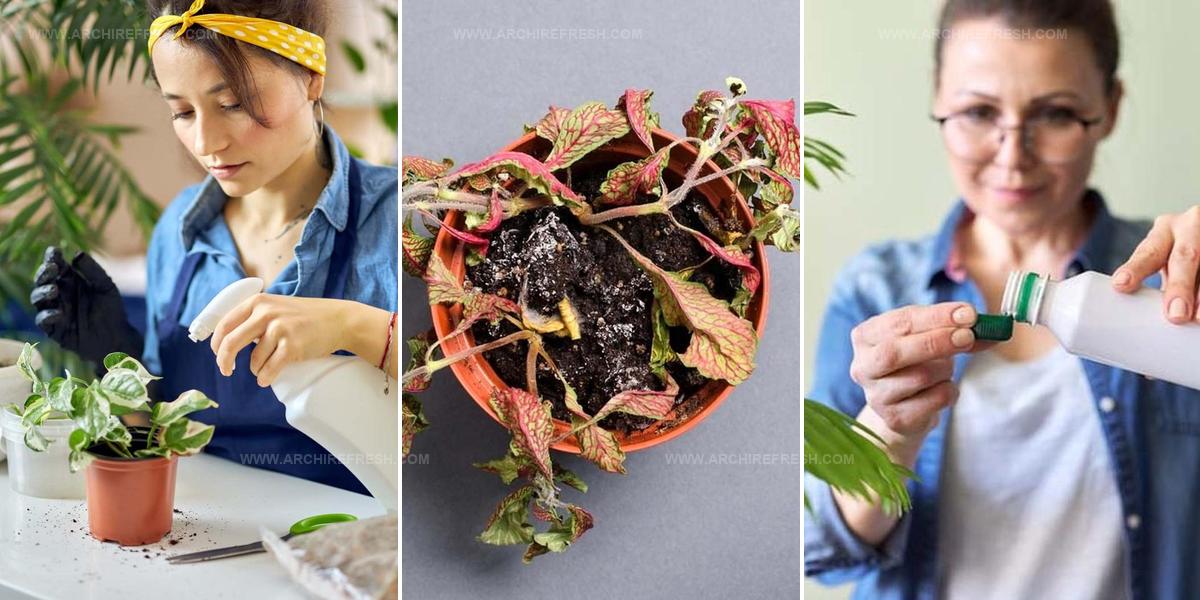
12 Dying Plant Revival Tips That Actually Work
Droopy leaves and brown edges often signal that household greenery needs immediate attention, but rescuing struggling foliage is simpler than most people assume.
Many assume wilted stems mean certain death, yet plants possess remarkable resilience when given proper care adjustments.
Common mistakes like overwatering or insufficient light cause most decline, and identifying the specific problem helps determine which solution works best.
Once the underlying issue becomes clear, recovery typically begins within days as leaves perk up and new growth emerges.
Small changes in watering frequency, pot placement, or soil quality can reverse damage that appears severe at first glance.
Even specimens that look beyond hope frequently bounce back with surprising vigor after receiving what nature intended them to have.
Learning how to read distress signals and respond correctly means you can become the hero every wilting leaf desperately needs.
Terracotta Pot Roots Free Growth
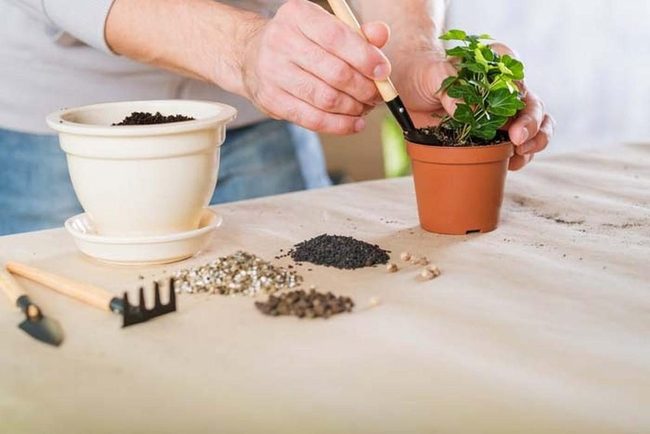
Moving a plant to a larger pot can make a huge difference in how well it grows, especially when roots start pressing against the sides of its current home.
Upgrading to a bigger container lets those roots stretch out and breathe, which stops them from getting stressed and damaged.
Terracotta and heavy ceramic pots are great choices because they hold onto water better, keeping your plant hydrated during hot or dry periods.
When you give your plant enough room and use good soil and materials, you set it up for strong, healthy development that lasts for years.
Choosing the right pot size and material is one of the easiest ways to help your plant flourish.
You don't need anything complicated; just space and the proper setup make all the difference.
Catch Plant Problems Early
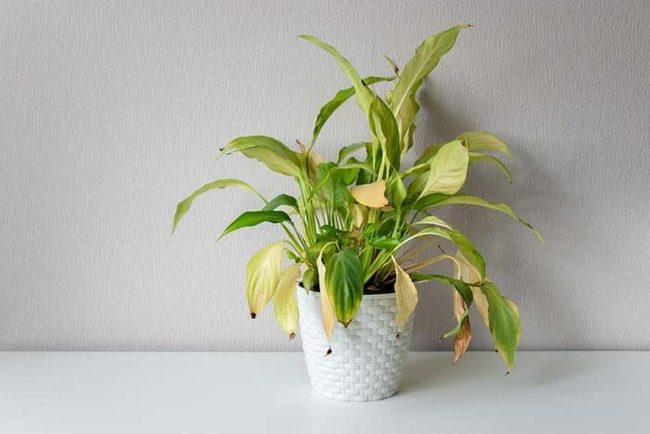
Keeping an eye on your plants helps you catch problems before they spiral out of control, and spotting discoloration or strange growth patterns means you can act fast and stop damage from spreading.
If fungus shows up, fungicidal treatments handle that problem directly and protect your plant's future health.
Sometimes you'll need to prune away the affected parts, and this simple step removes the trouble spots and gives your plant a fresh chance to grow strong again.
Regular monitoring becomes second nature once you start doing it, and you'll develop an instinct for what looks off about your greenery.
Getting ahead of problems rather than waiting until things get bad is always the smarter move, and your plants will reward you with better growth and healthier foliage.
Dead Wood Removal Sparks Growth
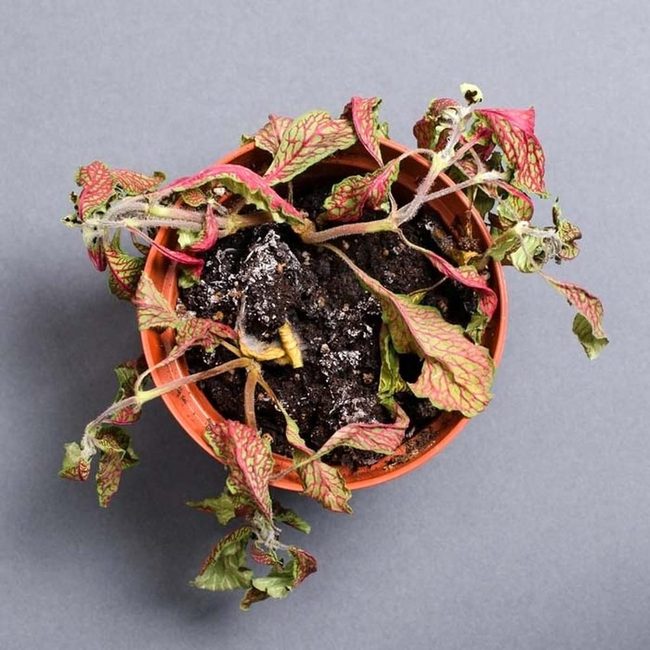
When you look at a plant with dead branches, the first thing to notice is how those lifeless sections stand out against the healthy green growth around them.
To help your plant bounce back, pruning dead wood back to living tissue is one of the most effective steps you can take.
Once you cut away the damaged areas, the plant's energy shifts toward the healthy sections and sparks new growth where you need it most.
Plants have a natural ability to adapt and recover from harm over time, and this process helps them do exactly that.
By removing the dead parts, you're basically giving the healthy wood permission to thrive and fill in those empty spaces.
It doesn't take special skills to do this well, just a sharp tool and the willingness to cut back to where you see green.
Your plant will reward you with new branches and a fuller, more vigorous look as it heals.
Rich Compost Enhanced Potting Soil
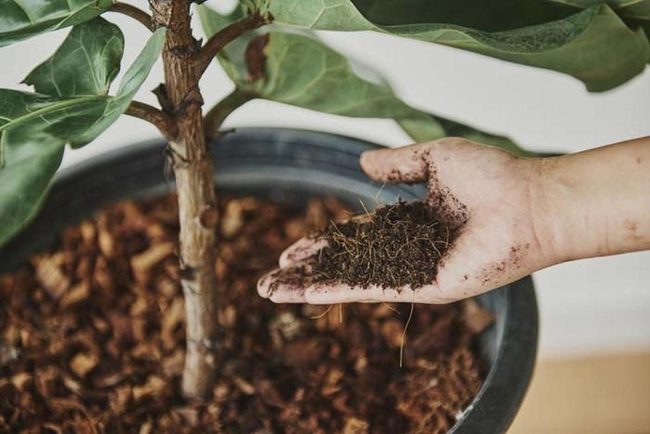
When you mix compost into your potting soil, you're giving your plants the best possible foundation for growth, and this one simple change makes a noticeable difference in how they respond.
Combining one part compost with two or three parts potting soil creates a balanced blend that holds onto moisture while still letting roots access oxygen, which prevents rot and keeps your plants healthy.
Compost is loaded with nutrients that help plants thrive, and when you add aeration to the mix, roots can actually breathe properly underground.
Many struggling plants bounce back quickly once you improve their soil this way, becoming much more resilient and able to handle stress better.
The whole process isn't complicated or expensive, making it something anyone can do in their garden or with houseplants.
You may spot your plants looking stronger and more vibrant after a few weeks of having better soil conditions.
Smaller Pot Saves Overwatered Plant
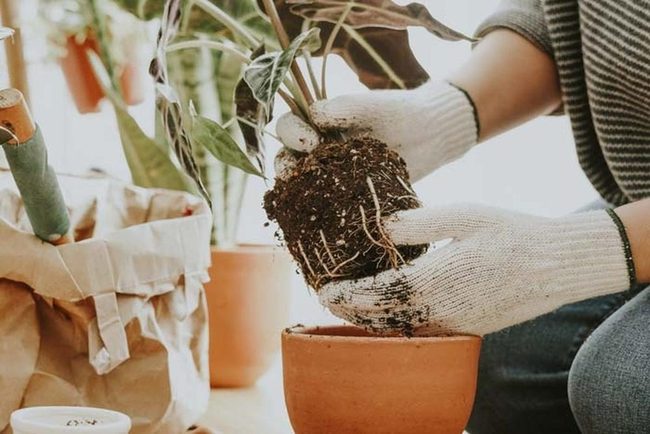
Moving an overwatered plant into a smaller pot is one of the most direct ways to save it, and you'll want to watch for signs like wilting or roots pushing through drainage holes as your first clue that action is needed.
Smaller containers dry out faster, which helps regulate moisture and gives the roots a chance to breathe again.
After repotting, hold back on watering and let the soil dry out between sessions so the plant can recover.
Most plants bounce back within a few weeks once you dial in the right moisture balance.
You might notice new growth starting up as soon as the stress lifts.
Getting ahead of root rot by moving quickly makes all the difference in whether your plant survives this setback.
Taking time to repot properly and adjust your watering habits puts your plant on a solid path to health again.
Clean Water Stronger Plant Growth
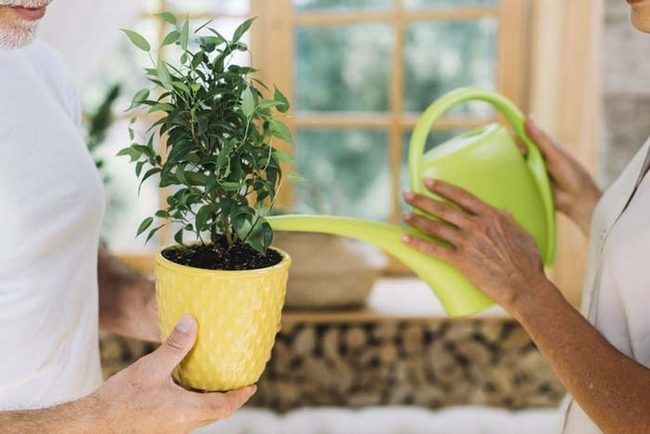
Leaf yellowing from chlorosis can ruin your plant's appearance, and filtered water helps you avoid this problem since tap water often contains fluoride that damages sensitive plants.
Rainwater and filtered alternatives let your plants absorb the nutrients they need without extra chemicals getting in the way.
When you stick to a regular watering schedule using quality water, your garden responds with noticeably healthier growth.
It's worth taking time to set up a watering system that works for you and your plants.
You don't need fancy equipment; just clean water and a routine you can maintain.
Most gardeners find that this straightforward approach pays off in stronger, more vigorous plants throughout the year.
Frost-Damaged Jasmine Recovery Plan

When jasmine starts to wilt from frost, the first thing you should do is remove the heaviest blooms and move the plant to a warmer spot to stop the cold from causing more harm.
Next, prune back the stems right to where they've wilted and replant the jasmine in new soil so it gets a fresh start and can bounce back better.
On nights when temperatures dip, draping a frost blanket over the plant gives it an extra shield until the weather warms up again.
Early Pest Detection Saves Plants
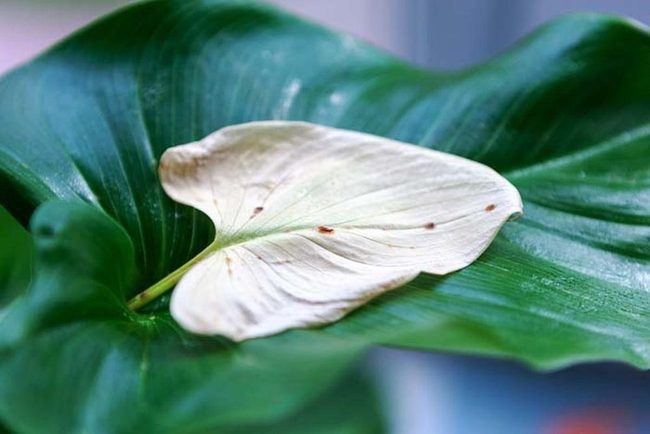
Watching your plants for holes, spots, or other damage signs is one of the best ways to spot pest problems before they get out of hand.
Catching these issues early makes a huge difference in how well your plants bounce back and grow.
If you do notice pests, a mild insecticidal soap works really well to handle the situation and get your plants back on track.
Staying on top of pest management keeps your greenery looking fresh and healthy.
Regular checks mean you're not dealing with major infestations down the road.
Strong leaves and healthy roots depend on keeping bugs and other pests under control.
It's worth spending a few minutes each week looking things over and addressing problems as they pop up.
Green Growth Through Strategic Pruning
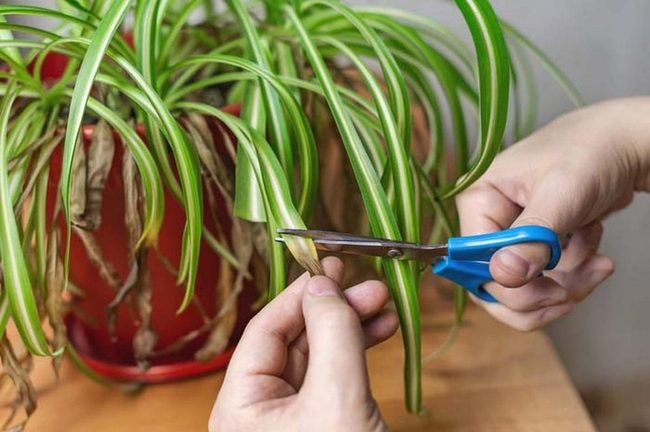
When you trim away dead leaves from your plants, you help direct all that energy toward the parts that are actually growing strong and healthy.
Rather than cutting back entire stems, focus on just the sections that look brown or wilted and let the vibrant portions keep thriving.
Along with pruning, covering any exposed roots with soil gives your plants real protection from harsh weather and keeps them looking more polished.
This simple step makes your greenery sturdier and improves how your whole garden or indoor plants appear to anyone walking by.
Regular maintenance like this prevents problems down the road and means less work for you later on.
Your plants respond quickly to these basic moves by putting out new growth and looking fuller than before.
Drooping Plants Need Proper Watering
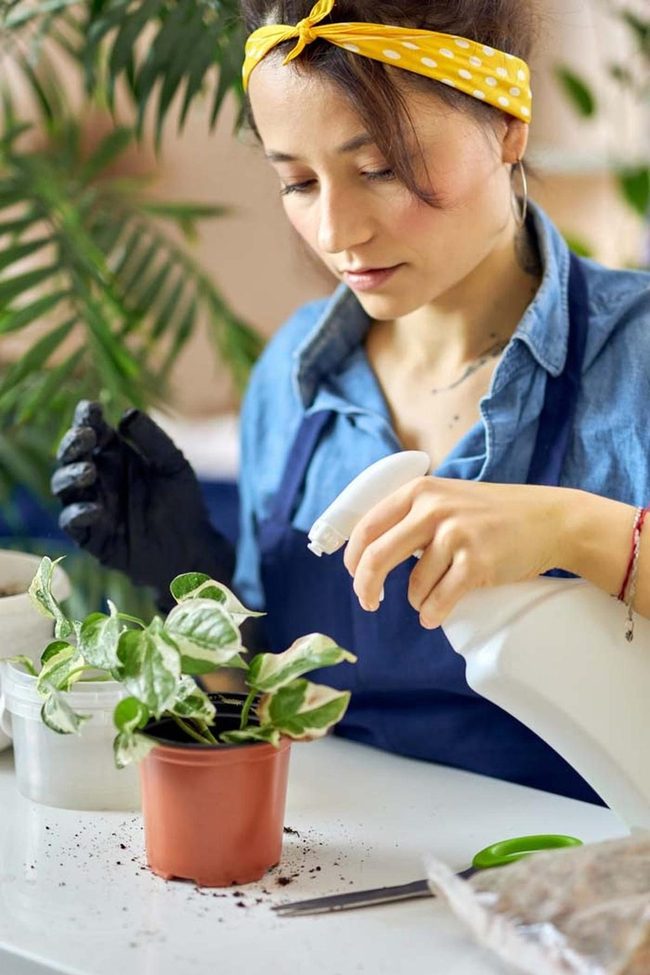
When your plants start to droop, watering them the right way makes all the difference in bringing them back to life.
Moving your plant closer to a steamy bathroom or kitchen can work wonders too, since humid air helps stressed plants bounce back faster.
You'll want to check the soil regularly to make sure it stays at the right moisture level and avoid letting it get too wet or too dry.
This balanced approach keeps your foliage looking green and healthy for the long term.
Keep in mind that different plants have different water needs, so pay attention to what your specific plant prefers.
Getting these basics right means you won't have to deal with limp leaves very often.
Strategic Plant Placement For Growth
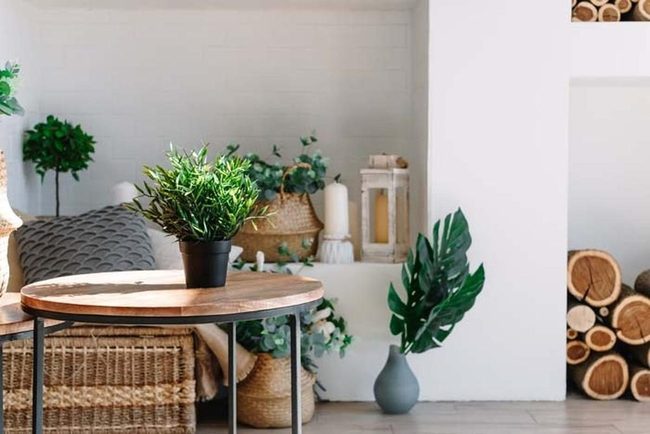
Getting your plants positioned in the right spot makes a real difference in how well they do, so you'll want to find a location where sunlight and temperature work together nicely.
Most plants have their own light needs, and when you match those needs with where you put them, they stay healthy and green instead of wilting or turning yellow.
Harsh sun can stress some plants while others absolutely need those bright rays to grow strong.
Temperature extremes can hurt even the toughest plants, so we suggest placing them away from cold drafts and scorching heat.
Putting thought into where each plant sits in your space pays off in better growth and stronger leaves.
You might try moving plants around a bit to see where they do best, since everyone's home gets light differently throughout the day.
Once you nail down those sweet spots in your rooms, your plants will thank you with vibrant new growth.
Less Fertilizer, Healthier Plants
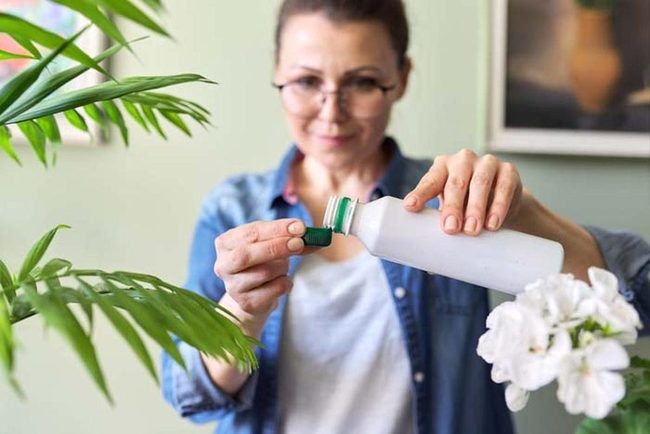
Yellowing or burnt leaves signal that you're probably feeding your plants too much, so using small amounts of fertilizer during the growing season works best for healthy growth.
Most plants do well with balanced feeding just once a month, and you can back off almost entirely when they're dormant since they need very little nutrition during rest periods.
Less fertilizer applied at the right times delivers better results than heavy applications, and your plants will respond with stronger development and healthier foliage.
Spreading out your feeding schedule prevents damage and keeps your plants in good shape month after month.
Olivia Martinez
Founder & Principal Designer
Expertise
Sustainable Interior Design, Residential and Commercial Space Planning, Historic Preservation and Adaptive Reuse, Custom Furniture Design, Project Management
Education
Parsons School of Design, New York, NY
LEED Accredited Professional (LEED AP)
Olivia Martinez is the founder of Archi Refresh, where she brings style and sustainability together. With a degree from Parsons School of Design and a LEED certification, she’s all about creating beautiful, eco-friendly spaces.
With over eight years in the industry, Olivia has designed everything from cozy homes to commercial spaces, always putting function and sustainability first. She loves working with local artisans and has been featured in design publications for her fresh take on green living.
When she’s not designing, Olivia enjoys exploring historic architecture, painting, and spending time with her rescue dogs, Luna and Max.