
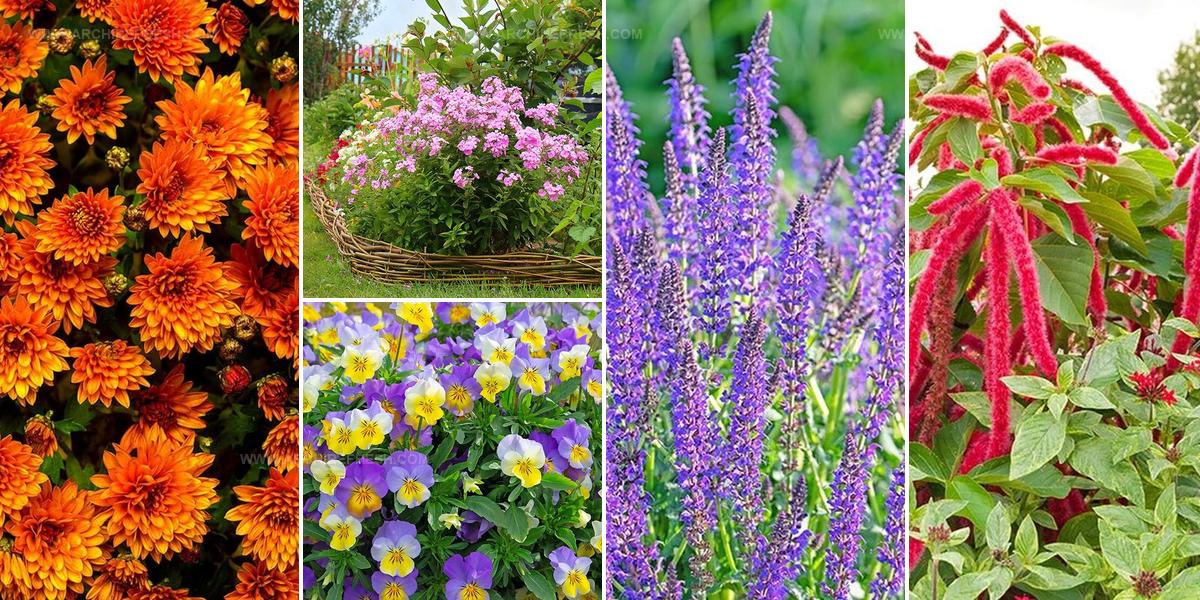
28 Fresh Fall Flower Ideas For Gardens That Bloom Beautifully
Gardens come alive with stunning blooms during autumn, offering a chance to enjoy rich colors and textures when most plants fade away.
Many believe that growing season ends once summer concludes, but fall presents unique opportunities to cultivate beautiful displays.
Chrysanthemums, asters, and ornamental grasses thrive in cooler temperatures while adding depth to outdoor spaces.
Selecting varieties suited to the season means less maintenance and healthier plants that resist common pests.
Mixing perennials with annuals creates layers of interest that evolve as weeks pass by.
Colors range from deep burgundies to golden yellows, complementing the changing landscape around you.
Roses Thrive With Sunlight And Drainage
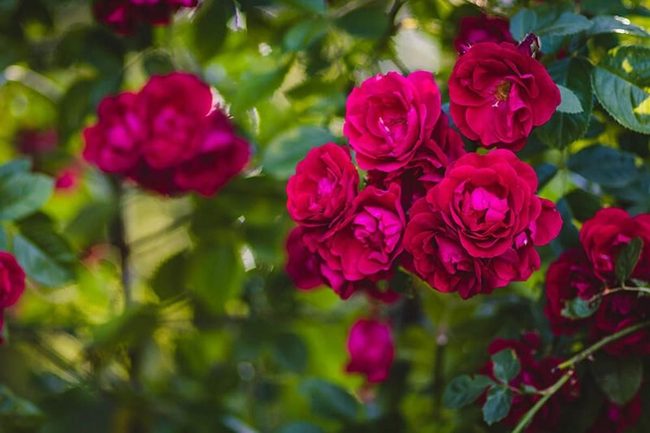
Roses have been around for an incredibly long time, with fossils showing they existed 35 million years ago, and today we use them in so many ways beyond just looking at them in a vase.
You can find roses in perfumes, teas, jams, and countless scented products that bring their beauty into your daily life.
More than ten different colors exist in the rose family, and each shade carries its own meaning when you choose one to give to someone special.
Beyond their appearance and fragrance, roses need proper care to truly thrive in your garden or home.
They require soil that holds moisture well while also draining excess water so their roots stay healthy.
Sunlight matters too; these flowers need at least five hours of direct sun each day to grow their best.
If you live in growing zones seven through nine, roses will flourish during the spring and fall seasons and reward you with beautiful blooms.
Zinnias Attract Butterflies All Summer
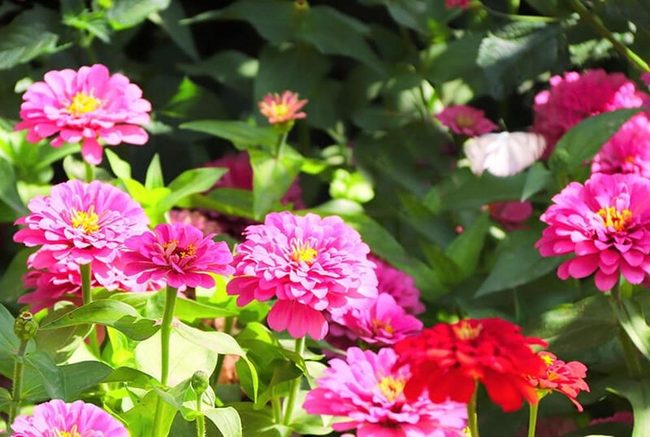
Zinnias burst into bloom from mid-summer through the first frost, delivering weeks of continuous color to your garden beds and borders.
These flowers come from the dry grasslands of the Southwestern United States and South America, and they belong to the sunflower family.
To keep your zinnias thriving, place them where they get full sunlight and plant them in well-drained soil mixed with organic matter.
Water them with about an inch of water every five to seven days and they'll stay healthy and vibrant.
Beyond their beauty, zinnias draw bees and butterflies into your outdoor space, making your garden more alive and active.
Growing zinnias also brings meaning to your landscape since they symbolize endurance and friendship, turning your flower beds into something more personal and connected to what matters to you.
Towering Hydrangeas Transform Through Rainbow Seasons
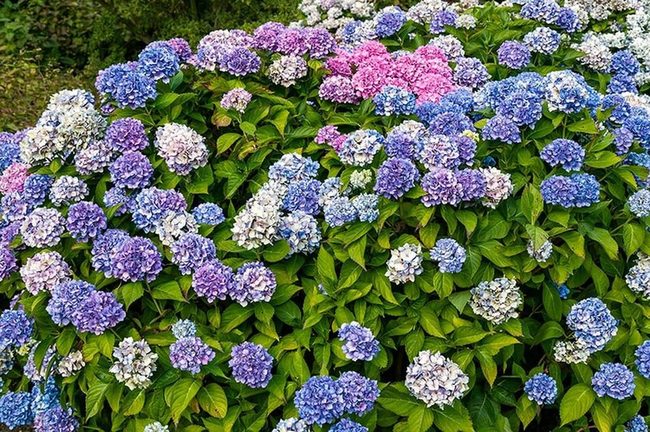
Hydrangeas can grow as tall as 15 feet, creating a lush and impressive display that dominates any garden space throughout the summer months.
These plants bloom from spring all the way into early fall, and you'll see them shift through a stunning range of colors including green, white, lavender, pink, and blue.
Beyond their visual appeal, hydrangeas are surprisingly low-maintenance once established in your garden.
They need just one inch of water per week and prefer soil that's rich and loamy.
For best results, you should position them where they get at least six hours of direct sunlight daily.
These plants adapt well to most climates and grow successfully in zones three through seven, making them accessible for many gardeners.
I admire the way hydrangeas deliver both beauty and grace to fall landscapes without demanding constant attention.
If you're looking for a flowering plant that offers both size and color variety, hydrangeas deliver on both fronts.
Bronze And Pink Begonia Foliage
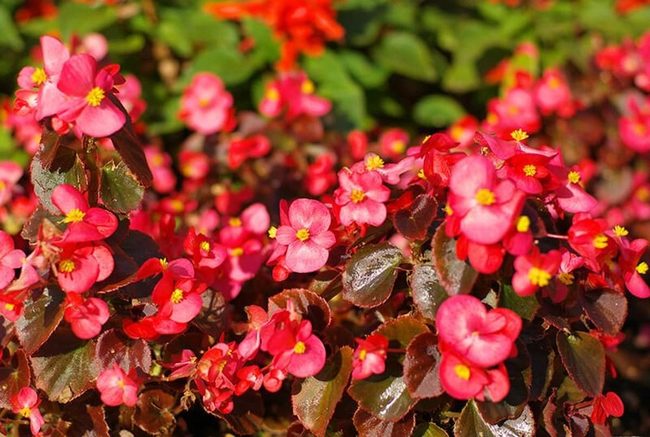
Begonias steal the show in fall gardens with their breathtaking foliage that shifts through bronze, pink, gray, and green hues, making them a standout choice for anyone looking to add visual interest to outdoor spaces.
You'll find these plants range from 8 to 48 inches depending on which variety you select, and they perform best when tucked into shaded spots where their colors really shine.
Bright, indirect light brings out their most vibrant tones throughout the blooming season from June until the first frost arrives.
Keeping up with watering schedules matters here; plan on watering every 2 to 4 hours for them to reach their full potential.
Well-drained soil works best, and if you live in growing zones 9 to 10, you're in luck since these are their preferred conditions.
Golden Petals Dark Centers Summer Through Fall
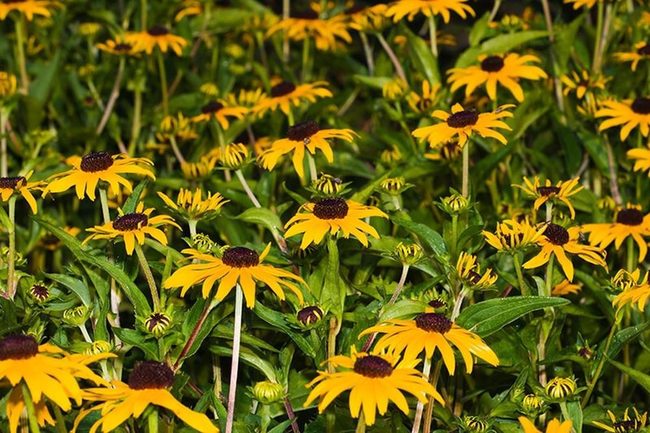
Black-Eyed Susans burst across your garden beds with golden petals and dark centers that demand attention throughout the fall season, and these cheerful blooms symbolize motivation and encouragement while displaying real resilience as they push through tough growing conditions.
You can plant them successfully in zones 3 through 10, so most regions work well for this hardy flower.
One of the best things about these plants is their low-maintenance nature; they need only moderate watering and adapt to clay, loam, or other common soil types without fussing.
Once established, they reward you with steady flowers from mid-summer straight through until the first frost arrives.
Just make sure your planting spot gets at least five hours of direct sun daily, and these tough flowers will keep blooming without much extra effort on your part.
Reddish Stems With Veined Leaves
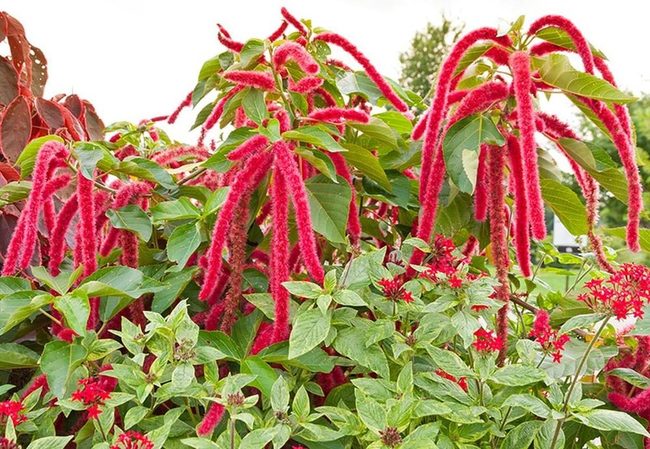
Amaranth stands out in any garden with its striking reddish stems that catch attention immediately, and the egg-shaped leaves feature bold veins in shades of green or red that make them even more visually interesting.
To keep this plant thriving, you'll want to give it rich, well-drained soil and water it regularly so it stays healthy and vigorous.
It needs at least five hours of sunlight daily and really comes into its own from mid-summer forward when the conditions are warmest.
We can grow amaranth across zones 2 through 11, which means most gardeners can include it in their landscape plans.
Beyond its good looks, this plant carries meaning as a symbol of purity and immortality, and it works especially well for enhancing your fall garden displays.
You get both visual interest and deeper significance when you add amaranth to your outdoor space.
Blue-Violet Blooms Late Summer Glory
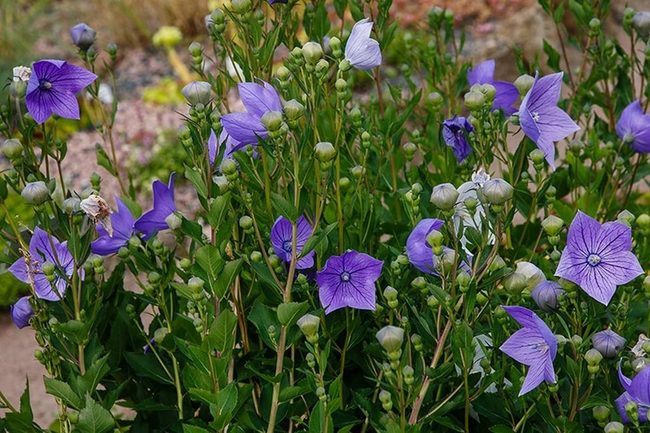
Balloon flowers display striking blue-violet and pinkish-white blooms that add natural charm to any garden space, and they thrive in full sunlight where their colors truly shine from late summer through early fall.
Growing up to two feet tall and spreading about one foot wide, these plants command attention without overwhelming your garden beds.
Rich, well-draining soil gives them the foundation they need to flourish season after season.
Beyond their visual appeal, balloon flowers carry meaningful symbolism; they represent both honesty and endless love, which makes them special beyond just decoration.
You can plant them in borders or mixed beds where they'll fill gaps nicely.
Since they prefer consistent conditions, finding them a sunny spot with good drainage sets you up for success.
Autumn Yellow And Blue Violas
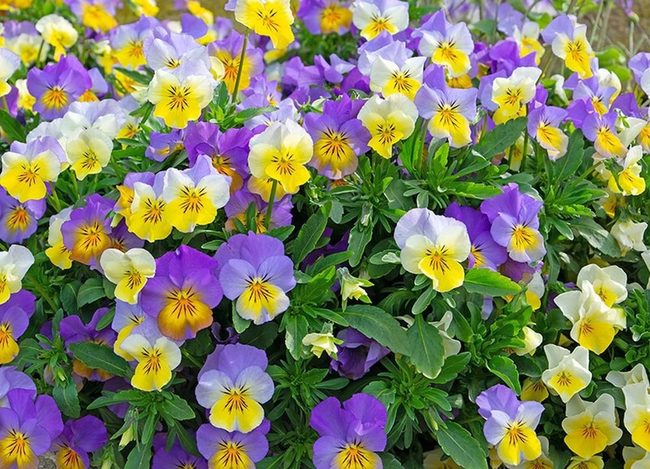
Viola flowers display striking autumn colors across yellows, blues, whites, and creams that brighten any garden space.
These blooms carry meaning too, symbolizing decency and innocence in floral traditions.
You'll find that they grow best when you water them regularly and provide soil that stays moist and nutrient-rich.
Sunlight requirements are flexible since they do well in full sun or partial shade throughout their growing season.
Several varieties populate this genus, such as Stream Viola and Bird's foot viola, each with its own character.
Starting in summer and sometimes extending into fall, these flowers reward you with consistent blooms when conditions are right.
Although they prefer cooler weather at first, violas adapt remarkably well to different environments as the seasons change.
White And Pink Daisy Abundance
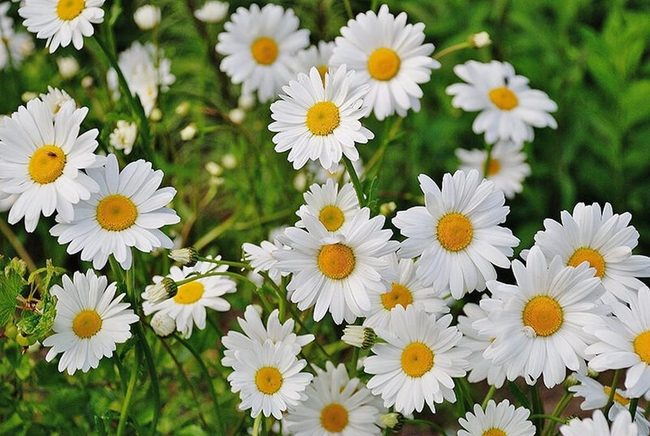
Marguerite Daisies bring stunning color to your garden with their range of hues; crisp white, cheerful yellow centers with brown rings, and soft pink petals; and they grow into full, bushy plants that reach up to 3 feet tall, making them impossible to miss in any landscape.
These flowers come from Macaronesia and include 24 different species native to that region.
You'll get blooms from late spring all the way through early fall, and they're quite easy to care for since they only need about six hours of sun daily and water just once a week.
For best results, plant them in well-drained soil that's rich with nutrients and keep them in growing zones 9 to 11 where they thrive most.
Their adaptability means even newer gardeners can grow them without much trouble.
Multicolor Petunias Spring Through Frost
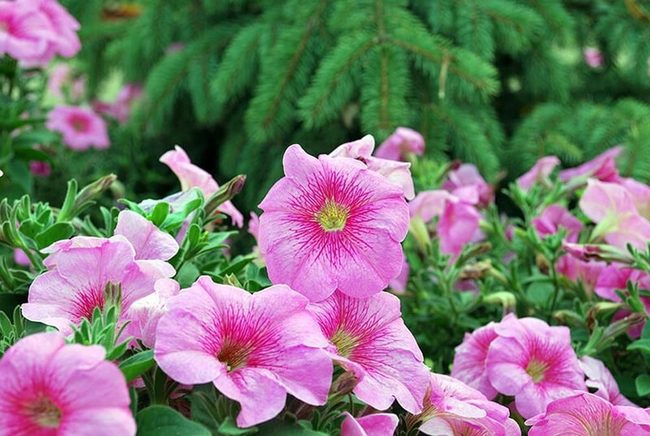
Petunias burst across garden beds in an array of stunning colors like pink, white, yellow, red, blue, and purple, making them one of the most eye-catching flowering plants you can grow.
These blooms stay in full color from spring all the way through until frost arrives, and they genuinely thrive when planted in light sandy soil and given about five to six hours of direct sunlight daily.
You'll keep them flourishing by watering once each week, which prevents root problems while meeting their moisture needs.
Over 38 different petunia varieties exist, so gardeners have plenty of options to choose from based on their preferences.
Even though petunias carry symbolic meanings of anger and resentment in some traditions, people continue loving them for their remarkable beauty and the sheer range of colors available in gardens everywhere.
Blue-Green Flowering Shrub Perfection
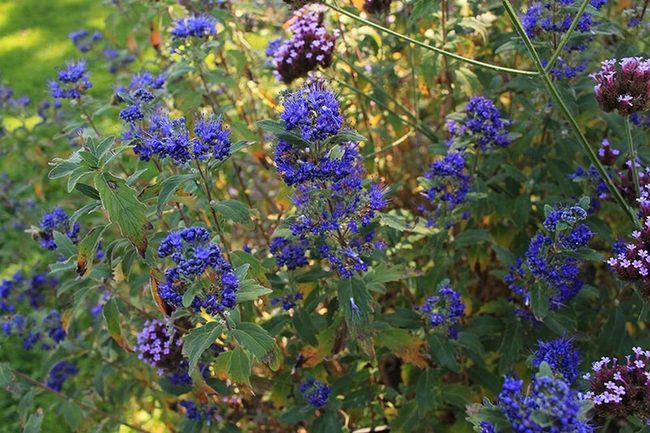
Caryopteris, commonly called Heavenly Blue, displays gorgeous blue-green and slivery-blue flowers that immediately catch attention in any garden setting.
Standing between 2 to 4 feet tall with a spread of 60 to 120 centimeters, this shrub fills in nicely without taking over your space.
It loves full sun and does best in well-drained soil that holds moderate moisture levels.
One of the best parts is how little water it actually needs, so you won't spend your time constantly watering during fall when it blooms from late summer right into early autumn.
Beyond its practical growing habits, Caryopteris symbolizes the pursuit of achievement and brings real beauty to your outdoor areas.
Cool-Toned Calibrachoa Blooms Year-Round
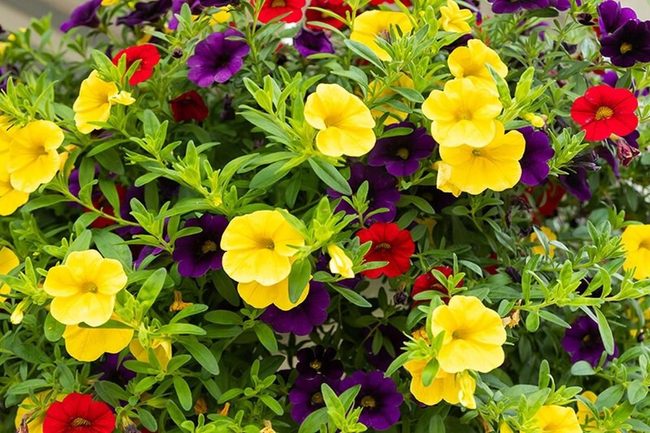
Calibrachoa stands out in any garden with its striking display of cool-toned pink, yellow, and purple flowers that grab attention from across the yard.
This style feels fresh because how the foliage shifts to blue or gold as fall arrives, adding another layer of visual interest to your landscape.
If you live in zones 9 to 11, you'll find this flower thrives with about six hours of sunlight each day.
Keep the soil moist and rich with organic matter, and water regularly to help your plants stay hydrated and healthy.
Since calibrachoa blooms from spring right through until the first frost hits, you get months of continuous color in your garden without needing to replant.
Whether you're looking to fill a border or brighten up containers, this flower delivers season-long beauty with minimal fuss.
Fiery Fall Blooms That Guard Gardens
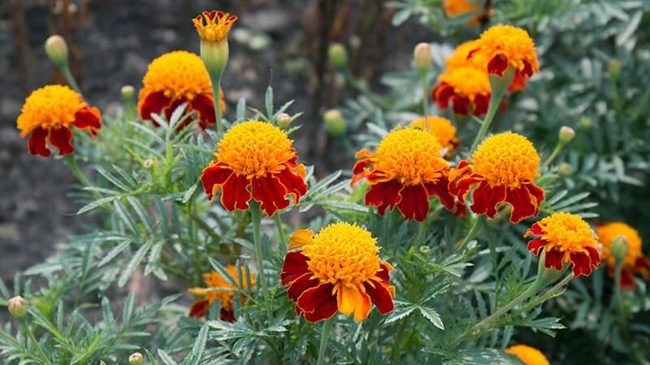
Marigolds bring bold splashes of red, yellow, orange, and maroon to your fall garden, blooming reliably from early summer right up until the first hard frost arrives.
You'll find these flowers range anywhere from 6 to 48 inches tall and spread between 6 to 36 inches wide, so they fit nicely into different garden spaces and design plans.
Getting them to thrive requires placing them in full sun or partial shade and giving them well-drained soil that has moderate fertility.
Watering once a week keeps your marigolds healthy and looking their best throughout the season.
Beyond their attractive colors, these plants serve a practical purpose by helping guard your other plants against common pests.
Whether you're planning a border, filling in gaps, or adding color to a shady corner, marigolds deliver both beauty and function to your outdoor space.
Pink And Yellow Autumn Bloomers
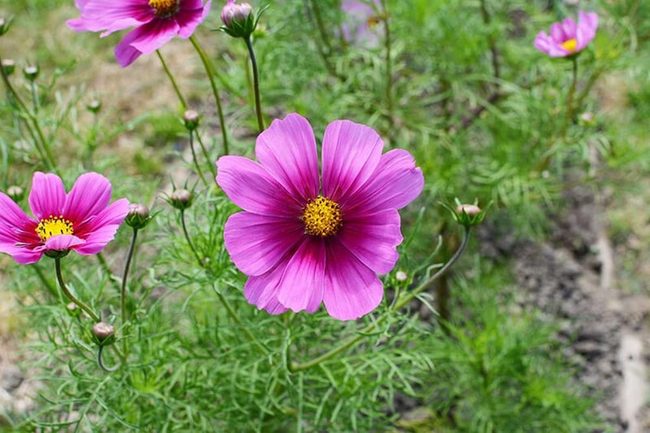
Cosmos flowers put on a stunning show in fall gardens with their cheerful pink, orange, and yellow blooms that draw all the attention.
These plants grow quite tall, reaching anywhere from 1 to 6 feet high, and they love basking in full sunlight throughout the day.
You'll find they do best in neutral soil and regular watering keeps them happy and healthy.
About 20 different varieties exist, so you have plenty of options to choose from based on what appeals to you.
They bloom steadily from summer right up until the first frost hits, meaning you get months of color in your space.
Plant them in garden beds or slip them into containers, and they adapt beautifully to whatever spot you give them.
Growing cosmos works well across zones 2 through 11, making them accessible to most gardeners no matter where you live.
Yellow Flowers Thrive In Heat
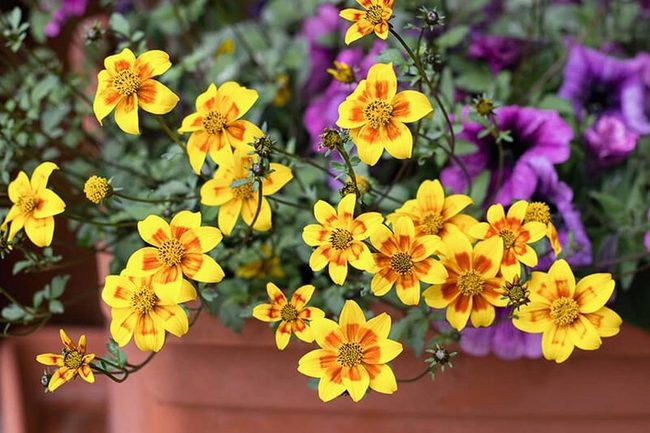
Biden plants burst into view with bright yellow flowers spreading about two inches wide, and they perform beautifully as low-growing perennials that thrive in full sunlight and produce blooms from summer straight through fall in shades of pink, white, red, and orange.
You'll find they do well in well-drained clay or sandy soil and don't demand much water once established, needing only low to average moisture levels throughout the growing season.
Heat and drought conditions don't slow these plants down at all; they actually flourish when temperatures soar and water becomes scarce.
We love them for their hardiness and ability to bounce back year after year without fussy care requirements.
If you live in growing zones 10 to 11, these plants are an excellent fit for your garden.
Biddens bring a sense of tranquility to outdoor spaces, making them a wonderful choice as fall rolls around and you're looking to add reliable color to your landscape.
Vibrant Nasturtium Cascades Through Gardens
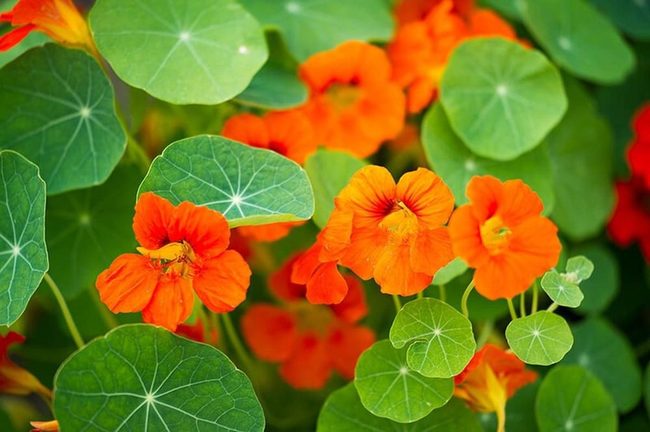
Nasturtium flowers burst across your garden in striking reds, yellows, whites, pinks, and oranges that stop you in your tracks, and this South American native vine naturally drapes itself around trees and shrubs to give any space an exotic quality.
Once foliage season arrives, the leaves shift to a beautiful blue-green shade that adds even more visual interest to your planting scheme.
Getting this plant to flourish is straightforward since it adapts well to neutral soil and only needs water once or twice per week.
You'll see the best growth when nasturtium gets six to eight hours of direct sunlight daily and thrives across growing zones 4 through 8.
In most areas, you can enjoy blooms continuously from May right through September, making it a reliable choice for adding color to your landscape.
Autumn Mums In Radiant Jewel Tones
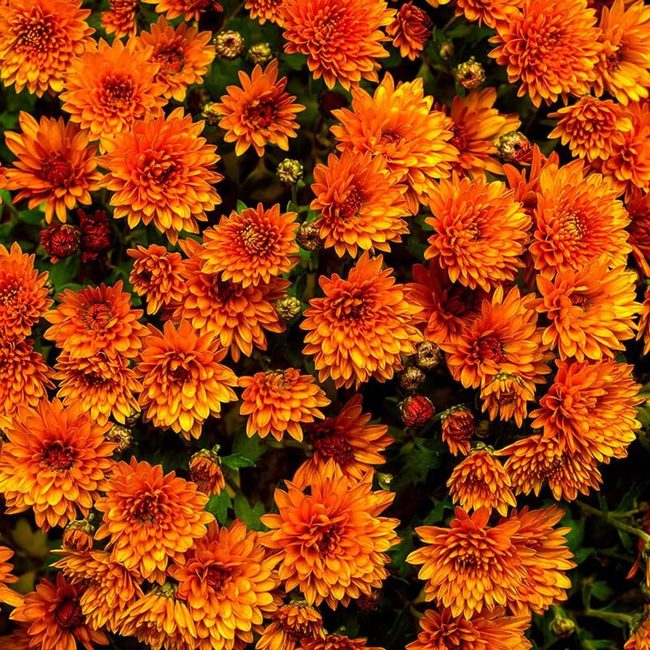
Garden mums explode across your autumn landscape in stunning shades of yellow, pink, white, red, lavender, and bronze that stop you in your tracks.
As the queen of fall flowers, these blooms only appear during this season and disappear when winter arrives.
You have thousands of varieties to choose from, making it simple to design a colorful garden display that matches your style.
These plants need full sunlight and soil that drains well to perform their best.
Water them about an inch per week and they'll reward you with healthy growth.
Beyond their visual appeal, mums represent joy and love in the garden world.
Mauve Daisies That Bloom All Season
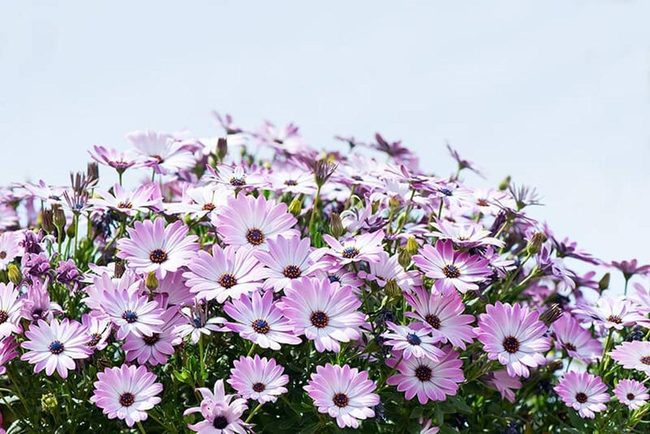
African Daisies burst across gardens in striking shades of mauve, yellow, purple, pink, white, and cream, displaying blooms that last from spring straight through fall.
These members of the sunflower family include roughly 50 different species, each with its own charm and character.
You'll find they thrive best when planted in full sunlight and given well-drained soil that leans slightly acidic.
What makes them especially practical for your space is their drought tolerance, as they need just one inch of water per week and adapt well to gardens with different care levels.
Beyond their visual appeal, these flowers carry meaning tied to purity and faithful love, adding an emotional dimension when you include them in your fall garden displays.
Since they handle dry conditions so well, you don't need to fuss over them constantly, making them a smart choice whether you're a seasoned gardener or just starting out.
Late Summer Lavender And Coral Dahlias
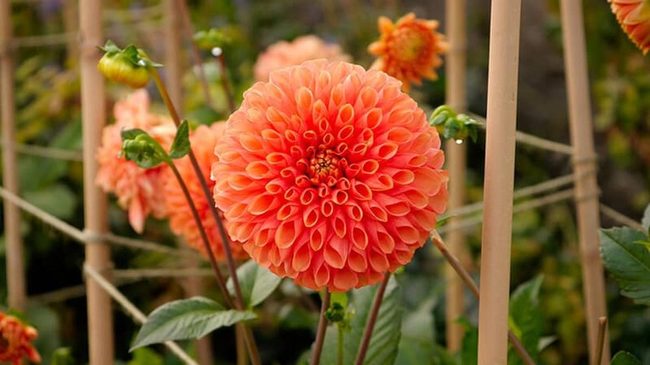
Dahlias burst across your garden in late summer through fall with their stunning ball-shaped blooms in lavender, red, peach, pink, orange, white, and yellow hues that make them stand out among the 42 available species.
Named after botanist Anders Dahl in the 18th century, these flowers originally attracted attention for their edible tubers before gardeners fell in love with their visual appeal.
You can grow them successfully in zones 8 through 11, which means most gardeners have the opportunity to cultivate them.
Getting the basics right keeps them thriving: they need at least six hours of sunlight each day and well-drained acidic loam soil to develop strong roots.
Watering once or twice weekly keeps the soil moist without overdoing it and causing rot.
Ball dahlias in particular reward you with consistent care and the right growing conditions.
Tiny Pink Clusters Year-Round
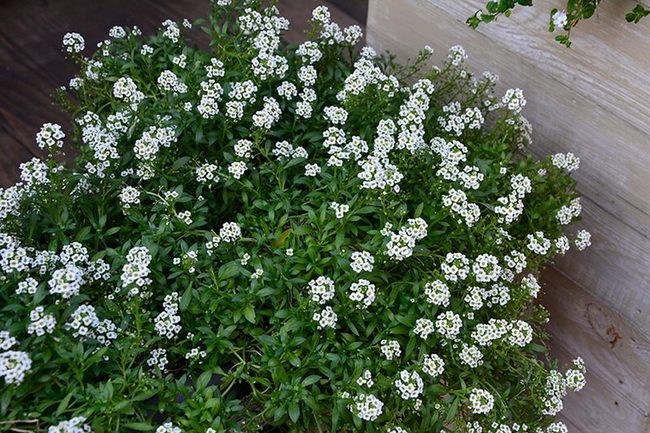
Clusters of tiny flowers measuring just five millimeters across burst forth in shades of rosy red, violet, lilac, white, and pink, making them stand out in any garden space.
Sweet Alyssum blooms starting in early spring and keeps flowering all the way through winter, giving you color when many other plants have faded.
If you want these flowers to thrive, place them somewhere that gets at least six hours of direct sunlight each day.
Soil matters too, so choose a spot with well-draining soil and keep it moist by watering about an inch per week.
Hardy in zones 9 through 11, this plant grows well in most warm climates and adds beauty throughout the fall season.
We love using Sweet Alyssum in gardens because it's reliable and keeps producing those lovely little blooms for such a long stretch of the year.
Edible Pink And Gold Celosia Blooms
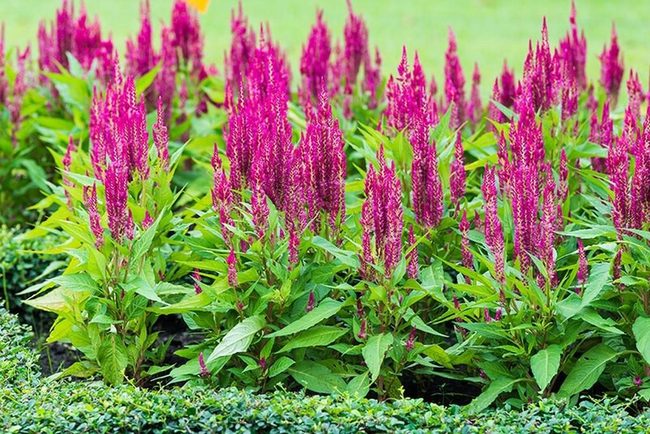
Celosia flowers burst across your garden with bold blooms in pink, gold, orange, and purple shades that really stand out.
You can actually eat the flowers too, which makes them both beautiful and functional for gardeners who want dual-purpose plants.
Celosia grows best in sunny spots where it gets six to eight hours of light each day, and it's tough enough for most gardeners to handle.
Since it doesn't need much water and prefers rich soil, it thrives in growing zones 10 to 12 without demanding constant care.
Beyond the practical side, this flower also carries meaning as a symbol of silliness and affection, so it works nicely if you want plants with a little extra personality in your space.
Crimson Bell Flowers Cascading Down
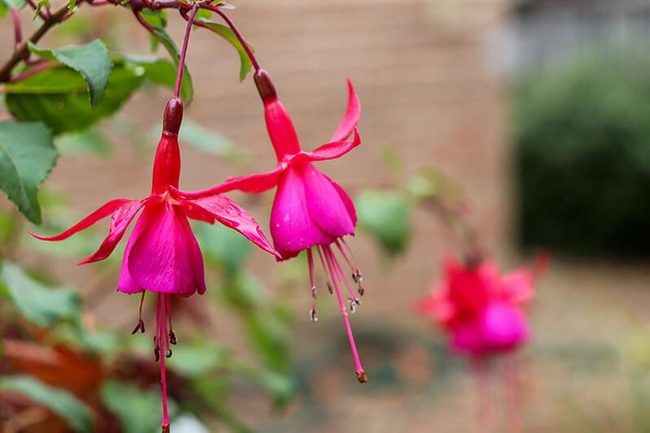
Hanging fuchsias with their bell-shaped petals that drape downward bring striking red and purple blooms to any garden space, and Hardy Fuchsia varieties work especially well for this effect.
These plants do best when you give them nutrient-rich soil and water them once or twice each week during the growing season.
Moderate sunlight keeps them healthy and blooming from spring through fall in zones 6 and 7, while warmer regions see flowers primarily in summer and fall months.
In tropical climates, these beauties produce blooms year-round.
Beyond their appearance, fuchsias hold meaning too; they symbolize confiding love and make thoughtful additions to your outdoor areas.
If you're looking to add something with both visual appeal and symbolic value, these drooping flowers deliver in spades.
Yellow Petals, Mathematical Spirals
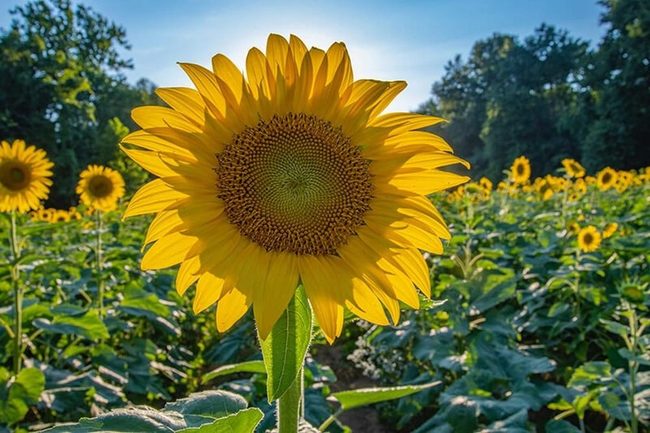
Sunflowers burst across gardens with their bold yellow faces during late summer and into fall, and this cheerful display comes from over 50 different species ranging from towering Skyscraper varieties to compact Dwarf options.
What makes these flowers even more fascinating is their structure; each bloom contains hundreds of tiny flowers packed together in a spiral pattern, revealing nature's incredible mathematics right before your eyes.
Beyond their striking appearance, sunflowers carry deep meaning as symbols of loyalty, adoration, and longevity, so many people plant them to express these sentiments in their outdoor spaces.
Growing them turns out to be straightforward since they're not fussy plants at all.
You just need to water them about an inch per week and position them where they'll soak up plenty of sunlight.
Alkaline soil gives them the best conditions to flourish, though they're fairly forgiving if your soil isn't perfect.
Rainbow Salvia Reaches Garden Heights
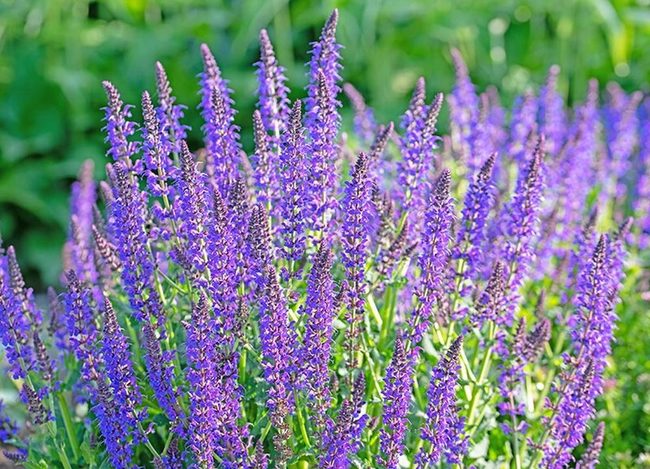
Salvia bursts across gardens in a stunning array of colors including green, brown, white, yellow, orange, pink, blue, purple, and red, making it one of the most visually striking plants you can grow.
This plant grows impressively tall, reaching 24 to 30 inches, and it demands full sunlight and well-drained soil to thrive.
You'll need to water it regularly, giving it about 1 inch of water each week to keep it healthy and flourishing.
Beyond its eye-catching appearance, salvia carries symbolic meaning tied to wisdom and good health, adding deeper significance for gardeners who appreciate plants with cultural value.
Planting it during spring through early summer and again in fall gives you multiple opportunities to enjoy its beautiful blooms throughout the growing season.
Orange Waves Through Fall
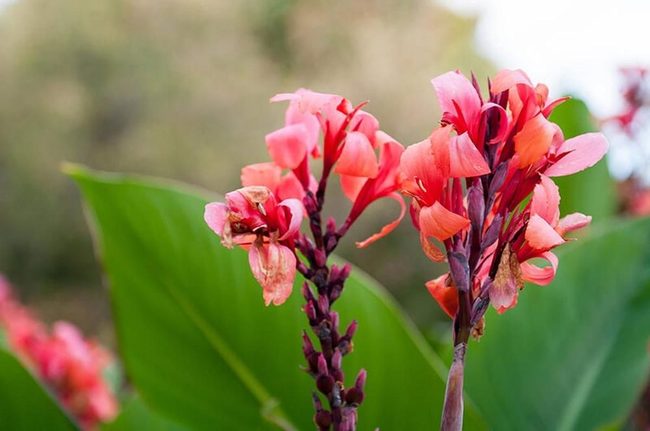
Canna flowers deliver bold waves of color across your garden from summer straight through fall, with orange blooms that last just days before giving way to other striking shades like cream, pink, yellow, and red.
You'll get the best results when you place them in full sun and keep the soil moist with a pH between 6.0 and 6.5, which means watering about one to two inches per week.
Growing zones nine and ten are where these plants really thrive, so check your local climate before planting.
Beyond their stunning appearance, cannas also carry meaning in flower language, standing for both perfection and beauty.
If you want to fill your garden beds with something that keeps delivering new color throughout the season, these flowers won't disappoint.
Deep Blue Garden Standout
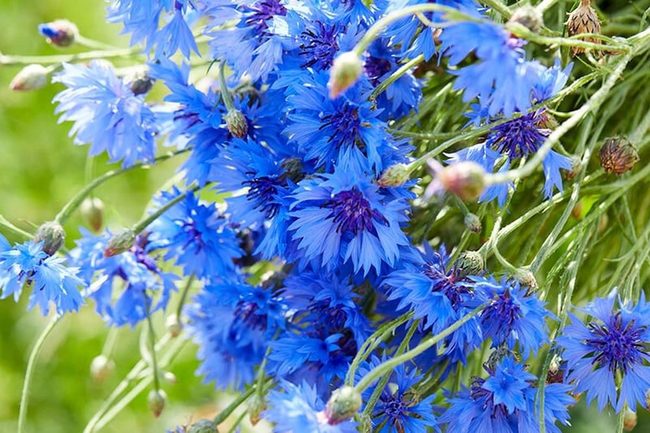
Cornflower displays striking deep blue blooms that stand out boldly in gardens from late spring through mid-summer, making it one of the most eye-catching choices for your outdoor space.
This plant reaches heights between 16 and 35 inches with slender leaves that measure 1 to 4 centimeters long, and it hails from Europe as a member of the Asteraceae family.
You'll find that cornflower grows well in sunny locations with average soil that drains easily, and it adapts across growing zones 2 through 11.
One of the best things about this flower is how little fuss it requires since it tolerates dry conditions and needs watering just once weekly.
Beyond its hardiness, cornflower carries symbolic meaning tied to fidelity and tenderness, so it brings both beauty and sentiment to your garden design.
Star-Shaped Sedum Blooms Orange Red
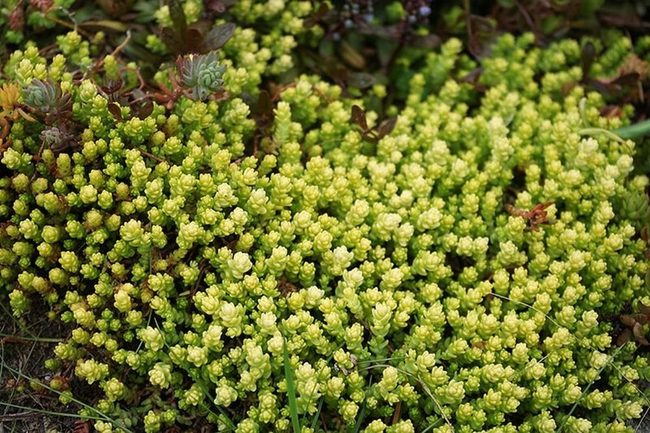
Sedums burst into bloom from July through late fall with star-shaped flowers in striking shades of orange, red, white, yellow, and lavender that make them real standouts in any garden.
This succulent genus offers more than 400 species to choose from, and you can pick varieties that spread horizontally or grow tall depending on your space and design goals.
Clumping types reach between 1 and 3 feet high while creeping varieties hug the ground and stretch several feet across, giving you flexibility in how you arrange your garden.
Once established, these plants demand very little from you since they need minimal water and handle dry conditions well.
They perform best when planted in soil that drains quickly and when they receive around six hours of sunlight each day.
We love recommending sedums because they grow successfully in hardiness zones three through eleven, so most gardeners can grow them no matter where they live.
Mauve Pink Purple Garden Bursts
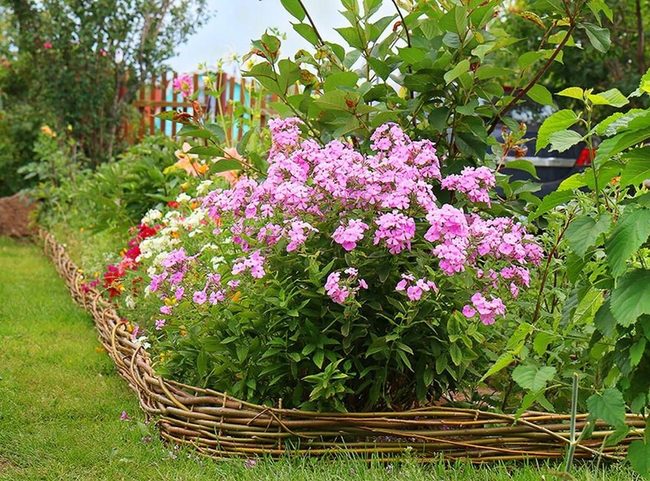
Phlox flowers burst across gardens in striking shades of mauve, pink, blue, red, and purple, making them one of the most eye-catching additions you can plant.
These beauties hail from eastern and central America and have come to symbolize unity and partnership, which makes them meaningful choices for any garden space.
From mid-summer straight through fall, you'll enjoy blooms that grow 4-6 inches long and 18 mm wide, giving you months of continuous color.
To keep them thriving, place them where they get full sunlight and provide nutrient-rich soil that stays evenly moist throughout the growing season.
Watering once a week works well for most gardeners, and these flowers do best in growing zones four through eight.
Consistent moisture keeps the roots happy and supports those abundant blooms you're after.
Michael Harris
Senior Content Editor
Expertise
Home Décor Content Creation, Interior Design Journalism, Editorial Oversight, Digital Media Strategy, Team Leadership and Mentorship
Education
University of Queensland, Brisbane, Australia
Queensland University of Technology (QUT), Brisbane, Australia
Michael Harris is the senior content editor at Archi Refresh, where he turns home design trends into engaging, easy-to-follow articles. With a journalism degree from the University of Queensland and a digital communication certification from QUT, he knows how to craft content that informs and inspires.
With over 10 years of experience in lifestyle and design media, Michael has shaped editorial strategies, mentored writers, and helped readers refresh their spaces with practical tips. His work blends storytelling with expert advice, making home decor more accessible to everyone.
Outside of work, Michael enjoys DIY projects, exploring Brisbane’s art scene, and teaching digital literacy workshops.