
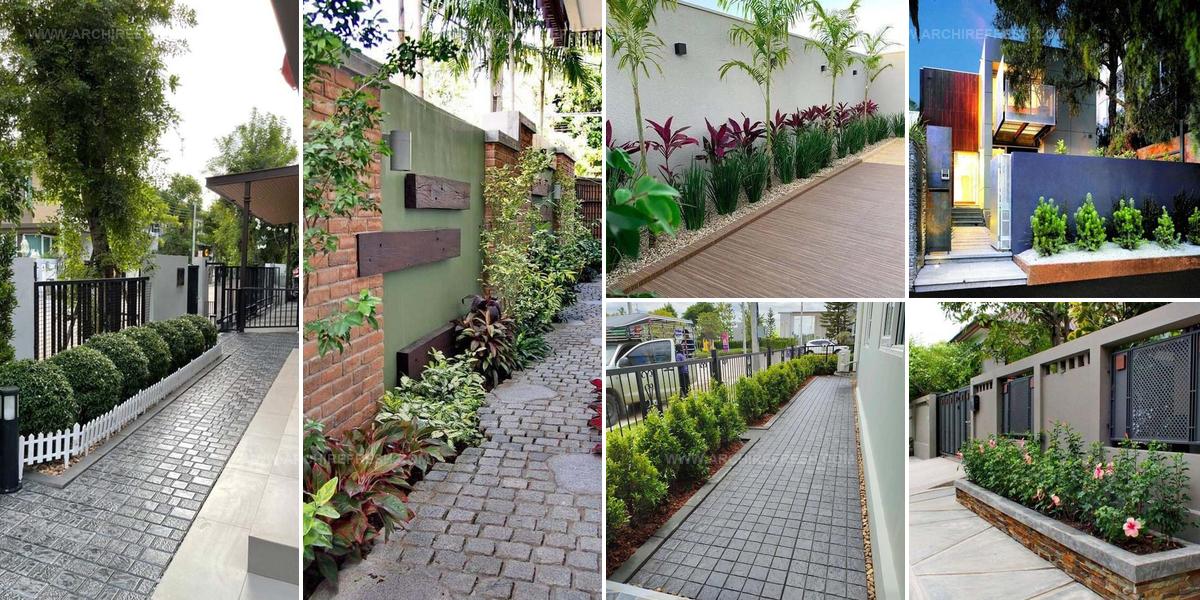
22 Beautiful Fence Line Landscaping Ideas for Your Garden
Fence line landscaping ideas can turn a bland boundary into an attractive focal point that enhances the entire yard.
Many homeowners overlook the narrow strip running along their property borders, missing out on valuable space for planting beds, colorful flowers, or textured shrubs.
The right approach softens harsh wooden or metal barriers while adding depth and dimension to outdoor areas.
Smart plantings provide privacy, block unwanted views, and create natural transitions between properties.
Whether dealing with chain link, vinyl panels, or picket styles, the area gives surprising potential for creative designs.
Plants suited to available sunlight and soil conditions will thrive with minimal maintenance once established.
Living Wall Fence Privacy Solution
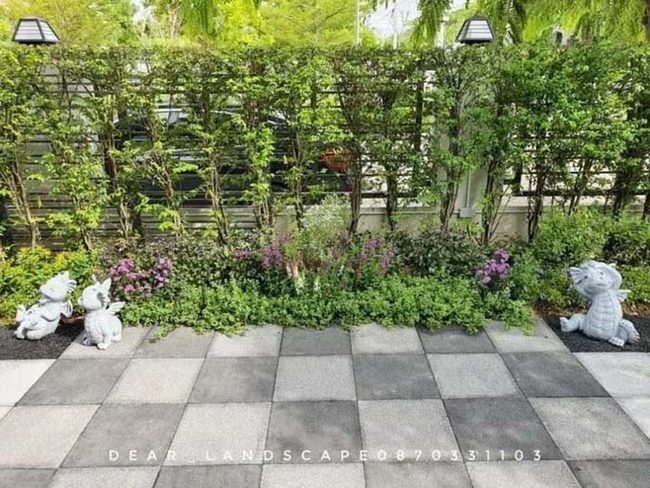
If your fence has visible gaps that let neighbors see through, planting fast-growing trees, bamboo, and climbing vines along the line solves both problems at once.
These plants deliver natural coverage while making your fence look greener and more appealing than bare wood or metal slats.
Climbing vines wrap around the existing structure and fill empty spaces with leaves and texture.
Bamboo grows quickly and creates a dense screen that blocks sight lines effectively.
Trees positioned strategically add height and fullness where you need privacy most.
Over months and seasons, you watch the plants mature and gradually transform the fence into something alive and natural rather than just a barrier.
This approach gives you the best of both worlds since you gain privacy and soften the hard edges of the structure at the same time.
The living wall becomes part of your landscape design and continues to improve as the plants establish themselves.
Stamped Cement Yard With Palms
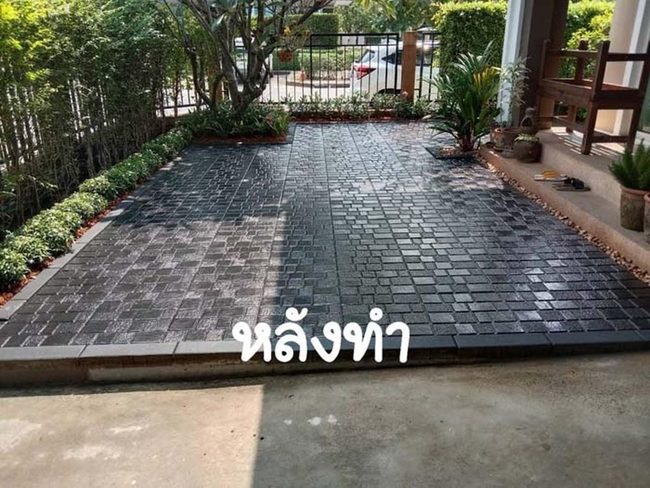
Stamped cement across your front yard makes a bold statement with its textured surface and removes the hassle of maintaining grass, while a simple garden bed near the fence supplies greenery without overwhelming the space and tall palm trees mixed with shrubs reinforce the contemporary style you're going for.
This combination of hardscaping and plants gives you a low-maintenance yard that still feels fresh and alive.
You won't spend weekends mowing or dealing with patchy grass anymore.
Palms and shrubs grow tall enough to frame your home nicely and balance the hard surfaces around them.
The textured cement adds depth and keeps everything looking polished and modern.
Such a practical approach actually looks great too.
Green Height And Gravel Pathways
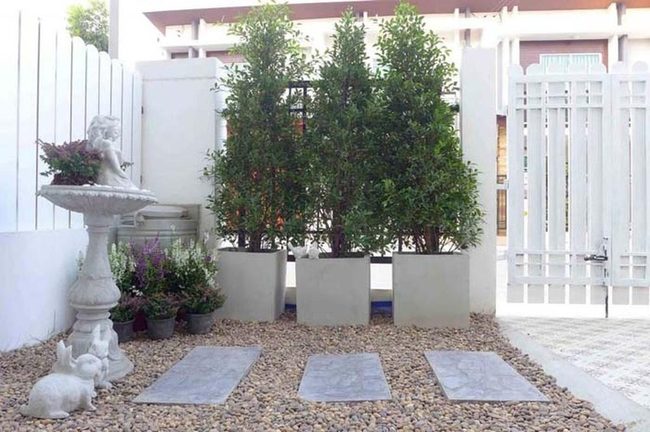
Tall green trees spilling from oversized planters line your walkway and offer both natural screening and lush appeal, even in compact spaces.
Gravel pathways and stepping stones weave between these planted containers, guiding you toward the fence while keeping maintenance simple.
You get privacy without heavy fencing, and the plants soften the space with organic shapes and color.
Adding height through these vertical plantings makes the area feel more expansive than it actually is.
Stepping stones keep your feet dry and provide a clear route through the design.
This combination of textures and materials works because it balances open ground with growing things, and it gives you flexibility to swap out plants or rearrange pots as seasons shift.
Planted Borders Frame Your Pathway
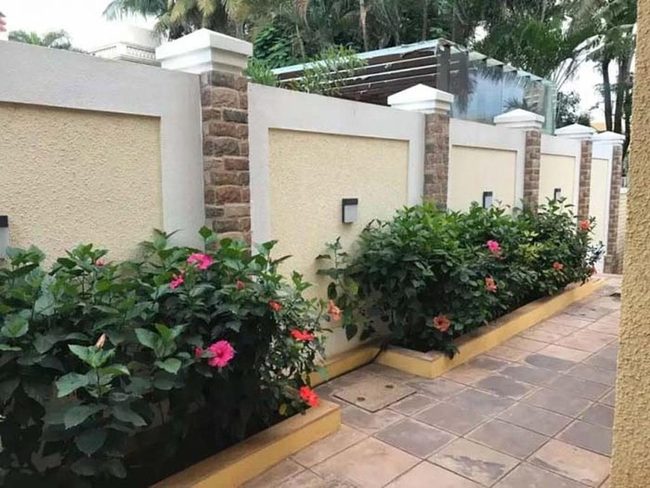
Lining your walkway with built-in planters right up to your fence instantly transforms how your entire yard looks, and you can fill them with seasonal blooms or hardy shrubs that stay green all year.
Rotating your plants through the seasons keeps the path feeling fresh and different each time you walk it.
If you want something that demands less upkeep, evergreens work wonderfully because they sit there looking full and healthy without much fussing around.
Seasonal flowers let you switch things up whenever the mood strikes, and that flexibility is one of the best parts about having these planted borders.
Visitors naturally notice the care you've put into the pathway itself when flowers or greenery line both sides.
Your fence becomes part of the whole picture rather than just a bare backdrop, and it all feels more connected and finished.
Curved Beds, Polished Edges
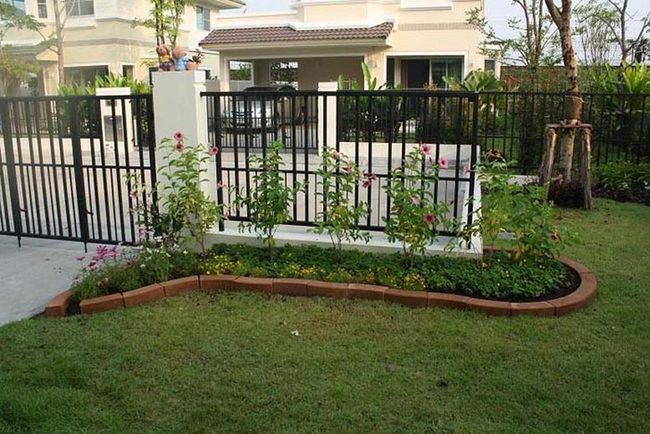
Curved flower beds that echo your fence line deliver an instant visual punch because they immediately break up harsh straight edges and make your whole yard feel more intentional.
Using pavers or bricks to edge these beds gives everything a finished, polished appearance that separates your plantings from the surrounding grass.
When you combine this soft edging with plants that spill slightly over the border, the effect becomes even more engaging.
It's honestly one of the easiest ways to upgrade your outdoor look without spending a fortune or doing major construction work.
The combination of curved lines and defined borders transforms a basic yard into something that feels deliberate and well-designed.
Evergreen Hedge Line Definition
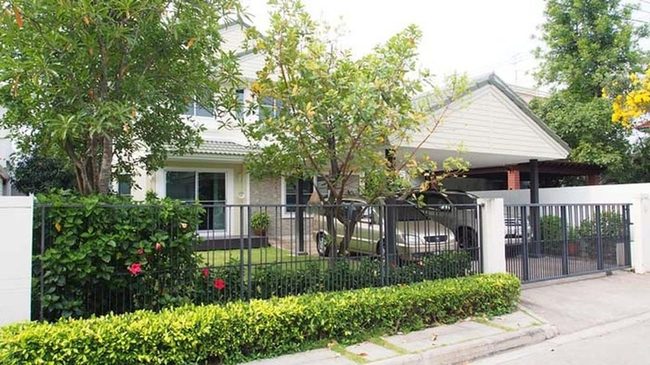
Low boxwood hedges running along your fence line make a strong statement with their neat, trimmed appearance that immediately catches attention.
These plants work well with almost any fence style you have; whether it's picket, metal, or brick; because their compact form and structured shape fit naturally into different settings.
What makes boxwood especially practical is that it stays green all year, so your fence border keeps looking fresh and cared for during every season.
You can plant these shrubs right against the fence or set them a bit forward, and both placements look equally polished.
Many people choose boxwood because it requires modest maintenance once established, and the evergreen quality means you're not dealing with bare spots when other plants go dormant.
The dense foliage creates a soft green frame that makes your entire fence line feel more cohesive and designed.
Evergreen Shrubs For Year-Round Green

Evergreen shrubs deliver constant year-round greenery that keeps your property looking polished and fresh without demanding much upkeep.
Unlike seasonal flowers that need replanting and fussing, these hardy plants stick around and do their job month after month.
A line of conifer shrubs works with most fence styles and creates a clean, timeless look that won't feel dated next season.
I like the way little maintenance they require once they're established in your yard.
The green backdrop they provide makes any fence look more finished and put together.
Many people choose these plants because they offer dependable beauty season after season and handle various weather conditions well.
Layered Heights Along Garden Fence
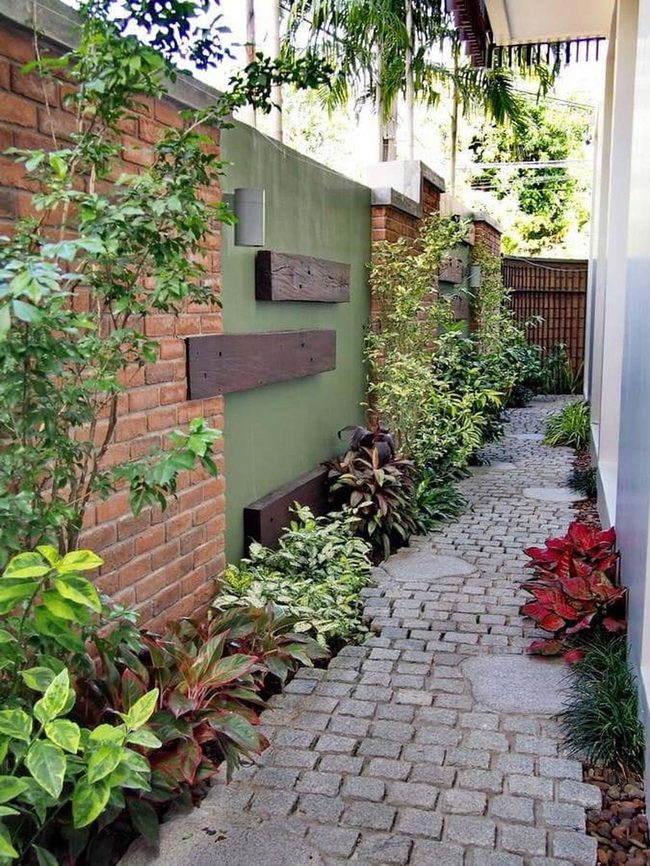
Mixing plants of different heights along your fence line creates layers that draw attention from the ground up, and this approach gives your outdoor space real depth.
You can plant low shrubs near the walkway and let vines climb the fence itself, which means the eye travels upward and around your yard naturally.
Spacing things out between the fence and paved area lets each plant breathe, and this breathing room makes the whole setup feel less cramped.
Adding both evergreen and seasonal plants means your garden stays interesting even when some things aren't blooming, so you get color and texture year after year.
Plant choices matter too, so pick varieties that grow well in your climate and won't take over the space.
When you think about how the plants will look as they mature, you avoid surprises down the road.
Flowering Border Softens Fence Line
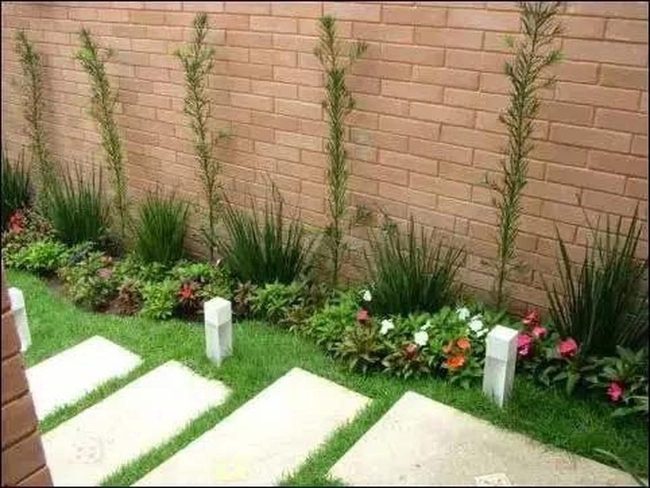
Planting a continuous strip of greenery and blooms between your fence and lawn does more than just look good; it bridges two separate spaces into one unified area and softens that hard fence line so it feels less stark and imposing.
When you add plants and flowers along this border, the fence becomes part of your landscape rather than an eyesore standing alone.
Your outdoor space gains depth and richness when plants fill that transition zone.
Growing flowers there gives you blooms to enjoy while also making the whole yard feel more abundant and lush.
It's a straightforward way to upgrade your fence without any major work or expense.
I notice how much warmer and more welcoming your outdoor area becomes when plants frame it this way.
Stone Border Garden Landscape
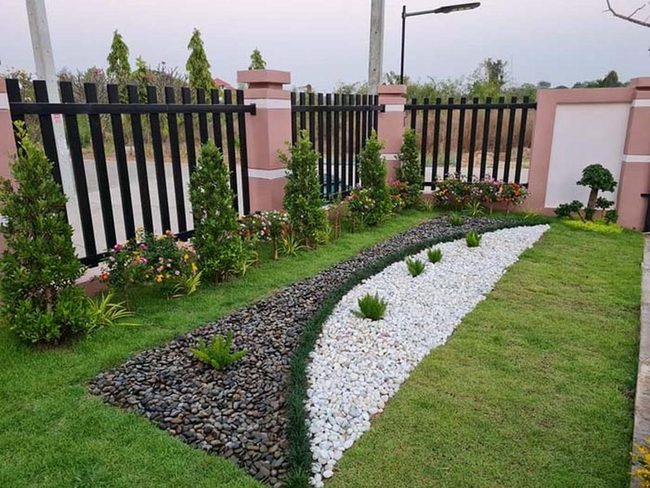
Rocks lining your fence create an eye-catching display with their varied textures and natural appearance that immediately draws attention in any yard.
Beyond their good looks, they serve practical purposes like managing water drainage and keeping weeds at bay.
When you combine rocks with blooming flowers and evergreen plants, the contrast between the hard surfaces and living greenery becomes even more appealing.
The rocks work well for both modern and traditional landscaping styles, and they fit into almost any budget.
Adding this feature to your outdoor area gives you a landscape that looks thoughtfully designed without demanding much effort from you going forward.
Stone Planters Transform Fence Lines
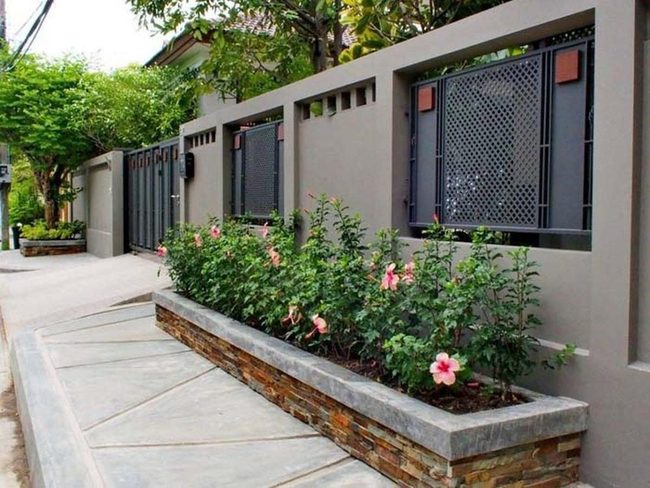
Planters made from solid materials like stone or concrete sit along your fence and hold flowers and greenery in raised containers that last for years.
You get both a practical storage solution and something beautiful to look at, since the plants add color and life to your fence line.
This approach gives you flexibility because you can move the planters around whenever you want to change things up.
The greenery and blooms bring visual interest to an otherwise plain fence, and the containers themselves add texture and dimension to your outdoor space.
Your fence becomes a living backdrop for seasonal plantings and year-round foliage.
Moving forward with planters means you can refresh your look as often as you'd like without any permanent changes.
Shiny Green Boxwood Fence Hedges
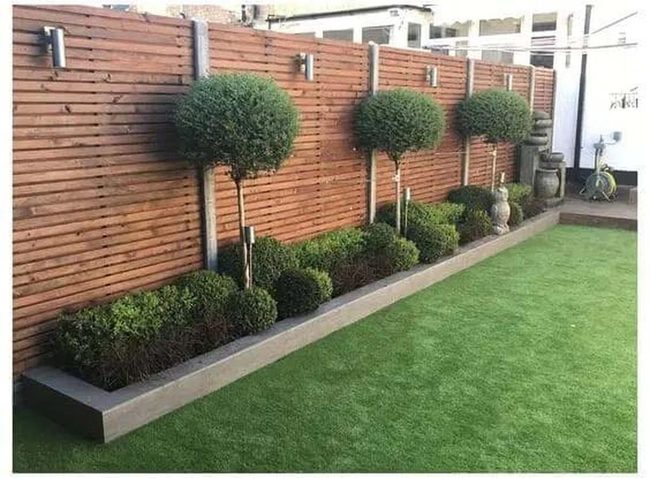
Boxwood plants stand out along your fence with their dense, shiny foliage and naturally neat appearance.
You can trim these versatile shrubs into hedges or shaped trees, turning them into living decorations that work beautifully in any outdoor setting.
Mixing both hedge and tree forms along your fence creates a modern, structured style that feels contemporary and well-organized.
Living Green Wall Behind Fence
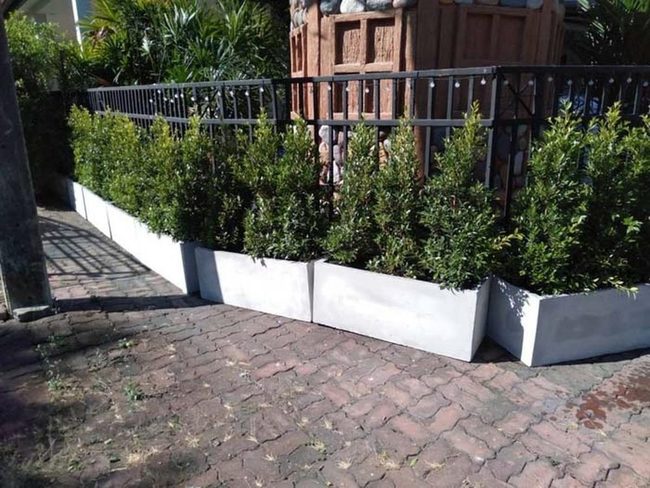
Planters positioned behind a wrought iron or chain-link fence bring natural greenery right up to the structure and transform how it looks.
You can set up a live hedge in containers to build a thick, green wall that shields your space while keeping upkeep simple.
Live hedges in pots give you flexibility since you can move them around or adjust spacing as needed.
Green foliage grows fuller over time and covers more of the fence as it matures.
This setup handles most conditions well without demanding constant care from you.
Planting options range from boxwood to privet, both offering dense growth and year-round color.
Clipped Boxwood Spheres Against Fence
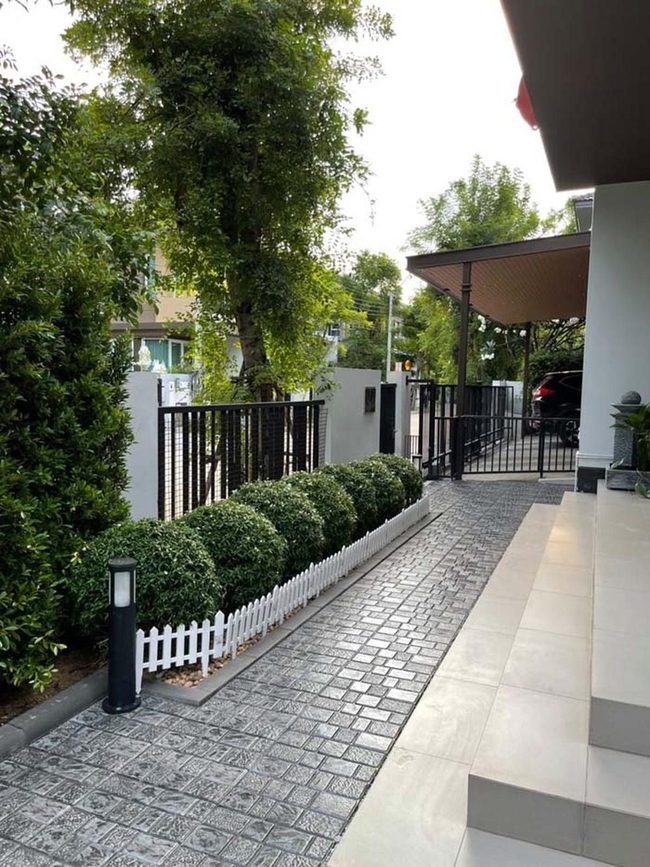
Boxwood spheres planted in one concentrated area along your fence create a sophisticated look that stands out immediately.
Beyond the visual appeal, this focused garden approach works well with your walkway and stairs, making the whole yard feel more polished.
Rather than spreading plants all over, keeping things concentrated in one spot actually makes a bigger impact on the space.
You'll find that this method is easier to maintain too, since everything stays in one manageable area.
The spheres add a formal touch that elevates what might otherwise be an ordinary fence line into something special.
Layered Garden Depth Through Heights
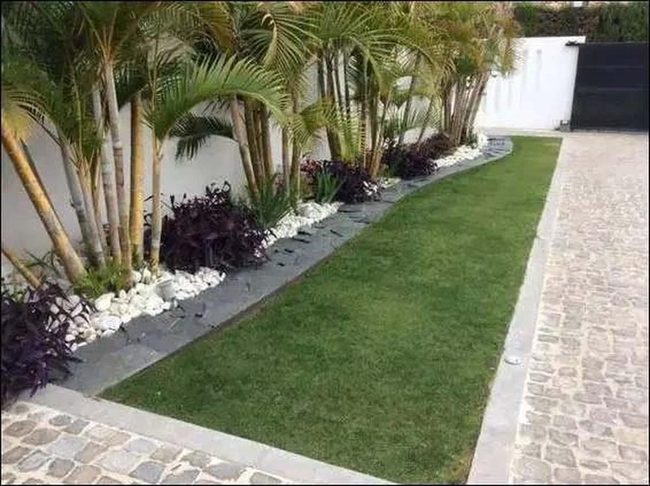
Plants of different heights work best when you arrange them from tallest to shortest, and trees along your fence line give you an instant backdrop that frames the whole space.
Lower plants in front let each layer shine without blocking the view, and you'll find that mixing textures really brings depth to the garden.
Ground coverings like river stones or mulch around tree bases do double duty by improving drainage while finishing off that polished appearance.
When you step back, you see how the tall trees anchor the space and the smaller plantings fill in around them in a way that feels natural.
Adding these levels transforms a flat garden into something with real dimension and appeal.
It's both smart gardening and good design rolled into one approach.
Ivy Covered Fence Living Screen
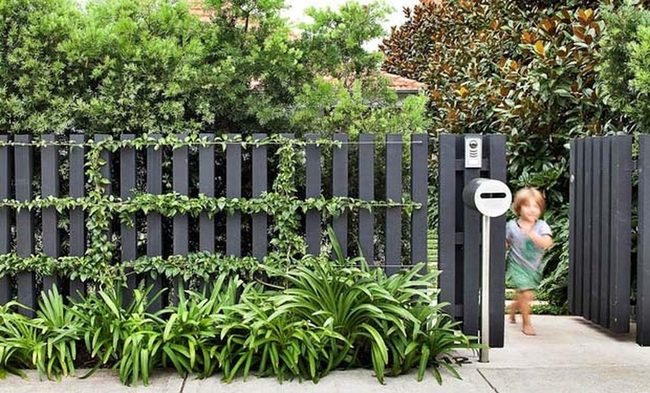
Climbing vines such as ivy offer a straightforward way to cover the empty spaces between your fence slats and turn a plain barrier into something far more appealing.
You can use horizontal support bars as trellises that guide how the vines grow and spread across the structure.
After the plants take root and fill in, they form a natural screen that gives you more privacy while adding that warm, rustic quality many people love in their outdoor spaces.
Metal Slats With Living Green Base
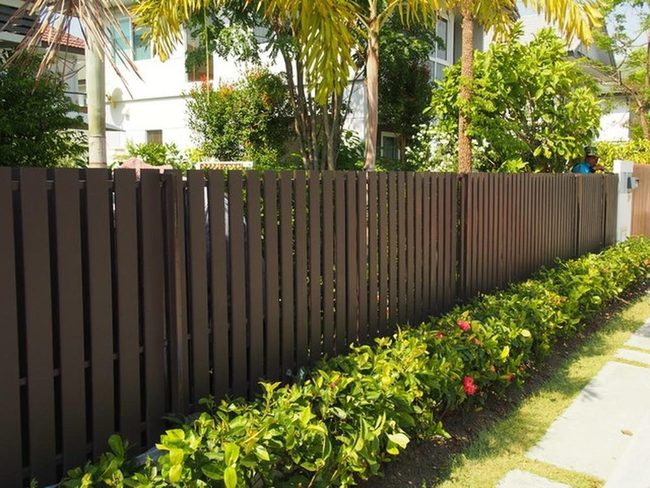
Metal slat fences stand out immediately with their sleek appearance while offering genuine privacy protection for your outdoor space, and the powder-coated finish mimics real wood so closely that most people can't tell the difference at first glance.
You get the best of both worlds here; durability that lasts for years without the maintenance headaches of actual wood.
Planting a single type of greenery along the fence's base adds softness and helps the structure blend into your landscape rather than dominating it.
A uniform hedge creates balance and makes your front yard feel more organized and polished.
Your curb appeal improves noticeably when greenery softens those hard lines.
Low-maintenance metal paired with living plants gives you a modern look that's also timeless and practical.
Tropical Palms Against White Fence
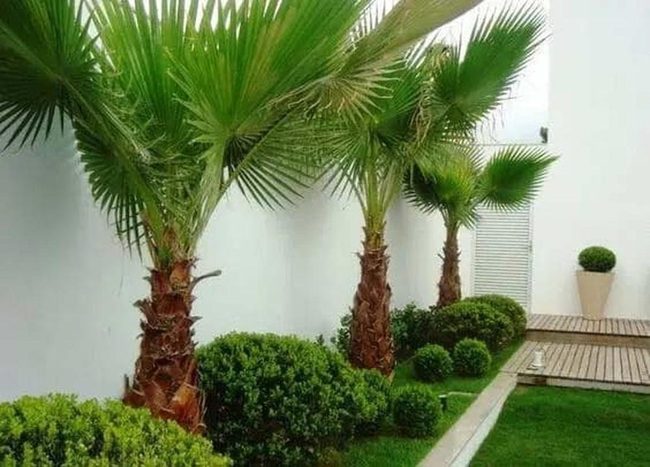
Tall palm trees against a bright white fence make the outdoor space feel fresh right away.
Their height adds drama, while the white backdrop helps the green leaves stand out.
The contrast feels clean, sunny, and full of vacation energy.
This look brings a tropical touch to the yard with only a few strong elements.
Tall Pines White Gravel Fence
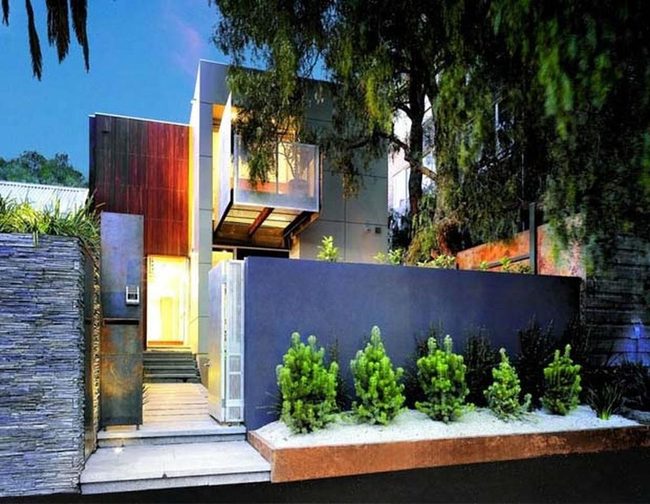
Row upon row of tall pine trees standing in front of other evergreens gives your street-facing fence a formal and refined appearance, and when you nestle them in white pea gravel, the whole setup gains a sleek, contemporary feel that matches a cement fence perfectly.
Visitors get a strong first impression the moment they see this arrangement.
You can adjust the number of trees based on your fence length and how much screening you want.
This type of layered planting strategy works well because it adds depth without looking crowded or overdone.
Many people appreciate how simple this design is to maintain once the trees are established.
Such a straightforward approach shows that you value both beauty and practicality in your landscape.
Tropical Fence, Pea Gravel Paradise
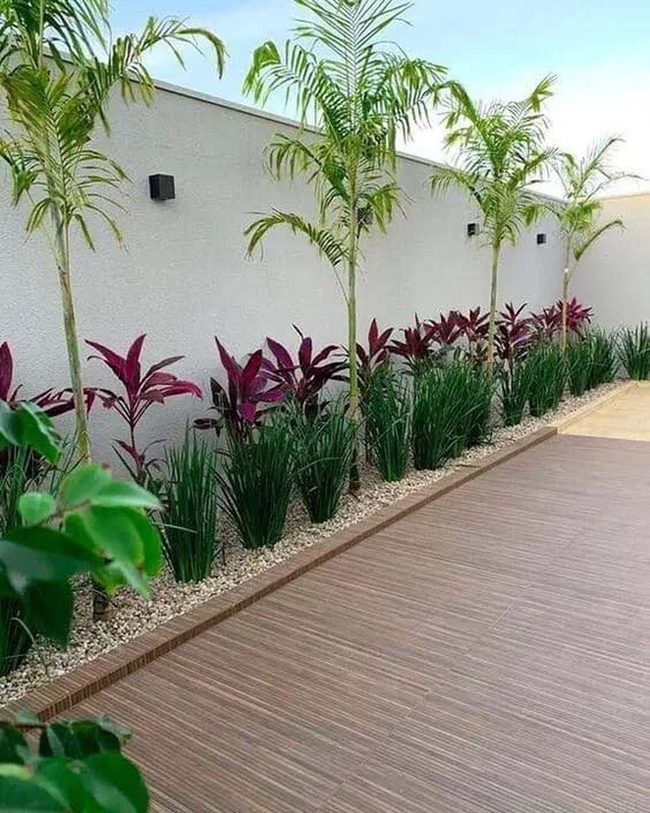
Ornamental and tropical plants along your fence bring the seaside straight to your backyard, and pea gravel scattered throughout reinforces that ocean-inspired mood whether you're actually near the coast or just dreaming of it.
Planting these species in repeated patterns across your garden space keeps everything harmonious and makes the whole area feel welcoming.
You'll find that this combination of lush greenery and light-colored gravel works together to give your outdoor space that laid-back tropical character.
Light bounces off the gravel in a pleasant way, and it balances out the dense foliage beautifully.
Most tropical plants handle heat well and don't need constant fussing, so your garden stays looking great without demanding too much upkeep.
Layered Garden Heights With Black Pavers
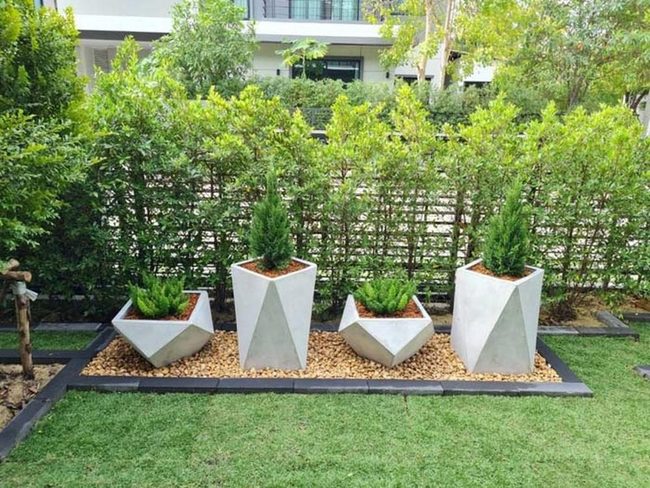
Flower bed running along the fence splits your yard into different garden zones and makes the landscape feel more dynamic.
Black pavers mark out each section, and the first thing to notice is how they help organize the plantings nicely.
Taller plants sit closer to the fence in the back, while shorter shrubs and trees toward the front add layers and visual interest to the whole space.
Putting plants at different heights means you're building depth into the design, which makes everything feel less flat.
Your garden gets more personality when plants vary in size and position like this.
It's a simple way to make your outdoor area feel more thoughtfully arranged and interesting to look at.
Concrete And Mulch Modern Landscape
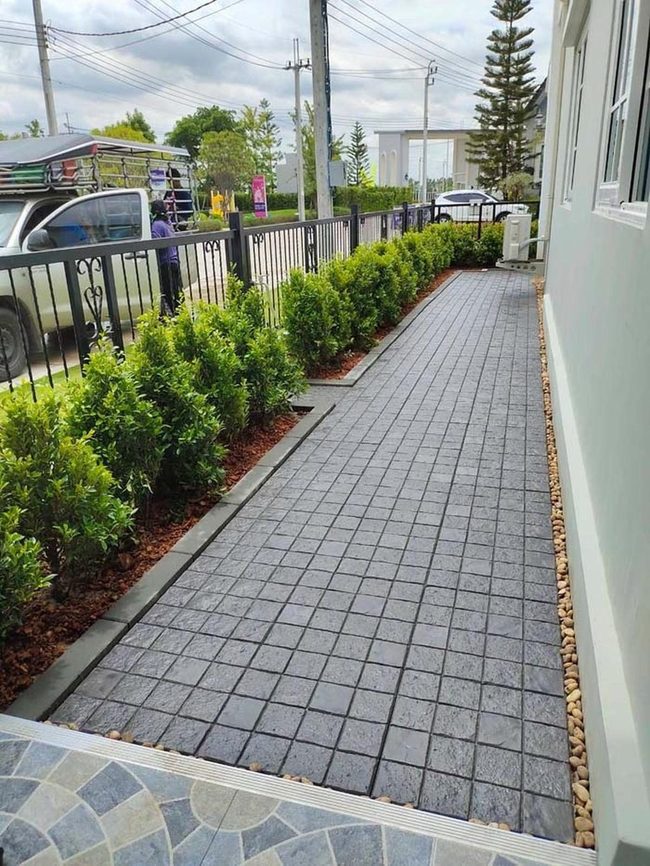
Garden beds lined with cement bricks sit next to a modern stamped cement walkway, and together they define the space with sharp, clean lines against a wrought iron fence.
Mulch spread across the beds keeps weeds down and lets the green shrubs stand out without competing plants getting in the way.
You get a landscape that stays neat without constant upkeep, since the cement, brick, and mulch all work with minimal fuss.
Everything here speaks to a modern style that values structure and simplicity.
When you step outside, the arrangement feels balanced and easy to maintain.
Combining these materials means fewer surprises in your yard and more time enjoying the space rather than fixing it.
Olivia Martinez
Founder & Principal Designer
Expertise
Sustainable Interior Design, Residential and Commercial Space Planning, Historic Preservation and Adaptive Reuse, Custom Furniture Design, Project Management
Education
Parsons School of Design, New York, NY
LEED Accredited Professional (LEED AP)
Olivia Martinez is the founder of Archi Refresh, where she brings style and sustainability together. With a degree from Parsons School of Design and a LEED certification, she’s all about creating beautiful, eco-friendly spaces.
With over eight years in the industry, Olivia has designed everything from cozy homes to commercial spaces, always putting function and sustainability first. She loves working with local artisans and has been featured in design publications for her fresh take on green living.
When she’s not designing, Olivia enjoys exploring historic architecture, painting, and spending time with her rescue dogs, Luna and Max.