
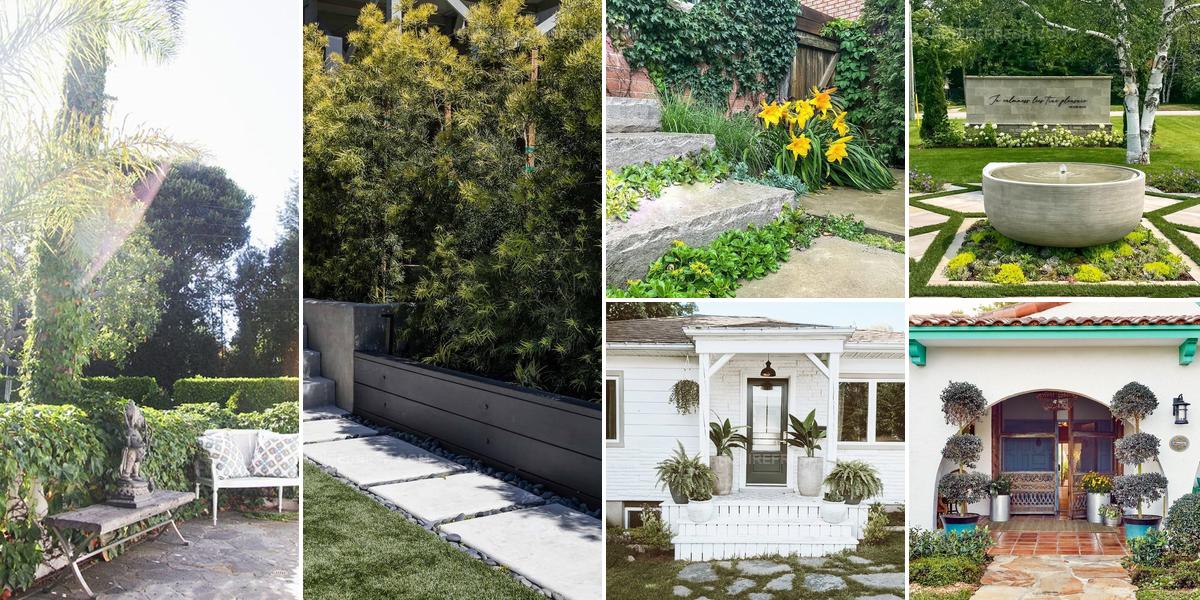
30 Flagstone Walkway Ideas That Welcome Guests Home
Flagstone walkway ideas can completely change how someone experiences moving through an outdoor space.
Natural stone paths offer durability that lasts for decades while blending seamlessly with gardens and landscapes.
Homeowners appreciate the versatility because flagstone works beautifully in formal settings and casual environments alike.
The material handles weather extremes without cracking or fading like many alternatives do.
Installation methods range from simple sand-set approaches to more permanent mortar applications depending on what suits a property best.
Colors and shapes vary widely, so finding options that complement existing architecture becomes an enjoyable process rather than a limitation.
Start designing a path that makes every walk outside feel special and inviting.
Tall Grasses Frame Entryway
Planted borders are a great way to make your flagstone walkway feel more distinctive, and ornamental grasses are an excellent choice if you want to line the path leading to your door.
You can arrange tall grasses on both sides of the walkway to frame the space and draw attention to the entryway.
These plants sway gently in the breeze and add movement to what might otherwise be a static area.
If ornamental grasses aren't your style, consider other low-maintenance plants that won't block your path or require constant care.
Flowering shrubs, hostas, or groundcover plants can all work well in border spaces.
You'll notice how much more polished your entrance feels when plants flank the sides rather than leaving it bare.
Rough Stone Pathways With Living Plants
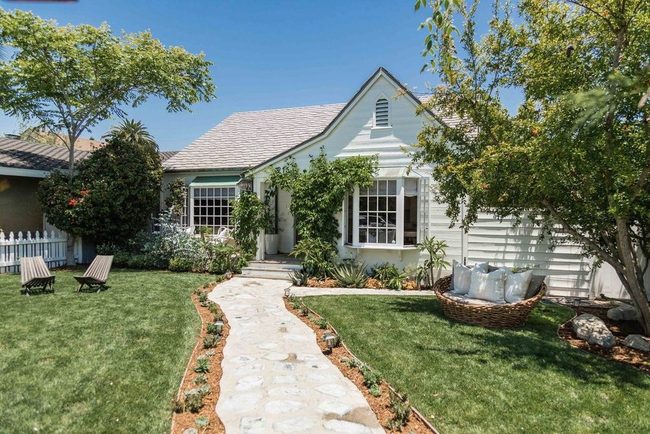
Flagstone walkways with uneven, rough edges look fantastic in outdoor spaces, and you shouldn't shy away from embracing that natural texture.
Those irregular edges and small pockets between stones form ideal spots where ground-covers such as creeping jenny and wild strawberry can thrive and spread naturally.
Many people worry that jagged edges look messy, but they actually add depth and movement to your hardscape design.
When plants fill in those gaps, the whole pathway gains character and feels less sterile than perfectly straight borders would.
You can step back and see how the combination of stone and greenery blends together in ways that polished, uniform designs simply cannot match.
Letting plants grow into the crevices also softens the hard lines of the walkway and connects it better to the surrounding garden.
If you want your outdoor path to feel less constructed and more like it belongs in nature, keeping those rough edges and allowing vegetation to fill them is the way to go.
Stone Pathway With Benches And Garden Art
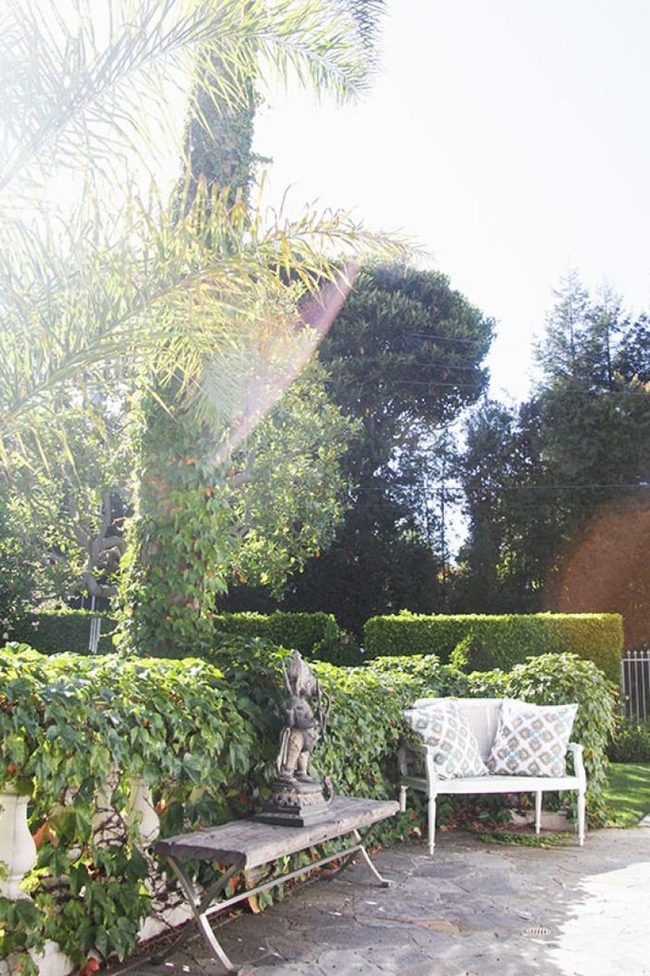
Wide flagstone walkways benefit from some thoughtful placement along their edges, and a garden bench offers a natural spot to rest while enjoying the surrounding space.
Ornamental garden decor positioned here adds visual interest and breaks up the long lines of the pathway.
You might place a bench facing outward so visitors can sit and take in views of your garden.
Additional decorative pieces like small statues, planters, or standing art work well in these border areas.
We suggest mixing functional seating with purely decorative elements to balance the walkway's practical purpose.
Spacing these items along the edges prevents them from feeling crowded while still making good use of the available space.
This approach transforms an ordinary pathway into something people actually want to linger on and explore.
Staggered Flagstone Pathways
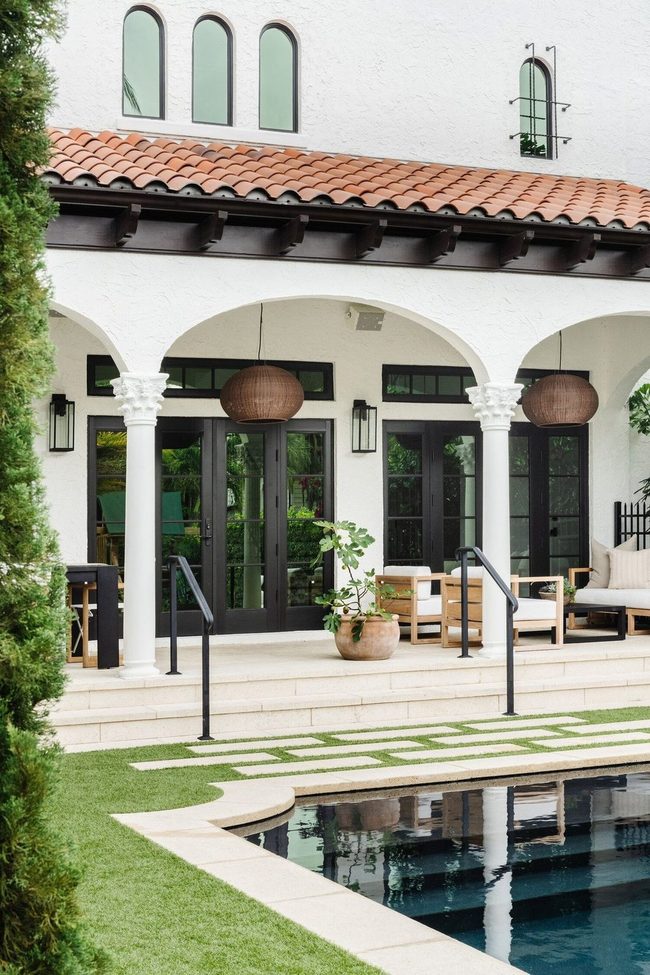
Flagstone gives you so much room to experiment with how you arrange your outdoor spaces, and one great example is a walkway made from wide, shorter stones that break the typical linear pattern You can mix and match different stone sizes to suit your style and the natural flow of your yard.
Many people stick with one standard size, but mixing things up adds personality to your pathways.
What makes flagstone so special is that you're not locked into one design approach.
Options range from perfectly aligned rows to scattered, natural-looking arrangements that feel more relaxed.
Your outdoor area becomes a place where practical function meets personal expression, all thanks to the flexibility that flagstone provides.
Something as simple as choosing shorter and wider stones versus tall and narrow ones can shift the entire character of your space.
Staggered Stone Pathway Pattern
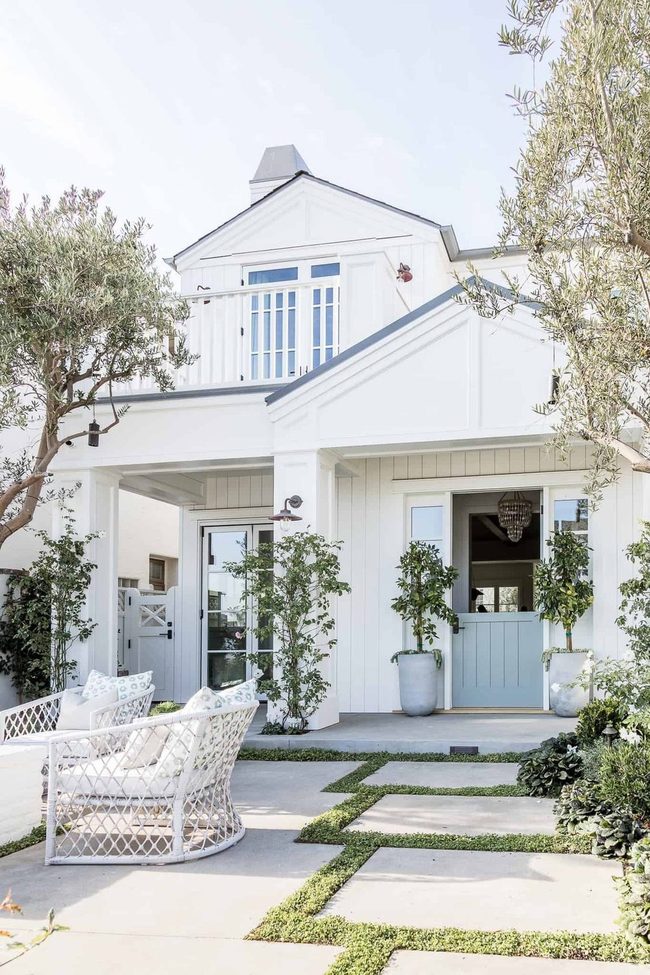
Stone pavers arranged in an offset pattern give your walkway a striking visual that most people overlook in their outdoor spaces.
When you stagger the stones instead of lining them up in straight rows, the pathway gains movement and interest that immediately catches attention.
This simple shift in placement transforms what would be a boring path into something with real character and appeal.
We see this technique work especially well because it breaks up the monotony of typical paver layouts and makes your entryway feel more intentional.
You don't need special materials or fancy installation skills to achieve this look.
The offset arrangement also works from a practical standpoint, as it can improve water drainage and reduce the appearance of settling over time.
It's one of those easy updates that delivers noticeable results without requiring a major renovation or extra expense.
Natural Green Between Stones
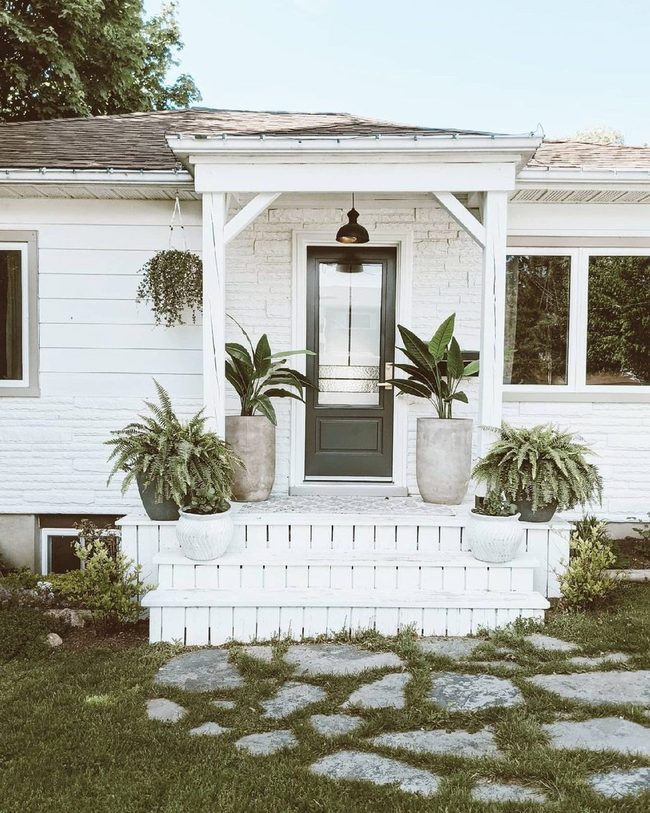
You can simply allow whatever naturally grows in your lawn to fill the spaces between your walkway stones and pavers instead of planting anything special.
Many people overlook this simple option when they're planning their outdoor paths.
Moss, grass, and other plants that pop up on their own can actually look quite nice spreading across those gaps.
Over time, this approach gives your pathway a soft, established appearance that feels less rigid and more connected to your yard.
It takes almost no effort on your part since nature does the work for you.
You'll save money by skipping the nursery trip and special plantings altogether.
Letting things grow naturally works well if you prefer a relaxed garden style rather than something manicured and formal.
This method also means less maintenance down the road since you're not fussing over specific plants.
Light Wood Meets Flagstone
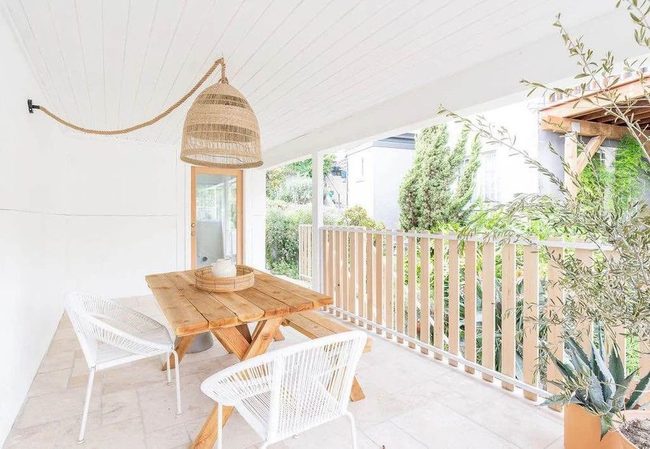
Light-colored wood pairs beautifully with flagstone walkways and really stands out as a top choice for good reason.
Wood in general works well alongside flagstone, but you'll notice that lighter tones create something special because their natural stain echoes the earthy character of the stone beneath your feet.
If you want your outdoor space to feel connected and harmonious, matching wood that shares similar warm hues with your flagstone is the way to go.
Most types of wood can work in this setting, so you have flexibility based on what's available or what suits your budget.
We recommend looking at samples side by side in your yard's lighting to see how they complement each other.
Pale or cream-toned wood brings out the texture and color variations in flagstone without competing for attention.
You'll find that this simple pairing creates a relaxed outdoor area that feels right and proportional to the natural landscape around it.
Flagstone Pathway Strategic Drainage
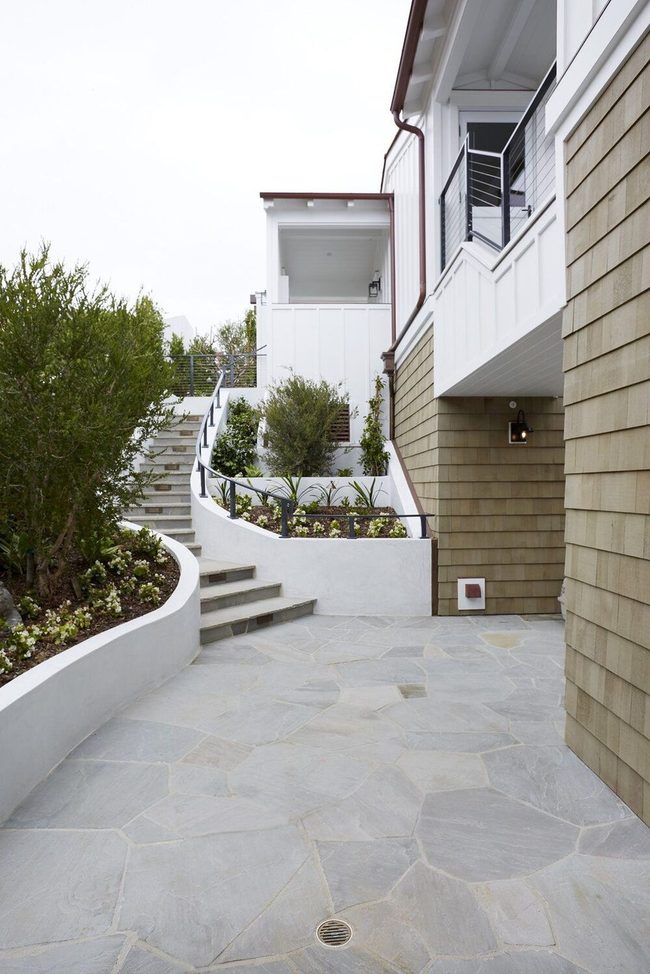
When you're building a flagstone walkway on sloped ground or in an area where water tends to collect, drainage becomes essential and shouldn't be overlooked.
Heavy rainfall can quickly overwhelm a pathway without proper water management, leading to flooding that damages the surface and leaves behind dirt and debris.
Installing one or two drains in strategic spots prevents water from accumulating and causing problems down the road.
You'll want to position these drains where water naturally flows, especially if your walkway slopes downhill.
Good drainage protects your investment and keeps the pathway functional through any weather.
It also reduces the buildup of sediment that stains the stone and makes cleaning difficult.
Planning this feature from the start saves you from costly repairs and maintenance headaches later on.
This straightforward step ensures your walkway stays in great condition for years to come.
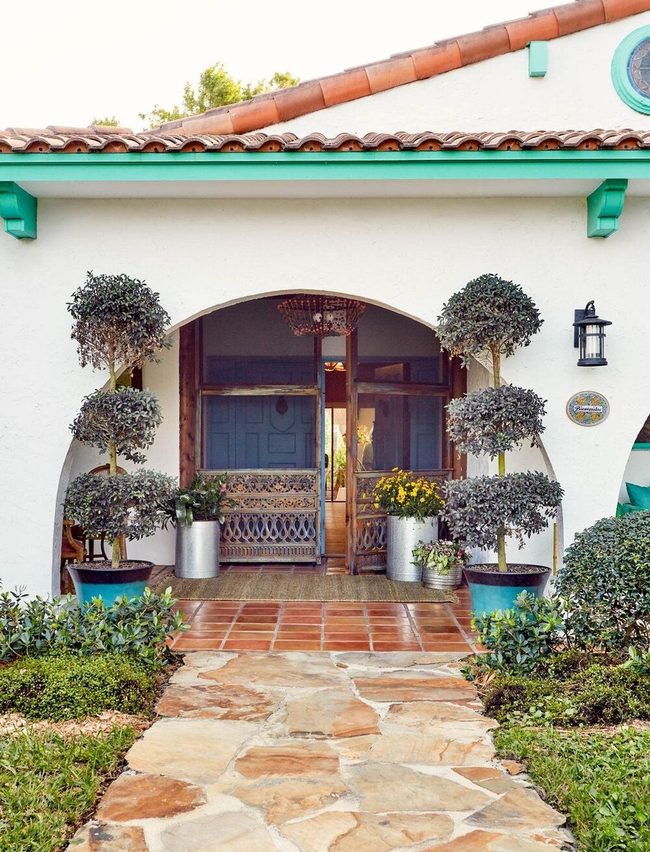
Terracotta Flagstone Desert Pathways
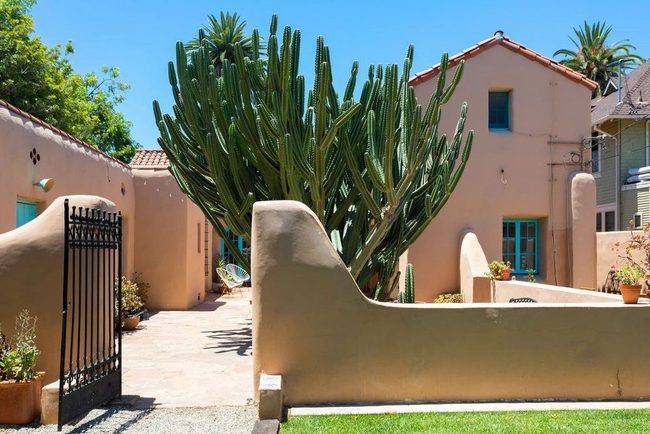
Flagstone pathways in warm terracotta tones work beautifully in southwestern spaces and aren't limited to cottage gardens at all.
You can lay these stones in informal patterns to echo the rugged terrain of the Southwest, and they'll feel right at home alongside desert plants like cacti and succulents.
Sand-colored grout between the stones keeps the look earthy and grounded.
Stone seals help protect your investment from weathering and intense sun exposure.
Pair flagstone walkways with wooden beams, wrought iron fixtures, or clay pots to strengthen that southwestern character throughout your outdoor space.
Centered Tree With Curved Stone Paths
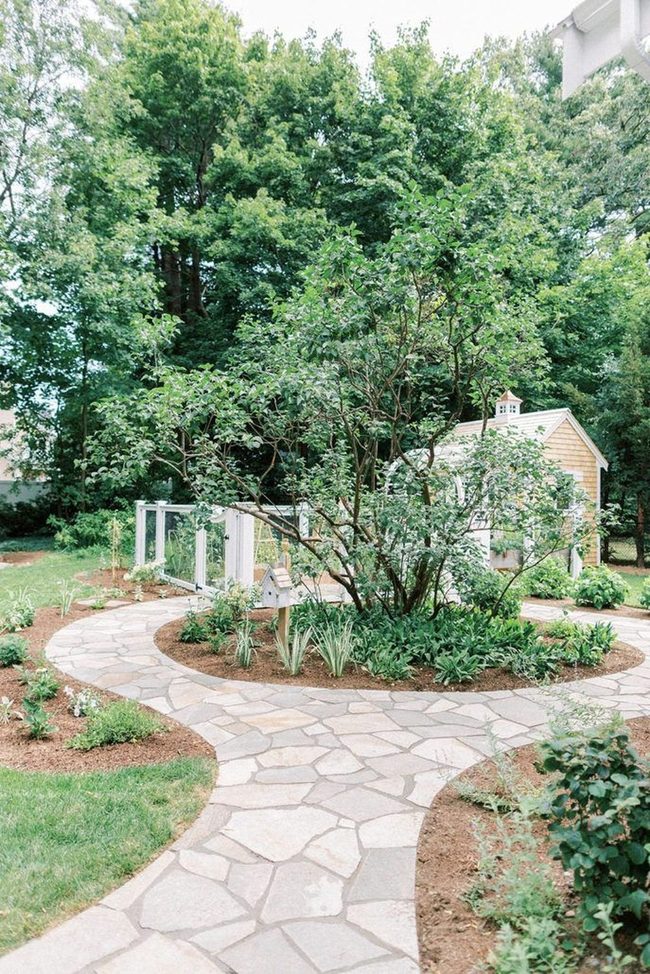
Circular or keyhole-shaped flagstone walkways can frame a lush garden beautifully, and they leave plenty of open space for plants to flourish.
A small tree positioned in the center serves as the main anchor point for your garden design.
Around that tree, you can arrange medium and small plants to fill in the space and create layers of greenery.
This approach works well because it gives you a natural gathering spot and makes the whole backyard feel more connected.
You don't need much space to pull this off either.
Even a modest yard can handle a simple tree-and-plants setup like this one.
Your garden becomes both a visual element and a functional area where people naturally want to spend time.
Small Patio Chair Flagstone Walkway
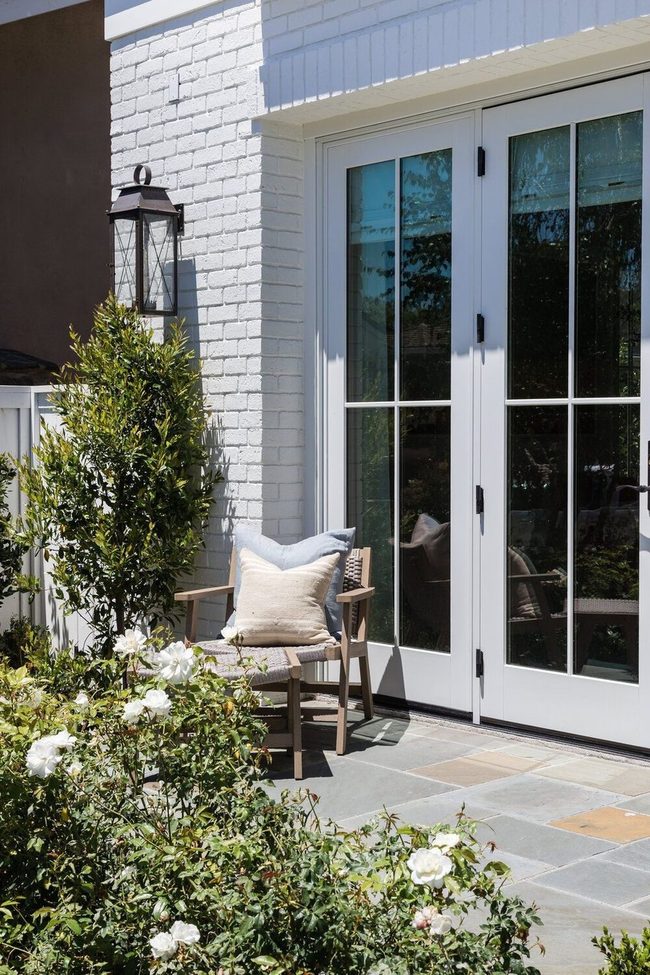
Wide flagstone walkway can do more than lead guests to the door.
Add a small chair and footrest to turn the extra space into a quiet sitting spot.
Flagstone Perimeter Frame Home
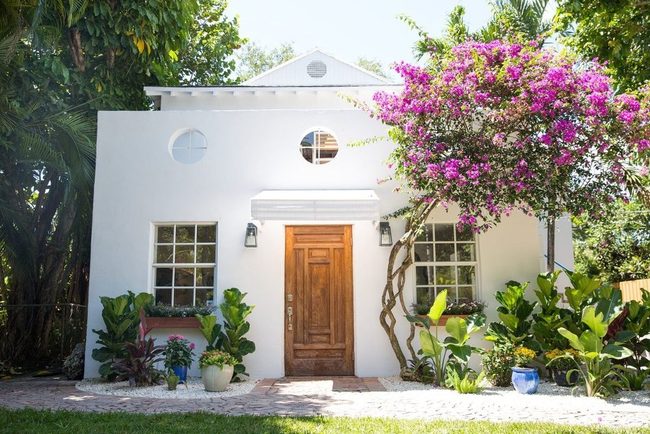
Wrapping a flagstone walkway all the way around your house creates a bold statement that immediately catches attention and frames your home beautifully.
This approach defines your outdoor spaces in a way that's both practical and stylish.
Instead of leaving your yard feeling disconnected, you get a continuous path that guides people through your landscape and connects different areas of your property.
Hard surfaces like flagstone hold up well over time, so you won't need to maintain it constantly Your home gets a polished edge that ties everything together, and your yard suddenly feels more organized and intentional.
It's one of those decisions that makes a huge difference in how your property looks from the street.
Mixed Stone Layered Patio
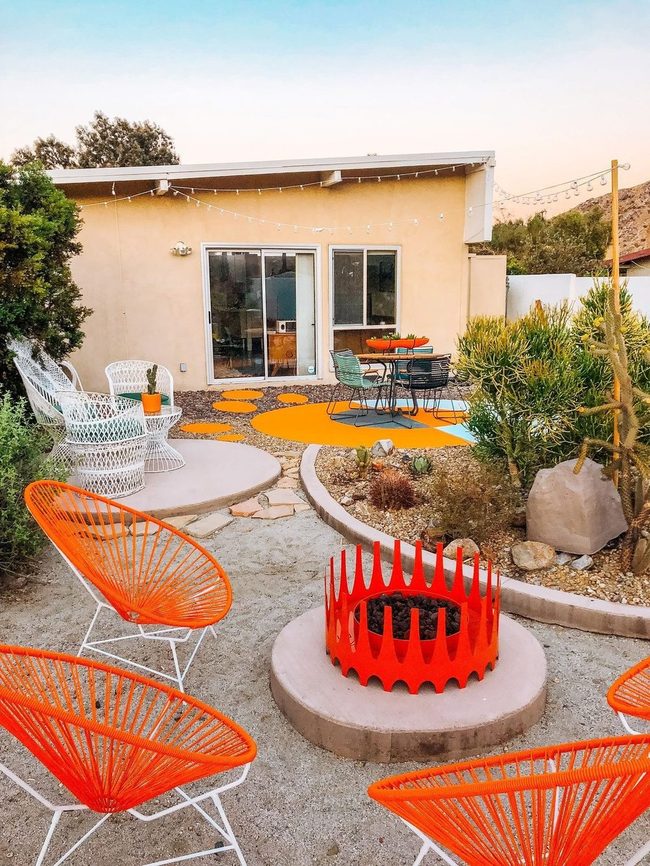
Combining flagstone with other paving materials in your backyard opens up real design possibilities, and mixing in pavers of different types and colors makes the space feel more dynamic and layered.
Flagstone shines brightest when you pair it alongside contrasting materials because the differences in texture and tone highlight what makes each surface special.
You might use smooth pavers next to rough flagstone, or place lighter stones beside darker ones, and these combinations make your outdoor area more interesting to look at and walk through.
Rather than sticking with one material throughout, blending options gives you flexibility in how you want different zones to feel.
Pavers in contrasting colors can define pathways or seating areas while flagstone anchors other sections, and this mix prevents the yard from looking flat or one-note.
Your backyard can absolutely handle several different stone types working side by side, and the variety actually strengthens the overall look rather than competing against it.
Vine-Covered Stone Archway Entrance
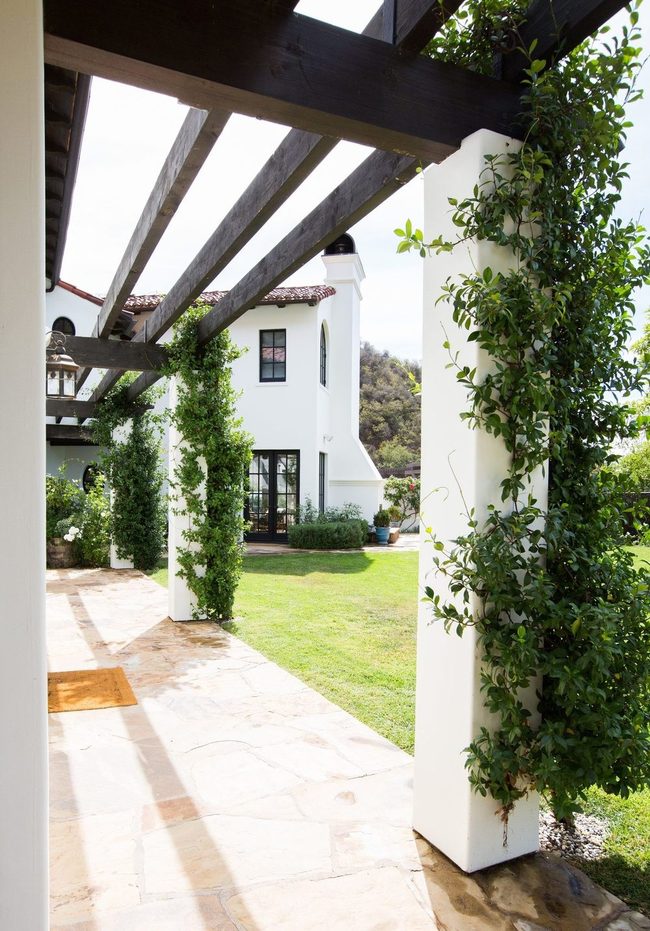
If you want your flagstone walkway to become the star of your outdoor space, consider adding an arch with climbing vines draped across it.
Visitors walking through will feel transported to somewhere far away, like the grounds of a European villa.
You can position the arch at the entrance to draw people down the path or frame it over the middle section for maximum effect.
Vines growing up and over the structure add layers of green and create natural shade as you walk underneath.
Installing an arch takes some effort, but the payoff is worth it because it becomes such a dominant feature in your yard.
Whether you choose metal, wood, or stone depends on your existing walkway style You'll notice how much more purposeful your landscape appears once this statement piece is in place.
Precision-Cut Stone Geometry
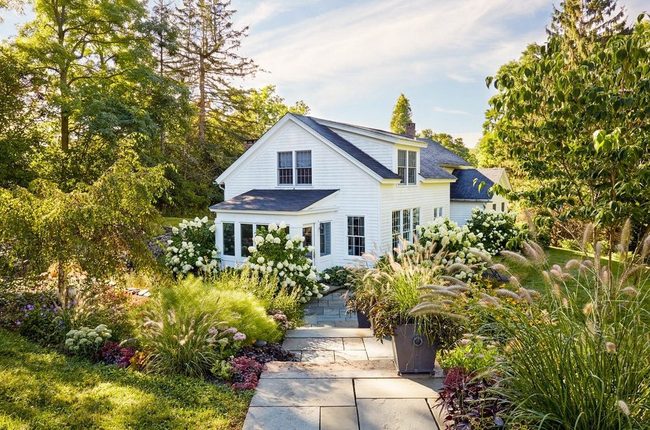
Geometric stone shapes give your outdoor space a sharp, modern edge that really stands out.
Flagstone typically comes with rough, uneven cuts and random edges, but you can choose rectangles and squares that have been precisely cut instead.
Installing these uniform stones creates clean lines and a polished appearance that feels contemporary and intentional.
This approach pairs beautifully with a wild, overgrown garden because the ordered stonework contrasts nicely against the natural plants around it.
You might also prefer this geometric style if you're designing a modern patio or pathway from scratch.
Going with rectangular and square stones rather than irregular shapes gives your whole outdoor area a more refined and put-together feel.
If sleek landscapes appeal to you, this is definitely worth considering for your next project.
Flagstone Dining Area Solution
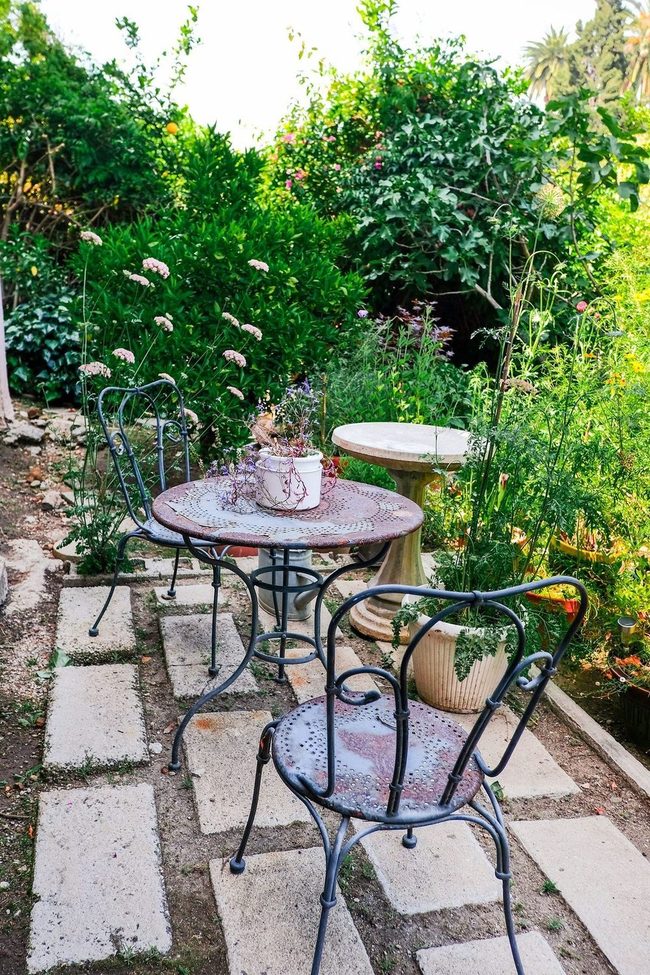
Flagstone walkways often lose their appeal over time and demand more restoration work than many of us can manage right now, but that doesn't mean you should let the stones sit unused.
Rather than leaving them to fade away, consider moving them to a new purpose-perhaps creating a small outdoor dining space where you can gather with loved ones.
This keeps the beautiful material functional and in view while you work toward restoring the original pathway.
Repurposing these stones lets you maintain the natural stone's presence in your outdoor area without needing to commit to a major renovation project.
You get to enjoy the flagstone's charm in a fresh way and set a timeline for its eventual return to the walkway whenever you're ready.
Until then, your dining spot serves as a reminder of what those stones can do and shows that shifting a garden feature around is sometimes the smartest solution.
Curved Flagstone Garden Pathways
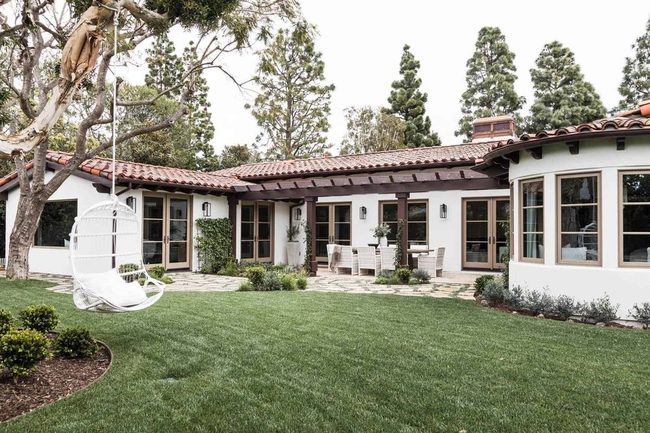
Curved pathways work better in outdoor spaces than straight lines, and you'll see this truth everywhere in nature where nothing grows in perfect squares.
When you lay down a long flagstone walkway through your yard, building it with gentle bends and flowing turns makes the whole design feel more organic and natural.
Straight edges look man-made and harsh against trees and grass, but curves blend seamlessly into the landscape around them.
Your eyes follow a winding path more pleasantly than a rigid one, and the journey feels less formal.
Gardens and forests teach us that flowing shapes belong outdoors, so bringing those same principles to your walkway pays off in how welcoming your space becomes.
Even a simple adjustment from straight to curved flagstones shifts your whole outdoor area toward something that feels grounded and right.
Gravel Pathways Match Flagstone
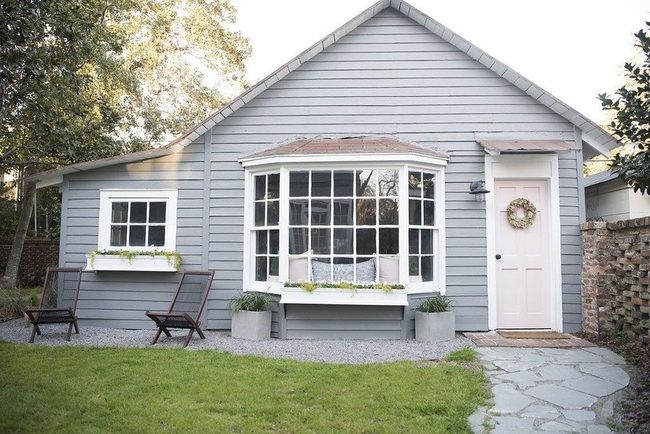
Gravel works well as a budget-friendly option to extend your walkway beyond the main flagstone path, and matching it to your stone's color keeps everything looking connected and intentional.
If you have areas of your yard that need less foot traffic or sit further from your house, gravel lets you build out secondary pathways without the expense of laying more expensive stone.
You can spread it along the edges of your property or create branching routes that lead to quieter corners, and this approach gives your outdoor space a sense of flow.
The material is easy to install and adjust over time if you want to reroute traffic or refresh the look.
Many people choose gravel because it handles water drainage well and requires minimal upkeep compared to other paving options.
When you select a shade that matches your flagstone walkway, the transition between the two surfaces feels natural rather than jarring.
We recommend thinking about how much foot traffic each path will get so you can decide where gravel works best for your needs.
Since it costs significantly less per square foot than stone, you can expand your walkways further and cover more ground without breaking your budget.
Flagstone Stairs With Flowing Greenery
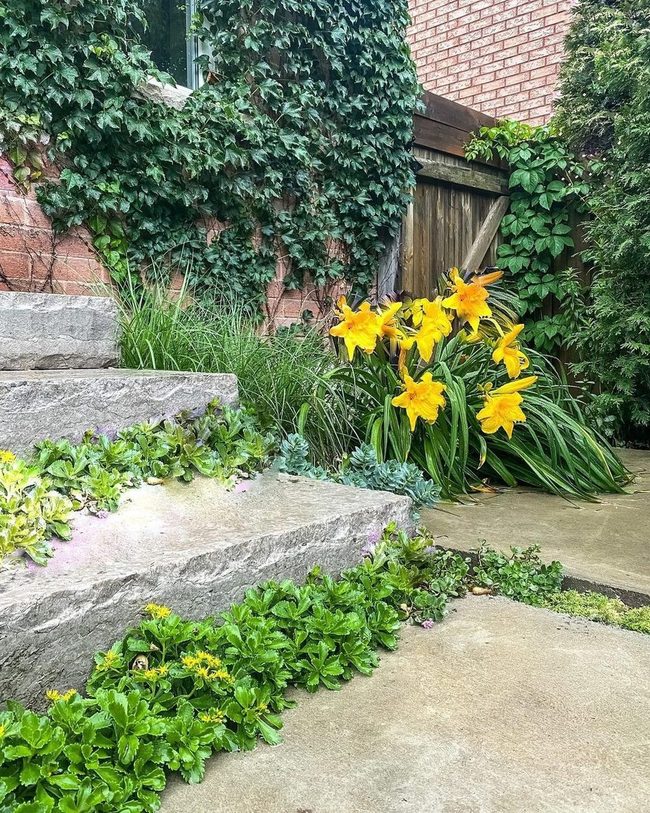
Staircases offer an excellent opportunity to make your outdoor space truly stand out, and flagstone works beautifully for steps just as much as it does for pathways.
One particularly striking approach involves spacing plants throughout the staircase itself, which Lady Landscaping demonstrates wonderfully in their design.
By weaving greenery between the stones, you break up the hard surfaces and add life to what could otherwise feel plain.
This method draws the eye downward as people move through your garden while also making the journey feel more natural and connected to the landscape around it If you want to enhance your outdoor stairs without completely redesigning them, incorporating some strategic plantings is one of the easiest ways to achieve real transformation.
We recommend starting small with hardy plants that don't require constant maintenance and work well in your climate zone.
Grout Quality Makes Flagstone Last
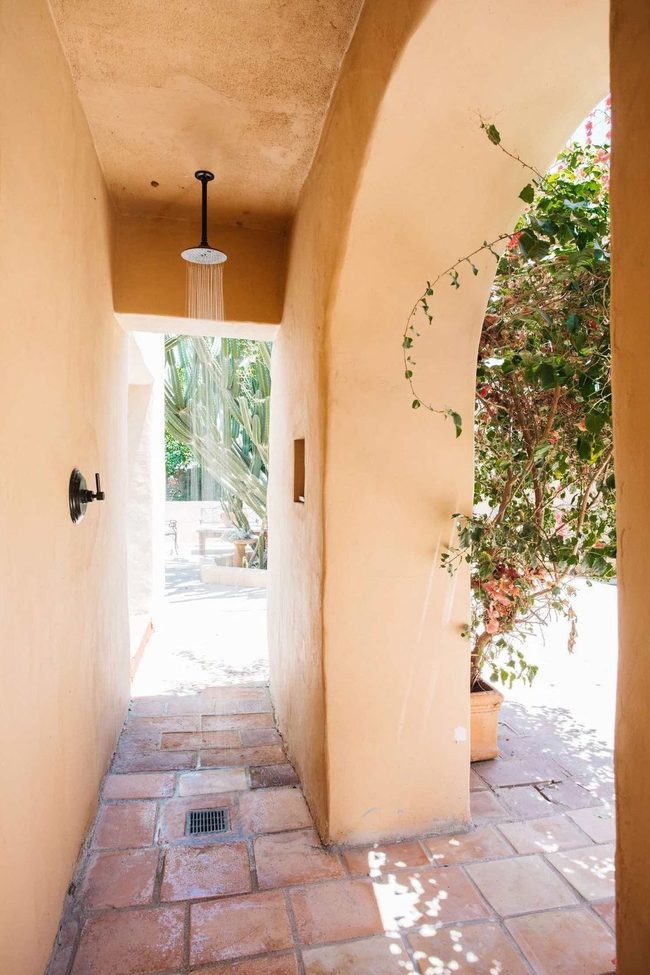
When you're planning a flagstone walkway, don't overlook the grout between your stones, as it can make or break the overall appearance of your project.
Choosing grout that holds up over time is just as important as selecting quality stone, since worn or discolored grout will drag down the look of even the most beautiful flagstones.
We recommend picking a grout product designed to weather gracefully alongside your stone rather than deteriorating or staining within a few years.
Low-quality grout tends to crack, absorb dirt, and fade faster than you'd expect, leaving your walkway looking tired and neglected long before the stone itself shows its age.
It's worth spending a bit more on grout that bonds well, resists moisture, and maintains its color through rain and sun exposure.
Taking time to research grout options and maybe even getting samples before committing to your full project helps ensure your walkway stays as attractive years down the road as it is on day one.
Your walkway will only be as good as its weakest component, and that component is often the one people overlook during the planning stage.
Flagstone Path Along Structural Lines
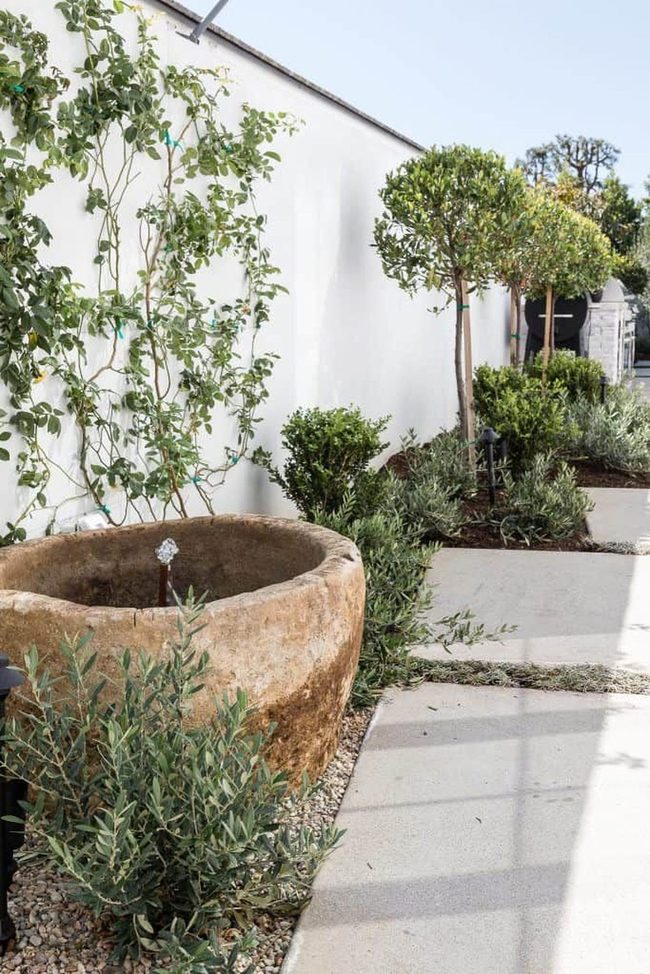
Positioning your flagstone walkway along a wall or fence makes the most sense for your outdoor space, and you'll immediately notice how much more intentional it appears compared to a random path cutting through your yard.
Walls and fences provide natural boundaries that give your walkway a clear reason for being there, and this placement turns a simple pathway into a deliberate design feature.
Such placement also offers you a practical advantage since the structure acts as a guide for foot traffic and helps direct movement through your property in an organized way.
When you align your stones with an existing vertical element, the whole layout feels more planned and connected to your landscape's architecture.
You can also use the wall or fence as protection for your path, keeping it separated from the main activity areas of your yard.
Beyond function, this setup looks intentional and polished, making even a basic flagstone walkway seem like part of your overall outdoor design.
Consider how many properties miss this simple trick, leaving paths that feel out of place or purely functional.
By anchoring your walkway to a wall or fence, you solve both the practical problem of directing movement and the visual problem of making your yard feel thoughtfully designed.
Smooth River Stones Between Pavers
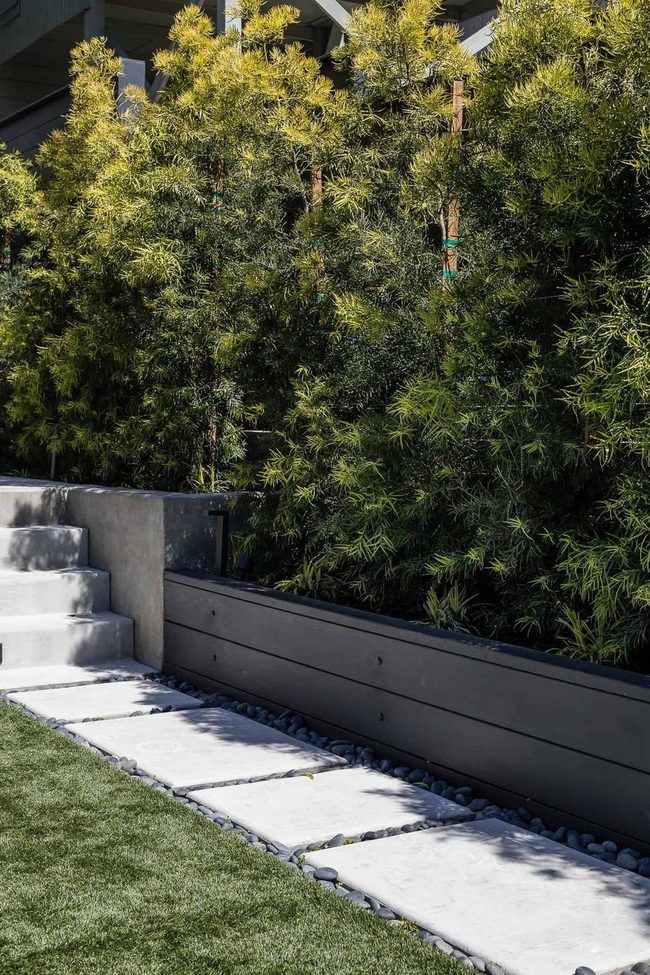
River stones and medium-sized pebbles offer a striking way to fill the spaces between your pavers, and they bring far more visual interest than basic grout or grass alone.
You can choose smooth river rocks in various earth tones to nestle between the walkway stones, and this approach gives your pathway real dimension and texture If you want something less conventional than standard pea gravel, these larger stones work wonderfully and feel substantial underfoot.
You might arrange them loosely or pack them more tightly depending on your preference and the overall look you're after.
Mix sizes and colors to add depth and visual richness to your hardscaping project.
Whether you go with warm grays, cool blues, or reddish tones, these stones become a decorative element in their own right and not just filler material.
Brick And Flagstone Pathway Contrast
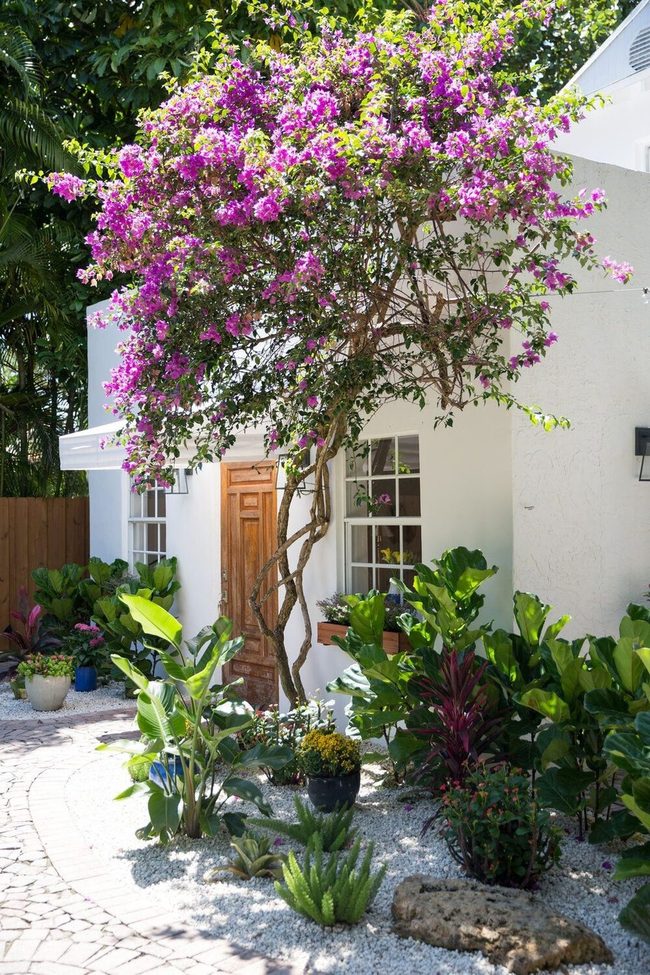
Brick and flagstone make a striking pairing when you combine them in a single walkway, and the contrast between these two materials really stands out visually.
You can use brick to fill in the tighter spaces where larger flagstone pieces won't fit, such as along edges, borders, or sections that need to curve more sharply.
This mix gives your pathway a layered, textured appearance that keeps the eye moving across the surface.
Mixing materials this way also lets you work with the natural landscape better, especially if your yard has unusual angles or transitions.
Both materials complement each other well and won't clash in style.
If you're designing a pathway and want something beyond a single uniform material, this two-material approach gives you flexibility and visual interest without overcomplicating things.
Layered Gray Flagstone Pathways
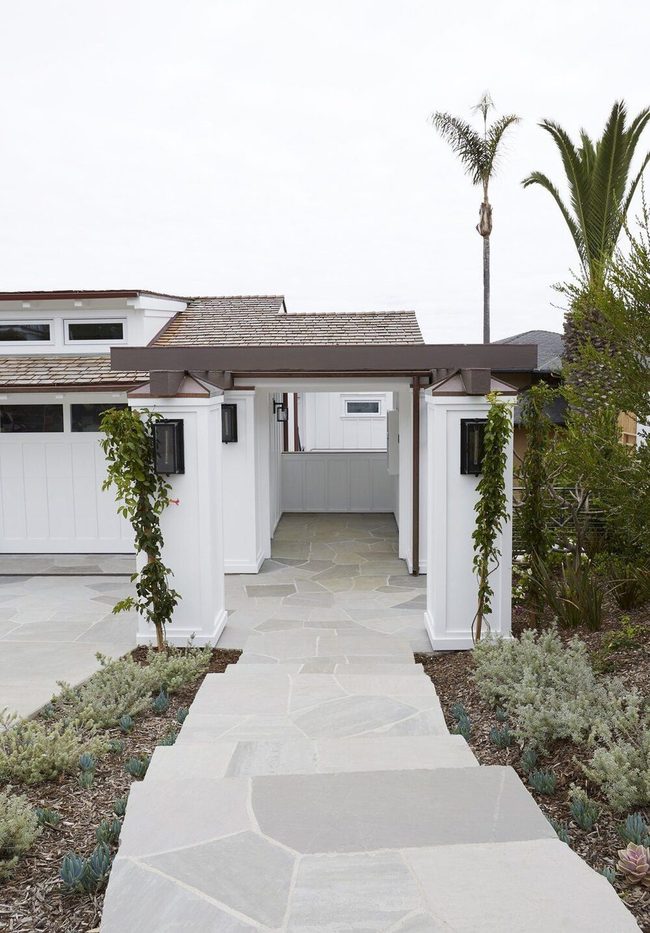
Flagstone walkways gain so much character when you mix different shades of stone instead of keeping everything one flat color.
Natural stone simply looks better with those slight shifts in tone running through it.
When you pull together a range of colors and hues, the pathway feels more authentic and refined.
We recommend selecting stones that span from lighter to darker tones so the variation happens naturally as people walk along the path.
You might grab a few pieces in warm grays, then add some in cool grays and even a touch of tan or rust.
Mixing these shades prevents your walkway from feeling plain and boring.
The result is a surface that feels more grounded and less artificial than a single-colored design would ever be.
Flagstone Path With Focal Point Destination
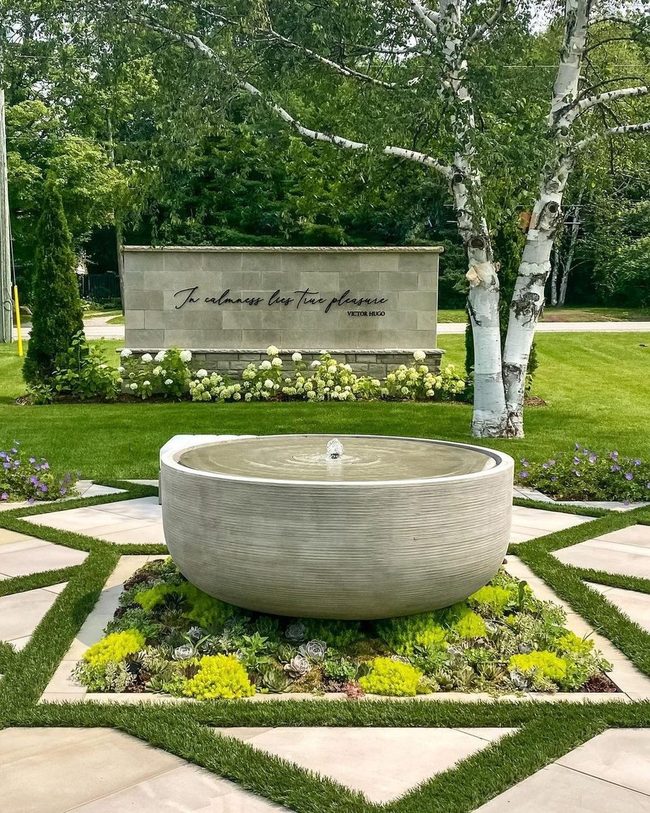
Water feature or comfortable seating spot along your flagstone walkway gives your outdoor space something interesting to draw the eyes toward and makes the whole area feel finished.
You might install a small fountain that catches light and movement, or position a bench where people naturally want to linger.
Even a simple birdbath or low stone seat can serve this purpose.
Placing something substantial in your pathway encourages visitors to slow down and enjoy the surroundings rather than rush through.
Whether you choose flowing water or a resting place, having one main anchor point helps balance your walkway design.
It keeps the space from feeling like just a route from one place to another and turns it into a destination worth visiting.
Weathered Stone And Vintage Brick
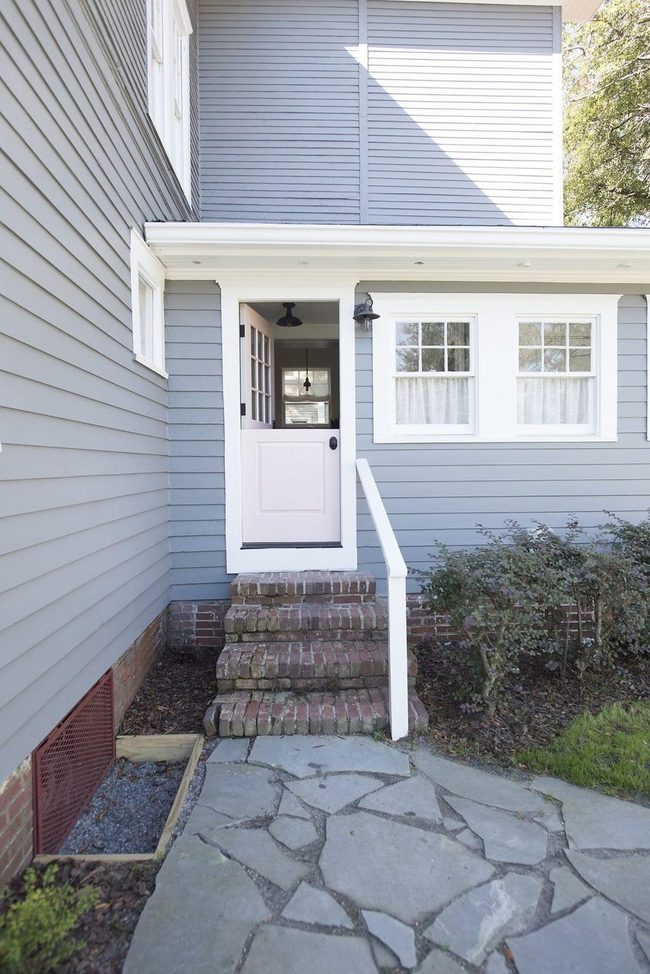
Flagstone paired with salvaged or vintage brick creates an outdoor space that feels rooted in history and age.
You can achieve this by laying down a flagstone walkway and then adding vintage brick elements alongside or nearby Stone and brick work naturally together because they're both earthy materials that have been used in building for centuries.
Building on this foundation, you might add more vintage brick to create seating areas or define garden beds around your walkway.
Old materials speak volumes about authenticity, and mixing them together amplifies that storytelling effect.
Your outdoor area becomes a reflection of craftsmanship from another era when you invest in these time-worn pieces.
It's one of the simplest ways to ground your space in genuine history without needing to do much at all.
Green-Framed Stone Pathway Entrance
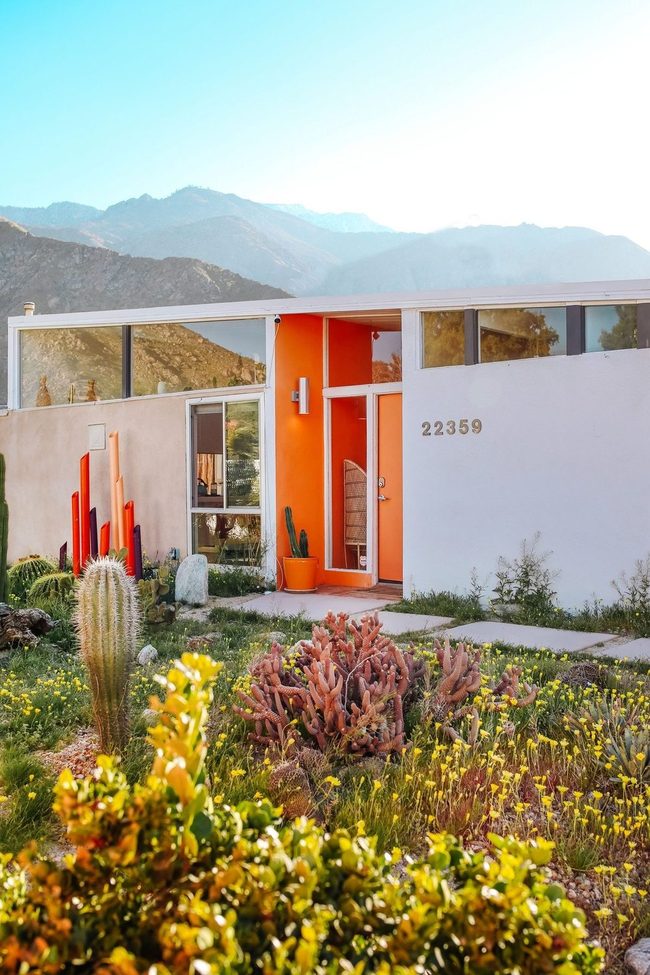
Lush greenery framing a flagstone walkway creates an immediate sense of arrival and natural beauty at your home's entrance, just like what you see at Dazey Den's property.
Plants nestled between the stones and towering varieties lining both sides of the path work well together and enhance the overall aesthetic.
Small varieties tucked into crevices add delicate texture while taller plants on either side guide visitors along the route.
You don't need to overthink this-simply choose plants that match your climate and the amount of sunlight your walkway gets.
Mixing heights and textures keeps the space from looking flat or boring.
The combination of hardscape and living elements brings balance to your entryway.
Adding greenery is one of those simple moves that pays off big in how your home's entrance actually feels.
Short Flagstone Path, Double Purpose
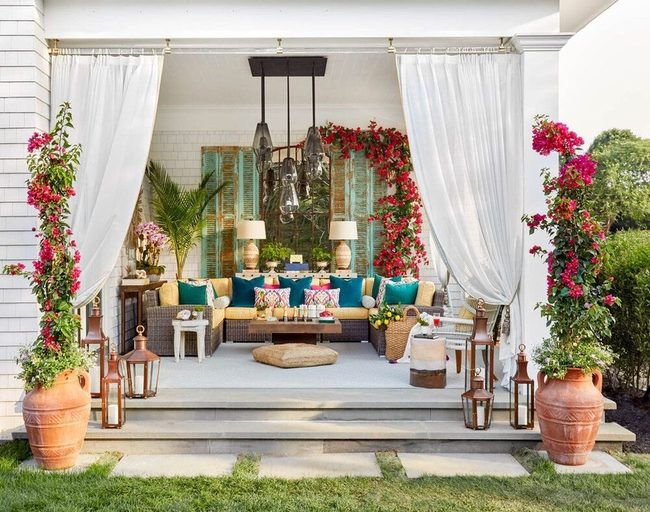
Flagstone paths work best when they match what you actually need, and there's no rule saying they have to stretch far across your yard.
A short walkway does just as much good as a long one if it handles its job properly.
In the example here, you can see how even a modest path accomplishes two things at once: it marks off where your patio begins and gives you an additional standing area when you need it.
Length doesn't matter nearly as much as function, so build your walkway to fit your space and daily use.
If you only need a few stepping stones to get from one spot to another, that's all you require.
We tend to overthink outdoor layouts, but sometimes the simplest answer is the right one.
Measure out where foot traffic naturally flows, and your walkway length will basically decide itself.
Keep things straightforward and useful, and you'll end up with a path that actually serves your family well.
Flagstone Unified Outdoor Living
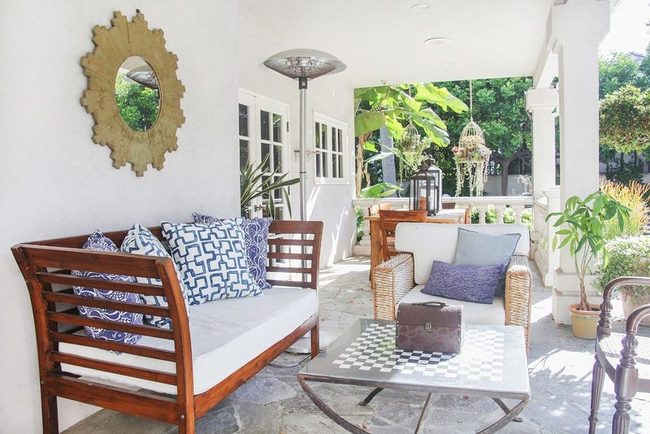
Flagstone works beautifully beyond pathways and makes an excellent choice for porch and patio floors.
If you decide to install it on both your walkway and outdoor living spaces, selecting the same type of stone across these areas helps everything connect visually and feel intentional throughout your yard.
You'll find that matching your materials creates a sense of harmony that ties your outdoor spaces together.
Whether you're covering a small entry porch or a sprawling patio, the durability and natural beauty of flagstone serve you well in high-traffic zones.
We recommend thinking about the overall layout of your yard before deciding where to place this material.
Sticking with one consistent stone type means fewer decisions later and a more unified outdoor environment.
This simple choice of material consistency makes your whole space feel like it belongs together.
When you keep the same flagstone from your walkway into your porch area, guests notice how well-coordinated everything looks.
Flagstone Pathway To Outdoor Living
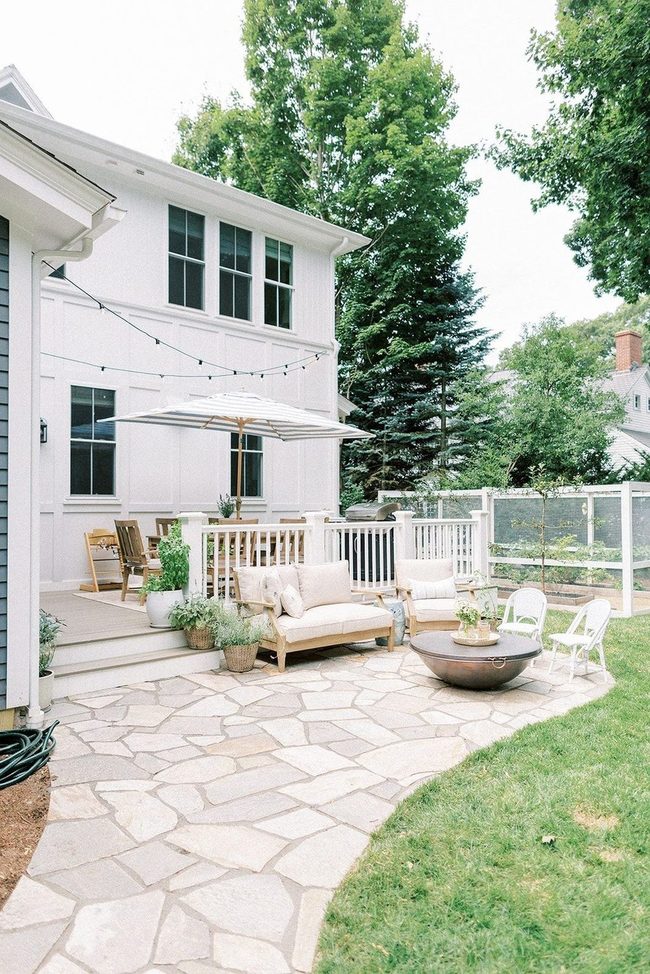
If you want to expand your outdoor entertaining area, consider extending your flagstone walkway into a wider zone where you can set up seating like an outdoor sofa or a dining table with chairs.
We recommend curving the edges of your pathway rather than making sharp corners, as rounded shapes look more natural and appealing in outdoor spaces.
Building out the walkway gives you a defined spot for guests to gather and relax without cluttering your lawn.
You get multiple benefits at once: a practical pathway and an actual lounge area.
Most people find this approach easier than starting a patio from scratch since you're working with what's already there.
Smooth, flowing lines connect the walkway to your seating area and make the whole space feel larger.
Your backyard becomes more functional for hanging out with family or hosting small gatherings.
Olivia Martinez
Founder & Principal Designer
Expertise
Sustainable Interior Design, Residential and Commercial Space Planning, Historic Preservation and Adaptive Reuse, Custom Furniture Design, Project Management
Education
Parsons School of Design, New York, NY
LEED Accredited Professional (LEED AP)
Olivia Martinez is the founder of Archi Refresh, where she brings style and sustainability together. With a degree from Parsons School of Design and a LEED certification, she’s all about creating beautiful, eco-friendly spaces.
With over eight years in the industry, Olivia has designed everything from cozy homes to commercial spaces, always putting function and sustainability first. She loves working with local artisans and has been featured in design publications for her fresh take on green living.
When she’s not designing, Olivia enjoys exploring historic architecture, painting, and spending time with her rescue dogs, Luna and Max.