
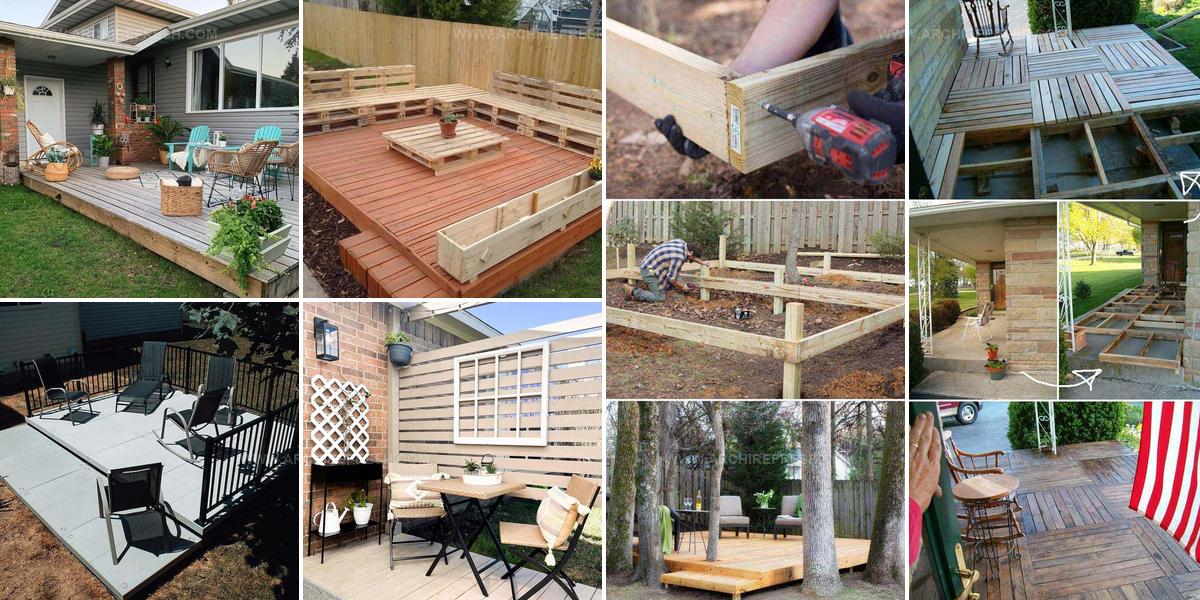
38 Floating Deck Design Ideas That Create Extra Living Space
Floating deck design ideas open up exciting possibilities for homeowners who want an attractive outdoor space without complex foundation work.
This construction approach sits directly on the ground rather than connecting to existing structures, making it accessible for various skill levels.
The concept works beautifully in yards where traditional attached decking proves impractical or too expensive.
Building one of these platforms gives homeowners flexibility in placement and often requires fewer permits than permanent structures.
Whether for entertaining friends or creating a quiet retreat, the options range from simple square platforms to multi-level arrangements with built-in seating.
Installation typically takes less time than conventional deck construction, and materials can suit any budget or aesthetic preference.
Once finished, you can enjoy a stunning outdoor area that enhances property value and expands living space beyond four walls.
Light Wood Privacy Lattice Deck
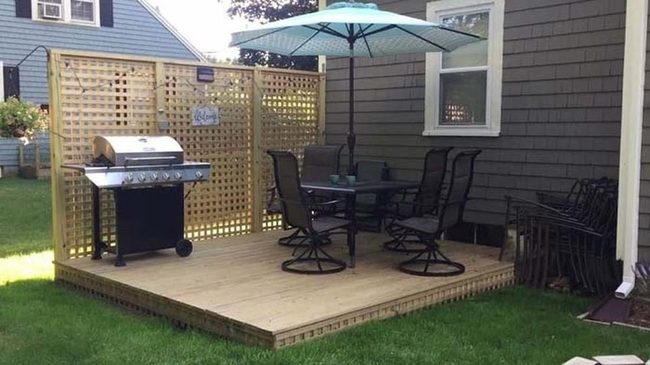
Lattice screen wraps around this floating deck and gives you the seclusion you need without blocking out the sky or breeze.
Light wood tones and a simple construction style keep the space from feeling cramped or heavy, and you get that open, airy sensation even though you're tucked away from view.
Friends and neighbors won't bother your quiet moments here, and the natural wood fits perfectly into a backyard where you want calm and privacy.
You can set up a reading nook, place a small chair, or just sit and enjoy the peace.
Wood screens like this one work well because they're not complicated or expensive, yet they do the job of shielding you from traffic or prying eyes.
If you're looking for a simple way to carve out a personal retreat in your yard, this kind of setup delivers exactly that without any fuss.
Matched Wood Deck And Pergola
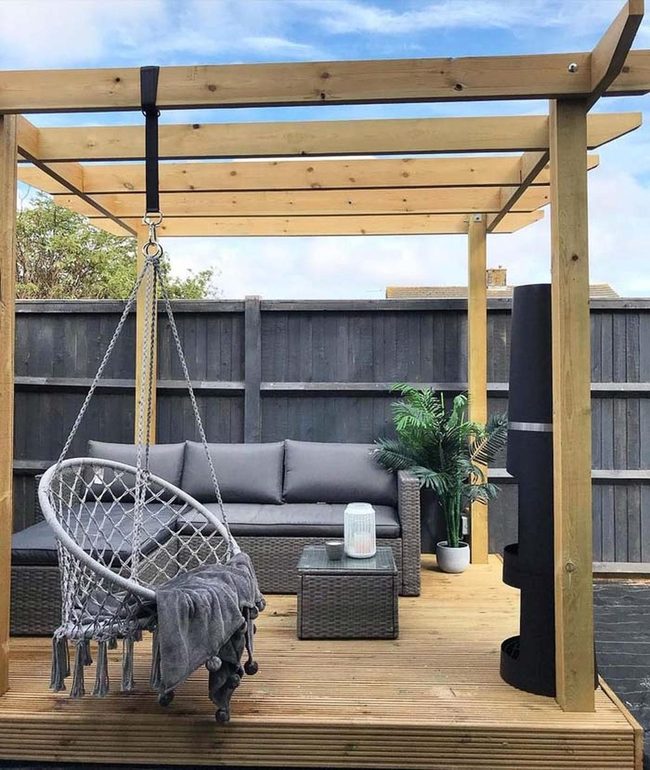
Deck and pergola combination gives you a beautiful outdoor space that works all year long, and the way they look together matters just as much as what they do.
When you match the wood finishes on both structures, the whole setup feels unified and connected.
Wood tones carry their own quiet appeal, whether you pick a warm honey shade or a deeper walnut hue, and pairing them keeps your eyes moving smoothly across the space without any jarring shifts.
Beyond just looks, the pergola shields you from harsh sun and light rain while the deck gives you solid ground to stand on and gather with others.
Seasons change throughout the year, but this combination lets you relax outside no matter if it's warm or cool.
You can add seating, plants, or hanging lights to make the space feel right for different times of year.
Most homeowners find this setup easy to maintain once it's built, and the initial investment pays off through years of use.
Floating Deck Fire Gathering Zones
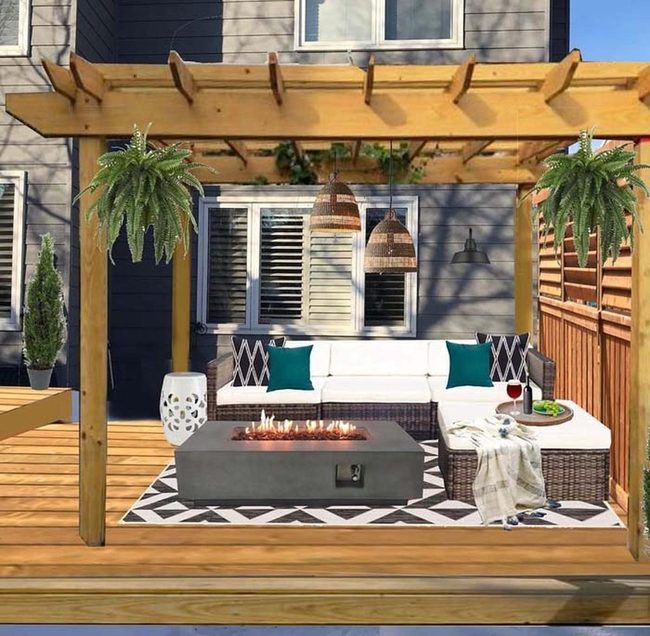
Floating decks with firepits and pergolas make outdoor spaces look impressive and give you room to gather with others.
A gas fireplace in the center draws attention and becomes the natural gathering spot where people naturally want to sit and relax.
Pergolas overhead provide shade during the day and frame the space nicely, while built-in seating around the fire makes entertaining easy.
You can spend evenings warming up by the flames or host friends without worrying about space constraints.
This setup works well for both quiet nights alone and lively social events.
Wood or composite materials for the deck hold up well in most climates and need minimal upkeep.
The whole arrangement feels balanced, with the fire as the anchor and other pieces supporting it around the edges.
Movable Fabric Deck Privacy
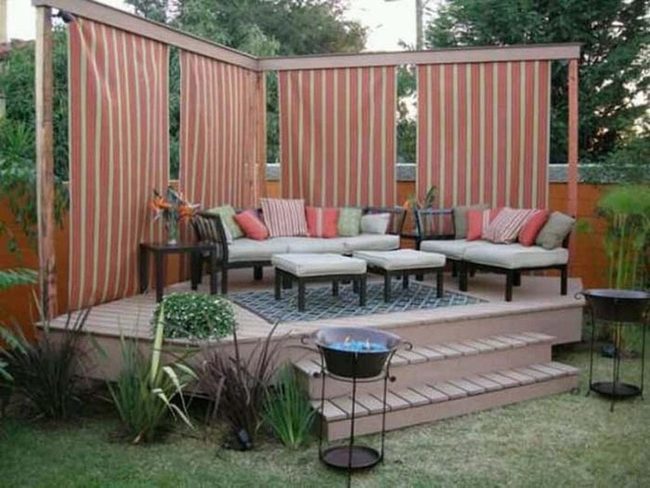
Curtain rods and fabric panels are a brilliant way to add privacy to floating decks without breaking the bank, and they bring an outdoor space closer to that comfortable indoor feeling you get in your living room.
You can move these fabric walls around whenever you want, so you have freedom to change how your deck looks and feels based on your mood or the season.
This approach works especially well if you appreciate a homey quality in your outdoor spaces and don't want to commit to permanent structures.
Fabric panels soften the edges of an open deck and make the area feel more enclosed and personal.
Installing them is simple; just mount rods along your deck's frame and hang fabric that matches your style and weather needs.
When friends stop by, you can adjust the panels to open up the space or close them for more seclusion.
It's one of those solutions that keeps both your budget and your design flexibility intact.
Cedar Deck With Pergola Shade
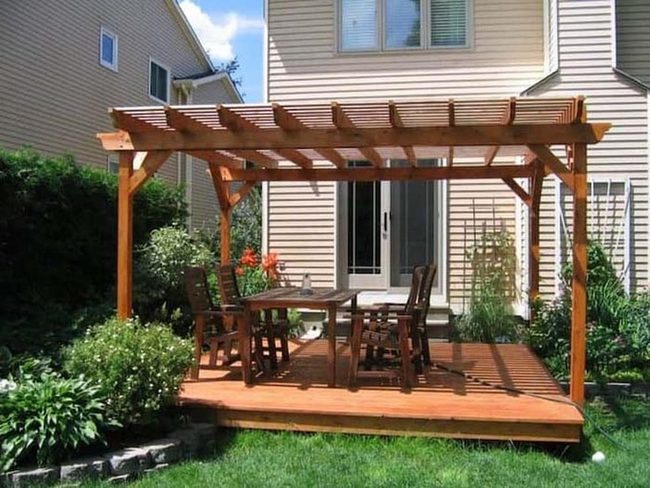
If you want a rustic outdoor space, building a floating deck from cedar wood gives you that warm, earthy foundation right from the start because the reddish tones of the wood naturally complement rustic furniture and weathered pieces.
Overhead, a pergola extends your shelter and frames the area above while letting dappled sunlight filter through.
You can gather comfortably under this structure with family and loved ones, and the combination of the wood's natural color and the shade structure makes the whole setup feel grounded and approachable.
The horizontal lines of the deck and vertical posts of the pergola work together visually without needing extra effort on your part.
Wood ages beautifully over time, so your deck becomes richer and more character-filled as seasons pass.
You'll find this style works well in backyards of any size because the materials feel honest and unpretentious.
Secluded Corner Deck With Climbing Vines
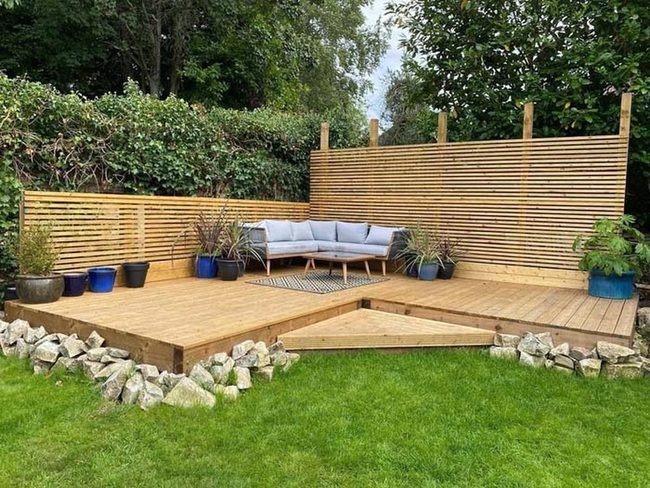
Building a deck in a back corner near your fence gives you a secluded outdoor spot where you can relax away from neighbors' eyes, and an L-shaped design using pressure-treated wood lets you maximize the awkward space while keeping everything looking natural and weathered beautifully over time.
Adding privacy walls constructed from wooden slats or climbing plants transforms that unused yard area into a genuine hideaway, and the combination of wood and greenery makes the whole setup feel sheltered without closing you off completely.
You'll find that this kind of corner placement works well because it doesn't demand much maintenance and takes advantage of space you probably weren't using anyway.
Plants climbing up the sides add movement and life to the structure, while the wooden frame grounds everything with solid, earthy tones.
Friends and family will appreciate having an actual separate zone for hanging out or unwinding alone.
Even a modest corner deck becomes functional and pleasant once you add those privacy elements around it.
Tree-Centered Modern Floating Deck
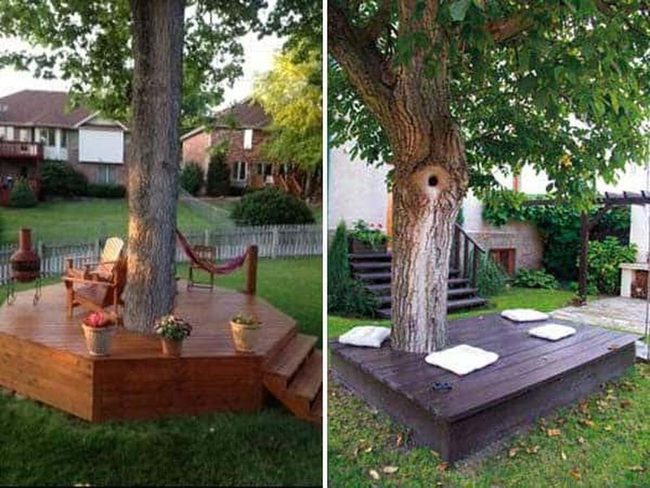
Old tree serves as an excellent foundation for building a floating deck around it, and this approach lets you enjoy natural shade while establishing a modern outdoor space at the same time.
By working with an existing tree rather than removing it, you respect the landscape and boost your garden's visual appeal all at once.
Such a design shows how nature and modern construction can exist together peacefully.
You get both function and beauty from this choice.
Your outdoor area gains character and depth that new plantings would take years to develop.
Wood Deck Over Concrete Patio
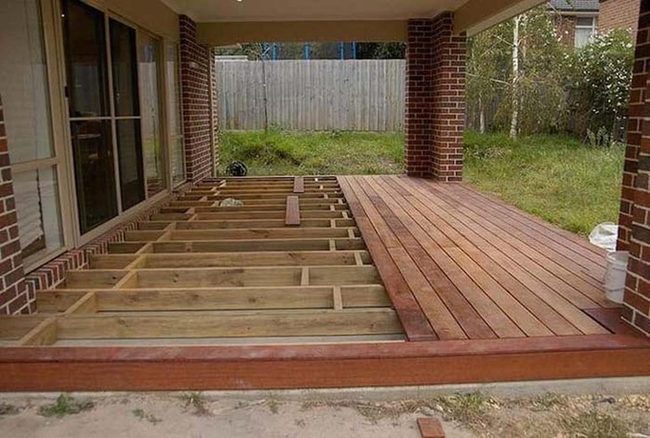
Consider building a floating deck over your concrete patio if you want to upgrade your outdoor area without breaking the bank.
Wood sections placed across the slab can mask worn spots and expand your usable space at the same time.
You don't need professional help or expensive materials to pull this off either.
Most homeowners find that simply laying down wood platforms transforms a dull concrete surface into something more appealing.
It's straightforward enough that you can handle it yourself over a weekend.
Budget-conscious updates like this one prove that great outdoor improvements don't require major renovations.
Your backyard can look refreshed and more welcoming with this simple, wallet-friendly approach.
Floating Deck Above Green Lawn
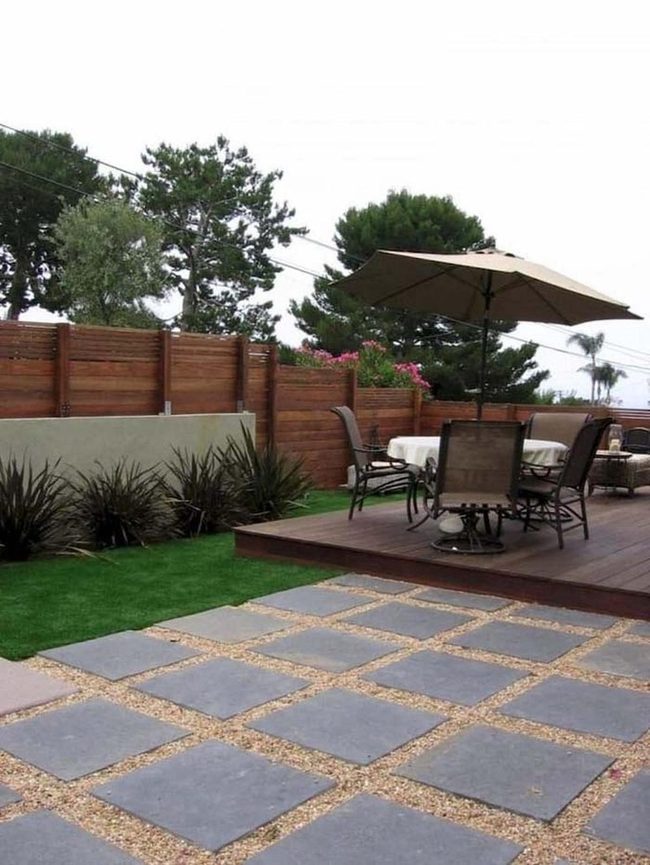
Raised floating deck makes a bold statement as it hovers above your garden, standing out sharply against the surrounding green lawn and paver paths below.
You get an immediate visual contrast that draws attention the moment you look at your yard, and this elevated platform smoothly connects different outdoor zones together.
Moving between your garden paths and open lawn becomes easier and more defined.
Such a deck gives you a practical way to organize distinct sections of your outdoor space without making them feel disconnected from each other.
Wooden Pallets Circle Flickering Fire
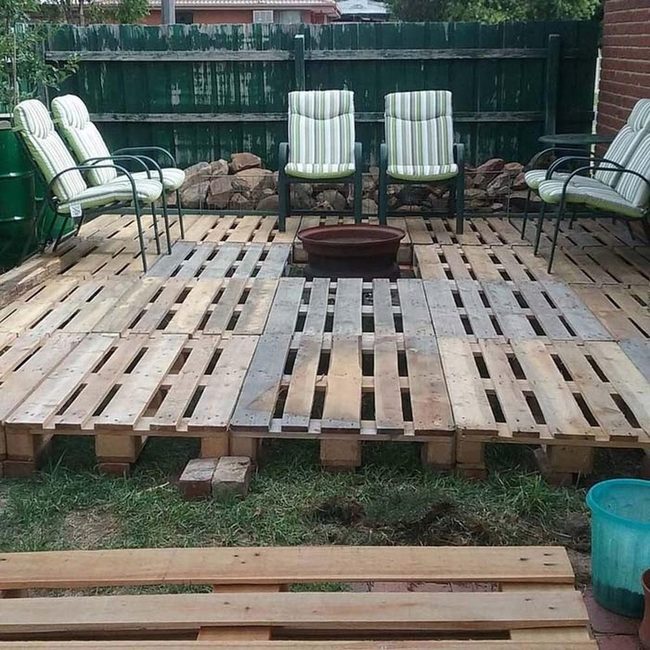
Building a pallet deck around a central fire pit gives you an affordable way to transform a modest backyard into a gathering space that actually works.
You stack wooden pallets to form the platform itself and leave an open area in the middle for the firepit to sit safely.
On cool evenings, you and your loved ones can huddle around the warmth while enjoying the night sky above.
The heat radiating outward keeps everyone comfortable during those chilly seasons.
It's straightforward enough that most people can handle the basic assembly without special skills.
Your backyard becomes a place where people naturally want to spend time together.
Black Floating Deck Platform
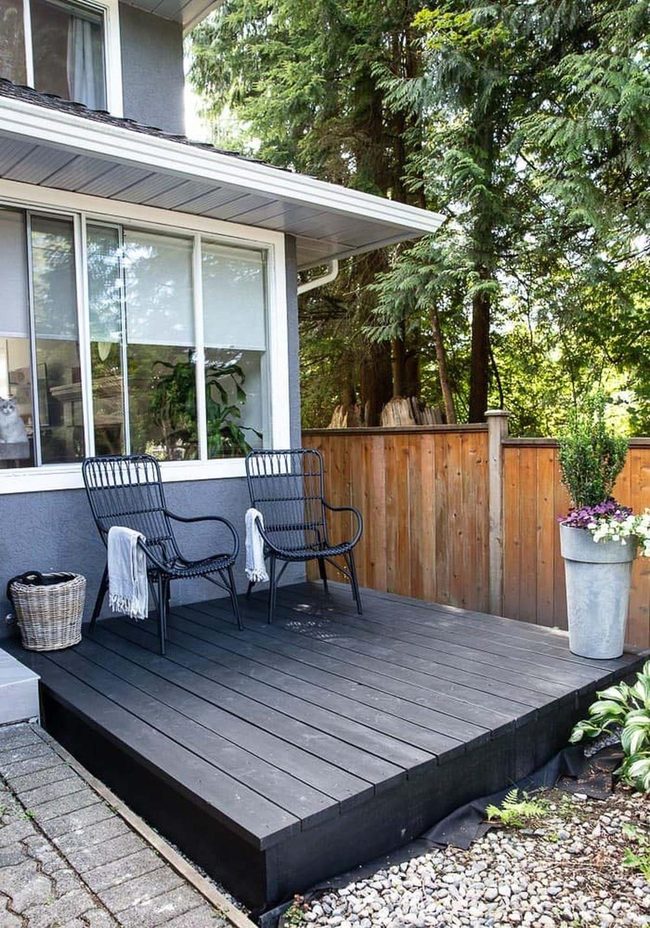
Building a small floating deck on your patio gives you extra room to move around and enjoy outdoor time, and the raised structure stands out against the flat patio surface below.
Pressure-treated wood beams lift the platform up and create that elevated sensation as you step onto it.
Black paint applied to the wood brings a modern edge to your backyard and makes the deck feel like a polished addition to your existing outdoor space.
Floating Deck Levels Sloped Yards
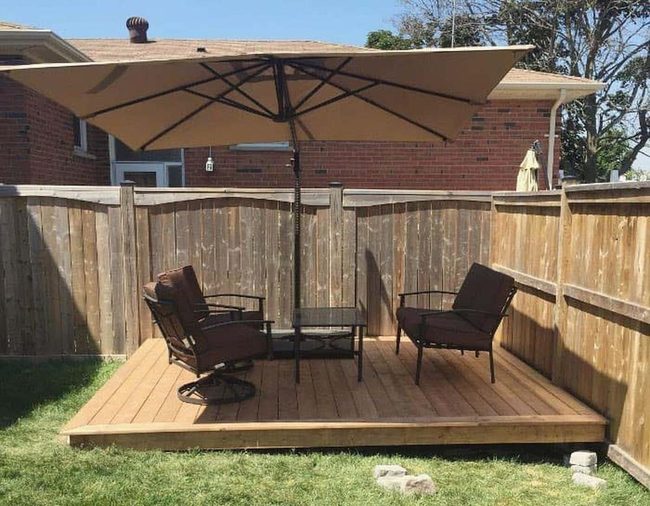
If your yard has bumpy or sloped ground, a small floating deck tucked into a corner works wonderfully to even things out.
Built-in support underneath handles all those height differences and keeps the surface perfectly level for sitting.
You can add an umbrella overhead and scatter some plants around to transform this simple setup into a relaxing retreat without breaking the bank.
Wooden Slat Backyard Retreat
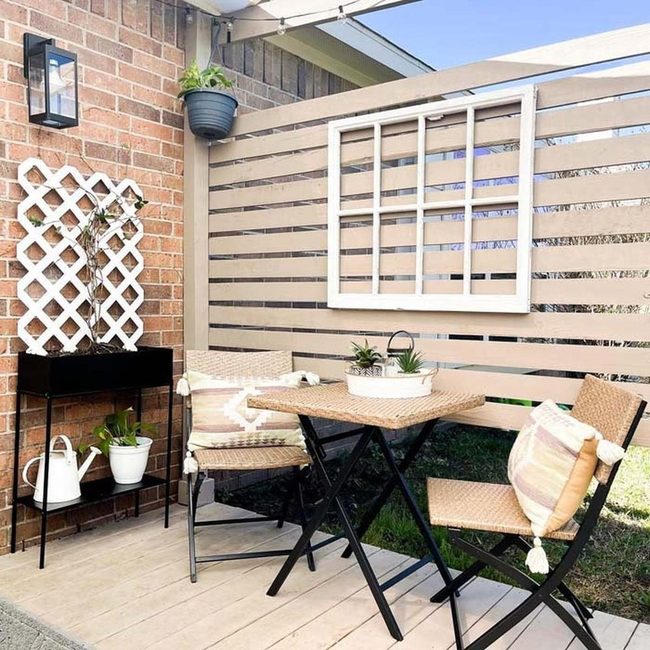
Floating deck nestled in your backyard corner offers an escape from daily life, and when you add a wooden slat privacy wall, the space transforms into a quiet spot where you can enjoy your morning coffee or unwind with a book in the evening.
Building this kind of retreat doesn't require much; just some basic materials and a little effort on your part.
A key detail is how the natural wood creates warmth and protection without blocking out all the light and air.
Consider positioning comfortable seating on the deck so you have a place to relax and take in your surroundings.
Keeping things simple means you won't clutter the space with too many accessories or complicated designs.
Fence-Adjacent Deck Expansion
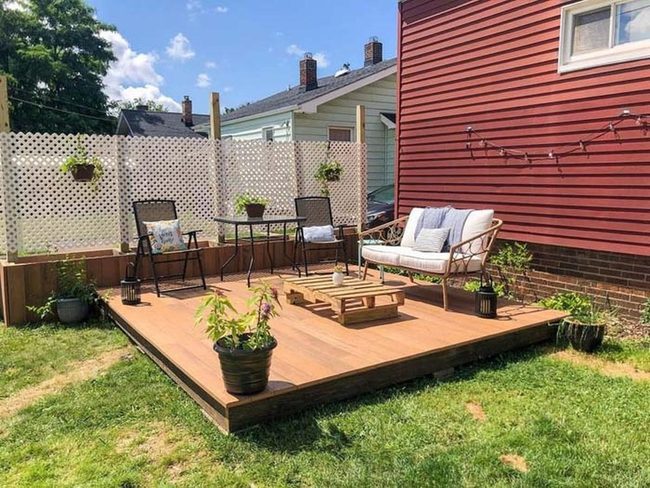
Floating a deck right next to your existing fence gives you instant privacy and transforms your outdoor space into something more usable and beautiful.
You get a natural barrier from the fence while gaining extra living area that feels like a natural extension of what you already have at home.
This approach saves you money because you're working with what's already there instead of building something from scratch.
Your fence becomes a protective shield and design element all together.
Building the deck against the fence means less construction hassle and expense compared to adding privacy walls or screens elsewhere.
It's a smart way to expand your backyard without a huge investment or complicated project.
Deck Wrapping Living Trees
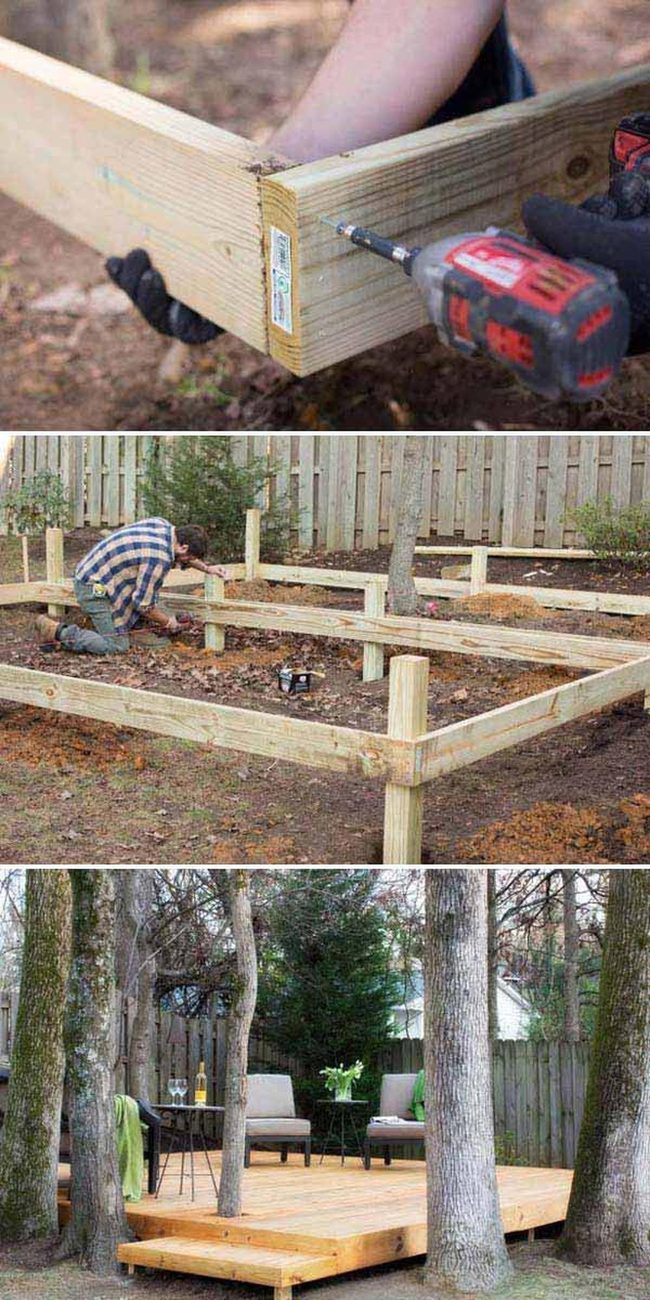
Existing trees in your yard don't need to be removed or worked around; building a floating deck that wraps around them turns them into a centerpiece and instant shade provider.
Designing your deck this way means you're working with what nature already gave you instead of against it.
Your backyard becomes a calm, sheltered spot where people naturally want to spend time.
The green canopy overhead filters sunlight and keeps the space cooler than exposed decks do.
Plus, protecting the trees shows respect for your landscape and often means less maintenance in the long run.
You end up with a retreat that feels grounded in nature and genuinely peaceful.
Spacious Floating Deck For Gatherings
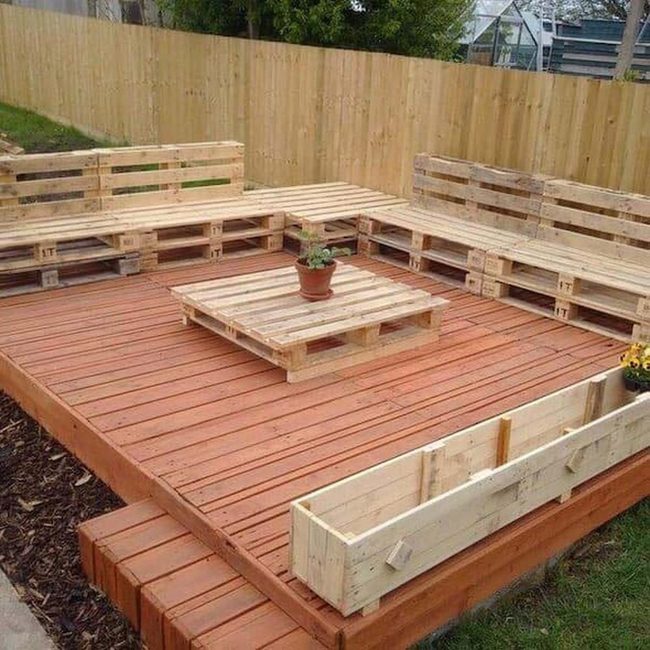
If you have a spacious backyard, a floating deck that extends across your yard gives you room for plenty of people and activities, making it ideal for hosting gatherings or just spending time outdoors with family and friends.
You can accommodate more guests without feeling cramped, and there's enough space to arrange furniture in a way that works for your lifestyle.
Building a larger deck also means you have flexibility in how you use the area, whether you want an open layout or separate sections for different purposes.
Your guests will have plenty of room to move around and feel comfortable.
It's a smart choice if you enjoy entertaining regularly or simply want more outdoor living space to enjoy with the people you care about.
Wooden Pallets Into Full Decking
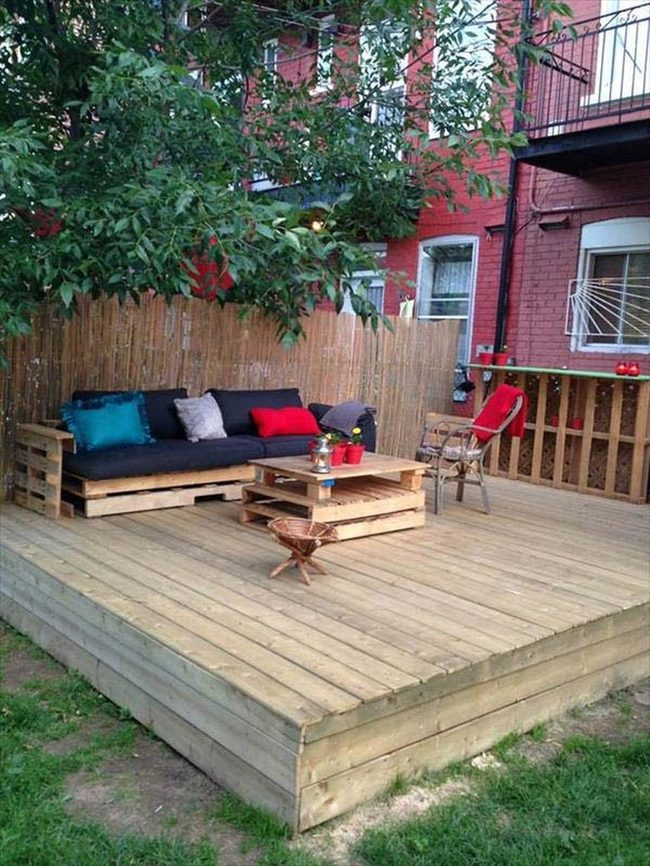
Pallets offer more than just a storage solution, and you can actually build a whole outdoor deck from them when they're in solid shape.
Strong enough to support foot traffic and comfortable seating, these wooden platforms become the foundation for creating an entire outdoor living area.
With some basic assembly, you can construct decking that looks intentional and professional while keeping costs low.
Even your seating can come directly from the same pallet materials, so everything matches and feels like one unified design.
Building your own outdoor space this way means you get exactly what you want without paying premium prices for store-bought furniture and flooring.
You end up with a functional, durable space that you built yourself and can modify anytime you need something different.
Elevated Entry Platform With Hidden Stairs
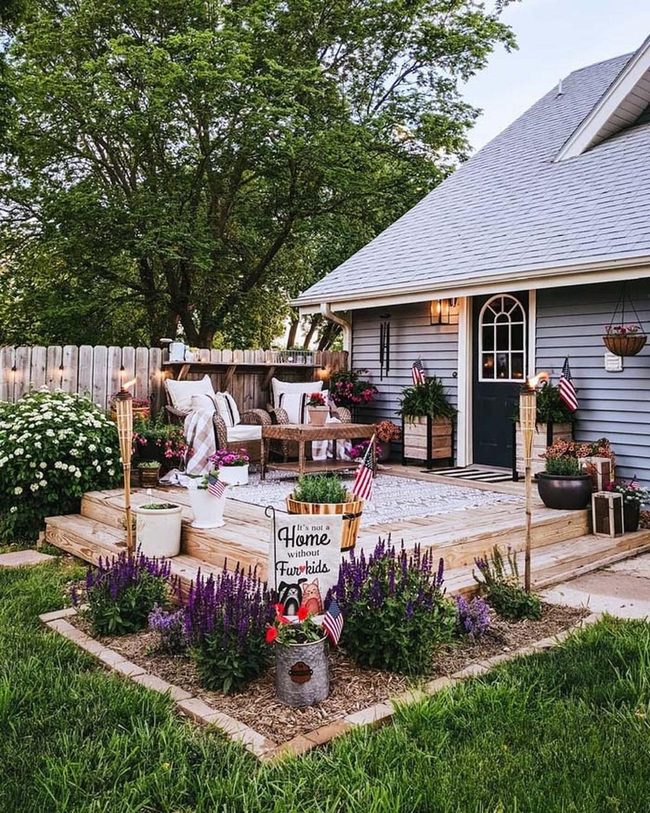
Build a floating deck that extends from your front porch and you'll have an elevated platform that connects directly to your home's entryway while concealing the stairs underneath.
This raised structure gives you a place to showcase outdoor decorations and plants that visitors see immediately when they approach.
You get the benefits of both function and style since the deck serves as a practical transition space and a display area for seasonal pieces or potted plants.
Such a setup makes your home feel more welcoming from the street and adds dimension to what might otherwise be a flat, plain entryway.
The height of the deck itself becomes part of the visual appeal, drawing attention upward and making your entrance feel more substantial.
Guests notice the thoughtfulness of having a dedicated outdoor space that's separate from regular stairs and landings.
You can arrange furniture, lighting, or garden features on this platform to reflect your personality and style.
Level Deck Without Digging
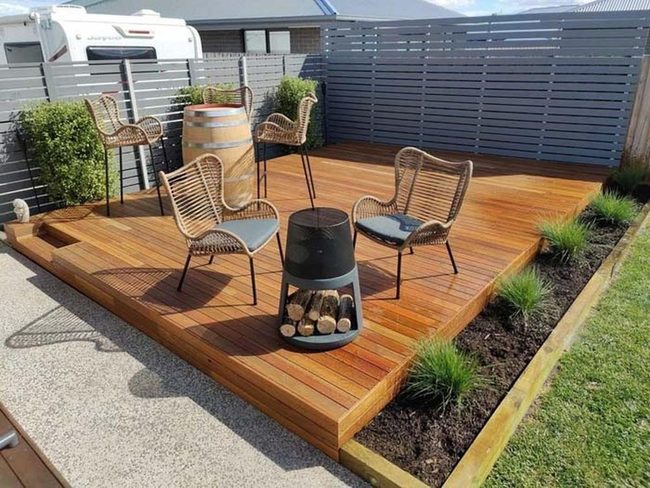
Floating decks built on special block systems like Tuff Blocks stand out as one of the smartest ways to add outdoor space to your home, and they're easier to install than you might think.
You can have these lightweight foundations in place without extensive digging or complicated footwork, which means your deck project moves forward fast.
Since the blocks adjust to uneven ground naturally, you get a level surface that stays stable regardless of your yard's terrain.
Building with this system gives you the flexibility to experiment with different layouts and materials without being locked into permanent construction methods.
Once your foundation sits properly, you have a solid base ready for any design direction you want to take.
Whether you're planning a simple platform or something more elaborate, these blocks handle the structural work so you can focus on the fun part of designing your outdoor space.
Floating Deck Over Gravel Garden
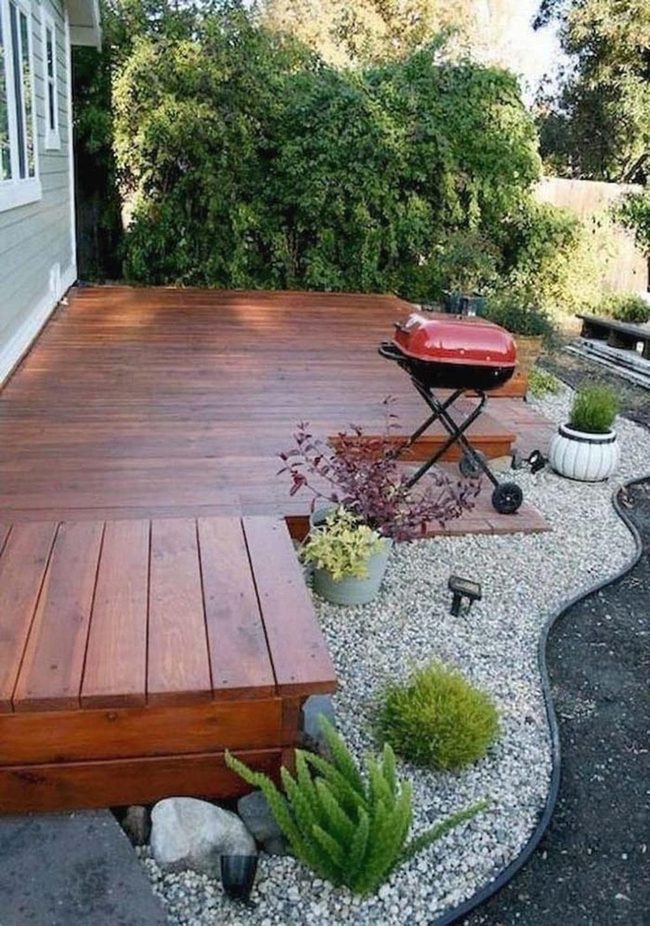
Build an outdoor nook with a floating deck that hovers over a gravel bed, and you'll have an ideal setup for grilling or relaxing with family.
Extending the gravel beyond the deck's edge and letting it flow into a rock garden filled with plants gives your backyard both practical function and natural appeal.
Gravel serves as excellent drainage while keeping maintenance simple compared to grass.
Rock gardens mixed with plants add visual interest and require less water than traditional landscaping.
Guests can enjoy the modern feel of the floating deck while the surrounding plants soften the hard edges.
Your whole yard gains dimension when you play with different ground levels and surfaces like this.
Simple but effective, this setup gives you a retreat space that balances form and function without fuss.
Puzzle Piece Outdoor Decking System
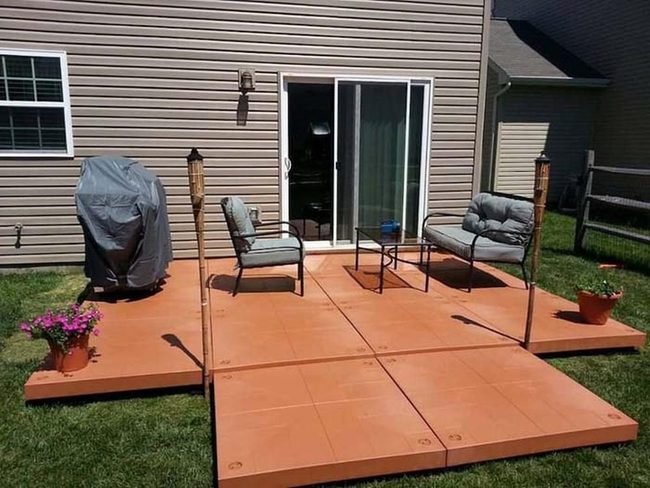
Modular decks snap together like puzzle pieces, so you can have a floating deck built in your backyard without the typical hassle of traditional construction.
Because each panel connects easily, the installation moves fast and doesn't require complicated tools or expertise.
You get flexibility too; these systems work for small patios or sprawling yards, adapting to whatever space you're working with.
The result is an outdoor area that feels put-together and functional.
Whether you want a simple platform or something larger, modular options let you decide exactly what works for your home.
The best part is that you can adjust the layout later if your needs change.
Weathered Wood Over Concrete
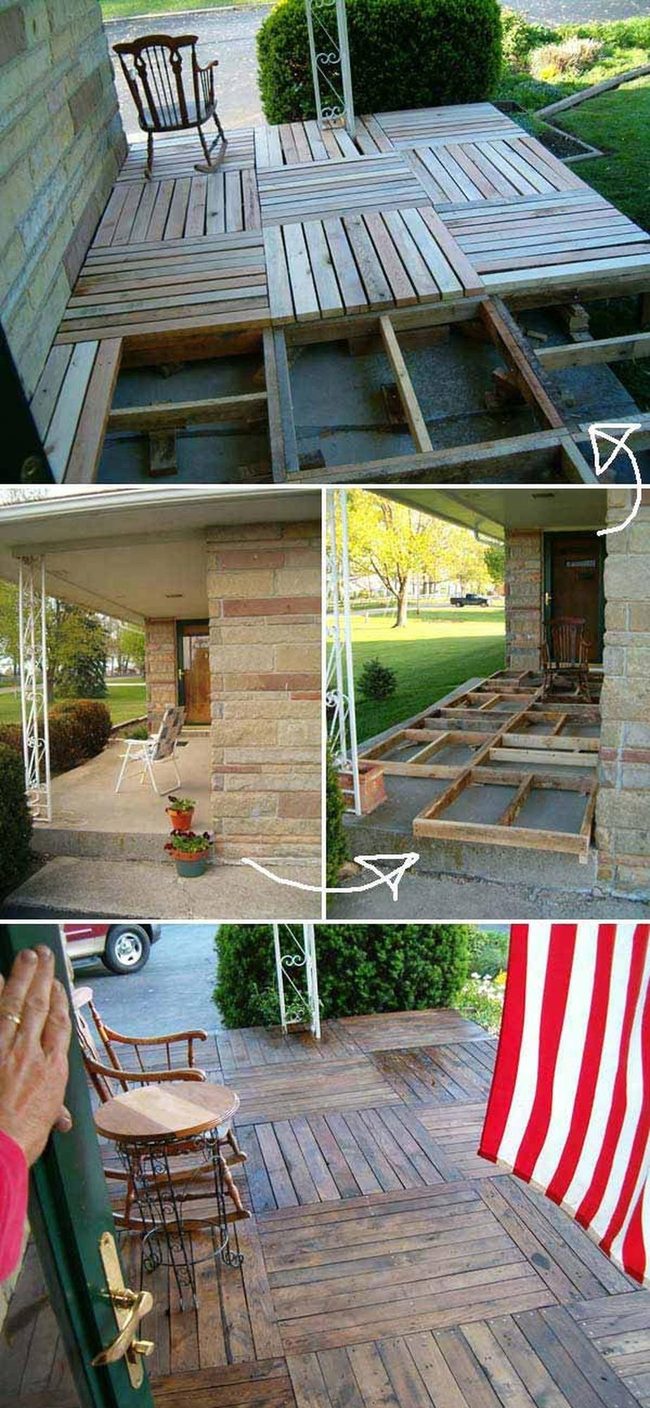
Laying wooden deck slats across your concrete patio brings immediate warmth and organic texture to an otherwise flat surface, and choosing reclaimed wood gives you that genuine rustic character that newer materials just can't match.
You don't need to tear out the concrete or hire contractors for a major overhaul since the floating deck sits right on top and does all the heavy lifting visually.
Aligning those weathered wood planks creates a refreshed look that makes your outdoor area feel more inviting and finished.
If you want to update your space without the hassle of construction, this method works beautifully and costs less than you'd expect.
Reclaimed wood also comes with its own history and patina, which adds depth that you can't replicate with factory-made materials.
Because the deck floats above the concrete, you can adjust it later or remove it if you want to change things around.
Ground-Level Deck Extends Living Space
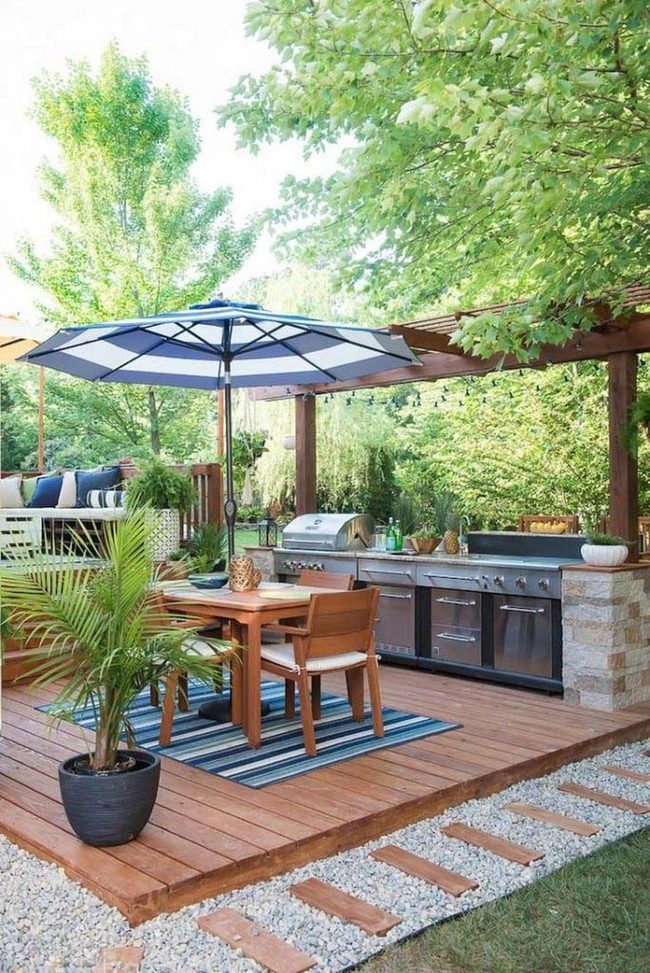
If you have plenty of outdoor space to work with, a floating deck built right on the ground offers you a practical way to expand your living area and host dinners or relaxed afternoons outside.
You can lay down gravel or another stable base to get started, and then arrange some furniture to define the zone and make it feel like a natural extension of your home.
People naturally gravitate toward these setups because they're easy to use and comfortable for spending time with others.
Positioning seating strategically helps guests feel welcome and encourages them to linger.
A few well-selected pieces of furniture can turn this area into somewhere everyone wants to hang out.
You don't need anything fancy or complicated to make it work well.
Getting the foundation right and keeping the layout simple ensures your outdoor space feels both functional and appealing.
Reclaimed Wood Deck With Living Plants
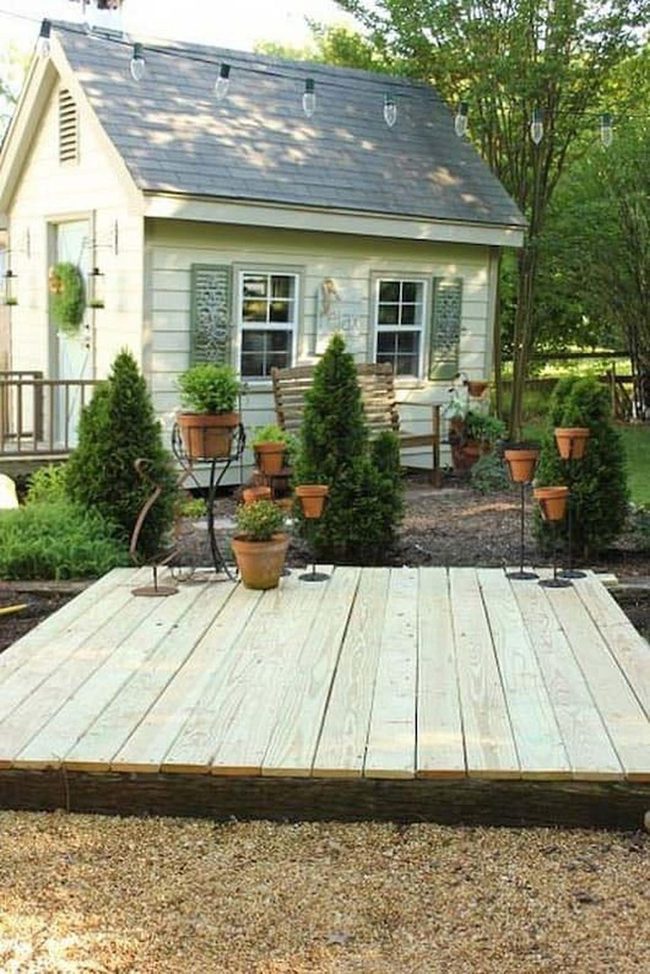
Reclaimed wood and railroad supports come together to build a floating deck that speaks to rustic style, and the blend of blonde wood with freestanding planters and clay pots gives you that warm, earthy feel that makes the space blend seamlessly with your garden surroundings.
Stone or gravel pathways wind through the planted areas and draw attention to the natural textures all around you.
Vintage-inspired seating and weathered accents complete the look and transport you back to simpler times.
Open railings keep sightlines clear so you can enjoy the landscape beyond the deck.
Plants in various sizes scattered across the space add life and movement to the design.
This setup works best when you let nature dominate the scene, keeping decorative elements minimal and grounded in natural materials.
For anyone seeking that quaint, time-worn atmosphere, this approach delivers without trying too hard.
Grey Modular Decks, Zero Hassle
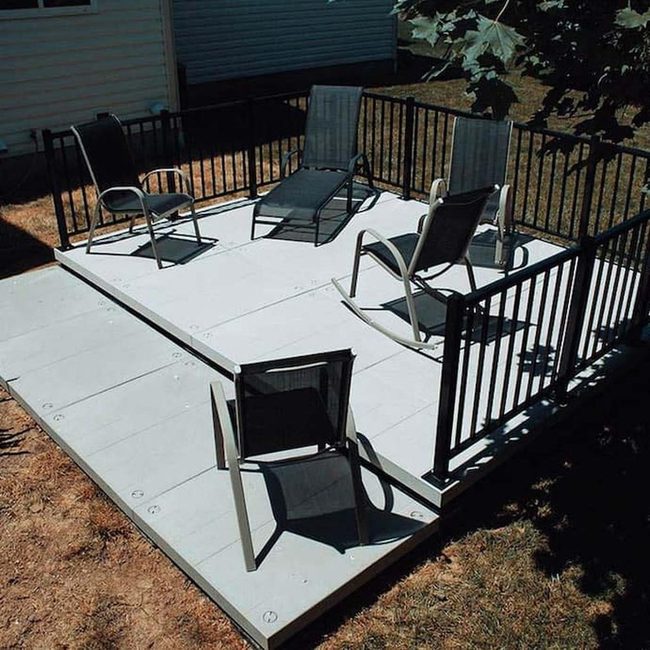
Prefabricated modular decks shine with bold color options and texture varieties that let you shape your outdoor space exactly how you want it.
Grey tones bring a clean, modern feel that pairs beautifully with contemporary yard designs and landscaping.
You can choose panels that look like concrete, giving you a fresh alternative to standard wood decking without the maintenance headaches.
Many people appreciate how these materials work across different seasons and weather conditions.
Installation becomes straightforward since the pieces lock together as a system.
You won't need special skills or extensive preparation to get started.
This flexibility means you can adjust your layout or expand your deck later if your needs change.
Wooden Pallet Geometric Deck
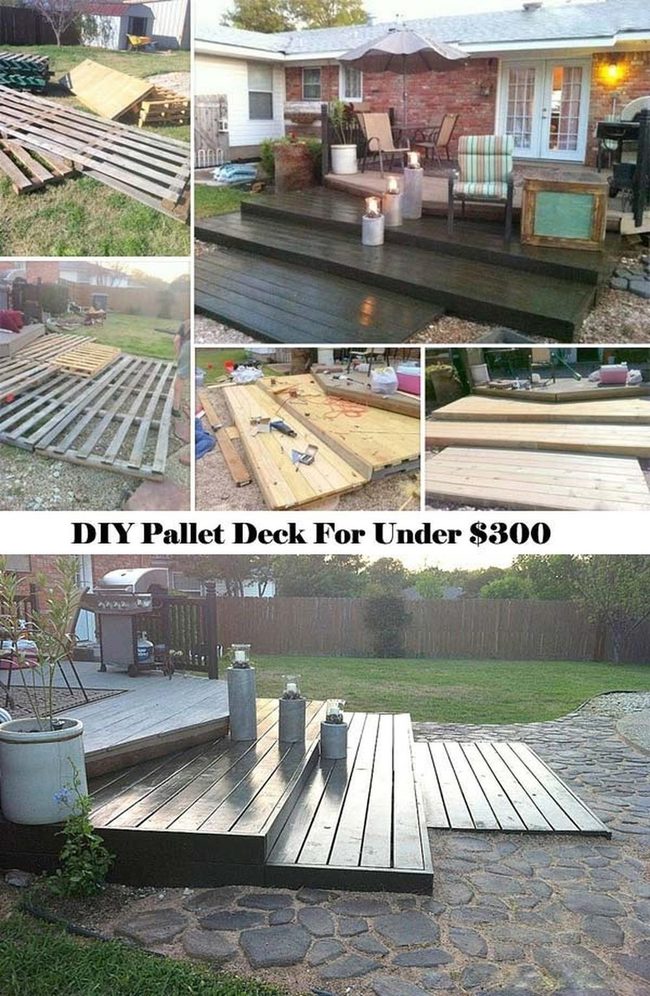
Pallet decks stand out as one of the smartest budget-friendly ways to enhance your outdoor space, and they look fantastic too.
You can take those wooden slats and arrange them into a cascading deck with geometric sections that feel modern and fresh.
Building with pallet wood keeps things simple and affordable while giving your yard real character.
The natural material suits any landscape setting and serves double duty as both a practical platform and a stylish addition.
Your yard gets an upgrade that feels polished and intentional without the hefty price tag of traditional decking options.
Floating Pallet Platform For Water
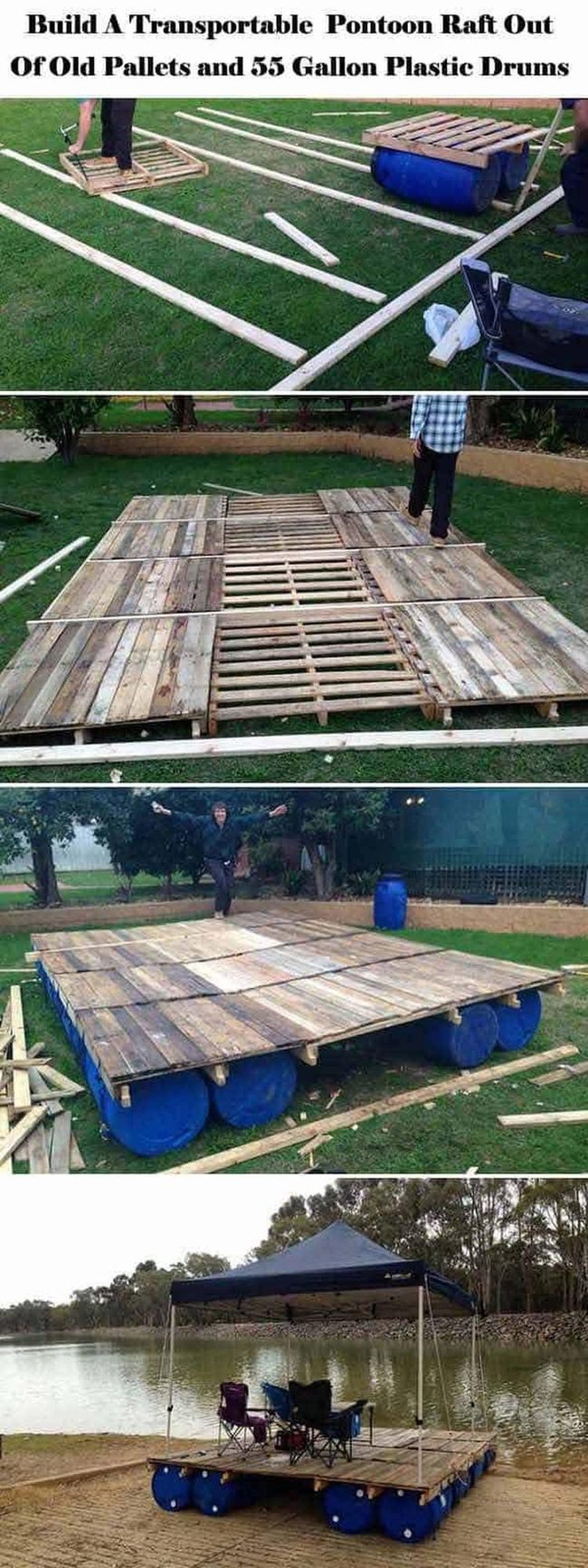
Floating deck made from pallets and plastic barrels opens up new possibilities for anyone who enjoys moving between locations and staying comfortable while exploring different landscapes.
You can set this portable platform down in various spots and actually have it float on water, making it perfect for camping trips or temporary outdoor stays.
Whether you're by a lake, river, or even in a shallow area, the buoyant barrels keep your platform stable and dry.
Building one yourself means you can customize the size and design to match your needs.
Most people find it refreshing to have a sturdy surface that travels with them instead of being tied to one location.
It's a straightforward way to add comfort and functionality to your outdoor adventures without the hassle of traditional setups.
Hexagonal Floating Deck Above Ground
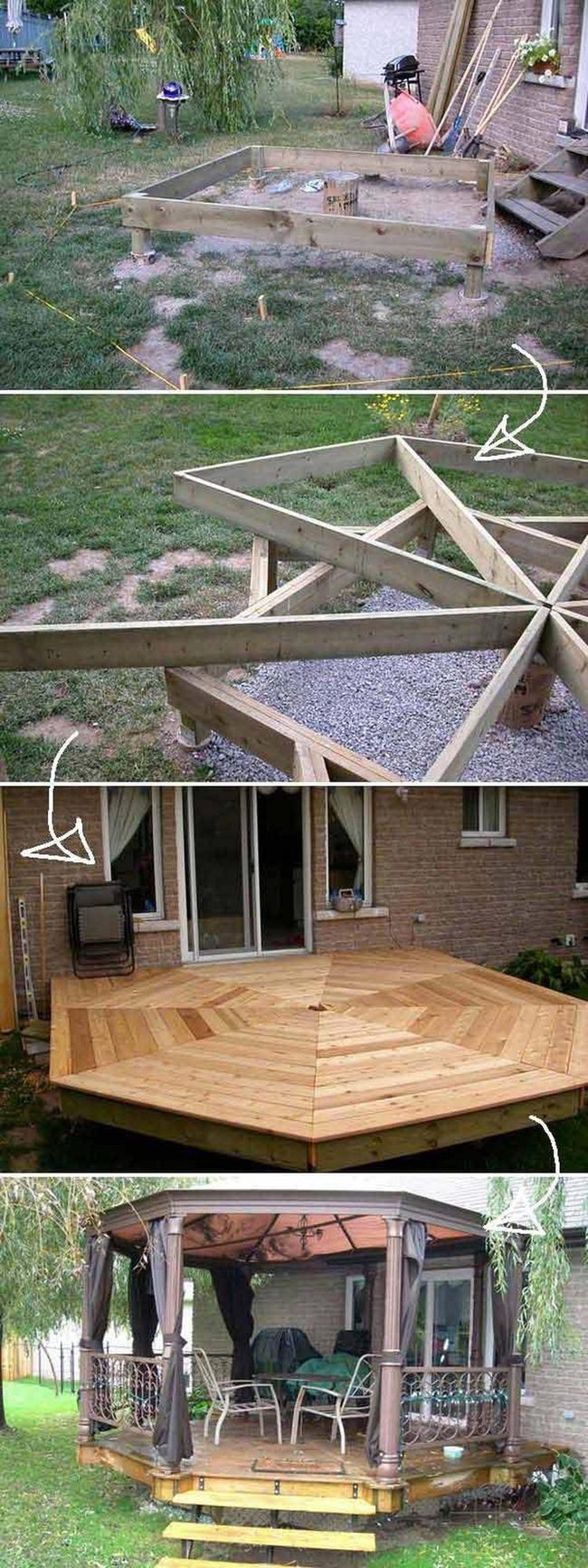
If you have stairs descending into your yard, a hexagonal floating deck built above ground level can be a smart way to use every inch of space you have.
You get both style and function in one structure, making it worth considering if you're looking to upgrade your backyard setup.
Suspended Wood Platform For Outdoor Living
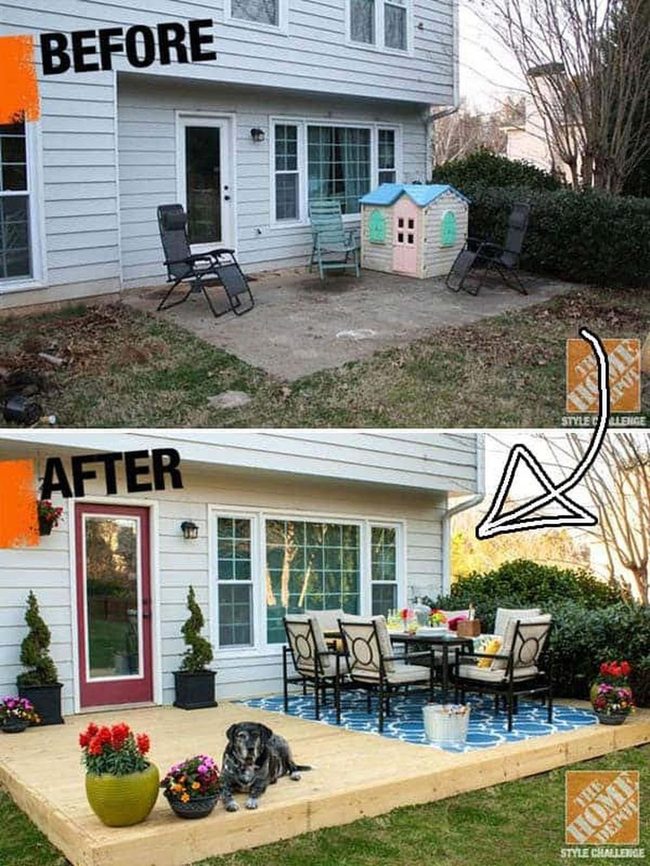
Floating deck behind your house makes a bold architectural statement that transforms your backyard into a truly functional outdoor room.
You can use this raised platform for dining, relaxing, or simply spending time outside under the open sky.
Wood planks form the foundation and give the structure a warm, natural appearance that bonds seamlessly with surrounding trees and plants.
Landscape features like native shrubs and stones around the base help the structure belong to its setting.
You might add simple railings for safety while maintaining clean lines.
Whether you're entertaining neighbors or spending quiet mornings there alone, this kind of outdoor space becomes one of the most-used areas of your home.
Tree-Wrapped Floating Deck Sanctuary
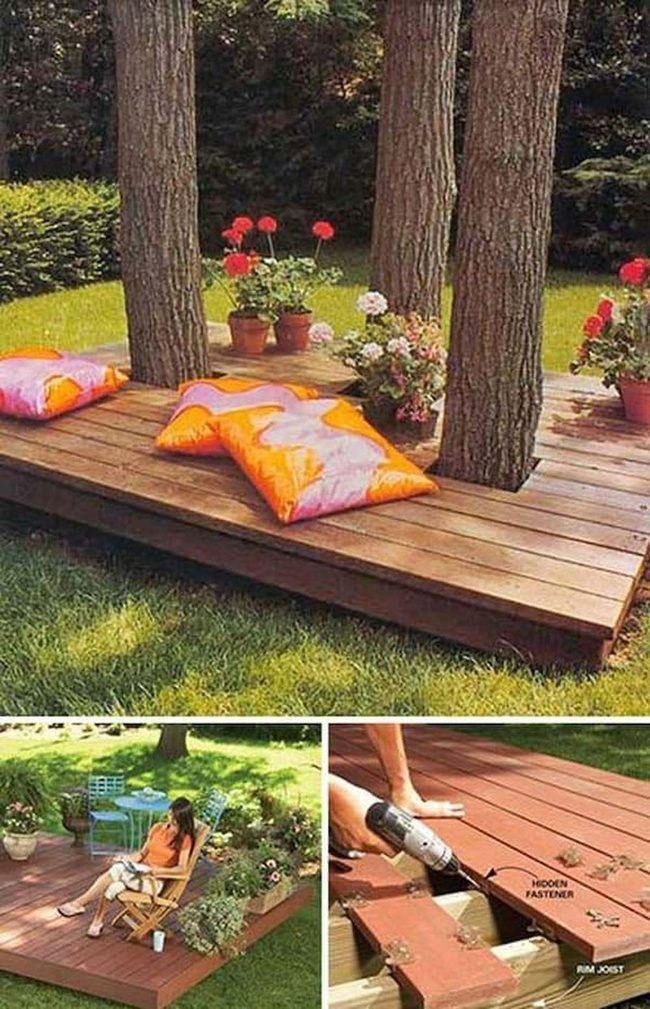
Building a floating deck that wraps around your garden trees gives you a shady reading spot or peaceful retreat that feels like your own private hideaway.
You'll want to construct the elevated platform so it sits comfortably around the tree trunks without restricting their growth over time.
Nature becomes the star of the show when you let the trees grow freely and handle most of the visual interest in this space.
Since the canopy overhead blocks direct sunlight, you get natural shade that keeps the area cool and comfortable throughout the day.
Sitting on your deck surrounded by living wood and rustling leaves offers a calm escape from the busy world around you.
Your garden transforms into something special when you respect the plants and build your relaxation spot around them rather than fighting against their natural needs.
Pallet Wood Firepit Platform
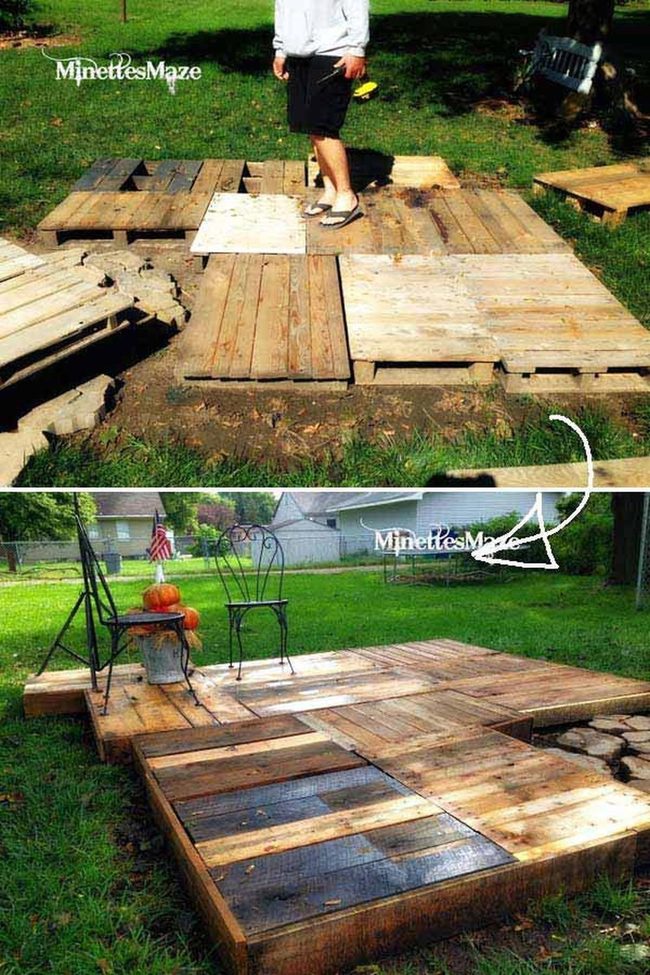
Old pallets stacked and secured together make an affordable floating deck that sits low to the ground near your firepit, and this simple setup gives you an outdoor gathering space without breaking the bank.
You can arrange the pallets tightly so they feel solid underfoot and add comfortable seating around them for a laid-back evening by the flames.
Building this kind of deck is fast and straightforward, so you could have your new outdoor area ready in just a few hours.
Pairing the rustic wood platform with cushioned chairs or benches makes the space feel welcoming and relaxed.
Everyone who sits out there will appreciate how accessible and casual the whole setup feels.
Weathered Wood Pallet Floating Deck
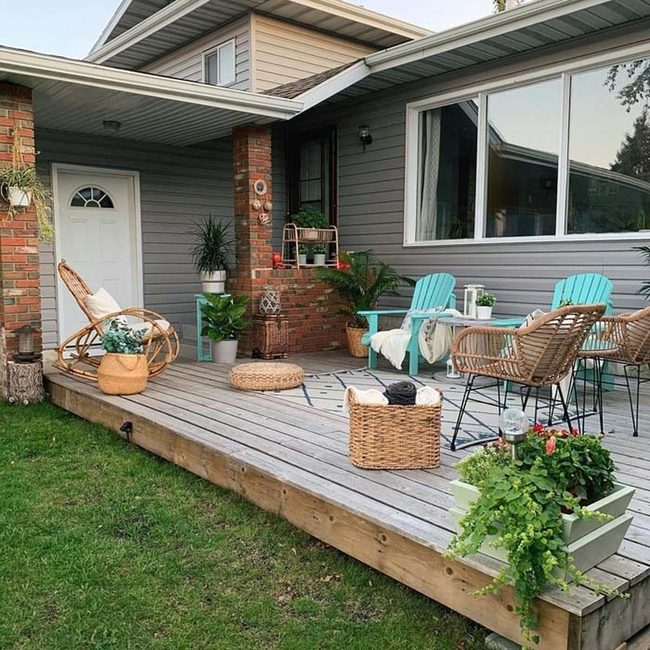
Rough wooden pallets stacked together form a floating deck that sits above the ground on sturdy cement feet, and this weathered material brings an earthy charm to any backyard.
Brick accents alongside the wood construction enhance the rustic appeal and give the space real character.
Because you're working with uneven terrain, those cement feet do important work by keeping everything level and safe without sacrificing the natural, lived-in look.
Once you add some basic seating or plants, this kind of setup becomes a relaxing spot where you can escape the house.
Building something like this yourself is totally doable and costs way less than a traditional deck.
Cinder Blocks For Budget Decks
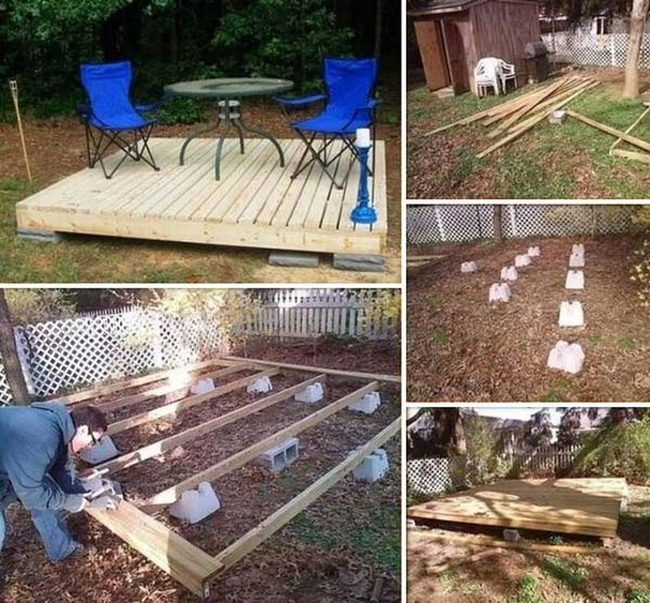
Cinder blocks serve as a sturdy and cost-effective foundation for floating decks, and their reliable strength makes them ideal for supporting wooden structures without requiring deep digging or complicated site preparation.
You get a stable base that holds up well over time while keeping your building costs down.
Most DIYers appreciate how straightforward it is to set cinder blocks in place and start constructing your deck on top.
If you're working with a limited budget, this approach lets you build a secure outdoor space without breaking the bank.
The blocks distribute weight evenly across the ground, which means your deck stays level and safe for years.
Many people find that using cinder blocks takes far less effort than traditional foundation methods, so you can move forward with your project faster.
Floating Wood Deck Modern Landscape
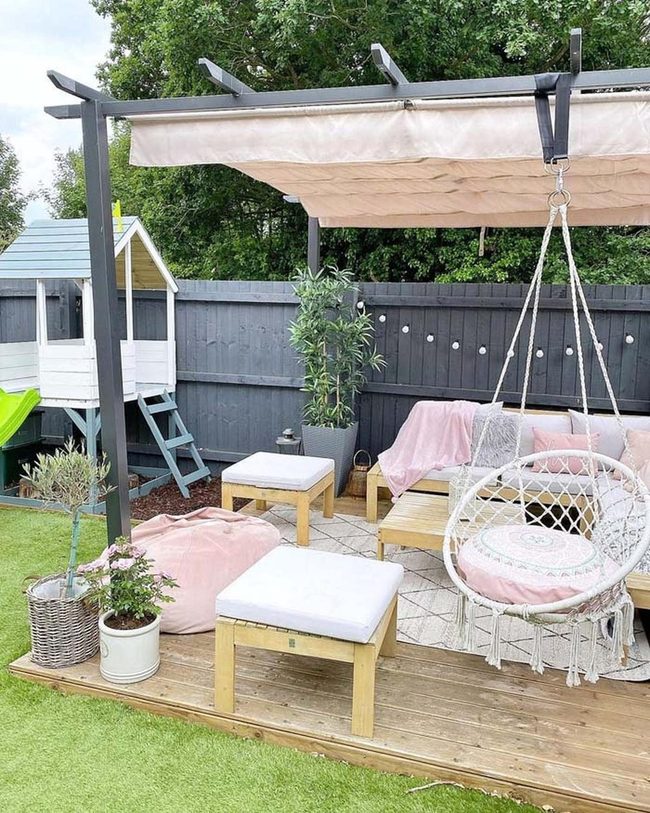
If you want a modern aesthetic, try building a deck that seems to rise straight from the earth.
Install the supports into gravel or the ground itself, and the whole structure will look like it's hovering above the surface.
Pairing this design with a pergola or contemporary outdoor furniture enhances the clean, streamlined effect.
You can keep the space uncluttered and let the floating deck become the standout feature.
Metal railings and simple lines will complement this style nicely.
Low-profile lighting along the deck edges adds another modern touch without overwhelming the design.
Ground-Level Wood Deck Blocks
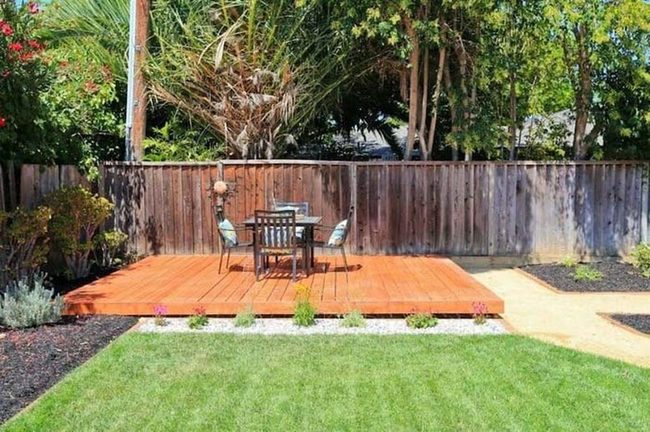
Building a floating deck without digging into your yard opens up a world of possibilities for outdoor living, and concrete blocks paired with wooden frames make this approach both simple and strong.
You get a sturdy structure that sits right on top of your ground, which means less work and faster results compared to traditional decks that require deep foundation holes.
DIYers love this method because it skips the complicated excavation phase and lets you install your deck in a weekend or two.
Setting up wooden frames on concrete blocks gives you the flexibility to adjust height and position before you finalize everything.
If you want to add outdoor space without heavy equipment or extensive preparation, this no-dig style delivers exactly what you need.
It works especially well if you're renting, dealing with difficult soil, or simply prefer a project that moves fast.
Smooth Concrete Geometric Decks
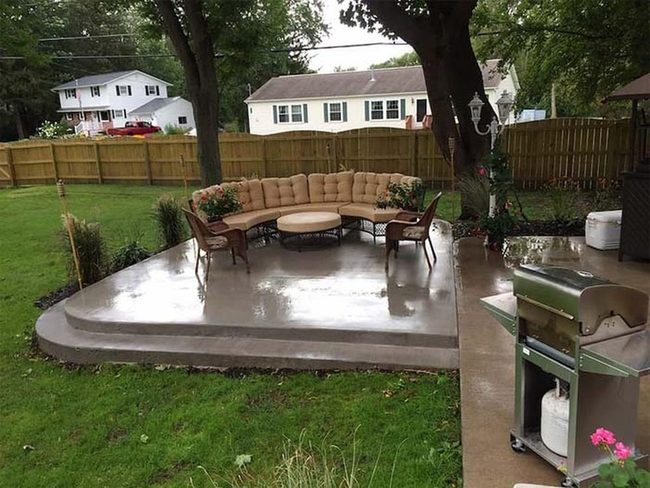
Concrete floating decks stand out with their bold, geometric appearance and smooth surfaces that look undeniably modern.
You can pour concrete into virtually any shape you want, so if you're tired of standard rectangular designs, this material lets you get creative with curves, angles, or custom layouts.
Yes, concrete costs more upfront than wood, but it pays you back through years of minimal upkeep and no need for staining or sealing.
Most people appreciate how sleek and polished a concrete surface feels underfoot, and it handles weather changes without warping or splintering.
Floating Deck With Living Wall
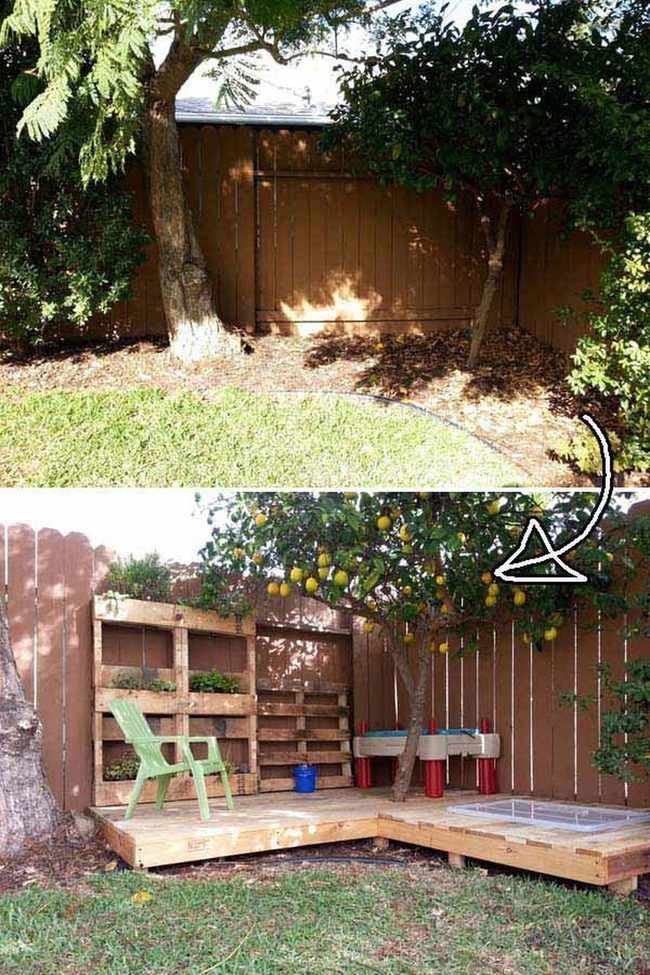
Built just above the ground and nestled into mulch, a floating deck offers one of the most striking transformations for any backyard space.
Sturdy posts anchored deep into the soil keep the entire structure stable and secure.
Along the fence line, vertical pallets filled with soil and plants become a living wall that bursts with color and greenery.
You get the benefit of easy maintenance since the mulch keeps weeds down and reduces watering needs.
Nothing requires constant upkeep, and the whole setup stays looking fresh season after season.
It's straightforward to build, affordable to install, and genuinely enhances what your garden can do.
This kind of design appeals to anyone who wants something charming without spending weekends on yard work.
Wooden Platform Meets Nature
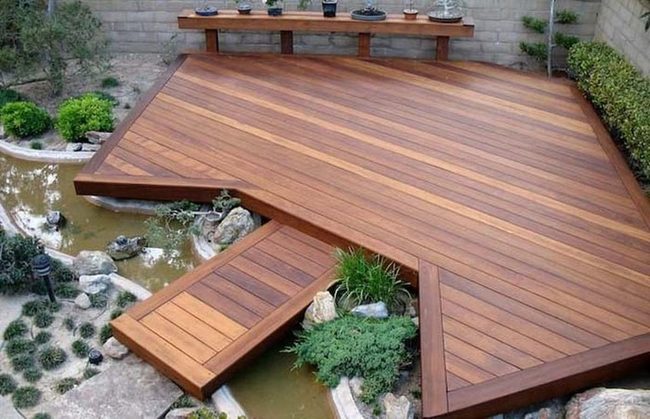
Position a floating deck near a pond, beneath towering trees, or alongside a fountain to merge your outdoor space with the natural world around you.
Wood planks harmonize beautifully with gardens and greenery, letting you enjoy fresh air and open sky from a grounded spot that feels both calm and connected to nature.
Sitting here, you can listen to water sounds, watch birds move through branches, and feel the gentle rhythm of your surroundings.
Building one isn't overly complicated; you need sturdy support posts, quality lumber, and basic construction knowledge or help from someone handy.
Once complete, the deck becomes your personal retreat where relaxation happens naturally without much effort.
Many people add simple seating like benches or cushions to enhance comfort without overwhelming the space.
Michael Harris
Senior Content Editor
Expertise
Home Décor Content Creation, Interior Design Journalism, Editorial Oversight, Digital Media Strategy, Team Leadership and Mentorship
Education
University of Queensland, Brisbane, Australia
Queensland University of Technology (QUT), Brisbane, Australia
Michael Harris is the senior content editor at Archi Refresh, where he turns home design trends into engaging, easy-to-follow articles. With a journalism degree from the University of Queensland and a digital communication certification from QUT, he knows how to craft content that informs and inspires.
With over 10 years of experience in lifestyle and design media, Michael has shaped editorial strategies, mentored writers, and helped readers refresh their spaces with practical tips. His work blends storytelling with expert advice, making home decor more accessible to everyone.
Outside of work, Michael enjoys DIY projects, exploring Brisbane’s art scene, and teaching digital literacy workshops.