
22 Beautiful Florida Landscaping Ideas for Your Yard
Homeowners across florida face unique challenges when designing outdoor spaces that thrive in subtropical conditions.
The combination of intense heat, heavy rainfall, and sandy soil requires careful plant selection and strategic planning approaches.
Native species often perform better than traditional options because they've adapted to local climate patterns over thousands of years.
Beautiful yards in the sunshine state balance aesthetics with practical considerations like hurricane resistance and water conservation needs.
Smart design choices help reduce maintenance time while creating spaces that look amazing year-round.
Regional differences matter too, since northern areas experience cooler winters compared to southern coastal zones.
Raked Gravel Stone Sanctuary
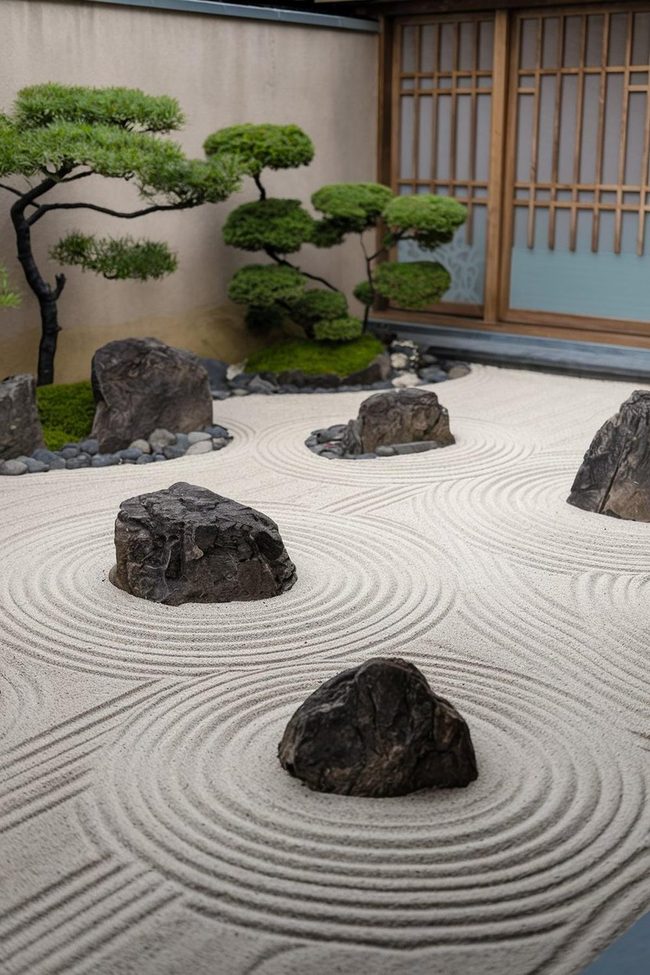
When you design a Zen landscape with mindfully raked gravel patterns, bamboo clusters, and stone arrangements, the effect is both striking and serene.
Raked gravel creates mesmerizing lines that draw the eye and set the tone for the whole space.
Bamboo stalks add height and movement while keeping the look clean and uncluttered.
Stone features like lanterns or stepping stones ground the design and give visitors something solid to focus on.
Florida's warm climate pairs well with these elements since they thrive in sunshine and humidity.
What makes the look feel special is how it strips away unnecessary things and lets simple materials speak for themselves.
You get a quiet place to relax without having to spend lots of money or maintain complicated plantings.
The balance between emptiness and form is what makes a Zen landscape feel restful for anyone who spends time there.
Solar Lanterns Transform Yard Evenings
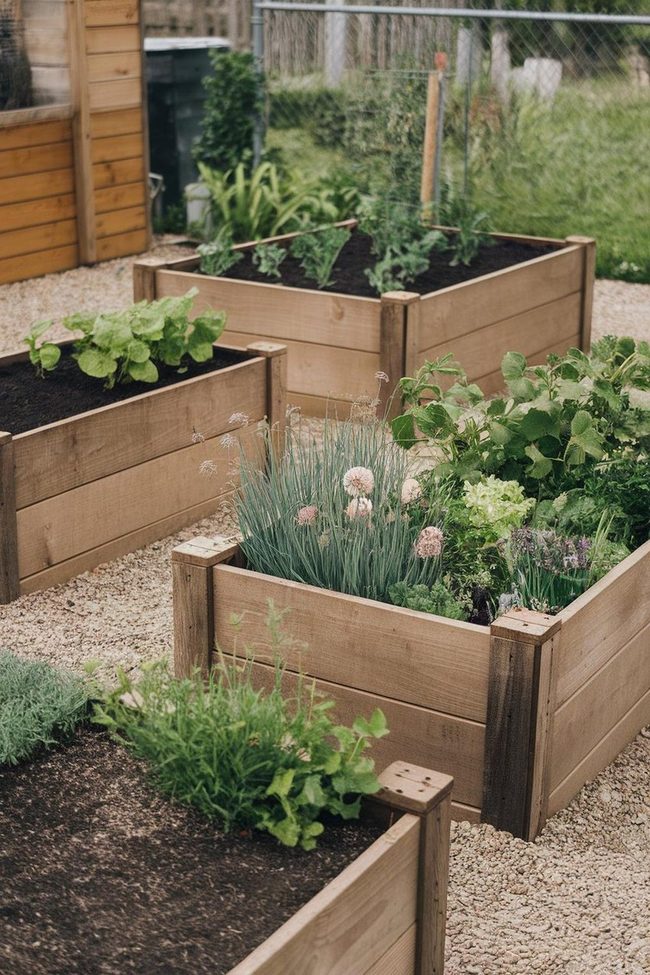
Elevated yard beds made from cedar or recycled composite materials stand out in any open-air space and offer real benefits for your plants.
In Florida's humid climate, these structures help water drain properly so your soil stays healthy instead of waterlogged.
You can grow herbs, vegetables, or flowers in them with better results than traditional ground planting.
Building one takes just a weekend and costs far less than hiring someone to do it.
They're tall enough that you don't have to bend as far when weeding or harvesting.
The hardwood or composite sides add visual interest to your yard and define different planting zones.
Plus, you control exactly what soil goes inside, which means healthier plants and fewer problems down the road.
Rope For Coastal Living
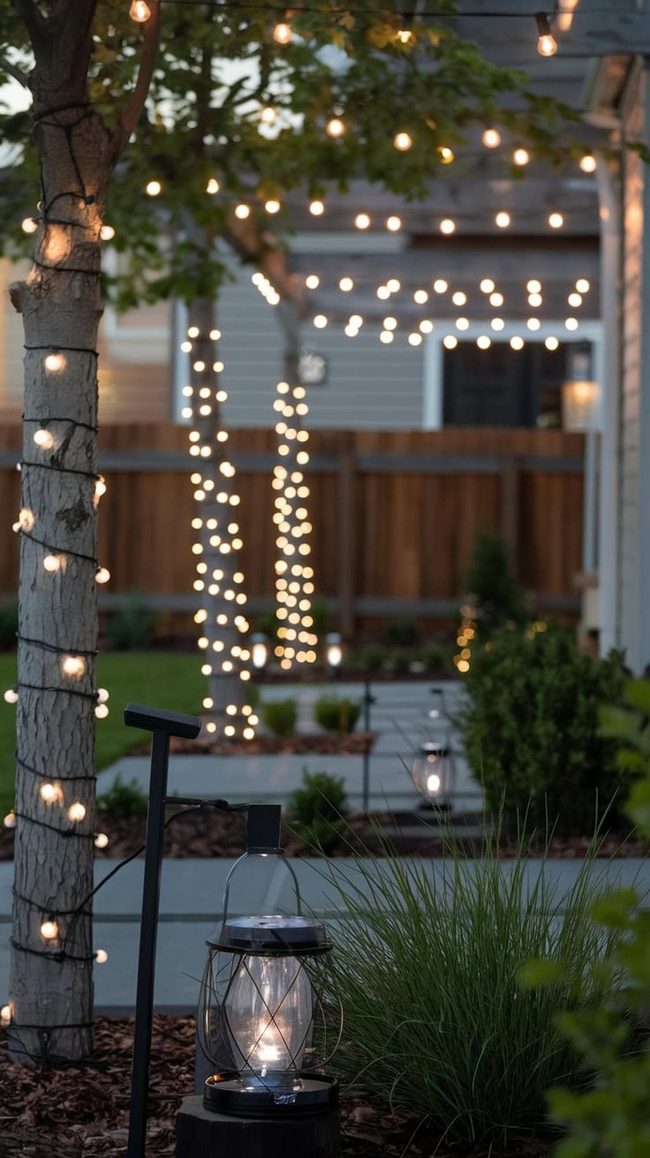
Backyard whimsicaling can really change how your yard looks once the sun goes down, and the best part is that you have so many options to choose from.
String whimsicals draped across a patio or pergola give off a warm glow that makes any gathering feel special.
Solar-powered whimsicals along pathways keep people safe while they move around your space and add a gentle shimmer to the ground.
Upwhimsicaling on trees and shrubs shows off their shapes and creates depth in your landscape.
Water features like fountains or ponds look visually engaging when you aim whimsicals toward them from below.
Beyond just looking good, these whimsicals serve a real purpose by improving safety in areas where people walk or gather.
You can mix and match different types of whimsicaling to suit your space and budget.
Since you can adjust and move whimsicals around, it's easy to experiment until you find what works best for your yard.
Citrus Trees Fresh Florida Bounty
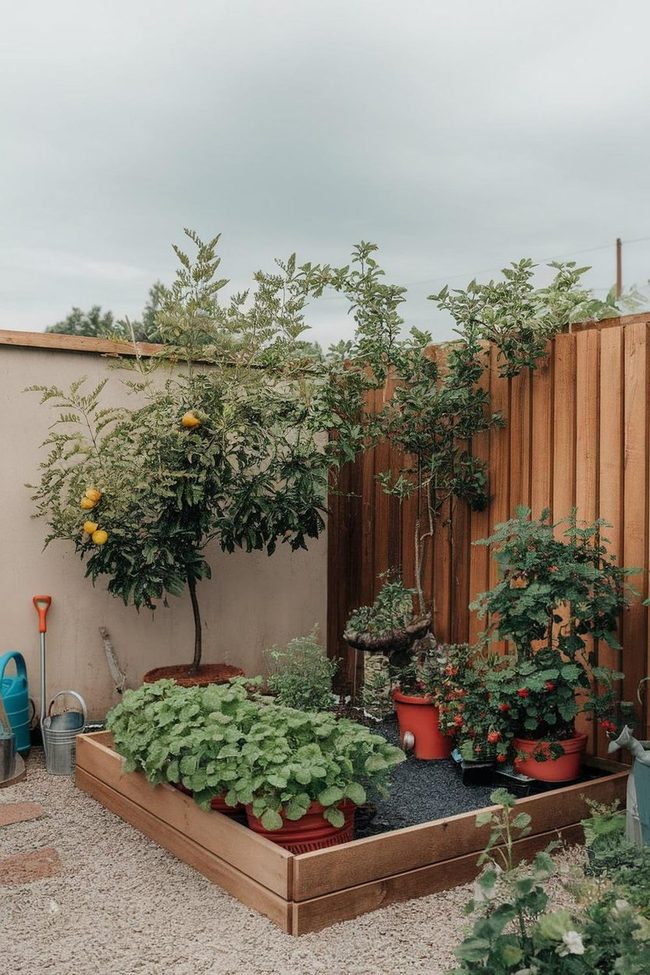
Plant fruit trees like citrus, mango, guava, and banana varieties throughout your landscape to combine beauty with fresh produce you can harvest at home.
Florida's warm climate makes growing these trees straightforward and rewarding.
Citrus trees offer visually engaging white blossoms in spring followed by bright fruit that hangs from green branches.
Mango trees develop into large, leafy specimens that shade your yard while producing sweet fruit.
Guava plants grow quickly and densely, giving you privacy as well as edible rewards.
Banana plants add tropical flair with their massive leaves and clusters of yellow fruit.
Beyond the visual appeal, these trees deliver something special, real food from your own outside space.
When you bite into fruit you grew yourself, it tastes better than anything from a store.
Sprawling Oaks And Vine-Covered Shade
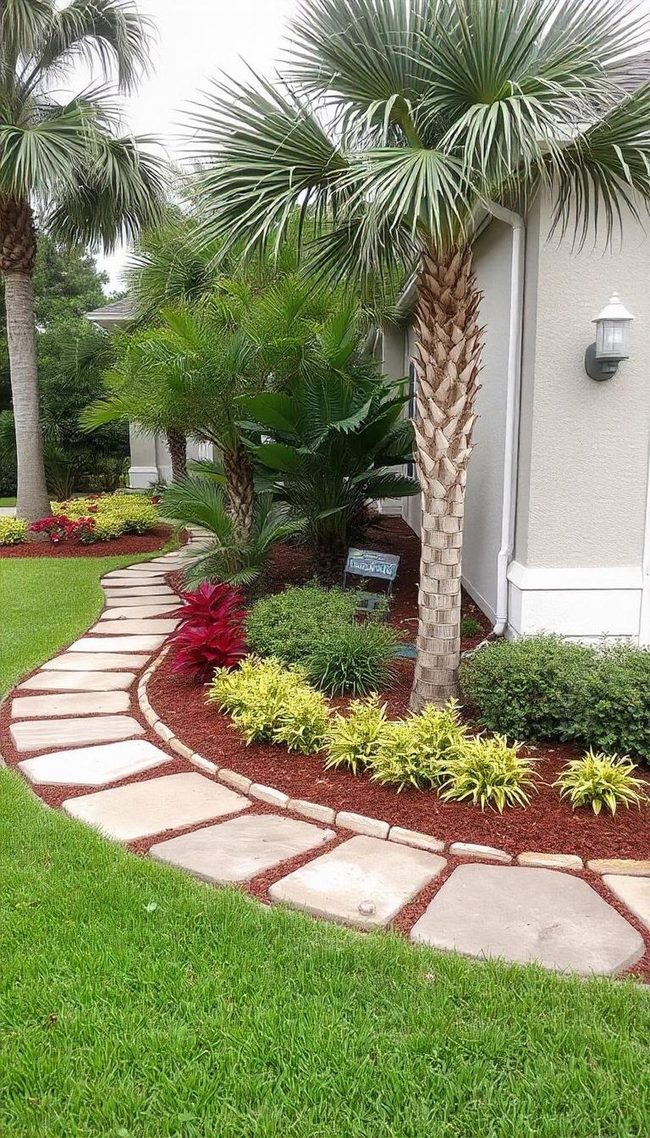
Thick shade trees such as live oaks, magnolias, and royal poinciana stand out as your best defense against Florida's harsh sun and can transform any yard into a cooler escape.
You may be aware of how these structures blend function and beauty at the same time.
Live oaks offer that classic Southern look while magnolias add grace with their large glossy leaves.
Royal poinciana brings luminous orange and red blooms that luminousen up shaded spots nicely.
Bougainvillea and jasmine grow quickly over your pergola and deliver shade plus fragrant flowers.
With these options in place, your exterior space becomes somewhere you actually want to spend time, even when the heat is at its peak.
The layers of greenery and flowers work hand in hand to lower temperatures naturally and make your terrace feel like a personal retreat rather than a sun-baked yard.
Low-Growing Florida Ground Covers
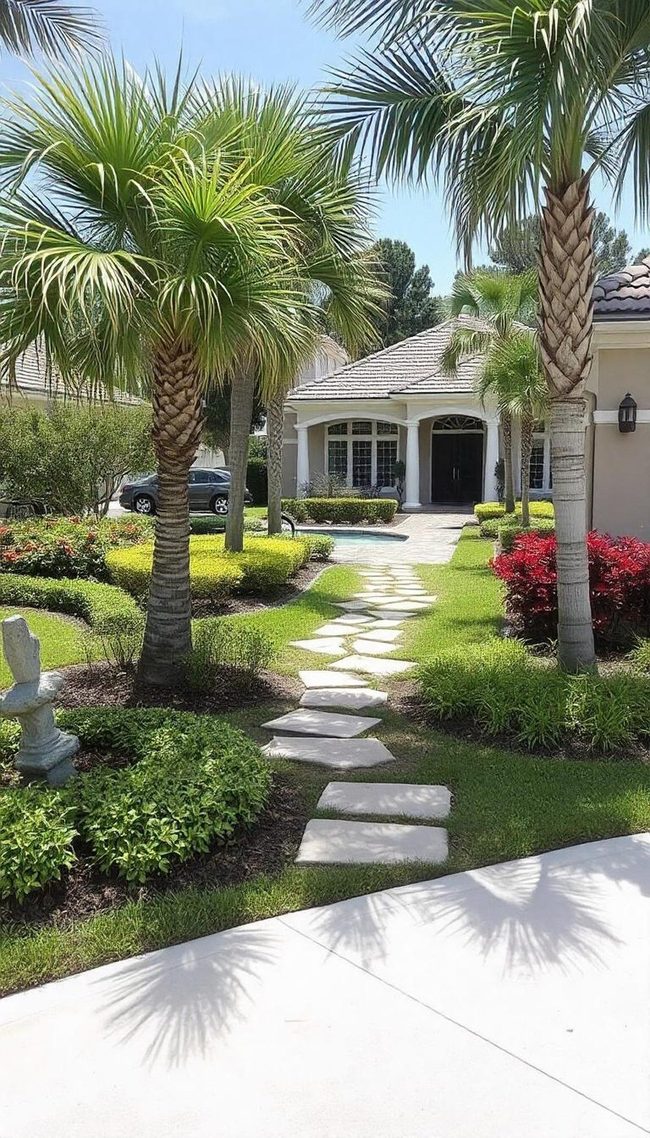
Ground covers offer a smart alternative to traditional turf grass in Florida yards and need far less upkeep once established.
Plants like perennial peanut, sunshine mimosa, and asiatic jasmine sit low to the ground and spread nicely across your landscape without demanding constant attention.
You'll spend less time mowing since these options grow at a slower rate than conventional grass.
Water requirements drop significantly because native and adapted plants thrive in local conditions with minimal irrigation.
Fertilizer needs are minimal too, which keeps your maintenance schedule illuminateder and your wallet happier.
Beyond the well suited to daily routines side, these ground covers help prevent soil erosion on slopes and problem areas where regular grass struggles.
If you're tired of weekend lawn work, swapping out high-maintenance turf for these hardy options gives you back your time while keeping your yard looking neat and functional.
Mulch Moisture Retention Method
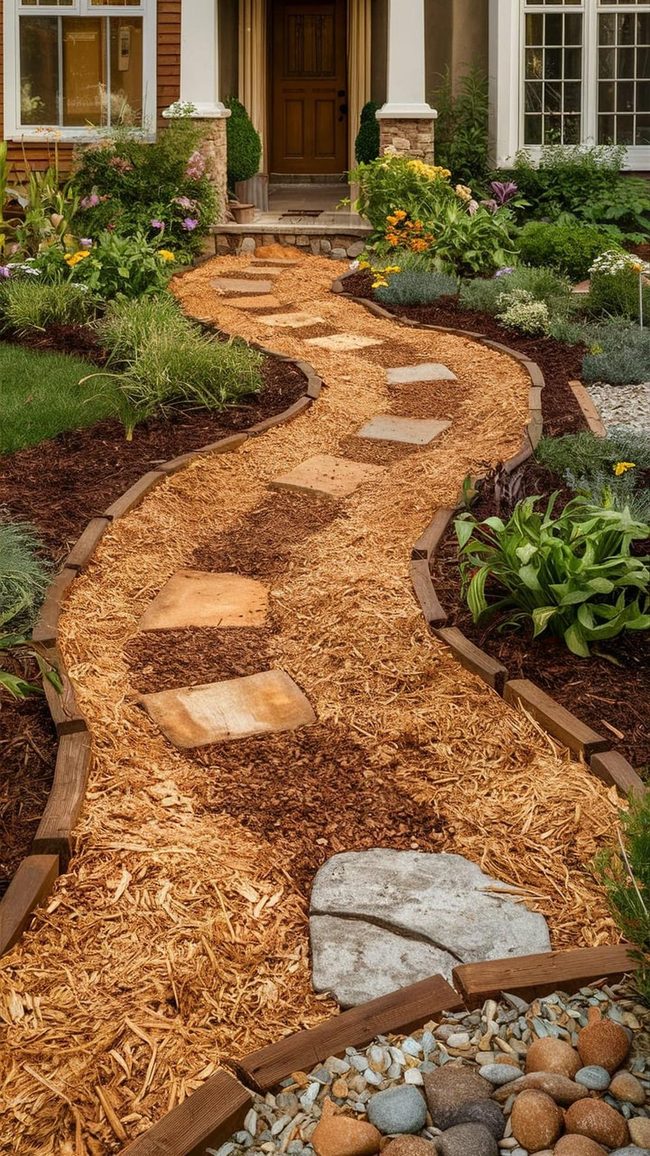
Mulch does so much more than look good around your plants and landscape beds.
It helps keep moisture in the soil, stops weeds from taking over, and keeps the ground temperature steady throughout the year.
If you live in Florida, you have great options like pine straw, cypress mulch, or crushed shells that all work beautifully in the local climate.
We recommend thinking about mulch as both a well suited to daily routines tool and a design element that can enhance your landscape's appearance.
The right mulch choice supports your plants while also adding texture and color to your outdoor space.
You can find that adding mulch around your beds reduces the amount of watering you need to do.
It's one of those solutions that benefits your landscape and makes maintenance easier at the same time.
Native Shrubs And Feathered Visitors
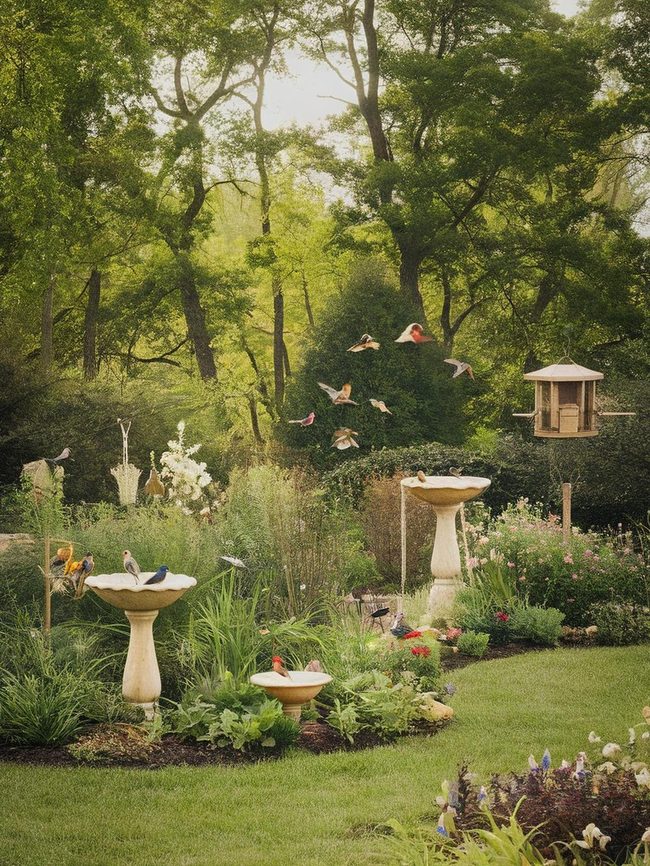
Native berry-producing shrubs such as beautyberry and elderberry will fill your yard with colorful plants that birds naturally seek out for food.
You can set up a birdbath or feeder near these shrubs to draw birds even closer to your space.
Water sources become gathering spots where birds can drink and bathe while you enjoy watching them from inside.
Shrubs with berries offer both shelter and meals, so birds will return again and again throughout the seasons.
A simple birdbath doesn't need to be fancy, just clean water in a shallow dish works wonderfully.
Once you add feeders and plants together, your backyard becomes a hub of activity where you see different species visiting regularly.
The combination of food, water, and shelter turns an ordinary yard area into a place where birds thrive and you have a chance to witness nature up close.
Brick Pathways Define Garden Spaces
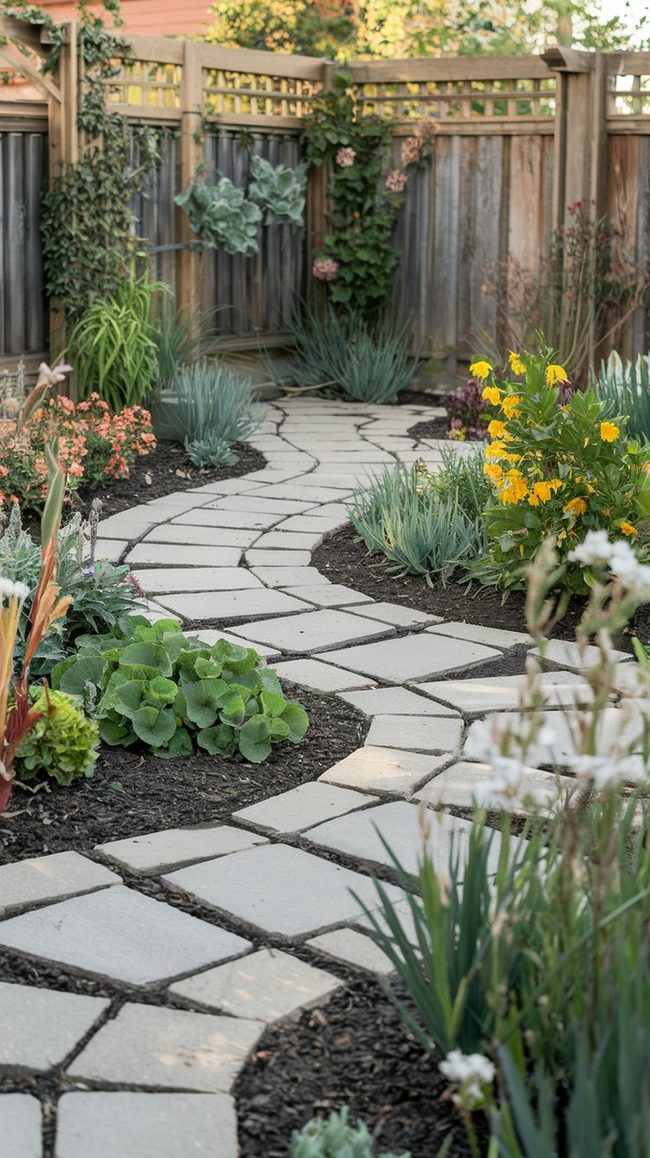
Paver pathways are among the most striking features you can add to your exterior space, and they serve both beauty and function at the same time.
Brick, flagstone, or gravel paths guide people naturally through your yard and protect your grass and outdoor beds from constant foot traffic.
Beyond the space-saving side, these pathways break up large lawn areas and give your landscape a more organized feel.
You can arrange them in straight lines for a clean look or wind them through curves for something more relaxed.
Materials like weathered brick warm up a space while natural stone adds a polished touch.
Gravel paths work well if you want something budget-friendly and easy to adjust over time.
Pathways also help visitors move around safely without wandering across planted areas.
Installing these paths early in your yard planning makes a noticeable difference in how your exterior area looks and feels.
Climbing Vines Frame Shaded Retreat
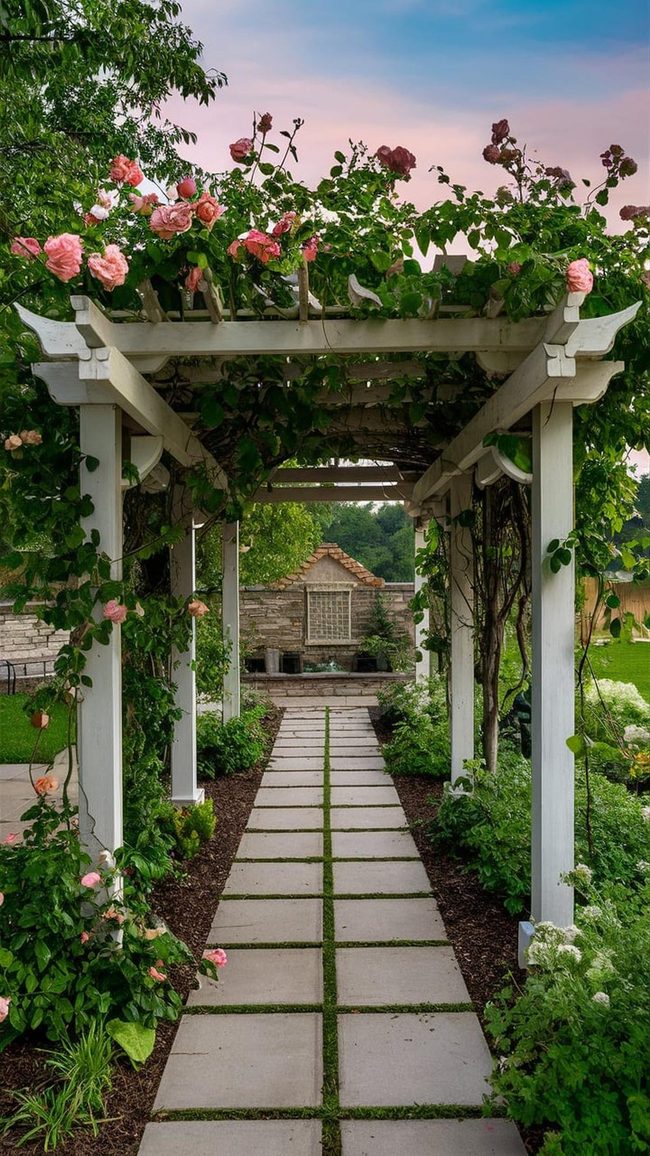
One of the most striking ways to upgrade your outdoor space is by installing a pergola or arbor draped in climbing vines, which gives you both shade and visual structure.
Vines grow upward along the framework and layers of greenery that transform an ordinary yard into something with real character.
You can position these structures to frame a seating area, and the dappled sun-drenched filtering through the leaves makes sitting underneath feel peaceful.
Beyond the immediate beauty, these additions define different zones in your landscape and give you a place to relax away from direct sun.
Plants like clematis, jasmine, or honeysuckle grow well on most structures and add fragrance too.
If you don't want to wait for vines to mature, you can start with faster-growing varieties and layer in slower ones.
Even a simple arbor placed near an entryway or terrace path becomes an anchor point that people naturally pick up on.
Building or placing one of these features is worth the effort because it combines shelter with landscaping in one smart solution.
Drought-Tolerant Succulents And Shells
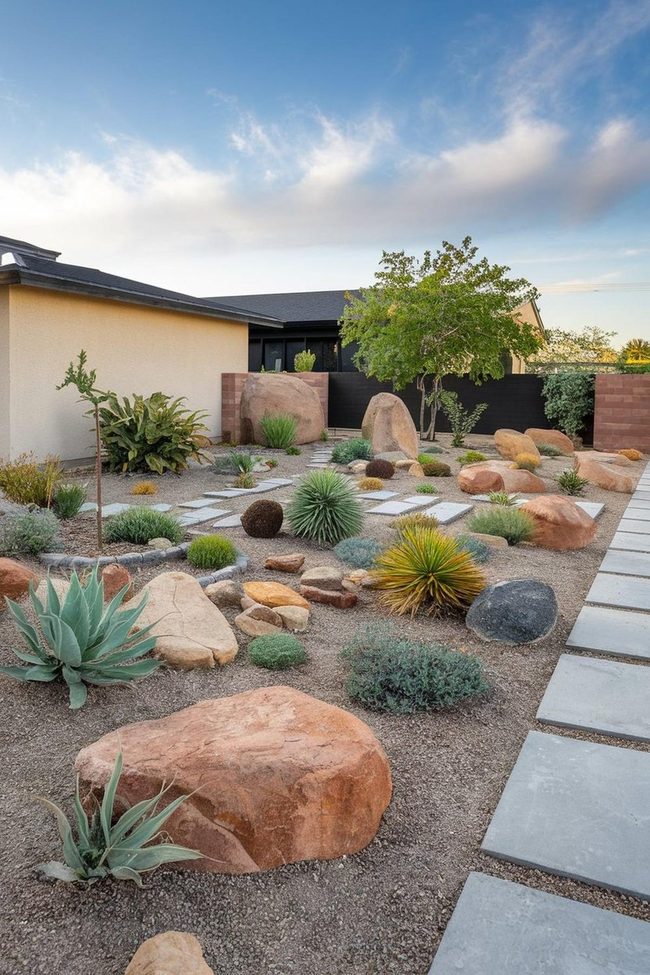
Succulents and agave plants clustered across your yard make an instant visual statement with their bold shapes and textures, and when you combine these with crushed shell mulch, you get a patio that looks both modern and earthy at once.
Xeriscaping is essentially a landscaping method that cuts down on water needs by choosing plants that thrive in dry conditions and mixing in hardscape elements like pavers or decorative stones.
We love this approach because it solves two problems at the same time, your yard becomes beautiful and your water bill drops noticeably.
You don't need to spend hours maintaining this type of patio, which frees up your weekends for other things.
Drought-tolerant plants are hardy and tough, so they bounce back even if you forget to water them for a while.
Beyond looking great, a water-wise patio helps the environment by using fewer resources.
Low-maintenance landscaping like this is perfect if you want something that looks intentional without demanding constant attention.
Native Florida Plants Thrive
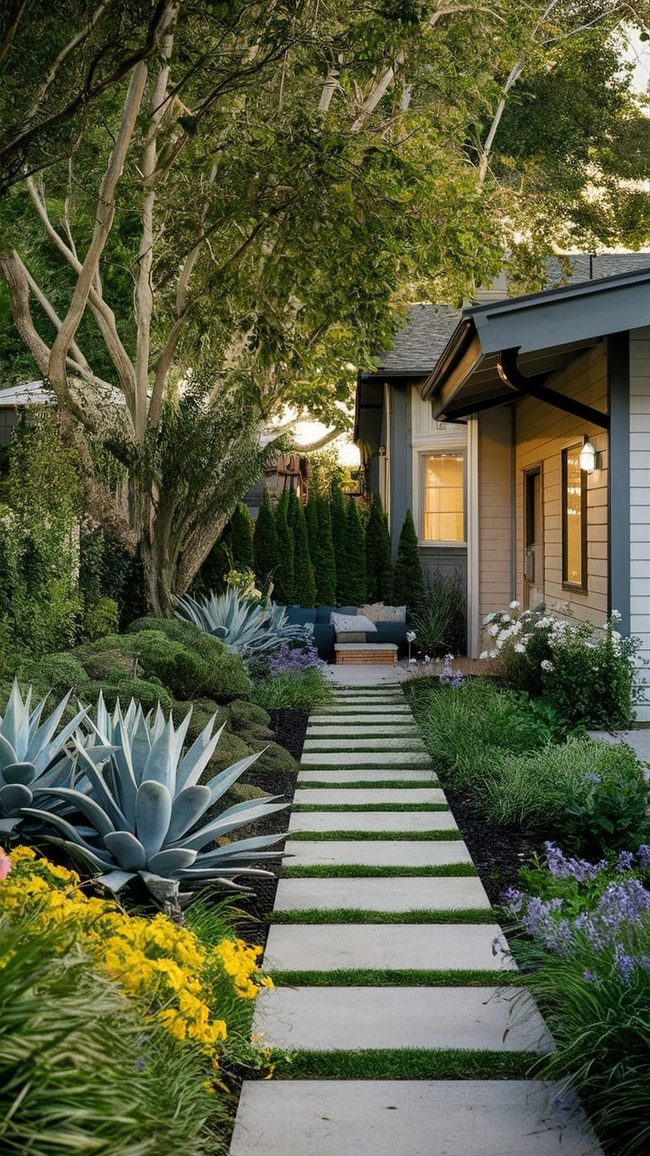
Native Florida plants like saw palmetto, muhly grass, and coontie deserve a spot in your landscape because they're built for this climate and handle heat and humidity without complaint.
You can water them less often and skip most of the fertilizer applications that non-native plants demand, which saves you time and money throughout the year.
These plants have adapted over generations to local soil conditions and rainfall patterns, so they grow stronger with less fussing around.
Muhly grass puts on a spectacular show with its feathery pink plumes that dance in the breeze and catch the pale beautifully.
Saw palmetto brings that authentic Florida character to any space with its thick green fronds and hardy nature.
Coontie offers delicate, fern-like foliage that adds texture without needing constant care.
When you choose plants that naturally belong in Florida, your landscape stays healthier and you spend weekends relaxing instead of maintaining endless beds and borders.
Layered Garden Heights With Spiky Textures
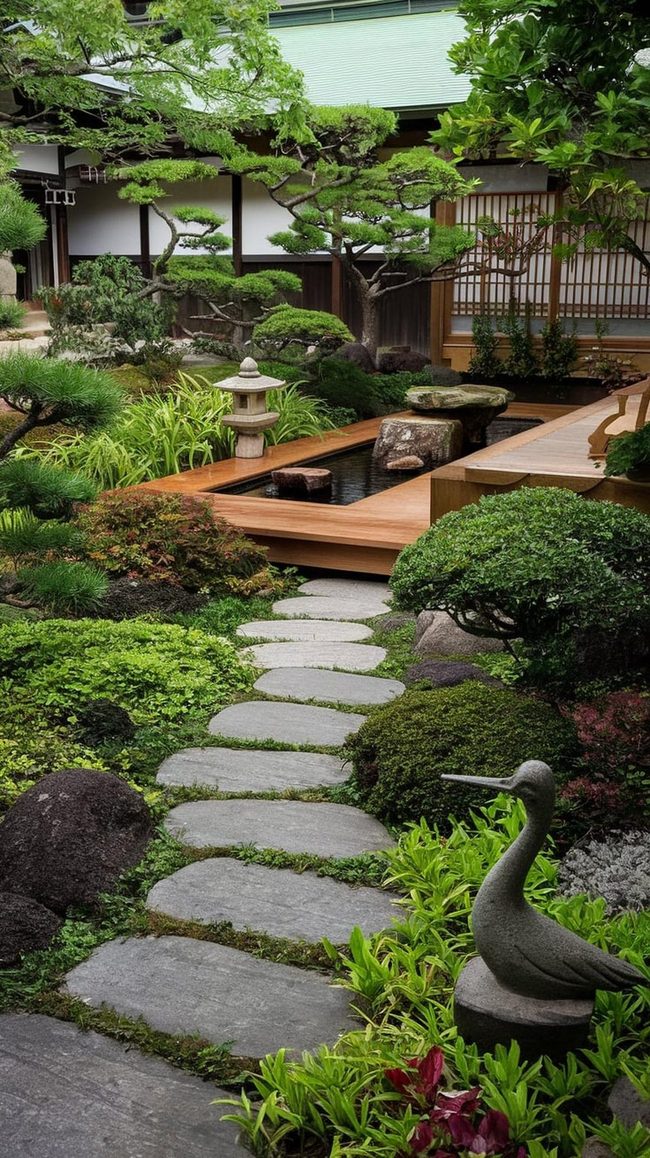
Tall palms tower above medium-height shrubs and low-growing flowers to give your outdoor real dimension and movement.
When you mix different textures together, like the sharp leaves of cordylines against the gentle fronds of ferns, the landscape becomes far more interesting to look at.
Varying heights across your space prevents the outdoor from feeling flat or one-note.
We suggest starting with your tallest plants in the back or center, then working down to shorter plants toward the edges.
Spiky foliage next to soft foliage creates natural contrast that draws the eye through the space.
Layering these different plants and textures together keeps your outdoor feeling fresh and layered rather than monotonous.
Simple combinations of three to four different heights work well without becoming overwhelming.
You may find that this approach to mixing heights and textures adds personality and flow to any open-air area.
Stone Fire Pit With Tropical Framing
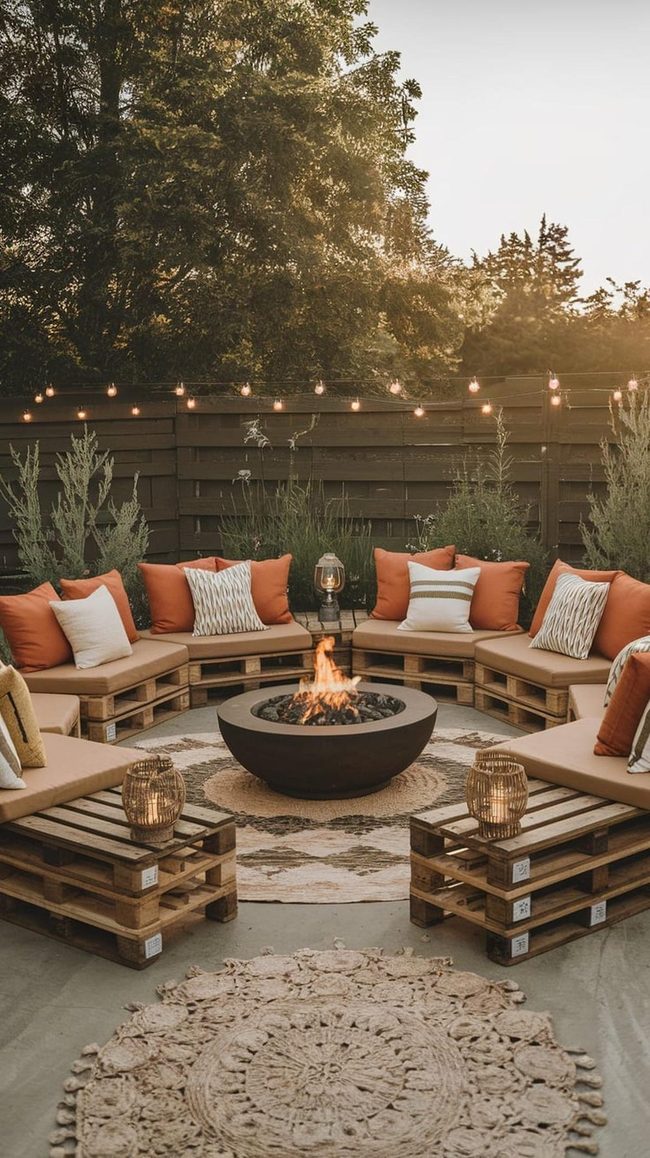
Out on your patio, a fire pit built from natural stone or brick becomes the most eye-catching feature, especially when you surain it with lush tropical plants that enhance the outdoor space.
We know Florida's warm climate makes cool evenings rare, but when temperatures drop, gathering around flames shifts your backyard into a comfortable retreat where you can relax with family.
Stone and brick materials bring texture and warmth to the area, and they anchor your whole outdoor design.
Tropical landscaping around the pit keeps the setting feeling connected to your local environment instead of looking out of place.
You don't need expensive materials to pull this off well.
Simple stone circles or brick rings work just as effectively as elaborate designs.
Adding seating nearby makes the space functional for actual use.
Your fire pit becomes that one spot where everyone naturally wants to spend time together on cooler nights.
Hibiscus And Palms In Vibrant Red
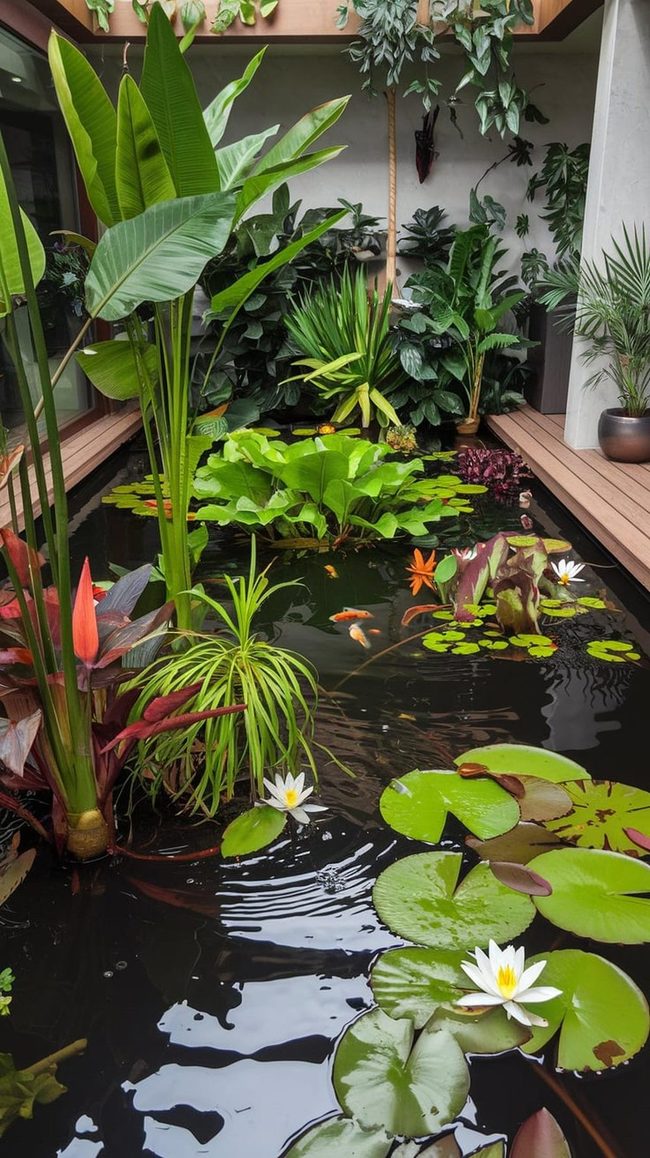
Well-lit bird of paradise flowers and hibiscus blooms can turn your Florida yard into something that stops people in their tracks with waves of color and bold leaf shapes.
Crotons add even more visual punch with their dramatic foliage that shifts and changes throughout the seasons.
Palm trees like foxtail or areca varieties work well for height and instantly give your space that unmistakable Florida feel.
Since Florida's heat and humidity form perfect growing conditions, these plants thrive without much fuss from you.
You can layer them throughout your yard to build depth and form shaded areas where you and your family can relax.
The combination of tall palms with shorter flowering plants below them gives the space real dimension.
Going with plants that naturally love your climate means less work maintaining them and more time enjoying your outdoor space.
Hurricane-Proof Native Florida Plants
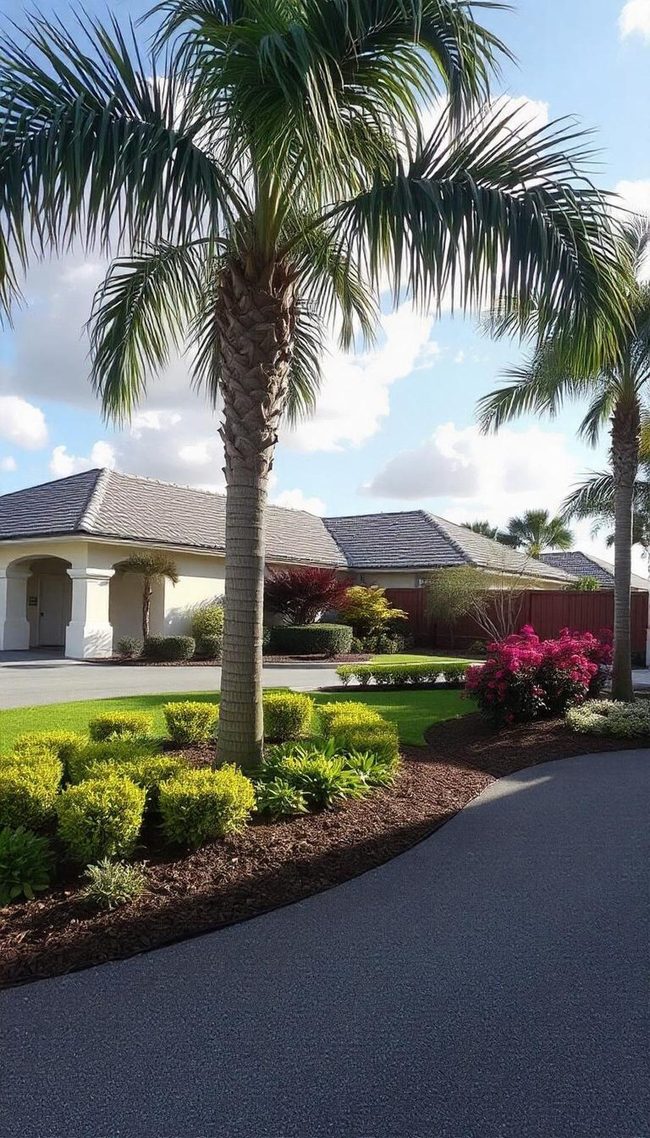
Storm season in Florida demands plants that stand up to serious wind, and sabal palms, buttonwood, and live oaks are your best bets for a landscape that won't fall apart when heavy gusts roll through.
These species have evolved to handle coastal conditions and powerful weather, so their root systems dig deep and their structures bend rather than snap under pressure.
When you choose wind-resistant plants, you're making a smart investment in your yard's long-term survival.
Live oaks develop spreading root networks that anchor them firmly in place, while buttonwood stays compact and flexible enough to move with the storms.
Sabal palms are practically built for hurricane-force winds and look beautiful doing it.
I've seen yards where people picked delicate ornamentals instead and regretted it after the first serious storm.
Growing these hardy species means less cleanup work after bad weather and fewer replanting expenses down the road.
Your landscape becomes both stronger and lower-maintenance when you work with plants that naturally thrive in tough conditions.
Blue Subway Tiles Ocean Aesthetic
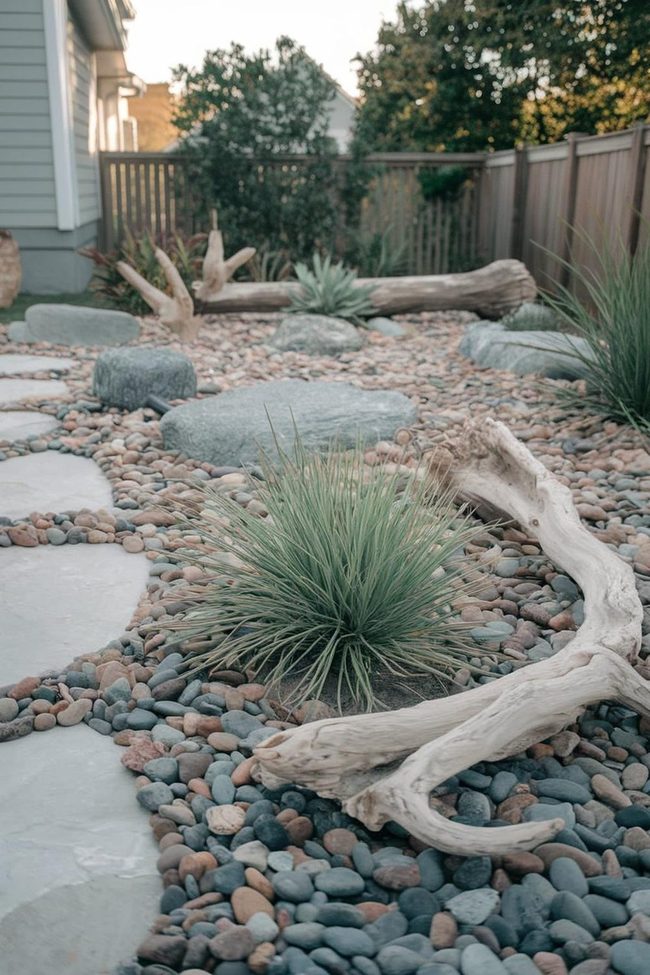
Living near the ocean means your terrace faces unique challenges from salt exposure in both the air and soil, but you can solve this by choosing plants bred to handle these tough conditions.
Sea grapes stand out with their distinctive round leaves and ability to bounce back from salt spray without complaint.
Railroad vines spread along the ground with silvery foliage that looks beautiful while resisting coastal elements, and sabal palms add height and tropical character to any seaside space.
We recommend sticking with these hardy varieties because they've evolved to handle what the ocean throws at them, which means less work for you and more guaranteed success.
Beyond these three standouts, you will find other salt-tolerant options that grow well in your area if you ask your local nursery for recommendations.
Mixing a few different species gives your terrace variety in texture and shape.
Salt-tolerant plants let you build a thriving landscape right where land meets sea without fighting against nature.
Water-Loving Plants Prevent Flooding
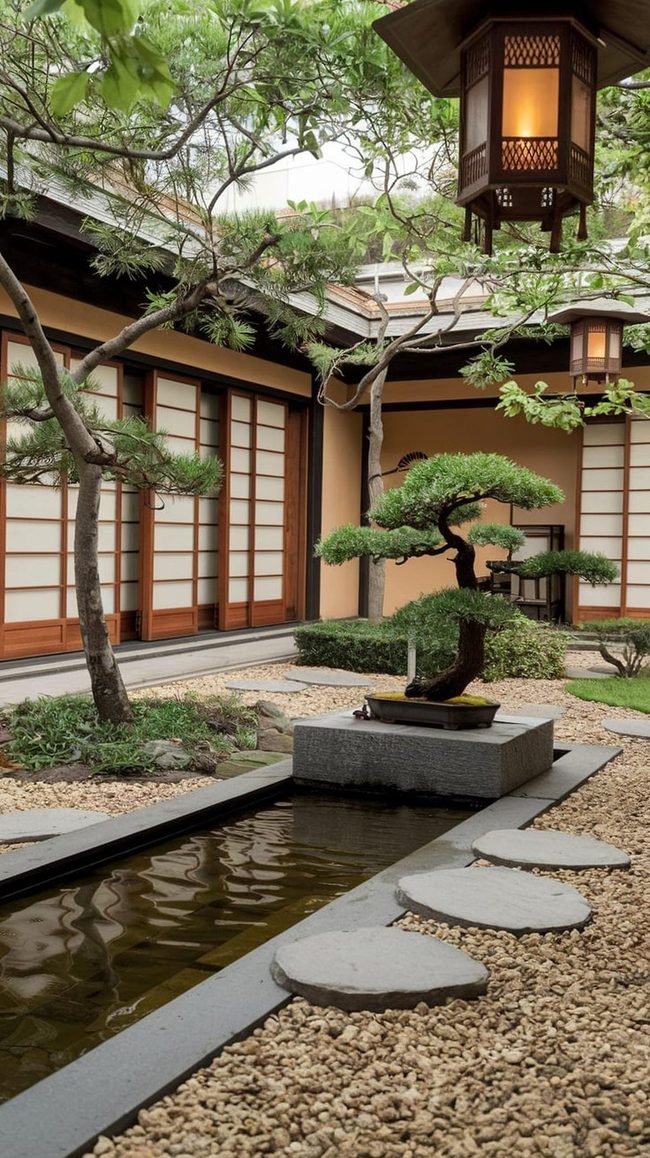
Installing a rain yard in your yard gives you both practical benefits and natural beauty, since it catches runoff from storms and reduces flooding while letting you grow some gorgeous water-loving plants.
Canna lilies add bold height and color with their large leaves and dramatic flowers, making them one of the most eye-catching choices for this type of space.
Blue flag iris brings delicate blooms in shades of purple and blue that sway nicely in the breeze, and swamp milkweed offers interesting texture along with nectar that butterflies absolutely love.
Beyond their good looks, these plants do real work by filtering the water and soaking up extra moisture that would otherwise flood your property.
You can position your rain yard in a low spot where water naturally collects during rainstorms, and it'll handle drainage without needing much help from you once it's established.
Most of these water-loving plants are hardy and don't demand constant attention, so maintaining your yard becomes straightforward.
This feels special because that you're solving a flooding problem while also growing plants that thrive in wet conditions, so nothing goes to waste.
Green Groundcover Without Watering
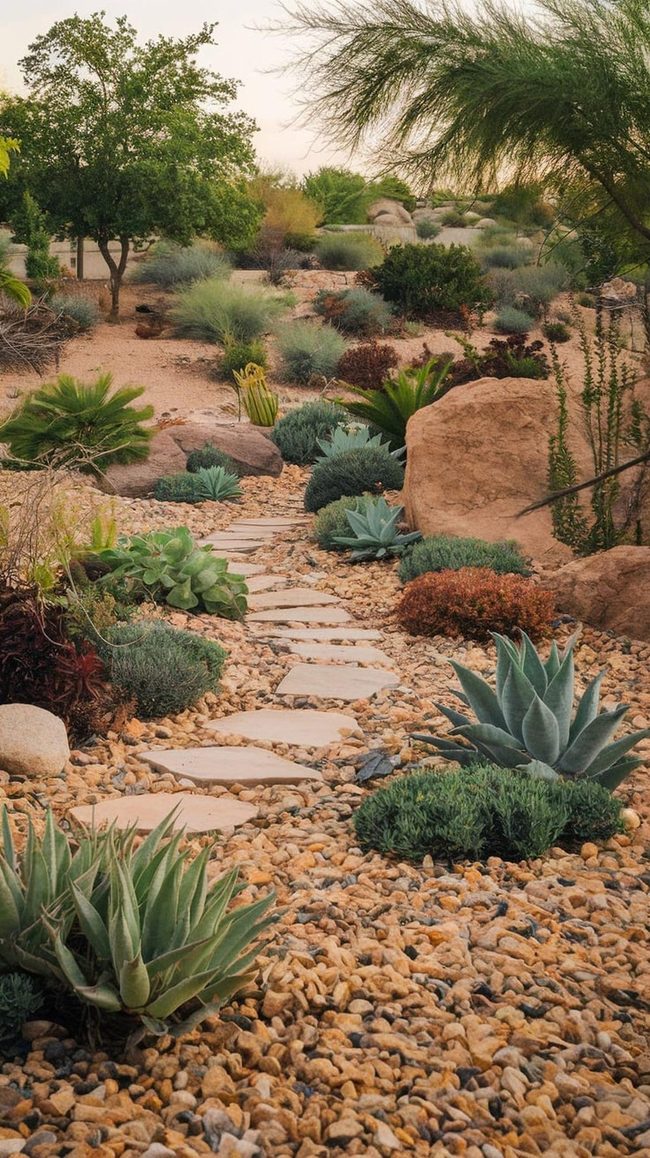
Instead of spending countless hours watering and mowing a traditional lawn, you might explore low-maintenance ground cover options that give you that lush green appearance without all the work.
Clover spreads naturally and needs far less water than standard turf, plus it fixes nitrogen in the soil and supports pollinators.
Fescue grass is another hardy choice that tolerates shade and drought better than most lawn varieties.
If you want something truly hands-off, artificial turf provides the green look year-round without any watering, mowing, or fertilizing required.
Whether you go with clover, fescue, or synthetic options, you're reducing the upkeep burden that comes with traditional landscaping.
Many homeowners discover that this simple switch lets them actually enjoy their yards instead of constantly tending to them.
You get the lawn aesthetic you want while freeing up your weekends for things that matter more.
Milkweed And Butterflies In Bloom
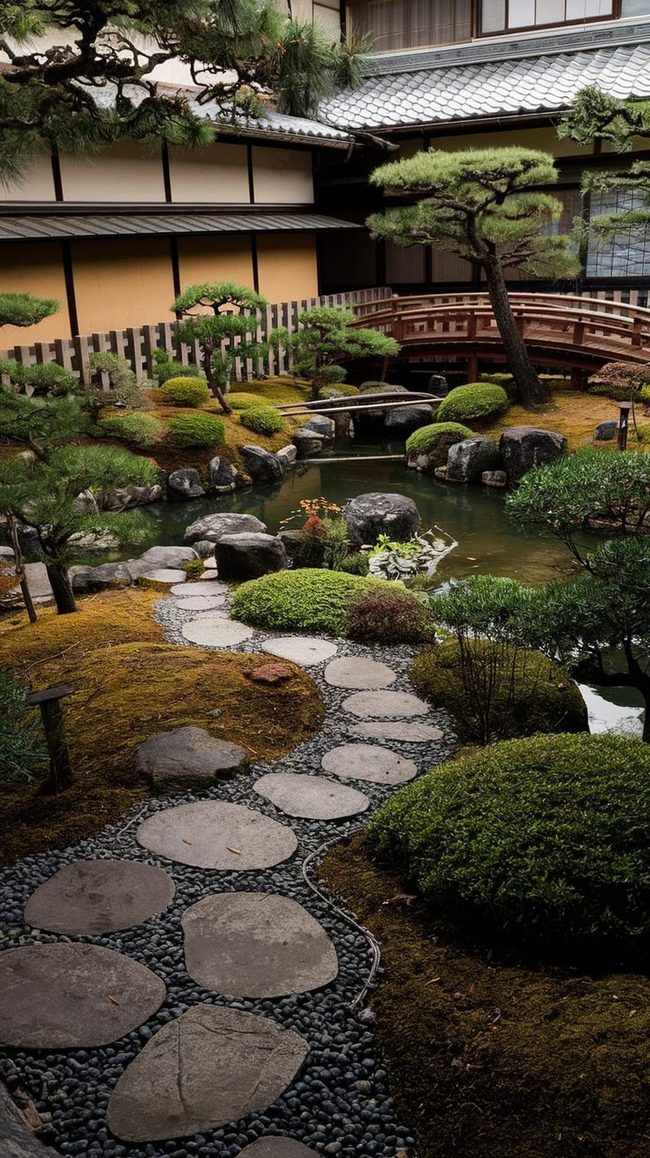
Butterflies floating through your terrace brings both beauty and natural pollination to your open-air space, and you can make this happen by planting the right flowers and host plants.
Milkweed stands out as one of the best choices because it feeds caterpillars and helps them grow into butterflies, while passion vine works similarly as a host plant for certain species.
Pentas and firebush deliver fresh nectar that butterflies crave and will return to again and again.
Beyond the visual appeal, these plants support the entire butterfly lifecycle and strengthen your local ecosystem.
You don't need fancy techniques or complicated layouts to succeed with a butterfly terrace.
Simple cluster plantings in sunny spots work well since butterflies need warmth and easy access to flowers.
Adding a shallow water source like a dish with pebbles gives them places to drink and rest.
Your terrace becomes a living space where you watch nature's cycle unfold right before you, offering both relaxation and the satisfaction of supporting wildlife.
Cooling Water Feature Attracts Wildlife
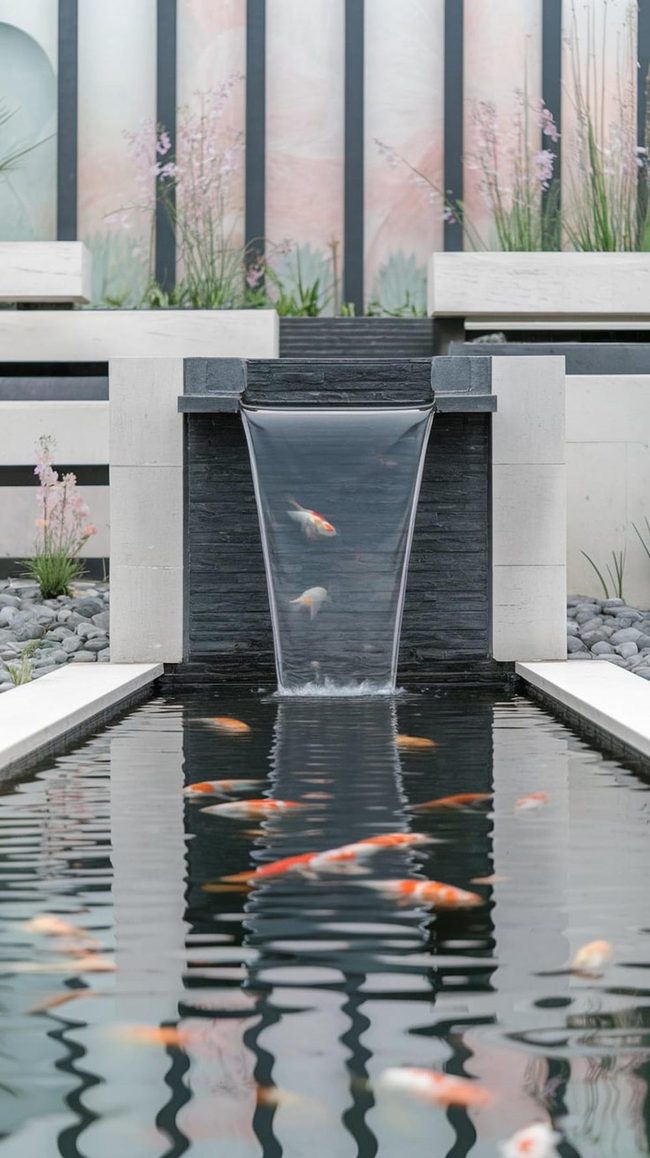
Your small pond, fountain, or waterfall in your yard brings both peace and wildlife into the space while serving a adaptable to different needs purpose in hot climates like Florida.
Water moving through a fountain or cascading down a waterfall draws attention right away and gives your outdoor area an instant sense of calm.
You are able to see birds and butterflies coming to drink and bathe, which adds natural movement and life to the landscape.
Beyond the beauty, these features work to lower temperatures in the surrounding area on those scorching days, so you get comfort and aesthetics combined.
Sound from falling or flowing water masks street noise and creates a soothing backdrop for relaxing or spending time outside.
Even a small pond tucked into a corner offers the same benefits without taking up much space.
Water features sit right at the top of any yard design because they're so visually striking and do so much for the overall experience.
Coral Stone Desert Landscape
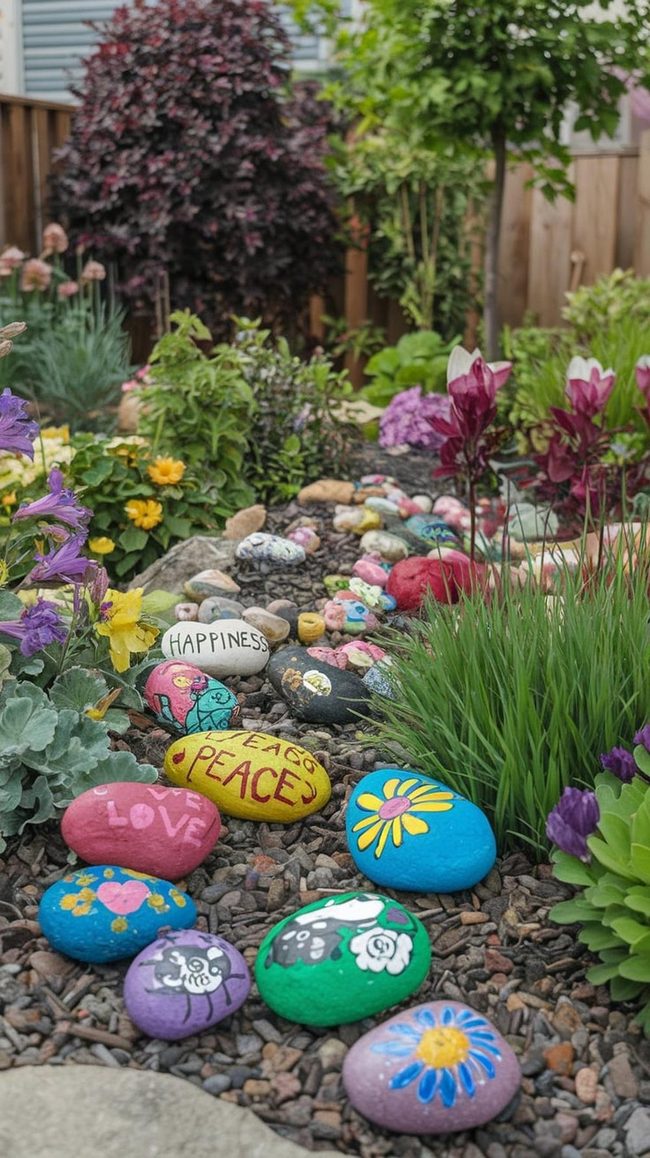
Scattered coral stone, lava rock, and river pebbles across your yard brings instant dimension and visual interest to any landscape space while keeping upkeep low.
Plants such as yuccas and dwarf agaves work well alongside these rocks and form striking shapes that stand out against the darker stone surfaces.
You don't need much soil or constant watering to make this style work, which makes it a smart choice for busy homeowners.
Layering different rock sizes and colors creates natural depth in your landscape beds.
Hardy succulents and grasses fill in the gaps between stones and add movement to the design.
This approach suits almost any climate and pairs nicely with other landscaping features.
Building a rock landscape takes patience, but once established, it needs only occasional weeding and raking.
You will find that stepping back to admire your finished rock landscape becomes one of those small pleasures that makes landscape spaces truly worth enjoying.
Olivia Martinez
Founder & Principal Designer
Expertise
Sustainable Interior Design, Residential and Commercial Space Planning, Historic Preservation and Adaptive Reuse, Custom Furniture Design, Project Management
Education
Parsons School of Design, New York, NY
LEED Accredited Professional (LEED AP)
Olivia Martinez is the founder of Archi Refresh, where she brings style and sustainability together. With a degree from Parsons School of Design and a LEED certification, she’s all about creating beautiful, eco-friendly spaces.
With over eight years in the industry, Olivia has designed everything from cozy homes to commercial spaces, always putting function and sustainability first. She loves working with local artisans and has been featured in design publications for her fresh take on green living.
When she’s not designing, Olivia enjoys exploring historic architecture, painting, and spending time with her rescue dogs, Luna and Max.