
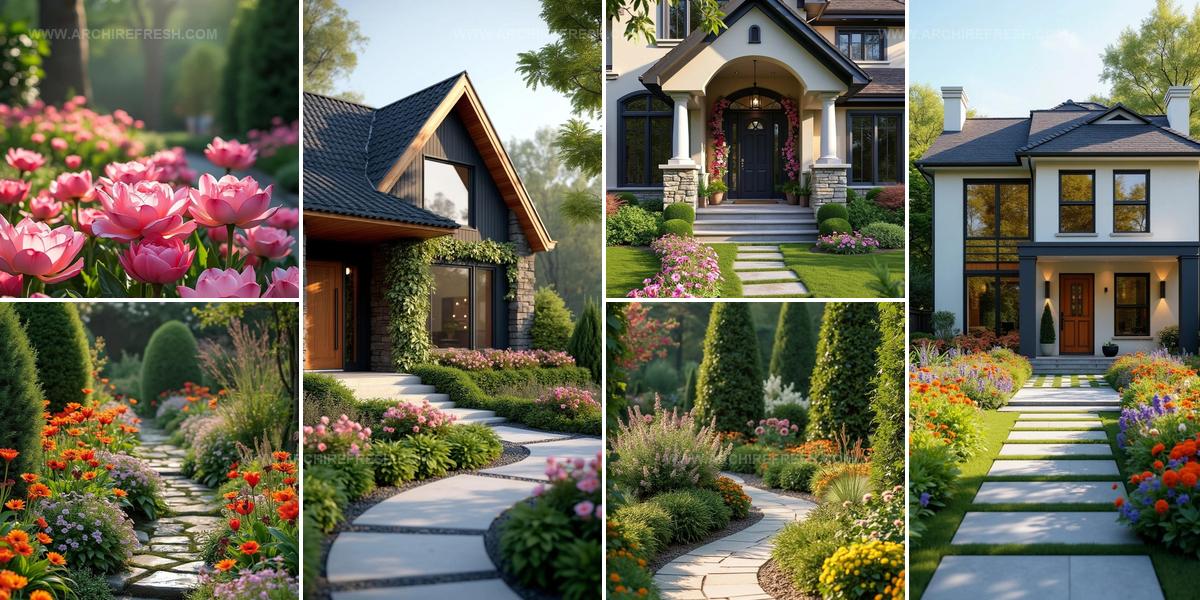
10 Creative Flower Bed Ideas for Your Garden Space
A well-designed flower bed adds beauty and personality to any outdoor space while reflecting individual style preferences.
Gardens become more inviting when blooming plants are arranged thoughtfully in beds that complement the surrounding landscape.
Different approaches work for various yard sizes, sunlight conditions, and maintenance levels that homeowners can commit to over time.
Color schemes, plant heights, and seasonal blooming patterns all play important roles in achieving visually appealing results.
Whether working with a small corner or an expansive lawn area, the right combination of plants creates focal points that draw the eye naturally.
Budget-friendly options exist alongside more elaborate designs, so every gardener can find something suitable for their situation.
The planning process may seem overwhelming at first, but breaking it down into manageable steps makes the project enjoyable and rewarding for anyone ready to enhance their outdoor environment.
Year-Round Flower Bed Colors
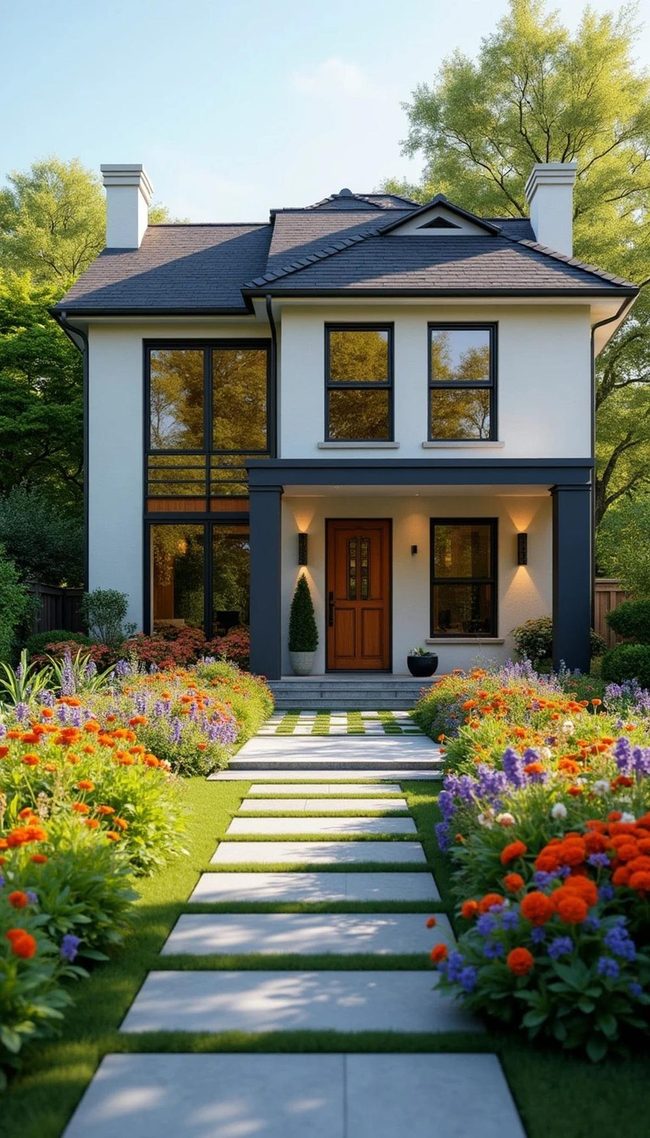
When you plan your flower bed, selecting plants that bloom during different seasons keeps your garden looking fresh and colorful all year long.
Flowers with varied bloom times mean something is always blooming, so you never have to look at bare spots or dull stretches.
Beyond just flowers, adding plants with striking foliage or berry-producing varieties gives your space something interesting to show off even when blooms aren't happening.
Through this design, takes the guesswork out of garden planning and ensures you have reasons to enjoy your exterior space no matter what month it is.
By mixing in plants that look good at different times, you build a garden that stays attractive and engaging throughout the entire year.
Sunlight And Drainage For Flourishing Gardens
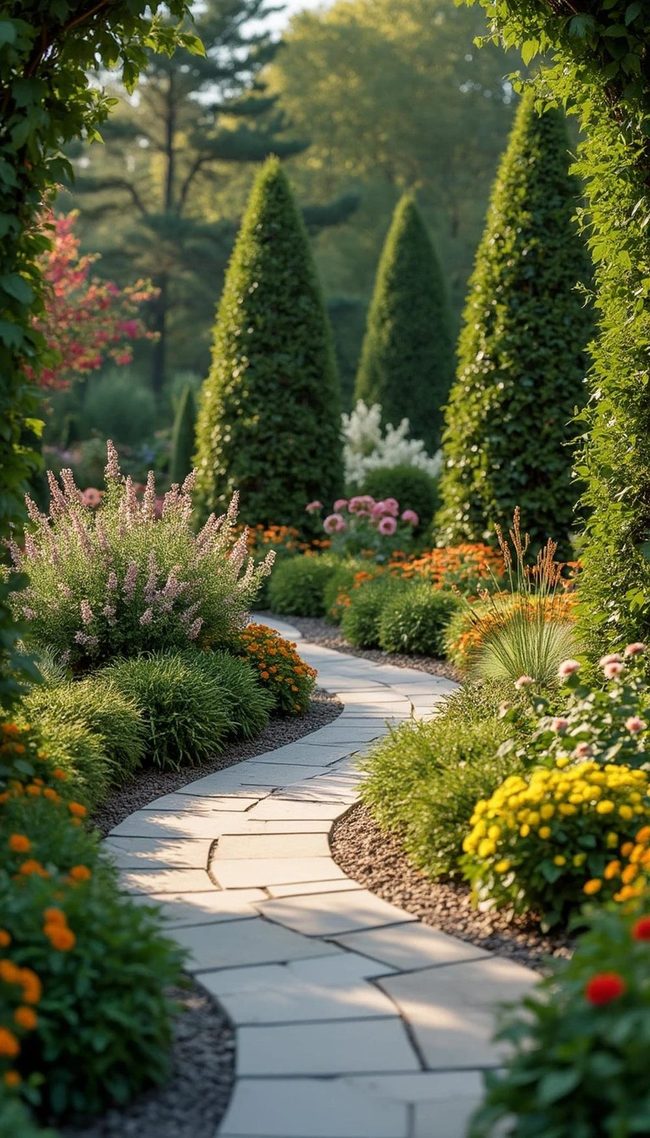
Picking the right spot for your flower bed makes all the difference in how well your plants will thrive and how beautiful your garden looks overall
Sunlight and drainage are the two most important factors you should evaluate before digging in, since plants need both to grow strong and healthy
Look at where the sun hits your yard throughout the day and check if water pools in certain areas after rain
Want to choose a location that gets plenty of light and doesn't stay soggy or waterlogged
Beyond these efficient needs, think about how the flower bed fits into your existing landscape and garden style
Where you place it should feel natural and balanced with the plants and structures already around it
Walking around your yard and observing different potential spots helps you find the best home for your flowers
Taking time to scout out the right location now saves you from having to move plants later.
Tall Centerpiece Anchors Yard Flow
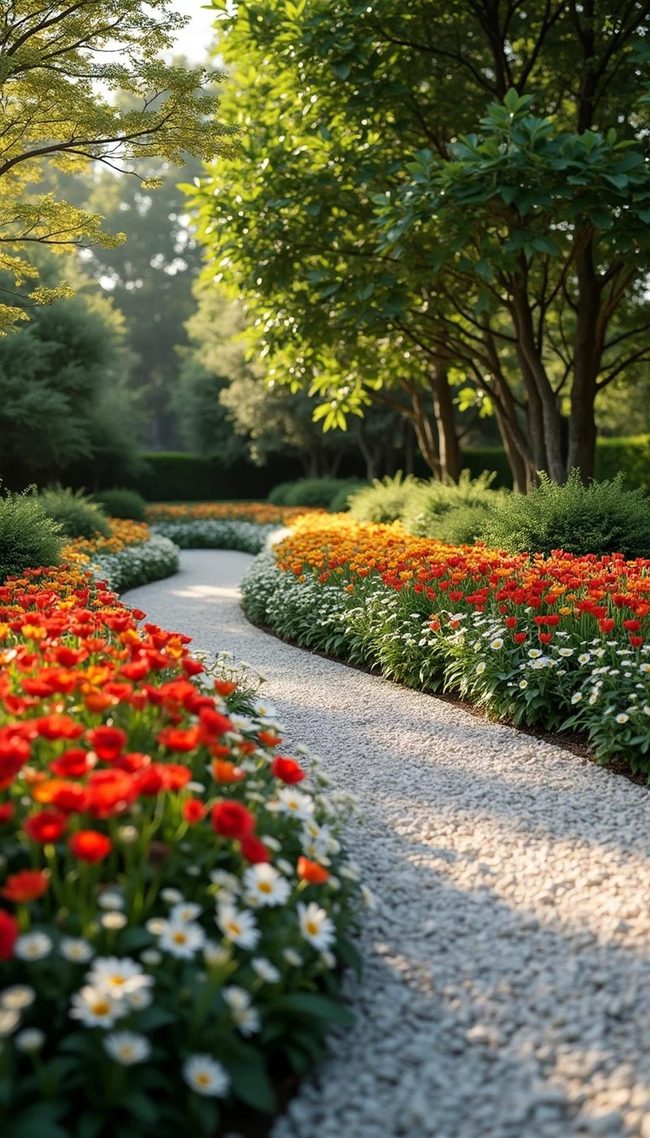
When you're planning a flower bed, having something eye-catching in the center makes all the difference.
A tall plant, garden statue, or brightly colored pot positioned prominently will give your eyes somewhere to land and keep the whole space feeling organized.
Placing a single striking element in your flower bed instantly adds personality and makes the space feel more considered.
You don't need anything expensive or complicated, even a simple tall plant can do the job well.
Visitors will naturally look toward this main feature first, and it helps guide how the rest of the garden flows around it.
Without something to focus on, a garden bed can feel a bit random and disconnected.
So pick one element that speaks to you and give it prime placement, and you will observe how much more polished everything becomes.
Colorful Blooms In Patterned Arrangements
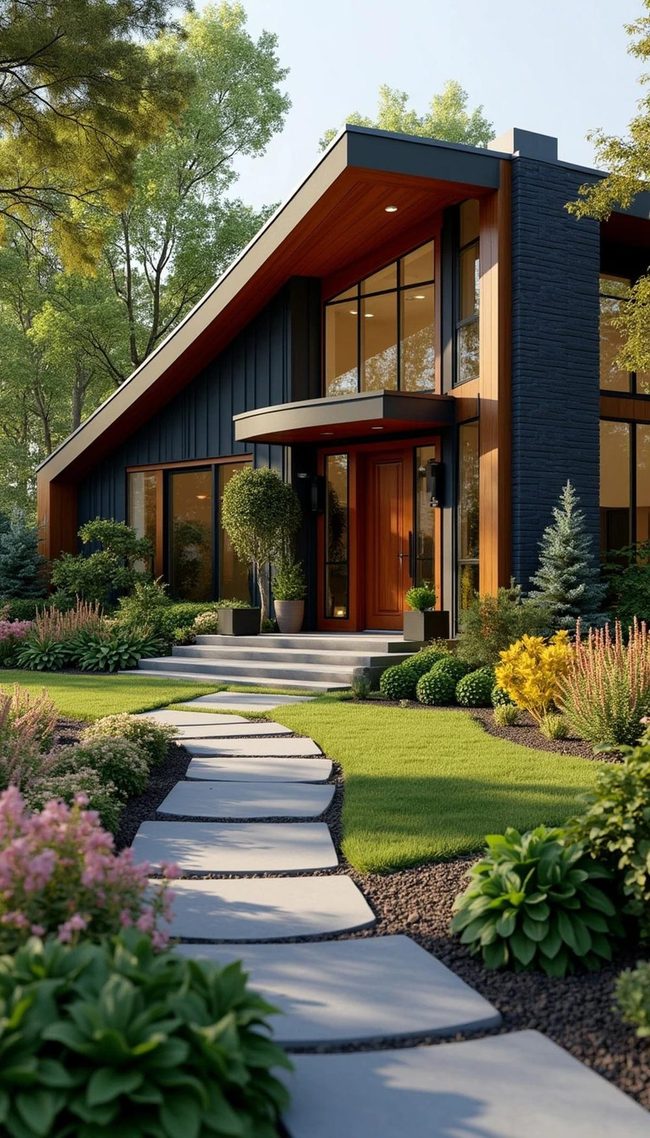
Starting with bold, colorful blooms arranged in patterns sets the foundation for your flower bed and immediately catches attention from every angle.
Building on that visual appeal, you can choose a theme like a cottage garden bursting with wildflowers, a tropical space filled with exotic plants, or a formal garden with structured rows and symmetry.
Once you pick your direction, selecting plants and colors that match this theme becomes simple and straightforward.
Accessories like garden ornaments, pathways, or seating areas should echo the same style you're going for.
When everything follows the same theme, the space feels connected and planned rather than random.
You don't need fancy techniques to pull this off, just thinking about what style speaks to you and then sticking with it makes all the difference.
Your flower bed will naturally look more polished and put-together when every element belongs to the same story.
Layered Blooms For Year-Round Color
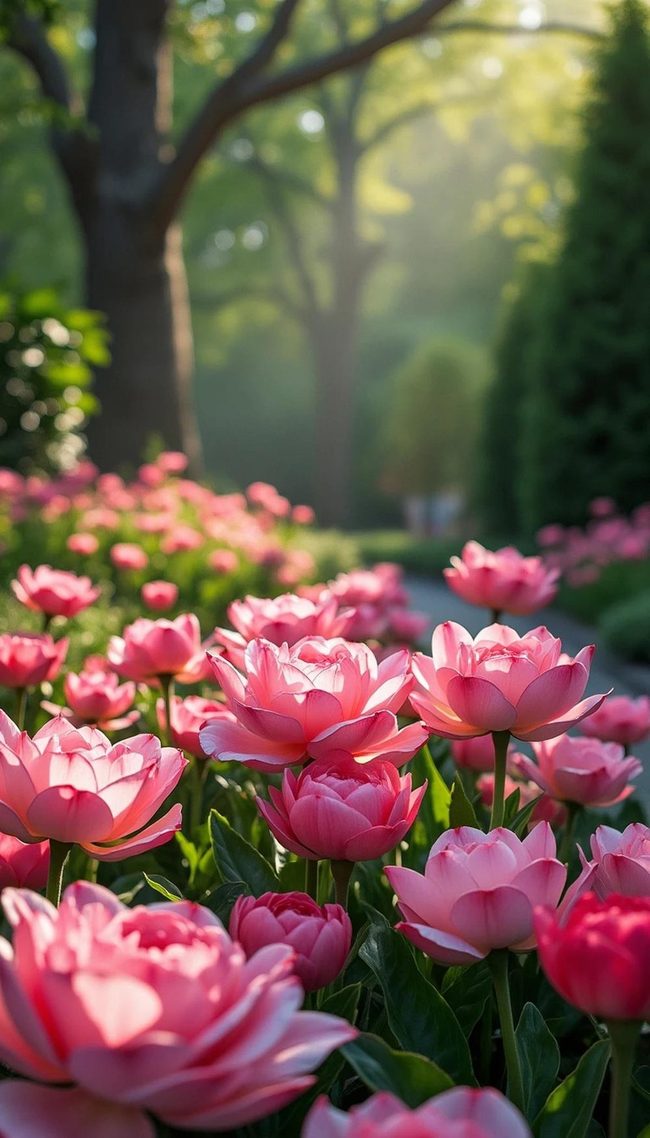
When you plant flowers across your garden, mixing radiant reds with pastels and bold purples makes the space leap off the ground and grab attention immediately.
Combining blooms of different heights and shapes adds layers that make the garden feel fuller and more interesting to look at.
Choosing annuals alongside perennials means have flowers showing up in different seasons, so your beds never go bare or dull.
Some plants grow tall while others stay low, and when you pair quick bloomers with slow ones, the garden stays colorful from spring straight through fall.
I like how a mix of tulips, daisies, and zinnias keeps things moving and prevents any single time of year from looking empty.
Pairing flowers that bloom at different times also gives you reason to step outside and check on your space month after month.
By thinking about height, color, and timing when you plan your beds, you end up with a garden that stays lively and full of interest all year long.
Flower Bed Layout Planning Guide
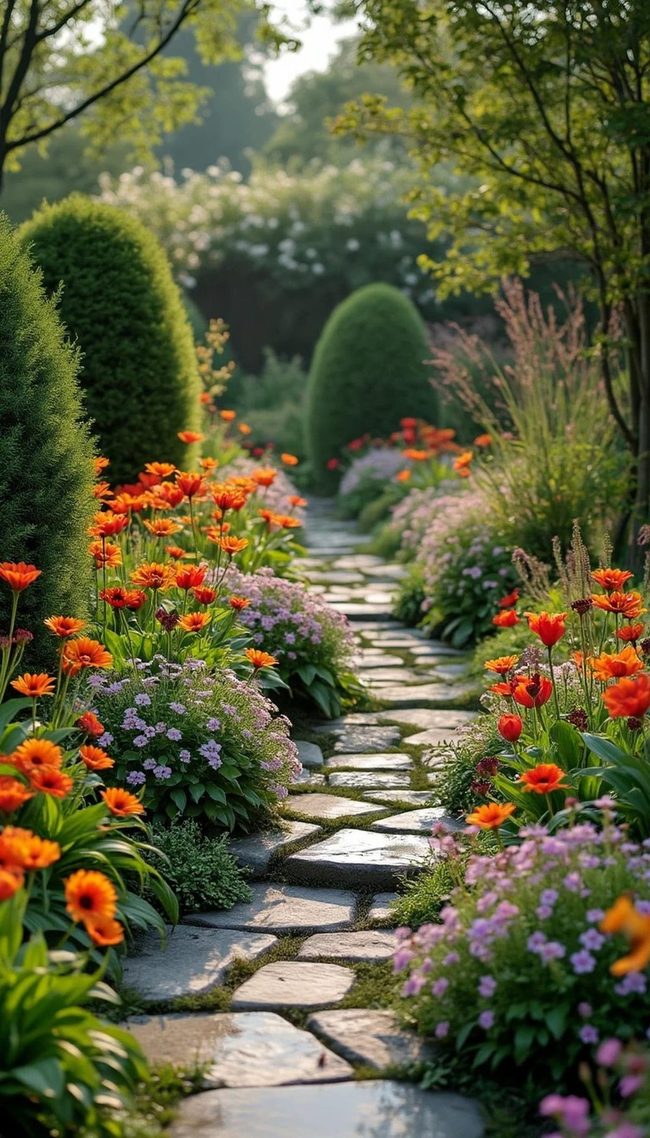
Before you dig into your garden project, spend a moment mapping out how you want your flower bed to look and function.
Size and shape matter when deciding what will actually fit in your space, and picking your flower varieties ahead of time saves you from buying plants that won't look unified.
You might go for neat, even rows if you like order and structure, or you could arrange flowers in a loose, wandering pattern that feels more relaxed and organic.
Both approaches have their appeal, and what you choose really depends on the mood you're after.
Some people prefer the calm rhythm that comes from repeating the same plants in straight lines.
Others find more satisfaction in mixing things up with plants scattered at different heights and distances from throughout other.
Starting with a basic sketch or mental picture helps you see what will actually work before you make any permanent decisions.
Planning ahead means you spend less time rearranging later and more time enjoying the results.
Stone Pathways Define Garden Structure
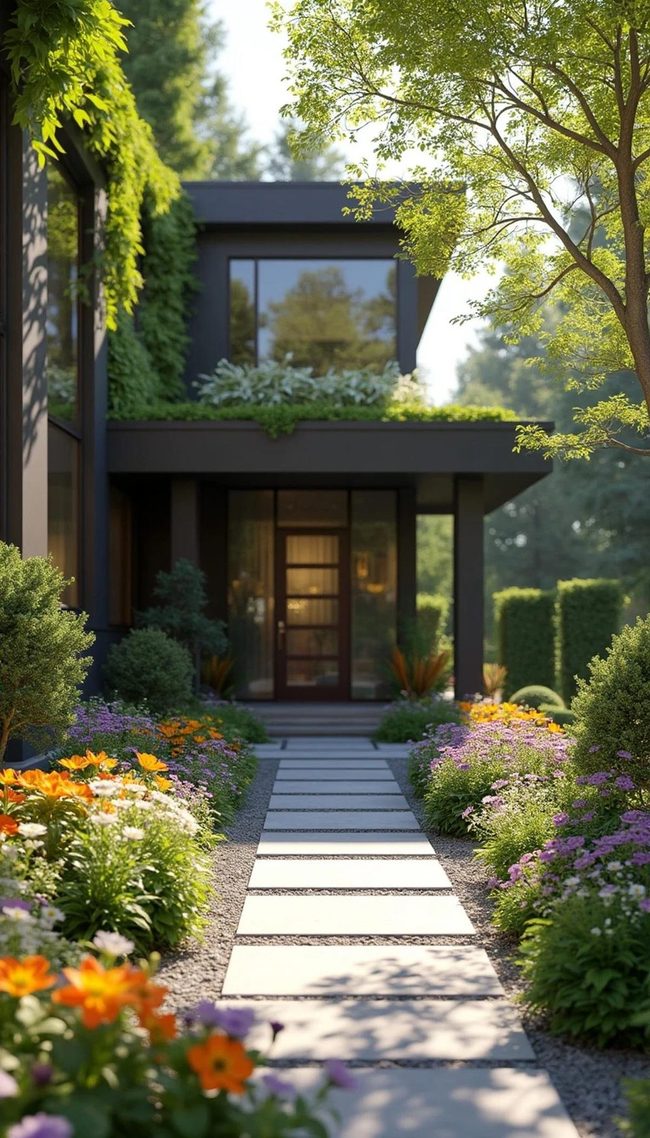
Pathways made from paving stones, gravel, or brick serve as the most visible way to frame your flower beds and give your garden a polished, structured appearance.
You can line the edges of across bed with these materials to establish clear boundaries that separate plantings from lawn or other areas.
Adding walkways through and around your beds makes it simple to move through the space without stepping on plants or disturbing the soil.
Beyond just looking good, these pathways actually solve real problems by giving you room to water, weed, and tend to your flowers without damaging them.
The combination of defined edges and clear paths reshapes a messy planting area into something organized and well-maintained.
You don't need to spend a fortune either, as gravel offers a budget-friendly option that still looks intentional.
Well-placed pathways and borders keep your garden feeling intentional while making regular upkeep far less frustrating.
Dark Mulch Brightens Flower Beds
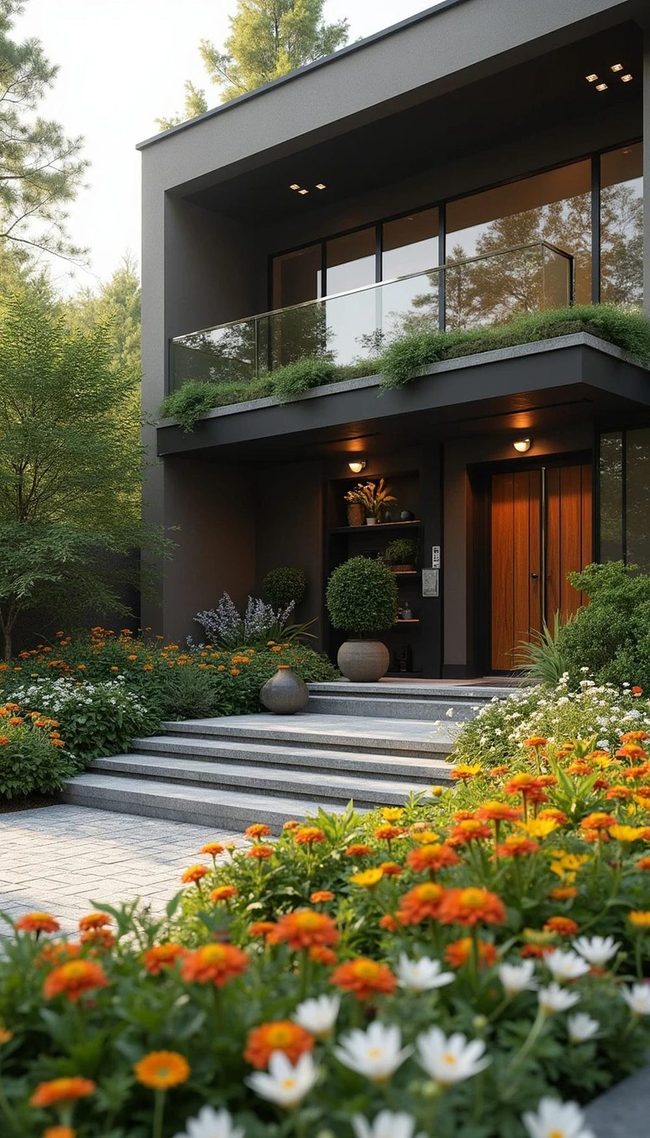
Mulch does far more than just keep your soil moist and stop weeds from taking over, it can completely change how your flower bed looks.
When you pick a mulch color that matches your flowers and garden style, you get a neat, finished appearance that makes everything look more put-together.
Dark bark chips work especially well around open blooms, while lighter mulches can highlight darker flowers and make them stand out even more.
Beyond the visual side, organic options like bark chips and compost actually feed your plants as they break down in the soil.
This means you're getting both beauty and better plant health at the same time.
Most gardeners don't realize that mulch is one of the easiest ways to give your entire garden a polished, well-maintained feeling without much extra work.
It's one of those simple choices that shows how much thought you put into your outdoor space.
Steel Edging Sharp Yard Boundaries
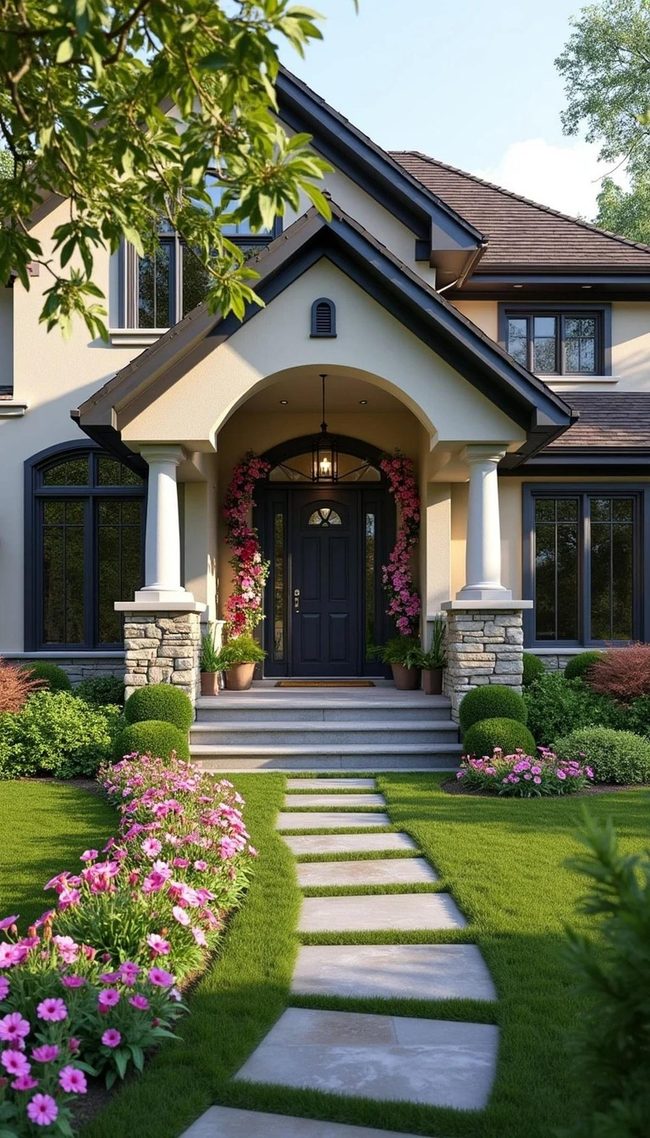
Edging around your flower bed serves as a sharp, defined line that instantly upgrades how your garden looks and functions.
Metal strips, decorative stones, or bricks all work well as edging options, and you should pick whichever style matches your garden's overall appearance.
Beyond the visual appeal, edging does real work by stopping grass and weeds from spreading into your planting areas.
We recommend installing edging because it prevents unwanted plants from creeping in and competing with your flowers for nutrients and space.
Your flower bed gains a neat, finished appearance once you add this clean boundary.
It's a simple step that protects your plants while also making the whole space look considered and well-maintained.
Most people find that edging is one of those improvements that pays off immediately in both looks and function.
If you want your garden to feel organized and put-together, edging is absolutely worth the effort.
Layered Heights Green Interest
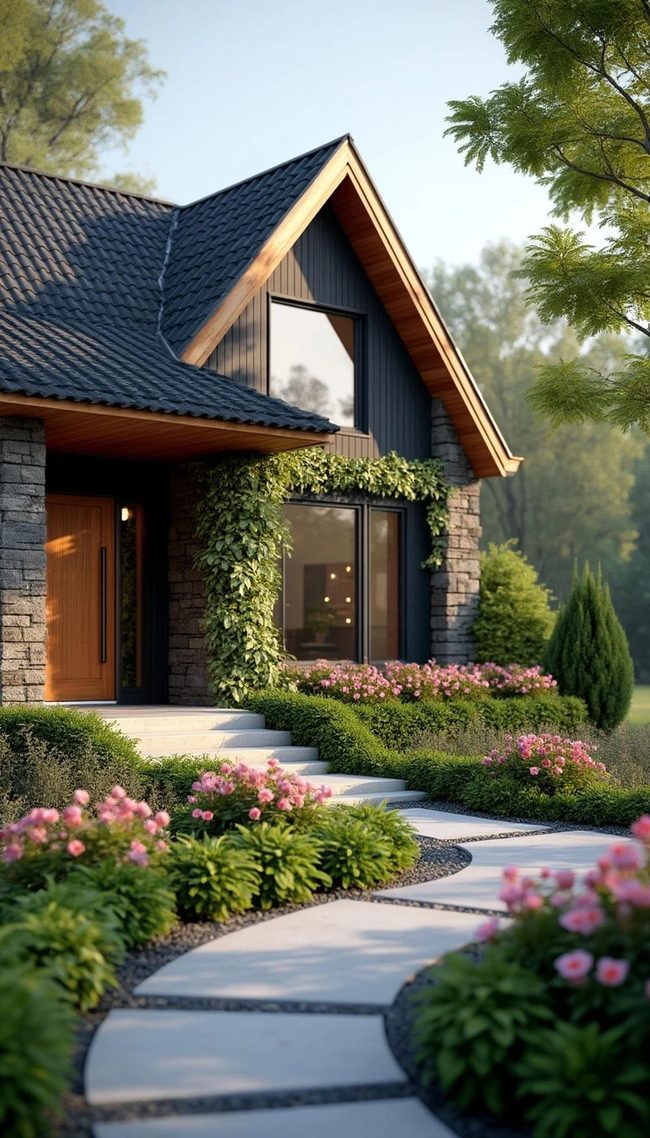
Growing plants at different heights in your flower bed updates the space into something with real dimension and interest that draws the eye.
Tall varieties work beautifully as a background layer while shorter blooms sit in front and bring about natural layers you can enjoy from any angle.
Mix in plants with different leaf shapes and textures next to every other and the room naturally supports discover how much more dynamic the whole bed becomes.
Some plants might have feathery foliage while others have broad, chunky leaves and this contrast keeps things from looking flat or boring.
You can play around with various combinations to see what feels right for your garden and your own style.
Plants with interesting bark, seed pods, or unusual growth patterns add another dimension beyond just flowers.
We suggest standing back and looking at your bed from different spots to make sure the heights and textures come together throughout the growing season.
Don't be afraid to move things around if something isn't quite hitting the mark.
Olivia Martinez
Founder & Principal Designer
Expertise
Sustainable Interior Design, Residential and Commercial Space Planning, Historic Preservation and Adaptive Reuse, Custom Furniture Design, Project Management
Education
Parsons School of Design, New York, NY
LEED Accredited Professional (LEED AP)
Olivia Martinez is the founder of Archi Refresh, where she brings style and sustainability together. With a degree from Parsons School of Design and a LEED certification, she’s all about creating beautiful, eco-friendly spaces.
With over eight years in the industry, Olivia has designed everything from cozy homes to commercial spaces, always putting function and sustainability first. She loves working with local artisans and has been featured in design publications for her fresh take on green living.
When she’s not designing, Olivia enjoys exploring historic architecture, painting, and spending time with her rescue dogs, Luna and Max.