
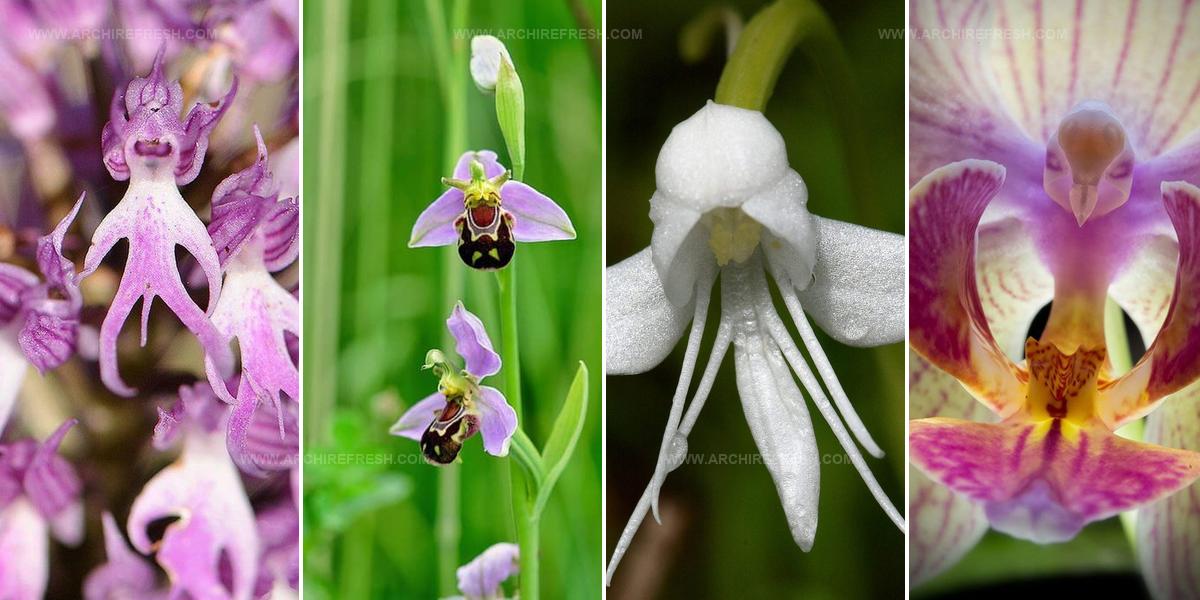
24 Flower Ideas With Unusual Shapes That Stand Out
Blossoms that break traditional molds offer garden enthusiasts a refreshing departure from conventional petals and forms.
Nature has developed an astonishing array of flower ideas with unusual shapes that challenge everything we expect from plants.
Some blooms resemble dancing figures, while others mimic creatures or abstract sculptures that seem too artistic to be real.
Gardens filled with these remarkable specimens become conversation pieces that captivate visitors and spark curiosity about botanical diversity.
When you choose unconventional varieties, the landscape becomes a living gallery where every stem tells a different story.
Distinctive formations add personality and character that standard roses and daisies simply cannot match.
Begin collecting these fascinating specimens and watch how they revolutionize the way you view gardening.
White Eyeball Flowers Stare Back
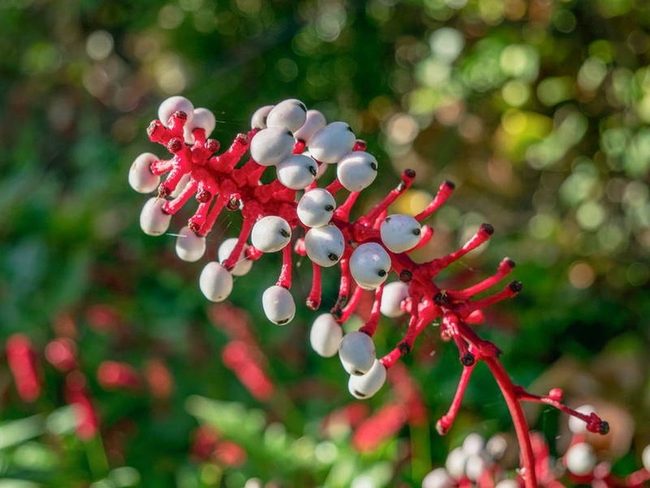
White baneberry produces ghostly flower clusters that genuinely startle garden visitors; the blooms look like tiny human eyeballs with pure white petals and dark center spots staring back at you from the shade.
These small woodland perennials form eerie flower formations that create unexpected visual surprises in quiet forest garden spots, and they spread slowly through shaded areas as they settle in over time.
If you want to grow these mysterious flowers, they thrive in moist, rich soil conditions under tree canopies where cool shade provides the perfect environment.
We recommend keeping them in areas where the moisture stays consistent and the sunlight barely filters through, as these are the conditions they prefer.
One important thing to know is that the entire plant contains toxic compounds dangerous to humans and animals, so careful handling matters if you have children or pets around your garden.
Tiny Human Figures Pink Petals
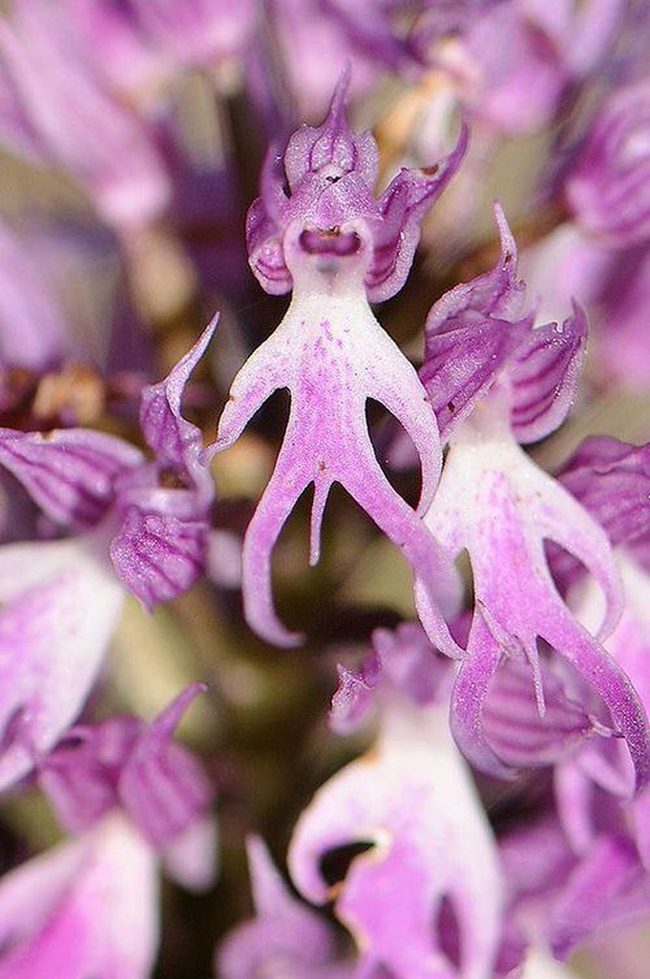
Naked man orchids stop you in your tracks with their uncanny clusters of miniature human figures dancing across green stems, each flower displaying delicate pink-purple petals shaped like tiny nude male forms.
What makes them so striking is how nature arranged the petals and sepals into intricate helmet-like structures that frame each small figure with surprising precision.
Gardeners and plant enthusiasts love these orchids because they spark questions and delight; the natural symmetry combined with those unexpected human silhouettes makes them genuinely unusual.
Growing them yourself brings a blend of scientific interest and artistic wonder into your space.
If you enjoy plants that tell a story and challenge how you see nature, this Mediterranean wildflower delivers both botanical fascination and visual amusement in one remarkable package.
Tiny Swaddled Orchid Infants
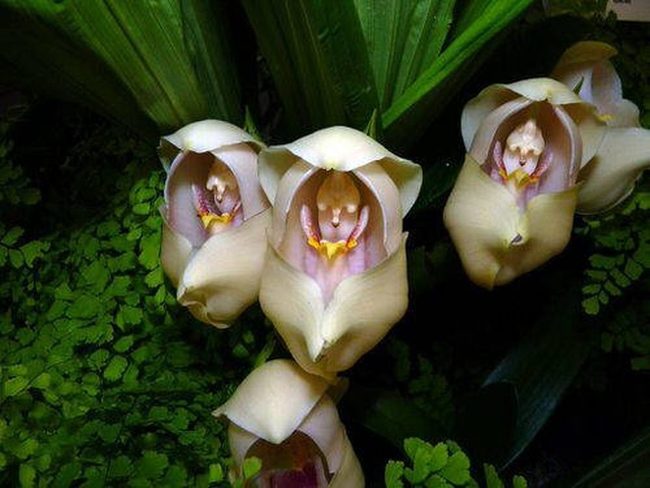
Anguloa uniflora orchids present one of nature's most striking floral oddities, with delicate white and cream petals wrapped tightly around inner structures that genuinely resemble tiny swaddled infants cradled in soft blankets.
These tulip orchids hail from Colombian mountain regions where they grow naturally, and botanists have long marveled at the precision with which nature designed them.
You'll find that cultivating these rare plants demands attention to specific conditions since they thrive only within particular humidity and temperature ranges.
Growing them successfully takes patience and knowledge of their native environment.
Mountain slopes in South America provided the original blueprint for what these orchids need to flourish.
Their delicate construction makes them conversation starters in any collection, and they remind us how creative nature can be with flower design.
Crimson Lip-Shaped Tropical Blooms
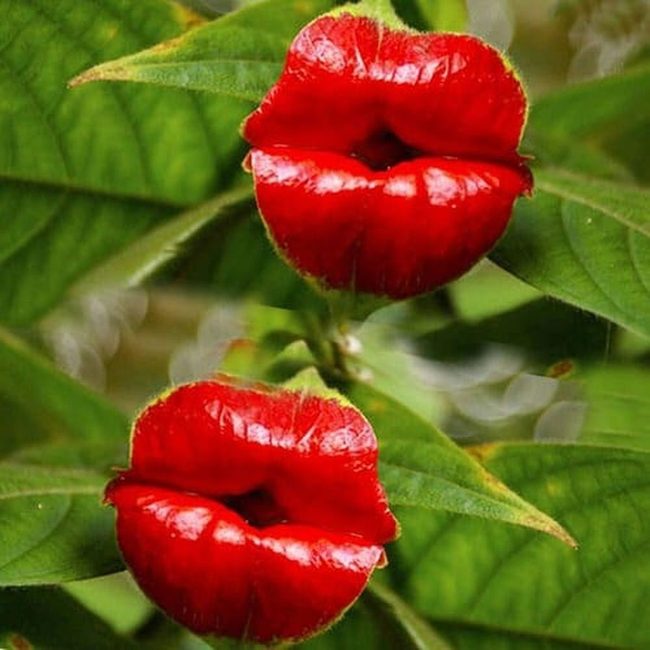
Hot lips plants are tropical shrubs that stop you in your tracks with their brilliant red bracts shaped exactly like human lips ready for a kiss.
Nature designed these playful specimens with vivid crimson modified leaves that truly resemble a perfect pucker, and they're native to Central and South American rainforests where warm temperatures and high humidity allow them to flourish.
Rich green foliage surrounds the dramatic lip-shaped bracts that pop out from the dense leafy backdrop, creating an almost surreal contrast that makes these plants so captivating.
If you're building an exotic plant collection, hot lips plants bring real whimsy and intrigue to your space with their unusual appearance.
We love recommending these rare specimens to gardeners who want something beyond the typical houseplant, especially if you can provide the warm, humid conditions they naturally grow in.
Cobra Lily Strikes Green
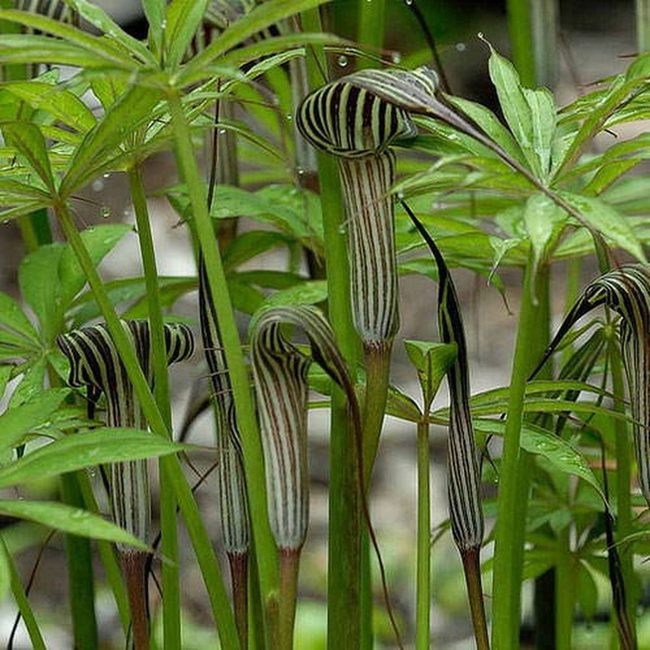
Botanical experts recognize Arisaema consanguineum as a remarkable plant species from northern India's mountainous regions, and its striking design mimics a cobra poised to strike with an extended tongue-like spadix that demands attention.
Delicate green and brown coloration enhances its serpentine resemblance, making it stand out as an unusual conversation piece in woodland gardens.
This exotic and unexpected perennial adds genuine intrigue to shade gardens through its slender stalks and uncommon flower shape.
Himalayan landscapes inspire its remarkable design, bringing wild mountain aesthetics directly into your personal garden space.
Nature's incredible mimicry reveals itself through the subtle nuances of this extraordinary plant specimen.
When you incorporate this species into your landscape, you connect with the raw beauty of high-altitude ecosystems without leaving home.
Pink Heart-Shaped Flower Pendants
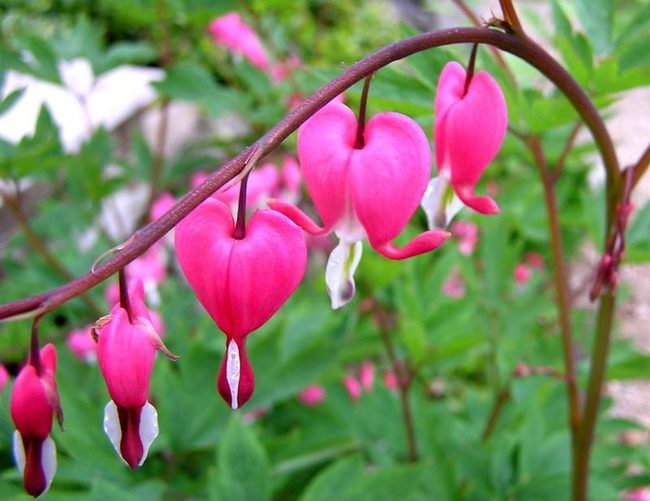
Bleeding hearts dangle from graceful green stems like tiny heart-shaped pieces of jewelry, bringing romantic charm straight into your garden and making an unforgettable impression.
Pink pendants cascade beautifully through woodland spaces, and their unusual form draws attention from every angle.
These plants come from eastern Asia originally and do best when planted in shady spots where the soil stays rich and moist.
You'll see them bloom during spring and early summer, when their unique shape attracts pollinators to your garden.
Japanese gardens have long celebrated these flowers for their beauty and what they represent.
Each petal sways with movement, and the whole plant seems to whisper a quiet story about love and the fragile side of emotions through its delicate structure.
Dark Red Monkey Face Orchids
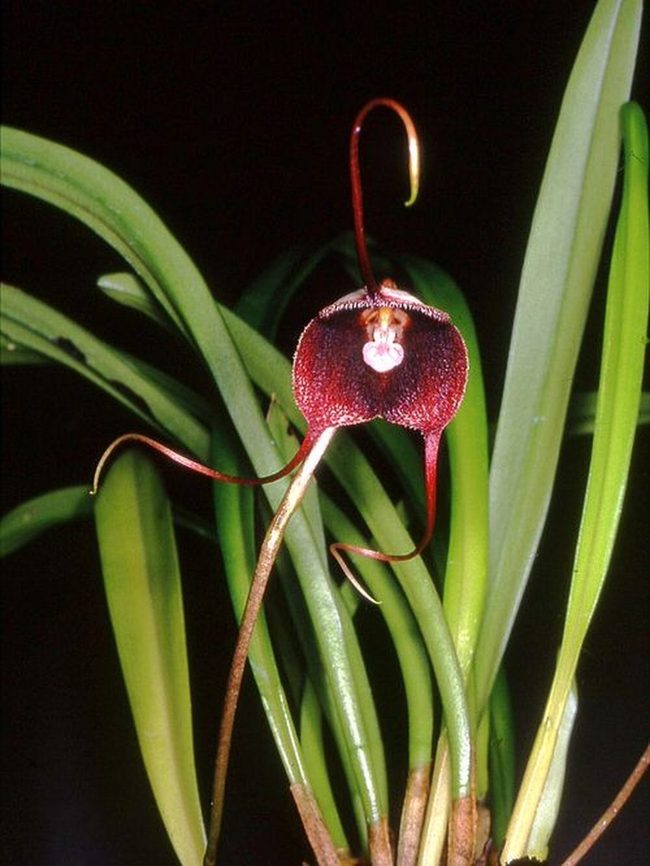
Dracula orchids stop you in your tracks with their shadowy petals that curl dramatically like supernatural creatures caught mid-movement, and their dark red blossoms resemble dried blood droplets perched on thin, elongated leaves.
These rare flowers have sinister vampire-like appearances that actually mimic eerie monkey faces, making them true gothic botanical wonders.
Found high in Colombian cloud forests where researchers discovered Dracula benedictii in remote Andean regions, these mysterious plants thrive in complex mountain environments that few places on earth can offer.
Passionate orchid collectors hunt for these uncommon specimens because their extraordinary design sets them apart from any other flower you'll encounter.
If you want to grow one yourself, you need to know that these plants demand specialized environments with precise humidity and temperature control to survive indoors.
Getting the conditions right takes patience and attention, but the result is worth the effort for anyone who loves unusual plants.
Brown-Spotted Tiger Orchid Giants
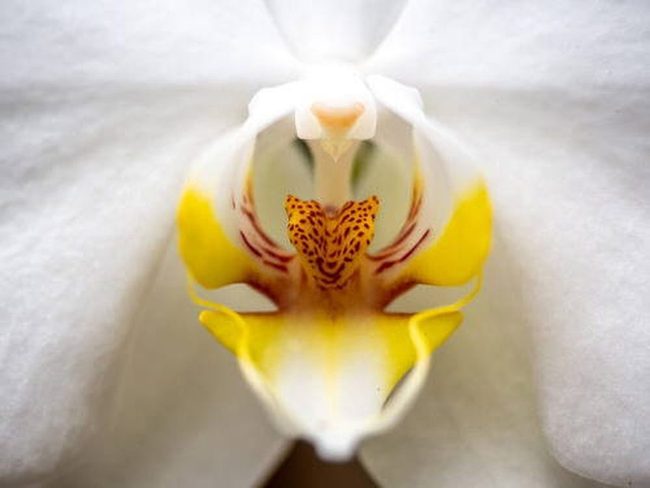
Tiger orchids stop you in your tracks with their dramatic brown-spotted leaves that look exactly like tiger stripes painted across natural woodland canvas.
Massive flower clusters hang from tree branches in dense tropical forests and can grow so heavy they weigh over 220 pounds when fully mature, making them one of nature's most jaw-dropping orchid species.
We know these plants by their scientific name, Grammatophyllum speciosum, and they originally come from tropical mountainous regions in the Americas.
If you want to grow these orchids successfully, you'll need to understand that they demand very specific conditions for humidity and light to truly flourish.
When these flowers cascade down in their natural habitat, they create an almost unbelievable display of botanical power and scale.
Getting one of these remarkable plants to thrive in your own space takes dedication and careful attention to replicating the conditions they need to survive.
Maroon Petals Shaped Like Flying Ducks
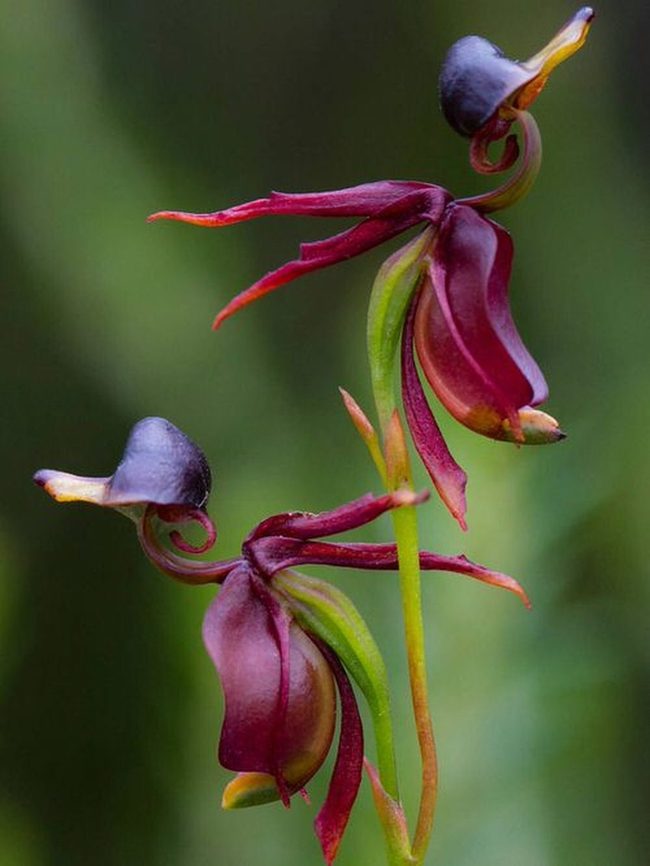
Flying duck orchids present nature's most striking botanical wonder, with maroon and burgundy petals that form an uncanny silhouette of a duck caught mid-flight and instantly trick your eye with their precision.
Found only in specific woodland regions across Australia, these rare native wildflowers have evolved delicate structures that make them botanical curiosities worth seeking out.
I think what makes them so captivating is how the small yet intricate blossoms mimic an actual duck's shape with remarkable accuracy.
Wildlife photographers frequently search these Australian landscapes to capture their stunning visual appeal.
Beneath that whimsical exterior lies a serious survival strategy, as these orchids depend on specialized pollination methods to thrive in their challenging forest environments.
You'll discover them in native wildflower patches tucked within select Australian woodlands, where they've adapted with delicate precision over generations.
White Dove Orchid’S Hidden Sculpture
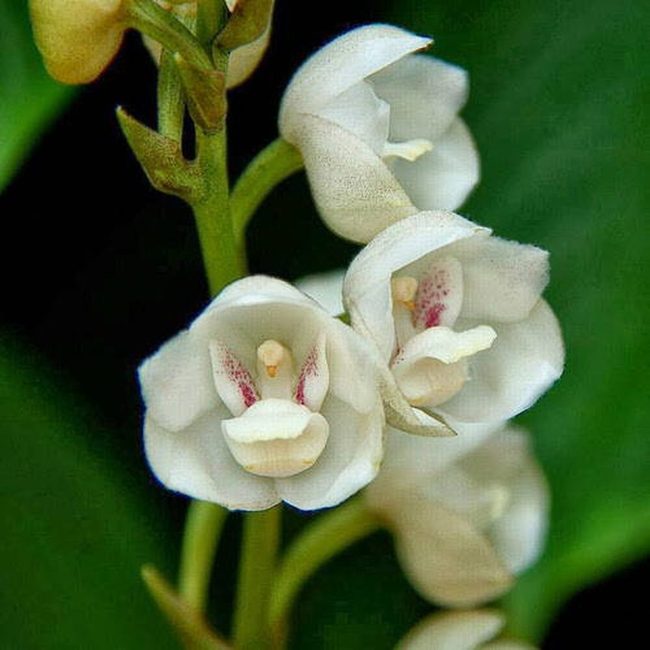
Gardeners marvel at the dove orchid's remarkable hidden center, where a tiny sculptural dove emerges from pristine white petals when you look closely at the flower's core.
Scientists know this rare bloom by its botanical name, Peristeria elata, and it grows naturally in Central America's steamy tropical regions.
Delicate white waxy flowers develop with stunning symmetry, and nature's artistic ability shows through in every bloom.
Those fragrant blossoms need tropical garden conditions to flourish, since they require consistent warmth and humidity to thrive.
Plant enthusiasts and collectors hunt for this uncommon orchid because of its extraordinary architectural beauty and deep symbolic spiritual meaning.
White Petals Mirror Cockatoo Wings
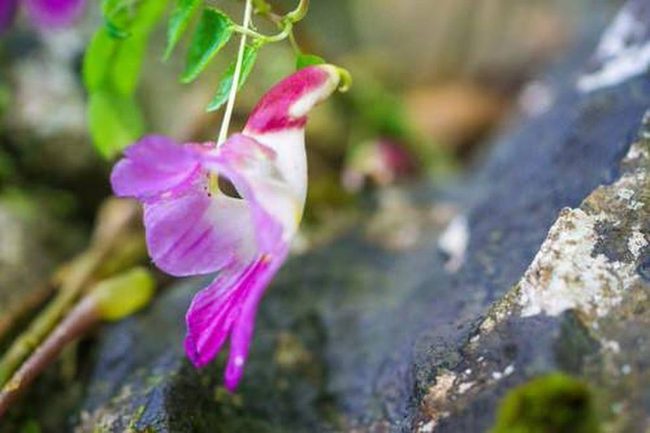
Parrot flowers stand out as nature's most striking botanical oddities, with their white and deep maroon petals arranged so precisely that they genuinely resemble a cockatoo frozen mid-flight with wings spread wide.
Botanists first discovered these rare plants in Thailand's lush forests, where they grow wild in select Southeast Asian regions.
We know them scientifically as Impatiens psittacina, and their exceptional design shows just how detailed nature can be when forming a living creature.
You'll find that these exotic blooms offer an almost uncanny resemblance to an actual bird, making them conversation starters in any setting.
Adding them to tropical gardens gives you those eye-catching plants that people can't help but notice and discuss.
The flowers' intricate structure and realistic bird-like appearance make them unusual specimens for plant collectors and gardeners who want something truly different from typical ornamental plants.
Dark Purple Bat Wings Bloom
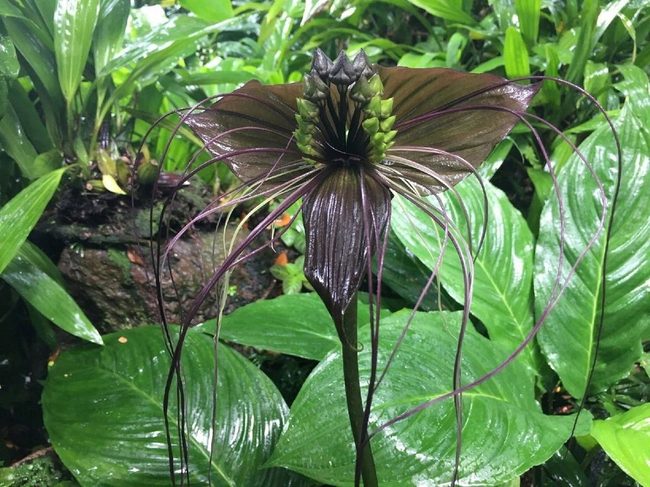
Bat flowers deliver an unmistakable visual statement with their dark purple blossoms that look like nocturnal creatures caught mid-flight with wings spread wide.
Native to the tropical regions of Southeast Asia, these exotic plants thrive when you give them humidity and indirect light in shaded garden spaces.
You can notice the intricate wing-like shapes immediately when you add them to your landscape, and they become natural conversation starters among visitors.
Their unusual appearance makes them stand out as distinctive elements in garden designs.
Growing these flowers requires understanding their preference for warm, humid conditions similar to their native environment.
If you want a plant that looks like nothing else in your yard and draws attention without being loud about it, bat flowers deliver exactly that kind of bold, unexpected beauty.
Butterfly Wing Orchid Blooms
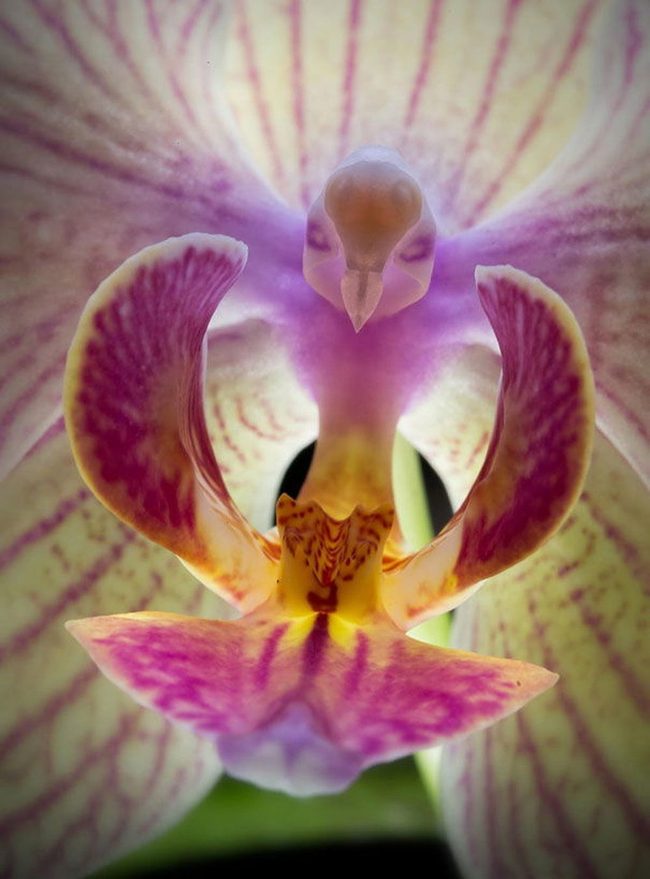
Moth orchids display petals shaped like delicate butterfly wings suspended in mid-flight, with pale pink, white, and deep purple blooms creating mesmerizing patterns that resemble delicate insect silhouettes.
These Phalaenopsis varieties feature distinctive flowers hovering on slender stems with graceful arching shapes that seem to flutter despite being completely still, and the soft edges of each petal add to this mesmerizing effect.
Glossy green leaves form dense clusters beneath the flower spikes, which emerge with surprising height and dramatic presence.
Botanical experts recognize these plants for their unique wing-like flower structures that stand out among other orchid varieties.
If you want your moth orchids to thrive, indirect light and moderate humidity are what they need to develop properly.
Checkered Petals In Woodland Shade
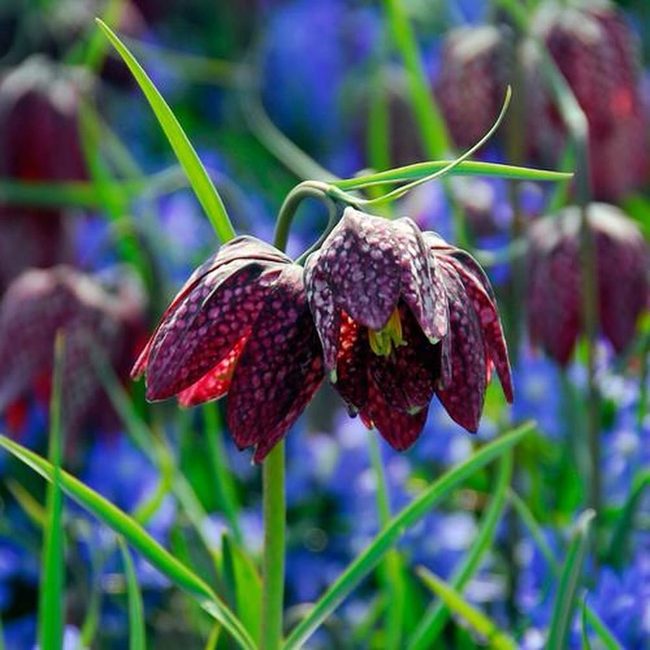
Snake's head fritillary flowers grab your attention first with their bell-shaped blossoms that dangle from thin stems like living chess pieces, complete with mesmerizing geometric patterns and snake-like markings on fragile petals.
You'll find these botanical puzzles thriving naturally across European wild meadows, where they nod gracefully among native grasses and wildflowers.
Many gardeners add them to woodland gardens because their unusual appearance works perfectly with spring blooms and shade-loving plants.
Growing these rare perennials does best in European-style landscapes where the soil and climate match their original habitats.
I think what makes them special is how their delicate structure catches light differently than typical garden flowers.
We can appreciate them as both a garden feature and a fascinating example of nature's geometric design.
If you're looking to add something truly different to your space, these flowers deliver character without needing much fuss once they're established.
Dark Red Vader Flower
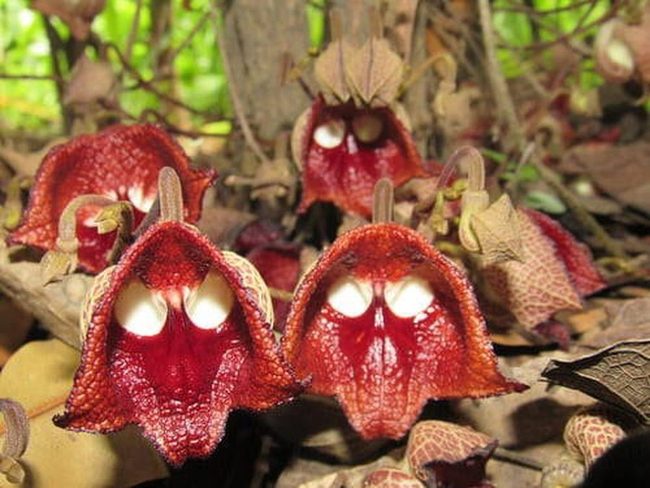
Dark burgundy blooms shaped like Darth Vader's helmet stand out as nature's most striking tribute to the iconic Star Wars villain, and i admire the dramatically curved petals that replicate his legendary silhouette.
Nature pulls off an impressive botanical trick with this unique flower, bending deep red petals in ways that seem almost too perfect to be real.
Special growths around the flower's edges enhance its sci-fi character appearance and make the resemblance even more convincing.
What makes these flowers so interesting is how they merge science with pop culture in one extraordinary bloom.
Star Wars fans particularly love them because they capture something recognizable from a beloved film franchise.
If you're looking for something unusual to grow in your garden, these blooms offer both botanical interest and a fun conversation starter for anyone who recognizes the reference.
Pink Impatiens Petals Like Tiny Ballerinas
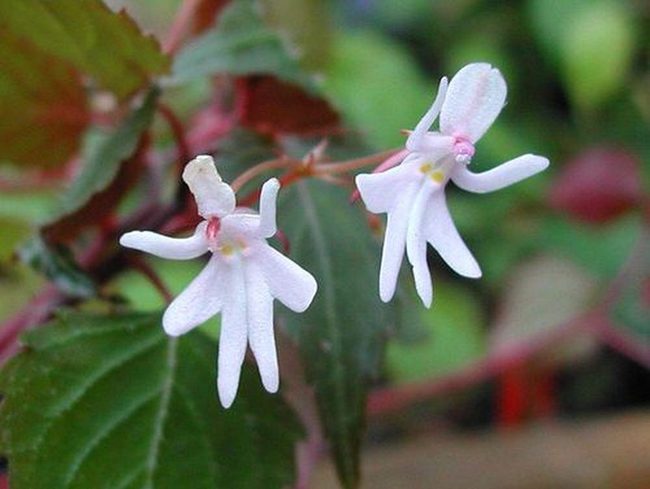
Dancing girls impatiens command attention with their delicate blooms that look like tiny ballerinas caught mid-twirl, their small white or blush-pink petals stretching outward like graceful dancer limbs against lush green foliage.
Light filtering through these translucent petals brings moments of visual delight and unexpected movement to shaded garden spaces where you might otherwise struggle to add interest.
When breezes drift through your garden, i admire the way the petal-dancers sway with mesmerizing elegance that brings joy and whimsy to any planting scheme.
Impatiens bequaertii thrives in tropical regions and warm climates, making it perfect if you're fortunate enough to garden in those conditions.
We especially love how their compact size fits beautifully in woodland gardens or nestled between larger perennials without overwhelming the space.
Tiny Faced Flowers Winter Blooms
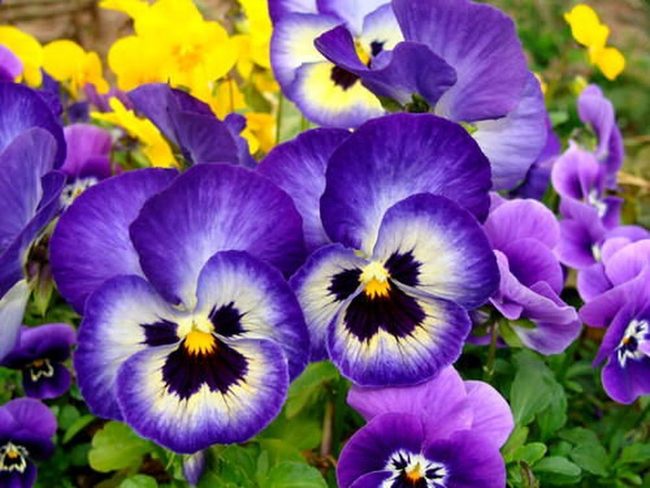
Pansies are garden jewels with charming faces that bloom across flower beds, and their small blossoms display delightful arrangements that mimic human expressions and emotions in ways that seem almost painted by hand.
Each delicate petal appears decorated with intricate designs resembling tiny faces, giving these flowers a playful personality that adds whimsy and character to any landscape.
Botanically known as Viola tricolor var.
hortensis, pansies originated from European wildflower regions and have become beloved garden staples.
What makes them especially valuable is their resilient nature; they thrive during winter and early spring when many other plants struggle to survive.
Compact in size, these plants produce multiple blooming flowers that reward your gardening efforts throughout cooler months.
You'll find that pansies bring genuine personality to your outdoor spaces, transforming ordinary flower beds into displays filled with charm and movement.
White Egret Orchid Flying Form
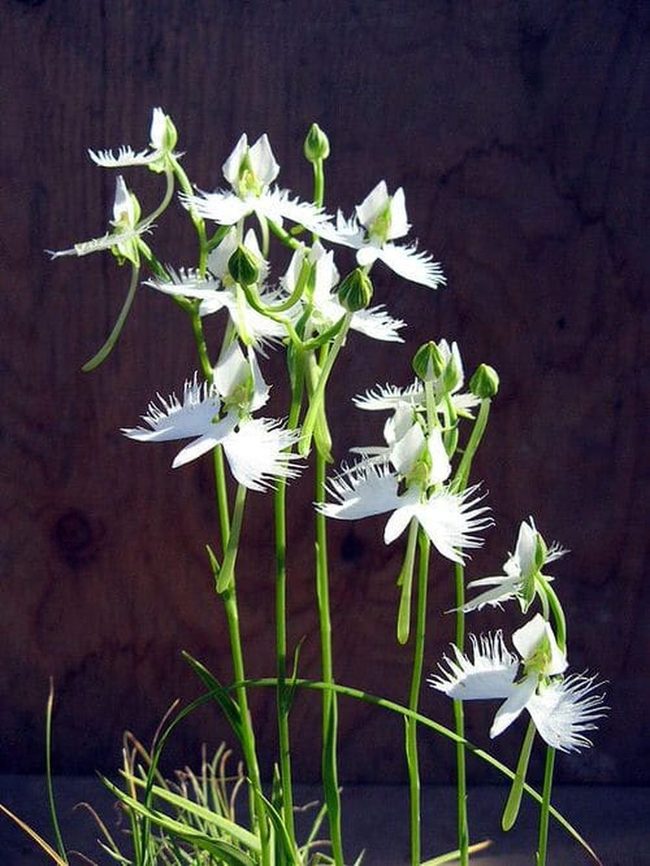
White egret orchid blossoms stand out as one of nature's most striking floral oddities, with petals that spread open like feathered wings and curve in ways that genuinely resemble a bird frozen mid-flight.
I value the delicate structure creates an almost uncanny resemblance to a graceful egret, with intricate details that capture the elegant arc of a bird's neck and wings in perfect botanical form.
Habenaria radiata, the scientific name for this orchid, hails from Japan's mountain regions and wetland areas where it grows naturally in its native habitat.
Botanical experts continue to marvel at how each pristine flower manages to produce such a precise avian silhouette, and we can easily understand why this orchid has captured human attention for so long.
Squeezable Flowers That Transform Into Skulls
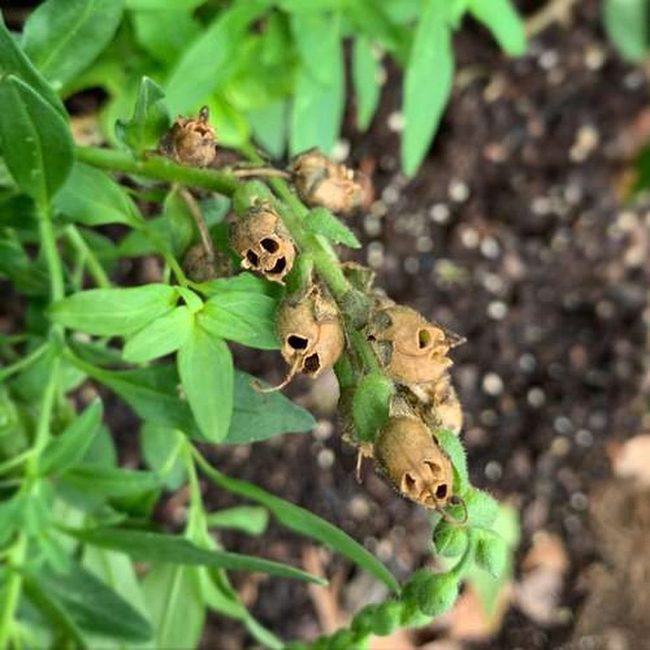
Snapdragons deliver charming dragon-head blooms that kids and adults alike find entertaining, especially when you gently squeeze the sides to watch the flower's mouth open and close like a tiny puppet.
After the blooms fade, the seed pods shift into fascinating brown skull shapes that add an eerie, unexpected element to your garden bed.
You'll discover these flowers come in numerous shades ranging from soft pinks to deep crimsons, so you can match them to your existing landscape or create bold color combinations.
Growing snapdragons proves straightforward since they thrive in sunny spots with soil that drains well and don't demand much fussing once established.
The whimsical nature of these plants makes them perfect conversation starters when people walk through your garden.
Plant them in spring and they'll reward you with blooms throughout the season.
Orange And Blue Tropical Bird Flowers
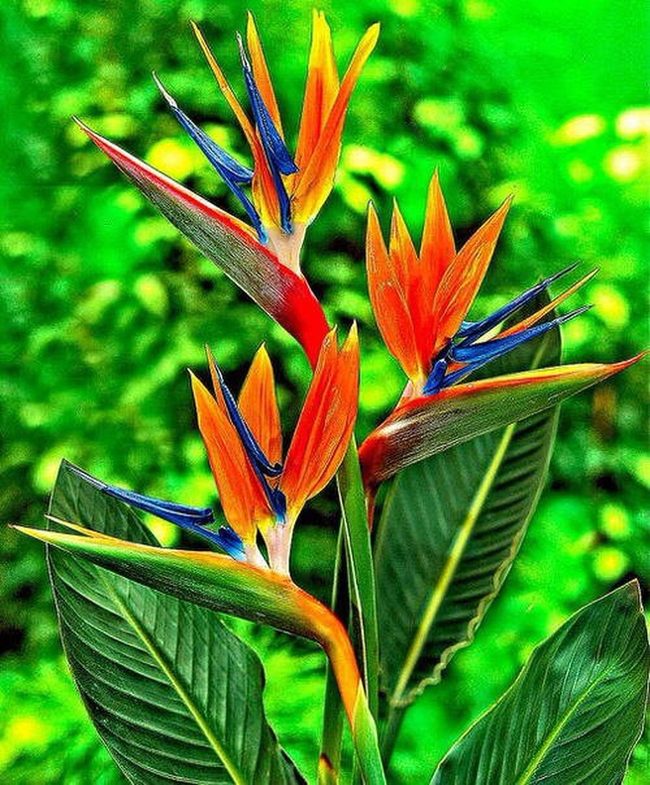
Bird of paradise flowers stand out with their remarkable resemblance to exotic tropical birds resting among leafy branches, and their striking orange and blue blooms look like small feathered creatures suspended mid-flight.
Native to South Africa, Strelitzia reginae produces these colorful formations with distinct pointed petals and rich hues that seem to capture movement in nature's design.
When you add them to landscaping projects, their architectural presence and eye-catching color combinations bring real visual interest to garden spaces.
We especially love how these unique botanical treasures perform in tropical gardens where they truly belong.
You'll find that their distinctive shape and vibrant coloring make them stand out from typical flowering plants.
Their presence elevates garden designs with natural beauty and botanical character.
If you're looking to add something that draws attention and speaks to creative garden planning, these flowers deliver both personality and structure to outdoor spaces.
White Angel Orchids Mountain Forest
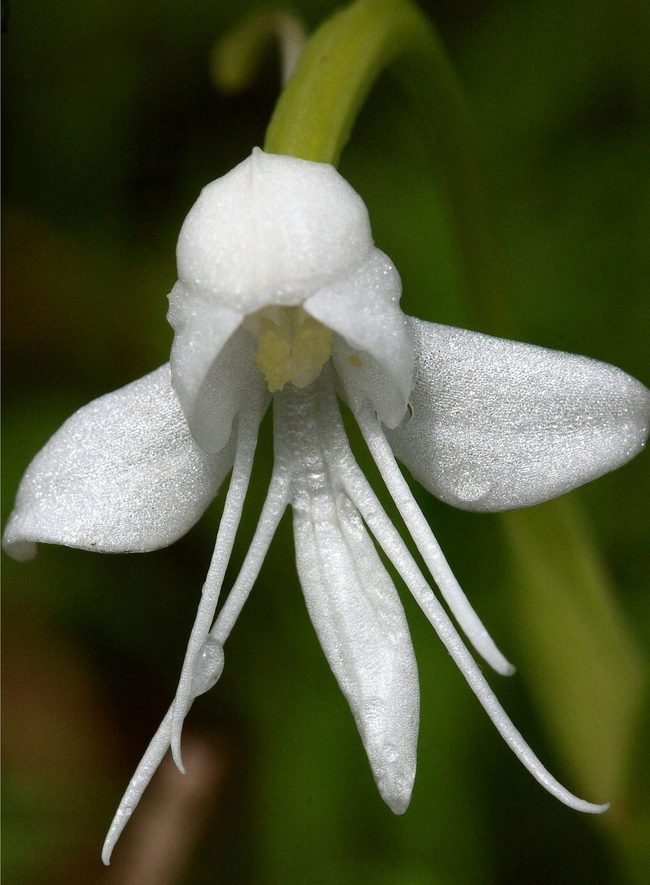
Standing on forest floors across Asian mountain regions, angel orchids immediately arrest your attention with their otherworldly shape that resembles heavenly beings suspended in air.
Delicate white petals arrange themselves into a silhouette unmistakably human-like, complete with flowing robes and graceful curves that seem almost sculptural.
Botanists call these remarkable plants Habenaria Grandifloriformis, and they've adapted to thrive in their specific native habitats.
Beneath each bloom, small heart-shaped leaves spread across the ground as a natural carpet that frames the flower perfectly.
Each blossom opens to reveal tiny winged forms with outstretched appendages and poses so poised they seem frozen mid-flight.
A mild, sweet fragrance surrounds these flowers, adding an invisible layer of sensory beauty to their already extraordinary appearance.
Bee-Shaped Petals Trick Male Insects
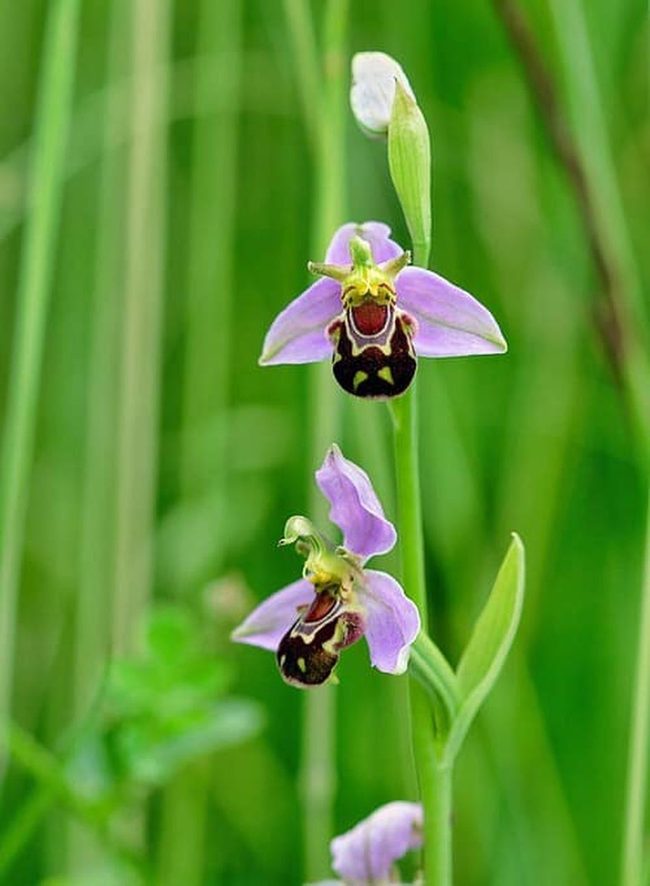
Bee orchids stand out as nature's most striking deception, with petals shaped exactly like female bees down to their fuzzy bodies and shiny wings.
Botanical researchers have studied how this plant evolved such a precise imitation of bee anatomy that male insects get fooled into approaching the flower.
When these confused pollinators try to mate with the bloom, they brush against the flower's reproductive parts and end up carrying pollen to the next plant without realizing what happened.
Scientists call this strategy sexual deception, and it works so well that the orchid barely needs real pollinators to survive.
You'll find these remarkable plants thriving in Mediterranean regions where the climate suits them best, though gardeners in Germany and Britain have also welcomed them into their collections.
What makes Ophrys apifera truly fascinating is how it perfected this camouflage over thousands of years of evolution.
Monkey Face Orchid Mountain Treasure
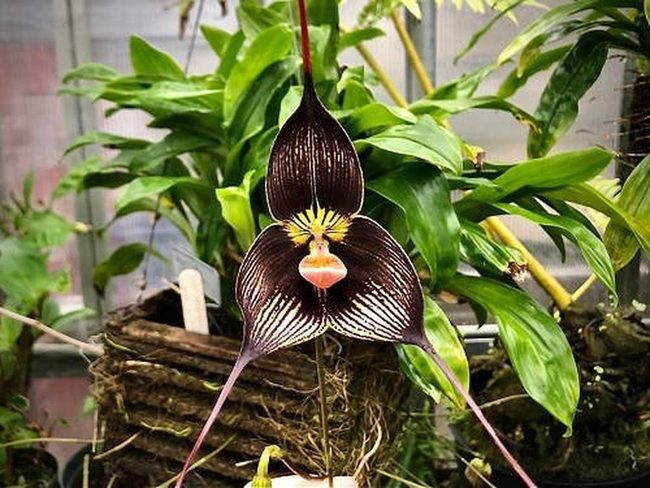
Delicate petals arrange themselves into shapes that look remarkably like tiny monkey faces, complete with distinct eyes and a mouth that seems to smile back at you as you lean in for a closer look.
Botanists named this extraordinary plant Dracula simia to highlight just how convincing the resemblance really is, and the dark brown and white coloring on each blossom intensifies that uncanny animal-like appearance.
Exotic collectors around the world prize these unusual flowers highly because of their incredible mimicry and the simple fact that they're so hard to find.
Mountain settings nurture these botanical wonders that seem almost too fantastical to be real, and most people who encounter them up close feel genuinely surprised by how much they resemble living creatures.
Orange Penguin Flowers Alpine Rocks
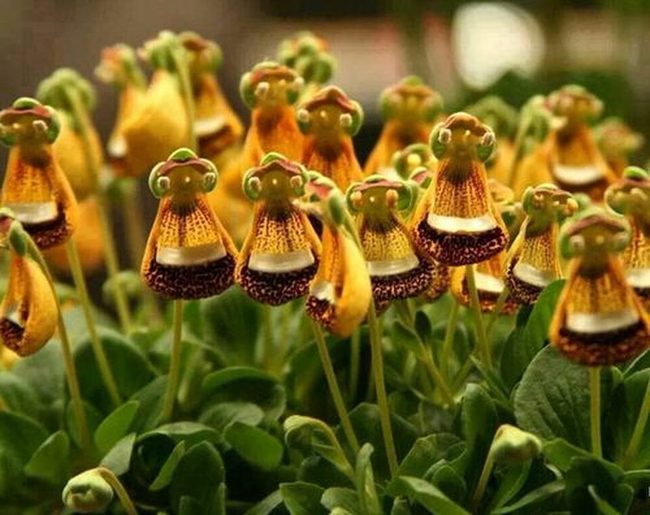
Across South American mountain landscapes, small orange blossoms perch on rocky terrain like miniature waddling creatures with playful personalities, and these extraordinary flowers spark imagination with their unexpected design that resembles tiny animated characters.
Calceolaria uniflora earned its charming reputation because the flower shapes genuinely look like adorable alien-like figures dancing with whimsical penguin-like charm across the rugged ground.
Scientific explorers named this distinctive species for its appearance, drawn to how the blooms mimic these quirky and delightful forms.
Charles Darwin encountered these remarkable flowers during his botanical explorations and documented his findings.
Rocks become perfect stages for these orange blooms to showcase their playful silhouettes in nature's own theater.
Olivia Martinez
Founder & Principal Designer
Expertise
Sustainable Interior Design, Residential and Commercial Space Planning, Historic Preservation and Adaptive Reuse, Custom Furniture Design, Project Management
Education
Parsons School of Design, New York, NY
LEED Accredited Professional (LEED AP)
Olivia Martinez is the founder of Archi Refresh, where she brings style and sustainability together. With a degree from Parsons School of Design and a LEED certification, she’s all about creating beautiful, eco-friendly spaces.
With over eight years in the industry, Olivia has designed everything from cozy homes to commercial spaces, always putting function and sustainability first. She loves working with local artisans and has been featured in design publications for her fresh take on green living.
When she’s not designing, Olivia enjoys exploring historic architecture, painting, and spending time with her rescue dogs, Luna and Max.