
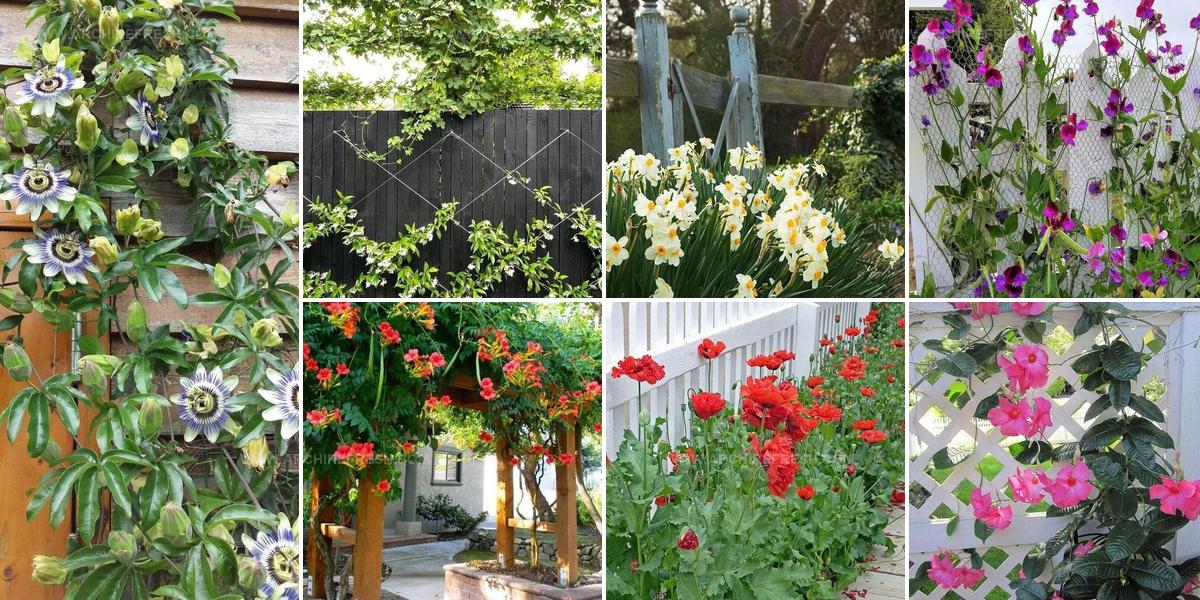
33 Flowered Garden Fence Ideas That Bloom with Beauty
A flowered garden fence becomes more than a simple boundary when blooms cascade along its length and bring natural beauty to outdoor spaces.
Many homeowners overlook how plants paired with fencing create stunning visual effects that enhance curb appeal while offering privacy.
Climbing roses, morning glories, and clematis are popular choices, but countless other flowering species work beautifully with different fence styles and climates.
The combination of structure and organic growth produces an enchanting border that changes with seasons and attracts pollinizes to yards.
Gardens gain depth and dimension when vertical spaces get adorned with colorful petals and lush foliage.
Planning such a feature requires consideration of sunlight, soil conditions, maintenance needs, and the overall aesthetic that complements existing landscaping.
Reading further will show just how achievable and rewarding such a living fence can be for any property.
Purple Sphere Flowers Garden
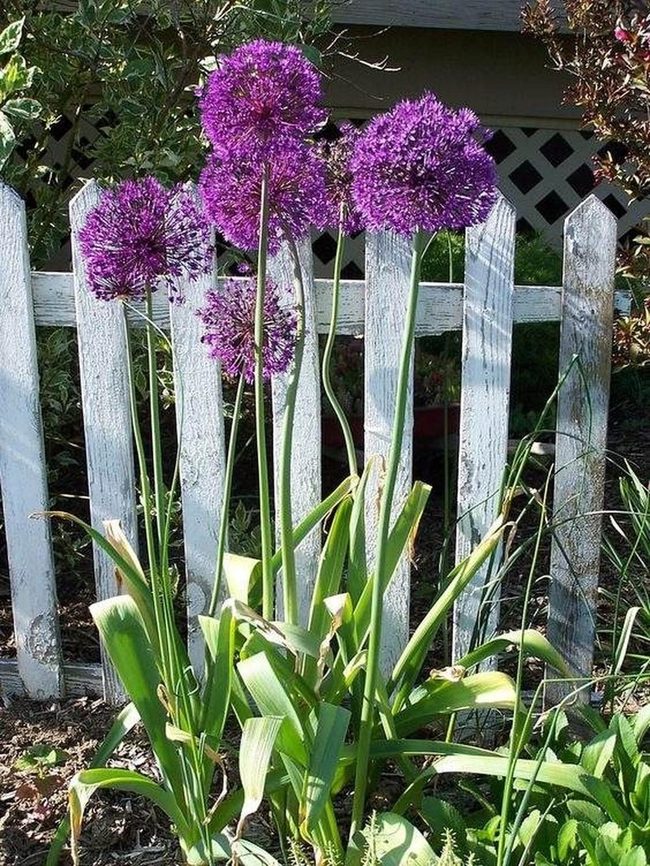
Alliums bring a show-stopping look to your garden with their perfectly round, globe-shaped flower heads that stand tall on sturdy stems and catch everyone's attention along fence lines and borders.
The interest comes from how the vibrant colors of these blooms add instant energy to any outdoor space and make passersby pause to admire them.
What I appreciate most is how hardy these plants are, since they adapt well to many different growing conditions and soil types found in most yards.
Beyond their stunning appearance, alliums do something wonderful for your garden's ecosystem by attracting bees, butterflies, and other helpful pollinators that keep your plants healthy.
They're low-maintenance once established, so you can enjoy their beauty without constant fussing.
Whether you scatter them throughout your beds or line them along pathways, these flowers lift your outdoor area from ordinary to something special.
Abundant Peony Blooms Line Garden
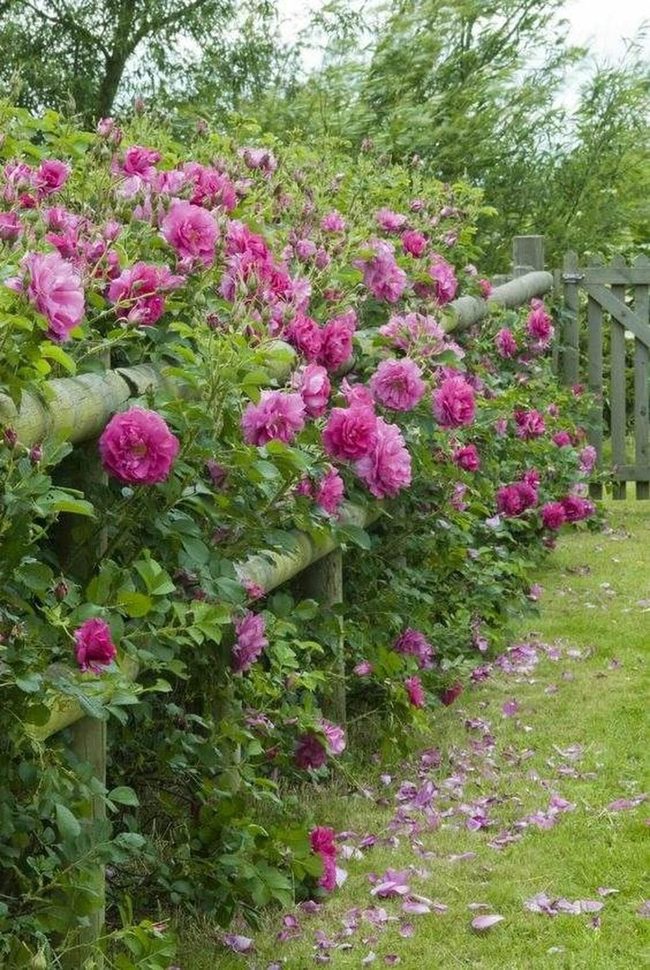
Peonies burst with lush blooms that overflow with richness and warmth across your outdoor space, and their colors span from pale pastels to bold jewel tones that give any garden real presence.
You can line fence edges with these flowers to add layers of depth and textural interest that draws the eye naturally.
They're perennials that stick around year after year, which means you get lasting beauty without constant replanting.
For best results, plant them in soil that drains well and spot them where they'll catch plenty of sun throughout the day.
Adding peonies to your garden plan offers an easy way to get that full, flourishing look without fussing over temperamental flowers.
Their generous flower heads make them stand out from other garden plants and give you a real sense of garden abundance.
Purple Irises Define Fence Lines
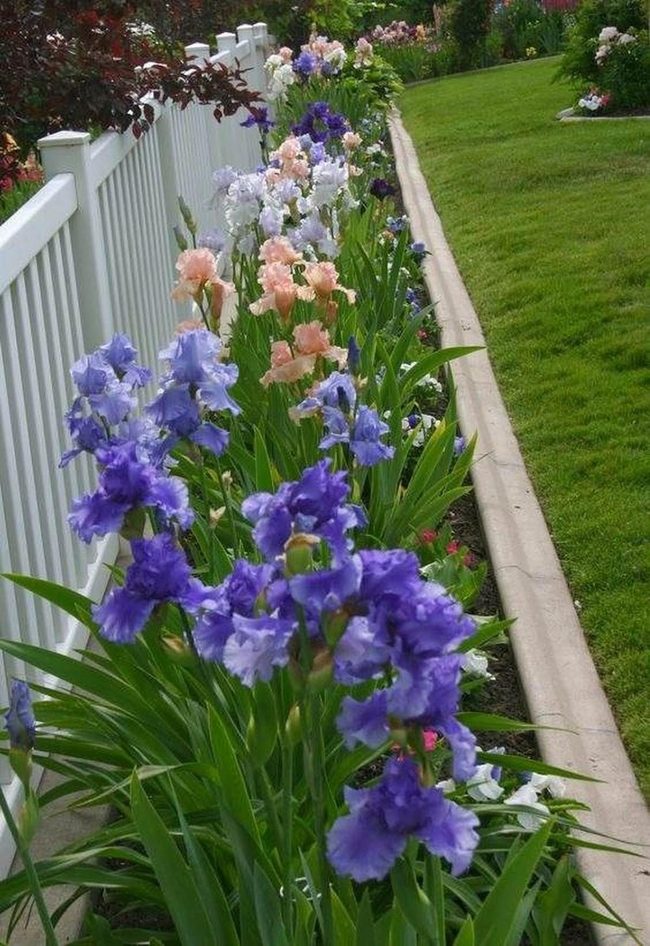
Planting irises along your fence line gives you an instantly striking garden display that stops people in their tracks with bold, colorful blooms in shapes you won't find anywhere else.
I can see how you choose from so many color options, and each iris variety brings its own personality to that otherwise plain boundary.
One reason this works is that irises do double duty; they look fantastic while also adding structure and definition to your outdoor space.
Setting them along your fence means you get maximum visual benefit from minimal effort on your part.
If you want to boost your garden's appeal without spending hours on upkeep, this solution works beautifully.
Blooming Fence Garden Transformation
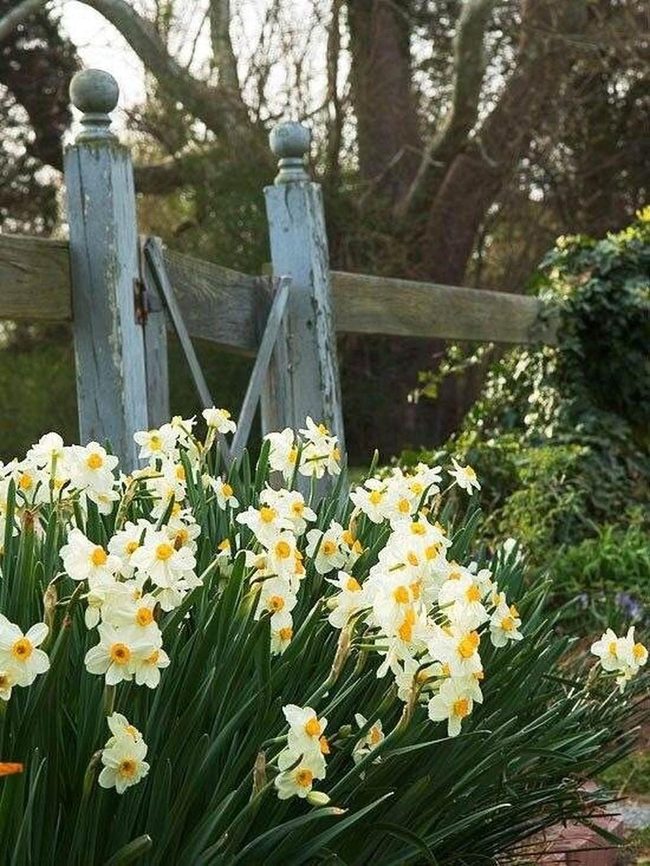
Growing flowers along your garden fence creates a landscape that stops people in their tracks, starting with bright daffodils that seem to dance when the wind blows through them, or climbing roses that wind around your posts and fill the space with color and fragrance.
Wisteria takes things further by draping long, graceful strands down the fence like a living curtain that changes the whole look of your yard.
You can start small with just one or two plants and expand as you see what works best in your space and how much time you want to spend on upkeep.
Over time, your fence becomes more than just a boundary; it turns into a peaceful retreat where you can sit and enjoy nature right at home.
Neighbors and visitors will notice the transformation and often ask how you managed to grow something so beautiful.
Beyond the visual appeal, there's real satisfaction in watching plants grow and change with the seasons.
Climbing Sweet Peas Fragrant Garden Wall
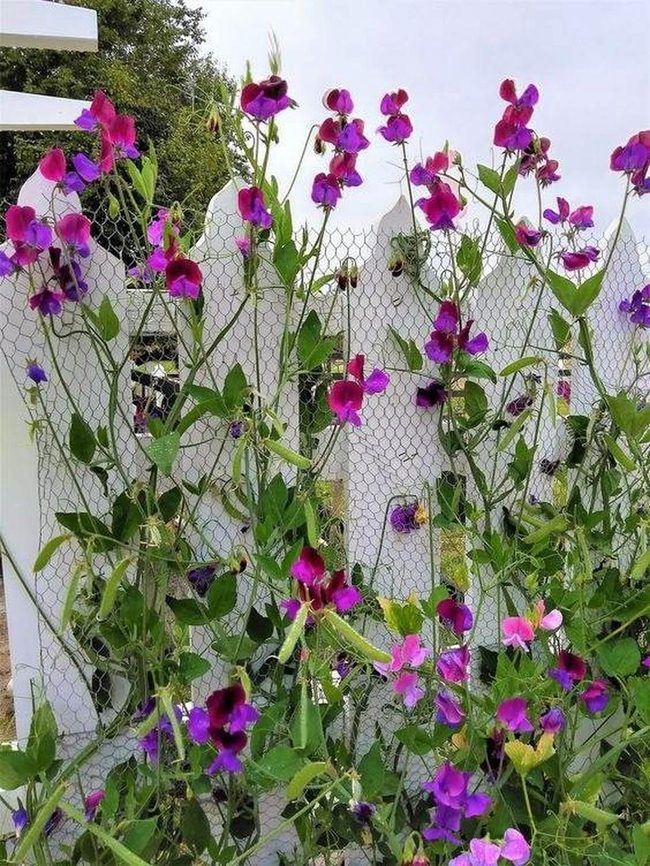
Sweet peas climbing up your garden fence turn an ordinary barrier into a stunning display of color and fragrance that you can tell from across your yard.
Growing these delicate flowers along a trellis or wire support means you can fill vertical space without taking up much ground, and the blooms come in soft pinks, purples, blues, and whites that brighten any garden corner.
What makes them even better is the sweet, pleasant smell they release, which fills your outdoor area with a natural perfume that makes spending time there feel special.
Training them is straightforward since the plants naturally want to climb, so you just guide them where you want them to go and they do most of the work.
Beyond their beauty and scent, sweet peas add charm to your garden design and give your space more personality than a bare fence could ever do.
Pink Bougainvillea Cascading Garden Fence

Bougainvillea transforms an ordinary garden fence into a striking display of pink, purple, and orange that stops you in your tracks, and its climbing vines cascade over structures with ease to cover any boundary you want to soften.
Once established, this hardy plant needs very little attention and actually prefers sunny spots where it thrives naturally.
You can use it to do more than just mark your property line; it becomes a real focal point that makes your whole garden more beautiful throughout the seasons.
Metal or wooden fences serve as perfect backdrops for the plant's bold colors, and the contrast between the bright blooms and neutral fence tones really stands out.
Most people are surprised by how little maintenance bougainvillea demands once it gets going in your yard.
Adding this climbing plant to your outdoor space means you get both function and stunning looks in one simple addition.
Purple Cascades Transform Garden Fences
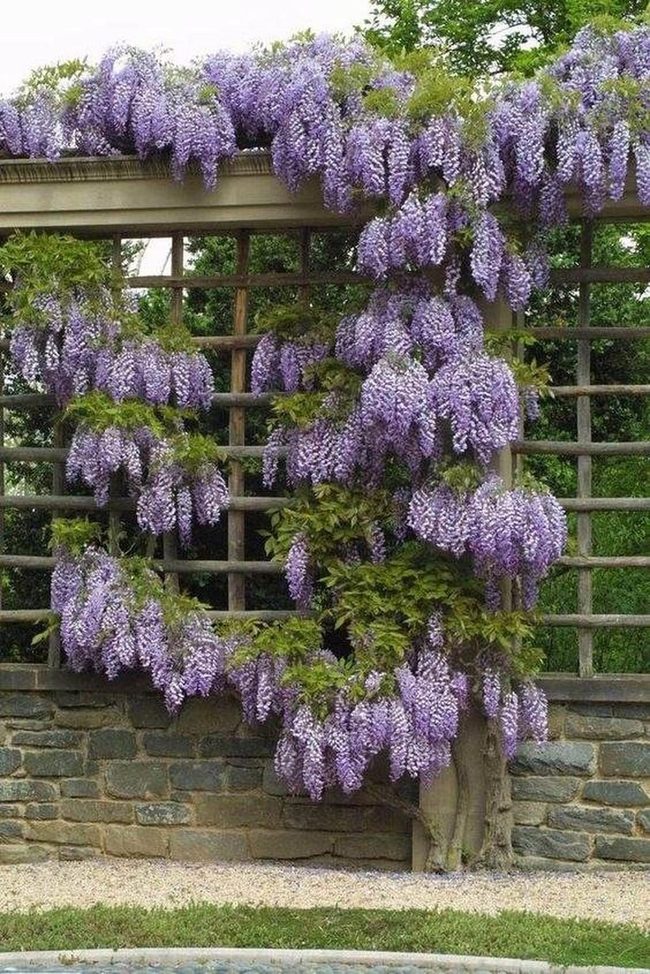
Wisteria brings cascading clusters of purple blooms that drape over your garden fence and create a breathtaking display of color and fragrance throughout your outdoor space.
As this climbing plant weaves around the structure, it adds depth to your landscape design while providing privacy at the same time.
We recommend choosing sturdy support for the vines since wisteria grows vigorously and needs a solid foundation to flourish properly.
Beyond its appearance, the plant fills your garden with natural beauty and transforms an ordinary fence into a picturesque retreat.
You'll find that wisteria adapts well to most settings and rewards patient gardeners with reliable blooms season after season.
The fragrance alone makes it worth the effort, and watching the vines spread across your fence becomes one of those simple pleasures of outdoor living.
Intricate Blooms Hide Your Fence Line
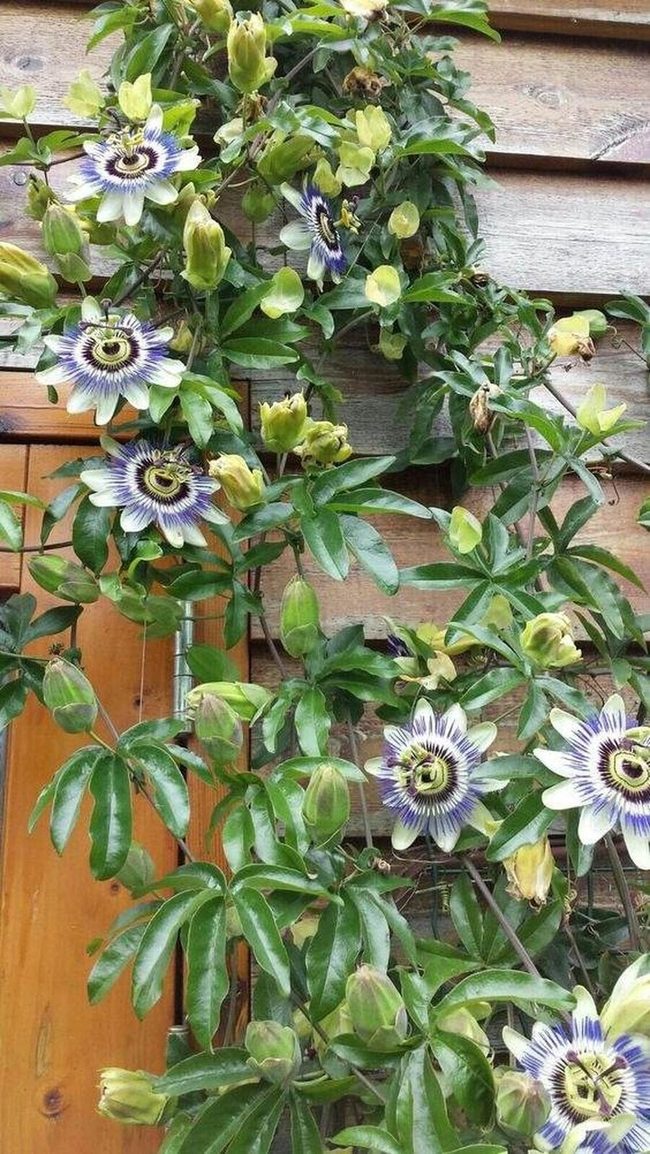
Passionflower cascading across your garden fence creates an eye-catching display with its intricate, unusual blooms in striking colors and patterns that immediately draw attention to your outdoor space.
Beyond the visual appeal, passionflower thrives in many different climates and brings pollinators into your garden, supporting the local ecosystem.
You get both practicality and beauty from a single plant since the twining vines provide screening and shade while the distinctive flowers add personality to what might otherwise be just a basic fence line.
Incorporating this particular flora into your garden design means you're adding both interest and function without extra effort once it's established.
The combination of lush greenery and unusual blooms makes ordinary garden boundaries feel like a intentional part of your landscape rather than just a boundary.
Towering Hollyhocks Frame Your Fence
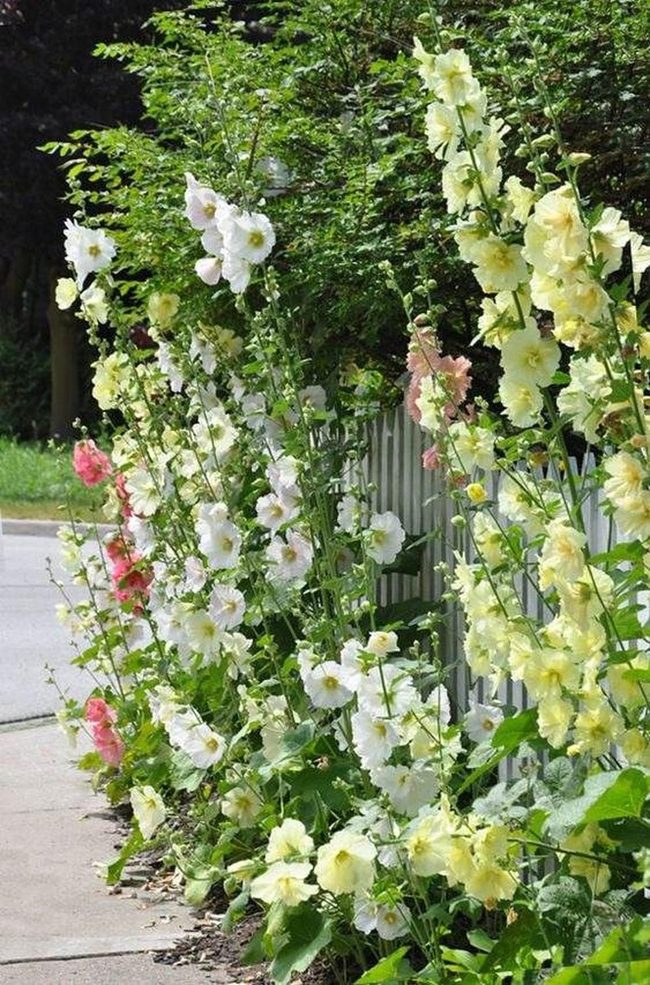
Hollyhocks planted in clusters along your fence deliver towering columns of color that immediately grab attention and transform any garden view.
You'll find these tall bloomers in shades ranging from pastels to rich, bold tones, so matching them to your landscape is straightforward.
They stand upright against the fence and add real depth and texture to what might otherwise be a plain backdrop.
Beyond their good looks, hollyhocks are pollinator magnets that draw bees and butterflies into your space and keep them coming back.
When you tuck them into your garden fence area, you're bringing nature front and center while getting months of nonstop color and visual interest.
These plants work well because they're hardy and easy to grow, and they fill vertical space without taking up much ground room.
Most gardeners appreciate how hollyhocks solve multiple problems at once; screening, beauty, and supporting local wildlife all in one planting.
Colorful Phlox Blooms Garden Border
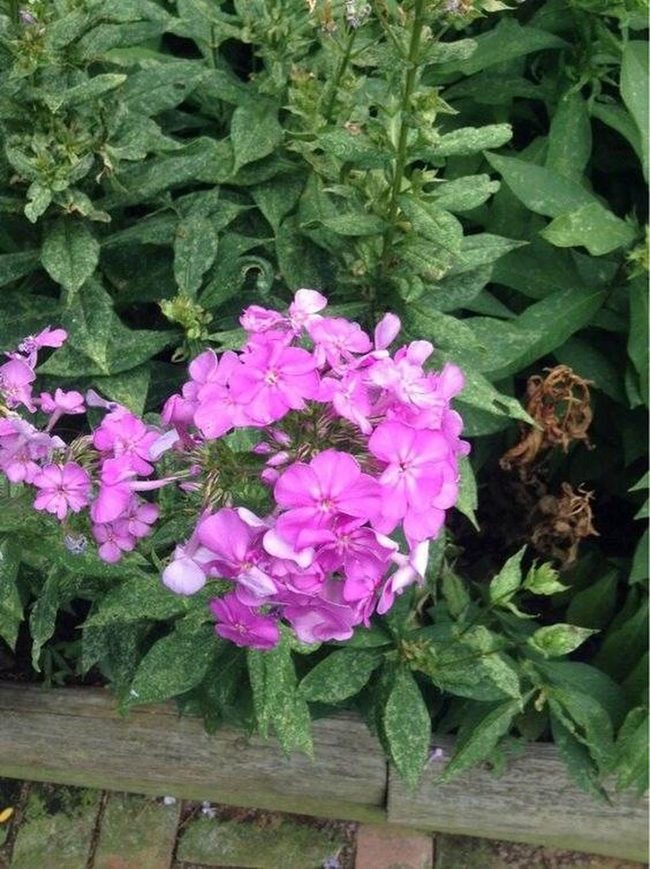
Phlox stands out in any garden with its vibrant, eye-catching blooms that burst across your landscape in bold colors and attract butterflies and bees with ease.
You can line these flowers along fences and borders to create a striking display that transforms your outdoor space and enhances the visual appeal of your entire yard.
What makes phlox so practical is how well it adapts to different growing conditions and complements various landscaping styles without demanding much from you in terms of upkeep.
Beyond their good looks, these hardy plants reward you with a lovely fragrance and consistent flowering throughout the season.
The part I notice is how straightforward they are to grow, making them perfect whether you're an experienced gardener or just starting out.
Plant them in spots where you want color and texture, and they'll establish themselves nicely year after year.
Phlox really deserves a spot in your garden because it delivers both beauty and reliability in one simple package.
Green Hops Living Wall
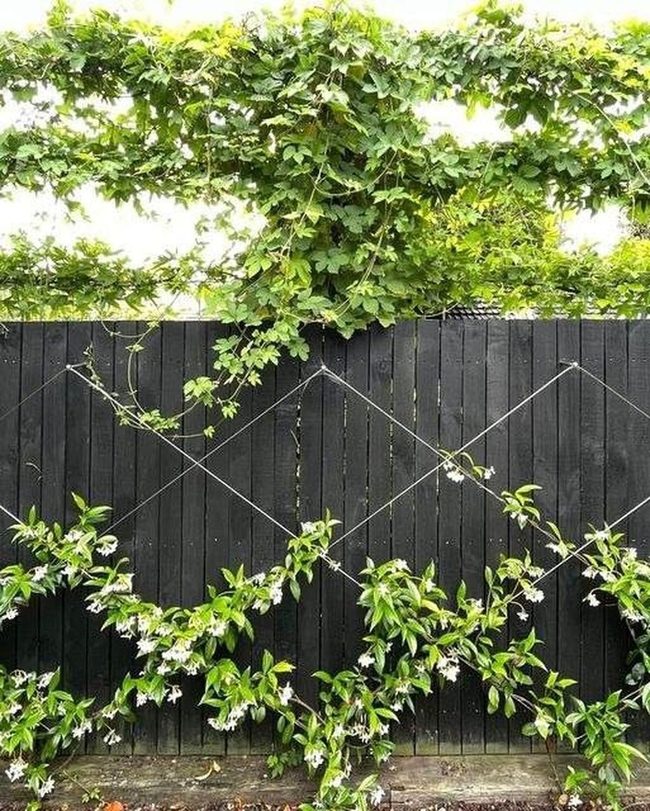
Hops climbing up your garden fence create a stunning living wall that catches the eye with their lush green coverage and delicate flowers dancing in the breeze.
These plants grow fast and spread naturally along your fence, wrapping around it to form a thick, beautiful barrier that blocks views from neighbors while adding real character to your yard.
As hops climb higher, they produce charming cone-shaped flowers that bring texture and visual interest to what might otherwise be a plain fence line.
Beyond looks, the strongest detail is bees and butterflies visiting regularly, which helps your whole garden thrive and stay healthy.
Growing hops is straightforward since they love climbing and need minimal fussing once established.
You get privacy, shade, and a living backdrop all at once without much effort.
It's one of those simple upgrades that changes your outdoor space from ordinary to something special, making your yard feel like a real retreat where you actually want to spend time.
Massive Blooms Frame Wooden Fence
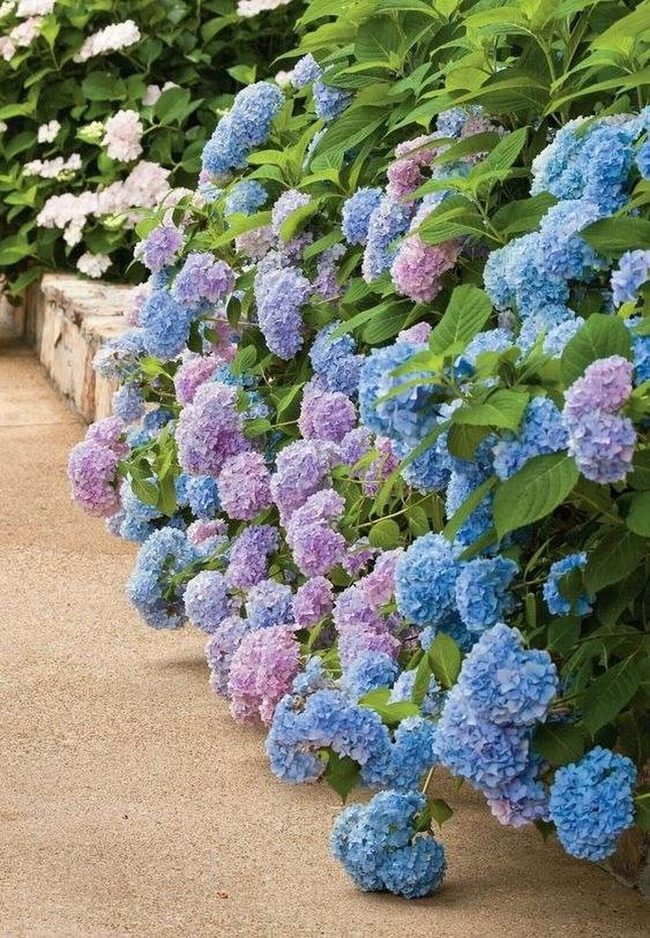
Hydrangeas transform a fence into something far more beautiful than a simple boundary, and their massive, colorful blooms instantly catch attention as soon as you step outside.
You can choose from rich purples, deep blues, soft pinks, or bright whites, and these shades pair wonderfully with natural wood or metal fencing materials.
Beyond just looking good, hydrangeas give you privacy while also creating a peaceful backdrop where you can relax and enjoy your outdoor space.
These plants adapt well to many different climates and keep putting on a show from spring all the way through autumn, so your garden stays interesting throughout the seasons.
When you're thinking about adding hydrangeas to your fence line, you're really combining function with beauty in one smart move.
Zinnias Burst Across Garden Fences
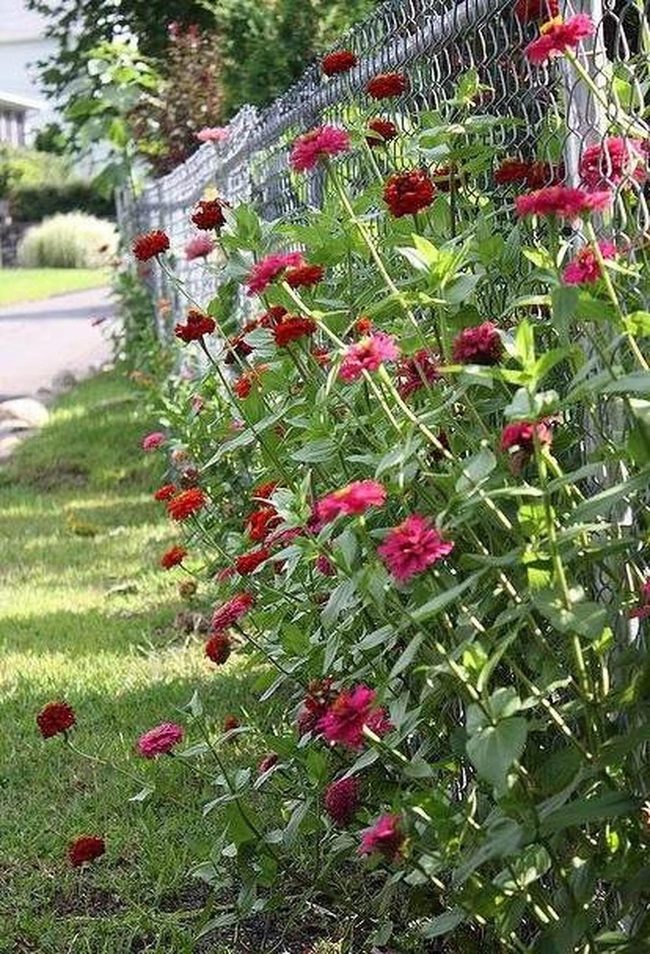
Zinnias explode across garden fences with brilliant colors that immediately stop you in your tracks, and their cheerful blooms attract butterflies and bees that bring movement and life to your outdoor space.
These hardy flowers love sunshine and thrive when planted along fence lines, where they transform a plain backdrop into something memorable.
You can mix different zinnia shades together to build layers of color that feel more dynamic and interesting than a single hue.
Beyond their beauty, zinnias do real work in your garden by supporting pollinators and helping local ecosystems stay healthy.
Planting them is straightforward since they handle heat well and don't demand constant fussing.
Whether you want a riot of mixed colors or prefer sticking with one shade, zinnias give you options that work with whatever look you're going for.
White Climbing Vines Transform Vertical Spaces
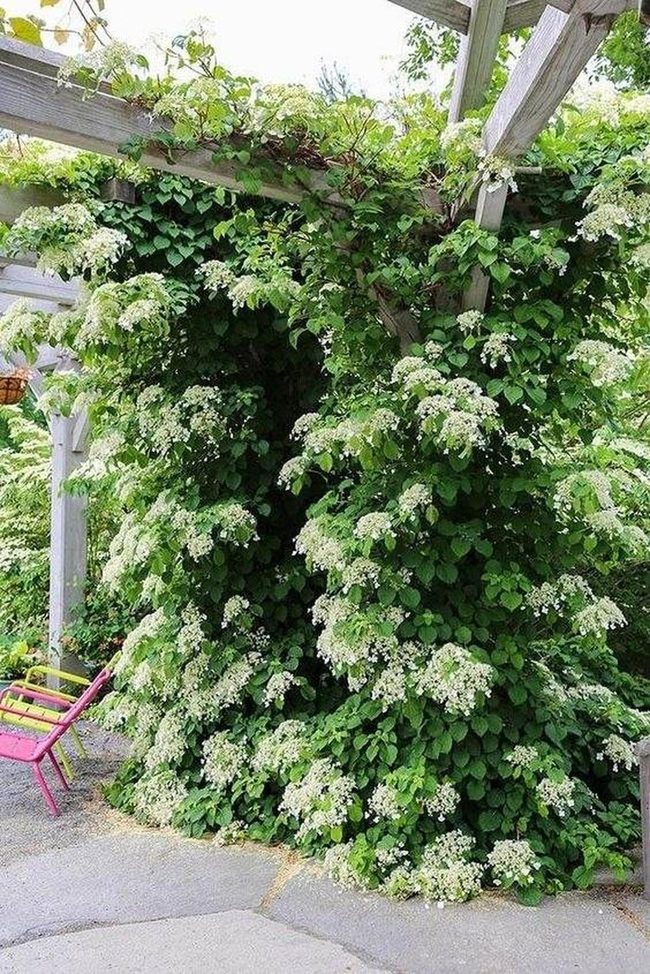
Climbing hydrangea brings remarkable height and dimension to outdoor spaces when you train it along fences and trellises, where the plant naturally wraps itself around structures and fills vertical areas with lush greenery.
Large flower clusters emerge across the vines, shifting through white to blue or pink tones as the seasons progress, and these blooms keep your garden looking fresh throughout the year.
Beyond its visual appeal, you gain practical benefits too since the dense foliage screens views and creates natural privacy barriers around your property.
Integrating this vine into your landscape design adds layers and texture that most other plants simply cannot match.
Whether you're looking to hide an unsightly view or just want to add more green space overhead, climbing hydrangea handles both jobs with grace and minimal fuss.
Tall Blue Spikes Frame Gardens
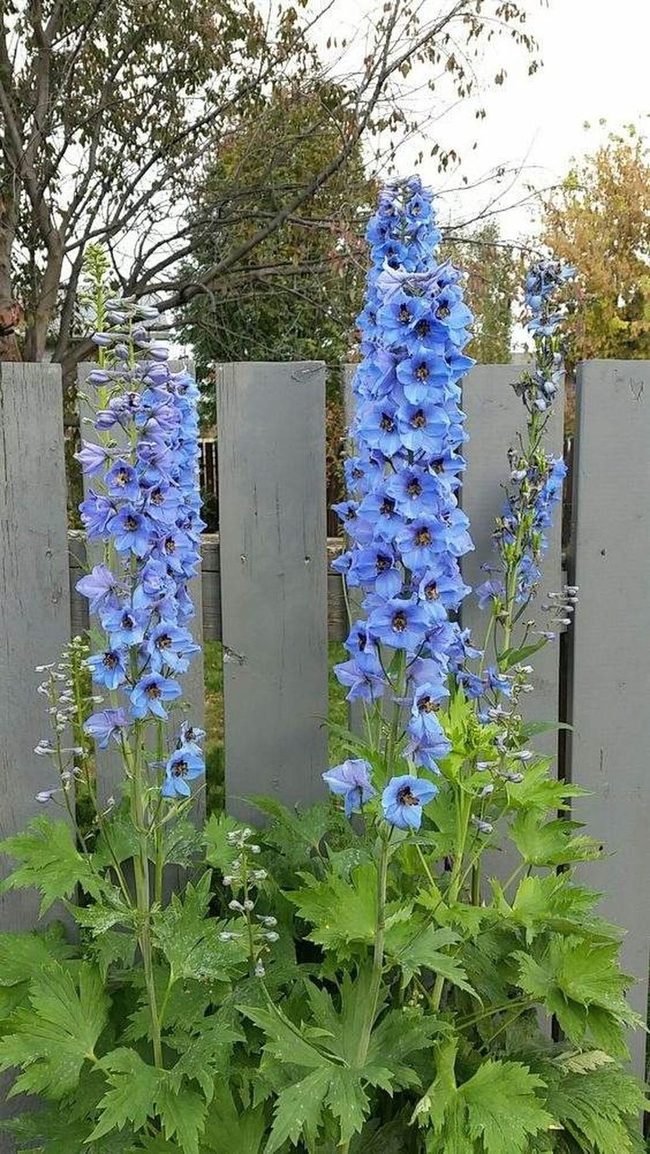
Delphinium flowers bring striking height and bold color to your garden, especially when you plant them along a fence where their dramatic spikes command attention and frame your outdoor space beautifully.
You can appreciate the way adaptable these blooms are since they handle different climates and soil conditions with ease, and they attract bees and butterflies that keep your garden alive and thriving.
Beyond their visual appeal, delphiniums serve a real purpose in your landscape design and give nature lovers a reason to spend more time outdoors.
These flowers work well for anyone looking to add both beauty and function to their garden at the same time.
Whether you're a seasoned gardener or just starting out, delphiniums deliver results without demanding too much from you in terms of care.
Climbing Vines Transform Fence Lines
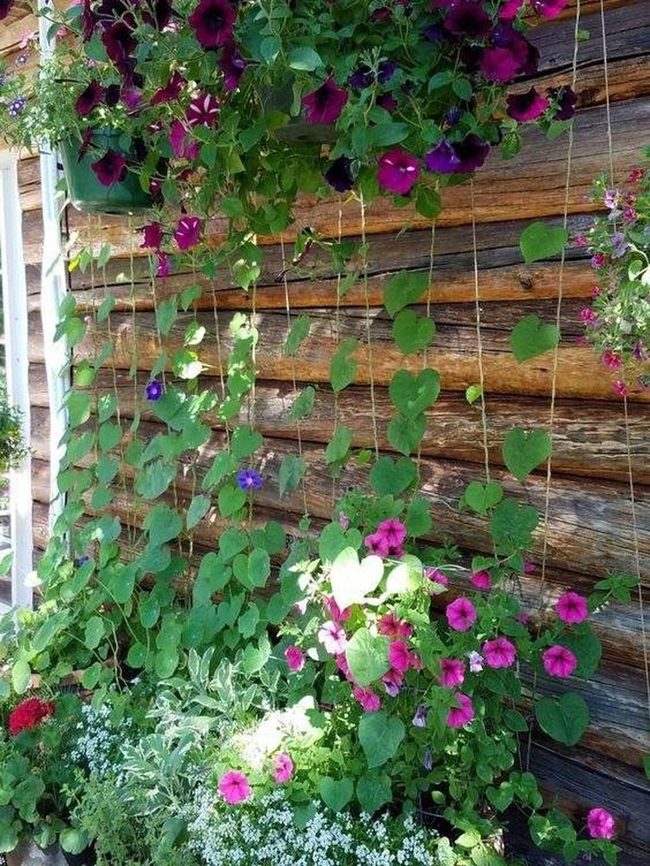
Morning glories deliver eye-catching color and energy to garden fences with their vibrant blooms that climb and weave along trellises in beautiful patterns.
These plants grow quickly, so your outdoor space fills in with lush greenery faster than you might expect.
Since they love sunny locations, you can use them to brighten darker corners or dull spots around your property.
Morning glories add genuine charm to your garden landscape and transform plain fence lines into living walls of color.
If you're looking to add greenery without the stress of complicated gardening, these flowers deliver results that feel rewarding and natural.
Red Orange Yellow Lantana Cascade
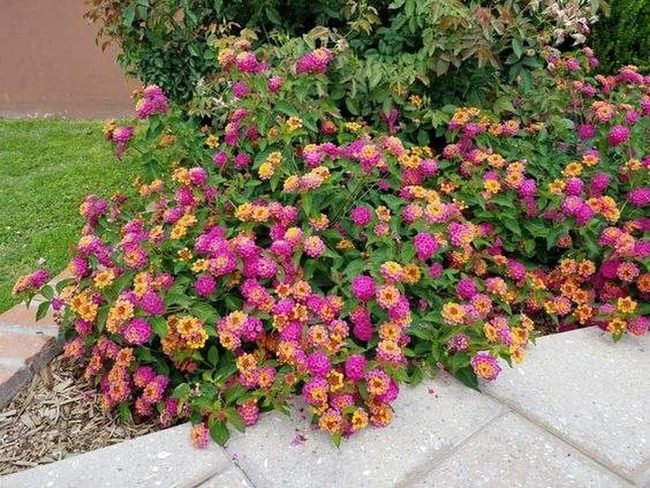
Lantana flowers burst across your garden fence in brilliant reds, oranges, and yellows that immediately grab attention and bring energy to any outdoor space.
These hardy plants attract butterflies and hummingbirds throughout the season, so you have the option to watch wildlife visit your yard regularly.
Lantana grows beautifully over fences and trellises, draping down in long cascades that fill in bare spaces and soften hard edges.
Best of all, this plant doesn't demand much from you; it handles dry spells and poor soil without complaint, making it perfect if you want something low-maintenance.
Beyond just looking good, lantana supports local pollinators and adds real ecological value to your garden.
Gardeners love how versatile and adaptable this flower is, fitting into almost any landscape design you have in mind.
Cascading Orange Blooms On Fence
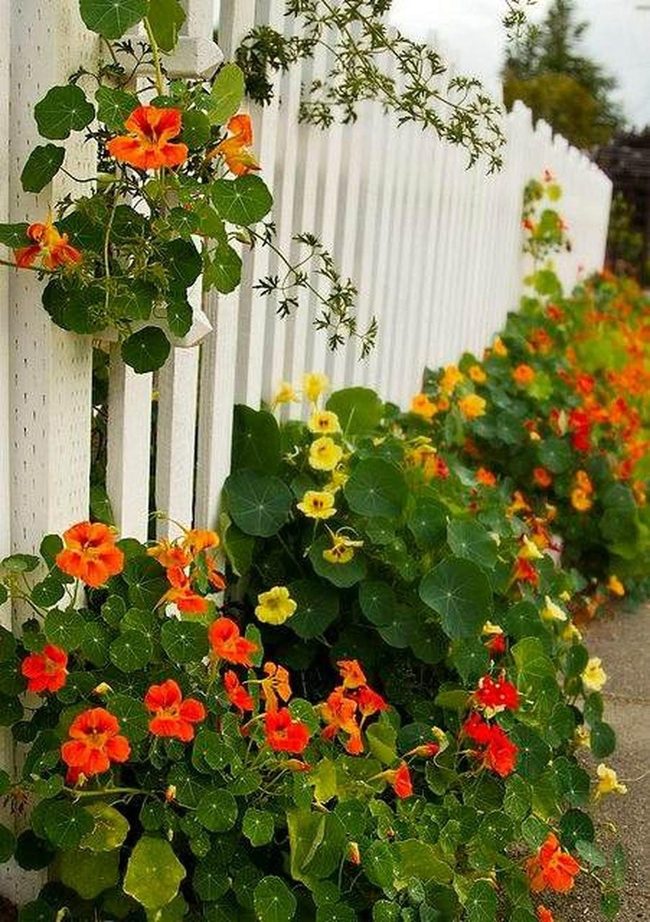
Nasturtiums can transform your garden fence into a stunning display with their bright blooms that cascade down in waves of color and energy.
These trailing flowers thrive in most conditions, so you don't need special gardening skills to keep them healthy and full.
As they grow over your fence, they attract bees and butterflies, which means your garden becomes more alive and productive.
The vibrant petals create something special along what might otherwise be a plain boundary, and people walking by will naturally pause to appreciate them.
Since nasturtiums are hardy and adaptable plants, you can plant them almost anywhere on your fence and watch them spread with minimal effort.
Incorporating them into your outdoor area means turning a basic structure into a beautiful focal point that brings joy throughout the growing season.
Yellow Vines Transform Wood Fences
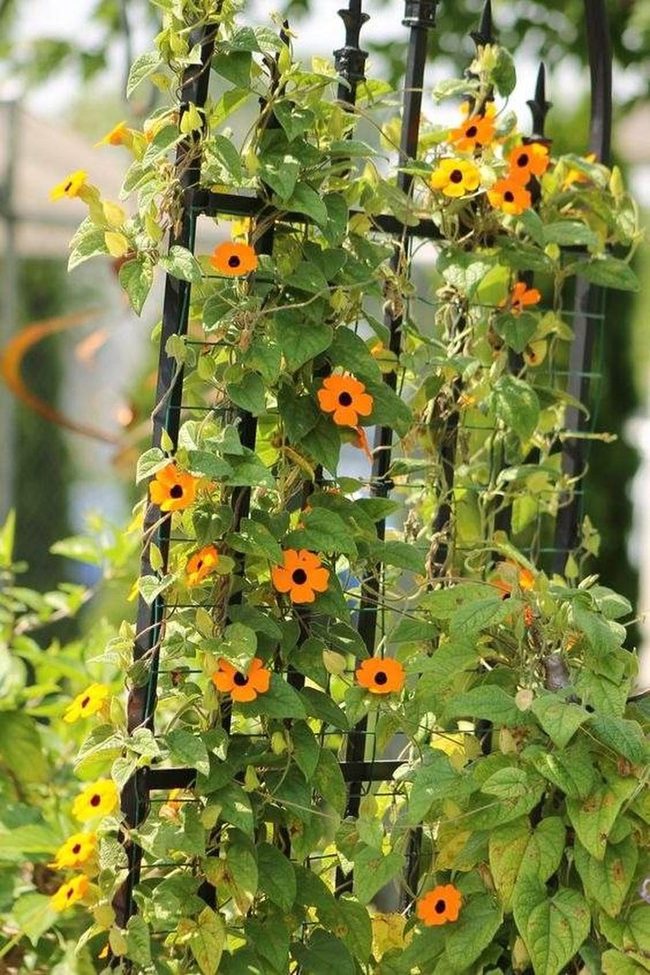
Draping your garden fence with black-eyed Susan vines creates one of the most striking transformations you can achieve outdoors, thanks to their bold yellow blooms that pop against wood or metal surfaces.
These climbing plants boast lush green foliage paired with cheerful flowers that draw butterflies and bees straight to your yard.
What makes them even better is how little effort they demand once established, as they handle different soil types and light conditions without fussing.
You'll find they adapt well whether your fence gets full sun or partial shade.
Beyond their good looks, they serve the practical purpose of supporting local pollinators while making your entire outdoor space feel more alive.
The contrast between the vivid flowers and your fence material happens naturally and effortlessly.
Most gardeners appreciate how these vines deliver both beauty and function without requiring constant attention or special care routines.
Honeysuckle Blooms For Hummingbirds
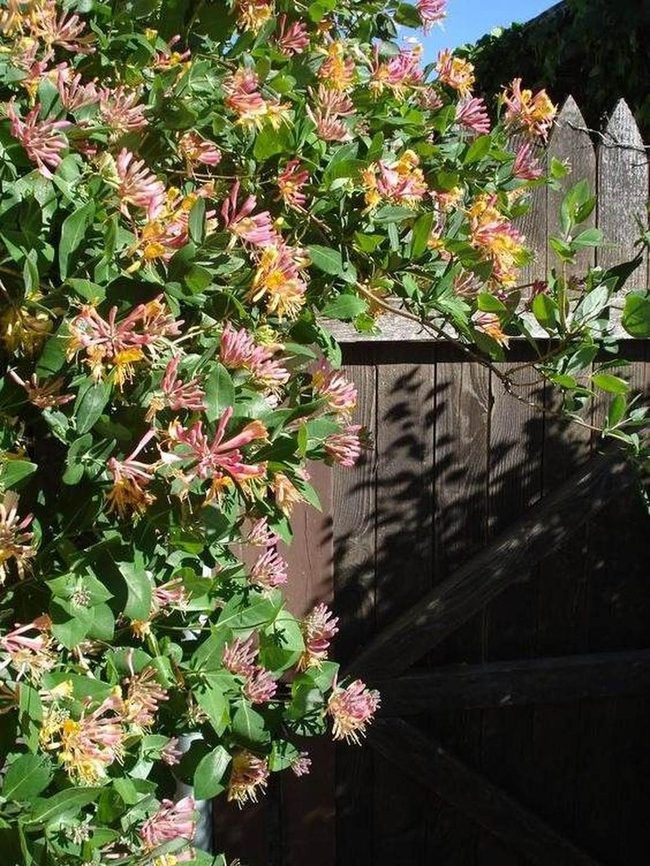
Honeysuckle climbing up your garden fence brings gorgeous blooms and sweet fragrance that stops you in your tracks, and it naturally draws in hummingbirds and butterflies to dance around your yard.
It's simple to grow along trellises or fences, rewarding you with vibrant colors all through the growing season without demanding much from you at all.
Since it needs minimal care, you can enjoy its lush greenery and pleasant scent without spending hours tending to it.
Planting honeysuckle means you're bringing nature close to your home and making your outdoor space feel more alive and connected to the natural world around you.
Fragrant White Jasmine Climbing Vines
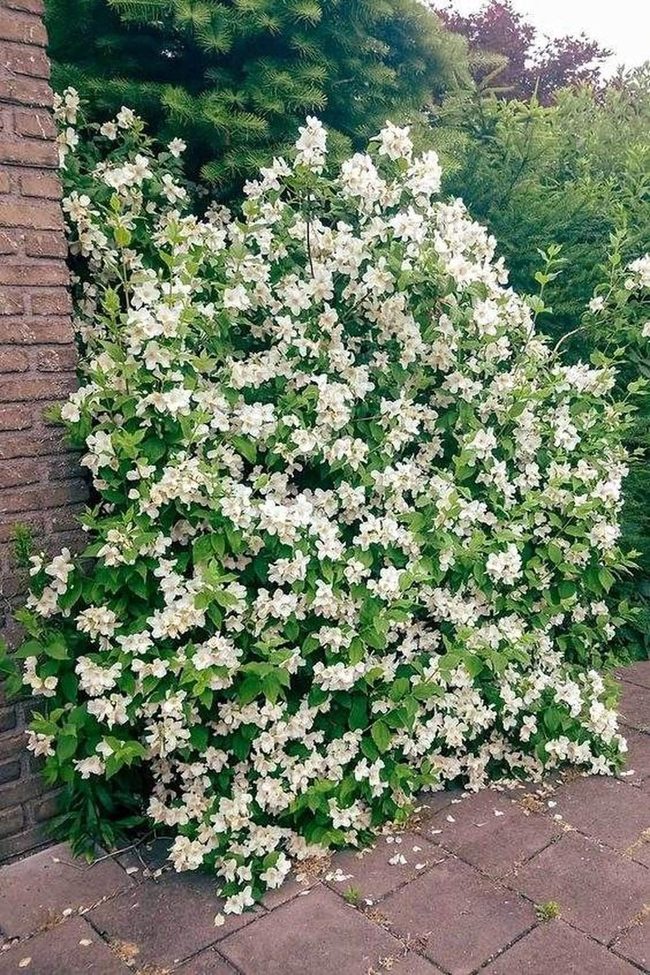
Jasmine vines climbing along your garden fence create a stunning display with delicate white or yellow blooms that immediately catch the eye and transform any outdoor space.
Beyond the visual appeal, these flowers release a sweet fragrance that fills your garden and draws butterflies and bees to visit regularly.
When you plant jasmine in a sunny spot, it flourishes and rewards you with consistent growth and flowering throughout the seasons.
You simply need good sunlight and occasional watering to keep it thriving.
Jasmine brings both natural beauty and pleasant scents to your yard, making your outdoor area feel more like an extension of nature itself.
It's one of those plants that works hard in the background while looking wonderful at the same time.
Red Blooms Transform Garden Fences
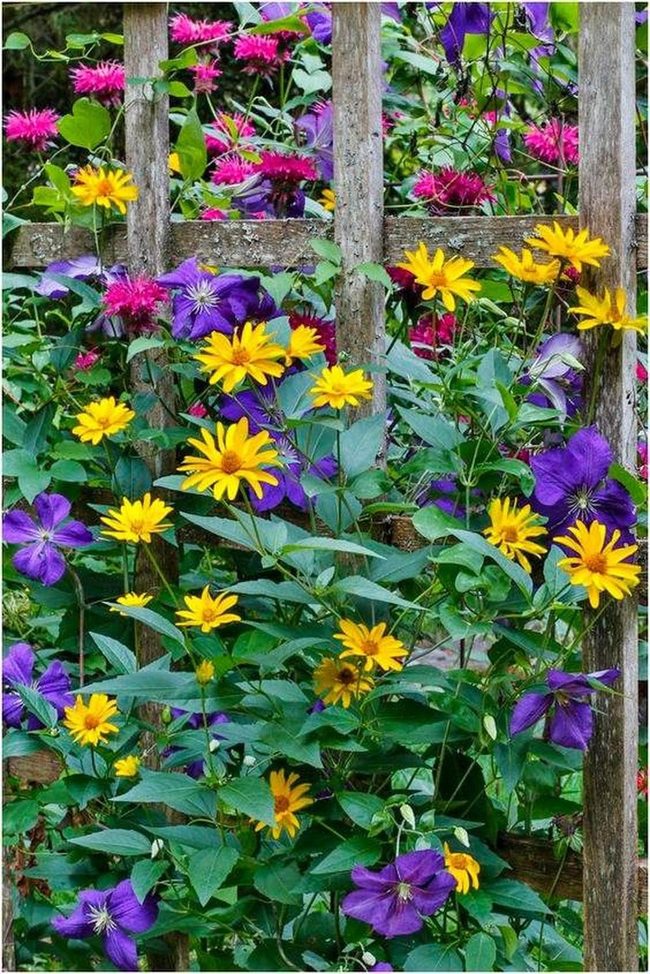
Covering your garden fence with bee balm brings an explosion of color that stops you in your tracks, and these striking blossoms work as a natural border while drawing in bees and butterflies to your space.
Beyond just looking beautiful, bee balm boosts your garden's biodiversity and feeds the soil around it with essential nutrients as the plants grow season after season.
You'll find that placing bee balm alongside your fence creates a lively backdrop that feels like part of the landscape rather than a barrier.
Growing this hardy plant means less maintenance for you once it's established and rooted in.
The bright blooms give your outdoor space personality and purpose at the same time.
Trumpet Flowers Transform Garden Structures
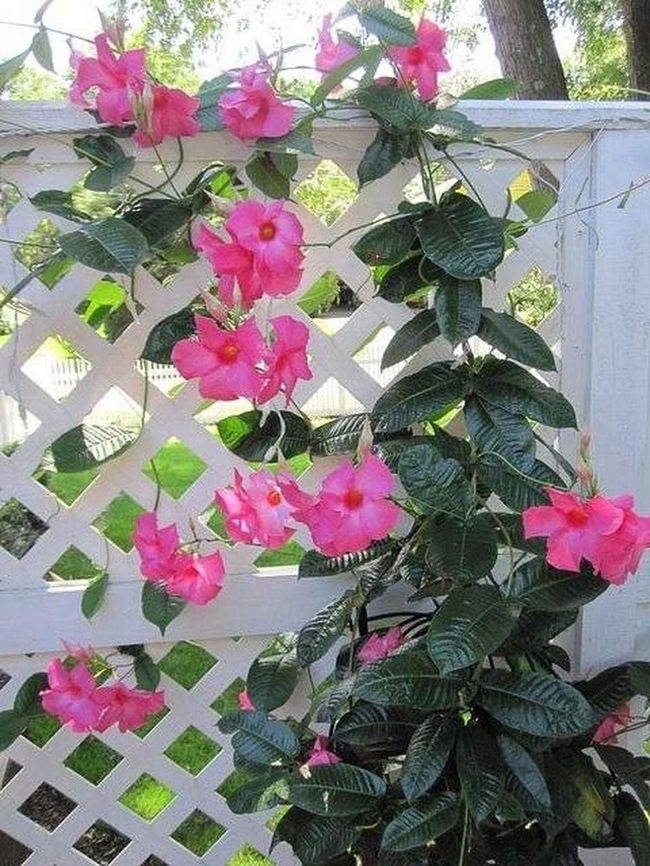
Mandevilla plants showcase bold, trumpet-shaped flowers in rich colors that immediately grab attention when you plant them along your garden fence or trellis.
These tropical vines flourish in sunny locations and naturally attract butterflies and hummingbirds to your outdoor space.
Beyond their striking blooms, mandevillas grow into lush, dense foliage that transforms bare structures into verdant backdrops.
You can select from various color options to match your existing garden style and personal taste.
Growing them is straightforward since they adapt well to typical garden conditions and don't demand constant fussing.
Adding mandevillas to your landscape design breathes life into plain fences, walls, or trellises that might otherwise feel empty and uninspiring.
Red Beans Climbing Your Fence
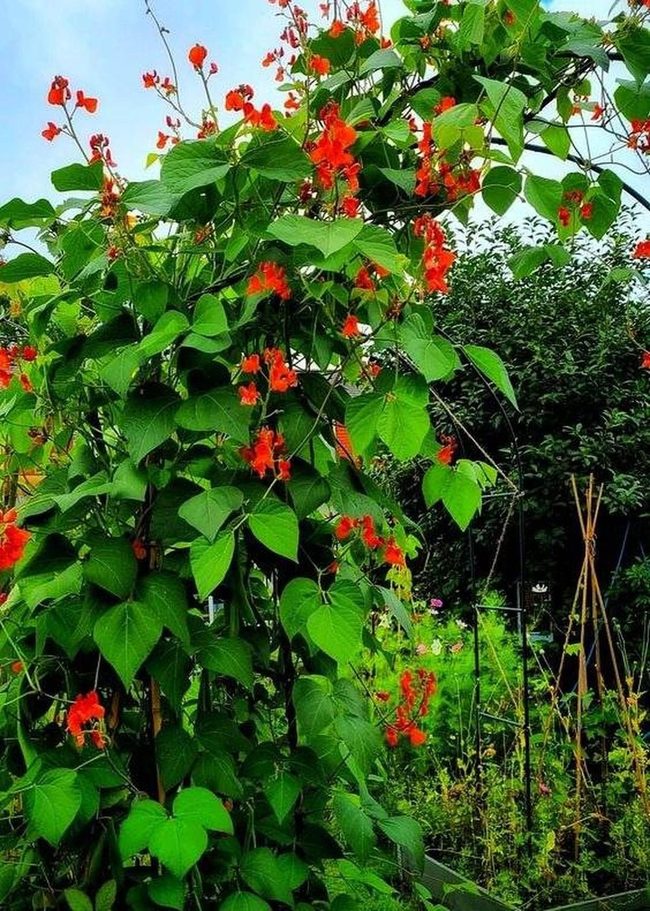
Vibrant garden fence covered in scarlet runner beans becomes a stunning backdrop that makes your outdoor space feel alive and beautiful.
The detail that stands out is the lush green foliage mixed with bright red flowers right away, and this combination brings immediate visual appeal to any area.
Sunny spots are perfect for these climbing plants since they thrive in good light and grow tall along your fence naturally.
Beyond their good looks, they also attract hummingbirds and other pollinators to visit your garden regularly.
One nice bonus is that this gives you room to harvest edible beans later in the season, so the plants serve double duty for both decoration and food.
When you plant these along your fence line, you'll find your whole garden area feels more engaging and lively throughout the growing season.
Night-Blooming White Vines Glow
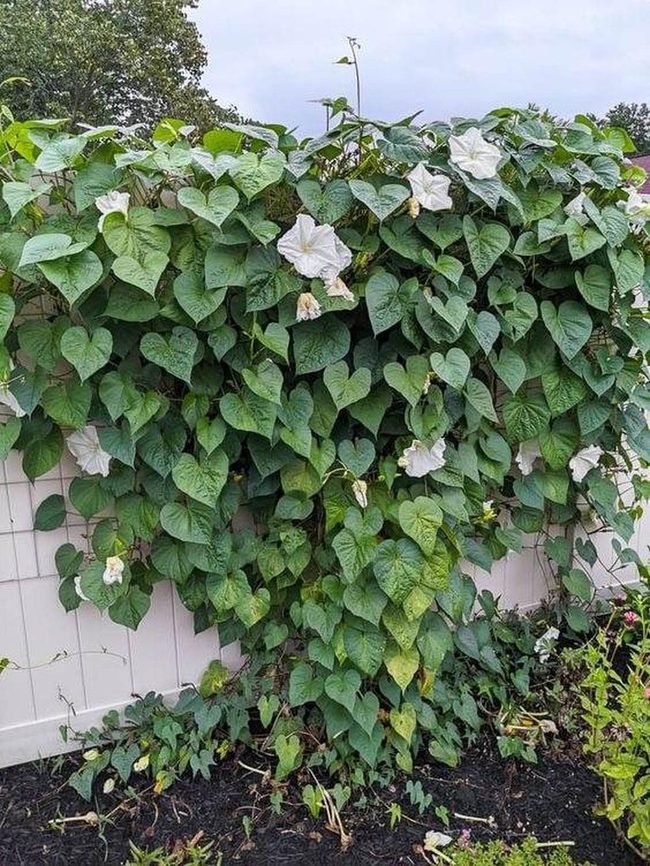
Moonflowers draped along your garden fence put on a stunning show once the sun dips below the horizon, with their white petals glowing brilliantly under moonlight and practically shimmering against the darkness.
These night-blooming vines release a sweet fragrance as evening arrives, and you may sense the scent fills your outdoor space with something truly special.
Beyond the beauty, moonflowers attract moths and other nighttime pollinators to your garden, which means you're supporting local wildlife while enjoying the display.
Walking through your yard as dusk settles in becomes a completely different experience when these blooms are open and fragrant around you.
You don't need much effort to grow them along a fence either, since they're fairly easygoing plants that thrive in most conditions.
Whether you want a romantic nighttime retreat or simply something interesting to observe after dark, moonflowers deliver on both counts.
Red Orange Poppy Garden Border
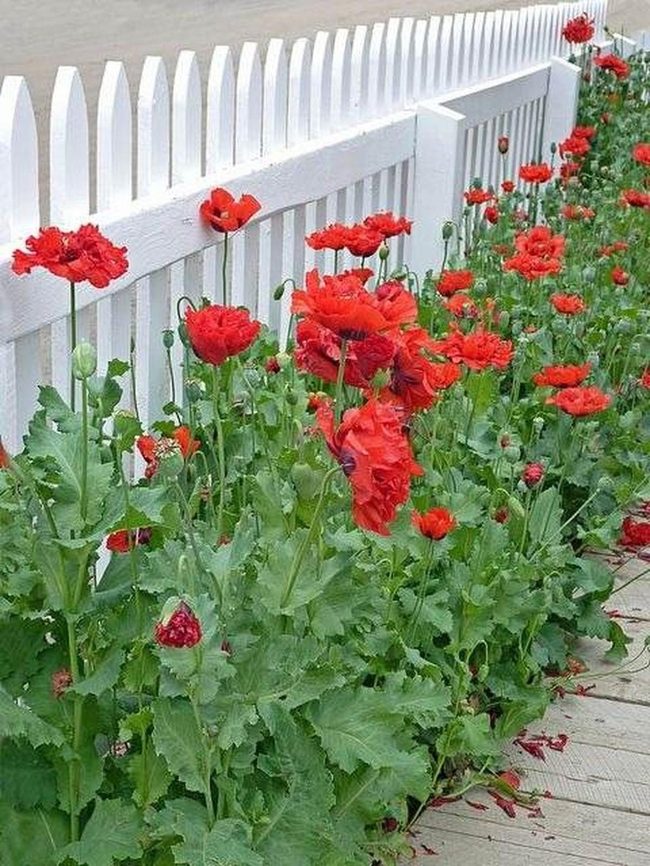
Plant poppies along your garden fence and you'll instantly notice how their bold, red and orange blooms command attention from across the yard.
These flowers love full sun and grow best in bright spots where they can show off their brilliant colors.
You can watch their delicate petals move with the wind, and this gentle motion brings life to the space around your home.
Along with the beauty comes real benefit; bees and butterflies flock to poppies, which means you're building a healthier garden ecosystem as they visit.
Mix different poppy varieties together and you get even more visual interest, since some bloom in deep crimson, others in soft yellows, and many in shades in between.
Every time you step outside, these flowers will catch your eye and remind you why you planted them in the first place.
The fence becomes more than just a boundary when you frame it with this kind of natural color, and your whole outdoor space feels more alive as a result.
Glossy Green Camellias Frame Fence
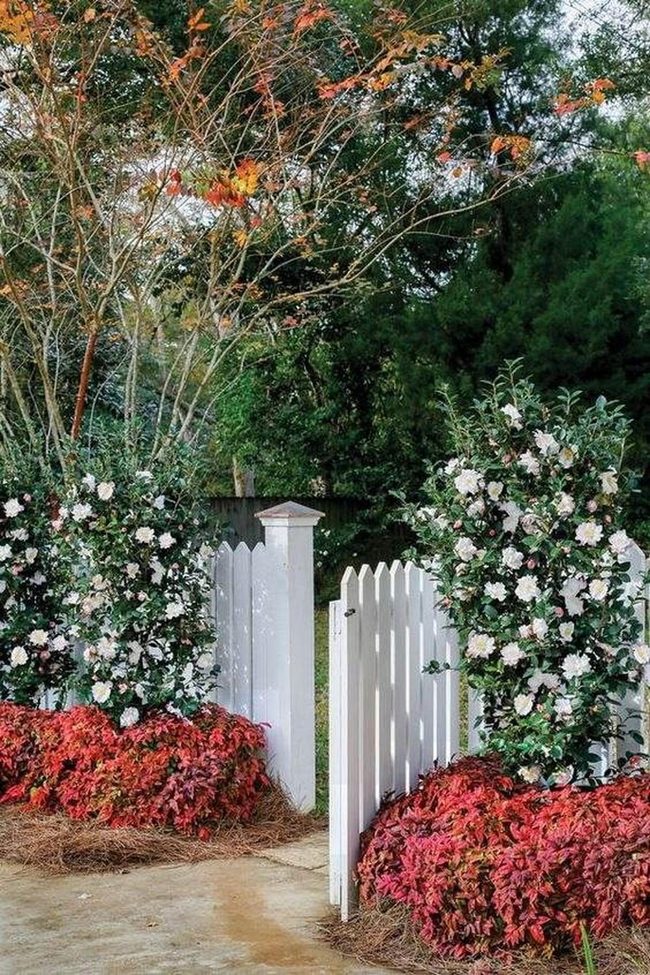
Camellias can transform your garden fence into a living showcase of color, with blooms ranging from delicate pinks to bold reds and pure whites that stop you in your tracks.
Dark, glossy green leaves layer behind the flowers and create richness against whatever fence material you have in place.
Since these plants do well in partial shade, you can position them along your fence line without worrying about finding the sunniest spot in your yard.
When you step outside, those colorful blooms greet you right at the boundary of your space, turning an ordinary fence into something that feels like nature's own gallery.
Your fence becomes more than just a property line; it becomes a reason to spend time in your outdoor space.
Tall Foxgloves Frame Wild Gardens
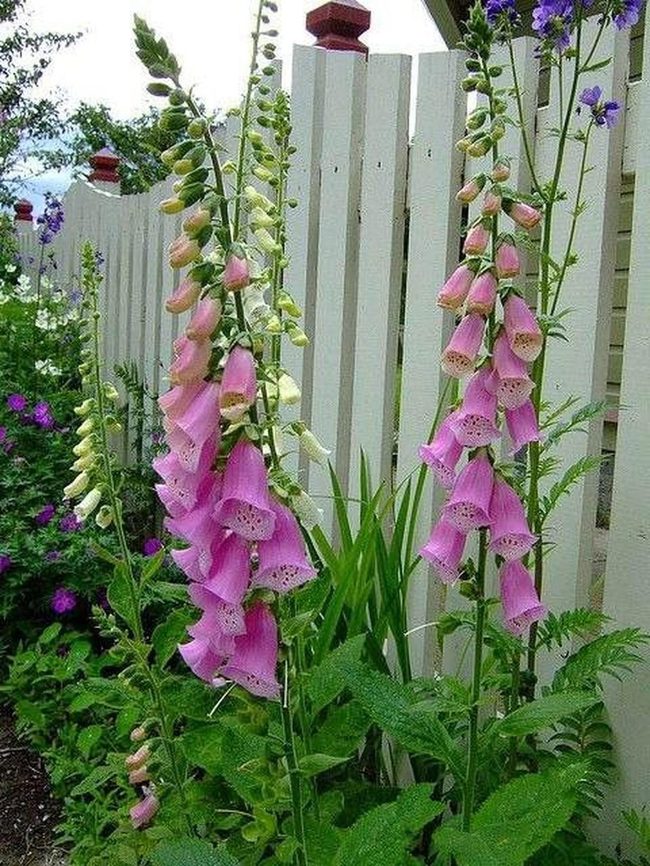
Foxgloves standing tall along your garden fence create an immediate visual statement with their dramatic spikes and rich blooms that demand attention from anyone passing by.
These plants bring life to what might otherwise be a plain boundary, and they do this through bold color and interesting texture that changes throughout the seasons.
This feels natural because they attract bees and butterflies, which means your garden becomes more active and alive with movement and sound.
Beyond the beauty, these flowers support local wildlife and help your garden feel less isolated from nature.
Growing them along a fence requires minimal effort since they're hardy plants that thrive with basic care.
Many gardeners appreciate how foxgloves self-seed and return year after year, giving you more coverage over time.
The combination of their striking appearance and low-maintenance nature makes them a smart choice for anyone wanting to upgrade their outdoor space without constant fussing.
Colorshift Salvia Garden Fence
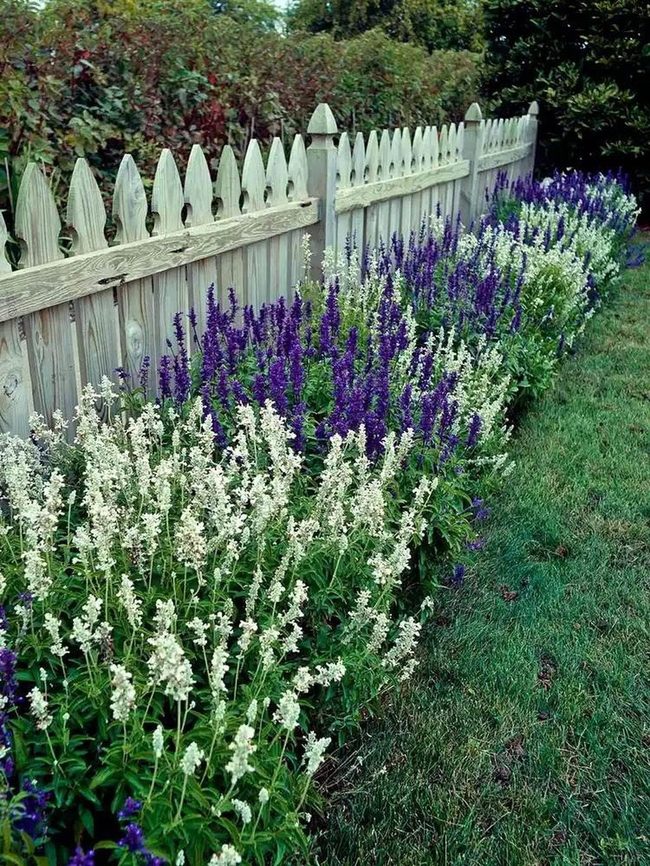
Salvia bursts across your garden fence in shades ranging from deep blue to bright red, offering a striking visual boundary that shifts with the seasons and pairs beautifully with surrounding plants to build layers of interest along the fence line.
These hardy blooms attract bees and butterflies, which means you're enhancing the ecosystem around your home while enjoying the movement and life they bring to your outdoor space.
Salvia adapts well to different growing conditions, so it thrives in sunny spots and partial shade areas alike, which makes it simple to fit into most garden layouts.
You can customize your landscape design by selecting the color that works best with your existing plants and style preferences.
Since salvia is low-maintenance once established, you spend less time fussing and more time enjoying your garden.
Golden Butterfly Magnet Blooms
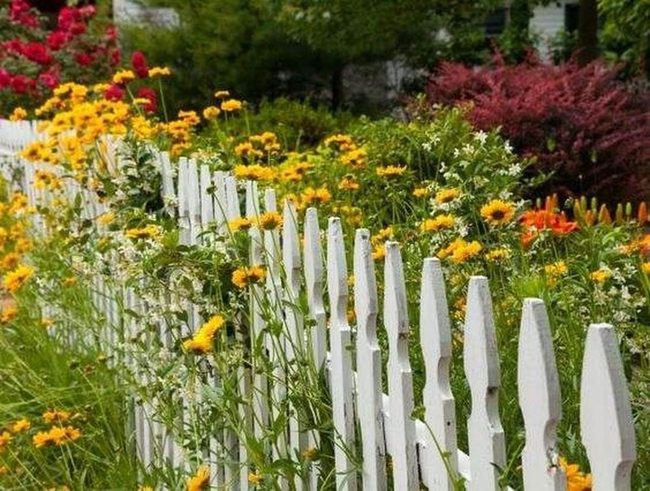
Coreopsis blooms in brilliant yellow shades that instantly brighten any garden space you're designing, making this hardy perennial a standout choice for outdoor areas.
Butterflies flock to these flowers and add movement and life to your landscape.
Growing coreopsis alongside other plants works well because it doesn't compete for resources or attention.
The first thing to notice is how the warm golden tones create a sense of energy and cheerfulness throughout your garden beds.
I like recommending this flower to people who want reliable color without spending hours on upkeep.
The simple beauty of coreopsis frames your outdoor views naturally and keeps your garden looking fresh throughout the growing season.
Climbing Clematis Blooms Through Seasons
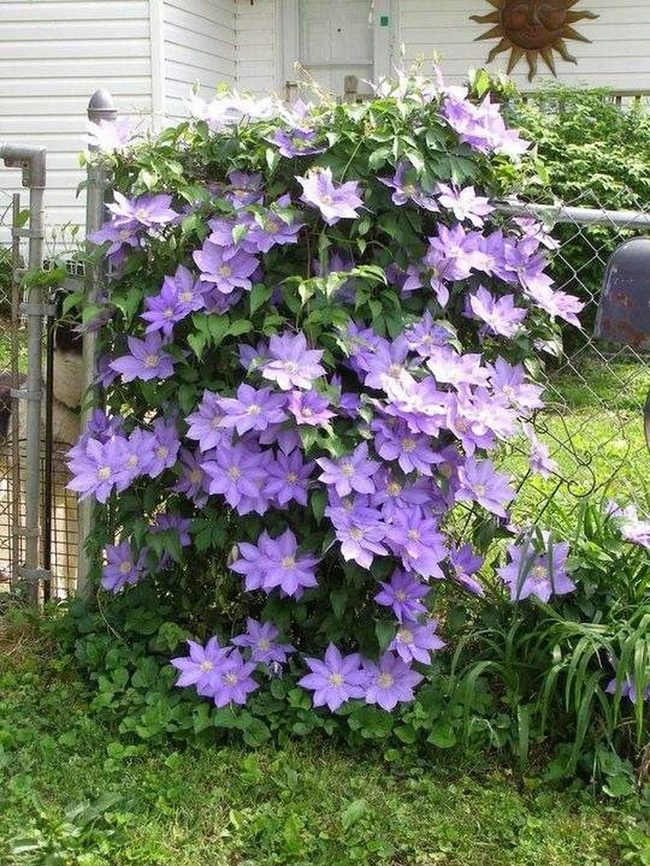
Clematis vines wrap around your garden fence with bursts of color that stop you in your tracks, their large blooms ranging from deep purples and blues to soft pinks and whites that dominate the landscape.
Once established, these climbing plants fill the fence line with thick green leaves that give you both privacy and a beautiful backdrop for your other plantings.
What makes clematis so practical is that you can grow them in most climates and soil types, so whether you live in a cold region or a warm one, there's likely a variety that will thrive in your garden.
Throughout the growing season, you'll get waves of flowers to enjoy, and many types bloom multiple times before fall arrives.
The vines naturally grab onto your fence structure and pull themselves upward without much help from you.
Beyond the obvious beauty, these plants also attract butterflies and other pollinators that keep your garden ecosystem humming along.
Fragrant Roses Climbing Toward Endless Blooms
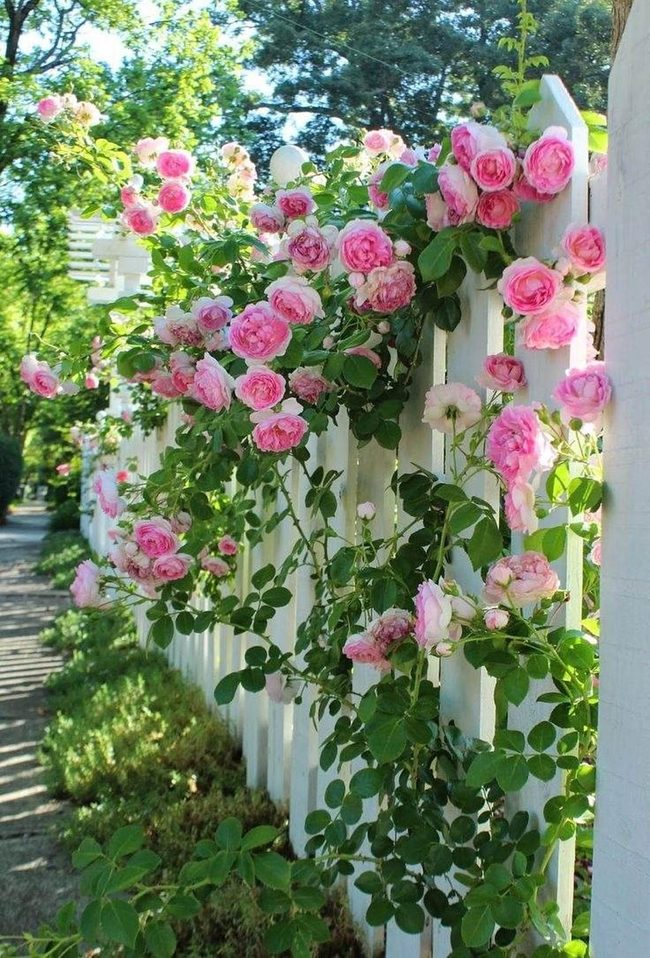
Climbing roses deliver one of the most striking transformations you can bring to your outdoor space with their vibrant blooms and graceful vines spreading across structures.
Plant them along fences where they weave naturally through the framework and serve as a living privacy screen while drawing in butterflies and bees to your garden.
Beyond their visual appeal, these flowers release a wonderful fragrance that fills your yard with scent and makes the whole area feel alive and peaceful.
You won't need to spend much time maintaining them once they're established, and they reward you with continuous blooms throughout the seasons.
The combination of color, texture, and aroma works together to enhance how your yard feels and looks from every angle.
Even a single climbing rose can shift the entire character of a garden, turning an ordinary fence into something much more appealing.
Orange-Red Blooms Cover Fence
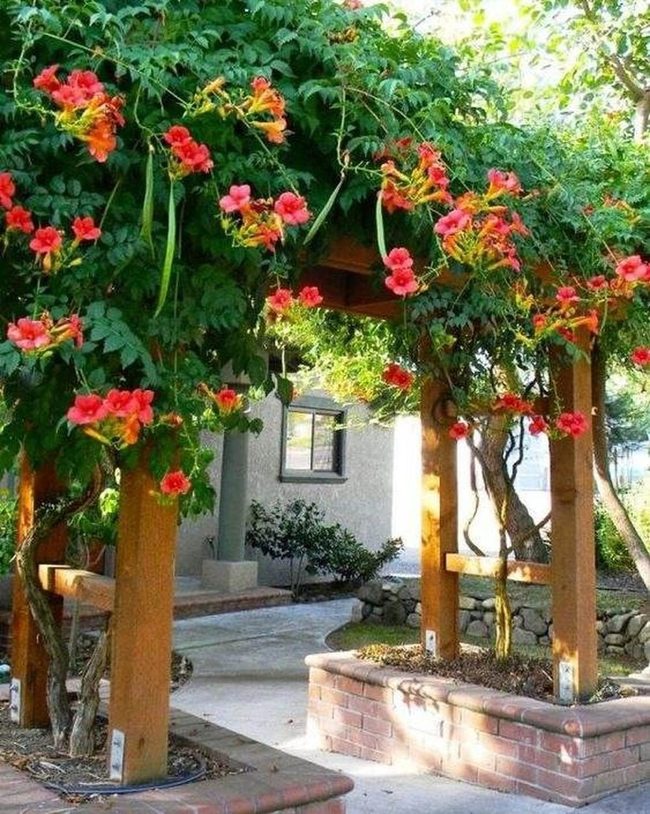
Trumpet vine transforms a simple fence into something eye-catching with its vibrant orange-red blooms that stand out throughout the growing season.
The interest comes from how the lush foliage adds depth and dimension to your garden space while the cascading growth naturally provides privacy and shade along your fencing.
Beyond the visual appeal, this vigorous climber attracts hummingbirds and butterflies, bringing life and movement to your outdoor area.
This piece feels memorable because that it demands very little from you once established.
The vine grows with energy and strength, spreading across your fence beautifully without requiring constant attention or complicated care routines.
Since it thrives with minimal maintenance, you can enjoy its striking beauty for years without the hassle of fussy upkeep.
Planting trumpet vine alongside your existing fence structure gives you both function and beauty in one simple addition.
Michael Harris
Senior Content Editor
Expertise
Home Décor Content Creation, Interior Design Journalism, Editorial Oversight, Digital Media Strategy, Team Leadership and Mentorship
Education
University of Queensland, Brisbane, Australia
Queensland University of Technology (QUT), Brisbane, Australia
Michael Harris is the senior content editor at Archi Refresh, where he turns home design trends into engaging, easy-to-follow articles. With a journalism degree from the University of Queensland and a digital communication certification from QUT, he knows how to craft content that informs and inspires.
With over 10 years of experience in lifestyle and design media, Michael has shaped editorial strategies, mentored writers, and helped readers refresh their spaces with practical tips. His work blends storytelling with expert advice, making home decor more accessible to everyone.
Outside of work, Michael enjoys DIY projects, exploring Brisbane’s art scene, and teaching digital literacy workshops.