
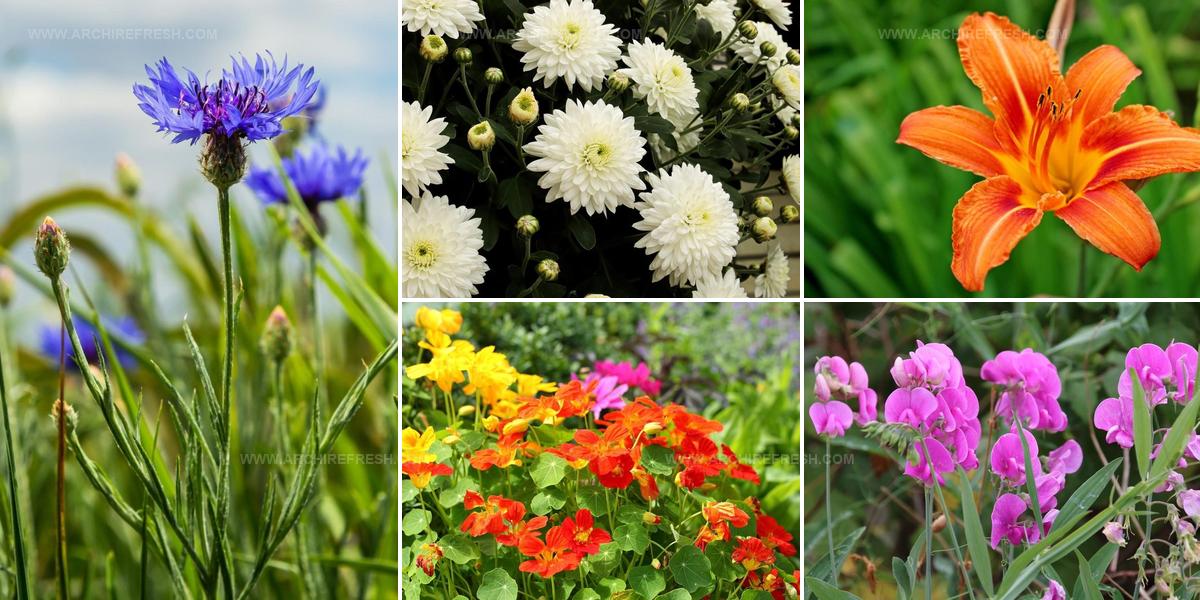
17 Flowers For Vegetable Gardens That Attract Helpful Bees
Flowers for vegetable gardens offer more than just aesthetic appeal to the hardworking plots where we grow food.
Many gardeners focus solely on producing crops but miss an important opportunity to enhance both beauty and productivity in one space.
Blooms attract beneficial insects, deter harmful pests, and can even improve the flavor of certain vegetables growing nearby.
The relationship between ornamental plants and edible ones creates a balanced ecosystem right in the bed.
Pollinators need diverse food sources, and adding flowering companions provides exactly what bees and butterflies seek.
Strategic placement of colorful annuals and perennials among tomatoes, peppers, and beans makes practical sense beyond visual charm.
Golden Vertical Pollinator Garden
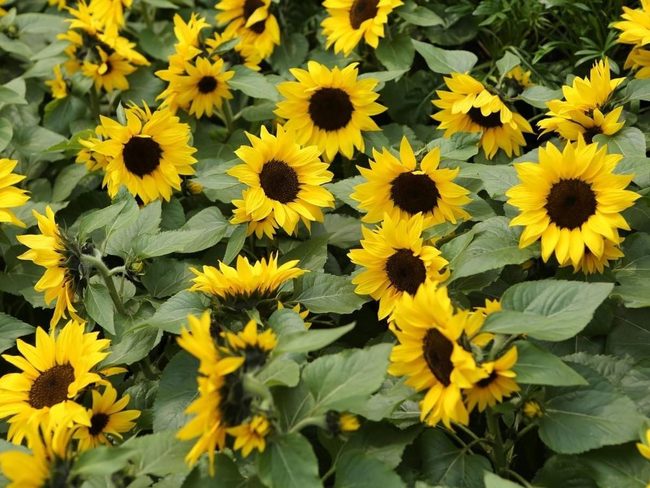
Sunflowers stand tall in your garden like natural pillars of golden light, and they serve double duty by supporting climbing vegetables as they reach toward the sky.
Because their nectar-rich blooms attract bees and butterflies, you can follow your garden becomes an active hub of pollinator activity with plenty of buzzing and movement all around.
If squirrels threaten to raid your seed harvest, planting sturdy squash nearby can help deter them and protect your sunflower bounty.
You get the best of both worlds when you combine these plants together in your garden space.
Peppery Edible Flowers With Natural Pest Control
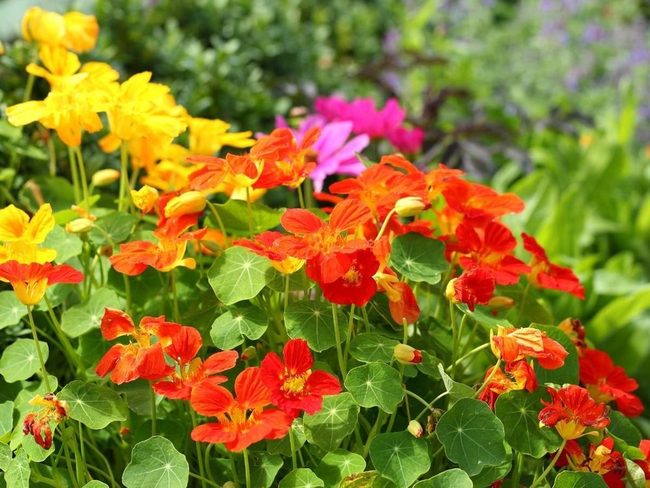
Nasturtiums bring bold, eye-catching color to any garden space and happen to be surprisingly low-maintenance plants that thrive with minimal fuss.
Beyond their cheerful appearance, these flowers serve a practical purpose by drawing aphids away from your vegetables, which means you get natural pest protection without chemicals.
If you enjoy exploring edible flowers, both the blossoms and leaves taste peppery and delicious in salads or as garnishes.
To speed up germination when you're ready to plant next season, just give those seeds a quick rub with sandpaper before planting them.
Overall, nasturtiums deserve a spot in your garden because they combine visual appeal, useful pest management, culinary interest, and easy seed saving all in one plant.
Purple Trumpet Flowers Guard Gardens
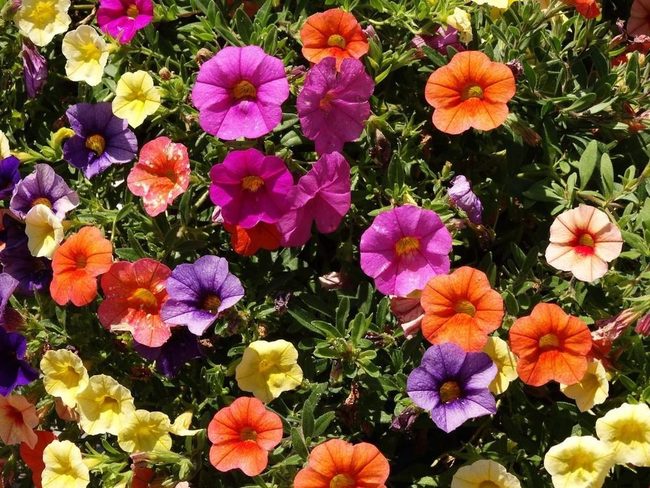
Petunias display those gorgeous trumpet-shaped blooms that really stand out in any garden space, and beyond their beauty, they're actually excellent pest fighters too.
You'll find them thriving around vegetable patches where they naturally repel harmful insects like tomato worms and leafhoppers, so you get protection without spraying chemicals everywhere.
Just trim them back occasionally and water them regularly, and petunias will keep blooming strong all season long.
They're the kind of plant that rewards you with minimal effort, making them perfect whether you're a seasoned gardener or just starting out.
Best of all, having petunias means you protect your vegetables while adding that splash of color that makes your garden feel complete and full of life.
Colorful Pollinators For Productive Gardens
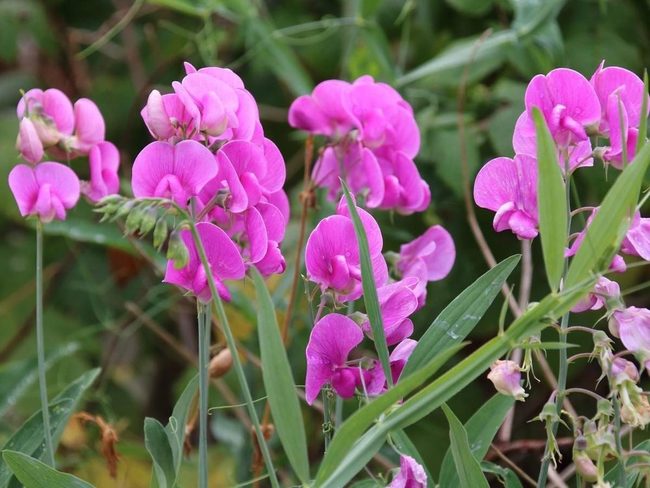
Sweet peas explode across your garden in a riot of color and movement that draws in butterflies and bees while you watch.
Plant them alongside edible peas or climbing beans and you build a garden space where beauty and productivity feed each other.
Your vegetable patch becomes livelier and more abundant when you let sweet peas do their work.
Pollinators move between the flowers and your produce plants, and your harvests grow bigger.
What starts as a simple decoration decision ends up boosting how well everything around it performs.
This lets you enjoy the blooms while your garden does the heavy lifting in the background.
Cosmos Guard Your Veggie Garden
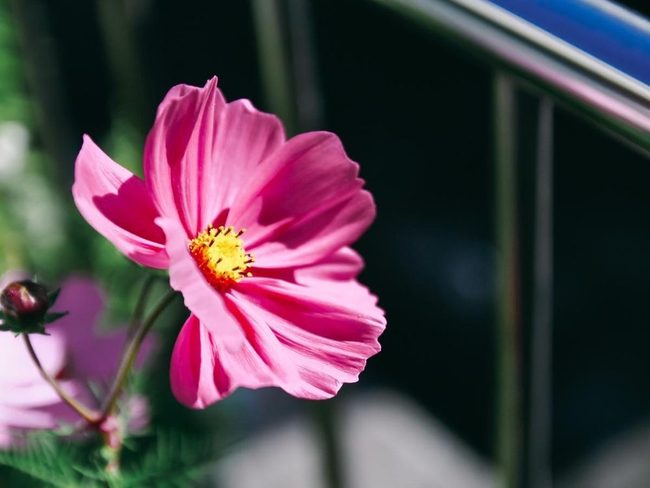
Cosmos flowers explode across your garden in brilliant hues that stop you in your tracks, and the payoff goes way beyond looks.
When you plant these blooms near your vegetables, you're actually bringing in beneficial insects like green lacewings that feast on harmful pests and keep your plants safe.
Your garden becomes more than just a place to grow food; it turns into a balanced space where beauty and function go hand in hand.
You don't need fancy tricks or complicated plans to make this work.
Colorful Zinnias Attract Pollinators Year-Round
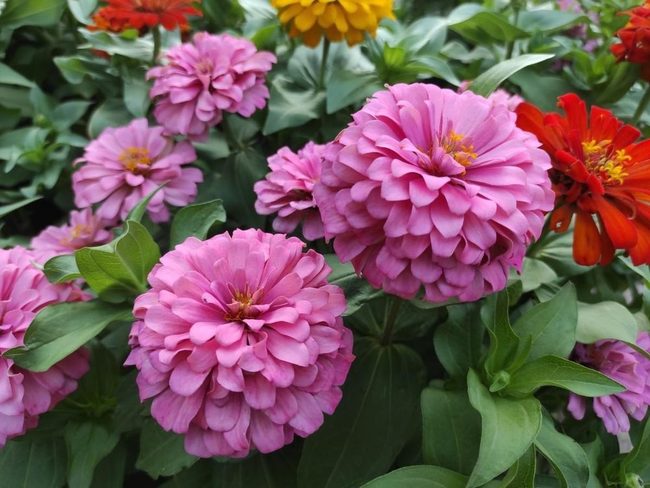
Zinnia flowers explode across your garden in bold shades of red, pink, orange, and purple, and they naturally attract bees and hummingbirds that flutter between the blooms.
Beyond their eye-catching colors, these flowers actually help protect your other plants by drawing Japanese beetles to themselves instead.
If you have bare spots in your beds, zinnias fill them fast and keep your space looking lush without much fuss.
They're reliable bloomers that just keep producing more flowers the more you harvest them, so your garden stays colorful from summer right through fall.
Golden Pest Guards For Gardens
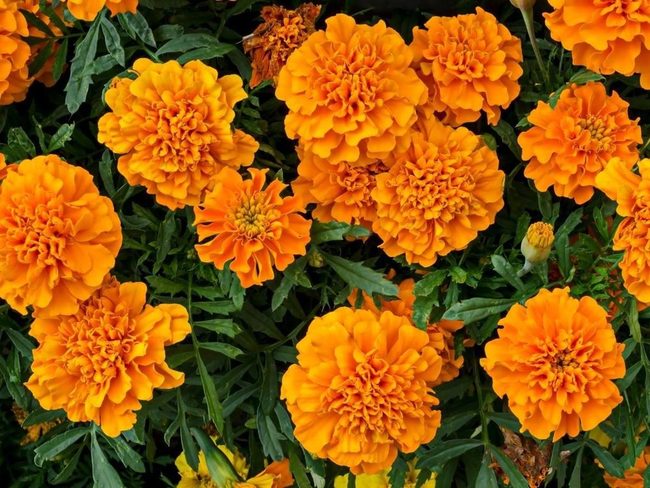
Marigolds deliver bright, cheerful blooms that instantly transform any garden space, and what makes them even better is their practical ability to ward off unwanted insects and pests that damage your plants.
Beyond their striking appearance, these flowers work hard to improve your soil quality as they grow alongside your vegetables and other plants.
You get two benefits at once: a more colorful garden and natural pest protection without needing chemicals.
Planting them is straightforward, and they thrive in most conditions, so even beginners can succeed.
If you want a reliable way to keep your garden healthier and more beautiful, marigolds deserve a spot in your planting plan.
Delicate Flowers, Powerful Pest Control
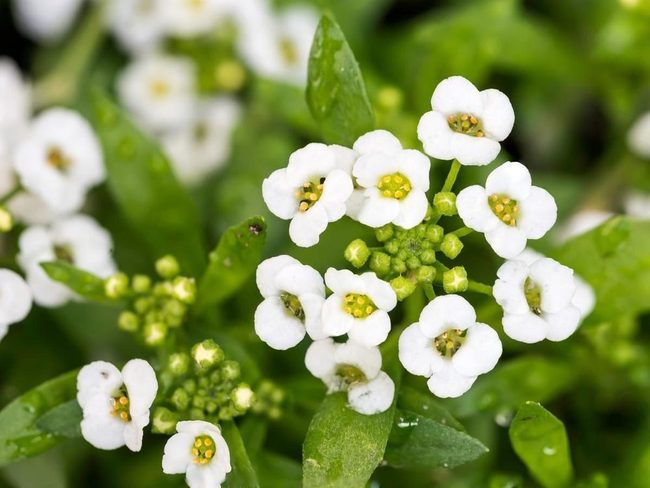
Sweet alyssum flowers deliver a burst of color across your garden beds and borders, and these delicate blooms do far more than just look pretty.
Helpful insects such as ladybugs and butterflies flock to the flowers, which means you get natural pest control without lifting a finger.
The standout quality here is how it adapts to almost any condition you throw at it; cold snaps, wet soil, and less-than-perfect spots all seem to suit it just fine.
You don't need special skills or constant attention to keep sweet alyssum thriving.
Once established, it grows happily and rewards you with continuous blooms throughout the season.
Whether you're an experienced gardener or just starting out, sweet alyssum proves itself an easy winner that delivers both beauty and function.
Purple Blue Pink Nitrogen Powerhouse
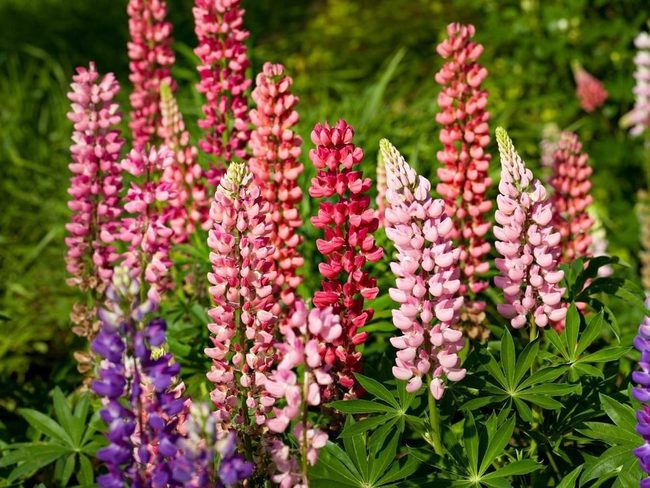
Lupines splash bright purples, blues, and pinks across your garden beds, and they do far more than just look stunning.
These flowers pull nitrogen from the air and deposit it into your soil, which means your vegetables and other plants get a natural boost in nutrients as they grow.
You can plant them almost anywhere since they handle both full sun and partial shade quite well, though they really do their best when the soil drains properly and stays moderately moist.
If your garden tends to get waterlogged or extremely dry, lupines might struggle, so finding that middle ground with your watering and soil prep makes all the difference.
Many gardeners love adding them to vegetable patches because they're beautiful and actually make the soil healthier year after year.
Whether you're looking to brighten up a border or improve your garden's soil quality, lupines deliver on both fronts without demanding much fuss.
Deep Blue Pollinator Powerhouse
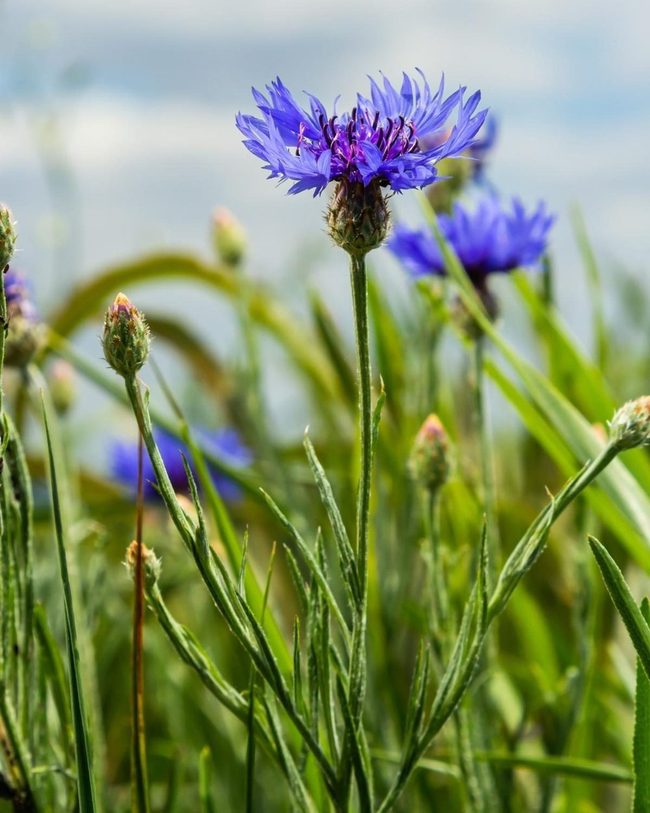
Cornflowers bring a striking deep blue presence to your vegetable garden and draw in the pollinators you need for a successful harvest.
Beyond their bold color, these plants are tough performers that handle different growing conditions well and stay free from common pests and diseases, so you won't spend time fighting off problems.
You'll enjoy weeks of blooms stretching from May through mid-July, and if you deadhead the spent flowers regularly, the plant rewards you with even more blossoms throughout the season.
This hardy annual works as a reliable garden companion that asks for very little while giving back plenty of color and benefit to your space.
Massive Blooms Attract Hungry Pollinators
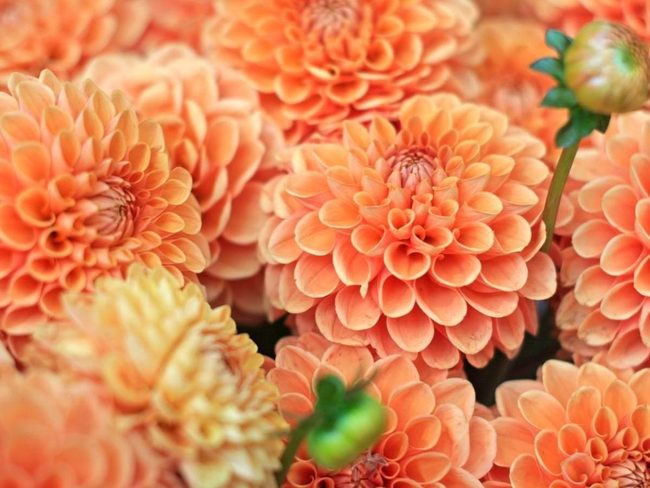
Dahlias burst across your garden with massive, layered blooms that keep producing flowers for three months straight and fill spaces when other plants have already faded away.
You'll want to place them in full sun since they're hungry for light and need plenty of rich soil to keep those showy flowers coming throughout the season.
Beyond their stunning appearance, these plants pull in butterflies and bees that help pollinate your vegetable garden and boost your harvest.
They do attract some pests, so you may need to check them regularly and remove any bugs you spot by hand.
Feeding them with nutrient-rich fertilizer every few weeks keeps the plants strong and flowering.
Once you get the basics down; sunlight, soil, and feeding; dahlias become pretty low-maintenance and reward you with continuous color all summer long.
Orange Edible Garden Flowers
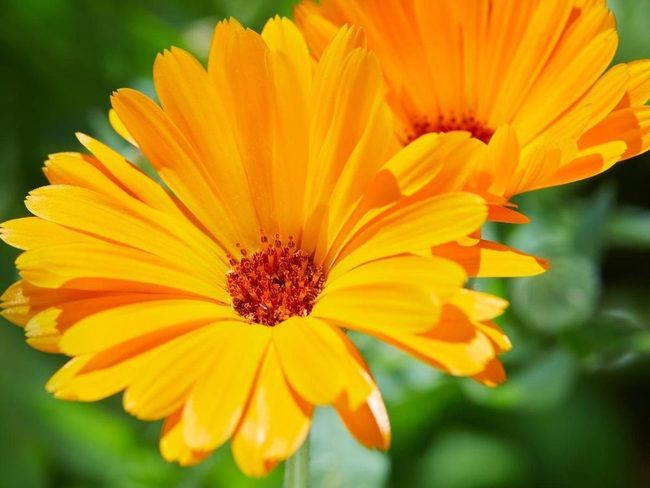
Pot marigolds bring a bold, cheerful orange glow to your garden and kitchen table alike.
Plant them in spots where you want to draw attention and protect your vegetables at the same time.
Their warm tones brighten up any space, making them both beautiful and practical for your outdoor growing area.
You'll find they're easy to grow and don't demand much fussing around.
Scattered throughout your garden beds or clustered near your kitchen door, these flowers offer you the best of both worlds; good looks and real function.
Purple Pest-Repelling Garden Essential
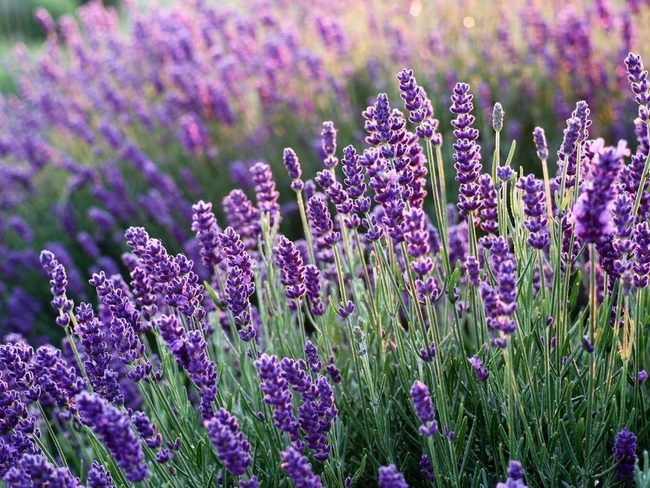
Lavender plants burst across your garden beds in rich purple hues that stop you in your tracks, and they release a calming fragrance into the air that improves your mood and relaxes your mind.
Beyond the stunning colors and pleasant aroma, this hardy plant works hard to protect your space by keeping deer and ticks away naturally.
When you plant lavender throughout your garden, you get multiple benefits rolled into one low-maintenance option.
It handles most soil conditions and weather patterns well, so even beginner gardeners find success with it.
Many people add lavender near their home's entryways or around garden beds where pests tend to cause trouble.
Your outdoor space becomes both more beautiful and healthier when lavender thrives there.
Blue Borage Blooms For Pollinators
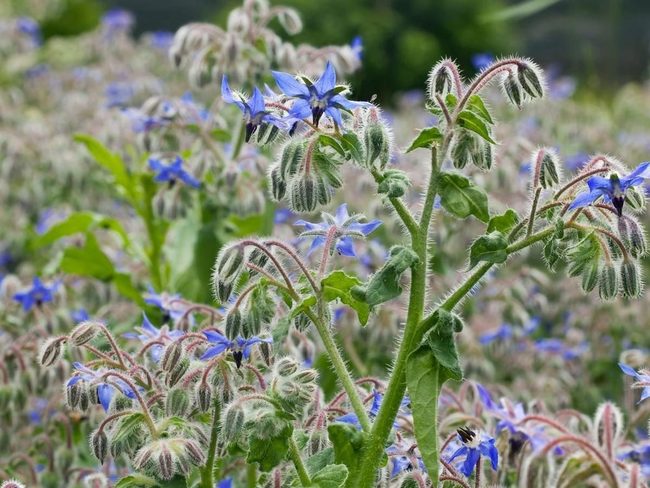
Borage spreads across your garden with cheerful blue flowers that instantly catch attention and bring life to any outdoor space.
Bees flock to these blooms, which means your plants get pollinated naturally and you'll see plenty of insect activity buzzing around the area.
Beyond its good looks, both the leaves and flowers are edible and taste surprisingly fresh with a hint of cucumber, so you can snip some for your kitchen and add something special to your meals straight from what you've grown yourself.
Golden Blooms, Zero Fuss
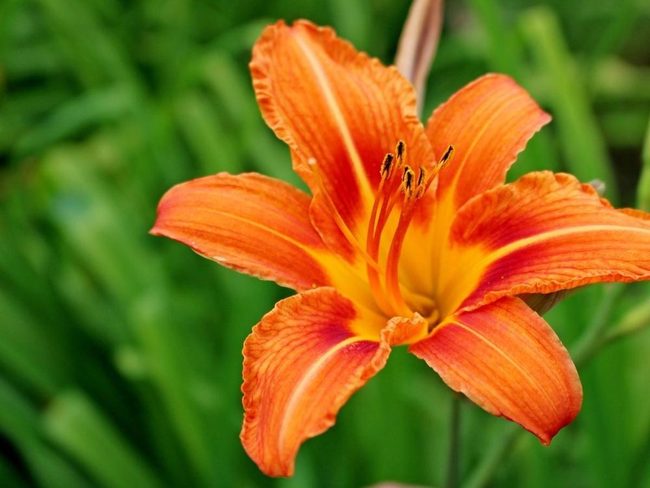
Daylilies bring bold, vibrant color to your garden from spring straight through late summer with their tall stems and eye-catching blooms that command attention in any outdoor space.
Hummingbirds and pollinators can't resist visiting these flowers, so you'll see plenty of natural activity around them throughout the growing season.
Beyond their striking appearance, daylilies are remarkably tough plants that adapt well to different soil types and light conditions, making them reliable choices for almost any gardener.
Most pests leave daylilies alone, and they rarely need special treatment or fussy attention.
Once established, these plants basically take care of themselves while delivering both practical benefits and real garden beauty season after season.
Hardy Mums Stop Garden Pests
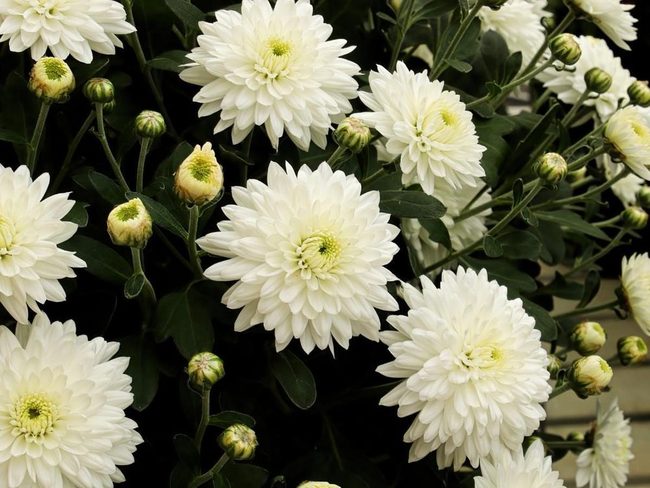
Hardy mums burst across your porch with bold colors that light up the fall season and grab attention from the street.
Beyond their eye-catching blooms, these flowers work hard for you by naturally keeping pests away from your vegetable garden and helping everything stay healthy.
You'll find them easy to maintain since they thrive in full sun, and pairing them with marigolds and petunias gives you an extra layer of protection against unwanted insects.
You don't need special skills or equipment to grow them successfully, which makes them perfect whether you're new to gardening or have been doing it for years.
The combination of beauty and function means you get the best of both worlds without extra effort.
Colorful Pansies Edible Garden Flowers
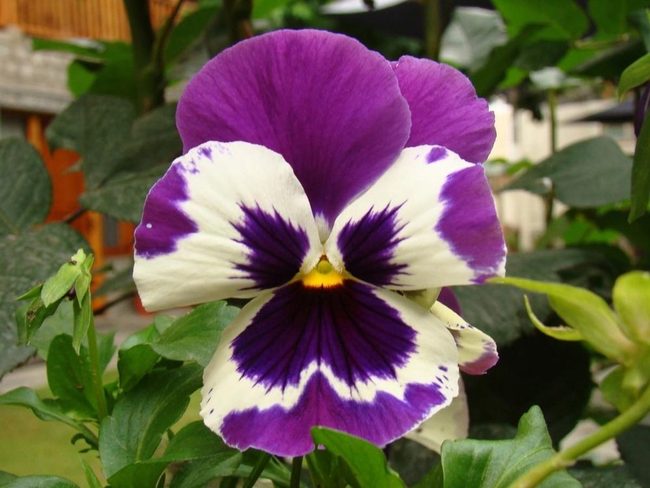
Pansies burst onto the scene with bold, eye-catching colors that instantly energize any outdoor space you maintain.
Beyond their striking appearance, these flowers pull double duty in your garden since they work well alongside vegetables, keep soil moisture intact, and offer edible petals for your kitchen.
Growing pansies turns out to be straightforward and rewarding, so even newer gardeners find success with them.
Their hardy nature and practical benefits make them stand out as one of the smartest flower choices you can make.
If you're looking to add both beauty and function to your garden beds, pansies deliver on both fronts without demanding much fuss from you.
Michael Harris
Senior Content Editor
Expertise
Home Décor Content Creation, Interior Design Journalism, Editorial Oversight, Digital Media Strategy, Team Leadership and Mentorship
Education
University of Queensland, Brisbane, Australia
Queensland University of Technology (QUT), Brisbane, Australia
Michael Harris is the senior content editor at Archi Refresh, where he turns home design trends into engaging, easy-to-follow articles. With a journalism degree from the University of Queensland and a digital communication certification from QUT, he knows how to craft content that informs and inspires.
With over 10 years of experience in lifestyle and design media, Michael has shaped editorial strategies, mentored writers, and helped readers refresh their spaces with practical tips. His work blends storytelling with expert advice, making home decor more accessible to everyone.
Outside of work, Michael enjoys DIY projects, exploring Brisbane’s art scene, and teaching digital literacy workshops.