
18 Garden Hacks That Save You Money Fast
Free garden hacks can save money while helping plants thrive in ways most people never consider.
Experienced gardeners and beginners alike benefit from clever shortcuts that replace expensive products with household items.
Simple solutions often work better than costly store-bought alternatives when growing vegetables, flowers, or herbs.
Coffee grounds, eggshells, and banana peels become powerful tools once someone learns their hidden potential.
Small changes to watering methods or pest control strategies make dramatic differences without requiring special equipment.
Budget-friendly approaches prove that beautiful outdoor spaces don't demand significant financial investment.
Learn how resourceful techniques can revolutionize the way you care for every plant.
Bicycle Wheels Into Garden Trellis
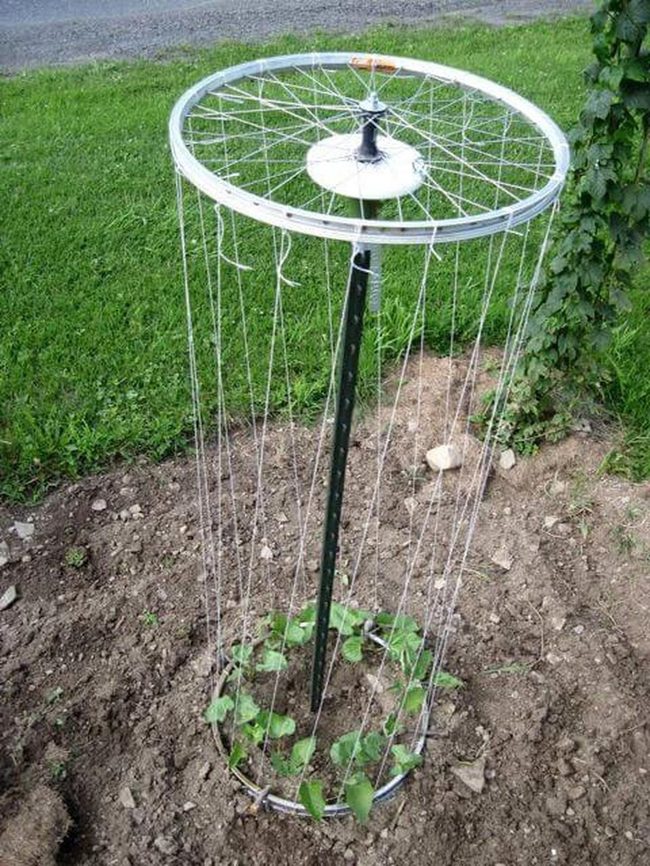
Old bicycle wheels make an excellent foundation for a zero-cost trellis that lets your climbing plants flourish without breaking the bank.
You can stack and secure these wheels using basic screws and anchors to build a sturdy structure in your garden.
Garden twine or wire works well for guiding plants as they climb higher and spread across the frame.
If you want to personalize it, paint brings color and character to the wheels, though leaving them natural looks great too.
This straightforward project transforms any corner of your outdoor space into a lush green display.
Beyond the visual appeal, you can pick up on how much better your climbing plants perform when they have proper support.
Building a trellis this way proves that gardening improvements don't need expensive materials or complicated techniques.
Cardboard Tubes Stop Cutworms
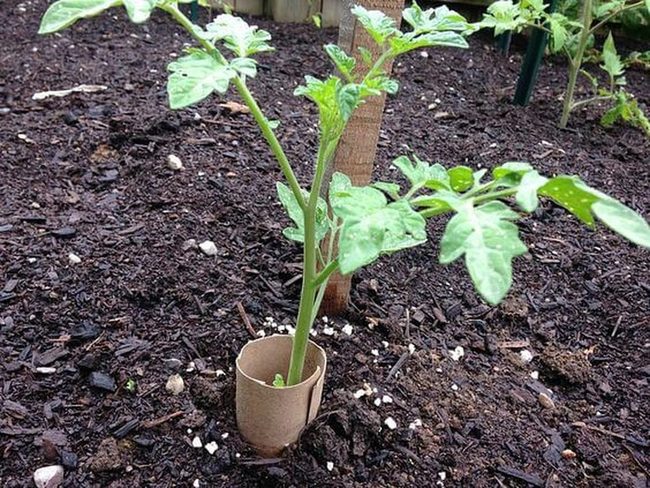
Wrapping cardboard tubes around the base of your seedlings is one of the most effective ways to shield young plants from cutworm damage and keep them growing strong.
After you plant tomatoes, peppers, sunflowers, or other seedlings in the soil, grab some cardboard tubes from paper towels or toilet rolls and slice them into 3-inch sections, then split each one open along the side.
Position each tube around the base of a plant and press it about an inch deep into the ground to form a protective barrier.
Cutworms typically hide just below the soil surface and chew through stems at ground level, so this simple barrier stops them before they can reach your plants.
We can see the appeal in how that it's inexpensive, easy to set up, and works reliably without requiring any chemicals.
You can prepare your tubes ahead of time and have them ready whenever you're transplanting seedlings into the garden.
Glass Cloches, Extended Lettuce Seasons
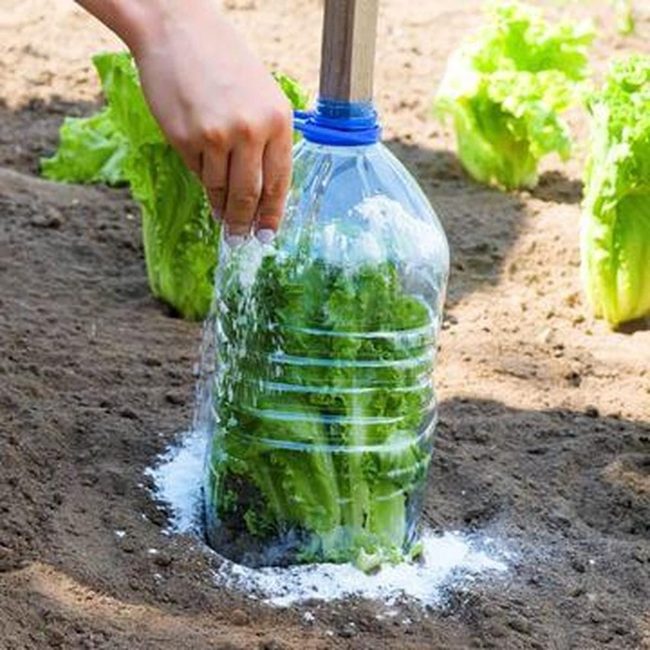
Growing lettuce under cloches gives you a smart way to protect your plants from rough weather and hungry insects while they develop nicely.
During the chilly stretches of early spring and late fall, this technique shines because it buffers your crops against cold snaps that would otherwise slow them down.
You'll want to monitor the temperature inside on sunny days and crack open the cloche to let air flow through so heat doesn't get trapped and cook your greens.
When you manage airflow properly, the environment stays just right for lettuce to flourish without getting stressed.
Beyond keeping pests and harsh conditions at bay, cloches extend your harvest season on both ends of the year, so you get more time to grow and enjoy fresh lettuce from your garden.
Clean Tools Healthy Garden Success
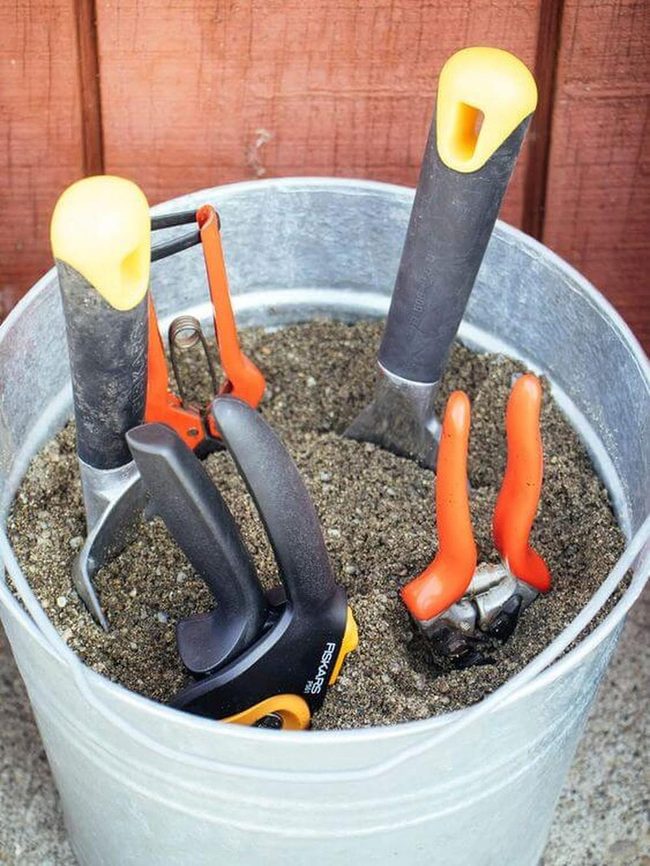
Your garden tools deserve regular attention to stay functional and last for years, and the best time to clean them is right after you finish using them so dirt doesn't harden on the surfaces.
Washing away soil and debris prevents disease from spreading between plants and keeps your garden healthier overall.
For tools that pick up heavy buildup or rust spots, you'll need to spend extra time scrubbing them down with a brush or steel wool to restore them properly.
Storing clean, dry tools in a safe place protects them from moisture and damage between gardening sessions.
When you keep up with this simple routine, your equipment performs better and your gardening efforts pay off with stronger plants and easier maintenance work.
It doesn't take much effort to wipe things down, and the payoff in tool durability and garden health makes it absolutely worth your time.
Black And White Newspaper Weed Barrier
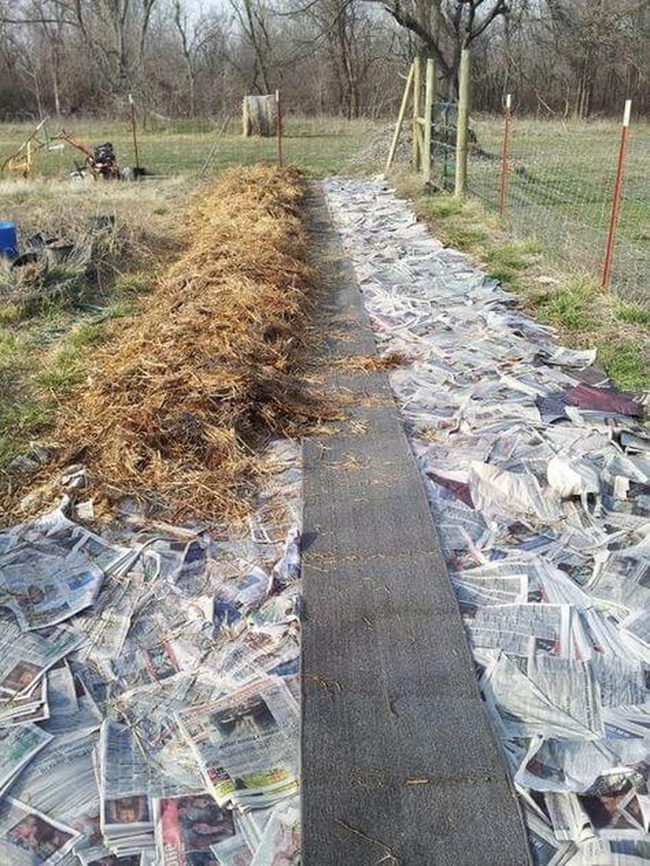
Thick layers of black-and-white newspaper spread across your garden beds create a powerful visual barrier that stops unwanted plants dead in their tracks while keeping moisture locked in the soil below.
You can gather some old newspapers and lay them down around your desirable plants to shield them from invasive species without chemicals.
Colored ink tends to break down differently, so sticking with black-and-white versions works best for this purpose.
Many gardeners add mulch on top of the newspapers for extra protection and a neater appearance in the garden.
This simple method reduces the constant battle against weeds significantly and makes your gardening time feel less exhausting.
My own experience shows that this approach cuts down on the hard labor typically needed to maintain garden beds.
You don't need expensive treatments or dangerous chemicals to see real results with your plants.
Simple, straightforward techniques like this one prove that effective gardening doesn't require complicated solutions.
Plastic Collars Stop Cabbage Flies
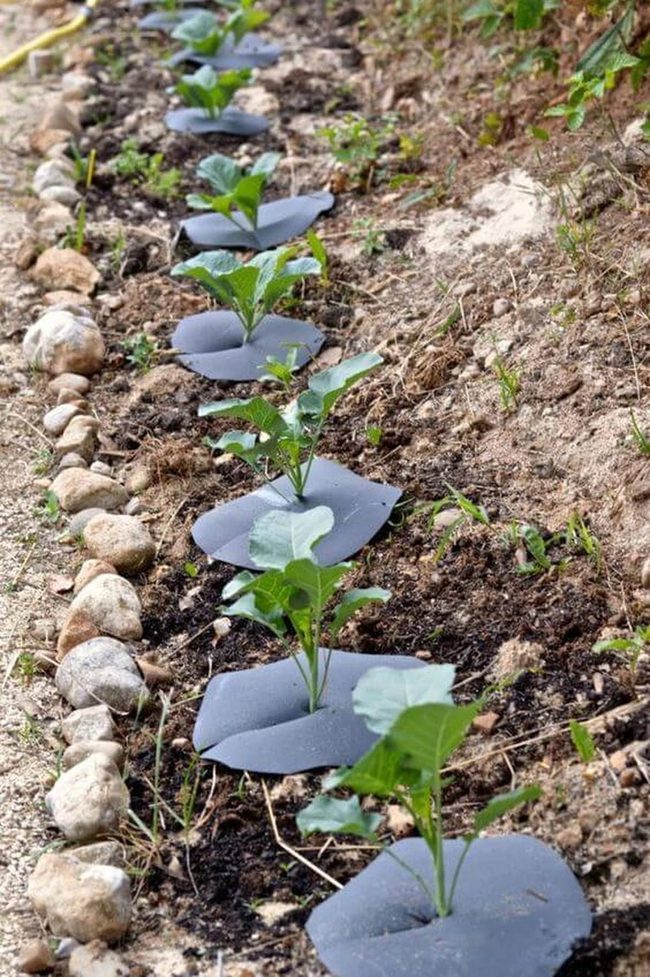
Cabbage flies can devastate your garden crops, so protecting your plants requires action before damage occurs.
You can wrap insect nets around your cabbages and fit protective collars around each stem to block these destructive pests.
Making collars from durable materials like thick plastic or fabric helps them withstand rain and wind throughout the growing season.
Start by cutting a circle from your chosen material, then slice it halfway through and add small cuts in a circular pattern so your cabbage has room to expand while staying protected during its early stages.
Press these collars firmly into the soil to close any gaps between them and your plants, which stops flies from reaching your seedlings.
This simple barrier method prevents most pest damage without chemicals and keeps your garden healthy naturally.
Broken Terra Cotta Plant Markers
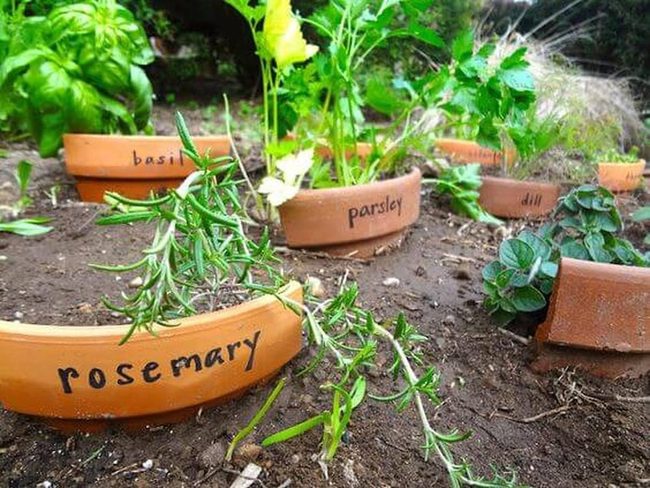
Repurposed clay shards stacked upright among your plants catch the light with their warm, rusty tones and create an unexpectedly charming garden display that makes you smile every time you step outside.
You can personalize these broken pot markers by writing plant names directly on the pieces with a weatherproof pen, turning waste into something both useful and attractive.
Making labels from pottery scraps keeps materials out of the trash while adding that natural earthiness that gardeners love around their beds and containers.
This feels practical because simple this project is; just gather broken pots, choose a few pieces, and arrange them as markers among your greenery.
Your plants become easier to identify, and the finished look feels authentic rather than manufactured.
Beyond organization, these terra cotta fragments blend seamlessly with soil and foliage, so your garden keeps its natural character without looking overly styled.
Glass Jar Plant Protection Method
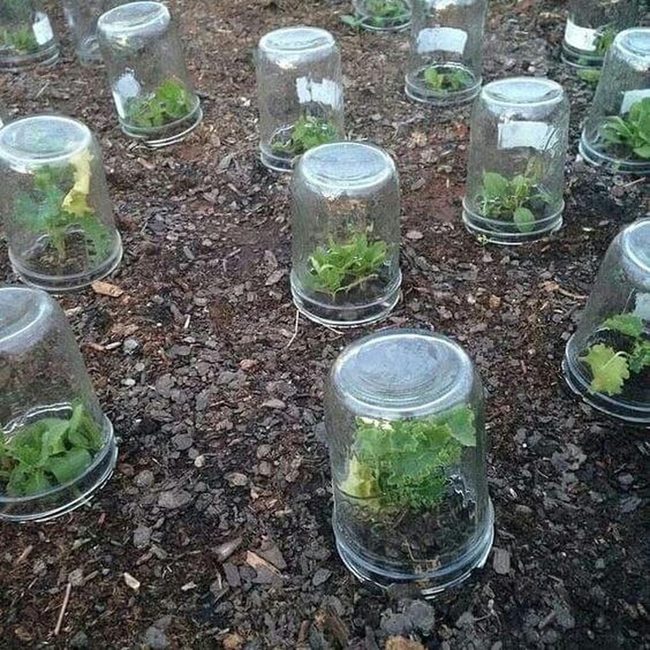
Growing vegetables requires dealing with harsh weather and unwanted pests, but mason jars offer a surprisingly simple solution to protect your crops.
These glass containers work as tiny greenhouses, trapping warmth around your plants on cold nights and blocking insects from reaching them at the same time.
You just place a jar over each plant, pressing it down gently into the soil to seal in moisture and create the right growing conditions.
During the day when temperatures rise, lift the jars off so your plants get direct sunlight and rain without getting too hot or damaged by bugs.
Beyond protecting individual vegetables, this method helps you extend your growing season since the glass shields young seedlings from unexpected frost.
Since mason jars are affordable and reusable year after year, you get a practical tool that saves money while keeping your garden thriving and healthy.
Diy Bottle Fruit Picker
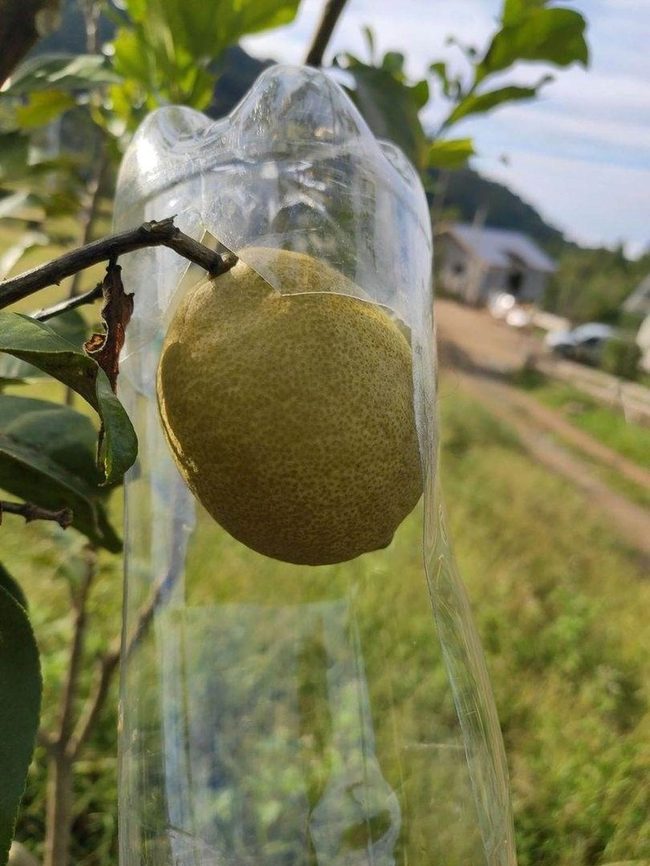
Reaching fruit high up in trees becomes much easier when you build a simple picker from everyday items you probably have at home.
Grab a two-liter plastic bottle with its cap and attach it firmly to a pole made of wood or metal that's four to six feet long, and you've got yourself an effective harvesting tool.
This approach keeps you safe because you stay on solid ground instead of climbing ladders or trees where accidents happen.
Your fruit stays whole and fresh during the picking process instead of getting bruised or damaged from falling.
Construction takes just minutes and requires nothing fancy or expensive.
Once you have it ready, reaching those high branches becomes straightforward and stress-free.
Building this tool yourself means you get exactly what works for your garden without spending money on specialized equipment.
Vertical Pea Trellis Natural Growth
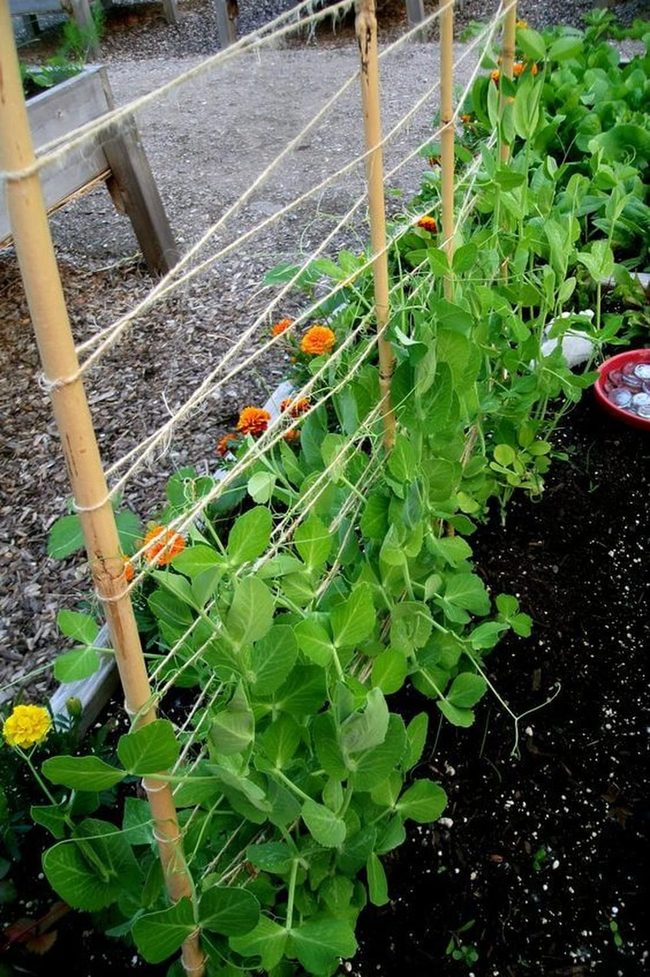
When you build a simple trellis for your pea plants, the vertical growth becomes one of the most striking features in any garden, and it naturally draws the eye upward while taking up minimal floor space.
Supporting these climbing plants this way keeps them off the soil, which means fewer pest problems and less disease to worry about.
Harvesting your peas becomes surprisingly easy when they're elevated and within reach rather than tangled along the ground.
To get started, you'll need some sturdy, straight branches from trees, rope or twine to tie things together, and pruning shears or a saw for cutting materials to size.
As your peas grow taller, adding horizontal twine across the trellis gives them plenty of pathways to climb upward and spreads them out evenly.
This kind of structure looks natural in the garden and actually supports stronger, healthier plants overall.
Clear Plastic Seedling Shelter
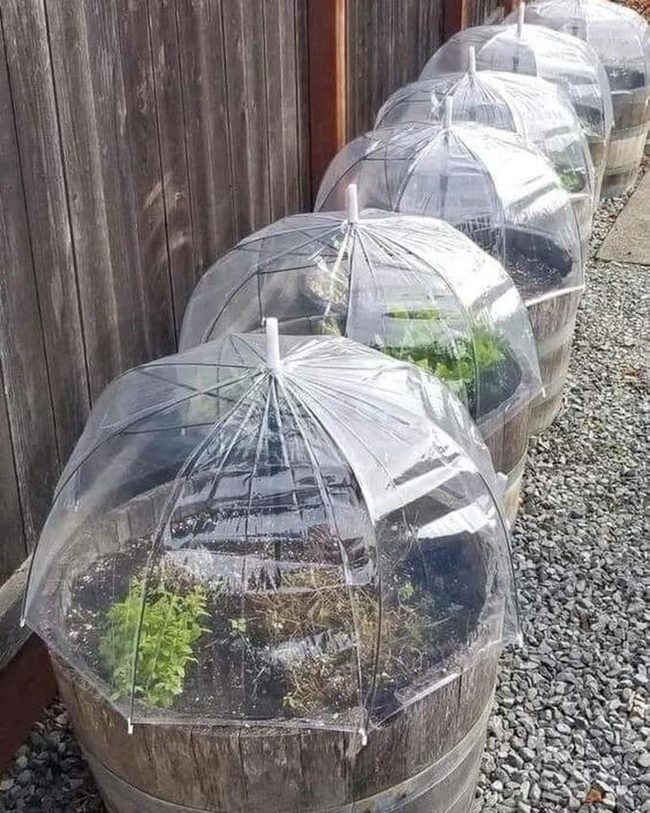
Mini greenhouses work wonderfully for getting young plants off to a strong start while protecting them from rough weather, and seed starting trays with transparent tops create the right conditions for seeds to sprout and seedlings to grow during those important first weeks.
Building one is straightforward; you'll need small steel frames that look like umbrellas, clear plastic sheeting, garden stakes or wooden dowels, and some twine or zip ties to hold everything together.
Once your mini greenhouse is up, you manage it by opening the covering partway on nice days so fresh air reaches your plants, then closing it back up at night or when storms roll in to keep your greens safe.
This simple approach gives your young plants the protection they need while still letting them get the ventilation they require to thrive.
Gravity-Fed Garden Drip System
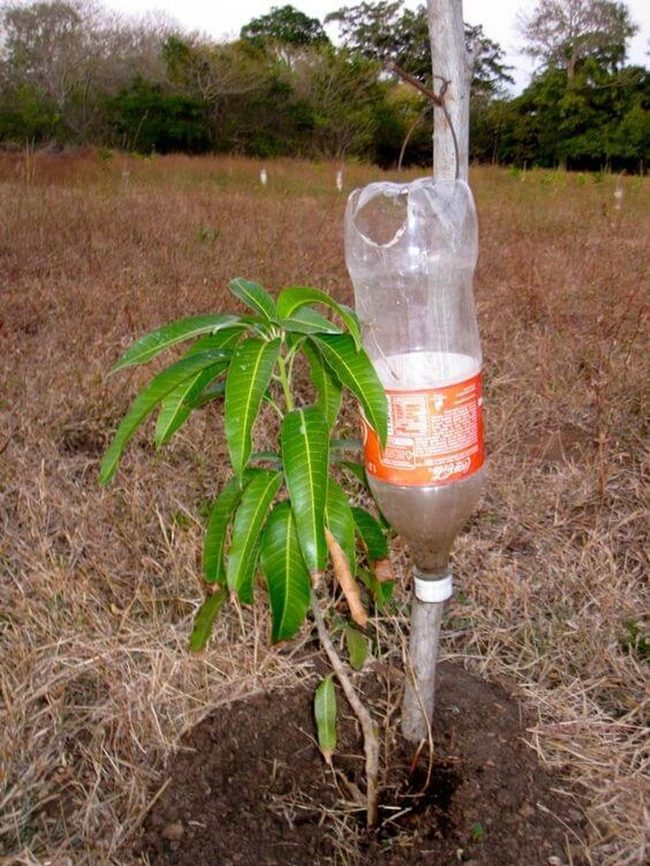
Water your garden efficiently without needing electricity by setting up a gravity-fed system that works especially well if you live somewhere with limited resources.
Start by gathering two-liter plastic bottles or similar containers, scissors or a utility knife for cutting holes, tubing for water distribution, stakes to anchor everything, and an elevated platform to hold your water source high enough.
Gravity does the work for you, allowing water to flow steadily down through the tubing directly to your plant roots so they get the moisture they need.
Once you have your materials ready, assembly becomes simple; fill the bottles with water and position them where your plants are so the water can drip out consistently throughout the day and night.
This setup keeps your garden hydrated without any complicated equipment or power source, making it a smart choice for anyone wanting reliable plant care on a budget.
Sharp Borders Elevate Landscape Appeal
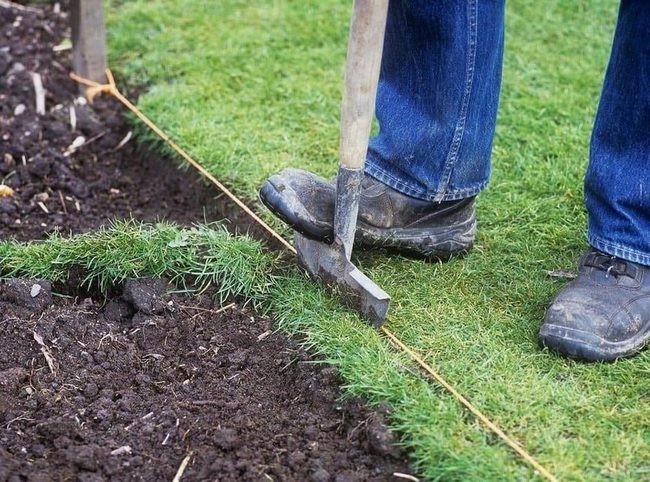
Lawn edging creates sharp, clean lines that immediately catch the eye and organize your outdoor space in a way that makes everything look more polished and put-together.
When you keep grass from creeping into flower beds and along pathways, the whole yard feels more intentional and controlled, which boosts how attractive your landscape appears.
Adding this to your regular garden work is simple and rewarding, and the time you spend on it pays off quickly.
Clear borders between grass and planted areas also help your flowers and plants thrive better since they won't have to compete with spreading grass roots.
Once you make edging part of your routine maintenance, taking care of your yard becomes much less demanding and you'll spend less energy fighting back overgrowth.
Cardboard Tubes For Pale Leeks
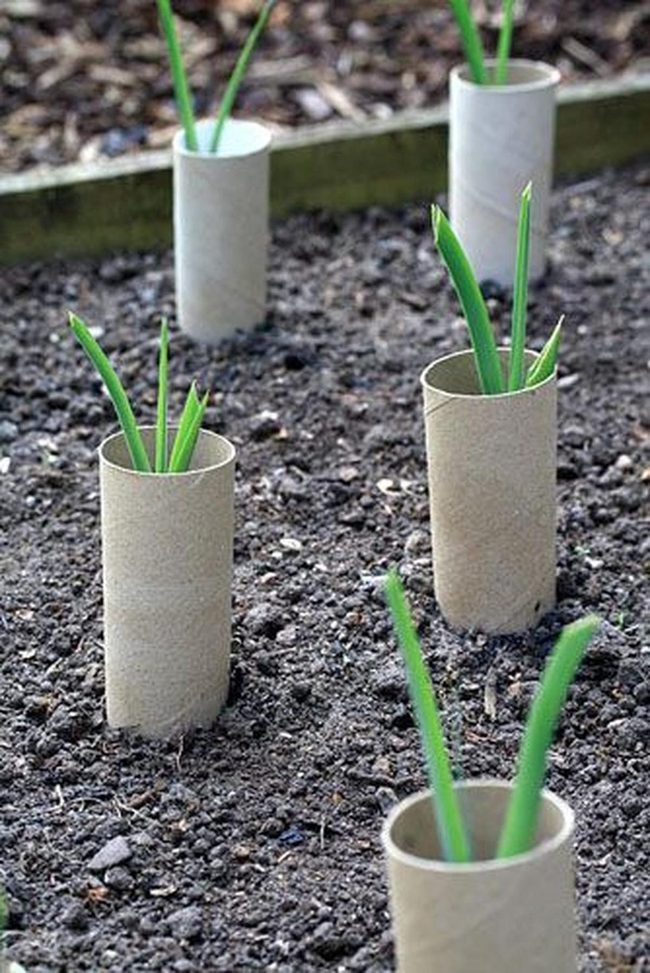
Growing leeks with unconventional materials like empty toilet paper rolls yields tender, pale stems that work beautifully in your kitchen, and you can gather clean rolls, cardboard tubes, or PVC pipes to start this simple project.
Wrapping each leek with these tubes shields the stems from sunlight and blocks out pests while creating that desirable blanching effect that makes the stems so tasty.
Position each roll so it covers only the exposed stem and lets the green leaves grow freely above it.
As your leeks stretch upward, keep stacking more material around them to maintain their pale color throughout the growing season.
This method offers another bonus: harvesting becomes much easier when the stems are nicely protected and ready to pick.
Plastic Bottle Slug Shields
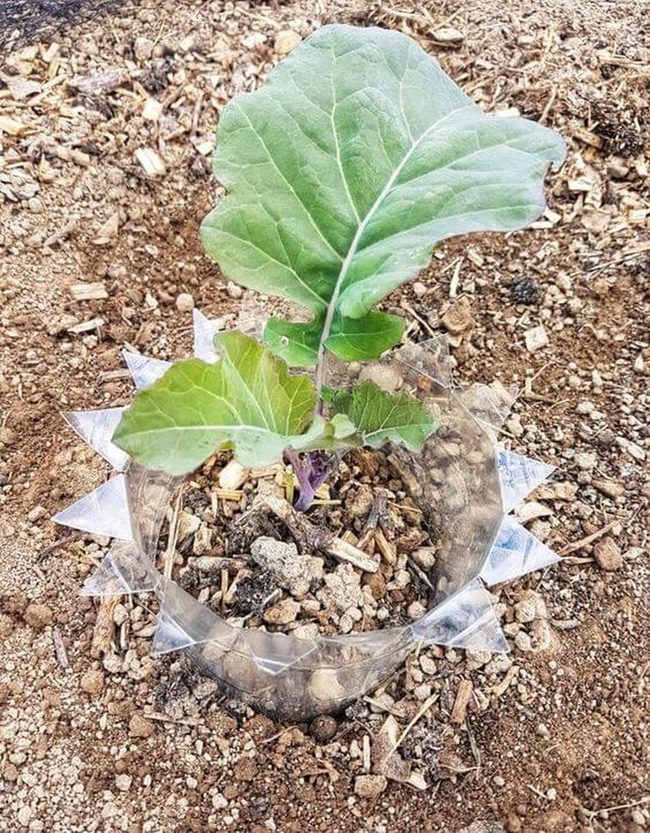
Plastic bottle rings wrapped around your plant bases create an effective barrier that stops slugs from reaching your garden's vegetables and flowers, and you can make these simple guards yourself with just scissors and empty bottles cut into snug rings that fit around each plant.
This hands-on project works well because it protects your greenery without chemicals or traps, keeping your garden safe and your growing experience straightforward.
Slugs cannot cross these hard plastic barriers, so your plants get the defense they need to thrive.
Once you cut the bottle into ring-shaped pieces, fitting them around plant bases takes just minutes.
Your garden stays productive and enjoyable when you have a reliable pest control method in place.
Many gardeners find that this protective approach lets them harvest healthy plants season after season without complicated or toxic solutions getting in the way.
Forks Guard Garden Seedlings
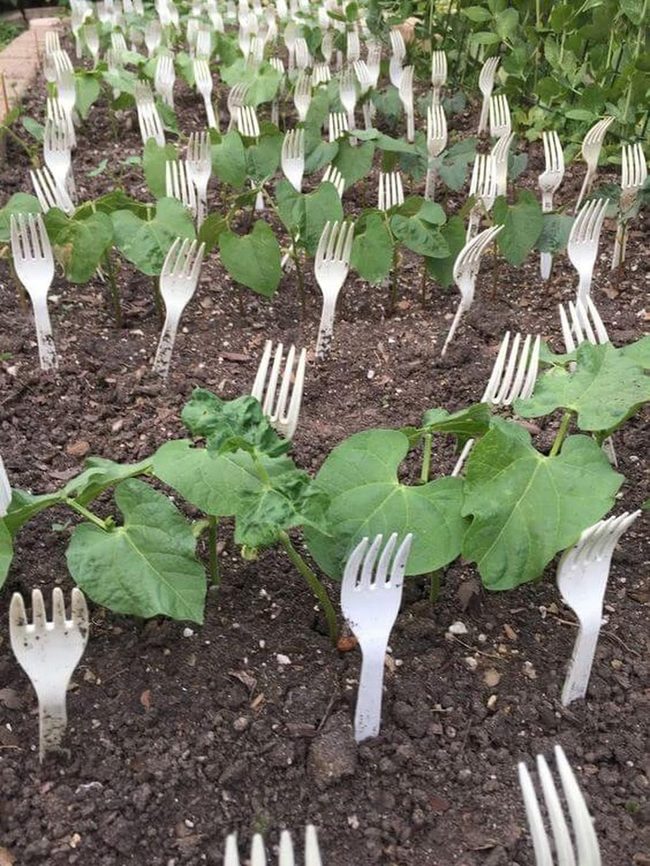
Old forks stuck upright in the soil around your green bean seedlings create an obvious and striking barrier that stops chickens, dogs, and cats from trampling through your vegetable patch.
This simple method works because animals dislike the feel and sight of the metal prongs poking up around plants, so they naturally avoid the area and move on to easier spots.
You don't need special equipment or expensive products since most households have extra forks in a drawer somewhere.
Just push them into the ground at regular intervals around your seedlings, and you've got an instant protection system that also looks like part of your garden setup.
I've seen gardeners use this trick for years with solid results because it's straightforward and requires almost no maintenance once they're in place.
Your green beans stay safe from curious visitors while you keep your homegrown vegetables thriving without chemical deterrents.
Nails Stop Cutworm Damage
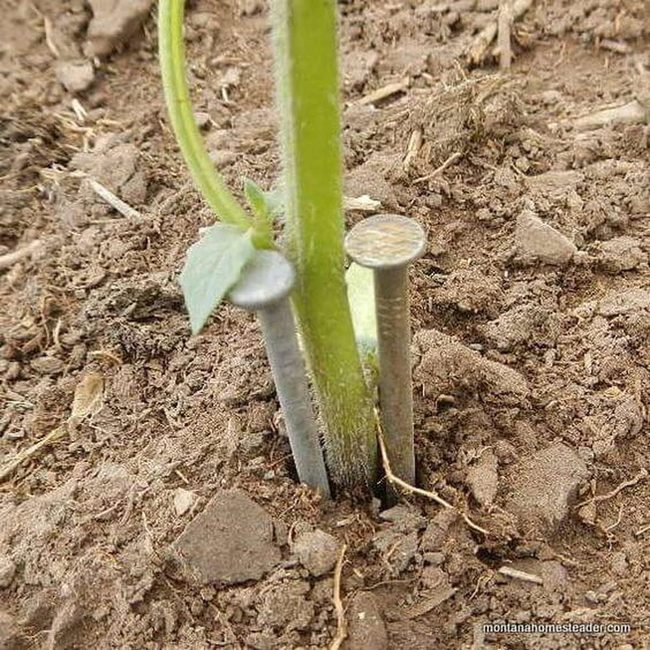
Cutworms can destroy your seedlings overnight by chewing through stems right at ground level, and these night-feeding caterpillars are one of the toughest garden challenges you'll face.
Protecting your plants requires some clever defense tactics, and nails pushed into the soil around sturdy plant stems like tomatoes act as a barrier that stops cutworms from reaching the tender tissue they crave.
You can also use plastic drinking straws or cut toothpicks as stem guards that work just as well and are easier to install.
These simple protectors sit around the base of your plants and prevent the pests from biting through where the damage happens most.
With one of these methods in place, your young plants have a much better chance of surviving those critical first weeks.
We recommend checking your garden at dusk to catch any cutworms before they do their worst, and combining barriers with regular monitoring keeps your seedlings safe and thriving.
Upcycled Garden Borders Earth Friendly
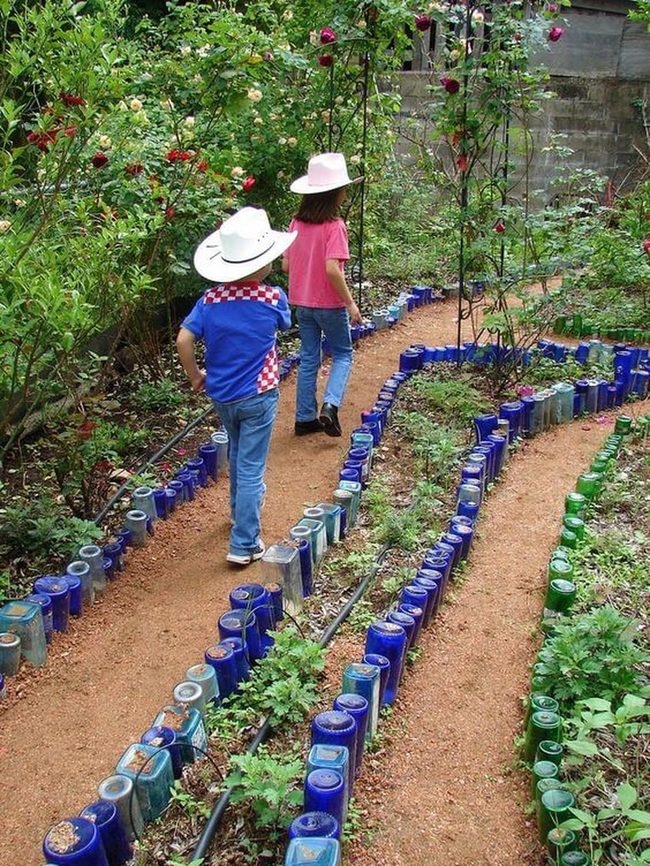
Recycled materials transformed into garden borders give your outdoor space genuine personality while keeping waste out of landfills, and you start the process by digging a shallow trench along the edges where you want the border to sit so everything fits tight and secure.
Once you have that foundation ready, positioning the materials carefully matters quite a bit, and using a level keeps the surface even from end to end.
This approach lets you show off your garden's distinct character without spending much money or harming the planet.
A little resourcefulness goes a long way when it comes to landscaping, and your choices about what goes in the ground say something real about how you think.
Turning ordinary scraps into something useful and attractive demonstrates both creativity and respect for our environment at the same time.
Michael Harris
Senior Content Editor
Expertise
Home Décor Content Creation, Interior Design Journalism, Editorial Oversight, Digital Media Strategy, Team Leadership and Mentorship
Education
University of Queensland, Brisbane, Australia
Queensland University of Technology (QUT), Brisbane, Australia
Michael Harris is the senior content editor at Archi Refresh, where he turns home design trends into engaging, easy-to-follow articles. With a journalism degree from the University of Queensland and a digital communication certification from QUT, he knows how to craft content that informs and inspires.
With over 10 years of experience in lifestyle and design media, Michael has shaped editorial strategies, mentored writers, and helped readers refresh their spaces with practical tips. His work blends storytelling with expert advice, making home decor more accessible to everyone.
Outside of work, Michael enjoys DIY projects, exploring Brisbane’s art scene, and teaching digital literacy workshops.