
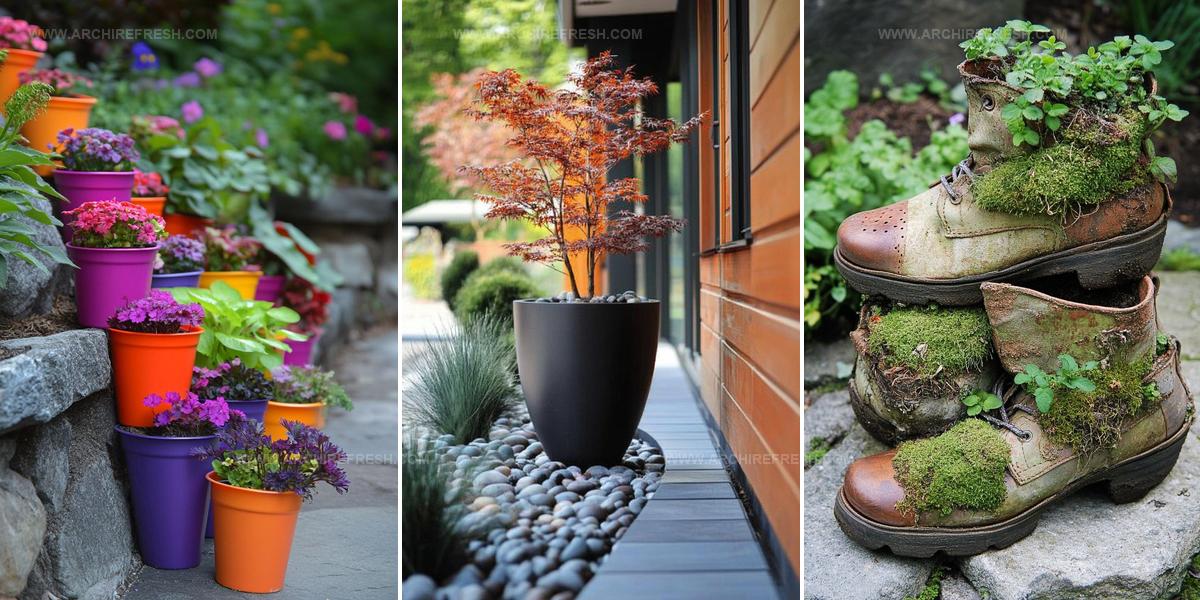
12 Creative Gardening Containers Without Spending Money
Repurposed items around the house can become free gardening containers when you know what to look for.
Old buckets, cracked pottery, and worn baskets all offer potential homes for plants without spending money.
Drainage holes and adequate depth matter most when selecting suitable vessels for growing vegetables or flowers.
Kitchen tins, plastic jugs, and wooden crates work beautifully once prepared correctly for planting.
Even broken furniture pieces transform into charming planters that add character to any outdoor space.
Resourcefulness turns everyday objects into functional growing spaces while reducing waste and saving cash.
Begin gathering overlooked items today and watch how creativity helps build a thriving garden without breaking the bank.
Transparent Plastic Containers Seed Starting
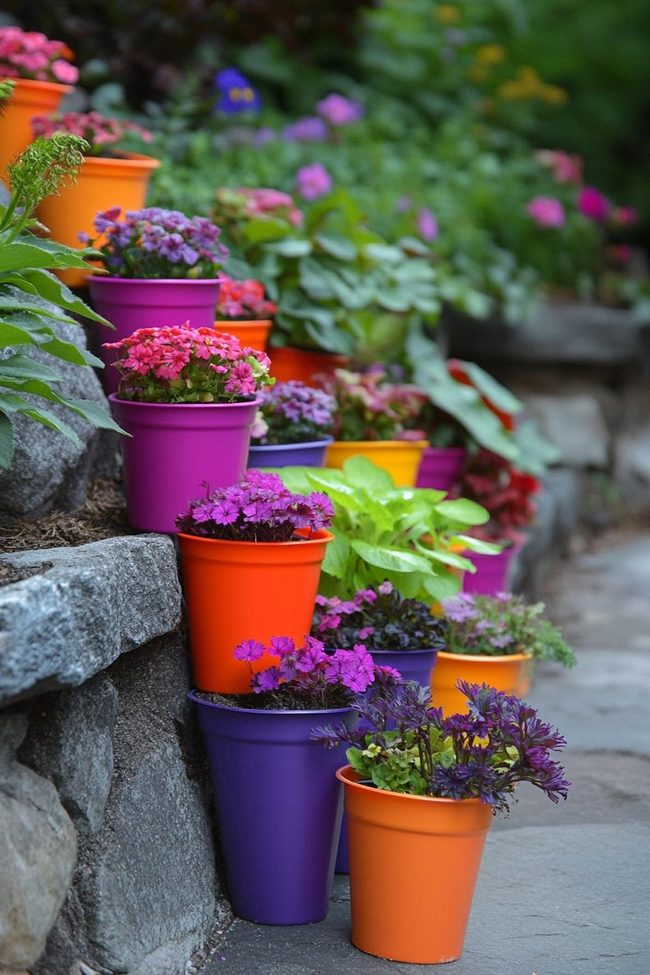
Repurposing single-use plastic cups and containers elevates everyday trash into useful for everyday living gardening tools that cost nothing and help keep waste out of landfills.
Clear plastic boxes like salad or berry containers make excellent mini greenhouses for seeds since they trap moisture and warmth while letting light through.
Wash and dry your container, poke drainage holes in the bottom, add soil, plant your seeds, and the built-in lid does all the work of maintaining humidity for germination.
Yogurt cups and takeout containers work just as well for growing individual seedlings and small plants once you drill holes for drainage and fill them with potting soil.
Most gardeners appreciate how lightweight these containers are since you can stack them, move them around easily, and fit many into tight spaces or indoor growing areas.
Just remember to use only food-grade plastics and skip any containers that previously held chemicals or non-food products.
Starting your garden this way lets you experiment with growing on almost no budget while also giving plastic waste a second purpose before it heads to the dump.
We all benefit when reusing materials like these becomes a normal part of how we garden, even if it's just a temporary step before upgrading to permanent pots down the road.
Hand-Woven Natural Fiber Planters
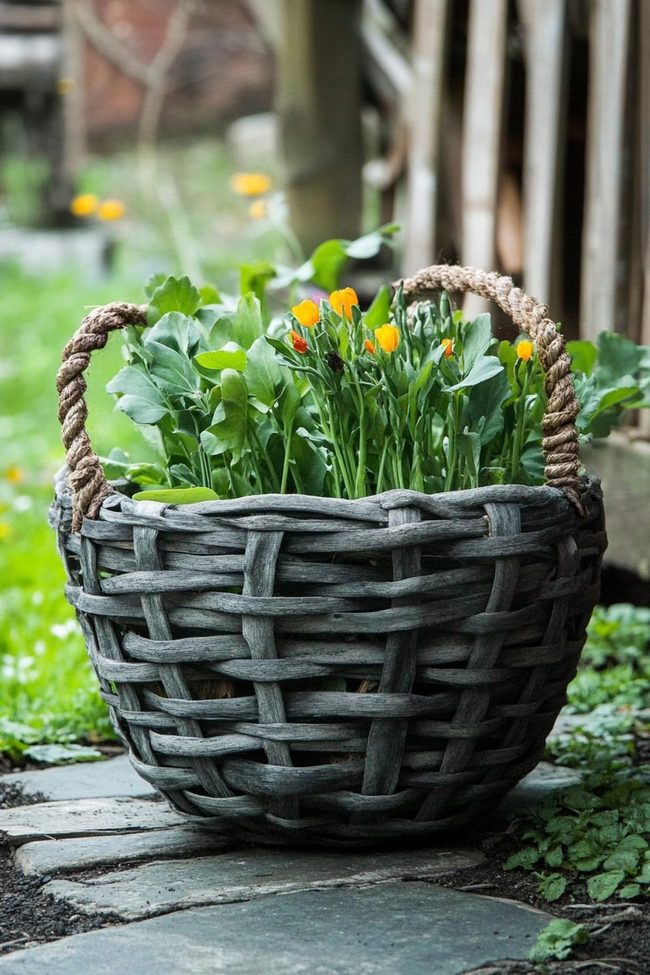
Woven baskets from natural materials like willow, reeds, or long grasses make gorgeous planters that stand out in any garden space and bring a handcrafted touch to your exterior area.
Starting this ancient craft takes some basic learning, but plenty of online tutorials and local basketry groups can guide you through the process and connect you with other weavers who share your interests.
Once you understand the fundamentals, you can play around with different shapes, sizes, and weaving patterns to build baskets that fit your garden perfectly.
Line throughout basket with landscaping fabric or moss to hold in soil and moisture, then add your favorite plants and let them flourish in their new homes.
Beyond their beautiful appearance and one-of-a-kind quality, handwoven baskets let you connect with nature and traditional craft skills that have lasted for centuries.
Using natural and sustainable materials means you're also building gardening containers that break down over time and leave no harm to the environment, which feels rewarding when you're tending your plants and enjoying what you've made with your own hands.
Industrial Gray Block Outdoor Planters
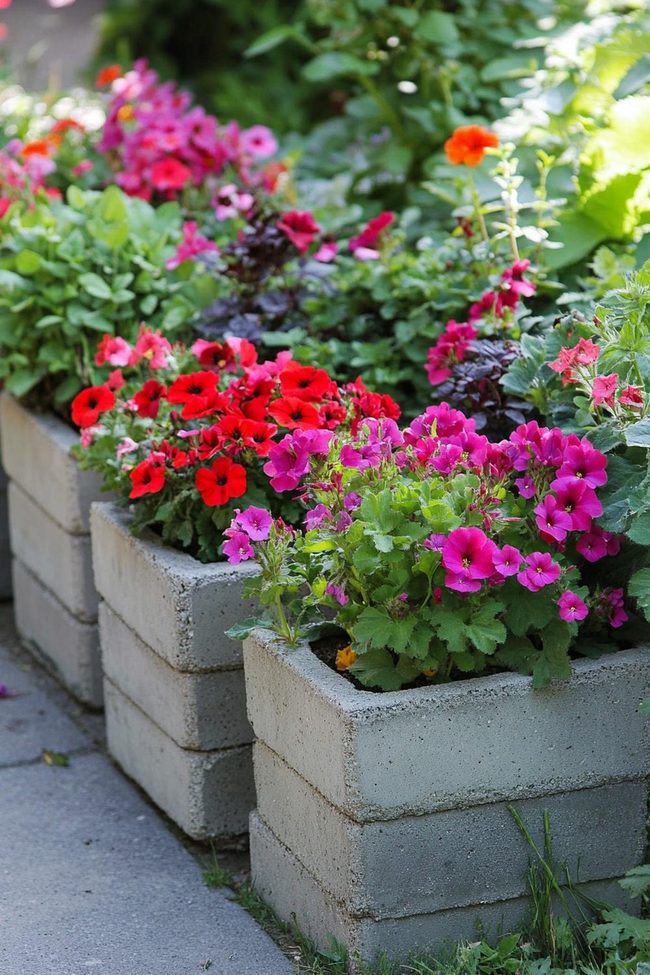
Stacked cinder blocks turned sideways with succulents and small herbs sprouting from their holes form a striking vertical garden that catches attention immediately and maximizes your growing space with an edgy, modern look.
Bricks and cinder blocks themselves make fantastic gardening containers because they're strong, durable, and pack that cool industrial style we all love these days.
You can often find these materials free or cheap from construction leftover piles or online marketplaces like Craigslist and Facebook Marketplace.
Building a planter is straightforward, just arrange your blocks in whatever shape you want, stack them if you need extra height, fill the holes with soil, and add your favorite flowers, herbs, or vegetables.
Because these materials are porous, water drains through beautifully and keeps your plants happy and healthy.
Brick and cinder block planters need almost no maintenance, and they're built to last through any season.
If you're hunting for budget-friendly container gardening solutions with real character, these construction castoffs deliver both style and substance.
Vintage Containers From Thrift Finds
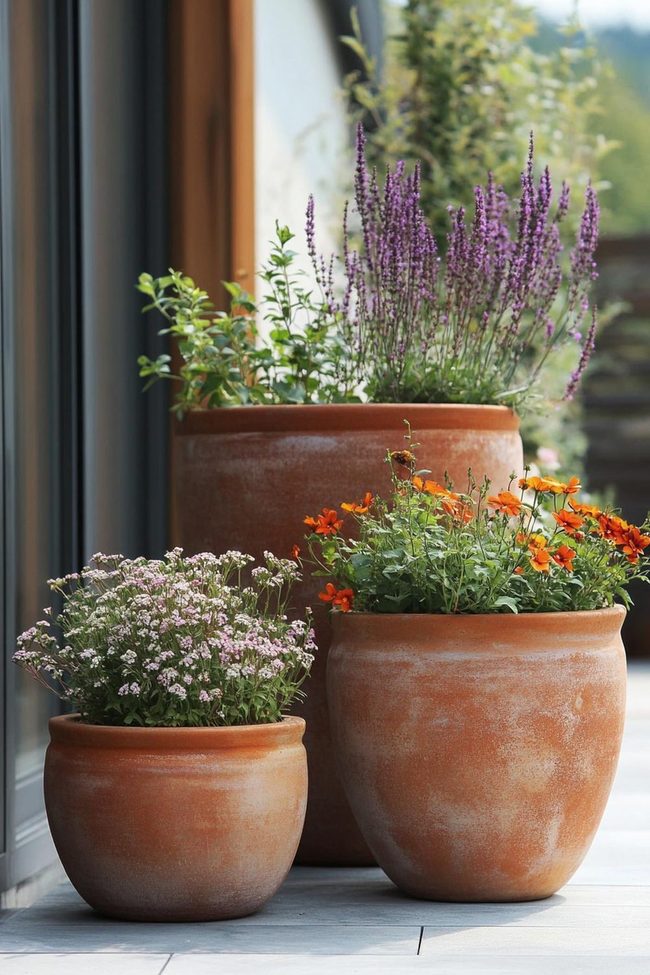
Hunting through thrift stores and garage sales opens up endless opportunities to find unusual planters that won't strain your wallet, and old teapots, vintage tins, wicker baskets, and quirky kitchen gadgets can all become charming homes for your plants.
You never know what hidden treasures you are able to stumble upon when you browse those shelves and tables, which makes the hunt itself part of the fun.
Beyond snagging cool containers at a fraction of retail prices, you're also breathing new life into items that deserve a second chance.
We love the satisfaction that comes from spotting that one perfect piece and knowing exactly how it'll work in our garden.
Grabbing your reusable shopping bag and heading out to explore local sales takes minimal effort and delivers maximum reward.
Your imagination is really the only thing that limits what you can turn into a planter.
Whether you find something quirky or classic, these pre-loved pieces add character that mass-produced options simply can't match.
Once you start looking, you are able to be amazed at how many versatile items are just waiting for their gardening debut.
Wooden Pallets Growing Fresh Herbs
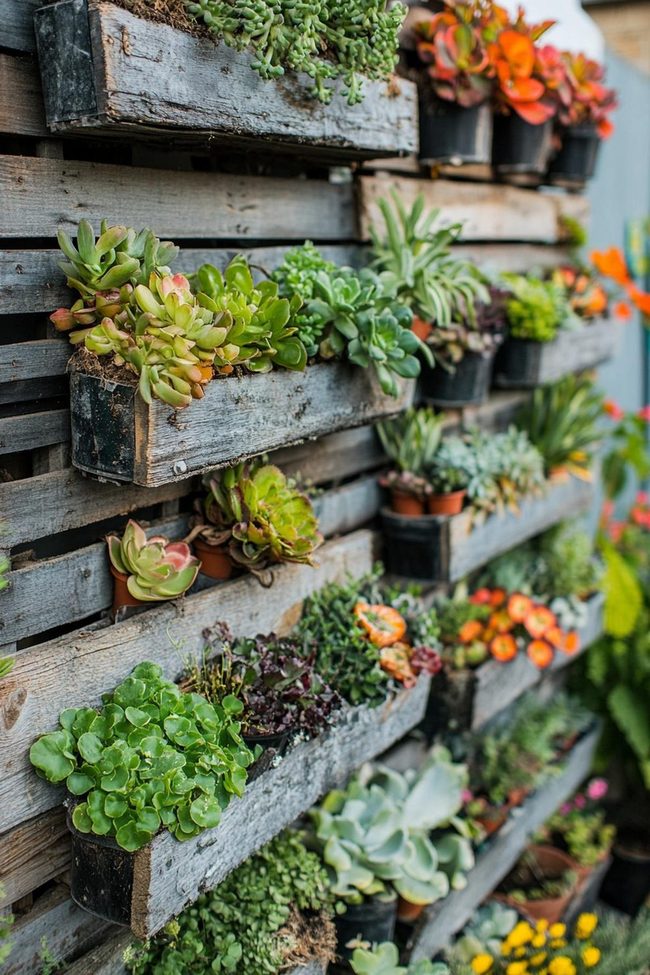
If you're short on space but love gardening, a vertical pallet garden offers a easy to maintain solution that reworks any outside area into a lush green display.
Start by finding a clean, heat-treated pallet from a warehouse, construction site, or online marketplace, then stand it upright and secure it firmly to a wall or fence with brackets or screws.
Paint or stain the wood to match your outside style if you'd like.
Next, staple landscaping fabric across the back to add small pockets for plants and fill across one with soil.
Once everything is ready, cut holes in the fabric and slide in your plants, making sure to pick ones with similar growing needs so they don't compete with one another.
You can plant anything from colorful succulents for a modern look to fresh herbs you can harvest anytime to stacked vegetables for a space-saving harvest.
Beyond saving room and upcycling materials, pallet gardens work well because the vertical setup makes watering, weeding, and picking much easier than traditional beds.
Hunt down some recycled pallets and get started on your dream garden today.
Bright Citrus Peels Plant Holders
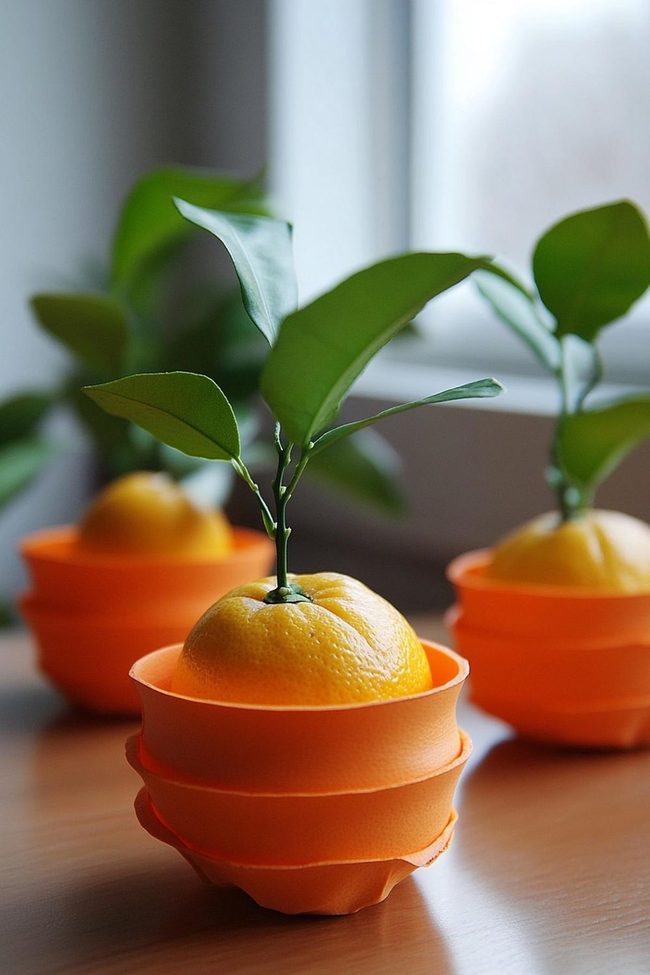
Light-filled citrus peels in yellow, orange, and pink make refined natural planters that bring cheerful color straight to your garden or windowsill.
Once you cut a lemon, orange, or grapefruit in half and scoop out the flesh, you have a ready-made container with built-in charm.
Poke a few drainage holes in the bottom with a needle, fill it with soil, and drop in seeds or small seedlings to get started.
As your plants grow, these peels slowly break down and feed the soil with nutrients, which means you won't need to transplant anything into a new pot later.
Because these peels are completely biodegradable, you're choosing an option that's kind to the environment while adding fresh, zesty scents to your space.
Next time you juice a lemon or slice an orange for cooking, just rinse those peels and save them instead of tossing them out.
Your plants will thank you, and your garden will look wonderfully unique with these little eco-friendly containers on display.
Hollowed Logs Into Living Planters
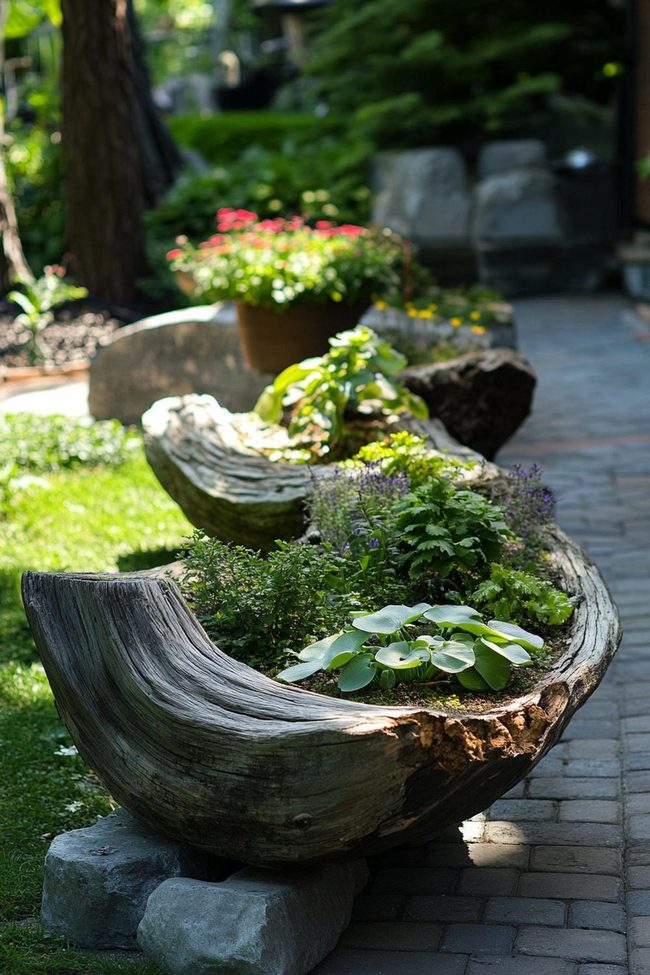
Hollowed-out logs and branches transformed into rustic planters bring an undeniable wildness and organic beauty to any garden space, and you can gather these natural treasures from forest floors or after storms without spending a penny.
To make a log planter, select a sturdy fallen log that hasn't begun to rot badly, cut it to whatever length works for your space, and use a chainsaw, chisel, or drill to scoop out the center while keeping enough room for soil and roots.
Drainage holes drilled into the bottom prevent water from pooling, and then you simply fill the hollow with soil and plant flowers, herbs, or small shrubs inside.
Branches and driftwood pieces work beautifully for smaller projects too, drill tiny holes or carve small pockets along the wood surface and nestle succulents or air plants into them, holding them steady with moss or a bit of soil.
Beyond their raw appeal, log and branch planters let you give fallen wood new life instead of watching it decompose on the ground.
Next time you walk through the woods or clean up yard debris after bad weather, look for pieces with interesting shapes and solid structure to bring home.
Your garden will feel more connected to nature when you display these forest-sourced planters among your other plants.
Vintage Boots Into Yard Planters
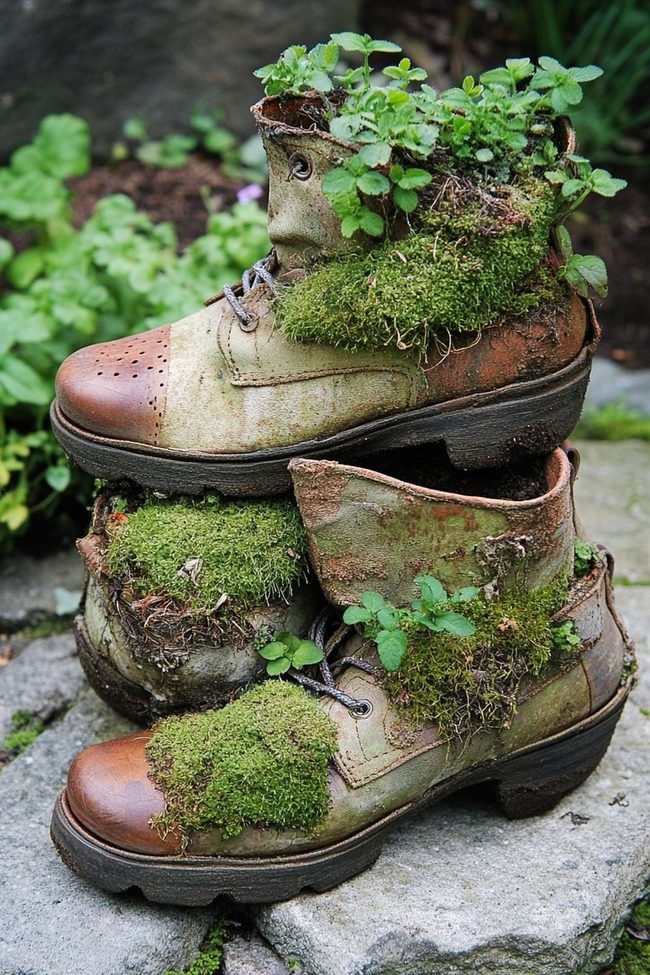
Old shoes and boots sitting in your closet can become bold, eye-catching planters that bring real character to your garden space.
Whether you choose colorful rain boots or vintage leather shoes, these unexpected containers stand out and spark interest among visitors while adding whimsy to your outdoor area.
Filling them with soil and planting flowers or herbs refines your footwear into living displays that literally help your garden shine.
Beyond the fun factor, you can naturally express your own style through a one-of-a-kind setup that no one else will have.
Digging out those worn pairs you no longer wear saves them from the trash and gives them fresh purpose.
Your garden benefits from the personality and humor these quirky planters bring to the space.
It's a simple way to show off both your creativity and your old shoes at the same time.
Colorful Socks Become Outdoor Planters
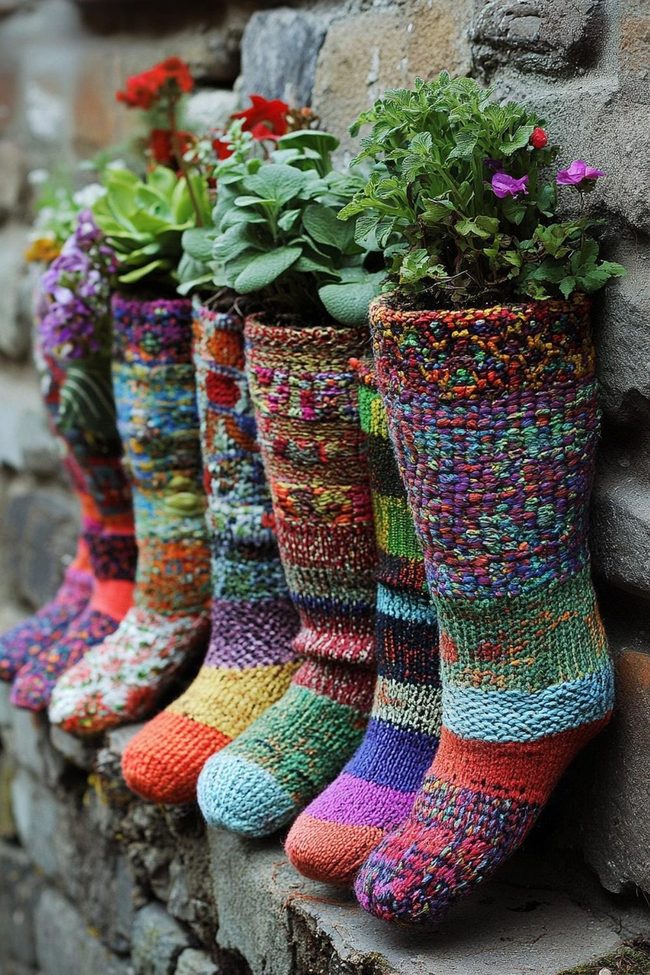
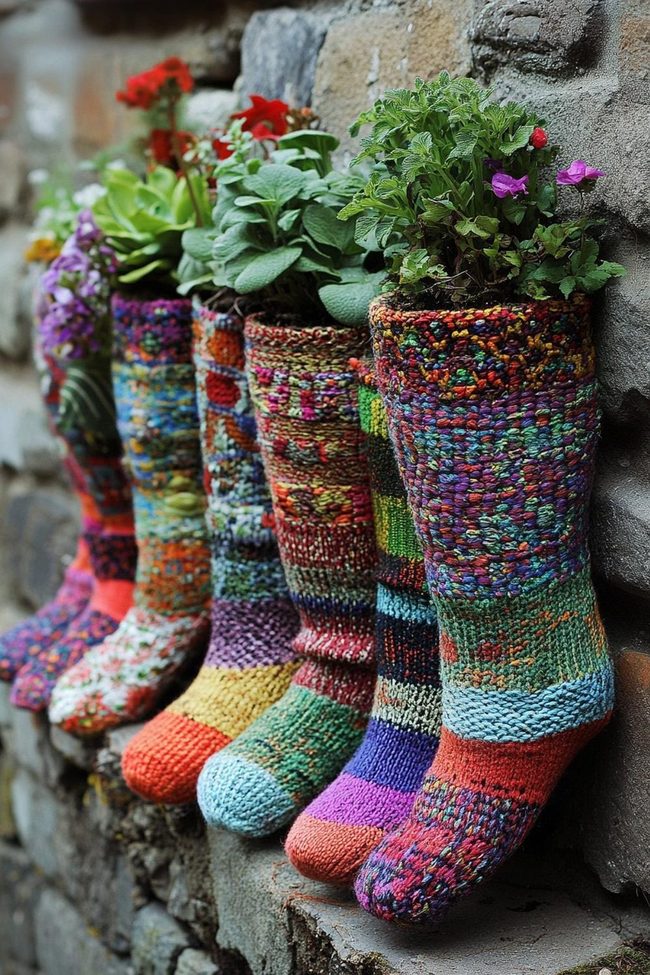
Sock and tights planters bring bold pops of color and quirky charm to any garden space, turning drab fabric scraps into eye-catching displays that make people smile.
You can mix and match different patterns and colors for a high-energy, eclectic look, or choose a single color scheme if you prefer something more streamlined and modern.
To make a simple sock planter, pick a sturdy knee-high sock or cut the foot off an old pair of tights and fill the bottom with rocks or gravel for drainage.
Add soil and your favorite small plants, then tie a knot at the top to build a hanger or tuck the edges under to form a neat pouch.
For larger containers, cut the legs off old tights or leggings and tie a knot in one end before filling with soil and greenery.
These stretchy, fabric planters work beautifully for hanging baskets or draped over railings and fences.
Reusing old socks and tights this way keeps textile waste out of landfills while letting you add personality and life to your outside space.
It's a simple project that requires just basic sewing skills and a little imagination on your part.
Brown Cardboard Yard Beds
Cardboard boxes make excellent planters and raised beds once you repurpose them for your garden, and they're one of the easiest ways to start growing plants on a budget.
For a basic planter, pick a sturdy box and trim it down to match your needs, then line the inside with plastic or landscaping fabric so moisture stays in and the cardboard lasts longer.
Soil goes in next, followed by your seeds or seedlings, and you may have a working container garden that costs almost nothing and helps the environment.
If you want something bigger, stack multiple boxes together to build a modular raised bed system and secure them with tape or zip ties to keep everything stable.
Over time the cardboard breaks down naturally and feeds your soil while improving how it holds water and nutrients.
Next time a package arrives or you finish your cereal, resist the urge to recycle that cardboard right away.
A little creativity and basic supplies turn these ordinary boxes into the foundation of a thriving garden space.
Spiky Pineapple Crown Plant Upcycling
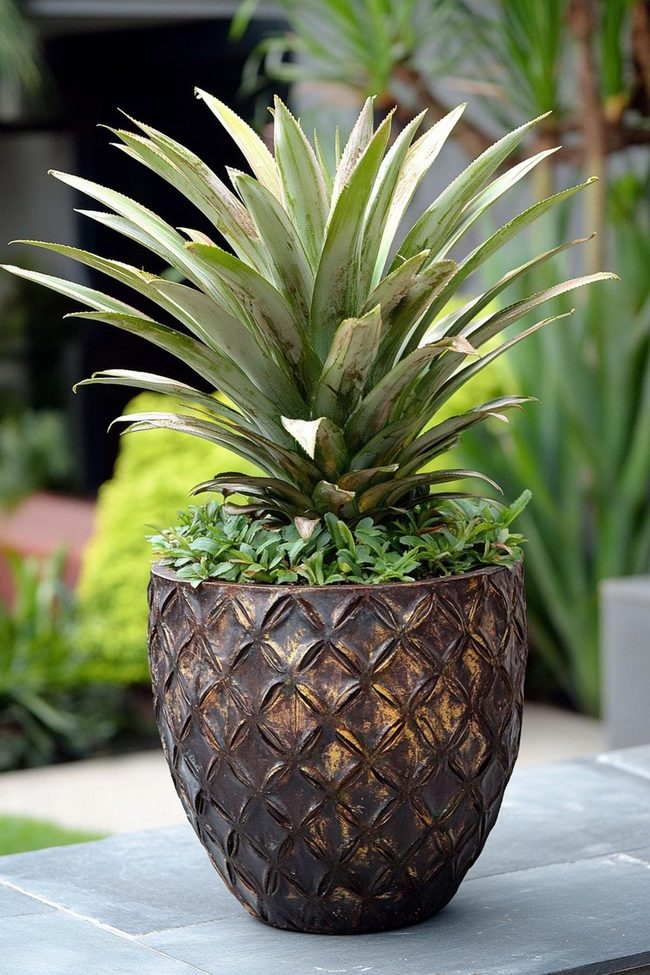
Those spiky pineapple crowns sitting on your counter are actually perfect for transforming into tropical planters that bring an exotic flair to any garden space.
Instead of tossing them away, you can root them in water and watch as they develop into living decorations with genuine tropical vibes.
Start by twisting or cutting the crown off a fresh pineapple and removing any leftover fruit clinging to it.
Strip away a few lower leaves to expose the stem beneath, then sit the crown in a jar of water and swap out the water every few days.
Within a few weeks, tiny roots will begin sprouting from the bottom of the crown.
Once you see a decent root system forming, transfer your pineapple top into a container with soil that drains well and pick a pot just slightly bigger than the roots themselves.
Keep it in a sunlit spot with plenty of humidity, and your pineapple will gradually develop into a one-of-a-kind plant.
Beyond the satisfaction of watching something grow from kitchen scraps, you're also cutting down on waste and extending the life of these exotic fruits well past their eating days, so the next time you're enjoying a ripe pineapple, set that crown aside and give it a fresh purpose as a unique addition to your garden.
Recycled Cans Into Plant Homes
Empty soup cans, plastic bottles, and yogurt cups can become one-of-a-kind planters that add quirky character to your garden space with just a quick rinse and some paint.
Drainage holes are easy to drill into these recyclables, and you could find that even the most ordinary materials transform into charming homes for herbs, succulents, and small plants.
Beyond the creative satisfaction, you're actually reducing waste and helping the environment when you choose to reuse instead of throw away.
Next time you're about to toss a milk jug or can, pause for a moment and think about what it could become.
A coat of paint brings new life to these humble containers and makes them look balanced in your garden.
You don't need expensive planters to grow beautiful plants, and choosing recycled options means your garden has its own story to tell.
In the way it's arranged, combines budget-friendly gardening with environmental responsibility in a way that feels natural and rewarding.
Michael Harris
Senior Content Editor
Expertise
Home Décor Content Creation, Interior Design Journalism, Editorial Oversight, Digital Media Strategy, Team Leadership and Mentorship
Education
University of Queensland, Brisbane, Australia
Queensland University of Technology (QUT), Brisbane, Australia
Michael Harris is the senior content editor at Archi Refresh, where he turns home design trends into engaging, easy-to-follow articles. With a journalism degree from the University of Queensland and a digital communication certification from QUT, he knows how to craft content that informs and inspires.
With over 10 years of experience in lifestyle and design media, Michael has shaped editorial strategies, mentored writers, and helped readers refresh their spaces with practical tips. His work blends storytelling with expert advice, making home decor more accessible to everyone.
Outside of work, Michael enjoys DIY projects, exploring Brisbane’s art scene, and teaching digital literacy workshops.