
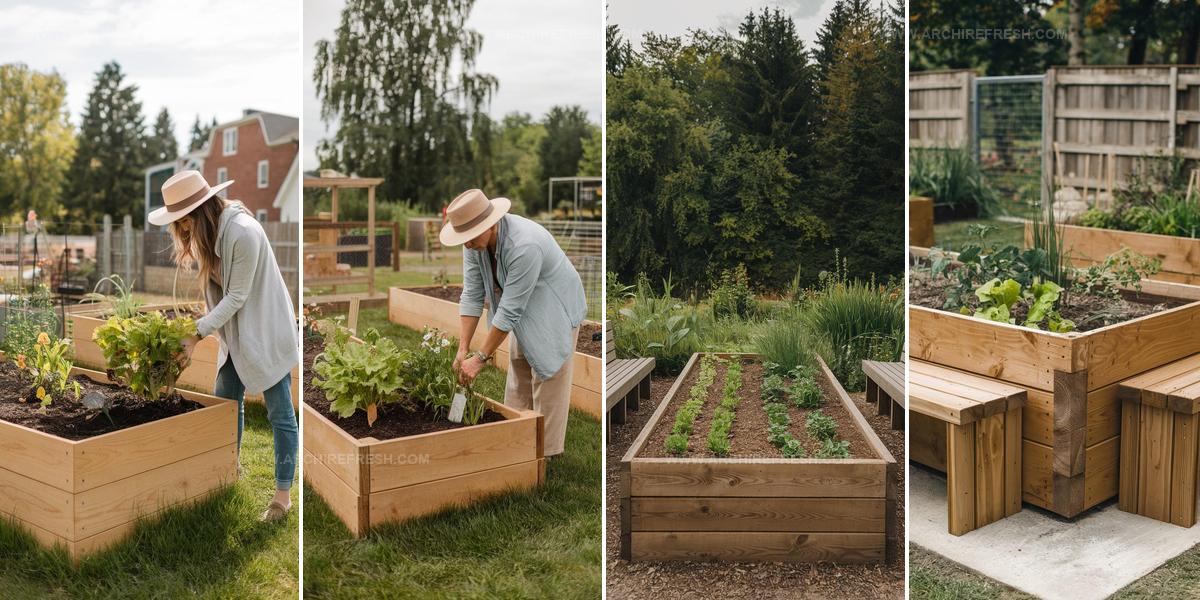
18 Raised Garden Bed Ideas That Boost Your Harvest
Raised garden bed ideas open up new growing opportunities for anyone who wants fresh produce and beautiful plants closer to home.
A higher planting surface makes gardening more accessible and comfortable, sparing backs and knees from constant bending.
Better soil control means fewer weeds, improved drainage, and healthier roots that thrive in conditions tailored specifically for them.
Materials range from wood and metal to stone and recycled composites, each offering different benefits depending on budget and aesthetic preferences.
Placement matters too, since sunlight exposure and proximity to water sources affect how well plants perform throughout the season.
Layouts can be customized to fit small patios, sprawling yards, or even sloped terrain that seemed impossible to cultivate before.
With so many approaches available, choosing what works best becomes an exciting creative process that rewards effort with abundant harvests and stunning displays.
Vegetables Growing Together In Raised Beds
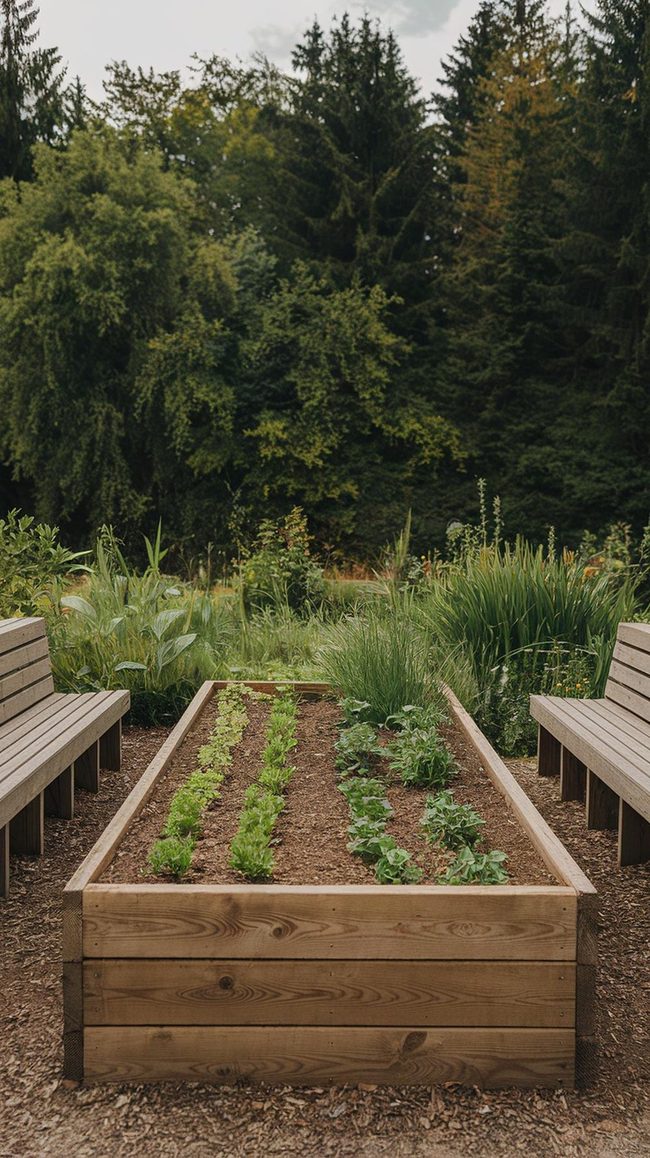
Companion planting in a raised bed involves growing different plants side by side so they help throughout other thrive, and spatial idea gives you a natural way to boost soil health while keeping pests away and growing more food in less space.
When you combine compatible plants in your raised bed, you're tapping into techniques that gardeners have used for generations to make gardens healthier and more productive.
Marigolds planted near tomatoes repel harmful insects, while beans add nitrogen back into the soil for other plants to use.
Basil grows well next to peppers and improves their flavor at the same time.
By choosing plants that support one another, you avoid needing harsh chemicals and instead rely on nature's own system of balance.
Your garden becomes more sustainable and easier to maintain when you work with these natural relationships.
Starting a raised bed with companion planting is one of the best decisions you can make if you want a garden that produces well and stays healthy throughout the season.
Shiny Metal Garden Beds Forever
Galvanized metal garden beds stand out with their shiny, industrial appearance that works well in almost any garden space and instantly gives your garden a contemporary edge.
The design lends itself to appreciate how these beds resist rust and corrosion, which means they hold up year after year without deteriorating or needing constant maintenance.
Because they're built from sturdy metal, they last much longer than wood options and won't rot or break down over time.
Their modern, metallic finish pairs nicely with modern landscapes, cottage gardens, or farmhouse styles depending on how you arrange your surrounding plants.
If you want something that looks good and performs well through seasons of sun, rain, and temperature changes, galvanized metal beds deliver on both fronts.
These beds combine function with a polished look that many gardeners prefer when they're planning their layout.
Green Overhead Urban Landscapeing
This rooftop or balcony garden bed makes a brilliant solution when you're working with tight exterior space in the city, and the lush plants grown overhead establish an instant green canopy that changes the whole look of your building.
You can build these beds on any flat surface, which means I can see how you work with what you have instead of wishing for more room.
Growing vegetables, herbs, or flowers up high means you get fresh produce or beautiful blooms right where you live, and it brings nature closer to your daily routine.
Your rooftop setup also helps cool down the building during hot months and adds oxygen to your surroundings.
Since everything sits above ground level, you avoid soil problems and pests that might plague traditional gardens.
Everyone and family pick up on the extra greenery when they visit, and you get the satisfaction of tending your own plants without needing a big yard.
Water-Wicking Raised Patio Beds
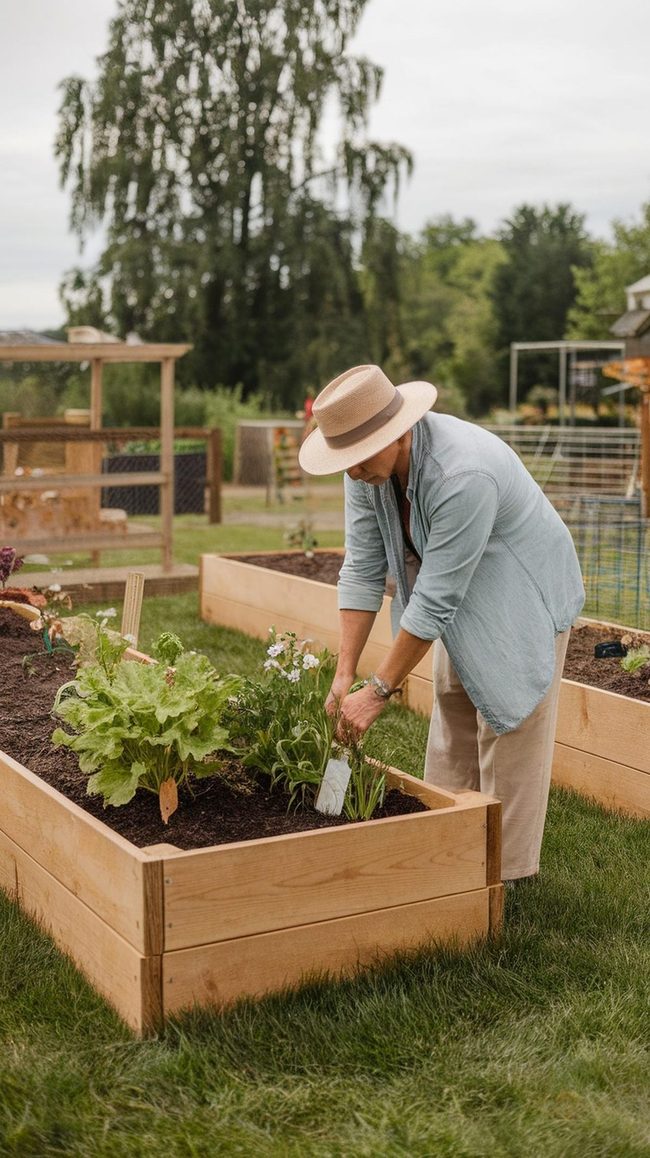
Wicking beds stand out as a brilliant solution if you're growing vegetables or flowers in raised garden beds and want to save water.
Here's how they work: a water reservoir sits beneath the soil, and through a simple wicking system, moisture travels upward directly to where plant roots can access it.
Water moves up into the soil layers only when plants need it, so you don't have to water as often or watch your supply run dry.
We especially recommend these beds if you live somewhere with little rainfall or if you're determined to use less water in your gardening routine.
Arid regions benefit tremendously from the configuration because the plants stay hydrated without constant attention from you.
The room naturally supports recognize your water bills drop and your plants stay healthier since they get steady moisture rather than feast-or-famine watering patterns.
Setting up a wicking bed takes some initial effort, but the long-term savings make it worthwhile for anyone serious about sustainable gardening.
Wheelchair-Accessible Patio Beds For Everyone
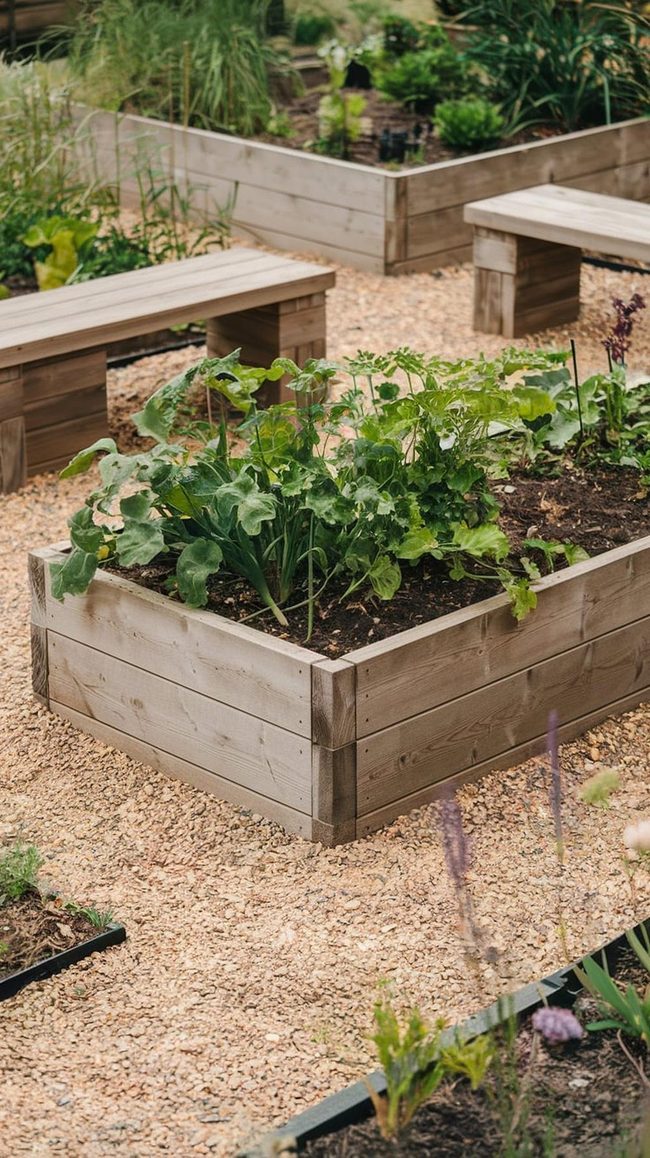
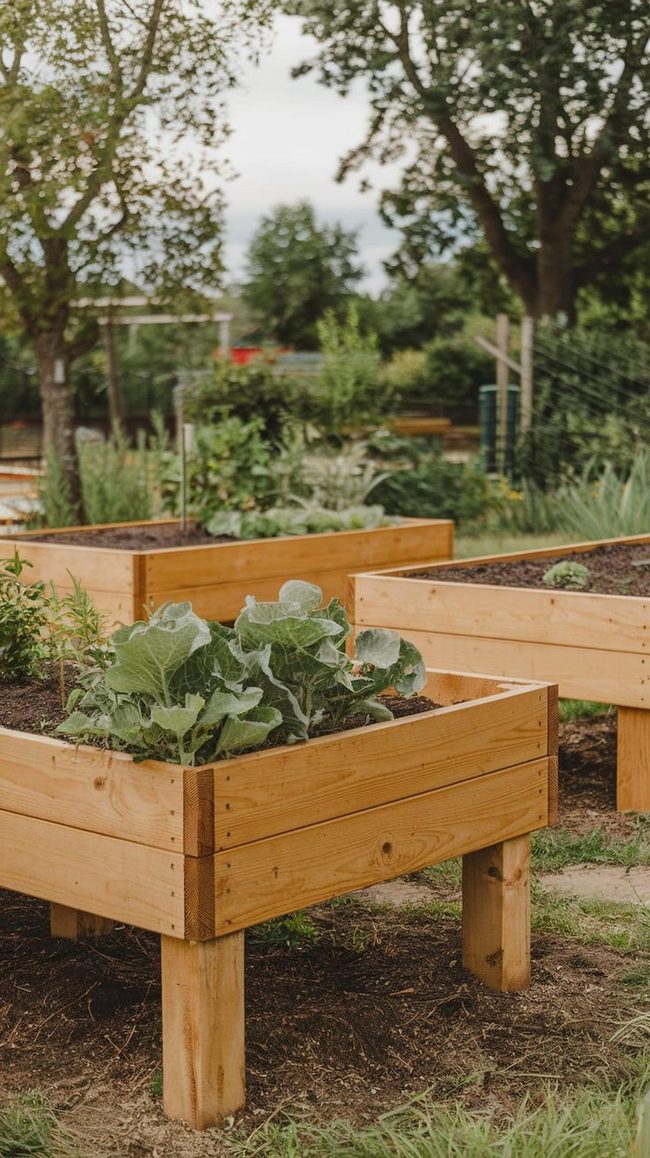
If you use a wheelchair or have limited mobility, a raised garden bed built at the right height can change how you garden.
These beds sit high enough so you can reach your plants without strain and tend to them comfortably from your chair.
Building one means you can simply participate in gardening just like anyone else, and it opens up this hobby to more people in your life.
You may find that the setup works well because it puts plants at a level where your hands can do the work easily.
Family and family members with different abilities can all enjoy planting and harvesting together.
Raised beds also mean less bending and reaching, which makes the whole experience more pleasant for anyone who gardens.
Whether you're designing your first garden or reimagining an existing one, this kind of bed shows that good design serves everyone.
Stacked Stone Landscape Levels
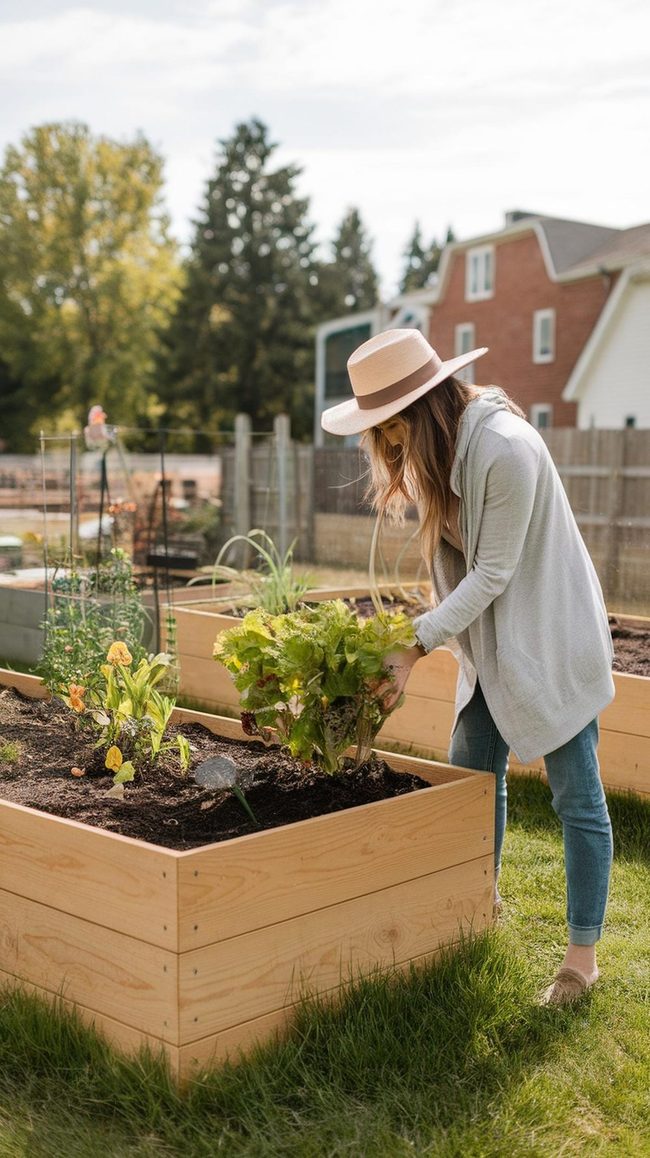
If you want your garden bed to stand out with real dimension and height, a tiered design is worth considering because it immediately catches the eye with its layered structure and makes your open-air area feel more dynamic.
You can build these raised sections from wood, stone, or metal depending on your style and what materials suit your space best.
Multiple levels give you the chance to plant different flowers and vegetables at varying heights, so the whole garden becomes more interesting to look at from every angle.
Beyond just looking good, tiered beds actually serve a efficient purpose since they improve drainage and make it easier for you to reach plants without bending down as much.
You can arrange them in your yard to become a natural gathering spot or simply a beautiful feature that draws attention.
Whether you go with rustic wood, exquisite stone, or modern metal, styling direction adds personality and structure to what might otherwise be a flat garden space.
Lightweight Yard Bed Solutions
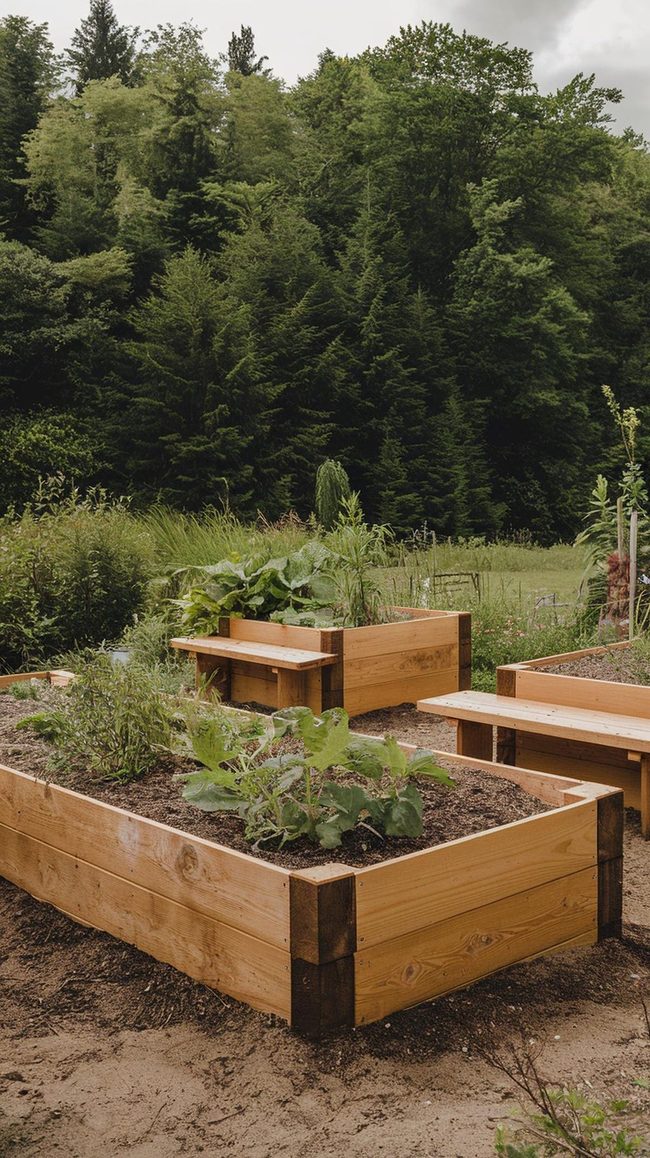
If you work with limited space or enjoy rearranging your garden setup, a portable bed might be just what you need.
You can find these beds made from fabric, wood, or plastic materials, and they stay light enough to move whenever you want.
Renters love this option since there's no permanent installation required, and you can shift your garden layout around as often as you like.
Maybe you want more sun in one spot this season or prefer a different corner of your yard next time.
Nothing holds you back with a portable design.
Moving beds from one location to another takes minimal effort, so you won't spend hours struggling with heavy equipment.
Whether you're testing out new growing spots or simply refreshing your open-air space, this flexibility makes gardening more enjoyable and stress-free.
Raised Bed Drip Irrigation System
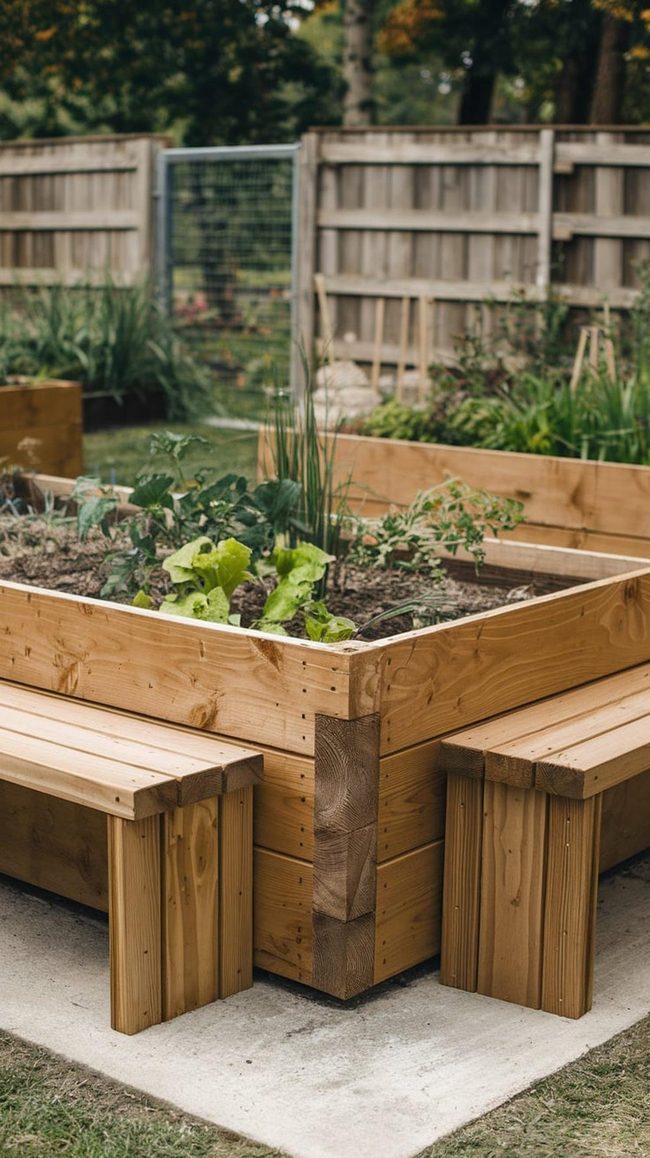
The raised bed paired with drip irrigation refreshes your gardening routine by delivering water straight to where plants need it most, at the roots, and the layout cuts down on water waste while helping your vegetables and flowers grow stronger.
If you're busy and want to spend less time hauling watering cans around the garden, this system handles the work for you and keeps everything hydrated without the guesswork.
Drip lines sit right in the soil and release water slowly over time, so plants get consistent moisture rather than occasional soaking from overhead watering.
The design lends itself to recognize your plants respond better to this steady approach because their roots stay evenly moist without sitting in puddles.
Setting up drip irrigation in a raised bed takes some initial effort, but once it's running, you mainly just turn it on and let it do its job.
Many gardeners find this method saves them hours during hot months when plants drink more water.
Your water bill drops too since you're not flooding the entire bed or losing water to evaporation and runoff.
Automatic Water System For Effortless Growing
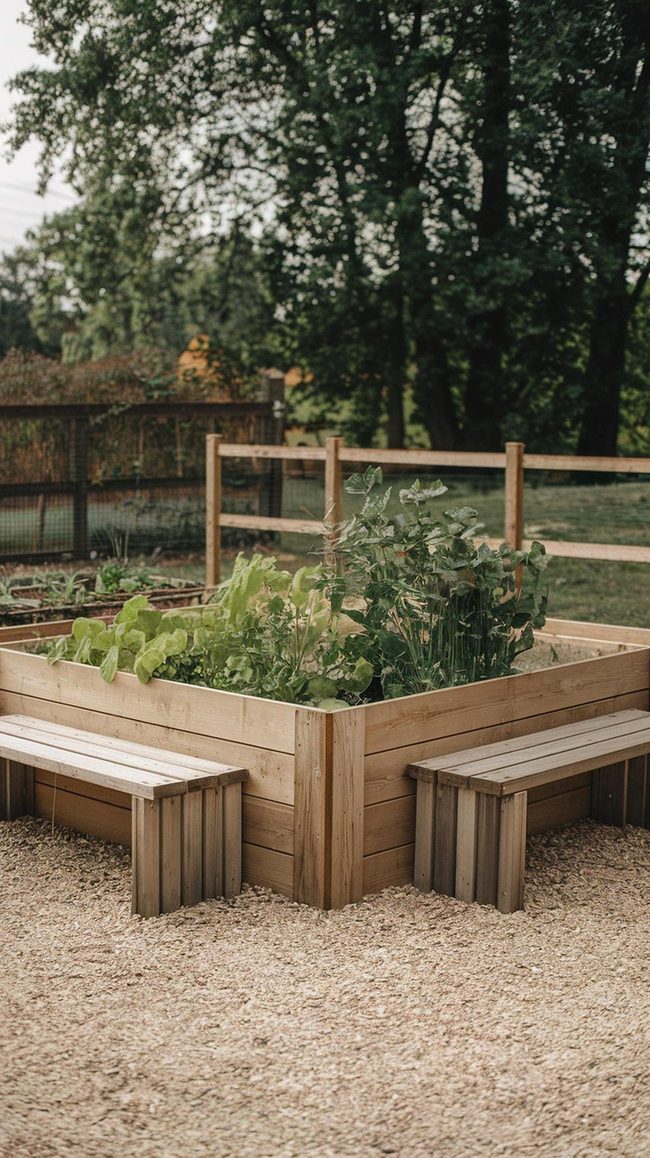
Self-watering garden beds have a built-in reservoir system that delivers water directly to your plants on its own schedule, so you don't have to worry about whether you're giving them too much or too little.
If you travel often or simply don't have much time for daily watering chores, these beds can save you hours throughout the growing season.
Beginners especially benefit from the structure because the guesswork disappears and plants stay consistently hydrated.
You can fill the reservoir once and let it do the work for several days, depending on weather and plant type.
This type of bed also reduces water waste since the plants only absorb what they need and the system prevents runoff.
Over time, this room can find your plants look healthier because they get steady moisture rather than the feast-or-famine cycle of hand watering.
Many gardeners find that switching to self-watering beds means fewer wilted plants and less stress about keeping up with their garden's needs.
Gray Cinder Blocks Modern Open-Air
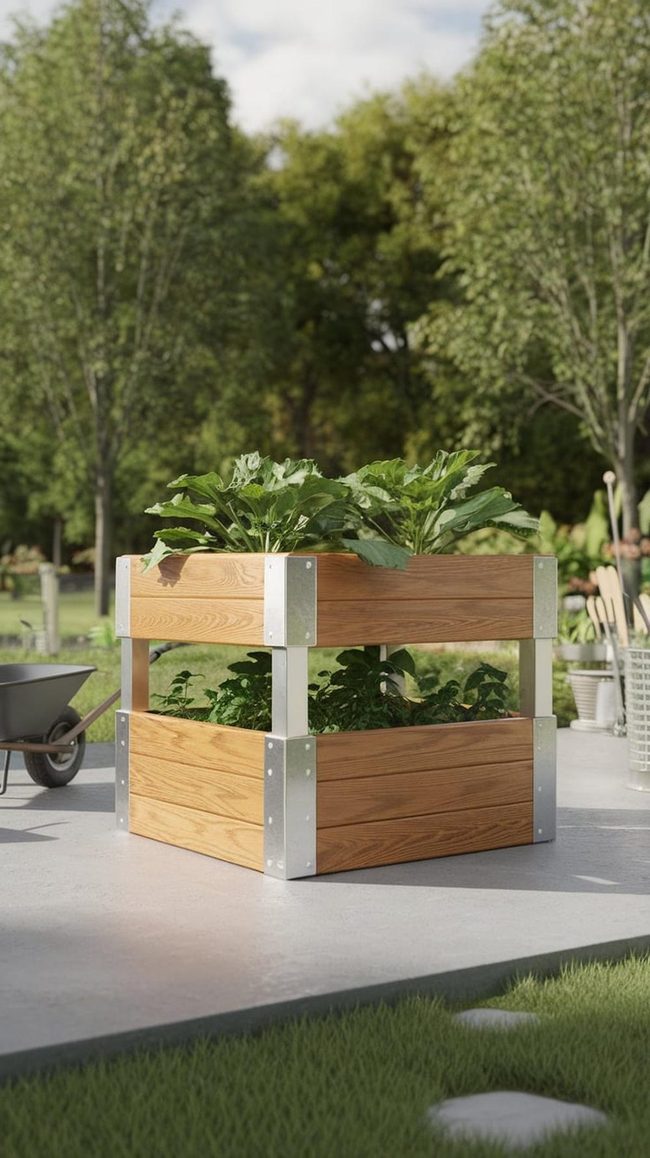
Stacked cinder blocks offer an affordable way to build a garden bed that looks modern and holds up well over time.
You just arrange the blocks in whatever shape works for your space, add soil inside, and start planting right away.
Because cinder blocks are sturdy and long-lasting, they won't break down quickly like wood might, and they give your garden a clean, contemporary feel that many people enjoy.
If budget matters to you, this option beats expensive raised bed kits or custom solutions.
You can find cinder blocks at most hardware stores for reasonable prices, making this project accessible for any gardener.
Since they're easy to stack and reposition, you have freedom to experiment with different sizes and shapes before settling on your final design.
Whether you want a simple rectangle or something more creative, cinder blocks adapt to what you have in mind.
Vertical Vines Green Abundance
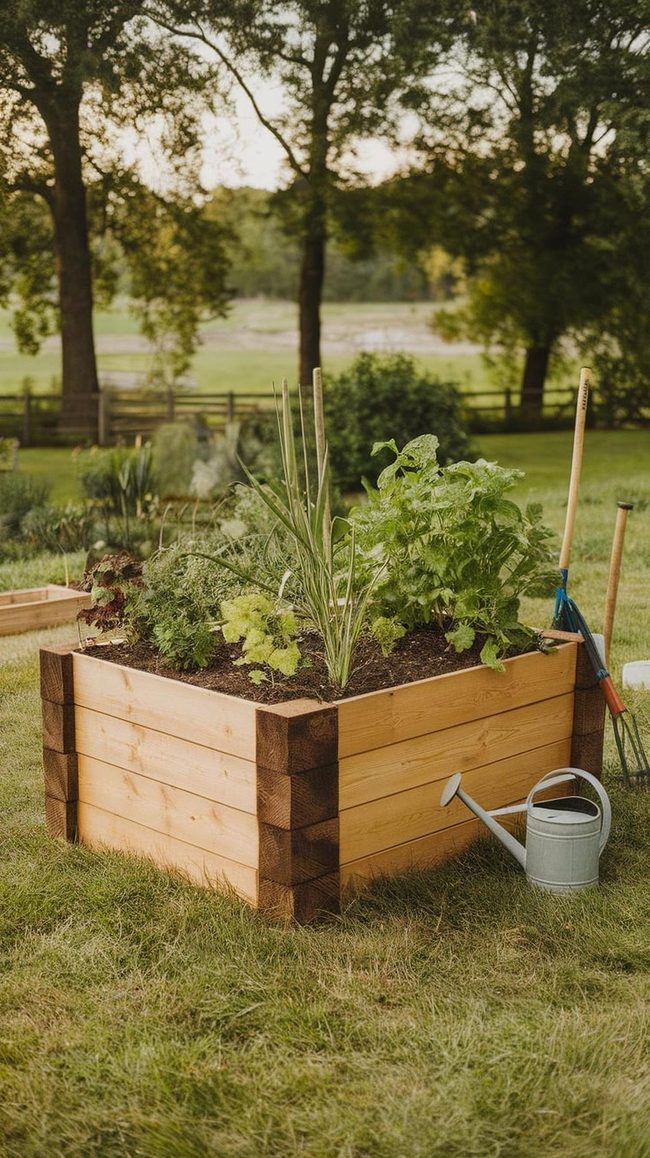
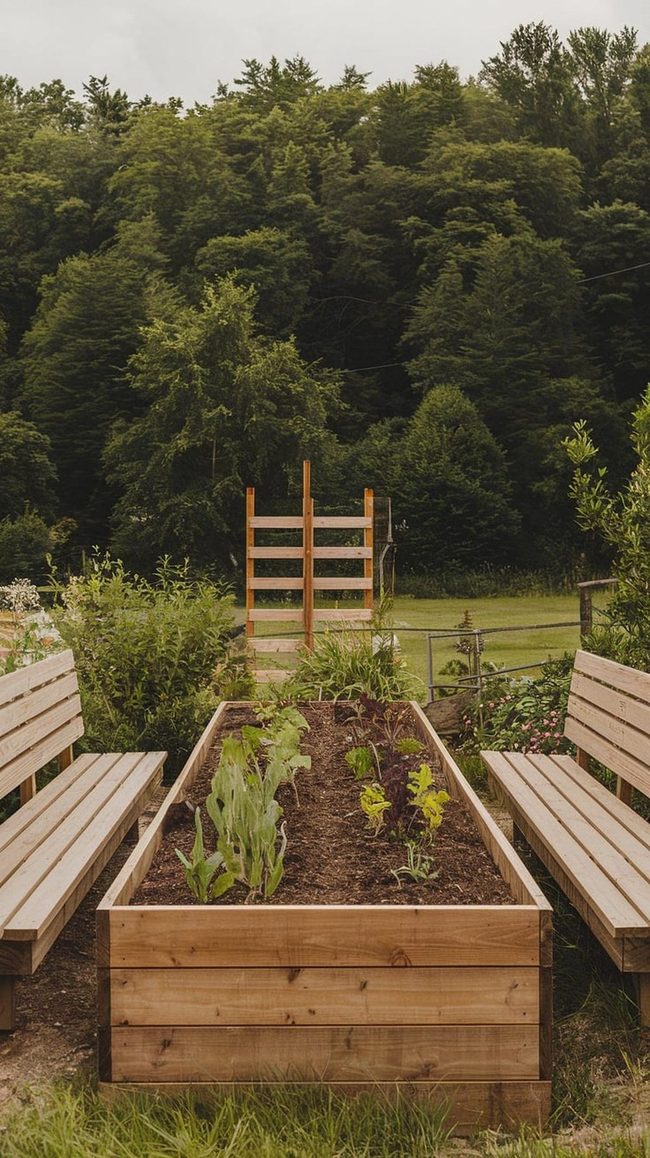
Climbing vines draping down a wooden trellis attached to your raised bed establish one of the most eye-catching features you can add to a garden space.
Peas, beans, and cucumbers grow upward along the structure, which means you get more vegetables from a smaller footprint and your plants produce higher yields.
Your garden looks more interesting when vertical greenery reaches skyward rather than sprawling across the ground.
Beyond the adaptable to different needs benefits, a trellis serves as an architectural element that breaks up flat garden areas and gives your outside space more dimension.
The layout makes it possible to find that the overall layout works well in small spaces because it frees up ground area for other plants or walking paths.
The vertical growth pattern also makes harvesting easier since fruit hangs at convenient heights instead of hiding among tangled vines on the soil.
Adding a trellis to a raised bed is a straightforward way to boost both how your garden looks and how much food it produces.
Cold Frame Extended Growing Season
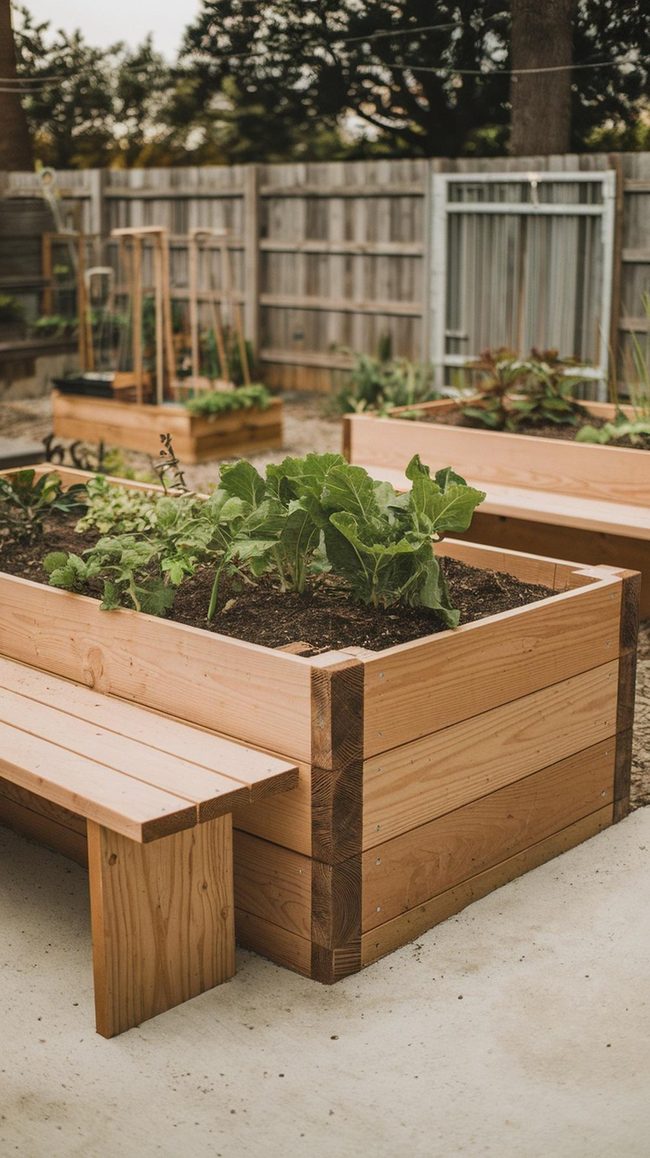
If you want to grow vegetables and flowers beyond the usual growing season, adding a cold frame to your raised bed is an excellent option to explore.
Cold frames work like small greenhouses and shield your plants from frost and harsh cold weather.
You can keep your garden productive throughout the year with the way it's arranged, and it's especially useful for extending the spring and fall months when temperatures drop unexpectedly.
Setting one up on top of your raised bed takes minimal effort, and the benefits are substantial.
Your plants stay protected while still getting natural light and air circulation on warmer days.
Many gardeners find that this combination lets them harvest fresh produce much longer than they would without it.
There’s potential to spot plants thrive in the controlled environment, and you can experiment with crops that normally wouldn't survive in cooler months.
Wooden Pallets Garden Beds
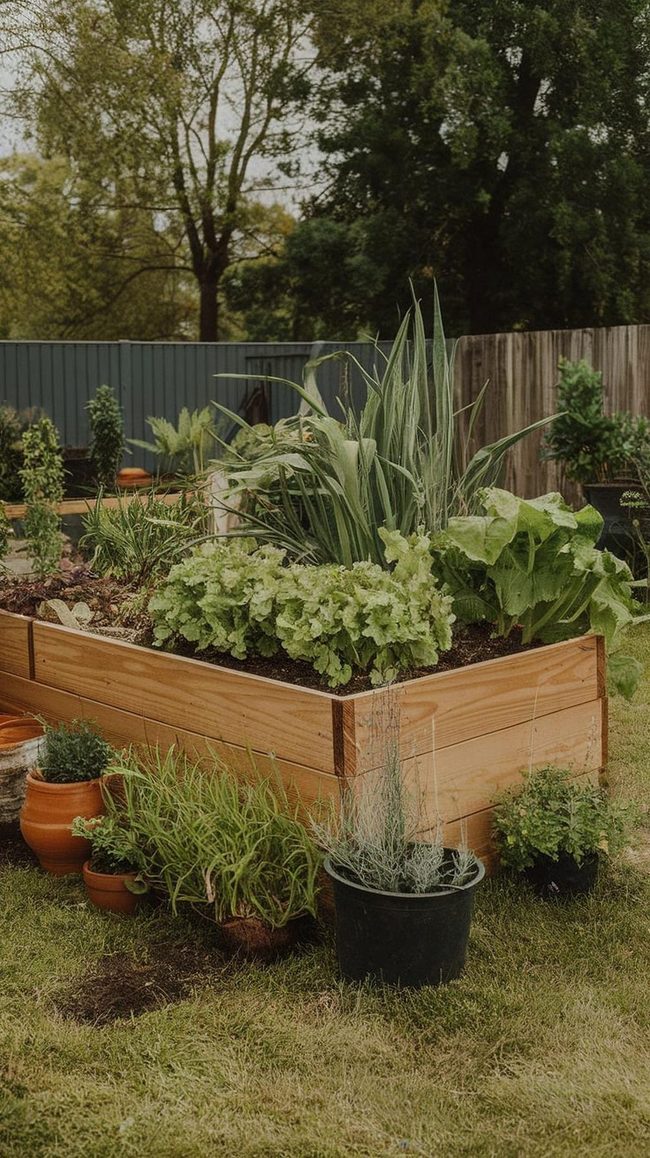
If you want to build a garden bed on a budget while helping the planet, recycled pallets offer a fantastic solution that looks great too.
Pallets are simple to take apart and reshape into whatever dimensions work best for your exterior space.
Once you've got them arranged the way you want, they bring an earthy, weathered quality to your garden that feels homey and natural.
Building with pallets means you're giving old materials a second life instead of letting them end up in a landfill.
You don't need special skills or expensive tools to get started with this project.
Most people find that pallet beds are sturdy enough to hold soil and plants for years without much upkeep.
It's a straightforward way to add functionality to your yard while showing that sustainable choices can be both beautiful and efficient.
Stacked Stone Yard Bed Foundation
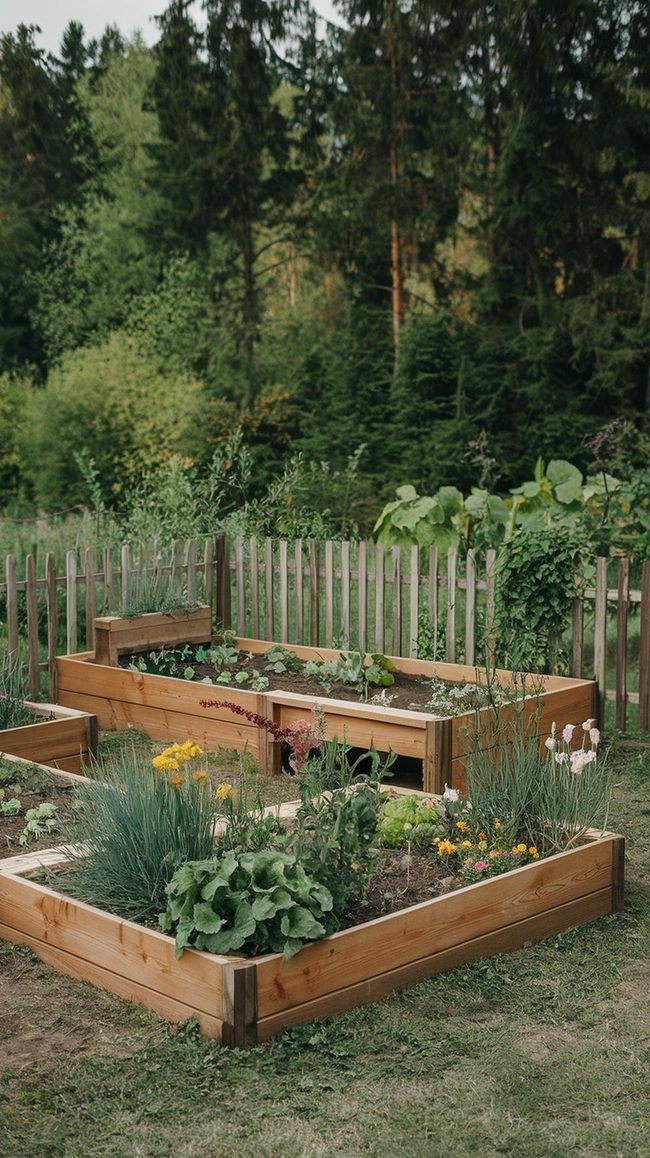
Large stacked stones or mortared rock walls make an eye-catching foundation for any garden space, and many people choose this option for its raw, earthy appeal.
Building with stone gives you a lasting structure that won't rot or need replacing like wood might after several years.
You can stack rocks loosely for a relaxed look or have them mortared together for something more stable and permanent.
Stone beds blend naturally into garden spaces and bring that classic countryside character to even modern yards.
If you want something that feels grounded and timeless without much fuss, stone is worth considering for your next garden project.
Because rocks are durable and weather-resistant, they'll keep their shape and strength through seasons of rain, sun, and frost.
Stacked Pockets Open-Air Space Maximizer
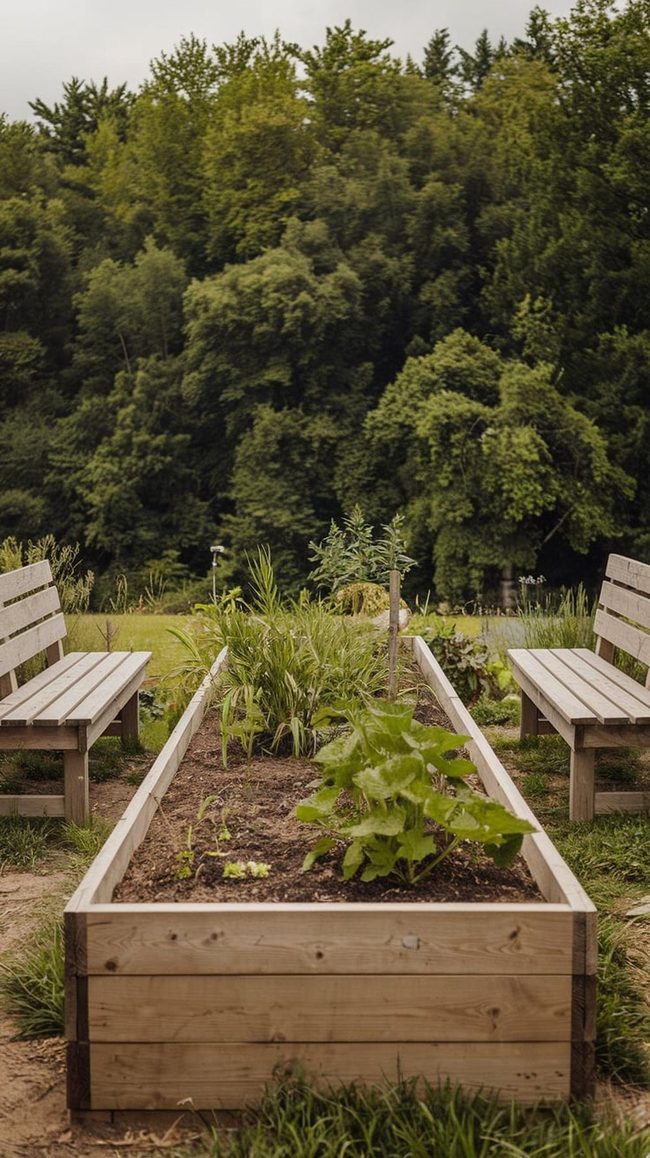
Vertical garden beds with their pockets and shelves stacked high above the ground make an immediate visual impression that elevates even the tiniest patio space.
You can pack dozens of plants into what would normally be just a few square feet, and the layered arrangement catches everyone's attention right away.
Whether you're working with a cramped yard, a narrow balcony, or a compact patio, this solution lets you grow flowers, herbs, and vegetables without needing much room at ground level.
Eachpocket holds soil and roots, so plants have what they need to thrive while you save precious space below.
The setup works great for growing multiple varieties at once, and you can enjoy lush greenery at different heights.
If you're looking to add more garden space without expanding outward, a vertical bed gives you that extra growing room in almost any location.
Spiral Stone Herb Yard Tower
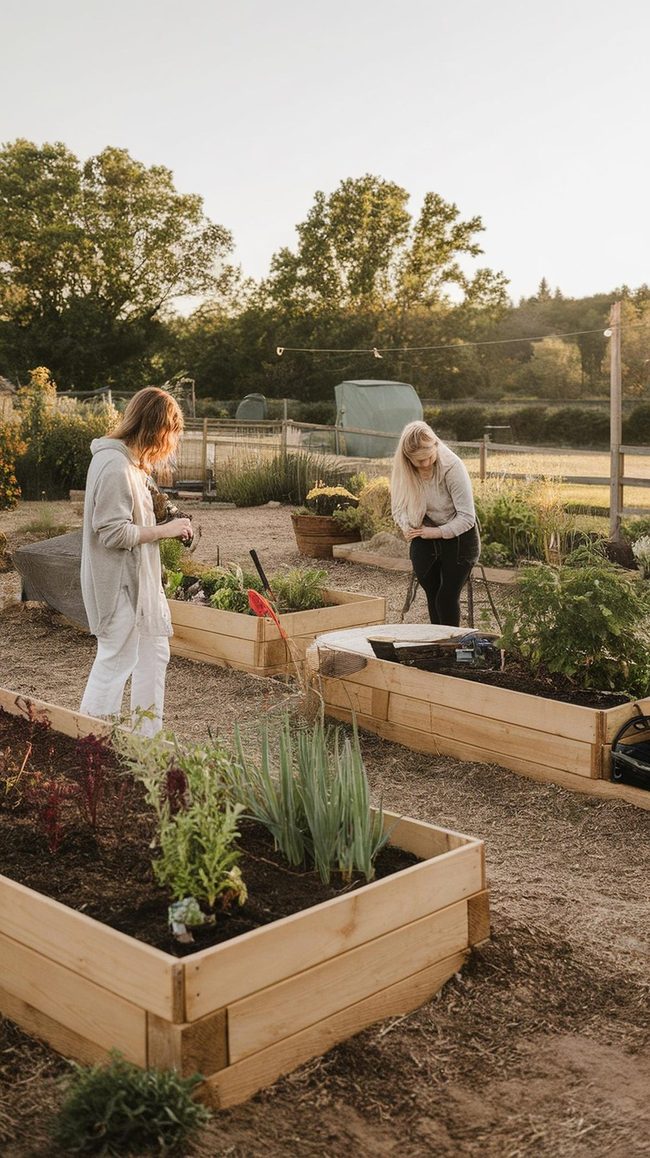
Want to grow lots of herbs without taking up much space?
Herb spiral garden beds solve this problem with their distinctive spiral shape that stands out in any garden.
The way the design curves upward creates different growing zones, and this means you can plant herbs that need full sun at the top while placing shade-loving varieties lower down.
Watering becomes easier too since moisture naturally drains down from the higher sections to the lower areas, so plant gets what it needs.
Beyond just being built for regular use, these spirals look beautiful and add visual interest to your exterior space.
You can build one using stones or wood, and watching your herbs grow in this distinctive formation is both satisfying and productive.
Most gardeners find that herb spirals help them maximize their growing area while keeping everything organized and accessible.
If you're looking for a way to blend function and garden design, styling direction delivers both in one striking structure.
Circular Landscape Bed With Access Notch
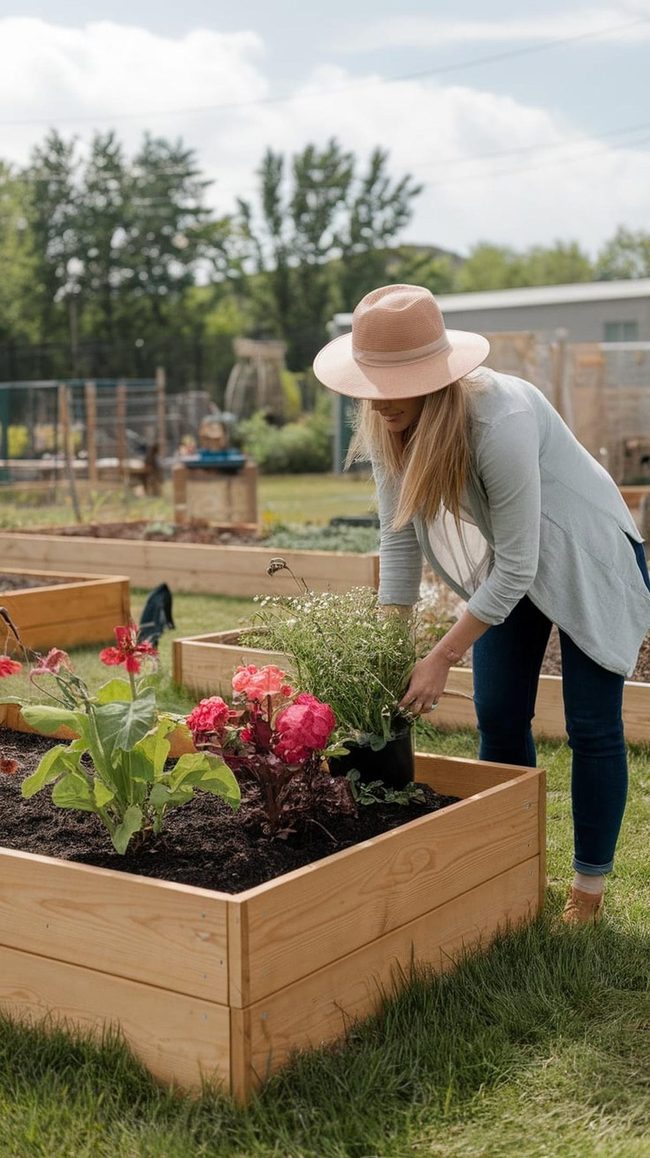
Keyhole garden beds stand out with their unique circular shape and distinctive notch that cuts into one side, allowing you to reach the center without trampling the soil around you.
We love these raised beds because they solve a real problem, you can tend to every part of your garden from the opening without ever stepping on the growing area.
If you're working with limited space, this design works well since it maximizes what you can grow in a compact footprint.
You can fill the bed with whatever mix appeals to you, whether that's vegetables, flowers, herbs, or a combination of all three.
One of the best parts is that the raised structure keeps soil contained and organized while making maintenance simpler for your back and knees.
Since the design is fairly straightforward to build, many people set these up in their yards without much hassle.
Getting your hands on supplies and assembling one takes just a weekend, and the room naturally supports have a functional garden bed that actually looks interesting in your open-air space.
Natural Lumber Raised Terrace Beds
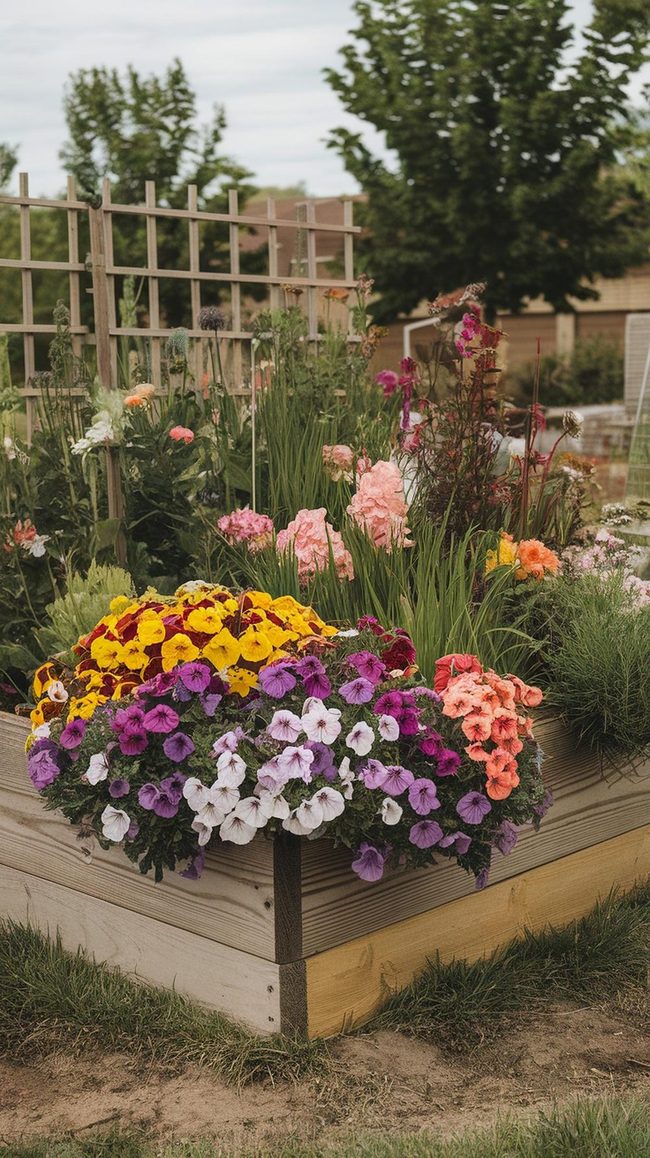
Wooden garden beds stand out as one of the most popular choices for raised growing spaces because of their natural, appealing look that fits into almost any patio setting.
You can build these beds from cedar, redwood, or other wood types that resist decay and last for years without falling apart.
They're straightforward to put together yourself, even if you don't have carpentry experience, and you can make them as large or small as your space and gardening goals require.
Since wood is flexible, you have freedom to shape your bed however you want, rectangular, square, or even curved edges if you're feeling creative.
They provide solid support for soil and plants while still looking like a natural part of your landscape.
When you're ready to start, just measure your space, gather your materials, and follow basic assembly steps to have a functioning garden bed ready to fill with soil and seedlings.
Michael Harris
Senior Content Editor
Expertise
Home Décor Content Creation, Interior Design Journalism, Editorial Oversight, Digital Media Strategy, Team Leadership and Mentorship
Education
University of Queensland, Brisbane, Australia
Queensland University of Technology (QUT), Brisbane, Australia
Michael Harris is the senior content editor at Archi Refresh, where he turns home design trends into engaging, easy-to-follow articles. With a journalism degree from the University of Queensland and a digital communication certification from QUT, he knows how to craft content that informs and inspires.
With over 10 years of experience in lifestyle and design media, Michael has shaped editorial strategies, mentored writers, and helped readers refresh their spaces with practical tips. His work blends storytelling with expert advice, making home decor more accessible to everyone.
Outside of work, Michael enjoys DIY projects, exploring Brisbane’s art scene, and teaching digital literacy workshops.