
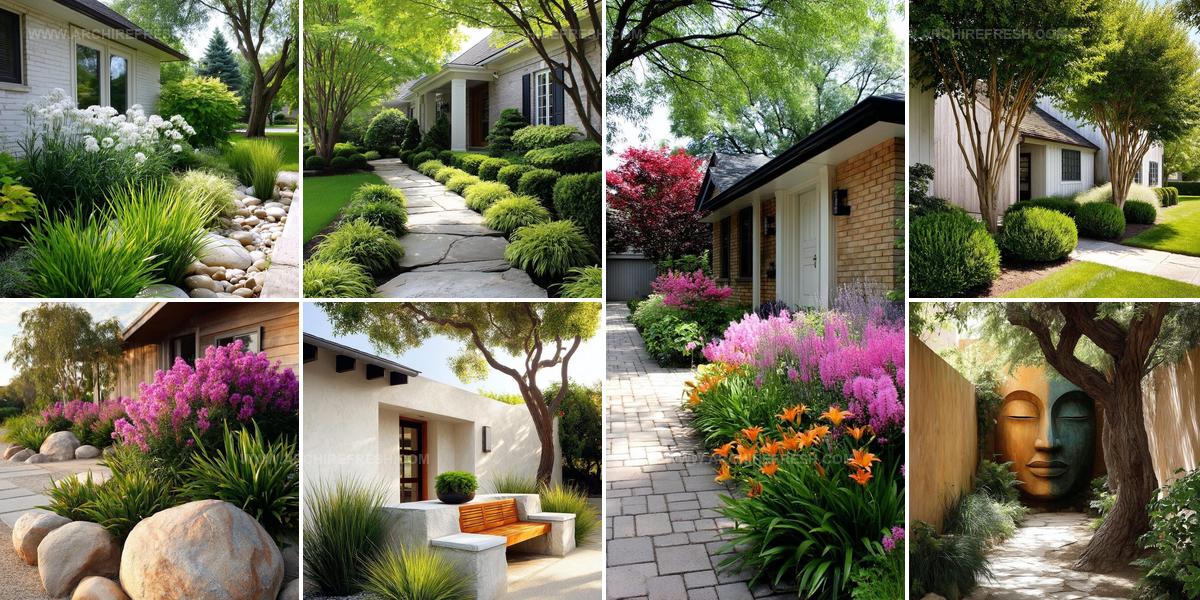
10 Beautiful Front of Home Landscaping Ideas That Welcome Guests
Homes with beautiful front landscaping make powerful first impressions on neighbors and visitors alike.
A well-designed outdoor space adds curb appeal and reflects the personality of everyone who lives there.
The area between a sidewalk and entrance offers chances to combine plants, hardscaping, and decorative elements in countless ways.
Whether you prefer low-maintenance gardens or elaborate displays, the possibilities span from simple ground covers to multi-layered designs.
Smart choices in this visible zone can increase property value while making daily arrivals more pleasant.
Front yards serve as the bridge between public streets and private living spaces, so thoughtful design matters greatly.
Native Grasses And Wildflower Outdoor
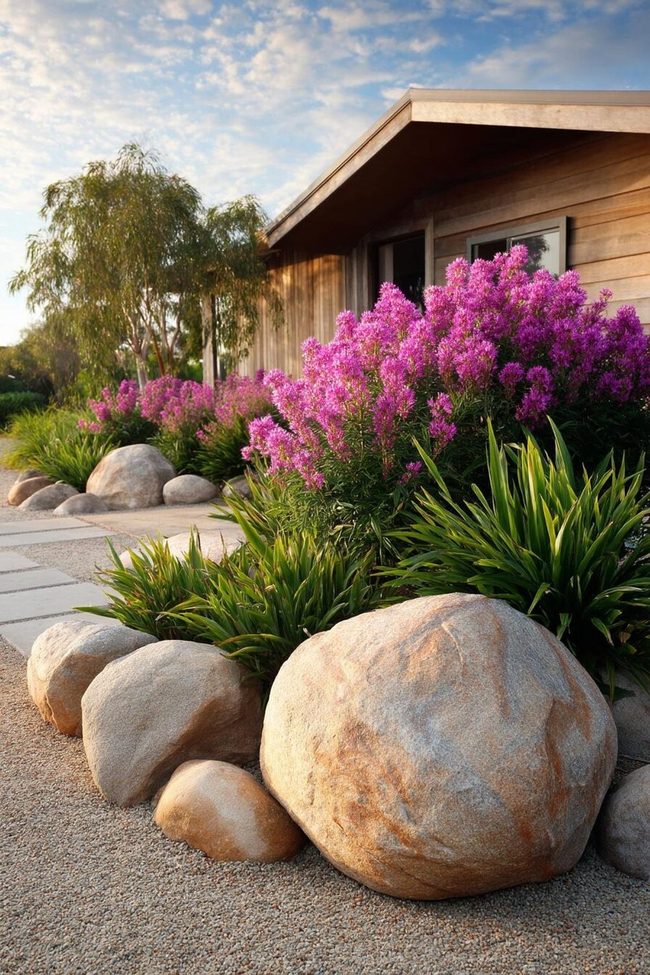
Towering native trees like redbud, dogwood, or compact oak varieties anchor your front yard and immediately draw the eye upward, while prairie-style plantings with native grasses such as switchgrass or little bluestem sway in the breeze and shift through refined seasonal colors that keep your landscape visually interesting all year long.
Native flowering perennials including coneflowers, black-eyed Susans, and bee balm burst across your garden for months with bold blooms and bring pollinators buzzing through, meanwhile indigenous shrubs like viburnum, elderberry, or serviceberry layer in spring flowers, summer berries, and autumn hues that add depth and movement.
Beyond the visual appeal, these regionally appropriate plants thrive naturally in your specific climate, soil, and rainfall patterns because they've adapted to your area over generations, which means less watering, fewer fertilizers, and reduced maintenance compared to conventional landscaping.
You can organize your native garden with the same precision as any formal design by grouping plants based on their water preferences, placing moisture-loving natives in shallow rain garden depressions and drought-tolerant species in raised areas, while edging pathways and creating defined spaces that show considered care.
Replacing traditional lawn with native groundcovers like sedges, wild ginger, or creeping phlox reduces mowing and opens up room for these ecological plants to flourish.
Metal Sculptures Command Landscape Attention
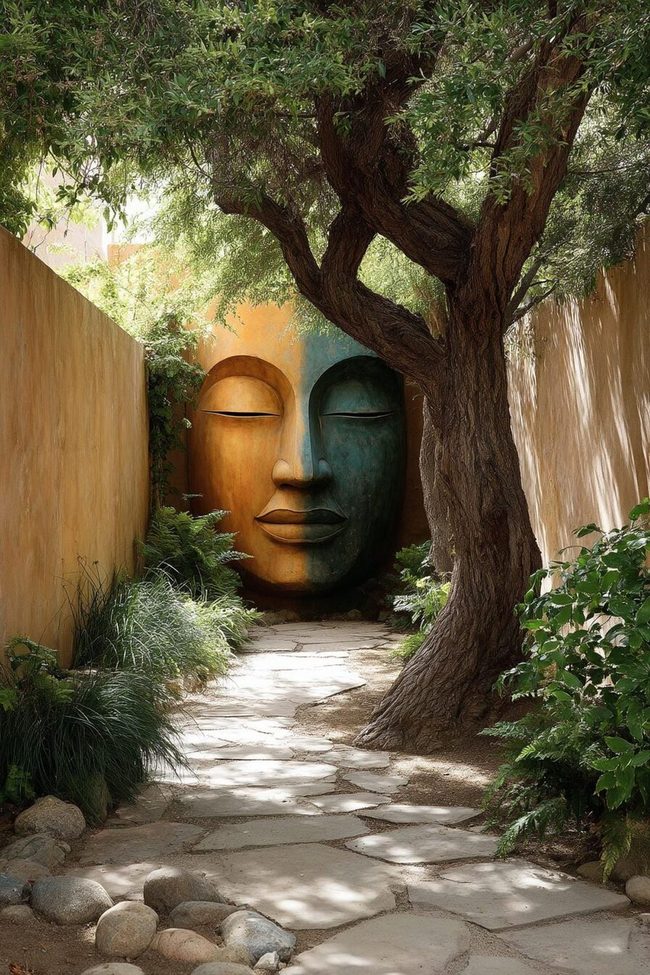
Metal sculptures positioned throughout your garden catch attention immediately and keep things interesting all year long, even when plants go dormant or change with the seasons.
Mosaic pieces woven into pathways, walls, and ornaments bring unexpected bursts of color and personality that make your front space feel distinctly yours.
Water features, whether you choose a modern spill fountain, a traditional birdbath, or an artistic bubbling boulder, serve as natural gathering spots and add movement to still spaces.
Kinetic sculptures that sway and spin with the wind keep your garden feeling alive and fresh as conditions shift.
Vintage finds like old gates, weathered wheels, or salvaged architectural pieces tell stories and spark interesting discussions when people visit.
Custom address markers or welcome signs crafted by artists turn everyday functional items into genuine art that greets people at the entrance.
Wind chimes, garden totems, and repurposed objects add layers of interest without overwhelming the space.
When you place these elements thoughtfully throughout your landscape, they guide visitors naturally through your garden and enhance what's already growing there rather than competing for attention.
Tall Trees Frame Home Architecture
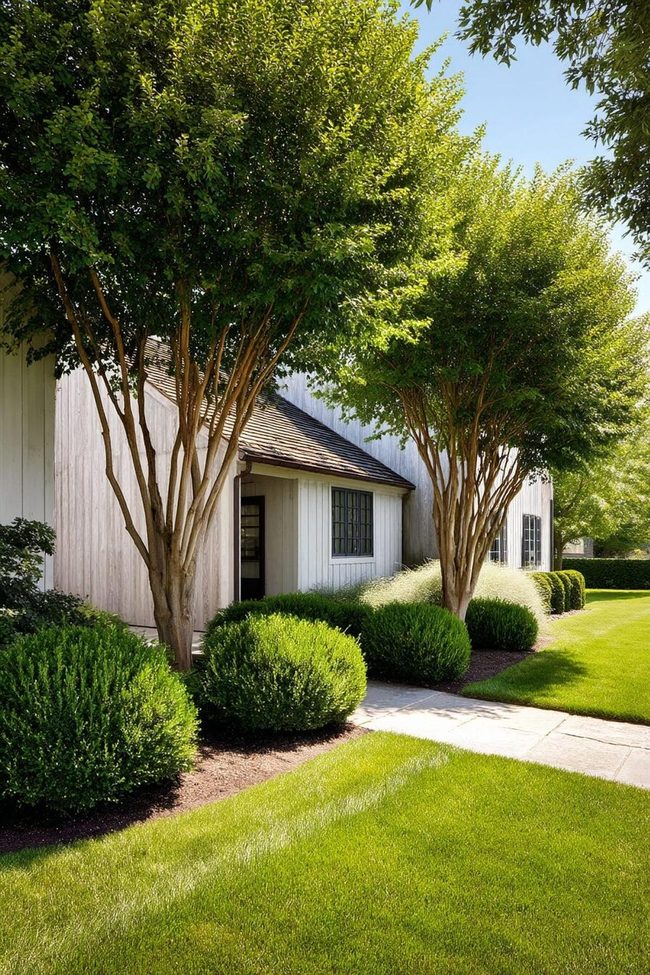
The specimen tree like a Japanese maple or flowering dogwood placed in your landscape catches attention right away and serves as an anchor for everything around it.
Ornamental grasses that shoot up 5 to 7 feet by late summer bring real movement and sound to your yard as wind rushes through their feathery seed heads.
Column-shaped evergreens such as arborvitae or Italian cypress stand like living walls and give you year-round structure plus privacy from neighbors.
Vertical garden systems and living walls let you grow plants upward across your space and pack in layers of foliage and blooms even when square footage is tight.
Espalier fruit trees trained flat against your fence or wall blend beauty with actual fruit production without eating up much room.
Garden obelisks, tuteurs, and decorative posts add height and standing interest while they double as supports for climbing vines and flowers.
Tall elements in your landscape actually make spaces feel bigger than they are, which means your front yard appears more substantial and well-designed.
When you position these vertical features, think about your sight lines, how big the plants will be when fully grown, and how they line up with your home's style to make sure everything feels balanced together.
Native Plants Manage Stormwater Beautifully
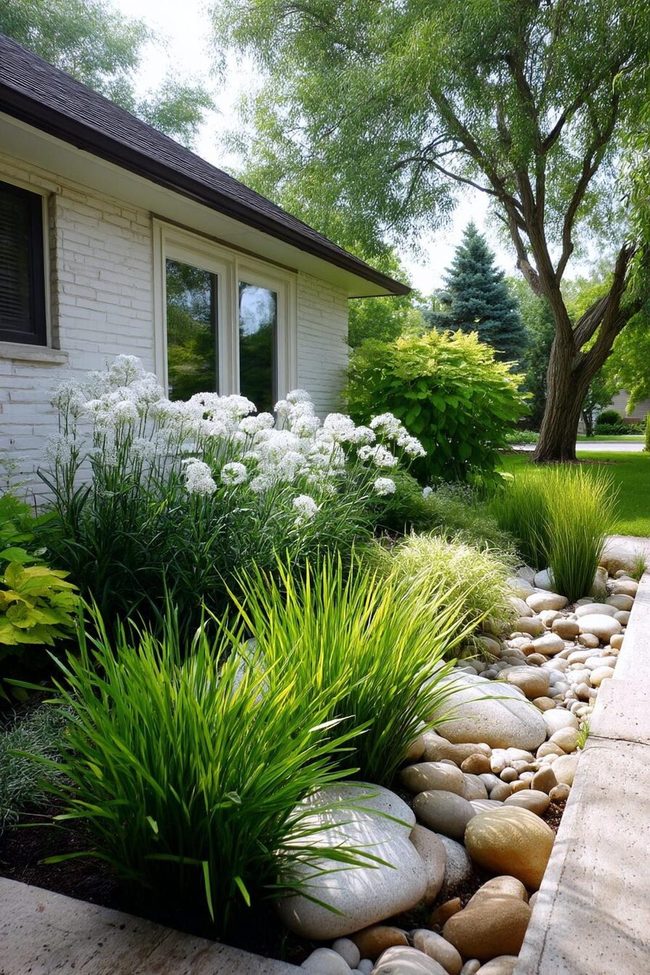
Rain gardens transform stormwater into dramatic visual features by channeling water through your landscape during heavy downpours, with strategic placement of larger stones creating mini-waterfalls that turn easy to maintain drainage into a sensory experience.
You can design the bowl-shaped depression with decorative rocks and river stones arranged to catch water as it flows, and adding a dry creek bed makes the water movement visually interesting even as it performs essential work.
Native plants with deep root systems like switchgrass, cardinal flower, and blue flag iris grow beautifully in both wet and dry conditions and you can want to layer them by height, positioning taller species in the center or back with shorter plants framing the edges.
Bird baths and shallow water features refill naturally during rain events, bringing wildlife closer to your home while adding another layer of interest to the space.
These specially designed gardens collect rainwater runoff from your roof, driveway, and lawn, which prevents erosion and filters pollutants without any extra effort on your part.
Beyond solving drainage problems, you're building an environmentally responsible landscape that works hard for your property and looks good doing it.
A well-designed rain garden becomes the standout centerpiece of your front yard, combining function and beauty in one smart solution.
Elevated Soil Mounds Transform Yards
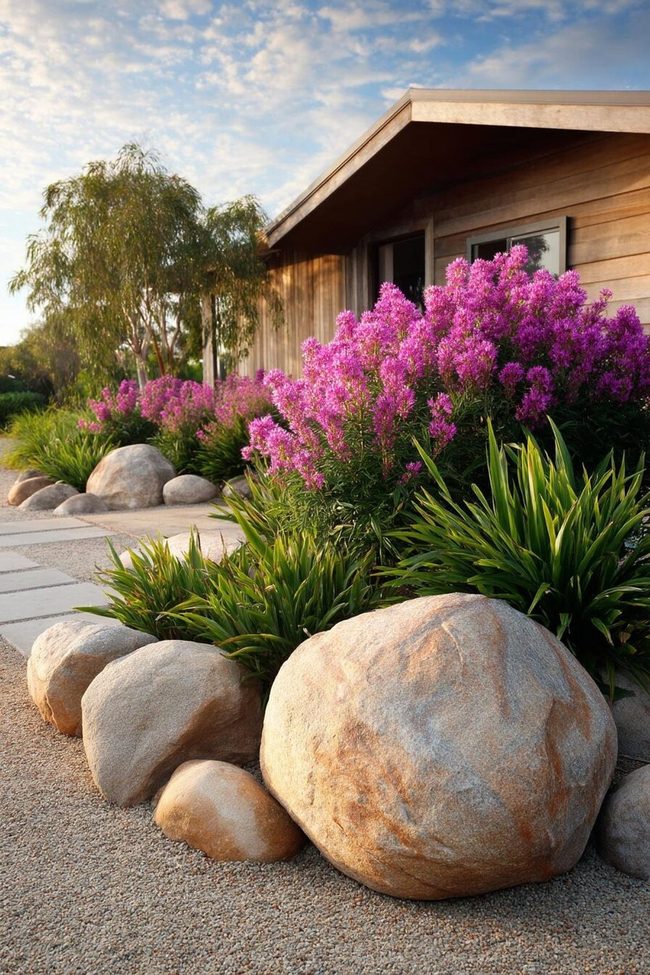
Strategically positioned berms reshape flat, dull yards into layered spaces with real dimension and appeal.
Gently raised mounds of soil open up opportunities for plantings you can enjoy from many different vantage points, and placing specimen plants or garden art at their peaks draws the eye upward naturally.
Near your street, these elevated areas work well for screening windows with greenery while keeping the space from feeling enclosed or fortress-like.
What makes berms look right is their gradual, rolling edges rather than perfect circles or ovals, nature doesn't work in neat geometric shapes.
Within your contoured landscape, you can carve out planting pockets where different plants flourish based on how much sun and water they receive.
Varying your mulch types across separate zones helps distinguish throughout garden area in your front yard and keeps things organized.
Consider positioning benches or viewing spots where your shaped terrain offers interesting sightlines and fresh perspectives on the whole space.
Living Green Privacy Screens
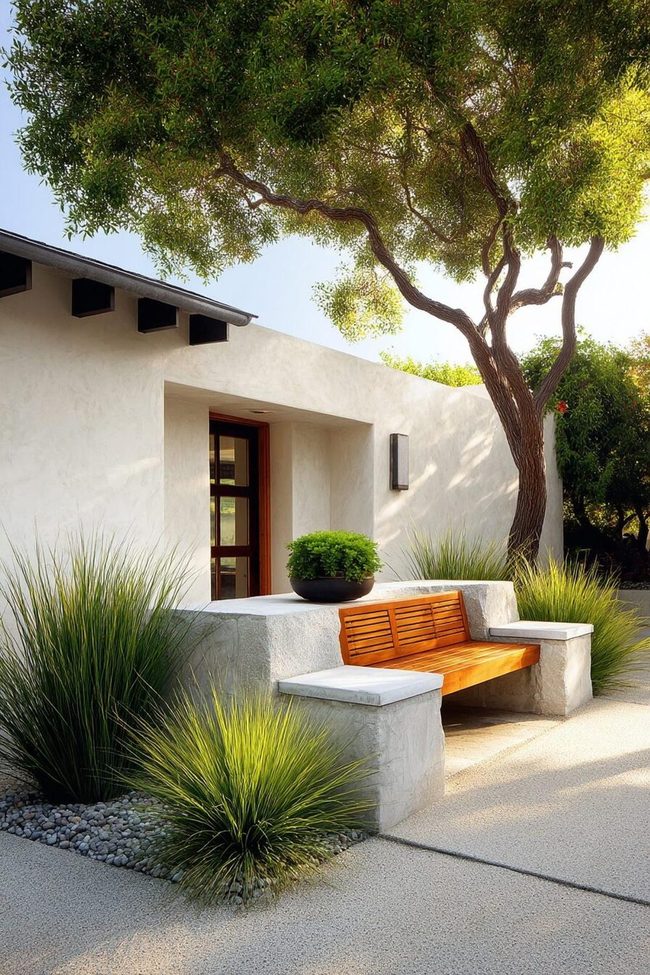
Privacy in your front yard doesn't require walls or heavy barriers that cut you off from neighbors, and instead you can use strategically placed small trees and large shrubs as living screens that filter views while keeping things open and welcoming.
Tiered plantings with increasing heights moving toward your home build layers of privacy without needing one massive hedge, and decorative panels or lattice sections placed between plantings add architectural interest while blocking direct sight lines.
Water features serve double duty by masking street noise with soothing sounds and drawing attention away from areas you want to keep private, while movable containers on hidden casters let you adjust your privacy setup seasonally or for special occasions.
Pergolas covered with deciduous vines give you summer privacy when full of leaves and allow winter light through when bare, and we've found that partial screening often feels more beautiful than complete blockades because it maintains neighborhood connection while still defining your personal space.
Screening elements work best when they do more than one job, such as an espalier fruit tree that provides both privacy and harvests or flowering shrubs that attract beneficial insects and add color.
Starting with one strong change and building from there makes the process feel less overwhelming, and even small improvements can shift how people perceive your home's curb appeal.
Nighttime Yard Shadows And Uplighting
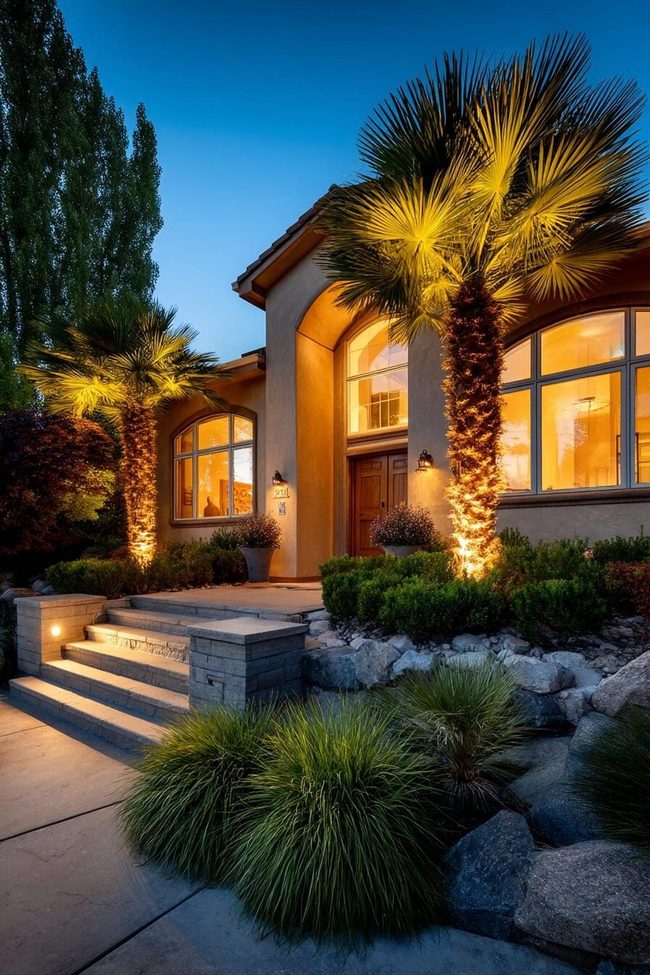
Strategic landscape lighting your front yard from ordinary to extraordinary once the sun goes down, and uplighting placed at the base of architectural trees creates dramatic shadows and highlights interesting branch structures against your home.
Moonlighting techniques, where lights sit high in trees and point downward, mimic natural moonlight filtering through branches and add depth to your garden space.
Silhouette lighting positioned behind interesting plant shapes creates dramatic black outlines against illuminated surfaces and draws the eye to your most striking features.
Wall washing involves positioning lights to bathe the front of your home in an even glow, and this highlights architectural accents while adding dimension.
Path lighting that casts gentle pools of light along walkways keeps your yard safe and provides visual interest throughout the night.
Spotlighting helps you direct attention to special garden features like specimen plants, water features, or garden art that deserve extra find.
Less is often more with landscape lighting because strategic illumination of key elements creates more drama than lighting everything at once.
Automated systems with timers and smart controls ensure your lighting activates at sunset and adjusts seasonally, so you don't have to manage it manually.
Year-Round Seasonal Blooms Terrace
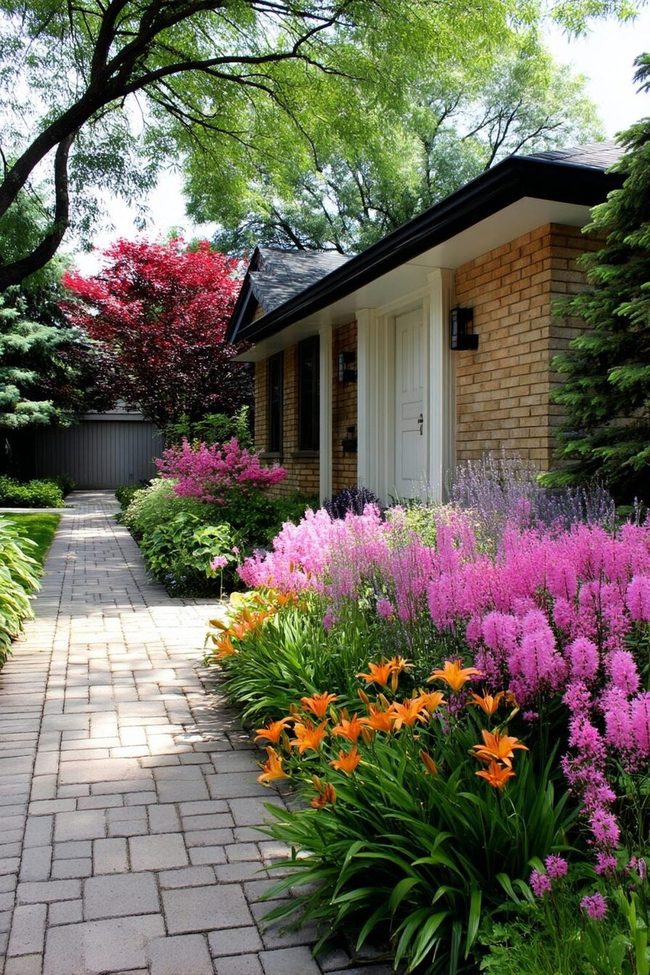
You can have a front yard that turns heads all year long by planning what blooms during every season.
Bright splashes of daffodils, tulips, and flowering trees like dogwoods and cherry blossoms put on a show when spring arrives.
Summer brings hydrangeas, roses, and other reliable perennials that keep color flowing through the warm months.
Once autumn settles in, you have the freedom to enjoy fiery maple trees, ornamental grasses at peak fullness, and perennials that bloom late in the season.
Winter deserves attention too, since evergreens, striking bark, berry-laden branches, and strong plant shapes remain beautiful even under snow.
Mix in plants with different textures and leaf shapes so your garden stays interesting even during quiet blooming periods.
Pick one standout plant like a Japanese maple, weeping cherry, or unusual evergreen to anchor the design and draw attention.
Plant things in groups of odd numbers, three, five, or seven, instead of pairs because it feels more natural and looks better designed.
Repeating key plants throughout your front yard and spacing them thoughtfully guides people's eyes across the space and keeps everything looking connected.
Curved Brick Pathway To Welcome
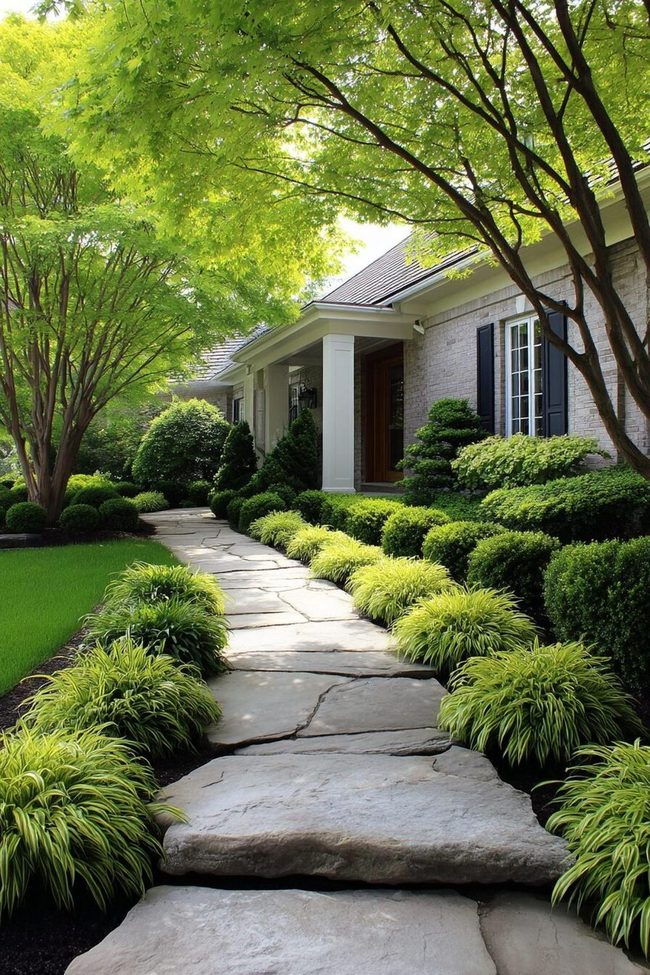
In all curved walkway leads visitors forward far more effectively than a straight line, and bordered with low-growing plants like lavender or boxwood, it guides the eye while softening the pathway's edges.
Solar-powered lights installed along the sides illuminate the way at night and work well for safety.
Widening your pathway at certain spots creates small gathering areas and natural pauses that make the journey to your door more interesting.
Two or three wide, shallow steps with a slight elevation change make your front entrance appear more prominent and important.
You can add mosaic inserts, patterned brickwork, or scented plants that release fragrance when brushed against to surprise visitors as they walk.
Materials and plant choices matter, so match your pathway style to your home's architecture, formal symmetrical paths suit colonial homes well, while meandering stone paths work better for cottages and ranch styles.
Stone Walls Define Modern Landscapes
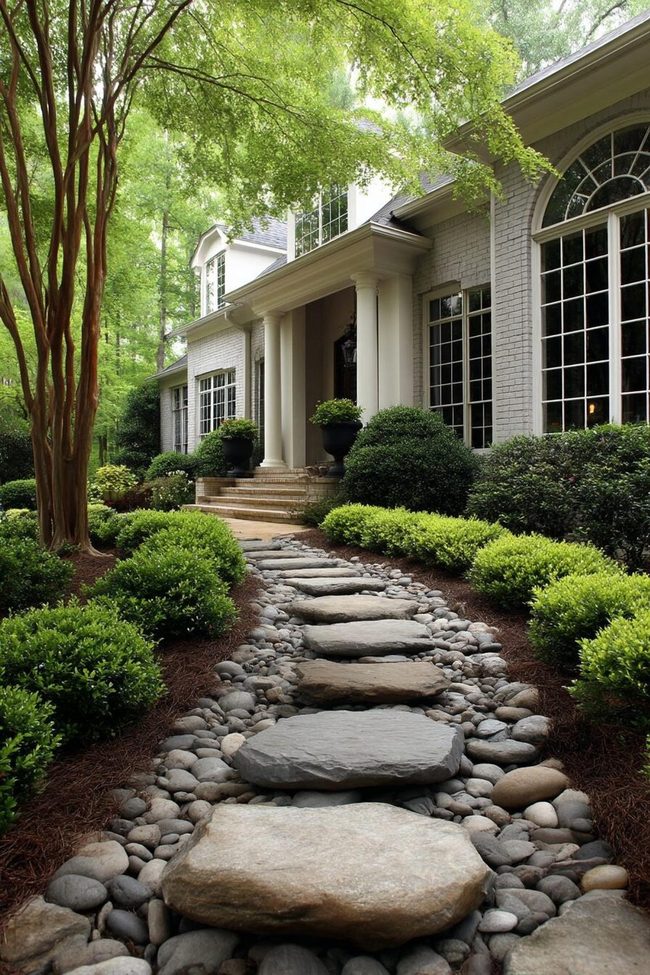
Hardscaping forms the backbone of any outdoor space and makes an impression whether your plants are thriving or resting.
Dry stack stone walls add instant character and let you give rise to terraced areas on sloped yards while offering spots to sit and enjoy the view.
Decorative boulders scattered through planting beds act as natural sculptures and carve out unique spaces where certain plants can flourish.
A pergola framing your entryway brings real architectural presence to your home's approach and gives climbing plants like wisteria or clematis something to grow on.
Custom fence panels featuring unique cutouts or artistic designs shift a basic boundary into something worth talking about.
Modern metal planters arranged in an uneven pattern bring a fresh, current feel that suits homes with clean lines and contemporary design.
Seating elements such as a built-in stone bench tucked into a retaining wall or a wooden garden bench beneath a tree encourage you to spend time outside and relax.
Retaining walls constructed from natural stone or modern materials turn an awkward slope into a striking multi-level garden you can actually use.
Decorative gravel or crushed stone pathways in unexpected shades add texture and handle water runoff well while saving you from mowing and maintaining grass.
Olivia Martinez
Founder & Principal Designer
Expertise
Sustainable Interior Design, Residential and Commercial Space Planning, Historic Preservation and Adaptive Reuse, Custom Furniture Design, Project Management
Education
Parsons School of Design, New York, NY
LEED Accredited Professional (LEED AP)
Olivia Martinez is the founder of Archi Refresh, where she brings style and sustainability together. With a degree from Parsons School of Design and a LEED certification, she’s all about creating beautiful, eco-friendly spaces.
With over eight years in the industry, Olivia has designed everything from cozy homes to commercial spaces, always putting function and sustainability first. She loves working with local artisans and has been featured in design publications for her fresh take on green living.
When she’s not designing, Olivia enjoys exploring historic architecture, painting, and spending time with her rescue dogs, Luna and Max.