
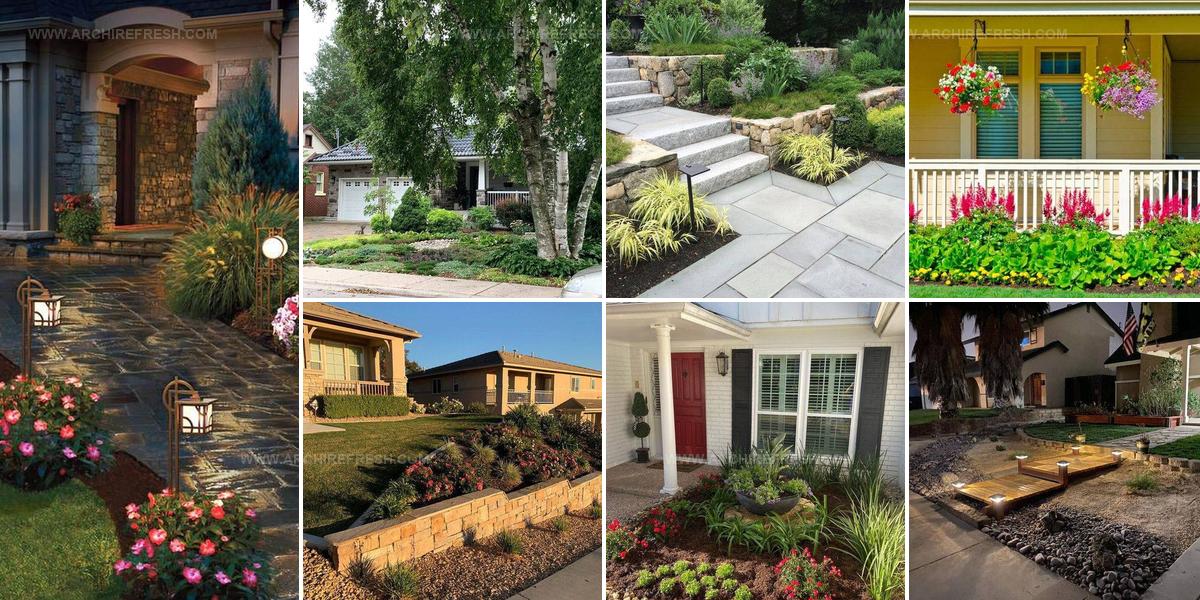
54 Front Yard Landscaping Ideas with Simple Elegance
Low maintenance plants and modern pathways can make front yard landscaping an accessible project for homeowners who want better curb appeal.
Budget constraints don't have to limit the beauty possible with creative planning and smart plant selection.
Every property has unique potential waiting to be unlocked through thoughtful design choices that complement architectural style.
Simple changes often produce dramatic results when combining hardscaping elements with colorful perennials and evergreen shrubs.
Small spaces benefit from vertical gardens while larger lawns accommodate sweeping flower beds and decorative features.
Professional results are achievable even for beginners who research plant zones and drainage requirements before breaking ground.
Terracotta Pots Frame Entry Steps
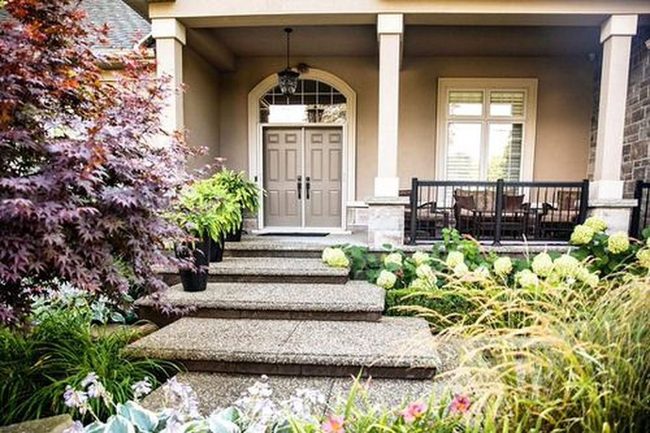
Large pots positioned on your entry steps immediately catch attention and set an elegant tone for your home's exterior, while bold ceramic or terracotta containers introduce rich color and texture to that crucial first impression you create.
Placing garden containers strategically along wide stairs builds visual interest and makes guests feel welcome the moment they approach your front door.
You can mix different pot sizes and plant varieties to break up the monotony of plain concrete or stone steps and add dimension to the space.
Green foliage and flowering plants naturally soften the hard lines of your stairway architecture and bring life to the rigid surfaces.
Succulents, ornamental grasses, and compact shrubs all thrive in these statement containers and offer you flexibility in your design choices.
Rotating your plants with the seasons keeps your entrance looking fresh and gives you new reasons to refresh the look throughout the year.
Orange Cannas With Blue Pink Harmony
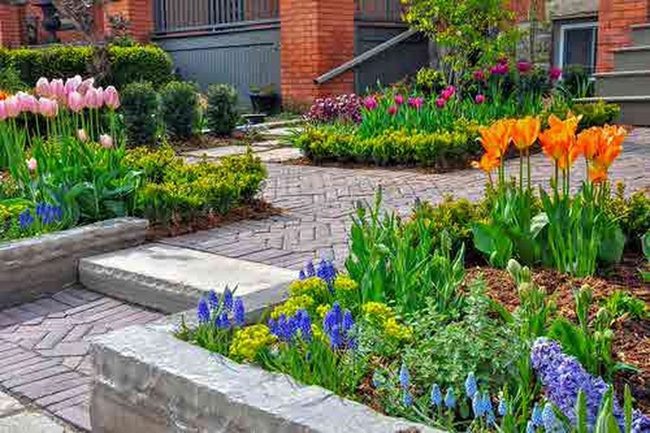
Orange cannas bring tropical elegance to any garden and work best when you pair them with both warm and cool colors in the same space.
Bright orange blossoms look spectacular next to soft blue delphinium and vivid pink hydrangeas, creating a contrast that catches attention immediately.
You can position these flowers near walkways or along garden borders to show off their bold appearance throughout your yard.
Green foliage adds texture and layers to your plantings and helps balance the flower colors.
Large canna blooms attract pollinators and keep things interesting from early summer right through the season.
Designers favor this combination because it establishes a bold and refined look that feels well-planned.
Mixing orange cannas with blue and pink flowers gives you a garden that looks professionally designed and thoughtfully put together.
Flowering Vines Frame Your Entry
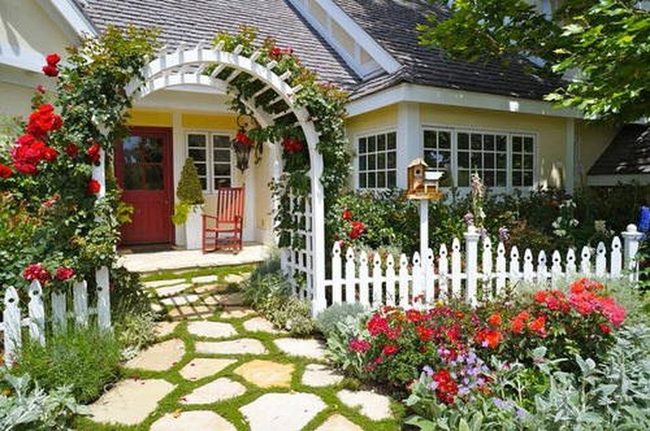
Welcoming entrance wrapped in climbing roses or wisteria vines cascading over wooden pergola structures sets an instantly romantic tone for your home, and these architectural frames naturally guide visitors down garden pathways toward your door while wooden posts provide sturdy support for the delicate flowering plants draping overhead.
Strategic plantings along the walkway soften the hard architectural lines and boost the visual appeal as people approach your home.
Mixed flower selections mean you'll have colorful displays no matter what season it is, so the entrance stays beautiful year-round.
Climbing vines add natural texture that feels both peaceful and welcoming.
Garden pathways lined with flowers create that natural flow that brings guests right to your front door.
Overall, this combination of structure and blooming plants works as one complete garden design that makes any home feel special.
Weathered Bikes Overflowing With Flowers
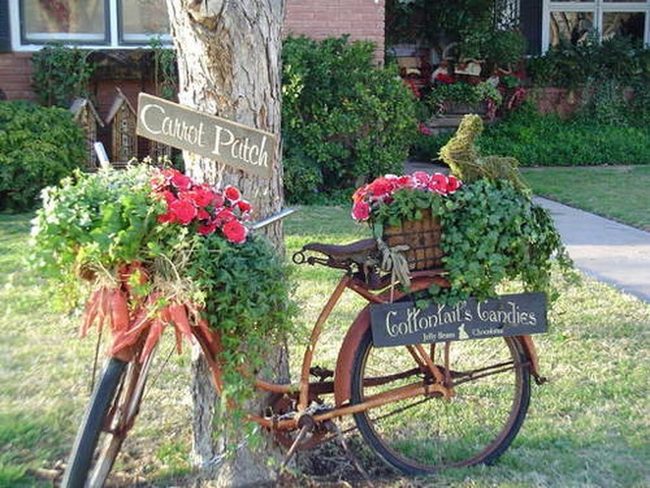
Vintage bicycle flower planters transform old two-wheelers into striking garden features that stop people in their tracks with cascading blooms and metal frames working together to create eye-catching displays.
Weathered paint and rusty details sprinkle nostalgic character throughout your outdoor space, and the wear on each bicycle makes it one-of-a-kind and personal to your garden style.
Placing these floral bicycles near pathways or entryways turns them into natural gathering points that pull attention as soon as visitors arrive.
Rust and aged surfaces add to the charming vintage feel, making the whole setup feel authentic rather than brand new.
What I love about this approach is how simple it truly is; you can take an old bike that would otherwise sit unused and turn it into functional garden art without much effort or expense.
Solar-Powered Pathway And Tree Uplighting
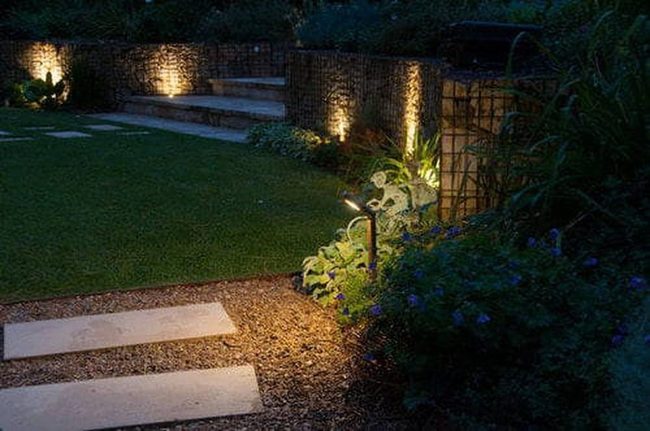
Outdoor lighting transforms your yard once the sun sets by using strategically placed spotlights to make trees and architectural elements stand out with understated elegance.
Ground-level lights guide people safely along pathways with gentle radiance while wall-mounted fixtures near entryways offer soft, welcoming illumination.
Beyond the visual appeal, these lights serve a practical purpose by helping visitors navigate your space after dark.
Solar-powered options keep your electricity bills down and make installation simple, so you don't need an electrician for setup.
LED lights in low-voltage systems run efficiently and last much longer than traditional bulbs.
Smart lighting designs let you control brightness and timing from your phone or set them on automatic schedules.
The combination of pathway lighting, uplighting on trees, and entry lights transforms an ordinary yard into an inviting retreat where you can relax or entertain well into the evening.
Cascading Flowers Frame Your Home
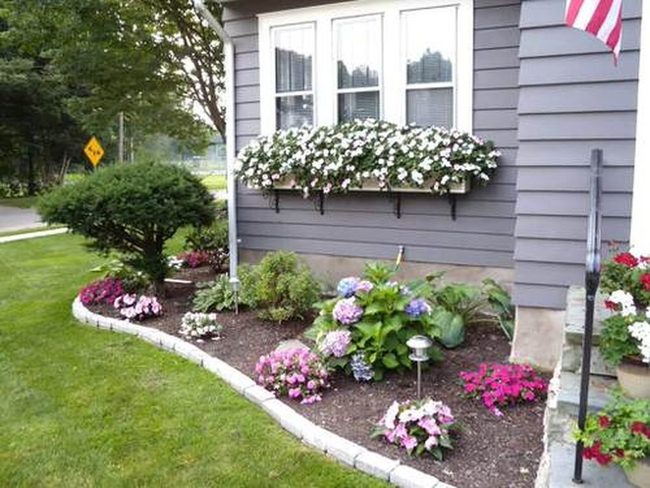
Window boxes and flower borders create instant curb appeal when you choose strategic color combinations and lush greenery, and small containers positioned beneath windows add visual depth and texture to any house facade.
Trailing plants like petunias and ivy soften architectural lines while providing vertical interest that draws the eye upward.
Perennial borders alongside window boxes extend the garden's visual drama from ground level up the walls of your home.
Mediterranean and cottage-style plantings work beautifully in window boxes and offer dynamic color variations throughout the seasons.
Mixing different heights, textures, and bloom cycles keeps your exterior looking fresh and interesting all year long.
Strategic flower selections add personality and charm to plain exterior walls, and we recommend homeowners think about how each plant choice reflects their style.
These compact garden design tricks are surprisingly easy to implement and deliver noticeable results that upgrade your home's appearance without major effort.
Blooming Wood Fences Garden Anchor
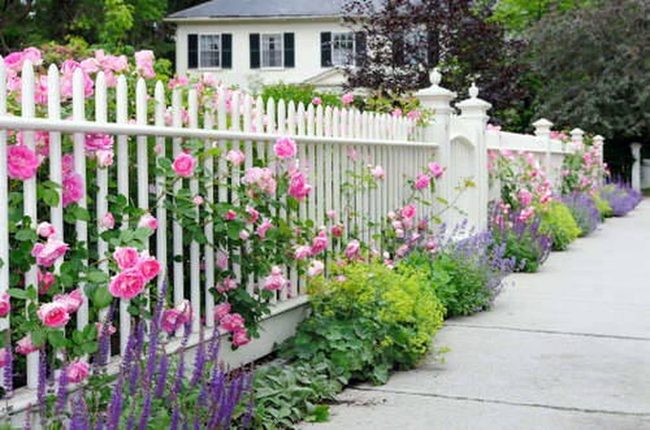
Wooden fences lined with blooming flowers become striking backyard focal points that draw the eye and anchor your garden's design.
Mixed perennials climbing and cascading along weathered wood panels add layers of color and movement that make ordinary fence lines feel alive.
Climbing vines weave naturally through the slats and form green screens that add privacy without feeling harsh.
When you place flowers strategically along these boundaries, you guide visitors' eyes deeper into your outdoor space without cramping the area or making it feel packed.
Choosing plants that flower at different times of year means your fence stays beautiful from spring through fall.
Even in small gardens, compact flower arrangements tucked near the fence base can thrive and feed pollinators while saving precious ground space.
Beyond the practical benefits, flowers against wood paneling simply look gorgeous and give your whole yard a more finished appearance.
Grey Stone Garden Boundaries
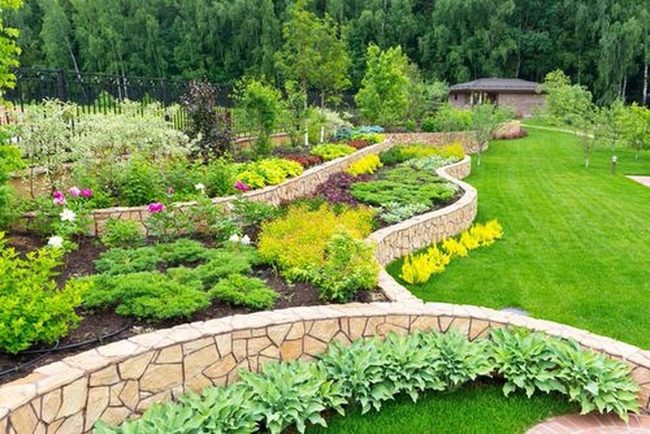
Stone walls stand out as transformative garden borders that offer both natural structural beauty and remarkable design flexibility, making them one of the most striking ways to reshape your outdoor space.
Beyond their visual appeal, these walls serve practical purposes like providing excellent support for sloped terrain, establishing clean property lines, and preventing soil erosion in challenging garden areas.
When you select local stone varieties that match your surrounding architecture and natural environment, the walls blend seamlessly into the landscape while supporting the overall design of your home.
Rock walls also help control garden microclimates and shield delicate plants from wind damage, so you're getting protection alongside style.
You have plenty of material options to work with, from rustic limestone to sleek granite, and mixing different stone heights and textures lets you build dynamic outdoor spaces that feel both functional and beautiful.
Landscaping experts often recommend this approach because it addresses practical concerns while giving your garden personality and depth.
Geometric Garden Beds In Bloom
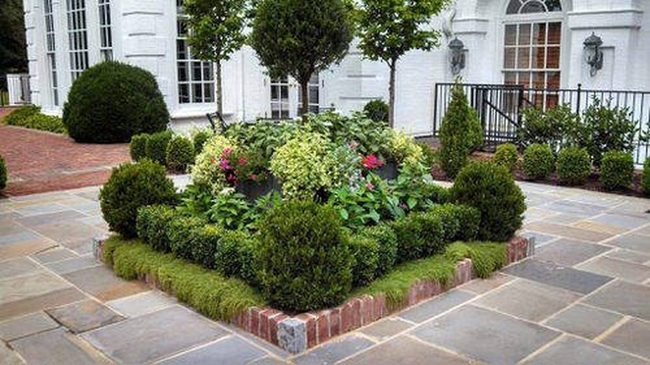
Square flower beds bring together geometric lines and bursting plant life to stop people in their tracks with how good your yard looks, and colorful flowers nestled between structured greenery create instant contrast that pulls the eye right in.
Crisp rectangular borders give you clean, defined edges around your plant combinations and help you achieve that polished landscape style without needing expert help.
Symmetrical layouts make it simple to plan your space since matching plants on both sides just naturally look put-together and balanced.
You can pick different perennials and annuals that work well together and keep your garden looking fresh from spring through fall.
Placing plants strategically means you get something new to look at no matter which season it is, and mixing colors and textures across your beds transforms an ordinary yard into somewhere you actually want to spend time.
Burgundy Arborvitae Winter Color
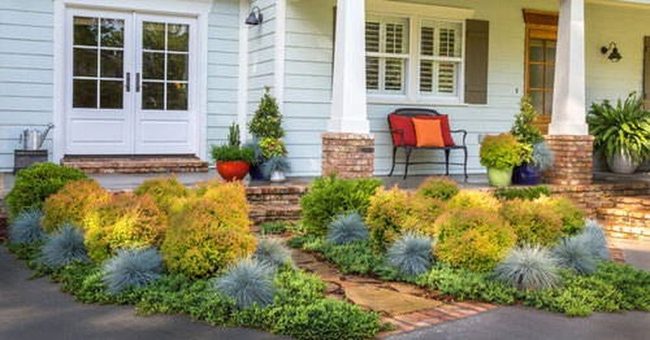
Fire Chief Arborvitae stands out in any landscape with its stunning burgundy-red foliage that keeps your yard looking dramatic all winter long.
Once mature, these shrubs reach about 3-4 feet tall and display rich dark red-bronze needle clusters that make them real eye-catchers.
Because they grow dense and tight naturally, you won't spend much time pruning or fussing with maintenance.
We especially like how quickly these plants establish themselves compared to other landscape shrubs, so you get results faster.
Small yards do particularly well with these compact ornamentals since they add plenty of color and structure without taking over your space.
Landscapers often recommend Fire Chief Arborvitae for foundation plantings and border designs because of how reliably they perform.
If you live in cold-hardy zones 3-7, you'll find excellent growing conditions for this unique conifer variety.
Purple Coneflowers Against Evergreen Backdrop
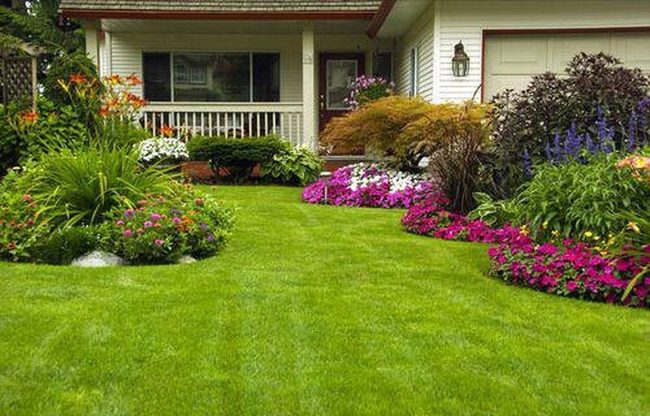
Evergreen gardens deliver striking color contrasts when you plant purple coneflowers, yellow daylilies, and red salvias against the dark green backdrop of pine shrubs and cypress trees that remain solid throughout winter months.
Rock borders frame your garden spaces and prevent soil erosion while adding natural texture to the landscape.
Compact perennials fill the gaps between larger shrubs and keep your garden looking full from spring straight through fall.
Native flowering plants are your best choice because they thrive in local climate conditions and need far less maintenance than other options.
Year-round structure combines with seasonal blooms when you balance evergreen foliage with rotating flowers for continuous color.
Simple care routines and smart plant selections mean your outdoor space stays beautiful without demanding constant attention.
Pine shrubs and cypress trees hold down the foundation while smaller plants and flowers layer in the visual interest around them.
Desert Succulents With Hanging Retreat
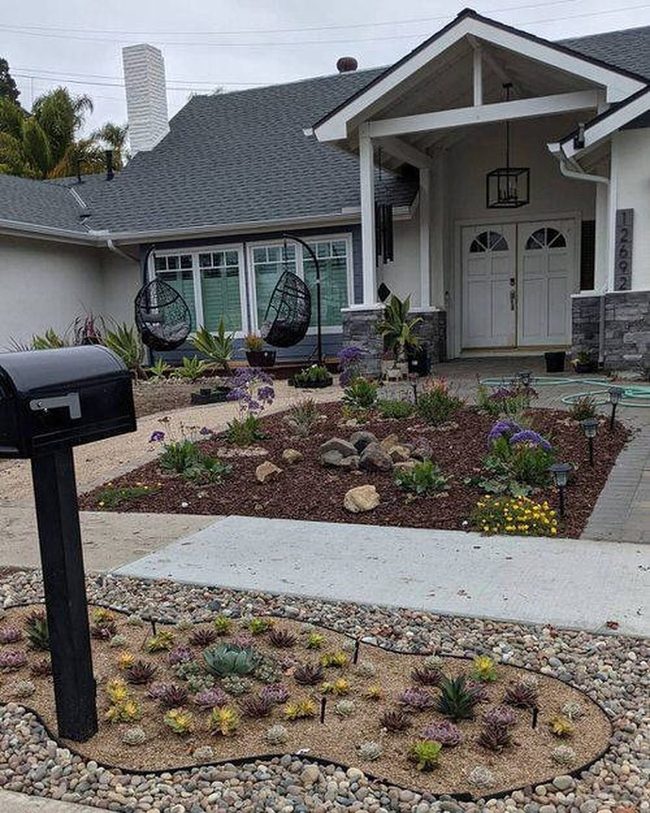
Succulent front yards bring bold desert landscapes to life, blending modern design with plants that need hardly any care, and when you add strategic rock placements and diverse succulent clusters across your space, you get visual interest that works hard without the fuss of constant maintenance.
Hanging chairs suspended from sturdy tree branches offer unexpected spots to relax right in your own yard, creating zones where you can actually enjoy the landscape rather than just look at it.
Compact succulents come in many different textures and muted colors that complement the rocks and hardscaping around them, while geometric planters filled with rosette-shaped echeverias and trailing sedums naturally draw attention and give your eyes somewhere to land.
Ground coverage from these plants does double duty by preventing soil erosion and cutting down on water needs, so you get a sustainable garden that looks good and helps the environment.
Stone Circles Garden Foundation
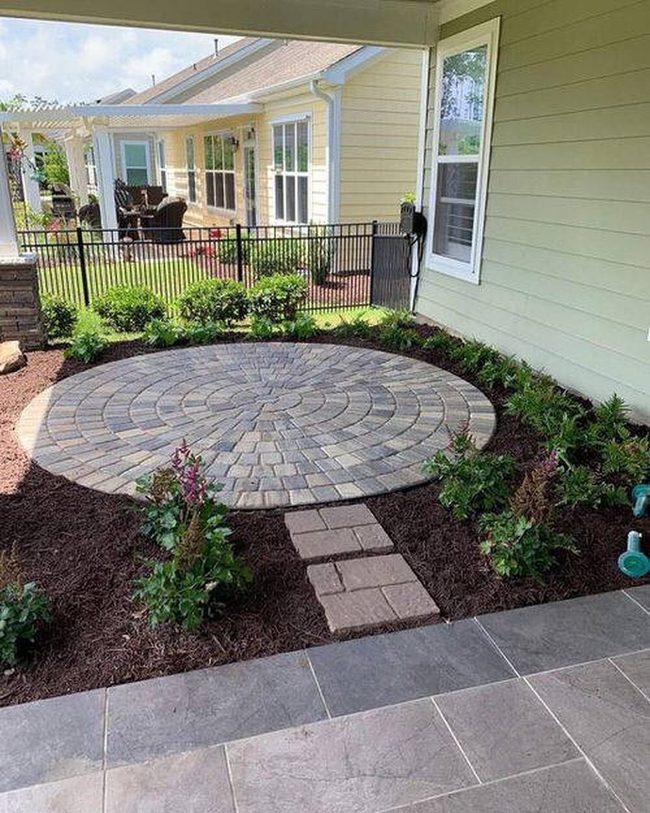
Circular stone centerpieces anchored in your garden create stunning focal points that command attention in even the smallest outdoor spaces, and strategic placement of these rounded elements guides the eye naturally around your yard while introducing graceful curves that break away from typical straight-line designs.
Garden pathways that wind around central stone formations add dynamic movement and encourage you to explore different angles of your landscape.
Rock arrangements deliver textural contrast against surrounding greenery and provide the structural backbone your garden needs to feel complete.
You can amplify this effect by selecting low-maintenance succulents and other plants that complement the stone features without competing for attention or demanding constant upkeep.
Compact garden designs work beautifully in tight spaces because the stone centerpiece becomes an anchor that allows you to maximize every square foot.
Plant choices matter when you're working with limited dimensions, so we recommend selecting varieties that look good across all seasons.
Stacked Stone Plant Beds
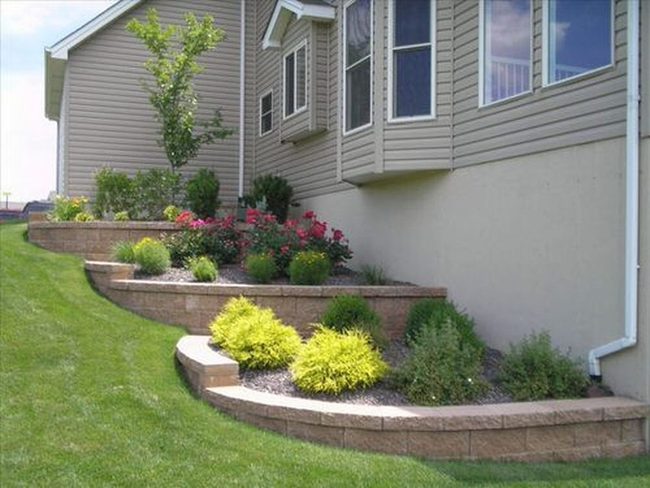
Stone block plant beds stand out as one of the strongest ways to reshape your garden because they deliver bold architectural lines and sturdy structure right away.
You can arrange rectangular stone blocks to create clear borders that separate different plant zones and give your landscape a polished, organized feel.
Mixing various stone block sizes adds real texture and character to the space while concrete or natural stone delivers the support that both delicate flowers and hardy shrubs need to thrive.
Stacking blocks at multiple heights lets you build dynamic layouts with depth and dimension that transform how your yard feels.
Neutral tones in these blocks work well across different garden styles and blend naturally with whatever plants you choose to grow.
Placing stone beds strategically throughout your property boosts the overall look and helps you manage your outdoor space more effectively.
Vertical Garden Around Single Tree
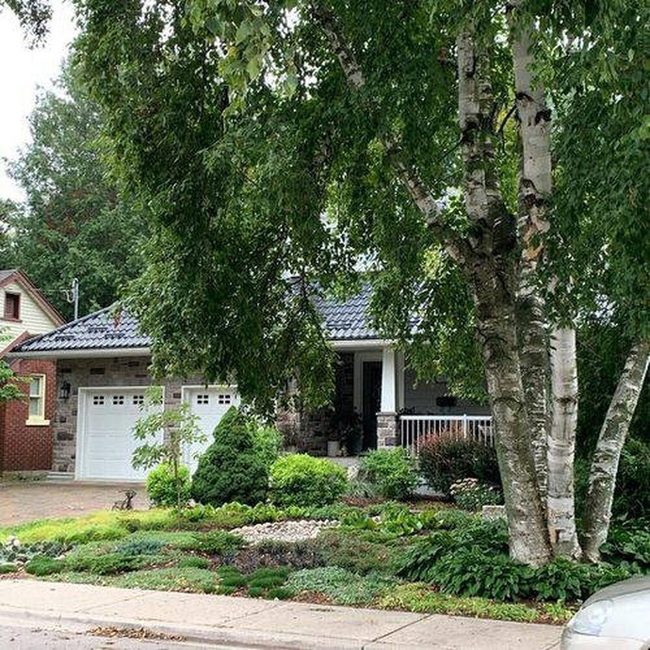
Mini garden built around a tall tree can turn your small outdoor space into something that feels like a genuine retreat, and the height alone makes a remarkable difference in how the area looks and feels.
Trees give you that dramatic vertical element that draws the eye upward and provides natural shade for more delicate plants that wouldn't survive in direct sun.
When space is tight, working with height instead of spreading out horizontally lets you pack in more greenery and interest without making things feel cramped.
Small shrubs and ground cover plants fit nicely around the base of your tree, softening the transition from trunk to soil and filling in gaps with lush texture.
Mulch serves double duty by keeping moisture in the soil during dry spells and giving the whole garden bed a neat, finished look that feels intentional and cared for.
Picking the right tree species really matters most since you want something that thrives in your climate and doesn't grow so large it overwhelms your yard.
Wood And Concrete Garden Elevation
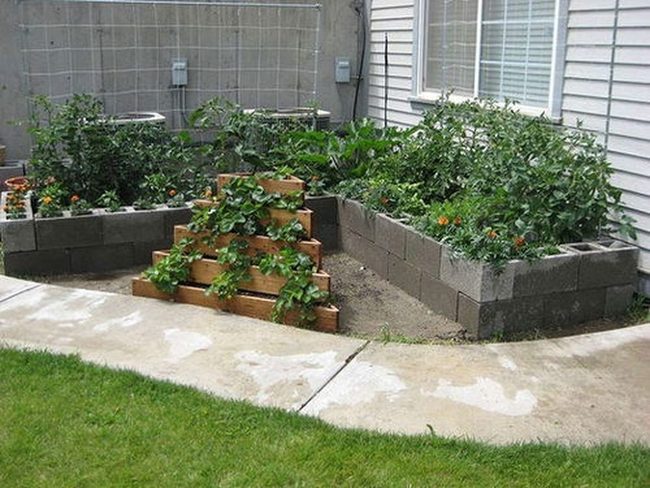
Wooden plant stands paired with cement planters bring together natural wood tones and smooth concrete surfaces in a way that catches the eye and adds visual depth to your garden space.
Elevating your plants on sturdy platforms does more than look good; it improves drainage and keeps delicate greenery safe from ground moisture while giving your outdoor area an architectural boost.
Modern design meets practical function through these wooden frames, which support heavy cement containers and hold up well through seasons of changing weather.
You can position these stands near walkways or along patio edges to define your space and draw attention to your favorite plants.
Small urban gardens and compact yards benefit especially from these structures since they provide a sophisticated way to display greenery without taking up much ground space.
Wood and cement work as natural opposites that complement each other, and together they deliver a clean, contemporary look that suits any gardening style.
Sculptural Trees Frame Minimalist Gray Gardens
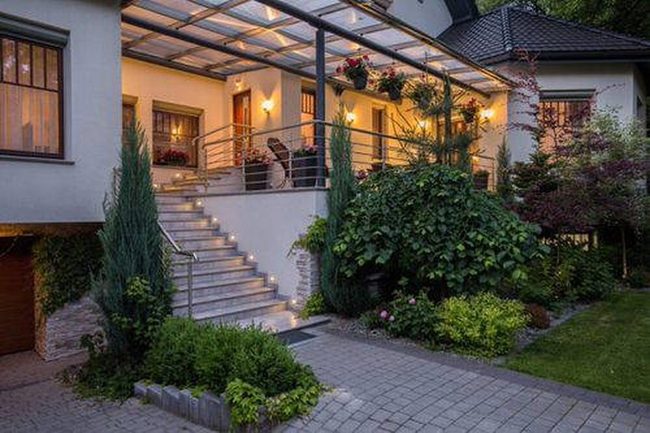
Modern villa gardens blend contemporary architecture with thoughtful plant design, and the most eye-catching elements are those sculptural trees that stand alone in open lawns, creating sharp architectural silhouettes against the sky.
Minimalist hardscaping follows close behind with its clean geometric lines that divide spaces into orderly green zones, while stone pathways guide you through the landscape and connect different areas with purpose.
Gray and white surfaces dominate the color scheme, echoing the sleek look of the house itself and matching perfectly with your plant selections.
Geometric planter boxes frame doorways and entryways with succulents and ornamental grasses that need little maintenance and look structured year-round.
Mediterranean plants bring wonderful texture and natural shape to the garden without demanding much water or care.
Simple water features sit quietly in these outdoor spaces, offering gentle movement and a peaceful quality throughout.
Towering Palms Frame Layered Entry
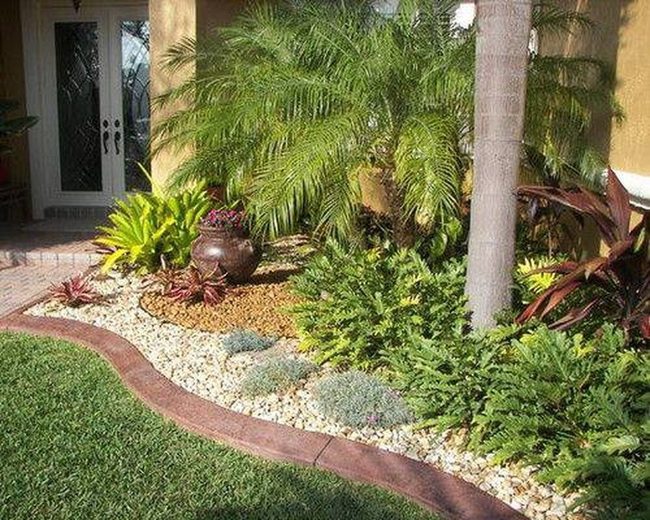
Palm trees towering near your entryway make an immediate statement with their dramatic height and lush texture against your home's exterior, while smaller plants like ferns and ornamental grasses soften the hard edges of walkways and borders.
Mixing different heights and textures prevents your landscape from feeling flat and adds real architectural interest to your outdoor space.
Grouping tall royal palms with low-growing shrubs or colorful ground covers works well for creating layers of green that guide visitors naturally toward your front door.
Smaller companion plants positioned throughout the pathway break up the visual space and keep people's eyes moving as they approach your home.
Mediterranean and tropical styles pair especially well with this kind of plant selection.
When you vary your plantings this way, your entryway gains both personality and welcoming energy.
Layered Desert Plants And Stones
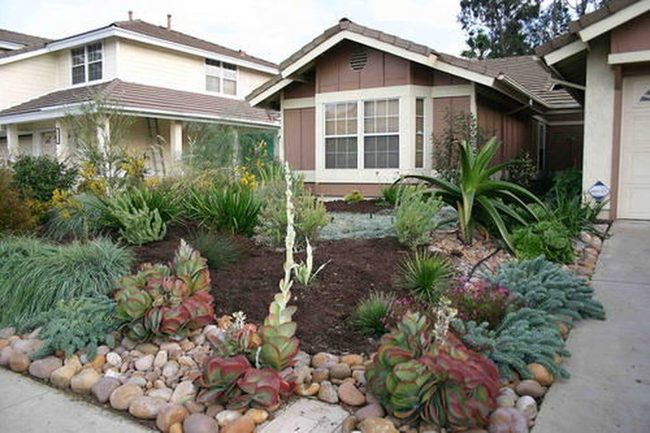
Colorful desert plants like agave, lavender, and sedum rise up from the soil in striking patterns that catch your attention immediately, and smooth stones and decorative rocks scattered throughout the space add another layer of visual texture while keeping moisture locked in the ground below.
When you layer plants at different heights and mix various textures together, small garden areas suddenly feel less boring and gain real depth that draws the eye around the whole space.
Mini front gardens work well because they follow xeriscaping principles, which means they need very little water and almost no maintenance once established.
Stone placement does double duty as a design element and a practical way to help soil stay moist longer.
These compact landscapes prove that you don't have to sacrifice beauty to be responsible with water and resources.
Smart plant choices mean your garden stays lush and interesting without demanding constant attention or gallons of water every week.
Green Pond Garden Entrance
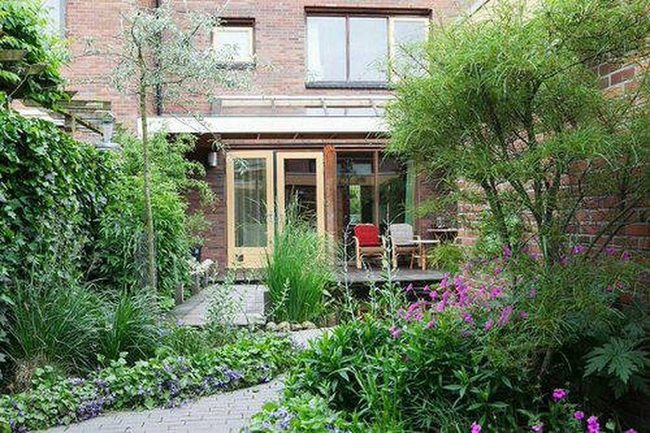
Front garden featuring a tree and pond serves as an eye-catching statement that brings elegance and peace to your home's exterior, with greenery positioned strategically throughout to greet visitors right at your entrance.
Large trees stand out as natural anchors in the space, offering both shade and visual interest that define the entire landscape design.
Water features like ponds add movement and calm to the outdoor area, and when you balance the hardscape around them with living plants, the whole setup feels naturally harmonious.
Small decorative touches can finish the scene without taking over, and homeowners can achieve this classic style without needing extensive experience or professional help.
Your exterior becomes a welcoming retreat that combines nature's best elements in a straightforward and beautiful way.
Desert Boulders And Native Succulents
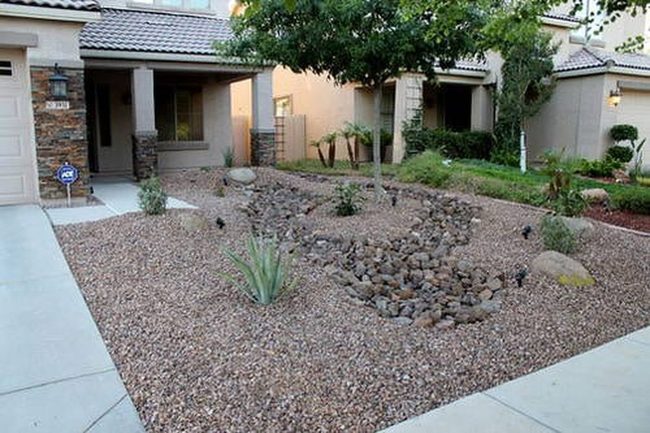
Large boulders positioned throughout your yard anchor the entire space and provide striking natural points of interest, while strategic rock arrangements complement native desert plants like agaves, succulents, and cacti to deliver that southwestern charm without much fuss.
Gravel pathways wind between your carefully selected greenery and help reduce water consumption while adding texture and movement to the landscape.
Sandy color palettes mixed with the architectural shapes of desert plants bring an elegant appeal that feels both timeless and simple.
Xeriscaping principles guide this design approach for front yards that don't demand constant attention or watering.
Native plants thrive in harsh conditions and need minimal irrigation, making this choice an environmentally smart solution for homeowners looking to lower their water bills.
Lavender Pathways, Structured Garden Beds
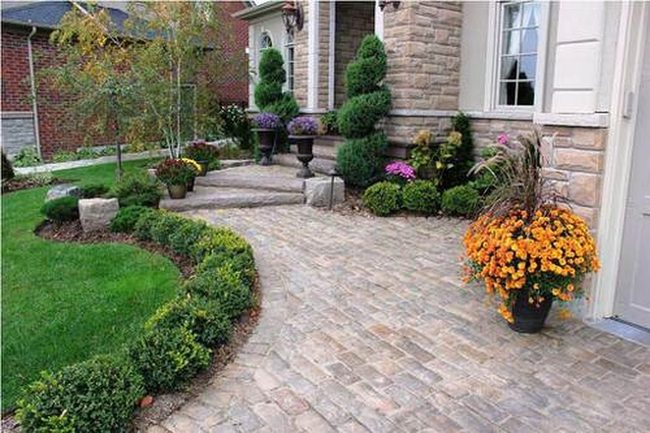
Stone-bordered pathways lined with flowering perennials like lavender, salvia, and echinacea make your garden entrance pop with color and structure from the moment visitors arrive.
Gravel or patterned stone surfaces create stable walking routes that feel polished and lead people naturally through your landscape.
Clean edges around these pathways do more than look sharp; they actually keep plants from spreading where you don't want them and maintain clear boundaries between your plantings and lawn areas.
Symmetrical design in your garden layout helps everything flow well and keeps things visually balanced as people move from the entrance deeper into the garden.
Well-placed edging acts as a physical border that controls what grows where and prevents your garden from looking messy or overgrown.
We can all achieve results that look professionally done by picking the right perennials and taking care with how we edge our beds.
Succulents And Stone By Your Window
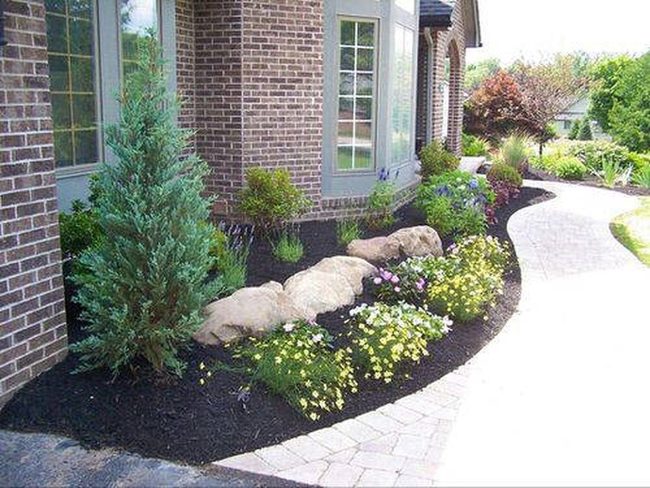
Mini garden positioned beneath your side window transforms that often-forgotten spot into a charming outdoor feature that draws attention and adds character to your home's exterior.
Strategically placed plants in a compact design maximize what little space you have available, turning cramped areas next to residential windows into thriving green zones.
Rock borders work around the edges to define where your garden begins and ends while keeping soil in place during rain and weather changes.
Succulent plants deliver interesting textures and require minimal care, making them perfect for these smaller landscape sections.
Beds positioned near windows catch morning light beautifully and bridge the gap between your home's structure and the natural landscape around it.
It's a smart, approachable way to add greenery and character without needing a large yard.
Cascading Stone Fountain Entryway
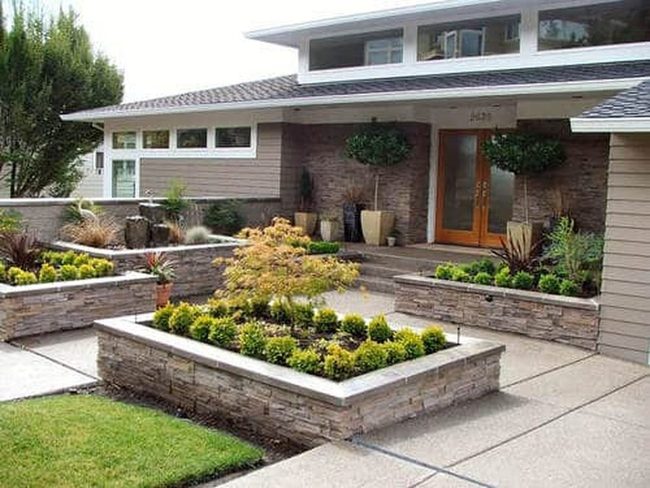
Water cascading gently through ceramic or stone vessels creates a soothing soundscape at your home entrance, and mini fountains serve as striking focal points that greet visitors with calming acoustic rhythms.
Rock or pebble bases give these features an organic look that blends beautifully with surrounding plants and greenery.
Small decorative containers arranged around the fountain add visual interest and movement to your front yard, while the natural texture of stone or ceramic anchors the whole design with balanced proportions.
You'll find that these compact installations fit perfectly into limited spaces, making them ideal solutions for narrow walkways or small garden areas where larger features just won't work.
Strategic lighting transforms your water feature during evening hours and boosts its appeal after dark.
I admire the way homeowners love these additions because they require minimal upkeep while bringing a sophisticated touch to landscapes.
Flowing Stone Water Features
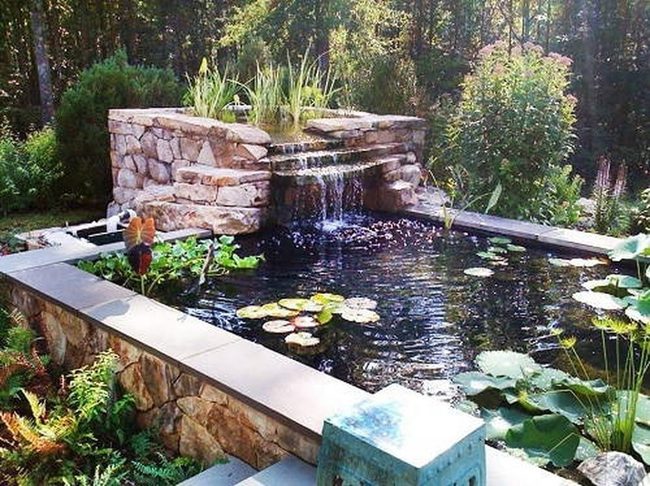
Water features transform your outdoor space into a peaceful retreat, and the visual appeal of flowing fountains or cascading streams really stands out in any yard.
You can go for anything from rustic rock waterfalls to sleek modern designs depending on your style, and smaller decorative fountains work great if you don't have much room while larger installations become stunning focal points in bigger landscapes.
The gentle sound of water moving creates a calming backdrop that makes your backyard feel like an escape from daily stress.
Natural stone around these features adds beauty and looks right at home in the landscape.
When evening comes around, adding lights to shine on your water feature brings out new dimension and drama after dark.
Pairing your water feature with nearby plants and greenery helps everything blend together smoothly.
Finding the right balance between the water structure and the rest of your garden design makes the whole space feel connected and complete.
Vertical Green Solutions For Small Spaces
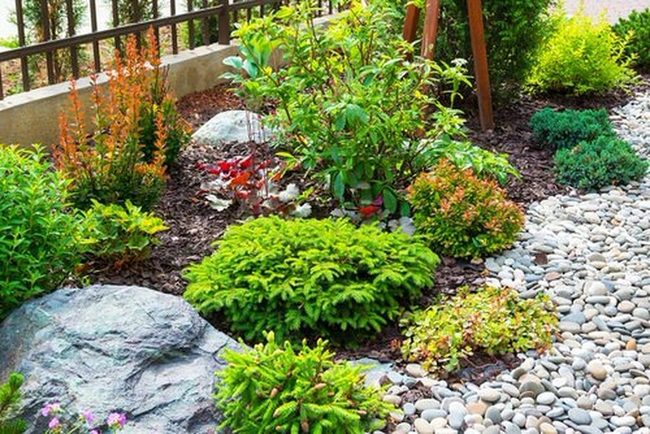
Mini green gardens bring tremendous visual appeal to small outdoor spaces when you select plants strategically and arrange them in compact layouts, starting with dwarf shrubs, compact herbs, and miniature flowering plants that create dynamic interest without crowding tight areas.
Vertical elements like trellises and hanging gardens expand your usable gardening zones significantly, and container gardening techniques combined with raised beds help you maximize every inch of available space.
Color combinations and varied textures make these smaller landscapes surprisingly impactful, and layered plantings help your yard feel both spacious and refreshing.
Vertical planters let you build upward rather than outward, which is especially helpful when ground space is limited.
Well-planned small gardens transform ordinary yards into green retreats that require minimal maintenance once established.
Even if you're new to gardening, thoughtful design choices let you build beautiful and productive spaces that feel personal and welcoming.
Railing Edge Miniature Gardens
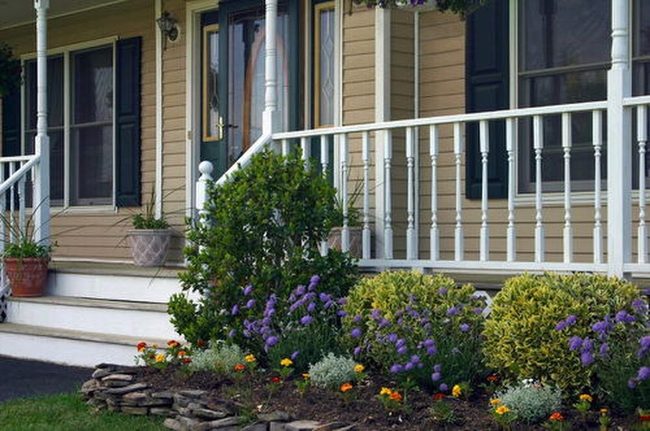
Mini gardens positioned below porch railings transform tight outdoor areas into charming spots that showcase design possibilities, and small containers or built-in planters along railing edges add visual interest without taking up much room.
You can choose hardy succulents, trailing vines, and compact perennials that flourish in these limited spaces and need minimal care.
Strategic plant selection helps you craft lush miniature landscapes that enhance your home's exterior and soften those hard architectural lines to establish more welcoming entryways.
Rotating seasonal plants keeps these mini gardens feeling fresh and engaging as months change, which means you get new color and texture throughout the year.
Homeowners appreciate this landscaping approach because it requires simple maintenance and minimal investment, making quick outdoor improvements feel manageable and achievable.
Whether you're working with a small porch or tight side yard, these pint-sized gardens prove that even limited spaces hold real potential for green, living decoration.
Vertical Greenery Small Space
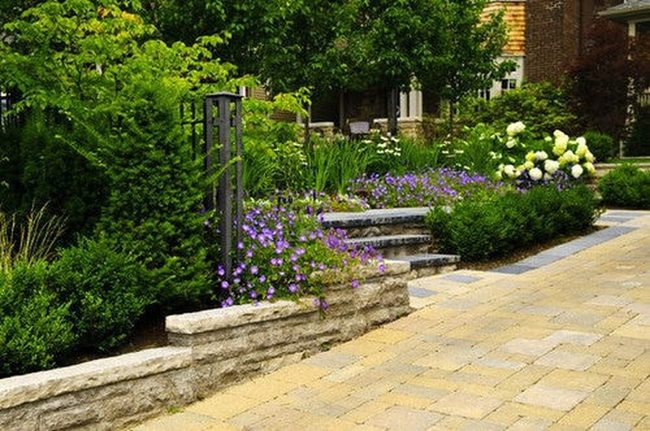
Sculptural planters and vertical greenery layered throughout your compact outdoor space instantly create visual depth and transform tight urban areas into something special, while strategic placement of these elements makes even small yards feel expansive and interesting.
Native grasses and succulents work well in city gardens because they need less water and upkeep, which means you get a thriving green space without constant maintenance demands.
Concrete surfaces become much softer and more welcoming when you pair them with thoughtfully placed plants, shifting the harsh urban feel into something more natural and calm.
We can integrate modular seating directly into these green zones so you have comfortable spots to relax and actually enjoy your outdoor retreat without losing any precious space.
When evening arrives, strategic lighting throughout your garden shifts the whole mood and lets you use and appreciate the space well after sunset.
Stone Pathways Under Twilight Glow
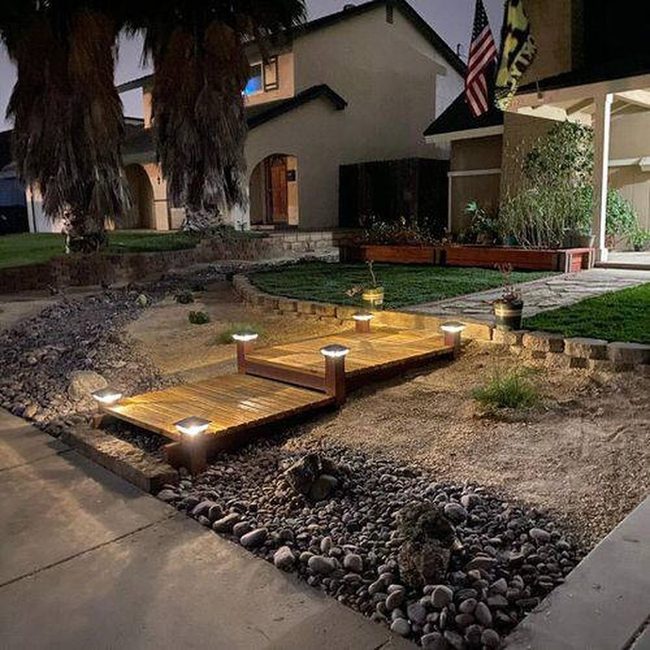
Nighttime garden lighting dramatically illuminates pathways and highlights landscape features, and when you combine this with strategically placed large stones near the lights, you get striking contrasts in texture and shape that immediately catch attention.
Potted plants nestled along walkways add architectural interest and depth to these nighttime scenes, while small accent lights tucked around greenery cast intriguing shadows across surfaces below.
Strategic stone placements create natural visual boundaries between different garden zones, helping you organize space in a way that feels intentional.
Ground-level lighting guides visitors through garden paths with gentle elegance, making navigation smooth without overwhelming brightness.
Well-designed exterior lighting has the power to transform ordinary yards into evening environments that feel completely different from daytime, and I think this kind of transformation makes spending time outside after dark genuinely enjoyable.
The combination of light, stone, plants, and shadows works together to shape how people experience your outdoor space once the sun sets.
Golden Bulbs Among Blooming Flowers
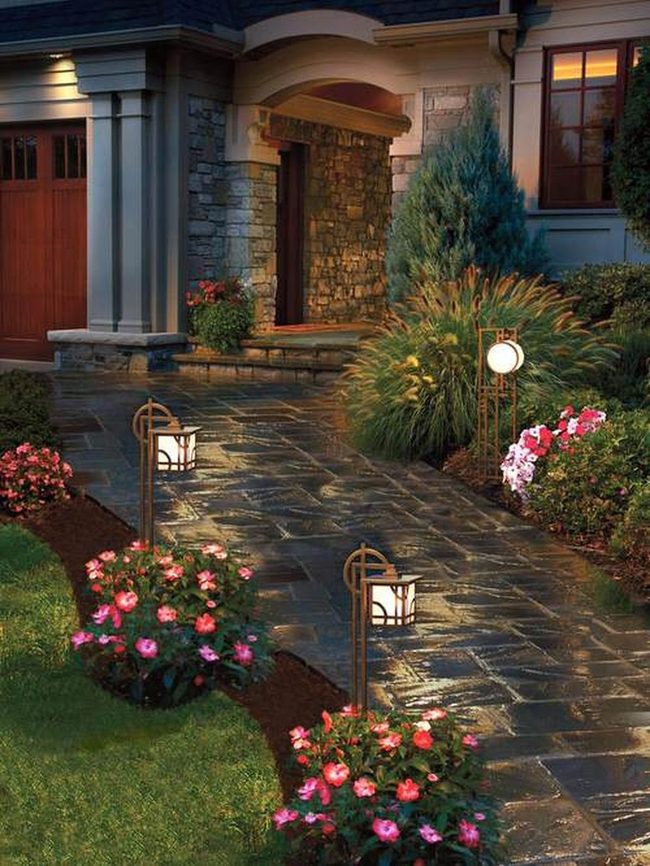
Retro lights strung between blooms transform your garden into a stunning nighttime display that stops people in their tracks, and vintage Edison bulbs hanging above flower beds cast warm golden glows across the space in ways that feel both nostalgic and fresh.
Garden pathways come alive when you nestle light fixtures among lavender, roses, and wildflowers, making the whole area shimmer as darkness falls.
Soft illumination brings out the delicate details of petals and green leaves during twilight hours, and you can see how the glow looks different depending on where you stand in the garden.
Mixing historical lighting styles with botanical beauty gives your outdoor space a romantic quality that feels genuine and timeless.
Positioning these lights thoughtfully means the garden looks appealing from every angle, not just from one spot.
When evening arrives, your garden shifts into something that feels both warm and welcoming.
Entrance Fountain Creates Instant Curb Appeal
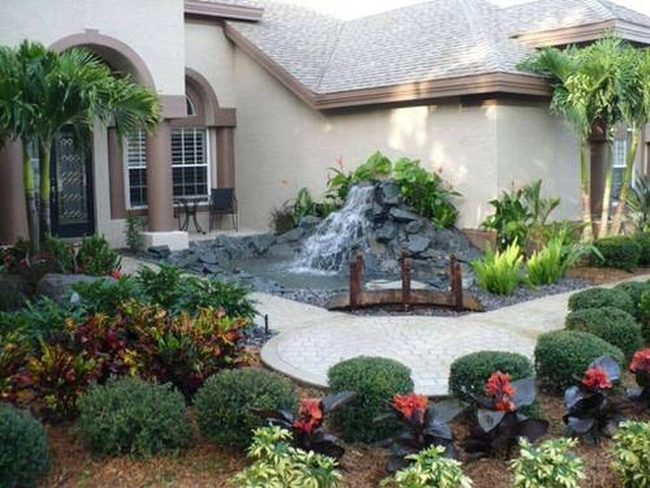
Water features positioned at your home's entrance grab attention immediately and give visitors something striking to focus on as they approach.
Most people naturally slow down when they hear water sounds and see movement near the walkway, making these elements powerful design tools for your outdoor space.
Placing a fountain near garden beds or next to existing architectural features deepens the sensory experience and ties the entrance together with your landscape.
Small recirculating fountains fit nicely in tight areas and bring peaceful motion without making your entrance feel crowded or overdone.
Homeowners often notice how these additions introduce a sense of calm and natural beauty right at the property's edge.
You can choose from modern minimalist designs in concrete or more ornate sculptural pieces that suit your home's style.
Adding lights around the fountain extends its appeal into the evening hours and helps guide visitors safely when they arrive after dark.
Colorful Annuals Meet Structured Green
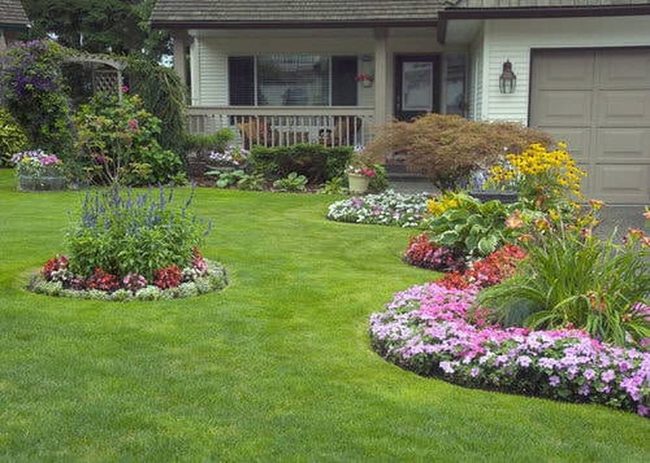
Mixing annuals and greenery in flower beds creates bold splashes of color throughout your outdoor space, and vibrant petunias, marigolds, and zinnias deliver the most eye-catching displays when planted against structured green backdrops like hostas, ferns, and ornamental grasses.
You can build dynamic garden compositions by layering plants at different heights and textures, which keeps the landscape from feeling flat or one-dimensional.
Seasonal blooms ensure your garden stays interesting year-round, and switching out plants as seasons change gives you fresh looks without overhauling your entire design.
Color choices matter when blending flowering plants with green foliage, so selecting shades that complement each other makes the whole garden feel more balanced.
Lavender Daisies Transform Forgotten Corners
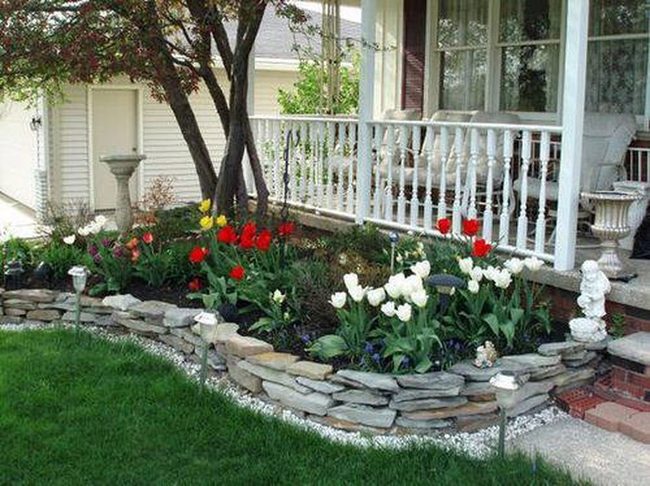
Colorful blooms like lavender, daisies, and coneflowers bring delightful texture and movement to forgotten corners of your yard.
Mixing perennials and annuals together helps you build visual depth even in the tightest spaces, and arranging plants at different heights keeps the layout from feeling flat or boring.
Rock borders or simple wooden edging frame your garden beautifully and show exactly where your garden begins and ends.
Strategic plant placement lets you make the most of small zones, so every square inch counts.
We recommend paying attention to how sunlight hits different areas throughout the day since this makes all the difference in whether your plants actually thrive.
You don't need advanced gardening skills or a big budget to pull this off; in fact, most people are surprised at how easy it is to design these spaces from scratch.
Adding botanical beauty to an empty corner transforms what was once wasted space into something that actually matters in your landscape.
Stone Fountain Garden Centerpiece
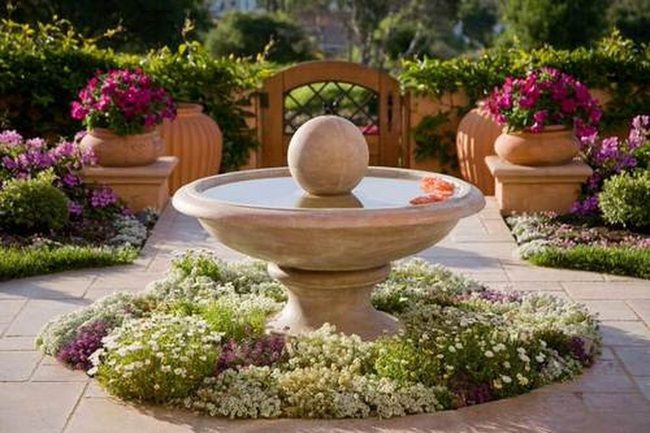
Stone water fountain in the middle of your garden becomes an immediate showstopper that draws everyone's attention the moment they step outside.
You'll find that the cool water flowing and splashing creates both movement and peaceful sounds that make the whole space feel more alive and calming.
Around this central feature, colorful flower beds planted in bright hues offer a striking contrast against the neutral gray and tan tones of the stone structure.
Positioning your fountain as the heart of the yard gives you a natural gathering spot where people naturally want to spend time and relax.
Stone structures bring that timeless Mediterranean feeling to any landscape, and they're built to last through seasons of weather and use.
Roadside Green Borders Privacy
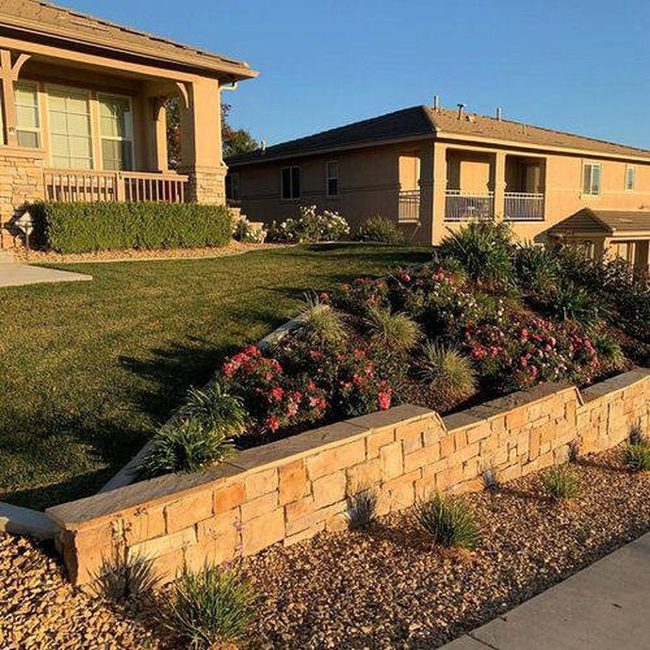
Plants along roadsides can transform your property's edge into a peaceful zone where you connect with nature and enjoy greenery right outside your home.
Layering plants at different heights creates depth and texture that makes the space feel more interesting to look at, and you can add flowering perennials that bring seasonal color while drawing in butterflies and bees.
Compact evergreen hedges work year-round to give you privacy and keep things looking good in every season, and shrubs positioned strategically help reduce noise from traffic while filtering dust away from your home.
Native grasses and drought-resistant plants mean you spend less time maintaining the landscape and more time enjoying it, plus they support the local ecosystem in your area.
Green borders naturally separate the roadway from your living space and make the transition feel softer and more welcoming.
When you choose plants thoughtfully for your specific conditions, everything looks harmonious with the surrounding environment while making your property stand out.
Stone Pathways Through Green Silence
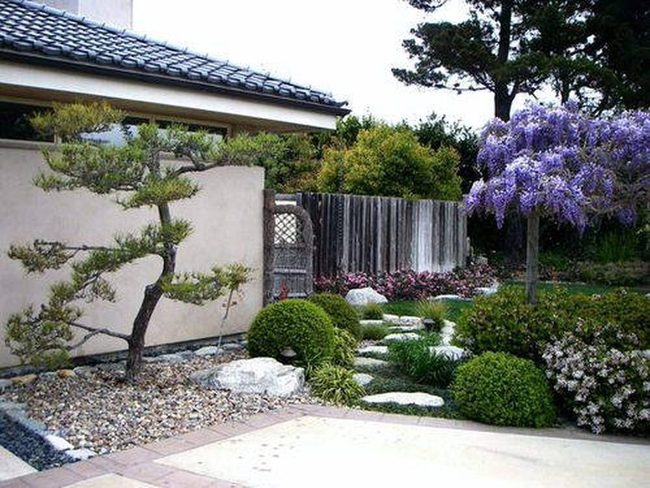
Japanese zen gardens offer peaceful meditation spaces rooted in minimalist design, where rock formations stand in for mountains and sparse greenery echoes the natural landscape around you.
Moss-covered stones and boulders positioned with care provide visual balance that feels calm and grounded.
Stone pathways wind through these contemplative spaces with purposeful simplicity, guiding you naturally from one area to the next.
Small bridges or stepping stones connect different sections and add an elegant quality to the layout.
Plant selections stay understated, relying on soft green tones and clean lines to emphasize tranquility throughout the space.
Water features such as small fountains or reflective pools deepen the meditative mood of the entire garden design.
Lavender Borders Guide Welcoming Pathways
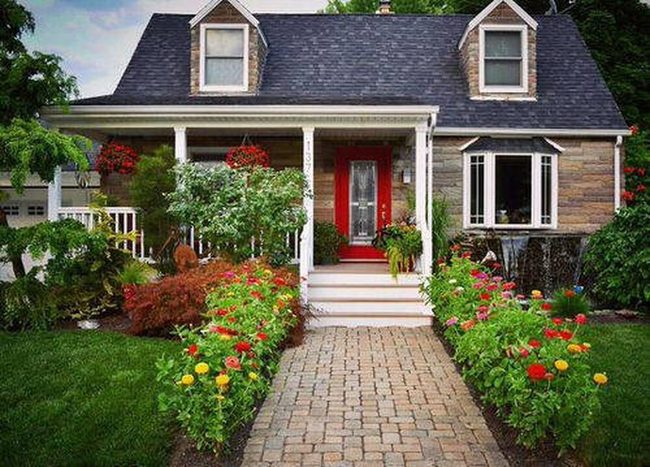
Colorful flower selections like lavender, hydrangeas, and roses create striking visual transitions that draw attention as visitors move from the street toward your home.
Strategic blooming borders line walkways and define the space with beauty at every turn.
Natural stone edging adds texture and helps separate garden areas while guiding people along the path.
You can arrange flowering perennials in ways that make the journey to your front door feel personal and welcoming.
Gravel paths combined with flowering plants work well for those wanting a Mediterranean feel.
Plant placement near entryways shows hospitality and reflects your personal style right away.
Garden designs work best when pathways and plants work together to lead visitors naturally toward your entrance.
Green Wall White Swings Paradise
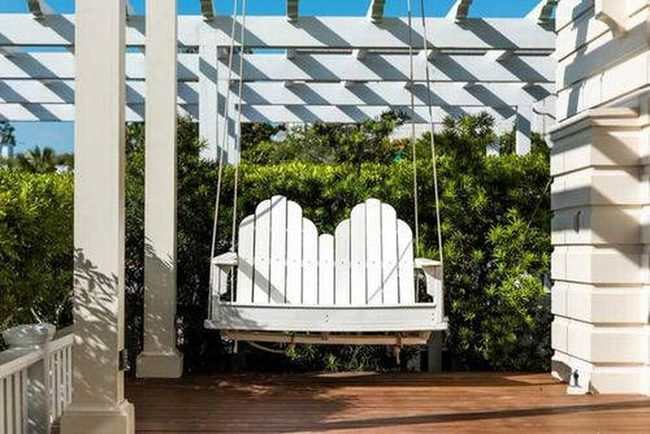
Lush green walls filled with cascading vines and dense foliage create an eye-catching backdrop that transforms any outdoor space into a natural retreat.
White swings positioned in front of this verdant backdrop offer a charming spot to sit and relax while surrounded by living plants.
Climbing ivy and carefully selected greenery layer together to add rich texture and depth against the crisp white surfaces.
Compact succulents blend seamlessly with trailing plants, giving you multiple shades and shapes to enjoy throughout the seasons.
Vertical gardens work particularly well when you have limited ground space in your yard, as they make use of walls and structures that might otherwise sit bare.
This approach helps small outdoor areas feel larger and more interesting by drawing the eye upward.
Garden designers often recommend these living walls because they solve real problems for homeowners who want greenery but lack room for traditional planting beds.
Mature Trees Frame Natural Property Value
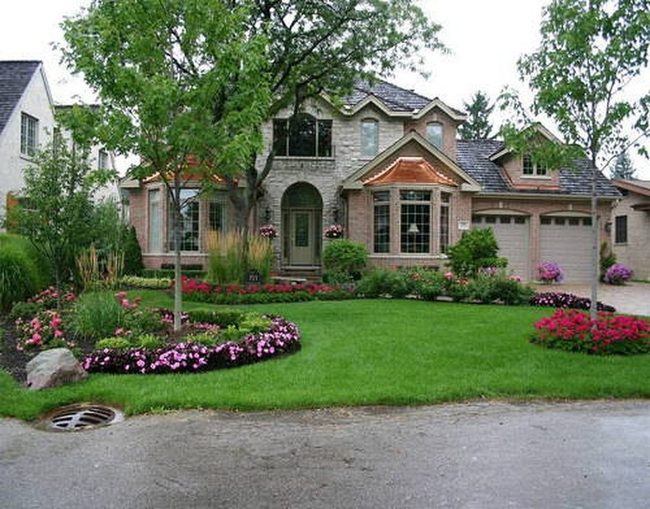
Mature trees in your front yard bring natural beauty and peaceful charm to the entire property, and towering trees do something special by providing both cooling shade and striking architectural structure for your home's exterior.
When you position trees strategically around your landscape, they add visual depth and break up large lawn areas in ways that make everything feel more balanced and connected.
Trees offer real practical value too; large deciduous varieties keep your home cool during hot summers while letting winter sunlight through when you need it, and their root systems stabilize soil and prevent erosion problems.
Mixing different tree types across your property gives you more visual interest and helps support the local ecosystem at the same time.
Native species work particularly well because they thrive in your region and support the birds and wildlife that belong in your area.
Many homeowners don't realize how much a thoughtful tree selection can transform their outdoor space and improve both the look and health of their property boundaries.
Curved Stone Paths Through Gardens
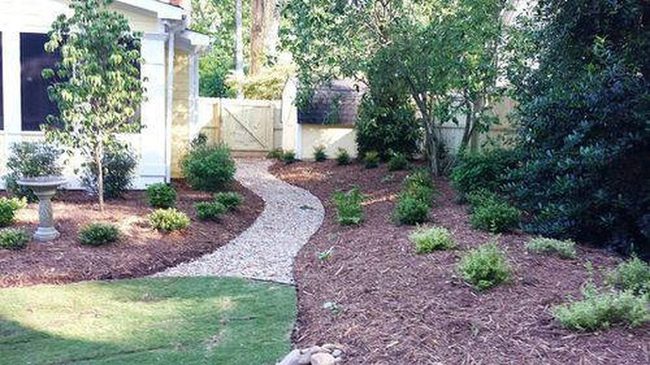
Stone pathways wind through garden spaces with rustic appeal, blending natural materials into the landscape in ways that feel completely at home among plants and terrain.
You can choose from smooth river stones to rough slate pieces, and each option brings its own texture and character to your outdoor areas.
Curved walkways guide people naturally from one part of your garden to another, encouraging exploration while keeping movement organized and easy.
When you place stones thoughtfully with gentle curves, the paths feel like they belong there rather than imposed on the space.
Good installation matters because it keeps the stones stable and prevents them from shifting and becoming uneven over time.
These pathways turn a basic backyard into something special that feels less like a yard and more like a real retreat you actually want to spend time in.
Whether you go with subtle, earthy tones or more dramatic stone choices, the path itself becomes both practical and visually interesting throughout your garden.
Stone Pathways Through Green Minimalism
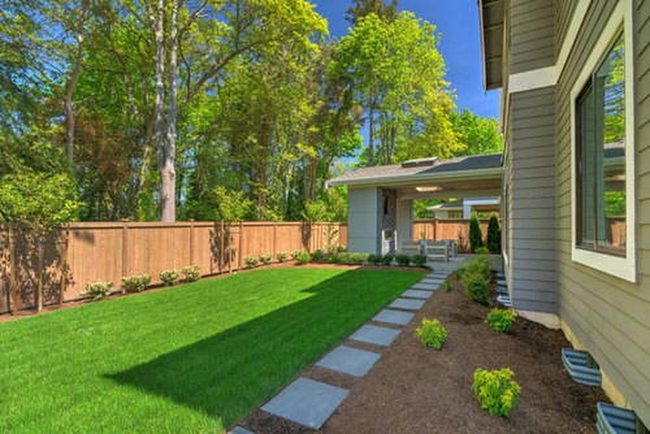
Smooth stone pathways weaving between green plants make the biggest visual impression in minimalistic yards, and these walkways guide you through the space with quiet purpose.
Gray and white stones sit among the foliage and add texture without overwhelming the senses, keeping everything balanced and calm.
Precise geometric shapes direct your attention naturally through the landscape and give the design a clean, organized feel.
Low shrubs and ground covers spread across the earth in seamless patterns that feel purposeful and grounded.
Strategic placement of low-maintenance plants means you spend less time working and more time enjoying the peaceful environment.
Neutral color palettes dominate these gardens and emphasize relaxation through their simple approach.
Clean design and deliberate plant choices eliminate visual noise and let you focus on what really matters in your garden.
Lavender And Ornamental Grasses Frontage
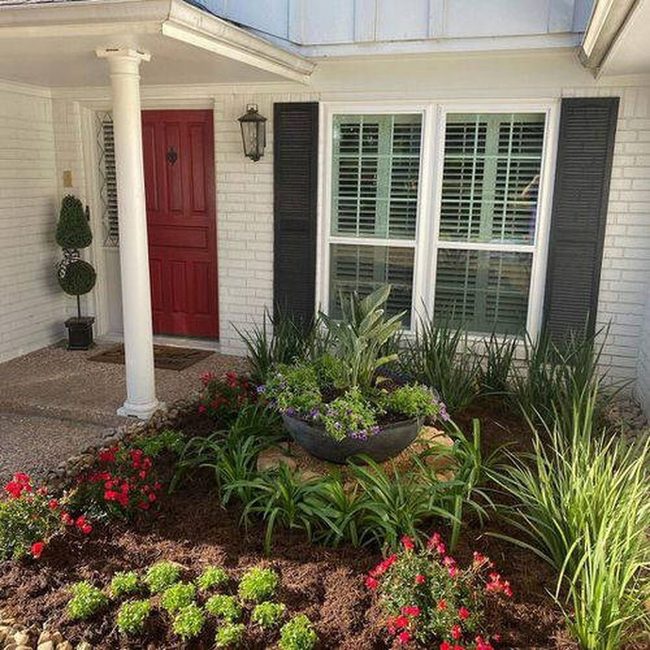
Front garden positioned by your window offers an easy way to boost curb appeal and greet visitors with natural greenery right away.
Low-growing perennials, compact shrubs, and ground covers frame your home's exterior and add layers of visual depth without overwhelming the space.
Lavender and small ornamental grasses bring seasonal color and interesting texture that shifts throughout the year.
Soft landscape lines help soften your home's hard architectural edges and draw attention from the street level.
Sunlight filters through the plants naturally while keeping your privacy intact and maintaining the overall look you want.
Positioning these plants works best when you consider your window size and what's already part of your home's structure.
We recommend keeping maintenance simple so this garden stays appealing whether it's spring, summer, fall, or winter.
You'll find that this spot becomes a reliable feature that makes your home feel more welcoming every time someone passes by.
Geometric Stone Pathways Through Green
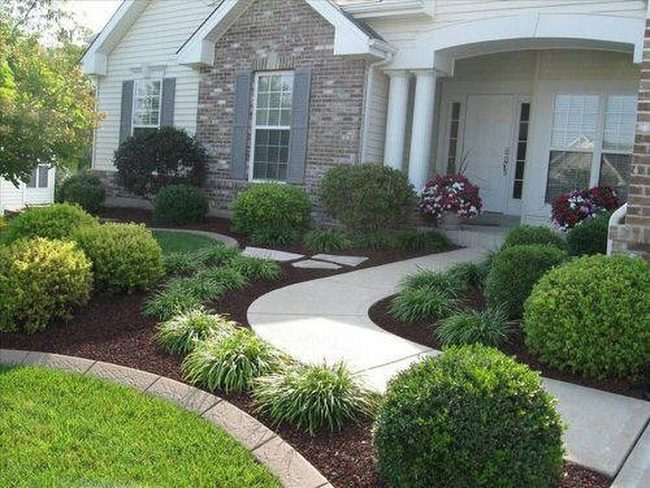
Clean modern gardens capture attention through their bold geometric layouts that balance hard surfaces with carefully placed plants, and these designs rely on minimalist principles to keep everything looking sharp and intentional.
Stone pathways wind through your space in straight lines or simple curves, connecting different zones while adding an understated elegance that doesn't shout for attention.
Low-maintenance plants like succulents and ornamental grasses fit perfectly into this style since they offer visual interest without demanding constant care.
Neutral colors such as whites, grays, and soft greens work throughout the design to keep your outdoor space feeling calm and restful rather than busy.
Concrete planters and metal edging provide structure and crisp boundaries that ground the overall look and prevent things from feeling scattered.
When evening arrives, subtle lighting picks up key areas of your landscape and adds dimension without overwhelming the space.
Green Gateway Welcomes Visitors
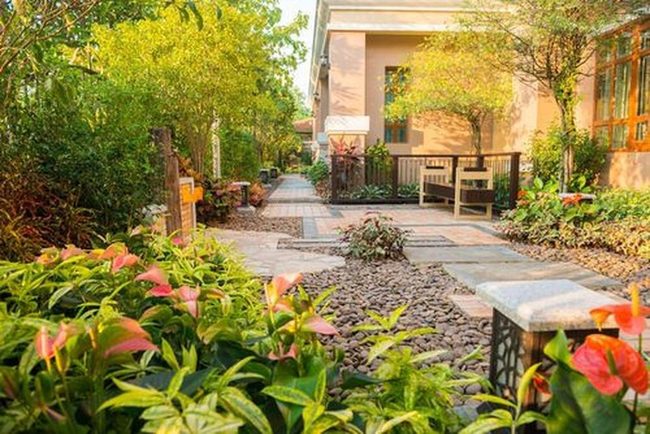
Plants near your home's entrance make an immediate statement when visitors arrive, and a lush green gateway sets a welcoming tone right from the street.
Mixed perennials and compact shrubs frame your pathways with different colors and heights that catch attention, while small ornamental trees add upward dimension near doorways.
Strategically placed plants soften the hard edges of pavement and stone, guiding people naturally from the street toward your front door.
Stone borders keep your garden beds neat and prevent mulch from creeping onto walkways, which helps maintain clean lines throughout the space.
Low-maintenance ground covers do the practical work of reducing weeds and keeping everything green without much fuss.
Potted plants in matching containers sit flexibly along your entrance and let you swap out seasonal options whenever you want a fresh look.
Together, thoughtful plant choices mean your entryway stays appealing no matter the season and shows visitors that your home receives attention and care.
Cascading Stone Garden Levels
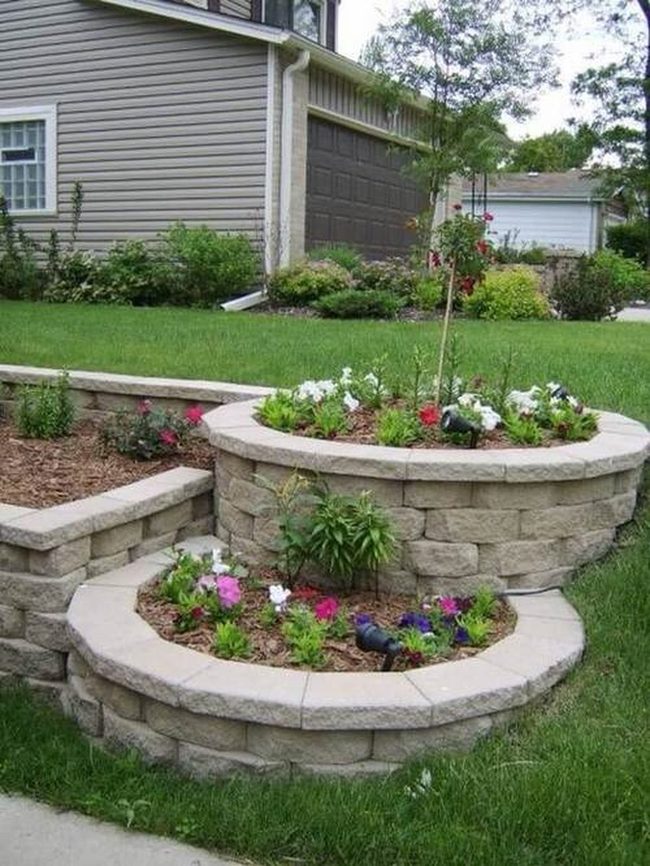
Tiered front gardens transform sloping landscapes into dramatic architectural features with multiple levels of visual interest, and you can create these graduated planting spaces using stone walls or wooden retaining structures to maximize challenging terrain.
Cascading greenery across different heights adds real depth to your outdoor space and makes the landscape feel more dynamic.
Rock borders and plant selections work to create natural transitions between the various garden levels, while strategic plant choices like ornamental grasses, perennials, and shrubs enhance each tier.
Natural stone or compact timber serves as simple hardscaping materials that define garden levels and provide structure to your design.
Beyond aesthetics, terraced sections also help control soil erosion and water runoff on inclined properties, which means you get both beauty and function.
Blue Hydrangeas Over Green Hostas
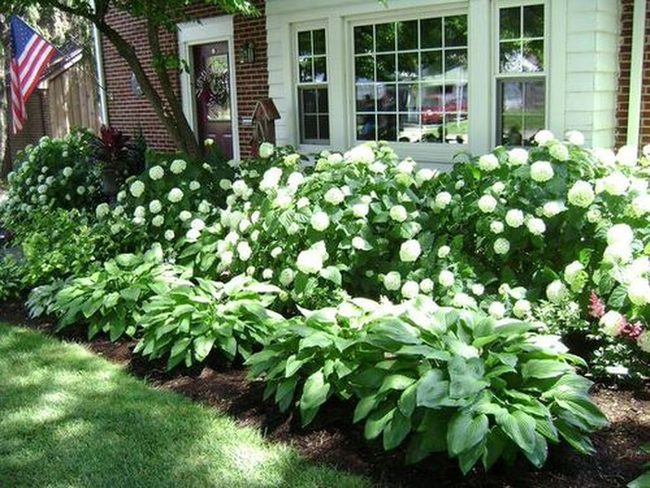
Hydrangeas and hostas work beautifully together in shaded gardens, where large blue and pink hydrangea blooms stand out dramatically against the deep green hosta leaves below.
You get both height and ground coverage when you plant hydrangeas as vertical elements and hostas as lush carpeting underneath.
Garden designers favor this pairing because it requires minimal upkeep while delivering rich texture and color throughout the growing season.
Large hosta leaves provide excellent coverage across the soil, and hydrangea bushes add layers of interest with their abundant flower clusters.
When these plants sit side by side in cool, shaded spots, their combined greenery and blooms create a calm outdoor retreat.
Both plants thrive in shade-rich areas where many other options struggle, so you can fill challenging corners with ease.
The elegant woodland feeling this combination brings makes it a smart choice for anyone wanting a serene garden space without constant fussing.
Water Cascading Over Natural Stone
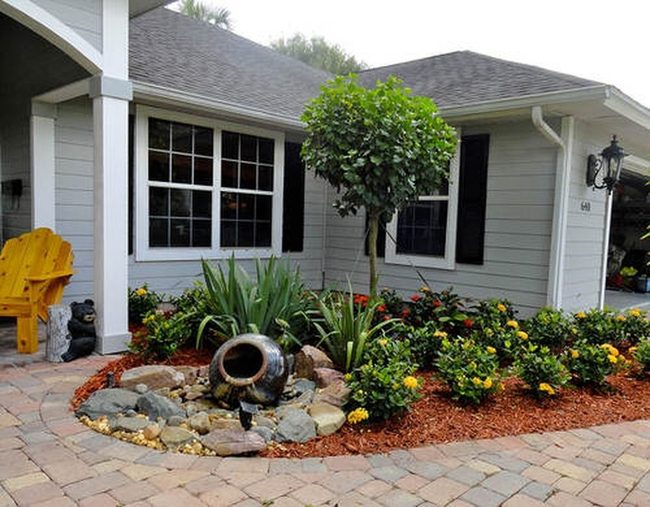
Small fountains energize mini rock gardens by combining tranquil water movement with natural stone textures, and the cascading water over carefully selected stones produces mesmerizing visual rhythms that draw attention first.
Compact water features bring peaceful sounds to tight garden spaces, making them perfect for yards where space is limited and every square foot matters.
Rock gardens provide excellent backgrounds for delicate fountain installations, and strategic stone placement around water elements boosts the garden's overall appeal.
You can blend water and rock elements together quite easily through thoughtful design choices, and small fountains work brilliantly in limited yard areas with minimal maintenance requirements.
Water movement promotes a sense of calm and serenity in your outdoor environment without demanding much upkeep.
We recommend starting with quality stone selection and positioning to maximize how the fountain catches light and sound throughout your space.
Golden Blooms Against Emerald Green
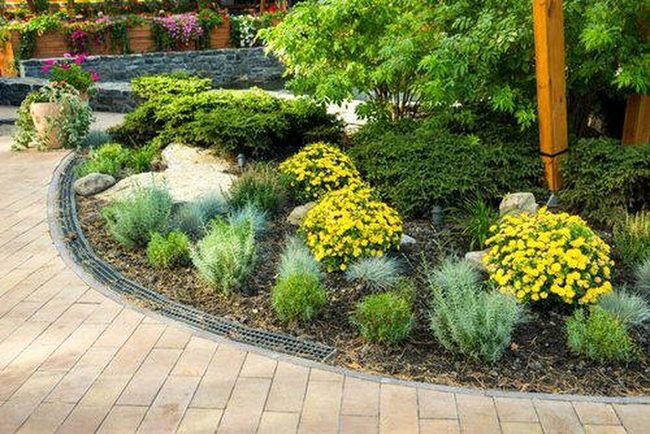
Bright yellow flowers like marigolds burst across your garden beds and stand out beautifully against deep green leaves, giving your outdoor space an energetic feel right away.
Green shrubs form the backbone of your landscape design and hold everything in place while those golden blooms add movement and playfulness throughout.
When you position plants where sunlight can reach them, those color combinations really shine and make your garden feel vibrant and alive.
Mixing different plant heights and textures keeps things interesting and adds layers to your front yard that people can't help but notice as they walk by.
Yellow and green plants work best when you choose varieties that give you color throughout the seasons, so your yard stays attractive all year long.
Vintage Roses Meet Modern Lines
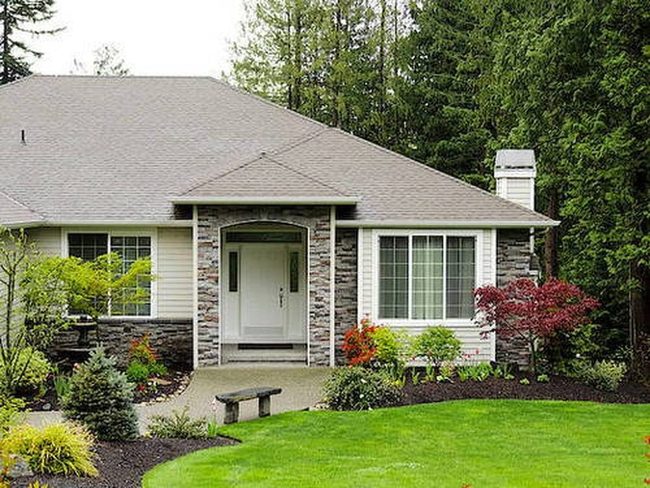
Winding pathways lined with classic rose bushes move through your garden alongside wrought iron details and antique ornaments that stand out against clean geometric plantings, while mature trees frame your property with graceful shapes that offer shade and structure.
Restored brick walls or vintage gates anchor the entire landscape and honor your home's history, and modern lighting quietly highlights key spots to enhance the romantic feel of the space.
Strategic plantings add visual depth and texture throughout your yard, transforming it into a welcoming outdoor sanctuary that blends nostalgic charm with contemporary design and celebrates both old and new aesthetics.
You get the best of both worlds when vintage style meets modern sensibilities in your home landscape, and we think this approach works because it respects architectural heritage while still feeling current and fresh.
Your front yard becomes a place where past and present coexist in a natural way, and visitors sense that thoughtfulness in how everything connects.
Blooming Pond Garden Centerpiece
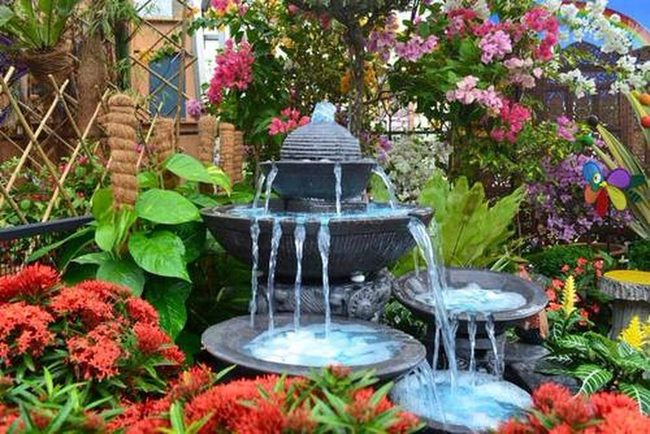
Water features surrounded by colorful blooming perennials form peaceful garden spaces where natural elements come together beautifully, and rock-edged ponds become the centerpiece that draws your eye across the landscape.
Strategic plant placements around the water's edge soften the stone boundaries while introducing organic movement throughout the area.
When you stand near these gardens, cascading water sounds blend with flower fragrances to create rich sensory experiences.
Evening lighting brings out the water surfaces and flower colors in ways that daytime cannot match, and using local plant species and natural stone keeps everything connected to your region's character.
Maintaining these water gardens stays straightforward across all seasons, so you can enjoy their appeal year after year without overwhelming effort.
Cascading Plants Soften Stone Steps
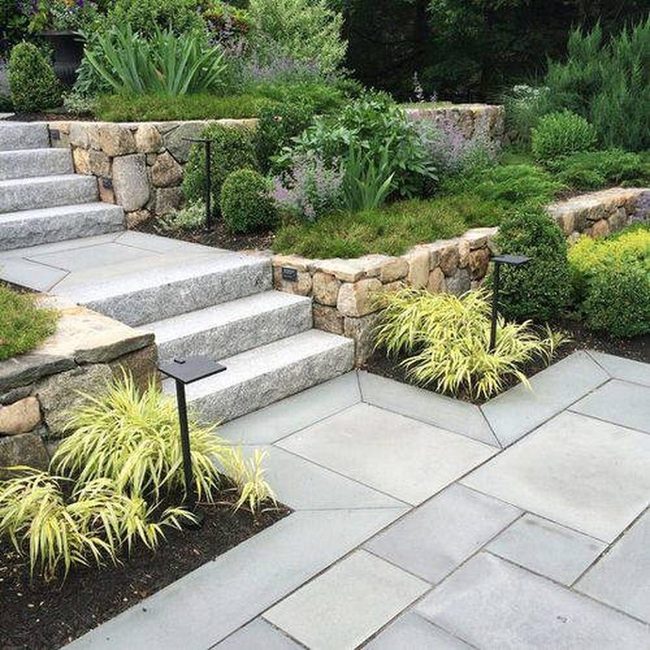
When you line garden steps with plants, you immediately transform a basic stairway into something far more interesting to look at.
Creeping thyme and sedum naturally spill over the edges and soften all those hard lines from stone or concrete.
Small perennials and compact shrubs fit snugly in the gaps between each step, and you can also try rock gardens in those narrow spaces to add another layer of appeal.
Mixing different plant heights and colors across your stairway breaks up what might otherwise feel flat and boring.
Low-growing ground covers blanket the hard surfaces with green texture and make the whole thing feel less harsh.
Plants positioned along the path also help guide people naturally as they move up or down the steps.
By selecting a variety of plants that bloom or stay interesting across different seasons, you ensure your stairway stays visually engaging year-round and not just when one type of plant peaks.
Dark Foliage Water Features
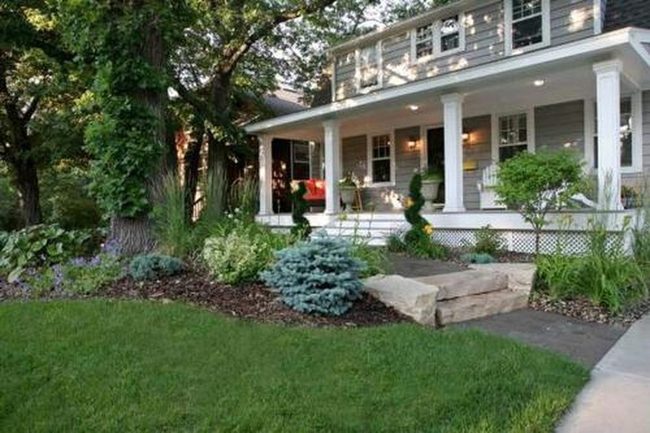
Mini ponds surrounded by dark foliage plants make an eye-catching statement in any garden with their dramatic contrast and mysterious depth that draws your attention immediately.
Black mondo grass and deep purple heuchera create rich, dark layers around smooth stones and calm water surfaces, and these deep colors pop beautifully against lighter garden elements nearby.
Water reflects the surrounding greenery back at you, which doubles the lush landscape effect and makes your space feel more abundant than it actually is.
Beyond looks, small water elements attract butterflies and birds to your garden, bringing natural life and movement into the area.
Dark plant selections add sophisticated texture and complex color variations that lift your entire landscape design.
These mini ponds bring both elegance and tranquility to small outdoor areas without demanding much room at all.
Terracotta Pots Overflowing With Blooms
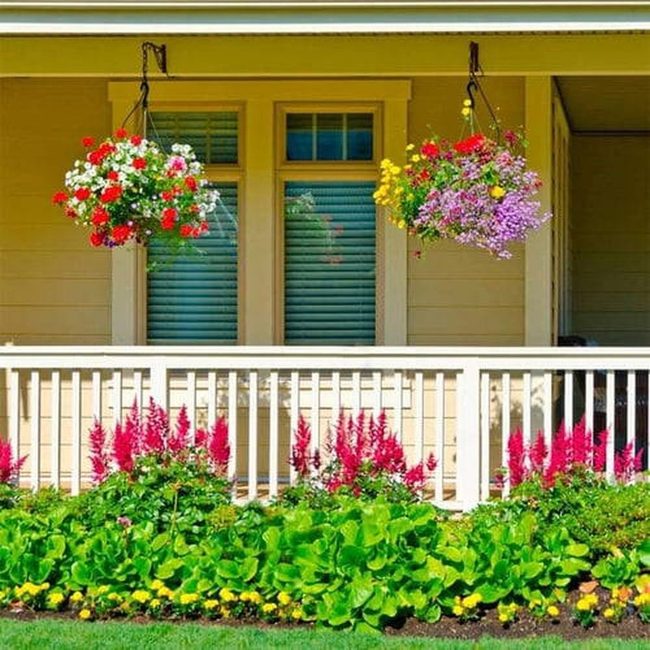
Colorful flowers arranged in elegant containers positioned near your entryway immediately catch attention and welcome visitors with warmth, while classic terracotta pots overflowing with cascading blooms bring Mediterranean charm right to your front door.
Hanging baskets suspended from porch railings add height and softness to the space above head level.
Small shrubs mixed with seasonal annuals line your walkways and offer nice textural variety, and compact plants like lavender or rosemary frame your doorway in a natural way.
Potted greenery strategically placed throughout the porch creates instant visual interest that draws people in.
We can mix different plant heights and container styles to make the space feel full and layered.
Simple choices like these transform an ordinary front porch into a garden sanctuary that welcomes everyone who arrives at your home.
Stone Greenery Micro Landscapes
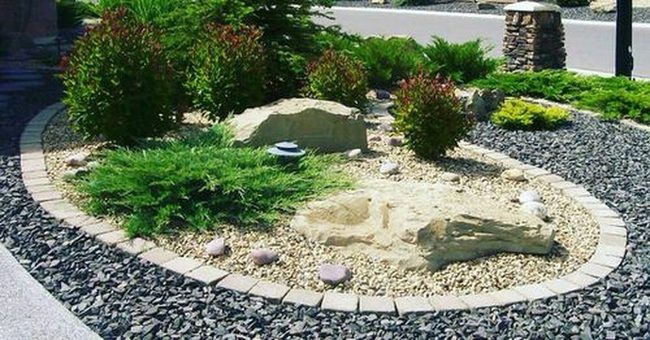
Mini gardens packed with stones and plants turn small outdoor spaces into nature-filled retreats, and rock arrangements scattered across tight areas immediately catch attention with their visual presence.
Stone paths wind between your selected plants, bringing structure and texture to these tiny landscapes while helping you divide the space into distinct zones.
You can maximize what little yard you have by placing stones strategically throughout, and pairing them with plants that have contrasting colors and textures keeps things visually dynamic and interesting.
Native plants that need minimal care work beautifully alongside decorative stones, so you get a polished look without constant upkeep.
The combination of hard stone elements and soft greenery creates natural harmony in spaces where every inch matters.
Small stone arrangements give you multiple focal points to enjoy from different angles.
Stone and plant combinations in miniature landscapes deliver lasting appeal that feels both grounded and alive.
Olivia Martinez
Founder & Principal Designer
Expertise
Sustainable Interior Design, Residential and Commercial Space Planning, Historic Preservation and Adaptive Reuse, Custom Furniture Design, Project Management
Education
Parsons School of Design, New York, NY
LEED Accredited Professional (LEED AP)
Olivia Martinez is the founder of Archi Refresh, where she brings style and sustainability together. With a degree from Parsons School of Design and a LEED certification, she’s all about creating beautiful, eco-friendly spaces.
With over eight years in the industry, Olivia has designed everything from cozy homes to commercial spaces, always putting function and sustainability first. She loves working with local artisans and has been featured in design publications for her fresh take on green living.
When she’s not designing, Olivia enjoys exploring historic architecture, painting, and spending time with her rescue dogs, Luna and Max.