
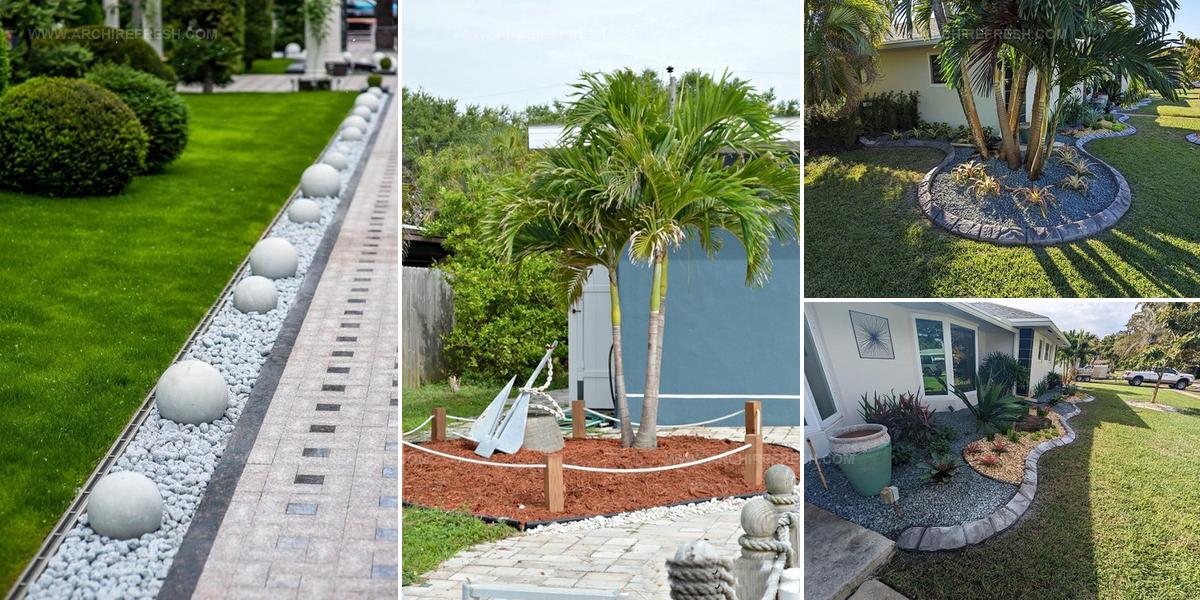
75 Garden Edging Ideas That Frame Your Beds Beautifully
Garden edging ideas can redefine outdoor spaces by adding structure and polish to lawns and flower beds.
Borders between grass and plantings prevent soil erosion while reducing maintenance time spent on trimming and weeding.
Materials ranging from natural stone to recycled rubber offer solutions for every budget and aesthetic preference.
Curves, straight lines, or geometric patterns establish visual flow that guides eyes through landscapes.
Proper edging keeps mulch contained, grass from spreading into beds, and pathways clearly defined for safer navigation.
Both novice gardeners and experienced landscapers benefit from understanding how borders enhance curb appeal and property value.
Wood Stone Metal Garden Lines
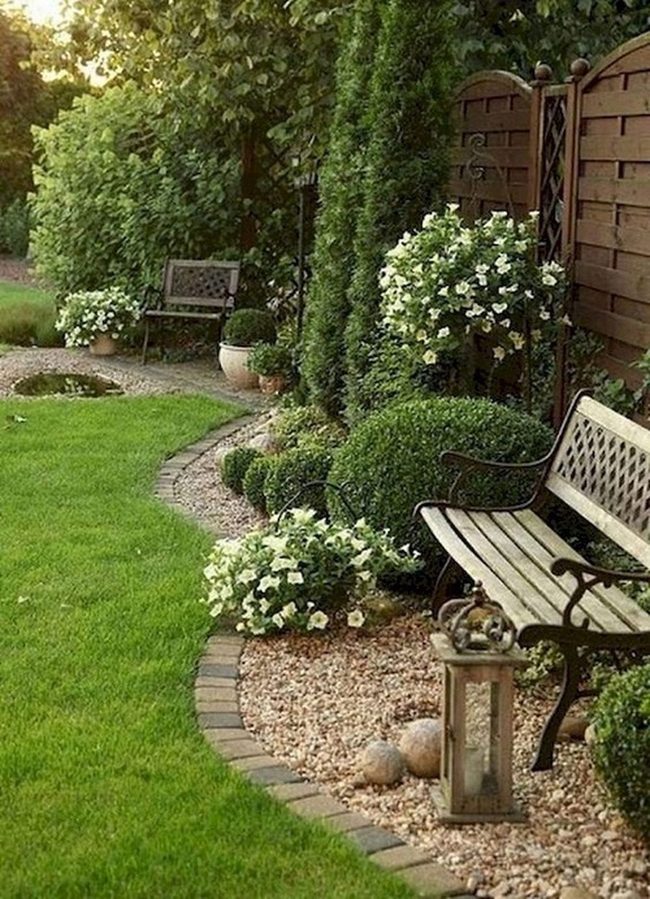
Mixed material garden edging offers a striking way to define your outdoor spaces and transform simple borders into artistic statements.
Blending wood, metal, and stone together builds dynamic boundaries with remarkable visual depth that draws attention across your landscape.
Wooden planks paired with rustic metal accents deliver unexpected texture and authentic character to garden lines.
Smooth river stones nestled between weathered steel edges provide natural contrast and keep the eye moving along your border design.
Rock and timber combinations signal sophisticated landscaping and elevate how your garden beds stand out from the surrounding yard.
By mixing materials thoughtfully, you shift ordinary garden edges into focal points that people notice and appreciate.
Each combination you choose; whether combining wood with stone or pairing metal accents with natural rocks; allows your garden border to express its own distinctive personality.
This approach to edging gives you practical separation between planting areas while adding visual interest that makes your outdoor space feel more complete.
Stone Block Garden Definition
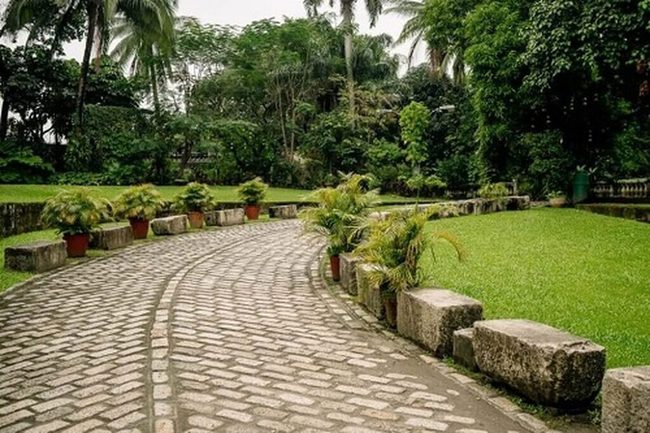
Structured borders made from stone or brick blocks create sharp, clean lines that cut through your garden and define spaces with real precision.
When you lay down these materials between your lawn and planting areas, you're establishing crisp edges that immediately highlight your landscape design and give it professional polish.
Geometric shapes in these borders bring visual structure and organization to outdoor environments, and they guide visitors naturally through different garden sections.
Materials like limestone or concrete blocks provide a sturdy framework that lasts for years and keeps everything in its place.
Stone or brick borders essentially act as the bones of your garden layout, holding everything together and making your whole outdoor space feel more designed and less random.
Rusted Steel Garden Boundaries
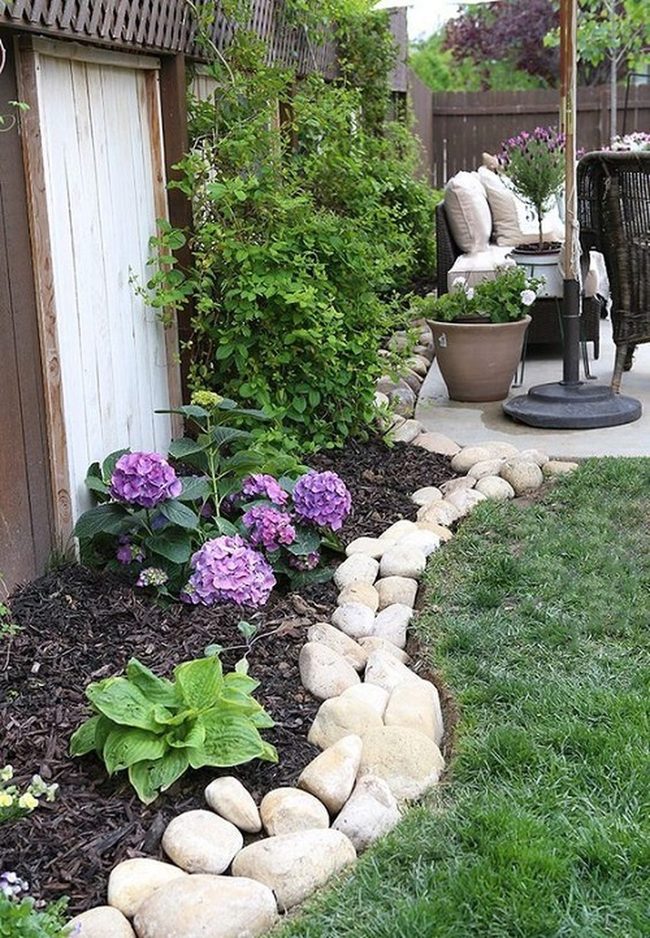
Weathered metal panels create sharp, striking boundaries between your garden spaces and lawn areas, and rusty metal edging speaks to industrial elegance while blending raw texture against lush green landscapes.
Metal strips introduce visual breaks between different garden zones, and garden designers appreciate this approach for its rugged charm and understated sophistication.
Steel elements provide lasting structure without demanding constant maintenance, making them practical for anyone wanting beauty without upkeep.
Metal edging works well in contemporary and minimalist garden designs alike, giving you a solution that fits many styles.
This idea works because this option delivers impact with minimal effort on your part.
Natural Stone Garden Edges
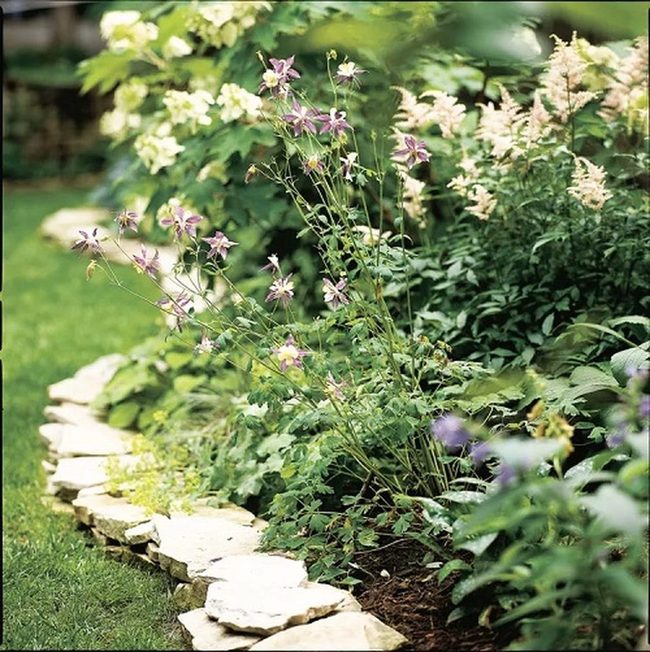
Stones of varying shapes and sizes stacked along your garden edges create a rugged, natural look that feels right at home beside plants and grass.
You can place these borders yourself in just a few hours without needing special tools or skills, and landscape designers often recommend them because they cost far less than other edging options.
Natural materials blend in with the greenery around them and don't feel out of place the way some metal or plastic borders do.
Different stone sizes give you plenty of ways to customize the look for your specific space.
Rock borders also mark clear lines between your garden zones and make lawn care easier since soil stays put where it belongs.
Once you set them up along your beds, you've got a finished garden edge that looks intentional and grounds your whole outdoor area.
Layered Stone Garden Borders
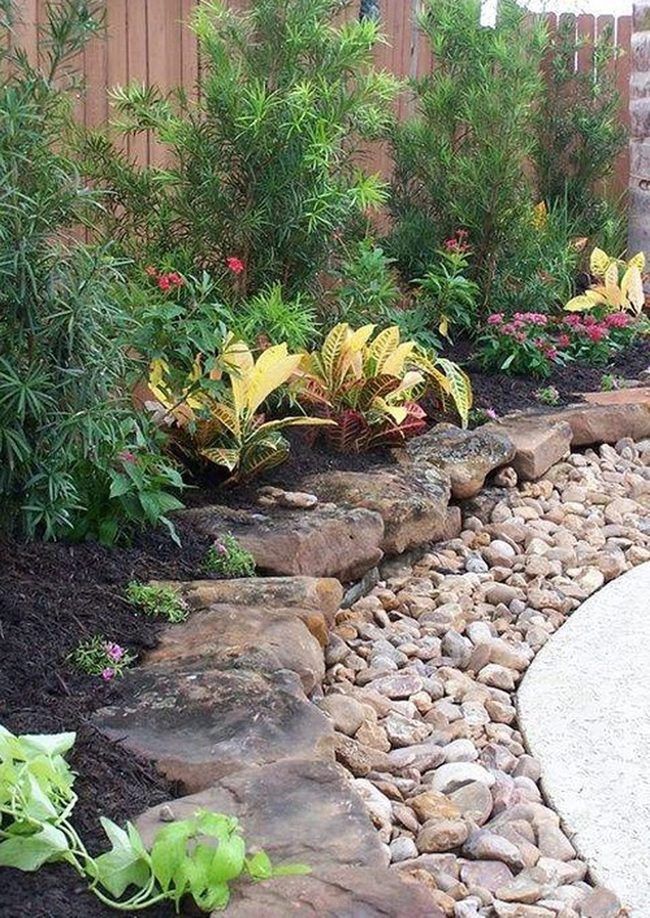
Garden borders gain striking visual appeal when you combine large stones with smaller pebbles to build a textured landscape edge, and sturdy foundation stones anchor the design with impressive structural weight.
Small pebbles sit between larger rocks and create dynamic visual contrast that stops you in your tracks.
Rock sizes work together to form a natural yet structured boundary between garden zones, and mixing stone sizes introduces depth and visual interest to garden perimeters.
Strategic stone placement turns ordinary garden edges into architectural statements, and many landscape designers favor this approach because it defines garden spaces with organic style.
You'll find that this method works well for most garden styles and budgets.
Wooden Pickets Line Garden Beds
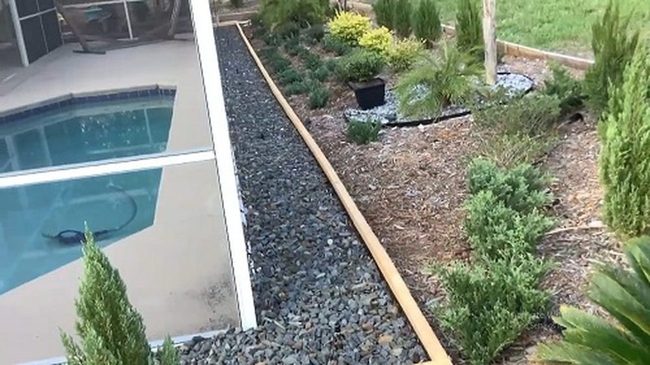
Mini fence picket edging transforms garden borders with its rustic cottage garden appeal and draws immediate attention with those charming little wooden markers standing upright along your beds.
Small wooden pickets define distinct garden spaces and add adorable character that feels homemade and genuine.
You can easily craft this edging style yourself using basic lumber and simple woodworking skills, so there's no need to hire someone else.
Pickets create clean lines that separate your flower beds and vegetable patches from the lawn, keeping everything organized and neat.
Installation requires only minimal tools and basic DIY knowledge, which means most people can handle this project without any trouble.
Once your pickets are up, you can paint or stain them to match your garden's color scheme and boost the overall look.
Whether you're bordering flower beds, vegetable patches, or landscaped areas, wooden picket edging works beautifully across different garden styles.
Concrete And Stone Garden Borders
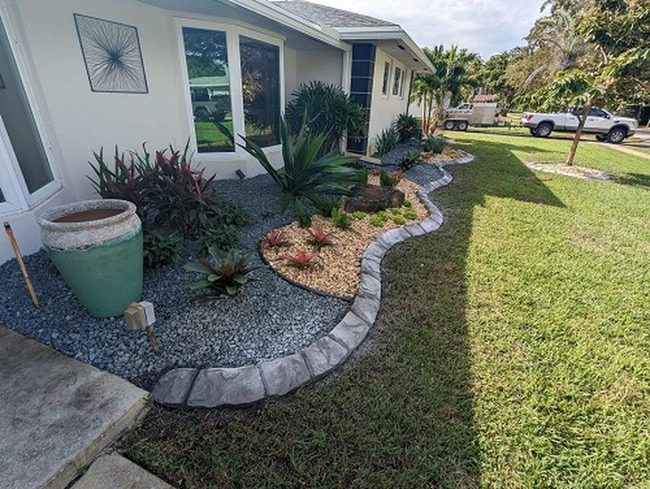
Concrete and pebble curbs deliver striking visual drama by blending smooth concrete with rugged stones along your garden borders.
Pebbles scattered across concrete surfaces add organic texture and real interest to what might otherwise be plain hardscaping.
Natural materials interlock along pathway edges and form elegant landscape boundaries that guide the eye through your outdoor space.
Garden designers love this approach because it delivers clean lines paired with raw, earthy touches that feel both refined and grounded.
You get flexibility in your design since stones range from soft neutrals to rich earth tones, so you can match whatever mood fits your garden best.
Best of all, these curbs demand minimal maintenance, which makes them practical if you've got a busy schedule.
Walkway edges shift from ordinary to extraordinary with this simple yet sophisticated technique.
Professional landscapers recommend selecting stones that complement the surrounding garden elements and your home's overall style.
Concrete Gray Garden Boundaries
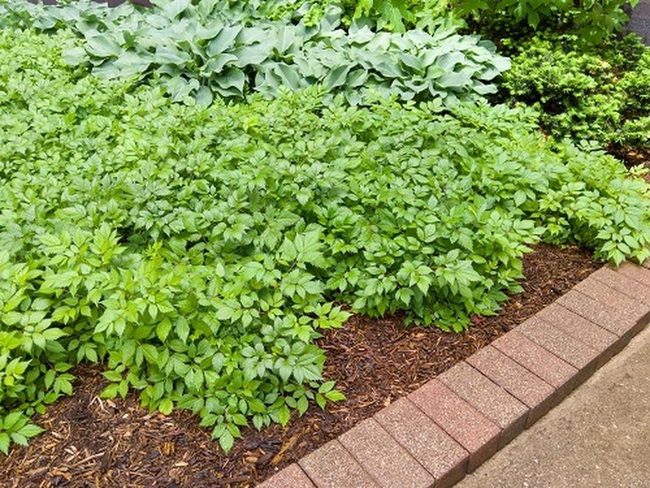
Concrete garden edges deliver sharp, geometric lines that anchor your outdoor space with architectural clarity and minimalist precision.
Their neutral gray palette blends seamlessly with surrounding greenery and landscape elements, creating smooth transitions between lawn and planting areas without competing for attention.
You get crisp visual boundaries that separate different garden zones while concrete's durability means these edges hold up through seasons of weather and wear.
Installation requires careful pouring and precise leveling to achieve the uninterrupted lines that give your garden such clean definition.
Beyond looks, we appreciate that concrete edges prevent soil erosion and keep mulch contained where it belongs, saving you maintenance headaches down the road.
Modern landscapers favor this approach because it combines strength with a low-maintenance profile that keeps your garden looking organized year after year.
If you're planning your outdoor space, concrete borders offer both practical function and straightforward style that won't demand constant attention.
Painted Stones Frame Blooming Beds
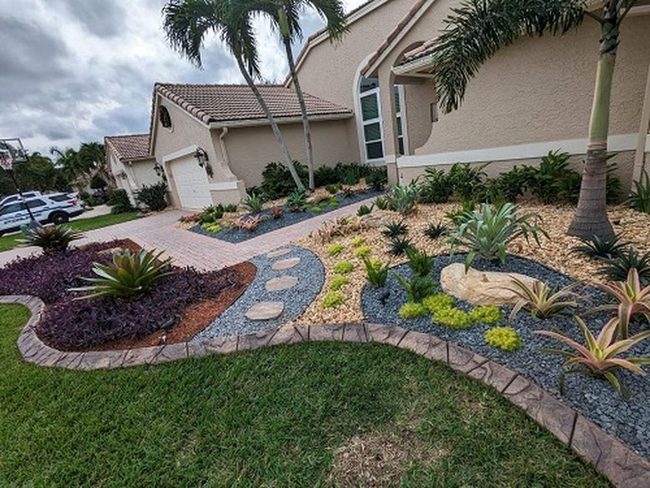
Colorful garden edging sparks instant joy with bold borders that frame your beds like living artwork, and painted stones, ceramic tiles, and unexpected materials dance along landscape edges to shift colors in dynamic ways.
You can mix blues, greens, and terracotta tones to complement the plants and soil around them, and strategic color choices define garden spaces with artistic precision.
Bright accents transform ordinary garden borders into engaging design elements that catch attention throughout your landscape.
Ceramic pieces, recycled glass, and painted rocks inject personality into your landscape boundaries in ways that feel fresh and personal.
Budget-friendly options allow you to experiment with different color palettes and textures without spending much money, so you can play around until you find what works best for your garden's style and mood.
Wood And Stone Garden Boundaries
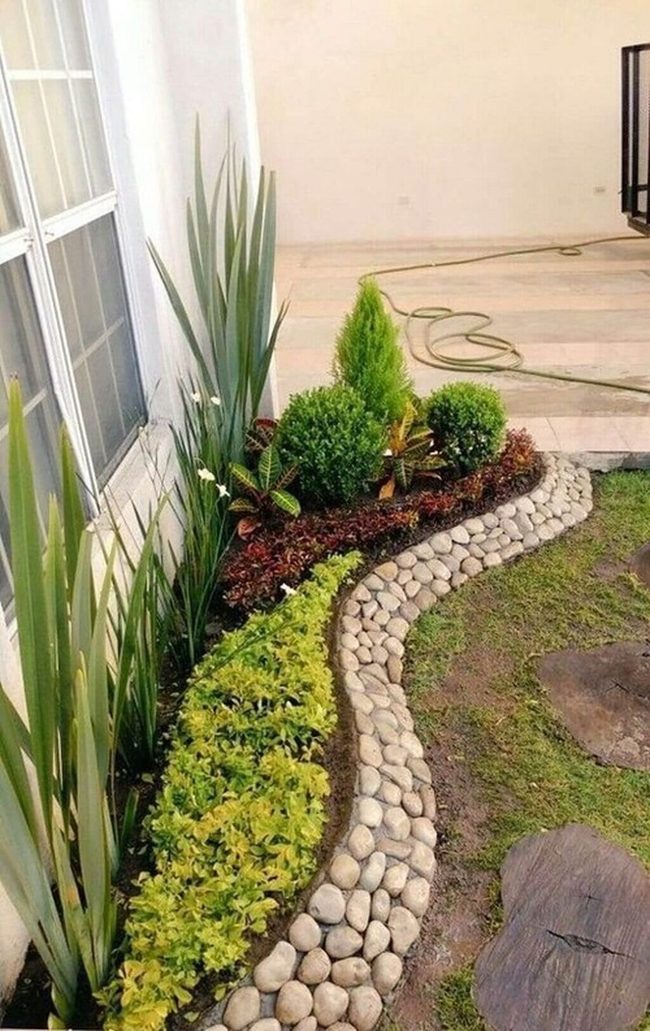
Garden edging that combines rustic wood planks and smooth stone materials creates a quietly sophisticated boundary that defines your outdoor spaces with restrained style and natural charm.
Wooden boards bring warmth to transitions between garden beds and surrounding areas, while stone pieces provide structural definition and modern elegance to borders without competing with your plants.
Mixing these two materials offers visual interest in a balanced way, and the organic textures paired with clean lines separate garden sections with gentle grace.
You don't need to overthink this approach, as simple combinations of wood and stone deliver professional results that any gardener can pull off.
The pairing works because wood's natural warmth complements stone's contemporary feel, creating landscape boundaries that function as stylish architectural statements.
Whether you're refreshing an existing garden or starting fresh, blending these materials gives you an easy way to add polish to your outdoor design.
Maritime Rope Metal Mesh Edging
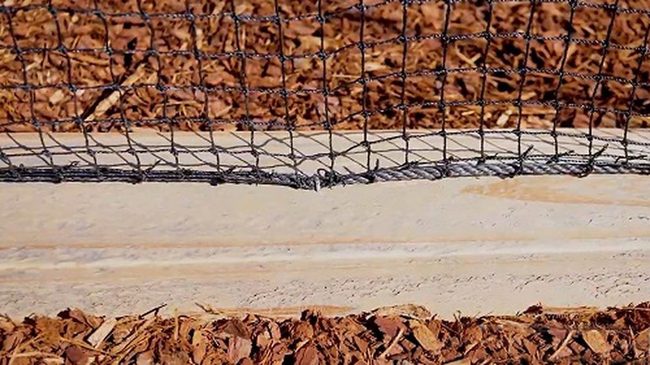
Rope and wire mesh edging creates striking maritime-inspired garden boundaries where natural fibers intertwine with metallic elements to produce dynamic visual contrast and industrial flair.
Metal mesh weaves alongside rough rope textures, and you get a durable landscape border that stands up well against weather challenges.
Coastal garden designs really benefit from this unique approach since it echoes seaside aesthetics beautifully.
The strong construction ensures your garden edging lasts through seasons of outdoor exposure.
Landscape designers love implementing these edging solutions because they offer versatile decorative potential for so many different garden styles.
If you want to add something distinctive to your outdoor space, this combination of materials brings both function and character to your borders.
Layered Stone Wood Garden Edges
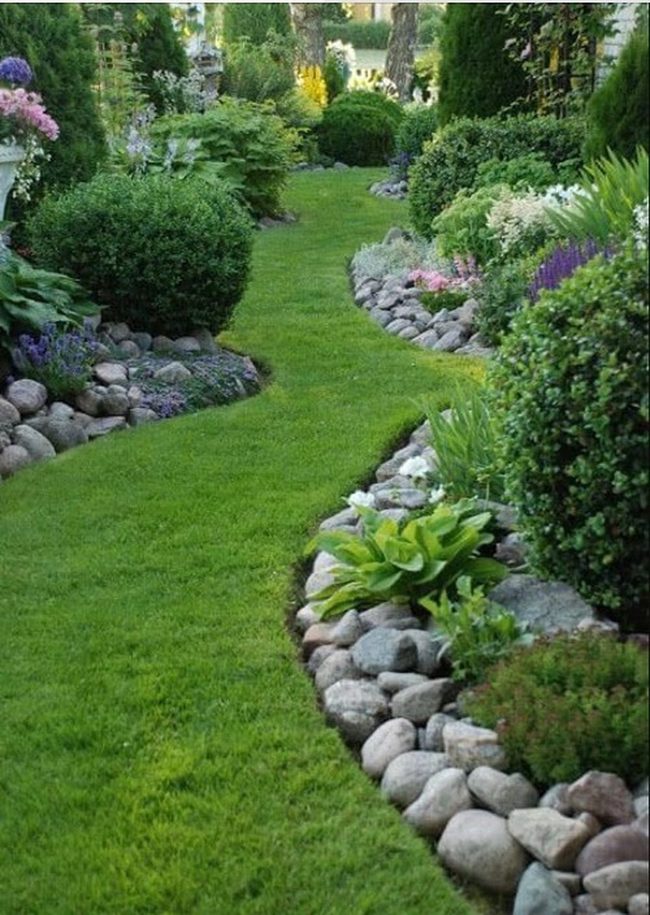
Garden edging electrifies outdoor spaces when you layer materials with sculptural precision, and rock, wood, and plant combinations slice through landscape monotony while guiding your eye across the space.
Strategic height variations sculpt interest along borders and keep the design from feeling flat or one-dimensional.
Natural stone segments anchor the design with solid structure, positioned between softer botanical elements to create balance.
Wooden planks and decorative rocks break predictable boundary lines and add organic elegance to what could otherwise feel stiff or uniform.
Material diversity transforms ordinary garden edges into artistic statements, and these dynamic boundaries serve as both functional design features and visual guides that enhance your outdoor aesthetic.
When you combine different textures and heights this way, you're essentially giving your garden room to breathe while keeping viewers engaged from one section to the next.
Woven Branch Garden Borders
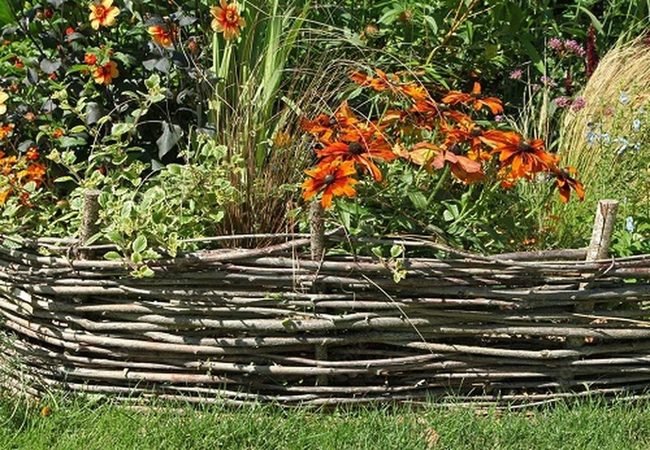
Decorative fencing made from twigs and branches creates striking natural borders that bring woodland charm directly into your garden space.
You can weave these delicate wooden boundaries between flower beds and pathways, where they dance along the edges and frame your plantings beautifully.
Small sticks interlock to form soft contours that blend seamlessly with surrounding greenery and enhance the overall landscape.
Handcrafted designs transform ordinary garden areas into artistic outdoor rooms filled with countryside character.
Thin branches whisper woodland whimsy throughout your outdoor area without requiring modern materials or complicated installation.
This simple approach turns basic garden edging into something special and personally meaningful for anyone who values natural elements in their home landscape.
Stone Borders, Timeless Garden Edges
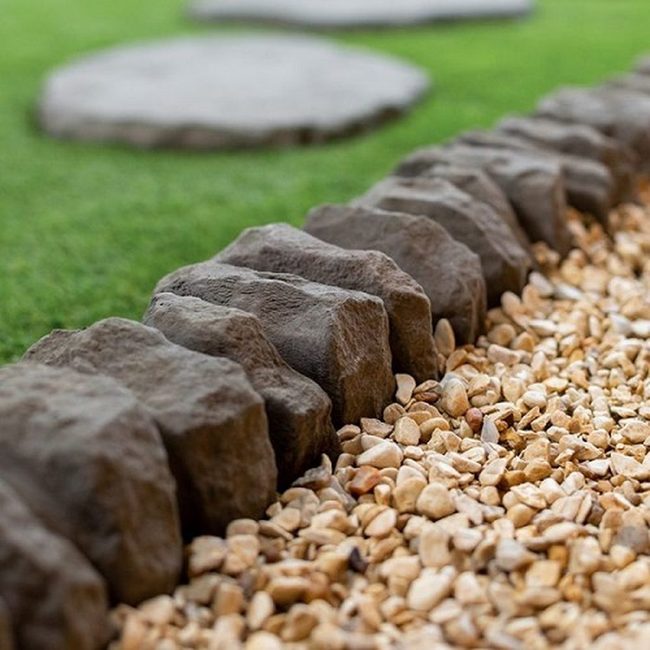
Stone borders create defined garden spaces where natural rocks line the edges with rugged grace and elegant simplicity.
You can choose from smooth river rocks to jagged mountain fragments, and each selection brings rich texture and visual depth to your landscape.
Weathered stones blend in with surrounding greenery to give your garden a timeless look that feels both authentic and natural.
Beyond beauty, these borders serve a practical purpose by preventing soil erosion and establishing crisp garden perimeters with their careful positioning.
Landscape designers appreciate this approach because the stones last for years without needing much upkeep.
Natural charm shines through as the rocks settle into the soil and develop character over time.
Arranging them takes patience, but the results offer understated beauty that works well in almost any garden setting.
Chips And Stones Garden Borders
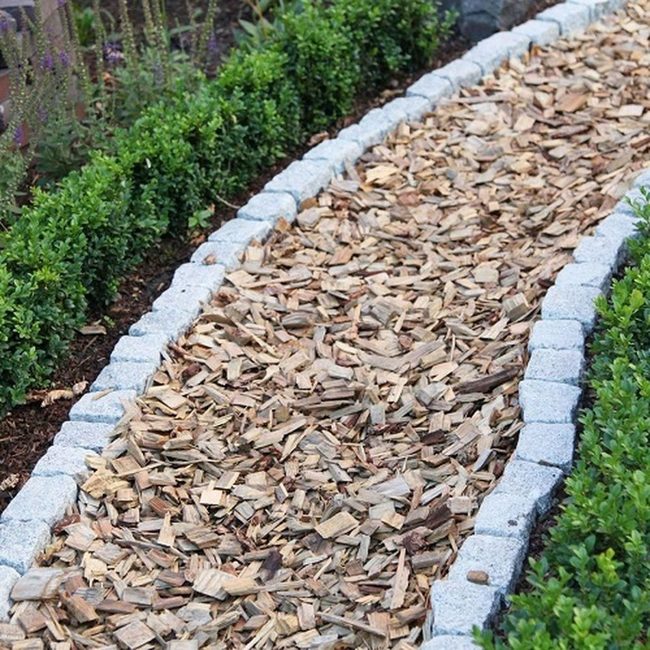
Borders made from chips and stones bring instant rustic charm and natural elegance to any garden space.
Small stones, gravel, and wood chips work together to add wonderful texture throughout your landscape design.
Rock fragments outline your pathways and garden beds in understated ways that let plants take center stage.
Mixed stone borders sit quietly in the background and let delicate flowers and hearty shrubs shine as your main attractions.
Neutral colors from these materials enhance your garden's overall look without competing with the plants you're growing.
When you walk through spaces designed this way, the whole experience feels like moving through a serene and thoughtfully arranged landscape that rewards you at every turn.
Gray Concrete Edges, Garden Definition
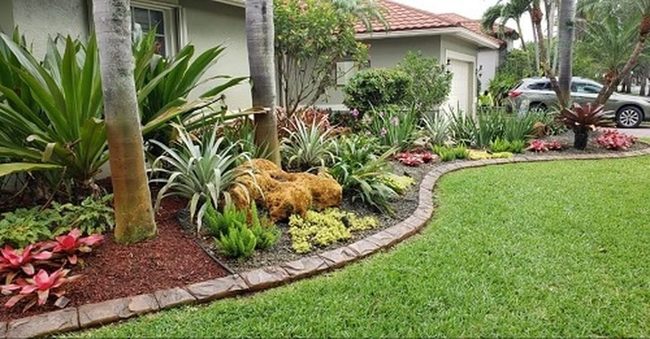
Concrete curbing creates a sleek architectural boundary that defines your garden spaces with precision and style, featuring smooth gray surfaces that blend seamlessly between flower beds and walking paths.
You can customize the shapes for flexible installations around curves and straight lines, and because neutral tones work well with multiple landscape designs, this edging option adapts to almost any garden aesthetic.
Installation is straightforward, so you can transform your garden edges quickly and effectively without needing professional help.
Landscapers recommend concrete curbing for its clean look and long-lasting performance over time.
One detail that makes this special is the affordability; the materials won't strain your budget, making it accessible for most home garden projects.
Whether you're working with a large space or a small backyard area, concrete curbing gives you that polished finish that separates planting zones from walkways with confidence.
Sharp Metal Garden Definition
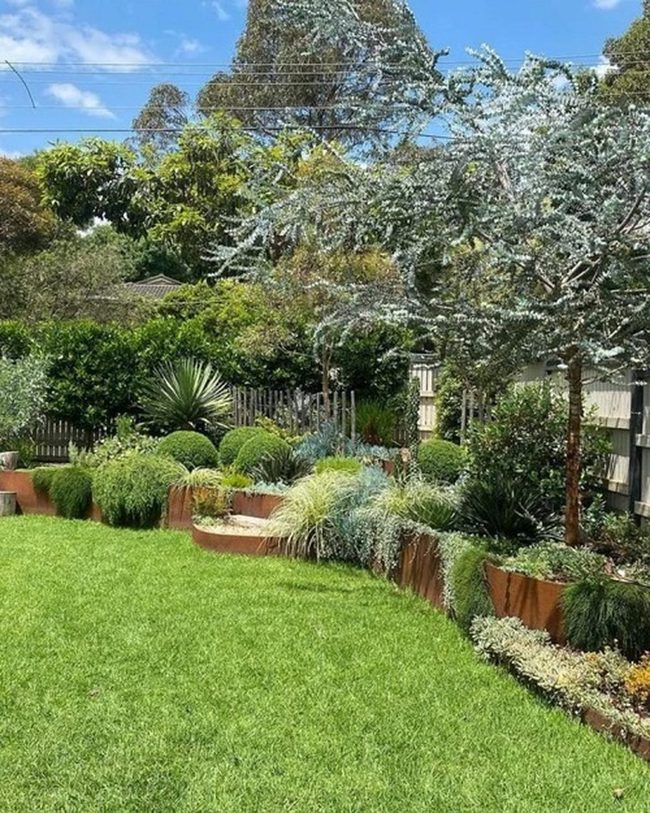
Metal garden borders shine as the ultimate landscape definition solution, and sharp metal edges slice clean boundaries between garden spaces with precision that makes your garden look intentional and organized.
Contemporary designs bring structured elegance to outdoor spaces without overwhelming natural plant beauty, so your flowers and greenery remain the stars of the show.
You'll find that versatile metal edging works perfectly with rock gardens, flower beds, and pathway transitions, adapting to whatever layout you choose for your yard.
Installation requires minimal effort on your part and delivers maximum results from a visual standpoint.
Whether you're defining a small planting area or outlining an entire garden bed, metal borders handle the job with style and durability that keeps looking good year after year.
Colored Glass Bottle Garden Borders
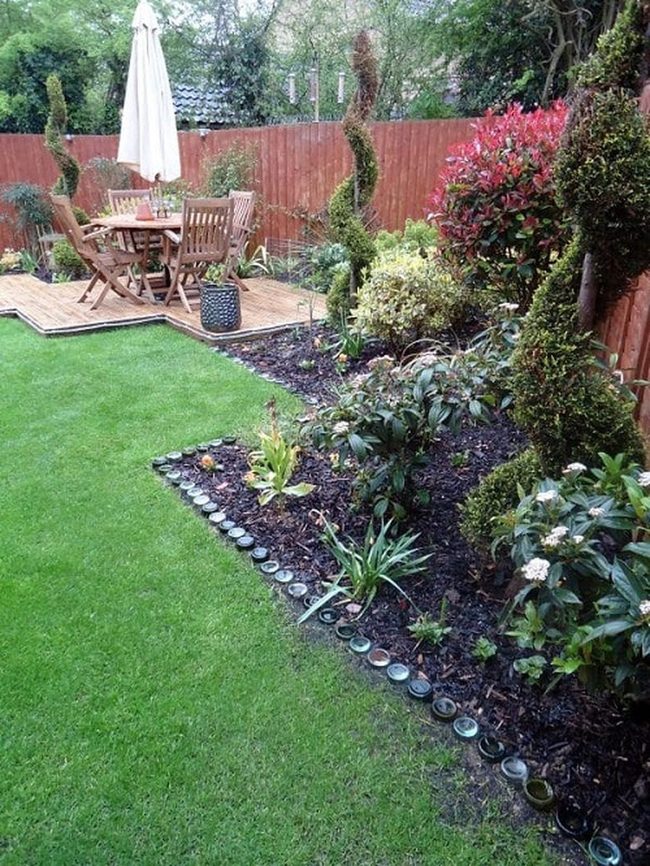
Recycled glass bottles buried along garden edges sparkle brilliantly when sunlight hits them, casting luminous reflections that dance across your pathways and lawn borders.
Clear and colored bottles from wine, beer, and other beverages get a second life in this creative landscaping approach, mixing greens and blues with other hues to add playful visual interest throughout your outdoor space.
You can arrange bottles in whatever color combinations appeal to you, mixing sizes and tones to make your garden edges feel uniquely yours rather than ordinary.
Beyond looking great, this method keeps glass waste out of landfills and supports more sustainable gardening practices that feel good to live with.
Embedded bottles create sturdy boundaries between your lawn and planting areas while holding up well through seasons of rain, sun, and temperature shifts.
Gardens bordered this way show personality and environmental awareness at the same time.
Concrete Geometric Garden Borders
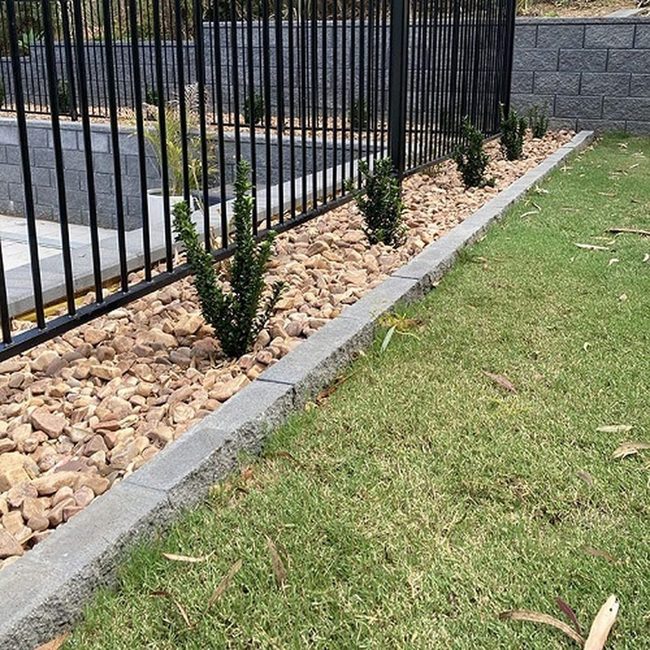
Straight line edging stands out as one of the most striking ways to structure your outdoor space with sharp geometric precision.
Sharp linear borders carve crisp boundaries between different garden sections and instantly bring modern sophistication to pathways and flower beds.
You can achieve these razor-sharp edges using concrete, metal, or stone materials that hold their form season after season.
Geometric borders give your garden a contemporary framework and help highlight your plant arrangements so each zone feels intentional and distinct.
Beyond their looks, these precise dividers add visual discipline to your entire layout and prevent beds from looking messy or unclear.
Clean-cut lines have a way of elevating landscape design with understated refinement and a polished quality.
If you want your garden to look more put-together and refined, straight line edging delivers exactly that.
Polished Marble Garden Borders
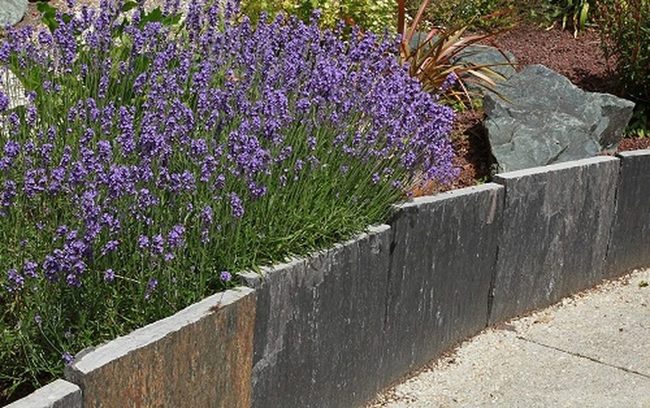
Marbled garden edges with their polished surfaces and sophisticated design details sparkle in natural light and instantly elevate your landscape boundaries into something special.
Sleek marble slabs provide crisp vertical lines that separate garden spaces with refined precision and transform ordinary borders into architectural statements that stand out.
Premium stone materials like white or gray marble create smooth transitions between your lawn and planting areas and add instant visual interest to outdoor spaces.
Natural stone edges resist weathering and maintain their polished appearance through seasonal changes, so your investment holds up well over time.
Installation does require careful placement and level ground preparation to achieve seamless integration with your existing garden layout.
Professional-level landscaping polish comes from these premium edging solutions and they give your outdoor space a polished, high-end feel without needing major renovations.
Upside Down Glass Bottle Borders
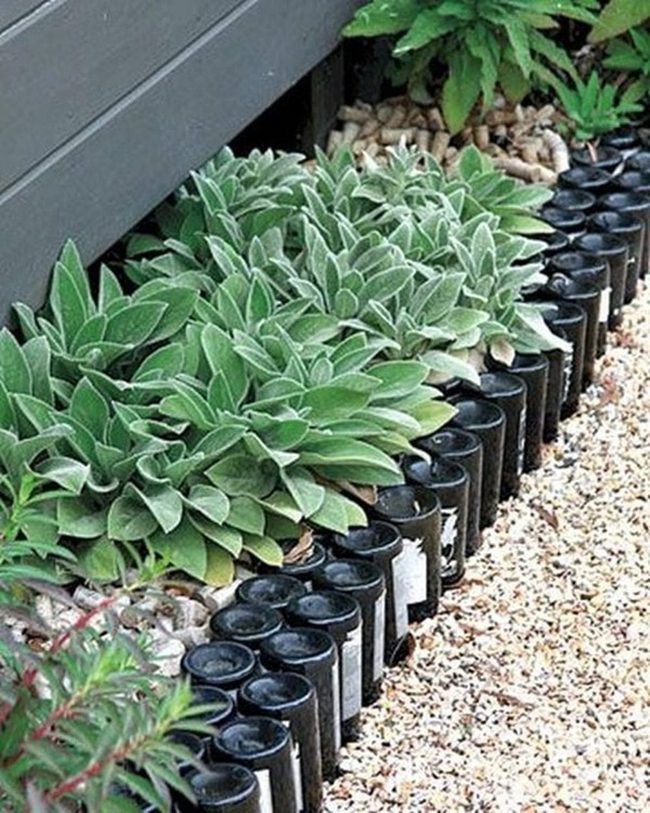
Glass bottles stacked upside down along garden borders catch sunlight and sparkle with reflections that dance across your outdoor space, transforming recycled materials into landscape art that gets people talking.
You can use clear bottles, colored ones, or mix them together since both options work beautifully for this eco-friendly edging technique.
When sunlight hits the arranged glass, it casts shimmering effects that add whimsy and movement to garden paths without requiring much effort on your part.
This approach combines sustainable landscaping with artistic expression in a way that feels both creative and practical.
Since you're working with materials you already have at home, the budget stays low while the impact stays high.
Defining garden spaces becomes easier when you have a distinctive border that stands out, and visitors often notice how you've repurposed something ordinary into something special.
Steel Garden Boundaries Sharp Lines
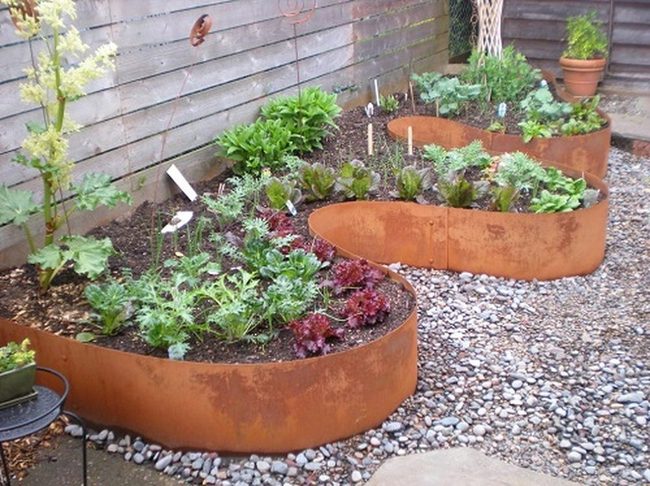
Metal wall garden edges stand out immediately with their sleek industrial appearance and sharp lines that define your outdoor spaces with professional precision.
Steel frames deliver unbeatable strength and durability, protecting your lawn areas and flower beds against erosion and landscape shifts over time.
You can install these boundaries yourself without much hassle, and they work well across different garden styles, whether you prefer traditional designs or something completely modern.
Minimal metal construction fits naturally into various outdoor environments and brings a contemporary edge to your landscape without overwhelming other elements.
Robust materials mean your garden edges will hold up for years without needing constant maintenance or replacement.
Metallic boundaries give ordinary garden spaces a polished, styled appearance and turn them into outdoor areas worth spending time in.
These edges offer both function and form, solving practical landscape problems while looking good doing it.
Curved Garden Borders Reshape Outdoor Spaces
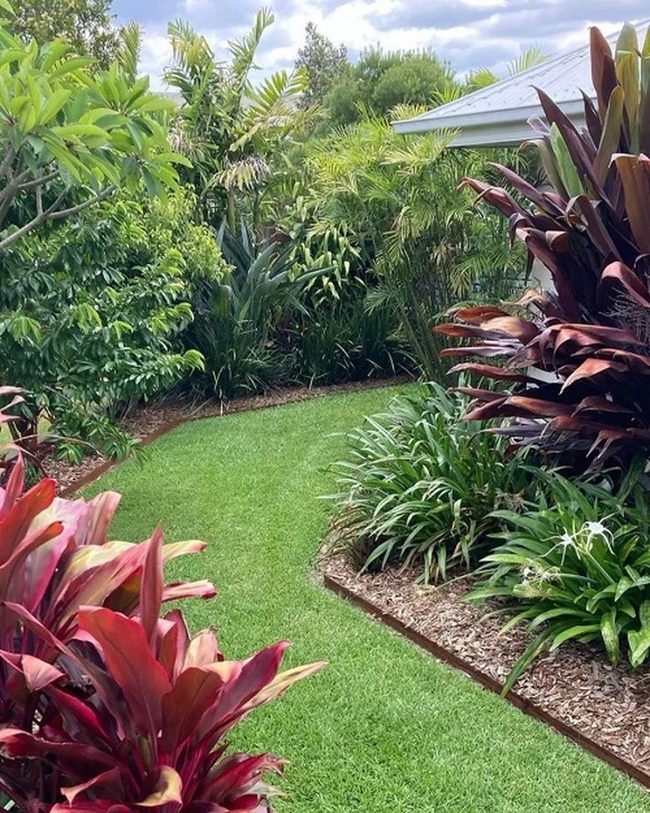
Creative shape edging with unexpected curves and custom designs breaks free from traditional straight-line patterns and delivers whimsical personality to your garden borders.
Sharp geometric lines or gentle organic shapes wrap around flower beds and inject playful energy into outdoor spaces in ways that standard rectangular borders simply cannot match.
Unique edging transforms ordinary landscaping into an artistic canvas where functionality meets personal expression, and custom contours guide the eye through different garden sections while providing clean visual separation between plant zones.
Irregular edges catch attention and spark interest throughout your yard, making mundane transitions between areas feel like real design statements.
Smart boundary choices help define garden spaces with stylish edges that balance both practical function and imaginative flair.
Patterned Tiles Define Garden Borders
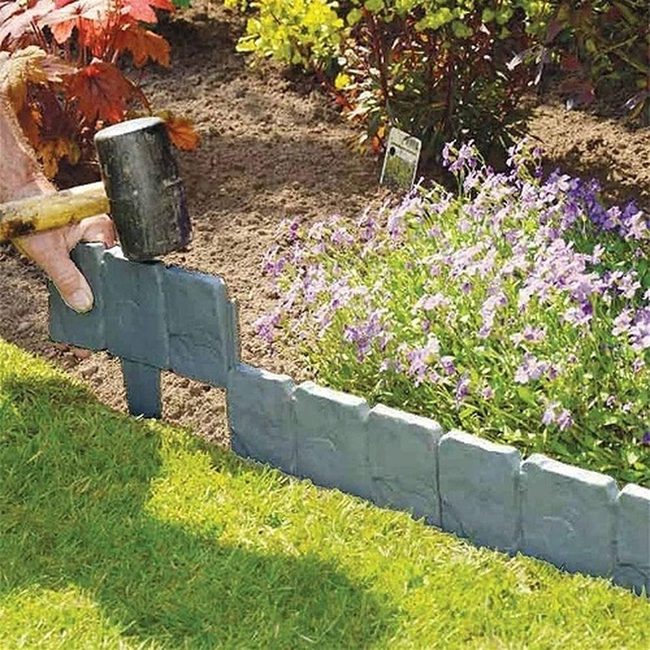
Tiled garden edging transforms ordinary borders into bold, eye-catching statements that bring creative charm to your outdoor space, and you can choose from intricate patterned designs or clean geometric shapes that match your existing garden style.
Decorative tiles deliver vibrant pops of color and unique texture along landscaping edges, making them work hard to define your garden boundaries with personality.
Ceramic, porcelain, or stone tiles all offer durable and weather-resistant options for keeping your garden spaces looking polished season after season.
Mixing different tile colors and sizes lets you craft personalized landscape accents that reflect your own taste and vision.
Strategic tile arrangements help separate garden zones while introducing artistic flair throughout your outdoor environment.
Getting the installation right means taking time with careful placement and proper grouting techniques so your borders stay solid and beautiful.
Concrete Block Garden Borders
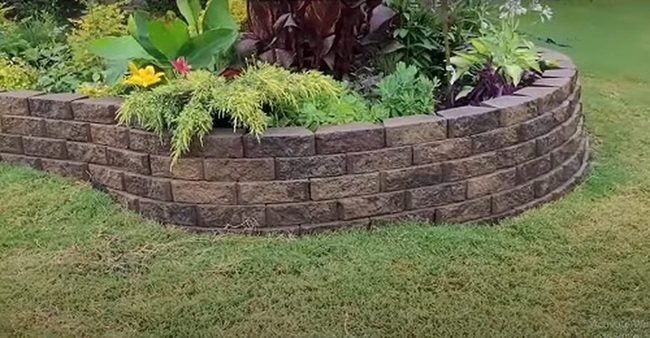
Wall block garden bed edges bring striking geometric definition to your outdoor spaces with their clean, linear boundaries that separate planting zones while maintaining strong architectural presence.
The practical part is how concrete blocks stack neatly to form robust walls around flower beds and landscape areas, and their solid construction prevents soil erosion while keeping your garden structure intact for years.
Modern homeowners appreciate these sturdy borders because the crisp lines they create contrast beautifully with the organic, flowing shapes of plants and flowers.
Neutral gray tones work well with most garden color palettes and blend seamlessly into the surrounding greenery without competing for attention.
Stacking the blocks takes minimal effort and doesn't require special skills or expertise.
When you're planning your garden layout, these durable borders give you the flexibility to design different planting zones exactly how you want them.
Rust-Brown Metal Garden Edges
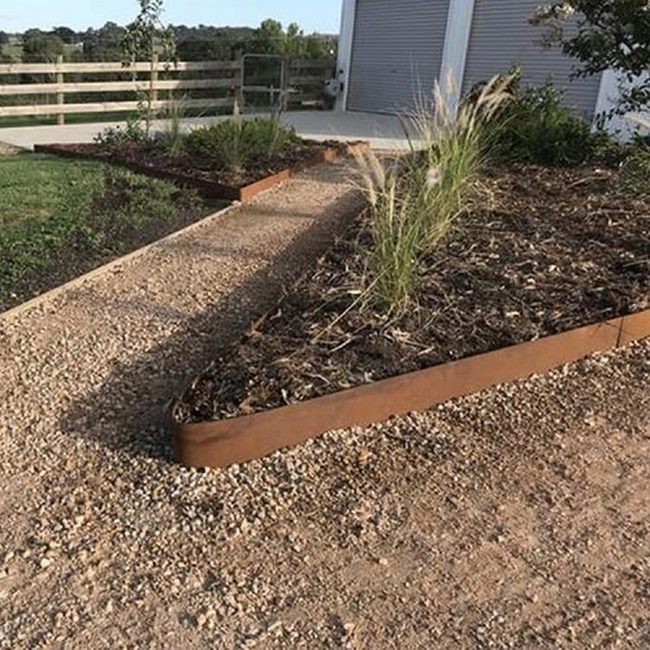
Corten steel edging develops a striking rusty reddish-brown patina as the metal naturally ages, creating a powerful visual anchor that commands attention in any landscape design.
Metal panels curve seamlessly around your garden beds and establish clean lines with real structural definition.
You may spot how robust panels integrate smoothly with green plantings while delivering a striking contemporary aesthetic that feels both modern and refined.
Landscape designers love these metallic borders because they require minimal upkeep and stand up beautifully to harsh weather and tough conditions.
Industrial charm meets weathered elegance with this material, and the sophisticated metal edges transform ordinary garden spaces into modern outdoor sanctuaries.
Metallic borders bring an artistic touch to yards of all sizes, whether you're working with a sprawling property or a compact urban garden.
Pearly Shell Borders Catch Sunlight
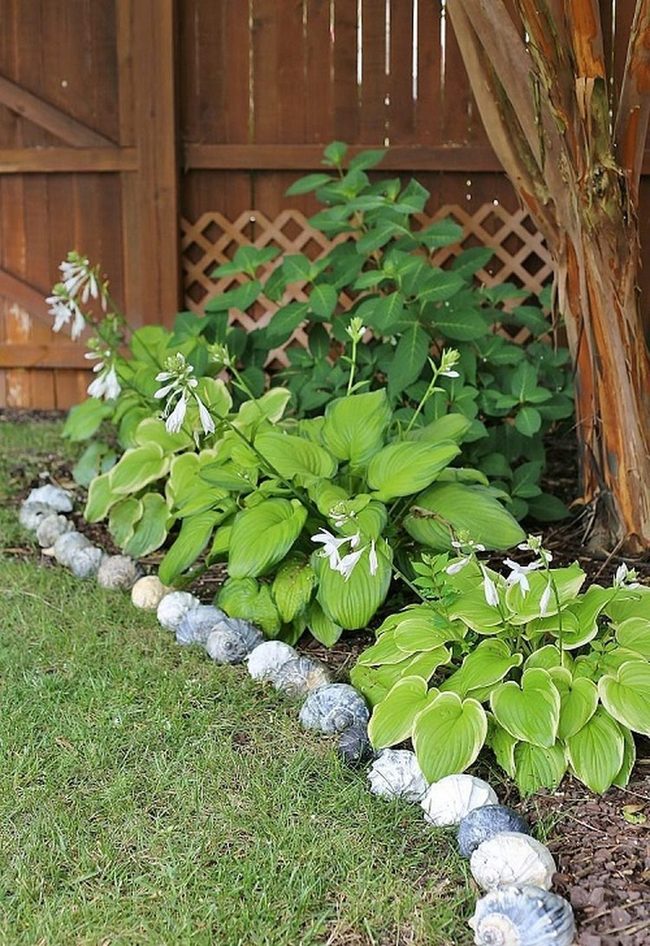
Conch shell edging sparkles along garden borders and transforms them into seaside memories, while curved pearly shells line the edges with natural elegance and beach-inspired texture that catches sunlight beautifully.
Each shell brings its own unique shape and pale cream or soft pink tones to your landscape, and when you nestle them together, intricate nautical patterns emerge that draw the eye naturally.
Tropical gardens especially shine with this artistic edging technique, as the shells whisper of sandy shores and ocean breezes while you work in your outdoor space.
Beyond the visual appeal, landscape designers appreciate how these shells provide both beauty and practical garden definition at the same time.
The way they sit against your soil creates a natural boundary that guides plants and hardscaping elements where you want them.
I find it refreshing how something so simple can add character to your garden design without requiring much maintenance or special care.
Patterned Stone Pathway Borders
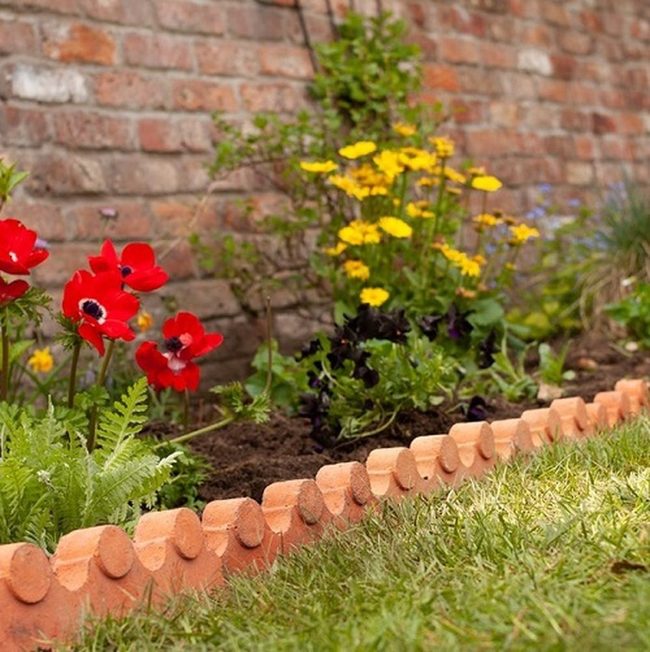
Rich patterned edging along your garden pathways creates visual drama through boundary designs that showcase sophisticated artistic flair, and geometric or mosaic-inspired patterns define your spaces with real precision using stone, ceramic, and concrete materials to separate different zones.
These intricate borders catch attention as your eye moves across the garden layout, and the depth and architectural interest they add transforms ordinary paths into eye-catching experiences.
You can mix different textures and colors to personalize your outdoor areas, or follow professional landscaping techniques to make these edging styles look seamless and polished.
Landscape designers favor these approaches because they turn simple walkways into standout features that reward close attention.
Gray And Brown Stone Pathway Borders
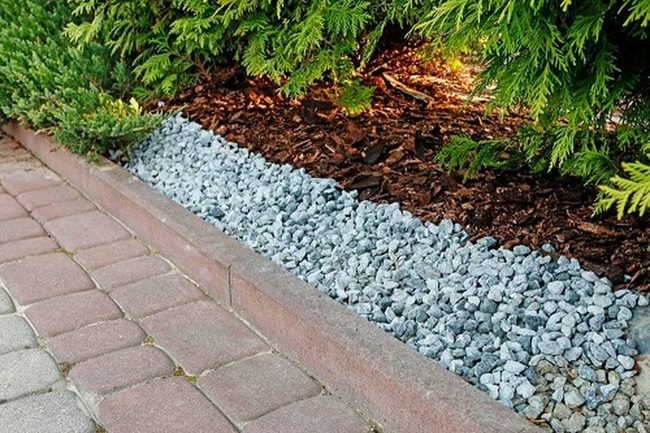
Gravel edging outlines pathways and flower beds with clean, crisp lines that transform your garden borders into organized spaces, and smooth stones in shades ranging from soft gray to warm brown let you choose colors matching your design vision.
Natural earth tones in pebbles harmonize with surrounding greenery and landscape elements, bringing understated beauty to outdoor spaces.
Rock borders do practical work too; they provide excellent drainage and prevent soil erosion while adding visual appeal to your landscape.
Installation requires minimal effort compared to other edging materials, and maintenance stays low throughout the seasons.
Since gravel edging solutions are cost-effective, budget-conscious gardeners can access this option without stretching their spending.
You gain both functional benefits and aesthetic appeal when you incorporate gravel borders into your yard design.
Rust-Patina Steel Garden Borders
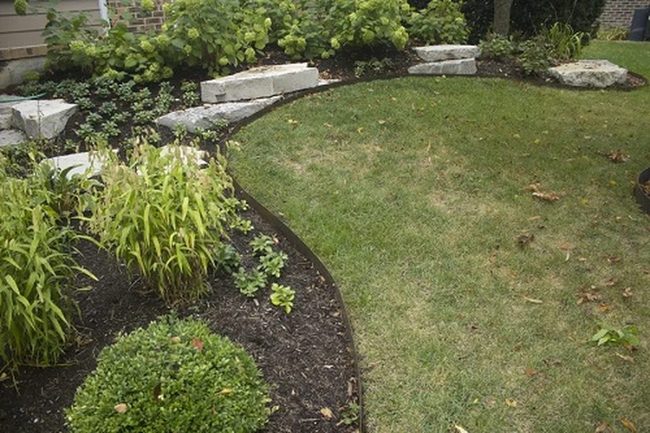
Weathered steel borders stand out in any garden with their rugged industrial charm and striking rust-colored patina that develops over time, softening what would otherwise be pure metallic appearance.
Garden designers and landscape architects choose this material because it handles harsh weather conditions without falling apart and keeps its clean lines for decades with very little upkeep.
Rust tones blend naturally with the greenery around them and give your garden a more sophisticated look overall.
Beyond their good looks, metal edges do practical work by providing crisp separation between your plant beds and walking paths, keeping everything organized and neat.
You may enjoy how these sturdy borders hold up season after season without needing constant maintenance or replacement.
Red Brick Garden Borders
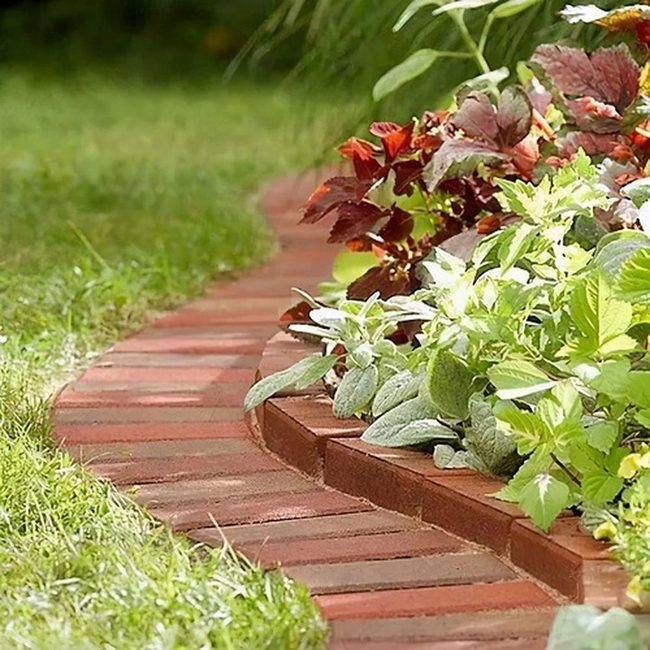
Red brick borders deliver striking visual warmth to your garden with their rich terra-cotta hues and clean architectural lines that frame plantings beautifully.
Weathered clay rectangles form seamless transitions between lawn and flower beds while establishing crisp boundaries that prevent soil erosion.
Strong geometric patterns emerge naturally when bricks sit in straight or curved arrangements, and this classic material anchors your outdoor space with sturdy definition and timeless character.
You can see how red brick edging resists seasonal changes and maintains its polished appearance without demanding much upkeep.
Homeowners choose this approach because it adds refined charm to gardens with minimal design effort.
Beyond looks, these robust materials promise long-lasting structure that withstands years of weather and wear.
Your garden gains that grounded, established feeling that newer edging materials simply cannot match.
Smooth Stones Garden Border
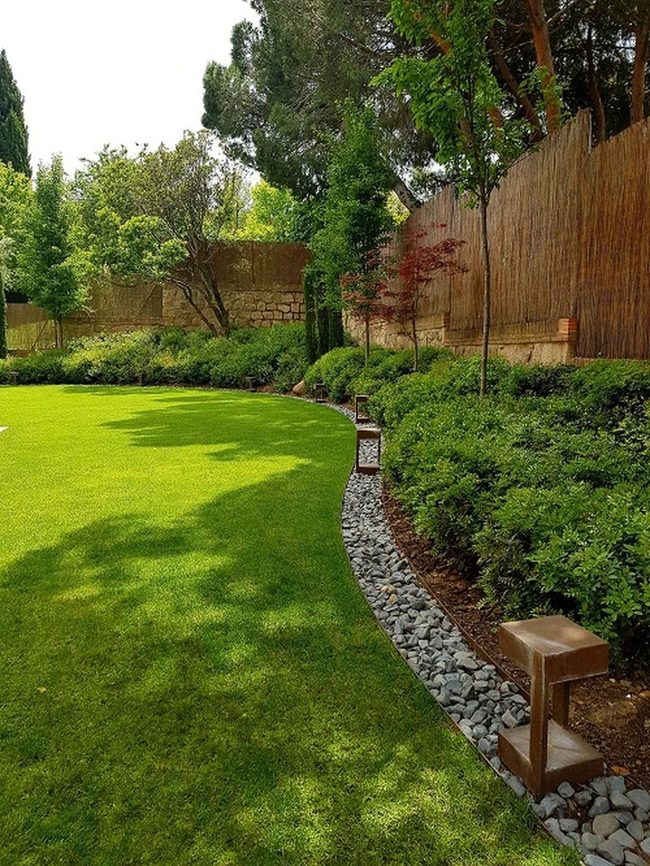
Pebbled borders along garden paths show off smooth stones in striking patterns that blend naturally into your landscaping, and small rounded rocks nestled between plants and pathways create gentle visual breaks that guide the eye through your outdoor space.
You can select cool river rocks or soft beach pebbles to define garden boundaries with quiet sophistication, and the neutral earth tones let your flowers and greenery stand out without any competition for attention.
Stones hand-picked for consistent appearance or bought in bulk work well for framing flower beds and green spaces with delicate precision.
This arrangement feels balanced because how low-maintenance it turns out to be, since you won't need to fuss over upkeep while still enjoying that polished garden look.
Homeowners love how these simple borders deliver elegant landscape styling without demanding much effort or expense.
Curved Stone Paths Flow Naturally
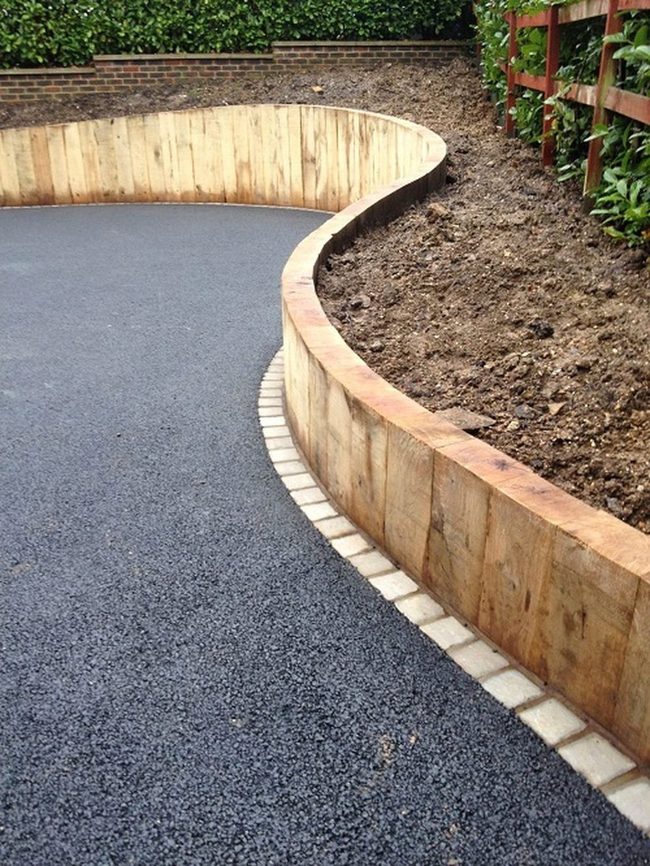
Sinusoidal paths with gently curved edges snake through garden spaces and transform rigid walkways into flowing, wave-like journeys that guide you naturally from one area to another.
Wooden or stone slabs bend and undulate, softening the hard edges of landscaping and making transitions between different zones feel smooth and organic.
Landscape designers use these wavy paths to add texture and visual interest while keeping the garden feeling relaxed rather than rigid.
Visitors move through the garden with an easy, natural pace when paths follow these gentle curves instead of strict angles.
Stone or timber materials work well for this design because they show off the flowing pattern beautifully.
You can see the way these sinuous walkways turn simple pathways into artistic expressions of fluidity and grace.
This approach helps gardens feel more connected and balanced overall.
Seashell Garden Borders Coastal Appeal
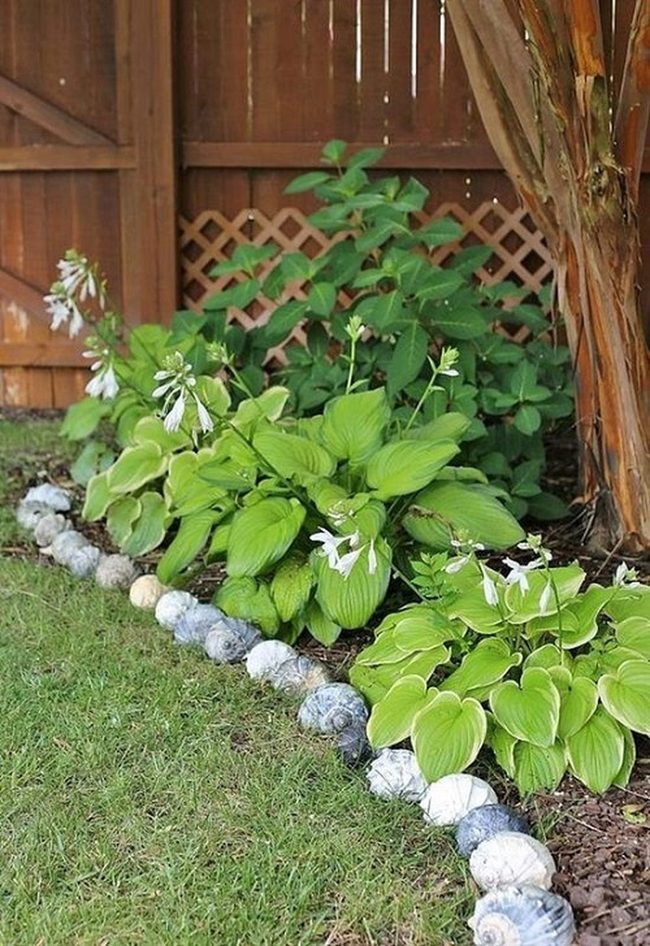
Seashell borders bring oceanic charm right into your garden with their natural iridescence and delicate appearance that stops you in your tracks.
Shell fragments create soft, organic lines around flower beds and walkways, giving you a unique boundary that feels both coastal and organic.
Sand-colored and white shells work especially well if you're designing a Mediterranean or nautical-themed landscape and want something that belongs there naturally.
Ocean-inspired edges blend seamlessly with tropical landscape designs and coastal settings without feeling forced or out of place.
These understated garden decorations carry summer memories and natural beauty through your outdoor space.
When you line pathways and beds with shells, you're adding a layer of seaside atmosphere that connects your garden to the ocean.
Rough Stone Garden Borders
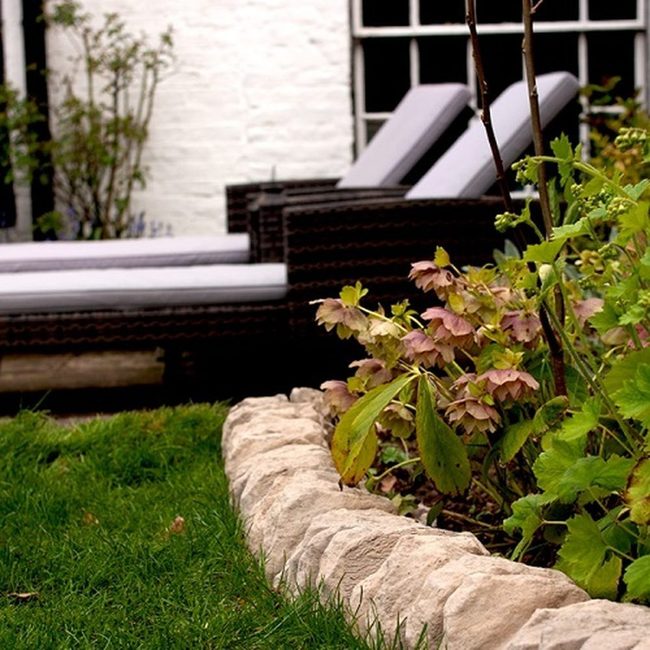
Stone borders with their rough, textured surfaces anchor garden spaces with rugged elegance and immediately catch the eye as you look across your yard.
Raw stones define garden boundaries while adding organic texture and depth that makes planted areas stand out against the surrounding terrain.
Natural rock selections create visual harmony between your flowers and beds and the landscape beyond them.
Garden pathways and flower beds gain sculptural definition when you arrange stones strategically along their edges.
Landscape designers select stones in various sizes and colors to match your specific garden style and preferences.
Rough stone materials hold up remarkably well against weather changes and soil erosion over time.
Placing rock edges throughout your garden transforms ordinary outdoor zones into something far more interesting with minimal effort on your part.
Layered Stone And Wood Borders
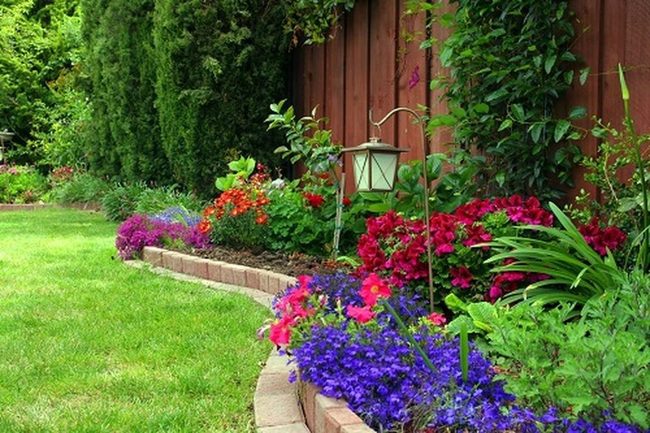
Garden borders come to life when you stack different materials in layers, and this simple technique makes your outdoor spaces look polished without needing expert help.
Combining stone with wood or using bricks of different heights creates real depth that catches attention from every angle.
Mixing textures like rough stone next to smooth concrete adds interest and keeps your eye moving across the space.
You don't need complicated construction methods to pull this off; just thoughtful stacking of complementary materials does the trick.
Rock and timber combinations especially add character and make your borders feel more finished.
Layered edging gives your garden that polished, designed look while keeping the installation straightforward and manageable.
Industrial Concrete Garden Edges
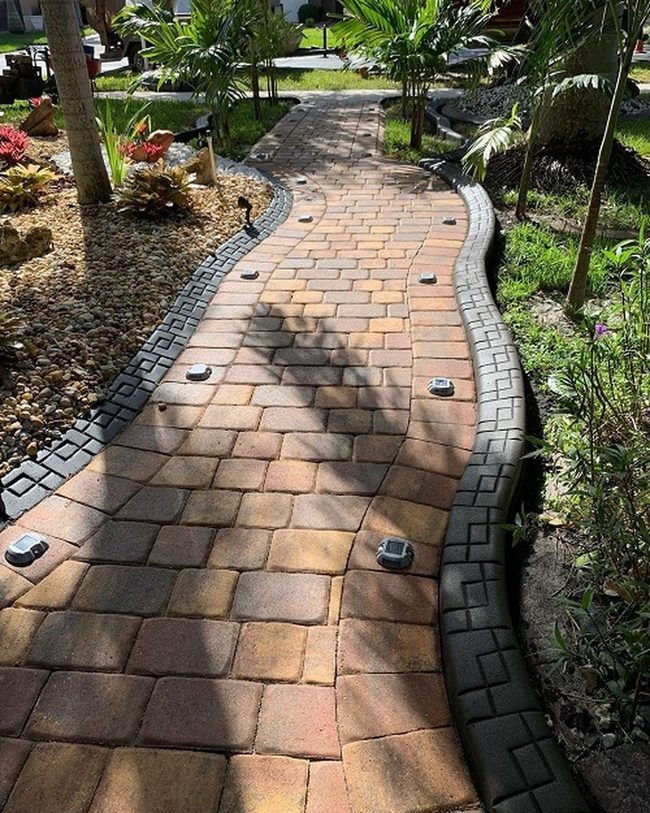
Concrete borders carve out sharp geometric lines across your garden with striking industrial appeal and create bold visual contrast against lush greenery and colorful plants.
These sturdy edges slice clean separation between planting areas and lawn zones while giving your landscape a structured, modern feel.
You'll find that contemporary garden designs benefit from this no-nonsense approach since the material stands up to rain, snow, and intense sun without cracking or fading quickly.
Minimalist concrete borders work well for homeowners who want their gardens to look neat and intentional without extra ornaments or busy decorations.
Landscapers often recommend concrete edges because they're long-lasting and fit perfectly with clean, simple outdoor spaces.
Smooth finishes and straight lines give your yard a polished appearance that balances practical durability with understated style.
Reclaimed Pallet Wood Garden Borders
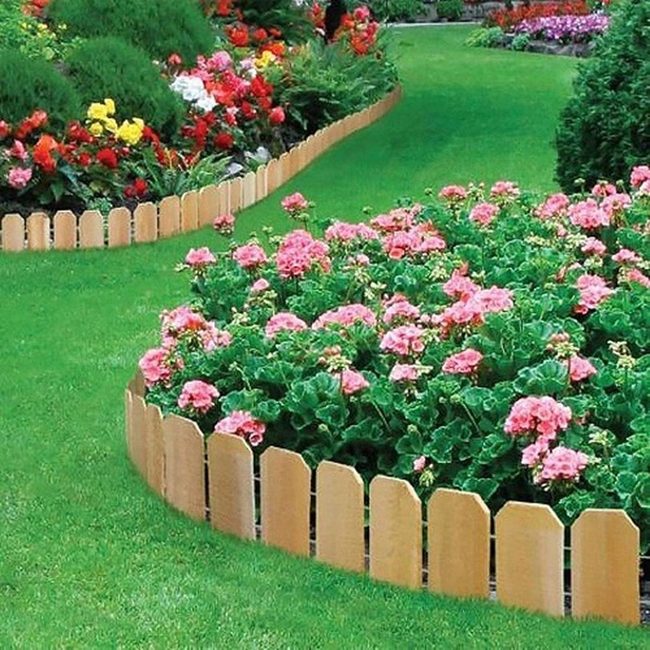
Weathered wood surfaces with unique grain patterns and natural texture create instant visual interest around garden spaces, and upcycled wooden pallet edging brings this rustic charm to garden borders in the most striking way.
Discarded pallets get a second life through simple cuts and minimal preparation, transforming forgotten materials into functional landscape elements that give your garden genuine personality.
Each pallet piece contributes its own character to the design, and you benefit from a budget-friendly approach that doesn't compromise on style.
Sustainable gardeners love this solution because eco-conscious landscaping doesn't have to mean sacrificing beauty for resourcefulness.
Wood pallets are easy to work with, so you can install them yourself and enjoy professional-looking results without the expense.
This method proves that creating beautiful garden boundaries doesn't require new materials or complicated techniques.
If you want rustic borders that feel authentic and cost-effective, wooden pallet edging delivers both substance and charm to your outdoor space.
Warm Sandstone Garden Edges Australia
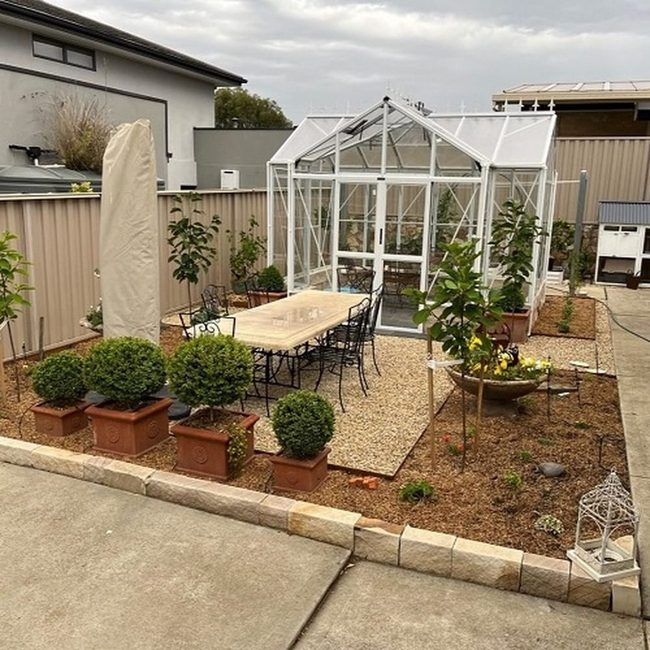
Rough-hewn sandstone borders bring authentic Australian character to outdoor spaces with their warm, earthy tones and weathered textures that blend naturally with surrounding plants.
The balance comes from how these stone edges define garden boundaries with quiet strength, creating smooth transitions between planted areas without looking forced or artificial.
Garden designers appreciate that sandstone pieces settle into place along garden perimeters and give structural shape to outdoor rooms.
When you pair these rustic borders with existing greenery, the whole garden feels deliberately composed and organic.
What makes these materials particularly smart for Australia's climate is their ability to handle intense sun exposure and heavy rain without deteriorating over time.
Whether your garden leans contemporary or traditional, these natural stone edges work across both styles and add raw, grounded appeal to any landscape design.
Terracotta Pots Garden Edge
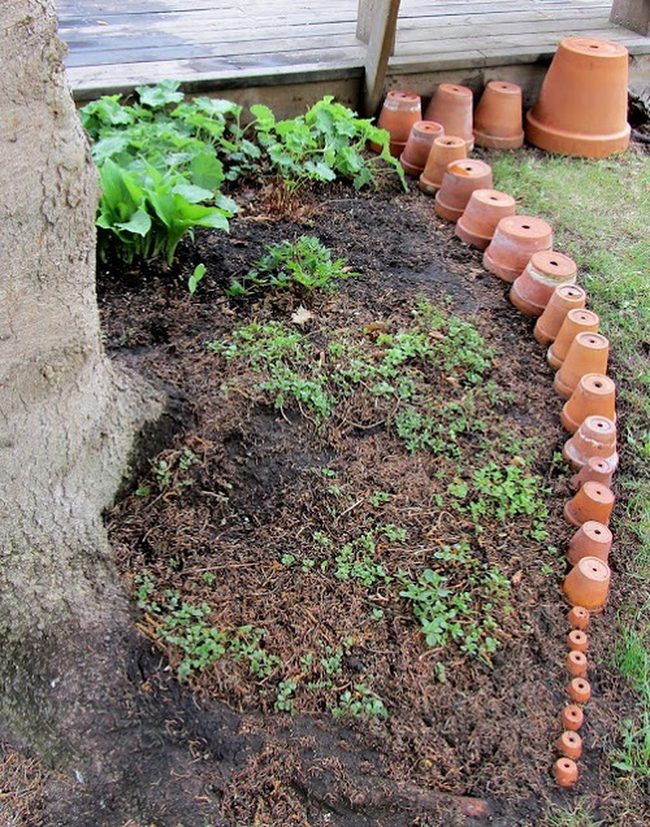
Terracotta flower pots lined along garden edges instantly catch attention with their rustic appeal and warm, earthy tones that make any landscape feel more polished.
You can arrange these simple containers in countless ways; stacked for height, tilted for a casual look, or lined up in neat rows if you prefer order.
Medium-sized pots work especially well for breaking up the monotony between your lawn and flower beds, while mixing different pot sizes and shades of terra-cotta adds depth and keeps the eye moving.
Setting up this kind of edging takes just basic gardening skills and barely any time at all.
Best of all, it won't strain your budget, and if you decide to change your design later, you haven't invested heavily in permanent structures.
Sharp Gray Concrete Garden Borders
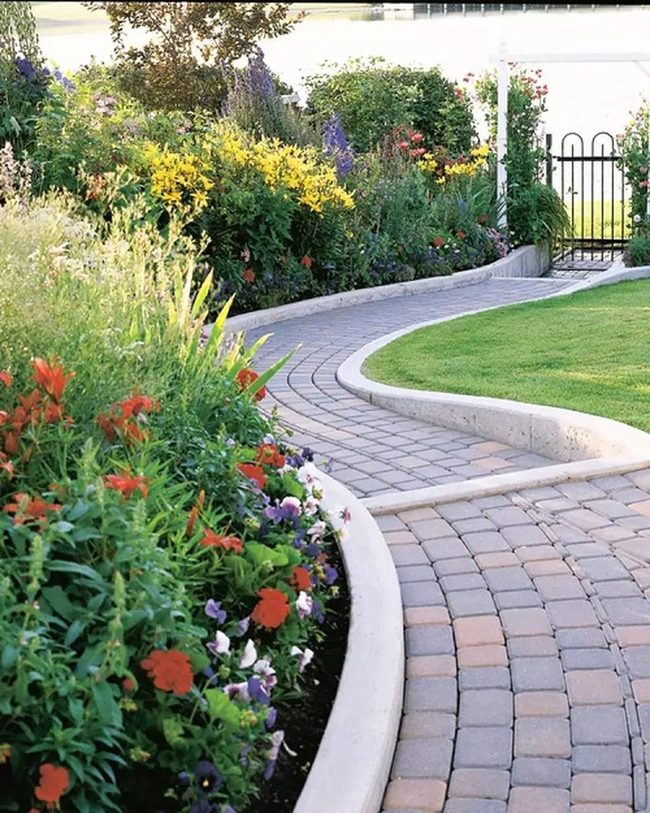
Concrete edging delivers sharp, geometric definition to your garden with clean lines and contemporary structure that landscapers favor for its modern appeal.
Neutral gray tones stand out beautifully against colorful plants and blooming flowers, providing perfect contrast for your landscape.
Weather won't wear down these borders, and they keep their sharp edges through multiple seasons without losing their polished look.
Installation is straightforward enough for home projects, so you don't need professional help to get started.
Once in place, concrete requires minimal upkeep while maintaining that sophisticated outdoor feel.
Because it's affordable and built to last, this edging option gives you a practical way to transform ordinary garden spaces into refined outdoor environments.
Recycled Glass, Metal, Wood Borders
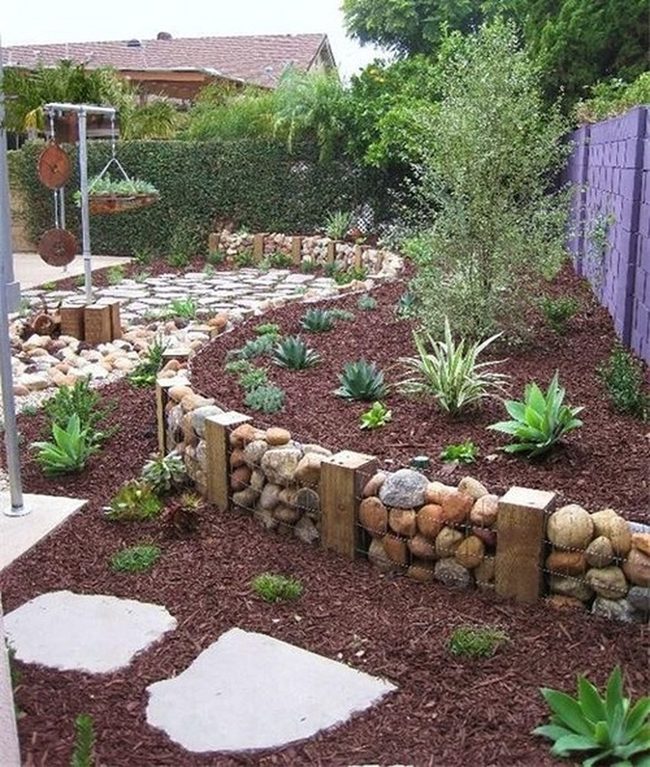
Garden edges become truly extraordinary when you mix unexpected materials like recycled glass, metal, and wood to create borders that feel both artistic and environmentally conscious.
Metal strips deliver clean, modern lines that contrast beautifully with softer garden plantings.
Glass fragments scattered along the edges catch sunlight and scatter it in shimmering patterns that shift throughout the day.
Wood brings an organic warmth that softens the landscape and adds natural character to your garden's perimeter.
By blending these diverse materials, you tell a story about sustainability and personal style while keeping waste out of landfills.
Designers and homeowners alike discover that combining different textures and colors transforms a simple border into something that functions well and looks genuinely appealing.
Your garden edges gain both practical purpose and visual interest when you step away from standard solutions and embrace materials with history and texture.
Curved Stone Pathways Through Gardens
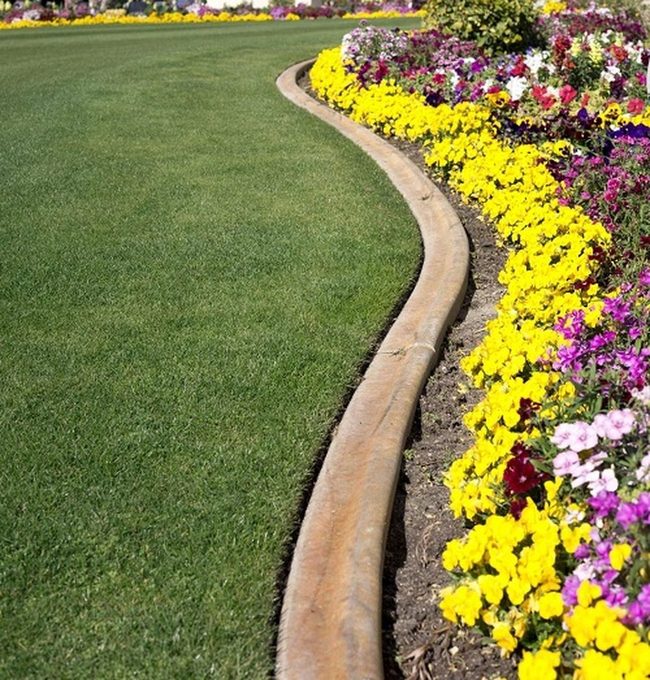
Serpentine borders wind through gardens with graceful, organic lines that create mesmerizing visual rhythm and draw the eye along natural pathways.
Rock or brick materials shape smooth, undulating curves that break away from traditional straight-line designs and transform rigid spaces into relaxed, natural environments.
Landscape architects appreciate this technique for its dynamic movement and fluid feel that connects different garden zones with artistic elegance.
Gentle sweeps guide visitors through the landscape with strategic placement that builds interest as you move from one area to another.
Curved edges soften harsh angles and provide beautiful transitional elements between garden sections.
Stone Slab Garden Borders Define Space
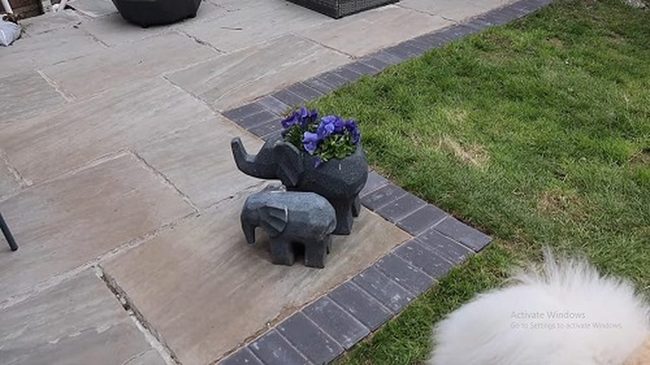
Paving slab edging draws immediate attention through its bold architectural lines that divide your garden into distinct zones with sharp, professional precision.
Wide rectangular slabs serve as a sturdy foundation that grounds your entire design and keeps everything in its place.
Natural stone textures blend right into the surrounding greenery and soil without looking out of place.
Stone edges outperform wooden alternatives because they resist shifting and weathering over time, so you won't need constant maintenance.
Mixing different slab sizes adds visual interest throughout your garden layout.
Stacked Terracotta Garden Borders
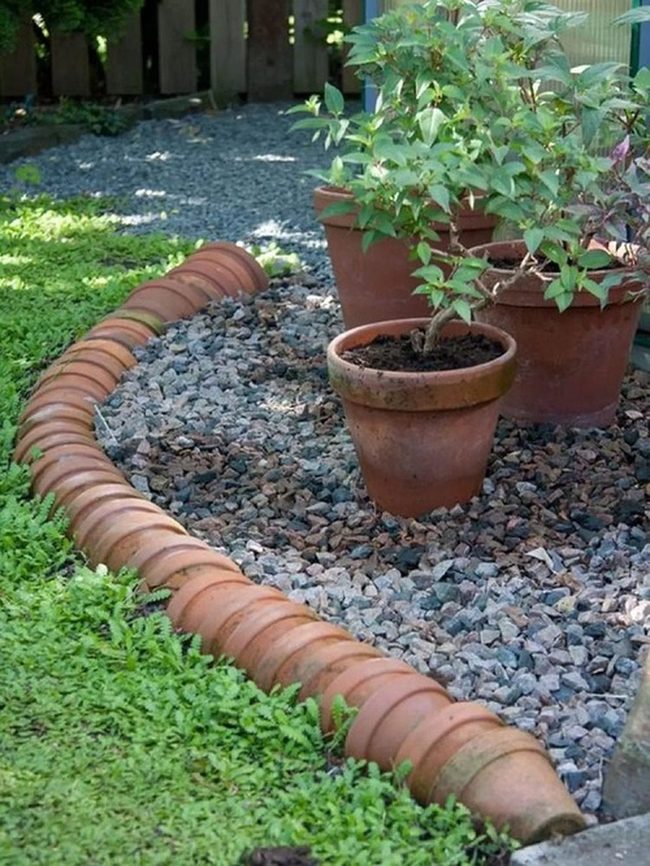
Pots lined up in a row form a striking garden border that instantly shapes your outdoor space into an organized green showcase, and ceramic or terracotta containers bring wonderful height and dimension to your landscape design.
Mixing different pot sizes builds dynamic layers across your garden beds and creates natural separation between zones without requiring much effort at all.
You can fill each container with plants that match your garden's color scheme, letting the pots themselves become part of your overall look.
Strategic placement of these containers defines your garden boundaries clearly and helps guide the eye through your space.
Since you don't need to spend much money on matching or complementary pots to pull this off, it's both budget-friendly and looks surprisingly polished.
This simple edging style gives your garden structure and purpose while keeping things easy to maintain and adjust whenever you want.
Terracotta Clay Garden Borders
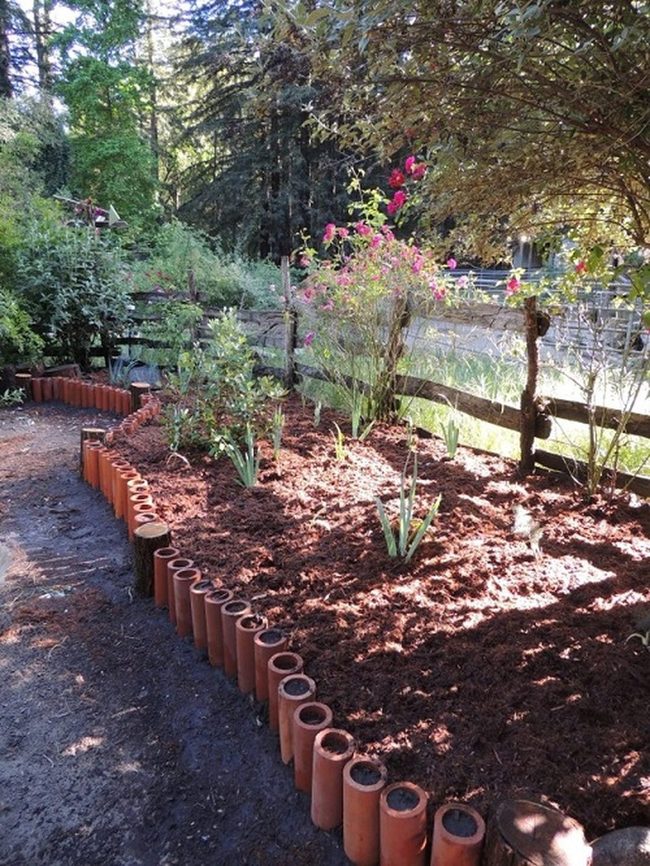
Terracotta pipe edging stands out in any garden with its warm reddish-brown tones and organic shapes that instantly elevate your landscape design.
When you arrange these hollow clay segments along your flower beds or vegetable patches, they define garden spaces while allowing water to drain naturally and keep soil healthy.
Each pipe connects smoothly to outline boundaries and works whether you place them horizontally or vertically, giving you flexible options based on your garden's style.
Both recycled and new terracotta pipes deliver the same results, so you can choose based on your budget and preferences.
Weather-resistant materials mean these borders last for years without fading or breaking down.
You get the appeal from how how it combines classic mediterranean vibes with practical function, and you get that beautiful look without spending a fortune on expensive landscaping materials.
Smooth Stone Garden Edges
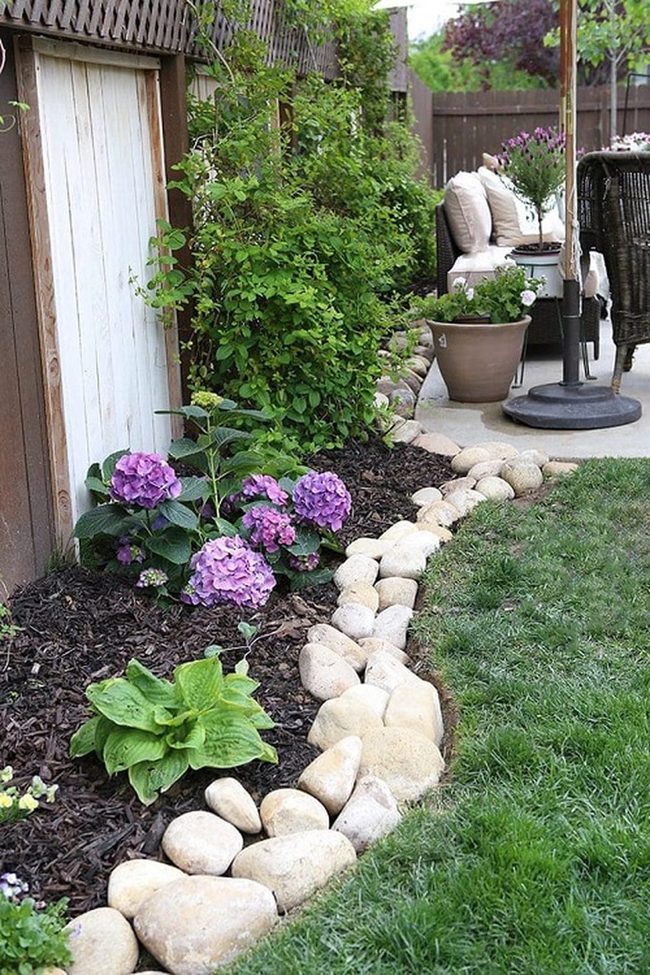
River rock borders showcase nature's artistry through smooth, rounded stones that seem to flow like water itself, and their earthy tones nestle perfectly against grass, mulch, and flowering plants to create calm transitions between garden spaces and pathways.
The balance comes from how each stone's unique shape adds organic texture while weaving between plants like a serene landscape puzzle, and landscape designers value these rocks because they establish clean visual lines without imposing harsh boundaries.
Strategic placement of water-worn stones brings tranquil elements directly into your garden spaces, making the border feel like a natural extension of the landscape rather than a rigid divider.
The gentle curves and neutral colors work well with most garden styles, and they're straightforward to install once you decide where you want them.
What makes river rocks so appealing is that they require minimal maintenance compared to other edging options and still deliver that polished, finished look.
Sparkling Glass Bottle Garden Borders
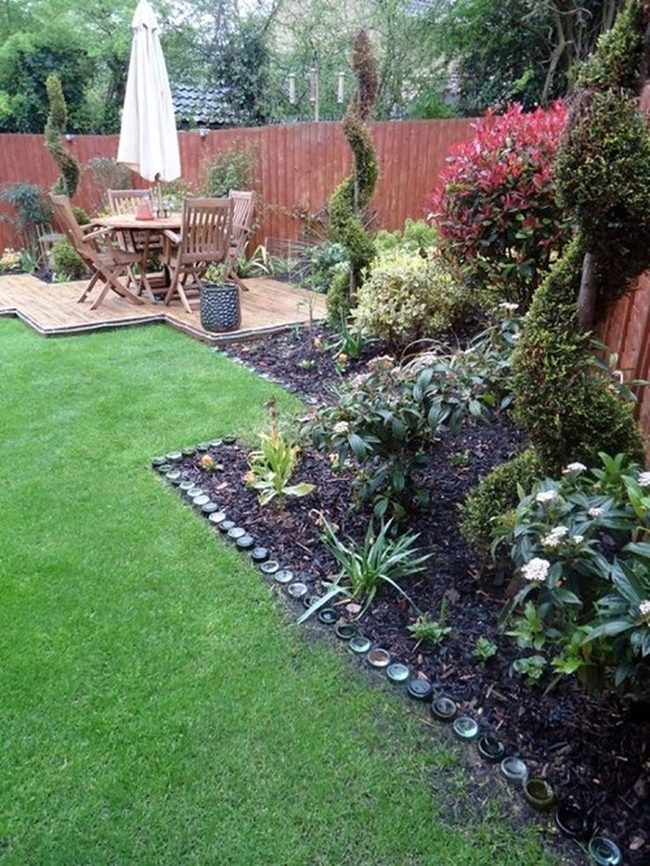
Inverted bottle borders sparkle in sunlight as the glass catches and reflects light across your garden, making each bottle shine differently depending on the time of day and angle.
Clear and colored glass work wonderfully for this creative project, and you'll add whimsical texture to outdoor spaces without spending much money.
These recycling solutions turn discarded bottles into charming garden boundaries that look both artistic and playful.
Sustainable gardeners appreciate how this method repurposes potential waste into functional landscape decor that serves a real purpose.
Compact gardens and large yards both benefit from these unique borders, and the construction costs almost nothing since you're using materials you'd otherwise throw away.
Getting started is straightforward; select uniform bottles and dig a steady trench for consistent placement around your plant areas.
Eco-friendly landscaping doesn't have to be complicated or expensive, and your garden gains character while reducing waste at the same time.
Green Layers With Natural Stone Pathways
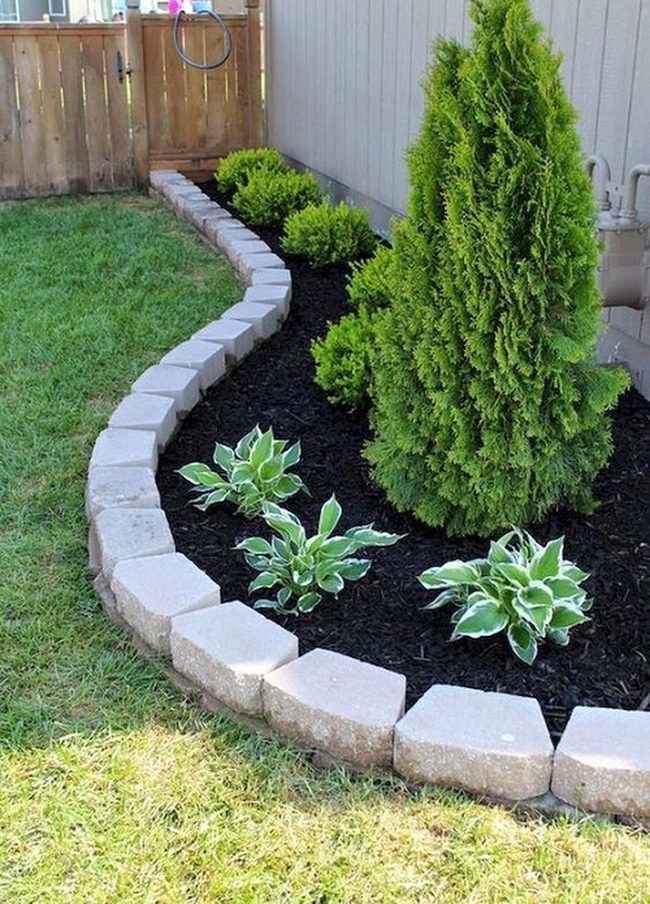
Layered green shades flowing across your garden landscape with natural stones create striking depth and guide your eye through peaceful transitions between spaces.
Emerald, sage, and olive plants weave through strategically placed rocks to soften the garden's edges and build visual interest.
Stones positioned between different plant varieties add texture and break up areas where green might otherwise feel flat or repetitive.
Natural stone selections complement leafy textures and offer architectural structure without demanding attention.
Garden designers appreciate this approach because it brings calm to outdoor spaces while keeping things understated and refined.
Cool green palettes combined with stone arrangements produce a sense of tranquility throughout your garden.
By connecting different zones with these gradual color and texture shifts, you guide people naturally through the space and encourage them to slow down and breathe.
Vertical Cedar Logs Garden Borders
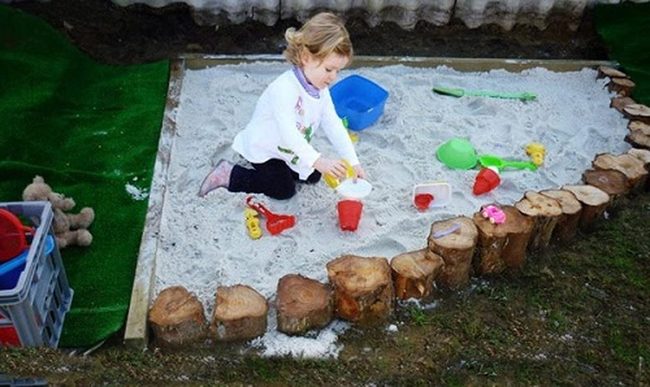
Wooden logs stacked vertically around your garden create striking borders that bring raw woodland charm and organic appeal to any outdoor space.
When you use natural logs to define the edges between your garden beds and lawn, the whole landscape instantly feels more rustic and connected to the earth around it.
Cedar and redwood work especially well since these woods resist decay and keep your borders looking good for years to come.
Logs positioned along your garden perimeter provide a seamless transition between different landscaped zones while keeping an unpretentious, earthy feel that most homeowners love.
What makes these borders so appealing is how simply they blend with surrounding greenery without demanding much attention or maintenance from you.
Industrial Concrete Garden Borders
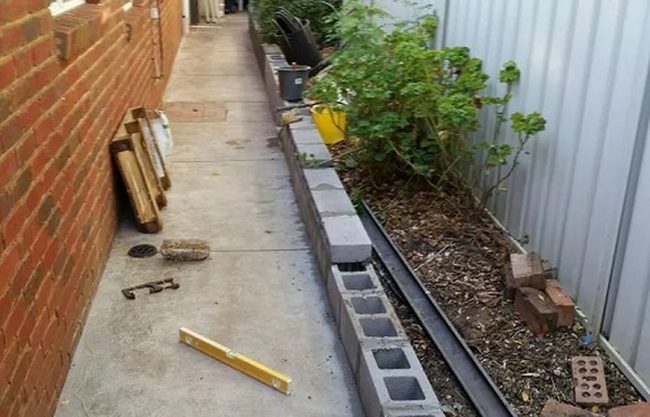
Cinder block borders bring an industrial-chic look to your garden with their sharp, clean edges and sturdy concrete presence.
You can line garden perimeters with these blocks arranged in geometric patterns that emerge naturally as you stack and position them however you like.
Small succulents or colorful flowers tuck perfectly into the strategic openings between blocks, giving you unexpected planting opportunities throughout your borders.
Modular arrangements mean you can configure the layout to match your vision and garden space.
Simple materials transform what could be ordinary garden boundaries into modern landscape statements that stand out.
Each block offers flexibility as you plan your design.
Sharp Geometric Brick Borders
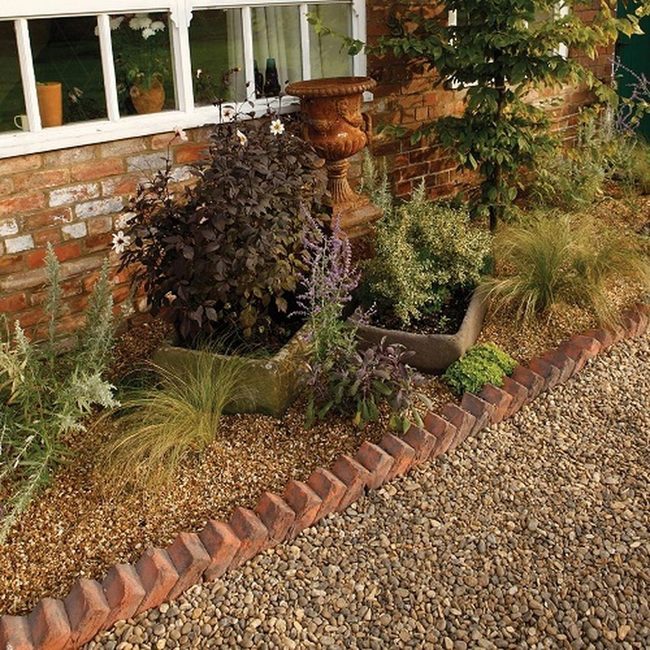
Sawtooth brick borders deliver sharp geometric lines that catch attention immediately, with their angled patterns creating dramatic visual definition across garden spaces and bringing clean architectural structure to outdoor landscapes.
The interest comes from how these crisp-edged bricks separate planting areas while adding sophisticated interest to your garden design, and they work just as well in formal settings as they do in casual outdoor spaces.
Homeowners appreciate that this approach blends seamless design with real functionality, since the borders both look good and serve a practical purpose.
Geometric brick shapes provide a framework that lets surrounding greenery shine, and landscape experts recommend this technique because it has proven to last through the years while maintaining its appeal.
When you place bricks with care, ordinary garden boundaries become polished design elements that enhance your entire outdoor environment.
Whether you're working with a traditional style or something more relaxed, sawtooth edging adapts to fit your space and vision.
Weathered Stone Garden Borders
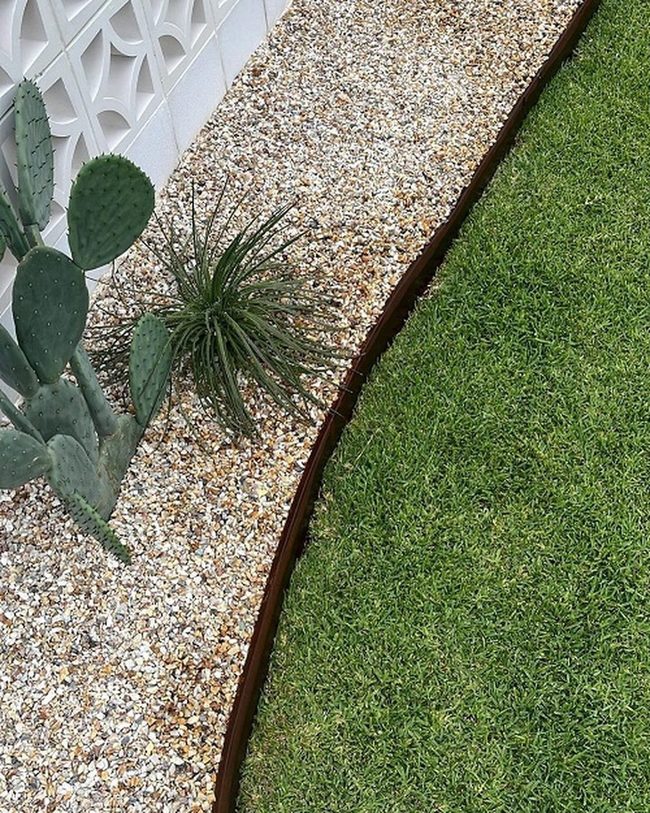
Rocky beaches inspire garden borders that feel relaxed and naturally refined, with smooth weathered stones in soft gray and tan tones creating an organic line between your lawn and flower beds.
Pebbles and rocks arranged along edges form gentle contours that keep your space calm and effortless-looking.
You can mix different rock sizes to build authentic texture and depth throughout your garden's perimeter.
Simple placement methods turn ordinary garden edges into coastal-inspired design elements without much fuss.
This type of edging works well with many garden styles, whether your space leans contemporary or rustic.
Stone and pebble borders also solve a practical problem, giving you a low-maintenance way to define garden spaces while adding natural beauty.
Many landscapers favor this approach because it blends seamlessly with existing landscapes and requires minimal upkeep over time.
Woven Willow Branch Garden Edges
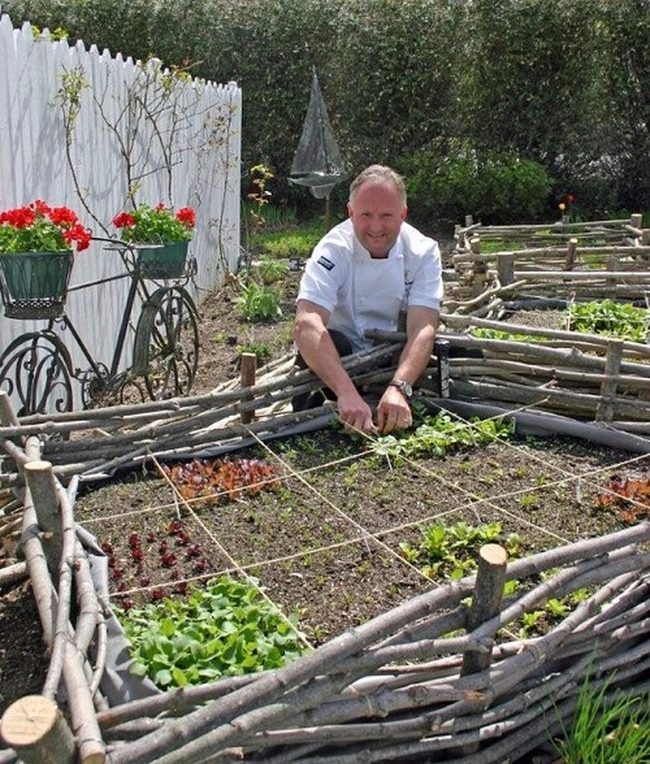
Woven branch edging brings organic woodland charm to your garden through intricate natural designs that twist into delicate patterns and define spaces with understated grace.
Handcrafted sections connect smoothly to form fluid lines around flower beds or vegetable plots, while wooden branches interlock to create sturdy yet flexible boundaries that complement your surrounding greenery.
Skilled crafters select flexible branches like willow or hazel for maximum durability and visual appeal, and these natural materials blend beautifully with landscape contours to add textural interest to your garden design.
You can see the charm in how that simple construction techniques mean you don't need specialized skills to implement it yourself.
You can work with the flexible properties of branches and let them settle naturally into your garden beds.
The way these materials interact with your existing plants creates a seamless look that feels both authentic and well-suited to outdoor spaces.
Metal Poles And Curved Hose Edging
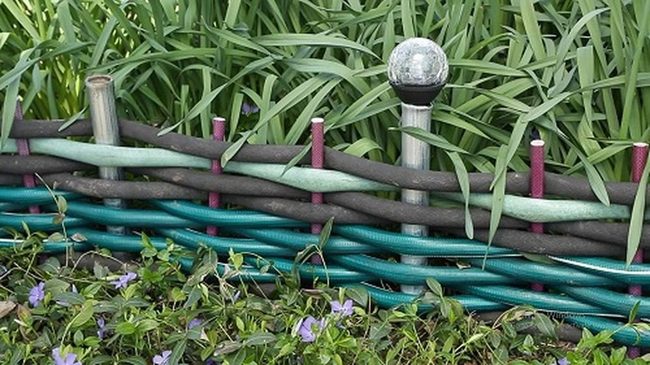
Metal poles anchored deep into the ground stand tall and create striking vertical lines that anchor your garden design, while colorful water hoses weave between them in playful curves and add dynamic movement to your landscape edges.
You get an industrial look with genuine garden charm, and the flexible hose lines break up the usual straight-border feeling most yards have.
Installation is straightforward and requires only basic tools, so you won't need special skills or spend hours on the project.
Budget-conscious gardeners appreciate that these components cost very little and deliver real visual interest without breaking the bank.
Your garden edges gain personality through this combination of solid metal structures and flowing hose lines that shift and bend.
Maintenance stays minimal since both materials hold up well against weather and time.
Rust Metal Garden Borders
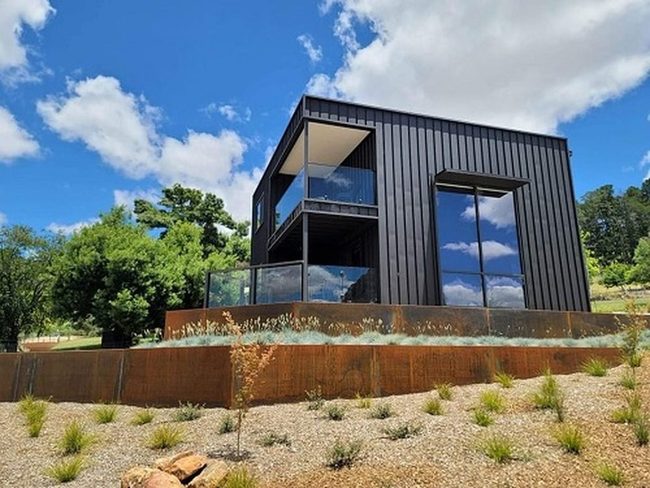
Ironbark metal design edging stands out as a striking addition to any garden, with its rust tones creating bold visual contrast against green plants and offering that industrial elegance you might be looking for.
Strong metal panels deliver clean lines that separate your garden spaces without any fuss, and they slide smoothly into soil to form a sleek transition between lawn and planted areas.
Over time, weathering metal develops a rich patina that deepens the outdoor aesthetic and adds character to your landscape.
Rust-colored tones work with your plantings to bring sophisticated contrast that defines the entire space.
Metal borders give your landscape design the structural definition it needs, and the appeal comes through in how durable these robust edging options are through different seasons.
I really think this approach to garden edging combines functionality with that industrial look many people want for their outdoor spaces.
Stone Edging, Garden Structure Defined
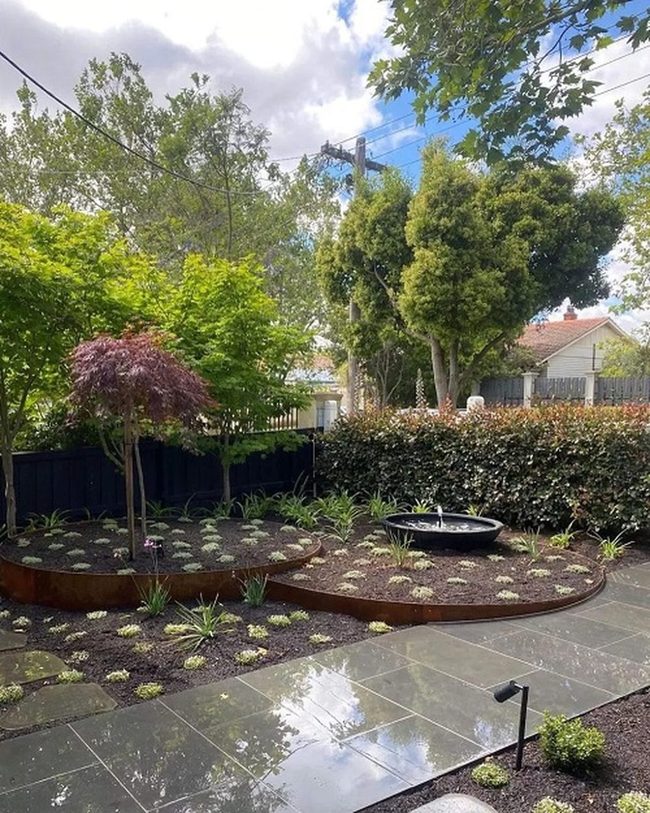
Victoria wide edging stands out as one of the most striking ways to define your garden boundaries with its substantial width that creates dramatic visual separation between your lawn and planted areas.
Made from stone or concrete, this edging material brings robust durability that holds up well through all kinds of weather and seasons.
You get both graceful precision and strength as it frames landscape elements around your yard.
Rich texture and clean lines work into your garden design with understated sophistication that doesn't shout for attention but definitely enhances how your space looks.
Landscaping professionals often point to this type of edging as the smart choice for outdoor spaces that need structure and polish.
Homeowners find that it offers a perfect balance between function and beauty, since it protects your lawn edges while looking intentional and well-maintained.
Tiny Fence Posts Garden Magic
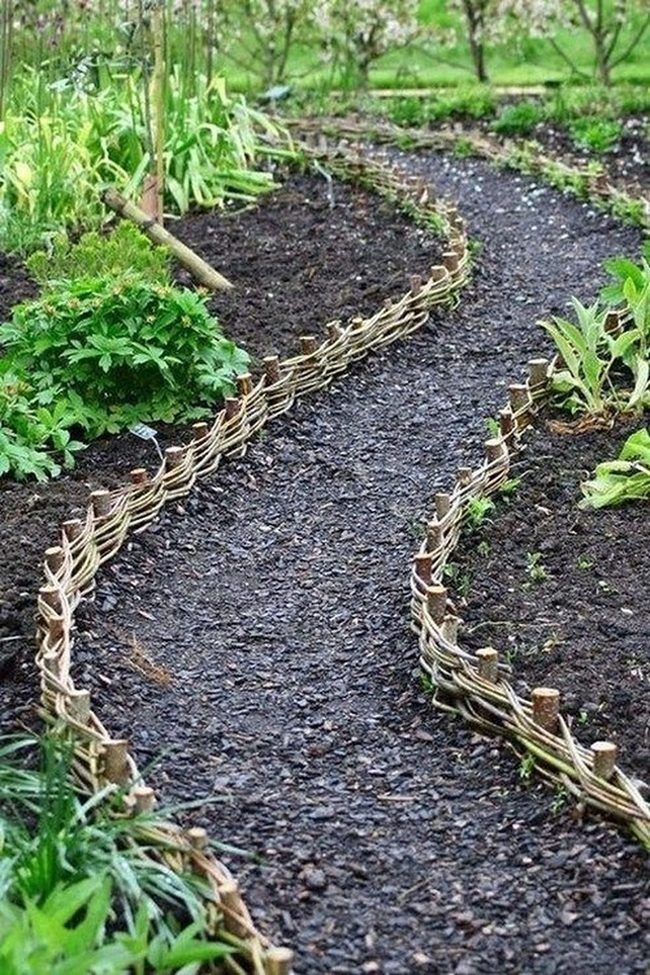
Liliput fencing borders sparkle with whimsical garden charm and bring an enchanting quality to any outdoor space you're designing.
Small decorative posts define garden areas without blocking your plants or blocking sunlight from reaching them.
Posts wind gentle lines between flower beds and separate different garden sections in a natural way.
Installation is simple because the lightweight materials don't require heavy equipment or professional help.
Maintenance stays easy too since you won't struggle with upkeep or repairs.
Summer gardens gain additional personality with these charming miniature dividers scattered throughout your beds.
Landscape designers often point to Liliput fencing as a smart choice for adding that fairy-tale feel to outdoor spaces.
Timber Frames Green Garden Beds
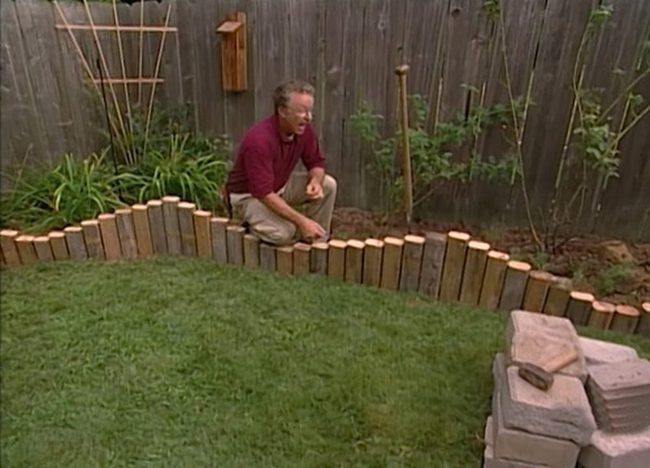
Wooden garden edging delivers striking visual appeal through rich timber tones that stand out beautifully against lush green landscapes, and landscape timbers frame your beds with clean, structured lines that separate lawn from planting areas with modern sophistication.
Strong wooden planks establish crisp boundaries that elevate your outdoor design and add textural interest while blending naturally with surrounding plants.
The lovely thing about this look is that installation remains straightforward for gardeners at any skill level, so you won't need special expertise to transform ordinary borders into stylish architectural elements.
Natural wood colors offer visual depth and work well with different garden styles, making it easy to fit this edging into your existing landscape.
Weather-resistant materials stand up to rain, sun, and temperature changes throughout the year, so your investment stays looking good season after season.
Strategic placement of these timbers turns simple garden boundaries into design features that enhance your outdoor space.
Warm Sandstone Garden Borders
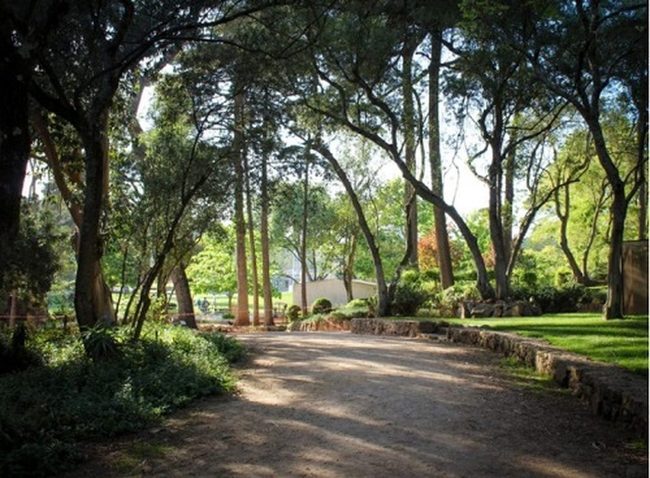
Sandstone edges offer a luxurious natural border that brings understated charm to your garden, and their warm neutral tones seamlessly connect pathways and plant beds with gentle sophistication that doesn't compete with your greenery.
You can arrange these durable stones in smooth horizontal rows or stagger them slightly for added visual interest, and their clean lines enhance your landscape design without overwhelming delicate plants.
Natural stone textures complement surrounding plants and hardscape elements with simple elegance, which is why landscape designers value sandstone so highly for its versatile aesthetic and long-lasting performance.
Whether you're designing a modern minimalist garden or a rustic country space, sandstone integrates beautifully into multiple styles and settings.
Boulder Edging Garden Boundaries
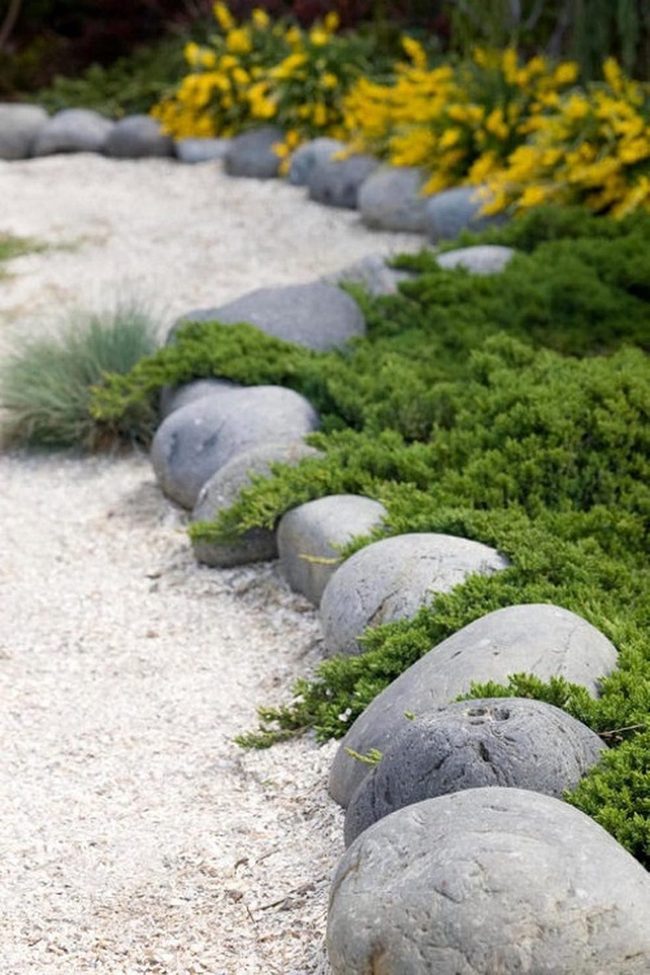
Large boulders form dramatic boundaries around your garden beds and instantly grab attention with their rugged, natural character.
These substantial rocks define clear separations between your planting areas and pathways or lawn, while their uneven surfaces add wonderful texture and depth to the landscape.
Stones in various sizes help soften the transitions between different garden zones and avoid creating sharp, rigid lines that can feel out of place.
Earth-toned boulders sit beautifully beside your greenery and ground covers, blending harmoniously with the plants around them.
This gives you the freedom to enjoy how irregular stone edges give your garden an organic feel that looks both planned and wonderfully wild at the same time.
Rock formations in this style hold up remarkably well to weather and wear, making them practical for long-term landscaping.
Solid Stone Garden Boundaries
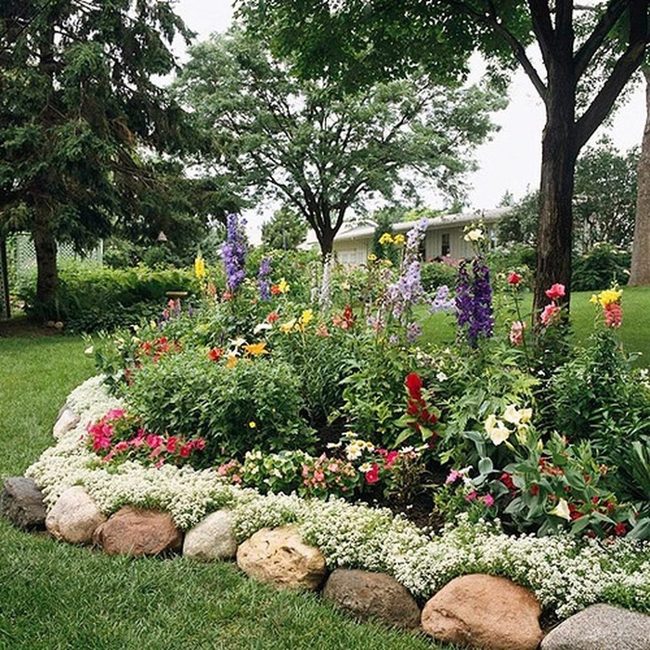
Heavy stone and concrete edging creates powerful garden boundaries that protect and define your outdoor spaces with impressive strength and visual weight.
Large stones or concrete form resilient landscape borders that resist weather extremes and keep garden zones neatly separated, and they work exceptionally well in areas experiencing high traffic or challenging environmental conditions.
These robust edges anchor garden beds with solid structural integrity and prevent soil erosion while maintaining clean landscape lines that look polished.
Natural stone selections blend seamlessly with surrounding landscapes and add organic texture and dimensional interest to your garden design.
Homeowners appreciate how these tough borders stay durable over time and require minimal maintenance compared to other edging options.
Professional landscapers recommend these materials for their long-lasting performance, and they love how the crisp, well-defined garden spaces give your yard a refined appearance.
When you choose heavy stone or concrete for your garden borders, you're investing in durability and structural support that will hold up season after season without losing its appeal.
Red Terra Cotta Garden Borders
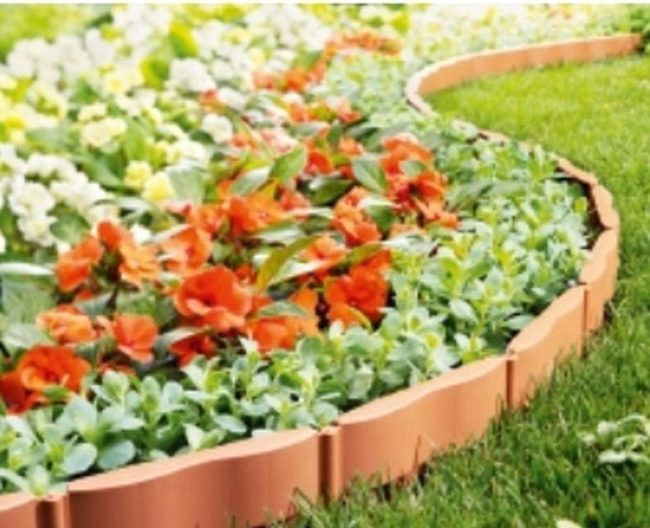
Garden borders come alive when you introduce earthy and colorful edging that brings natural textures and bold design statements to your outdoor space.
Red mud tiles create striking contrast against surrounding greenery and catch the eye with instant visual excitement.
Terra cotta tones, painted stones, and organic materials work well together along garden boundaries, mixing warm hues that add depth.
Stone accents in deep browns and rusty oranges bring dimensional interest to your garden edges.
When you place colors strategically along pathways, eyes naturally follow the route and discover your plant collections.
These materials transform ordinary garden spaces into artistic landscapes that feel thoughtfully designed.
You don't need professional help to implement these dynamic edging techniques and elevate your outdoor environment.
Even passionate gardeners new to design can easily refresh their borders with these straightforward approaches.
Flowing Garden Curves Replace Straight Lines
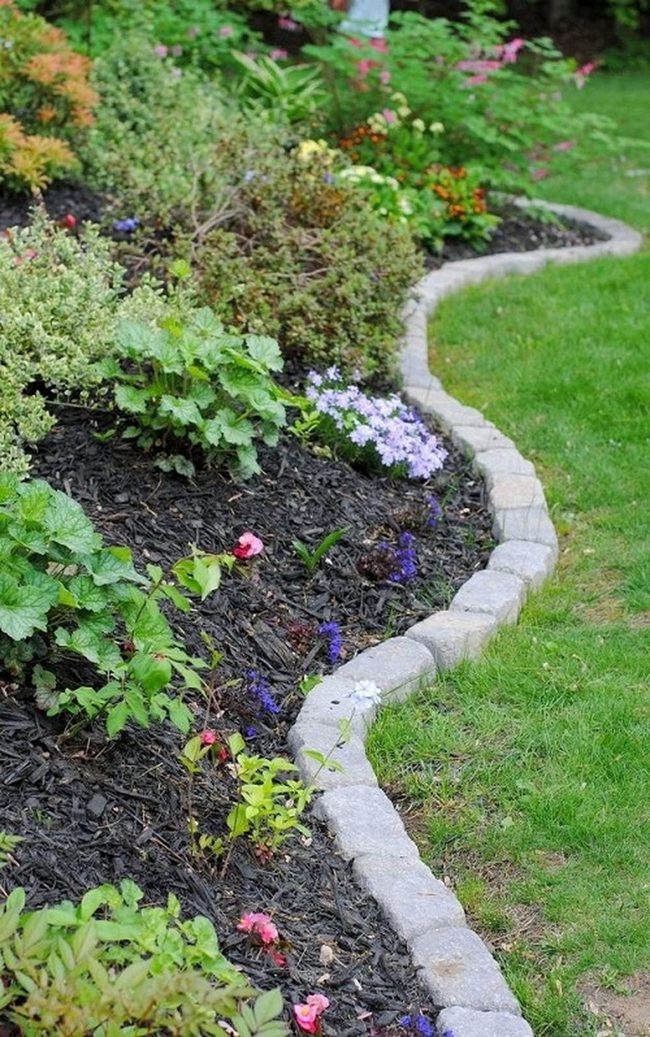
Snake path garden edges curve gracefully through your landscape, replacing rigid straight lines with flowing, organic shapes that dance naturally across the space.
The main detail is how these sinuous boundaries mimic how nature actually moves and creates a sense of dynamic energy that pulls the eye along the garden.
Garden designers prefer these undulating edges because they guide visitors through different plant zones with smooth, graceful transitions and make the whole space feel more connected.
Curved pathways soften harsh lines and bring a relaxed, playful mood to outdoor areas where straight edges might feel too stiff and formal.
If your garden leans toward a more informal style, snake path edges work beautifully because they feel less structured and more like something nature created itself.
These flowing boundaries let your landscape breathe and transform ordinary yards into outdoor spaces that feel genuinely interesting and alive.
Sharp Stone Garden Borders
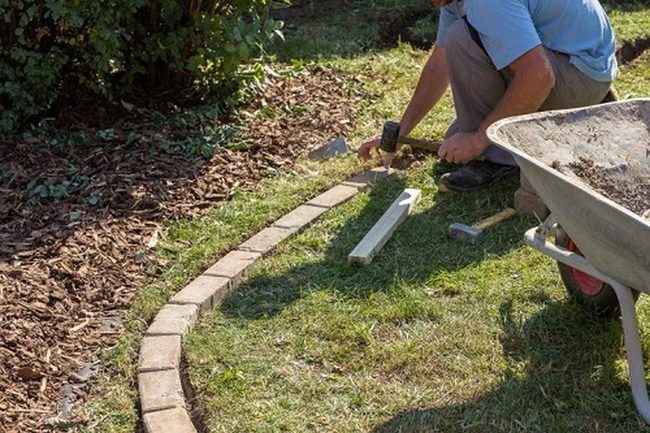
Stone or concrete pavers arranged along garden edges create sharp, defined lines that separate your planting beds from surrounding lawn and pathways.
I enjoy how these structured borders give your outdoor space a polished, modern look that instantly lifts the overall appearance of your landscape.
Natural stone or concrete options both hold up well through seasons and weather shifts, so durability isn't something you need to worry about.
Selecting materials that match your home's exterior siding or trim helps tie your garden design to your existing architecture.
Whether you go with rectangular pavers in neat rows or choose irregularly shaped stones for a less formal feel, both approaches work to transform a basic garden into something with real character.
The boundary between your beds and grass becomes clean and intentional, which changes how the whole yard feels.
Metallic Garden Borders Sharp Definition
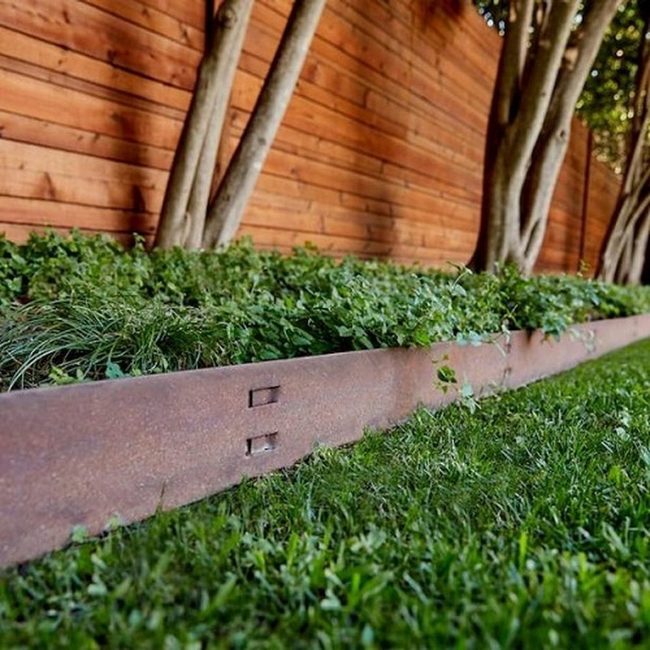
Metallic edges catch the light and immediately draw your eye to a garden space, delivering sharp clean lines and contemporary style that stands out beautifully against green plants.
Steel and aluminum borders gleam with an industrial flair that transforms ordinary pathways into sophisticated design statements and adds real architectural interest to the landscape.
Metal boundaries slice through traditional garden designs with precision and provide definition between different zones, giving your outdoor space structure and organization.
You'll find that these crisp edges work well for creating distinct garden areas and separating plants from walkways.
When selecting metals for your garden, look for materials that resist rust and colors that complement the surrounding plants you've chosen.
Professional gardeners often recommend aluminum and steel as reliable options that hold up well over time and maintain their sleek appearance through different seasons.
Stone Borders Frame Garden Order
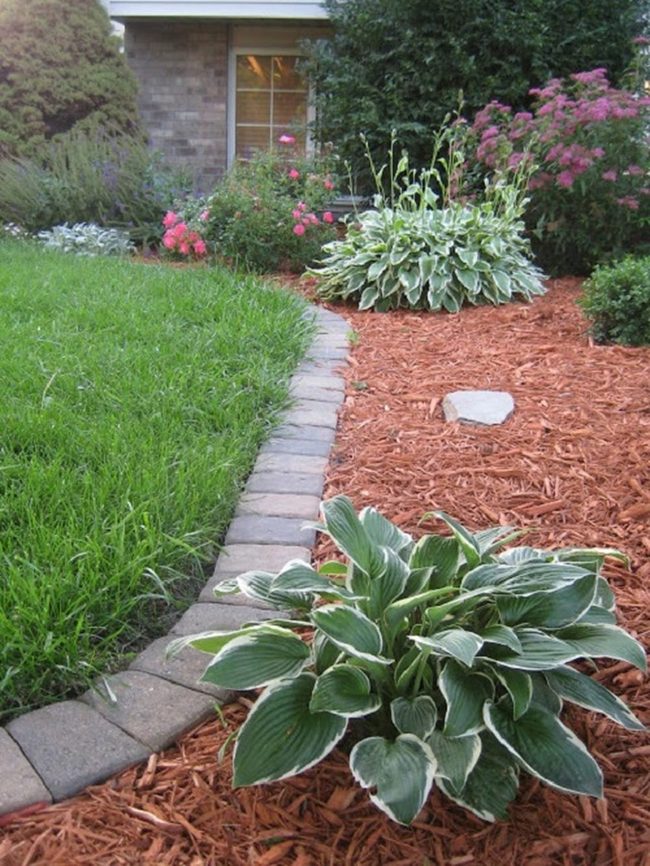
Stone garden edging brings quiet sophistication to any outdoor space by establishing clear boundaries that frame your flower beds and pathways with understated polish.
Smooth stones and neatly laid bricks form clean lines that separate different garden zones and give your landscape a sense of order.
Natural stone blends right in with the surrounding plants and greenery, offering a refined framework that lets your plantings take center stage without competing for attention.
You can use these classic materials in nearly any garden style, whether you prefer a traditional look or something more contemporary.
Landscapers rely on these time-tested materials because they naturally create visual harmony and keep garden spaces feeling organized.
Basic stone borders have a way of turning an everyday yard into a polished outdoor room that feels purposeful and well-designed.
When you select stones that complement your home and garden style, the whole space starts to feel more pulled together and thoughtful.
Natural Stone Garden Borders
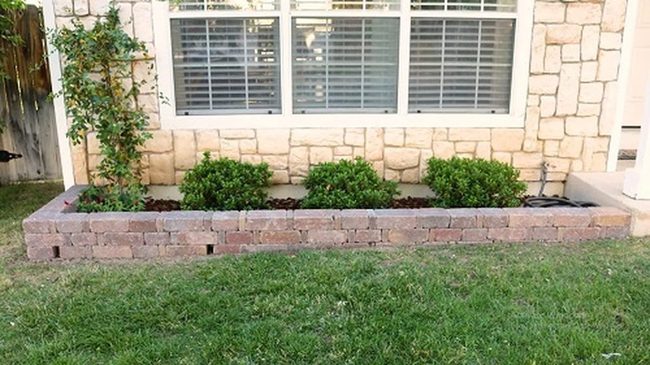
Stone borders give your garden natural lines and anchors that look timeless and beautiful, while rocks from your local area blend seamlessly between different garden zones and the surrounding landscape.
Natural stone edges keep things neat and organized without looking manufactured or harsh, and you can mix various sizes and shapes to make the design feel personal and unique.
Setting these borders up takes only basic landscaping skills, so whether you're new to gardening or have lots of experience, you can handle the job yourself.
Stone colors stay neutral and work well with any plants or house style you already have, and when you place borders along pathways or around flower beds, they transform your outdoor space into somewhere that feels complete and welcoming for you and anyone who visits.
Metal Tubes Meet Succulent Green
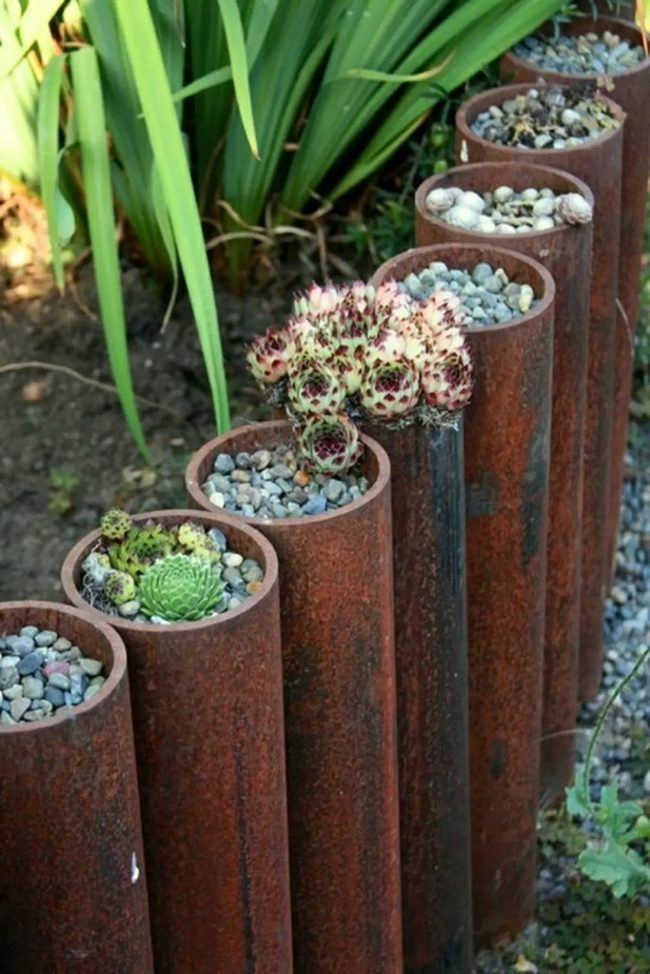
Metal tube edging makes a striking statement in garden borders and demands attention with its bold industrial look, so gravel-filled tubes deliver clean geometric lines that stand out beautifully against living succulents and add visual interest right away.
Metallic edges structure your pathways and guide your eye through landscaped spaces in a modern way.
Succulents nestled between metal tubes bring organic texture and green vitality to hardscape elements and soften the rigid geometry with natural growth.
Garden designers appreciate this method because it delivers a streamlined appearance and keeps maintenance simple for homeowners like you.
Metal tubes work well for modern outdoor spaces where you want contemporary design solutions without fussy upkeep.
It's a straightforward way to define garden areas and add structure to your outdoor space.
Mixed Material Garden Borders
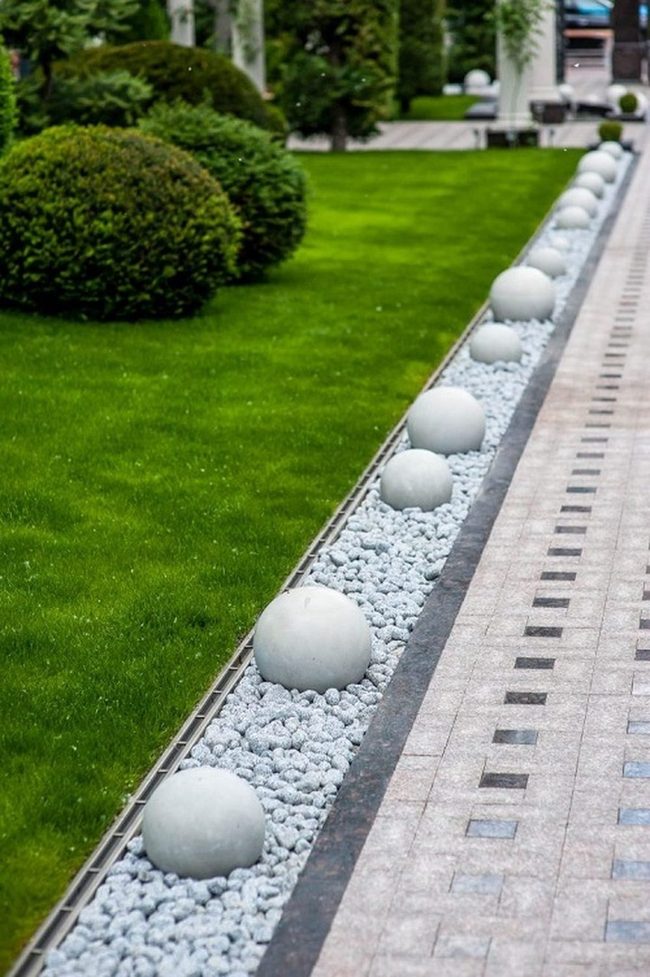
Mixed edging materials create bold garden borders that grab your attention through unexpected combinations of wood, metal, stone, and concrete in dynamic landscape transitions.
Contrasting textures and colors add rich dimension to outdoor spaces, and homeowners can play with different shapes, heights, and colors to reflect personal style.
Wooden planks might sit next to smooth metal strips, while rough stone pieces stand beside sleek concrete segments, each pairing offering its own visual interest.
Strategic material selections transform ordinary garden edges into artistic statements that break traditional landscaping boundaries.
Experimenting with different combinations lets you discover what resonates with your taste and your home's character.
Unique garden borders become design features that spark conversation and elevate your entire yard's appeal.
Geometric Brick Garden Edging
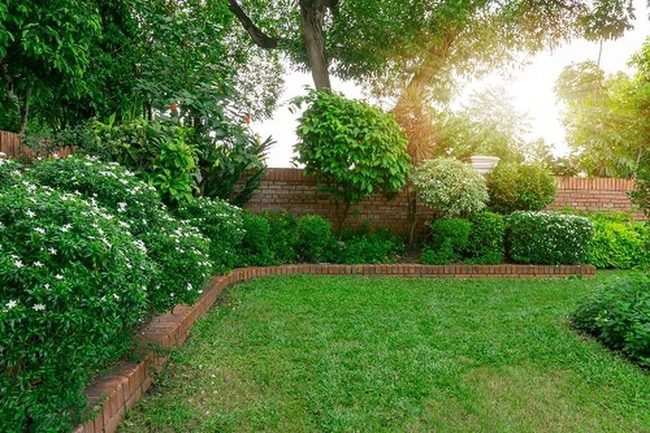
Patterned brick borders with geometric designs like herringbone and basketweave arrangements bring rich visual texture and sophisticated style to garden landscapes, while structured bricks create clean lines that define outdoor spaces with architectural precision and frame flower beds and walkways with natural elegance.
You have multiple brick options to choose from, whether you prefer traditional red clay or neutral-toned materials that complement your surrounding landscape elements.
These borders resist weathering and hold up well over time, making them both a practical and attractive choice for edging solutions.
Garden designers value how these arrangements transform ordinary garden edges into distinctive decorative features that add dimension to your yard.
Natural materials ensure your landscaping maintains its appeal year after year without requiring constant maintenance.
Selecting the right brick pattern allows you to enhance your outdoor areas in ways that suit your personal style and existing plants.
Natural Wood And Stone Garden Borders
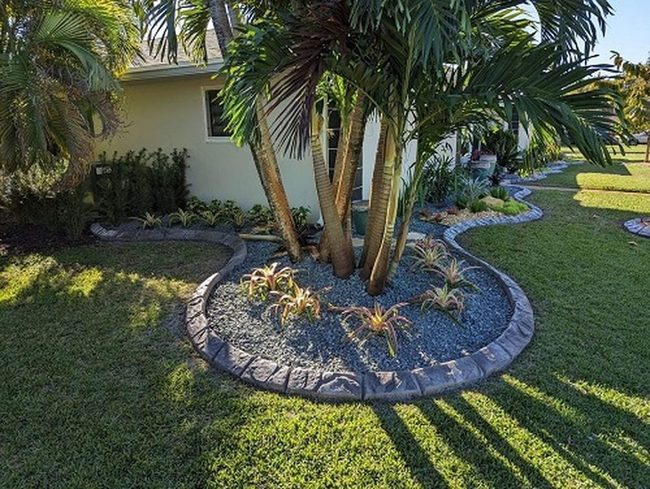
Garden borders made from natural wood planks and smooth stone edges create the most striking visual impression as they quietly define your space with understated grace.
Curved lines that embrace lush green plants form a seamless flow between different landscaped areas, and soft textures of stone and timber blend together to establish a calm garden environment.
Organic materials throughout bring a sense of peace and stillness to every corner of your outdoor space.
Relaxed edges guide your eyes and feet gently through the green areas without harsh boundaries blocking the way.
When you choose materials and design elements thoughtfully, ordinary garden spaces become peaceful sanctuaries that encourage you to slow down and connect with nature.
Simple boundaries work well because they let the landscape breathe instead of imposing rigid structure on the space.
Weathered Rope Garden Boundaries
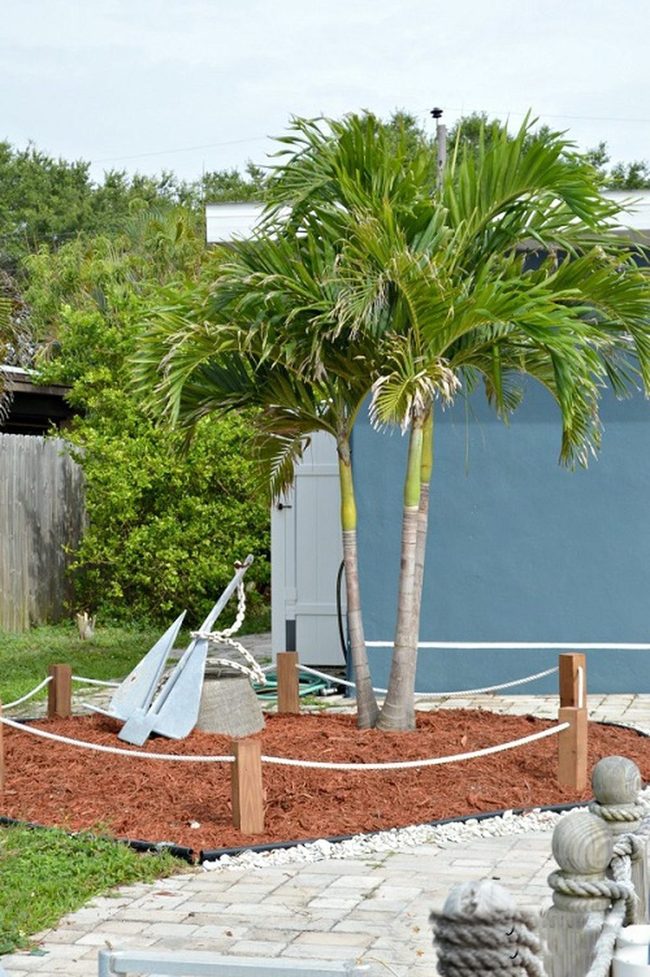
Coastal rope edging delivers seaside charm directly into your garden with its nautical and relaxed character, and marine-grade ropes wrap around garden beds in smooth curved lines that mirror the flow of beach landscapes.
Thick natural fibers give your planting areas and walkways sturdy separation while weathered rope materials blend beautifully with sandy textures and enhance the overall coastal garden feel.
Neutral tones and organic textures allow rope to sit comfortably alongside surrounding greenery and landscape elements without standing out too much.
Installation stays simple enough that gardeners of any experience level can handle it on their own.
You get both function and style when you choose rope edging for your outdoor space.
Natural Wood Garden Edging
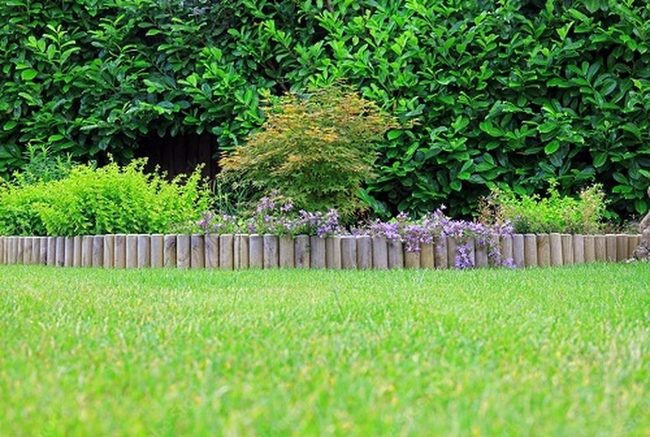
Wooden pole borders stand out as striking garden features that add organic structure and visual interest to outdoor landscapes.
Natural wood cylinders define edges between lawn and planting areas with effortless grace.
Simple wooden segments bring warmth and texture that soften hard landscape lines.
You can choose from cedar to reclaimed timber, and each wood type offers its own character and durability.
Garden designers appreciate how these borders work across many styles, from modern minimalist to country cottage aesthetics.
When you arrange poles along garden perimeters, they become artistic statements that feel both relaxed and purposeful.
This straightforward approach to edging keeps your garden looking polished while maintaining a natural, unpretentious feel.
Interlaced Willow Garden Borders
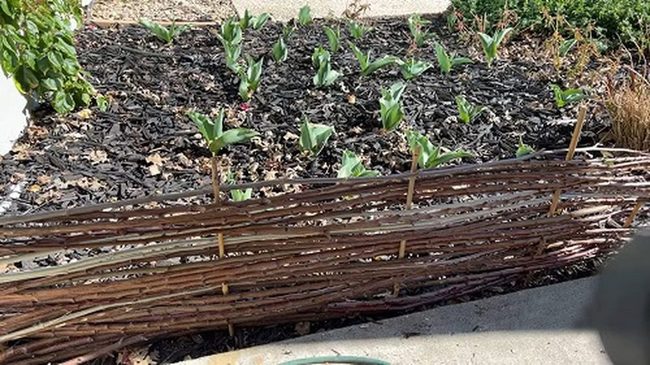
Wattle edging uses interlaced willow or hazel branches to weave rustic charm throughout your garden, and the natural curves frame flower beds with understated grace that connects your landscape to classic rural aesthetics.
Skilled hands transform flexible twigs into beautiful garden structures, and the organic lines showcase natural textures and shapes in ways that blend seamlessly with surrounding greenery.
Flexible branches interlock to form sturdy boundaries without needing expensive materials or complicated installation methods.
Budget-friendly supplies make this edging approach accessible for gardeners who want authentic, handmade solutions without breaking the bank.
Once in place, wattle edging works quietly in the background, supporting your garden's natural beauty and helping everything feel connected to the landscape beyond your yard.
Michael Harris
Senior Content Editor
Expertise
Home Décor Content Creation, Interior Design Journalism, Editorial Oversight, Digital Media Strategy, Team Leadership and Mentorship
Education
University of Queensland, Brisbane, Australia
Queensland University of Technology (QUT), Brisbane, Australia
Michael Harris is the senior content editor at Archi Refresh, where he turns home design trends into engaging, easy-to-follow articles. With a journalism degree from the University of Queensland and a digital communication certification from QUT, he knows how to craft content that informs and inspires.
With over 10 years of experience in lifestyle and design media, Michael has shaped editorial strategies, mentored writers, and helped readers refresh their spaces with practical tips. His work blends storytelling with expert advice, making home decor more accessible to everyone.
Outside of work, Michael enjoys DIY projects, exploring Brisbane’s art scene, and teaching digital literacy workshops.