
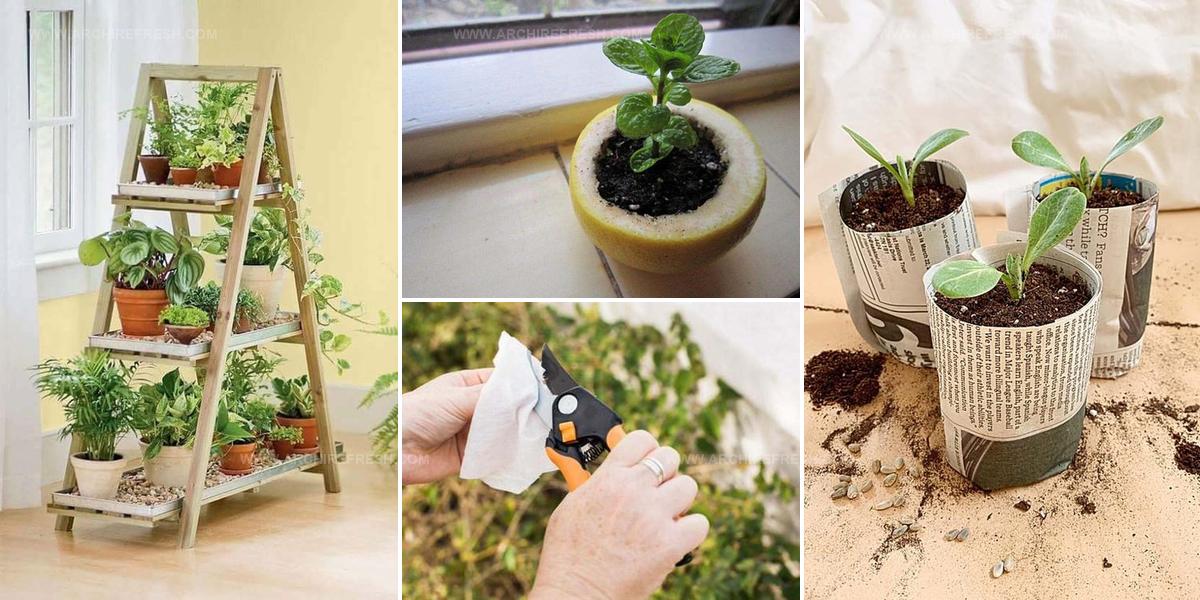
31 Gardening Tips For Thriving Plants That Flourish All Season
Healthy plants depend on gardening tips that address their core needs throughout every season.
Most beginners feel overwhelmed when confronted with wilting leaves or stunted growth, but simple adjustments often solve these common problems.
Learning what works makes all the difference between struggling specimens and flourishing greenery.
Whether dealing with houseplants or outdoor beds, understanding fundamental care principles helps anyone become more successful.
Small changes in watering habits, light exposure, or soil quality can produce remarkable improvements within weeks.
Even experienced growers benefit from revisiting essential practices that boost plant vitality and resilience.
Apply what resonates with the conditions around where plants grow, and watch as everything becomes stronger and more beautiful.
Honey Rooting Solution Plants Thrive
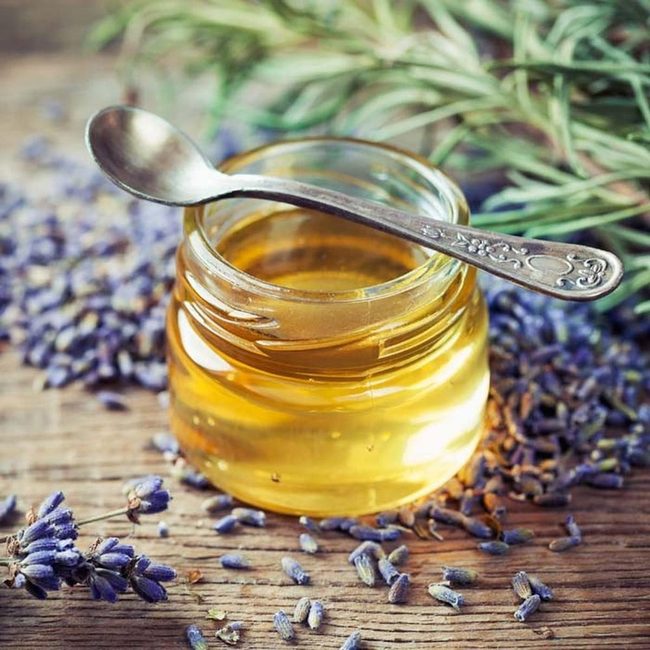
When you're propagating cuttings, dipping them in honey offers a surprisingly powerful natural solution that works just as well as commercial rooting powders.
Honey's antifungal properties shield your cuttings from rot and disease while simultaneously triggering faster root development.
This dual action means your plant babies get protected and encouraged to grow at the same time.
Since honey is completely organic, you're keeping your entire gardening practice free from synthetic chemicals and additives.
Simply coat the bottom inch of your cutting in raw honey before placing it in soil or water, and the results speak for themselves.
Most gardeners find that honey-treated cuttings develop roots more quickly and with greater strength than untreated ones.
You'll end up with healthier, more resilient plants that are ready to thrive in their permanent homes.
It's one of those gardening hacks that feels almost too simple, yet it consistently delivers solid results without any fuss or expense.
Broken Pottery Plant Markers
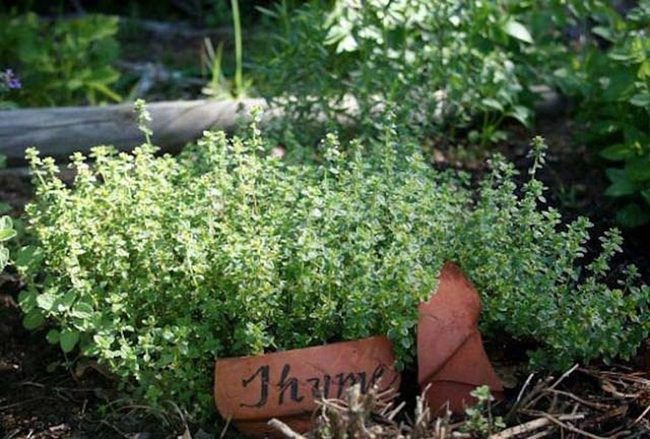
Broken pots become excellent plant markers when you write plant names on the rims and stick them into the soil.
You get a rustic look that fits naturally into your garden beds while keeping everything organized at the same time.
Writing plant names helps you remember what's growing where, and it reduces waste by giving old pots new purpose.
These simple markers blend right into the earth and show off your plant collection without being too showy.
It's a straightforward way to keep track of what you're growing and support the environment together.
Basil Lavender Citronella Defense
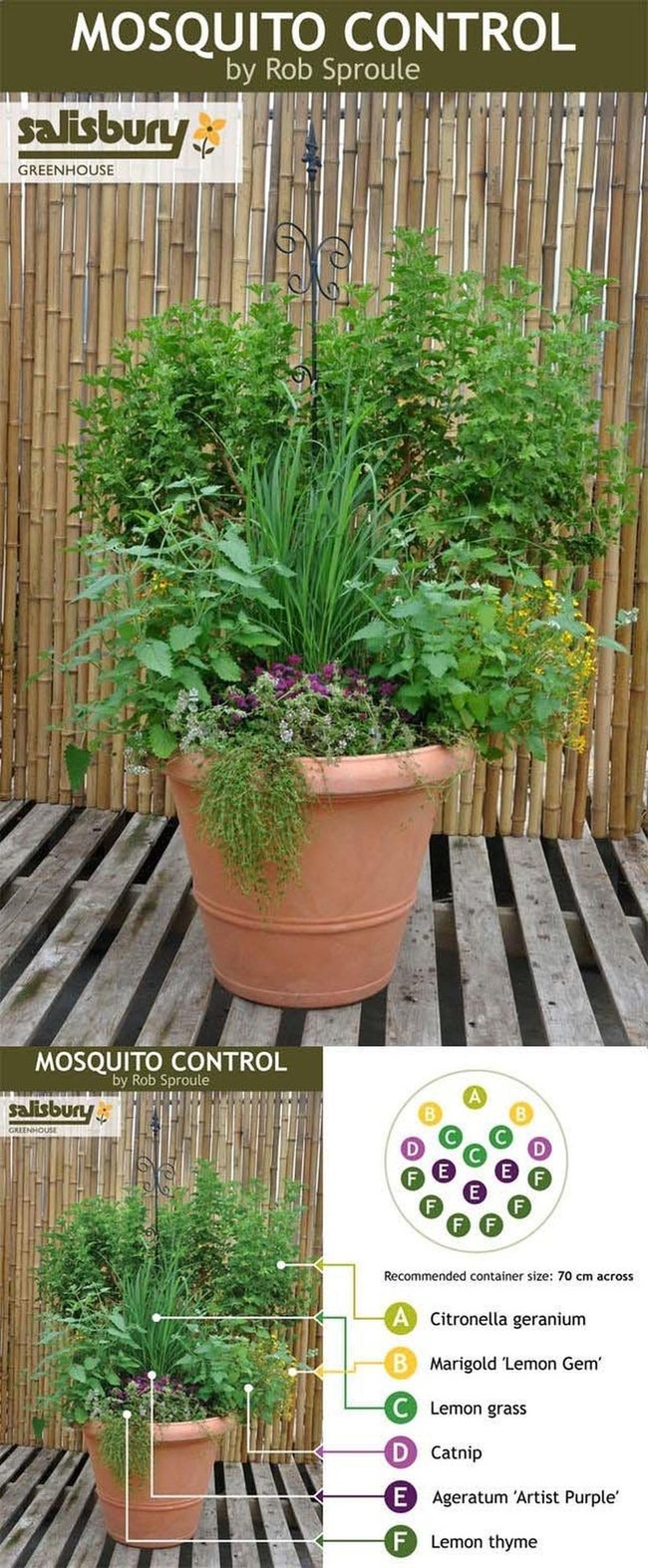
Plants with natural mosquito-repelling properties can transform your patio into a more comfortable space where you and your guests can relax without swatting at insects all evening.
Basil, lavender, and citronella plants work well when placed around seating areas and garden edges.
You can notice fewer mosquitoes hanging around when these aromatic plants are nearby.
Beyond the bug-fighting benefits, these greenery choices add lovely color and fragrance to your outdoor setup.
Arranging them in clustered pots or garden beds draws attention and makes your patio look fuller and more polished.
The natural scents from these plants drift through your space as the breeze moves, and this simple addition means you can spend more time outdoors without dealing with pesky insects.
Coffee Filters For Potted Plants
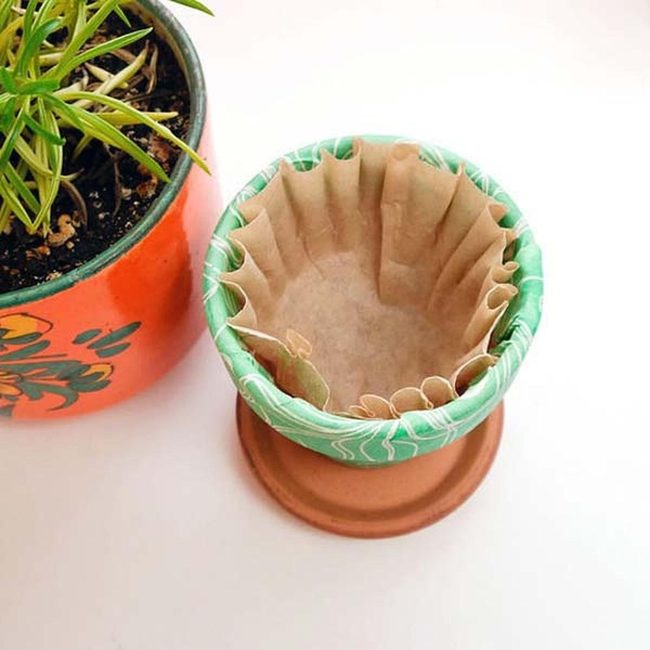
Coffee filters work wonders when you line your plant pots because they stop soil from spilling out the drainage holes while letting water flow through properly.
When soil stays put inside your pots, your plants get consistent moisture and better growing conditions.
You might be surprised how well this ordinary household item handles the job that expensive pot liners do.
Beyond keeping things clean and functional, using coffee filters is a smart choice for the environment since you're giving an item a second life instead of tossing it out.
Most people don't realize how many gardening solutions exist right in their kitchen cabinets already.
Next time you're about to discard used filters, remember they're perfect for supporting your green plants and reducing waste at the same time.
Coffee Grounds Repel Snails Naturally
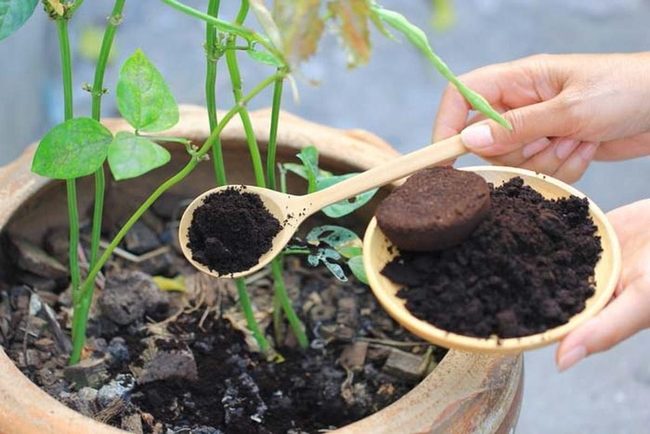
Coffee grounds do double duty in your garden by pushing snails away and feeding your soil at the same time.
When you sprinkle used grounds around your plants, the snails tend to avoid the area because they dislike the texture and smell.
Beyond pest control, these grounds break down and release nitrogen into the earth, which helps your plants grow stronger and greener.
It's a straightforward solution that works without harsh chemicals or expensive products.
Most of us have coffee grounds sitting around after our morning brew, so this method costs almost nothing.
You get healthier plants and fewer pests through one simple step.
Gardeners who want to avoid chemical sprays find this hack especially useful since it keeps everything natural and safe for your outdoor space.
Newspaper Pots For Seedlings
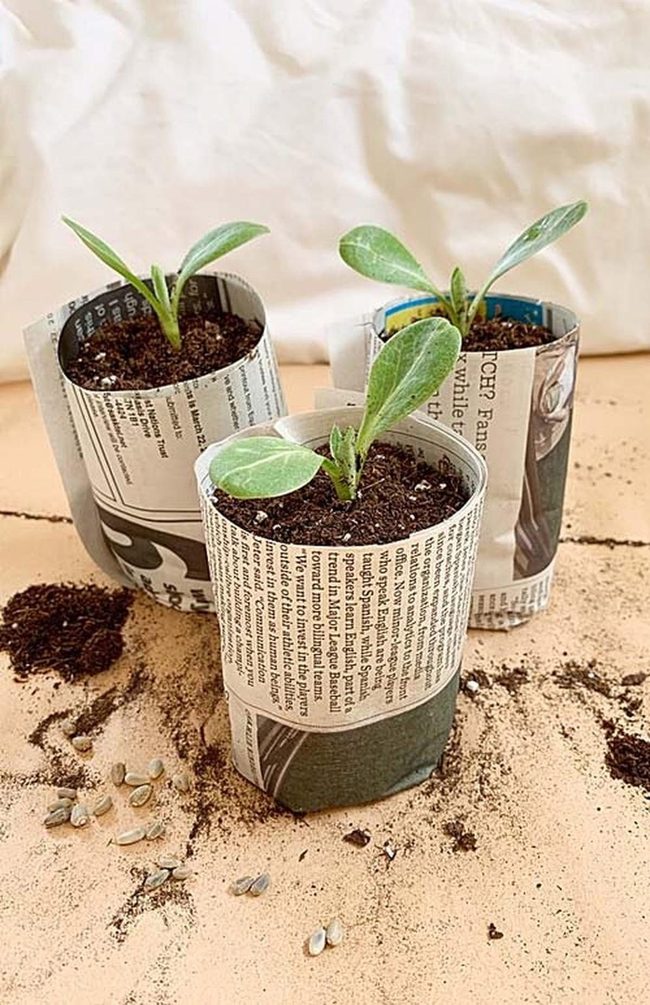
Shaping newspaper into seed containers gives your garden an earth-friendly boost while cutting down on plastic waste.
Once your plants get bigger, the newspaper breaks down naturally in the soil and adds nutrients back to it.
You save money by recycling materials you already have at home instead of buying plastic pots.
It's a straightforward solution that works because the biodegradable material does double duty as both a planter and a soil amendment.
This feels natural because simple this method is since it requires nothing more than old newspapers and a bit of folding.
Gardeners can feel good about reducing trash while also giving their seedlings a healthy start in life.
Eggshell Powder Pest Barrier
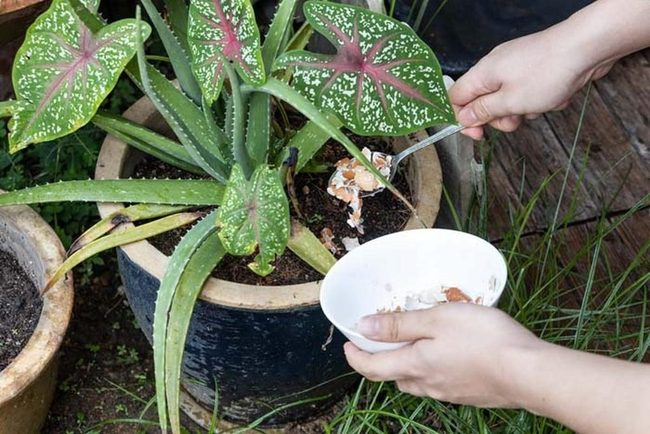
Crushed eggshell powder scattered around your garden beds delivers a double benefit; it repels slugs and unwanted pests while feeding your plants with essential calcium at the same time.
When you crush and spread these shells across the soil, they break down gradually and boost your garden's nutrient content.
Using eggshells instead of chemical products means you're taking an earth-friendly approach to gardening and supporting your plants' natural growth.
Your plants respond well to the calcium boost, and the rough texture of the shells creates a barrier that pests simply want to avoid.
This simple practice supports both healthier soil and a more sustainable way of tending your garden without relying on harsh treatments.
Metal Tin Seed Spacing Solution
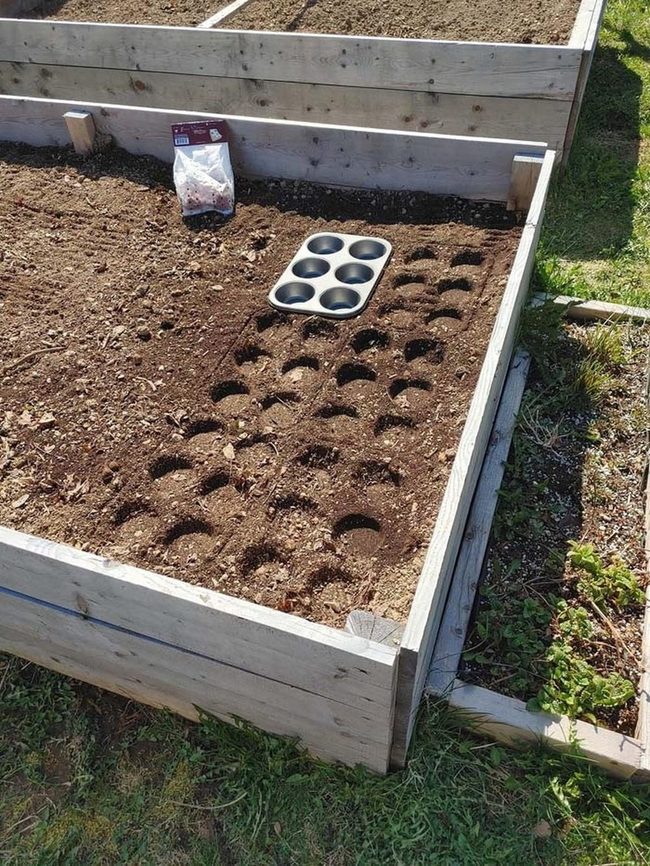
Muffin tin works well as a simple spacing guide when you're planting seeds in your garden, and pressing it into the soil creates neat, evenly-spaced holes for each seed.
You get uniform spacing this way, which means your plants have room to grow without crowding each other out.
Such an organized approach to planting makes the whole process much easier to manage.
Whether you're new to gardening or have done it before, this method helps you keep rows straight and consistent.
Instead of measuring distances by hand or guessing where each seed should go, the tin does the work for you.
Your garden beds end up looking neat and orderly right from the start, and you won't have to thin out overcrowded seedlings later.
Vegetable Water Feeds Gardens Free
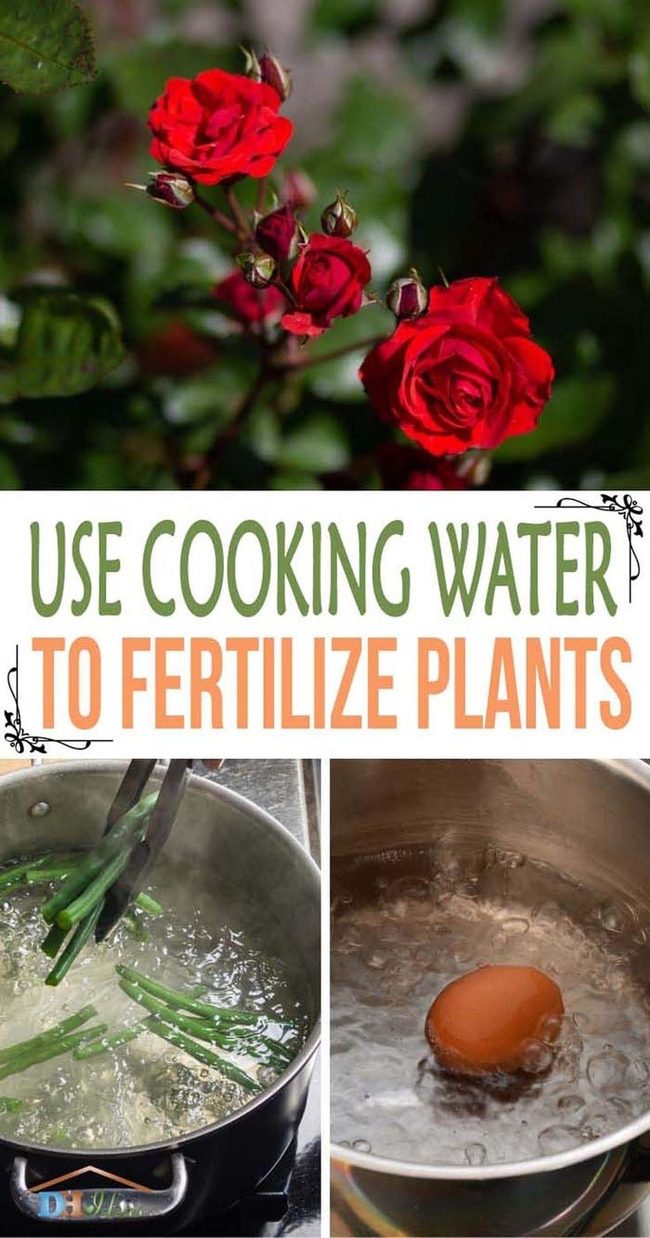
Leftover water from cooking vegetables can give your plants a real nutritional boost, so saving it from the sink and letting it cool down before you pour it on your garden makes a lot of sense.
When you use this cooled cooking water for watering, you're adding essential minerals and nutrients directly into your soil that would normally go down the drain.
Your garden benefits from the starches and minerals that leached into the water while vegetables were cooking, and plants absorb these elements just as readily as they would from commercial fertilizers.
Beyond the garden rewards, this practice cuts down on waste from your kitchen and turns something you'd normally throw away into something useful.
It's sustainable gardening at its simplest, and you don't need any special equipment or knowledge to start doing it today.
Terracotta Sand Oil Tool Care
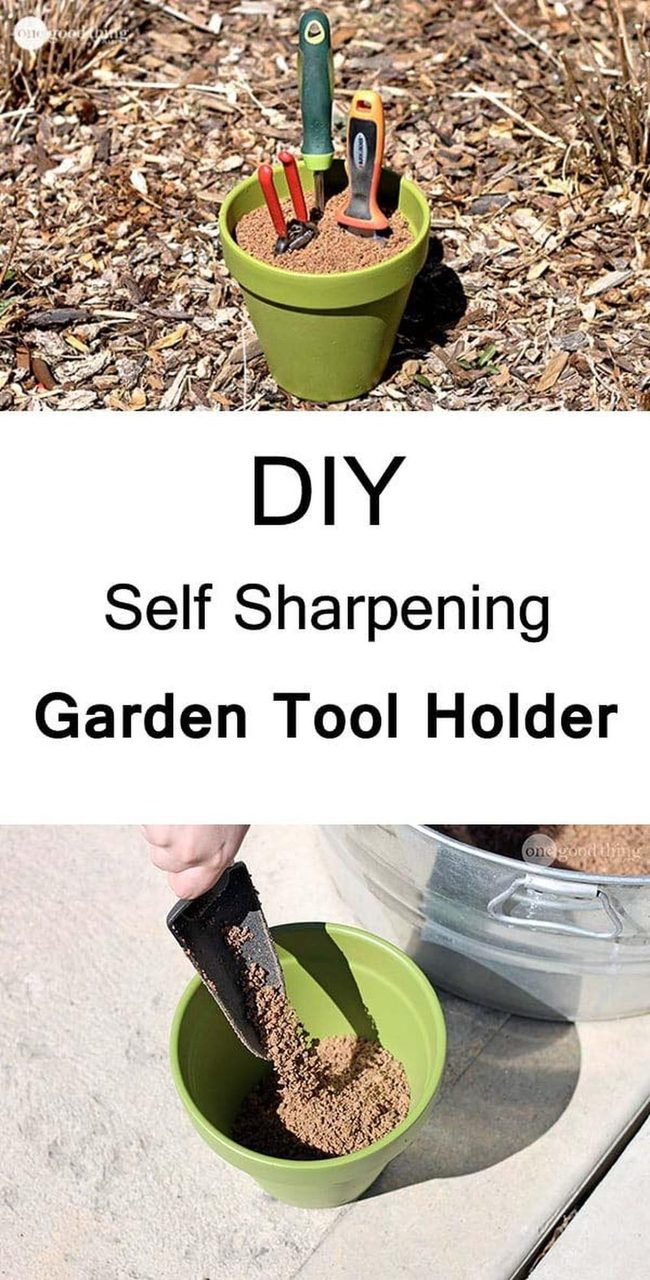
Keep your gardening tools in top shape by filling a terracotta pot with sand mixed in mineral oil, which sharpens blades while stopping rust from forming.
You can store your tools right in this simple setup and maintain them without any extra effort.
Sand naturally removes buildup and oxidation from metal surfaces, and the oil creates a protective barrier that keeps moisture away.
This method saves you time on regular upkeep and extends how long your equipment lasts.
Rather than buying expensive sharpening tools or replacements, this one container handles both storage and maintenance in your shed or garden space.
Most gardeners find this approach cuts down on tool care significantly.
Keeping your equipment ready to use means you spend less time preparing and more time actually working in your garden.
Epsom Salt Jump-Starts New Plants
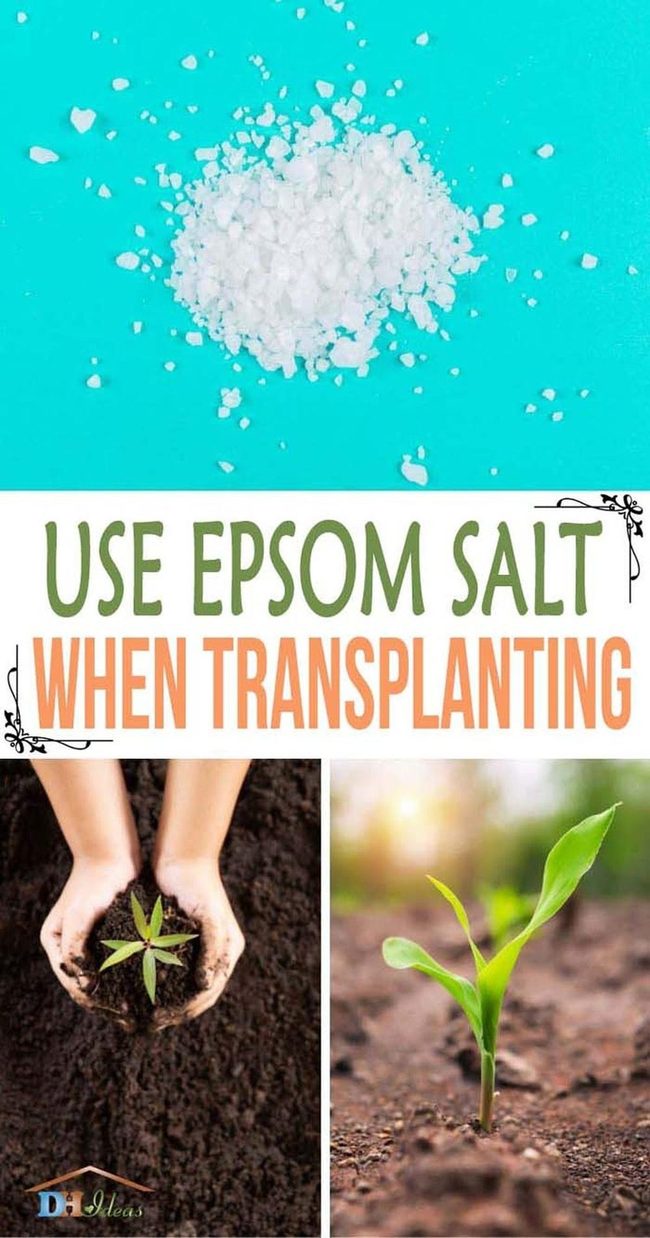
When you move plants to a new home, giving them Epsom salt in the planting hole makes a real difference in how well they adjust to their new spot.
Epsom salt delivers magnesium and sulfur, two minerals that plants need to build strong roots and bounce back from the stress of being moved.
Just a light sprinkle mixed into the soil around the base helps your new plants settle in faster and start growing with more vigor.
This simple step means less wilting and better overall health during those critical first weeks after planting.
Many gardeners skip this trick and wonder why their plants struggle, but adding it takes only a minute and costs almost nothing.
You can spot your garden fills in faster and stronger when you give plants this head start, and the whole process feels less stressful for both you and your green friends.
It's one of those small moves that saves time and heartache down the road.
Natural Vinegar Soap Weed Control
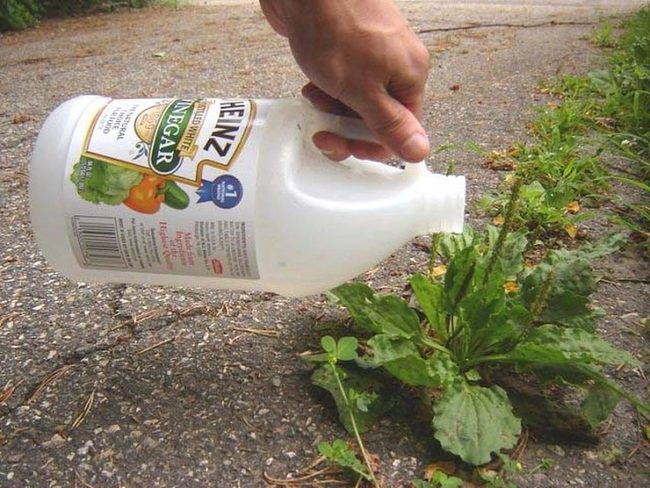
Spraying vinegar mixed with dish soap directly on weeds offers a fast way to stop them from spreading across your garden beds.
You get real results without relying on harsh chemicals, and this method keeps your soil healthier for the plants you actually want to grow.
Dish soap helps the vinegar stick to weed leaves so it works more effectively.
Many gardeners like this approach because it's simple to mix at home and costs very little compared to store-bought weed killers.
Over time, using natural solutions like this builds a stronger garden ecosystem since you're not loading the soil with synthetic products.
Your garden stays neat and tidy while you support a healthier environment for everything growing there.
Weathered Ladder Vertical Plant Display
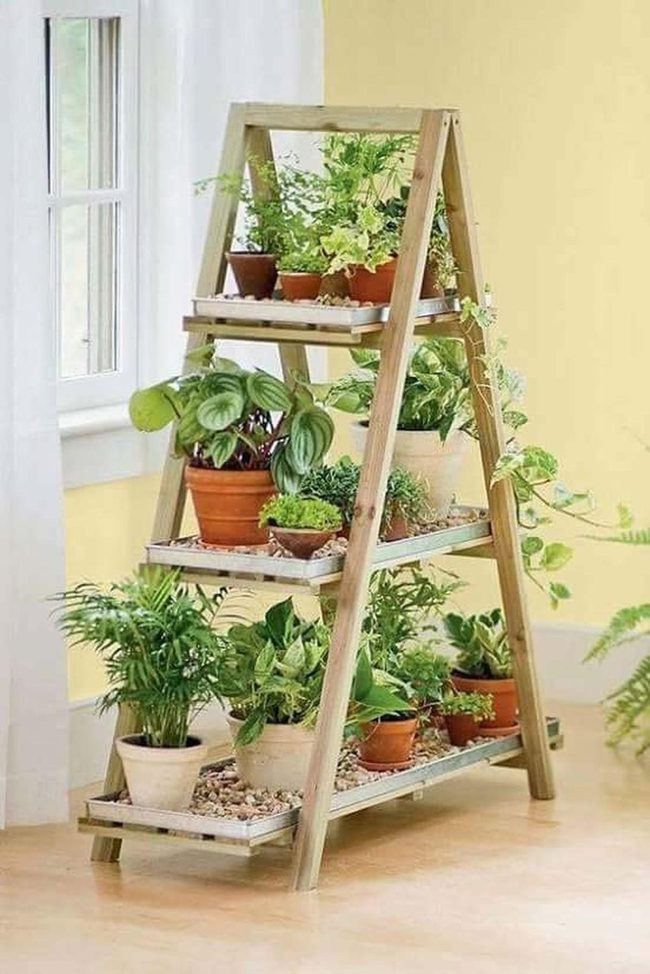
Ladder garden makes smart use of vertical space and lets you grow many plants without taking up much room, and when you attach pallet wood sections across the rungs, you get sturdy spots to hold your pots in an arrangement that really stands out.
Beyond saving precious garden space, this setup brings real character to your outdoor area because the weathered ladder blends beautifully with the plants around it and lifts your whole garden's appearance.
If you're working with a small yard or patio, this approach solves the problem of limited ground space while giving you a distinctive look that feels natural and lived-in.
You can arrange your plants however you like, mixing trailing vines with upright varieties for variety.
Whether you fill it with succulents, herbs, or flowering plants, a ladder garden brings both function and personality to where you spend time outdoors.
Diapers Hidden Plant Hydration Hack
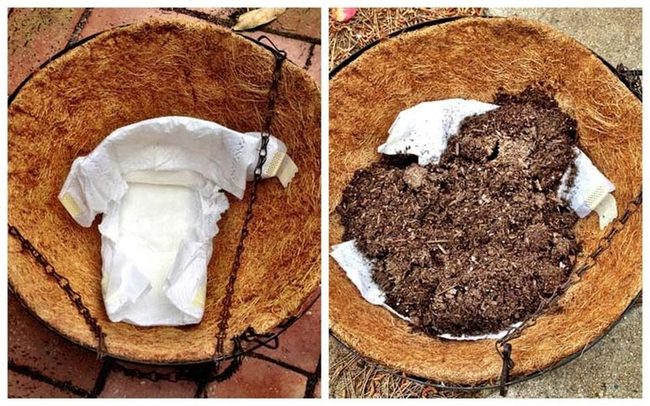
Using diapers in your soil might sound odd at first, but this unusual method actually works well for keeping your plants watered and healthy.
Diapers absorb and hold moisture effectively, which means your soil stays hydrated longer between waterings.
You can toss a diaper at the bottom of a pot before adding soil, and it becomes a hidden reservoir for your plants.
This approach saves you time during busy weeks when you might forget to water, and it's especially useful if you travel or have a lot of plants to care for.
Plants grown with this method tend to grow faster and more robust since they have steady access to water.
Orange Peels For Natural Pest Control
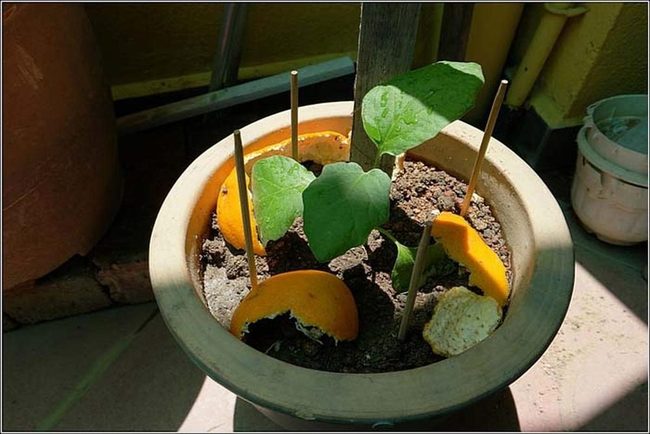
Orange peels are powerful pest deterrents because of their D-Limonene content, which naturally repels ants, slugs, and other unwanted insects from your garden.
You can scatter them around your plants to create a protective barrier without chemicals or synthetic sprays.
Beyond protecting your greenery, these peels release a fresh citrus aroma that makes your garden smell wonderful while keeping bugs away.
This budget-friendly method works well because it uses something you'd normally throw away.
Gardening becomes easier when you tap into what nature already provides.
It's a simple hack that combines practical plant care with sustainable living, and your outdoor space benefits from the natural defense while smelling fresh and clean.
Reclaimed Pallet Garden Tool Organizer
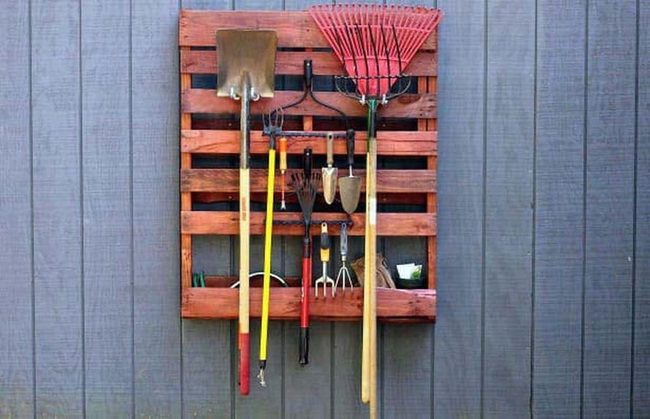
Pallet wood transforms into a rustic storage solution that keeps your garden tools organized and within reach.
You can build a simple shelf from recycled materials, which gives your garden a practical place for everything you need.
It's functional and looks great without requiring expensive materials or complicated construction.
When you repurpose pallets this way, you're solving a storage problem and bringing character to your outdoor area.
Your tools stay protected from the elements while staying easy to grab when you need them.
This kind of project shows how simple solutions can be both useful and visually appealing in a garden setting.
Vaseline Shields Metal From Rust
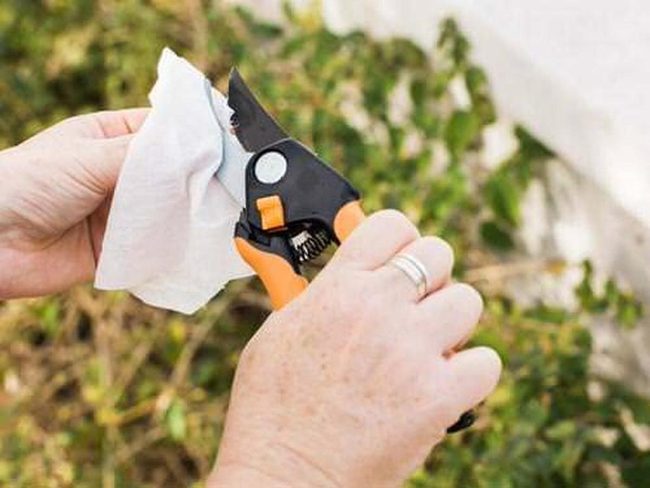
Metal garden tools can stay rust-free when you coat them with Vaseline, and this simple step extends their lifespan significantly.
One thin layer on your equipment's metal parts works as a barrier against moisture and corrosion.
Beyond tool protection, Vaseline also serves as a pest deterrent when applied to plant stems, stopping insects from crawling up to leaves and flowers.
You get double benefits from this one product; your tools last longer and your plants stay healthier.
This hack saves money since you skip expensive rust treatments and pest sprays.
Your garden thrives while your wallet stays happy.
Diy Soil Ph Testing At Home
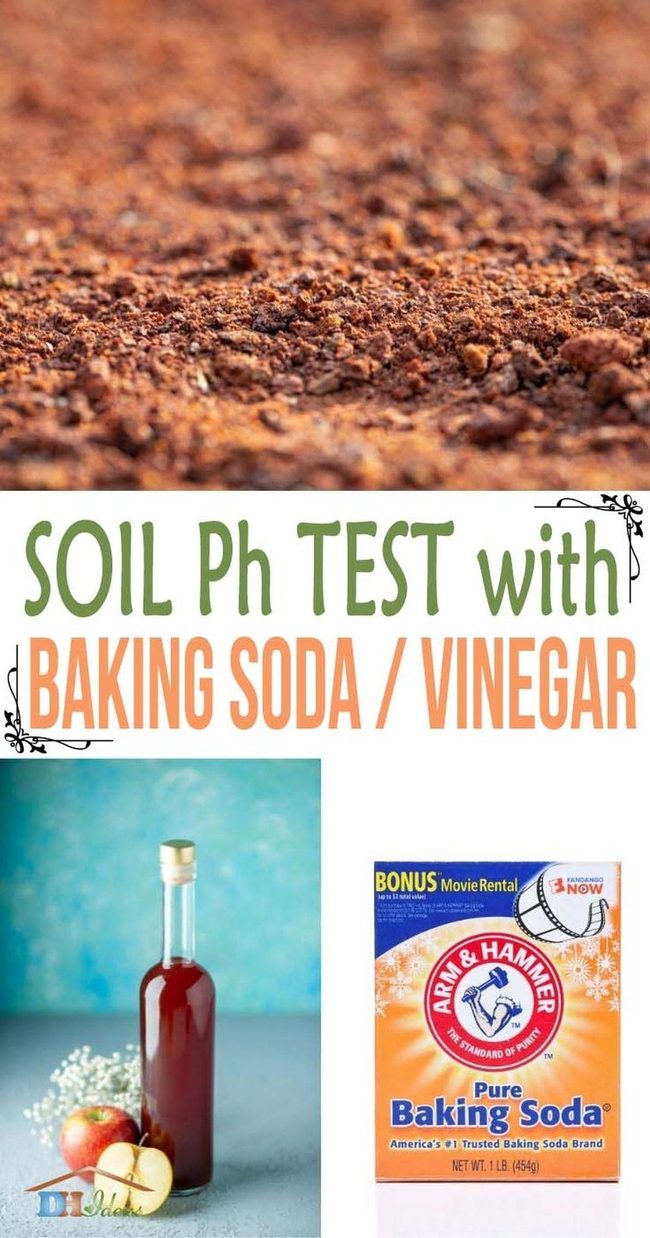
You can test your soil pH using common kitchen supplies like vinegar and baking soda mixed with soil samples to determine if your soil leans toward alkaline or acidic conditions.
This simple approach gives you valuable information about what's happening beneath the surface and helps you pick plants that will actually thrive in your garden rather than struggle.
Knowing your soil's characteristics makes a real difference in how well your garden grows and reduces the frustration of watching plants fail for no clear reason.
By taking a few minutes to do this basic test, you gain the knowledge needed to make smart decisions about which plants belong in your yard and which amendments might help improve your soil over time.
Most gardeners skip this step and wonder why certain plants won't cooperate, but understanding your soil's nature changes everything.
The whole process is quick and costs almost nothing since you likely have these items at home already.
Milk Jug Watering Can Diy
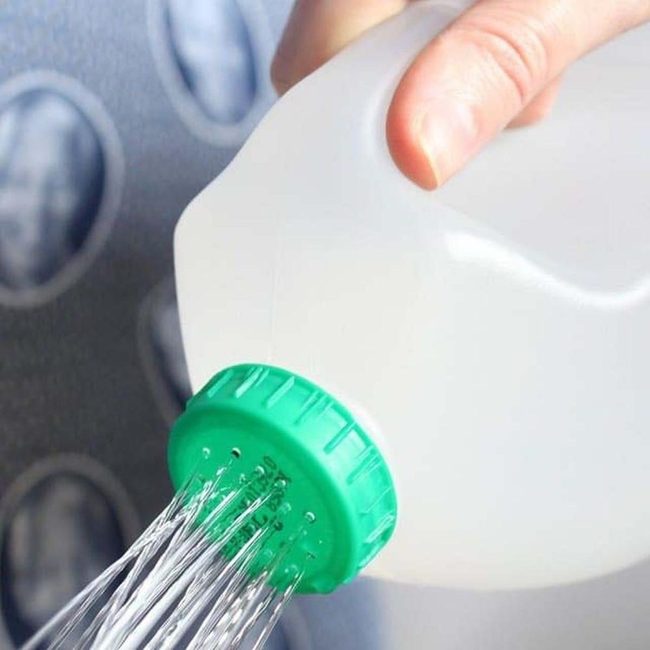
Milk jug with holes punched in the cap becomes a simple watering tool that does exactly what you need without spending money on fancy equipment.
You control how much water flows out by adjusting the cap, so your plants get the right amount of hydration every time.
Repurposing something you already have at home beats buying a new watering can, and you'll feel good about reducing waste while solving a gardening problem.
Most gardeners appreciate solutions that are both useful and budget-friendly.
This approach works for indoor plants, outdoor gardens, or container plants.
In just a few minutes, you can turn a household item into something practical that serves your plants well.
Paper Towel Plant Watering Hack
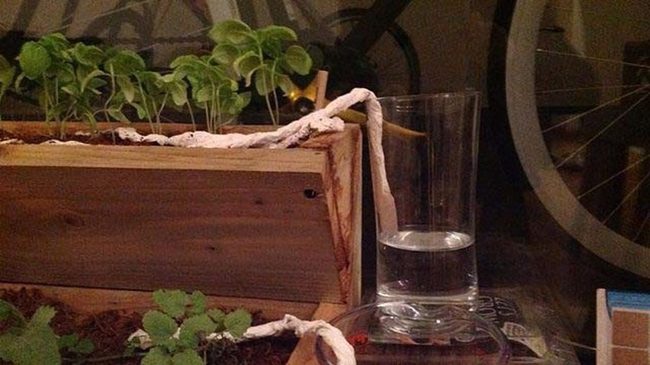
Paper towels offer a simple solution for keeping your plants watered when you're away or too busy to check on them regularly, and we love how easy this trick is to set up.
Just roll up a length of paper towel and stick one end into a container of water while the other end sits in your plant's soil.
As the soil dries out, it naturally pulls moisture up through the paper towel, so your plant gets a steady drink without you having to do anything.
This method works because paper towels absorb water well and release it slowly to the roots.
Busy people find this especially helpful during vacations or hectic weeks when plants tend to get forgotten.
Once you set it up, you can basically let it run on its own until the water runs low.
It's honestly one of the easiest ways to give your plants the hydration they need while you handle other things.
Cardboard Seed Cups For Gardens
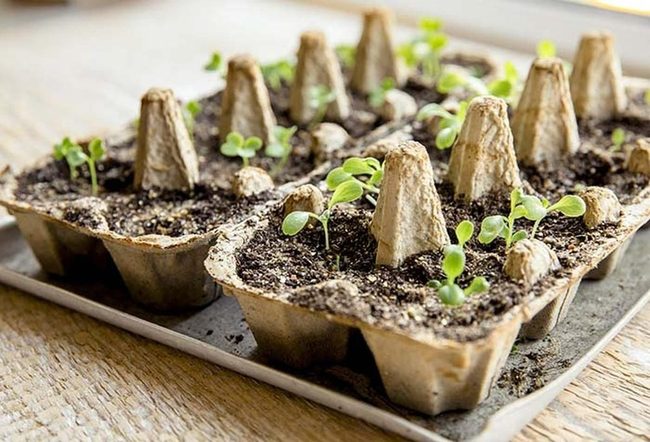
Egg cartons make an excellent choice for starting seeds because you can fill each individual cup with soil and place your seeds directly inside them.
When your seedlings are ready to move into the garden, you plant the whole carton right into the ground, which means no messy transplanting or root disruption.
Since cardboard breaks down naturally in soil, your plants get to transition smoothly without any plastic containers lingering in the earth.
You'll find that this approach keeps your gardening supplies simple and budget-friendly.
It's one of those solutions that works well for both beginning and experienced gardeners who want to reduce their environmental footprint.
Citrus Peels Into Seedling Pots
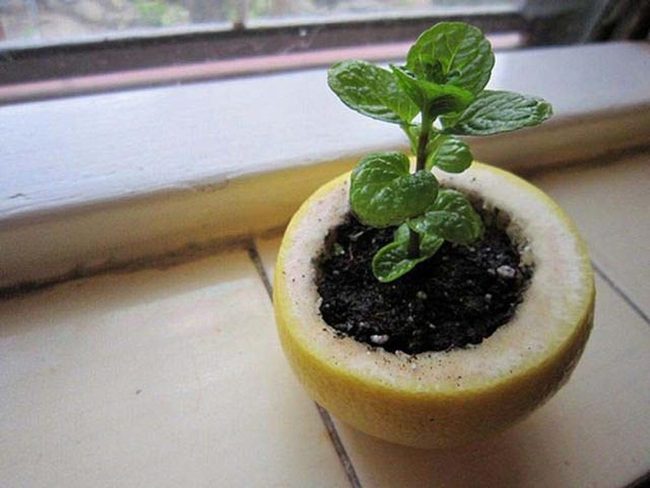
Citrus peels work wonderfully as seed starter cups since they break down naturally in soil while you grow your seedlings.
You can poke small holes in the bottom for drainage and fill them with potting mix to start your seeds.
As the peel decomposes over time, it adds nutrients back into the soil where your plants are growing.
Gardening becomes more sustainable when you use what you already have at home.
Your seedlings get a head start with richer soil, and the whole setup costs you almost nothing.
If you've got citrus fruits in your kitchen, you basically have free gardening supplies ready to go.
Crushed Aluminum Cans Drainage Solution
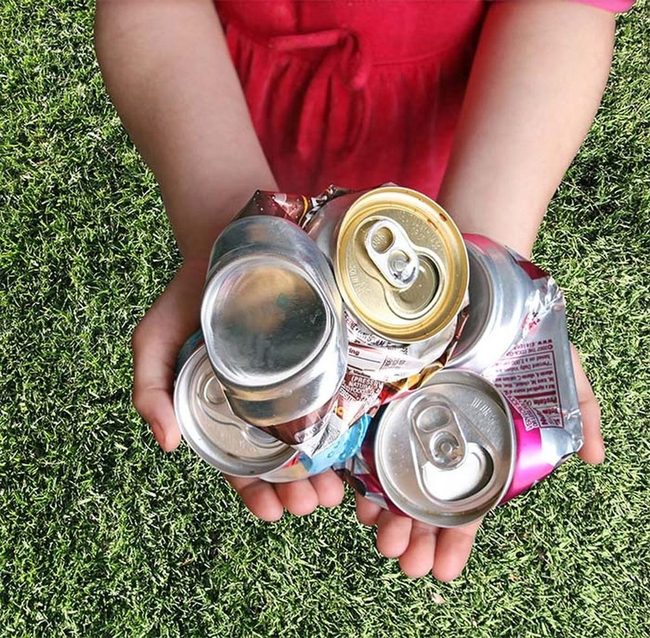
Crushed cans sitting at the bottom of your planters do something pretty cool; they lighten up the load while letting water drain through properly and keeping soil nicely aerated.
Most people think you need rocks for drainage, but cans work just as well and weigh far less, which matters if you're moving pots around or setting up containers on balconies and shelves.
I like how this approach solves two problems at once because you get better air circulation in the soil and easier handling of heavier planters.
It's one of those simple gardening hacks that blends smart thinking with real usefulness.
When you're setting up containers, just toss some aluminum cans on the floor before adding your soil and plants.
Beyond the practical side, you're also recycling materials that would otherwise end up in the trash.
Fork-Stripped Fresh Herb Leaves
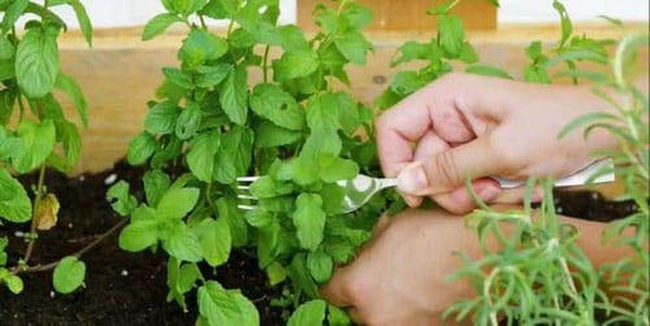
Stripping herb leaves from sturdy stems with a fork is one of those kitchen tricks that seems obvious once you know it, yet saves you so much time in the kitchen.
You simply hold the stem at the top and run the fork down toward the base, and the leaves practically fall right off into your hand.
Your herbs stay fresh and vibrant when you handle them this way, and you avoid bruising the delicate leaves like you might if you picked them off by hand.
The whole process takes just seconds, so you can go from fresh herbs to ready-to-cook ingredients without any fuss.
Keeping your herbs intact and flavorful makes all the difference in how your dishes turn out, and this simple fork technique is honestly one of the easiest ways to make that happen.
Oxygen Boost Plant Growth
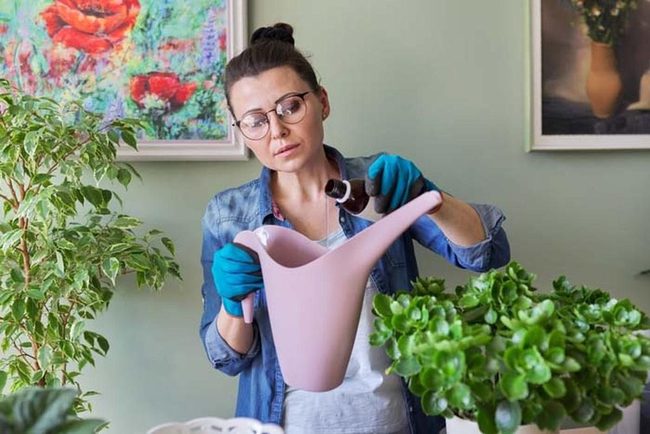
Hydrogen peroxide mixed into your plant water offers a simple way to boost soil oxygen and support healthier growth in your garden.
When you dilute a small amount in water, the solution breaks down and releases oxygen directly to the roots.
Your plants respond to this extra oxygen by developing stronger, more vigorous growth patterns.
Beyond just promoting development, this natural approach also helps keep unwanted pests away from your plants.
Many gardeners use this method because it works without harsh chemicals or complicated treatments.
The combination of increased oxygen and natural pest resistance means your garden stays healthier overall.
I notice improvements in how your plants look and perform when you add this simple step to your routine.
Newspaper And Mulch Stop Weeds
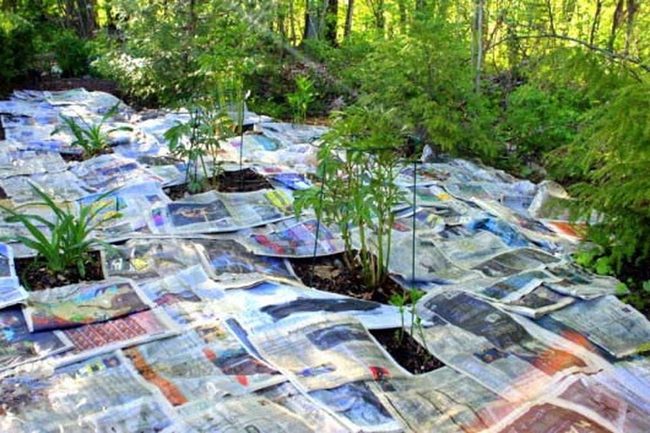
Newspaper spread across damp soil makes a surprisingly practical solution for stopping weeds before they start, and when you cover it with mulch on top, you get a double barrier that blocks sunlight and keeps moisture in the ground.
This simple layering technique handles two jobs at once; it prevents those annoying weeds from popping up while your soil stays hydrated longer between waterings.
By using what you likely have at home, you skip the expense of chemical weed killers and save hours of pulling weeds by hand.
Your garden bed benefits from this approach because the newspaper breaks down over time and feeds nutrients back into the soil.
Less weeding means more time enjoying your plants rather than fighting against unwanted growth.
If you're looking for an easy way to reduce garden upkeep without extra cost, newspaper mulch is worth trying in your beds.
Trash Baskets Protect Growing Plants
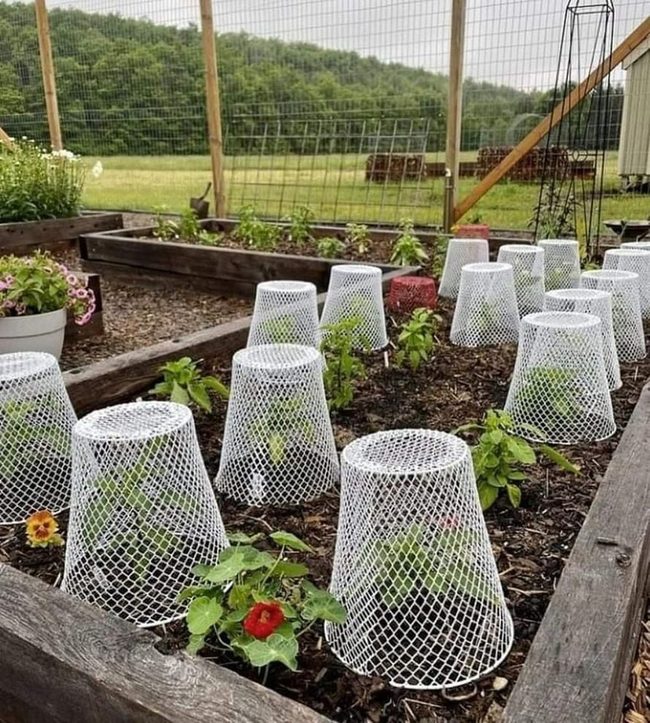
Repurposing trash baskets as plant cloches offers a smart way to shield delicate flowers and vegetables from insects and extreme weather conditions.
You get reliable protection for your garden without spending much money, and your plants stay healthier as a result.
Common household items work surprisingly well for this kind of gardening task, and using them creatively makes the whole experience more rewarding.
It's practical and resourceful at the same time, which means you save money while keeping pests away from what you're growing.
When you look around your home for these kinds of solutions, you discover that many things have multiple purposes beyond their original use.
Your garden benefits from this approach, and the sense of accomplishment from solving problems with items you already have adds real satisfaction to gardening itself.
Alcohol Accelerates Seed Sprouting
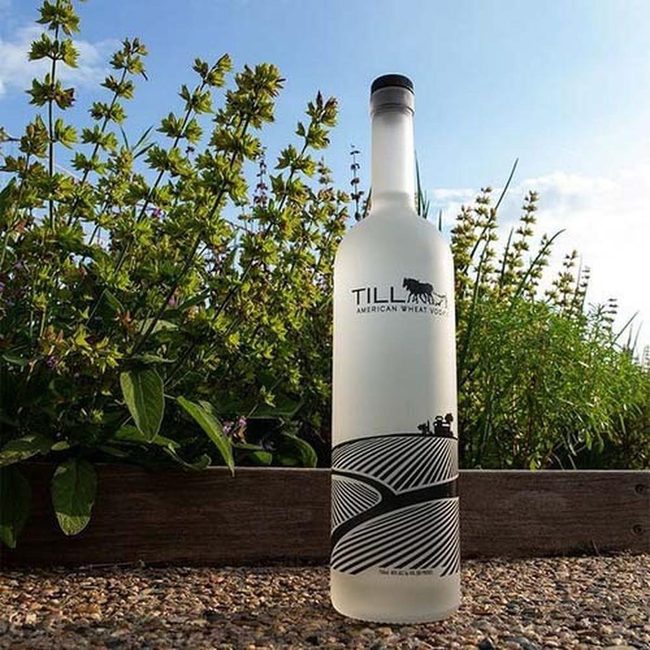
Vodka-soaked seeds offer an unusual way to speed up how fast your plants get going, and soaking them in a diluted solution actually helps boost their metabolism so they sprout faster than normal.
Many people stick with water and soil alone, but adding this surprising element to your routine shows there's more than one path to successful germination.
If you're curious about what makes plants tick and enjoy testing new methods, this technique gives you something interesting to explore in your garden.
It's not complicated to do, and the process itself becomes part of the fun when you're interested in how plants respond to different conditions.
Whether or not you decide to try it, knowing about this option means you have more tools in your gardening toolkit for whenever you want to mix things up.
Cinnamon Powder Protects Seedlings Naturally
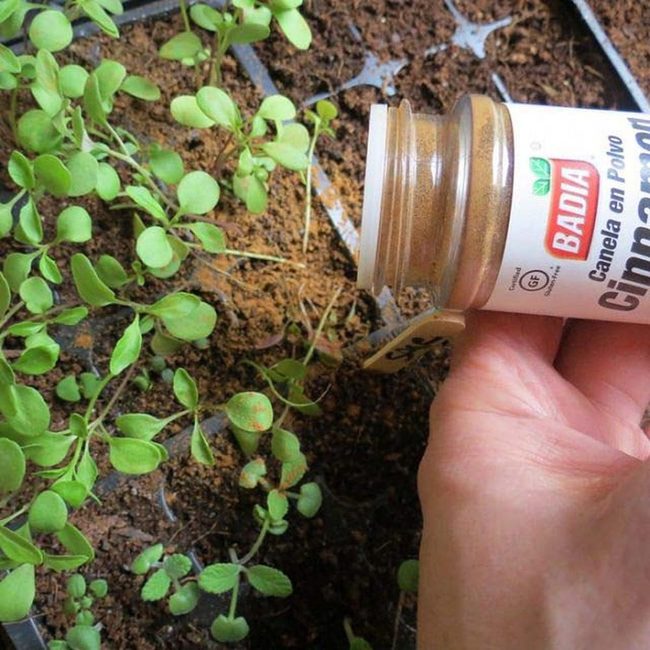
Cinnamon serves as a powerful antifungal defense for your young seedlings and can be applied in two straightforward ways.
Dipping the stem ends directly into cinnamon powder creates a protective barrier that stops fungal diseases before they take hold and allows your plants to grow stronger.
You can also mix cinnamon into water and spray it onto the leaves for an extra layer of protection against common plant ailments.
Both methods work without chemicals and keep your garden organic, so you know exactly what's touching your plants.
This approach costs very little since cinnamon is something most people already have at home.
Whether you choose the powder method or the spray method, your seedlings benefit from the natural properties that cinnamon offers.
The result is healthier growth and fewer disease problems throughout the season.
I notice the care in how simple this solution is, and it really does make a noticeable difference in seedling survival rates.
Fresh Growth Through Smart Pruning
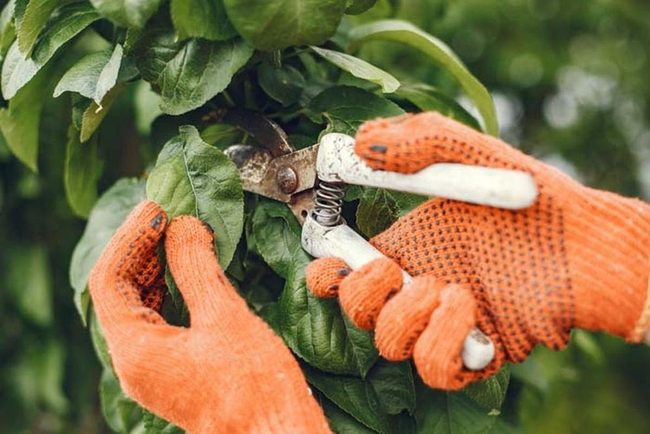
Removing spent flowers and dead leaves from your plants forces them to redirect their energy toward producing fresh new growth and blooms.
Pruning and pinching back stems encourages bushier, fuller plants that look healthier overall.
When you cut away old growth, you're essentially telling the plant to work harder and expand in new directions.
This simple technique keeps your garden looking neat and well-maintained without requiring much effort on your part.
Healthier plants also tend to resist pests and diseases more effectively.
Regular maintenance like this takes just minutes but pays off with stronger, more abundant foliage and flowers.
Wine Bottle Plant Hydration Hack
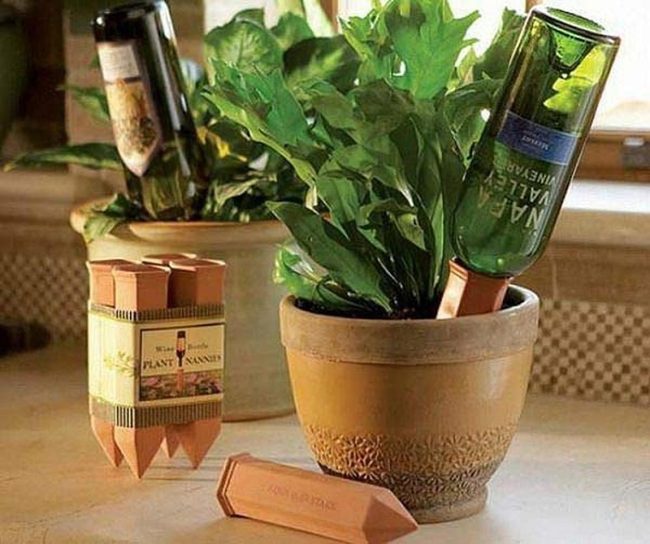
Wine bottles work great as self-watering systems for your larger plants when you poke a hole through the cork and stick the neck down into the soil.
Water gradually seeps out and keeps the earth moist over time, so your plants stay hydrated even when you're busy.
If you have plants that hate drying out between waterings, this method takes away the stress of remembering to water every single day.
Many people find this works especially well during hot weather or when you travel for a few days.
It's simple to set up and costs nothing if you already have bottles around your home.
Your plants benefit from steady moisture, and you benefit from having one less thing to worry about.
Michael Harris
Senior Content Editor
Expertise
Home Décor Content Creation, Interior Design Journalism, Editorial Oversight, Digital Media Strategy, Team Leadership and Mentorship
Education
University of Queensland, Brisbane, Australia
Queensland University of Technology (QUT), Brisbane, Australia
Michael Harris is the senior content editor at Archi Refresh, where he turns home design trends into engaging, easy-to-follow articles. With a journalism degree from the University of Queensland and a digital communication certification from QUT, he knows how to craft content that informs and inspires.
With over 10 years of experience in lifestyle and design media, Michael has shaped editorial strategies, mentored writers, and helped readers refresh their spaces with practical tips. His work blends storytelling with expert advice, making home decor more accessible to everyone.
Outside of work, Michael enjoys DIY projects, exploring Brisbane’s art scene, and teaching digital literacy workshops.