
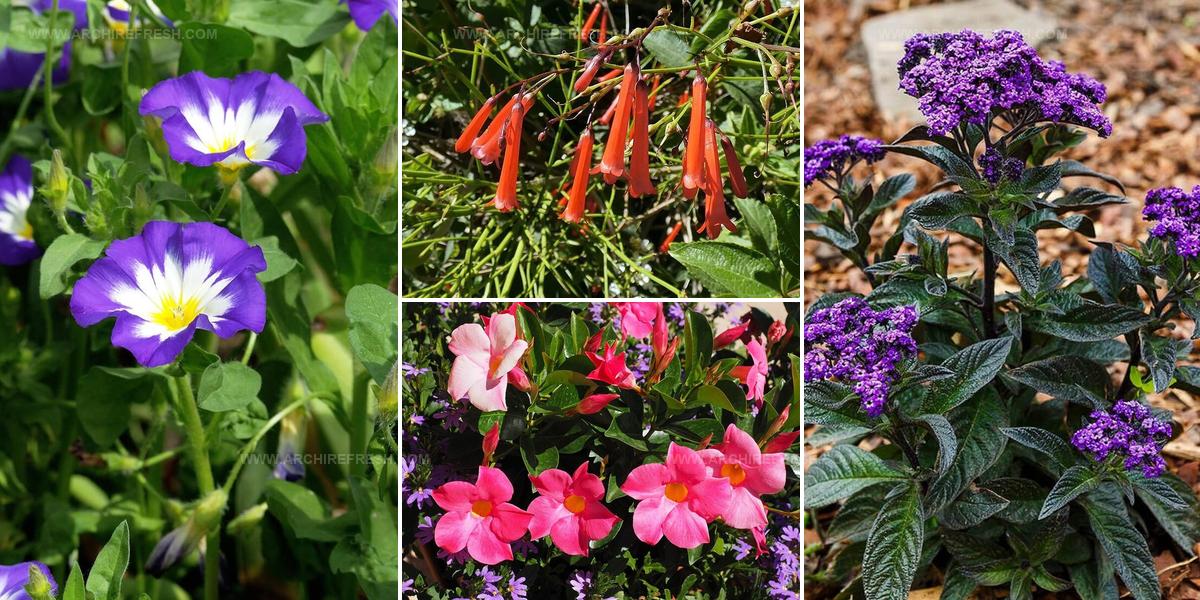
27 Beautiful Hanging Flower Ideas For Gardens That Bloom Bright
Hanging flower ideas for gardens offer an easy way to add color and beauty above ground level in any outdoor space.
Blooms suspended from pergolas, fences, or tree branches create visual interest that draws the eye upward and maximizes growing areas.
Cascading petals and trailing vines soften hard edges while providing dimension to flat landscapes.
Different container styles, plant combinations, and placement options allow for countless ways to enhance garden aesthetics.
The versatility of elevated plantings works well in small yards where ground space is limited.
Planning which flowers to suspend and where to position them helps achieve a cohesive look throughout the season.
With so many creative approaches available, you can design a stunning garden display that feels both fresh and inviting.
Lemon-Yellow Edible Flower Powerhouse
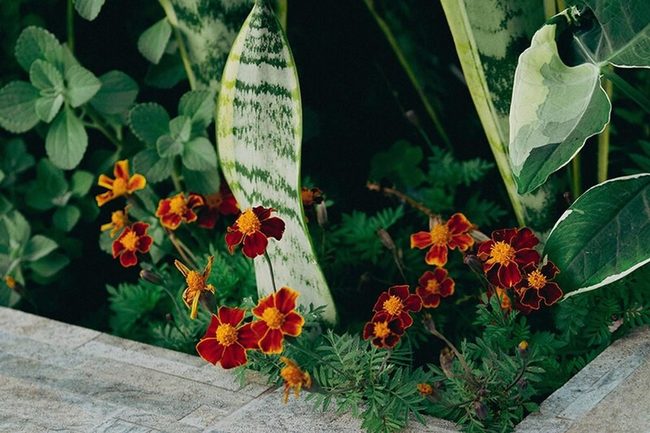
Signet marigolds burst with dense lemon-yellow flowers that stop you in your tracks during spring and summer months, and these showstopping blooms do double duty by adding genuine flavor to your salads, tea, and rice dishes when you crush the petals.
Their well-drained soil preference means you can successfully grow them across zones 2 to 11 without fussing too much.
Long stems reach upward and make fantastic cuttings that brighten your home arrangements or event displays with natural color.
Beyond the kitchen and vase, these cheerful blooms draw butterflies and other pollinators into your garden, transforming it into a living space filled with movement and life.
I value the way low-maintenance they are while delivering such bold visual presence.
Purple Petals Bloom Effortlessly All Season
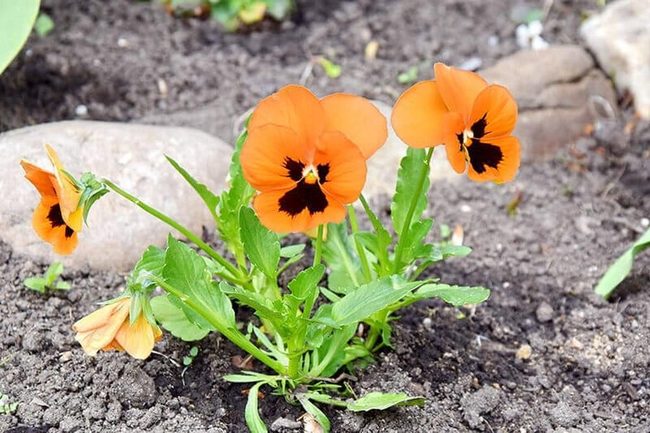
Pansies stand out with their overlapping petals in striking shades of purple, blue, pink, white, or yellow, and they grow up to 1.5 meters tall with pale green leaves that make them perfect for bouquets and garden displays.
You'll find these flowers thrive in both full sun and partial shade, so they work well in different garden spots and situations.
Once established, they need very little water and adapt easily to most conditions you might have.
Rich, well-drained soil packed with organic matter helps them develop into strong, healthy plants.
Originally from rocky mountain meadows, pansies bloom steadily throughout spring and summer and bring consistent color to any outdoor space.
Blue Evolvulus Flowers With Golden Centers
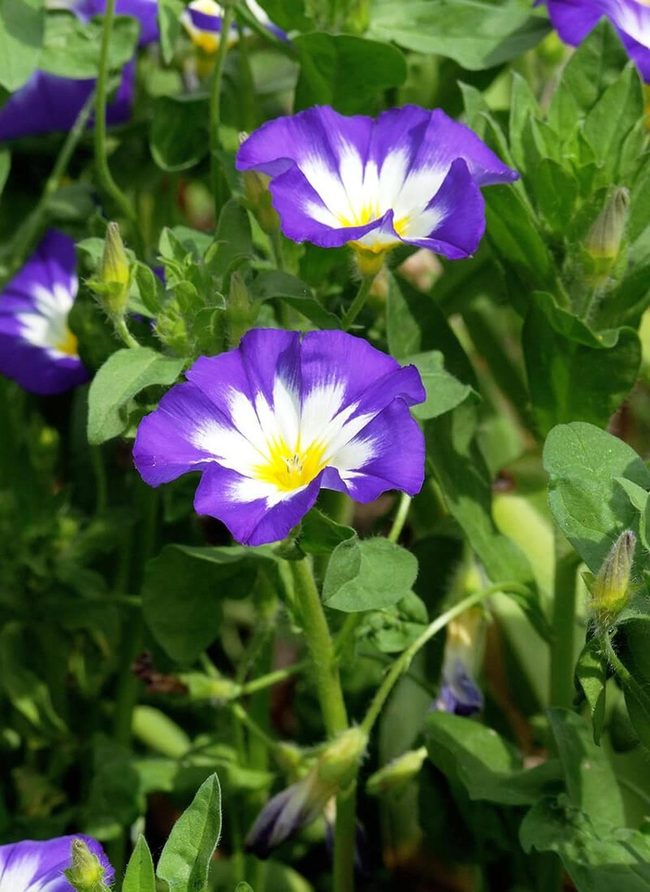
Evoluvus glomeratus produces striking blue flowers with three overlapping yellow petals that bloom throughout summer and fall, making them a standout choice for your garden.
Originally from the tropical mountain regions of South America's Andes, this plant has gained popularity around the world and grows well in zones 9 to 10.
Beyond their visual appeal, these plants generate aromatic oils that people use in candles and perfumes.
For best results, place your plant in full sun and give it soil that drains well while staying moist, with a pH level between 6 and 8.
Growing this herb is straightforward once you understand its basic needs, and many gardeners find success with it in suitable climates.
If you enjoy plants that offer both beauty and fragrance, this could be a worthwhile addition to explore.
Burgundy Blooms Climbing High
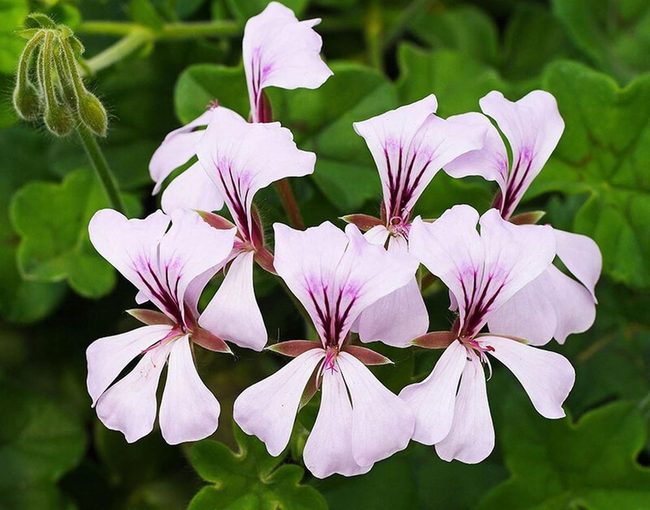
Hanging flowers burst into bloom during the summer months in shades of burgundy, pink, red, purple, and white, and this display naturally draws attention in any garden space.
Ivy-shaped leaves complement the abundant blossoms while the plant's shoots can stretch up to two meters tall, making it a substantial addition to your outdoor area.
You'll want to water it moderately and keep the soil moist yet well-drained to support healthy growth throughout the growing season.
Light requirements are straightforward since partial shade works well for this plant and it thrives in zones 8 through 12.
Beyond its beauty, the stems contain a sap with useful properties; it can soothe sore throats and help heal minor cuts and burns when applied topically.
Waxy Rosettes With Nonstop Blooms
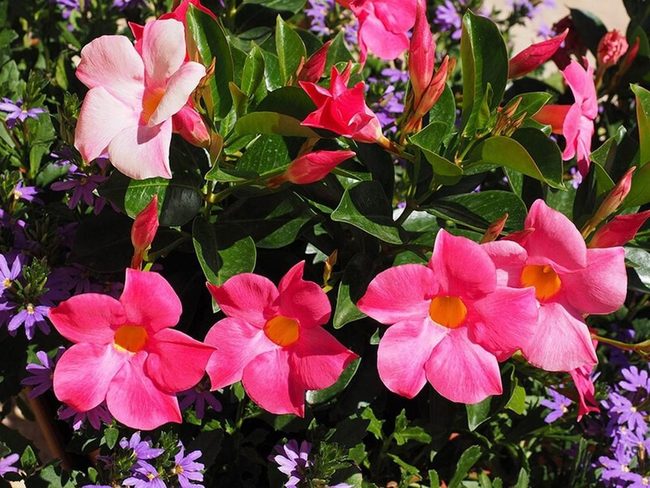
Rocktrumpet flowers burst with striking colors like orange, pink, and white from spring until frost, and their fleshy leaves create a distinctive rosette shape at the base that appears hairless with a waxy texture, reaching up to two feet tall in your garden.
You'll want to plant this beauty in growing zones 10 to 11 where it can get full sun to partial shade, and it thrives with average water and moist, well-drained soil.
Beyond its visual appeal, Rocktrumpet holds cultural significance as a symbol of wealth and protection in many traditions.
If you're looking for a plant that combines gorgeous blooms with interesting foliage and meaningful symbolism, this one delivers on all fronts.
The combination of its appearance and cultural meaning makes it worth space in your landscape design.
White Jasmine Dark Green Leaves
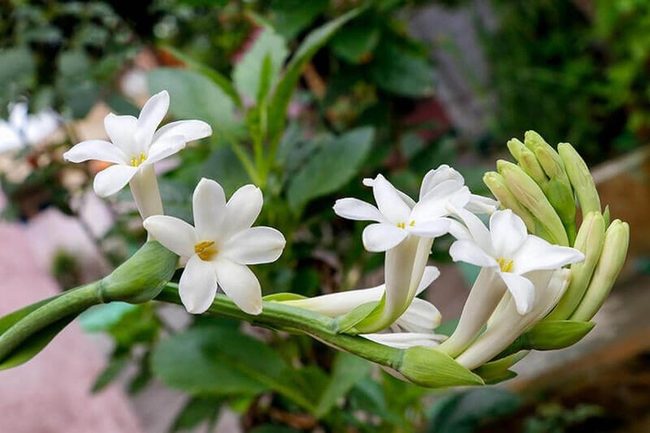
White flowers that bloom across spring, summer, and fall make the Madagascar Jasmine stand out with its striking appearance, and the dark-green oval leaves underneath create a beautiful contrast against those pale blooms.
You'll find this plant, also called Bride's flower, does best in full sun where it can really flourish.
It needs moist soil that drains well and grows happily in zones 10 to 11.
Keeping the soil consistently moist without overdoing it helps the plant stay healthy and strong.
Since this is a climbing vine, giving it support allows it to grow and twine naturally as it spreads.
Regular watering keeps everything balanced and ensures your plant thrives throughout the growing season.
Heart-Shaped Blooms In Green
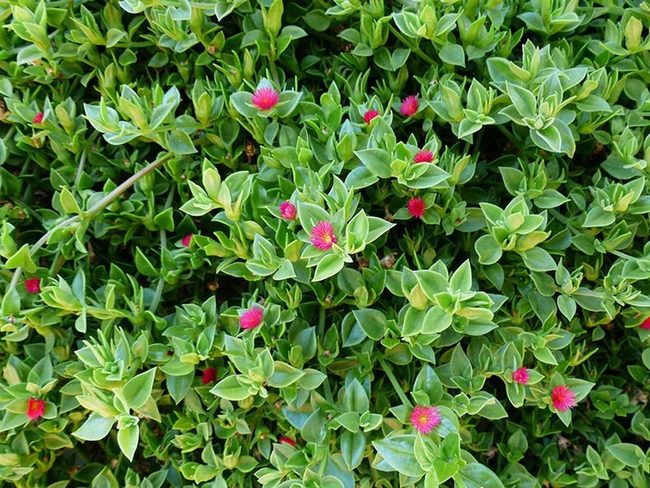
Hanging delicate from branches in a striking triangular silhouette, this modest plant catches attention with its heart-shaped sepals and green petals that burst into bloom during spring and summer months.
You'll find it thrives in zones 1 to 5 when positioned in full sun or partial shade, and it needs moderate watering to keep the soil moist and well-draining.
Growth happens quickly in regions where rainfall is regular or when you water consistently throughout the season.
Many gardeners choose this flower because it represents good luck and love, adding special meaning to their outdoor spaces.
Propagating it from cuttings is straightforward, so you can easily start new plants at home and expand your garden without much fuss.
I notice the detail in how hardy and forgiving this plant is for both beginners and experienced growers.
Cascading Bells In Four Colors
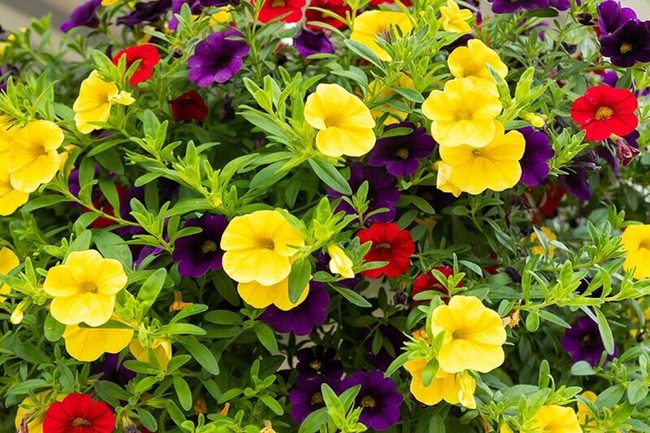
Calibrachoa bursts with bell-shaped flowers in stunning shades of white, purple, red, and orange throughout the warmer months, and the plant fills out fast with dense green leaves alongside those colorful blooms.
Its cascading branches make it perfect for hanging baskets and containers where you want flowers to spill over the edges.
You'll get the best results if you live in zones 9 to 11 and can position your plant in full sun or partial shade.
Soil is important too; keep it moist and well-drained while mixing in plenty of organic matter to give your calibrachoa what it needs to thrive and produce plenty of flowers all season long.
Yellow, Orange, Red Garden Blooms
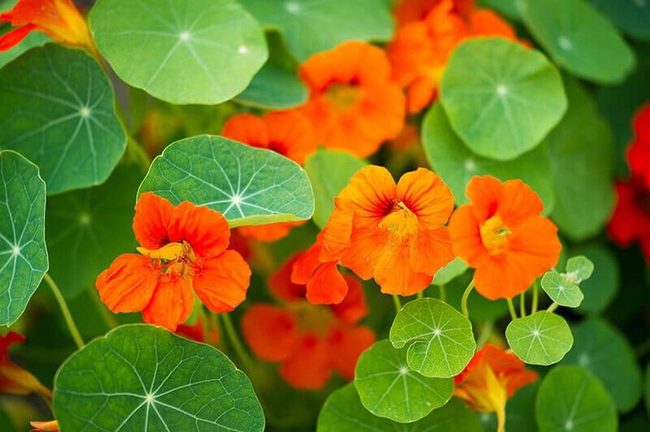
Nasturtiums demand attention with their bold display of yellow, orange, burgundy, and red flowers that brighten any garden space, and you'll find they bloom reliably through spring, summer, and fall for an extended show of color.
These plants love sunshine and perform best in soil that drains well while staying moist, making them adaptable to growing zones 2 through 11 with moderate water needs.
One interesting quirk is that the bushy growth naturally attracts aphids, so you can plant nasturtiums strategically to protect other plants in your garden.
If you want reliable blooms without fussing over watering schedules or complicated soil amendments, this plant delivers straightforward results in most climate conditions.
White-Flowered Trailing Perennial
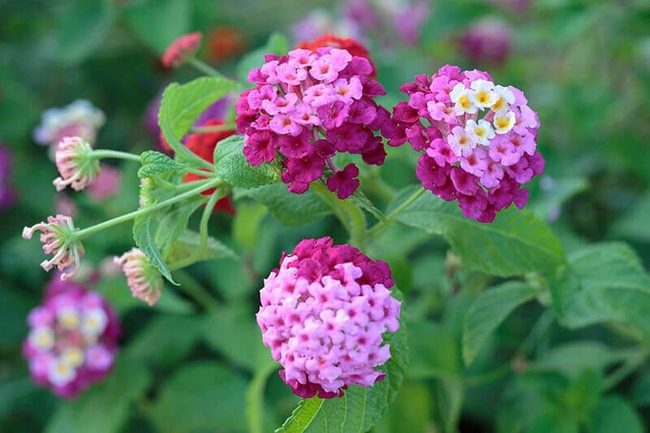
This perennial's trailing stems drape beautifully across gardens and hanging baskets, offering graceful lines that catch the eye immediately.
Small white flowers with yellow centers bloom throughout spring and summer, dotting the foliage with delicate color.
You'll find this shrub thrives in warm climates between zones 8 and 12, and it loves full sun though it can handle partial shade just fine.
Hailing from tropical Africa, southeastern United States, Brazil, and Uruguay, this plant brings distinctive character and symbolism of rigor and severity to spaces where you want something different from typical ornamentals.
Whether you tuck it into a garden bed or let it spill from a container, this perennial adapts well and keeps its demands simple.
Violet Bells Fill Garden Spaces
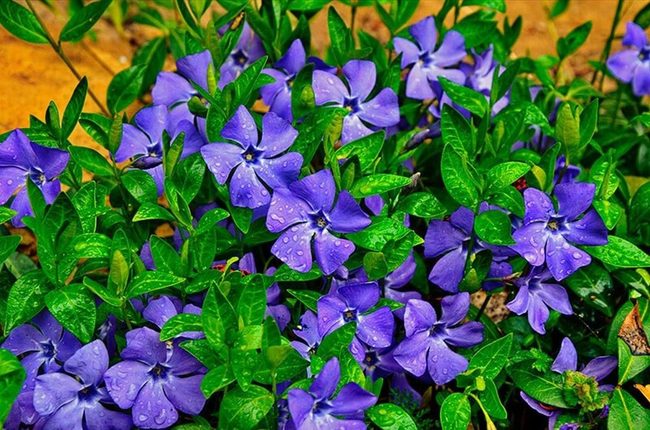
Periwinkle plants produce striking tubular and bell-shaped violet flowers that bloom throughout summer and fall, making them a standout choice for your garden.
Dark green, thick-textured leaves with an oval or oblong shape create a full, bushy appearance that fills spaces nicely.
You can grow periwinkles in zones 4 through 9, and they adapt well to different light conditions since they do fine in full sun or partial shade.
These herbaceous perennials prefer soil that drains well while staying moist, and they need a moderate amount of water to thrive.
One thing we appreciate about periwinkle is how its creeping stems can stretch up to three meters, allowing you to cover large areas or create layered garden designs.
Beyond the visual appeal, these plants carry symbolic meaning and often evoke feelings of nostalgia and purity in garden spaces.
Deep Purple Cascading Heliotrope
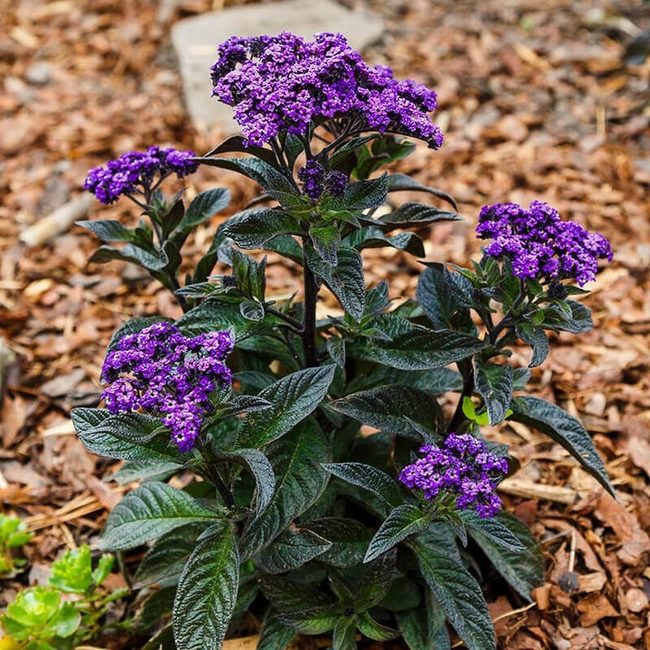
Monkey tail produces striking deep purple flowers that bloom throughout spring and summer, releasing a lovely fragrance that enhances any space where you decide to grow it.
Its distinctive leaves naturally turn toward the sun, which is why it earned the name heliotrope and makes it fascinating to observe.
You'll find this herbaceous plant adapts well to most conditions since it thrives in growing zones 3 to 10 and does fine in either full sun or partial shade.
Moist, well-drained soil keeps it healthy and happy.
Because caring for monkey tail requires minimal effort, it works wonderfully in hanging baskets where you can showcase its cascading beauty without fussing over it constantly.
Originally native to Asia, Europe, and North America, this plant carries symbolic meaning and represents eternal love, so many people appreciate having it around for both its looks and its significance.
Yellow-Orange Coin Centered Daisies
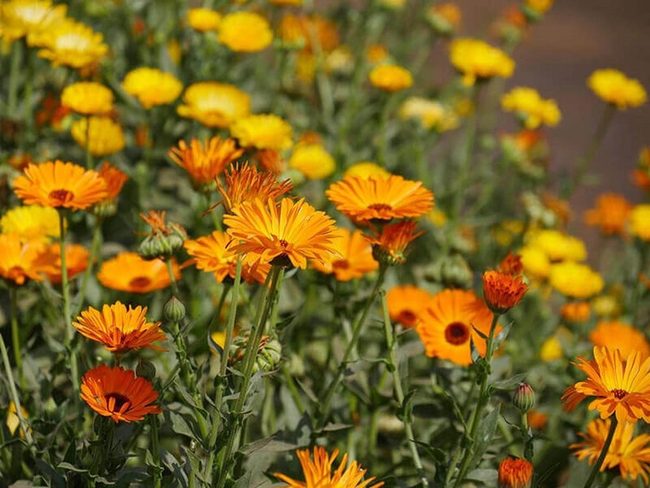
Gold Coin Daisies stand out with their striking yellow-orange petals arranged around a distinctive coin-shaped center that blooms throughout the year.
These annual plants grow to about 30 cm tall and do well in well-drained soil, making them straightforward to establish in your garden.
You can grow them in zones 9 to 11, so they adapt to many different climates across regions.
Since they need full sun and minimal water, these flowers are low-maintenance and won't demand much from you once planted.
Originally found along Pacific Ocean shores, sandy dunes, and dry landscapes, Gold Coin Daisies have adapted to thrive in harsh conditions.
They carry symbolic meaning too, representing innocence and purity in flower language.
If you want flowers that handle neglect well and still deliver color, this species fits the bill perfectly.
Violet-Blue Perennial Blooms Spring Through Summer
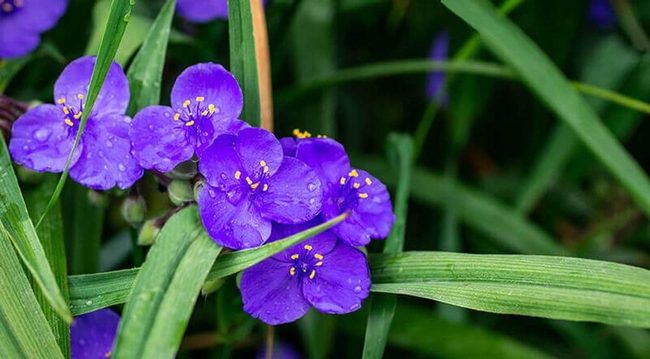
Spiderwort produces delicate violet-blue flowers that bloom throughout spring and summer, making them a standout choice for your garden displays.
Small, crinkled leaves frame these blossoms and add texture to window boxes or hanging baskets where you place them.
Since this perennial returns reliably each season from its roots, you can count on consistent blooms year after year.
Partial shade suits spiderwort well, so it grows happily in spots where other plants struggle.
Moderate watering makes it forgiving to care for, and we find it's a great option if you're just starting your gardening journey.
Well-drained and slightly acidic soil keeps the plant healthy and thriving in growing zones 4 through 12.
Beyond appearance, spiderwort carries rich meaning and symbolizes moral authority and optimism, while its persistent nature suggests a sense of immortality in your garden space.
Tall Begonias With Patterned Foliage
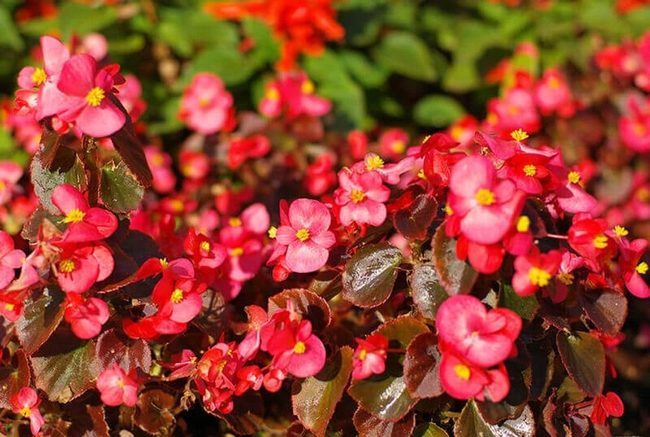
Begonias make a real statement indoors with their large, showy flowers that bloom from early summer right through until the first frost arrives.
The useful detail is these plants can grow quite tall; reaching around 1.5 meters; and their leaves display fascinating patterns and colors that add visual interest even when they're not flowering.
To keep your begonia happy, place it in partial shade and give it soil that drains well but stays consistently moist, which means watering regularly without overdoing it.
Growing zones 9 to 11 work best for these perennials, and when you provide the right conditions, they reward you with delightful blooms season after season.
If you live in a warmer climate, these plants become almost carefree companions that maintain their appeal throughout the year.
Black-Eyed Susan Orchid Blooms
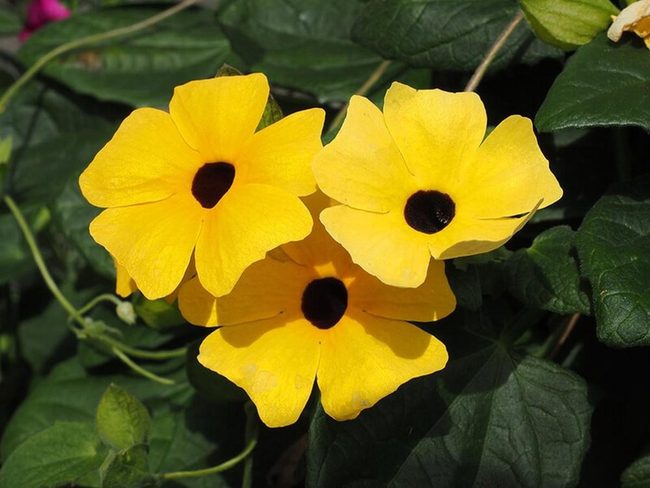
Black-eyed Susan vines produce striking blooms that range from vibrant hues to unique black-and-white patterns, originating from the south-central coast of Africa where this orchid species naturally thrives.
You can grow these plants successfully in zones 10 to 11, and they'll reward you with flowers during spring, summer, and fall.
Most of these varieties need full sun to reach their full potential, though they manage reasonably well in partial shade if that's what your space offers.
Watering requirements stay moderate and straightforward, so you won't need to fuss over them constantly.
Soil matters quite a bit for healthy growth and blooming, so aim for a loamy mix that's rich in organic matter and drains well.
With basic care and the right growing conditions, these plants develop into wonderful additions to any garden display.
Red And Purple Impatiens Blooms
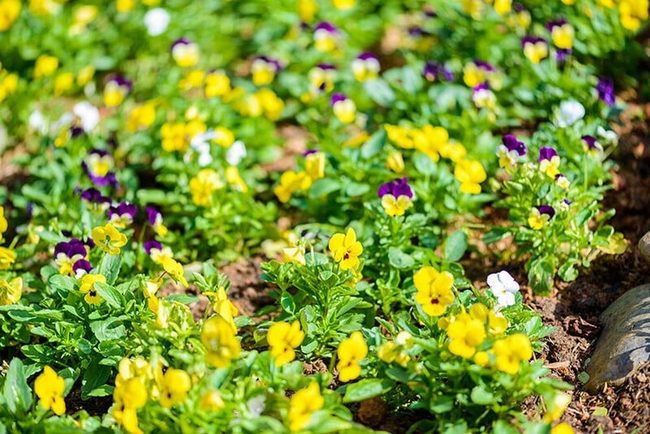
Busy Lizzy plants showcase brilliant blooms in shades of red, purple, and white that catch everyone's attention with their lively brightness and six delicate petals.
Originating from tropical Africa, this impatiens species thrives in deep shade and flowers throughout spring, summer, and fall, making it an excellent choice for hanging baskets where its colorful display hangs freely.
Large leaves add another layer of visual interest and complement the flowers beautifully.
Beyond appearance, the plant offers a pleasant fragrance that works well for cutting arrangements and bringing fresh blooms indoors.
Caring for one is straightforward since it needs medium water and soil that stays moist with proper drainage to keep it healthy.
Many people love growing this plant because it symbolizes motherly love, adding sentimental meaning to your garden or home space.
You'll find that this species brings both natural beauty and emotional significance to wherever you decide to place it.
Bird-Shaped Blooms Three Feet Tall
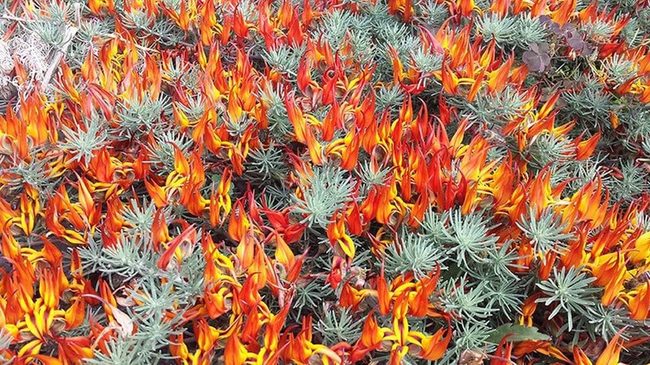
Parrot's beak flowers stand out with their distinctive bird-shaped blooms that cluster at the stem tips and reach up to three feet tall, making them a striking addition to any garden space.
Each flower features five bell-shaped petals arranged together, and the plant produces blooms throughout spring and summer when conditions are right.
Beyond their unusual appearance, these bulbs release a strong fragrance that adds sensory appeal to your outdoor area and has been used in traditional Chinese medicine to help with respiratory issues and low energy.
Growing this plant works best in zones 10 to 12 where it can soak up full sun, though it handles partial shade without major problems.
One important thing to know is that this species grows aggressively, so you'll need to prune it consistently to keep it from spreading too much.
Red Purple White Funnel Flowers
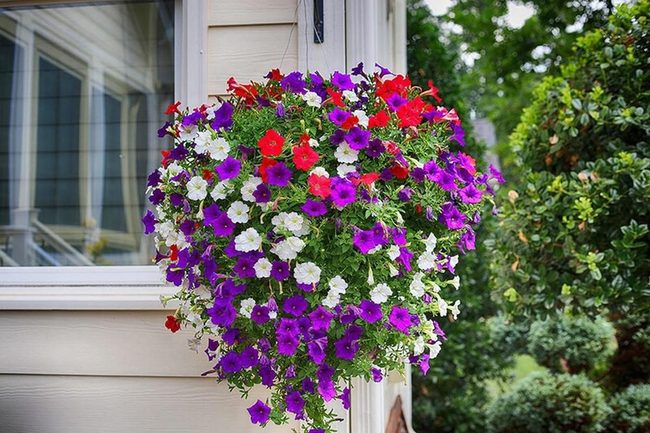
Petunia produces large, funnel-shaped flowers in striking shades of red, purple, and white that bloom throughout spring, summer, and fall, and you can notice a pleasant fragrance that enhances both outdoor and indoor spaces.
This South American native thrives in warm climates within growing zones 9 to 11 and adapts well to either full sun or part shade conditions, making it flexible for different garden setups.
Its sticky leaves serve a practical purpose by protecting the plant against pests without requiring excessive maintenance.
For best results, water moderately and ensure the soil drains well since petunias don't tolerate soggy conditions.
Whether you're looking for something to brighten a patio or add character to a window box, petunias deliver both visual appeal and resilience in warmer climates.
Fuchsia Pendants In Neon Pink
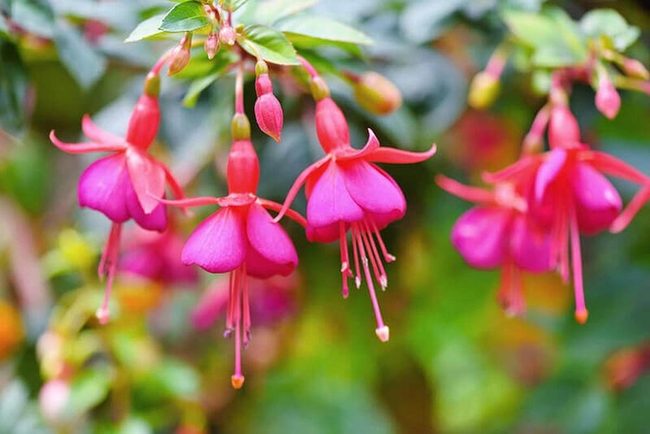
Fuchsia flowers catch attention immediately with their striking colors and distinctive forms, displaying deep reds, vibrant pinks, rich purples, cool blues, and pristine whites throughout the summer and fall months.
What makes these blooms so appealing is how they dangle elegantly from thin, teardrop-shaped filaments that seem to float on the plant.
Growing fuchsias successfully means giving them moderate water and soil that drains well so roots don't sit in moisture.
You'll find they thrive best in partial to full shade conditions, particularly in zones 6 and 7 where temperatures suit them well.
Regular pruning and consistent care help these plants reach their maximum beauty in just one growing season.
If you want reliable color and an eye-catching display in your garden or containers, fuchsias deserve a spot on your list.
They respond well to attention and reward your efforts with abundant blooms.
Purple Fan Flowers For Edible Gardens
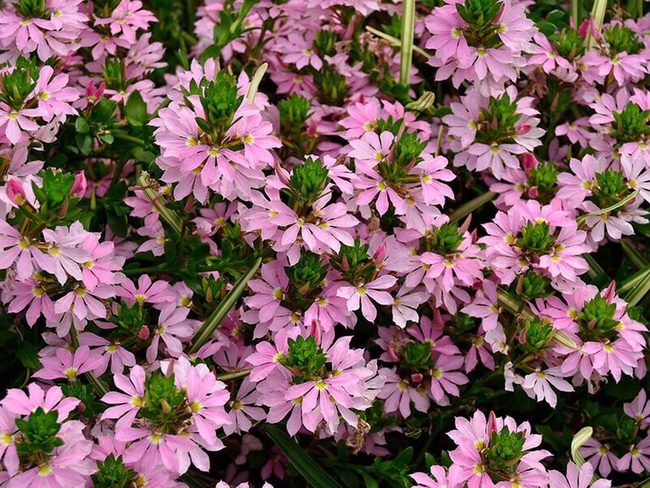
Scaevola aemula produces colorful, edible blooms that create a striking visual display in warm gardens, and this plant adapts well to both full sun and partial shade so you can place it almost anywhere.
During spring, summer, and fall, clusters of iris-like flowers appear across the foliage, and the plant comes in roughly 300 different species to choose from for your space.
One of the best parts is that caring for it requires minimal effort since Scaevola aemula doesn't need much water and simply wants soil that drains well, making it perfect for beginner gardeners.
Beyond its ornamental appeal, the blooms have a robust flavor that works nicely in various dishes, so you get both beauty and function from a single plant.
Pests and diseases rarely trouble this hardy species, which means you spend less time managing problems and more time enjoying your garden.
Blue African Violet Blooms
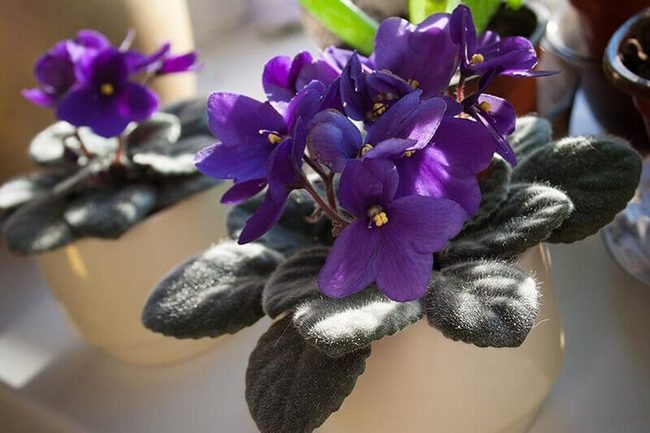
With origins in Kenya and Tanzania, the False African Violet offers a striking bluish tone and delicate foliage that stands out in any room, growing rapidly to about 12 inches while producing blooms during the warmer months of spring and summer.
Some varieties display white petals with blue edges, adding even more visual interest to your collection.
Sunlight plays an important role in keeping this plant vibrant, and you'll want to pair it with soil that drains well and contains plenty of nutrients for optimal health.
Water needs are straightforward since this hardy perennial thrives on moderate moisture without demanding constant attention.
Protecting it from frost becomes crucial when temperatures drop, as cold snaps can damage or kill the plant, so moving it indoors or to a sheltered spot during winter months keeps it safe and ready to flourish again when warmer weather returns.
Tiny Clustered Blooms Spring Through Fall
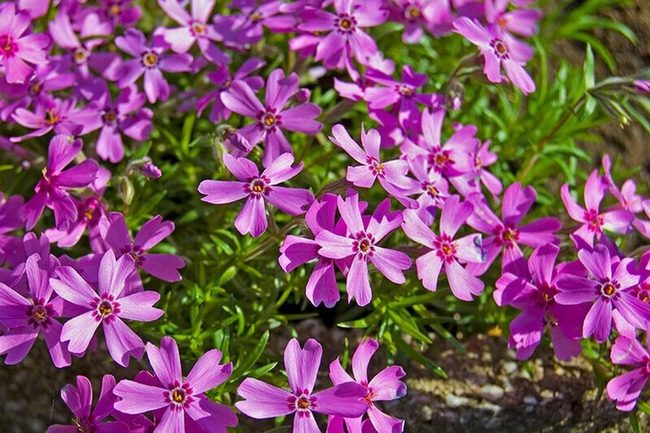
Verbena plants burst with tiny clustered flowers that make your garden glow with color from spring straight through fall, and this hardy choice thrives in warm weather and keeps delivering blooms for months on end.
Growing verbena against walls or fences gives your outdoor space a refreshing, polished look that enhances any setting.
Sun is crucial for these plants, so position them where they'll soak up plenty of light throughout the day.
Soil drainage matters just as much as sunlight does, and you'll want the pH to sit between 6 and 8 for best results.
Watering on a regular schedule keeps verbena healthy and strong.
Beyond the practical side, there's something special about watching these charming flowers flourish in your own garden space and knowing you helped them thrive.
Waxy Bell-Shaped Yellow Flowers
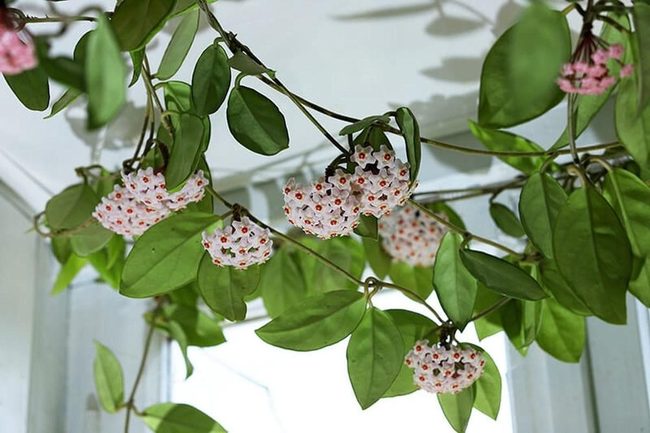
Hoya plants, also known as wax plants, produce stunning clusters of tiny bell-shaped flowers in spring and summer that come in colors ranging from soft hues to bright yellow tones, making them visually striking additions to any space.
You'll find these slow-growing beauties thrive in growing zones 8 to 12 and develop broad, sword-shaped leaves that add a unique character to your garden or home.
Full sun to part shade works best for keeping them healthy and encouraging those beautiful blooms.
Moist and well-drained soil with high organic matter supports their growth well.
Moderate watering keeps them thriving without becoming too demanding.
With so many color options available, you can select one that either blends harmoniously with your existing plants or stands out as a bold statement piece.
Petals That Open And Close Daily
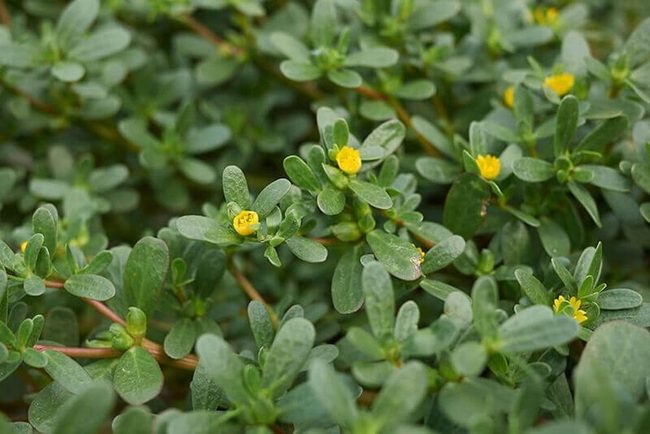
Moss roses display brilliant blooms throughout spring, summer, and fall, and the strongest detail is their most striking feature is how the petals open wide under sunlight and fold shut once darkness falls.
These hardy plants grow best in full sun and actually prefer sandy soil that doesn't hold much moisture, making them low-maintenance for your garden.
You can grow moss roses successfully in zones 2 through 11, so most gardeners across different regions can cultivate them without struggle.
Their ability to handle tough conditions while producing such vibrant color makes them popular for cut flower arrangements and as ground cover that adds bright pops of color to garden beds.
Since they don't demand much water or special care, they work well for people who want beautiful results without constant fussing.
Many of us appreciate how moss roses solve the problem of filling empty spaces with something both practical and pretty.
Red Firecracker Blooms Year-Round
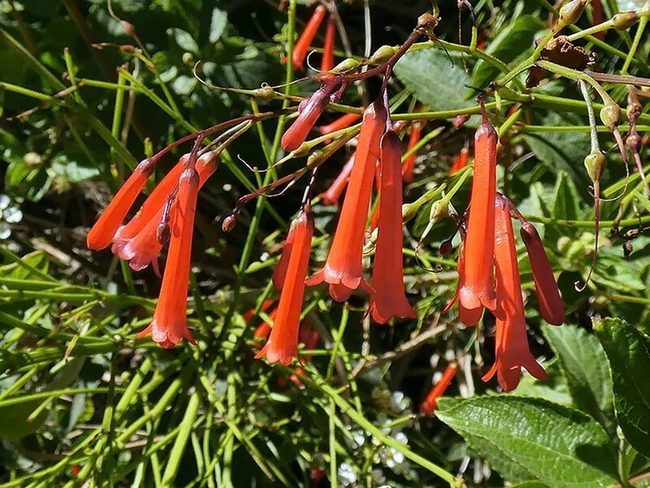
Red flowers bring remarkable energy and life to any space, and firecracker plants deliver exactly that with their bold blooms.
These shrubs or small trees come from Guanajuato and Michoacán in Mexico and can grow up to 12 feet tall.
For best results, plant them in full sun where they'll bloom steadily from late spring straight through summer and into fall.
You'll want to water them moderately to keep growth steady and use well-drained soil mixed with organic matter so roots stay healthy.
Growing zones 9 to 11 work best since the climate conditions there support their development nicely.
Beyond their visual appeal, many gardeners love them because they symbolize new beginnings or rebirth, which adds deeper meaning to your garden or yard space.
Sapphire Blooms Tower Brilliantly
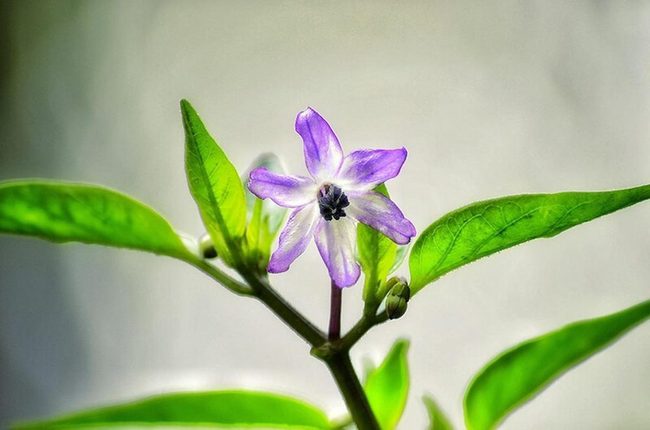
Sapphire flowers, also known as Browallia speciosa, produce massive blooms that stretch up to twenty centimeters across and tower up to two meters tall, making them a striking addition to any garden space.
I enjoy seeing the petals shift through shades of blue, pink, or purple, with centers that transition from white to blue and create a beautiful contrast that draws attention.
These plants do best in warm climates within growing zones 9 to 11 and need moderate watering along with well-draining soil to stay healthy.
Butterflies and hummingbirds visit these flowers throughout spring, summer, and fall to drink the nectar they produce.
The combination of color and height means you can position it where it becomes a natural focal point in your garden design.
Olivia Martinez
Founder & Principal Designer
Expertise
Sustainable Interior Design, Residential and Commercial Space Planning, Historic Preservation and Adaptive Reuse, Custom Furniture Design, Project Management
Education
Parsons School of Design, New York, NY
LEED Accredited Professional (LEED AP)
Olivia Martinez is the founder of Archi Refresh, where she brings style and sustainability together. With a degree from Parsons School of Design and a LEED certification, she’s all about creating beautiful, eco-friendly spaces.
With over eight years in the industry, Olivia has designed everything from cozy homes to commercial spaces, always putting function and sustainability first. She loves working with local artisans and has been featured in design publications for her fresh take on green living.
When she’s not designing, Olivia enjoys exploring historic architecture, painting, and spending time with her rescue dogs, Luna and Max.