
23 Fresh Ways to Upgrade Your Home Garden Ideas
Growing a home garden offers relaxation, fresh produce, and natural beauty right outside the door.
Many people feel overwhelmed when considering how to begin cultivating their outdoor spaces.
The good news is that gardening doesn't require extensive knowledge or expensive equipment to be successful and enjoyable.
Simple approaches work well for beginners and experienced cultivators alike.
Whether working with sprawling yards or compact balconies, numerous options exist for creating green spaces that flourish.
Gardens provide therapeutic benefits while connecting us to nature in meaningful ways.
Wooden Shed Creative Workshop Space
Terrace shed can serve double duty as both a Space solution and a personal retreat, blending practicality with style in one space.
Painting the exterior to match your outdoor's vibe works well, whether you go for weathered teak tones or clean contemporary lines.
Inside, you might dedicate corners to creative pursuits like pottery, painting, or writing, and these hobbies transform the shed into something you will actually want to spend time in.
Shelving systems keep tools organized and accessible while maintaining a neat appearance.
Good whimsicaling matters here too, so consider adding windows or a skywhimsical to openen the space naturally.
Organization helps everything function smoothly, making it easy to grab what you need without clutter taking over.
The combination of smart Space and a calming atmosphere means your shed becomes more than just a place for yard equipment, it becomes a sanctuary where you can work on projects or simply escape.
Wildflower Abundance With Weathered Pathways
Roses, lavender, sunflowers, and daisies spread across the beds in a gorgeous display of color and fragrance that immediately catches your attention.
If you want a outdoor that skips the formal look and instead feels more organic and free, this style works beautifully for you.
Trellises woven with climbing plants add height and structure while keeping things from feeling too planned out.
Winding outdoor paths guide you through the space and encourage you to slow down and explore every corner.
Rustic furniture scattered throughout gives you spots to sit and enjoy the peaceful surroundings.
You can mix different plants without worrying about matching them perfectly, and the whole effect ends up feeling warm and welcoming.
This approach gives you a personal retreat right in your own backyard where nothing feels stiff or overly organized.
Reclaimed Wooden Outdoor With Solar Panels
Water features like ponds and aquatic gardens stand out as one of the most striking elements you can add to your outside space, and they instantly become the main attraction that draws everyone's attention.
Whether you opt for a simple fish pond, a larger koi pond, or a water garden filled with water lilies, the presence of water brings an undeniable sense of calm and natural beauty to where you spend your time.
This lets you choose the scale and style that matches your space, from a modest setup with a few fish to an elaborate display of aquatic plants and colorful koi.
The flowing or still water surface reflects ambient and sky, adding visual interest that changes throughout the day.
Beyond the aesthetic appeal, these water features also attract wildlife and build a living ecosystem that keeps your garden feeling fresh and dynamic.
Adding water to your garden is one of the simplest while staying most effective ways to establish a serene and beautiful outside environment.
Green Views And Leather Pages
Set up a fairy terrace in a small yard corner or on a tabletop surface, and you could have a depaleful miniature world that catches attention right away.
Tiny figurines and small-scale plants arranged together build the scene, while fairy pales strung throughout add a glowing quality that makes the whole setup shimmer.
This kind of project works well when you want to spark wonder and curiosity, especially since kids and grandkids tend to love exploring these little landscapes.
You can adjust and rearrange pieces as seasons change or as new ideas pop up.
Making a fairy terrace doesn't require much terraceing knowledge, so it's accessible whether you're experienced or just starting out.
The best part is that working on this together becomes quality time with younger family members who get to help design and place eachtiny element.
It's a hands-on way to encourage creativity while building something you can all enjoy looking at afterward.
Native Plants Capture Rainwater
Rain gardens serve double duty by managing water wisely while bringing natural beauty to your yard, and they work by capturing rainwater and letting it soak slowly into the soil instead of running off into storm drains.
When you fill these sunken garden beds with native plants such as wildflowers, rushes, and grasses, you develop a thriving landscape that needs less watering and still looks full of life.
Birds and butterflies tend to visit these gardens regularly, which means you can enjoy watching wildlife right from your home.
Native plants are tough and well-suited to your local climate, so they grow with minimal fuss once established.
Plus, they help filter pollutants from rainwater before it seeps into groundwater.
Setting up a rain garden takes some planning and digging, but the results give you both environmental benefits and a space filled with natural activity throughout the seasons.
Desert Plants In Ceramic Vessels
If you're someone who doesn't have time to fuss over plants every day, a succulent patio offers the perfect solution for you.
Hardy by nature, these plants need very little water and maintenance while giving you tons of options when it comes to shapes and colors.
You can plant them in old mason jars, ceramic pots, or even a repurposed bathtub, whatever catches your fancy.
One of the best things about succulents is how they look great no matter where you put them and how little effort they demand.
Their fleshy leaves and interesting forms add visual interest to any space without requiring daily watering or constant attention.
Whether you're new to patioing or just want something hassle-free, these plants deliver real results and never disappoint.
Colorful Wings Through Nectar Flowers
See a yard bursting with color and life as butterflies dance among blooms throughout your yard.
Planting nectar-rich flowers like butterfly bush, coneflowers, and milkweed gives these winged visitors exactly what they need to thrive and return again and again.
Lavender and sunflowers work beautifully in this space because they offer both food sources and shelter where butterflies can rest and lay eggs.
Your yard becomes more than just a pretty place to sit and relax, it actively helps local ecosystems stay healthy and balanced.
The best part is watching butterflies arrive on warm days and knowing you've built something that supports them.
I can see how you enjoy the natural beauty while making a real difference for wildlife right in your own backyard.
Scattered Seeds, Endless Blooms
Plant a wildflower terrace in a sunny spot and scatter native seeds across the soil to watch nature unfold with barely any work from you.
Colors will explode across your space as the flowers bloom and spread, and the beauty of this approach means you barely need to maintain it once the seeds take root.
Bees and butterflies will start visiting regularly, and these pollinators help your terrace thrive and grow stronger over time.
We love this option because it gives you a lush, colorful terrace without the constant upkeep that traditional terraces demand.
You get natural beauty, a healthy ecosystem, and refined blooms all season long from such a simple start.
Sand Rocks Minimal Plants
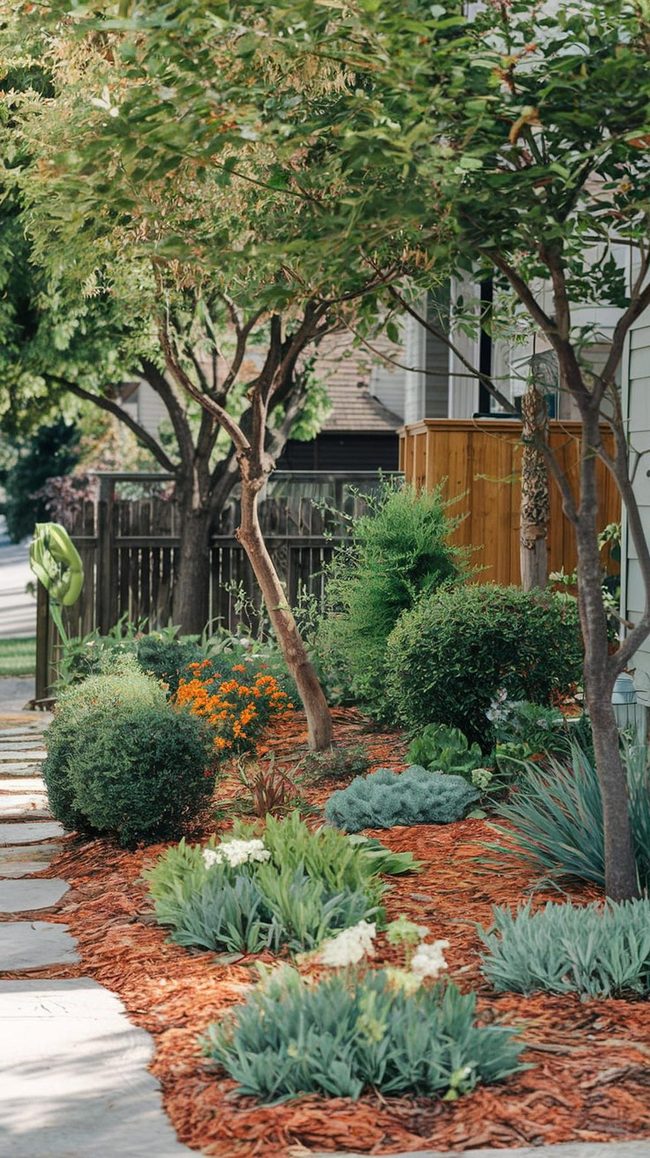
If you want to bring peace and tranquility into your space, a Zen outdoor offers a simple while staying powerful solution, and you can make one that fits your life whether you have a small table or a large backyard.
Sand raked into patterns, strategically placed rocks, and minimal plants feel balanced to shape a calming effect that naturally draws you toward stillness.
You might start small with a tabletop version that lets you enjoy the meditative act of raking sand whenever you need a moment of quiet.
For those with yard room, expanding into your backyard opens up endless possibilities, think about adding a small pond or water feature that deepens the peaceful atmosphere.
Even just spending a few minutes maintaining or observing your Zen outdoor can reset your mood and help you feel grounded again.
Whether your space is limited or expansive, you can design something that fits your needs and brings genuine calm into your daily routine.
Potted Plants In Tiny Yards
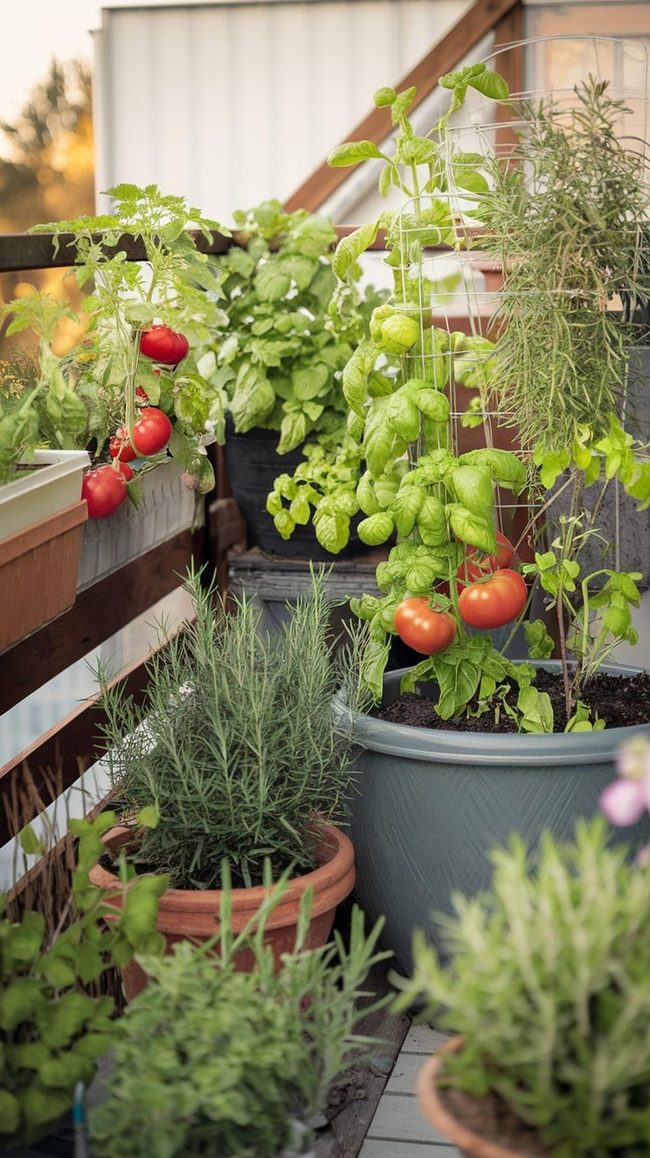
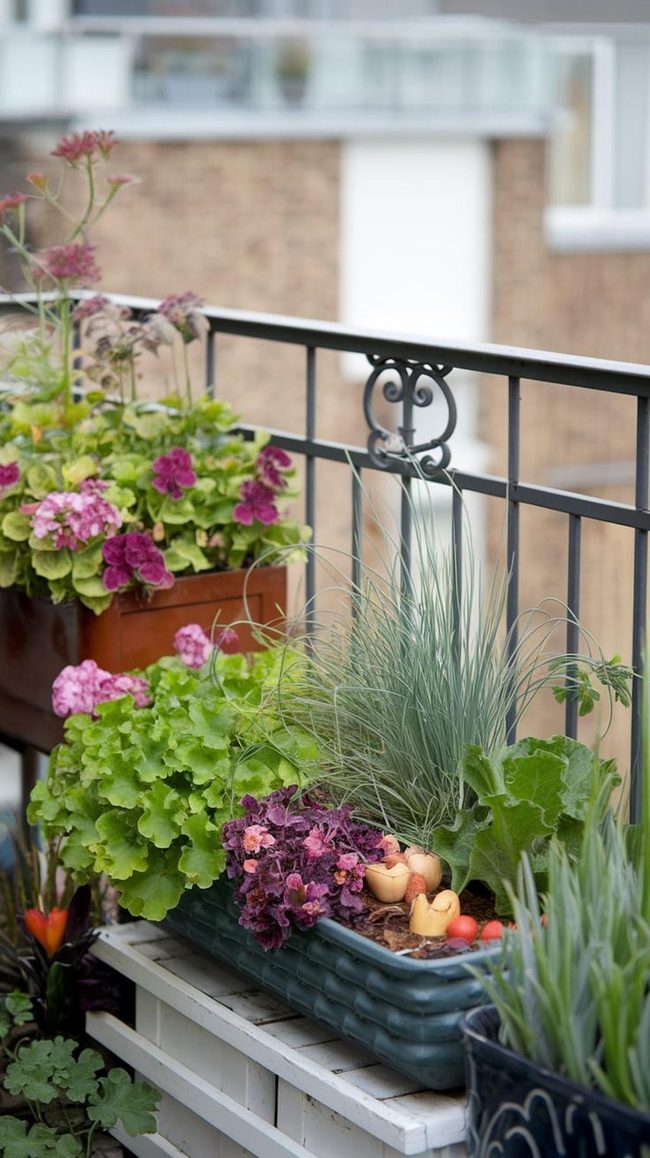
Container patios let you grow flowers, vegetables, and even small trees in limited open-air space, and there's no need to feel restricted by a tiny yard or patio since you can use almost any vessel from standard flower pots to bathtubs, old crates, or wheelbarrows as your growing homes.
One of the best things about containers is how much freedom they give you to rearrange your patio whenever you want, so you can shift plants around to follow the sun throughout the day or move them into shade when they need relief from intense heat.
Picking the right plants for your space matters, and matching your selections to the illuminated conditions in your yard makes all the difference in how well they thrive.
Whether you're working with a small apartment balcony or a cramped corner of your yard, containers offer the flexibility to design a patio that fits your lifestyle and space perfectly.
You can start simple with just a few pots and expand as you discover which plants you enjoy growing most.
Green Walls Without Floor Space
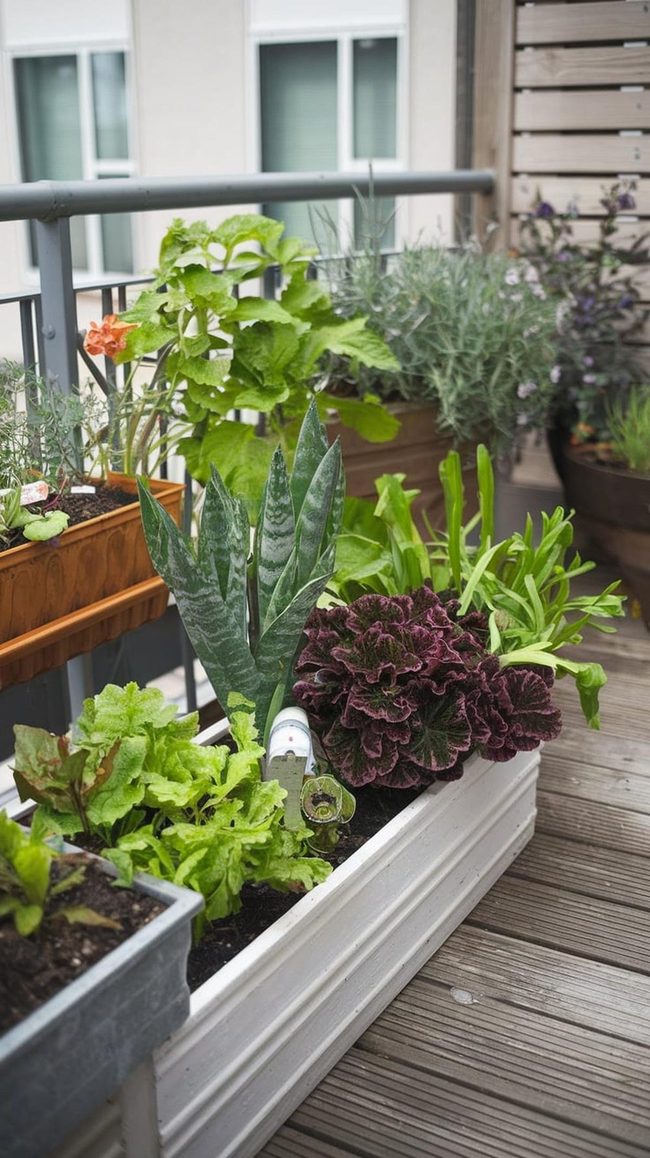
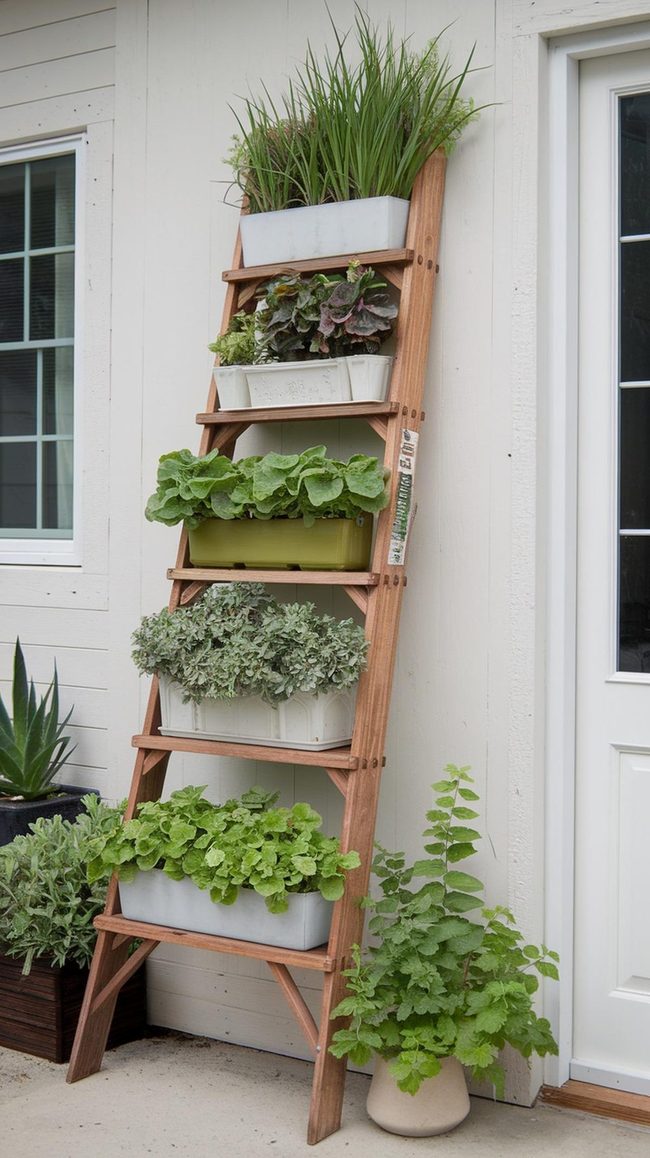
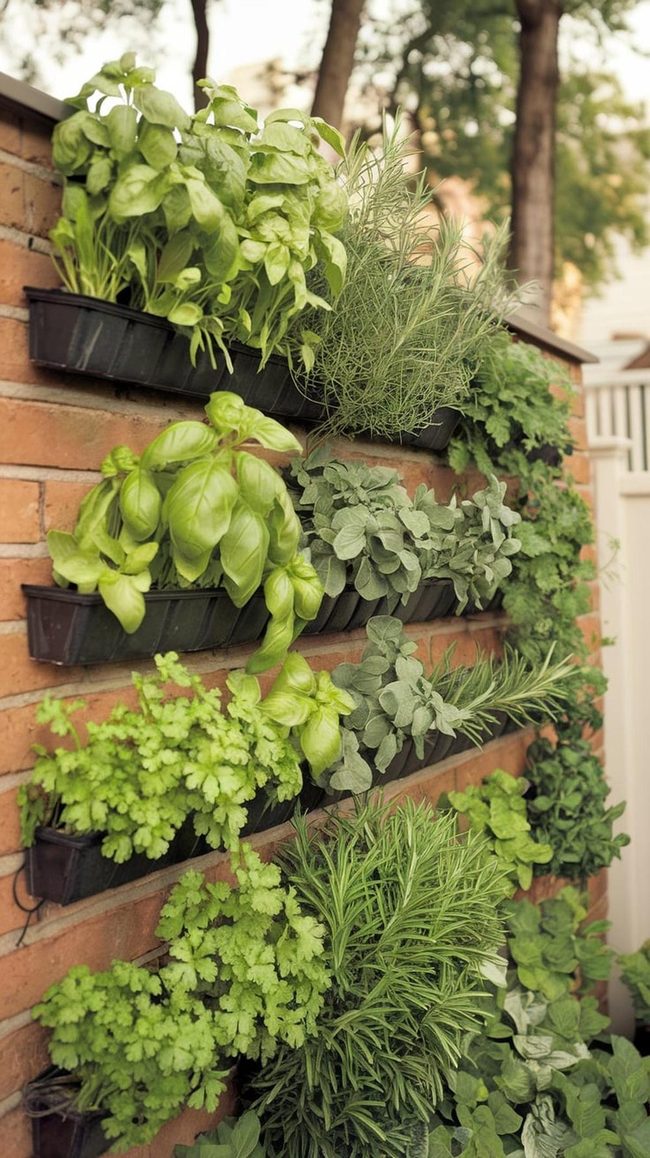
When you have limited space, growing plants upward instead of outward opens up surprising possibilities for your yard.
Wall-mounted planters, trellises, and even repurposed ladders can transform a bare wall into a lush green surface without consuming precious ground area.
Climbing varieties such as ivy, roses, and grapes spread across these vertical structures and add life and color relatively quickly.
You benefit from both the visual beauty of a living wall and the adaptable to different needs advantage of using space that would otherwise sit empty.
This approach works especially well for small patios, balconies, or tight corners where traditional yards won't fit.
Beyond saving room, vertical yarding lets you bring greenery into areas you might have thought impossible to plant.
It's a straightforward way to maximize what you have and enjoy more plants in your open-air or indoor space.
Flexible Outdoor Space Transforms Daily
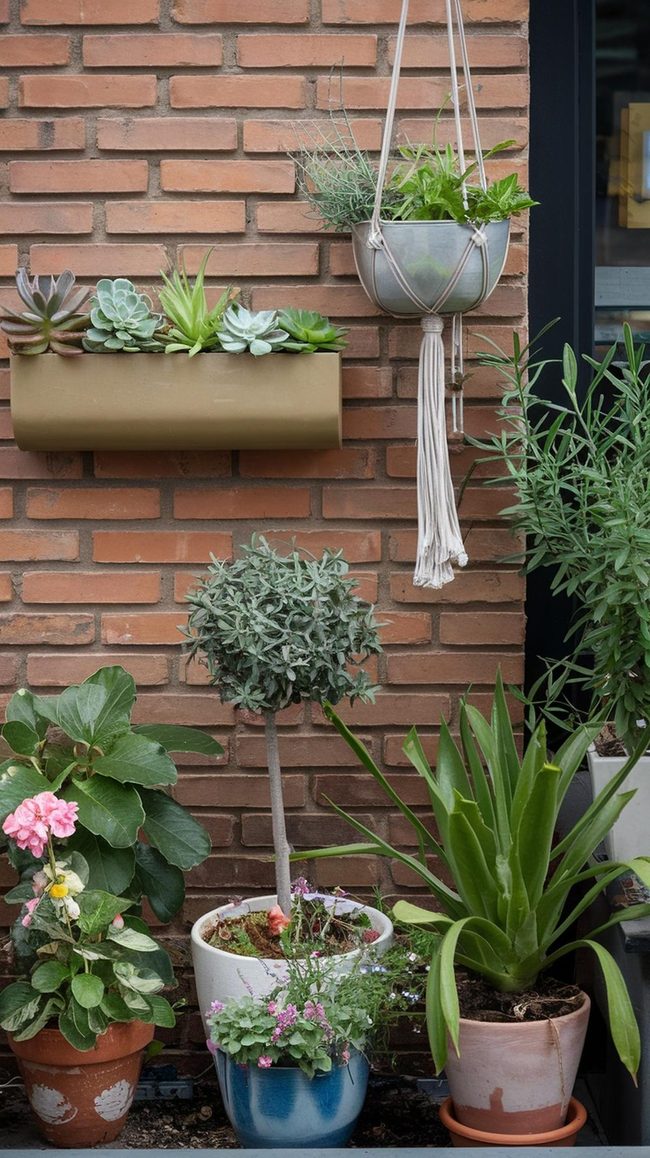
The outdoor can stay full of color no matter what time of year it is, and You could say that's worth planning for.
Spring bulbs push through the soil early to give you those first airy-filled blooms after winter ends.
Summer flowers take over next and fill beds with their peak colors and textures.
As temperatures drop, autumn foliage shifts to warm reds and oranges that glow across the landscape.
Winter evergreens hold strong through cold months and keep your outdoor from looking bare.
By mixing these different types of plants, you get something beautiful happening in every season.
Your space stays fresh and interesting because there's always something new blooming or changing color.
This approach means you can step outside on any day of the year and find something worth looking at in your own outdoor.
Painted Mason Jars With Seasonal Blooms
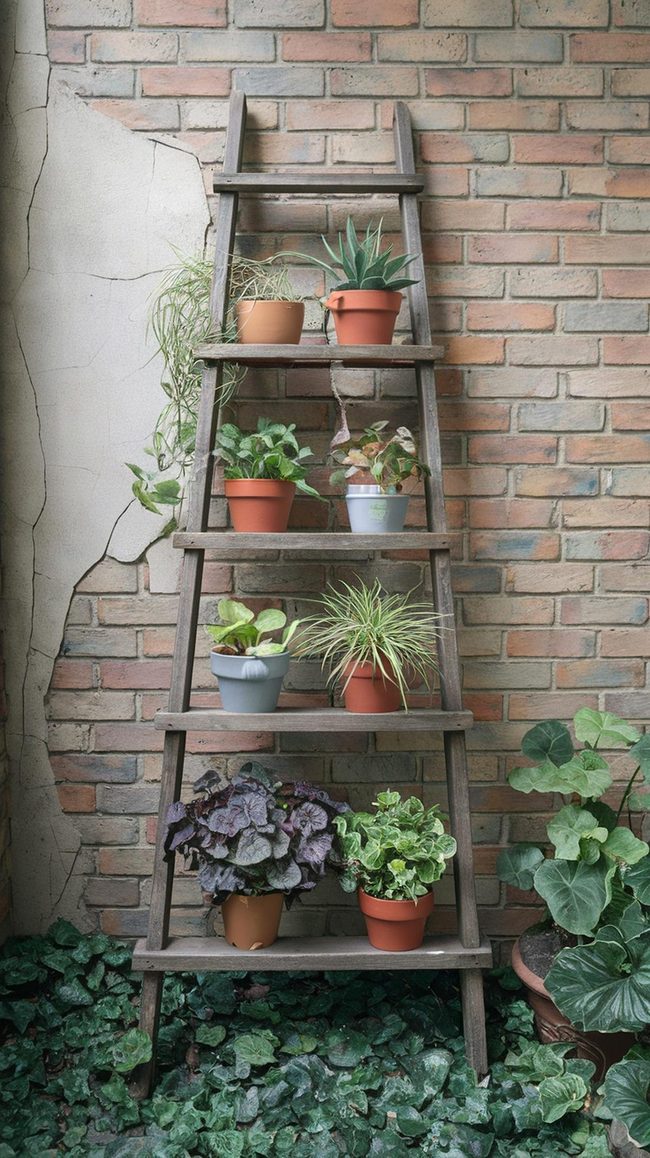
If you enjoy upcycling and want to add personality to your outdoor space, a repurposed terrace lets you turn everyday items into something beautiful and functional.
Old tin cans, buckets, organic pallets, and worn boots become excellent planters for flowers, herbs, and vegetables when you fill them with soil and seedlings.
Hardwood pallets can be painted in well-lit colors or left natural, then arranged upright or flat to hold multiple plants across your walls and fences.
Metal buckets and cans gain new life as hanging planters or ground-level containers scattered around your beds and pathways.
Boots, particularly oversized ones, sit perfectly on steps or window ledges with trailing plants spilling over the sides.
Beyond the money you save by reusing materials you already have, this method gives your terrace a one-of-a-kind look that reflects your own style.
Family and family see the creativity and resourcefulness immediately when they visit.
Stone Lanterns And Koi Ponds
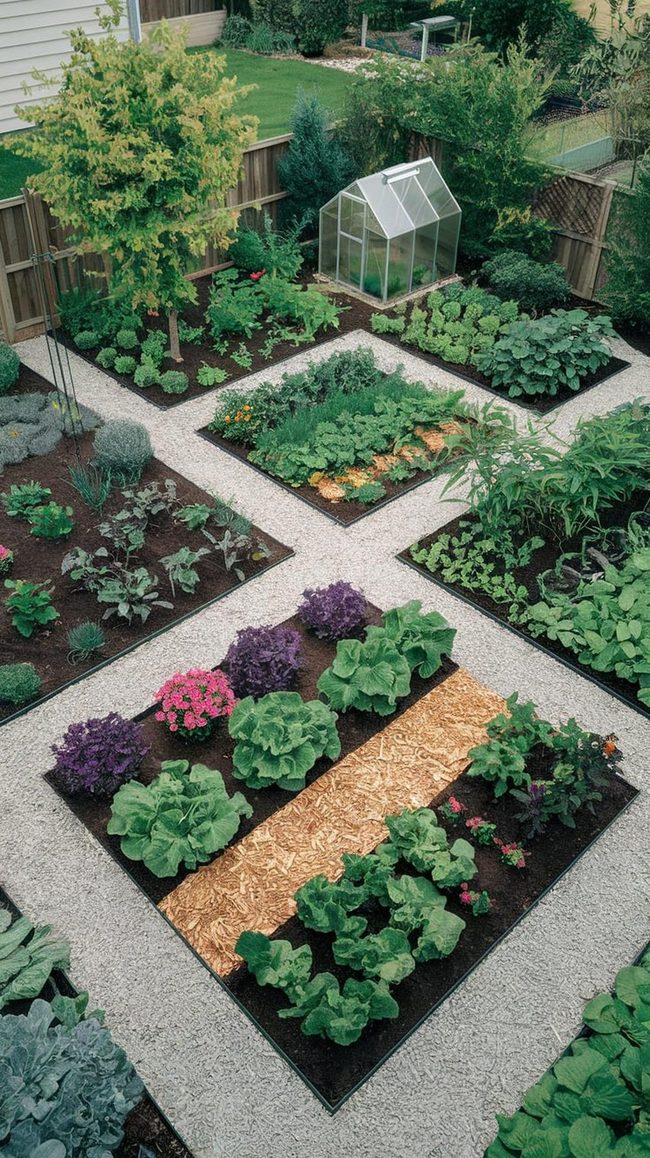
Japanese patios draw you in with their striking stone lanterns and graceful organic bridges that seem to float over still koi ponds, while bonsai trees stand as living sculptures throughout the space.
Clean lines and open areas form the foundation of this design style, and the minimalist approach means nothing feels cluttered or overwhelming.
Japanese maples offer eye-catching seasonal color changes, bamboo adds movement and sound, and azaleas provide bursts of blooms at just the right times.
You don't need acres of land to pull off this look, even a small corner of your yard can become a peaceful retreat.
Maintaining a Japanese-inspired patio is straightforward because you're not dealing with high-maintenance plants or complicated arrangements.
This look works because that it prioritizes calm and harmony, giving you a place to slow down and relax whenever you step outside.
Stone pathways, water features, and natural materials pair naturally in ways that feel both simple and deeply satisfying.
Lush Green Palms Indoor
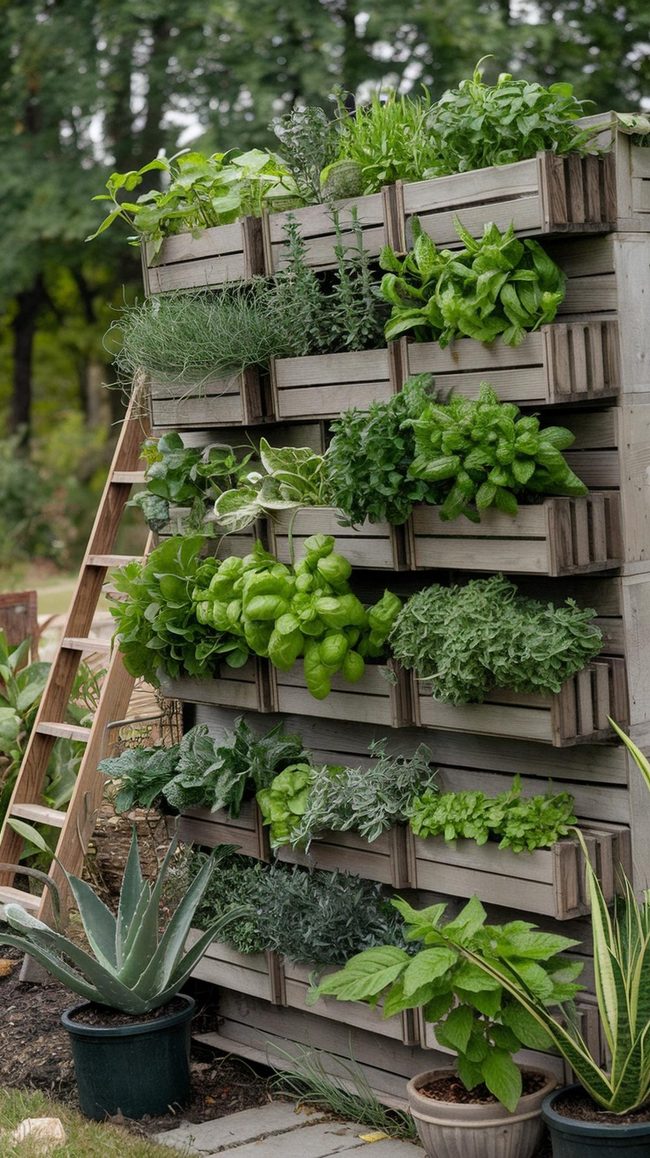
If you love lush, lively in tone greenery, you can bring a tropical feeling right into your home by surrounding yourself with plants like palms, ferns, and hibiscus that grow full and green.
Large pots and containers work well for tropical plants and make it easy to move them indoors when temperatures drop.
Water features such as fountains add another layer to the tropical atmosphere and give the space a more authentic feel.
Placing these elements together means you get that warm, relaxed vacation vibe without leaving your house.
Plants in various heights and sizes help fill empty spaces and make the area feel more alive.
Moving things around seasonally keeps your space from feeling stuck in one look.
We recommend starting with just a few key plants and building from there as you discover what grows best for you.
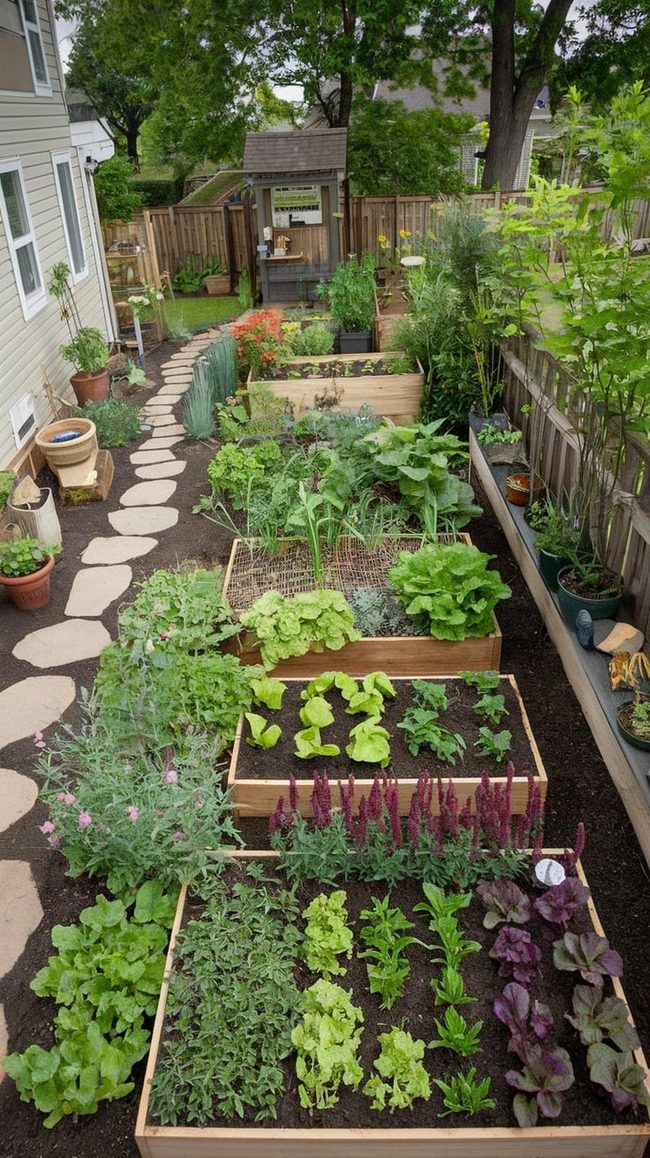
Fresh Vegetables From Your Backyard
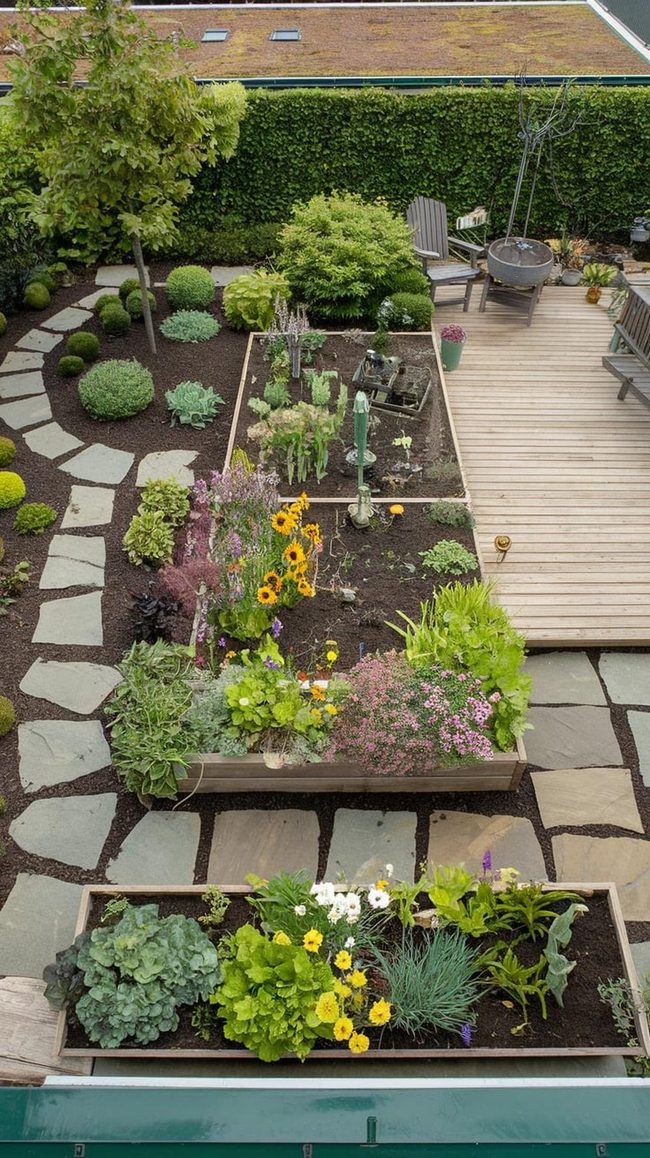
Growing your own food in an edible terrace offers one of the most satisfying rewards, walking outside to harvest fresh tomatoes, peppers, or vegetables whenever you need them for dinner.
You can start small with just a few pots on a sunny windowsill or expand to a full backyard plot, depending on your space and interest.
Fresh produce you've grown yourself tastes better than anything from the store and costs far less to maintain over time.
Beyond the money you could save on groceries, there's real joy in eating food that came directly from your own hands and effort.
Consider planting companion plants like marigolds alongside your vegetables since they naturally keep pests away without chemicals.
Whether you go big or keep it simple, an edible terrace gives you control over what goes into your food and connects you to the growing process in a way that regular shopping never can.
Starting an edible terrace takes some planning, but the combination of fresh food, lower bills, and personal satisfaction makes it worth every bit of effort.
Leafy Canopy Sanctuary For Shade
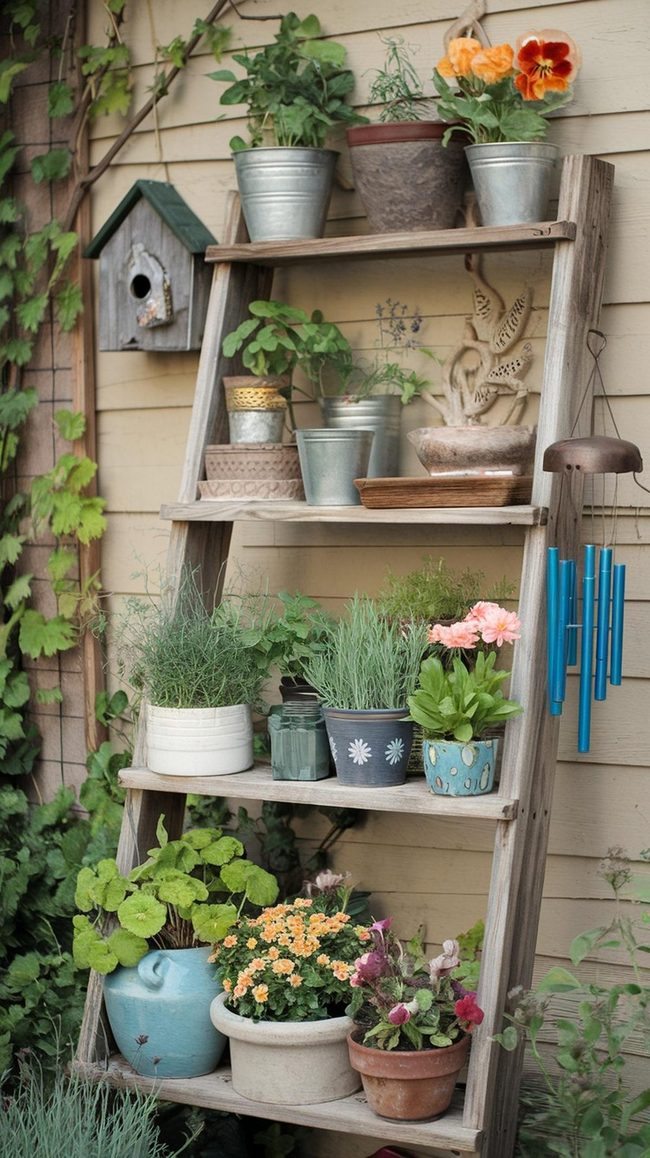
Plant trees in your garden and you will get shade plus architecture all in one spot.
Fruit trees like apples, pears, and peaches give you both visual appeal and food to harvest, while ornamental varieties such as Japanese maples and dogwoods offer year-round interest with their unique shapes and colors.
Beyond just looking good, trees serve functional purposes by blocking out harsh sun and making your garden space more comfortable on hot days.
They also work as natural privacy screens around your property, so you won't need to build fences or walls.
When you choose the right species for your area, they require less maintenance than many other garden features.
Whether you want fresh fruit or just beautiful foliage, trees are an investment that pays off both immediately and for years to come.
Fresh Herbs At Your Fingertips
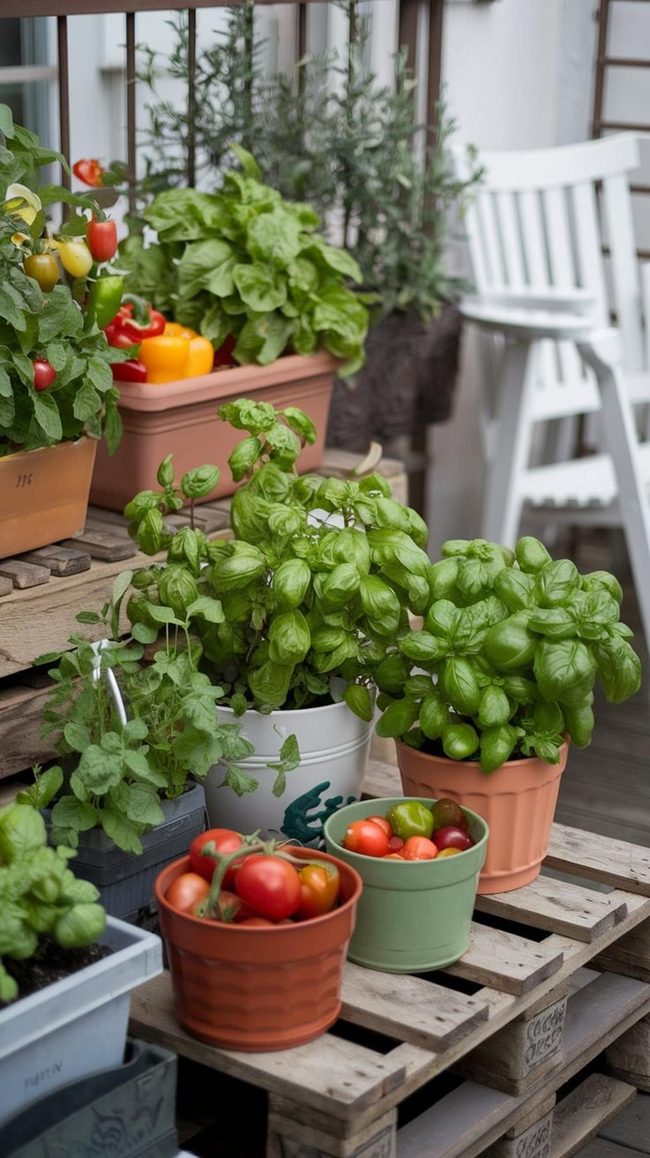
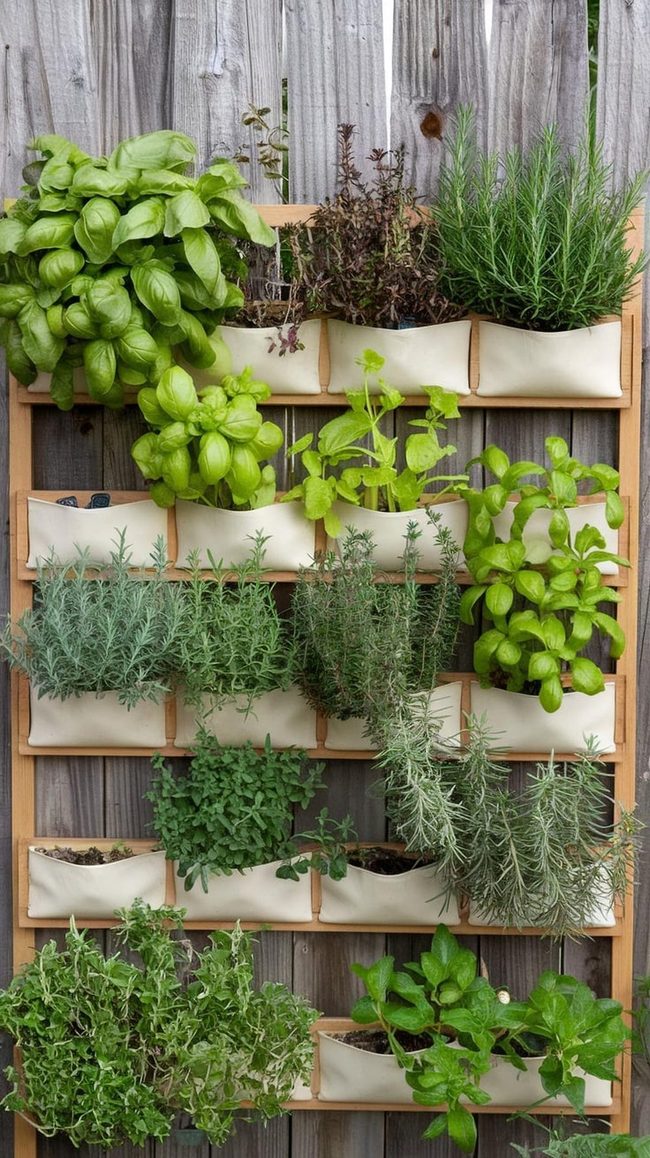
That small herb patio on your cookspace windowsill or counter brings living greenery right where you cook, and growing basil, rosemary, mint, and parsley is straightforward and satisfying.
You will observe how these plants add visual interest to your space while serving a well suited to daily routines purpose in your daily meals.
Beyond making your cookspace feel fresher, herbs naturally filter your indoor air and improve its overall quality.
When a recipe calls for fresh thyme or basil, you simply reach over instead of heading to the store and searching through wilted bunches.
The herbs thrive in natural whimsical, so a sunny spot works best, and most varieties need just basic watering to flourish.
Your cooking takes on a whole new dimension when you have these aromatic plants nearby and ready to harvest whenever inspiration strikes.
Glass Greenhouse Year-Round Growth
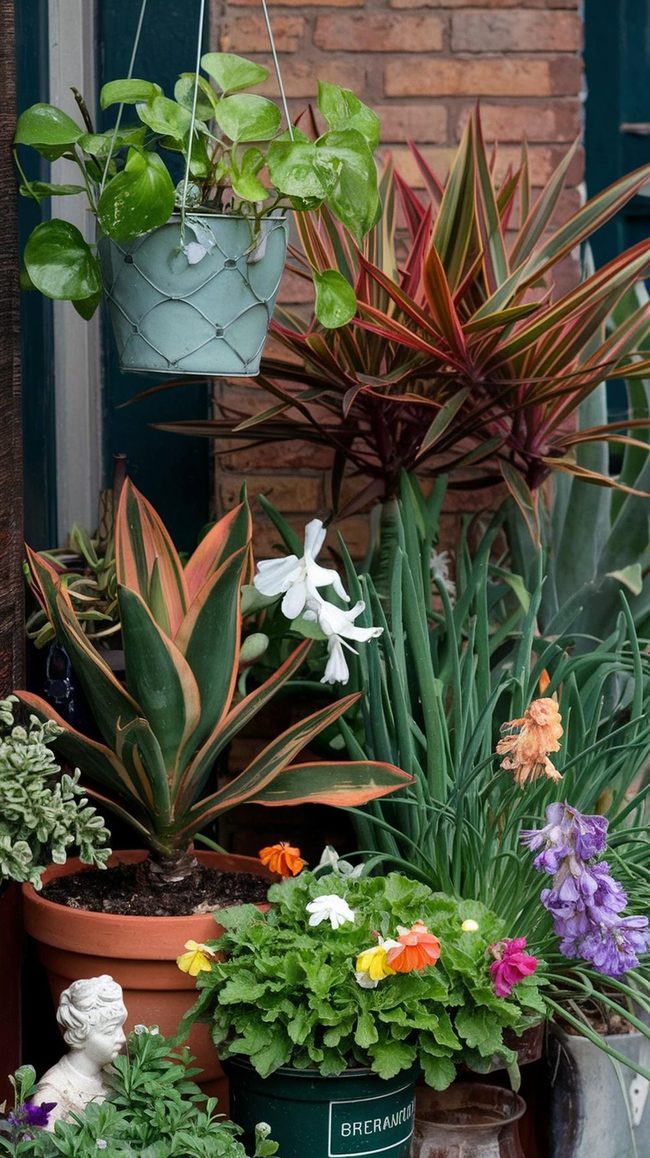
If you love yarding and want to keep growing plants through every season, a greenhouse lets you do exactly that.
Building one in your backyard opens up a world of possibilities, whether you go with a compact glass structure or a larger polycarbonate design.
You can nurture plants that wouldn't normally survive in your climate and try out new varieties without worrying about weather limits.
Glass greenhouses catch sunlight beautifully and let you see your plants from outside, adding visual interest to your yard.
Polycarbonate options give you durability and better insulation if you're serious about year-round growing.
The space inside becomes your own little plant sanctuary where you control temperature and moisture.
We all know that extending your growing season means more harvests and fresher produce for months longer.
Setting up a greenhouse takes some planning, but the payoff is worth it when you're harvesting vegetables or flowers in the middle of winter.
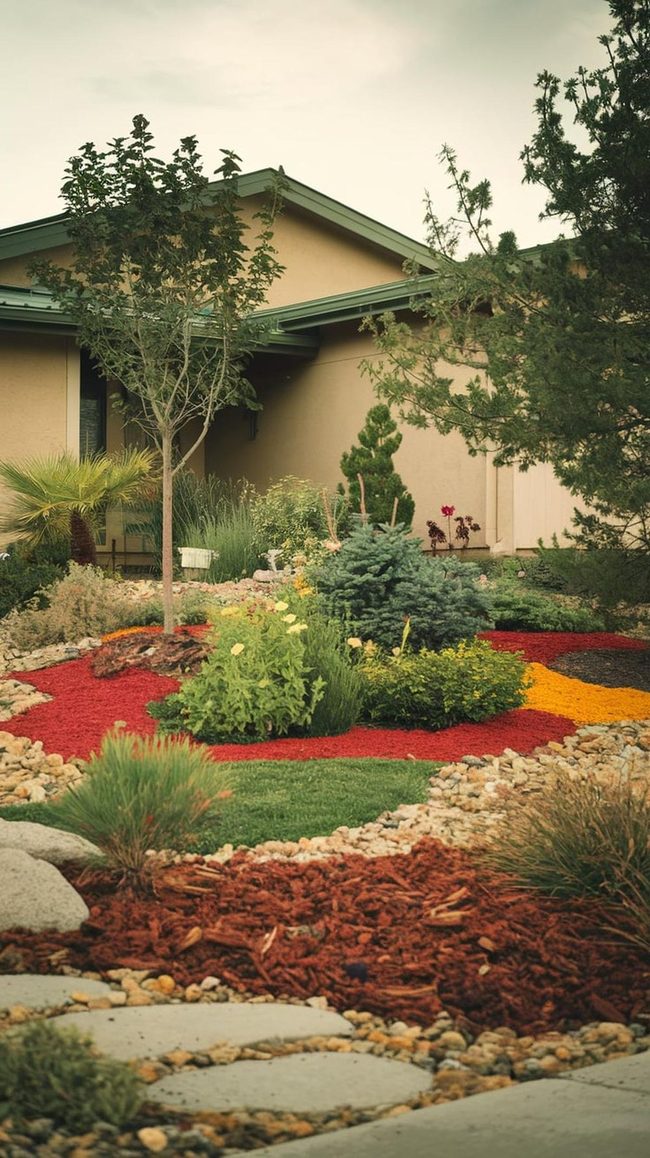
Cacti And Stone Desert Landscape
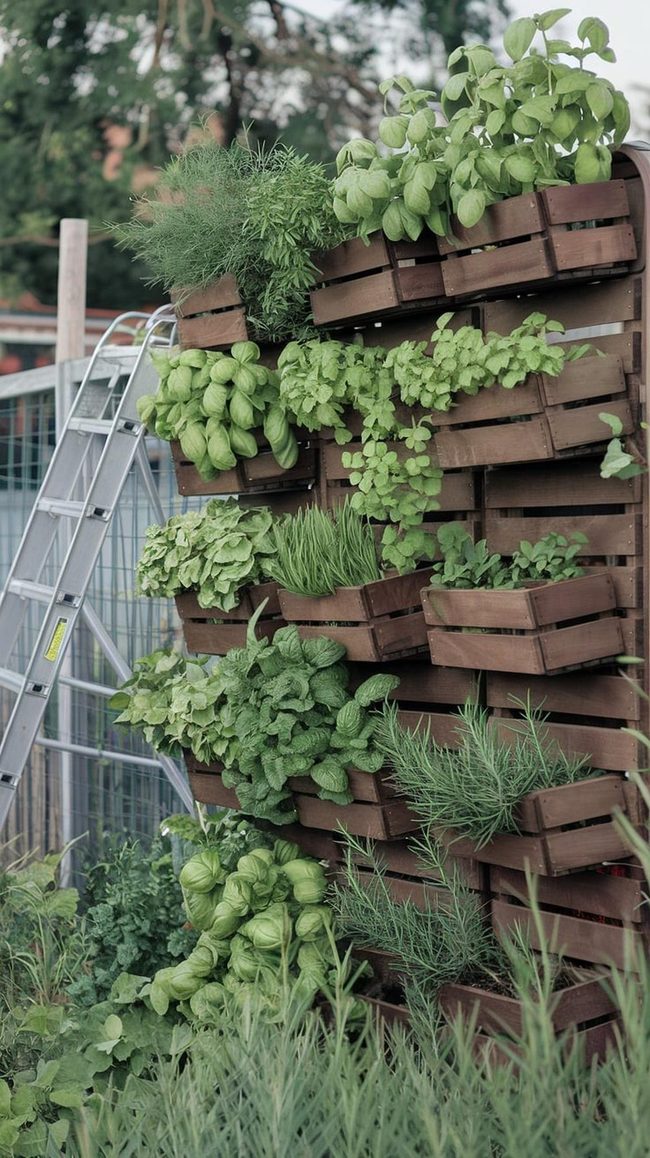
Desert yards showcase the raw beauty of arid environments through bold plants like cacti, succulents, and agave that stand out dramatically against the landscape.
Rocks, stones, and sand form the foundation of this aesthetic and make the space feel authentic to its natural surroundings.
If you live in a hot, dry climate, these hardy plants demand minimal watering and attention once established.
The low-maintenance nature of desert yarding means you can enjoy a eye-catching yard space without constant upkeep.
Sand and gravel bring about visual interest by contrasting with the unique shapes and textures of your plants.
Stone elements add structure and prevent soil erosion while contributing to the overall design.
You get both practicality and visual appeal when you choose this yard style.
Desert yards work especially well for anyone seeking a striking landscape that doesn't require much fussing.
Wooden Pergola With Climbing Vines
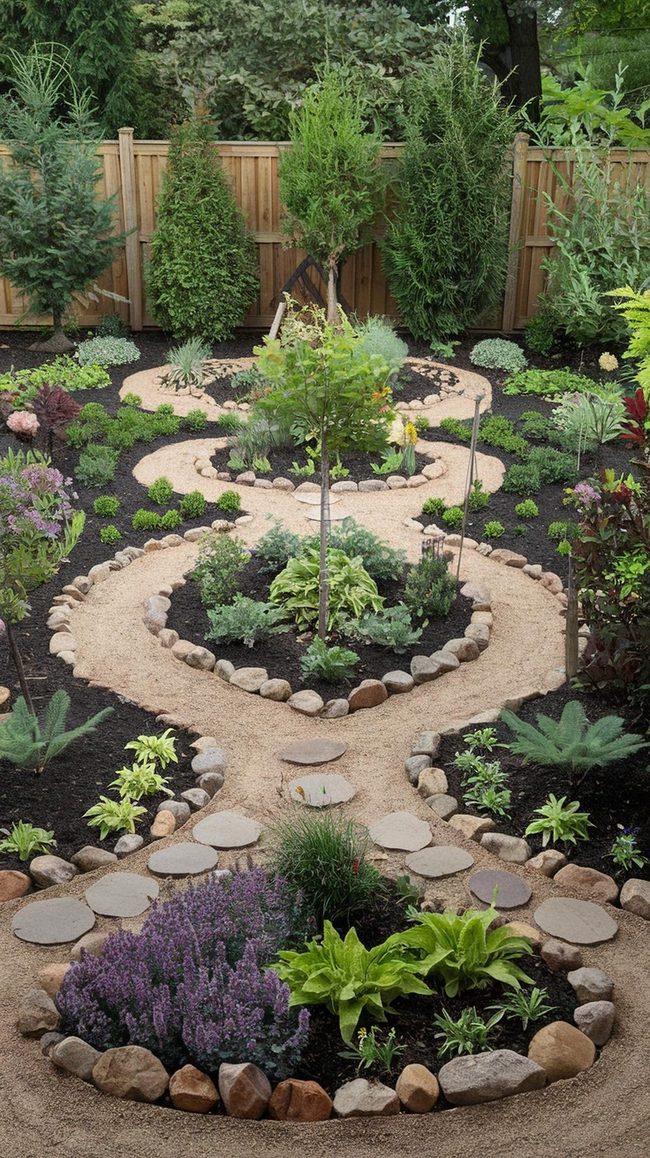
Each pergola brings both easy to maintain shade and visual beauty to your landscape space, and it works as the centerpiece of any patio area.
You can train climbing plants like wisteria or grapevines to grow up and across the structure, which fills your landscape with lush greenery and natural cooling.
For evening use, stringing fairy ambients or lanterns overhead refreshes the pergola into a warm gathering spot where you and others can sit comfortably after sunset.
Beyond plants and ambienting, a pergola functions as a quiet retreat for reading or simply enjoying peaceful moments outside.
The open-roof design means you get filtered sunambient during hot days while still enjoying the fresh air.
Building or installing one takes planning, but the result is a landscape feature that serves you well throughout the seasons.
Once it's in place, you can find yourself using it far more than you expected.
Golden Glow String Lamps Overhead
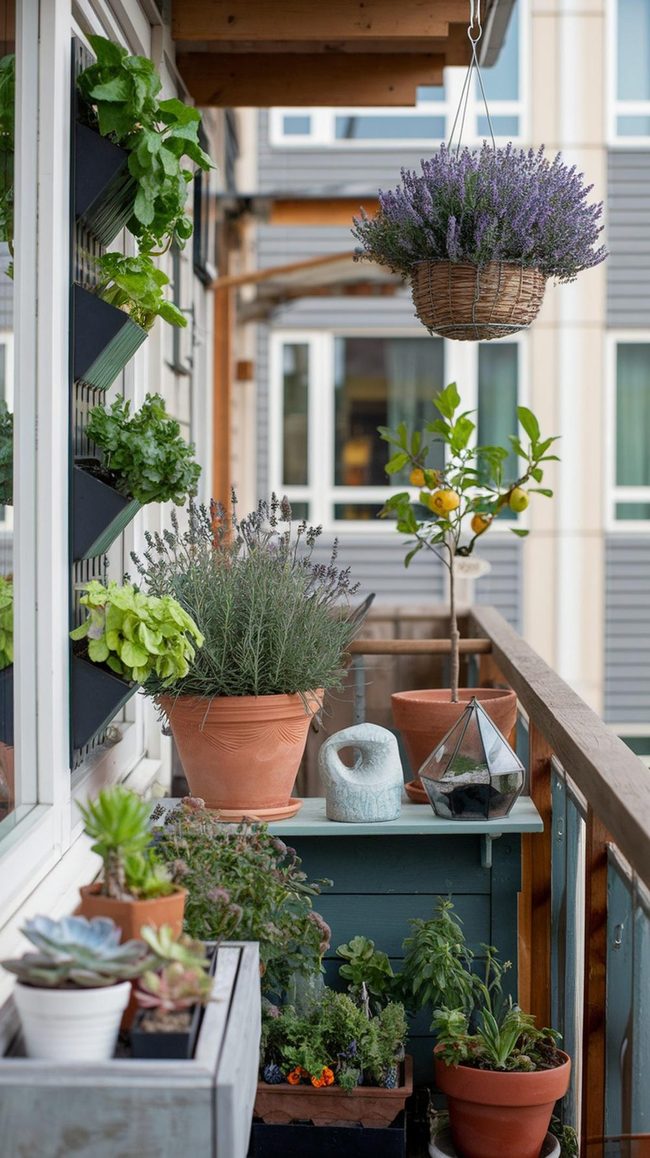
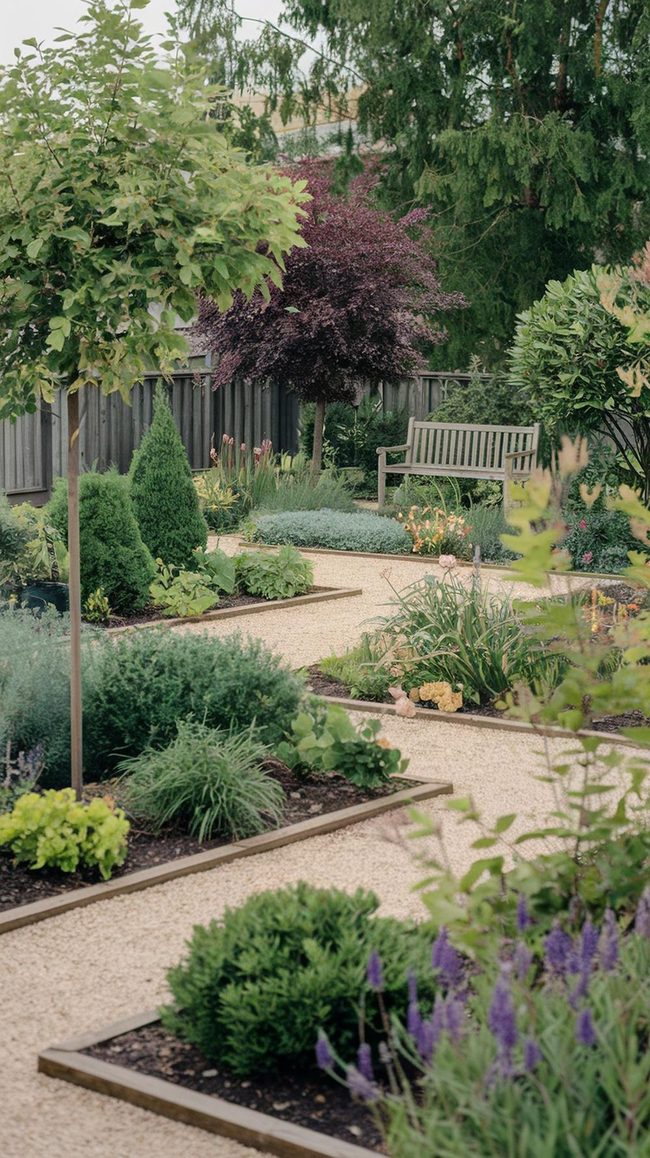
Well-designed terrace pathways do more than just move you from spot to spot, they completely reshape how your outdoor space feels and functions.
Stone, brick, or gravel all work wonderfully as base materials, and you can pick what matches your home's style best.
Lining your path with flowering plants such as lavender or roses adds natural beauty and makes visitors feel genuinely welcomed when they arrive.
You don't need anything fancy or expensive to pull this off either.
Most people are surprised at how much a basic gravel or brick walkway improves the whole terrace once plants frame it nicely.
Consider curving your path gently rather than making it perfectly straight, as this draws people through your space and encourages them to slow down and look around.
A pathway that guides you naturally through different terrace areas helps you enjoy every part of your outdoor space more fully.
Metallic Lanterns Cast Golden Ambiance
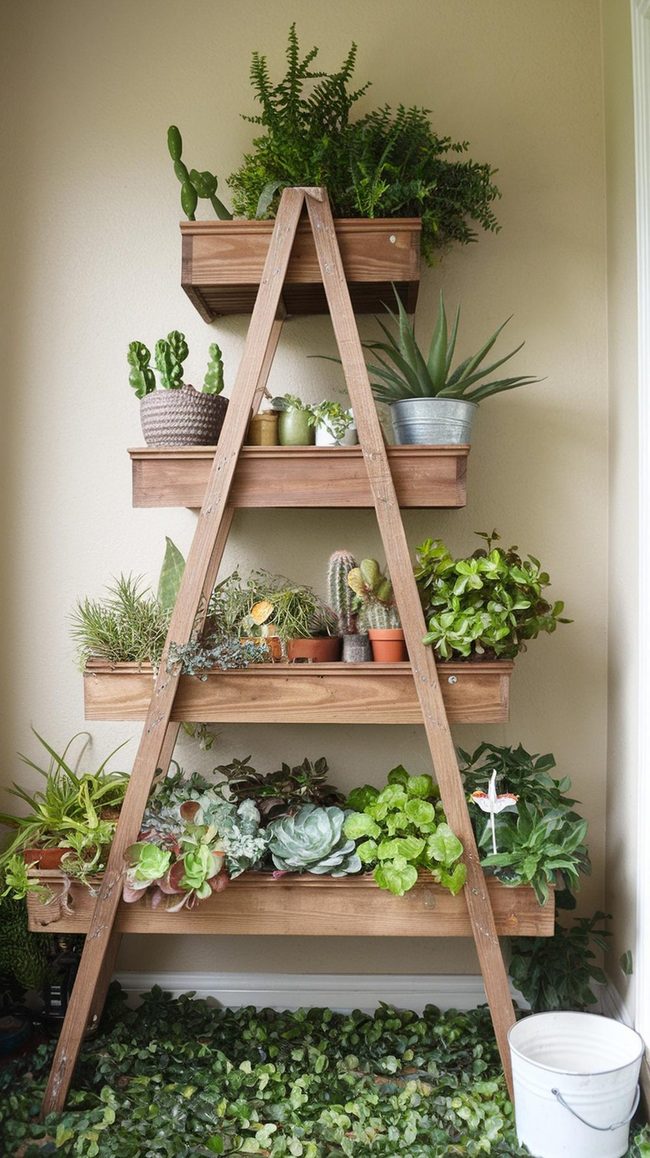
You can bring the comfort of your indoor parlor right outside by setting up weather-resistant sofas, hammocks, and chairs in your garden space.
Surrounding yourself with lush plants creates a natural backdrop that makes the whole area feel like an extension of your home rather than just a yard.
Throw pillows and blankets add warmth and comfort to your seating, while patio rugs ground the space and define where your new relaxation zone begins.
Honestly, this kind of setup works best when you layer in these comfortable elements one at a time, starting with furniture and then adding the understated furnishings that make you want to stay outside longer.
Plants around the perimeter do more than just fill empty space; they muffle noise from neighbors and traffic, making your patio room feel more private and peaceful.
Once you settle in with a good book or gathering, you may realize this garden sanctuary has become the place where you actually want to spend your time.
Michael Harris
Senior Content Editor
Expertise
Home Décor Content Creation, Interior Design Journalism, Editorial Oversight, Digital Media Strategy, Team Leadership and Mentorship
Education
University of Queensland, Brisbane, Australia
Queensland University of Technology (QUT), Brisbane, Australia
Michael Harris is the senior content editor at Archi Refresh, where he turns home design trends into engaging, easy-to-follow articles. With a journalism degree from the University of Queensland and a digital communication certification from QUT, he knows how to craft content that informs and inspires.
With over 10 years of experience in lifestyle and design media, Michael has shaped editorial strategies, mentored writers, and helped readers refresh their spaces with practical tips. His work blends storytelling with expert advice, making home decor more accessible to everyone.
Outside of work, Michael enjoys DIY projects, exploring Brisbane’s art scene, and teaching digital literacy workshops.