
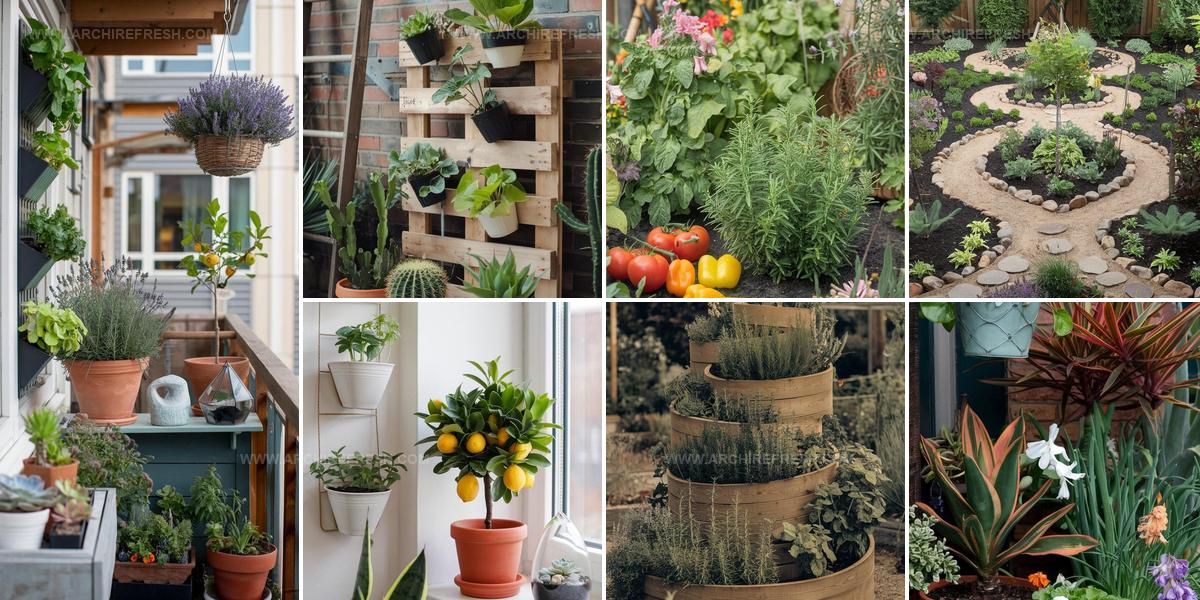
24 Fresh Ways to Start Your Home Gardening Ideas
Home gardening ideas offer simple ways to grow beautiful plants no matter where you live or how much space exists.
Growing vegetables, herbs, and flowers in residential spaces has become popular as more people appreciate fresh produce and natural beauty around them.
Anyone can develop a thriving garden with basic knowledge and minimal equipment.
Small adjustments to available outdoor or indoor areas make cultivation accessible even for beginners.
Success depends on understanding what works best for different environments and climates.
Whether containers sit on balconies or raised beds fill backyards, the principles remain straightforward and rewarding.
Vegetable Growth In Wooden Beds
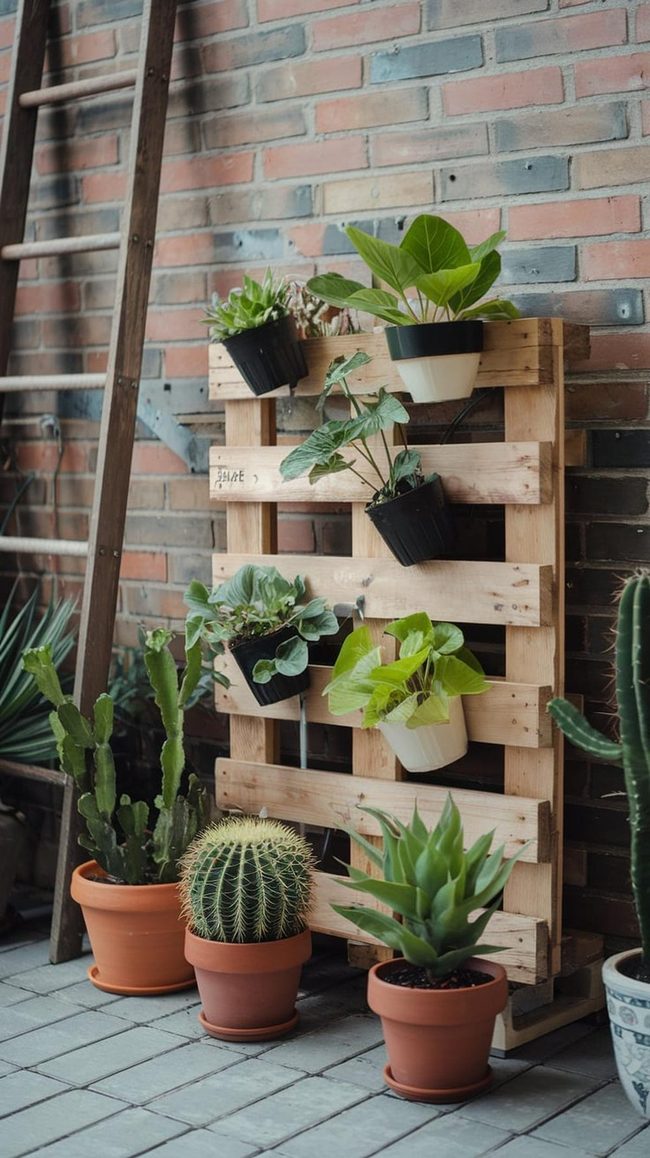
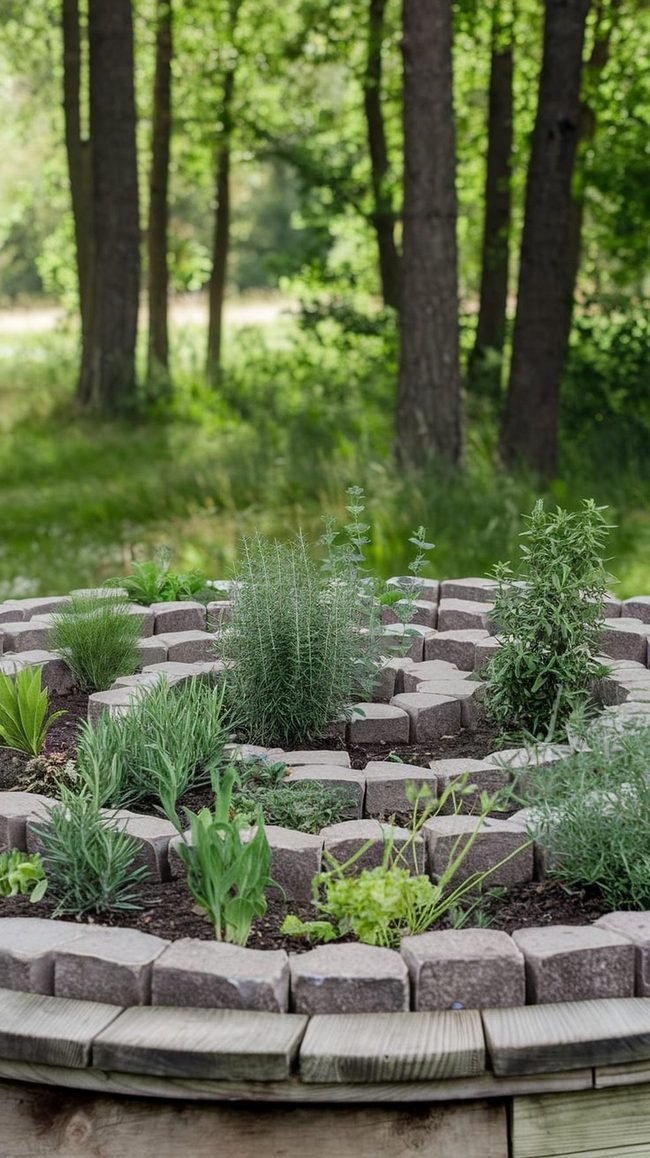
Raised outdoor beds stand out as one of the most visible and user-friendly additions to any yard, and they work wonderfully whether you're dealing with poor soil quality or just don't have much ground space to work with.
Building them yourself from veneer, bricks, or reclaimed pallets keeps costs down and lets you customize the size to fit your needs.
What makes these beds so smart is that you fill them with nutrient-rich soil, so your vegetables and flowers get exactly what they need to thrive without struggling through whatever's underneath.
Better drainage is another huge benefit, especially if you live somewhere with lots of rain or have compacted earth that won't cooperate.
You will also spot how much easier it is on your back since you're not constantly bending down to tend your plants.
If you want to grow food but feel held back by your current situation, these beds remove most of the obstacles in your path.
Fresh Herbs Right On Kitchen Counter
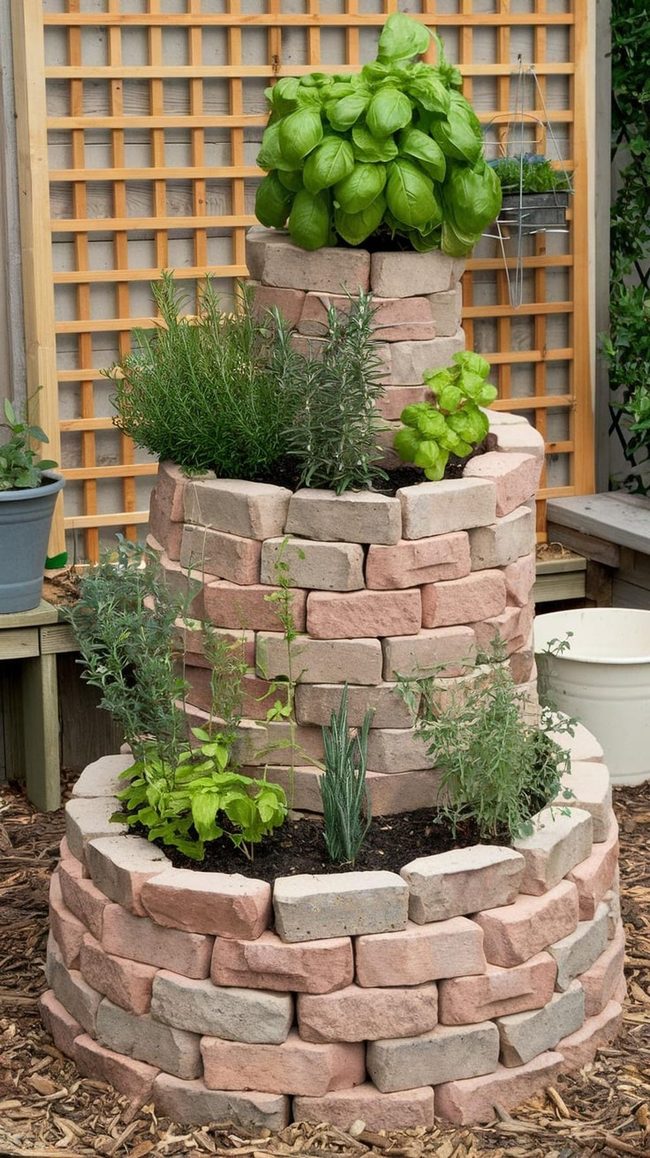
Fresh herbs like basil, mint, and rosemary sitting right on your cookspace counter or windowsill bring an instant pop of green that catches everyone's attention the moment they walk in, and you can snip what you need for cooking whenever you want.
Growing herbs indoors works beautifully on windowsills or countertops with simple containers, so your cookspace gets that natural, living feel without taking up much space.
Beyond looking great, these plants release wonderful aromas that drift through your cookspace and make the whole space feel more alive.
You could pick up on your grocery bills shrink since you won't need to buy expensive fresh herbs at the store anymore.
Most herbs are pretty forgiving and don't require fancy equipment or tons of care, which means even beginners can keep them thriving.
Plus, having fresh ingredients steps away from your stove makes cooking feel easier and more enjoyable.
Drought-Resistant Shapes And Colors
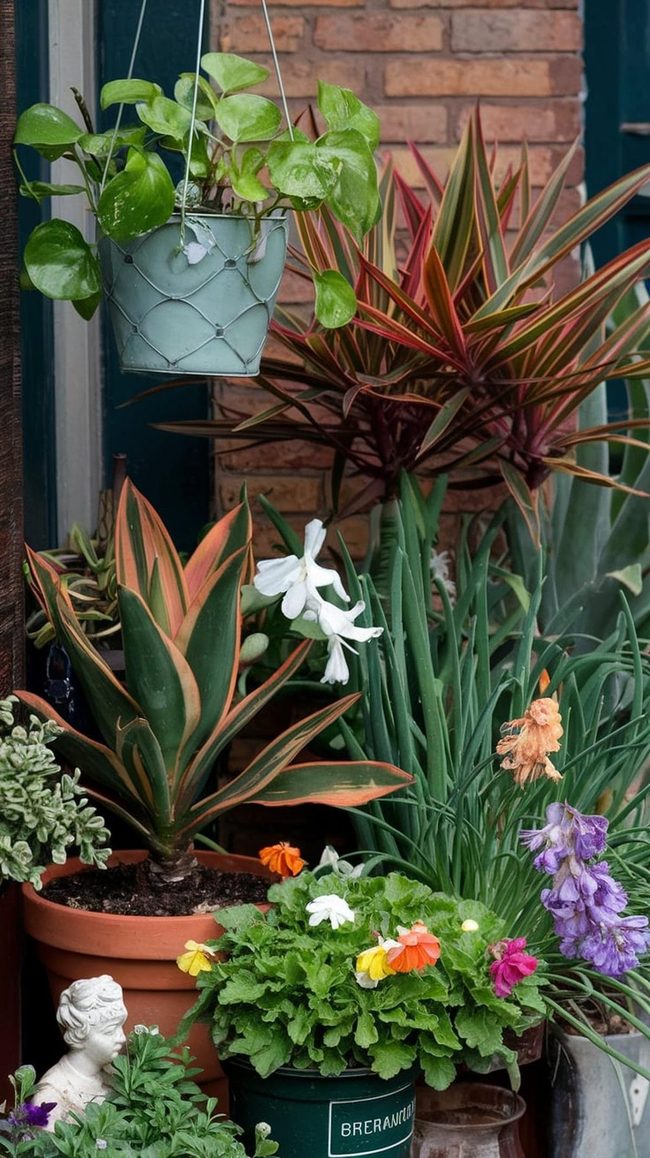
Succulents bring notable variety in shape and color to your open-air space, making them stand out as some of the most visually interesting plants you can grow.
These hardy plants need very little water and love sunny locations, so they thrive with minimal effort on your part.
You can plant them in traditional pots, display them in hanging baskets, or get creative with unexpected containers like old teacups to add personality and charm.
Once established, these resilient plants continue growing and looking great year after year without demanding much from you.
Succulents adapt well to almost any landscapeing situation, and they reward your simple care with lasting beauty.
Hostas And Ferns In Deep Shadows
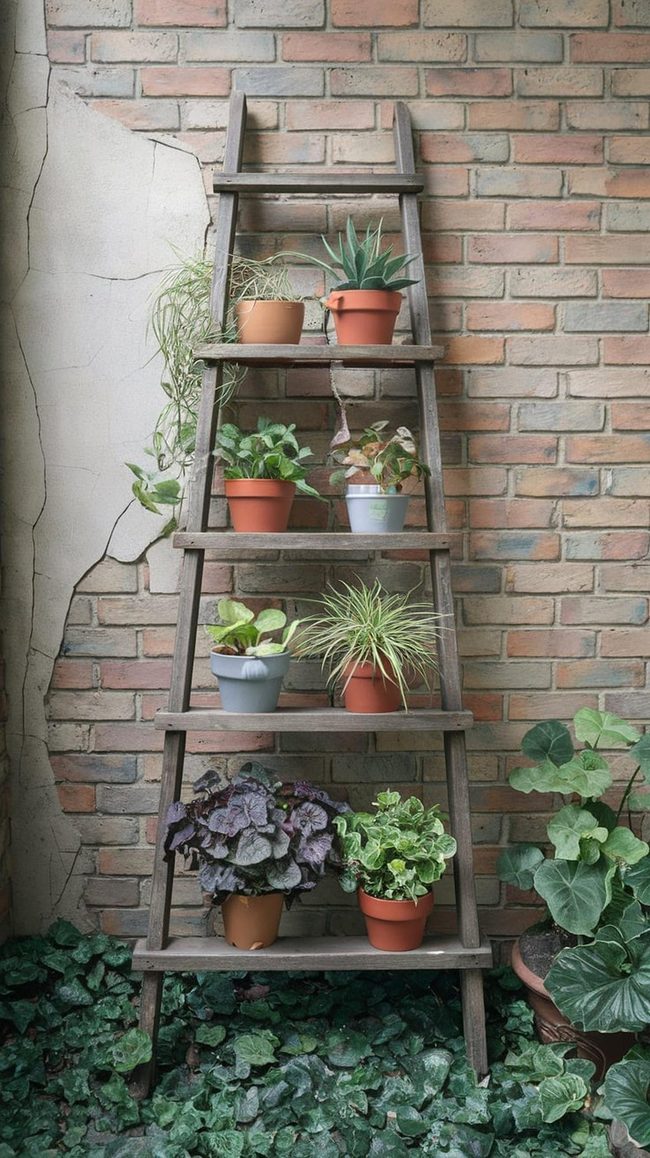
Shade landscapes offer surprising opportunities for those with limited sunspacious, and you can design spaces that feel just as lush and dynamic as sun-filled yards.
Hostas, ferns, and astilbes thrive in low-spacious areas and deliver the greenery you want without needing constant direct rays.
Layering plants at different heights keeps things from feeling flat or boring and gives you visual interest from every angle.
Mixing various leaf textures, from the broad, dramatic foliage of hostas to the delicate fronds of ferns, adds dimension to shaded spots.
Even the darkest corners of your property can become thriving landscape spaces with the right plant selection.
Your shaded landscape becomes a cool retreat where moisture stays longer and temperatures stay mild, which many plants absolutely prefer.
Building layers means you're making a full, engaging space rather than just filling empty ground.
Fish Waste Feeds Growing Plants
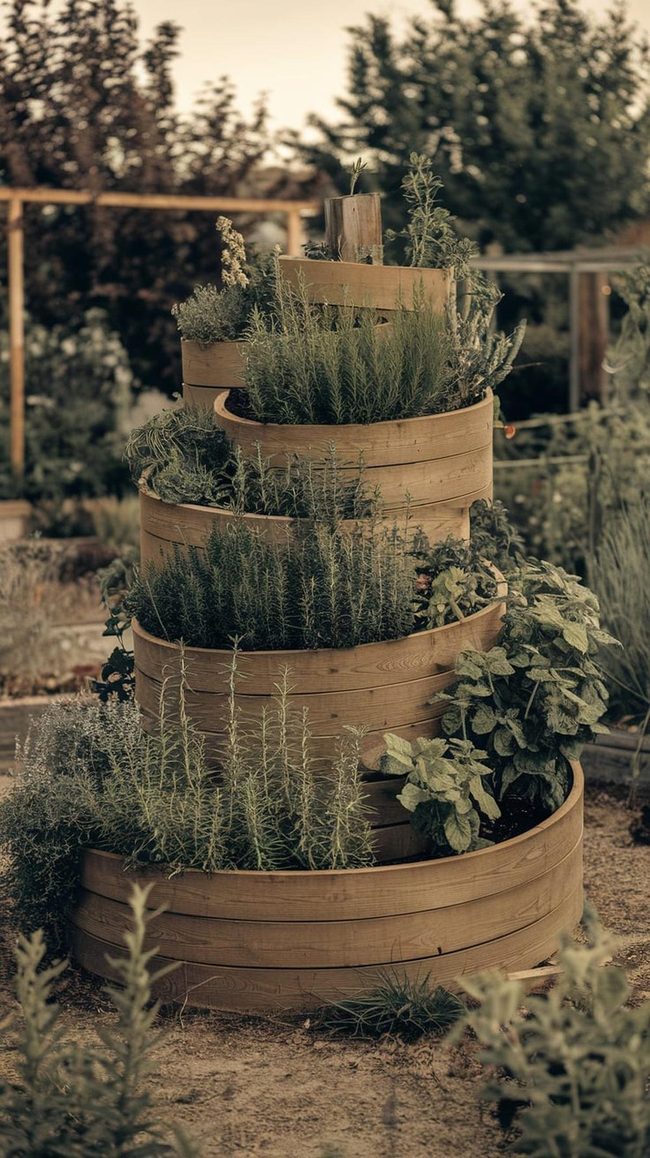
If you want to grow food while supporting a sustainable lifestyle, aquaponics offers a clever way to do both at once.
In this system, fish and plants depend on throughout other in a natural cycle where fish waste becomes the nutrient source plants need to thrive, and plants clean the water that keeps fish healthy.
You get fresh vegetables and herbs without needing traditional soil, which means you can set up a garden even in small apartments or on balconies.
Both indoor and outdoor setups work well depending on your space and climate.
The beauty of this method lies in how little maintenance it requires once you understand the basic balance.
Water stays cleaner because plants absorb the nutrients that would otherwise build up and harm the fish.
You produce your own food while using far less water than regular gardening needs.
People who care about reducing their environmental footprint find this approach satisfying because nothing goes to waste in the cycle.
Lily Pads And Flowing Water
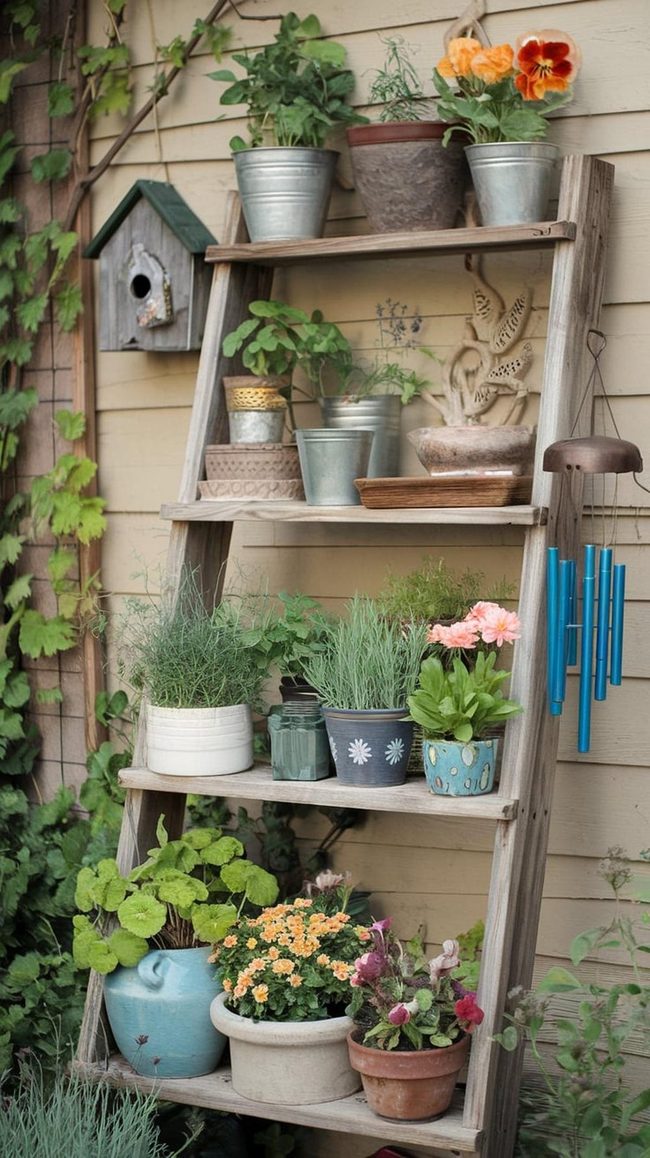
Water gardens bring a peaceful quality to your exterior space, and whether you choose a small pond, a birdbath, or a fountain, the gentle sound of flowing water becomes a natural way to calm your surroundings.
Plants like water lilies, lotuses, and water grasses flourish in these wet environments and add both beauty and tranquility to the garden.
If you love how water affects your mood and want to set up a relaxing exterior area, this type of garden works well for you.
Small fountains offer movement and sound without needing much space, while larger ponds let you grow more varieties and attract wildlife.
Many people find that sitting near moving water helps them feel more at ease during their day.
You can keep the design simple or add rocks and plants around the edges to enhance the overall look.
Water features work in almost any garden style, from modern to traditional, and they give you a spot to pause and recharge.
When you add one of these elements to your yard, you're giving yourself a place where relaxation happens naturally.
Green Wall Living For Tiny Homes
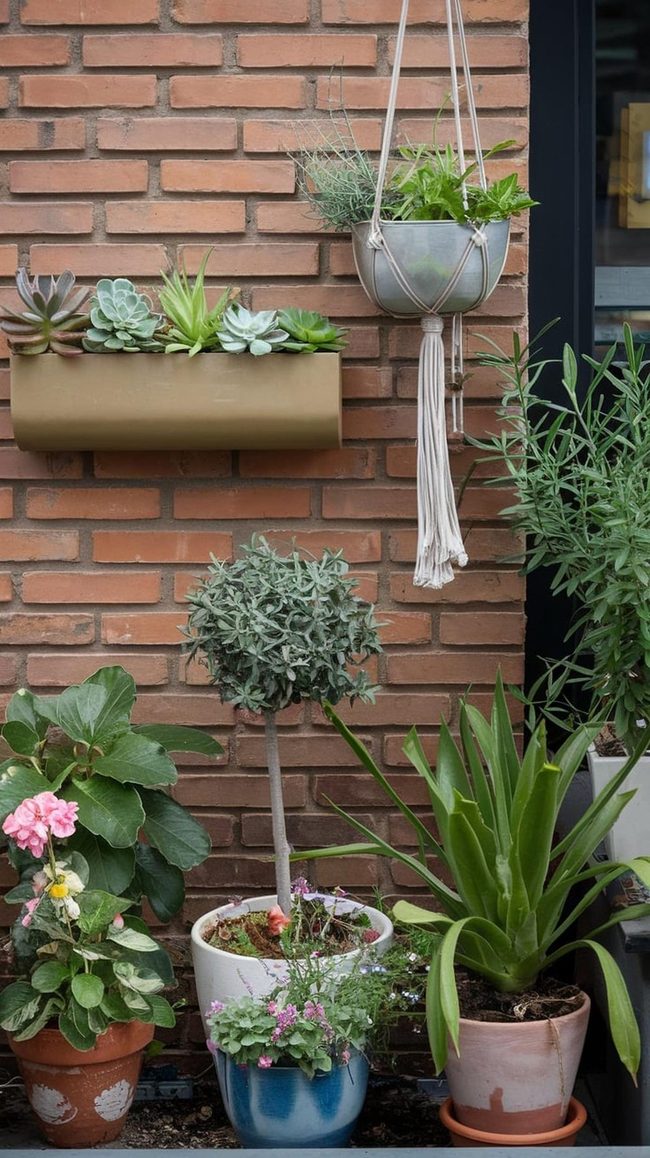
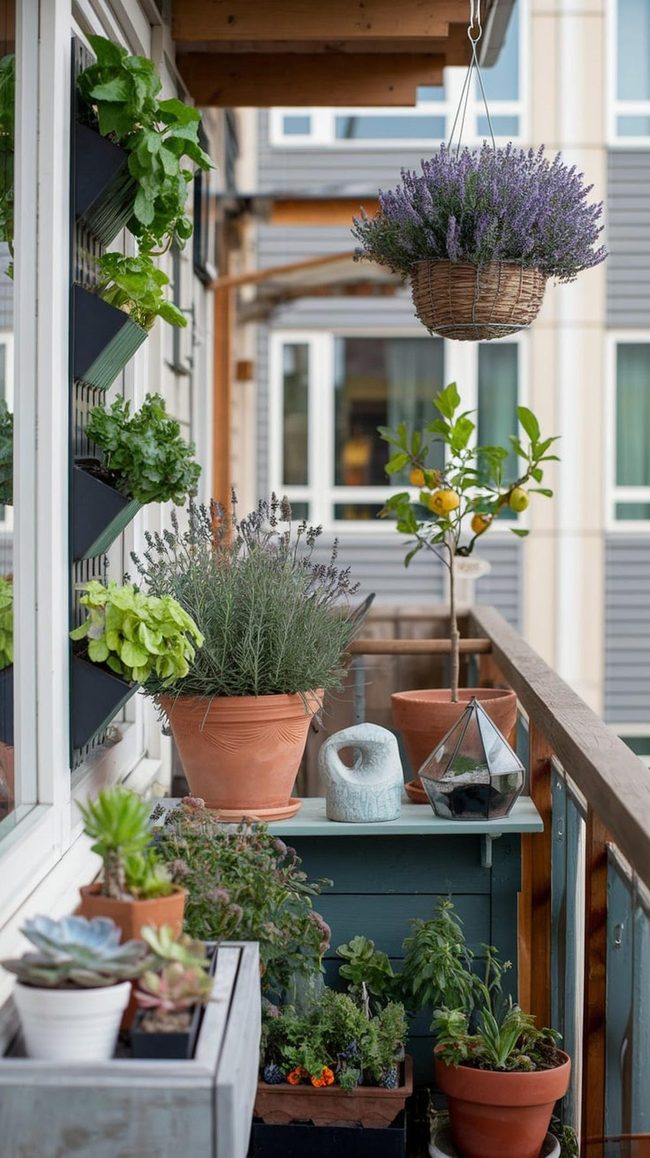
Vertical gardens are like nature's skyscrapers that bring lush greenery right up your walls and transform cramped spaces into mini jungles without eating into your floor area.
Hanging baskets and wall-mounted planters let you grow herbs, flowers, and even small vegetables straight on your walls, making them perfect if you live in an apartment or have just a tiny patio corner.
This approach works especially well for urban dwellers who want greenery but don't have much room to work with.
You can stack plants on shelves and towers to elevate your growing area and keep everything organized.
Wall gardens save space while adding natural beauty to any room, and they're surprisingly easy to maintain once you get them set up.
Whether you're growing fresh herbs for cooking or just adding visual interest to a blank wall, vertical gardening lets you be creative and practical at the same time.
It's an efficient way to fill your space with plants and nature without needing a big backyard or garden plot.
Wooden Animal Sculptures Outdoor
Butterflies, hummingbirds, and bees moving through your space make a pollinator outdoor one of the most visually rewarding outdoors to grow, and these creatures serve as essential keepers of our ecosystem.
We can support them while transforming our yards into living, breathing spaces that benefit nature and look notable at the same time.
Lavender, sunflowers, and coneflowers draw pollinators naturally to your outdoor beds.
Beyond just planting flowers, adding a butterfly house or bee hotel gives these visitors shelter and rest spots throughout the seasons.
You will be aware of more activity and movement in your outdoor when pollinators have multiple reasons to stay and return.
A pollinator outdoor doesn't require much space or special skills to maintain.
Most people find that even a small corner of their yard can become a thriving habitat.
Starting one means you're doing something good for the environment while enjoying the beauty these creatures bring to your exterior space.
Miniature Plants Tiny Figurines Magic
Miniature fairy outdoors packed with tiny plants, small figurines, and enchanting accessories make for a whimsical project that sparks imagination and wonder.
You can set up your fairy outdoor in a pot, a dedicated outdoor bed, or any large container you have on hand.
Adding small houses, fairy statues, or a mini water fountain brings that fantasy element to life and keeps the space feeling playful.
You can still arrange everything exactly how you want it, from the plants to the tiny accessories scattered throughout.
It's a fun way to express creativity and enjoy nature on a smaller scale.
Kids and adults both find joy in tending to these outdoors and watching them grow over time.
Fresh Flowers, Guest Keepsakes
Composting turns your pantry scraps and yard waste into dark, crumbly gold that feeds your outdoor soil, and it's one of the best ways to reduce what goes into the landfill while boosting plant health at the same time.
Food scraps, fallen leaves, and grass clippings break down into nutrient-packed matter that you can mix right into your beds and containers.
When you work compost into your soil, roots have an easier time spreading and absorbing the good stuff they need to thrive.
Your plants respond by growing stronger, producing more blooms or fruit, and handling stress better throughout the growing season.
Even a small bin in the corner of your yard or on a balcony will do the trick.
Over time, you could be aware of your outdoor beds becoming richer and darker as the compost settles in.
This method saves money on fertilizers and amendments while closing the loop on household waste in a way that actually matters.
Backyard Laughter Through Classic Games
Wildflower landscapes mass with color and natural charm, offering you a piece of the countryside right in your own yard.
Native species thrive without fussing because they're adapted to your local climate, and butterflies and bees will flock to the blooms.
You can mix different varieties together to form a meadow full of colorful flowers, or stick with plants that do well in your specific region.
Once the flowers settle in and establish themselves, they hardly need any care at all.
Pollinators love these plants, so you may watch your landscape come alive with wildlife throughout the growing season.
Many people enjoy wildflowers because they look natural and relaxed rather than formal and controlled.
The best part is that these landscapes practically take care of themselves after the first year or two.
Suspended Greenery Small Spaces
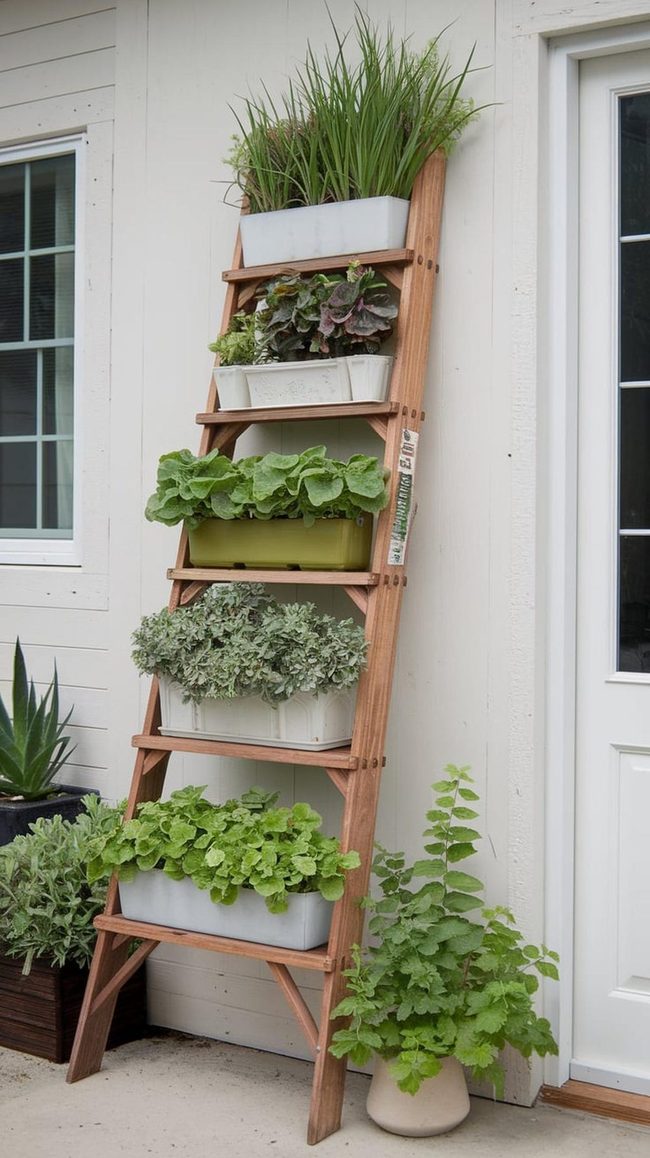
Suspended plants cascading from ceiling hooks or tree branches introduce dramatic layers that draw the eye upward and transform any room with lush greenery suspended at different heights.
Hanging yards work especially well if you have limited floor space and want to add abundant foliage without making your area feel crowded.
You can hang a single statement plant in a striking pot or arrange multiple plants along a balcony railing for a more expansive yard feel.
Installing hooks is straightforward, and once they're secure, you have complete freedom to swap plants in and out based on what's growing well.
One major benefit is that hanging plants stay away from pets and kids on the ground level, keeping everyone safe while your yard thrives.
Whether you choose trailing varieties that spill downward or upright plants that show off their foliage, these suspended yards add dimension and freshness to your space without taking up any ground real estate.
Sparkling Glass Bottles Landscape Stakes
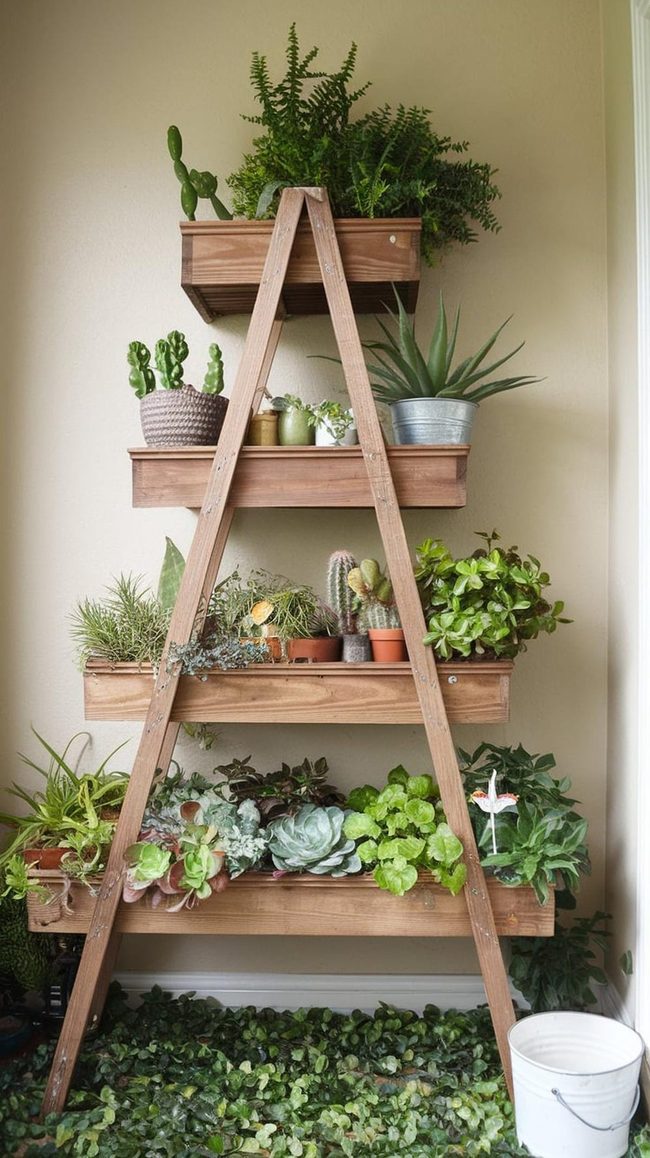
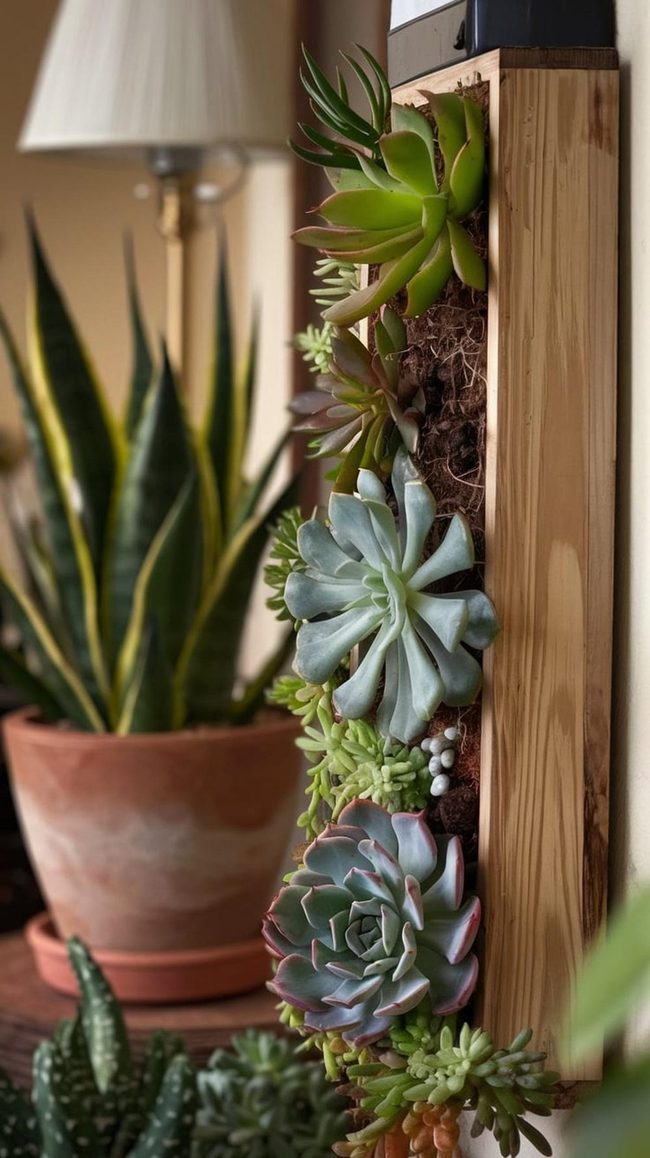
Vertical landscapes of living plants mounted directly on your walls offer a bold and nature-filled statement that refines any room you want to refresh.
You can combine different types of plants on these structures, mixing leafy varieties with blooming flowers to suit your style and space.
Beyond the dramatic appearance they deliver, green walls actually filter your indoor air and remove toxins, which means you're getting both beauty and function in one solution.
These living installations spark curiosity and get people talking when they visit your home.
Maintaining them does take some effort since you'll need to water and care for your plants regularly, but many find the payoff worth it.
Building a green wall doesn't require professional help, and you can start small with a single section if you want to test the idea first.
Climbing Vines On Vertical Lattice
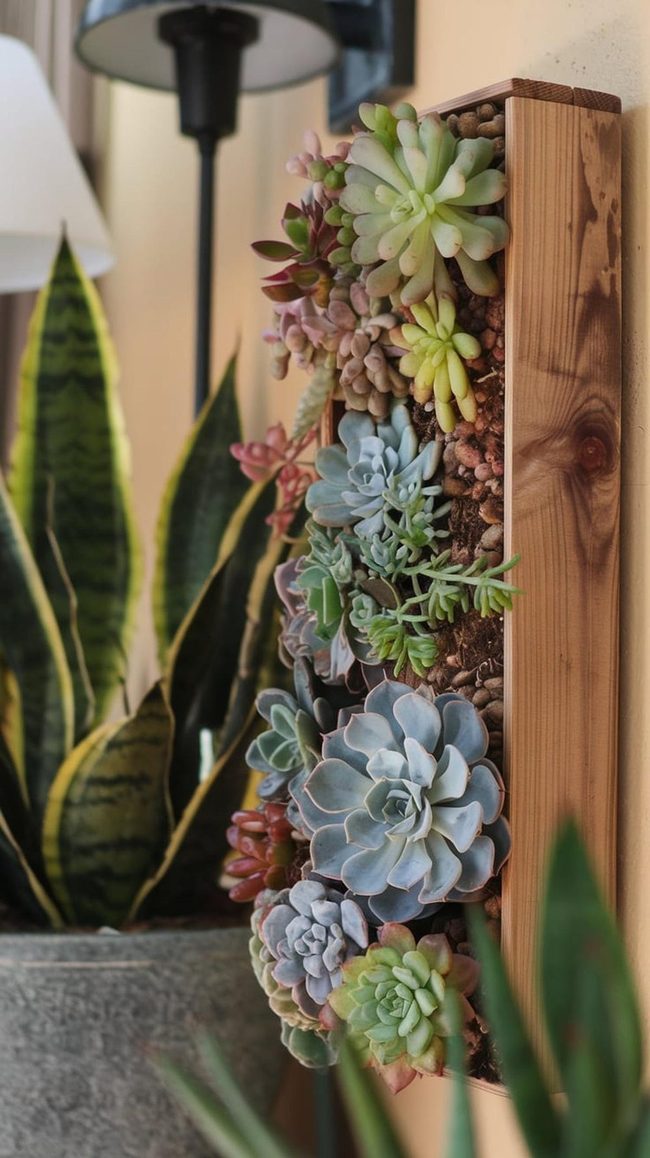
Trellis patioing alters your outdoor space by letting you grow climbing plants like peas, cucumbers, and beans straight up instead of across the ground, and this approach makes a real statement in any patio layout.
When you install a trellis, you immediately gain the benefit of using vertical space that would otherwise sit empty, and plants grown this way get better air circulation all around them.
Better airflow means fewer diseases and healthier plants overall, which is something every patioer wants.
You can position a trellis to act as a natural divider between different patio areas or use it to draw attention to a specific spot in your yard.
Beyond the functional side, growing upward opens up more floor space for other plants or pathways, so your patio feels less cramped and more organized.
Whether you choose a simple organic frame or something more decorative, the structure itself adds visual interest to your outdoor area.
Glowing String Fixtures Across Outdoor Spaces
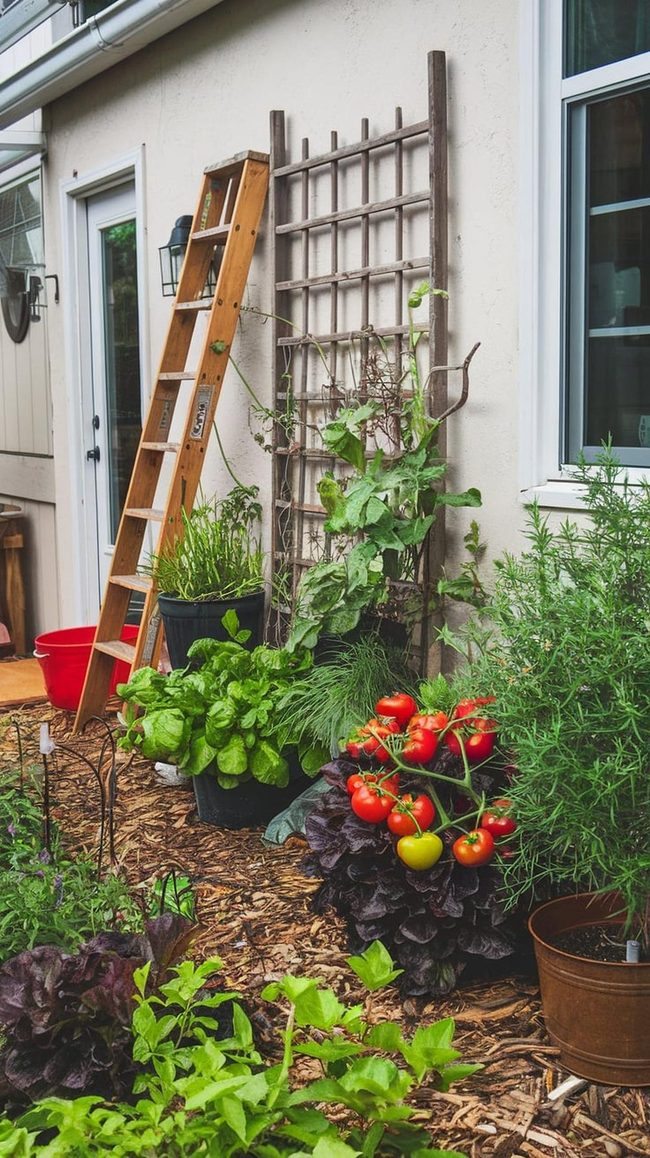
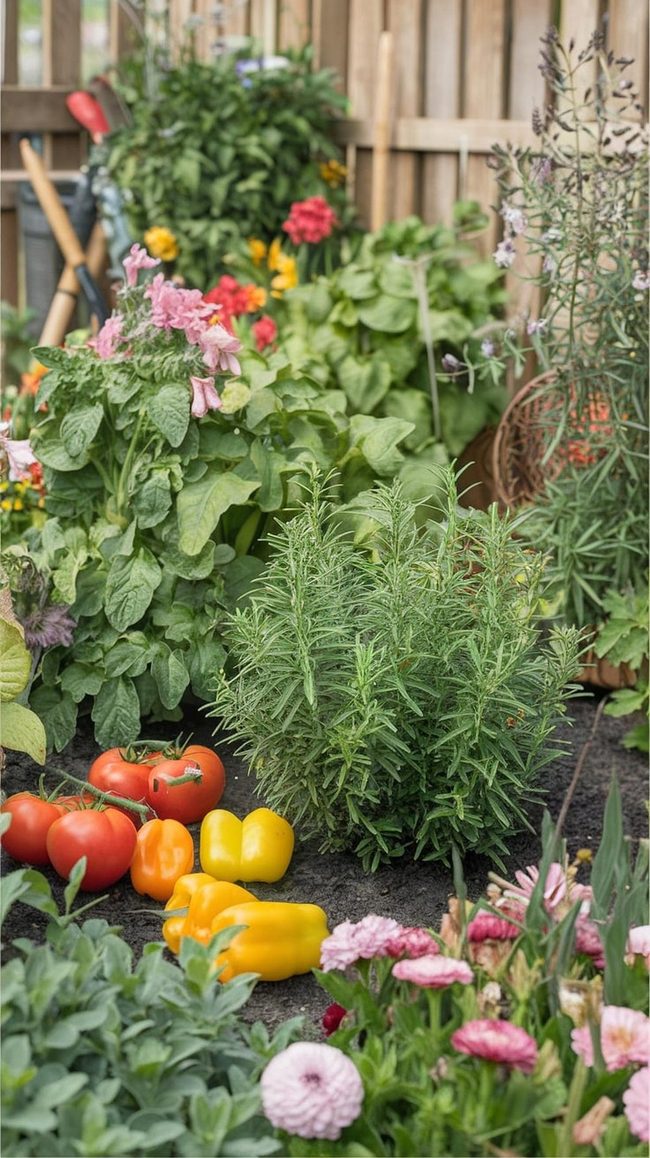
Growing food in your landscape while making it beautiful is easier than you might think, and edible landscaping lets you do both at once.
Picture rows of sunlit red tomatoes hanging heavy on their vines or strawberry plants spilling over landscape edges with plump fruit ready to pick.
You can weave edible plants right into your flower beds and borders, even using them as ground cover instead of traditional plants.
Herbs like basil and rosemary look just as lovely as ornamental flowers and smell amazing.
Leafy greens with colorful varieties add visual interest while giving you fresh salads all season long.
Mixing food plants with your regular landscape design means you get beauty and harvests from the same space, and that most people love having fresh produce steps away from their cooking area.
This approach proves your landscape doesn't have to choose between looking good and being useful.
Controlled Climate Plant Paradise
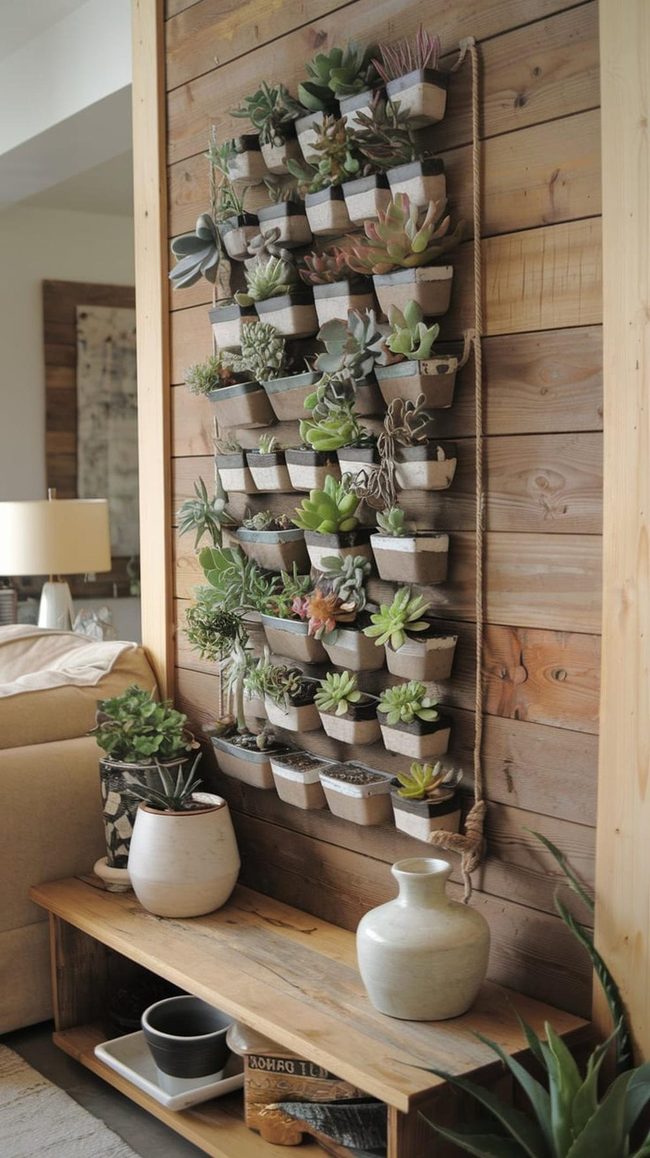
Your greenhouse works like a protected sanctuary for your plants, letting them flourish no matter what the weather does outside.
You can grow almost anything in one, tropical plants, vegetables, flowers, and stretch your growing season much longer than you could in an open outdoor.
Building or buying a greenhouse gives you control over temperature, humidity, and pale so your plants stay healthy year-round.
Some people prefer purchasing a ready-made structure because it's quick and convenient, while others enjoy the satisfaction of constructing their own using plastic or glass panels.
Either way, a greenhouse removes the stress of unpredictable frost, heavy rain, or extreme heat harming your crops.
It's a well suited to daily routines investment if you want fresh vegetables in winter or want to nurture delicate plants without constant worry about outdoor conditions.
Rope Swing Through Terrace Trees
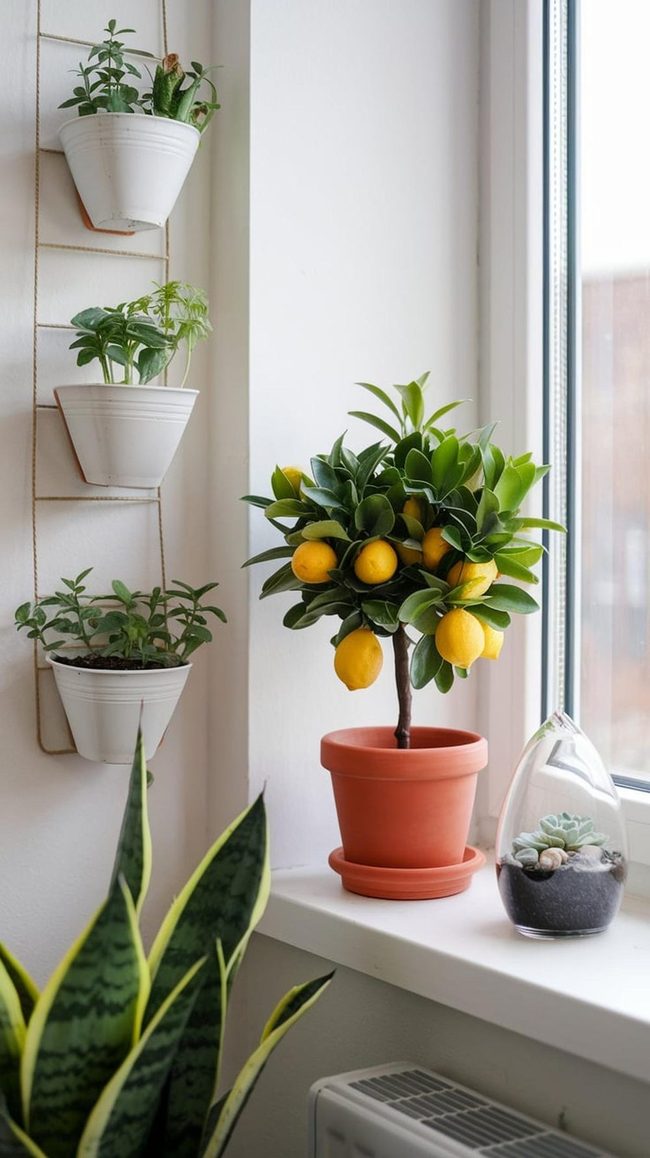
Terrariums function as tiny glass windows that open up to another world, and these miniature ecosystems work wonderfully if you want to bring nature indoors without needing much space.
Building your own glass patio with succulents, moss, and pebbles is straightforward and makes a great project for anyone new to indoor patioing, since these little worlds need very little maintenance while offering loads of charm.
Positioning them on a coffee table or shelf turns them into living artwork that catches attention and brings a fresh element to any room.
Wildflower Abundance In Lavender Tones
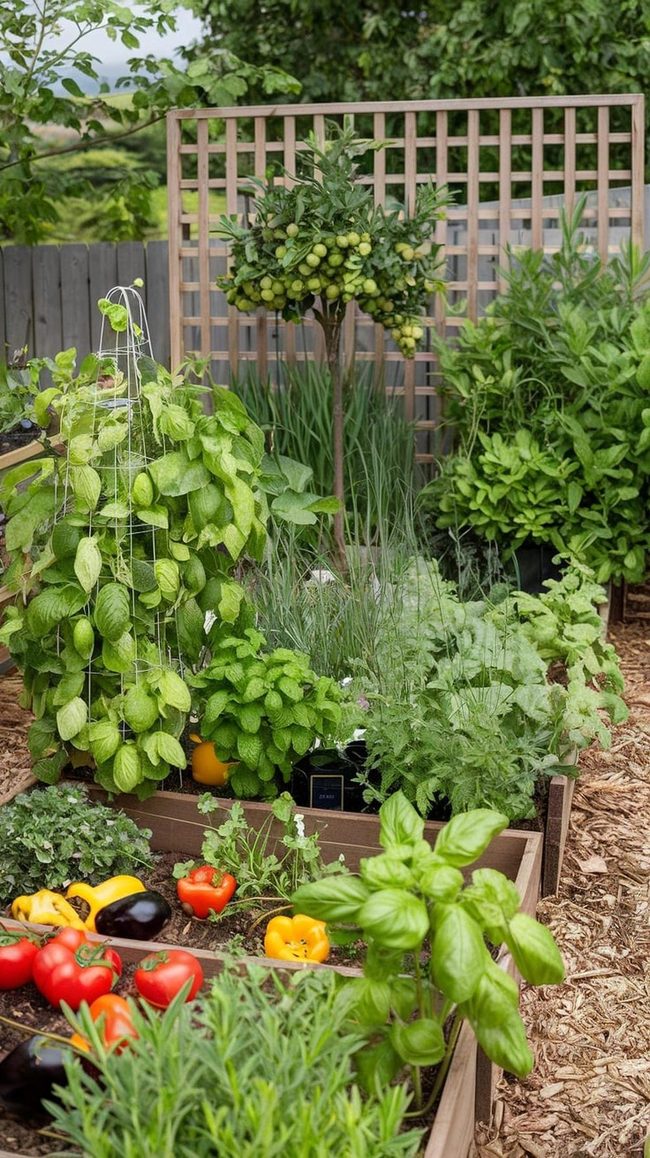
Climbing roses draping over weathered fences and hollyhocks towering above overgrown beds bring about an unmistakable cottage landscape charm that stops you in your tracks.
Lavender planted throughout the space fills the air with fragrance and draws your eye to purple blooms scattered everywhere.
Mix in vegetables alongside ornamental flowers and herbs so the landscape feels abundant and lived-in rather than fussy or formal.
This style feels fresh because letting plants grow naturally without rigid lines or perfect rows, and you can plant things close together so colors blend into one another.
Wildflowers self-seed and spread freely, filling gaps with unexpected pops of color as seasons change.
It's relaxed and honest, requiring you to embrace a bit of disorder while still maintaining the plants themselves.
The whole landscape becomes a retreat that feels less like design and more like a place that simply grew because you wanted it to.
Winding Stone Pathway Through Landscape
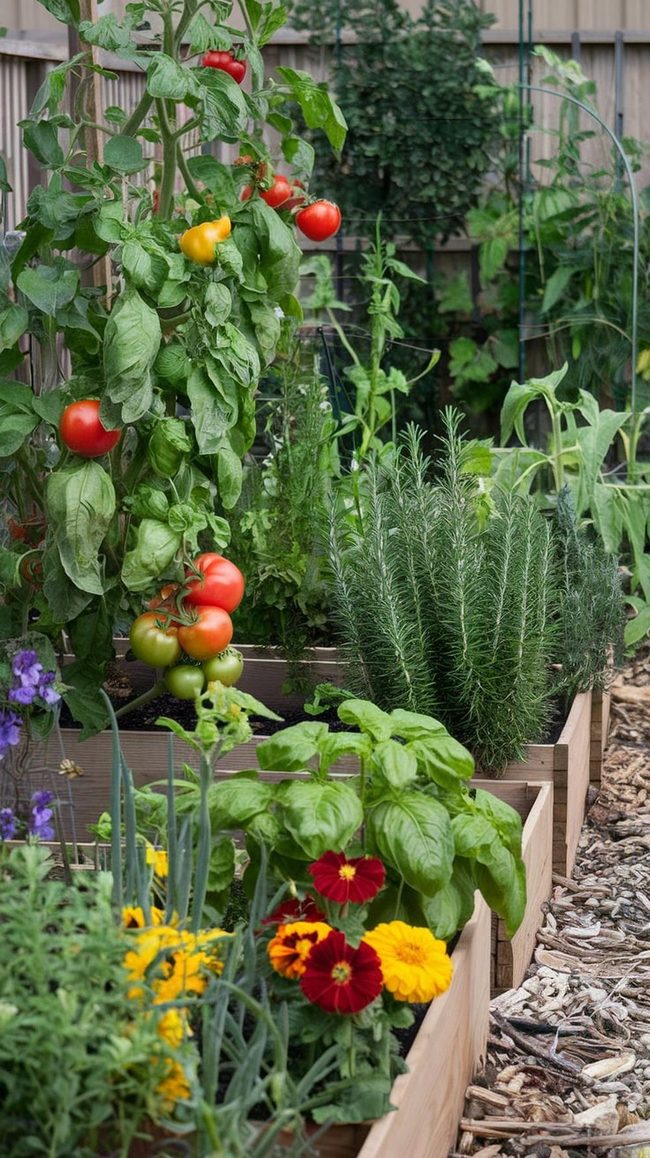
Old boots standing upright with trailing flowers spilling over their edges make for an eye-catching yard display, and tires stacked in colorful pyramids bring unexpected charm to outside spaces, while buckets and walnut crates tucked throughout your yard beds offer well suited to daily routines homes for plants and add personality that store-bought planters simply can't match.
We love this approach because it keeps waste out of landfills while giving your yard a one-of-a-kind look that reflects who you are.
Hunt through your garage or local thrift shops and you will uncover all sorts of containers waiting for a second life as planters.
Mix different sizes and materials together for a natural, collected feel that looks intentionally put together without seeming forced.
Your plants get the growing space they need while your yard becomes a social starter with company who visit.
Since these items cost little to nothing, experimenting with different arrangements becomes fun rather than stressful.
Even mismatched or weathered pieces add character and warmth to yard corners.
This simple swap between new and recycled materials proves that style and sustainability go hand in hand.
Stone Paths Through Green
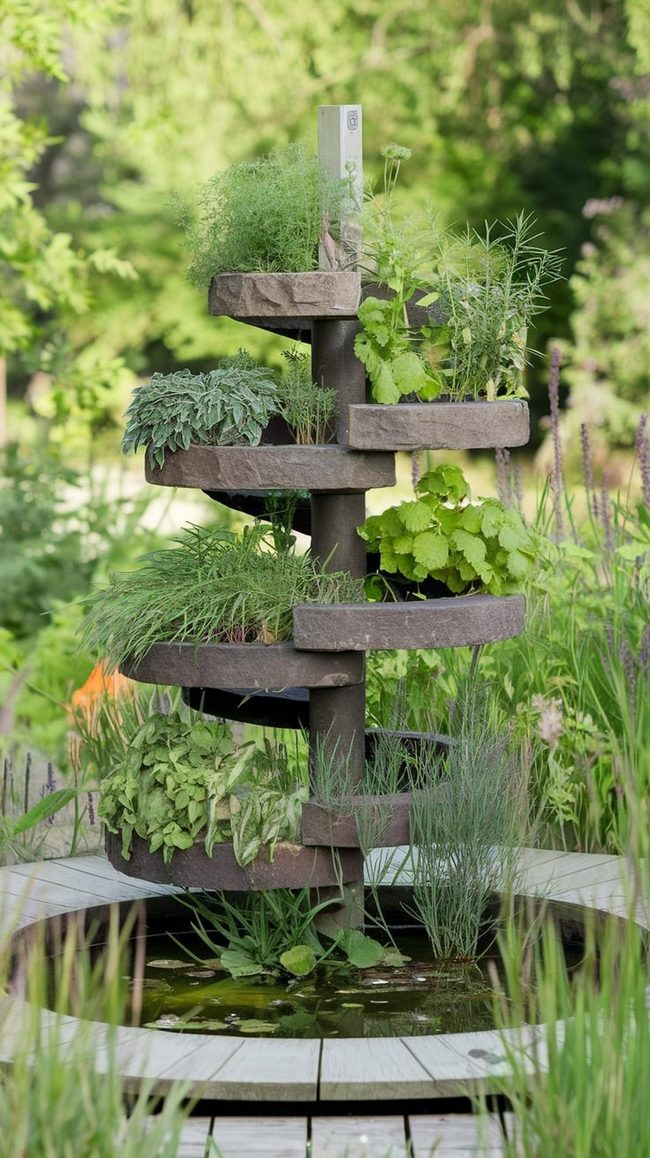
Garden pathways serve as both a useful for everyday living guide and a striking visual element that shapes how you move through open-air spaces.
Gravel, stone, and timber materials offer distinct looks, so you can select what matches your garden's character best.
Beyond their appearance, pathways give you a clear route to walk, which becomes especially useful when you're working with larger gardens.
Well-designed walkways transform a basic garden into something more interesting by creating natural stopping points and views along the way.
You might use stepping stones to make a casual trail or lay down neat rows of pavers for a more formal feel.
Paths also help protect your plants by keeping foot traffic off planted areas and away from delicate growth.
Even a simple dirt trail can direct visitors where you want them to go and add a sense of purpose to your open-air layout.
It feels like the best pathways feel like they belong in the space rather than looking like an afterthought tacked on later.
Petunias, Marigolds, Zinnias Burst
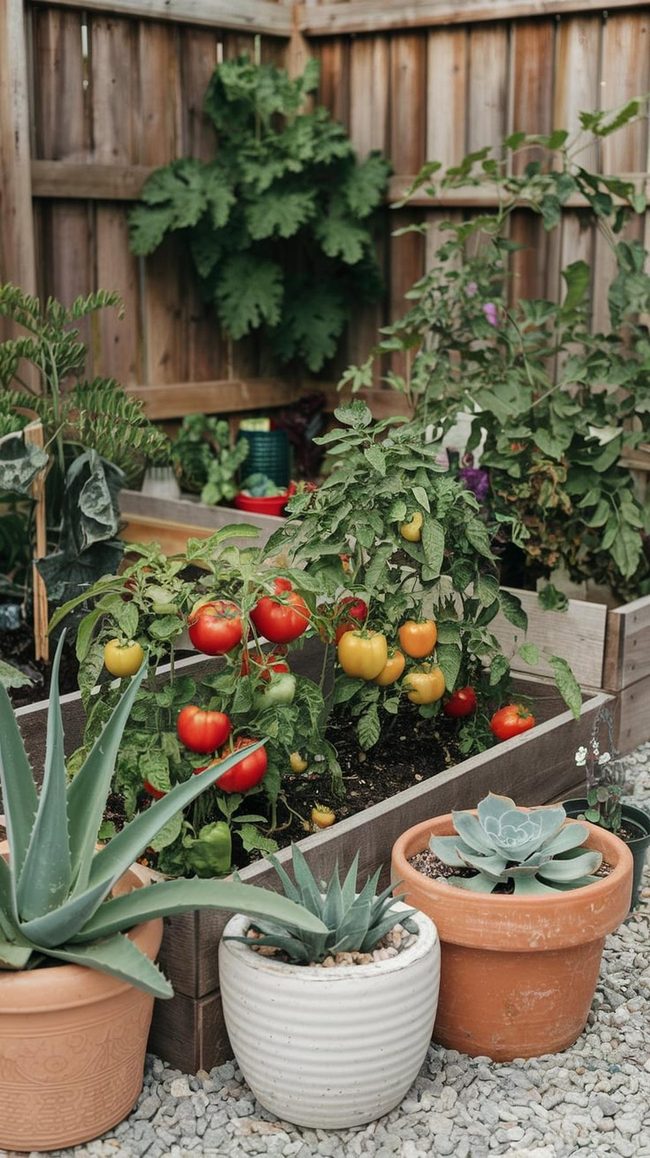
Flowering plants like petunias, marigolds, and zinnias pack your terrace with lively in tone hues that bring instant sunlitness to terrace and indoor spaces.
If you want something more exotic, orchids and lilies deliver eye-catching blooms that naturally draw attention wherever you place them.
Hanging baskets showcase these flowers beautifully and let you position them at eye level.
Decorative pots work well too and give you flexibility to move plants around as seasons change.
You can mix different varieties together to build layers of color throughout your terrace.
Starting with just a few flowering plants is an easy way to refresh a space without overwhelming yourself.
Most of these options grow well with basic care and reward you with blooms for weeks or months.
Whether you're working with a small balcony or a sprawling yard, there's a flowering plant that fits your situation and adds life to your home.
Flowers And Oversized Sunglasses Frame
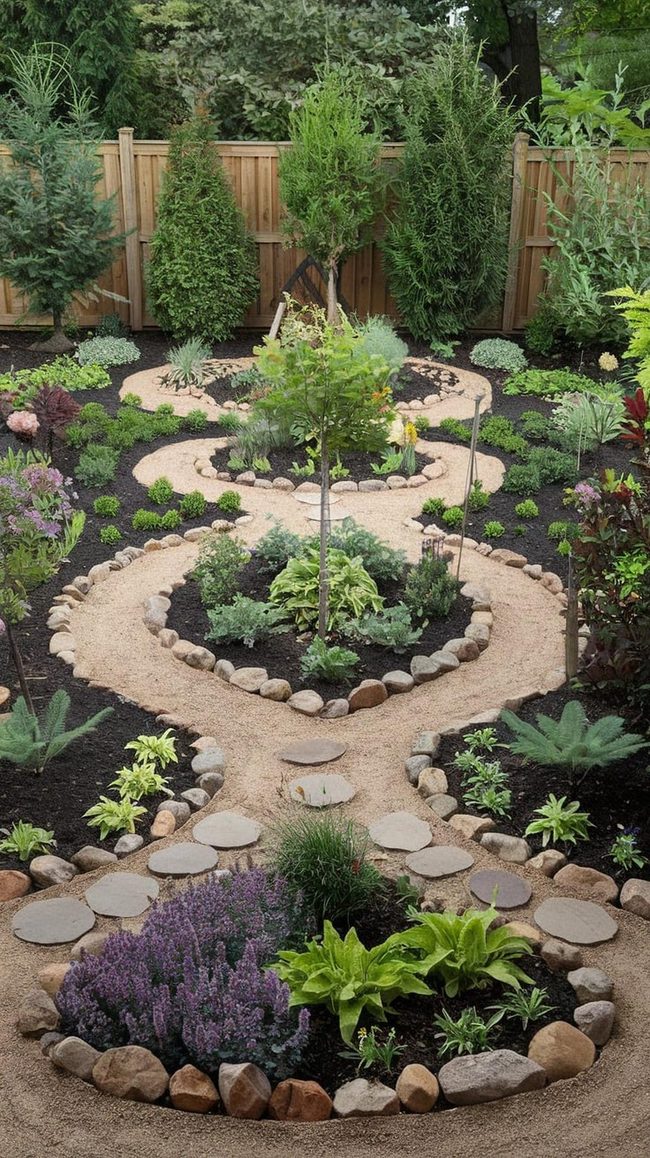
You can add so much personality to your landscape by making your own art pieces, and the possibilities are really endless.
Painted rocks scattered across your beds or pathways catch the eye with their airy colors and designs.
Handmade wind chimes hanging from trees bring movement and gentle sounds to your space.
Mosaic stepping stones let you blend different tiles or glass pieces together for one-of-a-kind walkways.
Building sculptures from things you'd normally throw away is another way to show off what you can do, and it keeps waste out of landfills at the same time.
Upcycled materials like old metal, driftwood, or broken pottery become art when you arrange them thoughtfully.
Your landscape gets real character this way, and you are able to feel proud knowing you made something special with your own hands.
Making landscape art yourself also costs less than buying finished pieces, so you get beautiful results without spending too much.
Stone And Sand Meditation Space
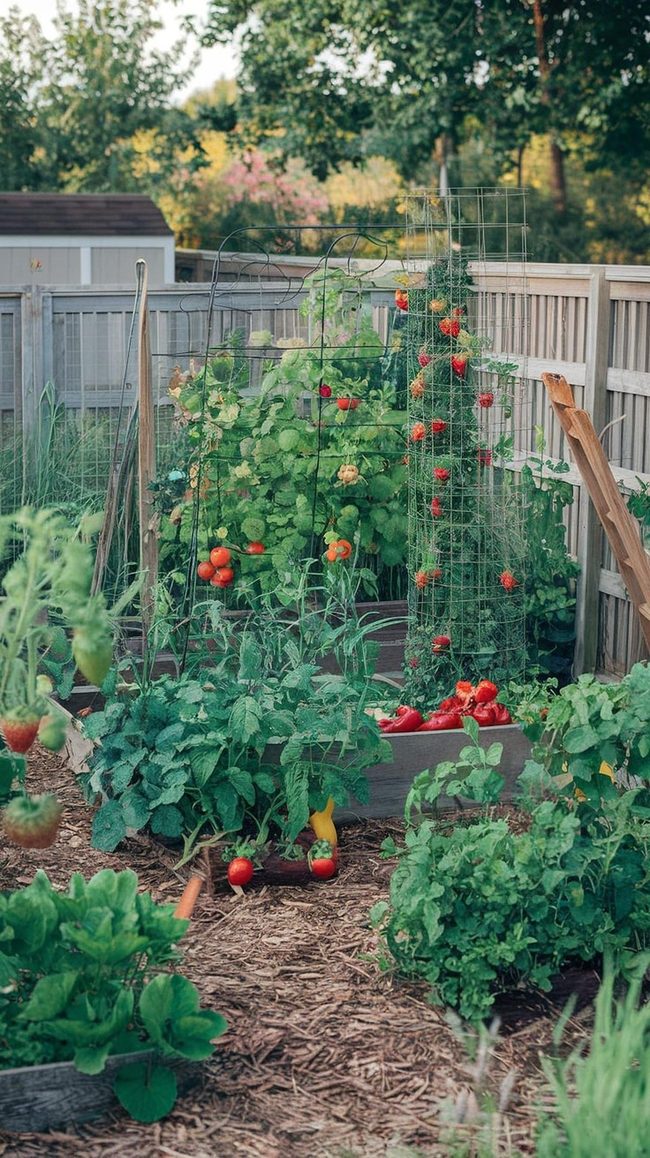
This Zen patio brings peace and quiet reflection right into your own space, whether you build it on your patio or keep a small version on your desk at work.
Smooth rocks and raked sand form the foundation of this type of patio, arranged to guide your eye and slow your thoughts.
Minimal plants like bonsais sit thoughtfully within the design, adding just enough greenery without overwhelming the space.
You can spend time here tending to the sand patterns or simply sitting and breathing, and both activities calm your mind.
If you want to add tranquility to your home, a Zen patio works beautifully because it asks nothing of you except to be present.
Even a small tabletop version brings that same sense of stillness and mindfulness to wherever you place it.
Potted Plants, Zero Space Required
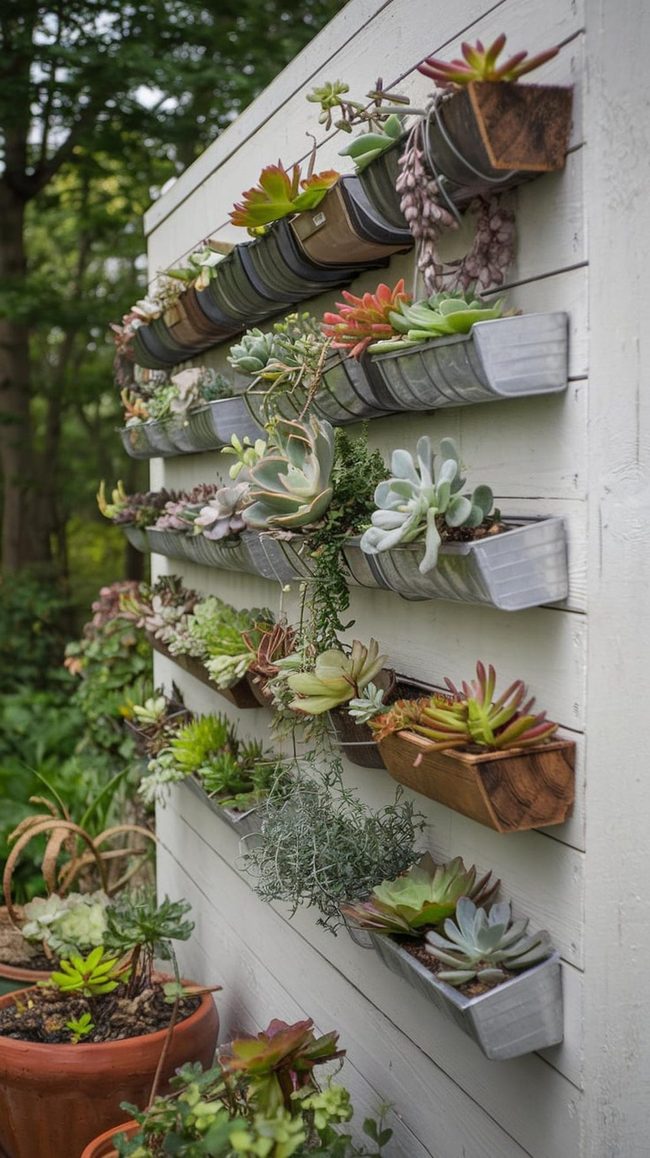
Container outdooring opens up endless plant-growing possibilities even when you're short on space, and the beauty lies in how flexible it truly is.
You can grab nearly any vessel around your home, ceramic pots, woven baskets, recycled jars, or timbered crates, and fill them with blooming flowers, fresh herbs, or homegrown vegetables.
If you rent your place or shift locations often, this method works perfectly for your lifestyle since you're not tied to a permanent outdoor bed.
Your mood might call for open blooms on the patio one month and herbs by the pantry window the next.
Moving everything takes just a few minutes, and you still get the satisfaction of growing something beautiful or useful.
Container outdooring removes all the barriers that usually stop people from outdooring, making it accessible whether you have a sprawling yard or just a small balcony.
Michael Harris
Senior Content Editor
Expertise
Home Décor Content Creation, Interior Design Journalism, Editorial Oversight, Digital Media Strategy, Team Leadership and Mentorship
Education
University of Queensland, Brisbane, Australia
Queensland University of Technology (QUT), Brisbane, Australia
Michael Harris is the senior content editor at Archi Refresh, where he turns home design trends into engaging, easy-to-follow articles. With a journalism degree from the University of Queensland and a digital communication certification from QUT, he knows how to craft content that informs and inspires.
With over 10 years of experience in lifestyle and design media, Michael has shaped editorial strategies, mentored writers, and helped readers refresh their spaces with practical tips. His work blends storytelling with expert advice, making home decor more accessible to everyone.
Outside of work, Michael enjoys DIY projects, exploring Brisbane’s art scene, and teaching digital literacy workshops.