
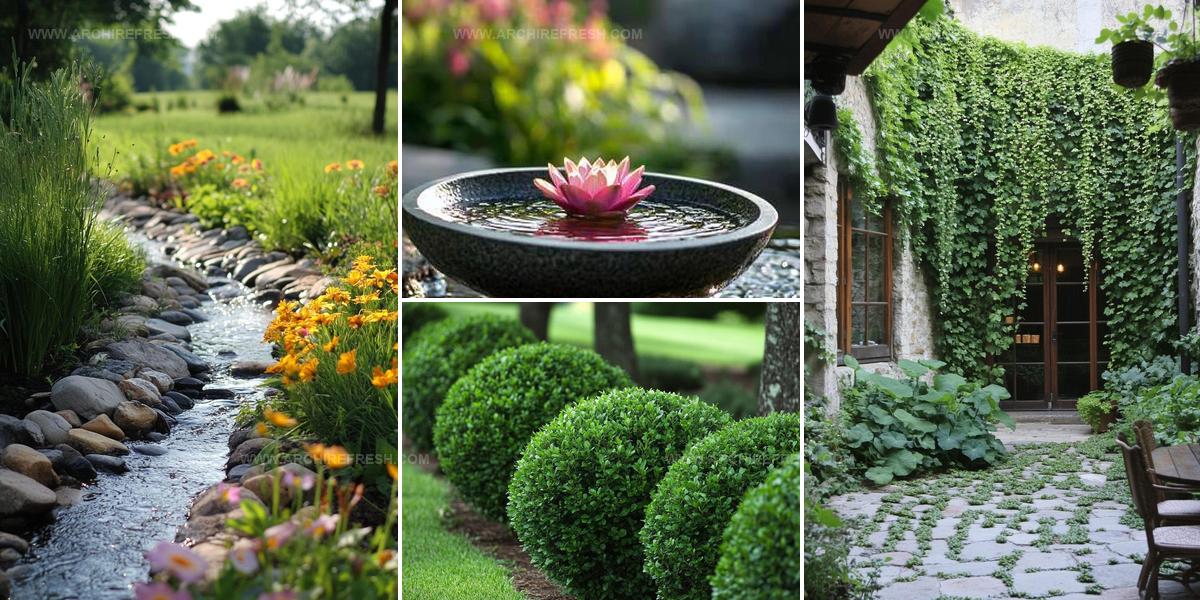
13 Creative Home Gardening Ideas for a Lush Space
Growing plants at home can completely change how a space looks and feels, turning even modest areas into refreshing retreats filled with natural beauty.
Home gardening ideas for a lush space open up countless ways to add greenery that suits different lifestyles and available room.
Some approaches work well in compact apartments while others flourish across larger yards, making it possible for anyone to enjoy plants regardless of living situation.
The right combination of foliage, containers, and arrangement techniques helps maximize visual impact without overwhelming a room or outdoor area.
Plants contribute fresh air, calming aesthetics, and a sense of accomplishment as you watch them grow and thrive.
Simple adjustments in plant selection and placement can make dramatic differences in how inviting and alive a space becomes.
Start cultivating a greener environment today and see how nature enhances daily life in unexpected ways.
Green Walls Grow Upward Patios

When space is tight on the ground, growing upward opens up endless possibilities for your garden, and walls, fences, and trellises become prime real estate for plants to flourish.
Trailing succulents, ivy, and cascading flowers spill beautifully down vertical surfaces, while espalier fruit trees and dwarf bushes add structure and produce to even small areas.
Stacked raised beds or repurposed wooden pallets, ladders, and hanging buckets give you flexible systems that fit your space perfectly.
Kitchen herbs and strawberries thrive at arm's reach on vertical gardens, making meal prep and snacking more convenient than ever.
You can start with simple structures or get creative mixing different materials until your setup feels just right for your home.
Experimenting and adjusting your plants over time keeps things fresh and helps you discover what you love most about spending hours outside.
Getting your hands dirty and watching a natural space grow under your care brings real satisfaction and connection to the world around you.
So don't hesitate to rearrange, try new combinations, and let your garden evolve into the peaceful outdoor retreat that makes you happy every time you step outside.
Flowing Water Garden Focal Point
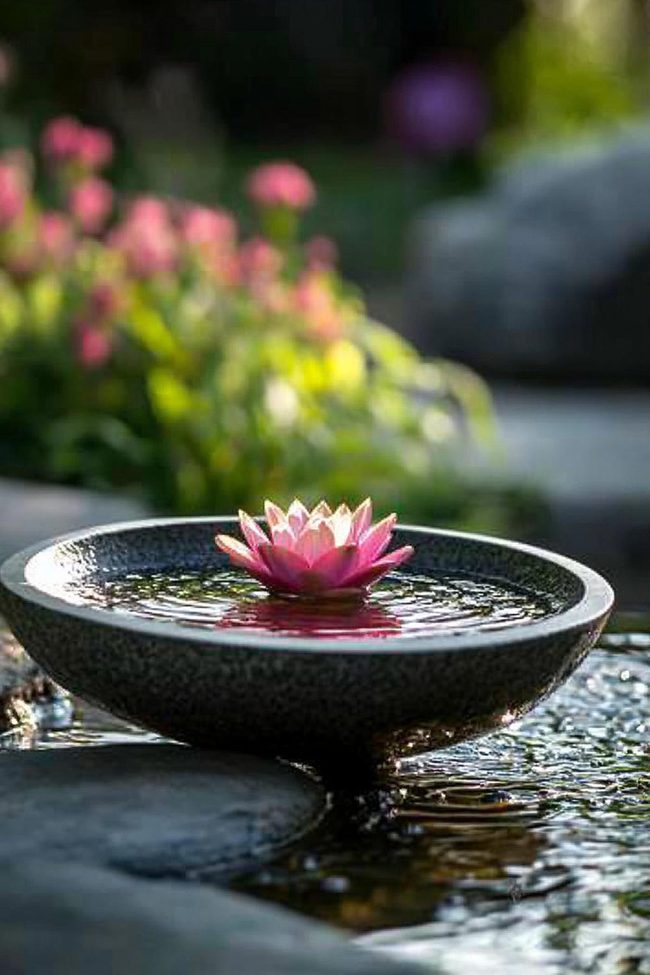
Moving water creates an instant sense of calm through both sight and sound, making it one of the most striking additions you can make to garden spaces.
Water features come in many forms, from dramatic tiered fountains down to simple birdbath ponds, so you can pick something that fits your space, budget, and how much maintenance you're willing to do.
Larger ponds with aquatic plants attract local wildlife and form complete ecosystems, while small fountains and stone basins need less work to set up and keep running.
Positioning your water feature among garden beds, across a lawn, or against a wall or fence draws the most attention and looks best.
Beyond the visual appeal, moving water masks traffic noise and other sounds around you, helping everyone in the space feel more peaceful.
A reflective water surface bounces light around and adds depth to your garden too.
Look for features that recirculate water with accessible filters so you can keep everything clean and clear without much hassle.
Getting a water feature into your garden gives you both a spot where people naturally gather and a sensory experience that helps you relax.
Vertical Green Walls Transform Spaces
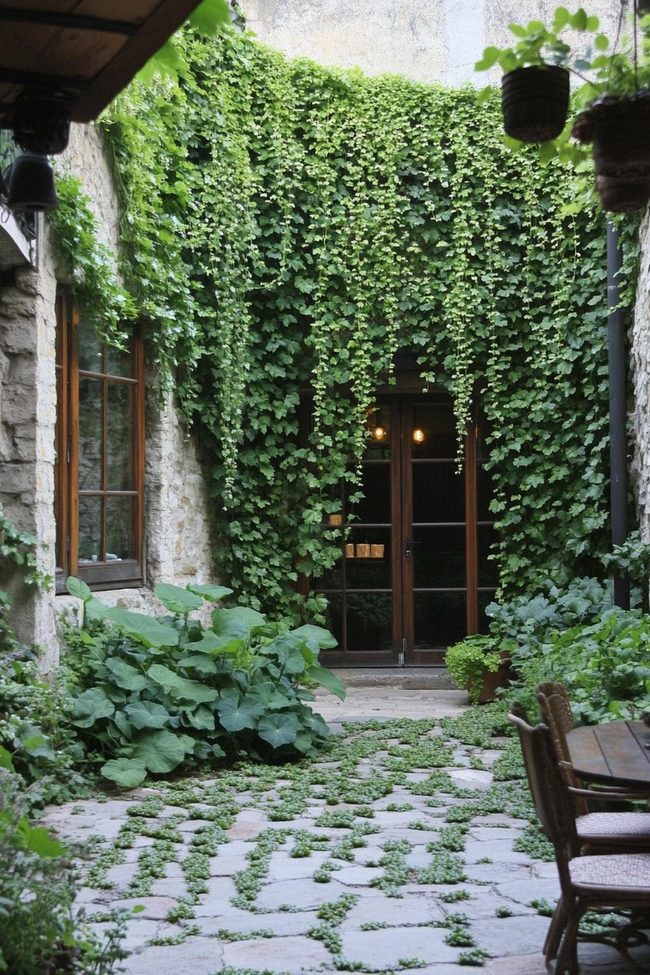
Climbing plants stretched tall across trellises, pergolas, and fences bring dramatic height and lush greenery that refreshes your entire garden space.
You can guide these plants upward using various support structures positioned throughout your yard, which saves ground space while creating striking vertical accents that draw the eye upward.
Some varieties like ivy and Virginia creeper attach themselves naturally through holdfasts or adhesive pads, while others such as passionflower and hydrangea petiolaris need loose ties around supports until their tendrils and aerial rootlets establish themselves.
We suggest placing fast-growing annual vines like morning glory and moonflower on lower sections, reserving higher areas for slower perennials like wisteria and trumpet vine that reward patience with spectacular blooms.
Once you plant these climbers and give them time to settle in, they'll reward you with abundant flowers and greenery across multiple layers of your garden.
The vertical dimension they add gives you more room to play with design while keeping your yard feeling fuller and more interesting.
Training plants upward instead of letting them sprawl outward opens up new possibilities for how you use your outside space.
Green Pergola Outdoor Living Living Rooms
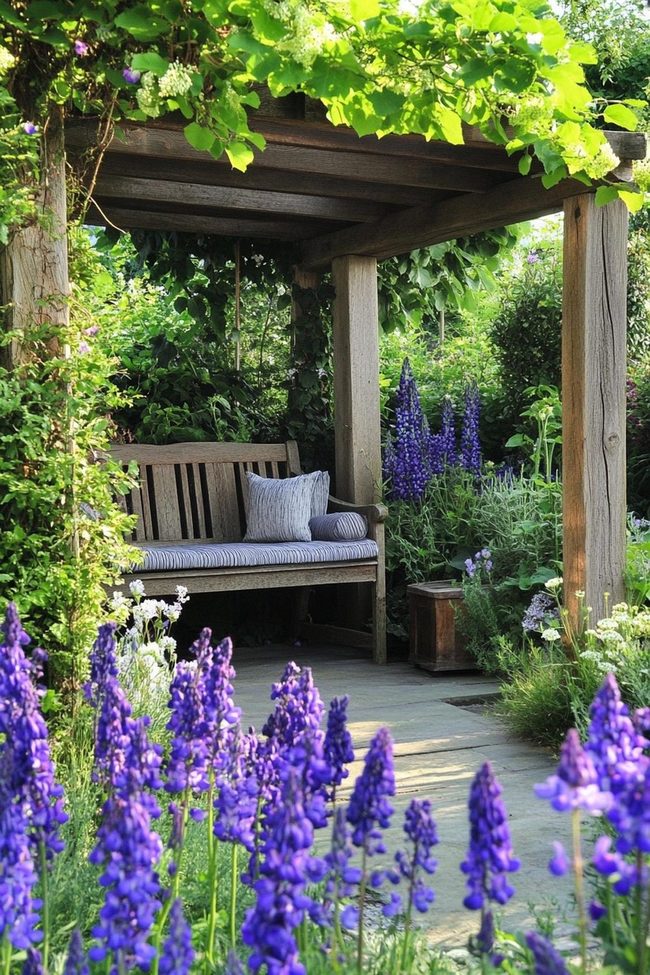
Overhead structures like pergolas and gazebos serve as the most striking features when designing garden rooms, and they instantly transform bare yards into defined outdoor spaces that feel purposeful and organized.
You can extend your home's living area by building a pergola next to your deck or patio, creating a shaded canopy that draws you outside, or use trellises to carve out separate zones like a inviting sitting area or dining nook tucked into a corner.
Plants and borders work to both connect these spaces and keep them distinct, so your garden feels like a series of connected rooms rather than one open lawn.
Eacharea needs comfortable seating options, and you will want to consider benches, patio furniture, hammocks, swings, or even lounge beds depending on how you plan to spend your time.
Side tables, fire pits, and storage shelves add built for regular use touches that make these spaces livable and functional for everyday use.
Smaller finishing elements like area rugs, cushions, throws, and outdoor lights then layer in warmth and personality to the spaces.
Once everything is in place, you can relax in across distinct outdoor "room" for socializing, eating, reading, napping, or simply unwinding in comfort and style.
Butterflies And Bees Thrive Here
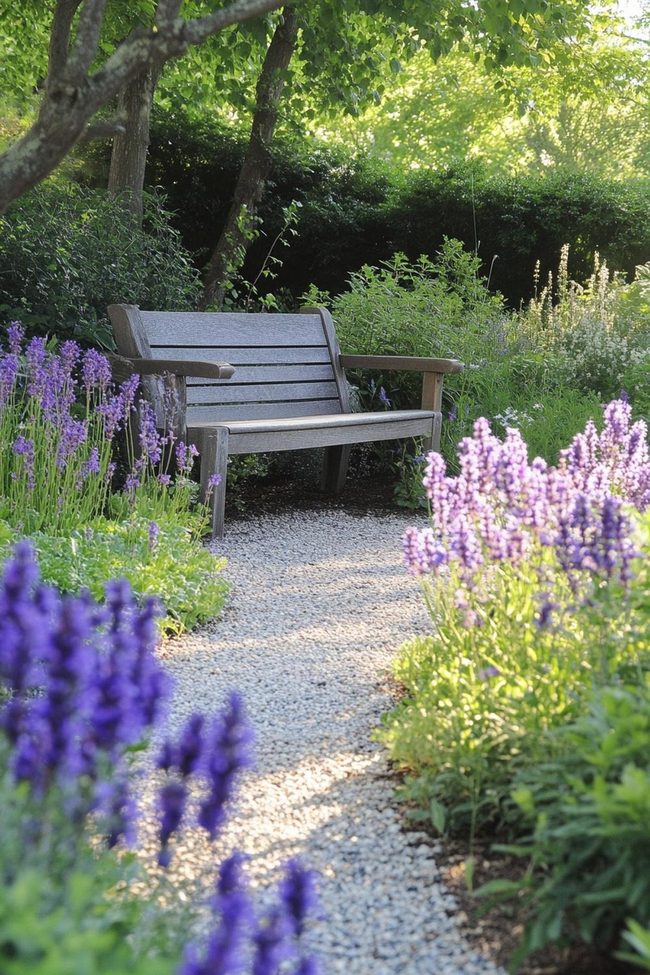
Plant a pollinator garden and you will witness a remarkable transformation as your yard space fills with the movement and energy of butterflies, bees, hummingbirds, and countless other beneficial insects going about their work.
Start by choosing native plants that bloom at different times throughout the growing season in multiple colors, heights, and shapes, coneflowers, lupines, asters, and milkweed are excellent choices that draw local pollinators naturally.
Herbs such as lavender, thyme, basil, and oregano serve double duty by luring insects to your garden while providing fresh flavors for your kitchen.
Layer in nectar-rich plants like butterfly bushes, bee balm, and verbena alongside trees such as dogwood and fruit varieties that supply abundant pollen for hungry visitors.
Don't forget to set out shallow dishes filled with wet sand so butterflies can drink safely while they feed.
One important rule matters most: skip the pesticides entirely since these chemicals harm the very creatures you're trying to welcome.
Within weeks, your garden becomes a living hub of activity and natural beauty where you can sit back and enjoy watching pollinator after pollinator visit your space.
This simple approach reshapes any yard into a peaceful retreat that buzzes with life and purpose.
Golden String Lights Patio Evenings
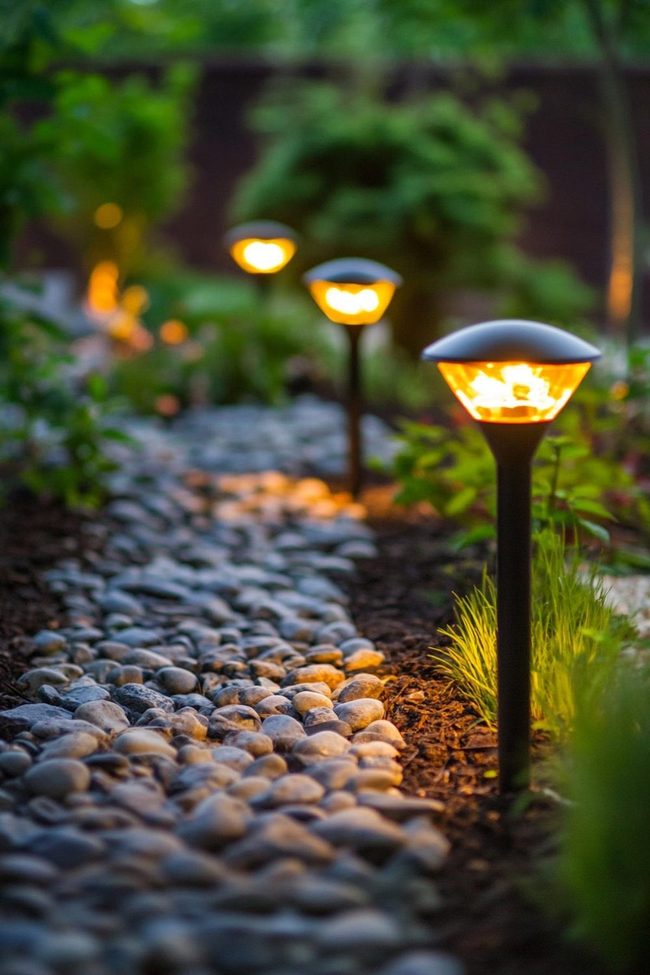
Garden lighting opens up your garden space so you can enjoy it well into the evening and night hours.
Spotlights positioned along borders and against walls cast dramatic shadows across your plants and hardscape features, while ground-level uplighting brings out the texture and form of trees, shrubs, and architectural elements in striking detail.
String lights hung overhead between trees, across seating zones, and along pathways emit a warm glow that feels natural and welcoming for garden meals and gatherings.
Path lighting guides you safely along garden walks and makes evening strolling easier when darkness falls.
Low-voltage lights or solar stakes work well for marking walkways, and spotlights placed at steps or level changes keep you oriented as you move through the space.
Airy light washes illuminate colorful flower beds so your annuals and perennials stand out at night.
LED bulbs and solar-powered fixtures keep energy costs down and reduce unnecessary light pollution in your neighborhood.
Simple additions like these extend how much you actually use your garden and boost its appeal around the clock.
Overflowing Blooms And Wandering Paths
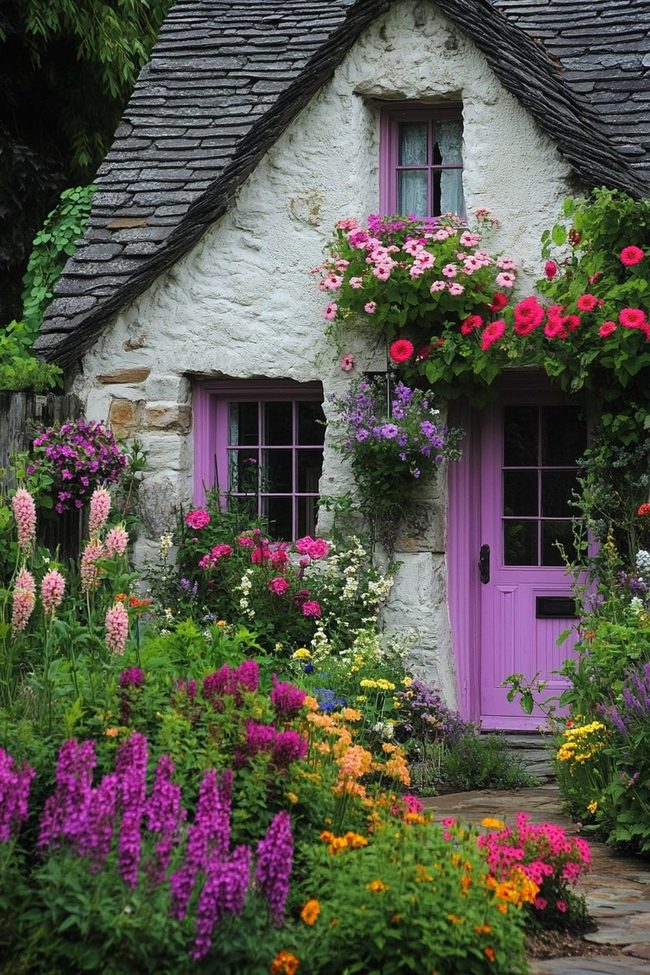
Cottage gardens overflow with colorful blooms and charm, drawing from the romantic English garden tradition where flowers and vegetables spill abundantly over every available space.
Plant foxglove, hollyhocks, peonies, poppies, roses, larkspur, and cosmos densely alongside herbs and edible plants so the garden feels full and textured rather than sparse.
Winding gravel paths curve through all those blooms, pleasant you to wander and discover what's growing next.
You can add arbors, trellises, and seating areas scattered throughout, plus sweet touches like painted pots, birdhouses, and artwork tucked between the plants.
What makes cottage gardens so appealing is their relaxed, informal nature, they don't follow rigid rules like manicured gardens do.
Nature gets to do its own thing, self-sowing seeds and letting plants intermingle freely in happy disorder.
When blooms fade, simply work compost into the soil and let new growth emerge naturally.
This joyful abundance and welcoming atmosphere is what makes cottage gardens feel so alive and loved.
Green Layered Garden Structure
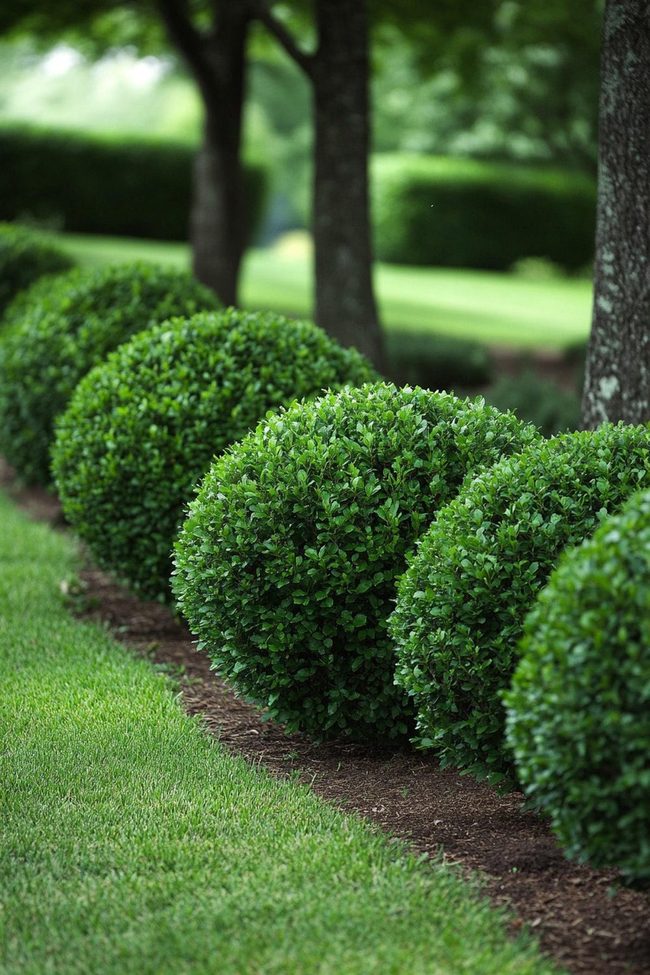
Shrubs and bushes transform your garden into a lush, mature landscape faster than you might expect, and they come in endless shapes, sizes, colors, and textures to suit whatever conditions your yard offers.
Evergreen varieties like juniper, boxwood, and yew hold their leaves all year long and give your beds permanent structure and backbone.
Spring and summer bloom with gorgeous flowers when you plant hydrangeas, lilacs, and forsythia among them.
Spirea, potentilla, and viburnum grow in naturally full, bushy forms that feel dense and substantial.
Position your larger specimens toward the back of beds and step down to smaller sizes toward the front, which layers your space nicely and adds real depth.
Low-growing shrubs work well tucked under windows while taller plants screen your walls or property lines.
Space them far enough apart so in all one has room to spread and rin all its full mature size without crowding its neighbors.
Regular pruning keeps them looking full and healthy, and adding compost plus mulch around the base feeds them as they grow into the beautiful framework you envisioned.
Sand Patterns Japanese Patio
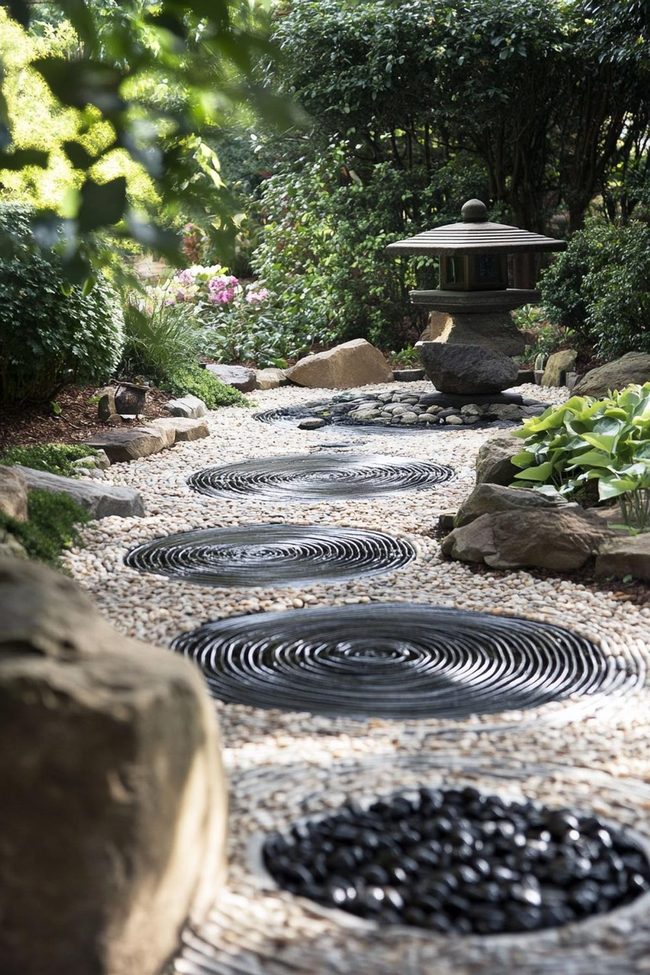
Building a Zen garden retreat in your own yard offers a peaceful escape without needing advanced skills or elaborate construction.
Start by selecting a level spot in your space and marking it off with a smooth stone border to define the boundaries clearly.
Rake the soil or sand inside until it lies completely flat and even, then arrange decorative rocks, gravel, or flagstone pavers to form minimalist patterns and textures across the surface.
You can craft swirling designs in the sand around scattered stones or place a ring of rocks surrounding a neatly raked patch of moss to establish visual interest.
Symbolic Zen elements like lanterns, bamboo plants, bonsai trees, wooden benches, and water features deepen the peaceful quality of your space.
Large flat stones positioned in a dry creek bed work well alongside a fountain or pool to represent water and movement in a still landscape.
Natural materials and simple, clean lines form the backbone of a serene setting where you can sit and practice mindfulness or simply absorb the quiet beauty around you.
Your garden becomes a personal sanctuary that promotes calmness through minimalism, harmony between nature and structure, and the meditative act of maintaining its simple design.
Potted Plants For Small Spaces
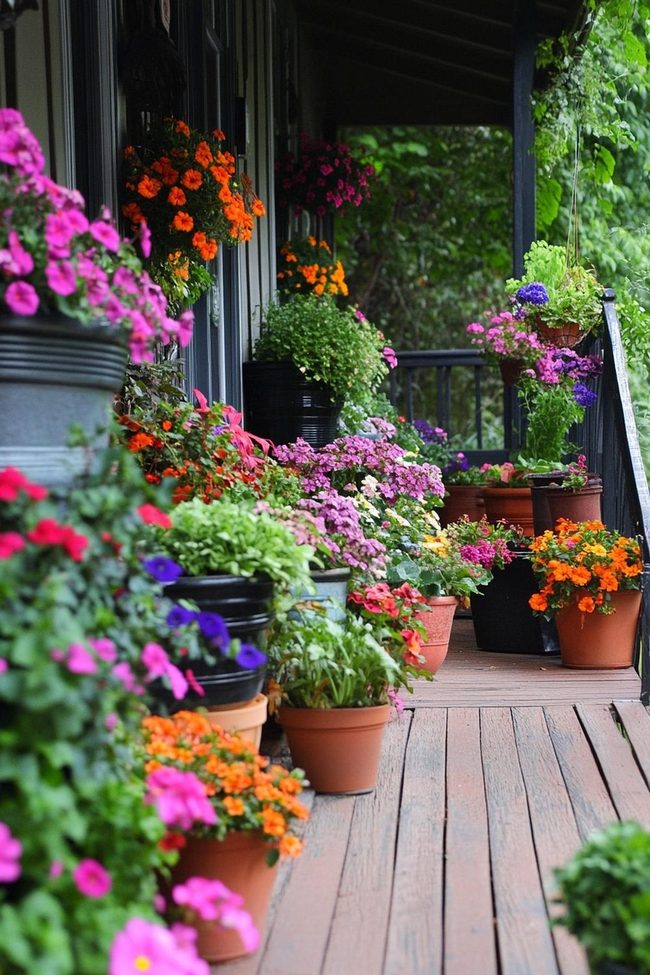
Container gardens offer a fantastic solution when you're working with limited space, letting you grow plants on patios, balconies, entryways, and front steps without needing a traditional garden bed.
Gathering pots and planters in different materials, sizes, shapes, and colors gives you plenty of options to work with, and filling them with well-draining potting mix leaves room at the top for your plants to thrive.
When it comes to selecting what to grow, you can mix tall vertical plants like ornamental grasses with mid-size bushy plants and cascading trailers such as trailing ivy or petunias for a full, layered look.
Succulents and compact shrubs also work wonderfully if you prefer low-maintenance options.
How you arrange your containers matters too – you can go with all one color for a blended look or mix bold colors to showcase your style.
Switching out your plantings with every season keeps things fresh and gives you new reasons to visit your container garden throughout the year.
One thing that gives this charm is the control it gives you over soil, drainage, light, and which plants you want to grow.
Soon enough, your containers will be bursting with flowers and greenery that brighten up whatever space you have available.
Fresh Produce At Home
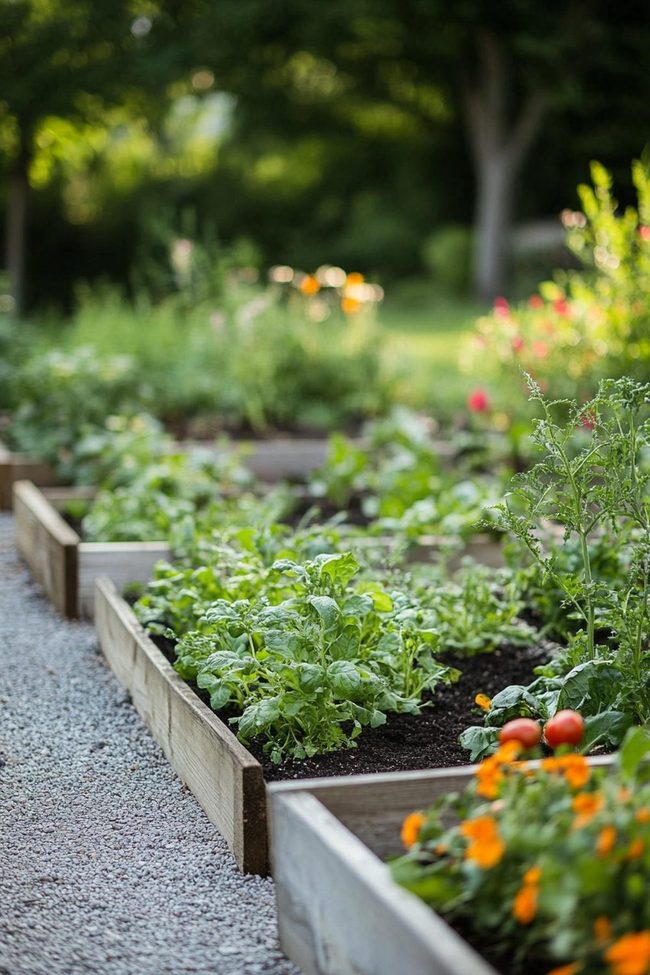
Growing an edible garden loaded with fruits, vegetables, and herbs offers one of the most satisfying ways to connect with your patio space and enjoy ultra-fresh produce right from home.
Position your garden in a sunny location and enrich the soil with compost or manure to give your plants the best foundation.
Plant varieties suited to your local climate and mix fast-growing leafy greens with season-long producers like tomatoes, peppers, eggplant, squash, and berries.
Vertical gardening methods such as trellises, cages, and poles work well for climbing plants like beans, cucumbers, peas, and tomatoes, which saves space and boosts air circulation to keep disease away.
Keep your go-to herbs within arm's reach too, basil, cilantro, rosemary, sage, thyme, oregano, parsley, chives, and mint all thrive in most gardens and elevate your everyday cooking.
Place the crops you harvest most often closest to your backdoor for convenience.
Regular watering, weeding, pruning, and pest management do take ongoing attention.
The reward comes when you step outside to gather fresh ingredients for a home-cooked meal, making every bit of hands-on work absolutely worth the effort.
Native Plants Feed Local Wildlife
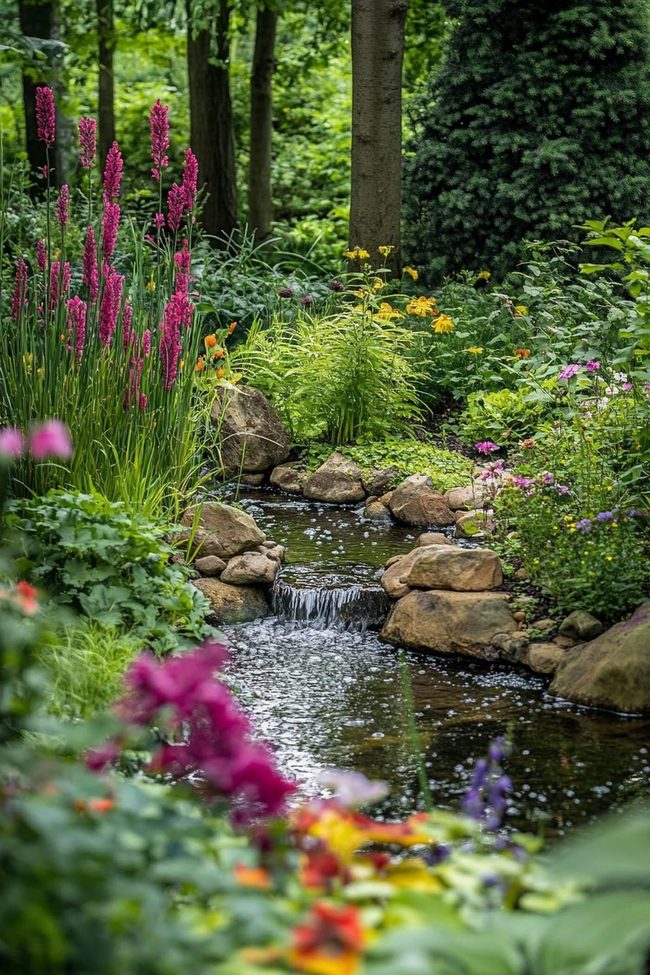
Plant a wildlife garden by filling your space with native trees, shrubs, and flowers that supply seeds, nuts, nectar, fruits, and berries to local animals, and you could watch birds, butterflies, and beneficial insects arrive to make your yard their home.
Species like elderberry, serviceberry, currants, clover, and wildflowers thrive in most areas and offer generous food sources throughout the seasons.
Leave piles of leaves, fallen logs, and patches of unmowed grass scattered around so creatures have places to shelter and gather nesting materials.
Rock piles, evergreen shrubs, and brush heaps add even more hiding spots and protection from weather.
Install nesting boxes and bee hotels to welcome birds, bats, and pollinators to stay and breed in your garden.
Set up a water source such as a pond, fountain, or bird bath where animals can drink and clean themselves.
Keep nighttime lighting and noise low to help wildlife feel safe and undisturbed in this habitat you've made for them.
Within a short time, you could find toads, small mammals, and countless other creatures moving in and living happily alongside you, and the sounds of birdsong mixed with the simple joy of watching nature flourish will bring real peace to your everyday life.
Native Plants Shallow Water Basin
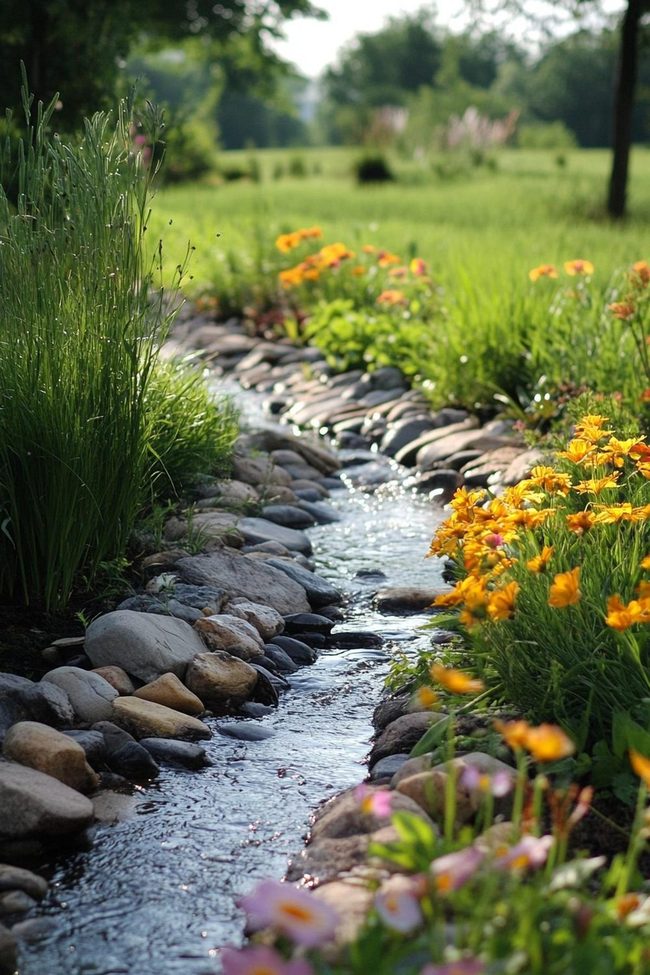
Rain gardens are shallow planted basins that capture rainwater runoff from your roof, driveway, and patio, and they work hard to reduce erosion and flooding while filtering out pollutants in the process.
Find a low spot at least 10 feet away from your home's foundation, then dig out a shallow basin and fill it with soil that drains well.
Top everything with mulch and river rock along the edges to keep things looking neat.
Native water-loving plants like wildflowers, sedges, rushes, and grasses do best here because they thrive in both wet and dry conditions and their deep roots pull moisture down into the ground while filtering water as it seeps back into the water table.
Once your rain garden is established, you are able to need to weed and thin out plants occasionally to keep them healthy.
This eco-friendly feature turns excess stormwater into something useful for your landscape and helps the environment around you.
We think the effort you put in upfront pays off through cleaner water, less flooding, and a healthier yard for years to come.
Michael Harris
Senior Content Editor
Expertise
Home Décor Content Creation, Interior Design Journalism, Editorial Oversight, Digital Media Strategy, Team Leadership and Mentorship
Education
University of Queensland, Brisbane, Australia
Queensland University of Technology (QUT), Brisbane, Australia
Michael Harris is the senior content editor at Archi Refresh, where he turns home design trends into engaging, easy-to-follow articles. With a journalism degree from the University of Queensland and a digital communication certification from QUT, he knows how to craft content that informs and inspires.
With over 10 years of experience in lifestyle and design media, Michael has shaped editorial strategies, mentored writers, and helped readers refresh their spaces with practical tips. His work blends storytelling with expert advice, making home decor more accessible to everyone.
Outside of work, Michael enjoys DIY projects, exploring Brisbane’s art scene, and teaching digital literacy workshops.