
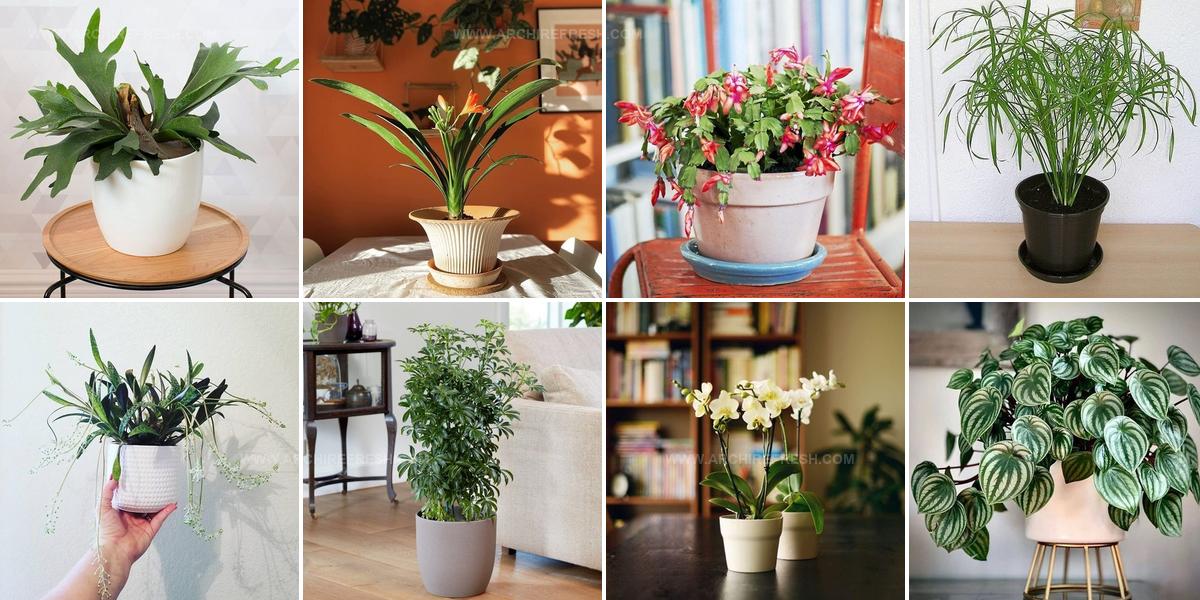
38 Houseplant Planting Guide for Beginners at Home
Growing houseplants successfully begins with understanding proper planting techniques that set the foundation for healthy, thriving greenery in any indoor space.
Many people assume potting plants is straightforward, but numerous factors influence whether roots establish well and foliage flourishes over time.
The right soil mixture, container selection, and timing all play crucial roles in helping plants adapt to their new homes.
When you handle the initial setup correctly, maintenance becomes significantly easier and more rewarding down the road.
Common mistakes during planting often lead to yellow leaves, stunted growth, or root problems that could have been prevented with better preparation.
Learning correct methods now saves countless hours of troubleshooting later and helps avoid replacing struggling plants.
With proper knowledge, anyone can give their green companions the strong beginning they need to become beautiful additions that clean air and brighten rooms for years ahead.
Delicate Fan-Shaped Green Cascades
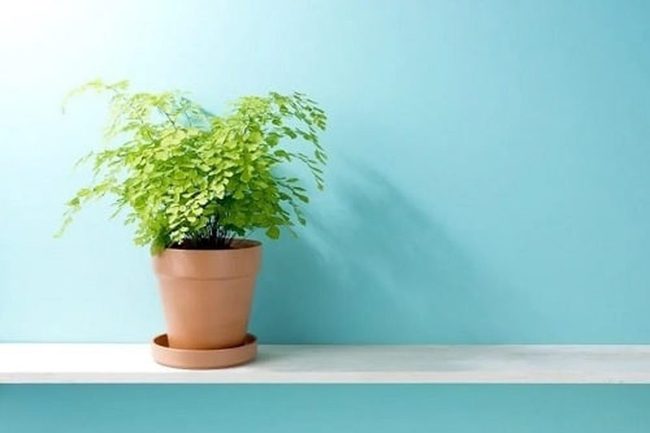
Maidenhair ferns display striking cascades of paper-thin, fan-shaped leaves in shades ranging from soft chartreuse to deep emerald, making them instantly recognizable and visually captivating in any space.
These tropical plants need humid environments with indirect light and consistent moisture to truly flourish, and bathrooms or kitchens often provide the perfect home for them.
Watering requires a gentle touch since the delicate foliage can easily suffer from harsh treatment, so you'll want to mist regularly and keep the soil damp without letting it become soggy.
Filtered water works best for these plants, and they prefer temperatures between 60-75 degrees Fahrenheit to stay healthy and vibrant.
Ceramic pots with good drainage holes support their root systems better than other container types and help prevent moisture problems.
Architectural Desert Plant Brown Sword Leaves
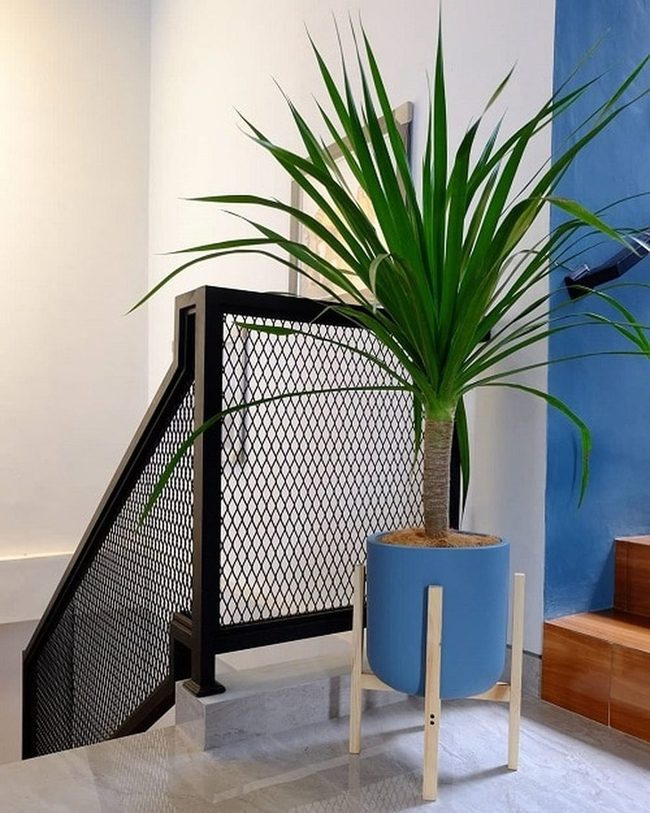
Spineless yucca stands out with its dramatic sword-shaped leaves that bring desert-inspired style straight into your home, and the brown or green variations let you match whatever design aesthetic you're going for.
Native to Mexico and the southwestern United States, this hardy plant thrives on neglect and needs very little water to stay healthy.
Its slow growth and architectural form work well in modern spaces where you want something with real presence without fussing over it constantly.
You can place it near a window or in any bright area and it adapts without complaint to indoor light conditions.
Minimal watering and indirect sunlight keep the plant looking good year after year.
If you love desert plants and want something low-maintenance for contemporary indoor gardening, spineless yucca delivers exactly what you need.
It adds structural interest to a room while staying incredibly simple to care for, making it perfect whether you're a seasoned plant person or just starting out.
Deep Green Tropical Floor Statement
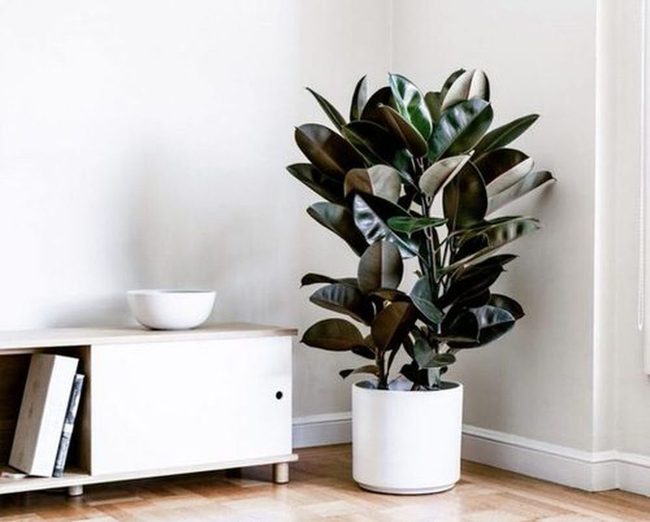
Rubber plants make a bold statement in any home with their massive deep green leaves that stretch upward dramatically and clean the air around you.
You'll find these tropical beauties incredibly easy to care for since they adapt well to different conditions and don't demand much attention from you.
When grown indoors with proper care, they can reach 6 to 10 feet tall, creating real height and presence in your space.
These plants come from Southeast Asia and do best in medium indirect light with temperatures somewhere between 60 and 75 degrees.
Watering them on a regular schedule keeps them healthy and prevents their leaves from drooping or turning brown.
Placing your rubber plant near a window with filtered sunlight helps it grow strong and develop those gorgeous full leaves.
If you want more plants, just take a stem cutting and you can propagate new ones quite easily.
Light pruning keeps the shape neat and encourages bushier growth with more leaves all over the plant.
Striped Green Leaves, Watermelon Pattern
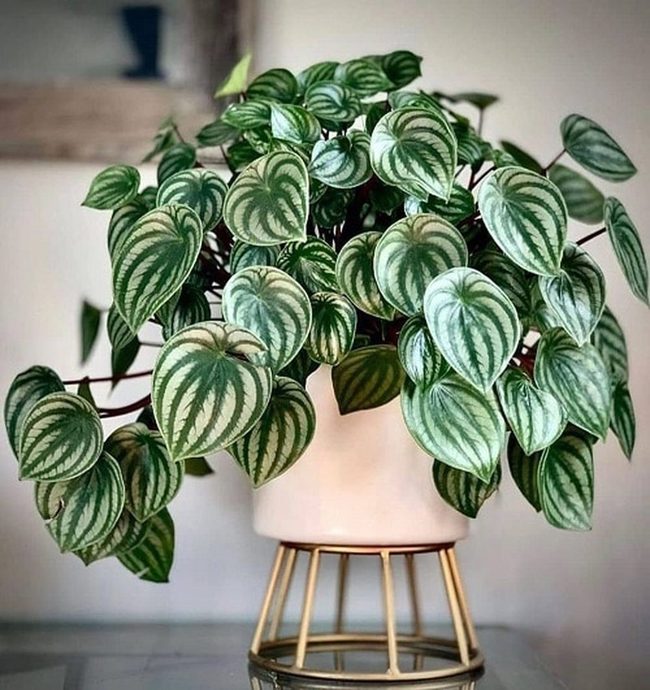
Watermelon peperomia grabs attention immediately with its striking green leaves that look like tiny watermelon rinds, making it a visual standout for any room in your home.
You can see the charm in how how it actually thrives in humid spaces like bathrooms and kitchens where moisture naturally exists.
You'll find that caring for one requires almost no effort beyond occasional watering, and they stay healthy when placed in indirect light away from harsh sun that could fade their distinctive markings.
Since these plants come from tropical South America, they prefer soil that drains well and temperatures around 65-75 degrees Fahrenheit to perform their best.
A ceramic pot with drainage holes works great for supporting the roots and keeps water from sitting around the soil.
Green Umbrella Leaves, Zero Maintenance
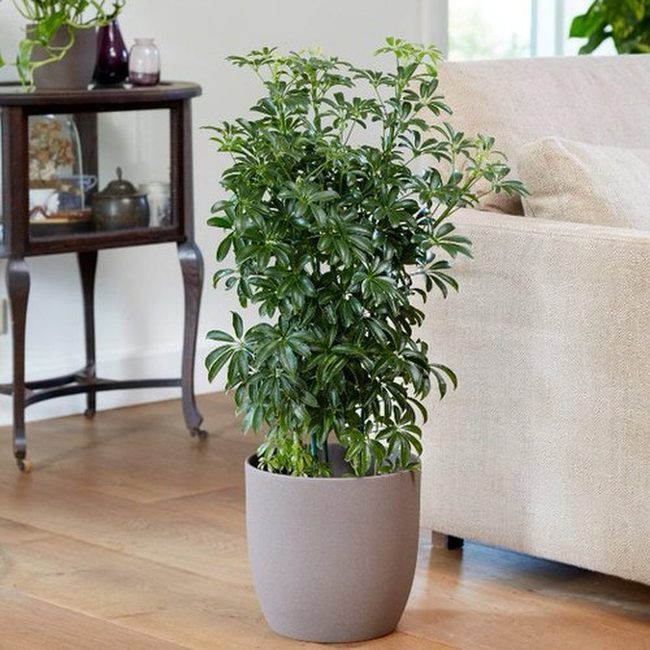
Umbrella plants spread their distinctive leaves like green umbrellas, bringing tropical charm and air-purifying benefits to any room you place them in.
Originally from southeast Asia, these hardy plants adapt well to moderate indoor conditions and thrive with minimal fuss, which is why houseplant lovers keep coming back to them.
You'll find that compact varieties fit nicely into smaller apartments while larger specimens make bold statements in spacious living areas.
Bright indirect sunlight helps these plants develop rich green leaves and keeps them growing strong.
When it comes to watering, they prefer consistent moisture but hate sitting in waterlogged soil, so good drainage matters and a moderate watering schedule works best.
Light pruning keeps their shape looking nice and stops them from becoming too tall and sparse.
Occasional misting supports their tropical nature and helps keep the leaves healthy, especially in dry indoor spaces.
Emerald Arrow Leaves Indoor
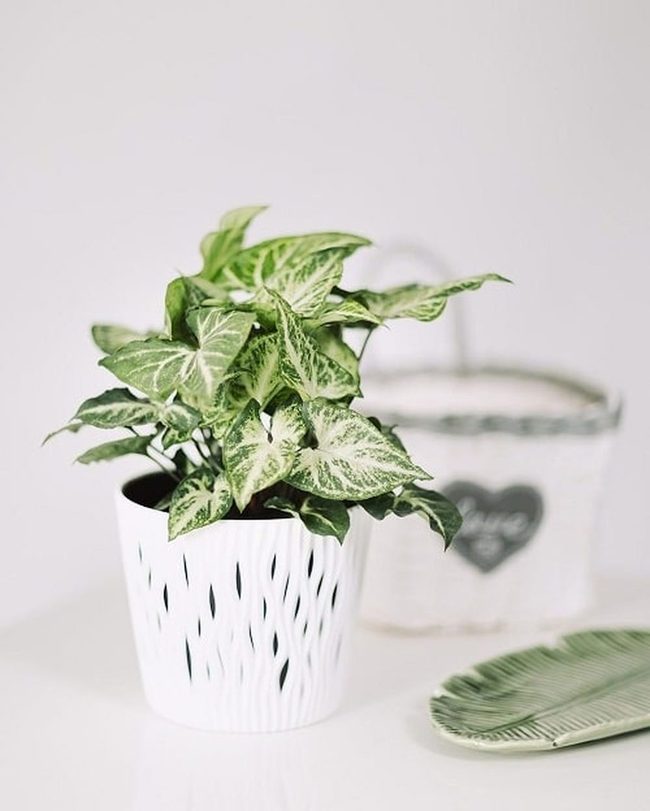
Arrowhead vine stands out in any room with its lush tropical leaves shaped like arrows and comes in striking color variations from deep emerald to variegated white and green patterns that make it a gorgeous addition to your decor.
I like how this plant stays compact and grows at a manageable pace, fitting perfectly on shelves, desks, or hanging baskets without taking over your space.
Since arrowhead vine doesn't demand much attention, even beginners can keep it healthy and thriving with just moderate indirect light and occasional watering.
Growing new plants from stem cuttings is straightforward, so you can expand your collection easily whenever you want.
Beyond looking beautiful, this plant also purifies your indoor air naturally while requiring minimal effort to maintain.
Its graceful foliage brings natural sophistication to any room and works well in different home settings without needing special care or gardening expertise.
Silver-Marbled Leaves, Low-Maintenance Green
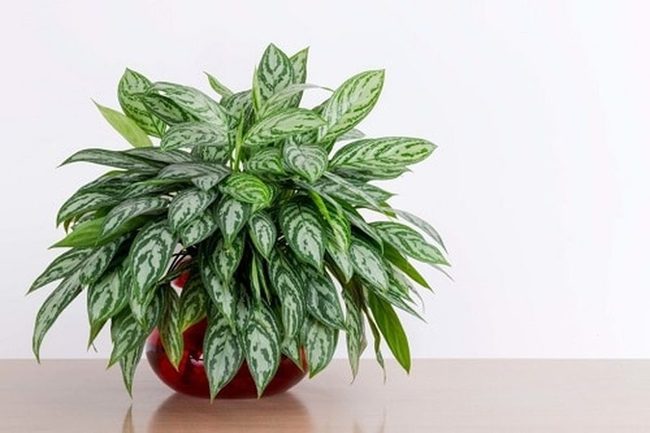
Chinese evergreens stand out with their gorgeous variegated leaves that showcase intricate patterns ranging from deep greens to striking silver-white marbling, making them visually striking additions to any room.
These plants originated in Southeast Asian tropical regions and thrive as low-maintenance houseplants with exceptional adaptability across different indoor environments.
You can place them in shadowy corners or moderate sunlight spaces since they flourish in multiple light conditions.
Their moisture-loving nature makes them perfect companions for bathrooms and humid rooms where other plants struggle to survive.
Since they have a compact growth pattern, you can integrate them seamlessly into small apartments, offices, and various home decor schemes without taking up much space.
Caring for these botanical companions requires minimal effort; just occasional watering and indirect light exposure, which makes them ideal for busy individuals seeking green companionship.
Antler Fronds On Living Wood
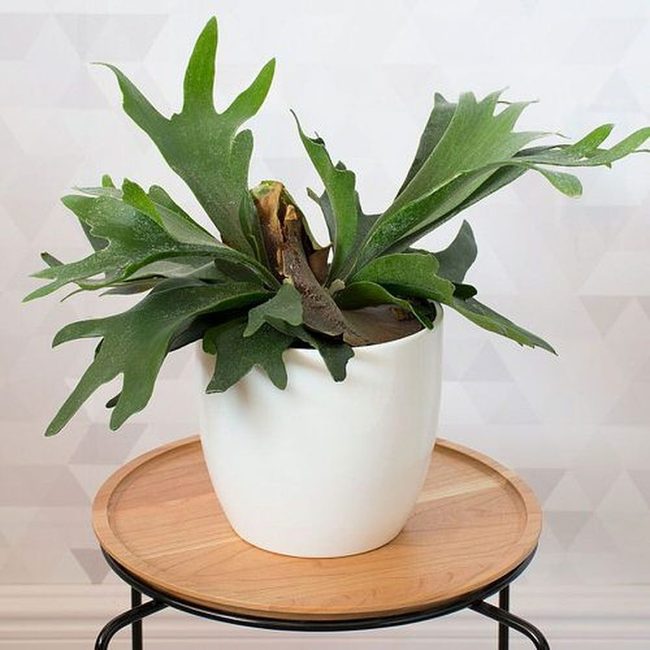
Staghorn ferns stand out as extraordinary epiphytic plants with distinctive antler-shaped fronds that grow horizontally from wooden mounts or hanging baskets, making them visually striking additions to any space.
These tropical forest natives from Australia and Southeast Asia flourish in warm, humid environments and don't require traditional soil to grow successfully.
To care for one, you'll mount the plant on a wooden board, which mimics its natural growth pattern in the wild and provides excellent drainage for healthy development.
Filtered light works best for these plants, so positioning yours near a bathroom window or in a kitchen area with indirect sunlight keeps it happy.
You can help your staghorn thrive by misting it occasionally and protecting those delicate fronds from harsh direct sun while maintaining humidity levels between 50 and 60 percent.
Mounting involves securing the plant's base with moss and wire onto wooden surfaces so roots can spread naturally across the support structure.
Green Ivy Trailing Down Walls
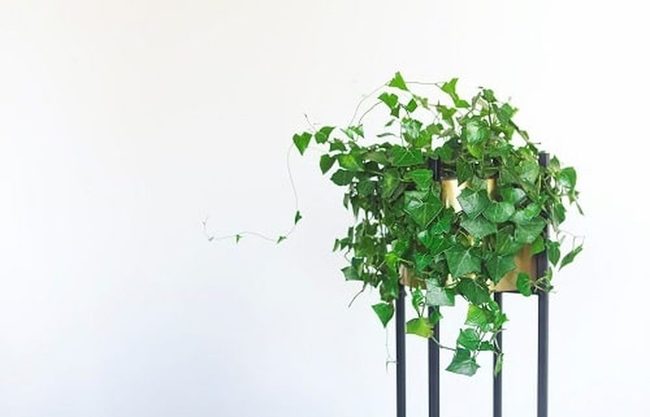
English ivy drapes down from hanging baskets and shelves with dark green leaves that bring natural drama into any room you're decorating.
You can choose from multiple ivy varieties to match your specific decor style and personal taste.
The trailing vines spread across surfaces and add organic texture to your living areas without requiring constant attention.
Watering needs stay minimal, so maintaining this plant fits easily into your routine.
Beyond simple hanging displays, ivy works well for structured wall coverings that change how a space looks and feels.
Its versatile growth patterns suit different interior design approaches, whether you prefer a classic look or something more modern.
Ivy brings both visual appeal and practical benefits to any home.
Pink Cascading Winter Blooms
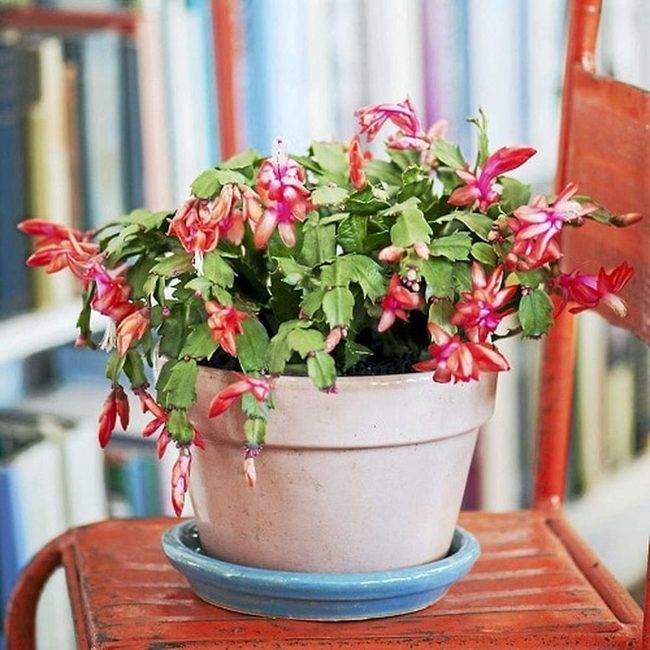
Christmas cactus produces cascading flowers in pink, red, or white that make it one of the most eye-catching plants you can grow indoors during the winter months.
This Brazilian rainforest succulent transforms from a simple green plant into a spectacular flowering display when conditions are right, and the blooms alone make it worth the minimal effort required.
Keeping temperatures between 60-70 degrees and providing cool evenings naturally encourages the plant to flower without you needing to do anything complicated.
Positioning your plant near east or north-facing windows works well for its needs, and indirect sunlight keeps it thriving.
Water sparingly during dormant periods to avoid root rot, and use soil that drains well so moisture doesn't build up around the roots.
Light pruning after the flowers fade helps you shape the plant and sets it up to bloom again next season.
Colorful Kalanchoe Blooms Indoor Succulent
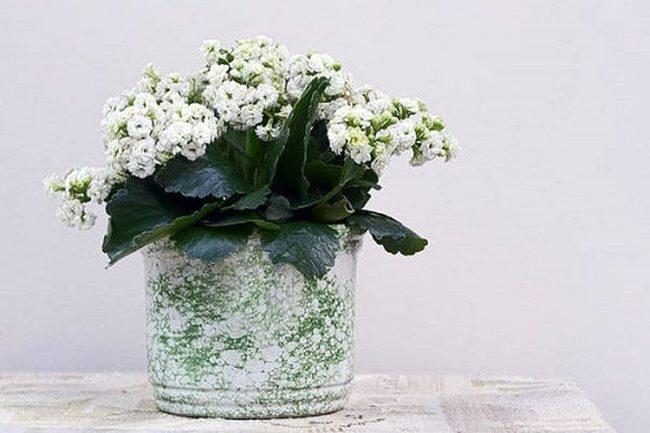
Kalanchoe plants burst with clusters of tiny flowers in shades of pink, orange, yellow, and red that bring cheerful color into any room, and these succulents originated in Madagascar's desert regions where they developed their signature waxy, thick leaves.
You'll find them thrive indoors with remarkably little fuss since they need minimal water and stay compact enough for small spaces and windowsills.
Bright indirect light near east or south-facing windows matters most for their growth, so positioning yours where it catches good natural light throughout the day helps tremendously.
Keep temperatures between 60-85 degrees fahrenheit and your plants will flourish, with occasional pruning encouraging them to produce even more blooms.
The care routine is straightforward: allow the soil to dry completely between waterings and use well-draining potting mix so water doesn't sit around the roots.
White Flowers Dark Green Leaves
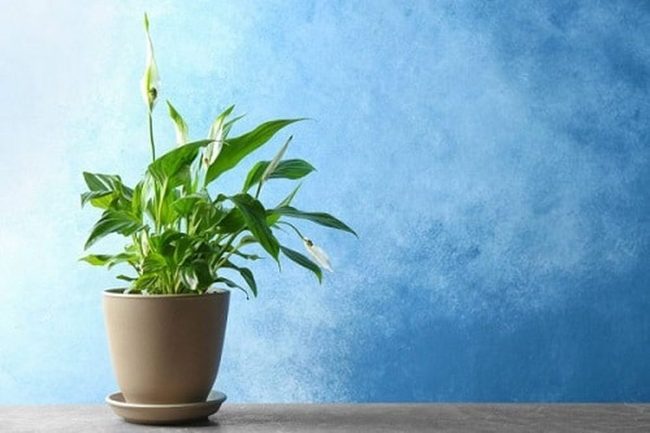
Peace lilies showcase striking white flowers alongside glossy dark green leaves that bring natural beauty to any room, and they thrive in the low-light conditions of bathrooms and kitchens where the moisture-rich air supports their lush growth.
Keeping temperatures between 65-85°F helps these plants maintain their distinctive appearance and encourages blooming throughout the year.
Beyond their visual appeal, peace lilies work hard at purifying your indoor air by removing harmful toxins with virtually no fuss on your part.
You'll want to position them in indirect sunlight so their leaves stay vibrant without suffering damage from harsh rays.
Water becomes simple when you keep the soil slightly moist but never soggy, and occasional misting adds extra humidity that mimics their tropical rainforest origins.
Removing any yellow or brown leaves as they appear keeps the plant looking fresh and promotes ongoing health.
Cascading Heart-Shaped Green Vine
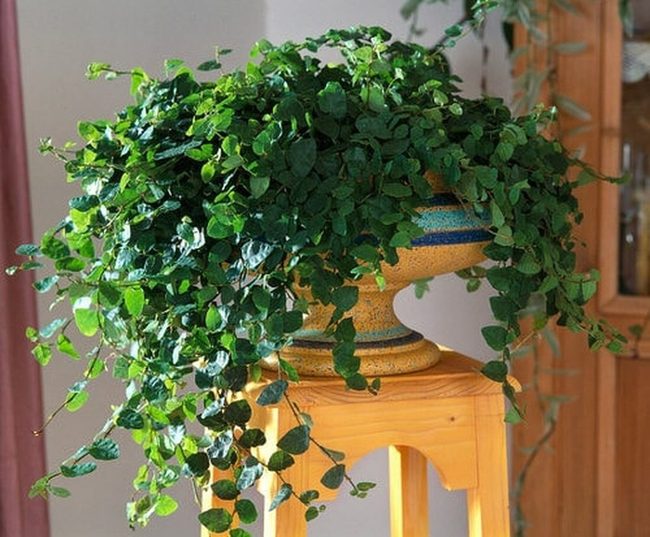
Creeping fig transforms bare walls and trellises into living green tapestries with its delicate heart-shaped leaves that cascade beautifully across surfaces.
Its compact growth makes it perfect for your indoor spaces or small gardens where you want lush greenery without taking up much room.
You'll find this vine thrives in indirect light indoors and doesn't require fussy care to stay healthy.
Light pruning keeps the foliage dense and stops it from sprawling beyond your available space.
Watering matters most here; you want to keep the soil consistently moist but not soggy, so check when the top layer dries out before watering again.
A ceramic pot with drainage holes works best for this plant and helps prevent root problems from excess water.
This adaptable vine combines both looks and function, giving you an easy way to add living color to your home or garden setup.
Tall Green Leaves, Zero Maintenance
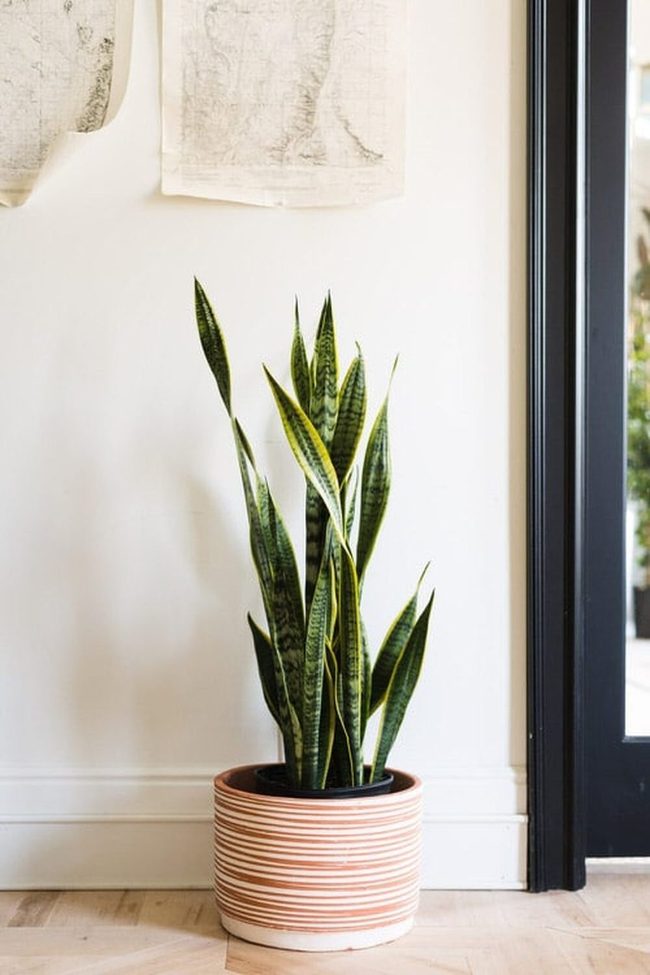
Snake plants stand out as tall, architectural statements with dark green sword-like leaves that bring modern style to any room, and they range from compact six-inch varieties to dramatic four-foot specimens that fill empty spaces beautifully.
Beyond their striking appearance, these African succulents work hard behind the scenes to purify your air by absorbing toxins like formaldehyde and benzene while releasing oxygen during nighttime hours.
You can admire how resilient they are since they thrive in low-light corners and challenging conditions where most houseplants would struggle, making them perfect for offices or darker areas of your home.
Their compact root systems fit well in small apartments and tight spaces, so you don't need much room to enjoy them.
Snake plants continue growing steadily even when neglected occasionally, and they survive with minimal maintenance requirements.
Purple And Green Feathered Foliage
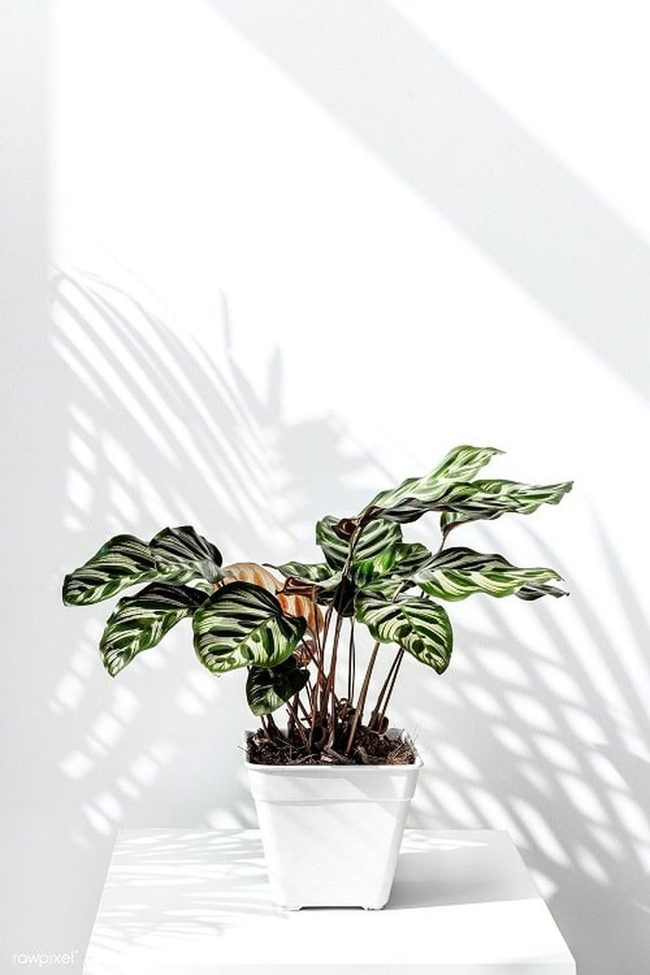
Peacock plants deliver jaw-dropping visual appeal with their mesmerizing leaf patterns that resemble exotic bird feathers dancing across delicate foliage.
These tropical beauties hail from Brazilian rainforests and display unique green and purple markings that make them stand out in any room.
To keep those spectacular colors from fading, you'll want to place them in moderate indirect sunlight, as direct rays can scorch their sensitive leaves.
Maintaining humidity between 50-60% keeps the plants thriving and prevents leaf edges from turning brown and crispy.
They also need consistent moisture in the soil without becoming waterlogged, and temperatures between 65-85 degrees fahrenheit will mimic their natural woodland home.
Heart-Shaped Cyclamen Pink Perfection
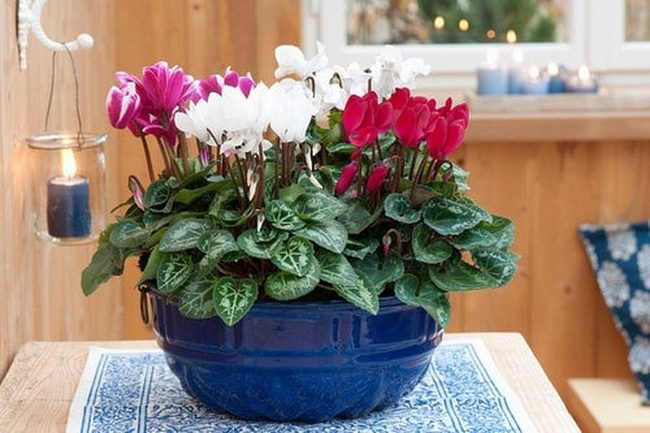
Cyclamens display those striking heart-shaped flowers in pink, white, and purple that seem to float above their marbled leaves, making them real showstoppers for anyone who loves indoor plants.
Originally from Mediterranean mountain regions, these charming growers thrive when you keep them cool and away from direct sun, which matches their natural habitat preferences.
Indirect window light is your best friend here since it gives them exactly what they need without the stress of harsh afternoon rays beating down on them.
You'll want to use ceramic pots with good drainage holes because cyclamens are sensitive to sitting in wet soil, and their delicate tubers can rot if water pools around the roots.
Winter and early spring are when these plants really show off, producing those elegant flowers in abundance above their compact leafy growth.
If you keep temperatures between 50 and 65 degrees, your cyclamens will stay healthy and keep blooming steadily throughout the season.
Purple And White Orchids Indoor
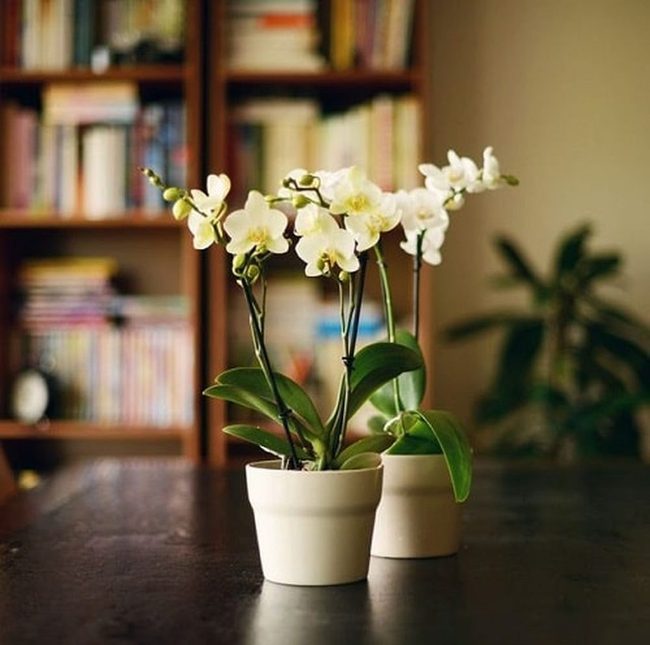
Orchids display extraordinary beauty with delicate petals ranging from pristine white to rich purple hues, making them one of nature's most striking flowering plants.
You'll love how adaptable these exotic flowers are since they thrive with minimal fussing and low maintenance demands.
Placing your orchid near an east or west-facing window gives it the gentle indirect sunlight it needs, and keeping temperatures consistent helps it flourish indoors.
Ceramic containers with drainage holes work best for protecting orchid roots and keeping them comfortable.
Water your orchid once a week and let the soil dry out between waterings, which mimics how rain falls naturally in rainforests.
Humidity between 50-70% encourages your plant to grow strong leaves and produce more blooms.
White Gardenias Tropical Luxury
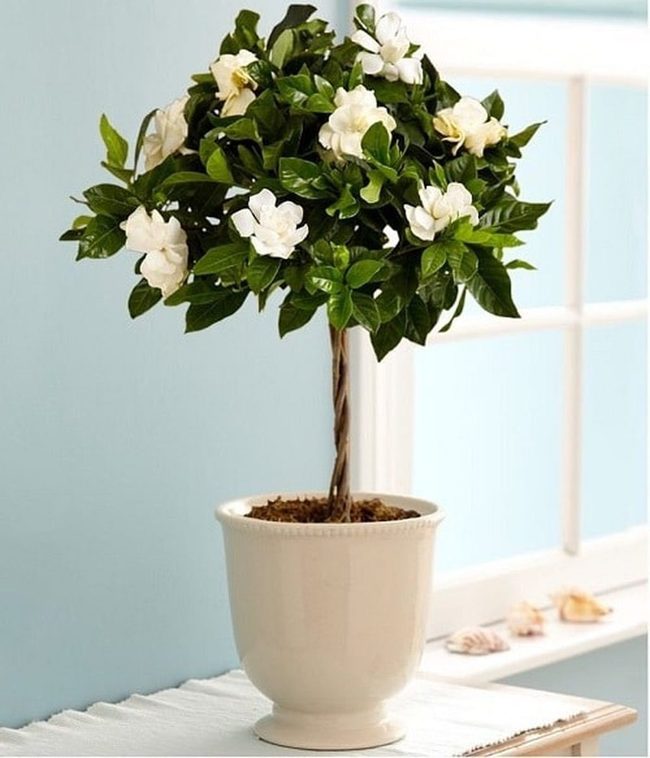
Gardenias bring that unmistakable tropical luxury into any room with their pristine white flowers and intoxicating fragrance that instantly elevates your space.
These sensitive shrubs hail from Africa and Asia, and they need pretty specific conditions to do well indoors.
Keep temperatures steady between 60-70 degrees and maintain high humidity so those glossy dark green leaves stay healthy and thriving.
You'll want to place them near west or south-facing windows where they get indirect sunlight, which helps them grow strong and bloom abundantly.
They prefer acidic soil with good drainage to keep their delicate roots happy and prevent rot issues.
Watering is all about finding that sweet spot; keep the soil moist but never let it sit waterlogged.
Feed them regularly with an acidic plant fertilizer during the growing season to keep those beautiful blooms coming.
Pink Star Flowers Trailing Vine
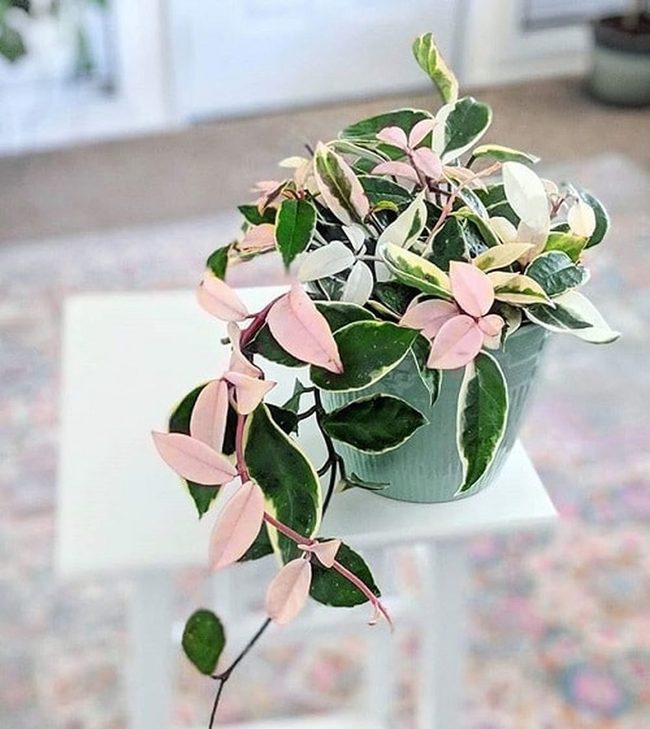
Wax plants stand out as dramatic tropical climbers with long vining stems that cascade beautifully from hanging baskets or trellises, making them perfect for decorating indoor spaces, and these exotic houseplants produce clusters of star-shaped pink or white flowers that emerge from compact clusters called umbels and add even more visual interest to any room.
Coming from Southeast Asian regions, they're known for their waxy, succulent-like foliage that looks unique and requires hardly any fussing.
Light matters for keeping them healthy, and indirect light proves ideal for their growth while moderate temperatures between 60-80 degrees keep them happiest.
Propagation happens easily through stem cuttings, and this means you can expand your collection without spending money on additional plants.
Bright Lime-Green Sculptural Indoor Conifer
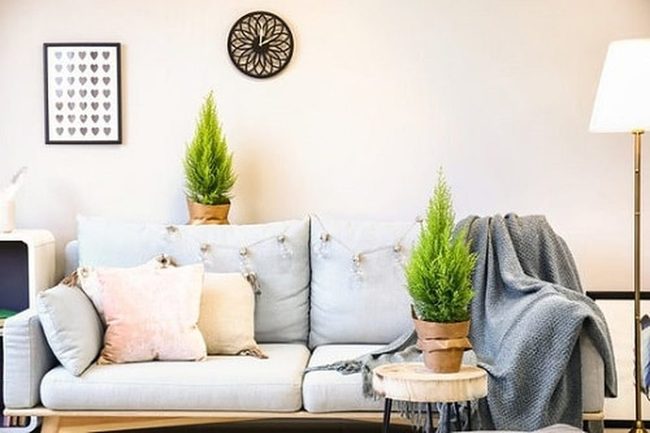
Lemon cypress makes a striking statement in any room with its sculptural form and bright lime-green needles that fill your space with a fresh citrusy scent.
Originally cultivated in Mediterranean regions as a decorative landscape plant, this conifer thrives indoors when you grow it in a small pot and control its size through gentle pruning.
Placing it where it gets indirect sunlight helps maintain that gorgeous green color and keeps the branches full and dense.
You'll want to keep temperatures steady between 60-70 degrees Fahrenheit so the plant stays comfortable without dealing with temperature swings.
Watering is simple since it only needs light moisture when the soil feels dry, and a pot with drainage holes protects the roots from sitting in water.
Misting the needles occasionally helps keep humidity levels up and prevents them from drying out, keeping your lemon cypress looking fresh and healthy for months to come.
Green Dracaena Sword Leaves
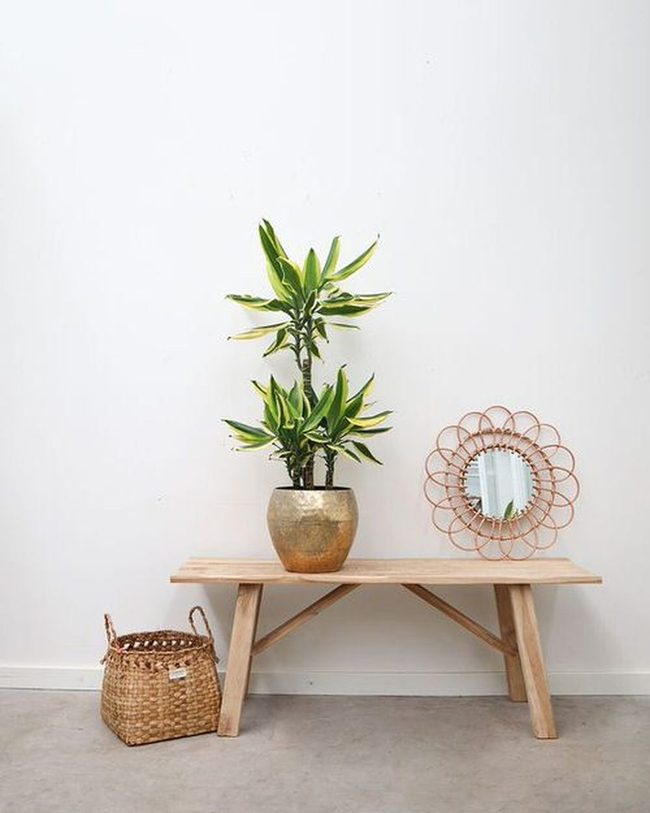
Dracaena plants stand out in any room with their striking sword-like leaves that stretch upward from sturdy central stems, and these dramatic green blades make them perfect as statement pieces for your space.
You'll find them available in multiple varieties, from compact tabletop sizes to tall floor-height specimens, with options featuring solid rich green or striking variegated patterns to match your style and home layout.
What makes these plants so appealing is their ability to thrive in low light conditions while asking very little from you, tolerating periods of neglect and still maintaining their beautiful appearance without fading.
Both new plant owners and experienced gardeners love them because they're incredibly resilient and don't demand constant attention or perfect conditions.
Beyond their good looks, dracaenas actually pull indoor pollutants from the air and improve your home's air quality naturally, since they're native to tropical African regions where they've adapted to thrive in challenging environments.
Green Stalks Of Good Fortune
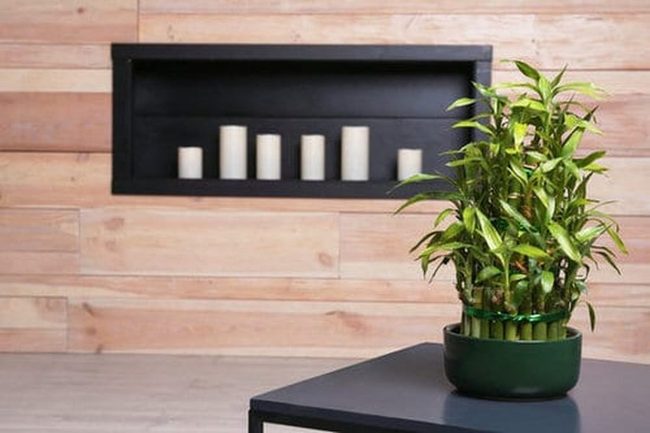
Lucky bamboo brings natural tranquility to your home with graceful green stalks that rise from compact containers and offer understated beauty to any room.
Ceramic or glass vessels display the slender stems wonderfully and fit into multiple interior design styles without demanding much effort.
You can place these adaptable plants on office desks, side tables, or shelves where they thrive with minimal care and maintain their zen-like charm.
Bamboo grows beautifully in water or soil, which makes it perfect for both beginners and experienced plant lovers who want something low-maintenance.
In many Asian cultures, these stems symbolize good fortune and prosperity, adding meaningful energy to your space beyond just their appearance.
Indirect sunlight is all they need to stay healthy and graceful, and minimal watering requirements mean you can enjoy their presence without stress or constant attention.
Green Umbrella Fronds Indoor
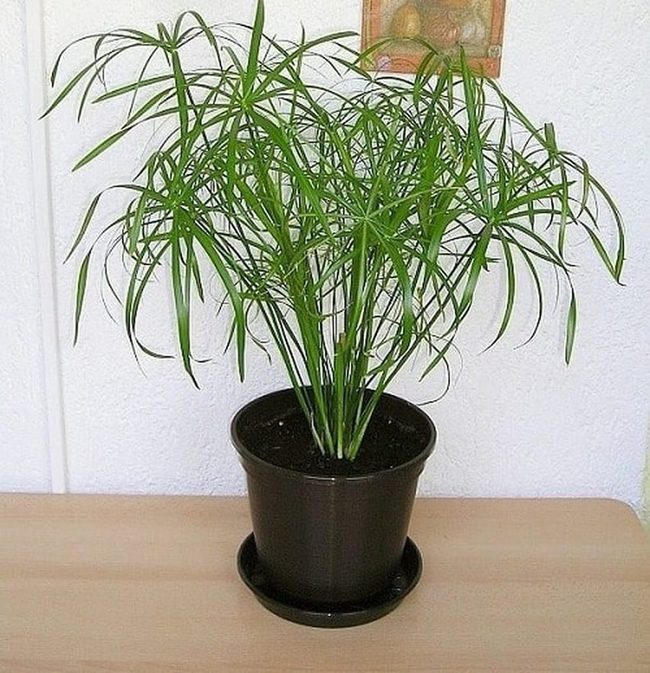
Umbrella papyrus commands attention with its dramatic fan-shaped fronds that spread like green umbrellas above slender stems, bringing striking architectural silhouettes and graceful texture to any room.
This African native loves moisture and thrives near windows or in bright indoor spaces where humidity stays consistent throughout the year.
You'll want to keep the soil steadily moist without waterlogging the delicate roots, and placing it in gentle indirect sunlight helps maintain healthy green coloration and robust growth.
Small indoor water features or kitchen counters work well as display spots for these botanical specimens since they enjoy proximity to moisture.
Ceramic pots with drainage holes support root health best and prevent excess water from sitting around the soil.
Miniature Citrus Trees For Indoor Harvest
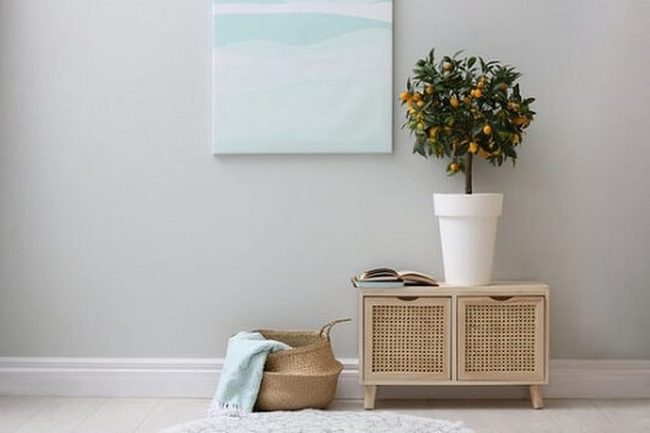
Dwarf citrus trees bring the essence of Mediterranean gardens straight into your home, offering compact plants bursting with fresh lemons, limes, and oranges that you can harvest year-round.
Varieties like Meyer lemons and Calamondin oranges thrive in containers and need just six hours of direct sunlight each day, making them perfect for positioning near your sunny windows.
These miniature orchards reward you with fragrant blossoms and real fruit production without demanding much space.
Keeping them under four feet tall requires only minimal pruning, so they fit beautifully in apartments and smaller homes.
You'll want to maintain consistent moisture around the roots and feed them with balanced fertilizer while misting occasionally to support healthy growth.
Temperature stability between 55 and 85 degrees helps these plants develop steadily and produce fruit reliably.
What makes them so practical is that small pots near good light transform limited indoor areas into working kitchen gardens.
Dark Corner Green Solution
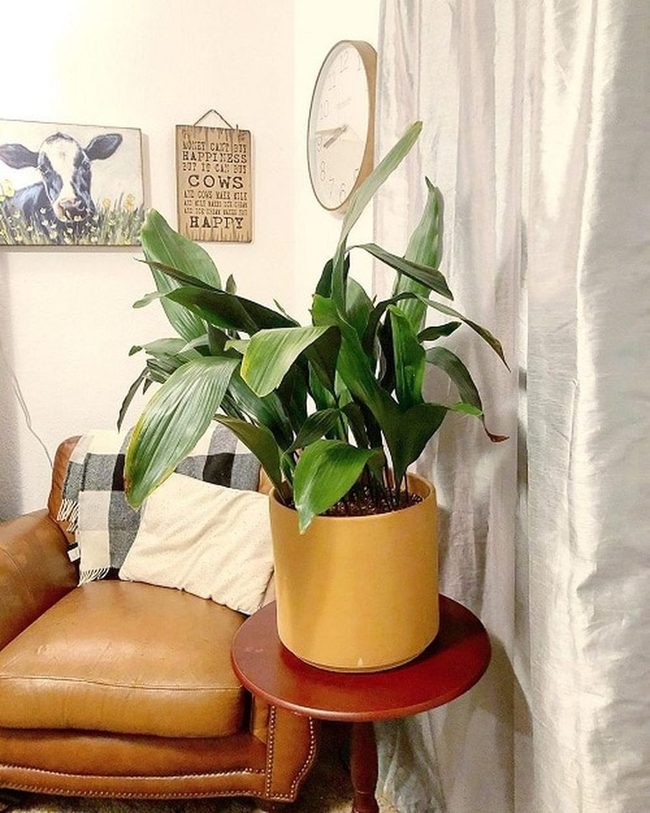
Cast iron plants bring rich, luxurious foliage to even the darkest corners of your home, transforming rooms where most greenery would struggle and wilt without complaint.
You can place these incredibly resilient companions in spaces with low light and minimal maintenance requirements, and they'll still thrive where other plants would quickly fail.
Their tropical origins give them extraordinary adaptability, allowing them to flourish in indoor environments that seem impossible for typical greenery.
I enjoy the way little effort they demand; just minimal watering and indirect sunlight keep them healthy and looking vibrant throughout the seasons.
Dark corners stop feeling neglected once you add these green companions, as their consistent presence brings calm and natural beauty to any interior space.
Home decor becomes so much easier when you have plants that don't require gardening expertise or constant attention.
Design professionals rely on cast iron plants because they deliver dependable growth and polished appearance no matter how challenging your indoor conditions might be.
Red Geraniums Sunlit Indoor Garden
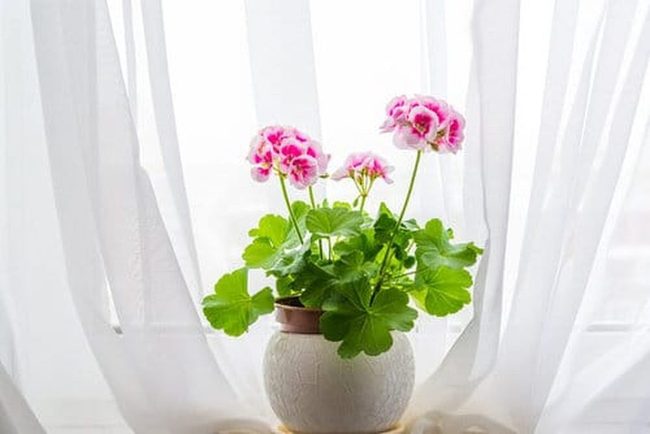
Geraniums catch your attention with their bold colors and delicate petals, and anyone who loves indoor gardens knows how stunning these plants can look in a room.
These botanical beauties need plenty of sunlight, so you'll want to place them near west or south-facing windows where they can soak up warmth throughout the day.
They originally came from Mediterranean regions and still thrive best when they get direct light for most of their day.
For growing them indoors, compact pots work well since they give roots enough space without taking up too much room.
One nice bonus is that when you touch the leaves gently, they release fragrant scents that add another sensory layer to your space.
Getting the soil and watering routine right matters most, as you need well-draining soil and moderate watering to keep the roots healthy and avoid problems.
Crinkled Green Fronds Indoor Tropical
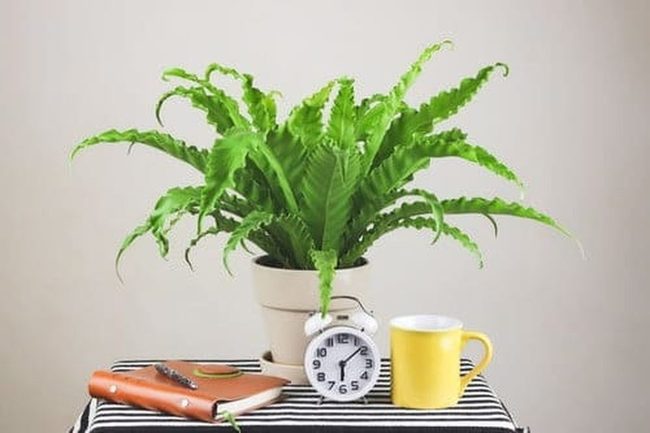
Bird's nest ferns stand out with their unusually crinkled fronds that open up like green waves, giving any room an exotic feel.
These plants come from tropical rainforests and adapt surprisingly well to indoor spaces, even handling low light and damp air without much fuss.
You'll want to use ceramic pots to show off those delicate leaves properly, and ceramic also lets roots get the air they need while keeping moisture balanced.
Indirect sunlight works best for keeping these ferns happy and protecting those signature wavy edges from getting burned by too much light.
When it comes to watering, aim for soil that stays slightly damp without becoming soggy or waterlogged.
Bathrooms turn out to be perfect spots for bird's nest ferns since the steam and moisture mirror the humid forest floors where they naturally grow.
Sculptural Desert Plants, Zero Fuss
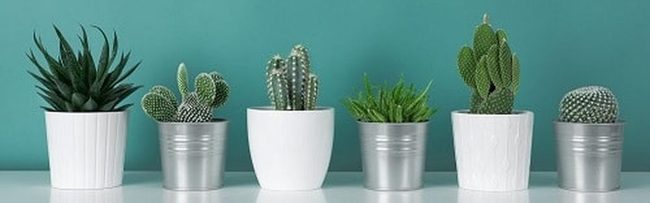
Cacti display remarkable sculptural shapes and forms, from round globe varieties to tall columnar designs that add visual interest to any room, and their unique architectural beauty becomes even more striking when paired with decorative pots that enhance their natural presence.
Compact varieties like barrel and moon cacti fit nicely on windowsills and shelves, while larger spiky specimens become standout features in bright, indirect sunlight.
You'll find them nearly maintenance-free compared to most houseplants, making them perfect for busy spaces or rooms where conditions tend to be dry.
Minimal care and maximum visual appeal make these resilient plants excellent choices for transforming ordinary spaces into botanical statements.
Most cacti demand infrequent watering and adapt well to indoor environments, so you can enjoy their striking presence without constant attention.
Red Tubular Blooms, Low Maintenance
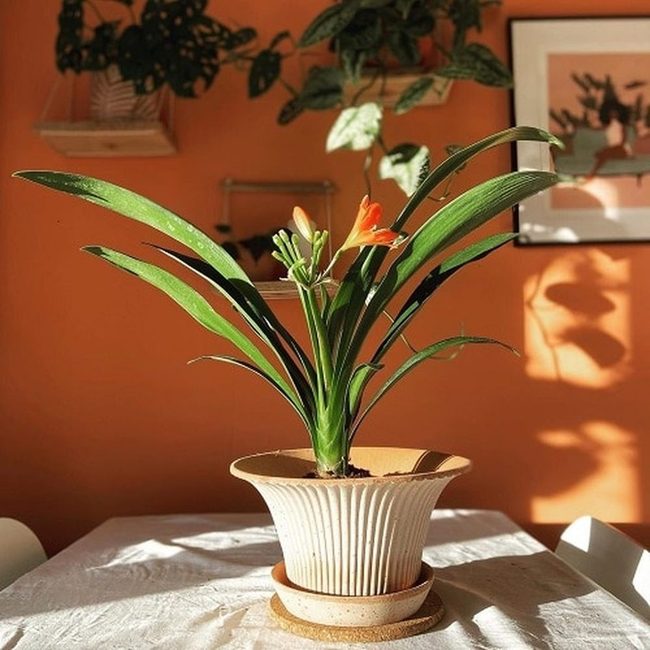
Bush lilies display striking red or orange tubular flowers that warm up any indoor space with natural beauty, and these South African perennials thrive when you place them near north or east-facing windows where they receive indirect light and temperatures stay around 60-70 degrees.
You won't need much effort to keep them healthy since minimal watering and occasional spring and summer feeding keep them looking lush and full.
Ceramic containers with drainage holes work best for housing these compact plants, and dusting the leaves now and then prevents buildup that can slow their growth.
Moderate shade suits them well, and they'll reward you with consistent performance year after year.
Cascading Green Leaves For Tight Spaces
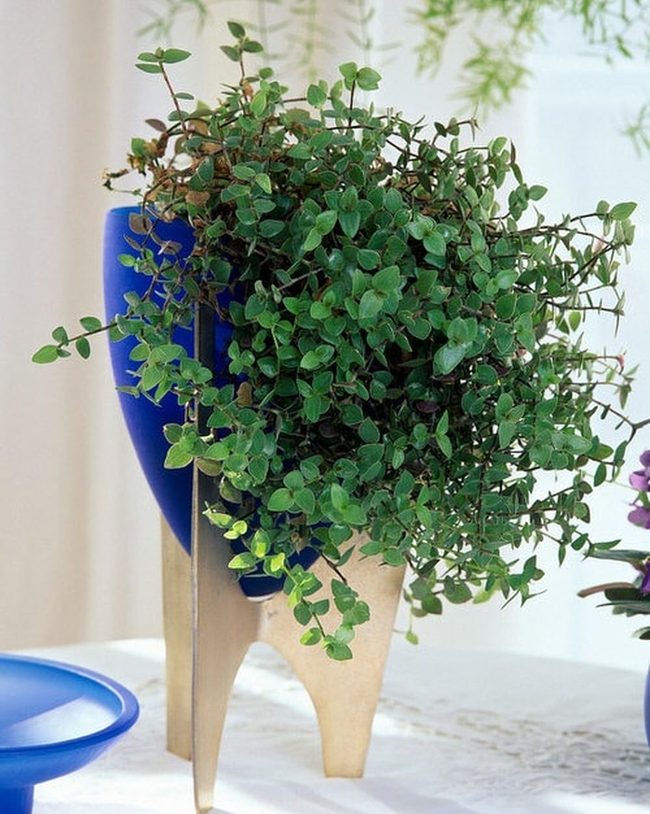
Creeping inch plants produce trailing stems that stretch several feet across hanging containers and shelves, delivering dramatic visual interest without demanding complicated care, and their cascading small delicate leaves form flowing waves that add real texture to any indoor room.
The standout detail is how these semi-succulent plants need minimal water, making them ideal if you lead a busy lifestyle and want greenery that doesn't require constant attention.
European gardeners have long loved them because they thrive in cool, indirect light situations where other plants struggle.
Dark green and variegated leaf options let you pick varieties that match your decor style and personal taste.
Compact growth patterns mean you can tuck these plants into small apartments and home offices where space feels tight.
Cascading Silver-Green Indoor Trailing Plant
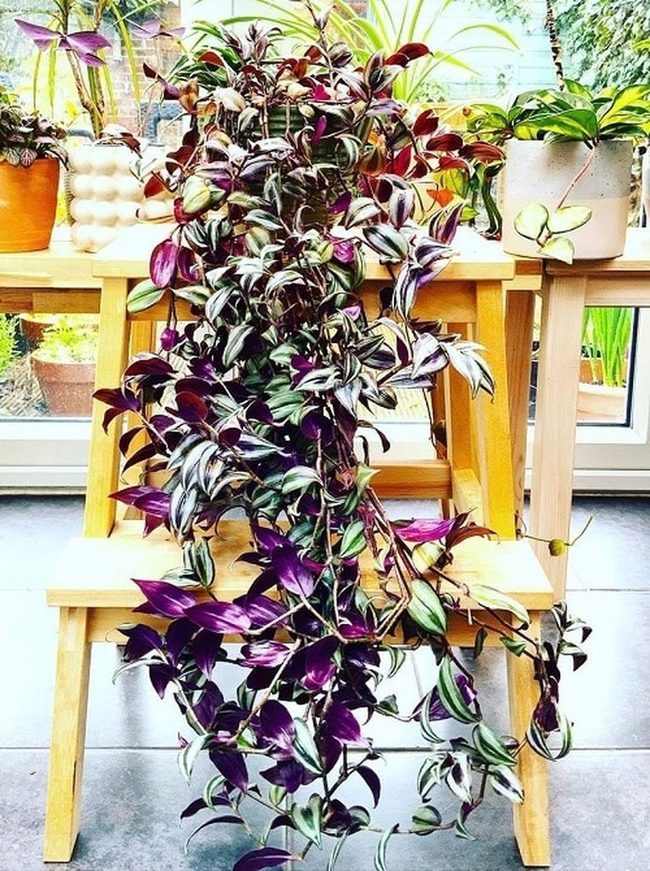
Silver inch plants captivate anyone who loves indoor gardening, with their cascading green and purple leaves that instantly lift the look of any room you're decorating.
Hang them in baskets or set them on elevated shelves where their trailing growth can really shine and draw attention downward through your space.
Because they stay small and compact, they work beautifully in apartments, home offices, and tight corners where you need greenery but lack floor space.
You won't need to fuss over light requirements since these plants do well in moderate indirect light and keep their distinctive silver-green color without demanding direct sun.
Watering becomes refreshingly simple; you can maintain lush foliage without the constant attention that other plants require.
Starting new plants from stem cuttings is straightforward and fast, so you can expand your collection without spending much money.
Silver inch plants prove both affordable and flexible, turning ordinary spaces into little botanical havens with minimal effort on your part.
Prehistoric Fronds, Living Dinosaur Plants
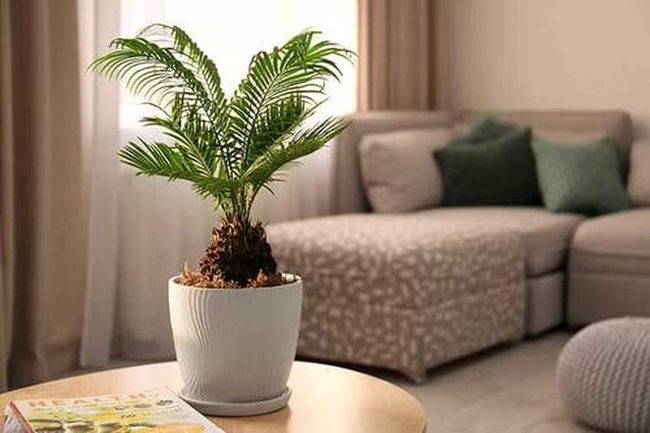
Sago palms deliver instant drama to your home with their prehistoric fronds and striking architectural forms that command attention in any room.
These ancient cycad plants existed millions of years before flowering plants even appeared, which makes them extraordinary botanical specimens you can keep indoors.
You'll need to give them bright indirect sunlight and maintain temperatures between 60-75 degrees fahrenheit since they thrive in subtropical conditions similar to their natural habitat.
Watering less frequently actually keeps them healthier; let the soil dry out completely between waterings to avoid root rot problems.
Well-draining soil mixtures and occasional fertilizer support their steady growth, though these are slow-growing plants that require patience.
One important safety note is that sago palms contain toxic compounds, so you should keep them away from children and pets in your household.
Silver-Green Succulent Ground Cover
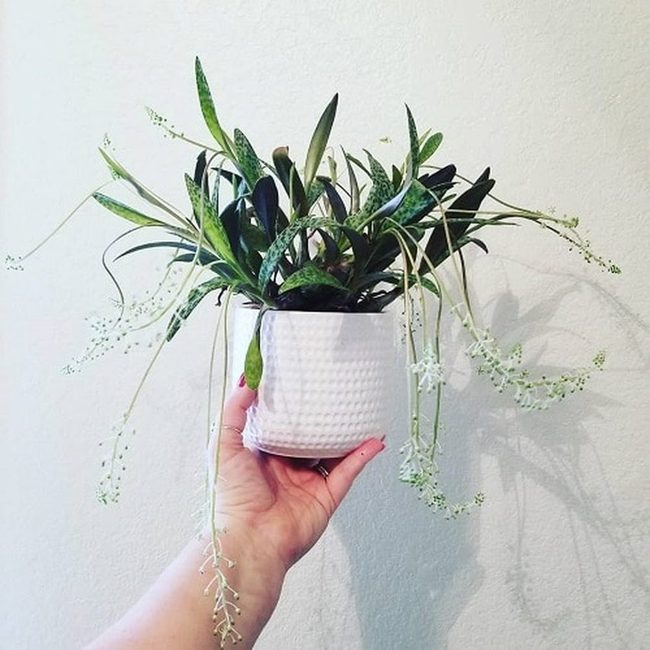
Silver squill brings that exotic Mediterranean feel right into your home with its compact leaf clusters that display those mesmerizing silver-green patterns you'll love at first glance.
What makes the look feel special is how the succulent leaves create visual interest without requiring you to fuss over complicated care routines.
Originally from South Africa, this petite beauty thrives in dry indoor spaces and needs very little water to flourish.
You can let it spread gently across your containers in low-growing clusters, and it becomes perfect ground coverage for shelves or windowsills where it can settle in nicely.
Keeping it in indirect sunlight helps the plant hold onto its distinctive coloring and protects the leaves from damage.
Elegant Green Arching Grass
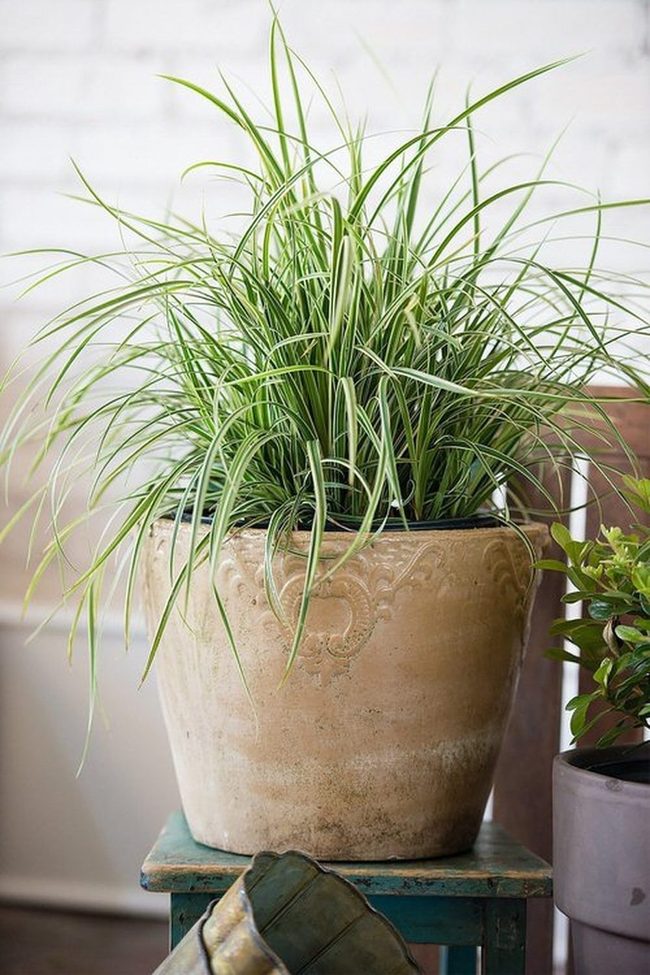
Japanese sedge brings graceful, arching grass-like leaves into your space with a sophisticated touch that works beautifully in indoor settings, and the delicate green blades sway gently to add soft texture and natural movement throughout rooms you want to feel more grounded.
You don't need much effort to keep this ornamental grass thriving since it handles shaded areas well and only asks for indirect light and minimal water, making it perfect if you're busy but still want living elements in your home.
The fronds spread out to form elegant clusters that add organic sophistication whether you place them in living rooms, offices, or bedrooms.
Positioning Japanese sedge near windows or tucking it into shadowy corners lets it flourish while blending seamlessly with the style you already have.
Cascading Green Air Purifiers
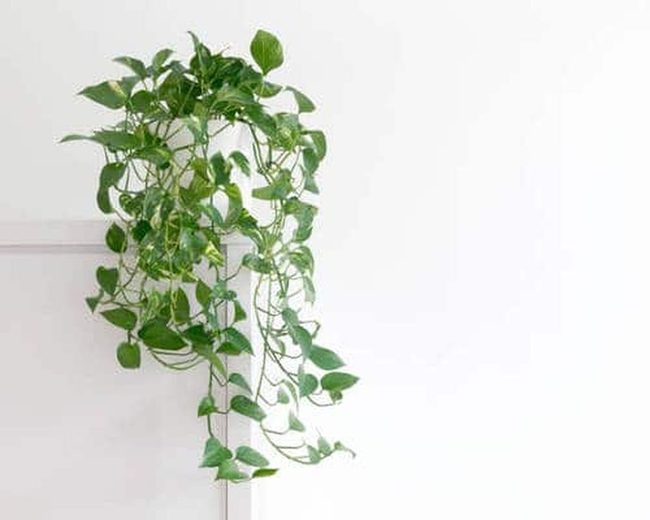
Hanging baskets overflowing with variegated green leaves instantly transform any room, and you can watch how quickly these plants can change the look of your space with their graceful trailing stems.
Pothos plants adapt to almost any lighting situation, from shadowy corners to bright indirect sunlight, so both beginners and seasoned plant keepers can enjoy success with them.
Beyond their good looks, these hardy plants need only occasional watering and minimal attention to stay healthy and vibrant.
You get flexibility with how they grow too; they can cascade down shelves or climb up supports, giving you plenty of ways to display them based on your style.
If you care about breathing cleaner air and want easy-to-maintain greenery in your living areas, pothos plants deliver both benefits without demanding much from you.
Cascading Emerald Vines Indoor
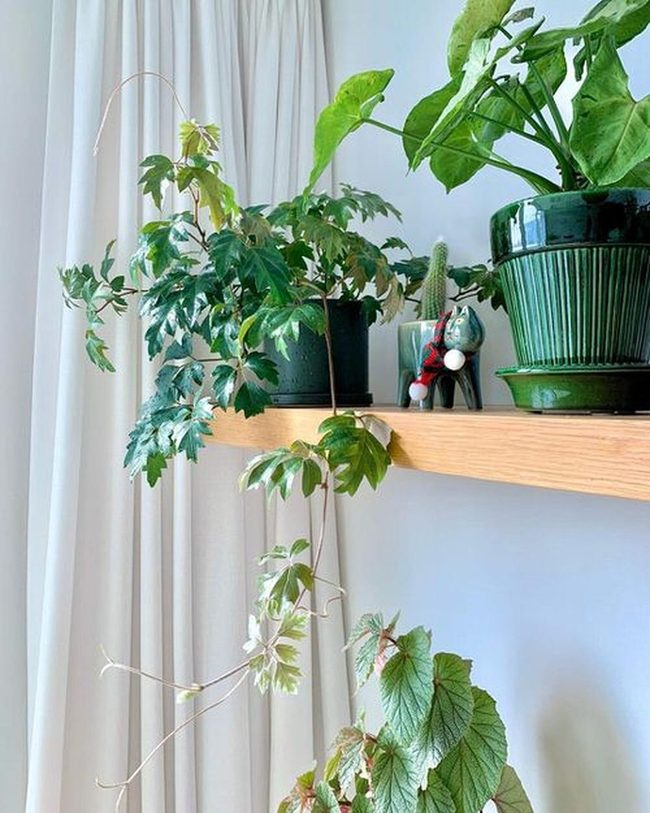
Grape ivy brings a dramatic display of cascading emerald vines that immediately soften and beautify any room you place it in, and ceramic hanging planters showcase these trailing stems perfectly.
Beyond its striking visual appeal, this plant adapts remarkably well to low and moderate light conditions, making it far more flexible than most native houseplants.
Growing lush, glossy leaves happens best when you maintain humidity around 40-50% and provide medium indirect sunlight without exposing it to harsh rays.
Watering requires attention to prevent root rot, but once you get the rhythm down, keeping it hydrated becomes simple and straightforward.
What makes grape ivy especially rewarding is how easily it propagates from stem cuttings, so you can expand your plant collection with minimal effort.
For anyone seeking greenery that doesn't demand constant care, this forgiving vine checks all the boxes and rewards you with graceful, flowing foliage that transforms your space.
Cascading Green Leaves Fill Dark Corners
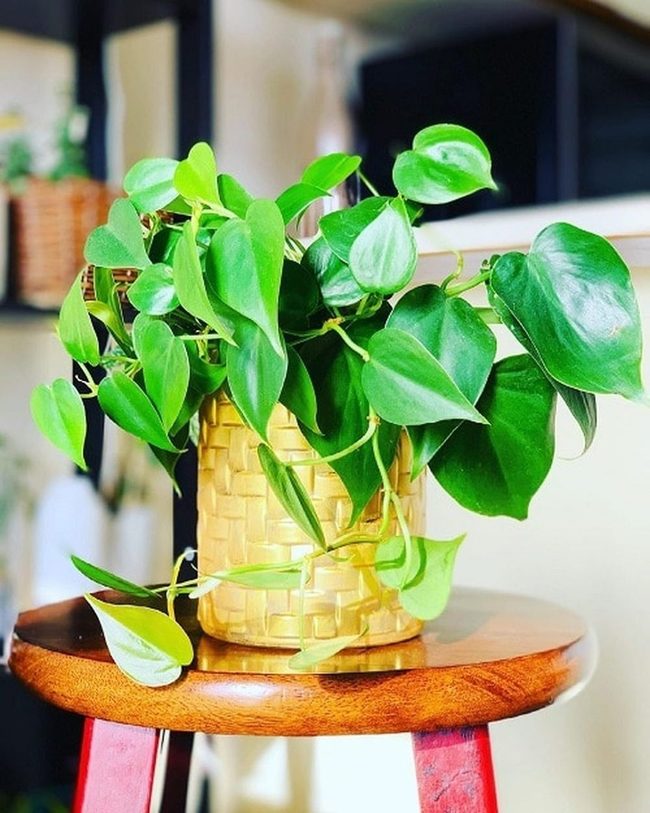
Heartleaf philodendron brings instant warmth to dim rooms with its cascading heart-shaped leaves that spread natural charm across shelves and hanging baskets, making even the darkest corners feel more alive and welcoming.
Trailing vines soften your interior spaces and adapt seamlessly to whatever light you have available, from shadowy spots to moderate filtered sunlight, so you don't need to hunt for the perfect sunny window.
Dark green foliage creates a lush botanical display that transforms ordinary areas into engaging greenery showcases without any fuss.
Beyond looking beautiful, it also purifies the air in your home and adds elegant trailing structure to any room.
Drought-Tolerant Green Tendrils
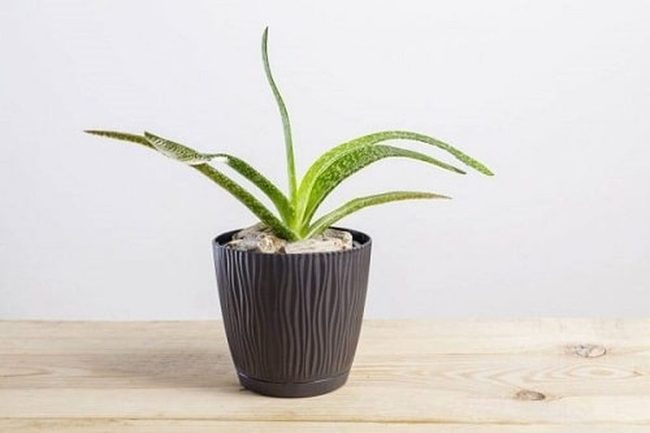
Ox tongue plants deliver striking visual appeal with their elegant green structure and graceful tendrils that spread beautifully across containers, making them an excellent choice for anyone wanting natural beauty in small apartments, windowsills, or office spaces.
This style feels fresh because its remarkable ability to thrive in harsh conditions where most other indoor plants struggle, adapting to low humidity and desert-like environments without losing its impressive appearance.
Indoor gardeners across all skill levels appreciate how this succulent can handle neglect and still look fantastic, which means you don't need to worry constantly about its care.
Its compact growth pattern fits perfectly into tight spaces and small living areas.
Desert conditions actually suit this plant well, and it refuses to be deterred by challenging indoor environments.
Michael Harris
Senior Content Editor
Expertise
Home Décor Content Creation, Interior Design Journalism, Editorial Oversight, Digital Media Strategy, Team Leadership and Mentorship
Education
University of Queensland, Brisbane, Australia
Queensland University of Technology (QUT), Brisbane, Australia
Michael Harris is the senior content editor at Archi Refresh, where he turns home design trends into engaging, easy-to-follow articles. With a journalism degree from the University of Queensland and a digital communication certification from QUT, he knows how to craft content that informs and inspires.
With over 10 years of experience in lifestyle and design media, Michael has shaped editorial strategies, mentored writers, and helped readers refresh their spaces with practical tips. His work blends storytelling with expert advice, making home decor more accessible to everyone.
Outside of work, Michael enjoys DIY projects, exploring Brisbane’s art scene, and teaching digital literacy workshops.