
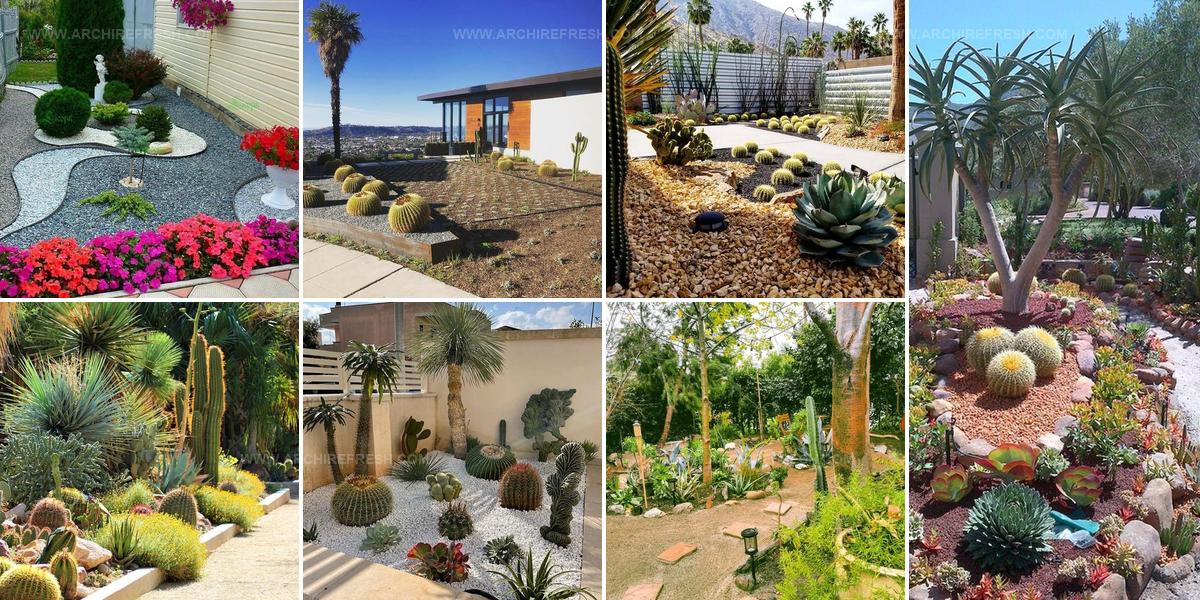
35 Inexpensive Desert Landscape Ideas That Save Water
Low-cost approaches to desert landscaping can completely refresh the outdoor spaces around any home while respecting both budget constraints and environmental conditions.
Arid climates present unique challenges that require thoughtful solutions, yet working within financial limits doesn't mean sacrificing beauty or functionality.
Smart choices about materials, plants, and design elements allow homeowners to achieve stunning results without overspending on unnecessary features.
Desert environments actually offer advantages since native vegetation typically needs less water and maintenance compared to traditional lawn-based designs.
Strategic planning helps prioritize which areas deserve the most attention and resources while identifying where simple changes make the biggest visual impact.
Even modest investments in xeriscaping principles pay dividends through reduced water bills and minimal upkeep requirements over time.
The right combination of practical knowledge and creative thinking will help anyone build an attractive, sustainable landscape that thrives in harsh conditions.
Tall Desert Sentinels In Stone
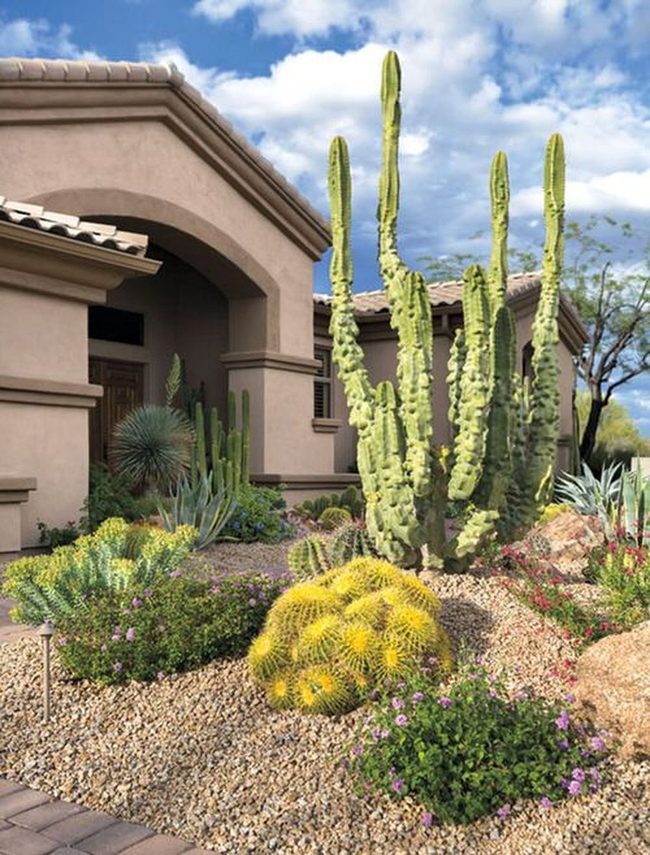
Towering cacti in your yard bring bold desert drama to the landscape without draining your budget, and these sculptural giants command attention across open spaces with their dramatic forms.
Large cacti placed strategically near gravel paths create compelling landscape compositions that catch the eye naturally.
Mixing different cactus heights adds interesting architectural elements and layers to your yard design.
Rock surroundings complement their rugged shapes beautifully and enhance the desert aesthetic.
If you enjoy low-maintenance gardening, these water-wise plants are perfect since they resist drought and need little care.
Southwestern gardens thrive with these types of plant selections that turn ordinary outdoor spaces into something special.
What makes them so appealing is that you get maximum visual interest with minimal effort, and these green giants simply do the work for you.
Desert Pottery Meets Living Sculptures
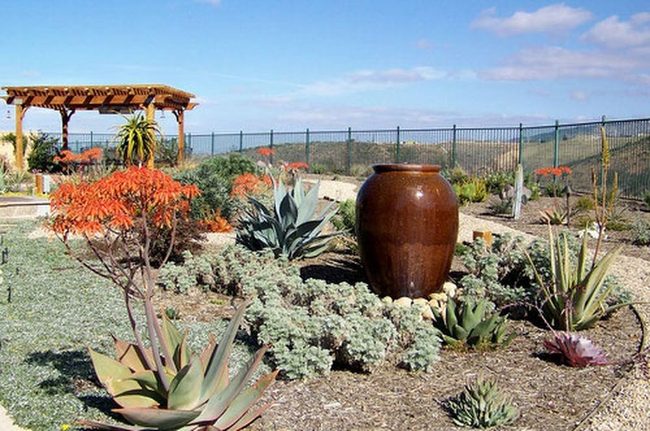
Succulent gardens arranged around rustic urns bring desert elegance to outdoor spaces with effortless charm, and the sculptural containers anchor your landscape with classic southwestern style while multiple succulent varieties create textural interest through contrasting leaf shapes and color variations.
Strategic plant arrangements merge these water-wise greenery options into living art installations that blend natural beauty with practical design principles.
Each plant placement allows you to showcase its unique architectural form, and the earthy ceramic urns ground the composition in timeless appeal.
Homeowners appreciate how these arrangements transform dry spaces into something visually striking without requiring constant maintenance.
Whether you're dealing with limited water access or simply prefer low-maintenance landscaping, these desert-inspired designs offer both beauty and function that make outdoor living more enjoyable.
Spiky Succulents And Scattered Stone
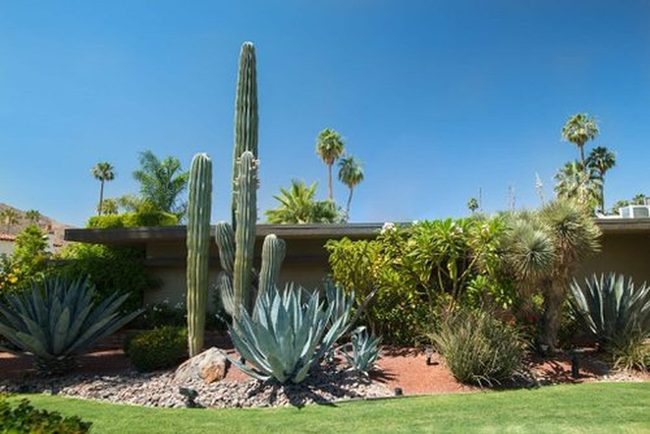
Desert plant combinations create striking garden designs with minimal cost and maintenance, and cacti, agave, and companion plants form powerful landscape compositions that survive harsh conditions with ease.
Strategic placement allows these hardy succulents to transform ordinary spaces into extraordinary desert scenes, while mixed textures of spiky agave, round cacti, and complementary low-growing plants generate visual interest across garden beds.
Strategically scattered rocks and gravel enhance the desert look while controlling water usage and reducing landscaping expenses.
Natural color variations between green succulents and neutral ground materials produce polished, low-water landscapes that you can build yourself.
Rock borders and desert plants establish beautiful outdoor areas without requiring complex design skills or professional help.
Simple, budget-friendly plant selections thrive in dry environments and deliver professional-looking results that impress.
You don't need expensive materials or expert knowledge to achieve a well-designed desert garden that works hard and looks great year-round.
Tall Cacti, Desert Stones, Zero Maintenance
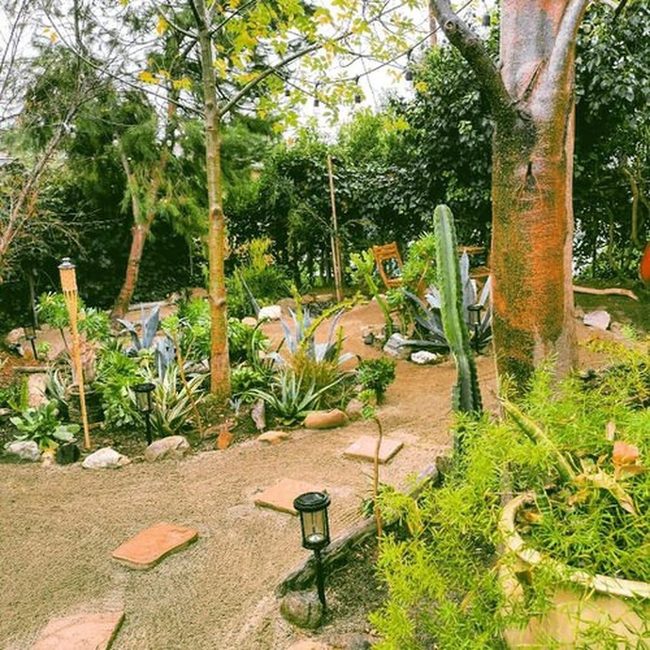
Backyard cacti deserts deliver rugged southwestern flair with minimal effort, and the tall columnar shapes paired with small rounded clusters create visual interest across open spaces while sunlight highlights each plant's unique silhouette and casts dramatic shadows throughout the day.
Large stones and rock arrangements complement the spiky green formations and mimic natural desert terrain, while desert-dwelling succulents create textured scenes that feel like natural rock gardens.
Strategic gravel pathways define landscape zones and improve drainage around these drought-resistant plants, and placing these arrangements near patios or walkways transforms ordinary yards into striking southwestern landscapes.
Since cacti require very little water and maintenance, you spend more time enjoying your outdoor space than working in it, making this approach perfect for busy homeowners who want beautiful scenery without the constant upkeep.
Desert Green Sculpture Islands
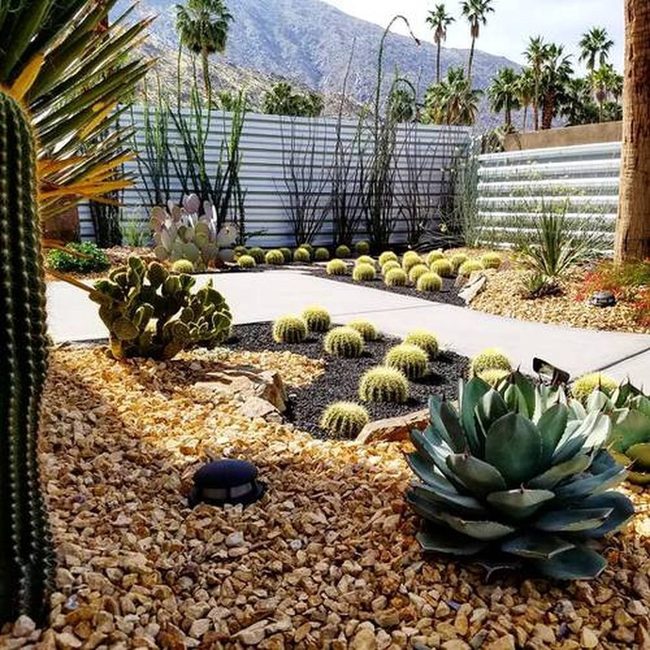
Succulent islands packed with diverse desert plants create stunning visual arrangements that demand barely any work from you, and clustering echeveria, aloe, and sedum together forms compact landscape gems that thrive in hot, dry conditions while needing minimal water.
Small boulders or decorative stones placed around these green sculptural shapes enhance the overall composition and add textural contrast to your garden space.
Strategic placement of these islands near walkways or patios transforms ordinary areas into eye-catching displays that stop people in their tracks.
Drought-resistant varieties keep your garden looking lush and interesting even during scorching summer months, so you get year-round appeal without constant upkeep.
Since these plants need very little maintenance, you'll spend way more time relaxing in your outdoor space than you will pruning or watering.
Water-wise selections mean your garden stays beautiful and interesting while using a fraction of the resources other plantings demand.
Purple To Green Succulent Garden
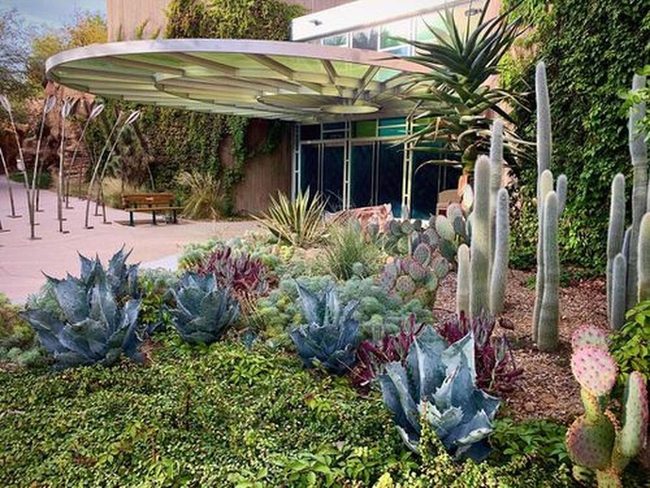
Succulent beds deliver maximum visual drama with their rich color palettes that shift from deep purples to soft greens across your garden space, and rock borders frame these hardy plants to add structural definition while their varied shapes and textures stand out when you position each one with care.
These drought-tolerant plants thrive in extreme temperatures and dry conditions, so water conservation happens naturally without effort on your part.
Mixing different succulent varieties together gives you an eye-catching landscape that balances natural beauty with thoughtful design.
Since these botanical treasures need minimal water to survive, you gain both a low-maintenance garden and a visually striking outdoor area that works well in desert settings or any space where water matters to you.
Glowing Cacti Desert Silhouettes
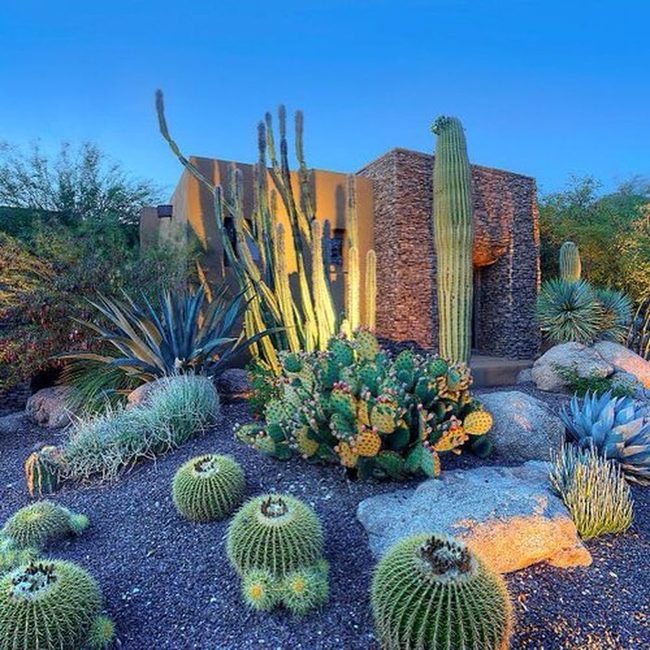
When you light up cacti and desert plants at night, their spiky shapes become bold silhouettes against the dark sky and create a dramatic scene.
Shadows cast by these plants stretch across rocks and soil when you position lights at just the right angles, turning an ordinary yard into something special.
Solar-powered fixtures let you build glowing pathways without the hassle of digging trenches or running expensive wiring, and they work great for marking routes through your garden.
Strategic placement of these lights does double duty by keeping your yard safer while also making evening strolls more enjoyable.
Desert landscapers often recommend this approach because it highlights the unique forms of cacti and other plants without breaking the budget.
Lights positioned low and to the side of plants create interesting shadows that dance across your garden's rocky terrain.
Gravel And Cactus Southwest Xeriscape
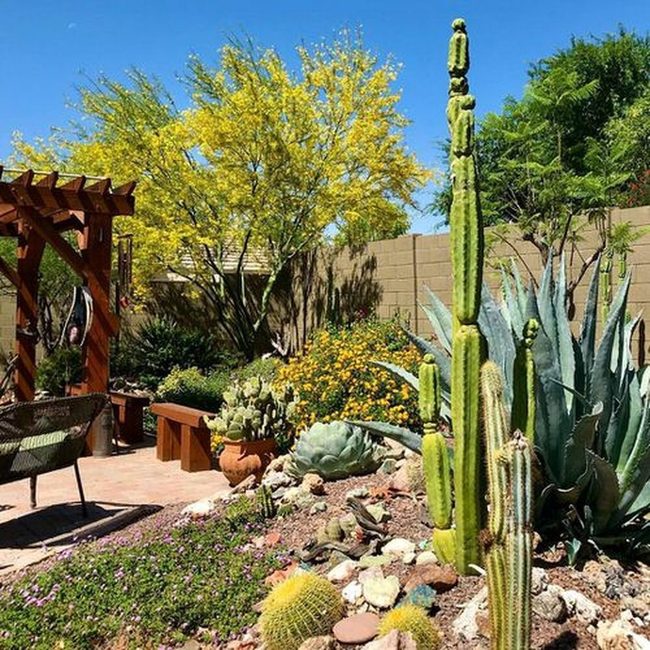
Desert oasis landscaping uses striking rock arrangements and water-wise succulents to build a low-maintenance garden that needs almost no upkeep.
Hardy desert plants cluster around smooth stone pathways and deliver visual drama while keeping costs down, and strategic gravel placement zones different garden areas while cutting water needs significantly.
Native cacti and drought-resistant shrubs fill the landscape with very little effort on your part, and reclaimed materials like wooden pallets or old bricks let you craft unique design elements that add character.
Stone placement breaks up green spaces and brings architectural interest to otherwise plain areas, which we find especially helpful when you want dimension without fussy maintenance.
Minimal irrigation requirements make this approach perfect if you care about conserving water, and the whole setup celebrates southwestern beauty by turning barren spaces into breathtaking xeriscapes.
Desert Spikes And Palm Shadows
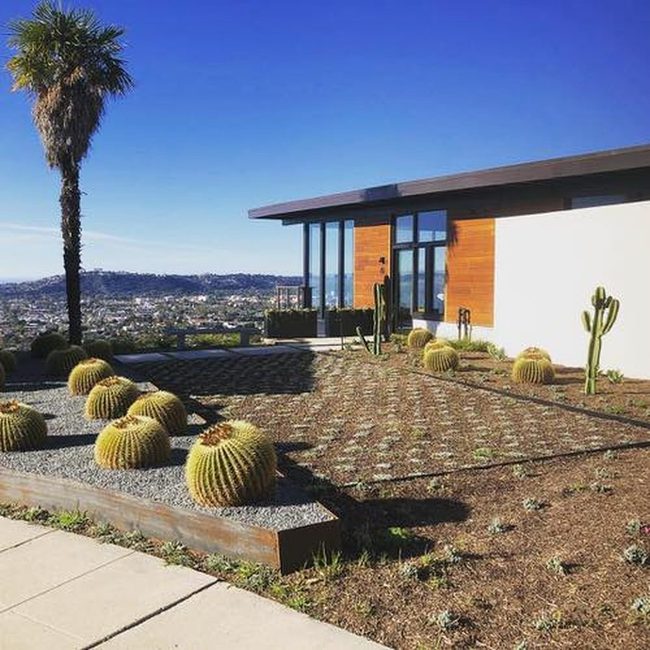
Spiky cactus silhouettes rising against tall palm fronds deliver bold visual drama that transforms even compact side yards into striking outdoor spaces, and the contrast between these distinct plant forms draws immediate attention to neglected areas waiting for a refresh.
Layering different cactus species alongside varied palm heights adds genuine depth and texture to your landscape without requiring complex gardening knowledge or hefty renovation budgets.
Green and gray tones naturally blend together in desert plantings, building a landscape that feels authentic and well-designed without fussy arrangement.
Once established, these drought-resistant plants demand far less water than traditional lawns, meaning you spend more time relaxing in your yard and less time managing irrigation schedules.
Sunlight serves as the primary fuel for cacti and palms, so they thrive with minimal help and continue growing robustly even under intense heat.
Pink Wall Desert Landscape
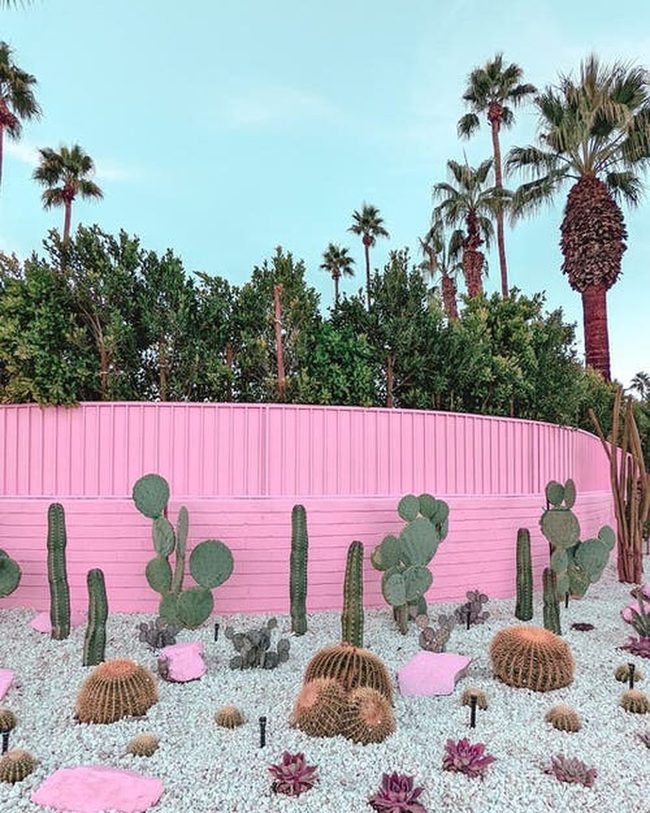
Cactus garden brings explosive energy to your outdoor space with dramatic desert flair, and the magic really comes alive when you place a bold pink wall behind succulent plantings that suddenly become striking statements in themselves.
You can mix small round globes with tall columnar specimens to build interesting shapes and layers, all set against saturated color backgrounds that make the green textures pop with visual life.
Southwestern design principles guide these choices through smart plant positioning and powerful color combinations that feel both natural and striking.
What's wonderful about desert plants is they add architectural depth to your yard without demanding constant care and attention.
Strong cacti species handle tough weather while giving you sculptural forms that work as living art.
Playful landscaping approaches take ordinary backyards and transform them into desert-inspired getaways that feel like an escape.
Color contrasts between the green of your plants and the intensity of your wall create dynamic visual interplay that keeps drawing your eye around the space.
Desert Sculptures In Stone And Green
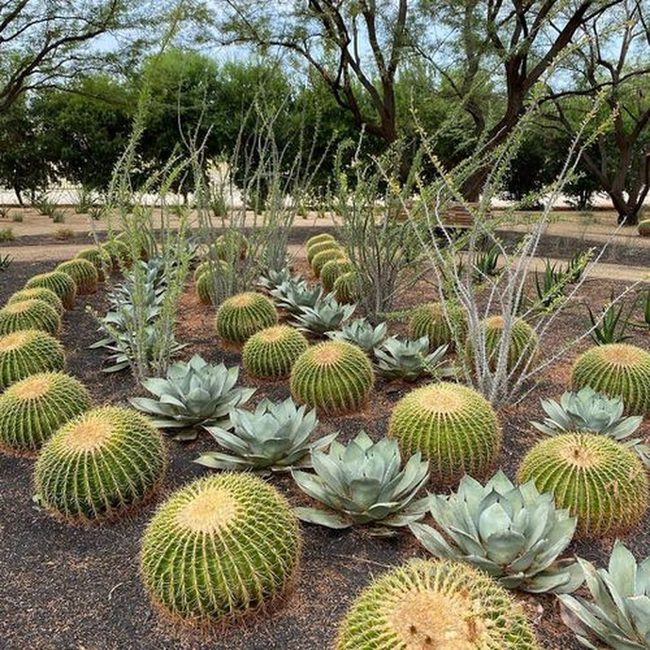
Cactus and agave landscapes transform barren desert spaces into sculptural gardens with striking shapes and textures that demand attention, and these designs work wonderfully in harsh climates where other plants simply cannot survive.
Succulent collections deliver dramatic visual appeal without requiring constant watering, so you spend less time maintaining your garden and more time enjoying it.
Strategically placed cacti function as natural art installations across rocky terrain, while green and blue-gray tones flow together in harmony throughout your space.
Compact plant clusters pack maximum interest into smaller areas and dramatically reduce your water needs at the same time.
Native southwestern designs capture authentic regional charm without demanding much from you in terms of effort or upkeep.
Low-maintenance selection means resilient botanical displays thrive in conditions where traditional gardens would struggle.
Water-wise gardeners appreciate how these hardy plants adapt to desert environments with minimal intervention.
Spiky Green Giants Frame Cool Water
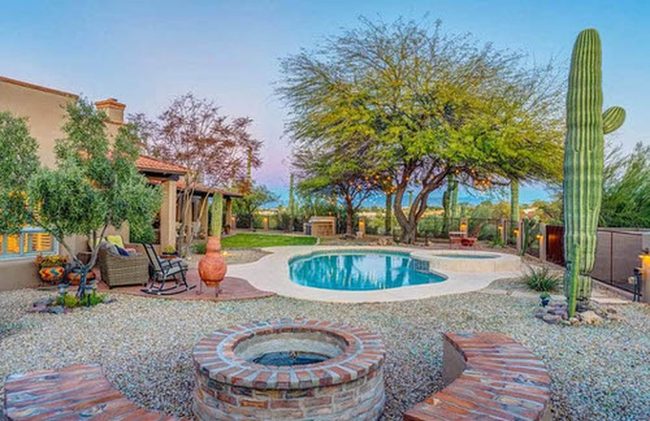
Tall cacti with thick spines standing beside a mini pool create an eye-catching contrast between desert toughness and water's cool appeal, and placing these robust varieties strategically around your pool edges frames the water surface with striking natural drama.
Large green spiky plants bring sculptural dimension to compact outdoor spaces without demanding much care, so you get maximum visual interest from minimal upkeep.
Water and desert plants pair together in an unexpected way that shifts ordinary backyards into exotic retreats, giving pool edges genuine personality through succulent companions you select.
Desert plants thrive on little water, making them ideal if you want a low-maintenance poolside while conserving resources.
Your pool becomes a distinctive retreat rather than a generic outdoor spot, and these architectural plants deliver that transformation with elegance and ease.
Desert Rocks Frame Spiky Green Gardens
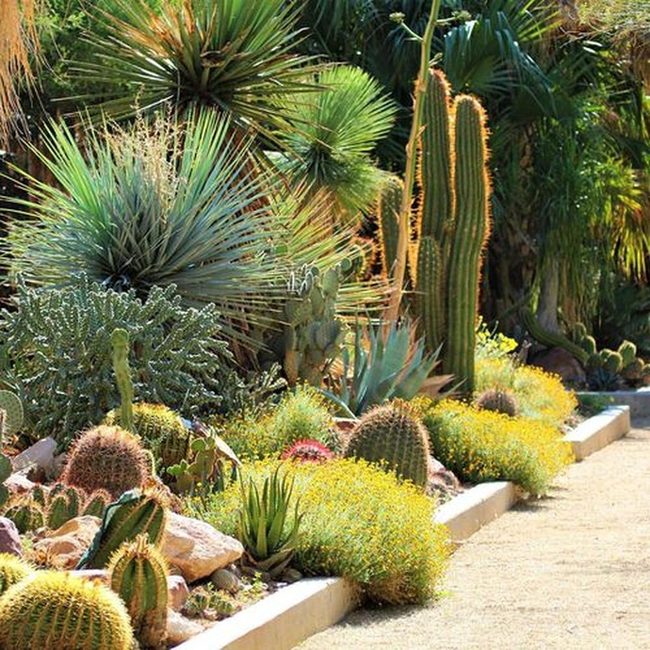
Cactus Valley transforms barren desert yards into thriving gardens by strategically placing desert rocks and boulders throughout the space, creating dramatic anchors that immediately draw attention to your landscape.
Gravel pathways wind between spiky green cacti, establishing natural movement and visual interest as you walk through the garden.
Diverse cactus species add rich texture and depth, turning empty spaces into living art while different heights and shapes keep your eyes engaged across the entire area.
Water conservation becomes effortless since cacti need minimal irrigation and maintenance compared to traditional plants, so you spend less time watering and more time enjoying your outdoor space.
Plant selection focuses on varieties that thrive in harsh desert conditions while still delivering the visual appeal you want, and this thoughtful approach means your garden stays beautiful year-round.
Desert Flowers And Striking Succulents
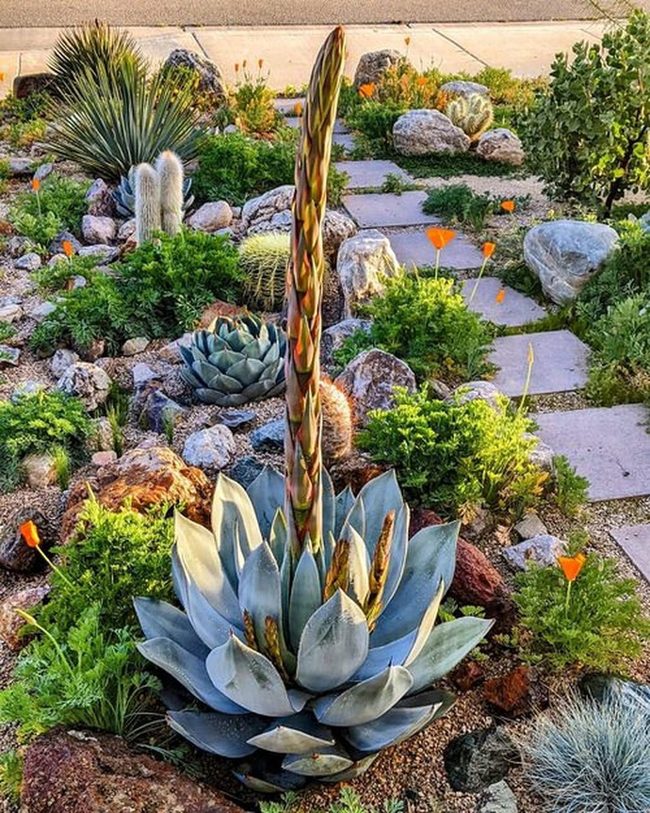
Succulents and cacti stand out dramatically against sandy backgrounds with their striking textures and bold forms, while drought-tolerant flowers like verbena and lantana splash vibrant color across the landscape and keep your garden looking alive even in the driest conditions.
Native desert plants do the heavy lifting for you by thriving with minimal water and needing far less maintenance than traditional gardens, so you get visual interest without constant watering schedules.
Rocks and gravel work alongside your plant choices to echo the natural desert setting and ground the whole design together.
Southwest-inspired gardens lean into warm earth tones and unusual plant shapes that feel right at home in arid regions, and strategic plant selections transform dry spaces into spaces that feel surprisingly lush and full of life.
Water-wise gardening methods keep everything sustainable while still delivering gardens that turn heads, and we find that this approach lets you enjoy a beautiful outdoor space without guilt or exhaustion.
Desert Succulents Meet Poolside Water
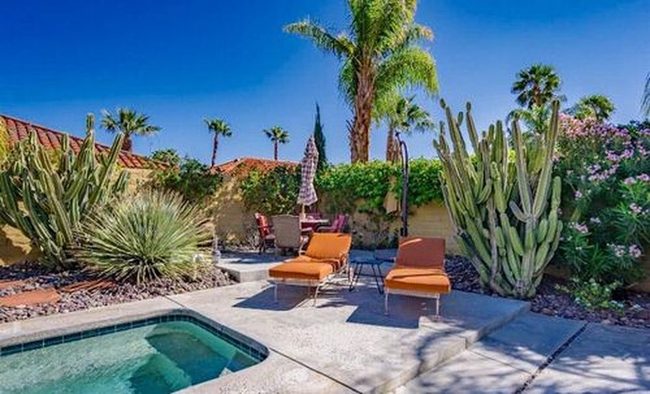
Succulent garden pools bring striking desert landscape charm to your backyard with minimal effort and maximum appeal, especially when you position water elements to perfectly complement the rugged beauty of drought-resistant plants that flourish right alongside your swimming areas.
Strategic placement of these hardy succulents near pool edges adds natural texture and low-maintenance greenery while rock borders help define the space between water and plant zones.
Cool blue water against green plant tones generates stunning visual harmony, and your color selections can enhance the overall design aesthetic even further.
These carefully chosen succulents provide year-round interest without constant gardening work, which makes them perfect if you want a serene backyard retreat that actually stays manageable throughout the seasons.
Rocky Desert Garden Simplicity
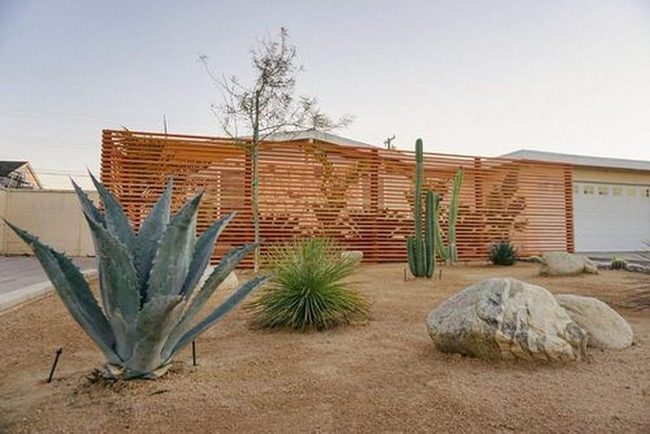
Minimalistic desert landscapes stand out through their striking use of large rocks and boulders that anchor different zones and provide textural contrast against the sandy ground.
Gravel pathways wind through the space, leading you past sparse clusters of succulents and cacti that thrive in hot, dry conditions.
Each plant is positioned with purpose so it gets plenty of sunlight while needing very little water.
Neutral tones of soft browns, gray-whites, and muted greens flow throughout the design and keep everything feeling calm and balanced.
Simple geometric shapes mark out your garden borders and walkways without making the space feel crowded or busy.
Native plants are scattered thoughtfully across the landscape rather than packed densely together.
Low-maintenance xeriscaping guides how you select drought-resistant greenery that fits this style perfectly.
Prickly Pear Purple Blooms Desert
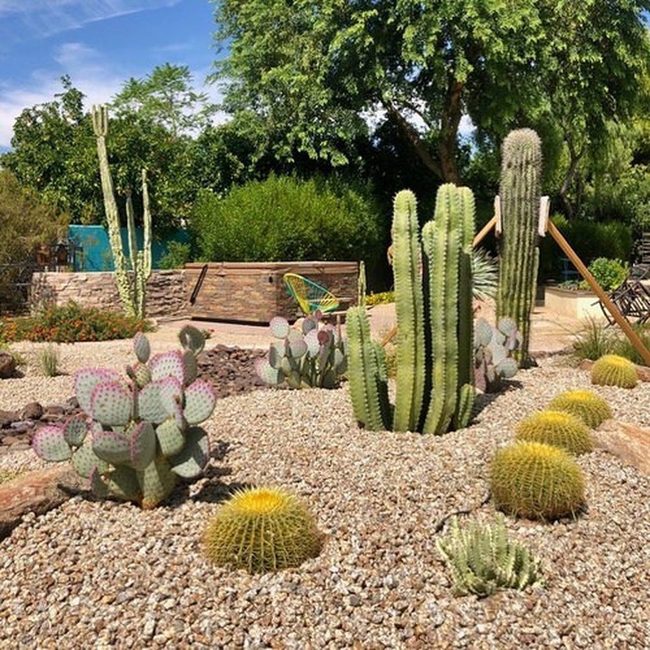
Prickly pear plants bring striking southwestern desert charm to your yard with surprisingly little work, as their hardy nature and sculptural shapes create dramatic visual interest even in the most challenging growing conditions.
Those green pads develop bold, unexpected textures and silhouettes across arid landscapes, and when purple or yellow blossoms pop between the segments, they spark real excitement in your garden design.
Desert gardeners have long relied on these resilient plants as natural anchors because they thrive in rocky soil and intense sunlight without demanding constant watering or expensive upkeep.
You'll find that strategic placement of prickly pears transforms a southwestern landscape into something with genuine character and presence.
Water-wise gardeners especially appreciate how these plants survive in tough environments while keeping costs down.
Growing easily where other plants struggle, prickly pears prove that you don't need fussy specimens or heavy maintenance to achieve a beautiful outdoor space.
Blue-Green Agave Desert Architecture
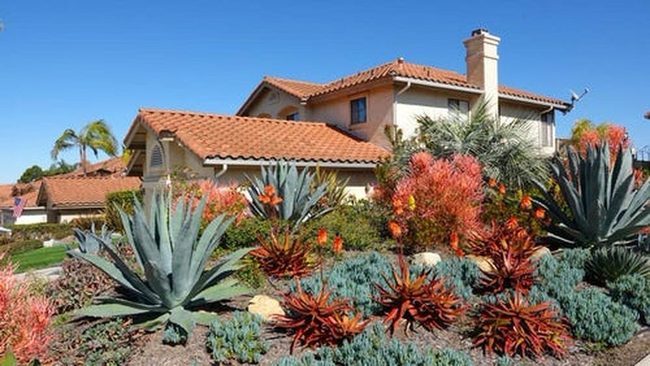
Agave valleys showcase sculptural succulents in bold clusters of blue-green and silvery varieties that dominate desert landscaping with their striking architectural forms across rocky terrain.
Desert gardeners gravitate toward these arrangements because the large and small agave species thrive in harsh conditions while delivering dramatic visual interest without demanding constant attention.
You can position these drought-resistant plants strategically throughout your space to highlight each one's distinctive shape and color, and the natural spacing between clusters reduces watering needs significantly.
Layering different sizes together builds depth across your landscape, and combining varieties with contrasting hues amplifies the overall effect.
Water conservation aligns perfectly with aesthetic appeal in these desert compositions, so you get both practical benefits and stunning garden presence.
Hardy agaves handle extreme temperatures with ease while demanding minimal upkeep.
Desert plant arrangements prove that beautiful landscaping doesn't require intensive maintenance or constant watering schedules.
Fireplace Stone Desert Oasis
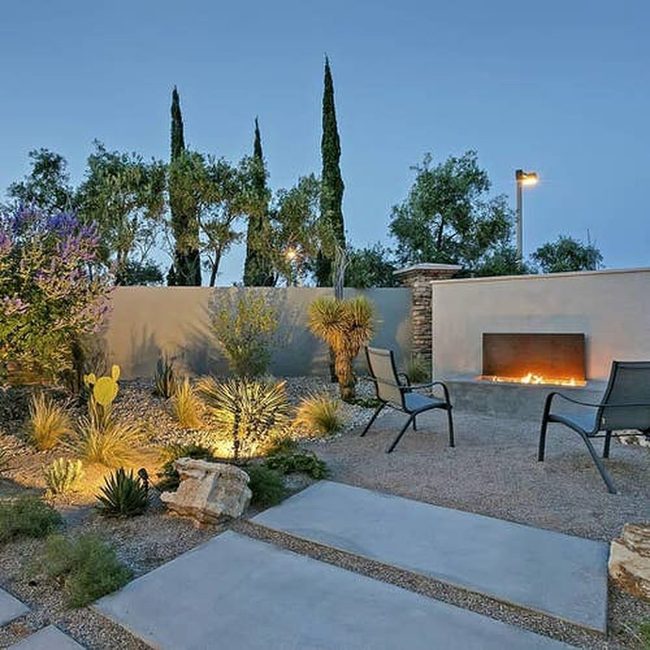
Fireplace in the desert where warm light bounces off stone surfaces and creates dancing shadows across the ground; this is where the real magic of a desert garden starts.
Rustic stones form the backbone of the design and establish a natural gathering spot that feels right at home in arid terrain.
Around this central feature, cacti and drought-tolerant plants frame the structure and soften its hard angles with organic shapes.
Local rocks and gravel spread throughout the space echo the landscape around you and work with the succulents to build layers of natural texture.
Strategic seating areas positioned nearby let you settle in for relaxation and peaceful moments under the open sky.
Since these native desert plants thrive with very little water and maintenance, you get both beauty and practicality in one design.
Sculptural Blue-Green Desert Survivors
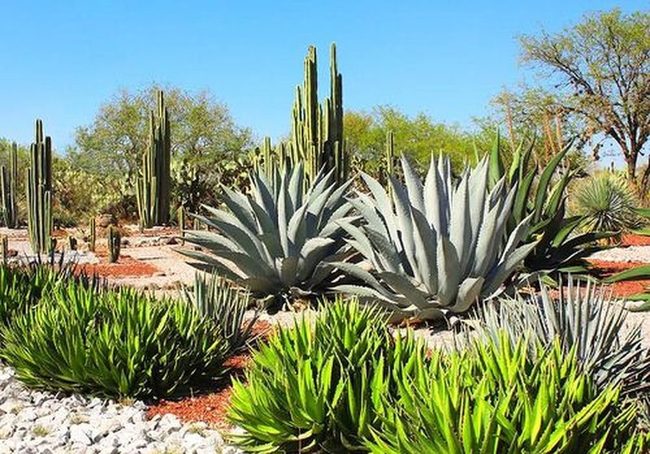
Agave plants bring striking sculptural shapes and geometric silhouettes to desert landscapes with their spiky leaves and compact rosette formations that add real architectural character to any arid space.
You'll find color variations ranging from silvery blue-green to deep emerald, which provides natural diversity without needing extra decorative elements.
These hardy succulents survive extreme temperatures and harsh environments while demanding little water or ongoing care, making them perfect for sustainable landscaping projects.
Landscape designers favor agaves because they deliver such strong structural presence while asking for minimal maintenance throughout the year.
Their incredible drought resistance means you can plant them and let them thrive without constant attention or worry.
Agave families excel in southwestern gardens especially, where they feel right at home in the climate and soil conditions.
Resilient and low-maintenance, these plants are champions for anyone wanting a garden that looks intentional without becoming a second job.
Green Oasis Desert Garden Design
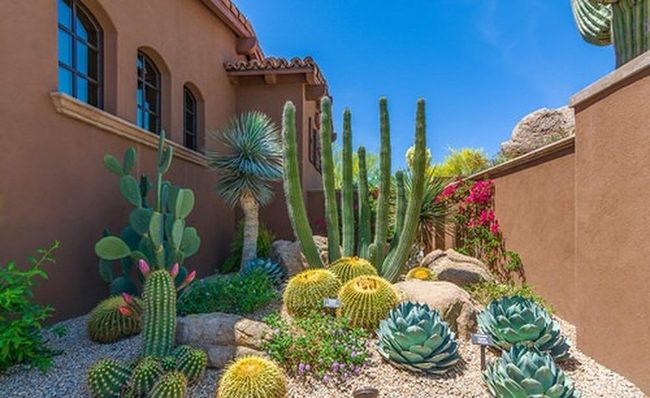
Green desert landscapes deliver bold color and life into dry outdoor spaces when you select plants strategically and design smart layouts, with drought-resistant vegetation thriving in challenging environments without demanding constant water resources and native desert plants like succulents and cacti anchoring the space with minimal maintenance requirements.
Strategic rock placements create natural texture and visual depth across arid terrain, while stone pathways weave through green zones and connect different garden areas together.
Gravel beds provide excellent ground cover and reduce water consumption dramatically, making them practical for hot, dry climates.
Water-wise design principles help you craft beautiful landscapes that survive intense heat and limited rainfall without much fuss.
Low-cost materials and indigenous plant species make this approach both economical and environmentally intelligent, so you get a functional garden that doesn't strain your wallet or local water supplies.
Desert Stone And Wildflower Borders
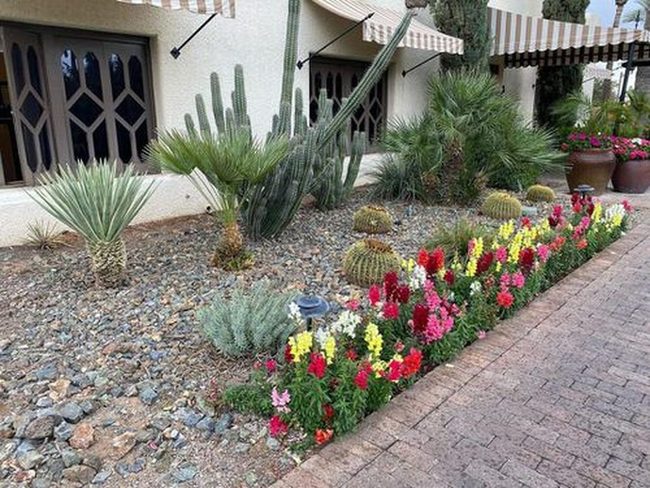
Rock beds paired with flowering borders offer a beautiful way to combine rough stone textures with delicate desert blooms, and this setup works especially well for anyone wanting an effortless landscape solution.
Drought-resistant plants deliver bold color against the smooth rocks, giving you visual drama while keeping water bills low and maintenance minimal.
Colorful flowers wind between the stone surfaces and soften the harsh desert terrain with natural botanical touches that feel refreshing.
Since these plants adapt well to desert conditions, they survive intense heat and still provide striking color contrasts without demanding much from you.
Positioning plants thoughtfully means each one gets the sunlight and drainage it needs to flourish.
Natural stone patterns add both structural support and visual interest throughout the space, keeping everything balanced and appealing.
Water conservation sits at the heart of this design approach, which helps support the health of your local environment.
Stone Pathways Through Garden Beds
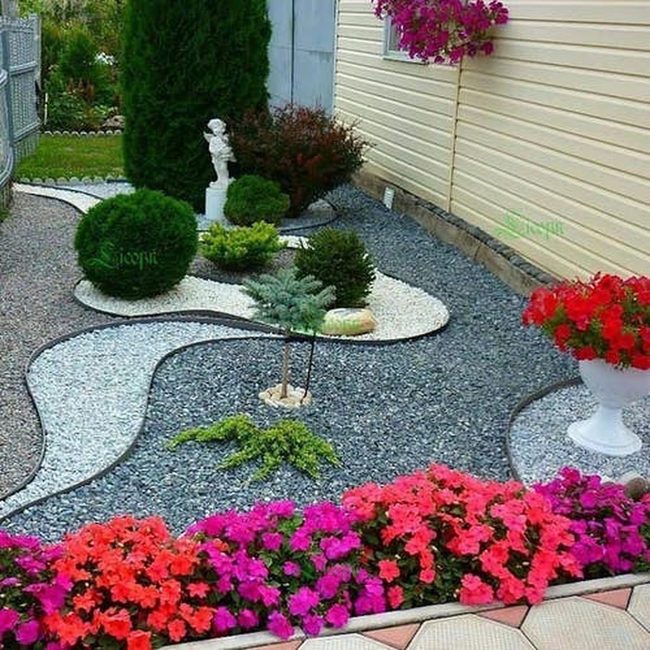
Stone pathways that meander through your garden beds become the first thing people notice when they arrive, and these smooth routes guide everyone naturally from one area to another while rocks placed throughout the space encourage visitors to pause and breathe in the surroundings.
You can add color through flowers that feel soft and understated rather than bold or overwhelming, and choosing plants native to your region means less work on your part and better support for local wildlife.
Curved lines in your layout rather than straight edges help the whole space feel more relaxed, and when you select plants that suit your climate, you're building something that stays beautiful without demanding constant upkeep.
Everything connects together through simple, honest design choices that don't try too hard to impress but instead focus on making your yard a place where you actually want to sit quietly and enjoy the day.
Golden Sand And Stone Desert Yard
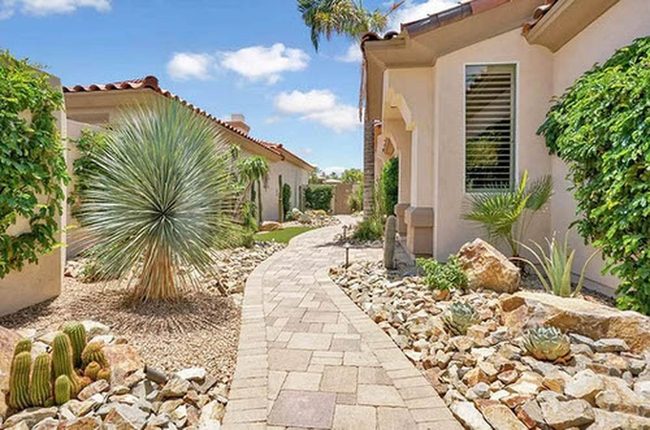
Desert backyard landscapes with their golden sands and dramatic rock formations give you that instant sense of calm, and xeriscaping brings everything together by mixing stone pathways and gravel areas to highlight southwestern character.
Drought-resistant succulents and cacti stand out beautifully against sandy ground, while strategically placed rocks add visual depth without cramping your space.
Native desert plants like agave and yucca handle the harsh conditions and need almost no upkeep, so you get greenery without the fuss.
Comfortable seating areas tucked under shade structures give you spots to relax during those hot afternoons.
When evening comes, landscape lighting shifts the whole mood and turns your outdoor space into a peaceful desert getaway.
These smart design choices work well for transforming even tiny outdoor areas into personal sanctuaries where you can escape and recharge.
Striking Cacti And Succulent Garden
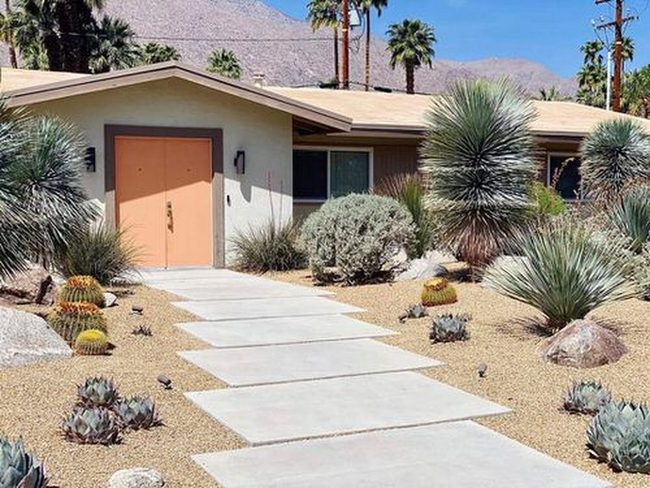
Cacti and succulents transform bare spaces into living art with their wild shapes and sizes, and mixing different species gives you endless texture and color that stops people in their tracks.
You'll find these desert plants thrive in rocky or sandy terrain where most other plants struggle, making them perfect for tough growing conditions.
Water-wise gardeners embrace them because they need almost no care and still look amazing all year long.
Strategic placement of these resilient plants helps you build visual interest across difficult landscapes without much effort.
Small investments in these remarkable selections yield dramatic results, and xeriscaping becomes surprisingly simple and beautiful when you rely on them.
Desert-friendly plants survive with minimal attention and adapt to nearly any situation you throw at them.
Tall Cacti Desert Stone Garden
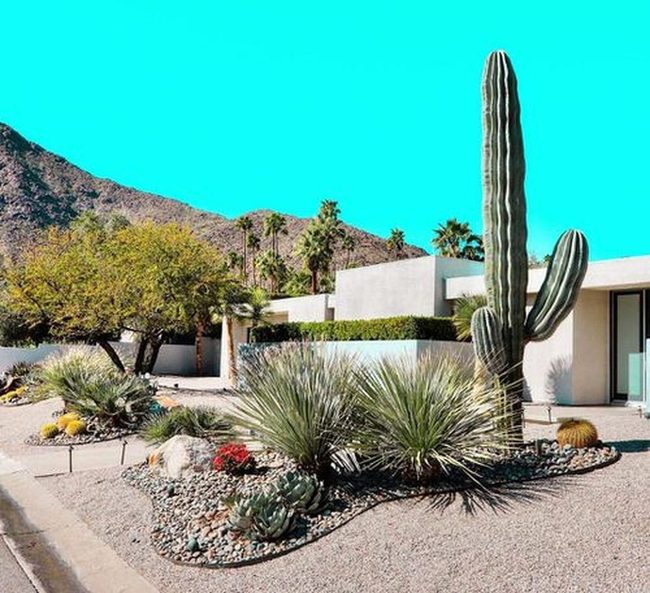
Tall cacti with dramatic vertical forms and spiky silhouettes stand out as the main attraction in desert landscape designs, especially when paired with yucca plants that create striking height contrasts and interesting texture variations across rocky terrain.
Natural stone pathways wind through the garden and serve double duty by improving drainage while adding rustic charm to the space.
Rock mulch spread around each plant's base does two important things: it cuts down on water loss from the soil and helps prevent erosion during storms.
You'll find that spacing plants far enough apart gives them room to thrive and prevents competition for water and nutrients in the dry climate.
Low maintenance is one of the biggest benefits of this style since you don't need to fuss over your garden constantly.
Water-wise plant selections mean your desert garden survives scorching heat and cold snaps without demanding extra care from you.
Desert Garden Low Maintenance Beauty
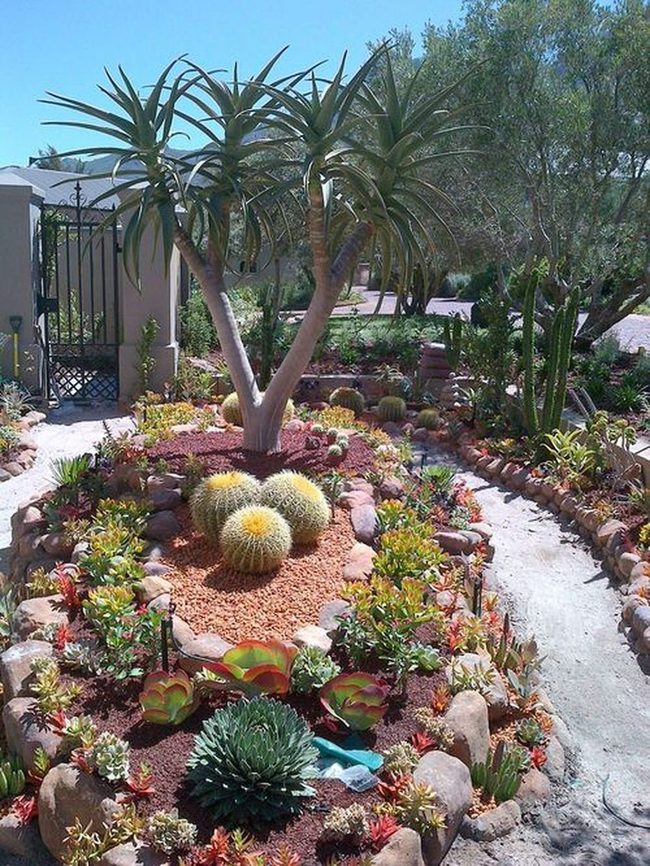
Succulents and cacti create remarkable desert gardens where diverse plant shapes and sizes transform bland yards into dynamic landscapes that catch everyone's attention, and the water-wise approach means you save money while establishing something beautiful in your outdoor space.
Different sized plants arranged strategically produce eye-catching arrangements without demanding expensive investments, and mixing rocky terrain with green varieties brings authentic desert charm to any setting.
Rock and gravel placement between plants provides excellent ground coverage and enhances the natural appearance of your garden.
Best of all, these drought-resistant plants survive extreme temperatures with minimal care, making them perfect for busy homeowners who want an outdoor space that looks great without constant upkeep.
It is easy to see how little water these gardens need since they thrive on neglect, which also keeps your water bills down and reduces the effort required to maintain your landscape.
Geometric Succulents Near Seating
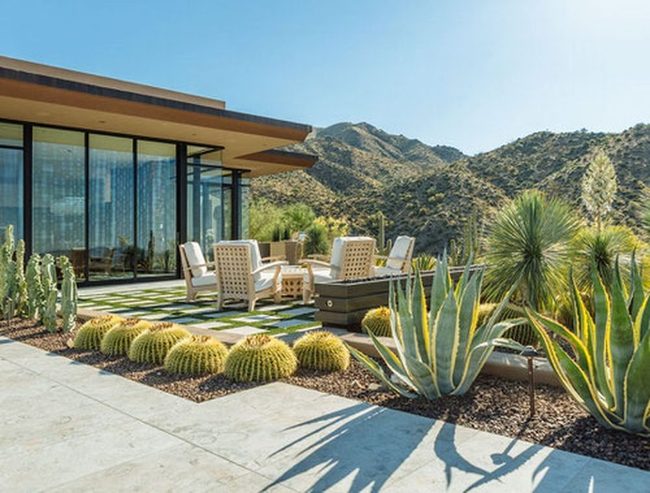
Succulent arrangements transform outdoor spaces with bold geometric shapes and compact rosettes that command attention in desert gardens, and their striking forms create immediate visual interest around seating areas without requiring much effort to maintain.
Since they need very little water, succulents fit perfectly into dry climates and let you skip constant watering schedules.
Budget-friendly design happens naturally when you choose these plants because they cost less and still deliver major style returns on your investment.
Landscape designers rely on succulents for their textured appearance and durability, knowing these hardy plants keep looking good season after season.
Grouping them strategically around your seating spots brings structure and personality to outdoor areas without demanding constant attention.
Spiky Desert Sculptures Need Zero Maintenance
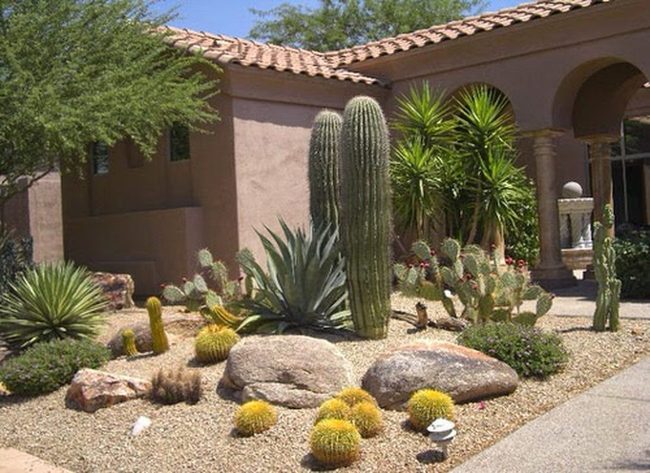
Cacti bring bold architectural presence to your outdoor spaces with their striking spiky forms and dramatic shapes that stand out against any landscape.
Desert plants handle tough conditions beautifully and need very little maintenance once established, so you get lasting visual appeal without constant work.
When you group different cactus varieties together strategically, they complement one another and create interesting textural contrasts across your garden.
Mix sizes from small specimens to tall varieties and you'll develop dynamic compositions that feel natural and effortless.
Southwestern design really shines through when you arrange these plants thoughtfully to make the most of their sculptural qualities.
Dry landscapes transform into green sanctuaries when cacti take center stage, turning what might seem like barren space into a living gallery.
The beauty is that cacti demand so little attention while delivering so much visual interest, making them perfect if you want gardens that look impressive but remain easy to manage.
Compact Cacti And Palms Desert
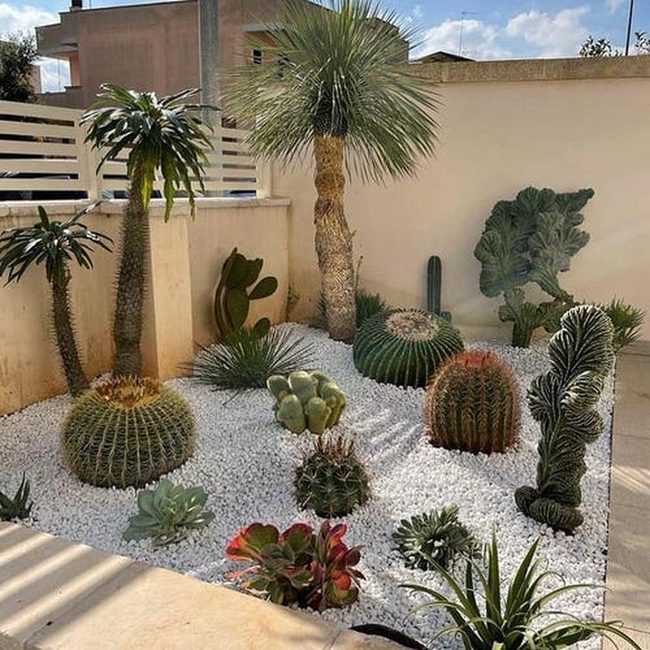
Mini desert garden with palms and cacti makes a striking southwestern sanctuary that thrives in dry conditions and stands out as a bold landscape choice.
You can enjoy desert charm in a compact space without spending hours on maintenance, and sparse plantings conserve water while letting each plant's unique shape shine.
Strategic rock placements add natural texture and depth to your miniature ecosystem, while stone mulch finishes off the authentic desert look with almost no effort needed.
Neutral colors emphasize the geometric shapes of your plants and keep visual clutter to a minimum.
Small outdoor areas transform into dramatic retreats simply through choosing the right botanical elements.
Carefully selected cacti and palm varieties provide sculptural silhouettes that look striking against simple ground covers.
This straightforward approach to desert landscaping proves that you don't need busy designs or high-maintenance plants to build something beautiful and functional in tight quarters.
Sculptural Succulents And Stone Pathways
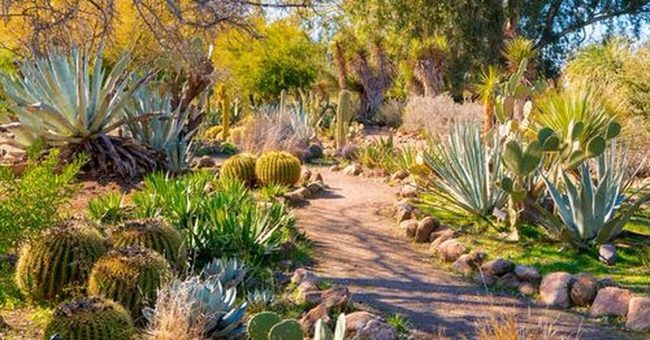
Succulent plants with their striking sculptural forms become living art pieces throughout your garden space and bring an undeniable three-dimensional quality to the landscape.
Rocks and gravel spread across the ground replace typical grass and offer visual texture along with low maintenance benefits.
Stone pathways wind between the greenery and guide you naturally through the outdoor area.
Native desert plants populate the design and form a lush green tapestry even across arid terrain while also strengthening the local ecosystem and drawing in wildlife.
Strategic selections of drought-resistant species mean you get a beautiful landscape without demanding constant watering or heavy upkeep.
We can blend water-wise elegance with the survival strategies that plants need in desert regions and still end up with vibrant outdoor living spaces.
This approach works well for arid climates because it respects the environment while giving you a garden that truly shines.
Low-Water Desert Ground Coverage
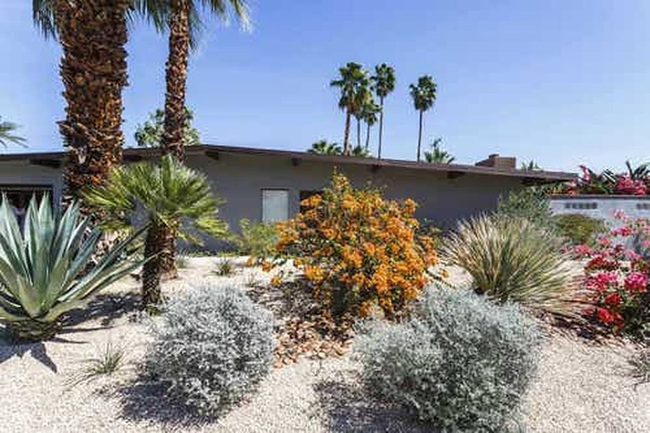
Groundcover plants spread across dry desert landscapes like a living blanket, establishing dense protective layers that prevent soil erosion while transforming barren spaces into green scenes.
Resilient species survive extreme temperatures and minimal water conditions, making them perfect for challenging terrain where other plants struggle.
Native desert plants such as sedum, ice plant, and trailing lantana grow exceptionally well in these environments and handle harsh conditions without fuss.
Strategic plant selections help reduce your water consumption significantly while adding rich texture to outdoor spaces.
Compact growth patterns mean you spend less time maintaining your garden and more time enjoying it.
Mixing different groundcover species with complementary growth habits gives you depth and visual interest across your landscape.
Low-Water Desert Groundcovers Green
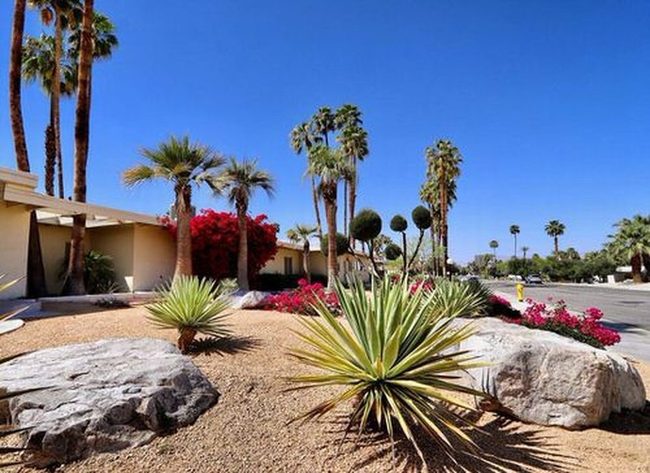
Desert groundcovers bring raw natural beauty to your outdoor spaces when you select plants that demand minimal water and thrive in harsh sunlight.
Succulents paired with native grasses create interesting layers of texture across the ground, and both types need very little care once established.
Rocky terrain transforms into lush green areas when you position plants strategically to work with the landscape rather than against it.
Low-water plants like Mediterranean and southwestern varieties build strong root systems and handle intense heat without complaint.
Mixing different groundcover species together gives you more visual interest and helps support a healthier ecosystem in tough conditions.
You'll find that drought-resistant options reduce your water bills significantly while still covering the soil with rich green growth.
Desert landscaping works best when you combine several plant types based on how they grow and what they need to survive.
This approach to groundcover selection balances beauty with practicality in environments where water is scarce.
Agave And Stone Desert Garden
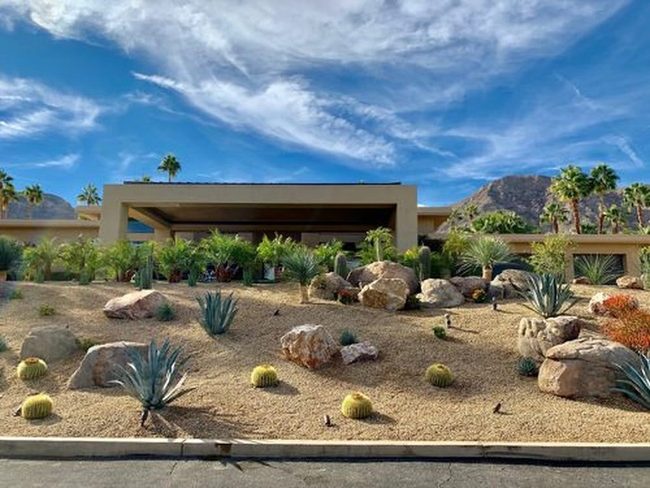
Modern desertscape gardens deliver incredible water-saving benefits while looking absolutely striking, and you get the drama of tall agave plants with their sharp geometric shapes standing out boldly against sandy ground.
Boulders placed throughout the space add natural texture and break up what could otherwise feel flat and empty.
Between the rocks, succulents settle in with soft green and gray tones that balance the desert colors beautifully.
When you plan your plantings this way, you're also cutting down on water needs without sacrificing how good everything looks.
Native rocks anchor the whole design and give you the structure and weight the landscape needs to feel grounded.
Plants that are built for desert conditions do their best with almost no extra care from you, which means your garden stays healthy year after year.
Arranging everything with purpose turns an empty space into a refined outdoor spot that works hard and looks great at the same time.
Compact Green Lawn Water Saver
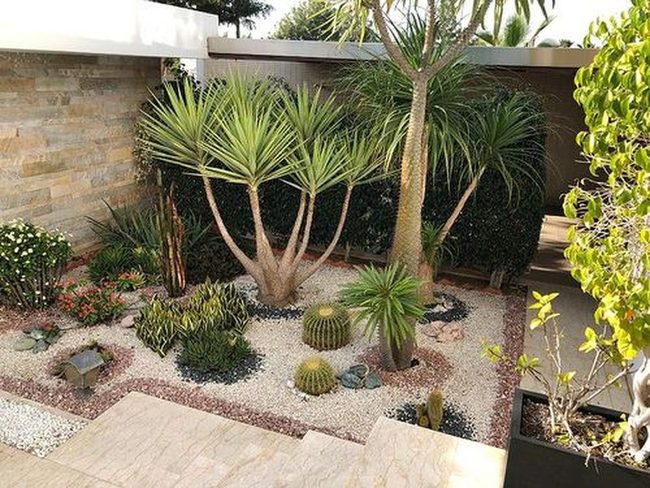
Mini green lawn gives you a sustainable way to enjoy lush grass without wasting water, and compact designs let homeowners have that refreshing green area without needing excessive irrigation.
Drought-resistant grass varieties do great in dry climates and use very little water, so you can maintain healthy turf even in arid regions.
Placing your small lawn near rock gardens or native plant borders adds visual variety and cuts down on how much upkeep you'll need to do.
Small lawn sections work well in desert landscapes by bringing a cool green contrast to the surrounding dry environment.
Low-maintenance grass options mean you can have your green space and enjoy it without spending all your time maintaining it.
By picking the right grass types for your climate and water situation, you maximize what limited resources you have while keeping your yard looking good.
Strategic plant selection around your lawn area helps you balance both beauty and conservation in a way that actually makes sense for desert living.
Olivia Martinez
Founder & Principal Designer
Expertise
Sustainable Interior Design, Residential and Commercial Space Planning, Historic Preservation and Adaptive Reuse, Custom Furniture Design, Project Management
Education
Parsons School of Design, New York, NY
LEED Accredited Professional (LEED AP)
Olivia Martinez is the founder of Archi Refresh, where she brings style and sustainability together. With a degree from Parsons School of Design and a LEED certification, she’s all about creating beautiful, eco-friendly spaces.
With over eight years in the industry, Olivia has designed everything from cozy homes to commercial spaces, always putting function and sustainability first. She loves working with local artisans and has been featured in design publications for her fresh take on green living.
When she’s not designing, Olivia enjoys exploring historic architecture, painting, and spending time with her rescue dogs, Luna and Max.