
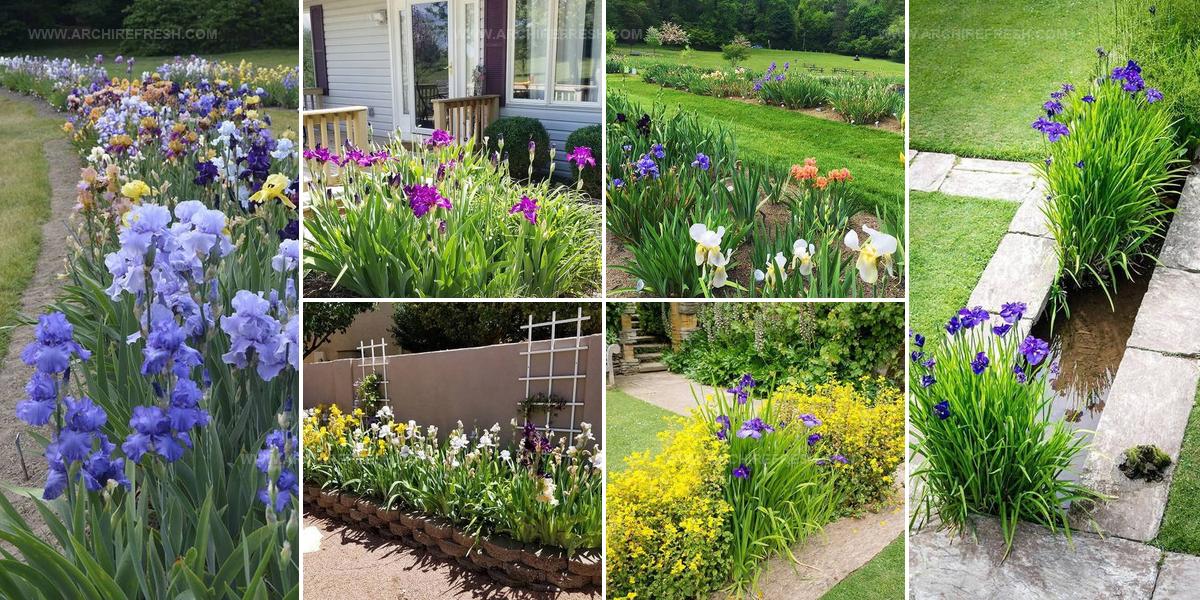
24 Elegant Iris Arrangement Ideas That Bloom Beautifully
Graceful iris arrangement ideas help anyone design stunning floral displays that brighten living spaces.
These elegant blooms come in gorgeous colors and shapes, making them perfect for countless design approaches.
Whether working with fresh-cut stems or planning long-lasting presentations, understanding basic principles makes all the difference.
The distinctive petals and tall stems offer unique visual appeal compared to many common flowers.
Simple techniques can elevate ordinary vases into impressive focal points.
Learning practical methods gives confidence when combining colors, heights, and textures together.
Get excited about creating beautiful compositions that reflect personal style!
Purple Iris Gateway
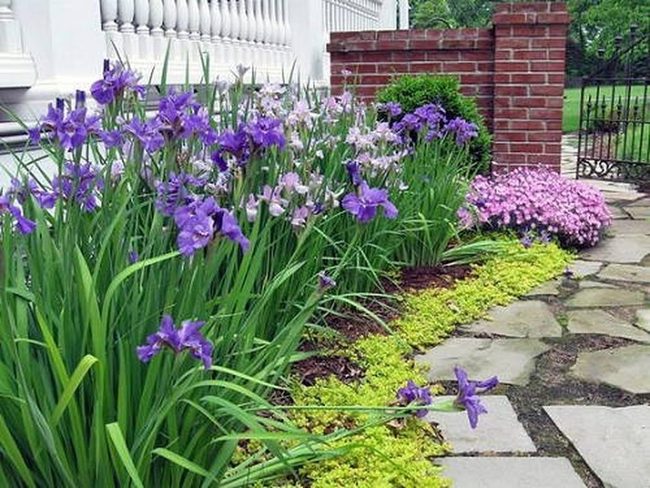
Iris blooms in purple, white, and blue varieties line your porch edges with graceful petals and layered colors that immediately catch attention, and strategic planting ensures these classic perennials flower continuously from spring through early summer.
Clusters of irises near your home foundation provide striking landscape definition and dense, structured greenery as mature plants spread naturally over time.
When you space them properly, each iris showcases its unique flower shape and delicate form without crowding its neighbors.
Spring sunlight hits the intricate details of these blooms and brings out their sophisticated beauty throughout the season.
Growing irises gives you reliable color year after year, and they fill garden spaces with the garden structure you want without demanding complicated care routines.
Blue Iris Among Evergreen Shrubs
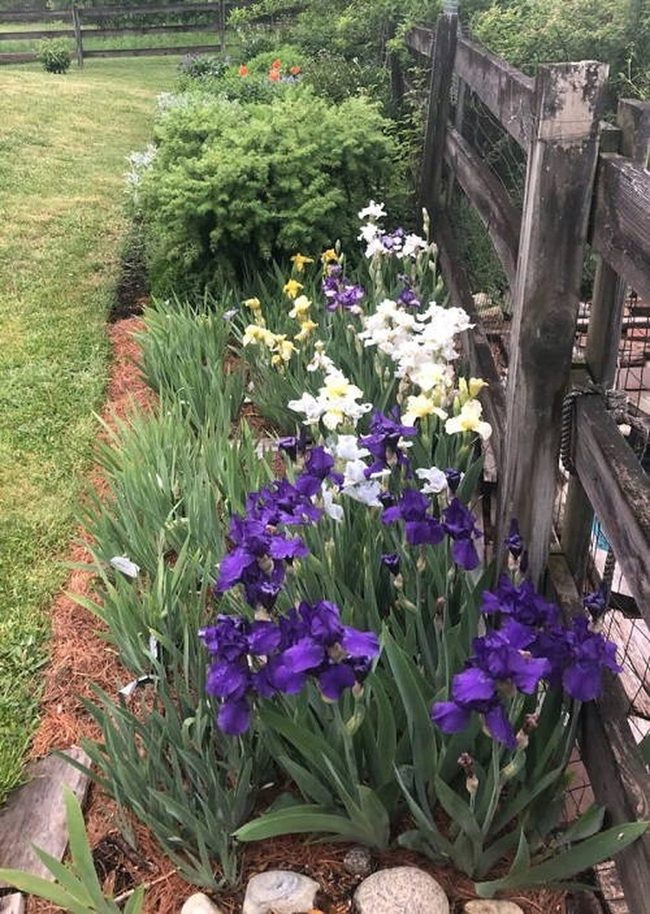
Iris flowers in shades of cool blue and purple create striking visual drama when planted against dark green evergreen shrubs and dense foliage that allows their delicate blooms to peek through.
Compact shrubs do more than just look good alongside these flowers; they provide structural support for the iris stems and protect tender roots from harsh weather throughout the year.
You can arrange these plants strategically so the garden stays interesting across all seasons, with shrub textures and shapes filling gaps when flowers aren't in bloom.
Rich green landscape textures from leafy plants balance out the bold iris colors, and this combination transforms what might be an ordinary garden space into something much more dynamic.
The way these two elements work side by side means you get both visual interest and practical benefits.
Pairing delicate iris blooms with sturdy shrub beds gives you a garden design that handles different weather while looking beautiful at the same time.
Purple Iris Frames Gray Stone Path
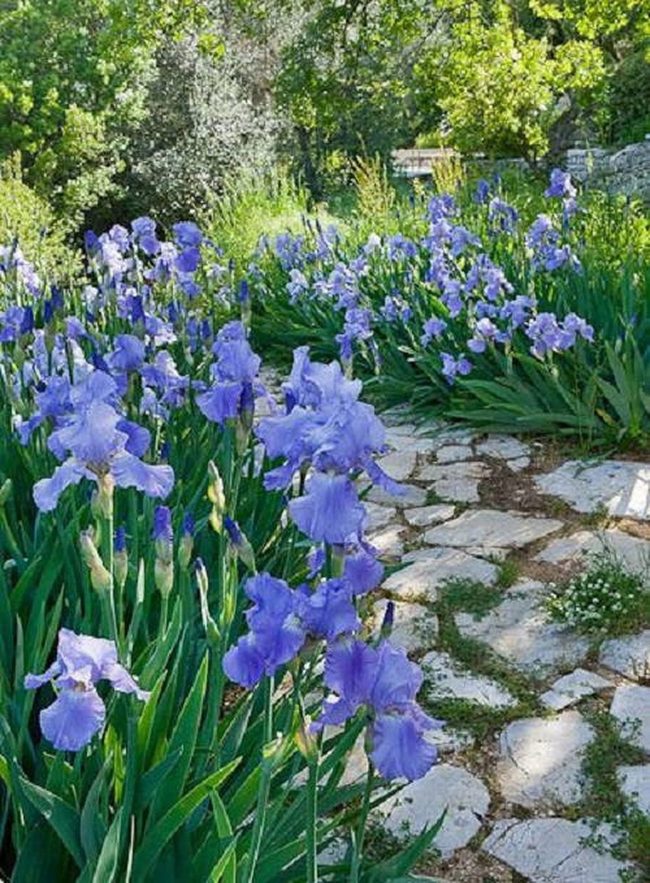
Stone pathways cutting through your garden create an immediate sense of structure and visual interest, with smooth gray surfaces forming stark lines that guide the eye through your outdoor space.
Rich purple and blue iris petals offer a striking contrast against these hard stone surfaces, and their delicate blooms soften the landscape with gentle color waves.
Placing irises along the pathway edges adds definition to your garden layout and frames the walking route with natural beauty.
Garden designers appreciate this pairing because it balances the rugged texture of stone with the softness of flowers, giving your space both strength and grace.
When visitors walk through your garden, they experience how the sturdy pathway and fragile flower petals work in balance with each other.
Both elements have staying power too; stone endures for years while iris returns season after season.
You'll find this combination offers timeless appeal without feeling overdone, and it requires minimal effort to maintain once established.
Iris Blooms Against Clipped Green Borders
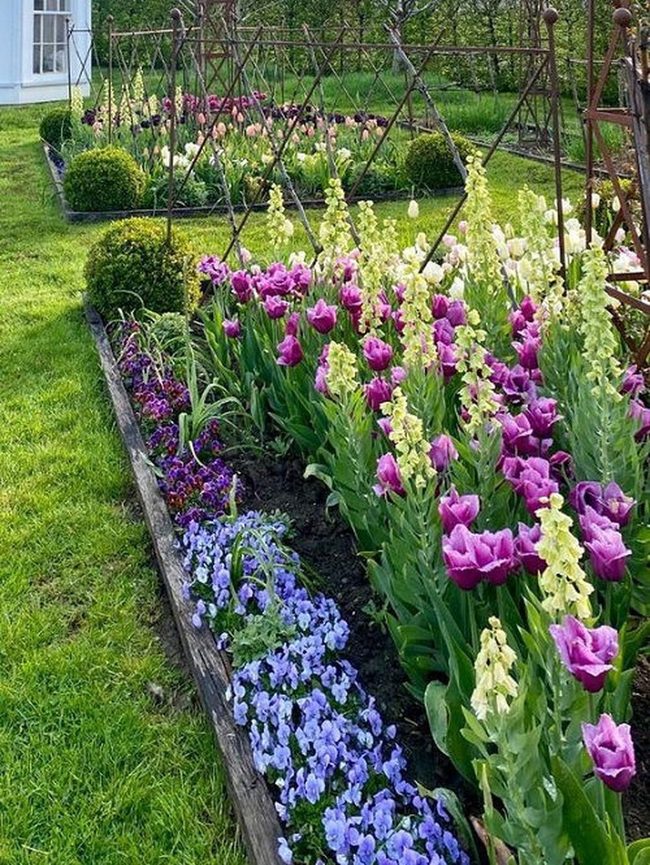
Garden beds bordered by hedges turn irises into living sculptures that command attention, and boxwoods frame those delicate blooms with neat green lines that make them stand out even more.
You can use strategic landscaping to carve your yard into separate botanical spaces, each one distinct and purposeful.
Tall iris varieties work beautifully when you pair them with lower hedge lines, and this height difference adds balance and depth to the whole scene.
Wooden trellises climb upward and support larger iris types, bringing more layers to what you see when you glance around the garden.
Smart plant placement shifts an ordinary yard into something that looks professionally designed, while picking iris colors and hedge textures that complement each other enriches your outdoor space in ways that feel natural rather than forced.
When you step back and look at the whole picture, irises pop against trimmed boxwood edges and create real visual interest that draws your eye across the landscape.
Purple Iris Against Golden Foliage
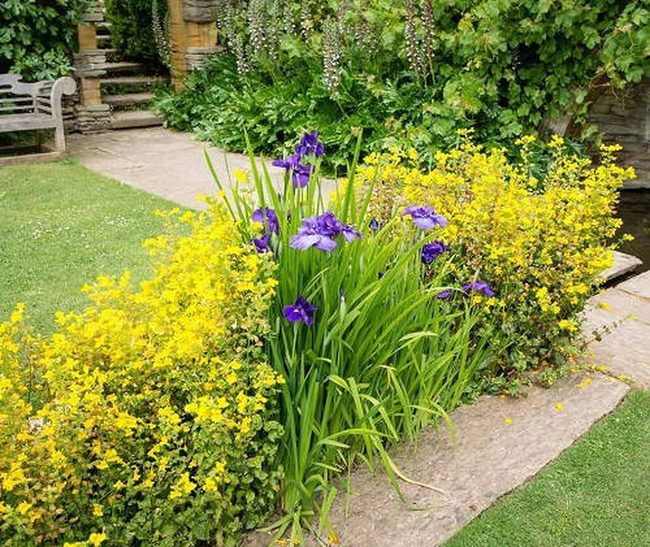
Purple iris blooms paired with creeping jenny create an arresting display of dramatic color contrast, where deep purple petals stand out vividly against cheerful yellow-green foliage and the dark tones highlight the soft golden groundcover with remarkable intensity.
You'll find these compact arrangements work beautifully in small spaces like rock gardens or along border edges, making them perfect if you're working with limited room.
Planting these combinations near walkways lets you maximize the visual effect and establish natural color transitions throughout your landscape.
Mixed plantings like this one encourage movement across the space and add textural layers to your garden design.
When you place iris and creeping jenny together, the contrast becomes so strong that it draws attention naturally and keeps the eye moving.
Purple Iris Garden With Stone Borders
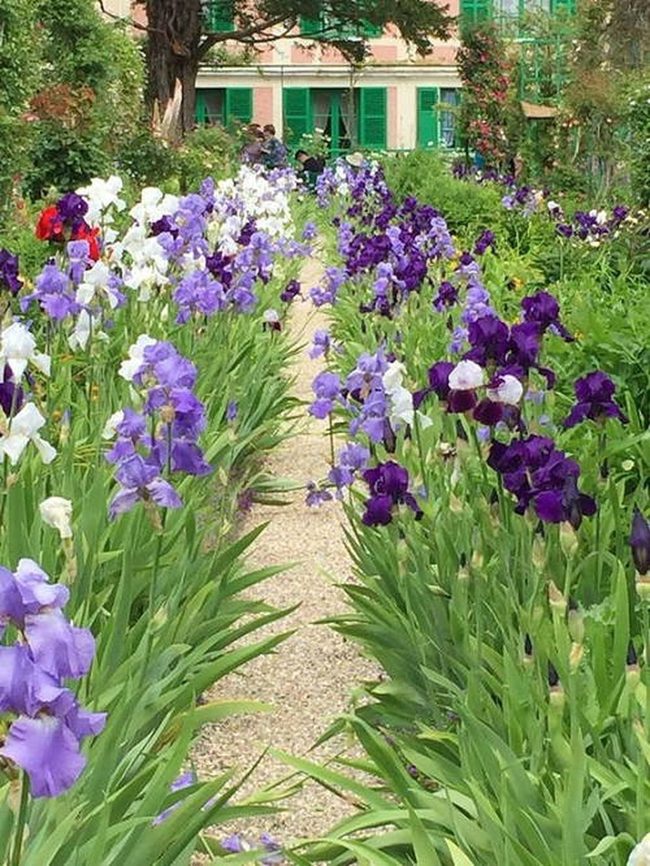
Gravel beds and rock-lined borders work brilliantly for iris gardens, providing drainage while adding texture and defining different sections of your space.
You'll want to plant iris clusters in strategic spots; near walkways, along fence lines, or anywhere they can show off their dramatic purple and blue blooms to best effect.
Skilled gardeners know that placement matters because it creates depth and keeps the eye moving across your outdoor area.
Maintaining these perennials is straightforward, with occasional pruning and mulching keeping them healthy year after year.
Soil erosion stops when you have those rock borders in place, protecting your investment long-term.
Many homeowners discover that adding an iris garden transforms an ordinary backyard into something that feels like a botanical showcase, and the payoff is worth the modest effort required.
Purple Iris Beds Frame Entryways
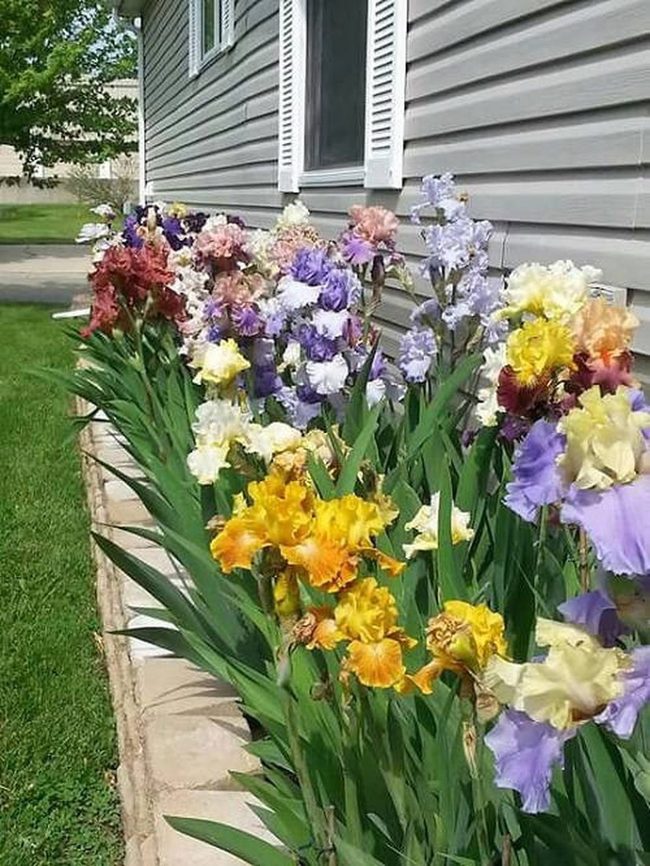
Large iris beds make striking garden features that bring bold color and structure right to your home's entrance, and colorful varieties create eye-catching borders along exterior walls that draw attention immediately.
These perennial flowers produce graceful sword-like leaves and delicate blooming spikes that add elegant movement to any landscape.
You'll find that placing iris beds near architectural elements like entryways and walkways makes the most of their visual presence and guides visitors through your outdoor space.
Multiple iris colors work beautifully together in a dynamic landscape design, so selecting rich purple, deep blue, and soft lavender cultivars for long, linear arrangements gives you that engaging look throughout the seasons.
Spacing your irises properly and planting them strategically helps them stay healthy while maximizing how stunning they appear in your garden.
Homeowners appreciate how these flowers provide continuous visual interest as they move through different stages, blooming and changing with each season.
Purple Iris Raised Garden Beds
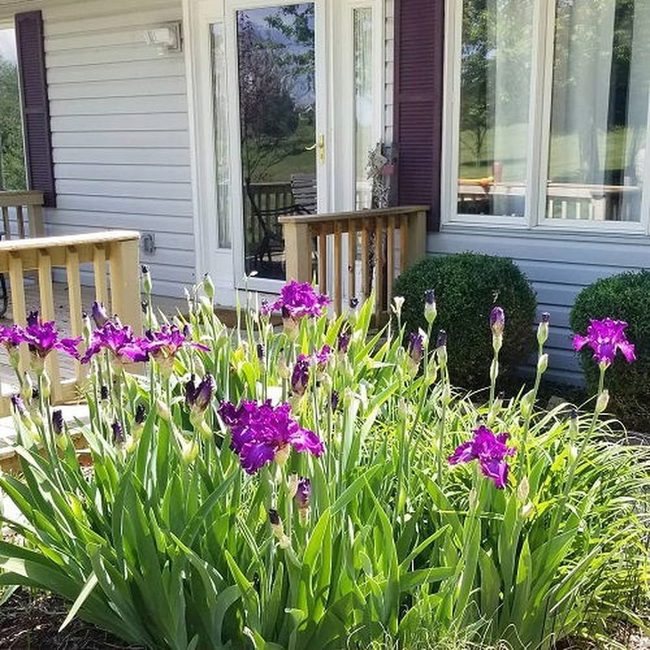
Iris blooms make your deck come alive with rich purple and blue petals that stand out beautifully against wooden borders and neutral backgrounds.
Raised garden beds work wonderfully for showcasing these flowers in structured arrangements that catch the eye from across your patio.
Wooden deck edges frame the iris displays and create striking visual contrasts that give your outdoor space real character.
You can position these beds near your seating area so you can also enjoy the delicate flower clusters from up close whenever you relax outside.
Even if your deck is small, compact beds let you add lush greenery without overwhelming the space.
Mounting the beds slightly above deck level adds nice architectural interest and dimension to your outdoor living area.
Drainage-friendly containers keep your plants healthy and prevent water from pooling and damaging your deck.
This approach transforms your patio into a welcoming outdoor retreat where natural beauty and smart design work hand in hand.
Stone-Bordered Iris Garden Beds
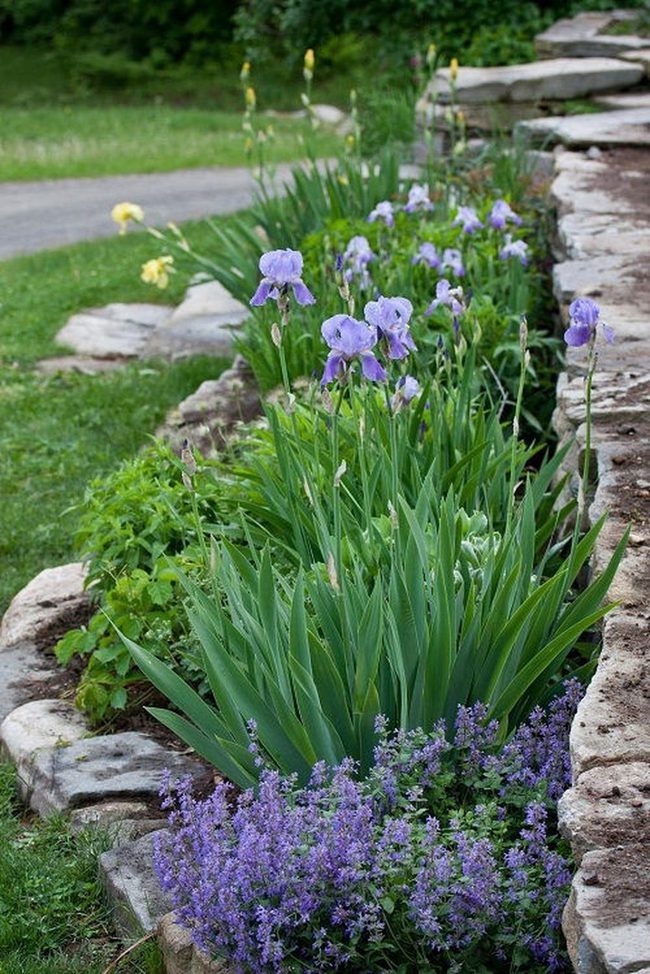
Large stones with flat surfaces create clean, structured lines that frame your iris beds and make the garden pathways stand out with bold rock borders highlighting those delicate blooms.
Strategic placement of these medium to large rocks defines your garden edges and establishes a natural framework that brings visual interest to the space.
Between the stone borders, dwarf catmint fills in with soft green texture that complements the irises beautifully.
What many people don't realize is that rock edges do more than look good; they control soil moisture and prevent erosion along your pathways.
Careful stone positioning around the iris roots improves drainage and supports healthier plants.
You can also select stones in different colors to dramatically boost your landscape's overall appeal.
Medium-sized rocks work well for creating that polished look while still keeping the design practical and functional.
Purple Irises Line Pebble Pathways
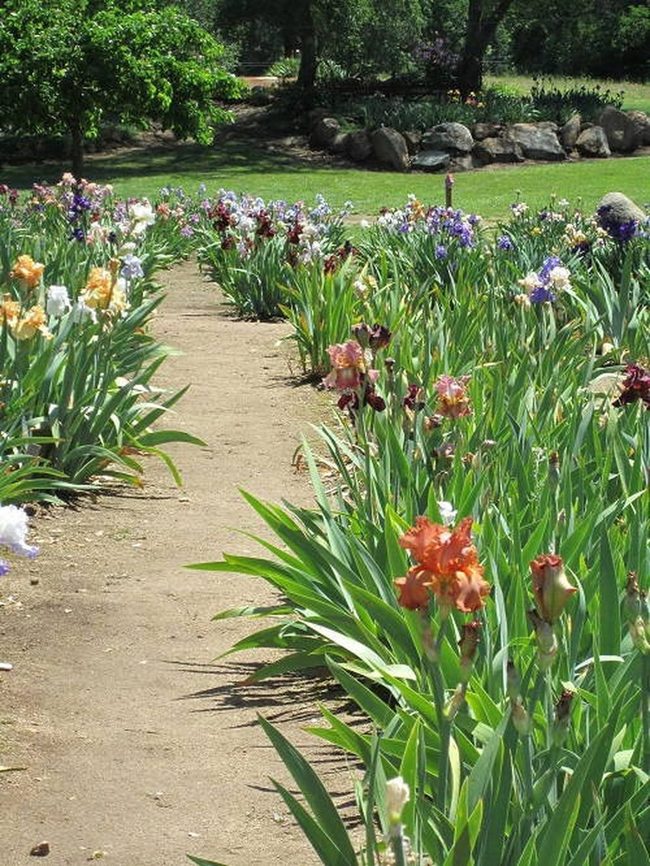
Colorful irises line garden pathways in purple, blue, and white varieties that immediately catch attention as you move through the space, and smooth pebble paths provide striking contrast against the delicate petals and sword-like leaves.
Sunlight filters through the blooms and adds depth to the garden, while the iris flowers naturally guide your eye along the walkway and create visual transitions between different areas.
During spring and early summer, these dramatic blooms transform ordinary garden routes into something special and worth exploring.
Walking through pathways lined with these flowers encourages you to slow down and enjoy the garden at a relaxed pace.
You don't need anything complicated to pull off this look; just thoughtful placement of plants and a simple path material that lets the irises stand out.
Purple Iris Blooms Over Green Carpet Plants
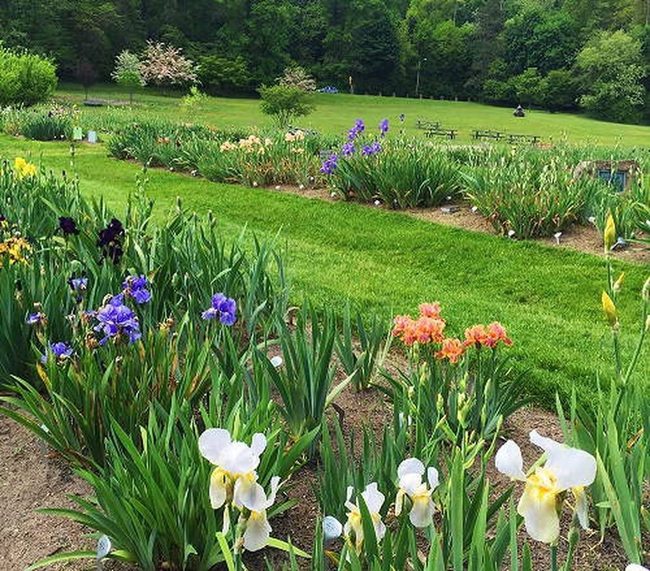
Iris beds paired with green carpet gardens transform outdoor spaces into something truly special, with purple, white, and blue blooms rising dramatically above lush groundcover to create depth and rich texture that catches the eye.
Green carpet plants like thyme or low-growing sedum work perfectly as an underlay for iris clusters, letting each flower's delicate petals stand out against the verdant background while keeping maintenance low.
You'll find that choosing different iris varieties ensures blooming continues from spring straight into early summer, so you have color throughout the season.
Beyond looks, dense carpet plantings offer practical benefits; they suppress weeds and help the soil hold onto moisture, which supports your iris root systems.
Planting these flowers strategically means they emerge with impressive contrast, making the landscape feel more layered and interesting.
Low-growing groundcover also ties everything together visually and creates a polished, intentional appearance in your garden space.
Purple Iris Fields In Rows
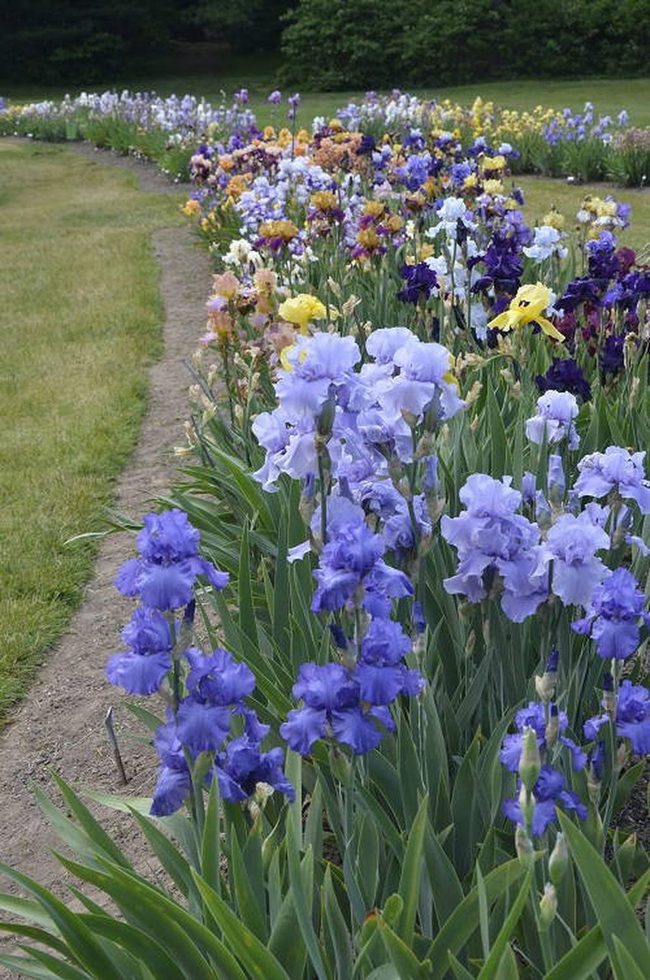
Iris flower fields deliver striking landscape transformations with their magnificent purple, blue, and white petals spreading across open spaces in remarkable displays.
Large garden areas become spectacular canvases when you plant these blooms in linear rows along borders or pathways, and the visual impact of such arrangements is hard to match.
What makes irises particularly rewarding is that they're perennial plants establishing strong root systems and returning year after year with minimal fuss on your part.
Successive plantings help ensure continuous floral coverage during blooming seasons so your garden stays vibrant and full.
Sunlight and well-draining soil are the two main ingredients that encourage robust growth and plenty of flowers, making them an ideal choice for gardeners who want bold color without demanding constant attention.
Purple Iris Against Grey Stone
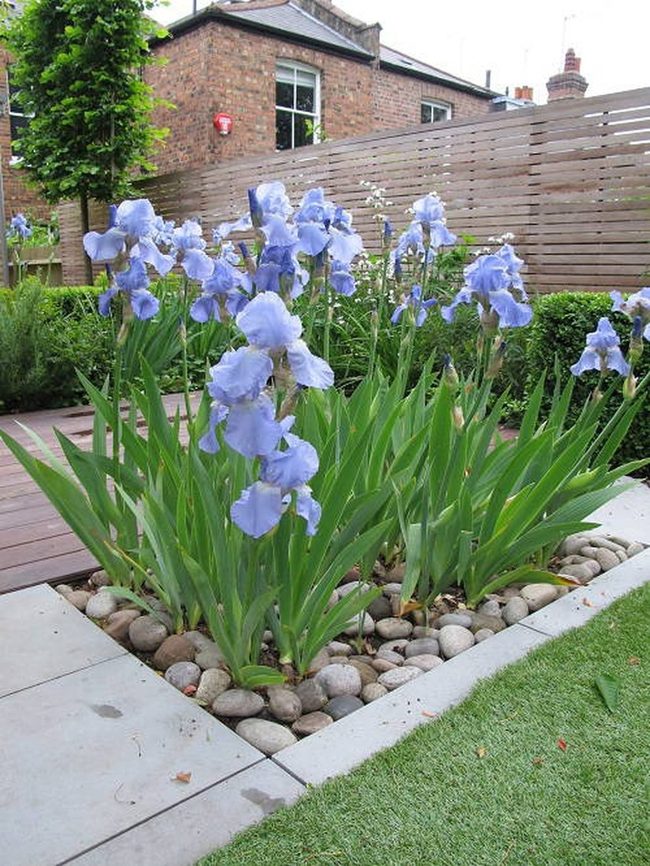
Iris rock beds stand out as a striking landscape choice where delicate flower clusters pop against rugged stone backdrops, and smooth stones complement the elegant iris petals to create visual interest in compact spaces.
Small garden beds work perfectly for showcasing iris blooms between strategically placed rocks, which also provide excellent drainage and protect plant roots from temperature swings.
Landscaping with rocks and irises minimizes weeding while adding textural dimension to your garden areas, so you get both beauty and practicality in one design.
Rock placement isn't just about looks; it keeps your plants healthy and thriving season after season.
If you're looking to upgrade an ordinary garden space, this combination turns it into something artistic and eye-catching without requiring constant maintenance or fussy care.
Purple Irises Frame Wooden Fences
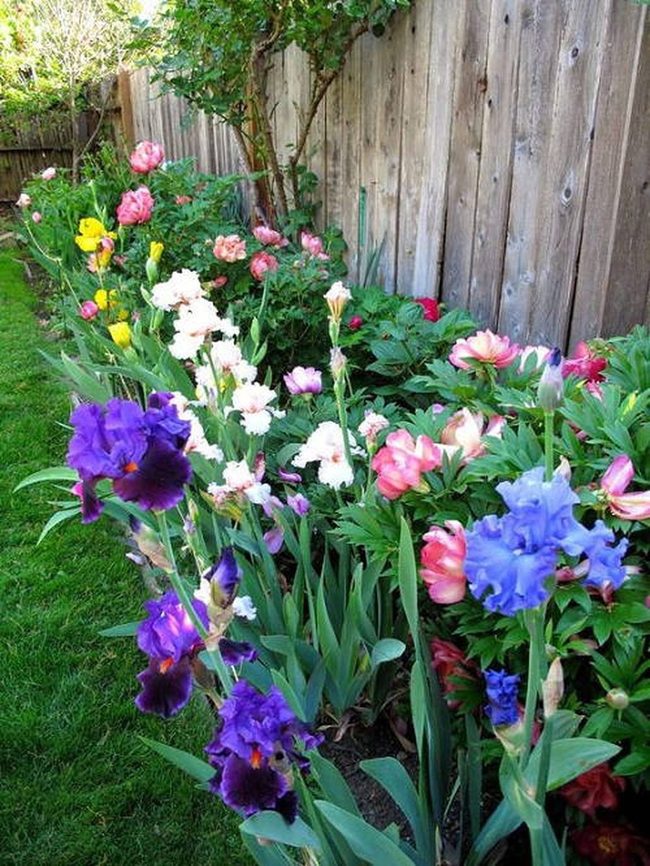
Plant irises along your fence line and watch how their tall, upright stems instantly transform an ordinary boundary into something striking and alive.
Purple, blue, and white varieties work especially well for this style, and they soften those hard fence edges without making your garden feel packed or messy.
Lines of irises arranged neatly along borders give your whole landscape a polished, organized feel that doesn't require much fussing around.
Strategic spacing lets the flowers breathe while still filling in gaps and adding depth to your property edge.
Your garden boundary becomes a clean, elegant display that actually looks like you put thought into it.
Blue Purple White Iris Waves
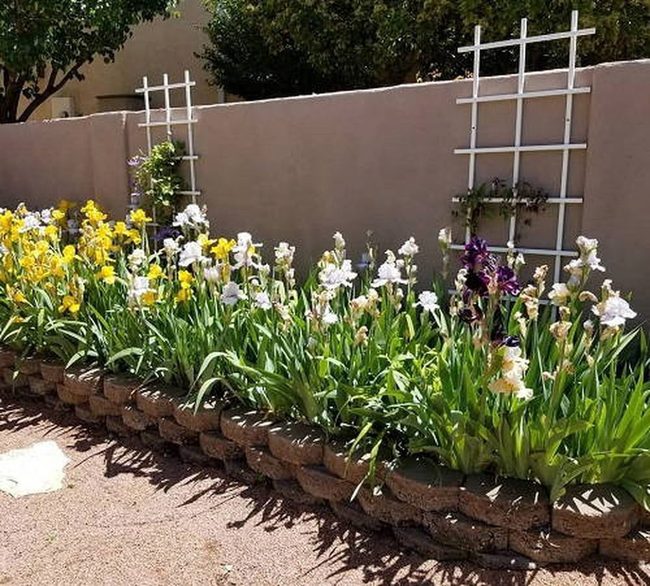
Iris garden bed makes a striking statement with waves of blue, purple, and white flowers flowing across your space, and strategic planting patterns let each variety show off its unique color and height without crowding.
Spacing the plants properly gives them room to develop their full potential and display their graceful forms throughout the growing season.
You can position them along pathway edges or near rock borders to draw attention to these perennial bloomers and make the most of their visual presence.
Beyond the flowers, the bold leaf structures add interesting texture to your beds during the quieter months when blooms have faded.
Coordinating your color choices transforms an ordinary flower bed into something that really stands out in your landscape design.
These resilient plants thrive in Mediterranean climate zones and handle dry conditions well.
Circular Blue Iris Clusters
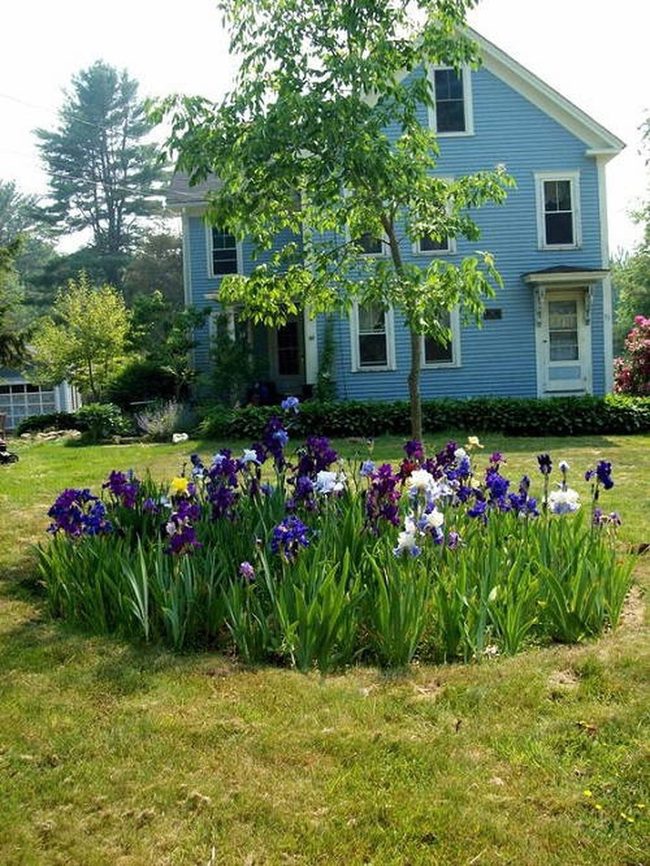
Iris patches in your garden create a spectacular circular display that commands attention from every angle, with bold clusters of blue, purple, and white blooms arranged in rounded beds that showcase the flowers beautifully.
Positioning this garden feature near walkways or along lawn edges lets you enjoy the unique shape and vibrant colors as you move through your outdoor space.
Spacing the plants properly helps them grow strong and bloom reliably year after year.
Adding mulch around the iris clusters keeps the soil moist and keeps weeds from taking over, which means less work for you and healthier plants that thrive season after season.
Purple Iris Meadow Sprawl
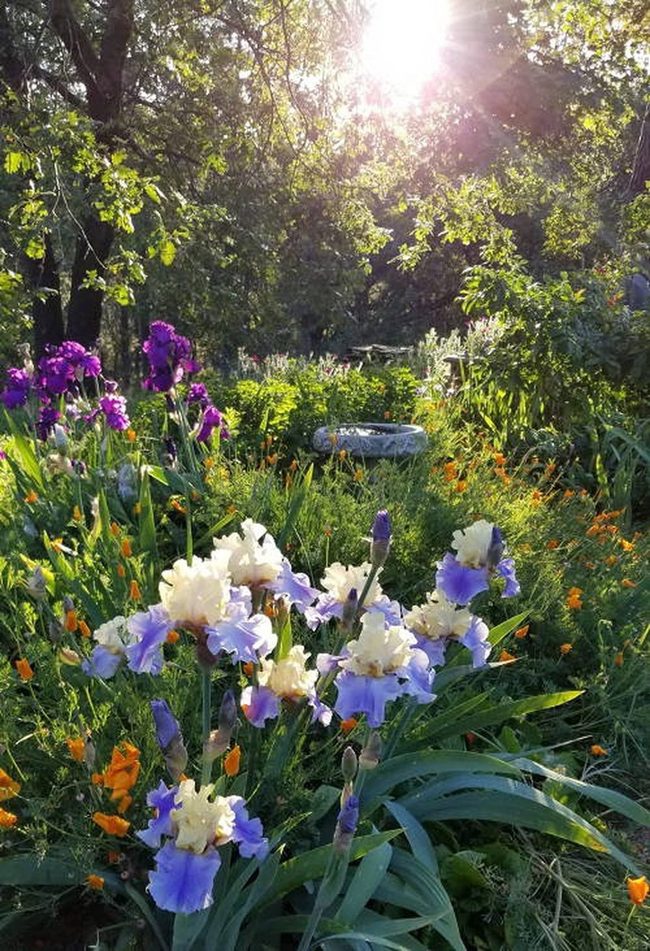
Wild iris beds sprawl across garden landscapes with untamed beauty that demands attention, and these resilient perennials thrive when you allow them natural freedom rather than confining them to rigid planting schemes.
Iris clusters multiply quickly without strict maintenance, making them ideal for meadows and woodland edges where they can establish themselves without constant care.
You can watch these flowers create purple and blue patches across open ground during spring and early summer as delicate blooms emerge among lush green leaves.
Beyond their visual appeal, wild iris populations develop robust root systems that help prevent soil erosion and stabilize the ground beneath them.
When you plant iris in looser, more natural groupings instead of formal rows, they spread faster and fill space more effectively.
The part that works is how these hardy plants require minimal intervention once established, which means less work for you and more time to enjoy the results.
Iris Blooms In Drainage Zones
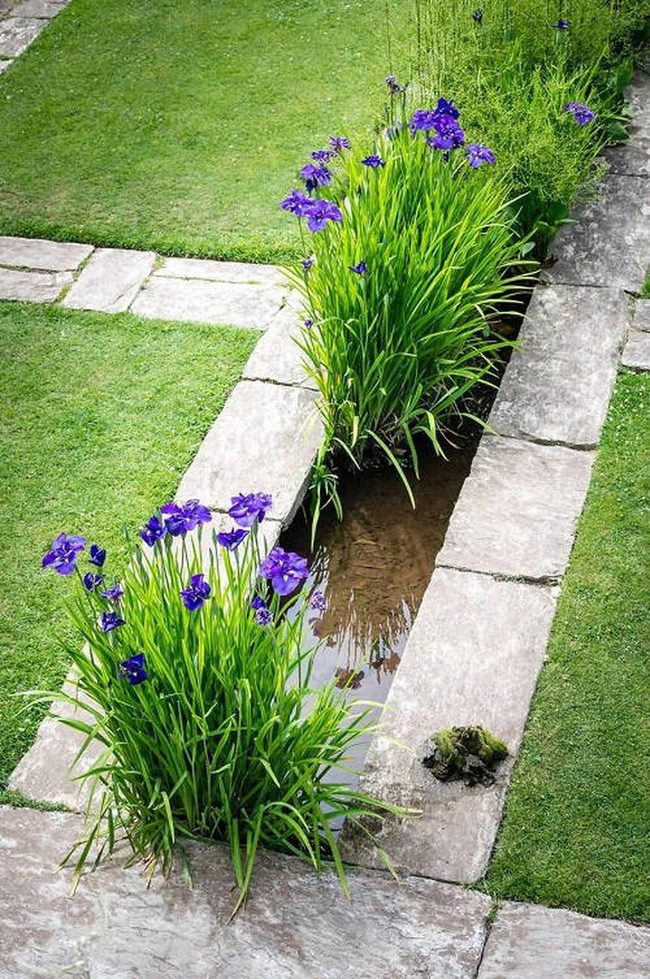
Water flowing naturally through drainage beds near older homes creates the perfect stage for iris flowers to flourish, and you can transform these concrete or stone-lined spaces into striking garden displays with barely any effort involved.
Built-in drainage zones offer excellent microclimates where iris plants get the well-drained soil they need to thrive, and positioning them in these unique architectural features means their roots stay healthy while oversaturation becomes impossible.
Landscape designers love how these spaces solve water runoff problems and simultaneously turn functional areas into beautiful plant habitats.
Homeowners benefit from repurposing existing water management areas to maximize garden space, especially around older properties where drainage beds already exist.
Strategic plant selection ensures irises receive ideal moisture levels without any risk of root rot, and the natural water flow keeps everything balanced perfectly.
Garden beauty and water management merge together in these innovative solutions, giving you both a practical system and gorgeous flowers that grow stronger season after season.
Purple And Blue Iris Meadow
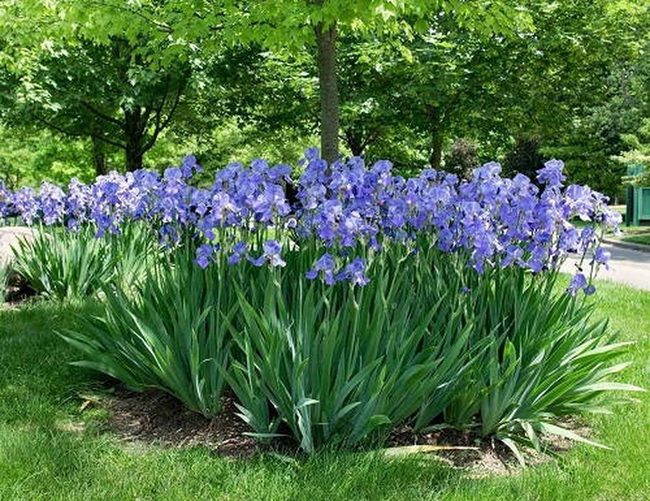
Purple and blue irises spreading across your lawn create a stunning carpet of color that stops people in their tracks, and the best part is they practically grow themselves once established.
These resilient flowers naturally multiply and expand across open spaces without demanding constant care from you, so planting multiple clusters means your garden keeps getting fuller year after year.
Spring and early summer turn into spectacular seasons when your iris patches burst into bloom, and the whole landscape shifts into something truly breathtaking.
Getting started is simple; just pick healthy rhizomes and space them about 12 to 18 inches apart in sunny spots where water drains well.
Consistent mild watering and occasional division help keep your iris population strong and thriving.
Your lawn transforms from ordinary into a botanical showstopper, and you hardly have to lift a finger after the initial planting.
Purple Iris In Wicker Baskets
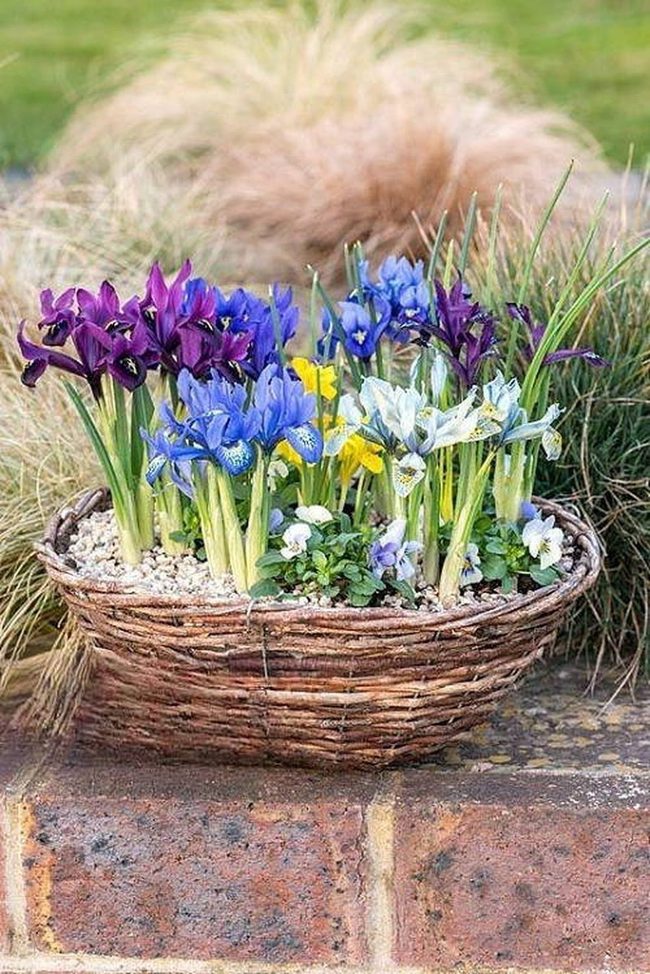
Iris blooms in wicker baskets create striking focal points that catch the eye with their delicate purple or white petals and graceful stems.
Smaller baskets work well for showcasing these flowers, and placing them near garden paths or seating areas means you draw natural attention to the displays.
Wicker's natural texture pairs beautifully with the iris blooms and adds warmth to any outdoor space.
Assembly takes just minutes, so refreshing your garden layout doesn't require complex planning or lots of preparation time.
The whole setup offers genuine simplicity without demanding much effort or maintenance from you.
Combining function with straightforward beauty, these centerpieces give your outdoor areas a polished look that feels effortless.
Purple Iris Seating Garden
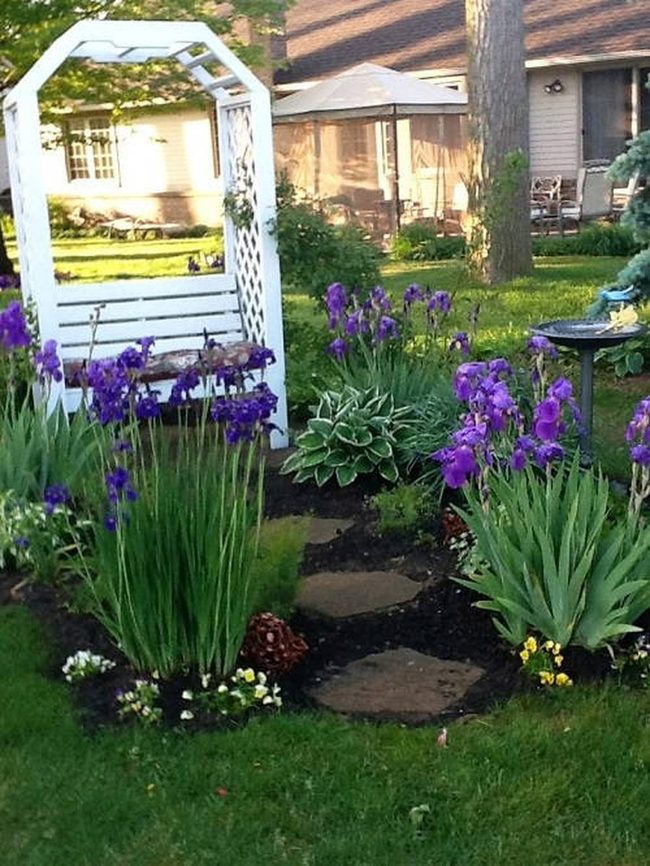
Iris patch patios become stunning garden retreats when you plant rich purple and white blooms in thick clusters around comfortable seating areas.
Smooth stone pathways wind between the iris plants and guide you naturally through the space, while chairs and benches positioned within the flowers let you settle down and appreciate the blooms up close.
Surrounding greenery adds layers of texture and depth to your outdoor sanctuary, and the plants themselves provide natural shade on warm days.
By placing your seating thoughtfully among the flowers, you transform what could be just a simple garden bed into a genuine outdoor living space where relaxation happens naturally.
This approach makes your iris garden feel like a personal retreat rather than a basic landscaping feature.
Strategic arrangement means you get both beauty and comfort without fighting with awkward layouts or poor sightlines.
Your garden becomes a place where you actually want to spend time enjoying quiet moments among the flowers.
Tall Purple Irises Frame Borders
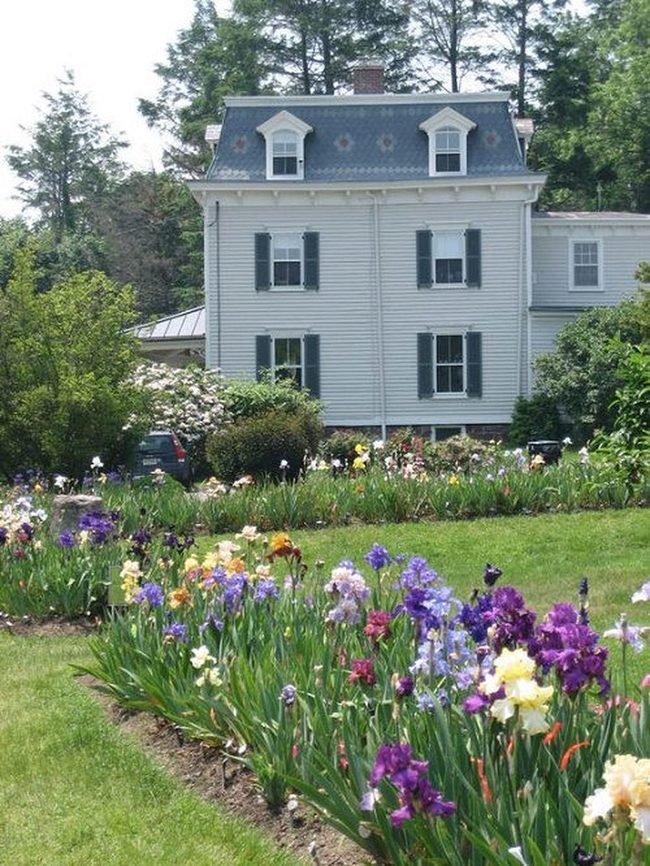
Irises standing tall along your front yard create dramatic borders with their height and bold colors that immediately catch attention, and when you plant them near fences or walkways, they define your landscape with natural structure.
These perennials grow between 2 to 4 feet high, giving you that striking vertical element that changes how your whole yard feels.
Mixing different iris varieties means you get continuous blooms from spring into early summer, so there's always something colorful happening in your garden.
Blue, purple, and white combinations look particularly gorgeous against green lawn backgrounds and bring real sophistication to your space.
Selecting multiple colors at once adds depth and complexity to your landscape design in a way that single-color plantings just can't match.
Purple Iris Fence Border
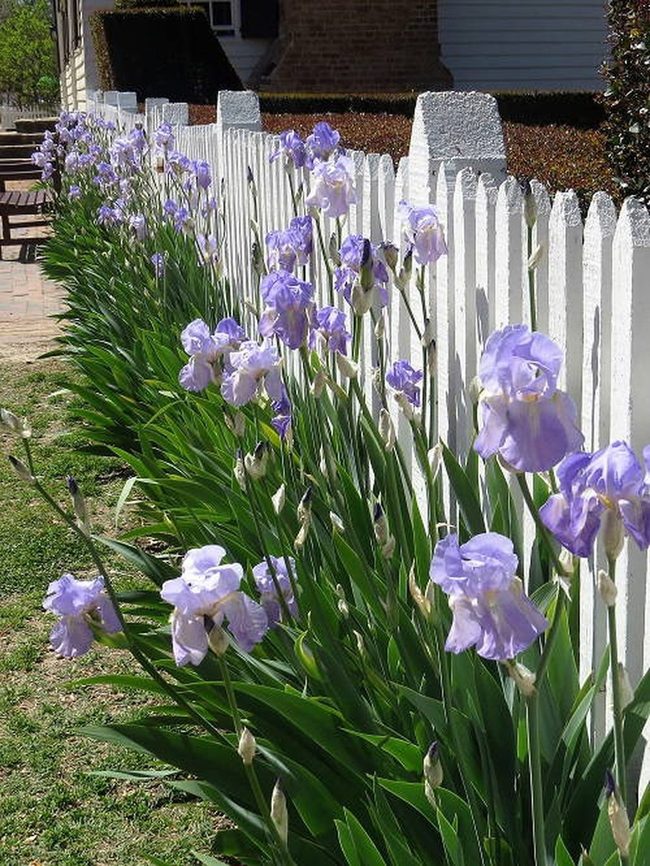
Planting irises along your fence creates a striking purple and white border that transforms plain property lines into beautiful garden features neighbors will admire.
Rows of delicate iris flowers line the fence and work as a natural privacy screen while tall stems add vertical structure to your landscape edges.
Beyond looks, these flowers serve practical purposes too; they prevent soil erosion and thrive in the partial sunlight and well-draining soil that fence lines often provide.
Strategic placement of iris beds maximizes your garden space and brings dramatic color and texture to outdoor boundaries.
You get both function and beauty from this simple solution, turning an ordinary fence into a sophisticated floral display that makes your yard feel more intentional and polished.
Purple Iris Foundation Borders
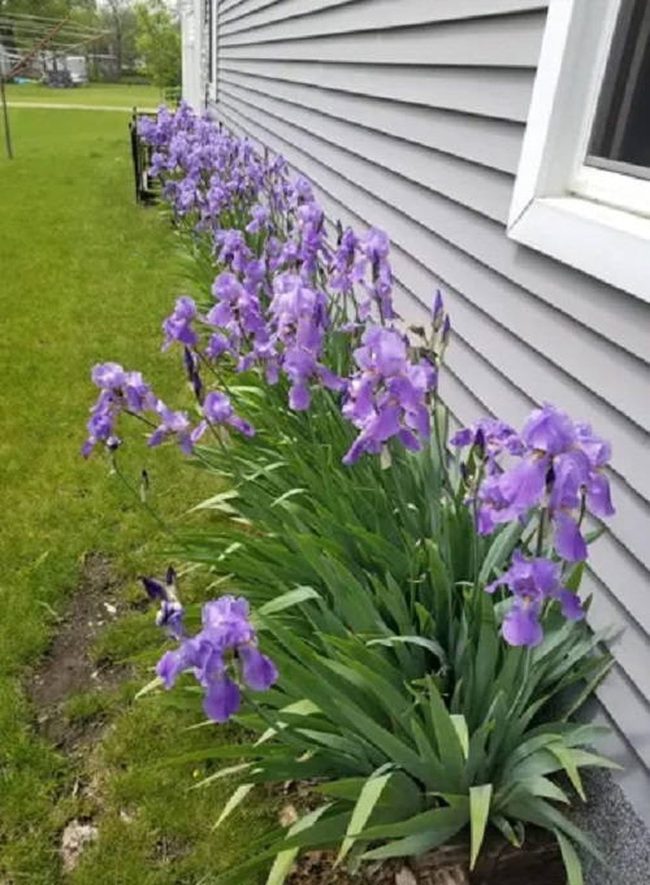
Irises planted along your home's sides offer striking color in purple, blue, and white that instantly transforms plain garden borders and solves landscaping challenges without needing fencing.
These graceful flowers thrive near house foundations and create natural visual appeal while enhancing your architectural lines beautifully.
Compact iris varieties fit perfectly in narrow spaces between walls and walkways, and positioning clusters strategically near your foundation protects delicate blooms from harsh winds.
When you plant irises at depths around four to six inches, they develop strong roots and grow healthy and robust.
Homeowners love how irises add dimension to side gardens without requiring much maintenance or special care.
You'll find that these hardy flowers adapt well to most conditions and reward you with consistent blooms season after season.
Olivia Martinez
Founder & Principal Designer
Expertise
Sustainable Interior Design, Residential and Commercial Space Planning, Historic Preservation and Adaptive Reuse, Custom Furniture Design, Project Management
Education
Parsons School of Design, New York, NY
LEED Accredited Professional (LEED AP)
Olivia Martinez is the founder of Archi Refresh, where she brings style and sustainability together. With a degree from Parsons School of Design and a LEED certification, she’s all about creating beautiful, eco-friendly spaces.
With over eight years in the industry, Olivia has designed everything from cozy homes to commercial spaces, always putting function and sustainability first. She loves working with local artisans and has been featured in design publications for her fresh take on green living.
When she’s not designing, Olivia enjoys exploring historic architecture, painting, and spending time with her rescue dogs, Luna and Max.