
16 Gorgeous Ivy Plant Types For Foliage That Shine
Ivy plant types for foliage bring an elegant solution to anyone seeking low-maintenance greenery indoors or outdoors.
These versatile vines come in doZens of varieties that suit different spaces, climates, and design preferences.
Some species climb walls while others cascade beautifully from hanging containers.
The right selection depends on factors like light availability, humidity levels, and how much care you can provide.
Whether adding texture to a shaded garden corner or filling an empty shelf inside, ivy provides reliable year-round beauty.
Many varieties tolerate neglect better than typical houseplants, making them perfect for busy lifestyles.
Learn which options work best so you can enjoy lush foliage without constant maintenance.
Red Climbing Vine Native Beauty
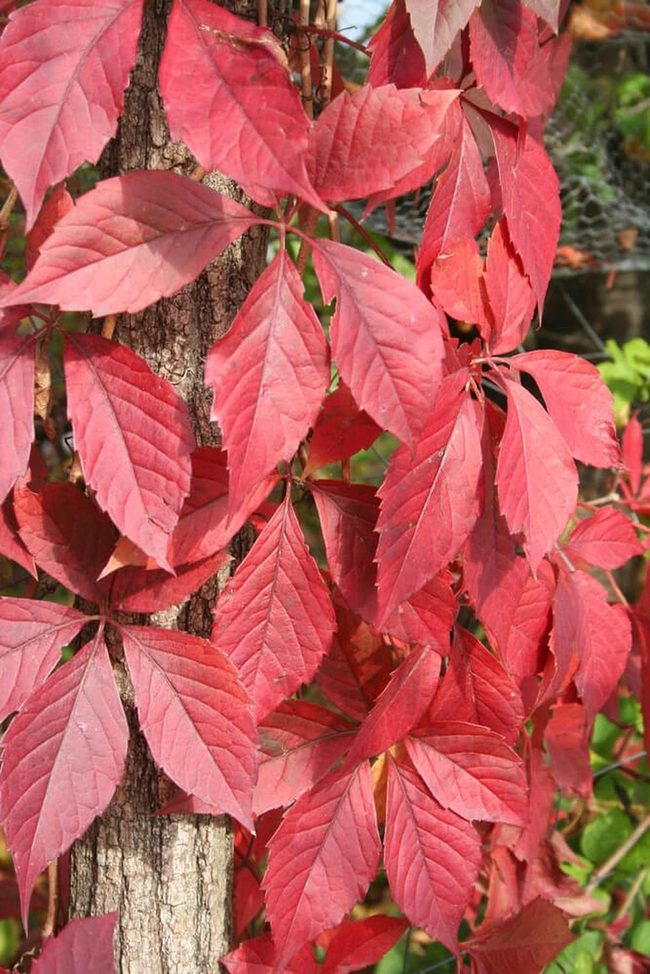
Virginia creeper, a native plant of eastern woodlands, transforms landscapes with its brilliant red foliage each fall before shedding its leaves and leaving bare vines behind.
You can use this versatile plant as a ground cover or let it climb up tree trunks and structures as a clinging vine.
Its distinctive five-part leaves earned it the common name five-leaved ivy, a label that directly describes what makes this plant so recognizable.
Beyond its autumn color display, Virginia creeper offers real benefits to your local ecosystem by supporting wildlife and helping maintain natural balance in garden spaces.
Understanding its Latin name reveals connections to how botanists described its leaf structure and visual qualities.
Whether you're looking to add seasonal interest or support native species, this climbing vine proves to be both attractive and ecologically valuable for eastern gardens.
Red-Leafed Ivy Climbs Brick

Boston ivy stands out immediately because of its distinctive three-pointed leaves, and when fall arrives, these leaves transform into a striking red that makes any brick wall impossible to ignore.
Many people assume the plant comes from Boston itself, but it actually traveled all the way from Asia to become famous on the college buildings around the city.
You might walk past these ivy-covered walls and wonder about the name, not realizing how far this plant journeyed to become such an iconic part of New England's landscape.
During spring and summer, the green foliage adds a natural layer of charm to academic buildings and historic structures.
Once autumn hits, the color shift becomes so dramatic that people stop just to admire how the walls seem to glow with red and orange tones.
When you encounter Boston ivy next time, take a moment to appreciate both how beautiful it looks throughout the year and the interesting fact that it originated on another continent before making its way here.
Glossy Dark Green Wavy Leaves
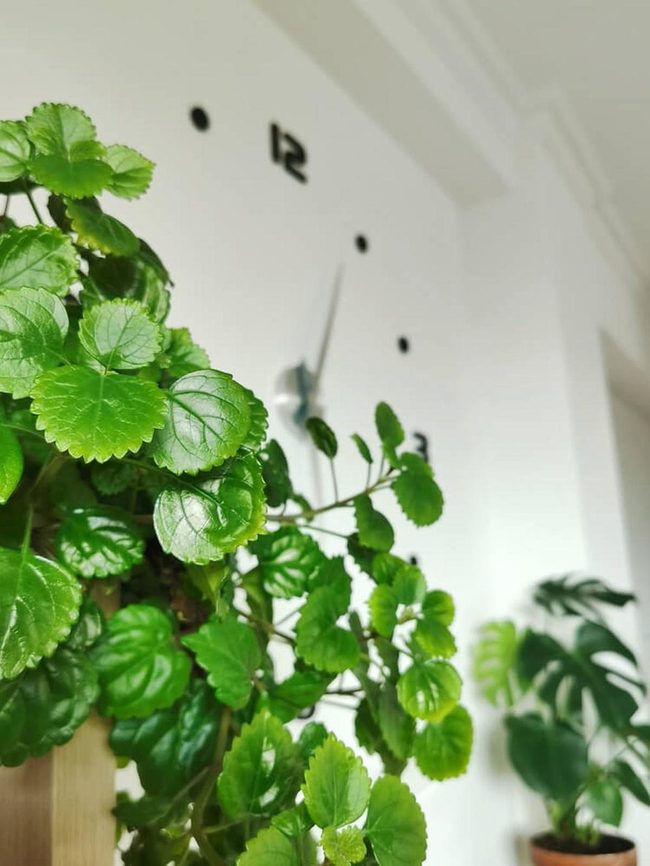
Swedish ivy stands out with its round leaves that have wavy edges and a glossy dark green finish, making it a gorgeous choice for any room in your home.
When conditions are right, small off-white flowers bloom on slender stems at certain times throughout the year and add an extra layer of beauty.
Your plant will perform best when you give it between 12 to 14 hours of direct sunlight daily, as bright light is what this species truly needs to reach its full potential.
You can still keep it alive in lower light situations, though the growth won't be quite as full and lush without that sunshine.
Swedish ivy adapts well to indoor living and thrives beautifully in pots, which is why so many gardeners across the globe have made it a favorite for their spaces.
Getting the light right is really the key to keeping yours healthy and happy all year long.
Three Glossy Leaves, Serious Danger
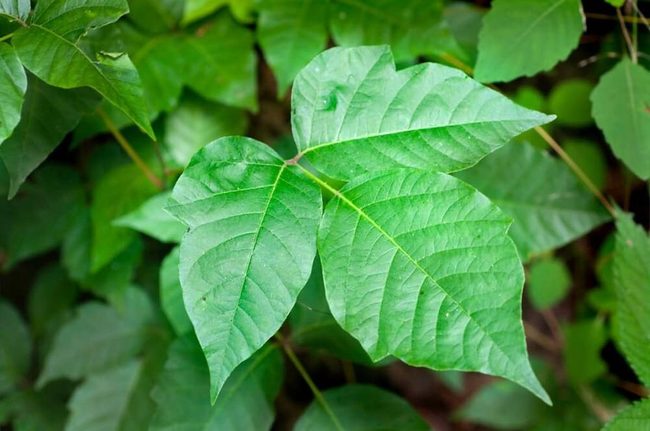
Learning to spot poison ivy keeps you protected from an unpleasant encounter with this troublesome plant, which displays three glossy leaves that catch the light due to natural oils covering their surface.
Each leaf can range from smooth and oval-shaped to rough with jagged edges, making this plant deceptively hard to identify at first glance.
When your skin touches these leaves, the toxic oils trigger an uncomfortable red rash that spreads quickly and itches intensely, so avoiding contact altogether is your best defense.
While devil's ivy sounds scarier by name, poison ivy deserves your serious attention and respect because of how readily it causes skin irritation.
You should never intentionally plant this vine anywhere on your property or near areas where you spend time.
Knowing what poison ivy looks like and staying away from it is simply one of the smartest decisions you can make for your health and comfort.
Variegated Ivy White-Edged Leaves
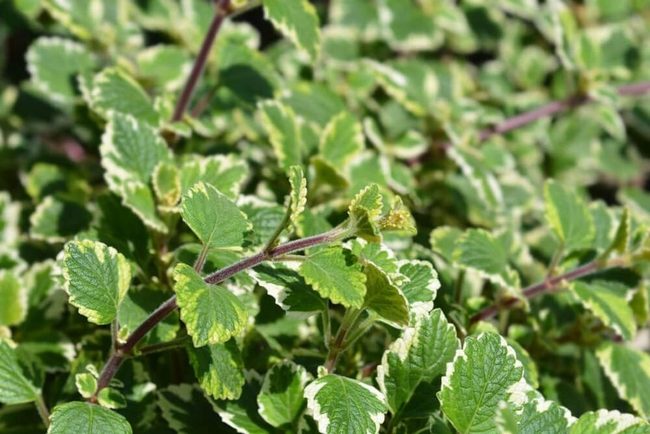
Variegated Swedish ivy catches immediate attention because of its stunning leaves, which display a lighter green base with delicate white patches running along the wavy edges, and most people prefer it over the regular variety for this reason.
Beyond its good looks, this plant settles easily into your home as an indoor houseplant and rarely encounters serious pest or disease problems, so growing it happens without much struggle.
You'll want to give it soil that holds moisture well and contains plenty of nutrients, and once you do, the plant rewards you with steady growth and minimal fuss.
Many of us appreciate plants that look beautiful and don't demand constant attention, and this one fits that bill perfectly.
Yellow Blooms And Jagged Green Leaves
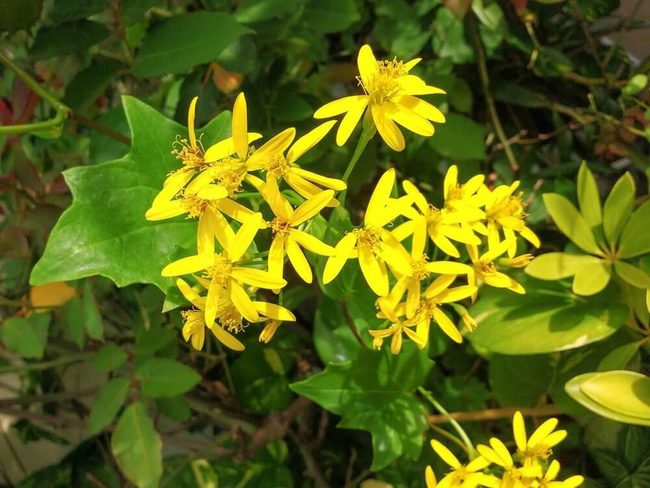
German ivy grabs attention with its bright yellow flowers that bloom around textured centers and shine against the plant's lively green leaves.
You can sense the foliage has a glossy quality and displays unusual shapes with jagged edges that add real interest to garden beds.
Both gardeners and visitors respond to the way this plant combines flowering beauty with eye-catching leaf structure.
When you select German ivy for your outdoor area, you're bringing in layers of color and texture that work well together.
Many people make this their go-to choice because it offers so much visual appeal in one plant.
Whether you're looking to brighten a dull corner or add dimension to existing plantings, this ivy delivers both charm and liveliness.
Adding German ivy to your garden space means getting natural beauty that keeps drawing your eye no matter the time of day.
Light Green Trident-Shaped Ivy Leaves
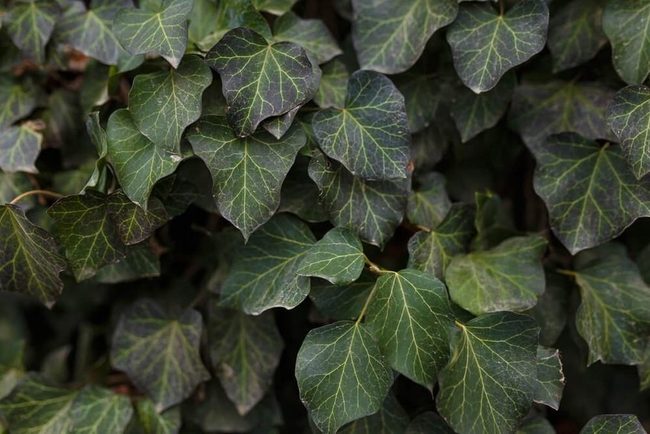
Irish ivy distinguishes itself among other ivy varieties with its broad, trident-shaped leaves that stand out immediately and grab attention in any garden setting.
You can notice that this plant displays a lighter shade of green compared to other common ivies, making it easy to spot and recognize.
Also called Atlantic ivy, this species has earned its reputation as a rewarding choice for gardeners who appreciate growing different types of ivies.
If you're building an ivy collection, this particular variety brings genuine character and charm to spaces where it grows well.
Whether you refer to it by its Irish name or its Atlantic designation, the plant holds strong appeal for most gardeners.
Growing it tends to be straightforward and satisfying, especially if you already have experience with similar vining plants.
The distinctive foliage alone makes it worth adding to your garden, and you'll likely find yourself returning to appreciate it regularly.
Cream-Edged Ivy Thrives Effortlessly
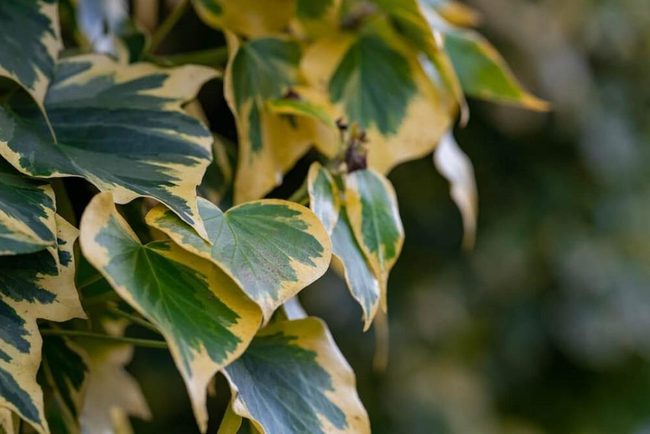
Variegated Persian ivy draws all your attention with its striking appearance, where large patches of creamy white border each leaf and fade into a rich deep green center, yet beneath that beauty lies genuine toughness and dependability that make it perfect for gardens.
You can grow this plant to over 40 feet tall without dedicating much time to maintenance, since it needs only moderate watering and handles shade exceptionally well.
Deer rarely bother this ivy, so you won't have to worry about protecting it from wildlife damage.
You can tell this works because how durability and visual appeal go hand in hand, giving you a strong performer that looks beautiful doing its job.
Simple care routines mean you can watch it flourish season after season without complicated upkeep.
If you want a plant that combines low-maintenance growth with striking leaf patterns, variegated Persian ivy delivers both qualities effortlessly.
Marbled Green And White Foliage
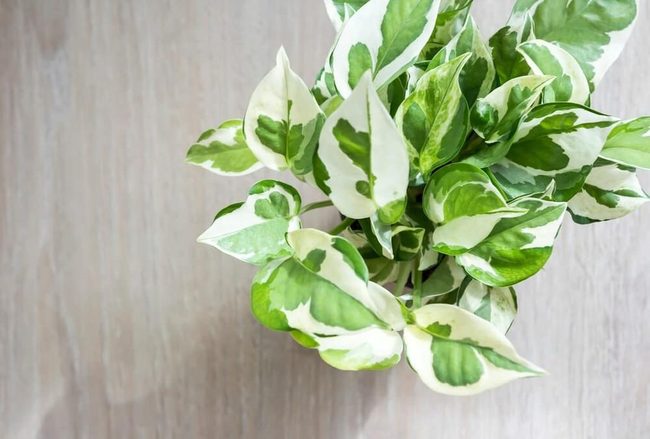
Marble queen devil's ivy catches attention with its striking foliage, which displays gorgeous marbled patterns instead of plain solid green leaves.
Light green and bright white blend together across the plant's surface and bring instant character to whatever space you put it in.
Plants often come in wild and cultivated varieties, and each type shows different characteristics depending on where it grows.
Devil's ivy follows this same pattern and offers several beautiful variations for people who love plants like you.
The real appeal comes from how its name perfectly matches the captivating appearance of its leaves.
You'll find that the visual contrast between the colors makes it work as a statement piece in any room.
Glossy Green Leaves, Zero Effort
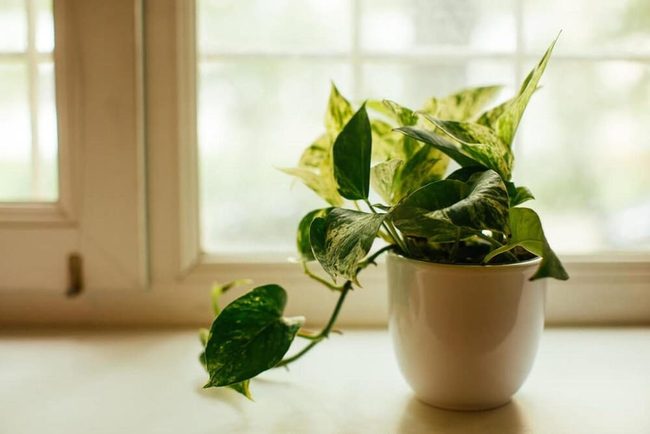
Devil's ivy appears among the most striking indoor plants people commonly choose, even though many gardeners mistakenly call it an ivy when it's actually something different.
The useful detail is the glossy leaves multiply rapidly as the plant grows, creating a lush appearance that transforms any room where you place it.
The reason this works so well is how little effort it demands from you; just a modest amount of light keeps it healthy and thriving.
If you doubt your ability to keep plants alive, this green choice stands as one of the most forgiving options available.
Understanding the real identity of plants matters because true ivies behave differently from what people commonly label as ivy at home.
Learning this distinction helps you pick the right greenery and know what to expect as your plants develop.
Gold Edged Ivy Leaves
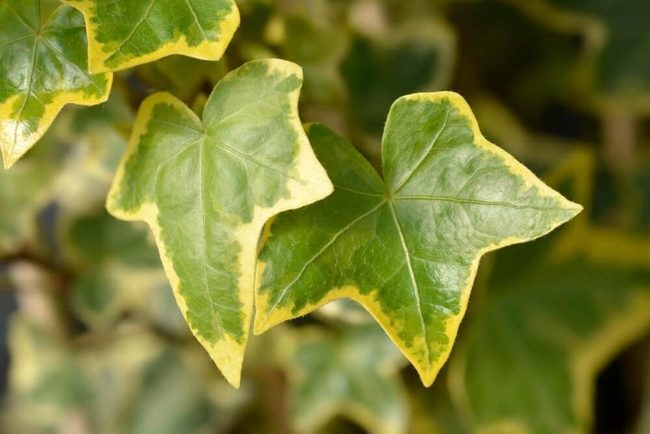
Gold child variegated ivy catches your attention right away with its bold, multicolored leaves that feature a distinctive trident shape you won't find on most plants.
Each leaf displays a striking contrast between dark green in the center and bright gold edges that seem to glow against the green.
If you want a plant that adds real energy and color to a room or outdoor space, this variety delivers exactly that.
You'll find this plant works well in collections because it looks beautiful on its own or alongside other greenery.
Whether you hang it in a window or tuck it into a corner, the mix of gold and green keeps drawing your eye back to it.
Adding this ivy to your home or garden means you get both a hardy plant and one that makes your space feel more lively and interesting.
Green Spreader For Every Garden
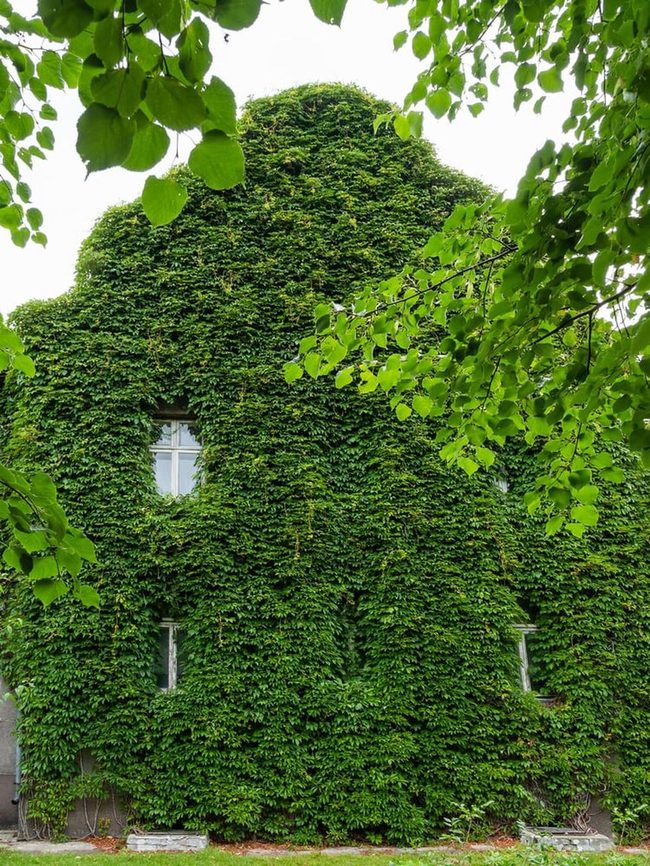
Baltic ivy stands out as a fast-growing ground cover that spreads reliably across gardens and landscapes.
The first thing you see is it adapts well to different soil conditions and light situations, which makes it a flexible option for various settings.
Since the leaves look remarkably similar to English ivy, many people have trouble telling them apart at first glance.
Because it belongs to the Hedera helix family, it has earned recognition as one of the more familiar cultivars available to gardeners.
Caring for this plant turns out to be straightforward since it handles so many different environments without fuss.
Many people find themselves adding it to their gardens once they realize how little effort it demands and how readily it takes root in new spaces.
Golden Center Heart Shaped Ivy
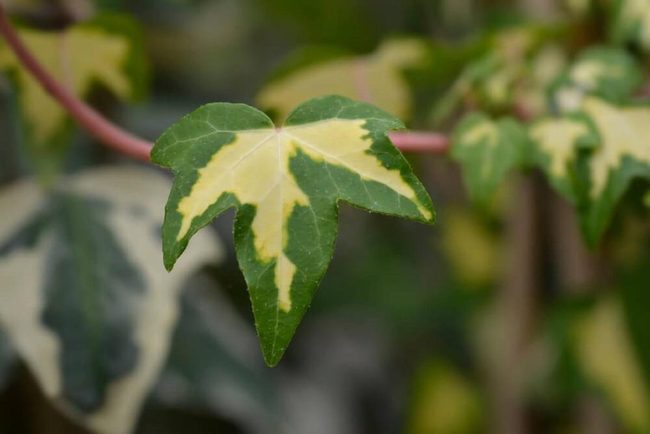
Gold heart variegated ivy catches attention right away because its leaves have such a distinctive look, with rounded, heart-shaped forms that differ from other ivy varieties and add genuine character to any room you decorate.
What really makes this plant pop is how light gold patches fill the center of each leaf while dark green edges frame them perfectly, and this contrast between the warm center and cool border creates something special that doesn't go unnoticed.
If you compare it to the gold child variety, you'll see they work in opposite directions; while gold heart ivy has a golden middle surrounded by darker tones, gold child ivy flips that pattern with golden borders hugging green centers instead.
Both plants fit well with elegant design schemes, but they bring totally different color stories to your space and mood.
When you're picking between them, consider which style aligns better with what you're going for in your home and which color combo makes you happier when you look at it every day.
Striped Green And White Ivy Leaves
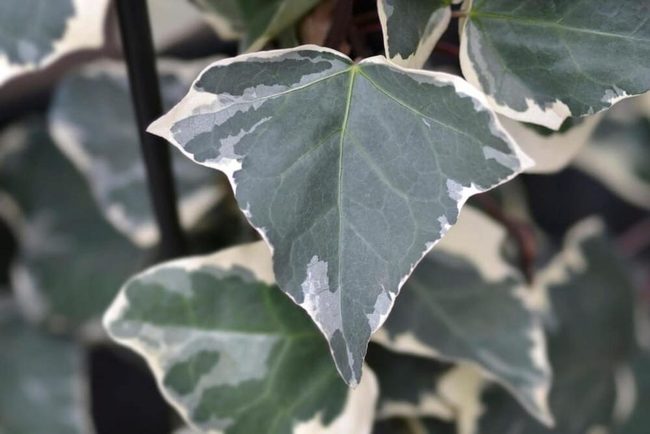
Variegated Algerian ivy makes an unmistakable statement with its bold green and white leaf patterns that really catch the eye, and many people mix it up with similar-looking plants because of shared naming conventions in the plant world.
The botanical name Hedera algeriensis 'Gloire de Marengo' pays homage to a historic Algerian town, and each individual leaf displays nature's intricate artistry in how those contrasting colors blend together.
One reason this works is that it belongs to the larger Hedera genus, which contains many different species, so understanding these distinctions helps you appreciate what sets this particular ivy apart from its relatives and lookalikes.
Green Veined Evergreen Ivy Leaves

English ivy, or Hedera helix as scientists call it, is the perfect starting point when you explore ivy plants since countless popular varieties descend directly from this species.
As a woody vine that returns year after year, it displays attractive evergreen foliage with a distinctive trident shape and rich green coloring marked by subtle light grey veins that make it really stand out.
Learning about English ivy matters if you want to understand and appreciate different ivy options for your space, and its striking good looks make it easy to see why so many people enjoy growing it at home or in their gardens.
Light Green Ivy Fast Growing
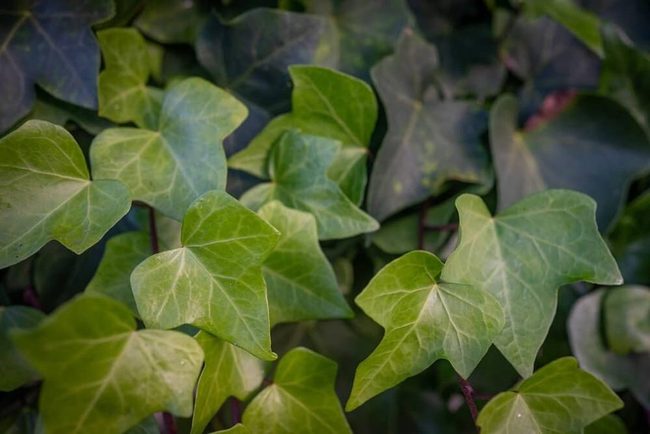
Algerian ivy displays bright, glossy leaves in a lighter green tone that stands out beautifully against other ivy varieties, making it one of the most visually appealing options for your home.
This plant grows rapidly and spreads across surfaces with impressive coverage, so you can fill empty spaces and create lush layers throughout your rooms.
What makes Algerian ivy especially practical is that it handles shade remarkably well and doesn't need constant direct sunlight to stay healthy.
Whether you're decorating a darker corner or a brighter spot, Algerian ivy adapts and thrives in different light conditions without complaint.
Its fast-growing nature means you'll see results sooner rather than later, and you can shape it however you like as it develops.
Olivia Martinez
Founder & Principal Designer
Expertise
Sustainable Interior Design, Residential and Commercial Space Planning, Historic Preservation and Adaptive Reuse, Custom Furniture Design, Project Management
Education
Parsons School of Design, New York, NY
LEED Accredited Professional (LEED AP)
Olivia Martinez is the founder of Archi Refresh, where she brings style and sustainability together. With a degree from Parsons School of Design and a LEED certification, she’s all about creating beautiful, eco-friendly spaces.
With over eight years in the industry, Olivia has designed everything from cozy homes to commercial spaces, always putting function and sustainability first. She loves working with local artisans and has been featured in design publications for her fresh take on green living.
When she’s not designing, Olivia enjoys exploring historic architecture, painting, and spending time with her rescue dogs, Luna and Max.