
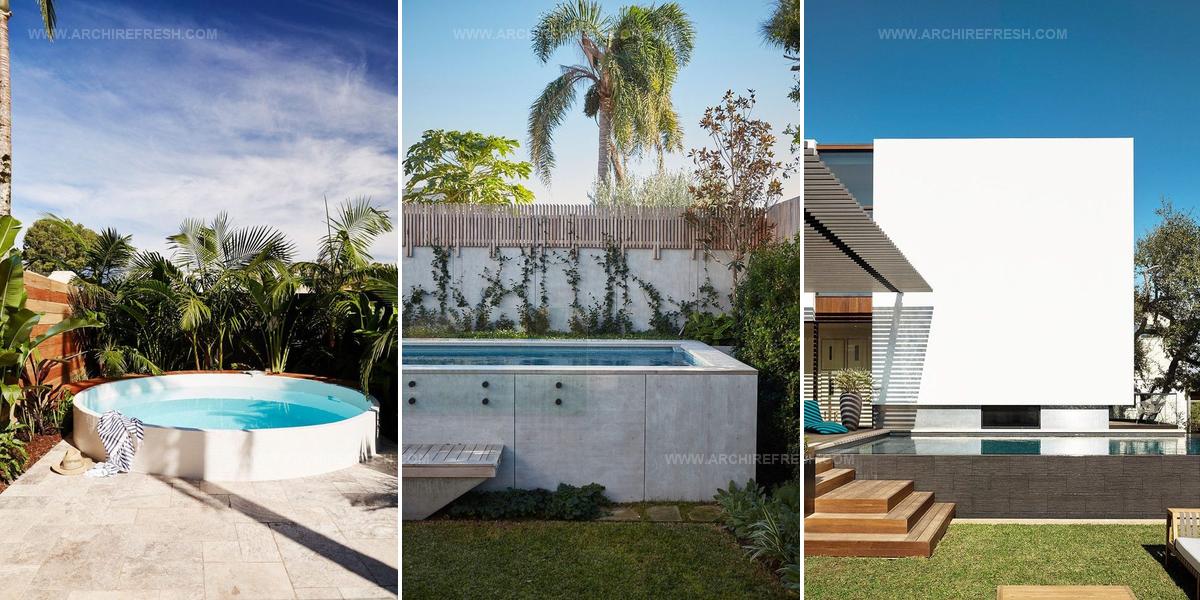
18 Landscaping Ideas for Above-Ground Pool That Shine
Beautiful landscaping ideas for above-ground pool areas can completely change how your backyard looks and feels.
Many homeowners overlook the potential of their outdoor spaces, assuming that elevated pools must remain bare and uninviting.
Smart design choices help blend these structures seamlessly into gardens while adding privacy, shade, and visual appeal.
Whether you have a compact yard or sprawling property, the right approach makes any pool area feel like a private resort.
Solutions range from budget-friendly options to more elaborate designs that incorporate decking, plantings, and decorative elements.
The transformation happens when you consider both function and aesthetics together.
Soon you'll see your pool area as the centerpiece it deserves to be.
Ivy-Framed Pool Oasis
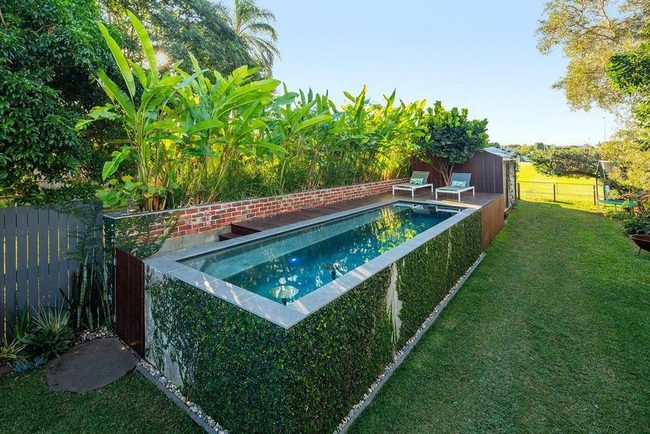
Ivy climbing around your pool creates an almost storybook setting that feels far removed from everyday life, and you can achieve this look without much effort since the plant grows at an impressive speed.
We suggest planting ivy at the base of your pool where you want it to spread, then simply maintaining it with regular trims once it reaches the height you prefer.
Over time, the lush green walls of ivy will frame your swimming area and give it that natural, garden-like quality that makes people feel like they've stepped away to somewhere special.
You don't need to be a gardening expert because ivy does most of the heavy lifting on its own, growing steadily throughout the seasons.
If you're looking for an easy way to upgrade your outdoor space, this approach delivers real results with minimal upkeep.
Just remember that trimming matters when the vines get too tall, keeping everything looking neat and maintained.
Your pool becomes a peaceful retreat surrounded by greenery that money and time usually can't buy, yet here it happens almost automatically through nature's own growth cycle.
Green Edges Frame Pool Features
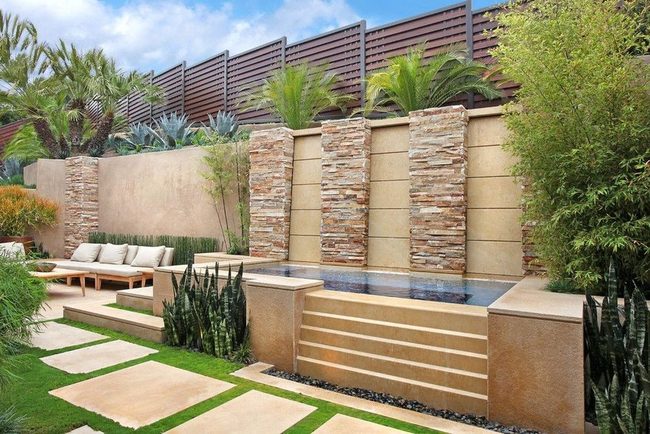
Pools naturally feature several architectural elements like entrances, waterfalls, stairs, and slides that pull your attention immediately.
Framing these standout zones with snake plants or other low-maintenance greenery enhances their appeal and makes them pop even more Snake plants work particularly well because they're hardy, require minimal care, and thrive near water features.
Positioning them near pool edges or at the base of waterfall structures creates layered interest without demanding constant maintenance.
You can mix different plant heights around stairs or near entrances to build visual rhythm.
Adding greenery this way feels simple but transforms how these existing features read in your space.
It's a straightforward way to make pool areas feel more polished and purposeful.
Grass Between Stone Pathway
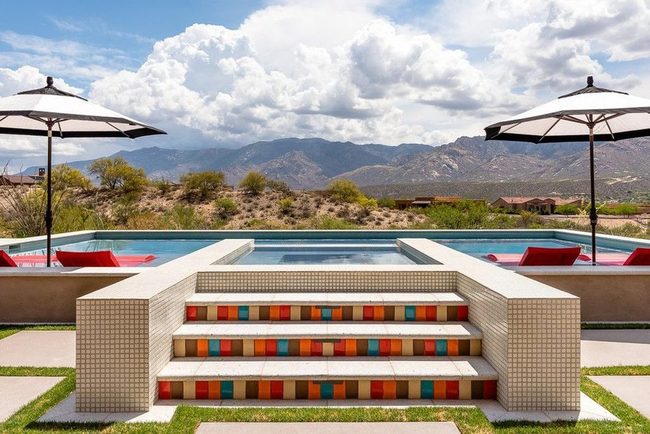
If you want a pathway that feels natural rather than completely hardscaped, consider spacing your paving stones apart and letting grass fill the gaps between them instead of using grout.
This method works especially well when you're after both a clear route through your yard and that green, living quality that makes outdoor spaces feel refreshing.
By mixing pavers with grass, you get the best of both worlds-the structure and definition of a proper pathway along with the softness and color that plants bring to the area.
It's a straightforward way to design a walkway without making your whole yard feel paved over.
We love this option because it keeps things looking natural while still giving you somewhere organized to walk.
You don't need any special skills or materials to make this happen, just some planning when you lay out where each stone goes.
The result is an outdoor space that balances hardscape and greenery in a way that feels balanced and welcoming.
Tall Blooms Frame Your Pool
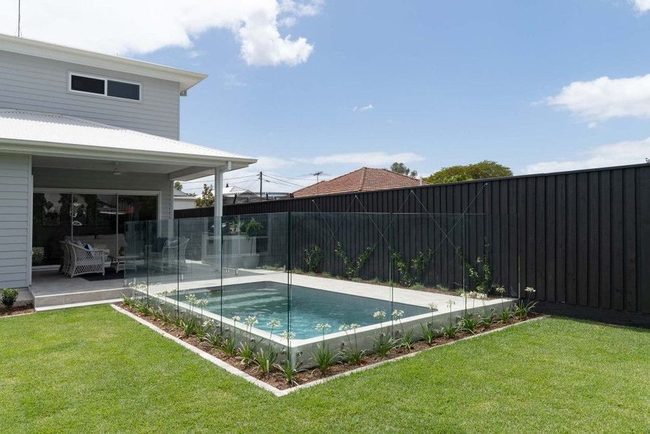
Tall flowers planted around your pool's edge offer a natural and beautiful way to define the space without constructing a traditional fence.
You get a living boundary that keeps the pool area distinct from the rest of your yard while maintaining clear sightlines across the water.
Growing flowers like delphiniums, sunflowers, or ornamental grasses along the perimeter gives you that separation you need.
People often overlook how effective this approach is because it seems too simple, but it really does work to organize your outdoor layout Your guests will appreciate the softer, more natural feel compared to rigid barriers.
Plus, you can swap out plants seasonally to refresh the look without any major effort.
Palm Trees Frame Tropical Pool
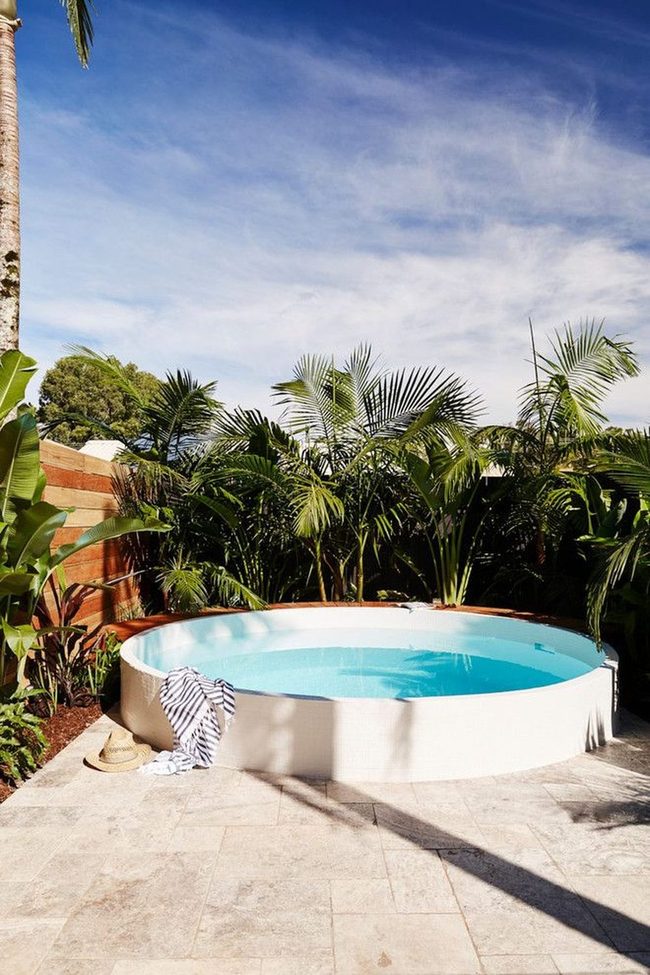
If you live somewhere warm with hot summers and mild winters, lining your pool with palm trees can turn your backyard into a tropical paradise that makes you feel like you're on vacation whenever you swim.
Palm trees won't survive in colder climates, so check your local weather patterns first before you commit to planting them.
Once you've confirmed they'll thrive in your area, these leafy plants deliver that resort-like atmosphere instantly You get both practical benefits like protection from the sun and the bonus of that getaway vibe you're after.
Going with a few palms spaced around the pool edges gives you height variation and natural movement that changes with the breeze.
Even just a couple of well-placed specimens can shift the whole feeling of your outdoor space.
Potted Flowers Transform Pool Areas
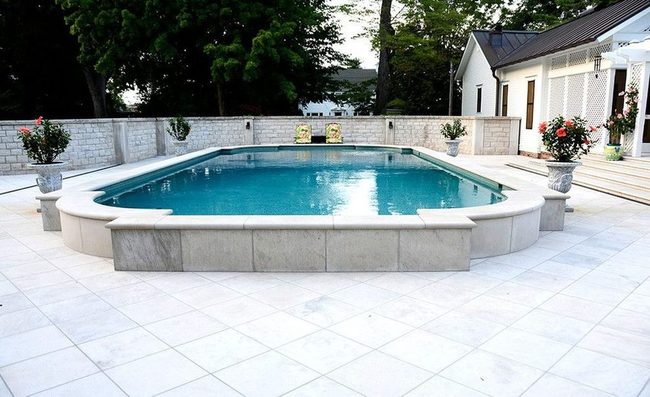
Potted flowers alongside your pool create an instant splash of color that stops people in their tracks, and they're far easier to manage than traditional landscaping beds.
If your patio features stone, wood, or tile surfaces, planters offer a smart way to bring greenery into the space without digging up the ground.
Look for pots that coordinate with your existing patio materials and fill them with blooms that make you happy.
Positioning these planters around your pool's edges transforms the whole area into something more polished and alive.
You get all the beauty of a fully landscaped yard without the commitment of planting directly into soil.
Swapping out seasonal flowers keeps things fresh throughout the year, and rearranging pots takes just minutes when you want a new look.
This approach gives you total control over where greenery goes and how your outdoor space feels.
Low Plants Frame Natural Views
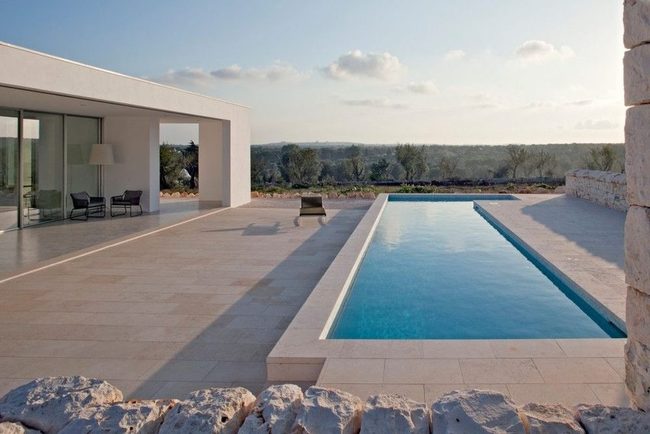
If you have a beautiful view on your property, landscaping gives you the chance to showcase it rather than hide it away, and the best approach is choosing plants that work with what nature already gave you.
Tall shrubs and dense, bushy trees will block your sightlines and waste the advantage you have, so focus on lower-growing plants that add visual interest without standing in the way.
Short, streamlined plants let you enjoy your backdrop while still making your outdoor space feel finished and polished.
You don't need to fill every corner with greenery or height to make your yard look great.
Instead, think about which plants frame your view nicely and keep your eyes moving toward what really matters.
This way, your landscaping becomes a supporting player rather than the main event, and your yard actually works for you instead of against you.
Poolside Garden Bed Contrast
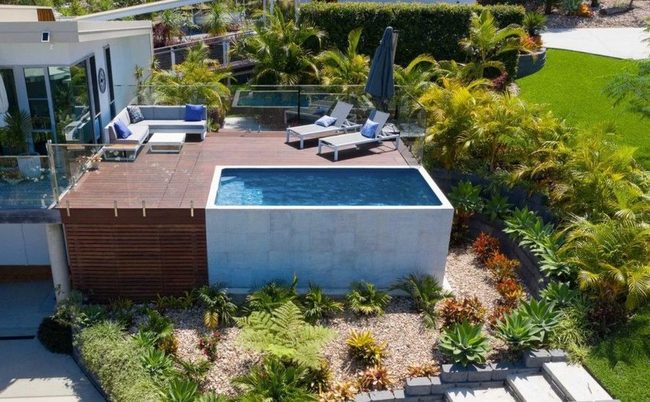
Digging out a garden plot directly beside your pool creates one of the most striking changes you can make to your backyard.
When you design this garden with a contrasting size or shape compared to your pool, you immediately draw attention and add visual interest to the whole area.
Rather than scattering plants around the pool's perimeter, concentrating them in one dedicated space makes a bolder statement.
Planting beds with different dimensions than your rectangular pool break up the monotony and keep the eye moving around your outdoor area.
You can use this garden to grow flowers, herbs, or shrubs that complement your pool's color and style.
The contrast between the hard edges of your pool and the organic shapes of plants and soil creates natural balance.
It's a straightforward way to make your outdoor space feel more intentional and put-together without needing expensive upgrades.
Low-Maintenance Green Border Plant
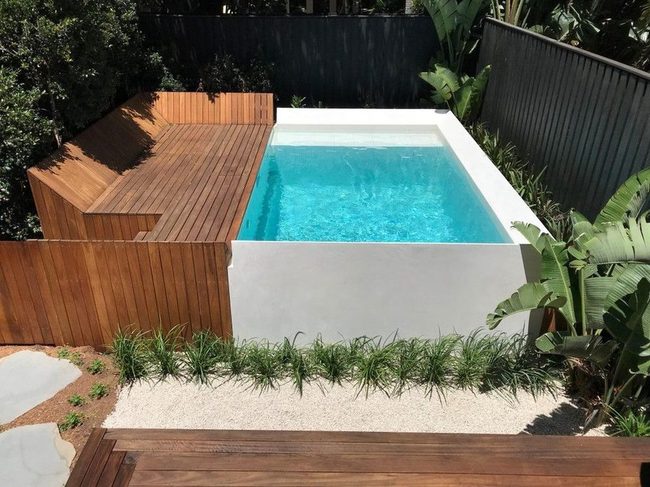
Monkey grass is a landscape staple for good reason, and you'll see it pop up in outdoor spaces everywhere because it barely needs any attention once it's in the ground.
We love recommending it as a default choice when you're unsure what to plant, since it stays neat and manageable without demanding much from you.
Its compact growth habit makes it perfect for lining fence lines, running along building walls, and bordering pool edges where you want a polished look without constant upkeep.
The plant thrives in most conditions and fills in spaces with a tidy appearance that lasts season after season.
You can count on monkey grass to stay within bounds and look intentional rather than wild or overgrown.
Whether you're designing a simple landscape or filling gaps in an established garden, this hardy option delivers consistent results.
Planting it liberally throughout your yard means less stress and more time enjoying your outdoor areas instead of maintaining them.
Green Strip Garden Between House And Pool
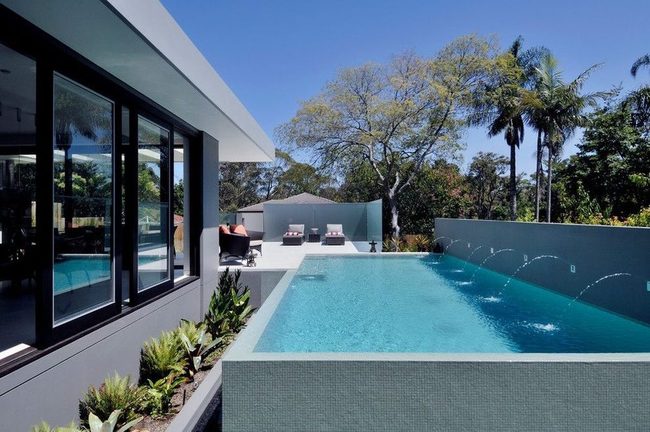
One way to use that small strip of space between your house and pool is to plant a garden there, and doing so transforms what might otherwise become a bland stretch of lawn into something with real character and visual interest.
A garden in that tight spot works beautifully because it fills an awkward gap in your yard design.
You get the bonus of adding greenery and texture right where you need them most Plants between these two structures also soften the transition from your home to the water.
It's one of those straightforward moves that doesn't require much effort but makes a noticeable difference in how your whole yard feels.
Whether you go with flowering plants, shrubs, or a mix of both, that garden becomes an instant upgrade to your outdoor space.
Flowering Vines Frame Poolside
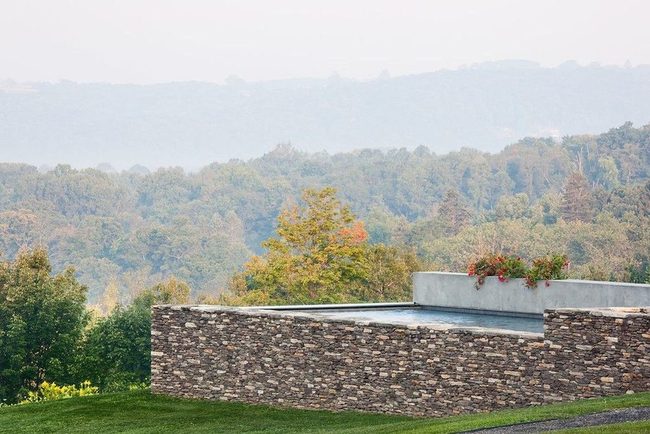
Flowering vines and cascading blooms draped along your pool edges transform the space into something romantic and lush.
If you have thick pool walls, the easiest approach is placing planters on top filled with trailing flowers that spill down the sides.
Thin walls need a different solution, and planting flowering vines at the base works beautifully as they climb upward over time.
You'll watch these vines grow taller and fuller each season, eventually covering the walls with blossoms.
Both methods give your pool that garden-like feel without requiring major construction or complicated setup.
Whether you go with hanging planters or climbing vines, the effect is the same: flowers frame your pool and soften its hard edges Your guests will immediately notice the effort you've put into making the pool area feel special.
Grass Growing Through Stone Pathways
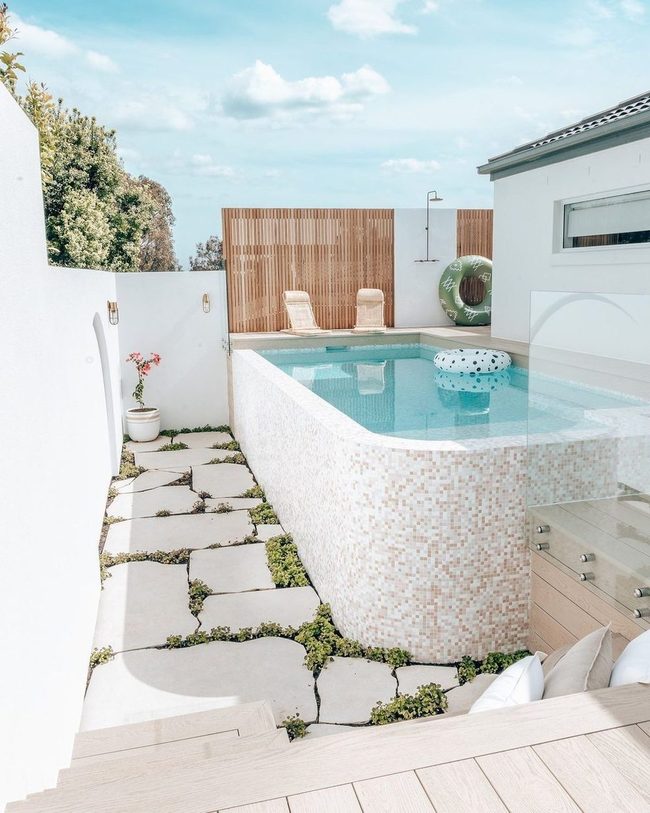
Letting grass and plants push through gaps between your paving stones gives your outdoor space a wild, natural look that feels refreshing and alive.
You can achieve this effect by choosing irregular pavers and spacing them slightly apart, allowing greenery to fill in the cracks naturally.
If you prefer something more controlled and modern instead, geometric tiles with neat grout lines deliver that clean, polished appearance that many people love.
Both approaches work well for pathways, and the choice really comes down to whether you want an orderly feel or something more relaxed and overgrown.
I think the natural look takes less effort to maintain since you just let the plants do their thing.
On the other hand, those tidy geometric layouts demand regular upkeep to keep lines sharp and grout pristine.
Either way, pavers give you flexibility to design a pathway that matches your style and how much work you want to put in.
Succulents Line Poolside Stairs
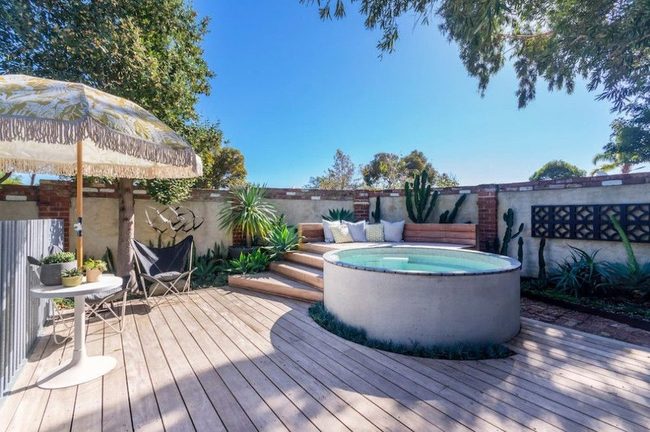
Lining your staircase with cacti and succulents makes a bold statement, especially when those steps lead down to your pool.
Plants along the stairs catch the eye immediately and give your outdoor space a natural, layered look that feels intentional.
Slow-growing succulents work perfectly here because they stay compact and won't sprawl across your steps or create a safety hazard.
You get the visual appeal of greenery without the maintenance headaches that faster-growing plants would bring.
It's one of those simple solutions that takes barely any effort on your part yet delivers noticeable results.
If you want greenery in your outdoor area, a staircase offers one of the easiest spots to add it and make an impression at the same time.
Layered Garden Heights And Colors
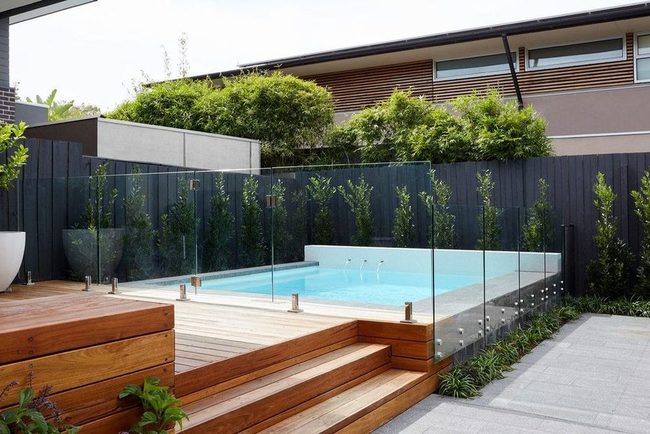
When you're selecting plants for your yard, mixing different heights makes a real difference in how the space feels.
Tall plants such as shrubs and trees work well along fence lines because they block outside noise and create privacy while still letting you see through to the landscape beyond.
Shorter plants like ornamental grasses and flowering varieties belong on the other sides of your pool where they add color and interest without making the area feel cramped or closed in.
This approach gives you layers in your garden that look natural and keep sightlines open.
You get the screening and sound dampening you need from the taller options and the pop of color and texture from the lower-growing ones.
Combining both types of plantings means your outdoor space feels balanced and well-designed without sacrifice.
Soft Grass Barefoot Relief
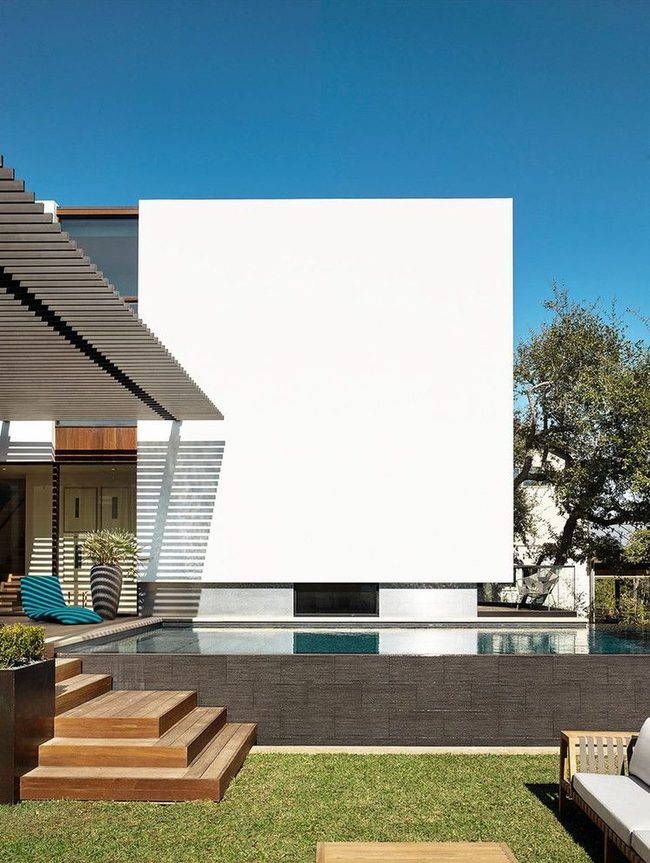
Grass might not seem like the most exciting landscaping choice at first, but there's a solid reason why it remains a timeless classic.
When you step out of the pool with wet, cold feet, there's nothing quite like the sensation of soft grass beneath your toes.
We tend to overlook how much this simple pleasure matters in outdoor spaces.
Going all in on grass means you're choosing comfort and practicality over complicated design schemes Keeping your landscape straightforward and grounded in quality grass gives you a functional outdoor area that feels genuinely good to use.
Sometimes the best landscaping decisions are the ones that prioritize how a space actually feels when you're living in it rather than how it looks from far away.
Patio Flower Bed Focal Point
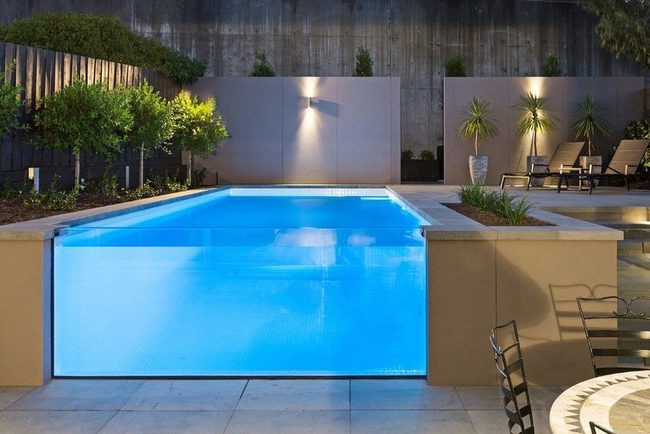
If you're short on garden space, consider bringing a flower bed right onto your patio where it can become a stunning focal point.
Two methods exist for making this work, and the choice depends on how much effort you want to invest.
Building a raised bed on top of your patio surface is the simpler route, requiring minimal disruption to your existing patio.
On the other hand, you can remove a section of your patio and install a flower bed directly into the ground beneath it for a more permanent solution.
Both approaches let you grow flowers and plants in an area that might otherwise sit empty.
We recommend starting with a raised bed if you're unsure about commitment, since you can always move or adjust it later.
Either way, you'll add color and life to your outdoor living space without needing a separate garden plot somewhere else on your property.
Green Vines Cover Bare Walls
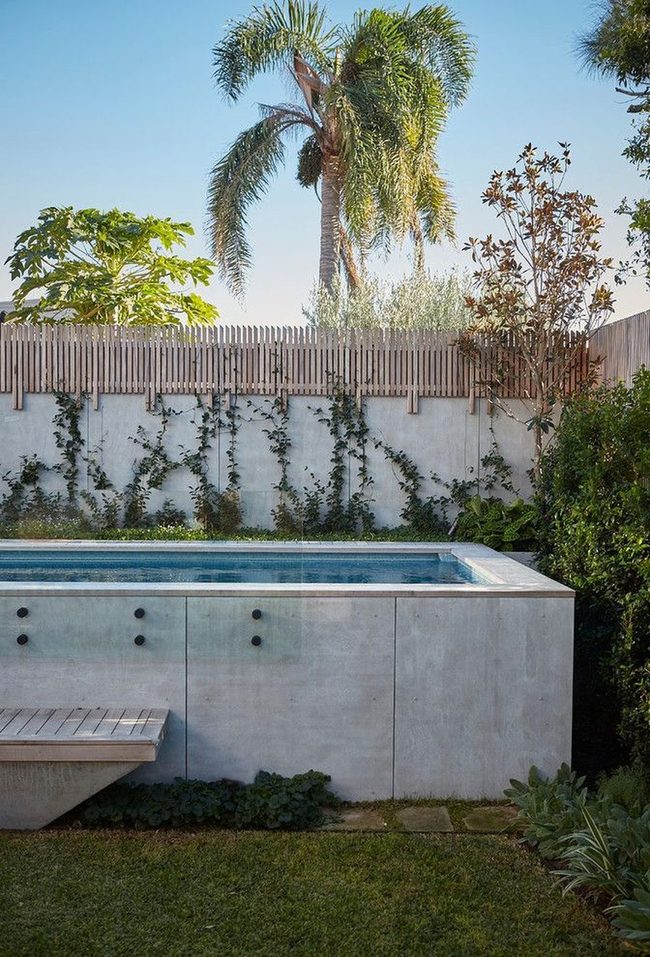
Climbing vines draping across your fence and walls create one of the most striking transformations you can make to a backyard, and the best part is how little work they demand from you.
Once you plant them, the vines simply grow and spread on their own, covering bare spaces and adding layers of natural texture to your outdoor area.
Over time, this green coverage becomes a living backdrop that changes the entire feeling of the space.
You don't need to add anything else to notice the difference-these plants work hard on their own.
Growing vines across your walls and fence requires minimal maintenance and planning compared to other landscaping projects.
The result feels like a total overhaul of your backyard, even though you've kept things simple.
This approach gives you maximum impact without demanding constant attention or a huge budget.
If you want to enhance your outdoor space with something bold and effective, letting vines take over is a smart way to start.
Layered Garden With Mixed Plantings
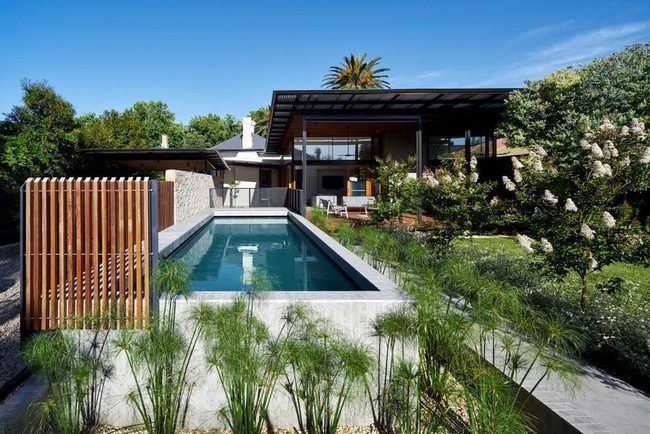
If you enjoy a diverse garden rather than sticking with a single plant variety, there's no reason to limit yourself to just one option.
Flowers planted along your pool's edges create a stunning border that draws the eye immediately, while shrubs positioned near your pathways provide structure and guide visitors through your space.
Scattered trees throughout the landscape add height and dimension that really stand out.
Building a garden this way means you get to choose plants you genuinely love instead of playing it safe with monotonous selections.
The best part is that gardening isn't permanent-if something doesn't work out, you can always remove it and experiment with a different plant.
This approach keeps your outdoor area feeling personal and unique to your taste.
Don't worry about making the perfect choices on your first try.
What matters most is ending up with a space that makes you happy when you look at it.
Michael Harris
Senior Content Editor
Expertise
Home Décor Content Creation, Interior Design Journalism, Editorial Oversight, Digital Media Strategy, Team Leadership and Mentorship
Education
University of Queensland, Brisbane, Australia
Queensland University of Technology (QUT), Brisbane, Australia
Michael Harris is the senior content editor at Archi Refresh, where he turns home design trends into engaging, easy-to-follow articles. With a journalism degree from the University of Queensland and a digital communication certification from QUT, he knows how to craft content that informs and inspires.
With over 10 years of experience in lifestyle and design media, Michael has shaped editorial strategies, mentored writers, and helped readers refresh their spaces with practical tips. His work blends storytelling with expert advice, making home decor more accessible to everyone.
Outside of work, Michael enjoys DIY projects, exploring Brisbane’s art scene, and teaching digital literacy workshops.