
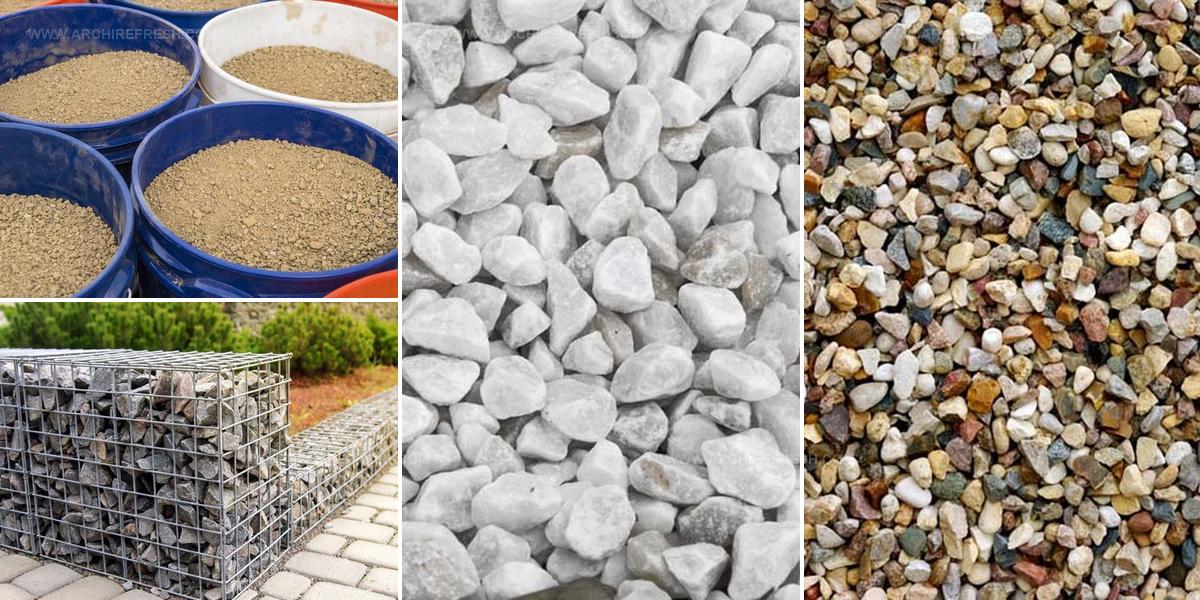
12 Landscaping Rock Types That Work for Every Garden
Landscaping rock types serve as the building block of outdoor design, offering texture and permanence that plants alone cannot provide.
Homeowners often overlook how different stones can dramatically change a yard's appearance and functionality.
From smooth river pebbles to angular granite fragments, each variety brings distinct characteristics worth understanding.
Budget-conscious property owners appreciate that rocks require minimal maintenance compared to grass or flower beds.
Durability stands out as a major advantage since quality stone can last decades without replacement.
Climate, drainage needs, and aesthetic preferences all play important roles when selecting the right materials for any project.
Once you understand what makes each rock type unique, designing an attractive and practical outdoor space becomes much easier.
Red Lava Rocks Garden Foundation
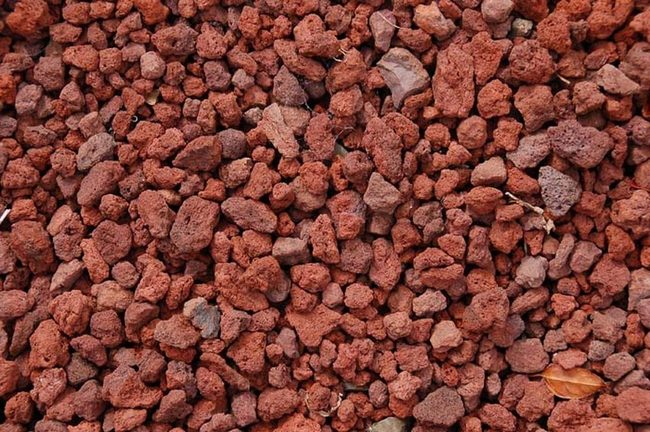
Red lava rocks stand out immediately in any garden with their bold, earthy appearance that comes straight from volcanic activity, and their porous structure does double duty by draining water away from plant roots while keeping soil temperatures regulated.
When you combine them with weed barriers, you get a low-maintenance setup that keeps unwanted plants at bay.
Modern garden designs often feature these rocks because they blend so well with different plant types and actually make your greenery pop more.
You can arrange them to add layers and contrast throughout your beds and borders.
Many gardeners appreciate that red lava rocks solve both a practical problem and a design challenge at the same time.
Crushed Granite Paths Natural Drainage
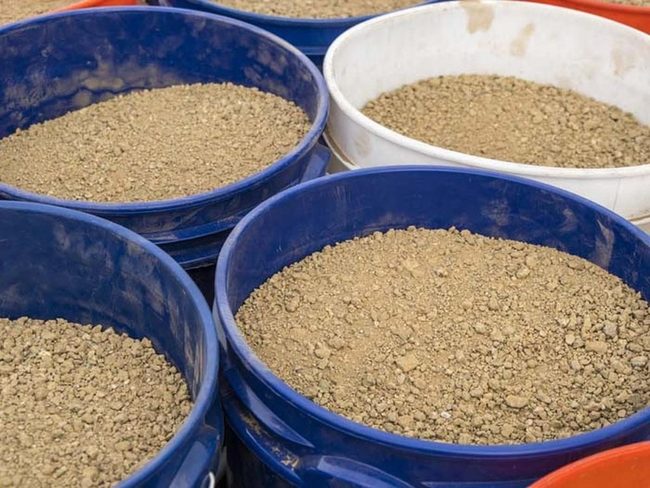
Decomposed granite stands out as a hardworking landscaping choice with natural beauty that fits both formal and casual garden styles.
What makes it so practical is how well it drains water, which means wet spots in your garden won't stay soggy and cause problems.
Lining your pathways and garden beds with decomposed granite gives you clean edges and helps separate different planting zones.
Ground cover made from this material looks right at home in any landscape and keeps things looking neat without demanding much upkeep.
Many people use it to fill areas where plants won't grow or where foot traffic needs a durable surface.
Smooth Beach Pebbles Garden Pathway
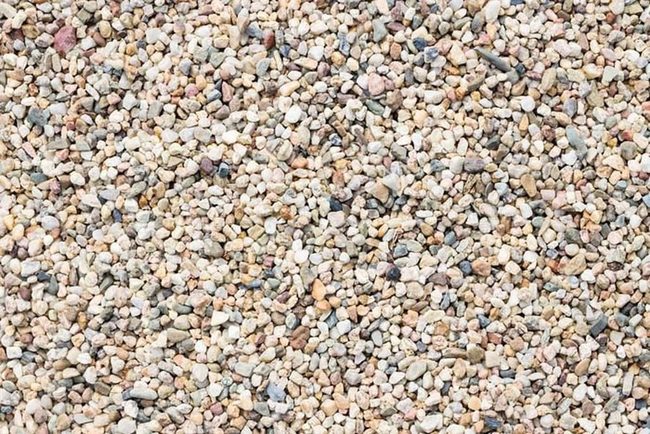
Beach pebbles with their rounded, smooth surfaces bring an immediate sense of calm to any garden you design.
You'll find these stones work wonderfully along pathways and as decorative touches throughout your outdoor space, and they come in a range of colors that let your plants shine even brighter.
Walking across them feels pleasant and natural, which is why so many people choose them for their yards.
Beyond looks, pebbles serve practical purposes like helping with drainage and keeping weeds down around your plantings.
You don't need much effort to maintain them, and they last for years without fading or breaking down quickly.
Most gardeners find that these simple stones become a reliable backbone for their outdoor designs without demanding constant attention.
Granite And Sandstone Retaining Walls
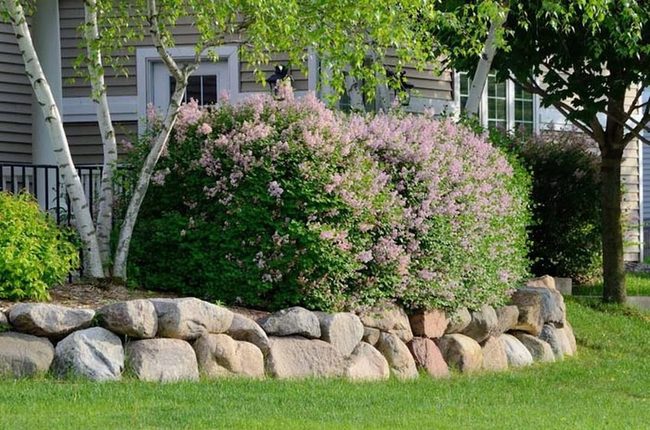
Retaining walls made from granite or sandstone do double duty in your outdoor space by holding back soil while making your landscape look more interesting and layered.
Water drainage and erosion control happen naturally when you choose quality stone materials, and these practical benefits pair nicely with the visual appeal they bring to your garden.
Different stone types let you steer the design in whatever direction suits you, whether you prefer something rustic and weathered or clean and contemporary.
Think about how tall you need the wall to be and what job it needs to do, since these factors directly affect how well it will actually work over time.
Height matters because it determines load capacity and stability, so matching the right dimensions to your yard's conditions keeps everything functional for years to come.
Stone selection really shapes whether your landscape feels rough and natural or refined and modern, giving you flexibility in how you express your outdoor style.
Crushed Gravel Stones Drainage Solution
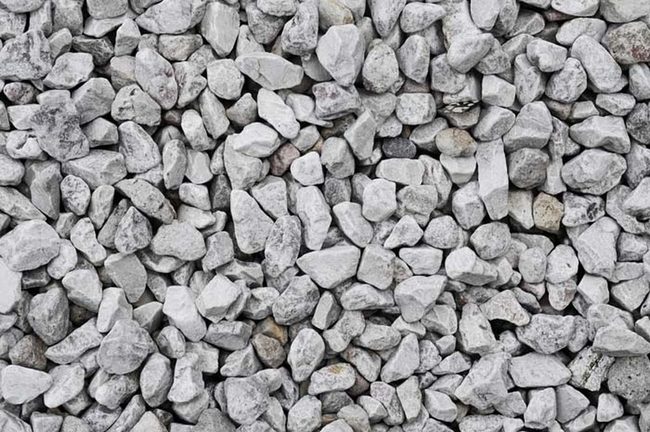
Crushed gravel stones bring both substance and style to your outdoor spaces, working as a practical solution for everything from blocking weeds to supporting structures underneath.
The useful part is how the smooth texture feels pleasant underfoot on walkways and play areas, and I notice the care in how well these stones handle water drainage when you live in rainy regions.
In rock gardens, the stones blend right in and let you get creative with how you arrange them.
Beyond looking good, they solve real problems like managing stormwater runoff and keeping your landscape healthy and functional.
The way gravel sits in your beds means water moves through easily instead of pooling up.
When you're planning your outdoor area, these stones offer you both beauty and practical benefits that work together to improve how your landscape actually performs.
Brick Chips Lasting Garden Cover
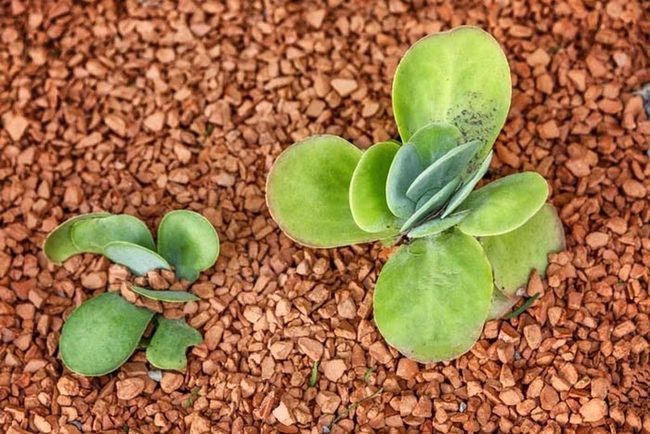
Brick chips scatter across garden beds with their warm reddish tones and rough texture, making them one of the most visually interesting mulch options available for your outdoor space.
You can spread them in pathways to create defined walkways, tuck them around flowers and shrubs, or use them as general ground cover wherever you need function and style.
Unlike wood mulch, brick chips won't break down and disappear, so they maintain their appearance season after season without fading or turning gray.
They also won't attract termites or other pests that sometimes plague organic mulch options, which makes them a low-maintenance choice.
Because they're made from crushed bricks, they add a rustic quality that works well in many landscape designs.
Natural Stone Patios Weathered Beautifully
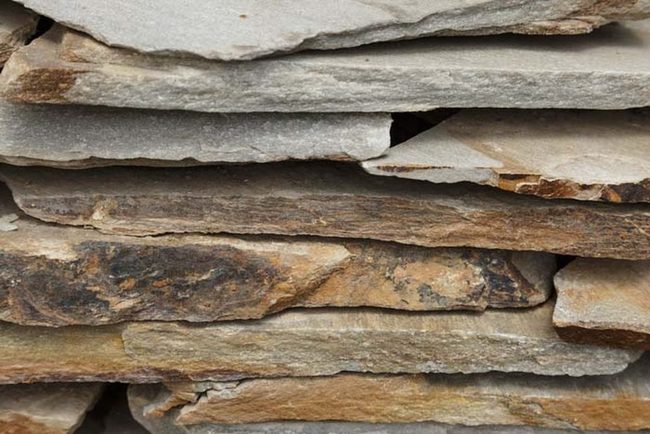
Flagstone serves as a stunning choice for outdoor spaces, offering natural textures and flat surfaces that work beautifully for patios and pathways while supporting the weight of regular foot traffic.
You can arrange these stones in countless patterns or keep them simple for a more authentic look, and the range of shapes and colors available means you have flexibility in how you want your outdoor area to appear.
When paired with landscaping elements like fountains or plants, flagstone enhances the overall character of your yard without requiring constant maintenance.
Its timeless appearance blends well with most outdoor designs, whether your style leans toward modern or traditional.
Most people find that flagstone looks better as it ages, developing a pleasant patina that adds character.
Smooth River Stones For Landscapes
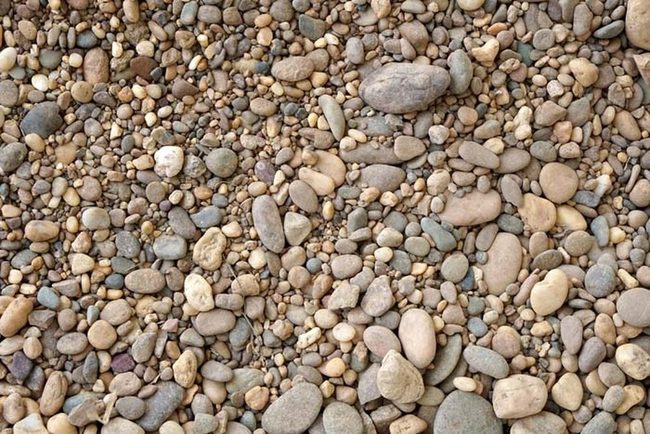
River rock catches the eye immediately with its smooth, rounded shape and natural polish, making it a favorite choice among people designing outdoor spaces.
You can find these stones in many different sizes, and they work beautifully in gardens, especially near water features such as ponds and fountains.
One of the best uses for river rock is building fake dry creek beds that add a nice rustic charm to your yard.
Weeding around them does take more effort since the smooth surface makes it harder to spot and pull unwanted plants.
Because river rock comes in earthy tones, it blends nicely with the plants and flowers you're already growing.
If you're looking for a low-cost way to fill garden beds or frame landscaping features, this material gives you solid results without breaking the bank.
The stones work well in both modern and traditional yards, so you can use them no matter what style appeals to you.
Giant Gray Boulders Command Garden
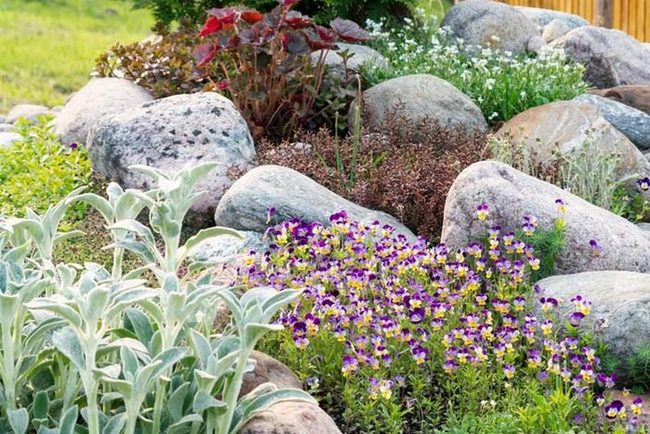
Massive stones placed throughout a garden immediately grab attention and dominate the landscape with their sheer scale and presence.
You can position them in rock gardens where they anchor the entire space and provide that grounded, permanent quality that smaller plants can't achieve.
Beyond their striking appearance, boulders solve practical problems; they work well in spots where grass won't grow and help hold soil on slopes as natural retaining walls.
I value the way these stones reduce your maintenance since they don't need mowing or regular care like turf does.
Using boulders you already have on your property keeps costs down and gives you an authentic look that matches your land's character.
Arranging them thoughtfully throughout your garden beds adds dimension and breaks up flat areas without requiring extra expense or effort.
Stone-Filled Wire Walls
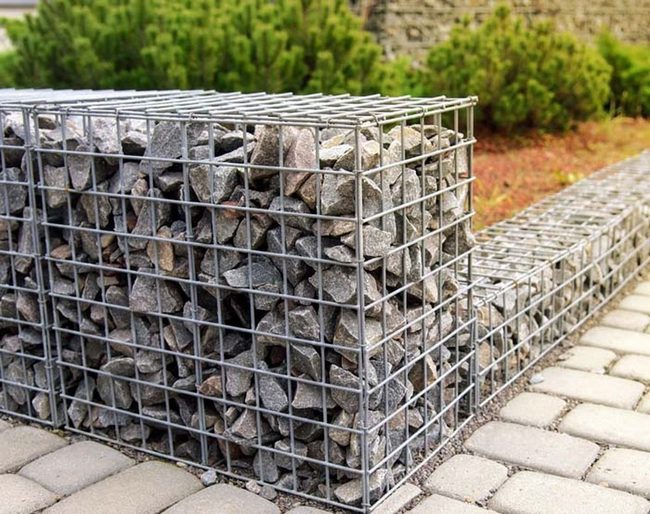
Wire cages packed with rocks stand out as one of the most striking features you can add to your outdoor space, serving double duty as both a protective barrier and a design element that catches the eye.
These gabion structures handle serious work like preventing soil erosion and holding back earth on slopes, which means you get functionality without sacrificing looks.
Over time, the natural rocks inside support climbing plants and creeping vegetation, and this greenery winds through the cages to blend the whole thing into your landscape.
You'll find these walls work equally well in city gardens or countryside settings because they adapt to so many different environments.
If you're dealing with a sloped yard or need to stabilize soil along a property line, gabions give you a sturdy solution that actually looks good while it's doing its job.
Many people appreciate how the texture and color of stacked rocks add character to an otherwise plain space.
Smooth Stone Meets Reclaimed Wood
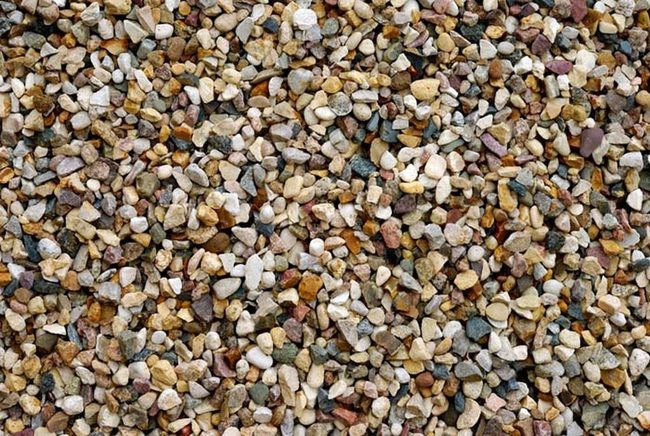
Pea gravel offers a range of natural colors that create an appealing surface wherever you place it, and when combined with reclaimed wooden beams, the contrast between the smooth stones and rustic wood produces a striking pathway that really stands out in your yard.
Small and smooth, this versatile stone handles many landscaping jobs well and works especially nicely for pathways, play areas, and fire pit surrounds because it's safe and looks good.
You can incorporate it into your outdoor space without much fuss, and the simplicity of working with pea gravel means you don't need special skills or tools to get started.
Many people choose it for these areas because the stones feel pleasant underfoot and don't require constant upkeep.
Combining it with wooden beams gives you a design that enhances your outdoor area and makes a real difference in how your space feels.
Polished White Marble Garden Stones
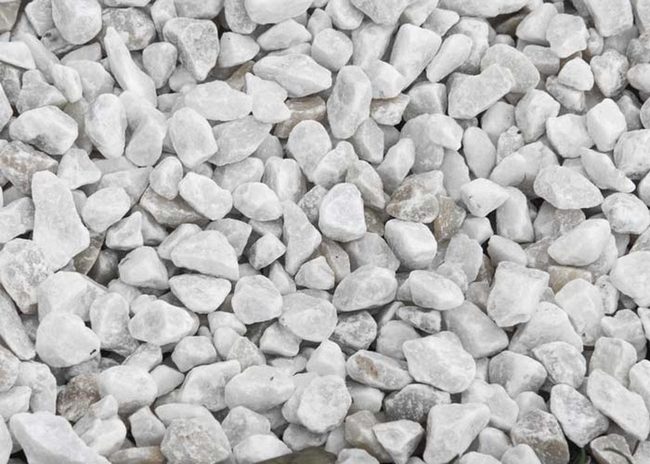
White marble rocks stand out as one of the most striking garden choices because their gleaming surface catches light beautifully and creates an immediate sense of refinement.
You can use them along pathways or as decorative accents, and they'll hold up exceptionally well over time without cracking or losing their color.
What makes them so versatile is how well they complement any plant palette, whether you're growing bold flowering shrubs or softer greenery.
This feels practical because simple it is to pair them with darker stones to build interesting visual depth and contrast throughout your space.
Placing white marble strategically around your garden brings a polished quality that works with many design styles.
These stones don't require much maintenance once they're in place, and they remain beautiful year after year.
If you want an investment in your landscape that combines durability with genuine style, white marble rocks deliver on both fronts.
Michael Harris
Senior Content Editor
Expertise
Home Décor Content Creation, Interior Design Journalism, Editorial Oversight, Digital Media Strategy, Team Leadership and Mentorship
Education
University of Queensland, Brisbane, Australia
Queensland University of Technology (QUT), Brisbane, Australia
Michael Harris is the senior content editor at Archi Refresh, where he turns home design trends into engaging, easy-to-follow articles. With a journalism degree from the University of Queensland and a digital communication certification from QUT, he knows how to craft content that informs and inspires.
With over 10 years of experience in lifestyle and design media, Michael has shaped editorial strategies, mentored writers, and helped readers refresh their spaces with practical tips. His work blends storytelling with expert advice, making home decor more accessible to everyone.
Outside of work, Michael enjoys DIY projects, exploring Brisbane’s art scene, and teaching digital literacy workshops.