
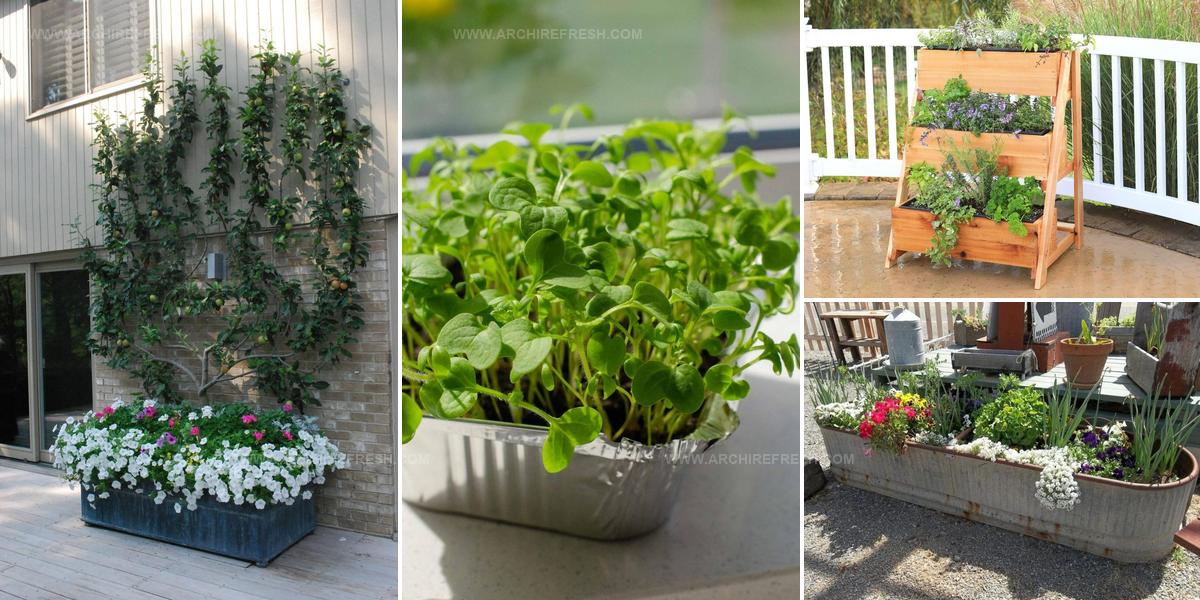
20 Limited Space Garden Ideas That Actually Work
Limited space garden ideas can turn even the smallest outdoor area into a productive growing zone.
Balconies, patios, and compact yards all hold potential for cultivating plants when you know which techniques work best.
Container gardening, vertical structures, and strategic plant selection make it possible to grow vegetables, herbs, and flowers without needing acres of land.
Many apartment dwellers and homeowners with modest properties have discovered that square footage matters far less than smart design choices.
Urban environments present challenges, but creative solutions allow anyone to enjoy fresh produce and beautiful blooms regardless of property size.
Windowsills, wall-mounted planters, and tiered shelving systems maximize every available inch while keeping maintenance manageable.
Begin cultivating a thriving garden today, no matter how confined the space around you may seem.
Compact Vegetable Garden High Yield
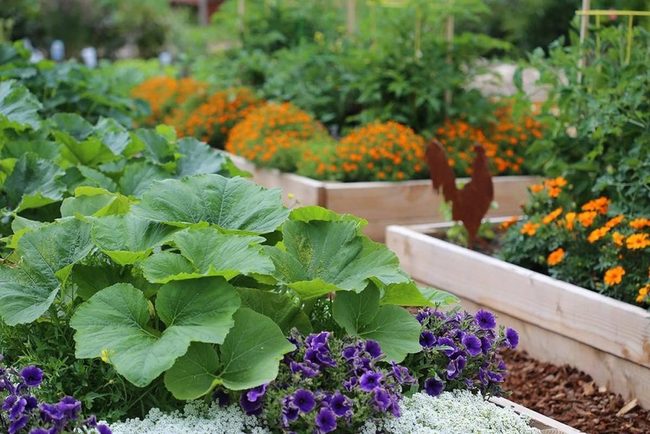
Raised beds and containers filled with thriving greens and colorful vegetables create a striking garden display that draws your eye and makes you want to spend time there.
The most appealing part is that you can space your plants much closer together than traditional garden rows allow, so you get more food from a smaller area.
Tending to your plants becomes enjoyable since everything sits at a comfortable height and stays within easy reach.
Your kitchen will benefit from a steady supply of fresh produce right outside your door.
Whether you have a small yard or just a patio, this method lets you grow what you need without wasting precious space.
Plants Thriving Together Naturally
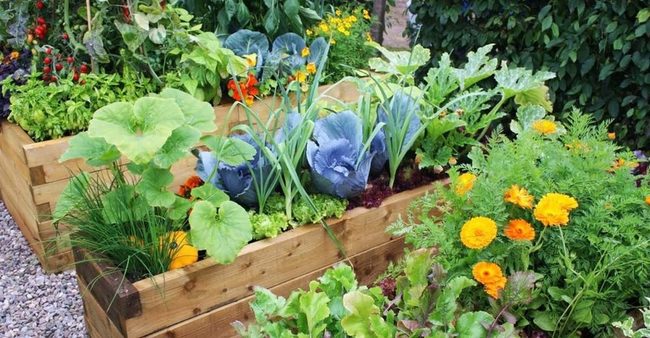
Pairing plants that grow well together turns your garden into a thriving ecosystem where tomatoes and basil flourish side by side and natural pest control happens on its own.
Companion planting makes smart use of your growing space while reducing the number of harmful insects that can damage your crops.
You have a way to enjoy a bigger harvest without needing to spray chemicals or spend extra time managing pest problems.
Grouping compatible plants together means they support each other's growth and keep each other healthy.
This method works whether you're new to gardening or already have experience with plants.
Setting up your beds this way simplifies the whole growing process and lets you focus on what matters most.
Anyone can use companion planting to get better results from their garden beds and enjoy more of what they grow.
Fast-Growing Kitchen Greens
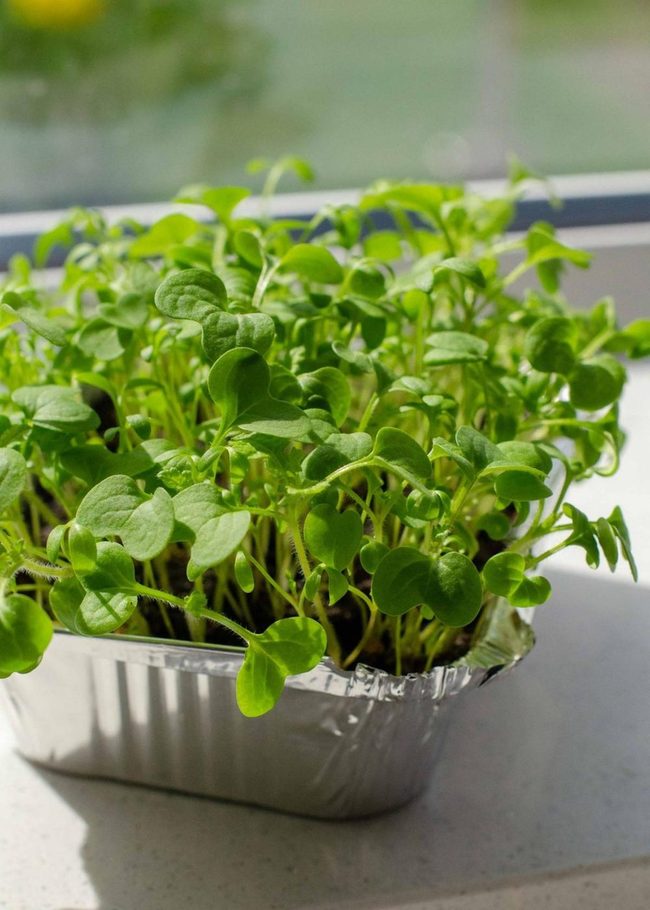
Kids and adults alike can have a blast growing microgreens at home since they sprout so fast and reward your effort with a harvest in mere weeks.
You don't need much room either; a sunny kitchen corner or small balcony works perfectly fine.
Planting these tiny seeds and watching them pop up day after day gives your whole family a real sense of achievement.
Fresh greens ready to eat in such a short time means you have a chance to enjoy the results of your work almost right away.
Since microgreens grow quickly and need minimal space, even busy households or apartments can maintain a little garden.
The whole process is simple enough for young kids to understand and participate in.
Growing food together at home connects people and builds excitement around meals.
It's one of those projects where everyone from toddlers to adults finds something rewarding about it.
Pots Of Fresh Herbs And Vegetables
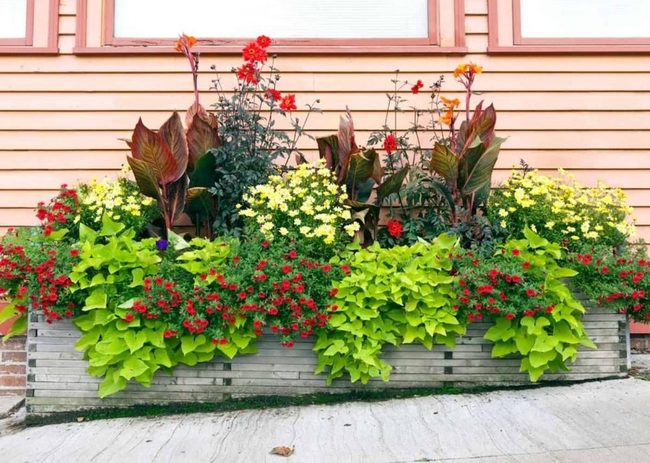
Container gardening lets you grow vegetables, herbs, and flowers right outside your door, and colorful pots bursting with life can transform even the tiniest balcony or patio into a thriving green space that suits your style perfectly.
Limited square footage won't stop you from cultivating fresh produce and fragrant herbs within arm's reach of your kitchen.
Growing plants in containers offers wonderful flexibility since you can move them around, swap out seasons, and adjust everything based on sunlight and your needs.
Plants in pots bring instant visual interest to outdoor areas, and I can see how you enjoy the satisfaction of watching them flourish throughout the seasons.
Stepping outside to harvest homegrown basil or tomatoes feels rewarding in ways that store-bought versions simply can't match.
Elevated Soil, Easier Growing
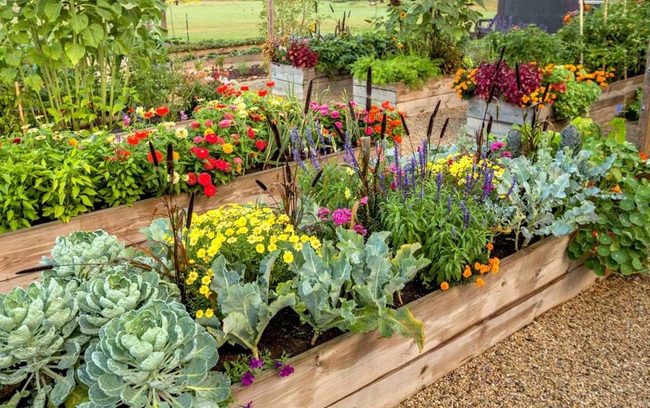
Raised beds lift your plants up and off the ground, giving them better drainage while keeping the soil from becoming compacted and waterlogged.
I can see how you control exactly what goes into the soil, mixing in the nutrients and amendments that work best for whatever you're growing.
Working with raised beds means you can reach your plants more easily without bending down as far, which makes gardening less hard on your back and knees.
Since the soil stays contained and organized, weeds have a harder time sneaking in from surrounding areas.
Plants tend to thrive in this setup because their roots have access to quality soil and consistent moisture.
Many gardeners find that raised beds help them grow more food or flowers in smaller spaces since you can pack things in a bit tighter.
The structure itself adds a neat, organized look to any yard and makes the whole garden feel more manageable to maintain.
Narrow Planters For Tiny Spaces
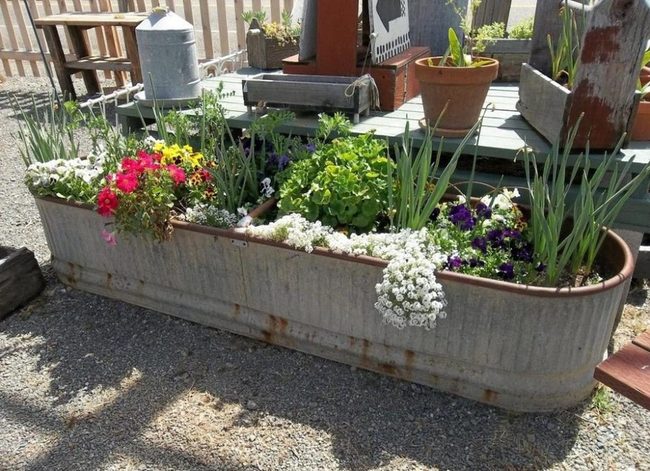
Long, narrow trough planters work wonderfully if you're dealing with tight spaces and still want to grow food.
You can easily plant root crops such as carrots and radishes in these containers, and they fit nicely on balconies or in small backyards without taking up much room.
The shape of these planters keeps things orderly while letting your plants thrive and look good at the same time.
Urban gardeners or anyone who wants to garden without needing lots of land will find these incredibly useful.
Even a modest balcony or corner patch becomes a productive growing area when you use them.
They're a smart way to turn limited space into something that actually grows food and makes your outdoor area feel more alive.
Vertical Gardens In Tight Spaces
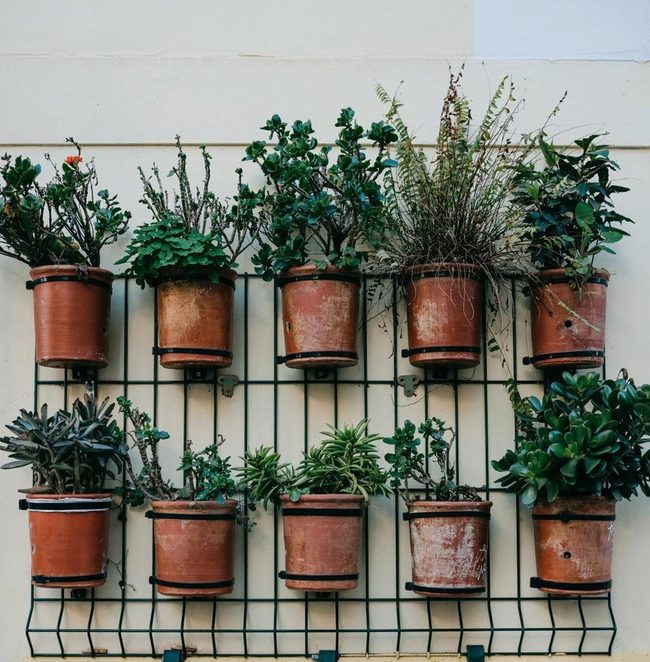
Hanging planters and container gardens packed with bright flowers and fresh herbs transform forgotten corners under stairs and along narrow pathways into lush growing spaces that bring real satisfaction to any home.
Small yards don't need to hold you back from experiencing the joy of gardening since even tight spots can bloom beautifully with thoughtful planning.
You'll want to pick plants suited to your local climate and personal preferences so that every available inch works hard for you.
Regular watering and good soil preparation are key to keeping your mini garden thriving from season to season.
Starting small means you can focus on what matters most and actually enjoy tending your plants rather than feeling overwhelmed by too much space.
Even the tiniest corner of your home has potential to become a source of fresh produce or colorful blooms that brighten your daily life.
Vertical Gardens Reach New Heights
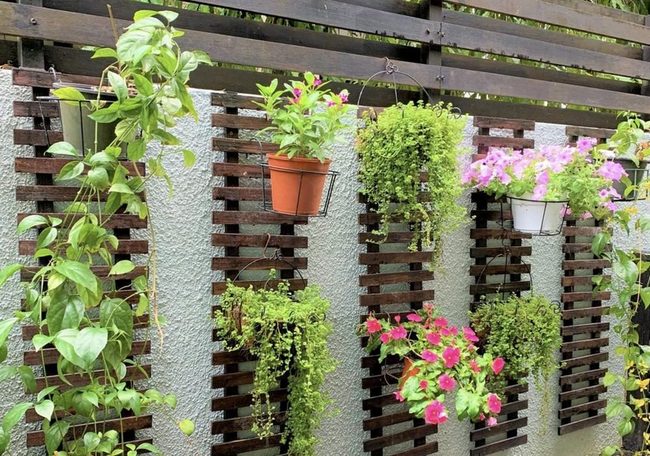
Watching plants climb and sprawl across vertical surfaces brings an eye-catching dimension to your space that ground-level gardening simply can't match.
Wall-mounted containers, trellises, and fence systems let you grow flowers and vegetables upward, which means you get maximum greenery without needing much square footage.
If you're working with limited outdoor area or want to add life to an indoor wall, this approach lets you do both at once.
Your plants will flourish as they reach toward the light and create layers of color and texture above eye level.
Beyond the visual appeal, you'll save valuable ground space for other uses or just enjoy a less crowded garden.
Growing upward also makes tending to your plants easier since everything sits at a comfortable height.
Whether you choose climbing vines, cascading flowers, or productive vegetable plants, the vertical method transforms even the smallest area into something that feels fuller and more interesting.
Organized Sections Maximize Small Space
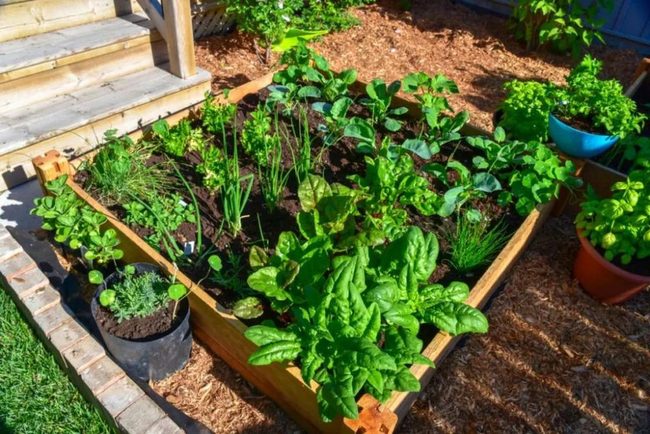
Square foot gardening divides your growing space into organized sections that make the whole process much simpler and more productive.
You can plan what goes where with ease and watch plants thrive in their designated spots.
This approach lets you grow more in less space and makes rotating crops or pairing plants together straightforward.
Smaller areas feel much less intimidating to maintain, and you get real satisfaction as you see each section fill up with healthy growth.
Managing a garden becomes less like a big chore and more like something you actually enjoy doing.
Quick-Growing Greens From Garden To Table
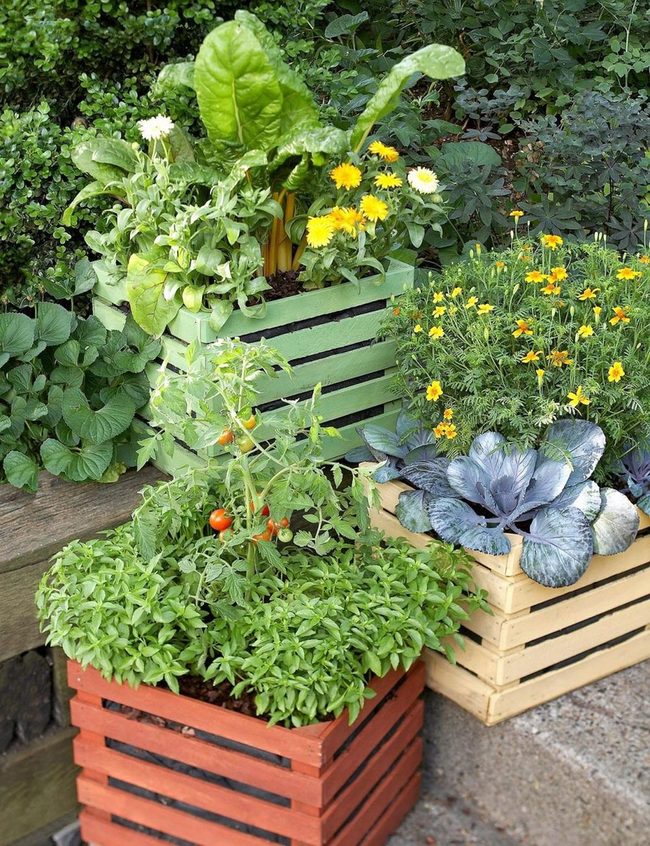
Right after you pull up your first harvest, planting quick-growing crops like radishes and lettuce keeps your garden busy and productive all season.
These speedy growers pop up fast and reach your table in just weeks, so you get a steady stream of fresh produce without long waits between plantings.
Keeping your soil rich and well-maintained means each new round of vegetables thrives and rewards you with better harvests.
The part that feels natural is how much fresher everything tastes when it comes straight from your own garden to your plate, and the variety keeps meals interesting throughout the growing months.
This simple habit of succession planting means you're always working toward your next meal, and there's nothing quite like the satisfaction of eating something you grew yourself.
The approach works because nature does most of the heavy lifting once you set things up right.
Marigolds Boost Tomato Harvests Together
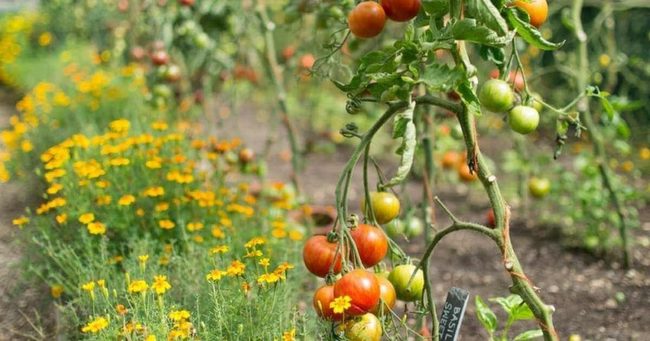
Growing plants side by side opens up possibilities for stronger gardens where each variety supports its neighbors and you see better results overall.
Marigolds next to tomatoes offer real protection from harmful insects while bringing warm yellow and orange tones to your garden beds.
When you pair plants this way, your tomato harvest tends to improve and the space becomes more visually interesting at the same time.
Gardeners have long known that certain combinations work well together, and planting with these partnerships in mind helps both types of plants do better.
Your garden becomes healthier and more beautiful when you think about which plants grow well as companions.
It's easy to start experimenting with different pairings in your own garden and see which ones flourish best in your space.
Fresh Herbs At Your Fingertips
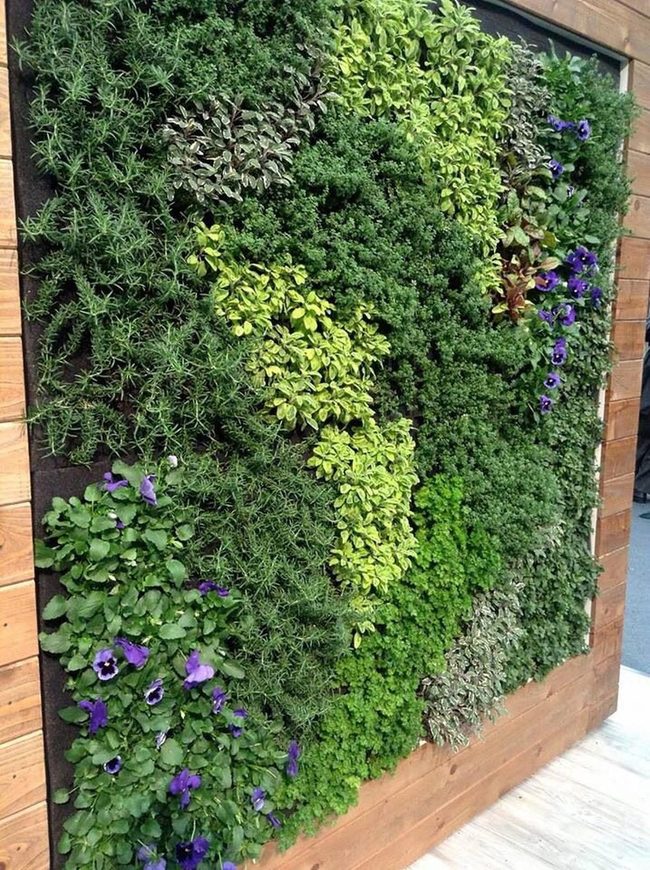
Living walls transform a plain wall into a lush garden that brings nature right into your home, and vertical planters or pocket systems let you grow herbs, salad greens, and strawberries with minimal space.
You can step into your kitchen and pick fresh basil for dinner or grab ripe strawberries from your own indoor garden whenever you want.
Beyond just looking great, this setup gives your meals genuine freshness and connects you with nature even if you live in a city.
Growing your own food means you know exactly what goes into it, and harvesting what you planted yourself feels rewarding.
Kids love being part of the process too, and watching plants grow week after week keeps things interesting.
Your kitchen becomes a place where practicality and greenery meet, and the whole space feels different when it's filled with growing plants.
Vertical Gardens For Fresh Herbs
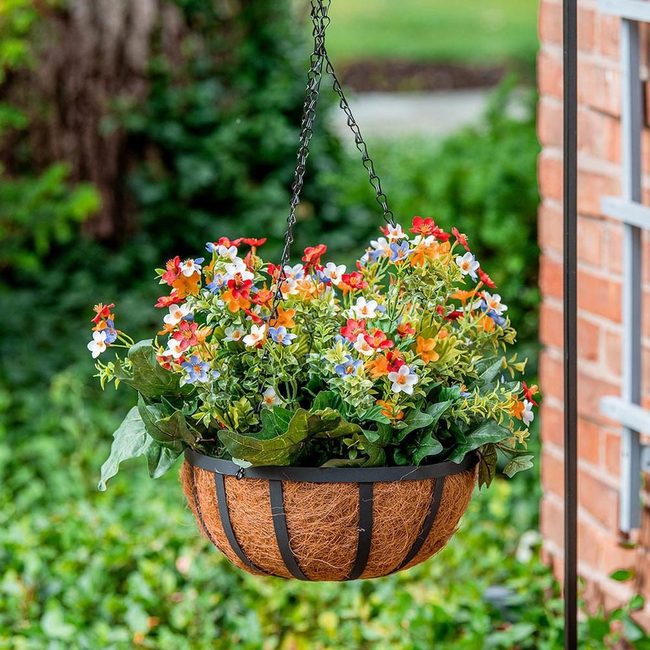
Hanging baskets suspended from your ceiling or mounted on walls bring a playful, three-dimensional element to any room while freeing up floor space below.
You can fill them with trailing plants, fresh herbs like basil, or even strawberries that cascade down beautifully.
Growing food right at eye level means you can harvest ingredients for dinner without bending down or stepping outside.
Beyond the practical benefit of fresh produce at your fingertips, these baskets introduce living greenery into areas that might otherwise go unused.
Plants hanging above your head also create a sense of liveliness that makes rooms feel more alive and welcoming.
It's a straightforward way to blend nature into your home without taking up any of your precious counter or floor real estate.
Fresh Herbs From Your Rooftop
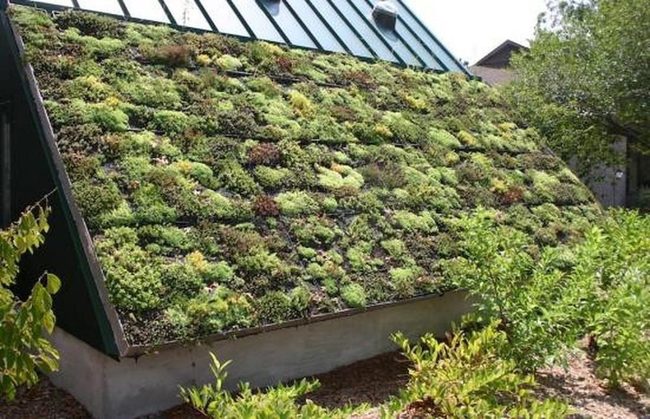
Growing vegetables and herbs on your shed roof transforms an empty space into a productive garden where you can harvest fresh ingredients steps away from your kitchen, and this approach maximizes an area that would otherwise sit unused while supporting the environment through reduced waste and increased biodiversity.
Planting directly above your head brings nature closer to daily life and gives you the satisfaction of picking dinner straight from your own rooftop garden.
A rooftop garden works as a practical solution for small yards or urban spaces where ground room is limited, so you get more growing area without sacrificing yard space.
Your shed roof becomes a mini-ecosystem that attracts pollinators and supports local wildlife in ways that typical gardens cannot.
Beyond the practical benefits, this setup transforms how your backyard looks and feels, turning an ordinary structure into something that serves your household and supports nature.
Vertical Garden Layers Fresh Herbs
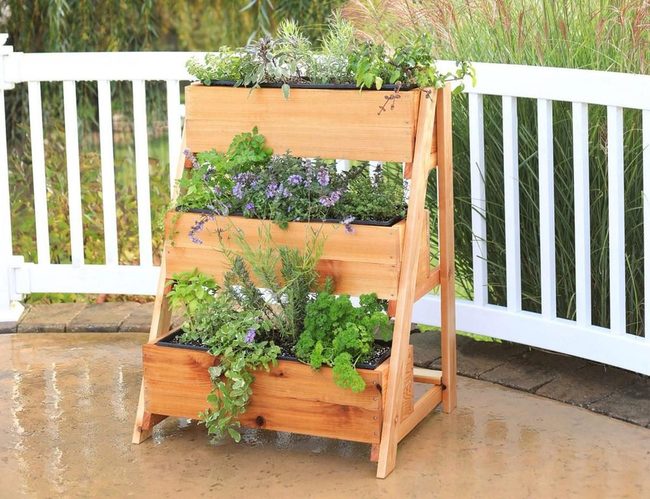
Stacked planters and shelving units offer a striking way to display multiple plants while using minimal floor space, and they naturally guide your eye upward in a garden or outdoor area.
You can grow fresh herbs on one level and colorful flowers on another, making the most of whatever room you have available.
This arrangement keeps your plants organized and easy to maintain since each tier sits at a different height for convenient access.
Beyond the practical benefits, the layered structure adds dimension to your space and encourages you to explore different sections of your garden.
When you step back and look at the whole setup, you get both beauty and function working together without any wasted area.
Fruit-Filled Garden Walls
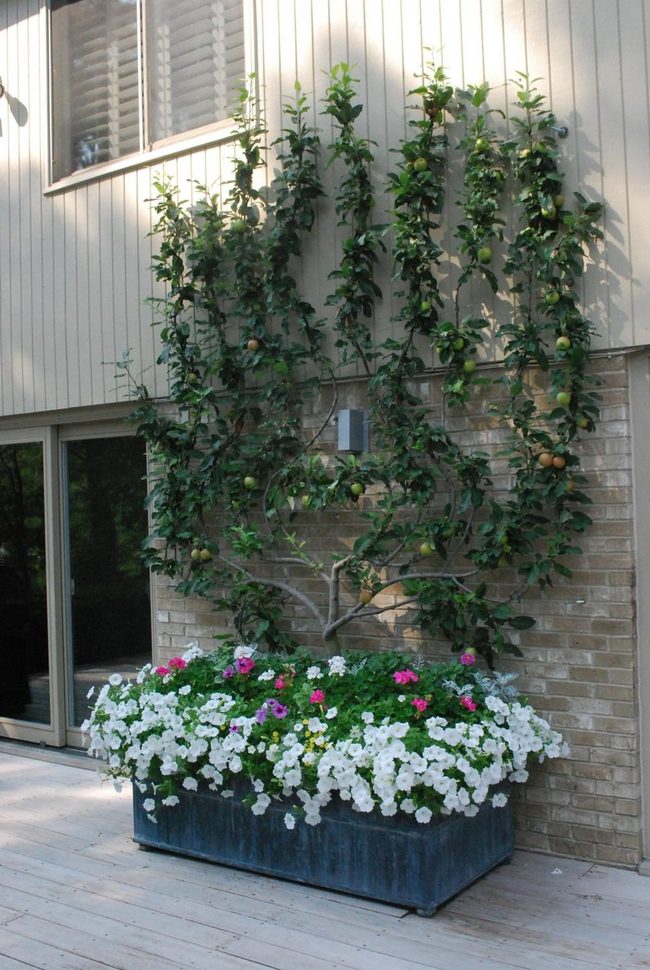
Growing fruit trees flat against a wall or fence saves space while turning an ordinary garden wall into a striking display that you can enjoy from multiple angles.
When branches spread out and fill with fruit, they catch the sun in a way that makes your outdoor area come alive.
We recommend this method because it maximizes what little room you have and adds real beauty to your landscape at the same time.
Watching the branches develop across the surface brings quiet satisfaction as the fruit ripens and the greenery takes shape.
Wall-trained trees work well in small gardens where space matters, and they look just as good whether you view them from the patio or the street side.
If you're looking for a practical way to grow more fruit in less space, this technique definitely delivers both function and visual appeal in one simple solution.
Petunias And Fresh Herbs Outside
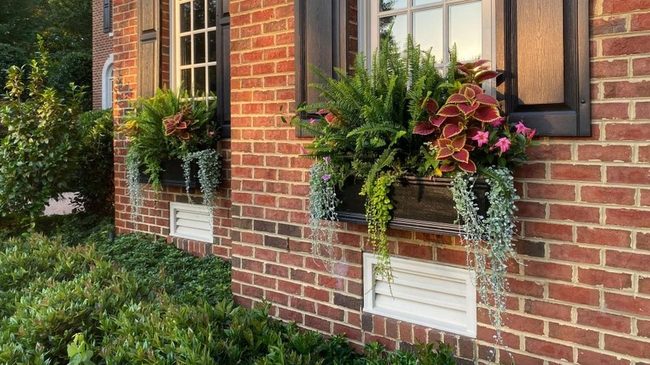
Window boxes brimming with blooming petunias or cascading flowers instantly brighten up your home's exterior and draw attention the moment someone approaches your door.
Beyond their beautiful appearance, these containers let you grow fresh herbs like basil right where you can see them and smell their wonderful aroma throughout the day.
You get the bonus of easy access to ingredients for cooking whenever you step outside or glance out the window.
Growing small salad greens or other edibles in these spaces means you can harvest fresh produce without much effort.
It takes just minutes to maintain these boxes, so even busy people can keep them looking nice.
Your everyday life becomes a little more enjoyable when you can snip fresh herbs for dinner or admire colorful blooms while doing dishes.
Vertical Vegetables On Living Trellises
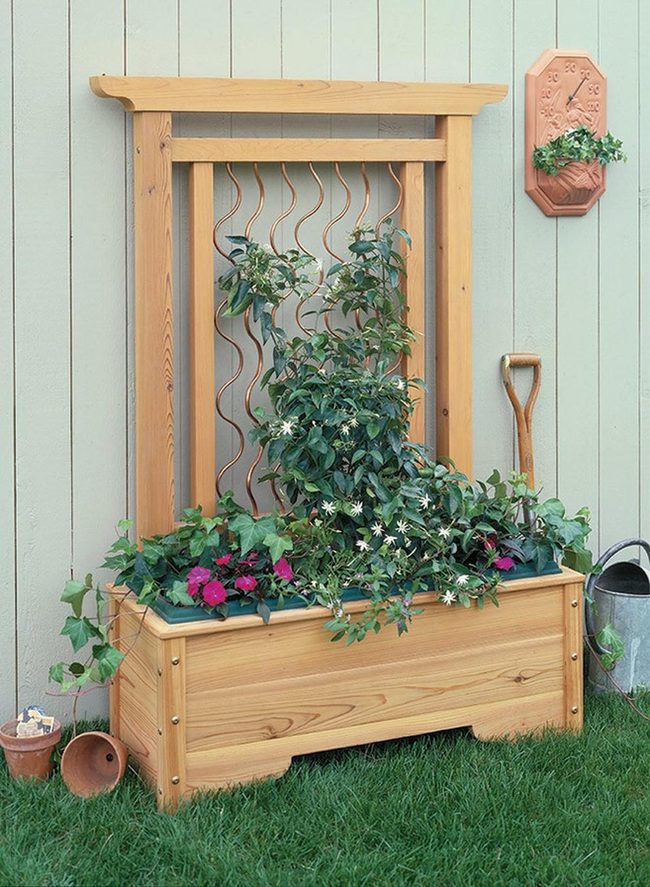
Climbing vines cascading down a trellis system create one of the most striking garden displays you can build, especially when cucumbers, peas, or beans stretch across the framework in lush abundance.
Beyond the visual appeal, trellises solve a real space problem by letting you grow substantially more food in a compact area while keeping your plants properly ventilated and disease-free.
When harvest time arrives, you'll find the elevated vines make picking much easier on your body since everything hangs at a comfortable height rather than forcing you to bend down repeatedly.
Setting up a trellis transforms what might be wasted vertical space into a productive zone where fresh vegetables grow exactly where you need them.
The practical benefit of better air circulation around the foliage keeps your plants healthier throughout the season.
You don't need much experience or expensive equipment to install one either.
Cascading Herbs Wall Garden
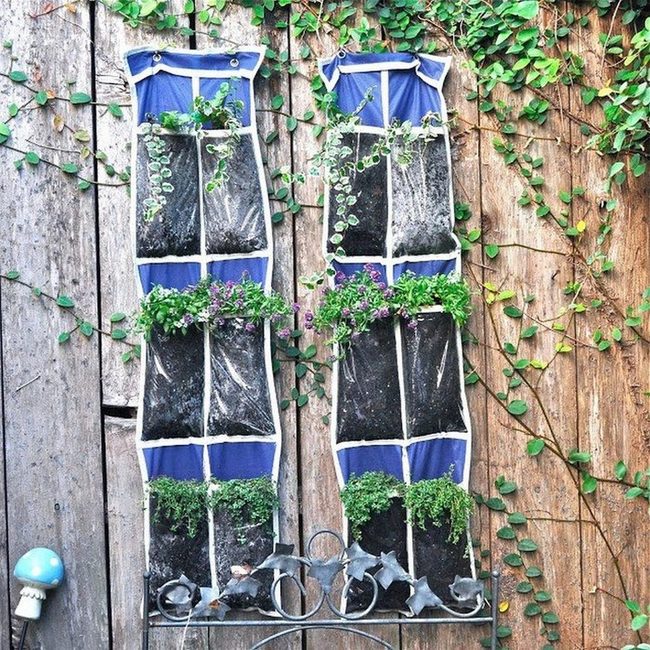
Growing plants vertically on walls and fences opens up a whole new dimension for your garden, and hanging pockets or shoe organizers transform those flat surfaces into living displays that would make anyone stop and stare.
Cascading herbs and flowers create an eye-catching show as they spill downward, adding layers of color and movement to your outdoor space.
When you go vertical, you free up ground space for other plants or seating areas while still filling every corner with greenery.
Your garden goes from flat and simple to interesting and dynamic with just a few pocket organizers and some soil.
Herbs like basil and oregano thrive in these setups, and you get fresh ingredients right at arm's reach.
Flowers like petunias and ivy add pops of color that catch light beautifully throughout the day.
Cascading Green Abundance Above
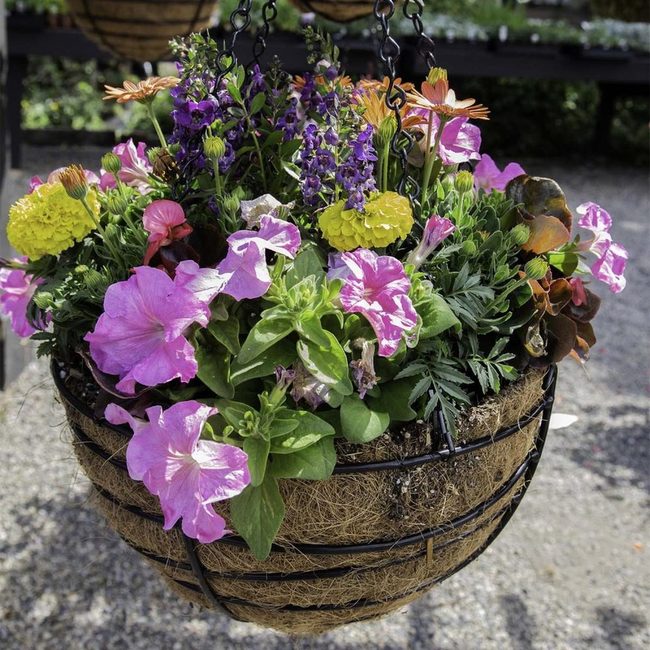
Hanging pots spilling over with trailing plants, fragrant herbs, or sweet cherry tomatoes instantly transform any outdoor space and grab attention the moment you walk outside.
Watching colors cascade down from above adds such a natural beauty to where you spend your time.
Beyond just looking great, these hanging displays bring a genuine sense of freshness that lifts your mood and makes your garden feel alive and welcoming.
Michael Harris
Senior Content Editor
Expertise
Home Décor Content Creation, Interior Design Journalism, Editorial Oversight, Digital Media Strategy, Team Leadership and Mentorship
Education
University of Queensland, Brisbane, Australia
Queensland University of Technology (QUT), Brisbane, Australia
Michael Harris is the senior content editor at Archi Refresh, where he turns home design trends into engaging, easy-to-follow articles. With a journalism degree from the University of Queensland and a digital communication certification from QUT, he knows how to craft content that informs and inspires.
With over 10 years of experience in lifestyle and design media, Michael has shaped editorial strategies, mentored writers, and helped readers refresh their spaces with practical tips. His work blends storytelling with expert advice, making home decor more accessible to everyone.
Outside of work, Michael enjoys DIY projects, exploring Brisbane’s art scene, and teaching digital literacy workshops.