
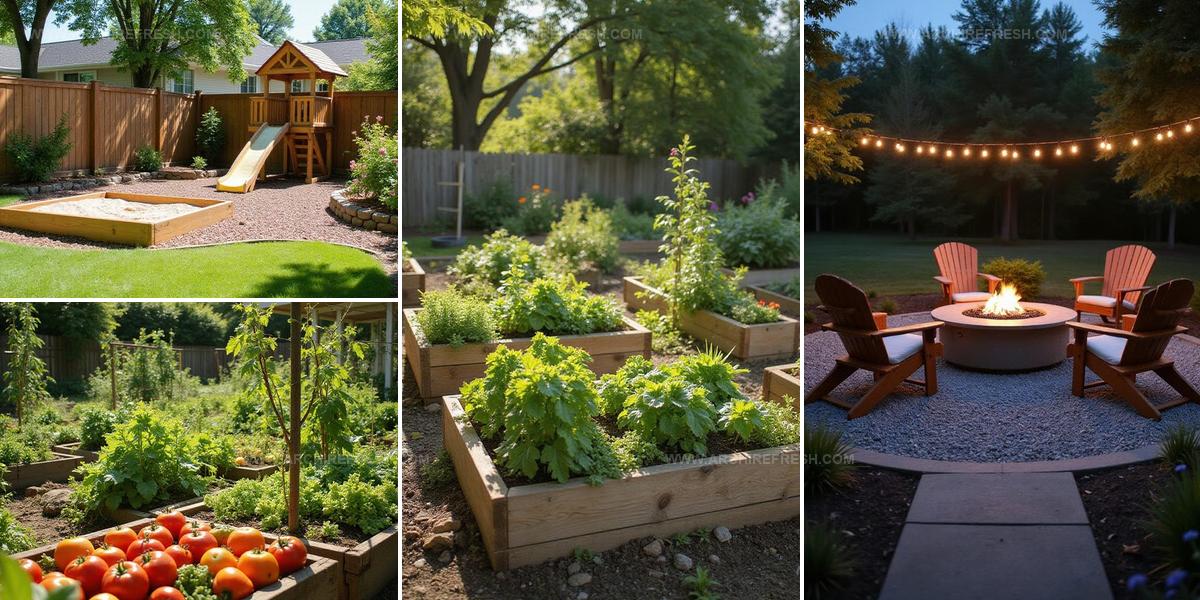
19 Mindful Yard Ideas That Create Calm Spaces
Mindful yard ideas can help anyone develop outdoor spaces that promote calm and well-being.
A landscape designed with intention offers refuge from daily stress while connecting people to nature.
When you approach garden planning with awareness, even small changes make a meaningful difference.
Simple elements like comfortable seating areas, natural materials, and purposeful plant selections contribute to peaceful environments.
Outdoor spaces become personal sanctuaries when thoughtfulness guides every decision.
The connection between mental health and green surroundings grows stronger as research continues revealing their benefits.
Begin shaping an outdoor area that nurtures both body and spirit today.
Sunken Stone Fire Pit Integration
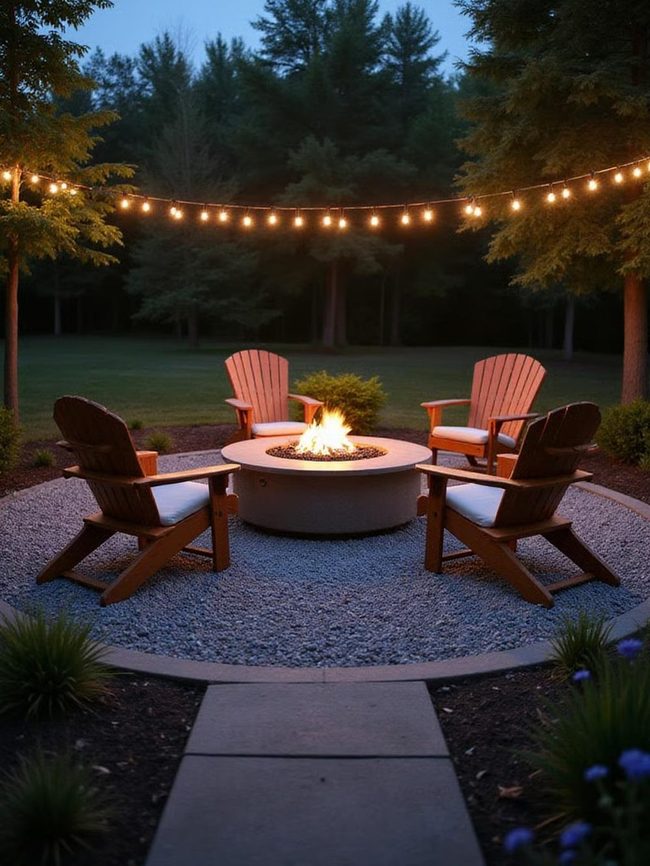
This sunken fire pit with stone surrounds feels more grounded than a portable metal option sitting on top of your yard, and layout strategy draws from thousands of years of human gathering around fire.
When you're thinking about where to place your pit, let it blend naturally into your existing landscape rather than stand out as a separate feature.
Stone, wood, and gravel work best for anchoring the space and keeping everything connected to the surrounding environment.
You don't need to make the fire pit the main attraction, arranging seating so plants and pathways share equal attention creates better balance.
Traditional Japanese gardens teach us that fire works best as one part of a larger design rather than as the single point of interest.
I've noticed that the most successful setups include nearby water elements or earth-based plantings that round out the sensory experience.
When the pit, plants, and hardscape materials feel like they belong together, the whole yard feels more complete.
This kind of thoughtful arrangement takes time to develop, but it's worth the effort to get it right.
Terrace Stillness Spot With Dappled Light
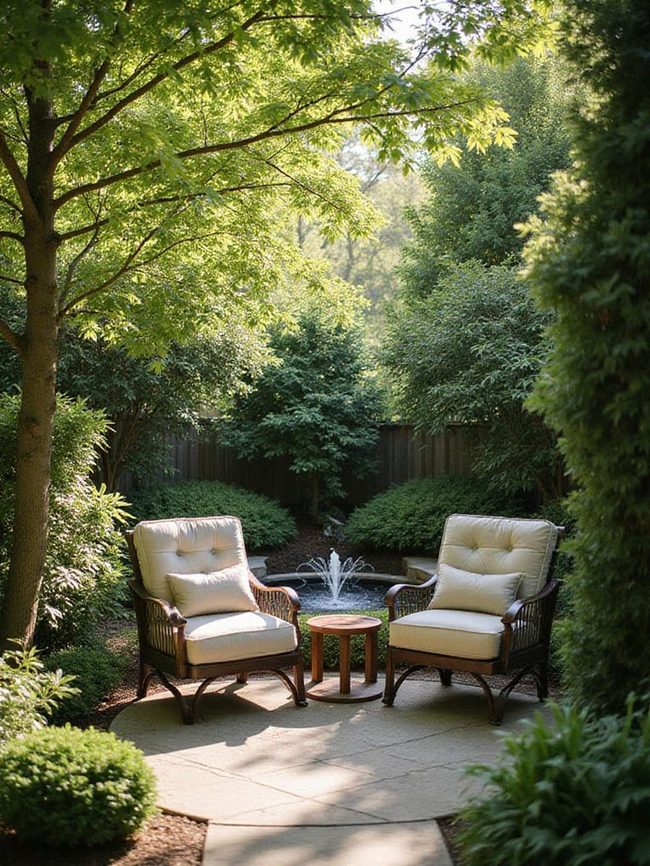
Every quiet corner designed for stillness might be the most important feature you can add to your yard space, and it doesn't require fancy furniture or complicated planning since the simplest setups often work best.
One bench under a tree, two chairs with a garden view, or a small platform for meditation can become the heart of where you spend your peaceful moments outside.
Position this spot where you feel naturally sheltered and away from the busier parts of your yard.
Before you settle on a location, think about what you could actually see and experience from that seat, how light moves through the day, which plants shift with the seasons, and what sounds surround you.
Point your seating toward views worth spending time with, whether that's a distant landscape or the close-up design touches of a flowering garden bed.
Adding a small table nearby for tea or a journal helps you stay longer and deepens your connection to the space.
When morning light breaks through leaves and branches, it creates patterns that constantly shift and change.
This kind of design reveals its full beauty only to those who pause long enough to really observe what happens around them.
Curved Gravel Paths Patio Journey
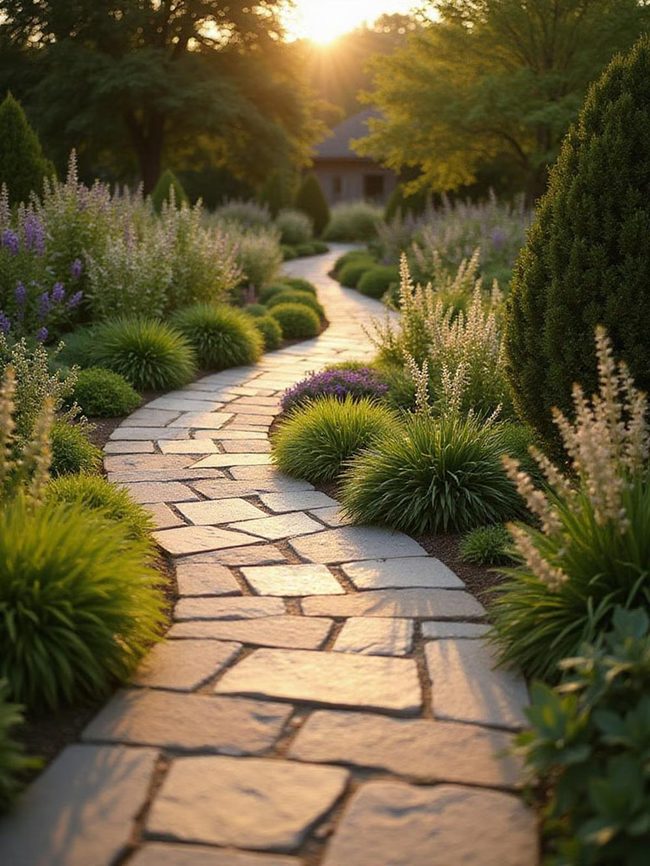
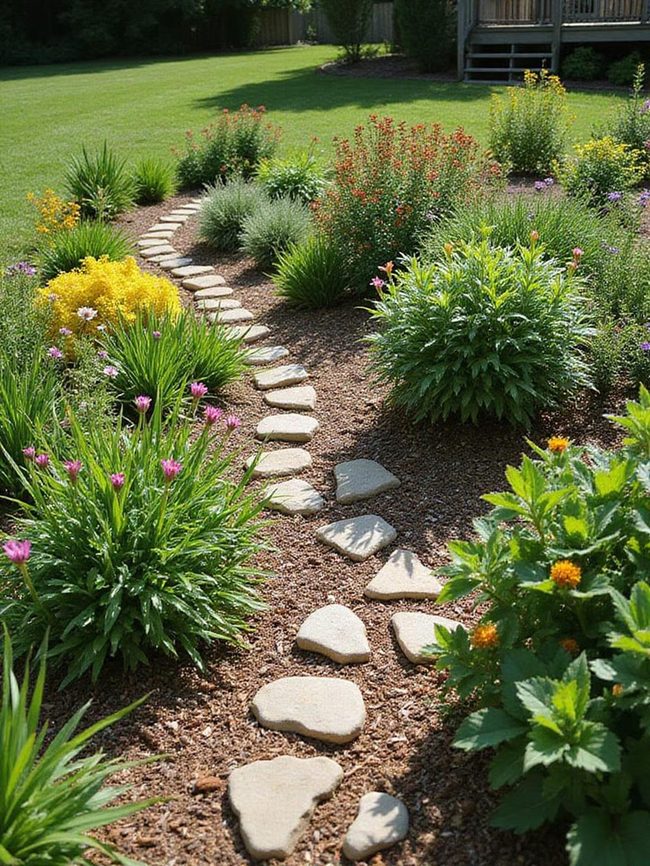
Winding pathways through your garden offer so much more than just getting from one spot to another, they become a way to slow down and really experience what surrounds you.
To me, Japanese garden design teaches us something valuable here: paths work best when they curve gently rather than run straight, and they reveal new views as you walk along them.
Even a small yard can feel like an actual journey instead of just a place you look at when you apply this idea.
When you're choosing materials, think about how they'll feel under your feet and what sounds they'll make as you walk.
Fine gravel gives you that satisfying crunch that makes you aware of your steps and keeps your attention on the moment.
Stepping stones placed in groundcover naturally make you move slower because you have to watch where you're going.
Skip slippery surfaces that make people worry about falling, a space meant for calm should ease your mind, not stress it.
What makes arrangement work so well is that it guides how you move through your garden without forcing you to follow a certain way, and it opens up both purposeful walks and relaxed wandering through your patio area.
Strategically Placed Stone Foundation
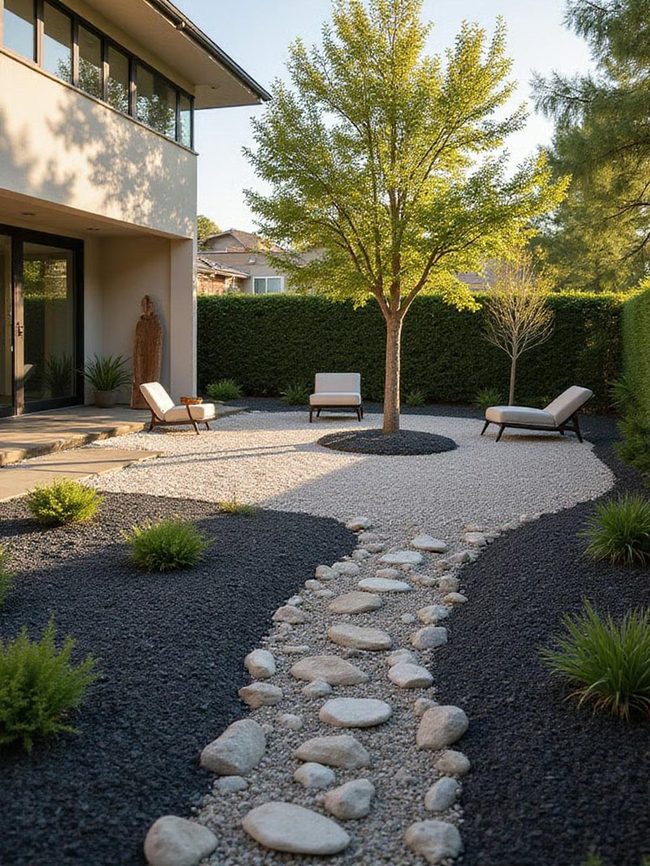
Stone and gravel work beautifully as low-maintenance foundation elements in yard design, and they've played important roles in Japanese gardens for centuries by representing permanence and providing essential structure.
Larger stones with interesting shapes and textures make the biggest visual statement when positioned to establish relationships between different areas, and you should resist scattering many small pieces that only clutter your view.
Gravel with consistent sizing and muted colors won't fight for attention with your plants and other features, while the sound beneath your feet as you walk adds an unexpected sensory layer that makes you more aware of your surroundings.
In this setup, reduces how much time you spend on upkeep and increases how present you feel in your own outside space.
Fewer, more thoughtfully placed materials mean your yard stays attractive throughout all seasons without demanding constant work from you.
You can actually relax and enjoy your space instead of being stuck maintaining it all the time.
Movable Landscapes In Natural Materials
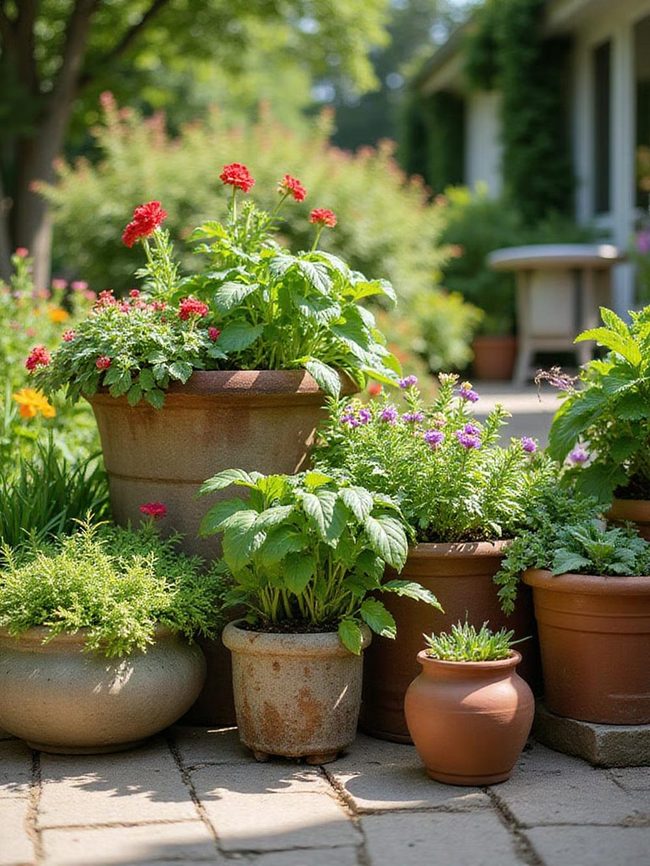
Container gardens give you remarkable freedom to design your exterior space since you can move them around whenever you want and shift them to catch the best sunlight throughout the seasons.
They work especially well if you rent your home or deal with poor soil quality, since they let you grow plants anywhere without needing to dig up the ground.
When you shop for containers, focus on getting a few high-quality pieces in materials that complement eachother rather than collecting lots of mismatched pots that clash together.
Natural materials such as stone, ceramic, and wood age beautifully over time and develop a nice patina, while plastic tends to look worn and tired after a while.
Arrange your containers in odd numbers and mix different heights to keep things interesting, and make sure you leave some breathing room between groups so they don't feel crowded.
This flexibility means your garden can shift and grow right along with your changing needs and preferences.
Sunlit Water Surface Shifts Daily
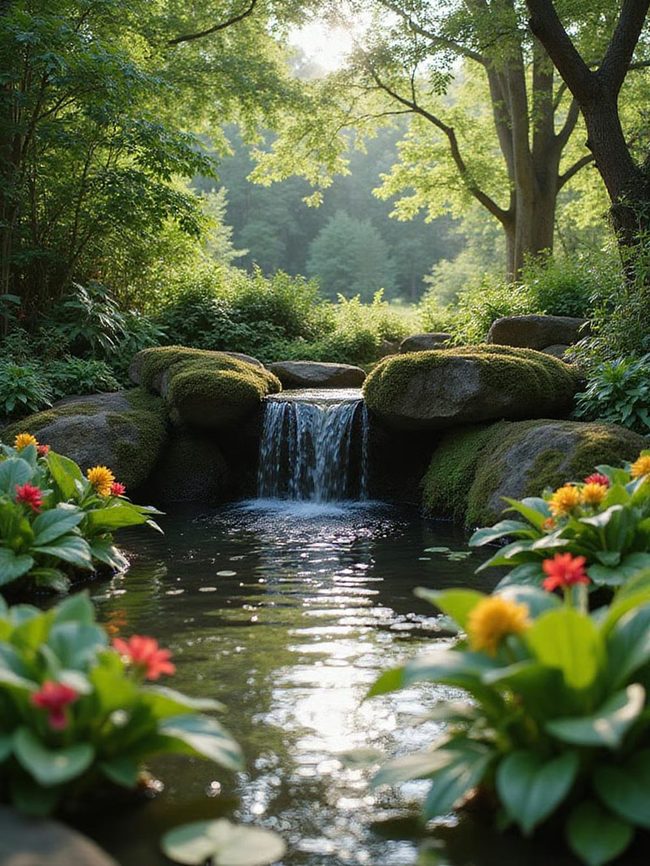
Water brings reflection and calm to your outdoor space in ways few other elements can match, and it offers both something beautiful to look at and soothing sounds that help block out street noise and urban chaos.
Japanese garden traditions teach us that water stands for flow and change, ideas that help us stay grounded in what's happening right now.
Even a small water feature shifts how a space feels, making it seem quieter and more peaceful.
When you're picking out a water feature, size matters quite a bit, a huge fountain can swallow up a small yard, while a simple ceramic bowl with a tiny bamboo spout might be just right for your space.
You can want the sound to be gentle enough to set a nice mood without overpowering people talking nearby.
Place your water feature where sunlight can bounce off it at different times throughout the day, and you could get a constantly shifting display that rewards you for paying close attention.
Water's surface shifts and changes from sunrise to sunset, offering new sensations during morning quiet time and evening wind-down, and this quality of transformation is what makes water such a powerful tool in thoughtful outdoor spaces.
Natural Elements Children’S Sensory Garden
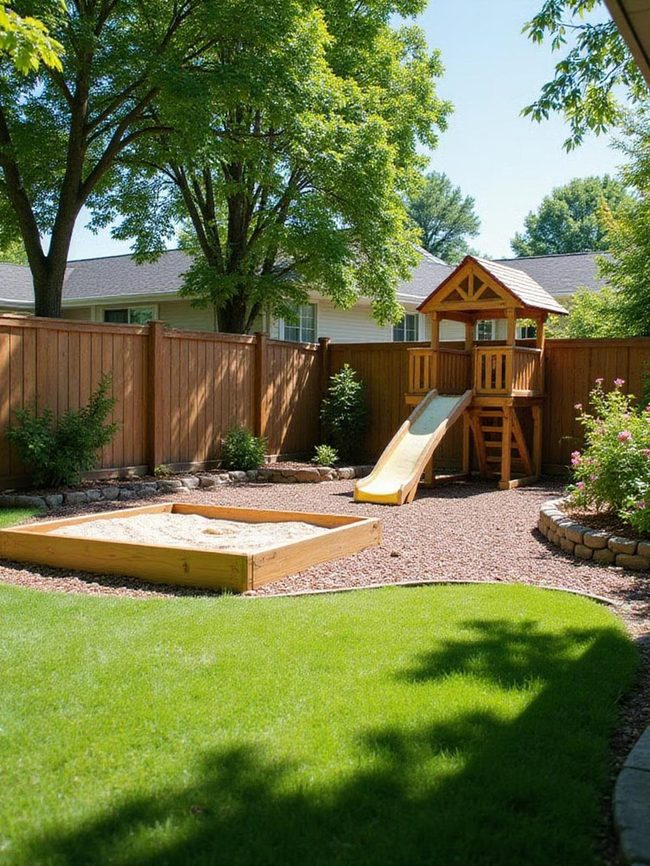
Kids naturally learn through what they see, hear, touch, and experience, so your yard becomes a space where they can develop and explore with all their senses engaged.
Swap out bulky plastic structures for natural play elements that fit seamlessly into your landscape design: fallen logs for practicing balance, large smooth rocks for climbing, sandy patches for digging, and simple water features for interactive splashing.
The best children's spaces prevent sensory overload and instead offer open-ended features that spark imagination and encourage real discovery.
Make sure to leave plenty of room for free play and carve out small quiet corners where kids can retreat and calm down when they feel overwhelmed.
Adding sensory gardens with different textures to touch, aromatic herbs to sniff, and berries they can pick and taste teaches children to observe their surroundings closely and move with awareness through nature.
You don't need to choose between a beautiful yard for adults and a fun space for kids, instead, let your design combine both by making play elements do double duty as landscape features.
When you blend children's needs with your overall style, everyone in the family feels at home in the outdoor space.
Natural Stone Counter With Built-In Grill
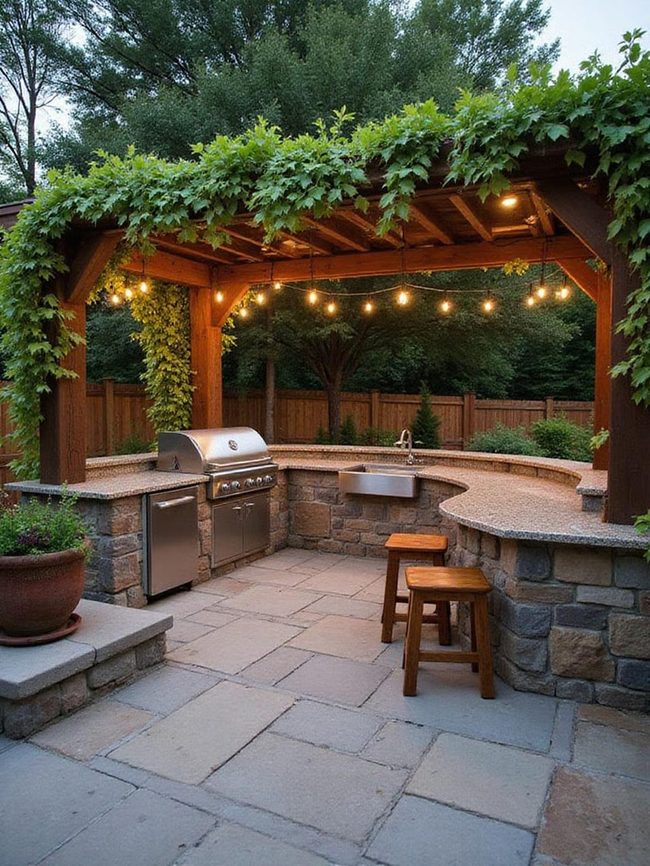
Building an outdoor kitchen zone means balancing what you actually need with the natural beauty around you, and the most striking feature is often a simple counter made from natural stone paired with a built-in grill that becomes the heart of your cooking space.
You don't need to copy your indoor kitchen setup; instead, lean into what makes outdoor cooking special by keeping things straightforward and focused on the elements that bring you real pleasure.
A single work surface with storage underneath works well, and adding a small sink for prep work makes the whole experience smoother without demanding constant upkeep that pulls your attention away from enjoying yourself.
Modern conveniences like reliable grills blend nicely with the traditional simplicity of cooking over fire and heat, honoring how people have prepared food outdoors for centuries.
Keep your design open and spacious so the natural surroundings stay front and center rather than getting crowded out by too many features.
Good outdoor kitchens succeed because they support what you're actually doing, chopping, cooking, and serving, without overwhelming the landscape or creating maintenance headaches.
Water-Catching Patio Basins Bloom
Shallow garden basins filled with water-loving plants offer a striking way to handle stormwater runoff while adding genuine beauty to your outdoor space, and they work by capturing rainfall from roofs and hard surfaces so water seeps slowly into the soil instead of overwhelming storm drains.
Watch how water moves through your yard when it rains and let that guide where you place your rain garden, then arrange plants and stones along these natural pathways.
Mix in species that bloom at different times throughout the year and vary the heights and textures so the space stays interesting to look at from season to season.
Spots where water pools up naturally become perfect locations for these functional gardens, turning what seems like a problem into an opportunity for both beauty and ecological benefit.
You can choose plants that look deliberately placed and beautiful rather than purely practical, which means your rain garden becomes a genuine garden feature instead of just a utilitarian solution.
We recommend standing back and observing your landscape's natural flow patterns first, as this simple step makes the whole design process easier and more effective.
What might feel like an awkward or challenging area in your yard can transform into something that serves a real purpose and looks lovely doing it.
Semi-Transparent Timber Screens Terrace
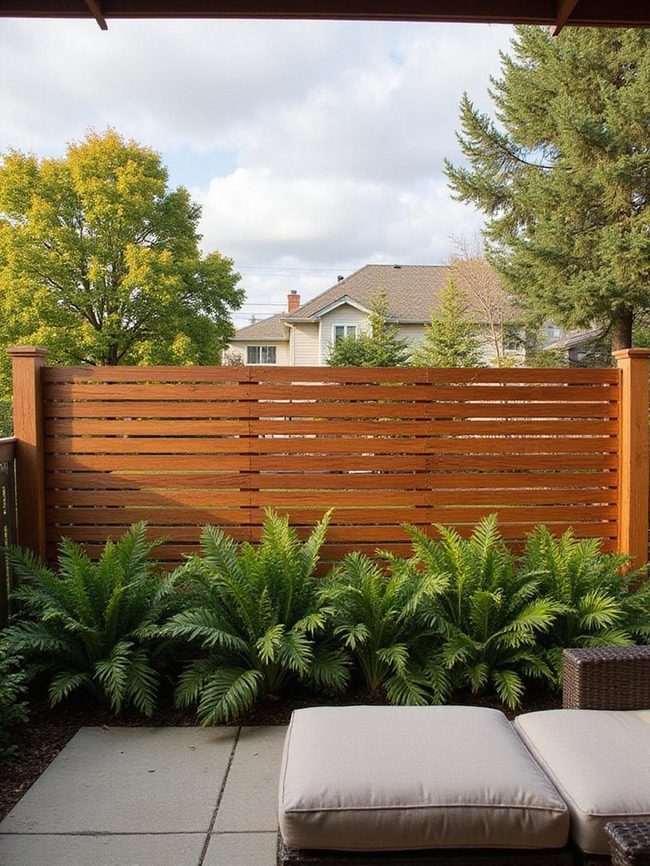
Building privacy into your patio space doesn't mean throwing up walls that cut you off from everything around you, and that's where thoughtful fencing and screens come in handy.
Rather than creating solid barriers, you could want options that let light and air pass through while still giving you the seclusion you need, so consider bamboo screens, slatted wood panels, or metal grids where climbing plants can grow and diffuseden the edges.
These semi-transparent materials give you the enclosed feeling of privacy without making the space feel trapped or boxed in.
Position screens only where you actually need them to block unwanted views instead of surrounding your whole yard, which keeps the area feeling open and spacious.
Japanese design tradition uses a concept called "ma," which focuses on negative space and empty areas, and this idea works beautifully for creating boundaries that define zones without completely separating them.
When you allow light and natural air movement to flow through your privacy features, the whole garden breathes better.
We can use layout strategy to shape different areas of our yards while maintaining that connection to the world beyond our property lines.
Elevated Patio Beds For Effortless Tending
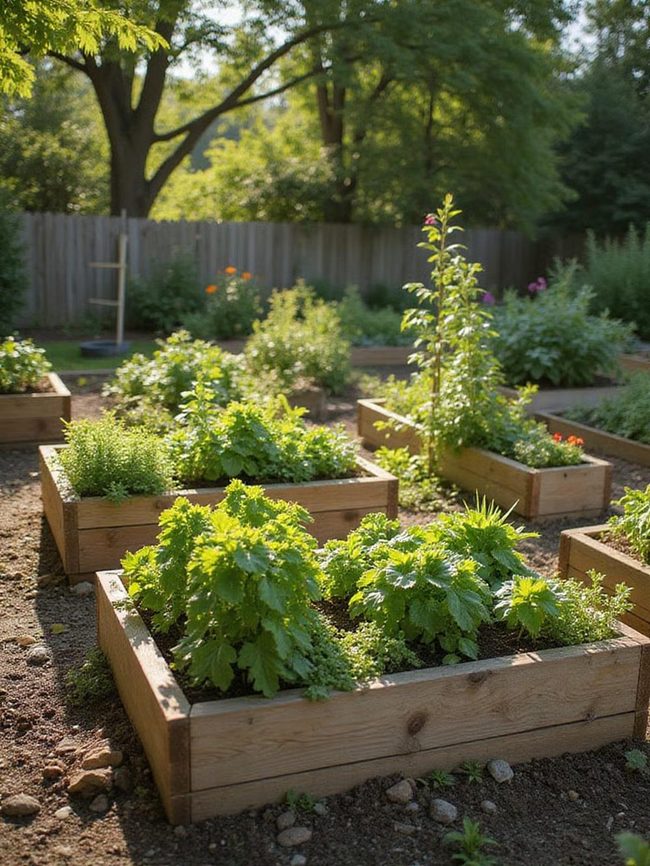
Raised garden beds elevate your plants to waist or chest height, and this simple shift eliminates the strain of constant bending while turning garden care into something you can do comfortably every day.
When you're choosing where to place them, put your beds along the paths you already walk through your yard, you could naturally tend them more often than beds tucked away in corners.
Materials matter for both looks and durability, so pick something that matches your home's style, whether that's weathered cedar for a traditional house or corten steel for a modern one.
Keep the structure simple and let your plants provide the natural shapes and interest with their growth.
Heights between 18 and 24 inches work well if you like to sit while gardening, while 30 to 36 inches suit standing work better.
In this setup, brings together easy to maintain accessibility with genuine beauty, and it merges traditional gardening wisdom with modern comfort, so you can engage with your plants regularly and easily no matter your physical situation.
Purple Cabbage Terrace Feeds Body
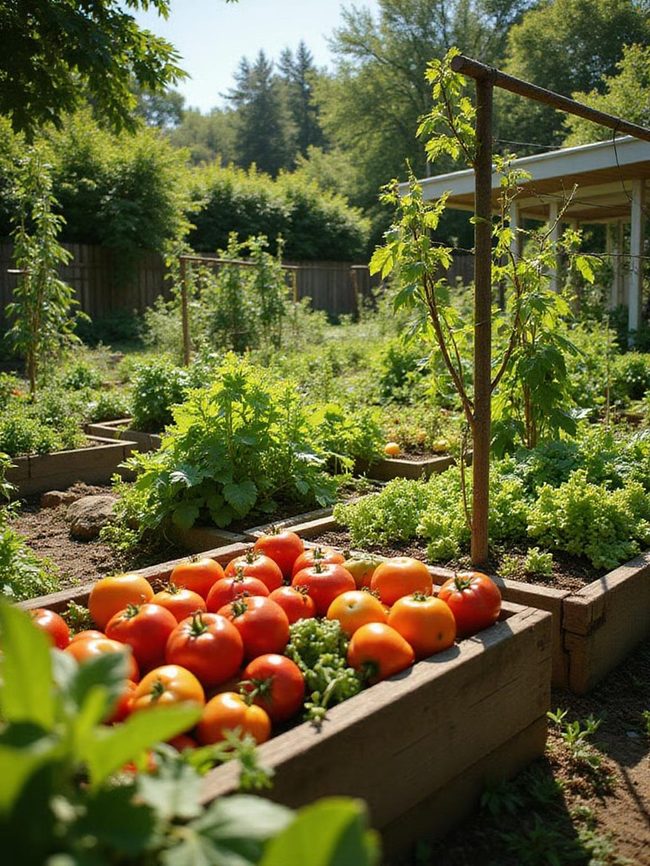
Growing food connects you directly to natural cycles and seasons, and edible gardens become powerful tools for mindful living that engage all your senses in ways ornamental plants cannot.
Harvests reward your daily attention with tangible food that nourishes both body and spirit, and even small spaces can yield surprising amounts when organized well.
Purple-tinged cabbage leaves, feathery asparagus fronds, and architectural artichoke plants offer visual appeal alongside their well suited to daily routines purpose, so you can arrange vegetables and herbs in compositions that please the eye while staying accessible for picking.
Paths through your garden inspire daily interaction and make visits a natural part of your routine rather than a special occasion.
Edible gardens balance style with productivity in ways that few other spaces manage, and they encourage you to slow down through the simple act of harvesting what you've grown.
Unlike utilitarian food plots that hide away in the corner, these gardens show that beauty and function belong together.
Your connection deepens with across season as you learn rhythms of growth and harvest.
Meaningful Stone And Local Sculptor Arrangements
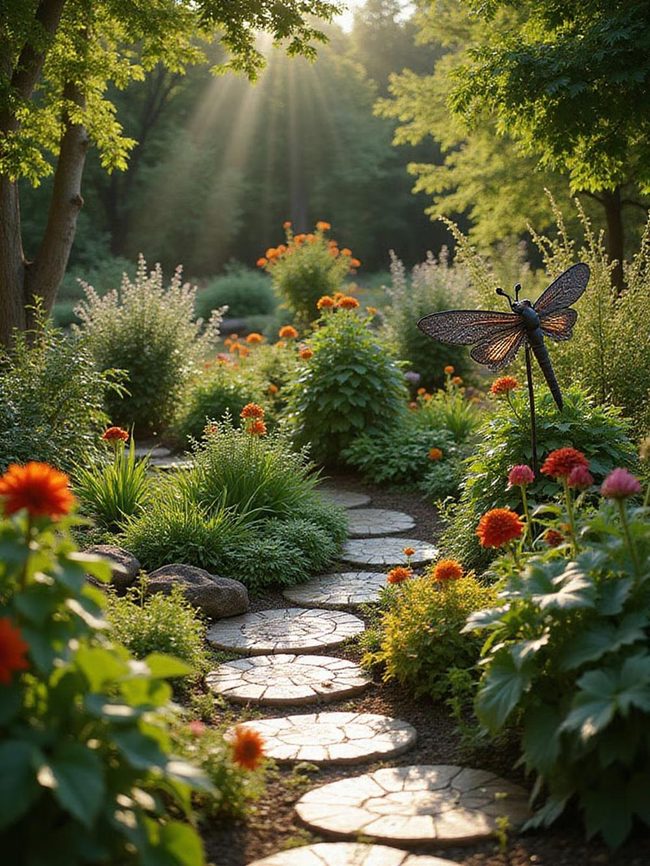
Garden art works best when you select pieces that hold real meaning in your life rather than picking up mass-produced items from a store shelf.
A stone you found during a memorable trip, a sculpture from a local artist, or objects you've gathered and arranged together all carry stories that connect you to your patio space.
Position these pieces where you can stumble upon them naturally as you move through your yard instead of placing them where they demand attention from far away.
Weather and light constantly change how your garden art appears throughout the day and across seasons, so you get fresh experiences without doing any work.
Let art elements grow organically from your design instead of forcing them into spots they don't belong, and your yard will feel honest and rooted in who you are.
In Japanese gardens, artists often hide pieces partially so people discover them slowly as they walk around, which creates little moments of surprise that reward you for paying attention.
Trust your instincts when deciding what belongs in your space and where it should go, because the strongest gardens happen when art feels like it grew there rather than got placed there.
Sheltered Swinging Space For Mental Rest
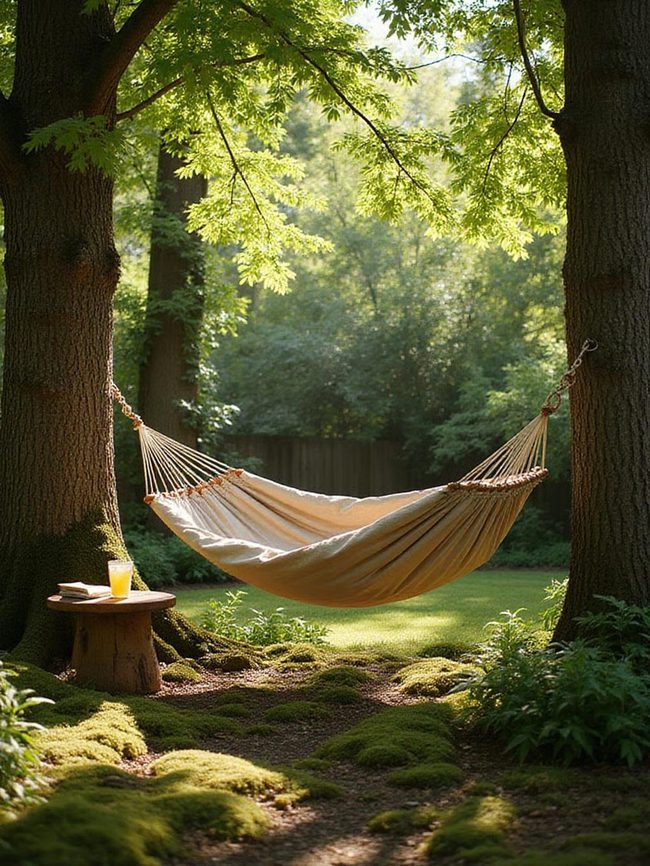
Few things encourage mindfulness quite like carving out a quiet corner in your yard where you can pause and simply exist, and a hammock or swing does exactly that by offering you a literal stopping point in the landscape where gentle motion reduces stress hormones and sharpens mental clarity.
When you set one up, think about both how it feels physically and what your mind needs, position it near a tree, beside tall plants, or close to a structure so you feel protected and can truly unwind.
Your view matters too, so choose a spot where you can look out at something worth watching, whether that's a distant landscape or the pretty accents of a nearby garden.
I'd suggest placing it where wind moves through naturally but doesn't blast you directly.
You will want a sense of shelter without feeling boxed in.
Natural materials like wood or rope work with almost any style you've already got going in your yard and still deliver those mental health benefits of having a space just for rest.
Even a simple setup becomes your personal retreat from the constant stimulation around us, and you don't need anything fancy or bold in pattern to make it work.
Native Plants Supporting Pollinator Life
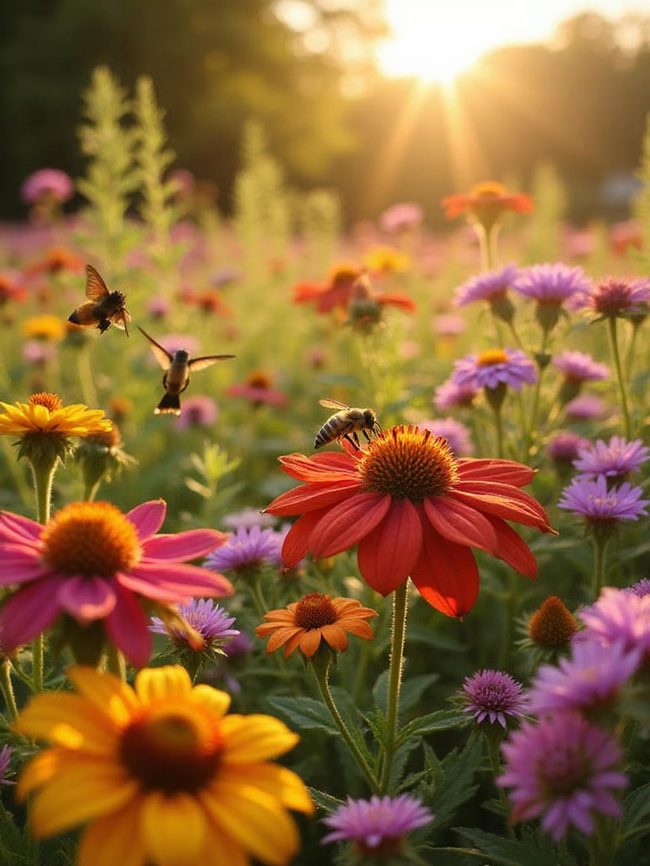
This pollinator garden brings together beauty and usefulness in ways that help both your yard and the natural world around you, and we can recognize how bees, butterflies, and birds aren't just passing through but actually play essential roles in keeping everything healthy.
You can want to mix plants that flower at different times throughout the year so wildlife has food whenever they need it, and layering your plants, from ground covers up through perennials to taller shrubs or small trees, gives these creatures the varied spaces they're looking for and mirrors how nature actually works.
Adding a shallow water dish with pebbles lets insects drink safely without struggling, which is something many people overlook.
Native flowering plants pair surprisingly well with Japanese garden touches like stone lanterns or simple bamboo elements, and this combination honors both what grows naturally in your region and design traditions that have stood the test of time.
When we design gardens with these other living things in mind alongside our own enjoyment, we end up with richer spaces that feel more alive.
The gardens that work best are those where we acknowledge sharing our space with countless other beings and plan accordingly.
Warm Ground-Level Uplighting Shadows
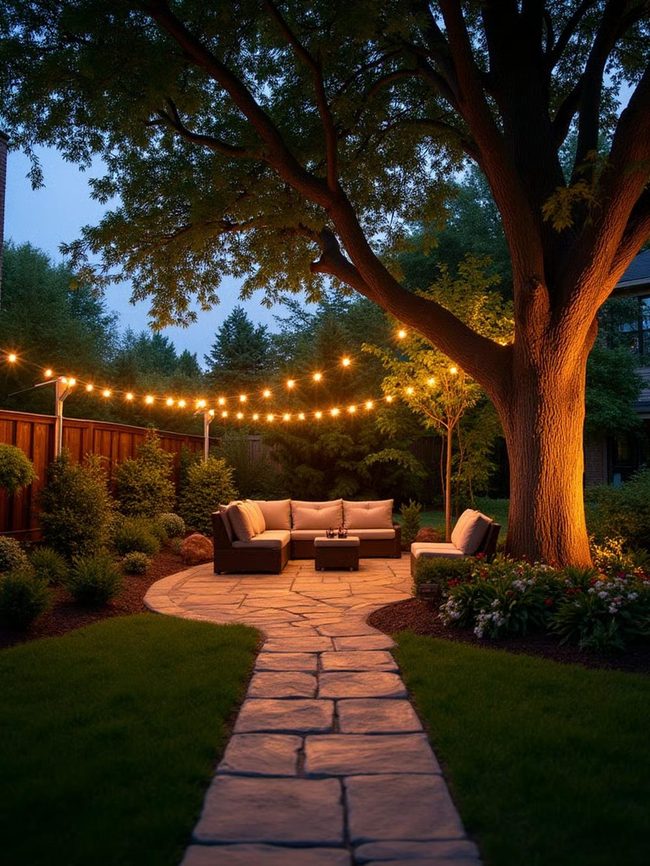
Strategically positioned lights in your yard can highlight trees and architectural features with dramatic upward-facing shadows that transform the space into something special after dark, and ground-level placement works best for this effect.
Lighting that mimics natural moonlight, gentle and diffused with gentle shadows, keeps the space feeling relaxed rather than harsh, so lean toward warm light in the 2700-3000K range instead of cool blue-white tones.
Low-voltage LED systems are energy-efficient and can be adjusted as seasons change, making them easy to maintain for year-round use.
Beyond just pushing back darkness, thoughtful illumination serves real purposes like guiding people safely along paths and highlighting what matters most in your landscape.
Japanese paper lanterns offer inspiration here, providing gentle glow that respects the night and keeps some mystery alive rather than washing everything in brightness.
Good yard lighting doesn't harsh glare or light pollution but instead works as a natural extension of how moonlight would fall across your space.
Vertical Living Walls Transform Spaces
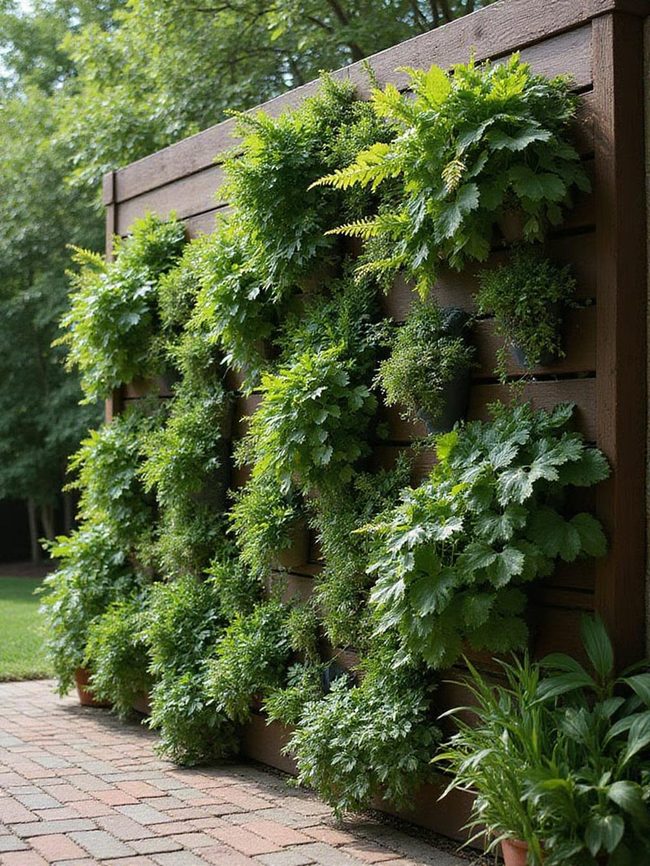
Vertical garden walls bring nature right to your eye level, turning blank walls and narrow side yards into living tapestries that shift with the seasons and reward you with close observation.
When you're designing a vertical garden, think about how far away people will view it and what size plants work best for that distance.
If your wall is mostly seen from across the room, use larger plants with bold textures in simple arrangements.
For spaces where you can get close, pick smaller plants with interesting features that make you want to look closer.
Mix in plants with different growth patterns, some trailing down, some mounding up, some standing tall, and you may build dynamic compositions.
Simple designs often catch more attention than complicated ones.
In tight spots or places that feel empty, a vertical garden becomes a contemplative feature that connects you with nature and shifts how you experience the space around it.
Minimalist Patio With Intentional Furniture Arrangement
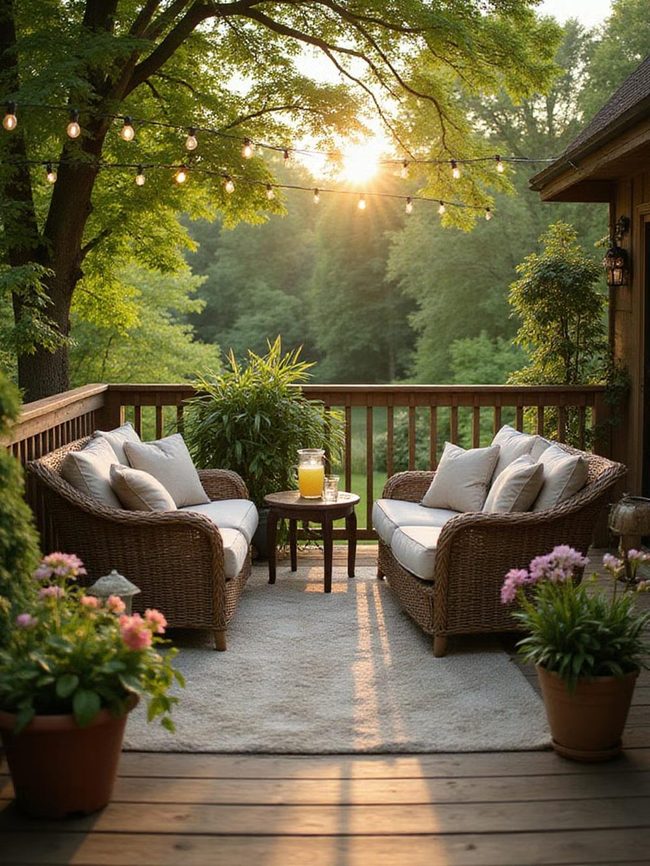
Start by establishing a well-designed patio or deck as the heart of your open-air retreat, a place where you can step away from daily demands and simply be present in the moment.
Focus on arranging furniture with intention and plenty of open space rather than cramming things in, since zen-inspired open-air areas thrive on openness with only a few quality pieces that work for both quiet moments and socializing.
In smaller spaces, draw attention upward with wall-mounted planters or tall bamboo screens that guide your gaze skyward.
Multi-functional furniture with clean lines serves you well here, think storage benches that seat people and simple low tables that handle both meals and relaxation without taking up extra room.
Every piece you add should have a reason for being there, whether it helps you with daily life or gives you a place to pause and reflect.
I discovered composition while visiting a Tokyo apartment where someone had transformed a tiny balcony into a meditation space using just three things: a single chair, a potted maple tree, and a small water bowl that mirrored the sky above.
This simple arrangement taught me that you don't need much to make a meaningful open-air space that feels both grounded and peaceful.
Low-Maintenance Native Plant Garden
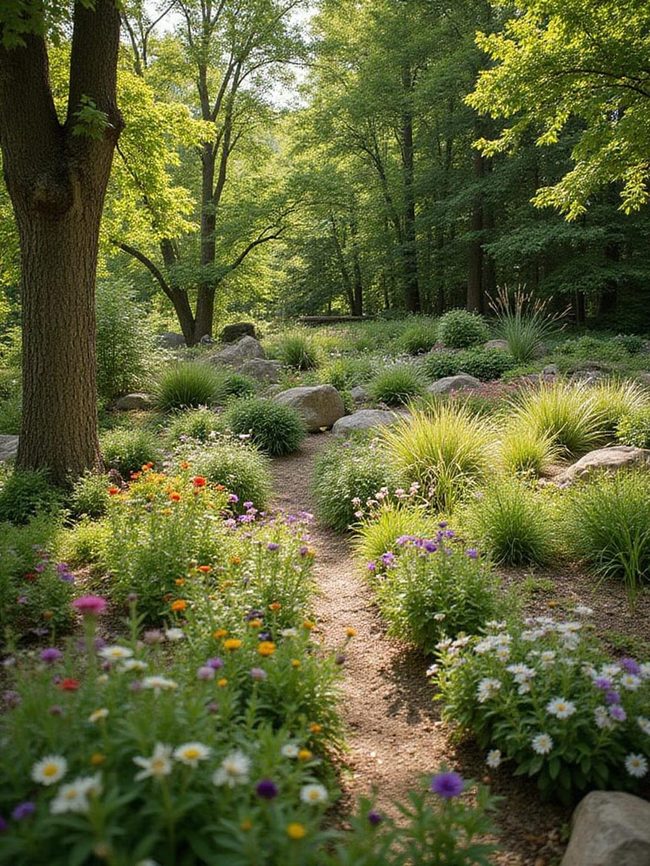
Native plants are your best bet for a yard that built for regular usely takes care of itself, since they've spent thousands of years adapting to your local climate and soil, and this means you will need far less water and maintenance compared to other options.
Beyond the built for regular use side, growing what naturally belongs in your region builds a real connection to your environment and makes your landscape feel genuinely rooted in place.
Start by walking around areas near your home where plants grow without any help, those are your clues about what will thrive in your yard.
When you plant these natives, arrange them in loose, natural groupings instead of straight rows so they can grow the way they naturally want to.
You can add rocks and fallen branches throughout the space, and these elements serve double duty by adding structure and giving wildlife spots to live.
I've noticed that my most successful gardens happen when I stop fighting against what the local ecosystem wants to do and instead work alongside it.
Gardens designed this way feel both intentional and relaxed at the same time.
Layout strategy turns your yard into a functioning habitat rather than just a collection of plants sitting in the ground.
Olivia Martinez
Founder & Principal Designer
Expertise
Sustainable Interior Design, Residential and Commercial Space Planning, Historic Preservation and Adaptive Reuse, Custom Furniture Design, Project Management
Education
Parsons School of Design, New York, NY
LEED Accredited Professional (LEED AP)
Olivia Martinez is the founder of Archi Refresh, where she brings style and sustainability together. With a degree from Parsons School of Design and a LEED certification, she’s all about creating beautiful, eco-friendly spaces.
With over eight years in the industry, Olivia has designed everything from cozy homes to commercial spaces, always putting function and sustainability first. She loves working with local artisans and has been featured in design publications for her fresh take on green living.
When she’s not designing, Olivia enjoys exploring historic architecture, painting, and spending time with her rescue dogs, Luna and Max.