
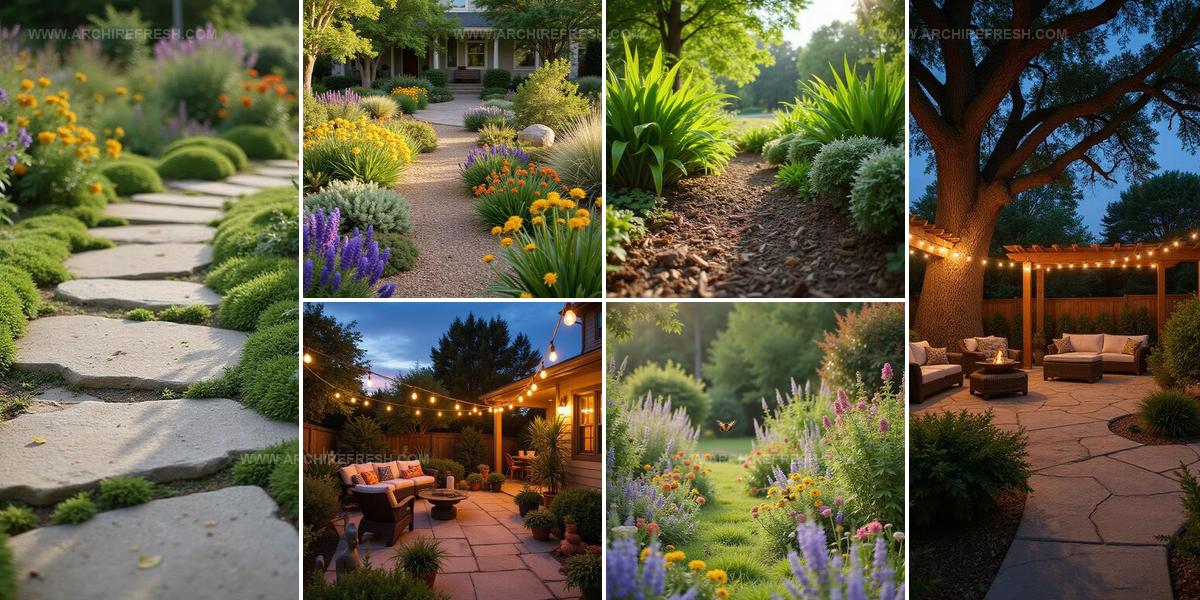
22 Mindful Yard Landscaping Ideas That Calm Your Space
Mindful yard landscaping ideas help homeowners create outdoor spaces that promote peace and intentional living.
The concept centers on designing gardens that encourage present-moment awareness while supporting local ecosystems.
Such approaches blend aesthetic beauty with environmental responsibility, making every plant choice and pathway placement meaningful.
Small changes in how we design outdoor areas can dramatically shift how we experience daily life at home.
Natural elements like native plants, water features, and meditation zones work together to form sanctuaries right outside the door.
When thoughtful design meets sustainable practices, yards become more than decoration - they evolve into personal retreats that nurture both people and wildlife.
Start transforming the space beyond the windows into a haven that calms the mind and feeds the soul.
Colored Mulch Defines Outdoor Beds
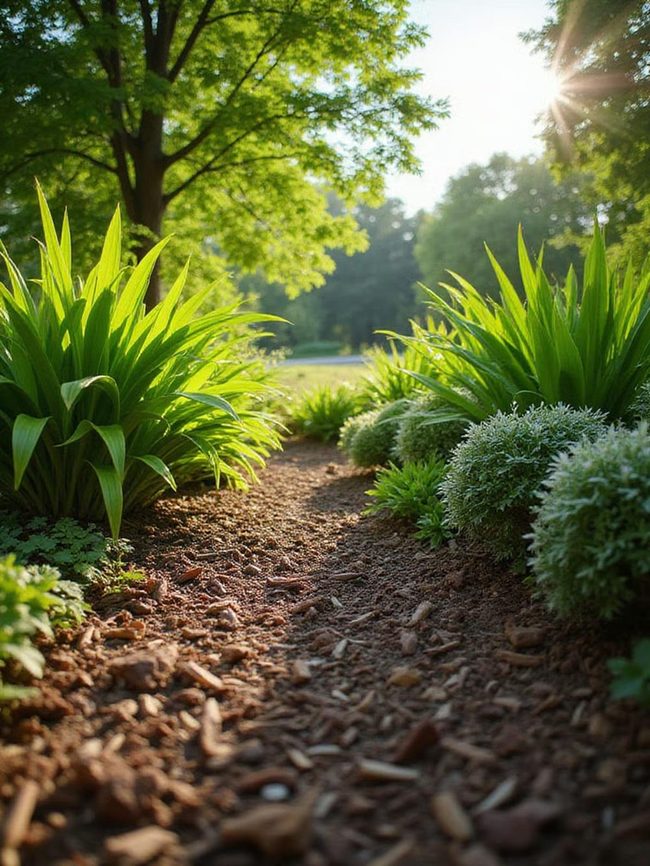
Mulch serves as a hardworking foundation for any garden, and the variety of colors and textures available means you can design visually striking patterns and borders that define your beds with real style and personality.
Organic options like wood chips, shredded bark, and compost break down gradually while feeding your soil and boosting its structure, whereas inorganic materials such as gravel and stone offer permanent coverage with excellent drainage for different needs.
Applying a 2 to 4 inch layer in spring or fall works best, and you'll want to maintain that depth in all year since organic materials decompose over time.
Too little won't stop weeds effectively, and too much can choke out the air your plant roots need to breathe.
Beyond these adaptable to different needs functions, mulch handles moisture retention and temperature regulation, which means less watering and healthier plants throughout the season.
Personal touches in how you arrange and choose your mulch materials turn yard landscaping from something generic into a space that truly reflects your style.
Water Features For Peaceful Backyard Spaces
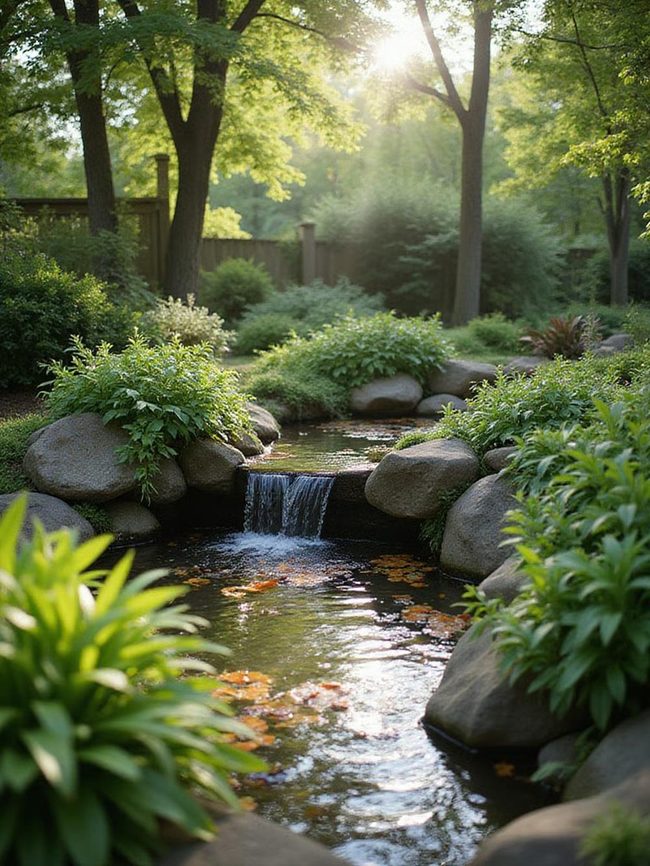
Water features establish natural gathering points in your yard that pull attention inward while their gentle sounds work on a deeper level to lower stress and calm your nervous system, research backs this up, and it becomes especially valuable when you're trying to escape constant digital stimulation.
Birds, butterflies, and helpful insects gravitate toward these features, which means your yard space gains more life and movement over time.
Size matters when you're choosing what works for your space, so consider what fits your situation: smaller yards do well with wall fountains or bubbling rocks that deliver sound without overwhelming the view, medium yards can hold standalone fountains or modest ponds, and larger properties give you room for dramatic cascades or still reflecting pools that across offer their own way of connecting with nature.
Simple bamboo spouts add calming tones with minimal fuss, reflecting pools give you mirror-like surfaces that bounce sky and plants back at you, and moving water shifts with sunlight throughout the day and keeps drawing your gaze.
Once evening arrives, adding light around your water features stretches how long you can enjoy them and brings out new dimensions in what you've built outside.
Native Plants Support Local Wildlife Year-Round
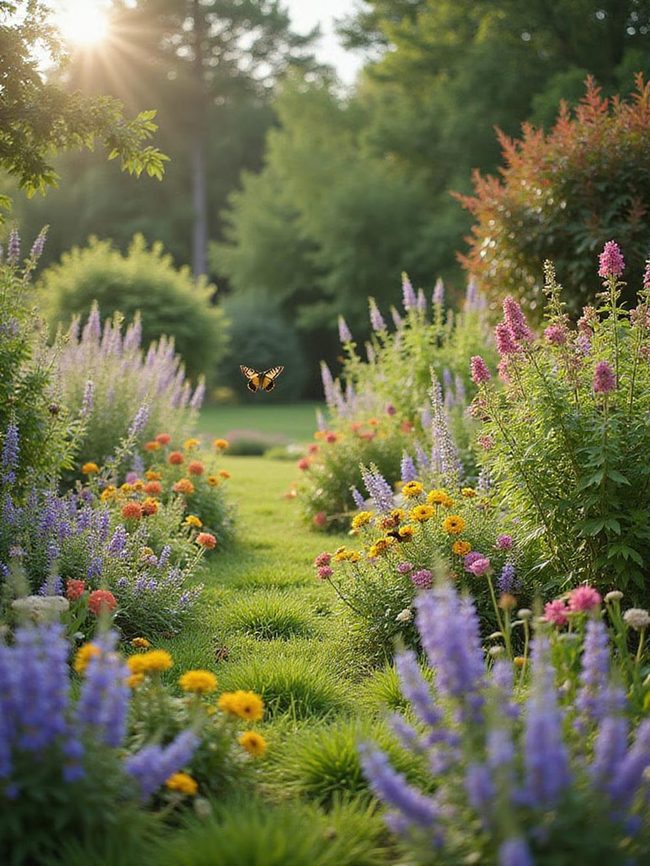
Native plants should be your foundation since they've evolved alongside local wildlife for thousands of years and offer the food, shelter, and nesting materials that imported species simply cannot match, plus they look striking in gardens when you select varieties that bloom across different seasons to keep pollinators and creatures fed year-round.
Once you know your region's conditions like sunlight, soil type, and moisture levels, check with local native plant societies, extension offices, or specialty nurseries for the best options suited to your specific space.
Building a butterfly garden doubles down on layout strategy by including both the plants that caterpillars eat and the nectar-rich flowers that adult butterflies need, so you're supporting their entire life cycle rather than just feeding them at one stage.
Native bees tend to be more efficient pollinators than honeybees, especially when working with native plants, which means your landscape becomes both beautiful and genuinely important for the local ecosystem.
Once your habitat is established and humming with life, you may want comfortable spots where you can sit and watch everything unfold.
Consider benches, patios, or quiet corners that let you observe the wildlife activity without disturbing it.
Stone And Succulent Low-Maintenance Yard
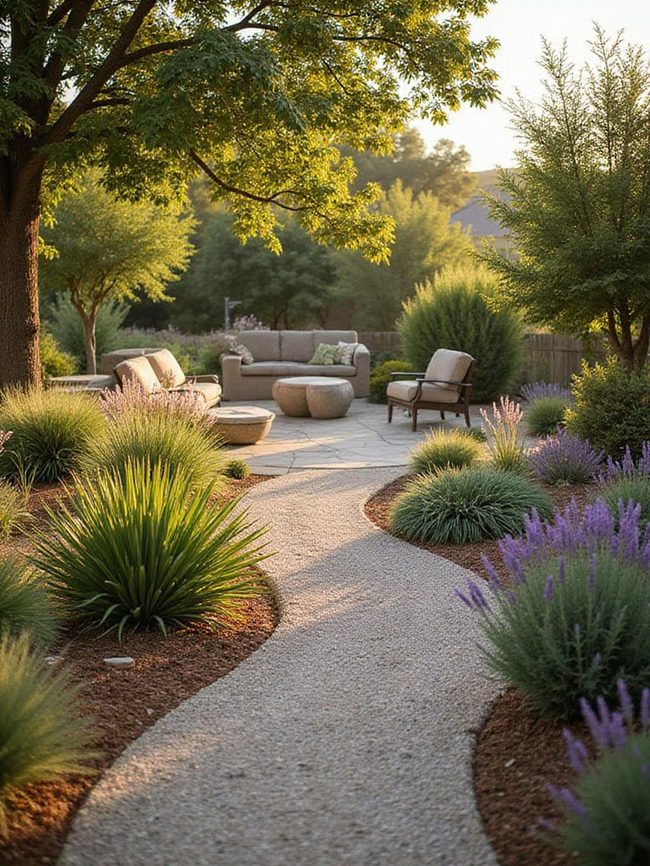
Low-maintenance yard landscaping brings together zen principles and modern living in a way that makes real sense for busy people like you.
By designing outdoor spaces that need minimal upkeep, I can see why you spend time enjoying them instead of constantly working on maintenance, something that matters a lot when life moves fast.
Rock gardens filled with drought-tolerant succulents and alpine plants stand out as one of the most striking options, offering year-round texture and interest without demanding much attention from you.
Xeriscaping methods can cut water use by up to 60% compared to regular landscapes, which benefits both your wallet and the environment.
Essential choices include selecting drought-tolerant plants, reducing lawn areas, using strategic hardscaping, installing efficient irrigation systems, applying extensive mulch, and picking slow-growing species.
These elements look unified to introduce outdoor spaces that essentially run themselves and need only occasional attention.
Beyond just saving you time and money, thoughtful yard landscaping actively supports local ecosystems and wildlife.
It feels like there's something satisfying about having a beautiful yard that asks less from you and gives more back.
Deep Watering Less Frequent Growth
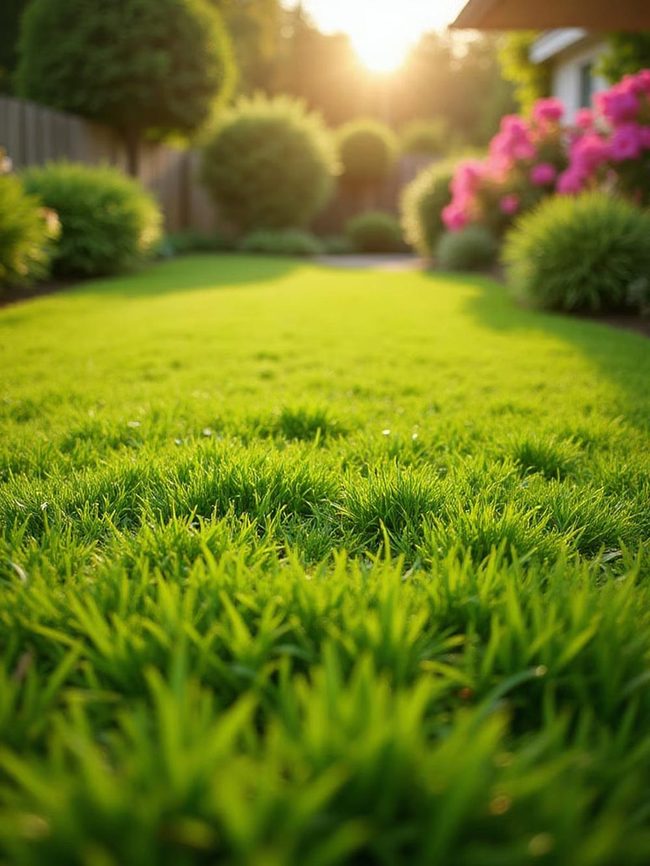
The healthy lawn serves as the foundation for your entire yard space, but most traditional care methods waste resources and demand far too much time.
Start by learning what your particular grass actually needs instead of just following the same routine everyone else uses.
Deep watering done less often helps grass roots grow stronger and reach deeper into the soil, which means your lawn can handle dry periods much better.
Watering early in the morning, between six and ten AM, lets moisture soak in before the sun burns it off and prevents the wet conditions that lead to fungus problems.
Your climate, soil type, and what kind of grass you have should all guide how often you water, the real goal is responding to what's actually happening in your yard rather than sticking to a fixed schedule.
One simple step that makes a huge difference is aerating your lawn once a year to break up packed soil and let oxygen reach the roots.
This practice boosts your grass's strength while cutting down on how much water you need, which fits perfectly with the idea of getting better results with less effort.
A lawn that you care for with this kind of attention becomes a calm, unified base for the rest of your landscape while using far fewer resources to stay beautiful.
Small Yard Mirror Multiplication Technique
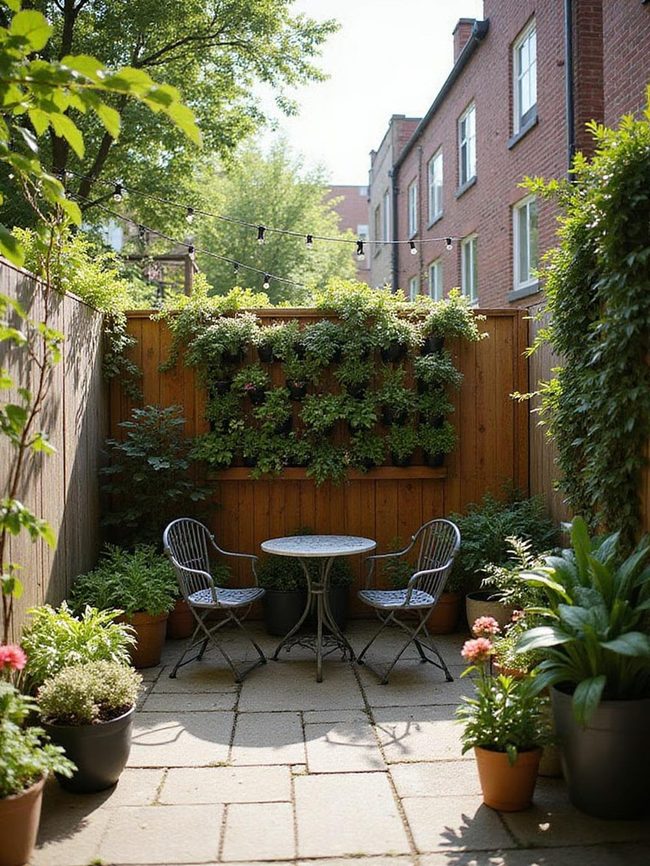
Small yards challenge you to make every square inch count, and that limitation can actually push you toward more creative design choices than you might find in larger landscapes.
Mirrors positioned throughout your space work hard to bounce light around and make everything feel bigger, while they also reflect your plants and hardscaping back at you for extra visual interest.
Vertical gardening techniques let you grow upward instead of outward, and you can stack planters, install wall-mounted shelves, or train climbing plants up trellises to maximize your planting area.
Dividing your small yard into distinct zones means you can have a seating area, a garden bed, and a pathway all functioning separately without feeling cramped.
Choosing plants that stay appropriately sized matters more here than in bigger yards, and multi-functional pieces like benches with storage or tables that also serve as plant stands help you squeeze more purpose into less room.
We can learn from Japanese garden design, where tight spaces have long driven people to set up meaningful patio experiences through thoughtful plant selection and strategic placement.
Water-Smart Native Plants For Low-Maintenance Yards
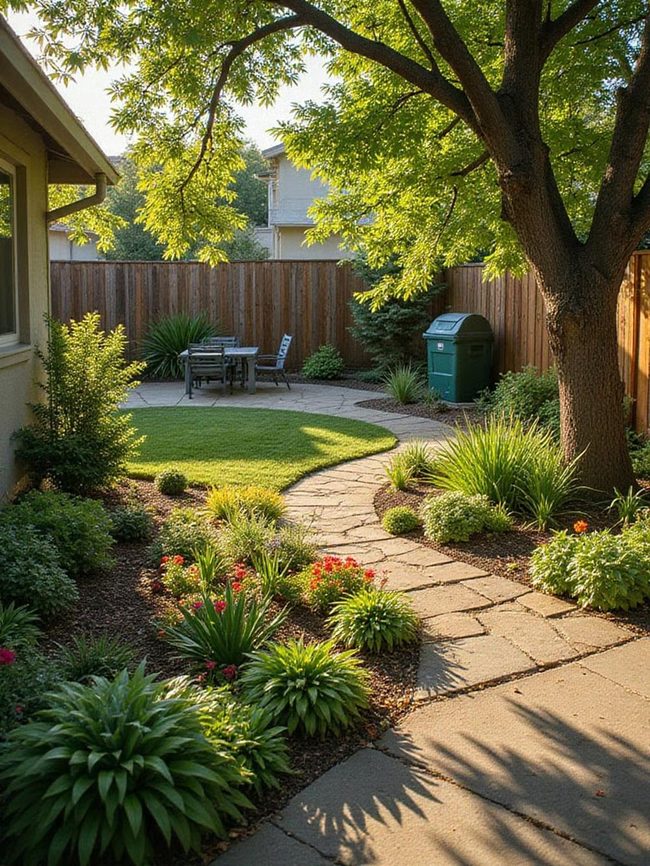
Native plants adapted to your local rainfall patterns form yards that need far less water and maintenance than traditional landscapes, and this shift alone reworks how much time and resources you are able to spend on upkeep.
Drip irrigation systems deliver water straight to root zones instead of wasting it on leaves and soil surfaces, making your garden more efficient and resilient.
Habitat features like bird feeders and insect hotels support beneficial creatures that naturally keep pests in check and pollinate your plants.
Locally-sourced, sustainable materials for pathways and structures keep your environmental footprint small while building spaces that age beautifully.
Lawns consume enormous amounts of water annually across the country, so reducing lawn areas and planting diverse, climate-appropriate species means you're conserving resources while making your yard more interesting and dynamic.
Composting yard waste and avoiding chemical sprays protects soil health and local ecosystems at the same time.
Working within constraints actually pushes you toward more creative solutions and unique outdoor spaces.
I've seen how gardens designed around these sustainable principles feel more connected to their surroundings and require less constant fussing, which gives you more time to simply enjoy being outside.
Green Wall Front Entry
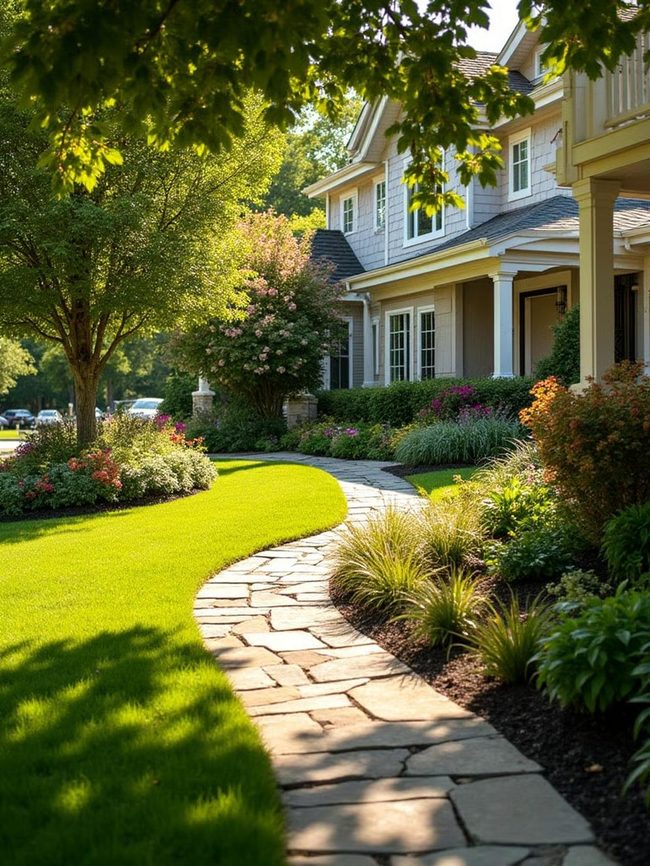
The front yard is essentially your home's introduction to the world, and it says something about who you are and how much you care about your surroundings.
Beyond just looking nice, this visible space can welcome people while also setting clear boundaries that keep your private area feeling safe and separate.
Most people make mistakes here by letting things get messy, picking plants that don't belong in the local climate, overcrowding the design, skipping the hardscape elements like paths or borders, and forgetting to match their home's actual style.
You can skip these problems by building a clear plan that fits your house while still showing off what you love, and remember that less is often more, this idea is huge in zen-inspired design.
Instead of filling your yard with lots of competing things, pick one really eye-catching element like a beautiful tree, a water feature, or a sculpture and let it stand alone.
It might surprise you to know that homes with great curb appeal can sell for about 7% more than similar homes with plain yards, so this is worth doing for both beauty and money reasons.
Stone Pathways Through Living Yards
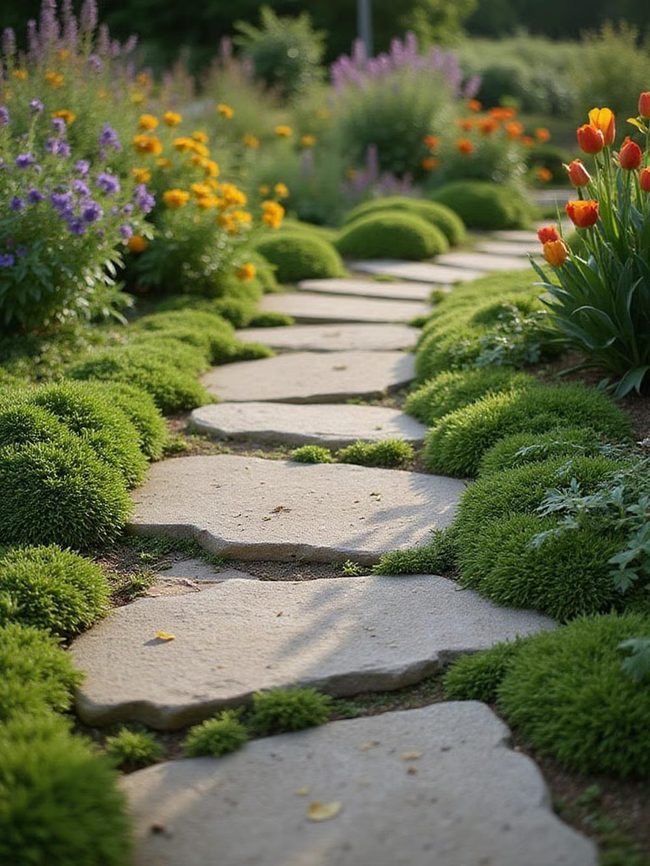
Stepping stones wind through your yard as functional pathways that transform how you move through yard space, encouraging you to slow down and be aware of what surrounds you.
Natural stone with its organic textures and variations connects to earth elements, while concrete pavers offer clean lines for a modern feel, and recycled materials let you express sustainability values.
Moss growing between stones introduces a cushioned sensation underfoot and diffusedens the boundary between hard surfaces and living plants.
When you design these paths, think about where they lead, do they point toward something beautiful or introduce moments where you discover something new?
Consider how they shift the pace of movement through your yard and guide your eye across the landscape.
Adding destinations along the way gives you spaces to pause and truly absorb the environment you've built around you.
Sunlight Patterns Shape Your Yard
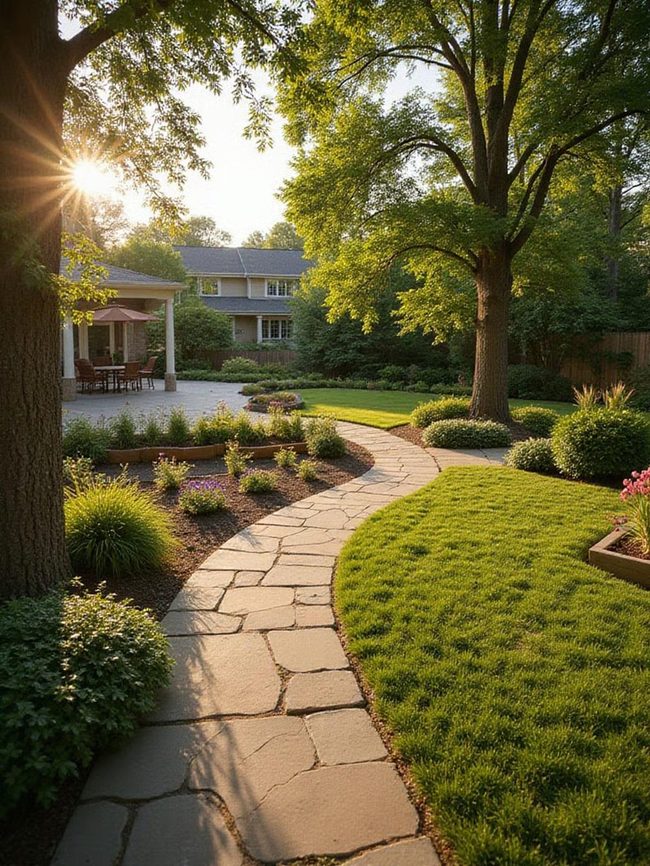
Open sunlight streaming across your yard at different times of day shapes everything you'll do with the space, so start by observing where light falls and where shadows linger throughout the seasons.
Your soil's drainage and composition matter just as much as sunlight, and you'll want to note these patterns before choosing anything to plant.
Consider what you actually want from this area, will it serve as a quiet meditation spot, a break from screens, or a blend of both nature and technology, because your answer guides all the decisions ahead.
Once you understand your yard's natural bones and flow, you can sketch out a basic layout that works with the land rather than fighting it.
Even the most beautiful plants and materials feel scattered and wrong without a solid plan underneath them, so invest time in mapping things out first.
Ancient cultures from Egypt to Japan recognized that good yard design needs structure and balance, and this foundation is what allows your vision to come to life.
Before you pick a single plant or buy any materials, spend a few days observing how your specific space naturally behaves.
Getting your layout right from the start means everything else you add will feel like it belongs there.
Native Plants Ground Your Landscape Year-Round
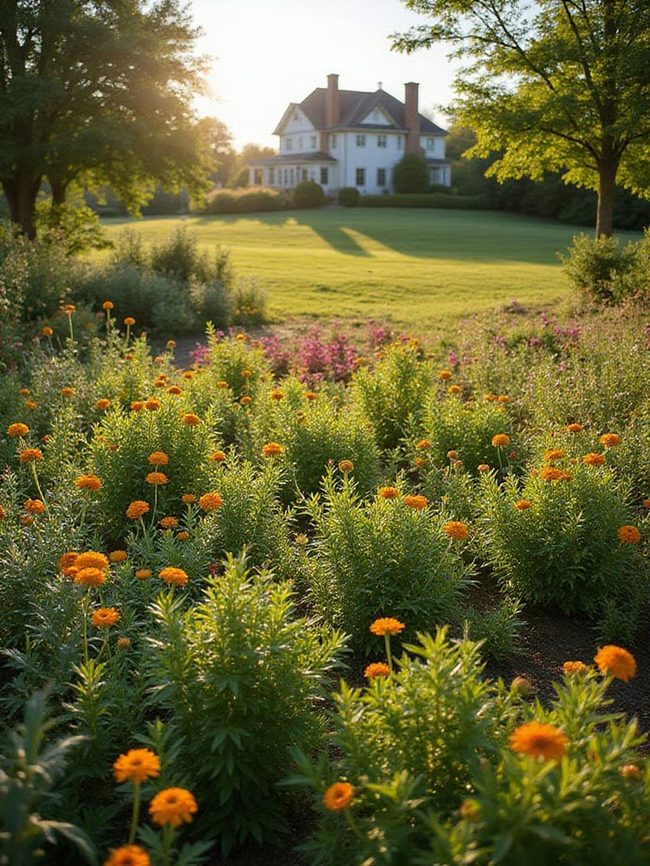
Native plants form the living foundation of any successful outside space, and choosing species that thrive in your region means you will spend less time wrestling with watering schedules and more time actually relaxing outside.
Plants that naturally belong where you live need far less water, fertilizer, and pest management, which keeps your environment healthier while cutting down on the work you have to do.
Japanese design traditions teachus that plants matter for more than just looks, they shape how you feel when you're in a space, so consider what kind of mood eachselection brings to your yard.
Adding native flowering plants draws in pollinator insects that keep your garden ecosystem running smoothly, and mixing species with different textures engages your senses in refined ways.
Spreading your plant choices across the year means something interesting is always happening in your landscape, whether that's blooms, foliage changes, or structural appeal.
What many people don't realize is that native plant roots dig deeper than non-native varieties, which actually improves your soil and helps water soak in better instead of running off.
Year-Round Green Terrace Structure
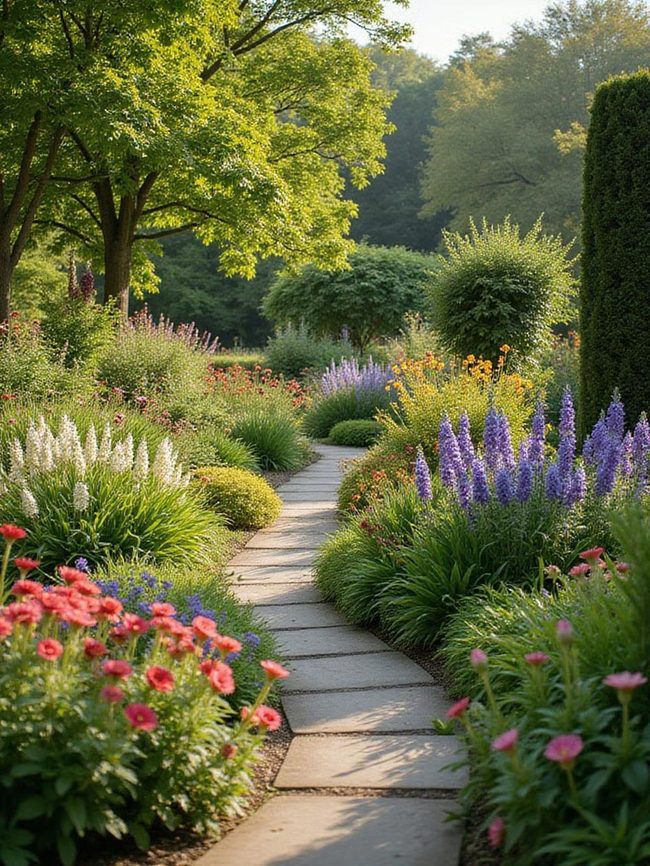
Planning your patio space with plants that look good all year long elevates your yard from something you only enjoy for a few months into a place you will want to visit every single day.
By selecting species that offer spring blossoms, summer foliage, fall color, and winter structure, you and your family get to experience nature's different moods throughout every season.
Local nurseries can point you toward native plants that thrive in your climate while keeping things visually interesting no matter what time of year it is.
Mapping out when every plant flowers helps you avoid dead periods and ensures something is always blooming or looking attractive.
Evergreen shrubs and trees work well as anchors in your landscape, standing strong when other plants have dropped their leaves and providing structure during the quieter months.
This mix of plants that change and plants that stay constant creates a dynamic space that rewards you with something new to discover every time you step outside.
When your yard has this kind of balance between permanence and seasonal shifts, it becomes like a window into nature's cycles and teaches you to appreciate beauty in all its forms.
Sharp Stone Edges Define Spaces
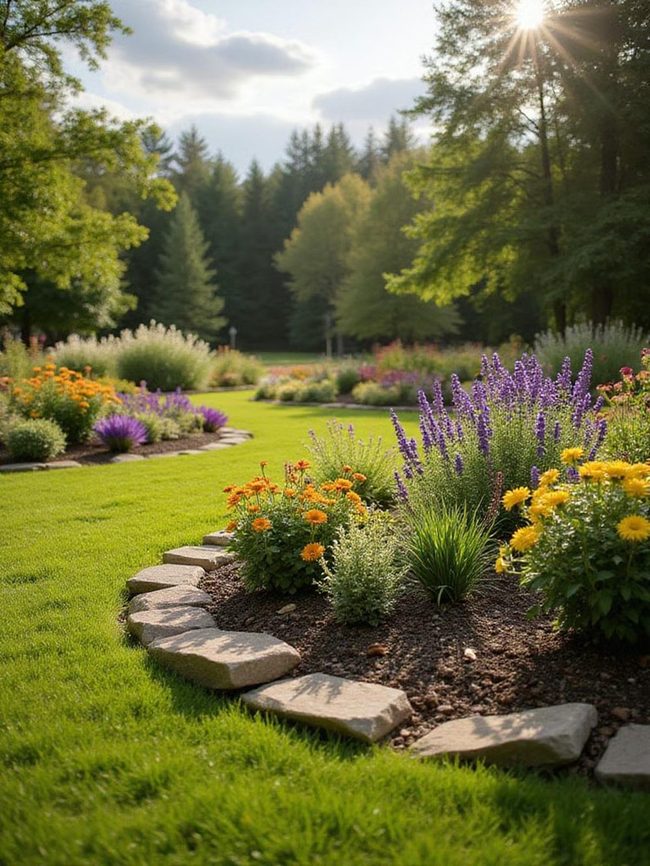
Edging garden beds creates sharp, defined lines that make your entire yard look polished and organized, much like how delicately drawn lines in a zen sand garden bring clarity to the space.
You can choose from natural stone, brick, wood, metal, plastic, or concrete, and in all material gives a different look and lasts for different amounts of time.
Beyond just looking good, edging also keeps soil and mulch contained while stopping grass from creeping into your planting areas.
Materials should match your overall design style while also holding up well over time and fitting your maintenance schedule.
Using different heights of edging materials lets you separate plants of varying sizes and adds visual interest while keeping everything neatly organized.
Even simple plantings look more refined and polished when surrounded by clean edging lines.
Historically, garden edging actually served a adaptable to different needs purpose by protecting cultivated plants from grazing animals, so these decorative elements often grew out of real functional needs.
Your yard gets an instant upgrade in appearance when you add proper edging, and the investment pays off in both looks and plant protection.
Sheer Curtains Frame Private Sanctuary
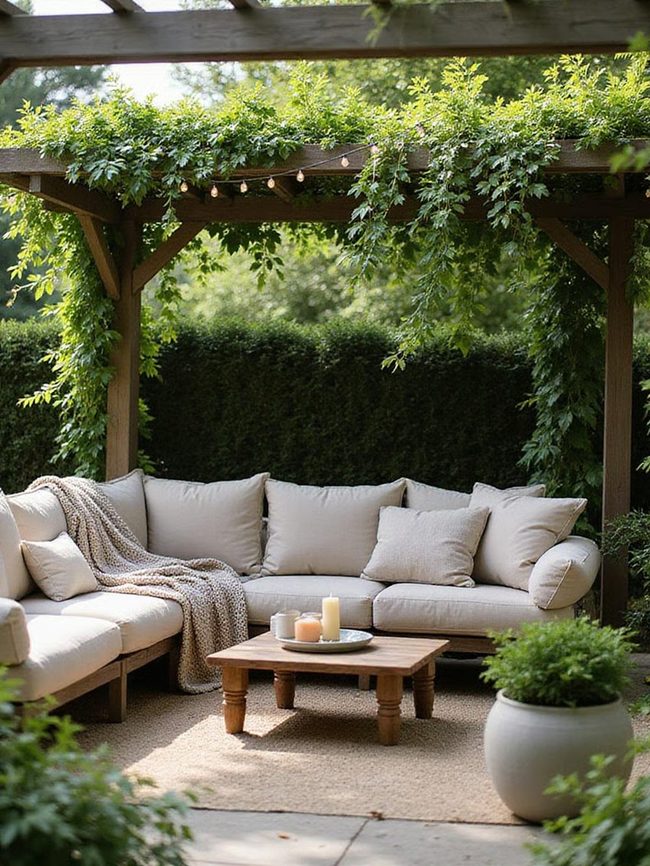
Sheer outdoor curtains that flutter in the breeze offer a low-key, diffused barrier creating privacy without cutting you off from your surroundings, and they work beautifully for carving out a meditation space within your yard.
Plush, weather-resistant cushions provide physical comfort while wind chimes, fragrant plants, or the sound of water engage your senses and draw you deeper into the experience.
Strategic plantings, pergolas, or privacy screens define the space and enhance that feeling of being tucked away from the world.
Choosing furniture materials suited to your climate matters, teak, cedar, or aluminum hold up well in humid areas, while UV-resistant fabrics and heat-reflecting materials work better in sunny regions.
Balancing comfort with aesthetics and function helps you design a space where you naturally want to stay, disconnect from your devices, and reconnect with what's around you.
In our constantly connected world, these pauses from technology become more valuable than ever.
Small touches in your yard landscaping often separate ordinary outdoor spaces from ones that truly feel special and worth spending time in.
Green Wall Layers For Compact Spaces
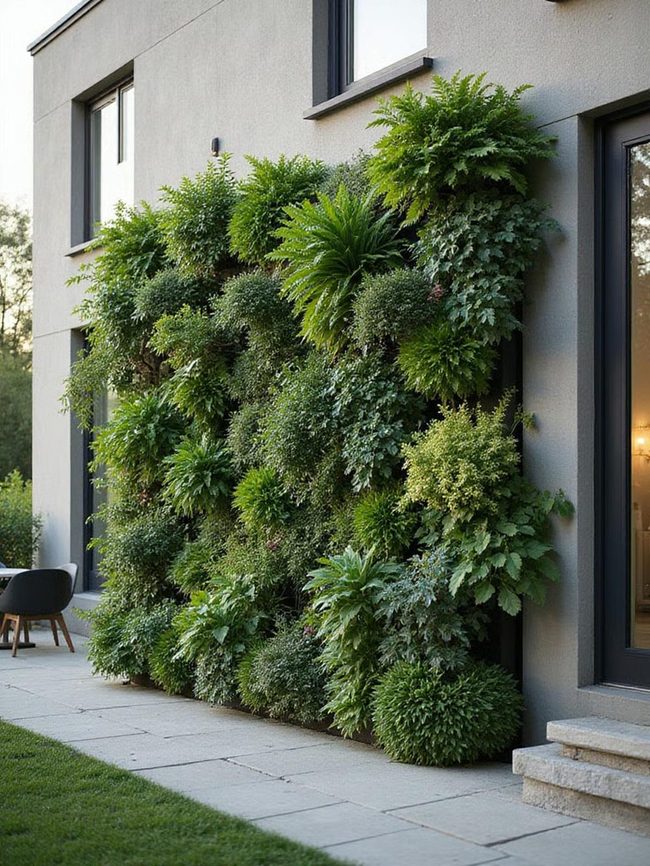
Climbing plants like jasmine and clematis cascading down trellises bring greenery to bare walls and fences, while living walls with built-in irrigation systems turn blank spaces into lush green canvases without demanding constant attention from you.
Tiered planters stack different heights and growing conditions on top of eachother, so you fit more varieties into small footprints and draw the eye upward through layers of foliage and flowers.
By expanding your garden vertically instead of spreading it across ground level, you solve the challenge of limited space in city yards where connecting with nature matters most but room is hardest to find.
Plants with shallow roots and trailing habits thrive in these setups, and they clean the air while moderating temperature swings around your home.
We know this method of gardening isn't new, the Hanging Gardens of Babylon stood as proof centuries ago that growing upward works beautifully.
When you mount these systems, think about weight and where your walls or fences can handle the load of soil, water, and plants together.
Space-saving gardens reward you with more green per square foot, air purification, and diverse plant life all in one solution.
Dry Creek Beds With Colorful Plants
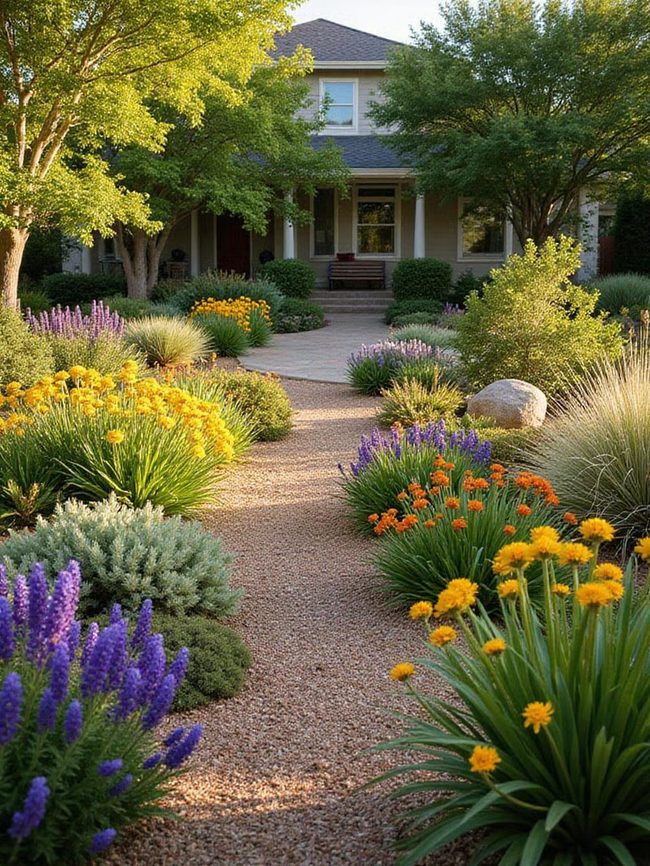
Xeriscaping brings together water-wise design and natural beauty, letting you care for the environment while spending less on resources and maintenance.
River rocks arranged in dry creek beds add striking visual interest while improving drainage during heavy rains, and drought-tolerant grasses weave through these features to mimic natural waterways.
Many people wrongly assume xeriscape yards look barren or filled only with cacti, but you can actually fill these spaces with diverse, colorful plants that thrive on less water.
Soil improvements, mulching, and smart irrigation systems form the foundation of design solution and work in any climate, not just deserts.
The term comes from the Greek word "xeros," meaning dry, though "efficient landscaping" better describes what actually happens when you apply these principles.
Over time, your water bills drop significantly because these gardens need far less irrigation than traditional lawns.
Evening gatherings around fire features in your yard become natural gathering spots where people naturally congregate.
Whether you live in a drought-prone region or somewhere with regular rainfall, xeriscape design adapts beautifully to your local conditions and helps you build landscapes that are both sustainable and genuinely lovely.
Personal Yard Identity Through Objects
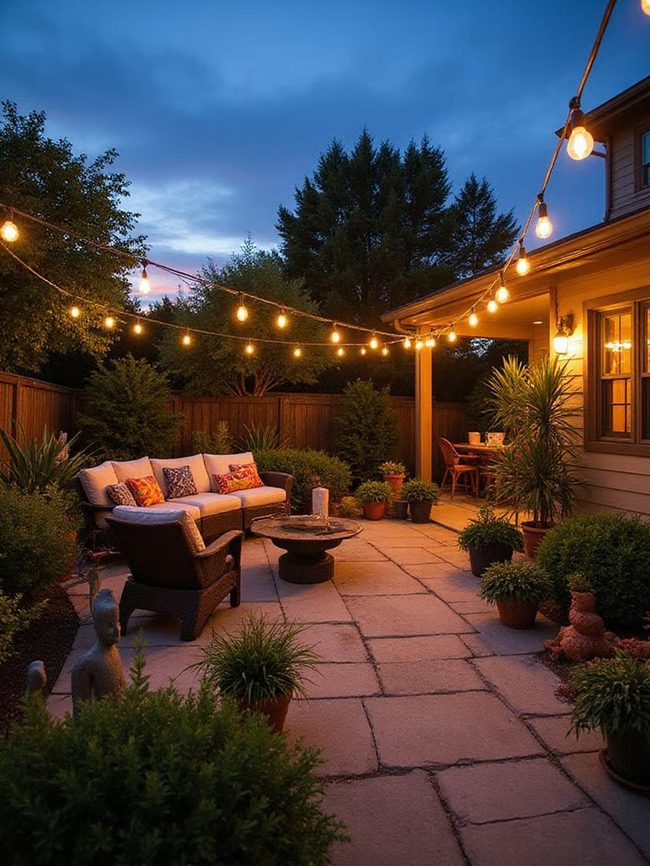
Yard spaces transform into something deeply personal when you weave in elements that reflect who you are and what matters to you, moving well beyond the look of a standard yard into something that connects with your values and identity.
Sculptures matching your artistic taste, unusual planters showcasing what you love, or reclaimed objects with their own stories all bring genuine character to your garden.
Wind chimes selected for their specific sound or vintage watering cans repurposed as plant containers blend practicality with meaning while honoring the Japanese tradition of finding beauty in age and wear.
Garden gnomes, which originated in Germany as symbols of luck and protection, show how even playful touches can hold cultural significance and add personality to patio areas.
Even the smallest choices like these shape how your space feels when you're in it.
Small artistic decisions matter because they shift your yard from simply looking nice into actually feeling like an expression of yourself.
You could say this kind of personalization matters most because it shifts where you spend time into a place that truly belongs to you.
Whether you choose water-wise plants for a dry climate or native species for your region, every element you select tells part of your story.
Water Feature Alfresco Living Space
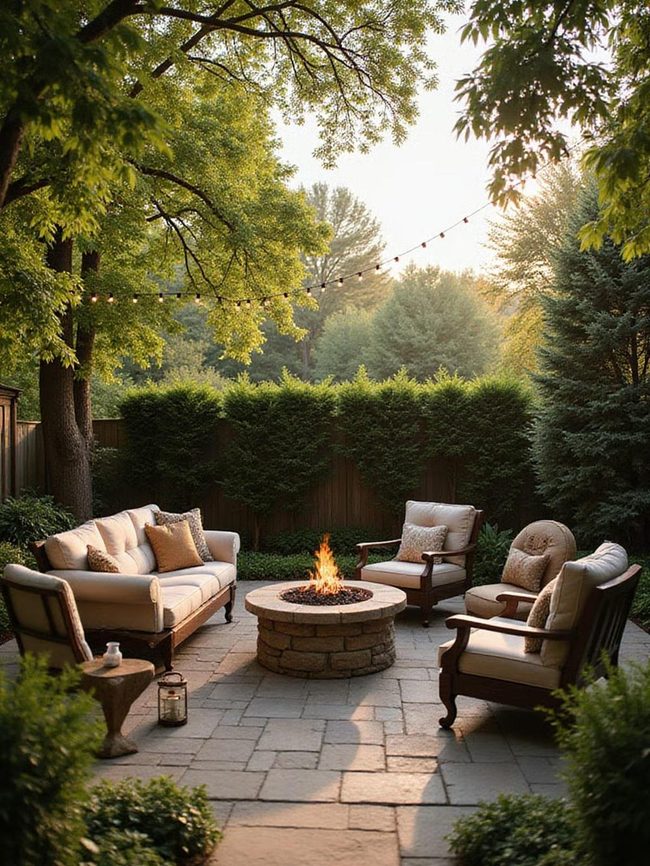
Patio functions as an garden room that bridges your home's digital life and your garden's natural world, and the best yard designs blend these two sides together seamlessly so you get both nature connection and modern conveniences.
Water features stand out as one of the most striking elements you can add, bringing movement, sound, and reflective surfaces that engage your senses and anchor the whole space.
Beyond comfortable seating and shade, think about built for regular use tech touches like weather-resistant outlets for charging, lighting that won't shape screen glare, and spots where you can put devices away to focus on relaxation.
Privacy matters just as much, strategic plants, decorative screens, or a small fountain can block out neighborhood noise and help you feel truly away from it all.
A reading nook with a good chair, side table, and soft garden lighting works perfectly whether you're holding a paperback or an e-reader, giving you flexibility in how you spend your time outside.
Historically, the term "patio" came from Spanish courtyards that balanced privacy with gathering, which mirrors what we're trying to do today by mixing digital and natural experiences.
Soft Light Reveals Nighttime Yard
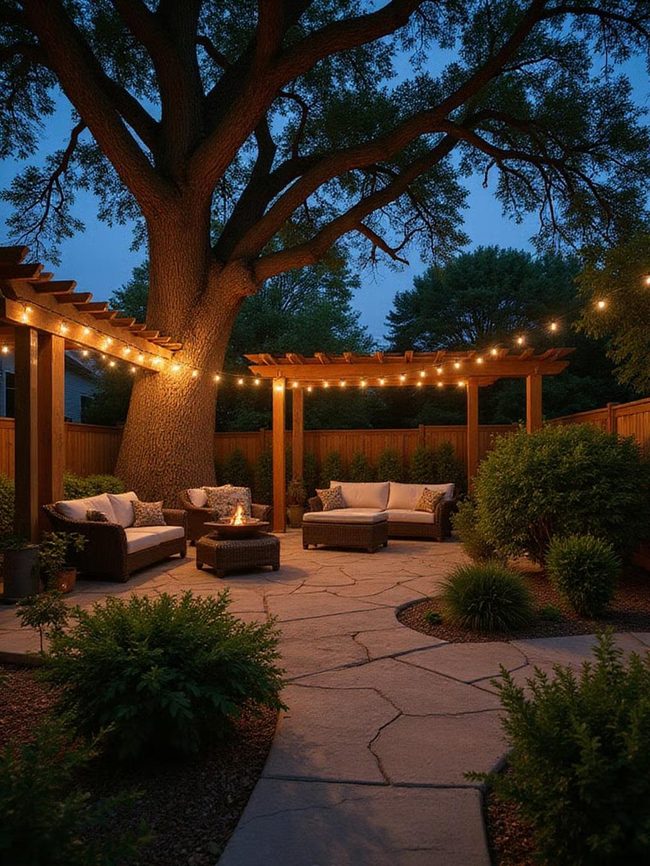
Strategic lighting updates your yard from something you only enjoy during daylight into a space you can use and appreciate all through the night, and beyond keeping things safe, well-placed illumination also defines different areas and showcases what makes your landscape special once the sun goes down.
In zen-inspired design, lighting should feel natural rather than overdone, creating gentle pools of light instead of blasting brightness everywhere.
Path lights guide you safely through the garden as evening falls, uplights bring out the interesting shapes of trees and buildings, downlights mimic the soft glow of moonlight filtering through leaves, and string lights add warmth to seating areas where you gather with others.
Consider both what the lights do practically and how they make you feel, since subtle illumination can shift your mood as you step from your indoor space into nature.
Path lights with downward-facing shields work well because they guide your steps without wasting light into the sky, and LED options use about 80% less energy than older lighting types while doing the job just as well, which helps the environment and keeps your maintenance costs down.
Zoned Landscapes For Sprawling Properties
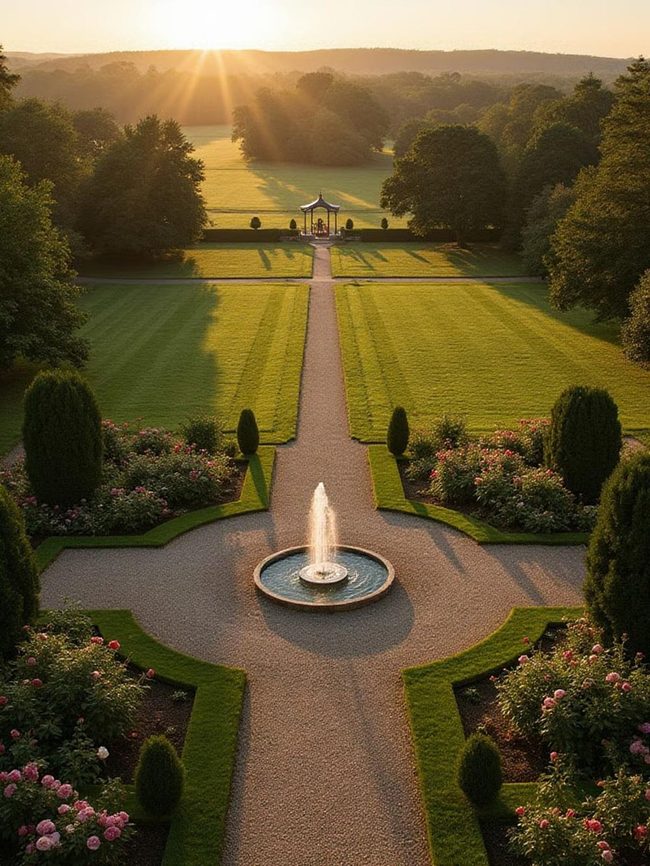
Large properties call for a landscape design approach that balances sweeping views with spaces where you can feel grounded and connected to your surroundings.
Without thoughtful planning, sprawling yards can easily become overwhelming or feel disconnected from how people actually experience them.
Break your land into distinct zones that serve different purposes, meditation spots, entertaining areas, quiet retreats, and make sure across one feels properly scaled and purposeful.
Pathways that wind through your property establish a sense of discovery, guiding you toward hidden destinations like a secluded reading nook nestled within dense plantings.
Moving between open clearings and enclosed garden rooms gives your landscape rhythm and balance, the same principles that guide Japanese garden design and modern landscaping alike.
Establishing clear routes for how people flow through your space prevents that flat, disconnected feeling that huge yards sometimes get.
Front yards deserve special attention since they set the tone for everything beyond them and offer visitors their first sense of your home.
Maintenance matters too, plan with long-term care in mind so your garden stays manageable as it matures.
Crackling Rustic Timber Fire Gathering Spot
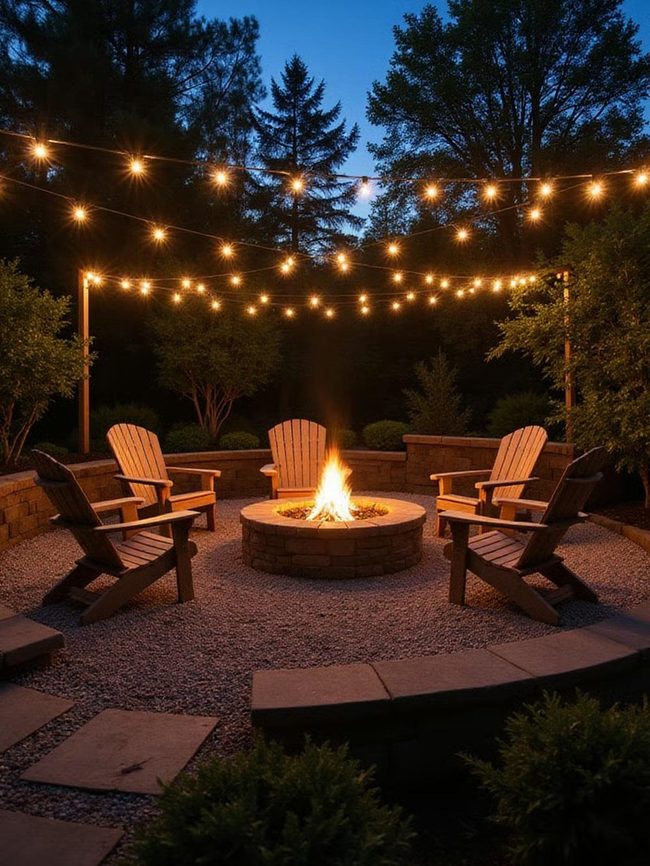
Fire pits function as gathering spaces in modern yards where people naturally gravitate together and put away their phones, much like the ancient hearths that have drawn humans around flames for roughly 1.5 million years.
Different types deliver distinct experiences, wood-burning pits offer authentic crackling sounds and smoky scent but demand firewood and produce smoke, propane models give you clean instant heat with adjustable flames though they need tank refills, natural gas setups provide the ultimate convenience through direct home connections yet require professional installation, and gel fuel options burn cleanly without smoke but generate less warmth.
You may want to think through your yard size, the mood you're going for, your fuel preference, and any local rules before deciding which works best for your space.
Seating matters just as much, so arrange comfortable chairs and benches in ways that encourage people to face throughout other and actually talk instead of staring at devices.
Adding clearly defined edges and boundaries around your fire pit finishes off your yard landscaping and gives the whole setup a polished, measured feel that makes the space feel complete and purposeful.
Budget-Friendly Yard Transformation Plan
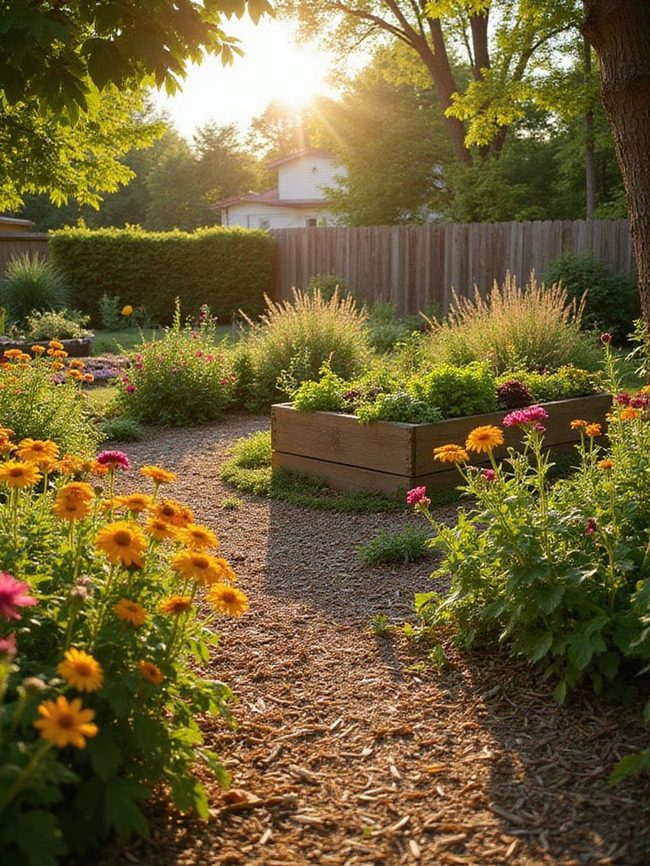
Beautiful yard landscaping doesn't require emptying your bank account, and understanding which elements deliver the most impact allows you to allocate resources mindfully and bring about impressive outdoor spaces without unnecessary expense.
Hardscaping elements, mature plants, and professional labor typically represent the largest expenses in most landscape projects, so you can minimize these costs by embracing DIY for appropriate work, sourcing materials creatively, choosing younger plants that will mature in place, limiting extensive hardscaping, and developing a phased implementation plan.
Wildflower meadows in sunny areas offer exceptional value, seeds cost significantly less than container plants while creating habitat for beneficial insects and reducing maintenance needs as time goes on.
Spreading costs over time through gradual development allows you to build your vision step by step while learning and adapting as your landscape evolves.
Starting small and expanding progressively means you can refine your design based on what actually works in your specific location.
Even modest yards become extraordinary outdoor spaces when you approach design with both creativity and resourcefulness.
Olivia Martinez
Founder & Principal Designer
Expertise
Sustainable Interior Design, Residential and Commercial Space Planning, Historic Preservation and Adaptive Reuse, Custom Furniture Design, Project Management
Education
Parsons School of Design, New York, NY
LEED Accredited Professional (LEED AP)
Olivia Martinez is the founder of Archi Refresh, where she brings style and sustainability together. With a degree from Parsons School of Design and a LEED certification, she’s all about creating beautiful, eco-friendly spaces.
With over eight years in the industry, Olivia has designed everything from cozy homes to commercial spaces, always putting function and sustainability first. She loves working with local artisans and has been featured in design publications for her fresh take on green living.
When she’s not designing, Olivia enjoys exploring historic architecture, painting, and spending time with her rescue dogs, Luna and Max.