
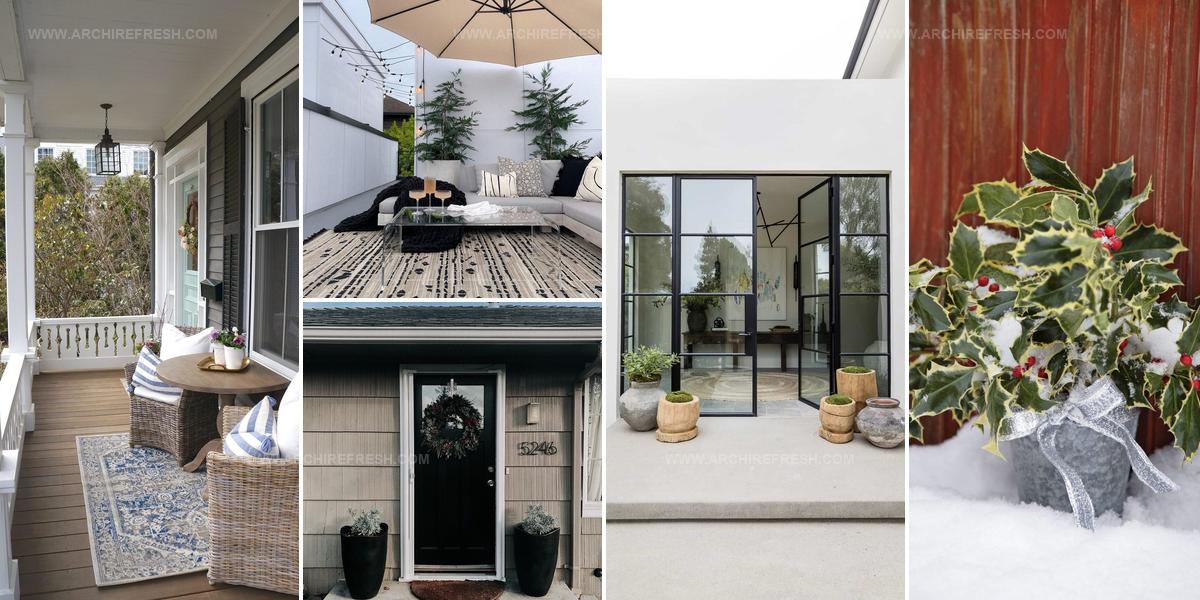
21 Outdoor Winter Planter Ideas for a Fresh Garden Look
Winter planters can add unexpected beauty to cold-weather landscapes when most gardens have gone dormant.
Container arrangements designed for freezing temperatures offer a chance to experiment with hardy evergreens, colorful branches, and textural elements that thrive in chilly conditions.
Many homeowners overlook the potential of outdoor containers during winter months, assuming nothing survives or looks appealing.
However, the right combination of plants and decorative materials creates stunning focal points near entryways, on patios, or along walkways.
The key lies in selecting frost-resistant greenery and incorporating natural accents that withstand snow and ice.
Proper soil preparation and drainage also help arrangements endure temperature fluctuations throughout the season.
Green Sculpted Shrubs Low Maintenance
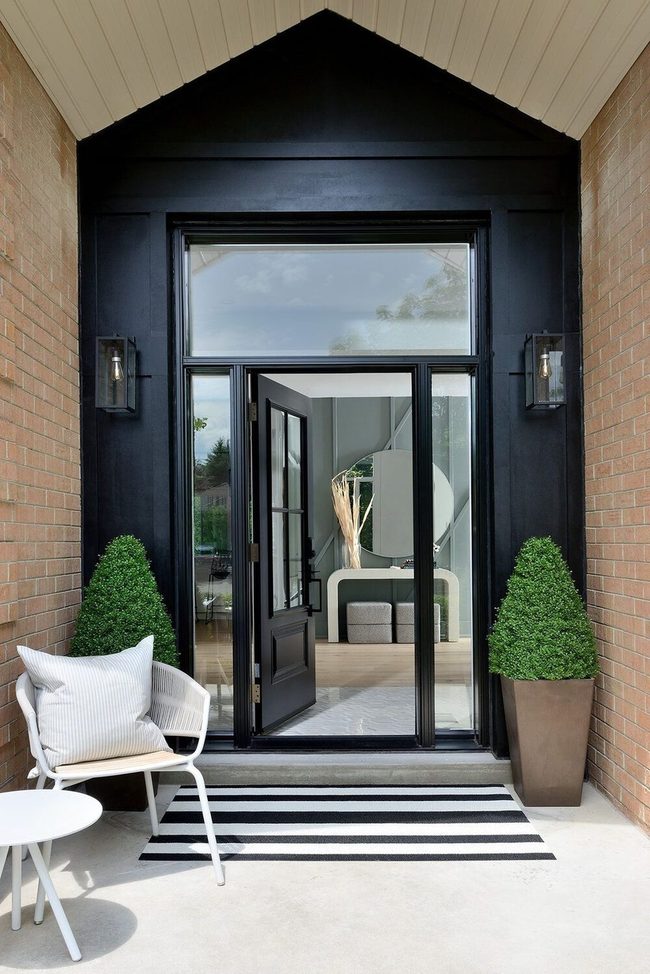
Boxwoods stand out as one of the most beloved shrubs you can place around your home, and there's a good reason for that popularity.
These plants are remarkably hardy and need very little maintenance once established, plus they grow slowly enough that you won't find yourself constantly trimming them into shape.
Once you sculpt boxwoods into a neat form, they keep that polished look without demanding much from you.
Most boxwoods thrive during milder seasons, though they can survive harsher weather if you give them proper attention throughout the year.
During snowy conditions, a simple brush-off of accumulated snow prevents branches from snapping under the weight.
With just this basic care, your boxwood frames will stay strong and attractive season after season.
They're the kind of plant that rewards you with years of reliable performance without eating up your time or energy.
Winter Pansies Brighten Cold Months
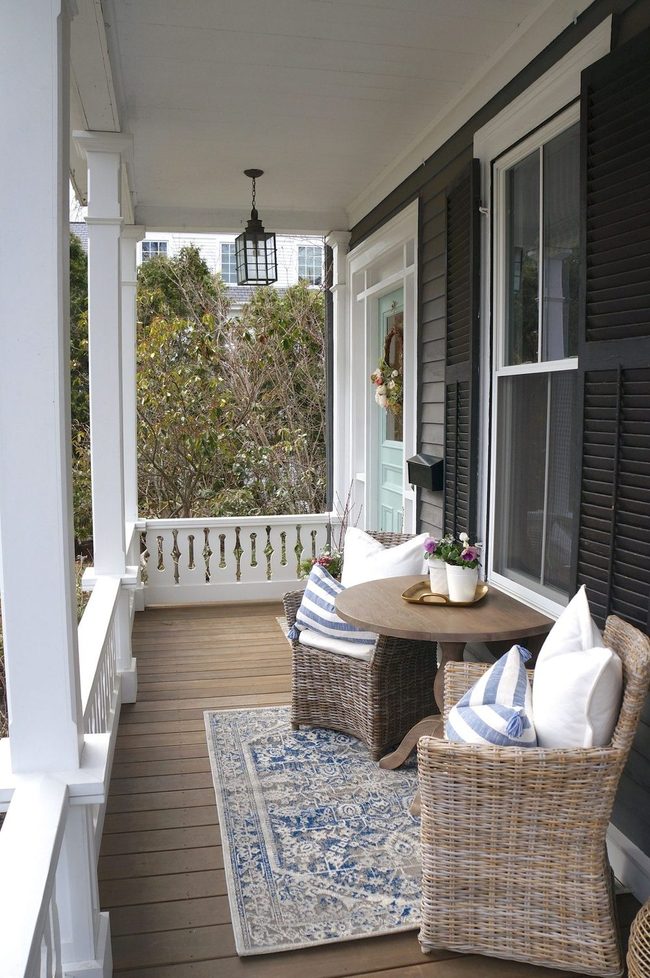
These hardy flowers thrive in cold weather while most other plants fade away, so you can count on them to keep your porch, patio, or garden beds looking lively throughout the chilly months.
Planting them is straightforward-just fill your pots with soil and pop in a few pansy seedlings, and they'll handle the rest without demanding much attention from you.
Water them occasionally and let the cooler air do what it does best, and you'll watch them flourish when other flowers have long since disappeared.
Whether you load every single planter with these gems or mix them with other winter bloomers, you can't go wrong with their bright faces brightening up the gray season.
Pansies come in so many shades and combinations that matching them to your home's style feels natural and fun.
Winter Pots In Layers
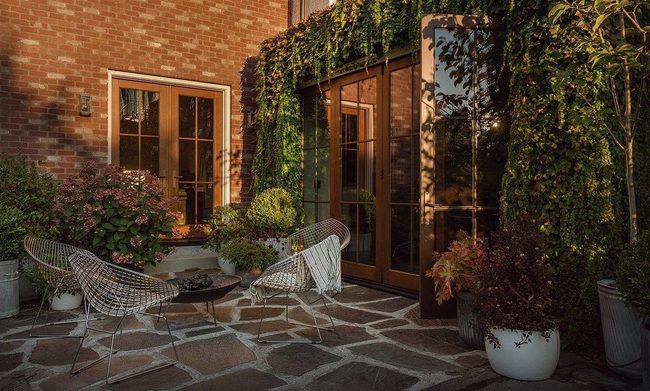
When you're decorating outdoors for winter, cold-weather plants offer more choices than you might realize, so feel free to explore beyond just one type of hardy flower, shrub, or tree that appeals to you.
Shopping for a variety of winter-friendly options and potting them in different containers creates a refreshing look that transforms your yard into something lush and full.
You don't need everything to match perfectly; in fact, an assortment of mismatched pots actually adds visual interest and charm to your space.
I've noticed that mixing different plant heights, textures, and colors together makes the area feel just as abundant as your summer garden would be.
Grouping several pots of varying sizes around your patio or entrance gives you flexibility to rearrange them whenever you want a fresh arrangement.
Since cold-season plants are hardy and require less fussing than tender varieties, you can focus more energy on enjoying your outdoor space rather than constant maintenance.
Building this mixed collection means you'll have something blooming or looking interesting throughout the colder months and your outdoor area stays interesting all year long.
Green Ferns Frame Your Entry
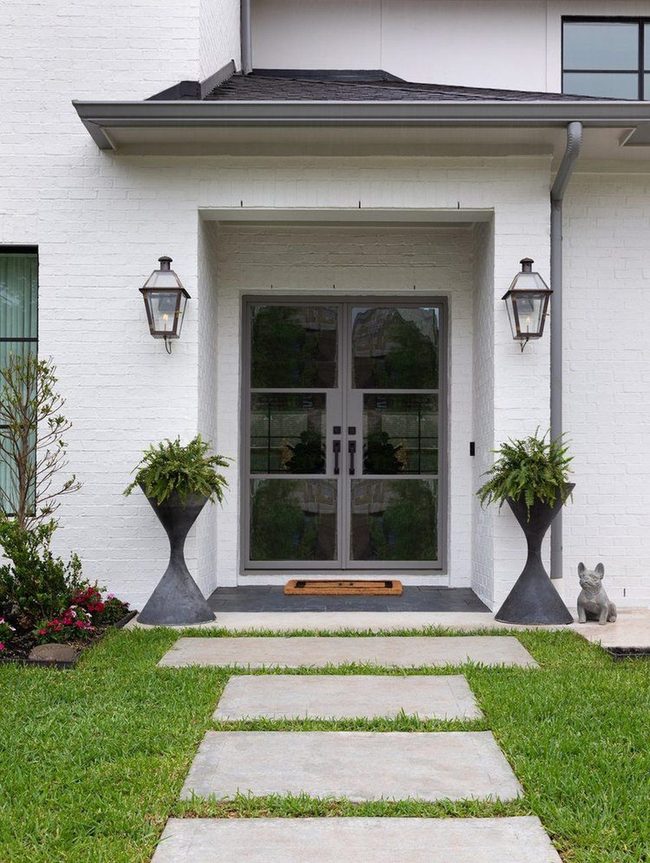
Lush green ferns flanking your front door create an instant natural frame that draws attention the moment someone arrives at your home.
You can position potted ferns on both sides of your entryway for maximum effect, and they'll stay healthy through all seasons since these plants tolerate cold weather beautifully.
If you have a covered porch or overhang, hanging ferns suspended from above add another layer of greenery that makes the space feel fuller and more welcoming.
Ferns are forgiving plants that don't require constant fussing, so you can scatter them generously throughout your outdoor areas without worry.
Multiple hanging varieties create a layered look that's far more interesting than a single statement plant.
Mix different sizes and placement heights to build dimension and keep eyes moving around your porch naturally Stock up on several plants and experiment with different spots until you find arrangements that make you happy.
Portable Green Year-Round Patio
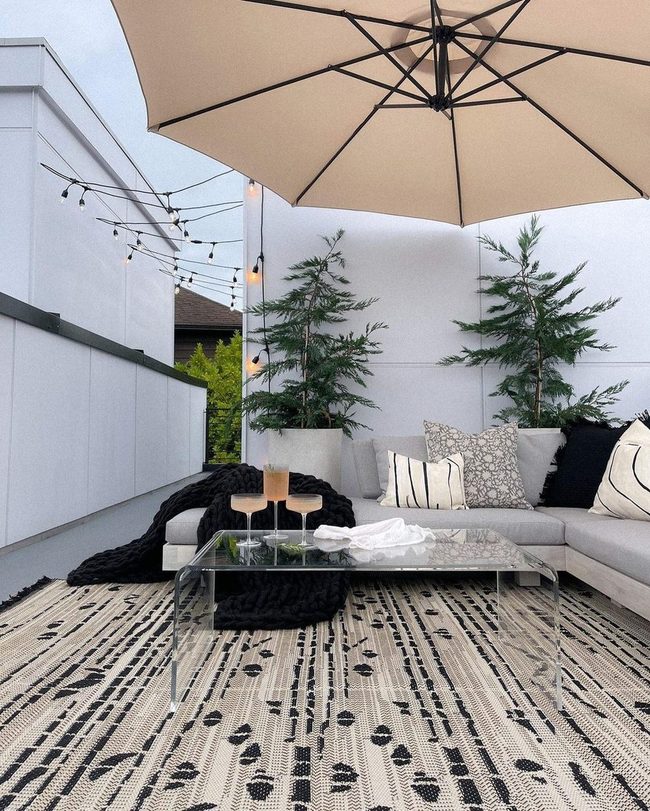
Small potted evergreens offer a quick way to add greenery to outdoor spaces that otherwise have nowhere to plant, and you can position them on patios, porches, or balconies without worrying about soil or digging.
These plants stay lush and green throughout all four seasons, so you get year-round color without replanting or seasonal swaps.
Moving them around is simple, which means you can refresh your outdoor setup whenever you want a change.
Grouping several pots together creates a fuller, more garden-like feel in spots that might otherwise look bare.
Since evergreens don't demand much attention, they're perfect if you prefer low-maintenance decorating.
You can even use them to soften hard edges on your patio or fill in gaps along a porch railing.
Containers also let you control the size and spread of your plants, keeping them from taking over small spaces.
This approach works especially well for renters or anyone who likes flexibility in their outdoor design choices.
Berry-Filled Branches Year-Round
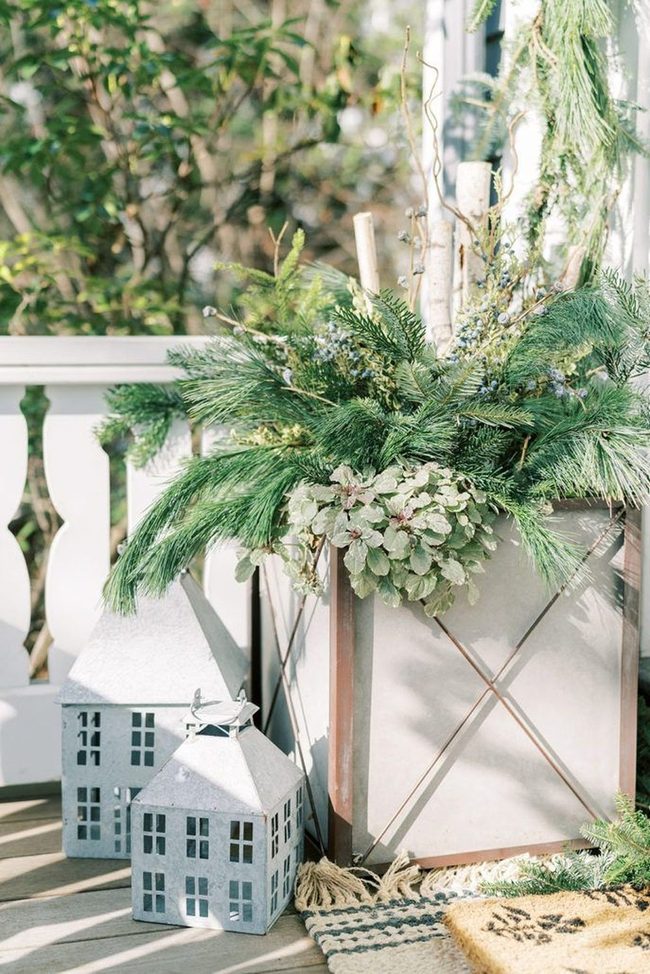
Branches heavy with berries and evergreen garland stuffed into your planters offer one of the most eye-catching ways to keep your outdoor spaces looking alive throughout the year.
You can skip the pressure of maintaining live plants and instead rely on these seasonal stems that stay beautiful without any watering or care.
Gathered branches with bright berries bring instant color and texture to your porch or entryway, and they work especially well during months when your regular plants aren't thriving.
Fresh evergreen pieces add that full, lush feeling you want even when nothing is actively growing in your garden It takes just minutes to gather branches from your yard or a local park and tuck them into any pot or planter you have on hand.
This approach saves you from dead or struggling plants while giving you that polished garden look all year long.
Cold Weather Blooms Year Round
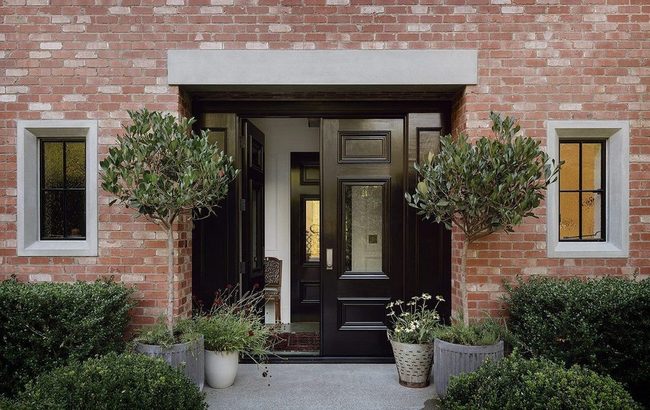
Winter doesn't have to mean bare garden beds if you choose flowers that actually flourish in cold weather, and you can enjoy blooms all year round without waiting for spring to arrive.
Pansies and daffodils are reliable choices that many gardeners trust, while winter jasmine brings yellow flowers when everything else looks dormant.
If you want something a bit different, snowdrops emerge early and push through frozen ground with surprising strength, and black tulips offer a dramatic dark color that stands out against white snow.
You can mix traditional picks with unexpected varieties to keep your outdoor space interesting throughout the colder months.
Filling your beds with cold-loving plants means you're never stuck looking at empty soil from fall through winter.
The combination of familiar and unusual options gives you flexibility in how you design your garden.
Building a winter flower garden takes some planning, but the payoff is constant color when most people's yards have gone to sleep.
Shade-Loving Green For Dark Corners
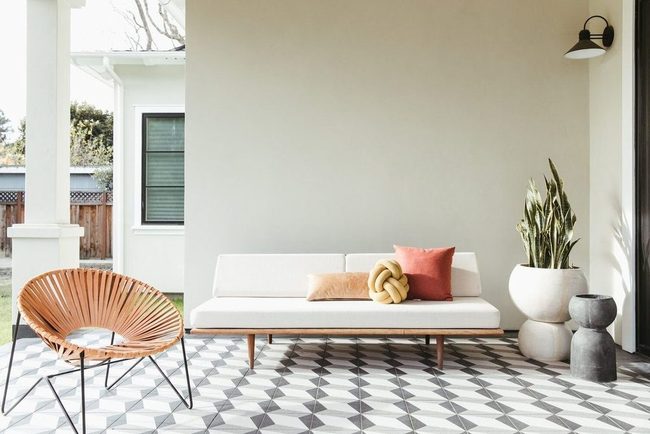
Snake plants are unusual because they actually prefer shadier spots rather than basking in intense sunlight, which makes them perfect if you're looking to fill darker corners of your space.
Most outdoor plants crave bright conditions, but these hardy plants thrive when light is gentler and temperatures stay moderate.
You can keep them outside during pleasant weather without worrying about them getting scorched or stressed from heat.
However, once temperatures dip below 50 degrees, it's time to move your snake plant indoors since mild winters suit them best and harsh cold will harm them.
I like recommending these plants to people because they're forgiving and don't demand the same fussy care that sun-loving varieties need.
If you have a shaded patio, covered porch, or dim interior corner, snake plants do well there and add greenery where other plants might struggle.
Just monitor the thermometer and bring them inside when winter arrives, and they'll reward you with steady growth throughout the year.
Winter Berries For Frost Gardens
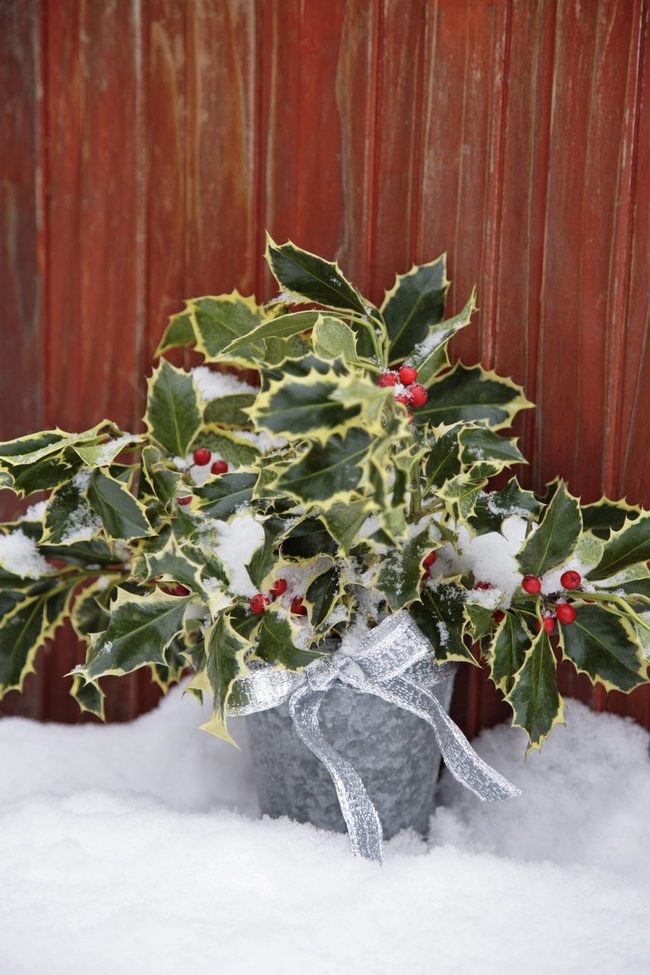
Bright berries clustered on branches bring instant color and life to outdoor spaces during the colder months.
Holly bushes are a go-to choice for winter gardens, and you'll find plenty of other options that hold their fruit throughout the season.
Hawthorn trees, elderberry plants, and wild grape vines all keep their berries on display when many other plants have faded away.
Adding these to your planters gives you natural pops of color without needing fresh flowers You can mix different varieties together so the colors and textures play off each other.
Cold-hardy berry bushes make your outdoor areas feel fuller and more interesting all winter long.
Red Bracts Winter Porch
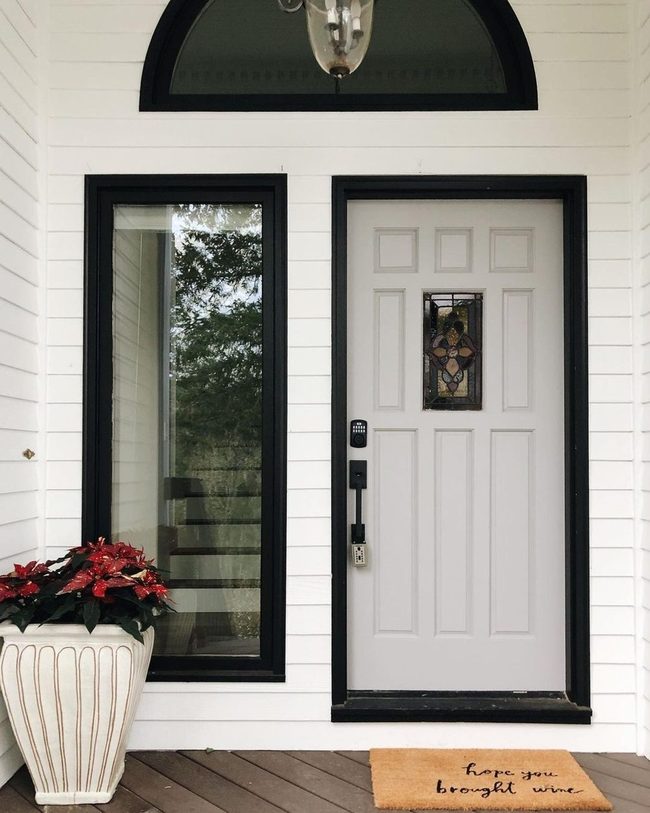
Poinsettias burst with brilliant red, pink, or white bracts during late fall and early winter, making them an eye-catching choice for your porch during the chilly months ahead.
Since these plants thrive in cooler weather, they're naturally suited to seasonal decorating when you want something that looks fresh and alive.
If you live somewhere with mild winters, leaving them outside works perfectly well throughout the entire season.
For those in colder climates, planting them in lightweight containers gives you flexibility and lets you move them indoors whenever temperatures approach 50 degrees.
This way, you get weeks of stunning color without worrying about frost damage or killing the plants.
Poinsettias handle the transition between indoor and outdoor spaces well, and they brighten up entryways or corners without requiring much fuss from you.
Layered Winter Container Gardens
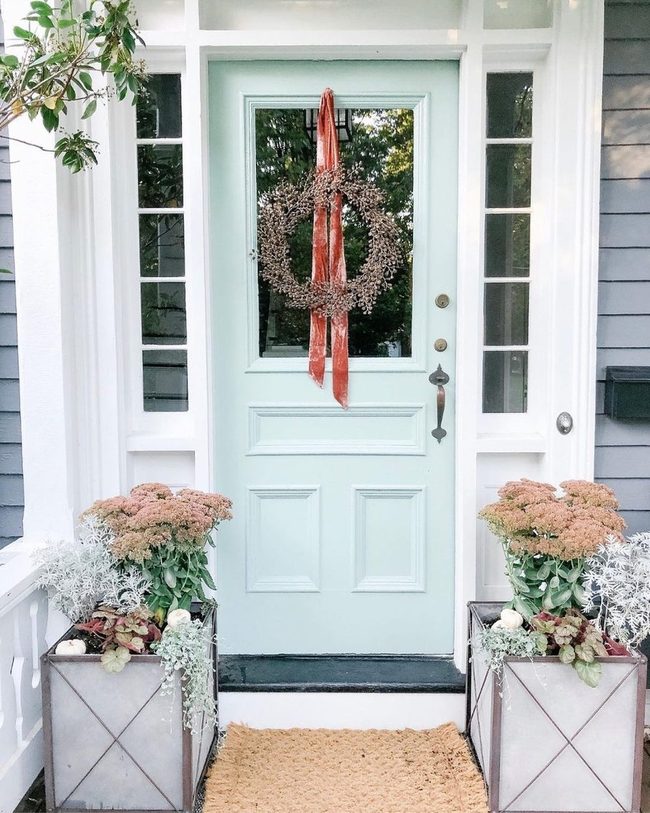
Multiple plants packed into one pot can give you far more visual interest than solo specimens sitting alone.
Rather than limiting yourself to a single plant per container, try combining different winter plants together and you'll end up with small garden displays that pop from every angle.
Mixing textures and heights within the same planter transforms what might look sparse into something lush and full.
You don't need much space to pull this off either, since several plants in one pot work well on patios, porches, or windowsills.
Pairing evergreens with flowering plants gives you color throughout the season.
Grouping plants with varying leaf shapes next to each other keeps things visually interesting.
Since they share soil and water in one container, maintenance stays simple.
Your planters become mini gardens that look polished and complete rather than plain.
Winter-Proof Ornamental Grasses Year-Round
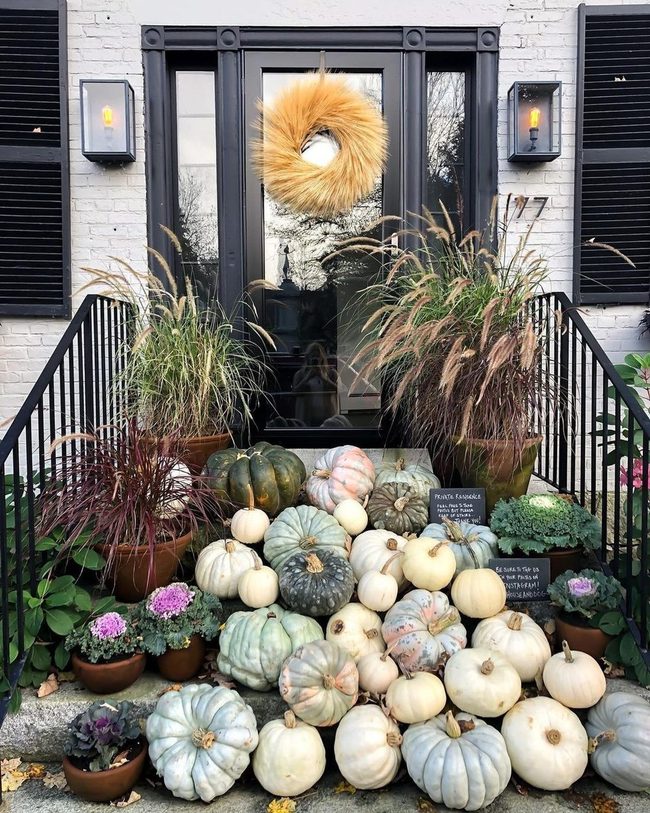
Ornamental grasses stand out as one of the most striking elements you can add to your outdoor space because they maintain their full, beautiful appearance even during harsh winter months and heavy snowfall.
Varieties like foxtails, maiden grass, and blue oat grass work wonderfully in containers and keep their appeal throughout the year, so you can fill your pots with them and forget about replanting when seasons shift.
Since these grasses continue growing regardless of the weather, you get long-lasting visual interest without the hassle of seasonal swaps.
I recommend stocking up on several different types to mix and match in your planters.
The layered texture and movement these plants bring to your garden really stand out against bare winter landscapes.
You won't need to spend time replacing them every few months like you would with other plants.
This approach saves you both effort and money in the long run.
Plus, ornamental grasses add dimension to any space and look fantastic whether you view them from up close or from across your yard.
Textured Green Moss Year-Round
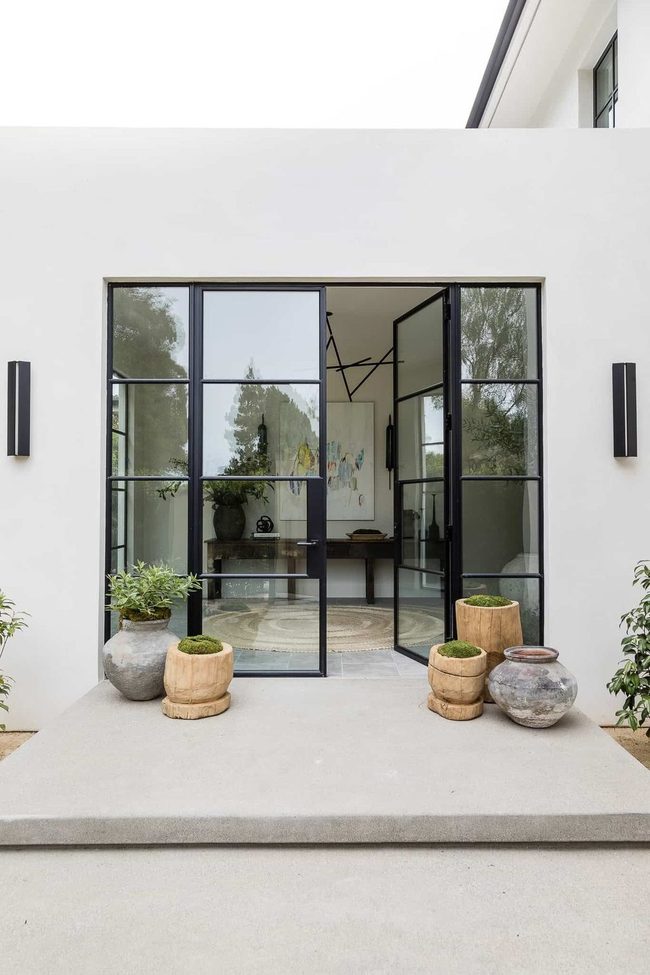
Moss grows strong through the colder months, which makes it an excellent choice to keep in your planters all year long.
You can switch things up by combining a few different moss varieties in one planter, or you could plant the same type of moss in several separate containers to see how it performs in different spots.
Either way, moss gives you flexibility in how you arrange your green spaces.
The textured green surface of moss adds natural interest to any planter setup without requiring much effort on your part.
You don't need fancy techniques or special tools to maintain it.
If you want to experiment with layering or grouping your planters together, moss works beautifully as a base or standalone element.
It's one of those plants that lets you be creative while keeping things simple at the same time.
Silver Foliage Winter Containers
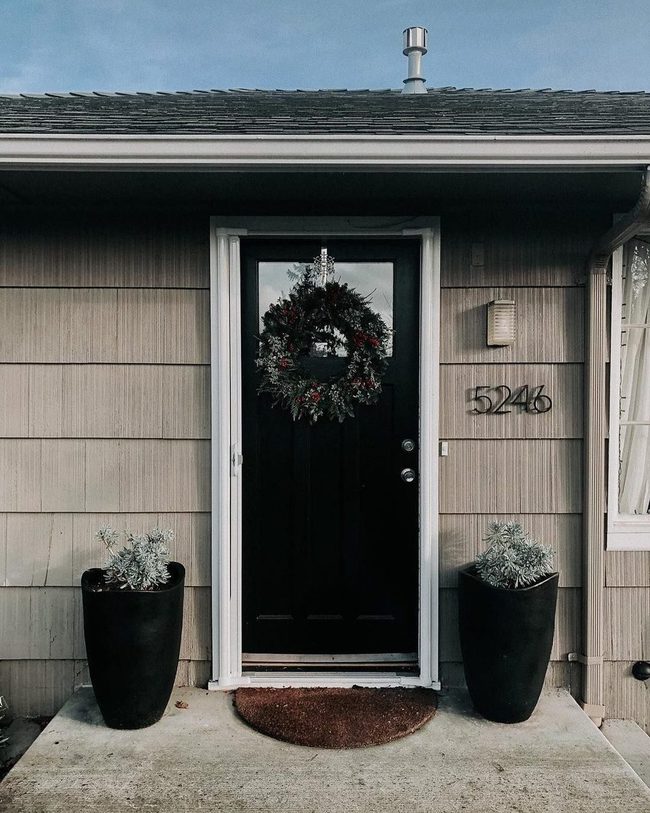
Stock your planters with leafy plants that shine year-round, since most flowers take a break during the colder months.
Silver-toned plants like artemisia and dusty miller bring cool, metallic tones to any space and can handle chilly weather.
If you want splashes of red in your arrangement, bromeliads deliver that bold color without needing blooms.
Purple hues come through beautifully with ornamental cabbages and Japanese maples, which add both depth and dimension to your containers.
You can mix these foliage-forward plants together to build layers of color and texture that last all season long.
I like how these leafy options give you so much flexibility when designing your outdoor or indoor displays.
Building a garden around leaves rather than flowers opens up tons of possibilities and keeps things looking fresh even when other plants are dormant.
Winter Hardy Shrubs Green
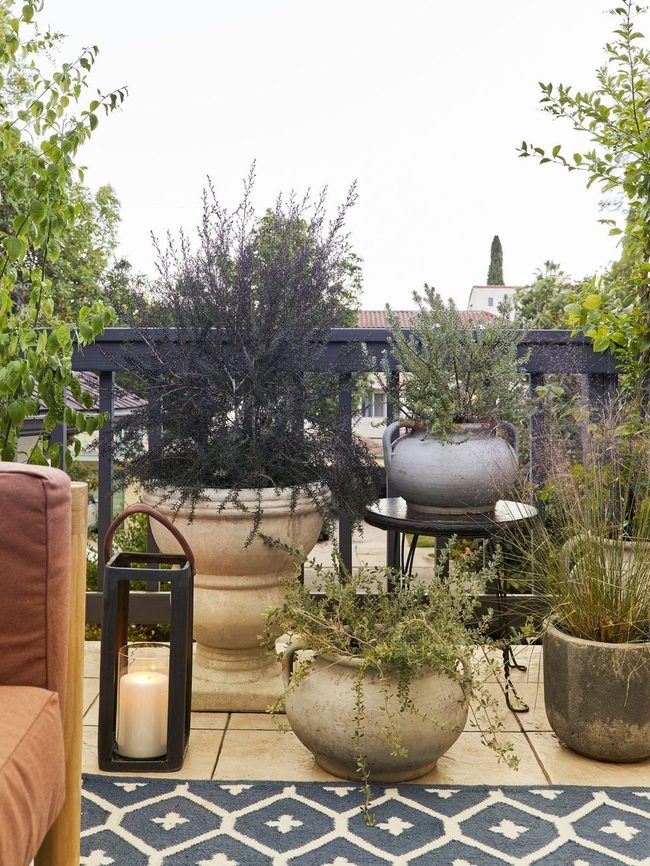
When you're shopping for winter plants, shrubs deserve a spot on your list even though they might seem less glamorous than blooming flowers or towering trees.
Juniper and dogwood stand out as excellent choices because they handle harsh cold with ease and need very little care once they're established.
You can fill your planters with these hardy options and watch them stay healthy and green throughout the year without demanding much attention.
Most shrubs are forgiving about soil conditions and watering schedules, which makes them perfect if you want reliable greenery without constant fussing.
Their sturdy nature means you get lasting structure and presence in your space no matter what the weather throws at them Stock up on a few cold-loving varieties and you'll have plants that perform season after season.
Empty Pots Create Winter Balance
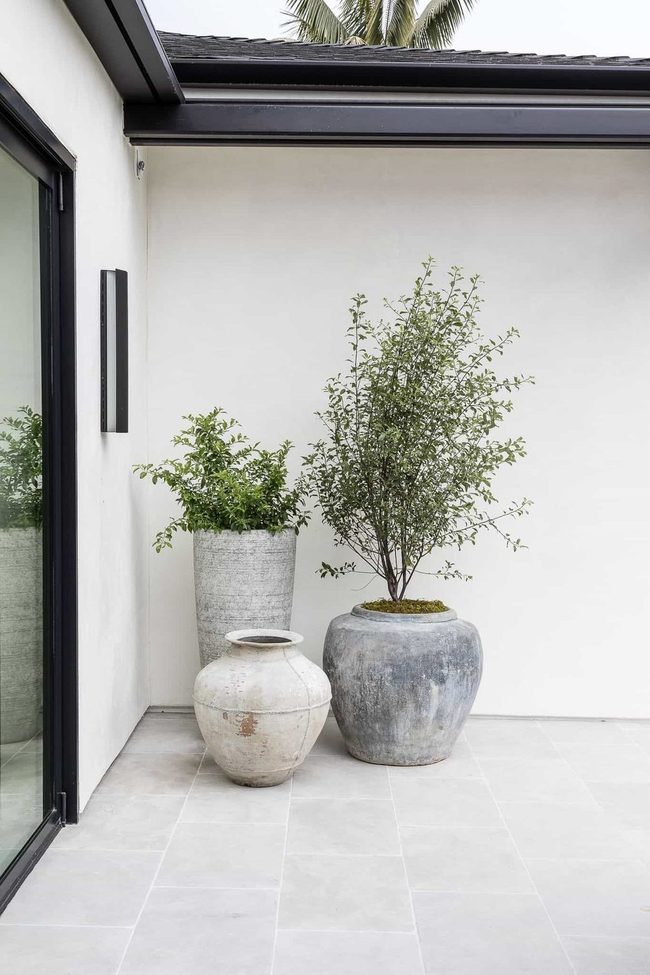
During the off-season when plant options run low, you don't have to stuff every planter you own with greenery.
Leaving some containers bare actually helps your winter plants shine and gives your garden beds a refreshing sense of balance.
Empty pots sitting alongside growing ones provides natural contrast and stops your space from feeling overcrowded.
Your winter-friendly plants will look healthier and more noticeable when they have empty pots as their neighbors rather than competing for attention.
This simple approach requires no extra work and costs nothing at all.
You'll find that your garden feels more open and peaceful, and your planted containers stand out so much better when they're not surrounded by other greenery.
Painted Gourds Become Planters
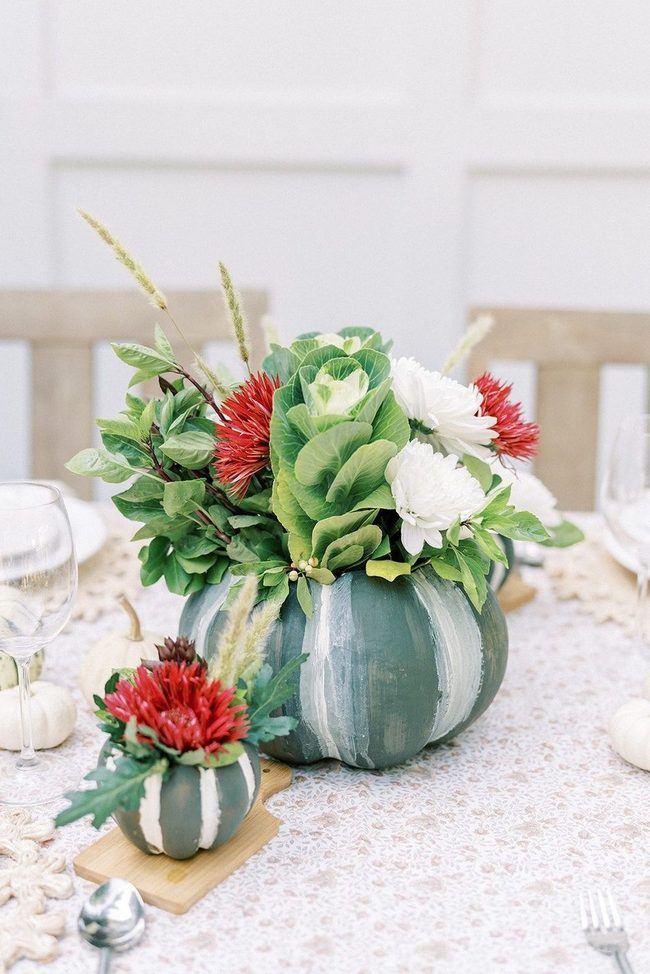
Those gourds sitting around from fall don't have to end up in the trash, and turning them into planters is a fun way to give them new life.
Start by sealing the insides so they can hold soil and water without rotting, then paint the outsides in whatever colors match your style.
Once they're ready, fill each one with plants and place them around your outdoor space.
You can set them on top of patio furniture for an unexpected pop of color, line them along your porch steps, or scatter them throughout your yard to add personality to otherwise plain corners.
Purple Cabbage Winter Harvest
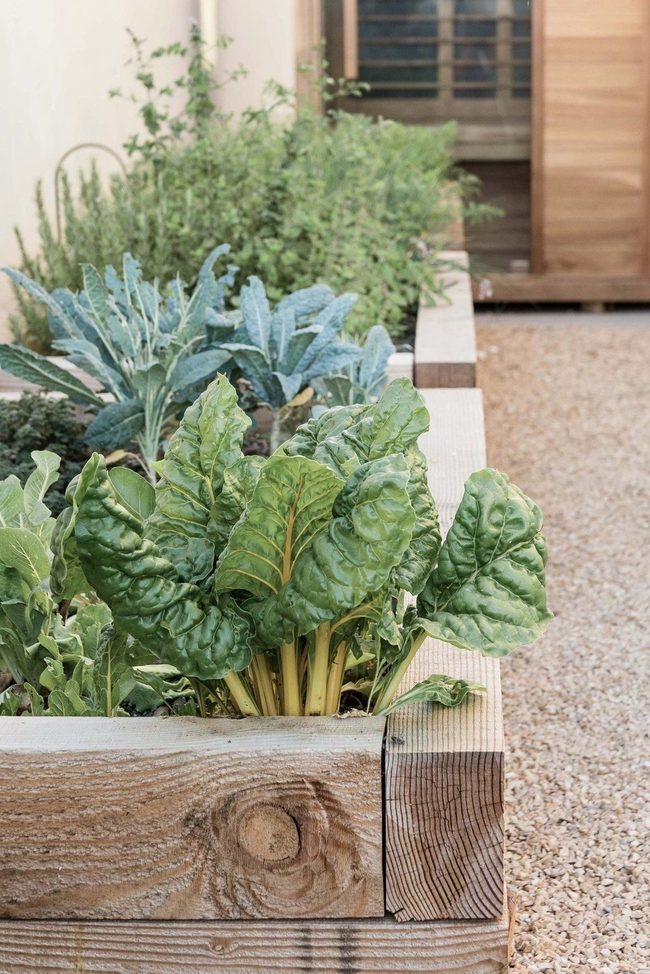
Cold weather brings out the best in leafy greens, and many varieties actually develop better flavor after a frost hits, so filling your planters with ornamental cabbage creates an immediate burst of color with its ruffled purple and white layers that stand out beautifully against bare winter landscapes.
Beyond the visual appeal, you can grow kale, collards, and spinach right alongside these decorative plants, which means your garden does double duty as both a gorgeous display and a food source.
Frost sweetens the taste of these vegetables and makes them even more rewarding to harvest and eat.
Since ornamental cabbage thrives in cold temperatures, it becomes one of those rare plants that actually looks better as the season gets harsher.
Your winter garden transforms into something worth looking at, and you get fresh greens to cook with at the same time.
Glossy Greens All Winter
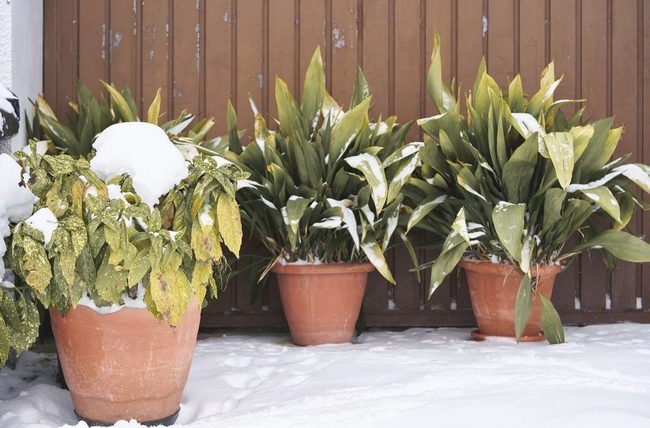
If you want your outdoor planters to stay lush and tropical-looking even when temperatures drop, cast iron plants are your answer since they handle winter conditions far better than their delicate appearance suggests.
These plants have broad, glossy leaves that give any space an immediately exotic feel, and you can arrange multiple pots together to build that full, vacation-ready look you're after.
What makes them so great for year-round decorating is that they keep their vibrant green color and full foliage when other plants fade or drop their leaves.
You won't need to swap out your planters every season or worry about replanting once frost arrives.
They adapt well to different light levels, so you can place them in sunny spots or shadier corners depending on your layout needs.
Because they're tough and reliable, you can invest in several pots at once and know they'll perform consistently.
Their low-maintenance nature means more time enjoying your decorated space and less time fussing over plant care.
Frozen Garden Succulents Year-Round
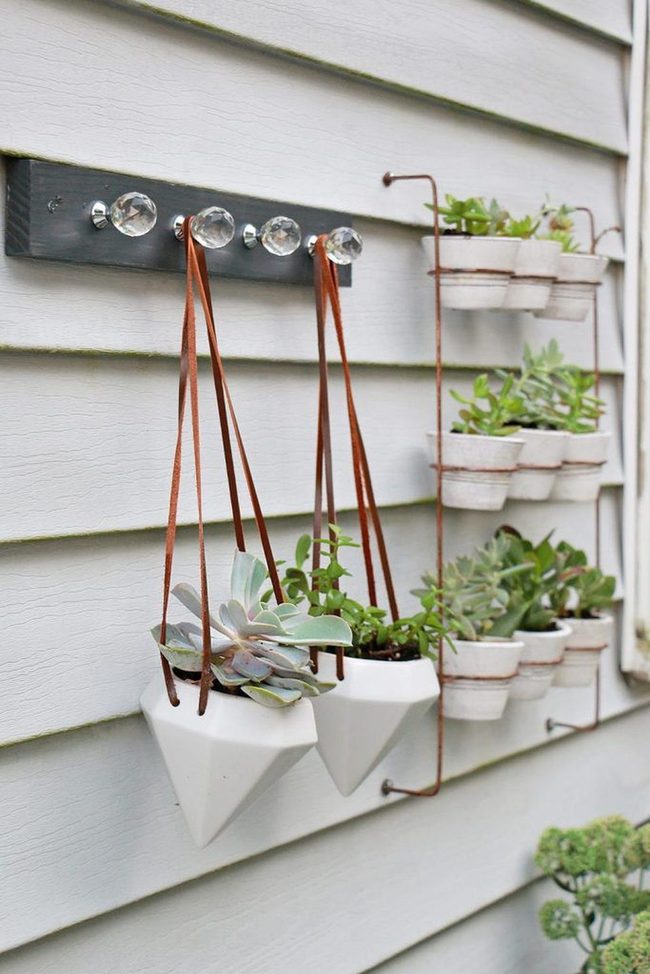
Sempervivums and sedums stand out as tough plants that handle freezing temperatures without flinching, making them perfect if you want a succulent garden that stays outdoors all winter long.
Most succulents struggle when temperatures drop, so these hardy varieties give you options beyond the usual tropical picks.
You can build an entire display with these cold-resistant plants and keep your garden looking full even when snow falls.
Winter-friendly succulents need less fussing than tender varieties, which means less work for you during the coldest months.
Stocking your garden beds with these sturdy types lets you enjoy the succulent look year-round instead of bringing everything inside each season Low-maintenance and reliable, cold-hardy succulents prove that your outdoor spaces don't have to go dormant just because the weather does.
Potted Citrus Brightens Winter Porches
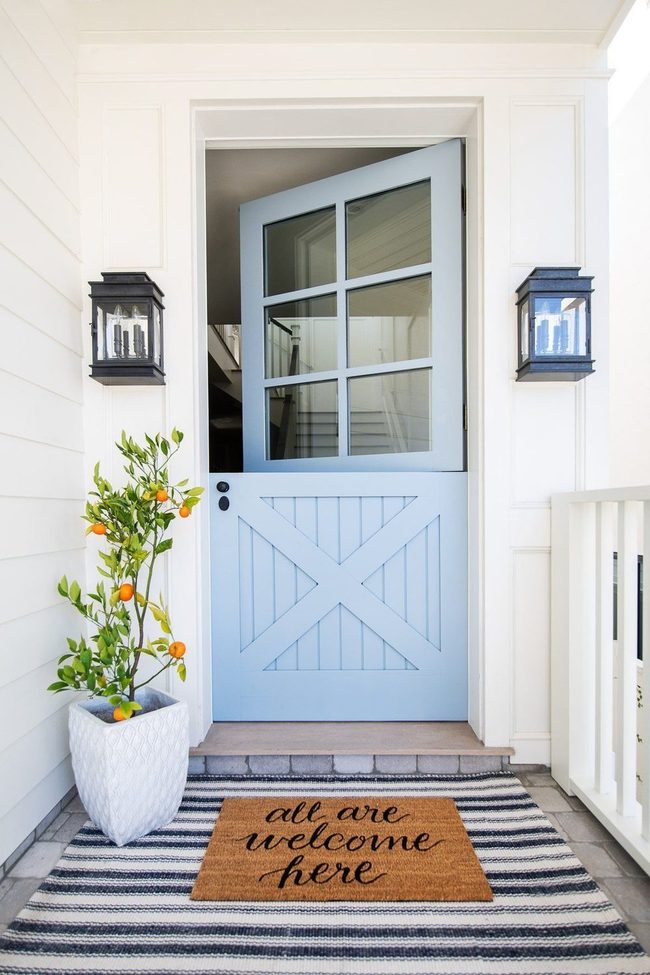
Citrus trees can brighten your outdoor space with their vibrant foliage and colorful fruit, making them a striking addition to any porch or patio.
Most people assume these trees need tropical climates, but they're surprisingly tough and can handle more cold than you'd expect.
While prolonged freezing temperatures will damage them, they bounce back from occasional frosts just fine.
You can start small with a young tree planted in an attractive pot, which gives you the flexibility to move it around as needed.
During a mild winter, your citrus tree will happily stay on your porch for months without much fuss.
Once temperatures dip below 40 degrees, you should check on it regularly and be ready to bring it inside if things get too harsh.
This simple approach lets you enjoy fresh citrus while keeping your tree safe and healthy throughout the year.
Michael Harris
Senior Content Editor
Expertise
Home Décor Content Creation, Interior Design Journalism, Editorial Oversight, Digital Media Strategy, Team Leadership and Mentorship
Education
University of Queensland, Brisbane, Australia
Queensland University of Technology (QUT), Brisbane, Australia
Michael Harris is the senior content editor at Archi Refresh, where he turns home design trends into engaging, easy-to-follow articles. With a journalism degree from the University of Queensland and a digital communication certification from QUT, he knows how to craft content that informs and inspires.
With over 10 years of experience in lifestyle and design media, Michael has shaped editorial strategies, mentored writers, and helped readers refresh their spaces with practical tips. His work blends storytelling with expert advice, making home decor more accessible to everyone.
Outside of work, Michael enjoys DIY projects, exploring Brisbane’s art scene, and teaching digital literacy workshops.